Spandidos Publications Logo
  • About
    • About Spandidos
    • Aims and Scopes
    • Abstracting and Indexing
    • Editorial Policies
    • Reprints and Permissions
    • Job Opportunities
    • Terms and Conditions
    • Contact
  • Journals
    • All Journals
    • Oncology Letters
      • Oncology Letters
      • Information for Authors
      • Editorial Policies
      • Editorial Board
      • Aims and Scope
      • Abstracting and Indexing
      • Bibliographic Information
      • Archive
    • International Journal of Oncology
      • International Journal of Oncology
      • Information for Authors
      • Editorial Policies
      • Editorial Board
      • Aims and Scope
      • Abstracting and Indexing
      • Bibliographic Information
      • Archive
    • Molecular and Clinical Oncology
      • Molecular and Clinical Oncology
      • Information for Authors
      • Editorial Policies
      • Editorial Board
      • Aims and Scope
      • Abstracting and Indexing
      • Bibliographic Information
      • Archive
    • Experimental and Therapeutic Medicine
      • Experimental and Therapeutic Medicine
      • Information for Authors
      • Editorial Policies
      • Editorial Board
      • Aims and Scope
      • Abstracting and Indexing
      • Bibliographic Information
      • Archive
    • International Journal of Molecular Medicine
      • International Journal of Molecular Medicine
      • Information for Authors
      • Editorial Policies
      • Editorial Board
      • Aims and Scope
      • Abstracting and Indexing
      • Bibliographic Information
      • Archive
    • Biomedical Reports
      • Biomedical Reports
      • Information for Authors
      • Editorial Policies
      • Editorial Board
      • Aims and Scope
      • Abstracting and Indexing
      • Bibliographic Information
      • Archive
    • Oncology Reports
      • Oncology Reports
      • Information for Authors
      • Editorial Policies
      • Editorial Board
      • Aims and Scope
      • Abstracting and Indexing
      • Bibliographic Information
      • Archive
    • Molecular Medicine Reports
      • Molecular Medicine Reports
      • Information for Authors
      • Editorial Policies
      • Editorial Board
      • Aims and Scope
      • Abstracting and Indexing
      • Bibliographic Information
      • Archive
    • World Academy of Sciences Journal
      • World Academy of Sciences Journal
      • Information for Authors
      • Editorial Policies
      • Editorial Board
      • Aims and Scope
      • Abstracting and Indexing
      • Bibliographic Information
      • Archive
    • International Journal of Functional Nutrition
      • International Journal of Functional Nutrition
      • Information for Authors
      • Editorial Policies
      • Editorial Board
      • Aims and Scope
      • Abstracting and Indexing
      • Bibliographic Information
      • Archive
    • International Journal of Epigenetics
      • International Journal of Epigenetics
      • Information for Authors
      • Editorial Policies
      • Editorial Board
      • Aims and Scope
      • Abstracting and Indexing
      • Bibliographic Information
      • Archive
    • Medicine International
      • Medicine International
      • Information for Authors
      • Editorial Policies
      • Editorial Board
      • Aims and Scope
      • Abstracting and Indexing
      • Bibliographic Information
      • Archive
  • Articles
  • Information
    • Information for Authors
    • Information for Reviewers
    • Information for Librarians
    • Information for Advertisers
    • Conferences
  • Language Editing
Spandidos Publications Logo
  • About
    • About Spandidos
    • Aims and Scopes
    • Abstracting and Indexing
    • Editorial Policies
    • Reprints and Permissions
    • Job Opportunities
    • Terms and Conditions
    • Contact
  • Journals
    • All Journals
    • Biomedical Reports
      • Information for Authors
      • Editorial Policies
      • Editorial Board
      • Aims and Scope
      • Abstracting and Indexing
      • Bibliographic Information
      • Archive
    • Experimental and Therapeutic Medicine
      • Information for Authors
      • Editorial Policies
      • Editorial Board
      • Aims and Scope
      • Abstracting and Indexing
      • Bibliographic Information
      • Archive
    • International Journal of Epigenetics
      • Information for Authors
      • Editorial Policies
      • Editorial Board
      • Aims and Scope
      • Abstracting and Indexing
      • Bibliographic Information
      • Archive
    • International Journal of Functional Nutrition
      • Information for Authors
      • Editorial Policies
      • Editorial Board
      • Aims and Scope
      • Abstracting and Indexing
      • Bibliographic Information
      • Archive
    • International Journal of Molecular Medicine
      • Information for Authors
      • Editorial Policies
      • Editorial Board
      • Aims and Scope
      • Abstracting and Indexing
      • Bibliographic Information
      • Archive
    • International Journal of Oncology
      • Information for Authors
      • Editorial Policies
      • Editorial Board
      • Aims and Scope
      • Abstracting and Indexing
      • Bibliographic Information
      • Archive
    • Medicine International
      • Information for Authors
      • Editorial Policies
      • Editorial Board
      • Aims and Scope
      • Abstracting and Indexing
      • Bibliographic Information
      • Archive
    • Molecular and Clinical Oncology
      • Information for Authors
      • Editorial Policies
      • Editorial Board
      • Aims and Scope
      • Abstracting and Indexing
      • Bibliographic Information
      • Archive
    • Molecular Medicine Reports
      • Information for Authors
      • Editorial Policies
      • Editorial Board
      • Aims and Scope
      • Abstracting and Indexing
      • Bibliographic Information
      • Archive
    • Oncology Letters
      • Information for Authors
      • Editorial Policies
      • Editorial Board
      • Aims and Scope
      • Abstracting and Indexing
      • Bibliographic Information
      • Archive
    • Oncology Reports
      • Information for Authors
      • Editorial Policies
      • Editorial Board
      • Aims and Scope
      • Abstracting and Indexing
      • Bibliographic Information
      • Archive
    • World Academy of Sciences Journal
      • Information for Authors
      • Editorial Policies
      • Editorial Board
      • Aims and Scope
      • Abstracting and Indexing
      • Bibliographic Information
      • Archive
  • Articles
  • Information
    • For Authors
    • For Reviewers
    • For Librarians
    • For Advertisers
    • Conferences
  • Language Editing
Login Register Submit
  • This site uses cookies
  • You can change your cookie settings at any time by following the instructions in our Cookie Policy. To find out more, you may read our Privacy Policy.

    I agree
Search articles by DOI, keyword, author or affiliation
Search
Advanced Search
presentation
Molecular Medicine Reports
Join Editorial Board Propose a Special Issue
Print ISSN: 1791-2997 Online ISSN: 1791-3004
Journal Cover
March-2023 Volume 27 Issue 3

Full Size Image

Sign up for eToc alerts
Recommend to Library

Journals

International Journal of Molecular Medicine

International Journal of Molecular Medicine

International Journal of Molecular Medicine is an international journal devoted to molecular mechanisms of human disease.

International Journal of Oncology

International Journal of Oncology

International Journal of Oncology is an international journal devoted to oncology research and cancer treatment.

Molecular Medicine Reports

Molecular Medicine Reports

Covers molecular medicine topics such as pharmacology, pathology, genetics, neuroscience, infectious diseases, molecular cardiology, and molecular surgery.

Oncology Reports

Oncology Reports

Oncology Reports is an international journal devoted to fundamental and applied research in Oncology.

Experimental and Therapeutic Medicine

Experimental and Therapeutic Medicine

Experimental and Therapeutic Medicine is an international journal devoted to laboratory and clinical medicine.

Oncology Letters

Oncology Letters

Oncology Letters is an international journal devoted to Experimental and Clinical Oncology.

Biomedical Reports

Biomedical Reports

Explores a wide range of biological and medical fields, including pharmacology, genetics, microbiology, neuroscience, and molecular cardiology.

Molecular and Clinical Oncology

Molecular and Clinical Oncology

International journal addressing all aspects of oncology research, from tumorigenesis and oncogenes to chemotherapy and metastasis.

World Academy of Sciences Journal

World Academy of Sciences Journal

Multidisciplinary open-access journal spanning biochemistry, genetics, neuroscience, environmental health, and synthetic biology.

International Journal of Functional Nutrition

International Journal of Functional Nutrition

Open-access journal combining biochemistry, pharmacology, immunology, and genetics to advance health through functional nutrition.

International Journal of Epigenetics

International Journal of Epigenetics

Publishes open-access research on using epigenetics to advance understanding and treatment of human disease.

Medicine International

Medicine International

An International Open Access Journal Devoted to General Medicine.

Journal Cover
March-2023 Volume 27 Issue 3

Full Size Image

Sign up for eToc alerts
Recommend to Library

  • Article
  • Citations
    • Cite This Article
    • Download Citation
    • Create Citation Alert
    • Remove Citation Alert
    • Cited By
  • Similar Articles
    • Related Articles (in Spandidos Publications)
    • Similar Articles (Google Scholar)
    • Similar Articles (PubMed)
  • Download PDF
  • Download XML
  • View XML
Article Open Access

P‑hydroxybenzyl alcohol ameliorates neuronal cerebral ischemia‑reperfusion injury by activating mitochondrial autophagy through SIRT1

  • Authors:
    • Xinglin Yu
    • Yuan Luo
    • Liping Yang
    • Pu Chen
    • Xiaohua Duan
  • View Affiliations / Copyright

    Affiliations: Yunnan Key Laboratory of Dai and Yi Medicines, Yunnan University of Chinese Medicine, Kunming, Yunnan 650500, P.R. China
    Copyright: © Yu et al. This is an open access article distributed under the terms of Creative Commons Attribution License.
  • Article Number: 68
    |
    Published online on: February 8, 2023
       https://doi.org/10.3892/mmr.2023.12955
  • Expand metrics +
Metrics: Total Views: 0 (Spandidos Publications: | PMC Statistics: )
Metrics: Total PDF Downloads: 0 (Spandidos Publications: | PMC Statistics: )
Cited By (CrossRef): 0 citations Loading Articles...

This article is mentioned in:


Abstract

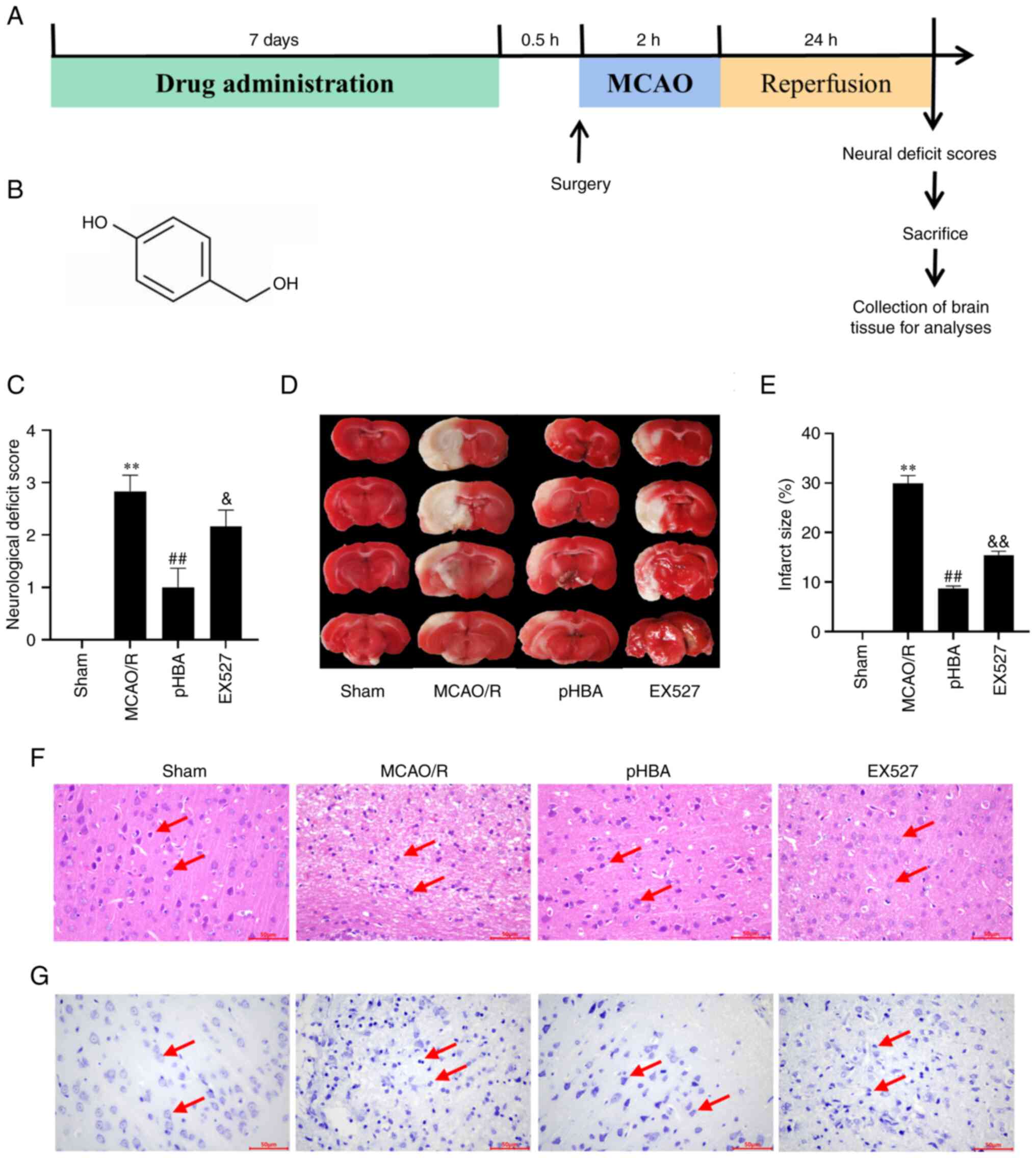
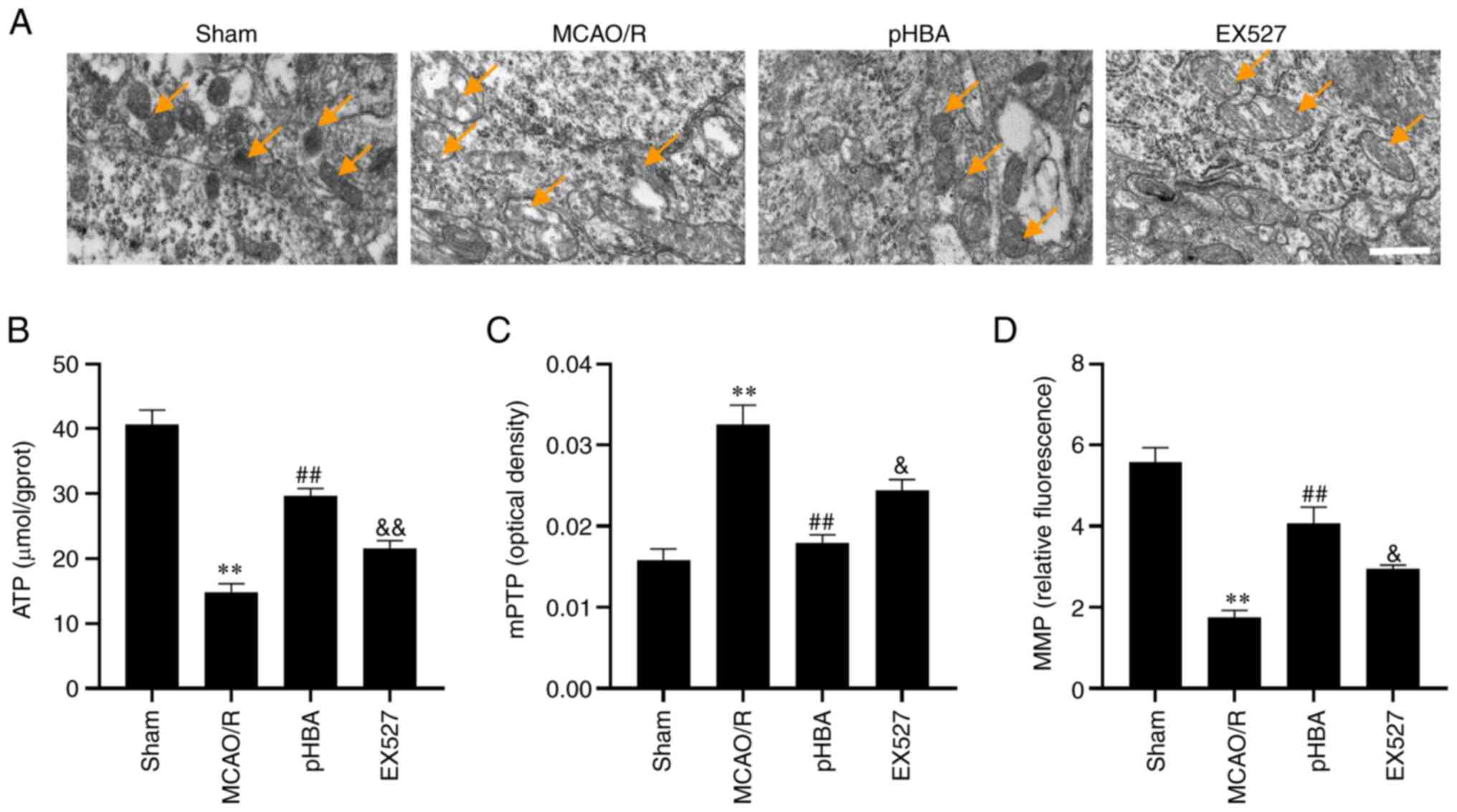
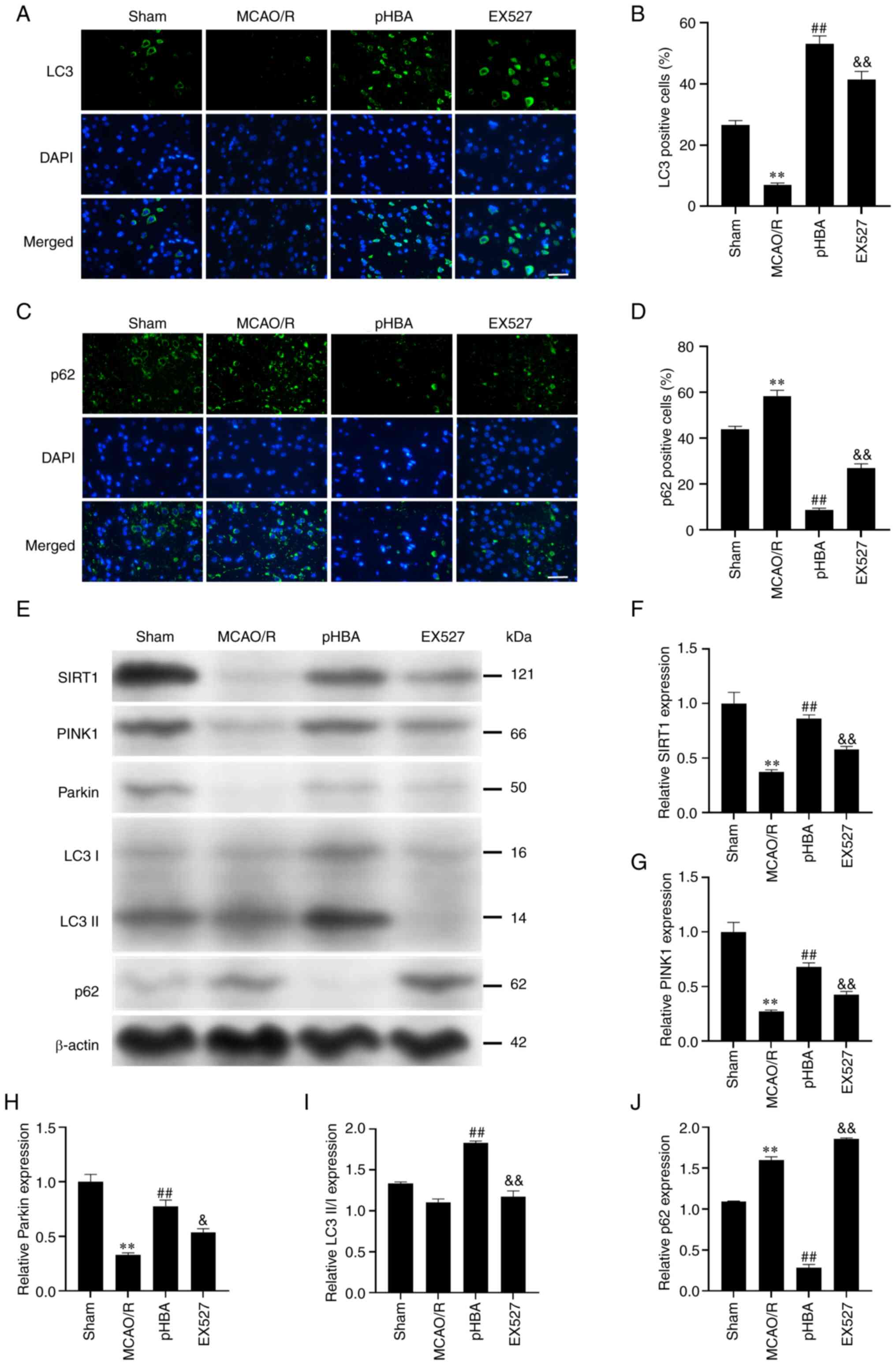
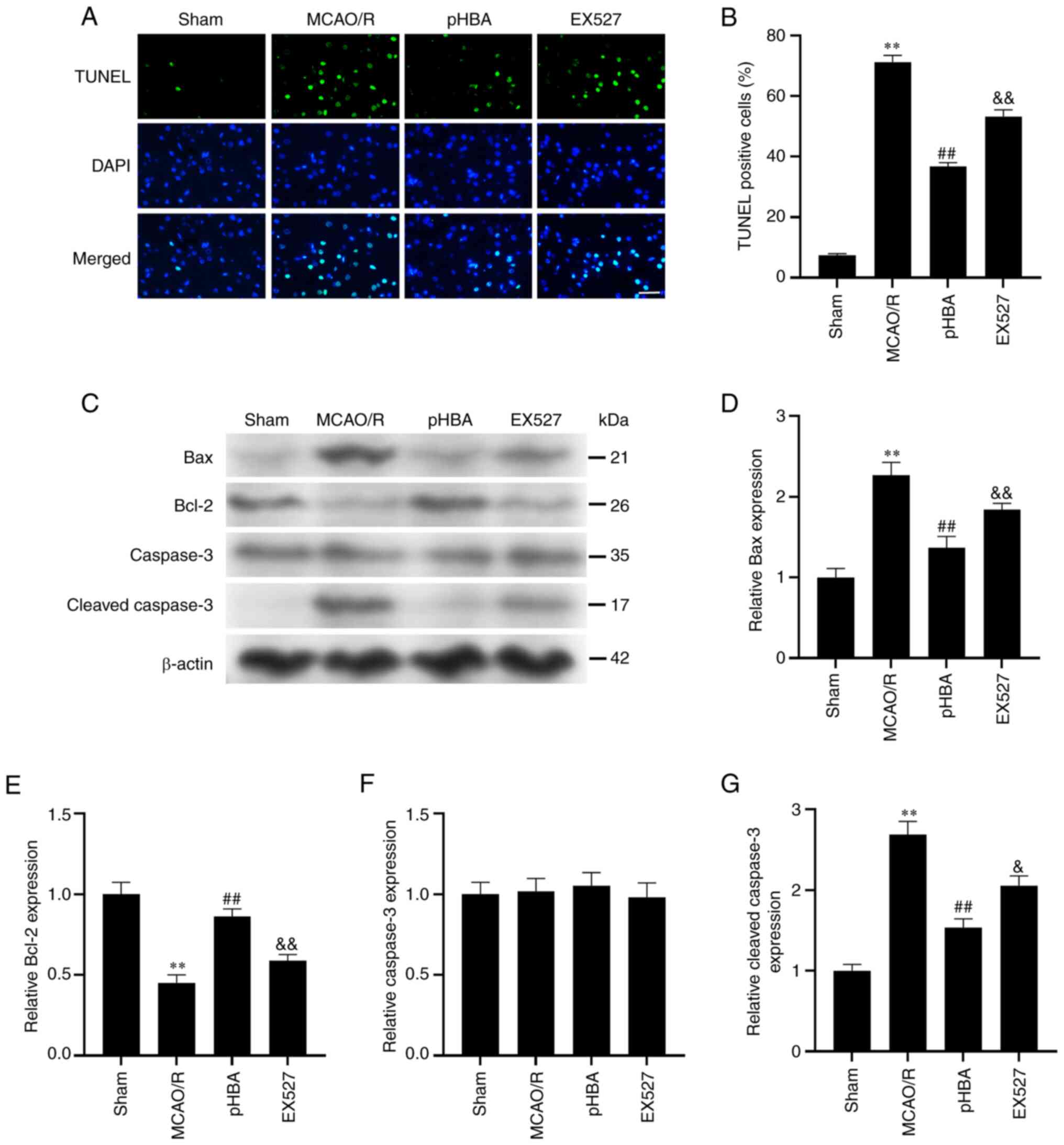
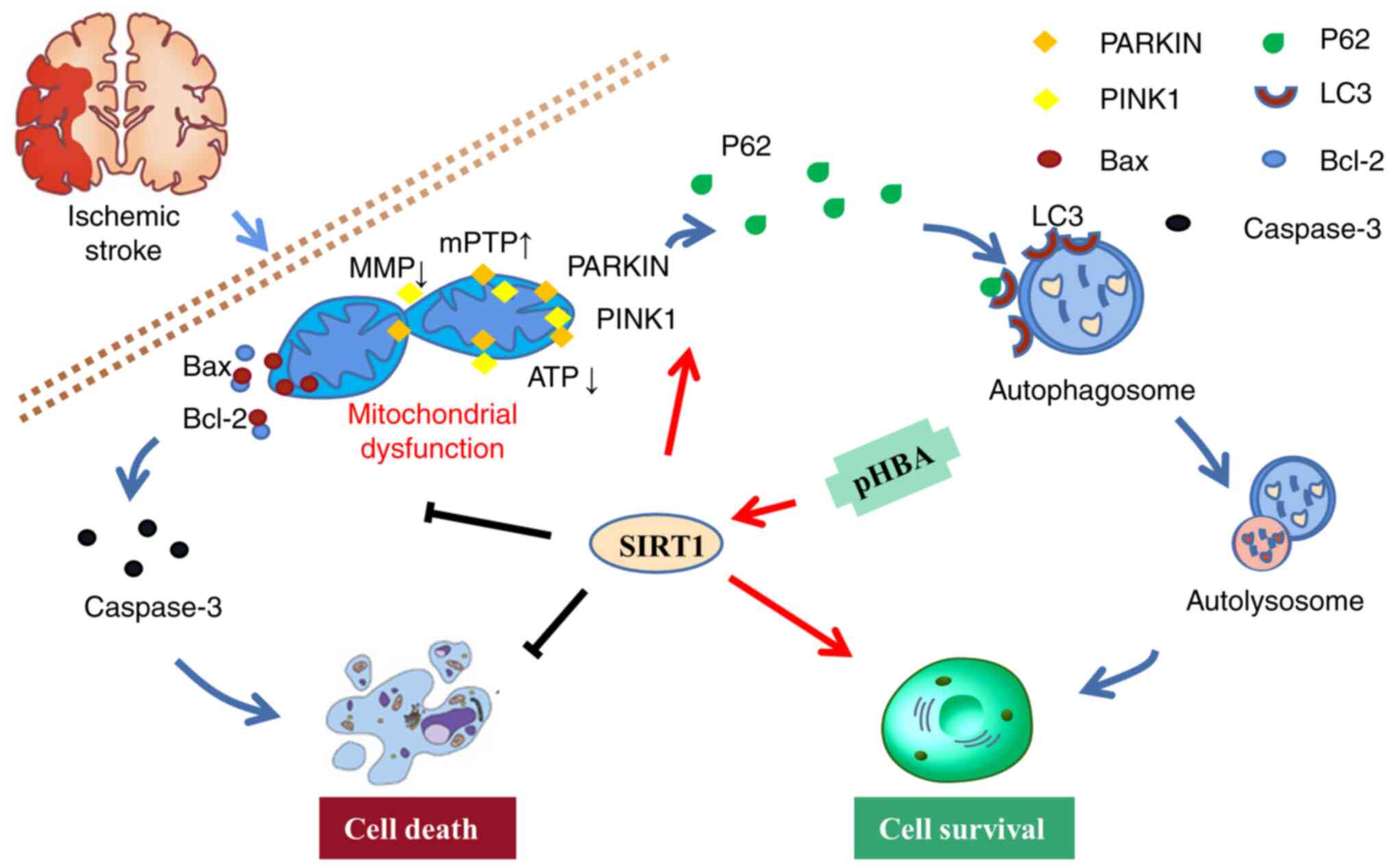
Mitochondrial autophagy serves a key role in clearing damaged mitochondria. P‑hydroxybenzyl alcohol (pHBA) can improve neuronal injury induced by cerebral ischemia‑reperfusion (I/R). However, the mechanism of pHBA improving I/R damage through the mitochondrial pathway remains unclear. A rat model of middle cerebral artery occlusion and reperfusion (MCAO/R) was used in the present study. The rats were treated with sirtuin 1 (SIRT1) inhibitor EX527 and pHBA for 7 days, followed by reperfusion. At 24 h after reperfusion, the infarct size was calculated and the severity of nerve damage was evaluated. Hematoxylin and eosin and Nissl staining revealed cellular changes in the ischemic penumbra. Changes in mitochondrial structure were observed using electron microscopy. Mitochondrial function was evaluated by detecting mitochondrial membrane potential (MMP), mitochondrial permeability transition pore (mPTP) and ATP levels using commercially available kits. In addition, the ischemic penumbra tissues were used for immunofluorescence staining for p62 and LC3 proteins. The expression of SIRT1 and mitochondrial autophagy‑related proteins, PTEN‑induced kinase 1 (PINK1) and Parkin, were detected by western blotting. Finally, apoptosis was analyzed by TUNEL staining and the expression of apoptosis‑related proteins (Bax, Bcl‑2 and Caspase‑3) by western blotting. The results suggested that postoperative pHBA treatment may reduce the size of cerebral infarction and damage to the nervous system, and may improve cell damage in the ischemic penumbra of MCAO/R rats. Compared with rats in the untreated MCAO/R group, the mitochondrial structure of the pHBA‑treated group was improved, the levels of MMP and ATP were increased, and the degree of opening of mPTP was decreased. Simultaneously, immunofluorescence and western blotting results showed that compared with the MCAO/R group, the number of LC3‑ and TUNEL‑positive cells increased, the number of p62‑positive cells decreased, SIRT1 and autophagy protein (PINK1, Parkin and LC3 II/I) expression levels increased and p62 expression decreased in the pHBA group. However, these improvements were blocked by treatment with EX527. In summary, results from the present study suggested that pHBA may improve neuronal injury in the ischemic penumbra of MCAO/R rats through SIRT1‑activated mitochondrial autophagy and mitochondrial‑mediated neuronal apoptosis.
View Figures

Figure 1

Figure 2

Figure 3

Figure 4

Figure 5

View References

1 

Feigin VL, Brainin M, Norrving B, Martins S, Sacco RL, Hacke W, Fisher M, Pandian J and Lindsay P: World Stroke Organization (WSO): Global stroke fact sheet 2022. Int J Stroke. 17:18–29. 2022. View Article : Google Scholar : PubMed/NCBI

2 

Collaborators GBDS, . Global, regional, and national burden of stroke and its risk factors, 1990–2019: A systematic analysis for the Global Burden of Disease Study 2019. Lancet Neurol. 20:795–820. 2021. View Article : Google Scholar : PubMed/NCBI

3 

Liu D, Wang H, Zhang Y and Zhang Z: Protective effects of chlorogenic acid on cerebral ischemia/reperfusion injury rats by regulating oxidative stress-related Nrf2 pathway. Drug Des Devel Ther. 14:51–60. 2020. View Article : Google Scholar : PubMed/NCBI

4 

Shen L, Gan Q, Yang Y, Reis C, Zhang Z, Xu S, Zhang T and Sun C: Mitophagy in cerebral ischemia and ischemia/reperfusion injury. Front Aging Neurosci. 13:6872462021. View Article : Google Scholar : PubMed/NCBI

5 

Eryildiz ES and Ozdemir AO: Factors associated with early recovery after intravenous thrombolytic therapy in acute ischemic stroke. Noro Psikiyatr Ars. 55:80–83. 2018.PubMed/NCBI

6 

Yuan Q, Yuan Y, Zheng Y, Sheng R, Liu L, Xie F and Tan J: Anti-cerebral ischemia reperfusion injury of polysaccharides: A review of the mechanisms. Biomed Pharmacother. 137:1113032021. View Article : Google Scholar : PubMed/NCBI

7 

Carinci M, Vezzani B, Patergnani S, Ludewig P, Lessmann K, Magnus T, Casetta I, Pugliatti M, Pinton P and Giorgi C: Different roles of mitochondria in cell death and inflammation: Focusing on mitochondrial quality control in ischemic stroke and reperfusion. Biomedicines. 9:1692021. View Article : Google Scholar : PubMed/NCBI

8 

Lai Y, Lin P, Chen M, Zhang Y, Chen J, Zheng M, Liu J, Du H, Chen R, Pan X, et al: Restoration of L-OPA1 alleviates acute ischemic stroke injury in rats via inhibiting neuronal apoptosis and preserving mitochondrial function. Redox Biol. 34:1015032020. View Article : Google Scholar : PubMed/NCBI

9 

Nakamura Y, Lo EH and Hayakawa K: Placental mitochondria therapy for cerebral ischemia-reperfusion injury in mice. Stroke. 51:3142–3146. 2020. View Article : Google Scholar : PubMed/NCBI

10 

Wang SD, Fu YY, Han XY, Yong ZJ, Li Q, Hu Z and Liu ZG: Hyperbaric oxygen preconditioning protects against cerebral ischemia/reperfusion injury by inhibiting mitochondrial apoptosis and energy metabolism disturbance. Neurochem Res. 46:866–877. 2021. View Article : Google Scholar : PubMed/NCBI

11 

Lei L, Yang S, Lu X, Zhang Y and Li T: Research progress on the mechanism of mitochondrial autophagy in cerebral stroke. Front Aging Neurosci. 13:6986012021. View Article : Google Scholar : PubMed/NCBI

12 

Anzell AR, Maizy R, Przyklenk K and Sanderson TH: Mitochondrial quality control and disease: Insights into ischemia-reperfusion injury. Mol Neurobiol. 55:2547–2564. 2018. View Article : Google Scholar : PubMed/NCBI

13 

Mao Z, Tian L, Liu J, Wu Q, Wang N, Wang G, Wang Y and Seto S: Ligustilide ameliorates hippocampal neuronal injury after cerebral ischemia reperfusion through activating PINK1/Parkin-dependent mitophagy. Phytomedicine. 101:1541112022. View Article : Google Scholar : PubMed/NCBI

14 

Wen H, Li L, Zhan L, Zuo Y, Li K, Qiu M, Li H, Sun W and Xu E: Hypoxic postconditioning promotes mitophagy against transient global cerebral ischemia via PINK1/Parkin-induced mitochondrial ubiquitination in adult rats. Cell Death Dis. 12:6302021. View Article : Google Scholar : PubMed/NCBI

15 

Wu M, Lu G, Lao YZ, Zhang H, Zheng D, Zheng ZQ, Yi J, Xiang Q, Wang LM, Tan HS, et al: Garciesculenxanthone B induces PINK1-Parkin-mediated mitophagy and prevents ischemia-reperfusion brain injury in mice. Acta Pharmacol Sin. 42:199–208. 2021. View Article : Google Scholar : PubMed/NCBI

16 

Tang Q, Len Q, Liu Z and Wang W: Overexpression of miR-22 attenuates oxidative stress injury in diabetic cardiomyopathy via Sirt 1. Cardiovasc Ther. 36:2018. View Article : Google Scholar

17 

Xian W, Li T, Li L, Hu L and Cao J: Maresin 1 attenuates the inflammatory response and mitochondrial damage in mice with cerebral ischemia/reperfusion in a SIRT1-dependent manner. Brain Res. 1711:83–90. 2019. View Article : Google Scholar : PubMed/NCBI

18 

Chen L, Cao J, Cao D, Wang M, Xiang H, Yang Y, Ying T and Cong H: Protective effect of dexmedetomidine against diabetic hyperglycemia-exacerbated cerebral ischemia/reperfusion injury: An in vivo and in vitro study. Life Sci. 235:1165532019. View Article : Google Scholar : PubMed/NCBI

19 

Ojemann LM, Nelson WL, Shin DS, Rowe AO and Buchanan RA: Tian ma, an ancient Chinese herb, offers new options for the treatment of epilepsy and other conditions. Epilepsy Behav. 8:376–383. 2006. View Article : Google Scholar : PubMed/NCBI

20 

Xiao T, Yang L, Chen P and Duan X: Para-hydroxybenzaldehyde against transient focal cerebral ischemia in rats via mitochondrial preservation. Exp Ther Med. 24:7162022. View Article : Google Scholar : PubMed/NCBI

21 

Zhang ZL, Gao YG, Zang P, Gu PP, Zhao Y, He ZM and Zhu HY: Research progress on mechanism of gastrodin and p-hydroxybenzyl alcohol on central nervous system. Zhongguo Zhong Yao Za Zhi. 45:312–320. 2020.(In Chinese). PubMed/NCBI

22 

Yan HW, Jia YY, Yang Y, Song XL, He FY and Lin Q: The protective effect of 4-hydroxybenzyl alcohol on blood brain barrier in MCAO/R model rats. Pharmacology and Clinics of Chinese Materia. 32:22–25. 2016.

23 

Jiang S, Liu SS, Xiang B, Lin Q and Li XF: Effect of 4-hydroxybenzyl alcohol on inflammatory cytokines in rats with acute cerebral ischemic injury. Chinese Traditional Patent Medicine. 37:2132–2135. 2015.

24 

Yu SS, Zhao J, Zheng WP and Zhao Y: Neuroprotective effect of 4-hydroxybenzyl alcohol against transient focal cerebral ischemia via anti-apoptosis in rats. Brain Res. 1308:167–175. 2010. View Article : Google Scholar : PubMed/NCBI

25 

Kim HJ, Hwang IK and Won MH: Vanillin, 4-hydroxybenzyl aldehyde and 4-hydroxybenzyl alcohol prevent hippocampal CA1 cell death following global ischemia. Brain Res. 1181:130–141. 2007. View Article : Google Scholar : PubMed/NCBI

26 

Guide for the Care and Use of Laboratory Animals. National Academies Press; Washington, DC: 1996

27 

Longa EZ, Weinstein PR, Carlson S and Cummins R: Reversible middle cerebral artery occlusion without craniectomy in rats. Stroke. 20:84–91. 1989. View Article : Google Scholar : PubMed/NCBI

28 

Li H, Peng D, Zhang SJ, Zhang Y, Wang Q and Guan L: Buyang Huanwu Decoction promotes neurogenesis via sirtuin 1/autophagy pathway in a cerebral ischemia model. Mol Med Rep. 24:7912021. View Article : Google Scholar : PubMed/NCBI

29 

Lee J, Kang CG, Park CR, Hong IK and Kim DY: The neuroprotective effects of pregabalin after cerebral ischemia by occlusion of the middle cerebral artery in rats. Exp Ther Med. 21:1652021. View Article : Google Scholar : PubMed/NCBI

30 

He Z, Ning N, Zhou Q, Khoshnam SE and Farzaneh M: Mitochondria as a therapeutic target for ischemic stroke. Free Radic Biol Med. 146:45–58. 2020. View Article : Google Scholar : PubMed/NCBI

31 

Huang P, Wu SP, Wang N, Seto S and Chang D: Hydroxysafflor yellow A alleviates cerebral ischemia reperfusion injury by suppressing apoptosis via mitochondrial permeability transition pore. Phytomedicine. 85:1535322021. View Article : Google Scholar : PubMed/NCBI

32 

Wang R, Zhu Y, Ren C, Yang S, Tian S, Chen H, Jin M and Zhou H: Influenza A virus protein PB1-F2 impairs innate immunity by inducing mitophagy. Autophagy. 17:496–511. 2021. View Article : Google Scholar : PubMed/NCBI

33 

Lyu W, Li Q, Wang Y, Du C, Feng F, Chi H, Li Y, Liu W and Sun H: Computational design of binder as the LC3-p62 protein-protein interaction. Bioorg Chem. 115:1052412021. View Article : Google Scholar : PubMed/NCBI

34 

Deng S, Liu S, Jin P, Feng S, Tian M, Wei P, Zhu H, Tan J, Zhao F and Gong Y: Albumin reduces oxidative stress and neuronal apoptosis via the ERK/Nrf2/HO-1 pathway after intracerebral hemorrhage in rats. Oxid Med Cell Longev. 2021:88913732021. View Article : Google Scholar : PubMed/NCBI

35 

Cai Y, Yang E, Yao X, Zhang X, Wang Q, Wang Y, Liu J, Fan W, Yi K, Kang C and Wu J: FUNDC1-dependent mitophagy induced by tPA protects neurons against cerebral ischemia-reperfusion injury. Redox Biol. 38:1017922021. View Article : Google Scholar : PubMed/NCBI

36 

Yang L, Tao Y, Luo L, Zhang Y, Wang X and Meng X: Dengzhan Xixin injection derived from a traditional Chinese herb Erigeron breviscapus ameliorates cerebral ischemia/reperfusion injury in rats via modulation of mitophagy and mitochondrial apoptosis. J Ethnopharmacol. 288:1149882022. View Article : Google Scholar : PubMed/NCBI

37 

Duan C, Wang L, Zhang J, Xiang X, Wu Y, Zhang Z, Li Q, Tian K, Xue M, Liu L and Li T: Mdivi-1 attenuates oxidative stress and exerts vascular protection in ischemic/hypoxic injury by a mechanism independent of Drp1 GTPase activity. Redox Biol. 37:1017062020. View Article : Google Scholar : PubMed/NCBI

38 

Gu C, Li L, Huang Y, Qian D, Liu W, Zhang C, Luo Y, Zhou Z, Kong F, Zhao X, et al: Salidroside ameliorates mitochondria-dependent neuronal apoptosis after spinal cord ischemia-reperfusion injury partially through inhibiting oxidative stress and promoting mitophagy. Oxid Med Cell Longev. 2020:35497042020. View Article : Google Scholar : PubMed/NCBI

39 

Song M, Zhou Y and Fan X: Mitochondrial quality and quantity control: mitophagy is a potential therapeutic target for ischemic stroke. Mol Neurobiol. 59:3110–3123. 2022. View Article : Google Scholar : PubMed/NCBI

40 

He Q, Li Z, Wang Y, Hou Y, Li L and Zhao J: Resveratrol alleviates cerebral ischemia/reperfusion injury in rats by inhibiting NLRP3 inflammasome activation through Sirt1-dependent autophagy induction. Int Immunopharmacol. 50:208–215. 2017. View Article : Google Scholar : PubMed/NCBI

41 

Han B, Li S, Lv Y, Yang D, Li J, Yang Q, Wu P, Lv Z and Zhang Z: Dietary melatonin attenuates chromium-induced lung injury via activating the Sirt1/Pgc-1alpha/Nrf2 pathway. Food Funct. 10:5555–5565. 2019. View Article : Google Scholar : PubMed/NCBI

42 

Li M, Li SC, Dou BK, Zou YX, Han HZ, Liu DX, Ke ZJ and Wang ZF: Cycloastragenol upregulates SIRT1 expression, attenuates apoptosis and suppresses neuroinflammation after brain ischemia. Acta Pharmacol Sin. 41:1025–1032. 2020. View Article : Google Scholar : PubMed/NCBI

43 

Song W, Liu ML, Zhao ZJ, Huang CQ, Xu JW, Wang AQ, Li P and Fan YB: SIRT1 inhibits high shear stress-induced apoptosis in rat cortical neurons. Cell Mol Bioeng. 13:621–631. 2020. View Article : Google Scholar : PubMed/NCBI

44 

Duan J, Cui J, Zheng H, Xi M, Guo C, Weng Y, Yin Y, Wei G, Cao J, Wang Y, et al: Aralia taibaiensis protects against I/R-induced brain cell injury through the Akt/SIRT1/FOXO3a pathway. Oxid Med Cell Longev. 2019:76097652019. View Article : Google Scholar : PubMed/NCBI

45 

Tang BL: Sirt1 and the mitochondria. Mol Cells. 39:87–95. 2016. View Article : Google Scholar : PubMed/NCBI

46 

Huang S, Hong Z, Zhang L, Guo J, Li Y and Li K: CERKL alleviates ischemia reperfusion-induced nervous system injury through modulating the SIRT1/PINK1/Parkin pathway and mitophagy induction. Biol Chem. 403:691–701. 2022. View Article : Google Scholar : PubMed/NCBI

47 

Shao Z, Dou S, Zhu J, Wang H, Xu D, Wang C, Cheng B and Bai B: Apelin-36 protects HT22 cells against oxygen-glucose deprivation/reperfusion-induced oxidative stress and mitochondrial dysfunction by promoting SIRT1-mediated PINK1/Parkin-dependent mitophagy. Neurotox Res. 39:740–753. 2021. View Article : Google Scholar : PubMed/NCBI

48 

Xu DH, Bao XQ, Wu XW, Xing Y and Tan CY: Metabolic engineering study on biosynthesis of 4-hydroxybenzyl alcohol from L-tyrosine in Escherichia coli. Zhongguo Zhong Yao Za Zhi. 47:906–912. 2022.(In Chinese). PubMed/NCBI

Related Articles

  • Abstract
  • View
  • Download
  • Twitter
Copy and paste a formatted citation
Spandidos Publications style
Yu X, Luo Y, Yang L, Chen P and Duan X: P‑hydroxybenzyl alcohol ameliorates neuronal cerebral ischemia‑reperfusion injury by activating mitochondrial autophagy through SIRT1. Mol Med Rep 27: 68, 2023.
APA
Yu, X., Luo, Y., Yang, L., Chen, P., & Duan, X. (2023). P‑hydroxybenzyl alcohol ameliorates neuronal cerebral ischemia‑reperfusion injury by activating mitochondrial autophagy through SIRT1. Molecular Medicine Reports, 27, 68. https://doi.org/10.3892/mmr.2023.12955
MLA
Yu, X., Luo, Y., Yang, L., Chen, P., Duan, X."P‑hydroxybenzyl alcohol ameliorates neuronal cerebral ischemia‑reperfusion injury by activating mitochondrial autophagy through SIRT1". Molecular Medicine Reports 27.3 (2023): 68.
Chicago
Yu, X., Luo, Y., Yang, L., Chen, P., Duan, X."P‑hydroxybenzyl alcohol ameliorates neuronal cerebral ischemia‑reperfusion injury by activating mitochondrial autophagy through SIRT1". Molecular Medicine Reports 27, no. 3 (2023): 68. https://doi.org/10.3892/mmr.2023.12955
Copy and paste a formatted citation
x
Spandidos Publications style
Yu X, Luo Y, Yang L, Chen P and Duan X: P‑hydroxybenzyl alcohol ameliorates neuronal cerebral ischemia‑reperfusion injury by activating mitochondrial autophagy through SIRT1. Mol Med Rep 27: 68, 2023.
APA
Yu, X., Luo, Y., Yang, L., Chen, P., & Duan, X. (2023). P‑hydroxybenzyl alcohol ameliorates neuronal cerebral ischemia‑reperfusion injury by activating mitochondrial autophagy through SIRT1. Molecular Medicine Reports, 27, 68. https://doi.org/10.3892/mmr.2023.12955
MLA
Yu, X., Luo, Y., Yang, L., Chen, P., Duan, X."P‑hydroxybenzyl alcohol ameliorates neuronal cerebral ischemia‑reperfusion injury by activating mitochondrial autophagy through SIRT1". Molecular Medicine Reports 27.3 (2023): 68.
Chicago
Yu, X., Luo, Y., Yang, L., Chen, P., Duan, X."P‑hydroxybenzyl alcohol ameliorates neuronal cerebral ischemia‑reperfusion injury by activating mitochondrial autophagy through SIRT1". Molecular Medicine Reports 27, no. 3 (2023): 68. https://doi.org/10.3892/mmr.2023.12955
Follow us
  • Twitter
  • LinkedIn
  • Facebook
About
  • Spandidos Publications
  • Careers
  • Cookie Policy
  • Privacy Policy
How can we help?
  • Help
  • Live Chat
  • Contact
  • Email to our Support Team