Spandidos Publications Logo
  • About
    • About Spandidos
    • Aims and Scopes
    • Abstracting and Indexing
    • Editorial Policies
    • Reprints and Permissions
    • Job Opportunities
    • Terms and Conditions
    • Contact
  • Journals
    • All Journals
    • Oncology Letters
      • Oncology Letters
      • Information for Authors
      • Editorial Policies
      • Editorial Board
      • Aims and Scope
      • Abstracting and Indexing
      • Bibliographic Information
      • Archive
    • International Journal of Oncology
      • International Journal of Oncology
      • Information for Authors
      • Editorial Policies
      • Editorial Board
      • Aims and Scope
      • Abstracting and Indexing
      • Bibliographic Information
      • Archive
    • Molecular and Clinical Oncology
      • Molecular and Clinical Oncology
      • Information for Authors
      • Editorial Policies
      • Editorial Board
      • Aims and Scope
      • Abstracting and Indexing
      • Bibliographic Information
      • Archive
    • Experimental and Therapeutic Medicine
      • Experimental and Therapeutic Medicine
      • Information for Authors
      • Editorial Policies
      • Editorial Board
      • Aims and Scope
      • Abstracting and Indexing
      • Bibliographic Information
      • Archive
    • International Journal of Molecular Medicine
      • International Journal of Molecular Medicine
      • Information for Authors
      • Editorial Policies
      • Editorial Board
      • Aims and Scope
      • Abstracting and Indexing
      • Bibliographic Information
      • Archive
    • Biomedical Reports
      • Biomedical Reports
      • Information for Authors
      • Editorial Policies
      • Editorial Board
      • Aims and Scope
      • Abstracting and Indexing
      • Bibliographic Information
      • Archive
    • Oncology Reports
      • Oncology Reports
      • Information for Authors
      • Editorial Policies
      • Editorial Board
      • Aims and Scope
      • Abstracting and Indexing
      • Bibliographic Information
      • Archive
    • Molecular Medicine Reports
      • Molecular Medicine Reports
      • Information for Authors
      • Editorial Policies
      • Editorial Board
      • Aims and Scope
      • Abstracting and Indexing
      • Bibliographic Information
      • Archive
    • World Academy of Sciences Journal
      • World Academy of Sciences Journal
      • Information for Authors
      • Editorial Policies
      • Editorial Board
      • Aims and Scope
      • Abstracting and Indexing
      • Bibliographic Information
      • Archive
    • International Journal of Functional Nutrition
      • International Journal of Functional Nutrition
      • Information for Authors
      • Editorial Policies
      • Editorial Board
      • Aims and Scope
      • Abstracting and Indexing
      • Bibliographic Information
      • Archive
    • International Journal of Epigenetics
      • International Journal of Epigenetics
      • Information for Authors
      • Editorial Policies
      • Editorial Board
      • Aims and Scope
      • Abstracting and Indexing
      • Bibliographic Information
      • Archive
    • Medicine International
      • Medicine International
      • Information for Authors
      • Editorial Policies
      • Editorial Board
      • Aims and Scope
      • Abstracting and Indexing
      • Bibliographic Information
      • Archive
  • Articles
  • Information
    • Information for Authors
    • Information for Reviewers
    • Information for Librarians
    • Information for Advertisers
    • Conferences
  • Language Editing
Spandidos Publications Logo
  • About
    • About Spandidos
    • Aims and Scopes
    • Abstracting and Indexing
    • Editorial Policies
    • Reprints and Permissions
    • Job Opportunities
    • Terms and Conditions
    • Contact
  • Journals
    • All Journals
    • Biomedical Reports
      • Information for Authors
      • Editorial Policies
      • Editorial Board
      • Aims and Scope
      • Abstracting and Indexing
      • Bibliographic Information
      • Archive
    • Experimental and Therapeutic Medicine
      • Information for Authors
      • Editorial Policies
      • Editorial Board
      • Aims and Scope
      • Abstracting and Indexing
      • Bibliographic Information
      • Archive
    • International Journal of Epigenetics
      • Information for Authors
      • Editorial Policies
      • Editorial Board
      • Aims and Scope
      • Abstracting and Indexing
      • Bibliographic Information
      • Archive
    • International Journal of Functional Nutrition
      • Information for Authors
      • Editorial Policies
      • Editorial Board
      • Aims and Scope
      • Abstracting and Indexing
      • Bibliographic Information
      • Archive
    • International Journal of Molecular Medicine
      • Information for Authors
      • Editorial Policies
      • Editorial Board
      • Aims and Scope
      • Abstracting and Indexing
      • Bibliographic Information
      • Archive
    • International Journal of Oncology
      • Information for Authors
      • Editorial Policies
      • Editorial Board
      • Aims and Scope
      • Abstracting and Indexing
      • Bibliographic Information
      • Archive
    • Medicine International
      • Information for Authors
      • Editorial Policies
      • Editorial Board
      • Aims and Scope
      • Abstracting and Indexing
      • Bibliographic Information
      • Archive
    • Molecular and Clinical Oncology
      • Information for Authors
      • Editorial Policies
      • Editorial Board
      • Aims and Scope
      • Abstracting and Indexing
      • Bibliographic Information
      • Archive
    • Molecular Medicine Reports
      • Information for Authors
      • Editorial Policies
      • Editorial Board
      • Aims and Scope
      • Abstracting and Indexing
      • Bibliographic Information
      • Archive
    • Oncology Letters
      • Information for Authors
      • Editorial Policies
      • Editorial Board
      • Aims and Scope
      • Abstracting and Indexing
      • Bibliographic Information
      • Archive
    • Oncology Reports
      • Information for Authors
      • Editorial Policies
      • Editorial Board
      • Aims and Scope
      • Abstracting and Indexing
      • Bibliographic Information
      • Archive
    • World Academy of Sciences Journal
      • Information for Authors
      • Editorial Policies
      • Editorial Board
      • Aims and Scope
      • Abstracting and Indexing
      • Bibliographic Information
      • Archive
  • Articles
  • Information
    • For Authors
    • For Reviewers
    • For Librarians
    • For Advertisers
    • Conferences
  • Language Editing
Login Register Submit
  • This site uses cookies
  • You can change your cookie settings at any time by following the instructions in our Cookie Policy. To find out more, you may read our Privacy Policy.

    I agree
Search articles by DOI, keyword, author or affiliation
Search
Advanced Search
presentation
Molecular Medicine Reports
Join Editorial Board Propose a Special Issue
Print ISSN: 1791-2997 Online ISSN: 1791-3004
Journal Cover
May-2024 Volume 29 Issue 5

Full Size Image

Sign up for eToc alerts
Recommend to Library

Journals

International Journal of Molecular Medicine

International Journal of Molecular Medicine

International Journal of Molecular Medicine is an international journal devoted to molecular mechanisms of human disease.

International Journal of Oncology

International Journal of Oncology

International Journal of Oncology is an international journal devoted to oncology research and cancer treatment.

Molecular Medicine Reports

Molecular Medicine Reports

Covers molecular medicine topics such as pharmacology, pathology, genetics, neuroscience, infectious diseases, molecular cardiology, and molecular surgery.

Oncology Reports

Oncology Reports

Oncology Reports is an international journal devoted to fundamental and applied research in Oncology.

Experimental and Therapeutic Medicine

Experimental and Therapeutic Medicine

Experimental and Therapeutic Medicine is an international journal devoted to laboratory and clinical medicine.

Oncology Letters

Oncology Letters

Oncology Letters is an international journal devoted to Experimental and Clinical Oncology.

Biomedical Reports

Biomedical Reports

Explores a wide range of biological and medical fields, including pharmacology, genetics, microbiology, neuroscience, and molecular cardiology.

Molecular and Clinical Oncology

Molecular and Clinical Oncology

International journal addressing all aspects of oncology research, from tumorigenesis and oncogenes to chemotherapy and metastasis.

World Academy of Sciences Journal

World Academy of Sciences Journal

Multidisciplinary open-access journal spanning biochemistry, genetics, neuroscience, environmental health, and synthetic biology.

International Journal of Functional Nutrition

International Journal of Functional Nutrition

Open-access journal combining biochemistry, pharmacology, immunology, and genetics to advance health through functional nutrition.

International Journal of Epigenetics

International Journal of Epigenetics

Publishes open-access research on using epigenetics to advance understanding and treatment of human disease.

Medicine International

Medicine International

An International Open Access Journal Devoted to General Medicine.

Journal Cover
May-2024 Volume 29 Issue 5

Full Size Image

Sign up for eToc alerts
Recommend to Library

  • Article
  • Citations
    • Cite This Article
    • Download Citation
    • Create Citation Alert
    • Remove Citation Alert
    • Cited By
  • Similar Articles
    • Related Articles (in Spandidos Publications)
    • Similar Articles (Google Scholar)
    • Similar Articles (PubMed)
  • Download PDF
  • Download XML
  • View XML
Article Open Access

Doxorubicin‑induced cardiomyopathy is mitigated by empagliflozin via the modulation of endoplasmic reticulum stress pathways

  • Authors:
    • Akshi Malik
    • Ashim K. Bagchi
    • Davinder S. Jassal
    • Pawan K. Singal
  • View Affiliations / Copyright

    Affiliations: Institute of Cardiovascular Sciences, St. Boniface Hospital Albrechtsen Research Centre, Department of Physiology and Pathophysiology, University of Manitoba, Winnipeg R2H 2A6, Canada, Department of Pharmaceutical Sciences, College of Pharmacy, University of Arkansas for Medical Sciences, Little Rock, AR 72205, USA
    Copyright: © Malik et al. This is an open access article distributed under the terms of Creative Commons Attribution License.
  • Article Number: 74
    |
    Published online on: March 12, 2024
       https://doi.org/10.3892/mmr.2024.13198
  • Expand metrics +
Metrics: Total Views: 0 (Spandidos Publications: | PMC Statistics: )
Metrics: Total PDF Downloads: 0 (Spandidos Publications: | PMC Statistics: )
Cited By (CrossRef): 0 citations Loading Articles...

This article is mentioned in:


Abstract

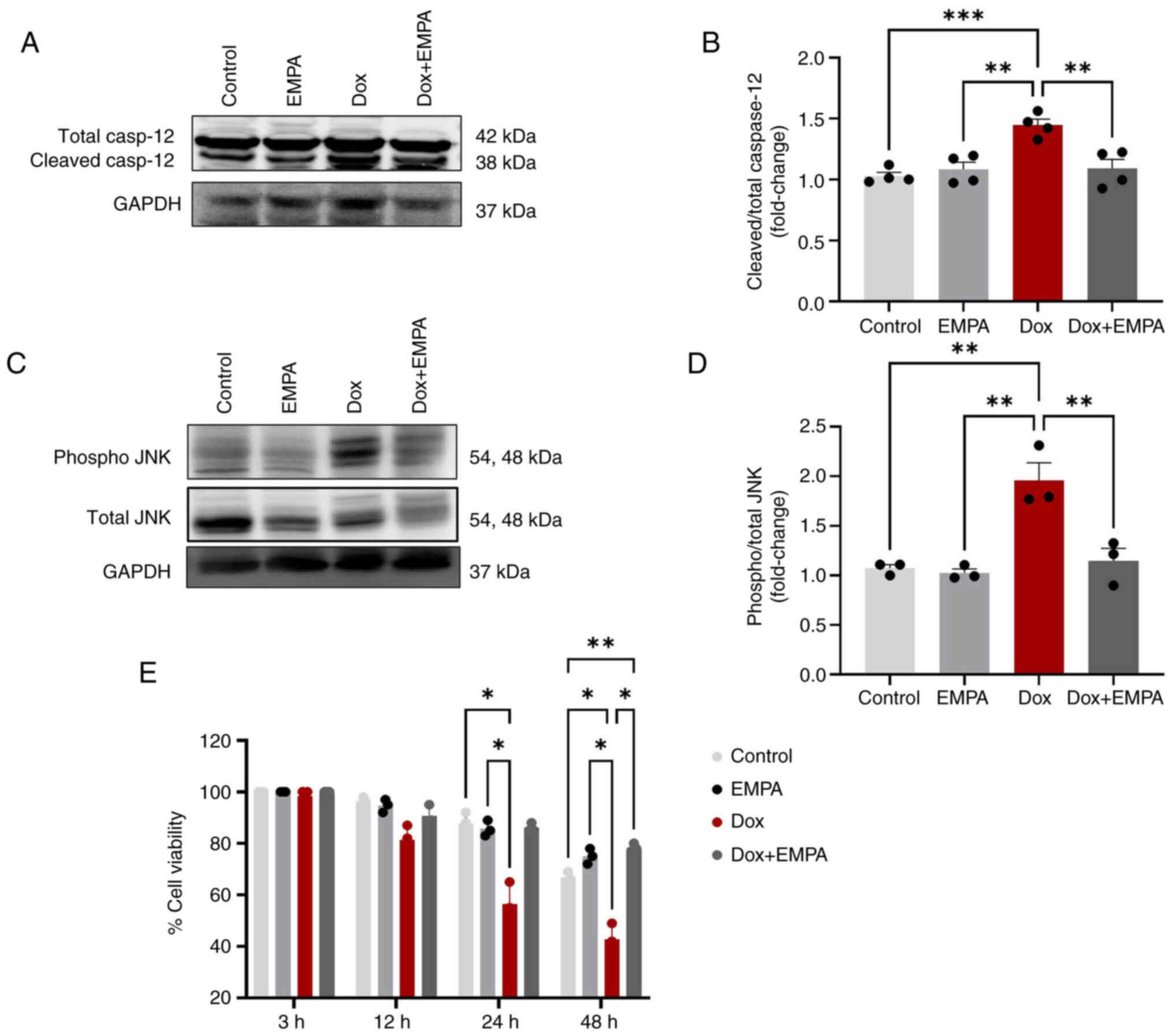
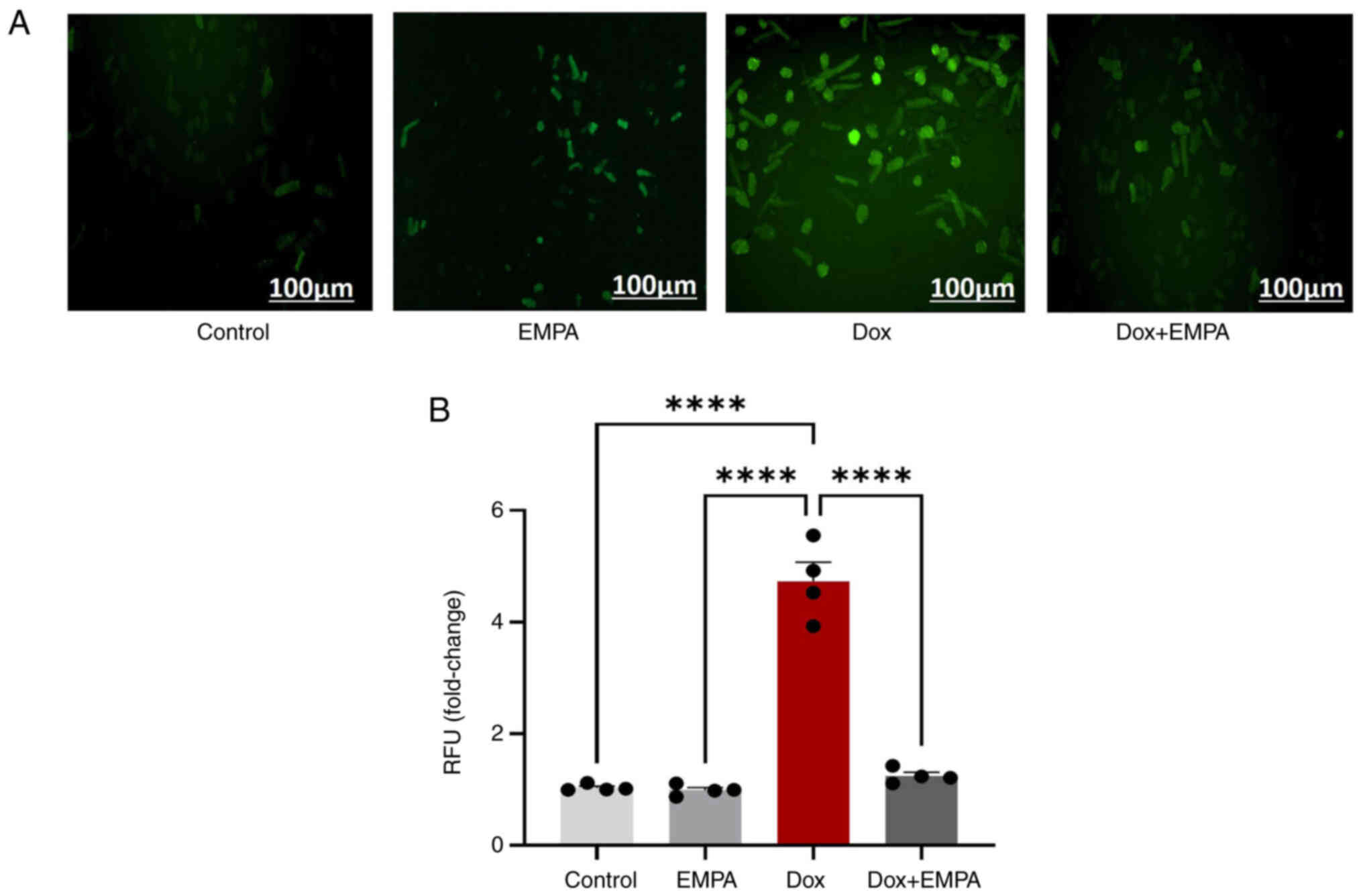
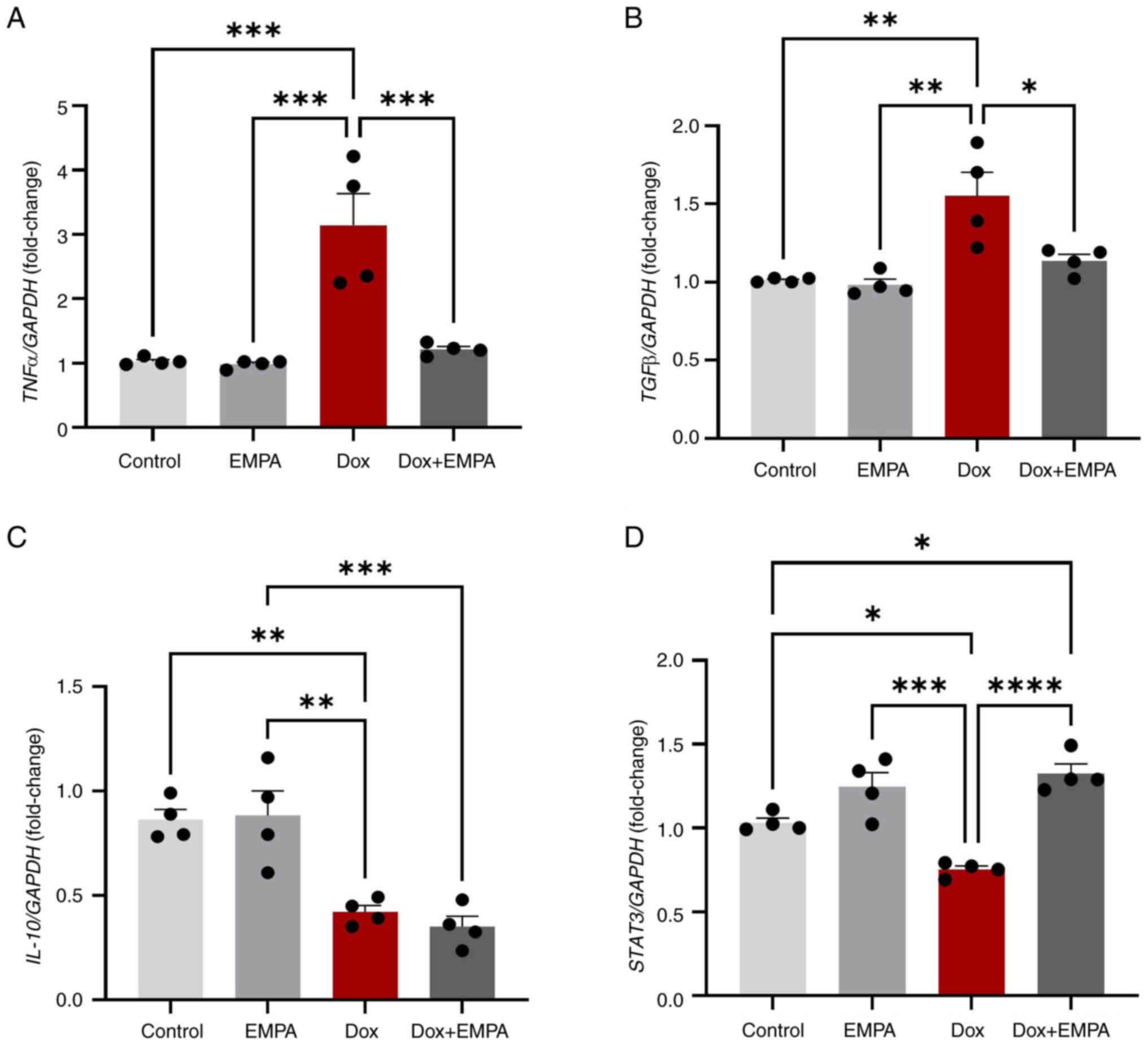
Doxorubicin (Dox) exhibits a high efficacy in the treatment of numerous types of cancer. However, the beneficial cytotoxic effects of Dox are often accompanied by an increase in the risk of cardiotoxicity. Oxidative stress (OS) plays a key role in Dox‑induced cardiomyopathy (DIC). OS in cardiomyocytes disrupts endoplasmic reticulum (ER) function, leading to the accumulation of misfolded/unfolded proteins known as ER stress. ER stress acts as an adaptive mechanism; however, prolonged ER stress together with OS may lead to the initiation of cardiomyocyte apoptosis. The present study aimed to explore the potential of an anti‑diabetic drug, empagliflozin (EMPA), in mitigating Dox‑induced ER stress and cardiomyocyte apoptosis. In the present study, the effects of 1 h pretreatment of EMPA on Dox‑treated cardiomyocytes isolated from Sprague‑Dawley rats were investigated. After 24 h, EMPA pre‑treatment promoted cell survival in the EMPA + Dox group compared with the Dox group. Results of the present study also demonstrated that EMPA mitigated overall ER stress, as the increased expression of ER stress markers was reduced in the EMPA + Dox group. Additionally, OS, inflammation and expression of ER stress apoptotic proteins were also significantly reduced following EMPA pre‑treatment in the EMPA + Dox group. Thus, EMPA may exert beneficial effects on Dox‑induced ER stress and may exhibit potential changes that can be utilised to further evaluate the role of EMPA in mitigating DIC.
View Figures

Figure 1

Figure 2

Figure 3

Figure 4

Figure 5

Figure 6

Figure 7

View References

1 

Lefrak EA, Pitha J, Rosenheim S and Gottlieb JA: A clinicopathologic analysis of adriamycin cardiotoxicity. Cancer. 32:302–314. 1973. View Article : Google Scholar : PubMed/NCBI

2 

Singal PK and Iliskovic N: Doxorubicin-induced cardiomyopathy. N Engl J Med. 339:900–905. 1998. View Article : Google Scholar : PubMed/NCBI

3 

Ludke AR, Sharma AK, Akolkar G, Bajpai G and Singal PK: Downregulation of vitamin C transporter SVCT-2 in doxorubicin-induced cardiomyocyte injury. Am J Physiol Cell Physiol. 303:C645–C653. 2012. View Article : Google Scholar : PubMed/NCBI

4 

Singal PK, Siveski-Iliskovic N, Hill M, Thomas TP and Li T: Combination therapy with probucol prevents adriamycin-induced cardiomyopathy. J Mol Cell Cardiol. 27:1055–1063. 1995. View Article : Google Scholar : PubMed/NCBI

5 

Torti FM, Bristow MM, Lum BL, Carter SK, Howes AE, Aston DA, Brown BW Jr, Hannigan JF Jr, Meyers FJ, Mitchell EP, et al: Cardiotoxicity of epirubicin and doxorubicin: Assessment by endomyocardial biopsy. Cancer Res. 46:3722–3727. 1986.PubMed/NCBI

6 

Singal PK, Deally CM and Weinberg LE: Subcellular effects of adriamycin in the heart: A concise review. J Mol Cell Cardiol. 19:817–828. 1987. View Article : Google Scholar : PubMed/NCBI

7 

Krebs J, Agellon LB and Michalak M: Ca(2+) homeostasis and endoplasmic reticulum (ER) stress: An integrated view of calcium signaling. Biochem Biophys Res Commun. 460:114–121. 2015. View Article : Google Scholar : PubMed/NCBI

8 

Hetz C and Papa FR: The unfolded protein response and cell fate control. Mol Cell. 69:169–181. 2018. View Article : Google Scholar : PubMed/NCBI

9 

Harding HP, Zhang Y, Bertolotti A, Zeng H and Ron D: Perk is essential for translational regulation and cell survival during the unfolded protein response. Mol Cell. 5:897–904. 2000. View Article : Google Scholar : PubMed/NCBI

10 

Glembotski CC: Roles for ATF6 and the sarco/endoplasmic reticulum protein quality control system in the heart. J Mol Cell Cardiol. 71:11–15. 2014. View Article : Google Scholar : PubMed/NCBI

11 

Yoshida H, Matsui T, Yamamoto A, Okada T and Mori K: XBP1 mRNA is induced by ATF6 and spliced by IRE1 in response to ER stress to produce a highly active transcription factor. Cell. 107:881–891. 2001. View Article : Google Scholar : PubMed/NCBI

12 

Bertolotti A, Zhang Y, Hendershot LM, Harding HP and Ron D: Dynamic interaction of BiP and ER stress transducers in the unfolded-protein response. Nat Cell Biol. 2:326–332. 2000. View Article : Google Scholar : PubMed/NCBI

13 

Bagchi AK, Malik A, Akolkar G, Zimmer A, Belló-Klein A, De Angelis K, Jassal DS, Fini MA, Stenmark KR and Singal PK: Study of ER stress and apoptotic proteins in the heart and tumor exposed to doxorubicin. Biochim Biophys Acta Mol Cell Res. 1868:1190392021. View Article : Google Scholar : PubMed/NCBI

14 

Hitomi J, Katayama T, Taniguchi M, Honda A, Imaizumi K and Tohyama M: Apoptosis induced by endoplasmic reticulum stress depends on activation of caspase-3 via caspase-12. Neurosci Lett. 357:127–130. 2004. View Article : Google Scholar : PubMed/NCBI

15 

Hsia DS, Grove O and Cefalu WT: An update on sodium-glucose co-transporter-2 inhibitors for the treatment of diabetes mellitus. Curr Opin Endocrinol Diabetes Obes. 24:73–79. 2017. View Article : Google Scholar : PubMed/NCBI

16 

Zinman B, Wanner C and Lachin JM; EMPA-REG OUTCOME Investigators, : Empagliflozin, cardiovascular outcomes, and mortality in type 2 diabetes. N Engl J Med. 373:2117–2128. 2015. View Article : Google Scholar : PubMed/NCBI

17 

Butler J, Anker SD, Filippatos G, Khan MS, Ferreira JP, Pocock SJ, Giannetti N, Januzzi JL, Piña IL, Lam CSP, et al: Empagliflozin and health-related quality of life outcomes in patients with heart failure with reduced ejection fraction: The EMPEROR-reduced trial. Eur Heart J. 42:1203–1212. 2021. View Article : Google Scholar : PubMed/NCBI

18 

Packer M, Anker SD, Butler J, Filippatos G, Pocock SJ, Carson P, Januzzi J, Verma S, Tsutsui H, Brueckmann M, et al: Cardiovascular and Renal outcomes with empagliflozin in heart failure. N Engl J Med. 383:1413–1424. 2020. View Article : Google Scholar : PubMed/NCBI

19 

Anker SD, Butler J, Filippatos G, Ferreira JP, Bocchi E, Böhm M, Brunner-La Rocca HP, Choi DJ, Chopra V, Chuquiure-Valenzuela E, et al: Empagliflozin in heart failure with a preserved ejection fraction. N Engl J Med. 385:1451–1461. 2021. View Article : Google Scholar : PubMed/NCBI

20 

McDonald M, Virani S, Chan M, Ducharme A, Ezekowitz JA, Giannetti N, Heckman GA, Howlett JG, Koshman SL, Lepage S, et al: CCS/CHFS heart failure guidelines update: Defining a new pharmacologic standard of care for heart failure with reduced ejection fraction. Can J Cardiol. 37:531–546. 2021. View Article : Google Scholar : PubMed/NCBI

21 

Sabatino J, De Rosa S, Tammè L, Iaconetti C, Sorrentino S, Polimeni A, Mignogna C, Amorosi A, Spaccarotella C, Yasuda M and Indolfi C: Empagliflozin prevents doxorubicin-induced myocardial dysfunction. Cardiovasc Diabetol. 19:662020. View Article : Google Scholar : PubMed/NCBI

22 

Chang WT, Lin YW, Ho CH, Chen ZC, Liu PY and Shih JY: Dapagliflozin suppresses ER stress and protects doxorubicin-induced cardiotoxicity in breast cancer patients. Arch Toxicol. 95:659–671. 2021. View Article : Google Scholar : PubMed/NCBI

23 

Bagchi AK, Malik A, Akolkar G, Jassal DS and Singal PK: Endoplasmic reticulum stress promotes iNOS/NO and influences inflammation in the development of doxorubicin-induced cardiomyopathy. Antioxidants (Basel). 10:18972021. View Article : Google Scholar : PubMed/NCBI

24 

Malik A, Bagchi AK, Jassal DS and Singal PK: Interleukin-10 mitigates doxorubicin-induced endoplasmic reticulum stress as well as cardiomyopathy. Biomedicines. 10:8902022. View Article : Google Scholar : PubMed/NCBI

25 

Zhao L and Zhang B: Doxorubicin induces cardiotoxicity through upregulation of death receptors mediated apoptosis in cardiomyocytes. Sci Rep. 7:447352017. View Article : Google Scholar : PubMed/NCBI

26 

Yarmohammadi F, Rezaee R, Haye AW and Karimi G: Endoplasmic reticulum stress in doxorubicin-induced cardiotoxicity may be therapeutically targeted by natural and chemical compounds: A review. Pharmacol Res. 164:1053832021. View Article : Google Scholar : PubMed/NCBI

27 

Livak KJ and Schmittgen TD: Analysis of relative gene expression data using real-time quantitative PCR and the 2(−Delta Delta C(T)) Method. Methods. 25:402–408. 2001. View Article : Google Scholar : PubMed/NCBI

28 

Heidenreich PA, Bozkurt B, Aguilar D, Allen LA, Byun JJ, Colvin MM, Deswal A, Drazner MH, Dunlay SM, Evers LR, et al: 2022 AHA/ACC/HFSA Guideline for the Management of Heart Failure: A Report of the American College of Cardiology/American Heart Association Joint Committee on Clinical Practice Guidelines. Circulation. 145:e89–e1032. 2022. View Article : Google Scholar

29 

Di Franco A, Cantini G, Tani A, Coppini R, Zecchi-Orlandini S, Raimondi L, Luconi M and Mannucci E: Sodium-dependent glucose transporters (SGLT) in human ischemic heart: A new potential pharmacological target. Int J Cardiol. 243:86–90. 2017. View Article : Google Scholar : PubMed/NCBI

30 

Chen J, Williams S, Ho S, Loraine H, Hagan D, Whaley JM and Feder JN: Quantitative PCR tissue expression profiling of the human SGLT2 gene and related family members. Diabetes Ther. 1:57–92. 2010. View Article : Google Scholar : PubMed/NCBI

31 

Zhou L, Cryan EV, D'Andrea MR, Belkowski S, Conway BR and Demarest KT: Human cardiomyocytes express high level of Na+/glucose cotransporter 1 (SGLT1). J Cell Biochem. 90:339–346. 2003. View Article : Google Scholar : PubMed/NCBI

32 

Kashiwagi Y, Nagoshi T, Yoshino T, Tanaka TD, Ito K, Harada T, Takahashi H, Ikegami M, Anzawa R and Yoshimura M: Expression of SGLT1 in human hearts and impairment of cardiac glucose uptake by phlorizin during ischemia-reperfusion injury in mice. PLoS One. 10:e01306052015. View Article : Google Scholar : PubMed/NCBI

33 

Quagliariello V, De Laurentiis M, Rea D, Barbieri A, Monti MG, Carbone A, Paccone A, Altucci L, Conte M, Canale ML, et al: The SGLT-2 inhibitor empagliflozin improves myocardial strain, reduces cardiac fibrosis and pro-inflammatory cytokines in non-diabetic mice treated with doxorubicin. Cardiovasc Diabetol. 20:1502021. View Article : Google Scholar : PubMed/NCBI

34 

Nakano D, Akiba J, Tsutsumi T, Kawaguchi M, Yoshida T, Koga H and Kawaguchi T: Hepatic expression of sodium-glucose cotransporter 2 (SGLT2) in patients with chronic liver disease. Med Mol Morphol. 55:304–315. 2022. View Article : Google Scholar : PubMed/NCBI

35 

Bertero E and Maack C: Metabolic remodelling in heart failure. Nat Rev Cardiol. 15:457–470. 2018. View Article : Google Scholar : PubMed/NCBI

36 

Asnani A, Shi X, Farrell L, Lall R, Sebag IA, Plana JC, Gerszten RE and Scherrer-Crosbie M: Changes in citric acid cycle and nucleoside metabolism are associated with anthracycline cardiotoxicity in patients with breast cancer. J Cardiovasc Transl Res. 13:349–356. 2020. View Article : Google Scholar : PubMed/NCBI

37 

Fu HY, Sanada S, Matsuzaki T, Liao Y, Okuda K, Yamato M, Tsuchida S, Araki R, Asano Y, Asanuma H, et al: Chemical endoplasmic reticulum chaperone alleviates doxorubicin-induced cardiac dysfunction. Circ Res. 118:798–809. 2016. View Article : Google Scholar : PubMed/NCBI

38 

Wang CC, Li Y, Qian XQ, Zhao H, Wang D, Zuo GX and Wang K: Empagliflozin alleviates myocardial I/R injury and cardiomyocyte apoptosis via inhibiting ER stress-induced autophagy and the PERK/ATF4/Beclin1 pathway. J Drug Target. 30:858–872. 2022. View Article : Google Scholar : PubMed/NCBI

39 

Hetz C: The unfolded protein response: Controlling cell fate decisions under ER stress and beyond. Nat Rev Mol Cell Biol. 13:89–102. 2012. View Article : Google Scholar : PubMed/NCBI

40 

Lee AH, Iwakoshi NN and Glimcher LH: XBP-1 regulates a subset of endoplasmic reticulum resident chaperone genes in the unfolded protein response. Mol Cell Biol. 23:7448–7459. 2003. View Article : Google Scholar : PubMed/NCBI

41 

Yoshida H, Oku M, Suzuki M and Mori K: pXBP1(U) encoded in XBP1 pre-mRNA negatively regulates unfolded protein response activator pXBP1(S) in mammalian ER stress response. J Cell Biol. 172:565–575. 2006. View Article : Google Scholar : PubMed/NCBI

42 

Kato H, Nakajima S, Saito Y, Takahashi S, Katoh R and Kitamura M: mTORC1 serves ER stress-triggered apoptosis via selective activation of the IRE1-JNK pathway. Cell Death Differ. 19:310–320. 2012. View Article : Google Scholar : PubMed/NCBI

43 

Ala M, Khoshdel MRF and Dehpour AR: Empagliflozin enhances autophagy, mitochondrial biogenesis, and antioxidant defense and ameliorates renal ischemia/reperfusion in nondiabetic rats. Oxid Med Cell Longev. 2022:11970612022. View Article : Google Scholar : PubMed/NCBI

44 

Haberzettl P and Hill BG: Oxidized lipids activate autophagy in a JNK-dependent manner by stimulating the endoplasmic reticulum stress response. Redox Biol. 1:56–64. 2013. View Article : Google Scholar : PubMed/NCBI

45 

Pirklbauer M, Sallaberger S, Staudinger P, Corazza U, Leierer J, Mayer G and Schramek H: Empagliflozin inhibits IL-1beta-mediated inflammatory response in human proximal tubular cells. Int J Mol Sci. 22:50892021. View Article : Google Scholar : PubMed/NCBI

46 

Gohari S, Reshadmanesh T, Khodabandehloo H, Karbalaee-Hasani A, Ahangar H, Arsang-Jang S, Ismail-Beigi F, Dadashi M, Ghanbari S, Taheri H, et al: The effect of EMPAgliflozin on markers of inflammation in patients with concomitant type 2 diabetes mellitus and coronary ARtery disease: The EMPA-CARD randomized controlled trial. Diabetol Metab Syndr. 14:1702022. View Article : Google Scholar : PubMed/NCBI

47 

Bagchi AK, Surendran A, Malik A, Jassal DS, Ravandi A and Singal PK: IL-10 attenuates OxPCs-mediated lipid metabolic responses in ischemia reperfusion injury. Sci Rep. 10:121202020. View Article : Google Scholar : PubMed/NCBI

48 

Dhingra S, Sharma AK, Arora RC, Slezak J and Singal PK: IL-10 attenuates TNF-alpha-induced NF kappaB pathway activation and cardiomyocyte apoptosis. Cardiovasc Res. 82:59–66. 2009. View Article : Google Scholar : PubMed/NCBI

49 

Sun Z, Schriewer J, Tang M, Marlin J, Taylor F, Shohet RV and Konorev EA: The TGF-β pathway mediates doxorubicin effects on cardiac endothelial cells. J Mol Cell Cardiol. 90:129–138. 2016. View Article : Google Scholar : PubMed/NCBI

50 

Li J, Deane JA, Campanale NV, Bertram JF and Ricardo SD: Blockade of p38 mitogen-activated protein kinase and TGF-beta1/Smad signaling pathways rescues bone marrow-derived peritubular capillary endothelial cells in adriamycin-induced nephrosis. J Am Soc Nephrol. 17:2799–2811. 2006. View Article : Google Scholar : PubMed/NCBI

51 

Li G, Zhao C and Fang S: SGLT2 promotes cardiac fibrosis following myocardial infarction and is regulated by miR-141. Exp Ther Med. 22:7152021. View Article : Google Scholar : PubMed/NCBI

52 

Lim CP and Fu XY: Multiple roles of STAT3 in cardiovascular inflammatory responses. Progress in Molecular Biology and Translational Science. Vol 106. Shenolikar S: Academic Press; pp. 63–73. 2012, View Article : Google Scholar : PubMed/NCBI

53 

de Oliveira Santos TC, Pereira G, Coutinho AGG, Dos Santos Silva HP, Lima MMS, Dias FAL, de Almeida DC, Resende E, Silva DT, Perez RF and Pereira RL: STAT-3 signaling role in an experimental model of nephropathy induced by doxorubicin. Mol Cell Biochem. 478:981–989. 2023. View Article : Google Scholar : PubMed/NCBI

54 

Chang WT, Shih JY, Lin YW, Chen ZC, Kan WC, Lin TH and Hong CS: Dapagliflozin protects against doxorubicin-induced cardiotoxicity by restoring STAT3. Arch Toxicol. 96:2021–2032. 2022. View Article : Google Scholar : PubMed/NCBI

55 

Dufey E, Sepúlveda D, Rojas-Rivera D and Hetz C: Cellular mechanisms of endoplasmic reticulum stress signaling in health and disease. 1. An overview. Am J Physiol Cell Physiol. 307:C582–C594. 2014. View Article : Google Scholar : PubMed/NCBI

56 

Gaut JR and Hendershot LM: The modification and assembly of proteins in the endoplasmic reticulum. Curr Opin Cell Biol. 5:589–595. 1993. View Article : Google Scholar : PubMed/NCBI

Related Articles

  • Abstract
  • View
  • Download
  • Twitter
Copy and paste a formatted citation
Spandidos Publications style
Malik A, Bagchi AK, Jassal DS and Singal PK: Doxorubicin‑induced cardiomyopathy is mitigated by empagliflozin via the modulation of endoplasmic reticulum stress pathways. Mol Med Rep 29: 74, 2024.
APA
Malik, A., Bagchi, A.K., Jassal, D.S., & Singal, P.K. (2024). Doxorubicin‑induced cardiomyopathy is mitigated by empagliflozin via the modulation of endoplasmic reticulum stress pathways. Molecular Medicine Reports, 29, 74. https://doi.org/10.3892/mmr.2024.13198
MLA
Malik, A., Bagchi, A. K., Jassal, D. S., Singal, P. K."Doxorubicin‑induced cardiomyopathy is mitigated by empagliflozin via the modulation of endoplasmic reticulum stress pathways". Molecular Medicine Reports 29.5 (2024): 74.
Chicago
Malik, A., Bagchi, A. K., Jassal, D. S., Singal, P. K."Doxorubicin‑induced cardiomyopathy is mitigated by empagliflozin via the modulation of endoplasmic reticulum stress pathways". Molecular Medicine Reports 29, no. 5 (2024): 74. https://doi.org/10.3892/mmr.2024.13198
Copy and paste a formatted citation
x
Spandidos Publications style
Malik A, Bagchi AK, Jassal DS and Singal PK: Doxorubicin‑induced cardiomyopathy is mitigated by empagliflozin via the modulation of endoplasmic reticulum stress pathways. Mol Med Rep 29: 74, 2024.
APA
Malik, A., Bagchi, A.K., Jassal, D.S., & Singal, P.K. (2024). Doxorubicin‑induced cardiomyopathy is mitigated by empagliflozin via the modulation of endoplasmic reticulum stress pathways. Molecular Medicine Reports, 29, 74. https://doi.org/10.3892/mmr.2024.13198
MLA
Malik, A., Bagchi, A. K., Jassal, D. S., Singal, P. K."Doxorubicin‑induced cardiomyopathy is mitigated by empagliflozin via the modulation of endoplasmic reticulum stress pathways". Molecular Medicine Reports 29.5 (2024): 74.
Chicago
Malik, A., Bagchi, A. K., Jassal, D. S., Singal, P. K."Doxorubicin‑induced cardiomyopathy is mitigated by empagliflozin via the modulation of endoplasmic reticulum stress pathways". Molecular Medicine Reports 29, no. 5 (2024): 74. https://doi.org/10.3892/mmr.2024.13198
Follow us
  • Twitter
  • LinkedIn
  • Facebook
About
  • Spandidos Publications
  • Careers
  • Cookie Policy
  • Privacy Policy
How can we help?
  • Help
  • Live Chat
  • Contact
  • Email to our Support Team