Spandidos Publications Logo
  • About
    • About Spandidos
    • Aims and Scopes
    • Abstracting and Indexing
    • Editorial Policies
    • Reprints and Permissions
    • Job Opportunities
    • Terms and Conditions
    • Contact
  • Journals
    • All Journals
    • Oncology Letters
      • Oncology Letters
      • Information for Authors
      • Editorial Policies
      • Editorial Board
      • Aims and Scope
      • Abstracting and Indexing
      • Bibliographic Information
      • Archive
    • International Journal of Oncology
      • International Journal of Oncology
      • Information for Authors
      • Editorial Policies
      • Editorial Board
      • Aims and Scope
      • Abstracting and Indexing
      • Bibliographic Information
      • Archive
    • Molecular and Clinical Oncology
      • Molecular and Clinical Oncology
      • Information for Authors
      • Editorial Policies
      • Editorial Board
      • Aims and Scope
      • Abstracting and Indexing
      • Bibliographic Information
      • Archive
    • Experimental and Therapeutic Medicine
      • Experimental and Therapeutic Medicine
      • Information for Authors
      • Editorial Policies
      • Editorial Board
      • Aims and Scope
      • Abstracting and Indexing
      • Bibliographic Information
      • Archive
    • International Journal of Molecular Medicine
      • International Journal of Molecular Medicine
      • Information for Authors
      • Editorial Policies
      • Editorial Board
      • Aims and Scope
      • Abstracting and Indexing
      • Bibliographic Information
      • Archive
    • Biomedical Reports
      • Biomedical Reports
      • Information for Authors
      • Editorial Policies
      • Editorial Board
      • Aims and Scope
      • Abstracting and Indexing
      • Bibliographic Information
      • Archive
    • Oncology Reports
      • Oncology Reports
      • Information for Authors
      • Editorial Policies
      • Editorial Board
      • Aims and Scope
      • Abstracting and Indexing
      • Bibliographic Information
      • Archive
    • Molecular Medicine Reports
      • Molecular Medicine Reports
      • Information for Authors
      • Editorial Policies
      • Editorial Board
      • Aims and Scope
      • Abstracting and Indexing
      • Bibliographic Information
      • Archive
    • World Academy of Sciences Journal
      • World Academy of Sciences Journal
      • Information for Authors
      • Editorial Policies
      • Editorial Board
      • Aims and Scope
      • Abstracting and Indexing
      • Bibliographic Information
      • Archive
    • International Journal of Functional Nutrition
      • International Journal of Functional Nutrition
      • Information for Authors
      • Editorial Policies
      • Editorial Board
      • Aims and Scope
      • Abstracting and Indexing
      • Bibliographic Information
      • Archive
    • International Journal of Epigenetics
      • International Journal of Epigenetics
      • Information for Authors
      • Editorial Policies
      • Editorial Board
      • Aims and Scope
      • Abstracting and Indexing
      • Bibliographic Information
      • Archive
    • Medicine International
      • Medicine International
      • Information for Authors
      • Editorial Policies
      • Editorial Board
      • Aims and Scope
      • Abstracting and Indexing
      • Bibliographic Information
      • Archive
  • Articles
  • Information
    • Information for Authors
    • Information for Reviewers
    • Information for Librarians
    • Information for Advertisers
    • Conferences
  • Language Editing
Spandidos Publications Logo
  • About
    • About Spandidos
    • Aims and Scopes
    • Abstracting and Indexing
    • Editorial Policies
    • Reprints and Permissions
    • Job Opportunities
    • Terms and Conditions
    • Contact
  • Journals
    • All Journals
    • Biomedical Reports
      • Information for Authors
      • Editorial Policies
      • Editorial Board
      • Aims and Scope
      • Abstracting and Indexing
      • Bibliographic Information
      • Archive
    • Experimental and Therapeutic Medicine
      • Information for Authors
      • Editorial Policies
      • Editorial Board
      • Aims and Scope
      • Abstracting and Indexing
      • Bibliographic Information
      • Archive
    • International Journal of Epigenetics
      • Information for Authors
      • Editorial Policies
      • Editorial Board
      • Aims and Scope
      • Abstracting and Indexing
      • Bibliographic Information
      • Archive
    • International Journal of Functional Nutrition
      • Information for Authors
      • Editorial Policies
      • Editorial Board
      • Aims and Scope
      • Abstracting and Indexing
      • Bibliographic Information
      • Archive
    • International Journal of Molecular Medicine
      • Information for Authors
      • Editorial Policies
      • Editorial Board
      • Aims and Scope
      • Abstracting and Indexing
      • Bibliographic Information
      • Archive
    • International Journal of Oncology
      • Information for Authors
      • Editorial Policies
      • Editorial Board
      • Aims and Scope
      • Abstracting and Indexing
      • Bibliographic Information
      • Archive
    • Medicine International
      • Information for Authors
      • Editorial Policies
      • Editorial Board
      • Aims and Scope
      • Abstracting and Indexing
      • Bibliographic Information
      • Archive
    • Molecular and Clinical Oncology
      • Information for Authors
      • Editorial Policies
      • Editorial Board
      • Aims and Scope
      • Abstracting and Indexing
      • Bibliographic Information
      • Archive
    • Molecular Medicine Reports
      • Information for Authors
      • Editorial Policies
      • Editorial Board
      • Aims and Scope
      • Abstracting and Indexing
      • Bibliographic Information
      • Archive
    • Oncology Letters
      • Information for Authors
      • Editorial Policies
      • Editorial Board
      • Aims and Scope
      • Abstracting and Indexing
      • Bibliographic Information
      • Archive
    • Oncology Reports
      • Information for Authors
      • Editorial Policies
      • Editorial Board
      • Aims and Scope
      • Abstracting and Indexing
      • Bibliographic Information
      • Archive
    • World Academy of Sciences Journal
      • Information for Authors
      • Editorial Policies
      • Editorial Board
      • Aims and Scope
      • Abstracting and Indexing
      • Bibliographic Information
      • Archive
  • Articles
  • Information
    • For Authors
    • For Reviewers
    • For Librarians
    • For Advertisers
    • Conferences
  • Language Editing
Login Register Submit
  • This site uses cookies
  • You can change your cookie settings at any time by following the instructions in our Cookie Policy. To find out more, you may read our Privacy Policy.

    I agree
Search articles by DOI, keyword, author or affiliation
Search
Advanced Search
presentation
Oncology Letters
Join Editorial Board Propose a Special Issue
Print ISSN: 1792-1074 Online ISSN: 1792-1082
Journal Cover
2014-March Volume 7 Issue 3

Full Size Image

Sign up for eToc alerts
Recommend to Library

Journals

International Journal of Molecular Medicine

International Journal of Molecular Medicine

International Journal of Molecular Medicine is an international journal devoted to molecular mechanisms of human disease.

International Journal of Oncology

International Journal of Oncology

International Journal of Oncology is an international journal devoted to oncology research and cancer treatment.

Molecular Medicine Reports

Molecular Medicine Reports

Covers molecular medicine topics such as pharmacology, pathology, genetics, neuroscience, infectious diseases, molecular cardiology, and molecular surgery.

Oncology Reports

Oncology Reports

Oncology Reports is an international journal devoted to fundamental and applied research in Oncology.

Experimental and Therapeutic Medicine

Experimental and Therapeutic Medicine

Experimental and Therapeutic Medicine is an international journal devoted to laboratory and clinical medicine.

Oncology Letters

Oncology Letters

Oncology Letters is an international journal devoted to Experimental and Clinical Oncology.

Biomedical Reports

Biomedical Reports

Explores a wide range of biological and medical fields, including pharmacology, genetics, microbiology, neuroscience, and molecular cardiology.

Molecular and Clinical Oncology

Molecular and Clinical Oncology

International journal addressing all aspects of oncology research, from tumorigenesis and oncogenes to chemotherapy and metastasis.

World Academy of Sciences Journal

World Academy of Sciences Journal

Multidisciplinary open-access journal spanning biochemistry, genetics, neuroscience, environmental health, and synthetic biology.

International Journal of Functional Nutrition

International Journal of Functional Nutrition

Open-access journal combining biochemistry, pharmacology, immunology, and genetics to advance health through functional nutrition.

International Journal of Epigenetics

International Journal of Epigenetics

Publishes open-access research on using epigenetics to advance understanding and treatment of human disease.

Medicine International

Medicine International

An International Open Access Journal Devoted to General Medicine.

Journal Cover
2014-March Volume 7 Issue 3

Full Size Image

Sign up for eToc alerts
Recommend to Library

  • Article
  • Citations
    • Cite This Article
    • Download Citation
    • Create Citation Alert
    • Remove Citation Alert
    • Cited By
  • Similar Articles
    • Related Articles (in Spandidos Publications)
    • Similar Articles (Google Scholar)
    • Similar Articles (PubMed)
  • Download PDF
  • Download XML
  • View XML
Case Report

Mucinous tubular and spindle cell carcinoma of the kidney: A case report and review of the literature

  • Authors:
    • Nao Sun
    • Yaowen Fu
    • Yuantao Wang
    • Tengzheng Tian
    • Wei An
    • Tong Yuan
  • View Affiliations / Copyright

    Affiliations: Department of Urology, First Hospital of Jilin University, Changchun, Jilin 130021, P.R. China, Department of Anesthesiology, First Hospital of Jilin University, Changchun, Jilin 130021, P.R. China
  • Pages: 811-814
    |
    Published online on: January 7, 2014
       https://doi.org/10.3892/ol.2014.1783
  • Expand metrics +
Metrics: Total Views: 0 (Spandidos Publications: | PMC Statistics: )
Metrics: Total PDF Downloads: 0 (Spandidos Publications: | PMC Statistics: )
Cited By (CrossRef): 0 citations Loading Articles...

This article is mentioned in:


Abstract

Mucinous tubular and spindle cell carcinoma of the kidney (MTSCC‑K) is an unusual renal tumor. It is important to increase the recognition of MTSCC‑K and improve the level of clinical diagnosis. The current study presents a case of MTSCC‑K with clinical, imaging and pathological examination. A 60‑year‑old female presented to the First Hospital of Jilin University suffering from lumbodorsalgia on the right side for approximately one month, without gross hematuria and fever. Imaging examination by abdominal computed tomography scan revealed a ~6.5x5.0‑cm solid mass in the inferior pole of the right kidney. The patient underwent laparoscopic radical resection of the right kidney. Pathological examination showed that the tumor was composed of small, elongated cords or tubules, in a tightly packed arrangement. Myxoid stroma was shown to be interspersed among the tubular cells, and appeared to exhibit slender tubular spindle cell‑like structures. Tumor cells were smaller and cube‑shaped or oval, with single small eosinophilic nucleoli and low‑grade nuclei. Occasionally, necrosis and foam cell infiltration were observed. Myxoid stroma was stained by acidic mucus. Immunohistochemical markers, including CK7, CK19, EMA, Vimentin and P504S (AMACR) showed positive expression in tumoral cells, but the tumoral cells were CD10‑negative. The MTSCC‑K is a low‑grade polymorphic renal epithelial neoplasm, which may be diagnosed by immunohistochemistry. The patients are likely to have an improved prognosis following surgery compared with patients with other renal cell carcinomas.

Introduction

Mucinous tubular and spindle cell carcinoma of the kidney (MTSCC-K) is a rare renal epithelial tumor, believed to be a type of low-grade malignant tumor. The precise origin is unclear certain researchers have hypothesised that it originates from the loop of Henle or the distal tubule, however the majority of researchers hypothesise that its origin is in the distal tubule (1). MTSCC-K is difficult to pathologically differentiate from high-grade malignant renal tumors, including collecting duct carcinoma and sarcomatoid carcinoma. It was first reported in 1997 by MacLennan et al and was known as a ‘low-grade collecting duct carcinoma’ (2). As the number of MTSCC-K cases have increased continuously, this special type of kidney tumor has been described as ‘a unique group of renal neoplasms composed of cytologically low-grade cells organized in tubules and spindled cords and set in an abundant extracellular mucinous matrix’ (3,4). In 2004, the World Health Organization recognized the tumor as a specific entity and officially named it ‘MTSCC-K’ (5). MTSCC-K has a relatively good patient prognosis when compared with other malignant renal tumors (6). The present study analyzed the clinical results of a patient who presented to the First Hospital of Jilin University (Changchun, China) suffering from MTSCC-K, and performed a review of the relevant literature, to increase understanding of the tumor. Additionally the purpose of this study was to raise awareness of this tumor type for clinicians and pathologists in order to decrease the rate of misdiagnosis.

Case report

Clinical results

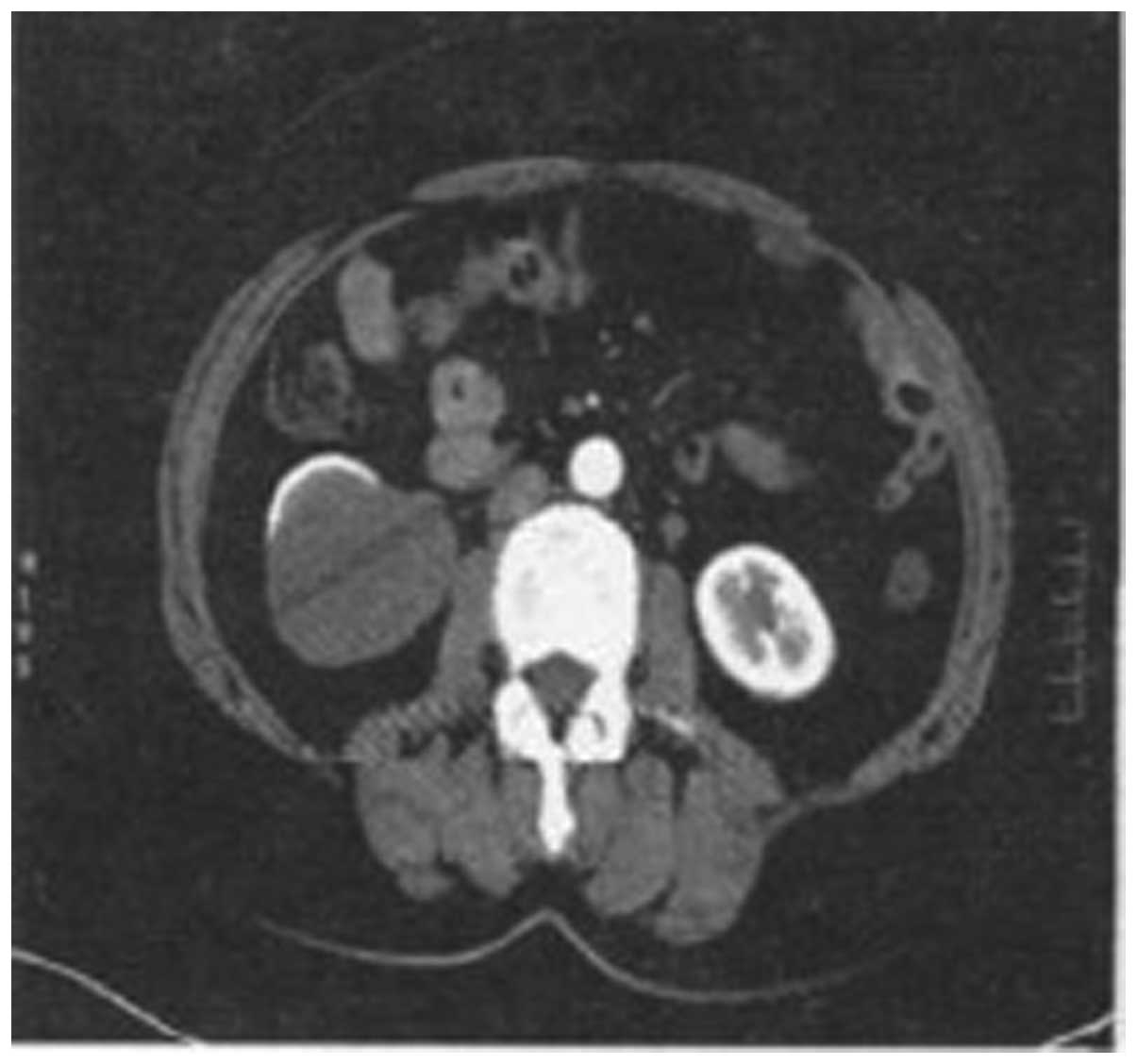
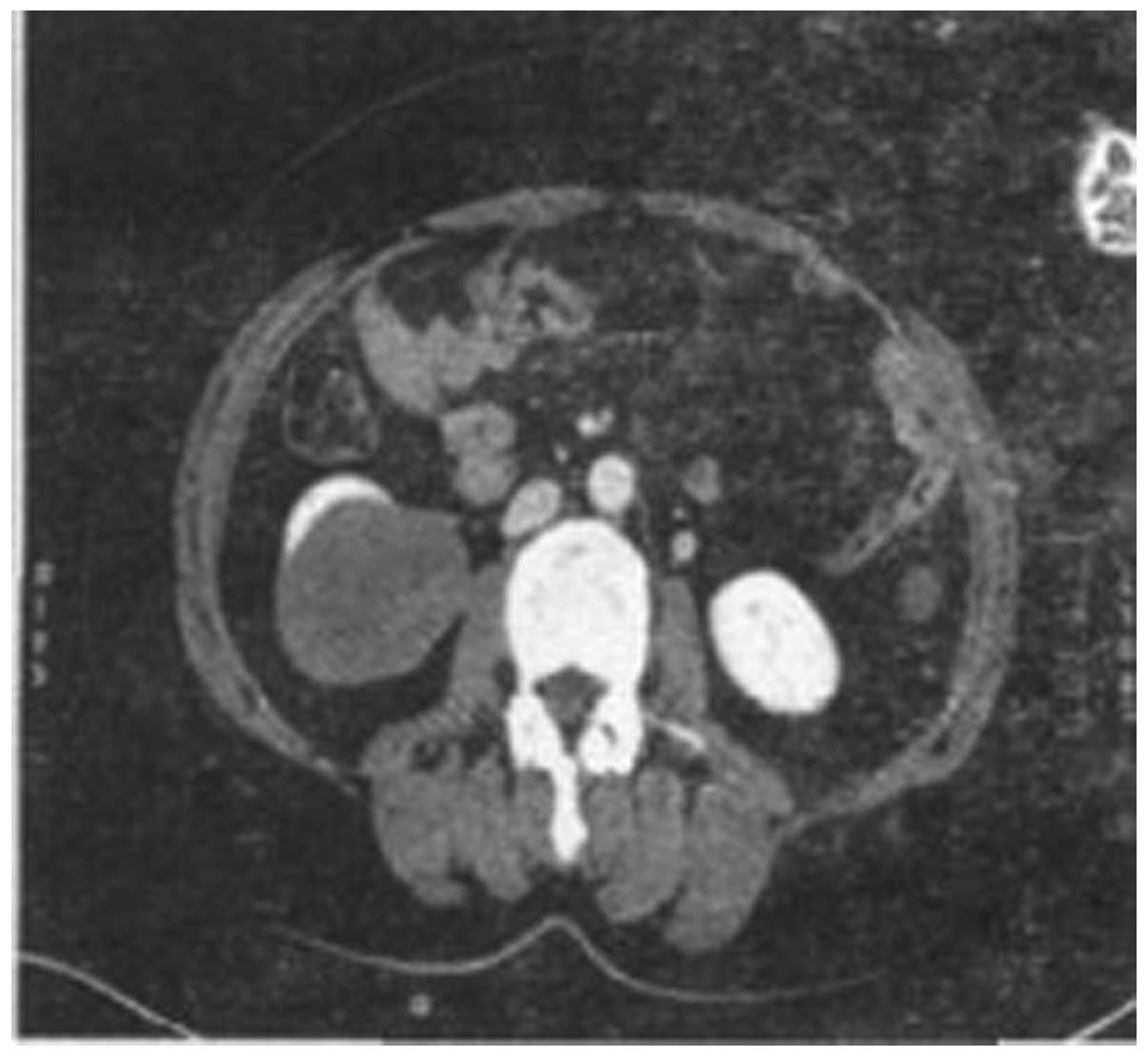
A 60-year-old female presented to the First Hospital of Jilin University suffering from lumbodorsalgia on the right side for approximately one month, without gross hematuria and fever. Laboratory tests revealed no significant abnormalities in renal function, routine blood tests or urine routine. Imaging examination by abdominal computed tomography (CT) scan revealed a ~6.5×5.0-cm solid mass in the inferior pole of the right kidney. The tumor was well-circumscribed and protruding outside the renal contour, and no clear enhancement was identified in the arterial phase (Fig. 1). However, marginal uneven enhancement was observed in the venous phase (Fig. 2). No metastasis was identified to the retroperitoneal lymph node, abdominal organs or lungs. The patient provided written informed consent.

Figure 1

Arterial phase computed tomography. The tumor showed no clear enhancement in this phase.

Figure 2

Venous phase computed tomography. The tumor showed marginal uneven enhancement in this phase.

Surgical procedures

The patient was placed under general anesthesia and underwent laparoscopic radical resection of the right kidney (surgical excision of the right kidney, perirenal fat, a section of the ureter over and the right adrenal gland).

Macroscopy

Dissection of the specimen revealed that the tumor was well-circumscribed, solid and off-white, measuring ~7.0×6.5×6.5 cm. No areas of hemorrhage or necrosis were identified in the tumor. In addition, no invasion of the renal pelvis, renal sinus or perirenal fat was identified.

Microscopy

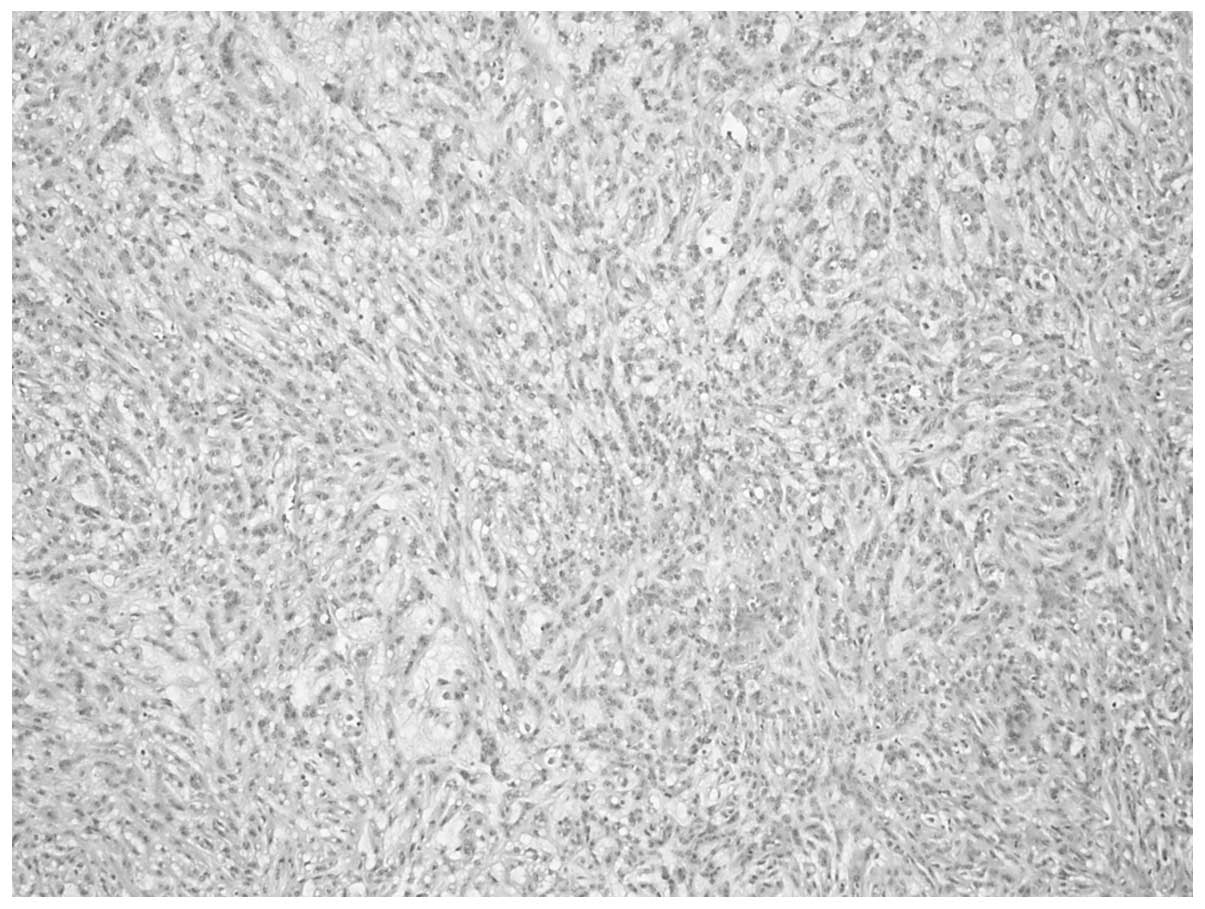
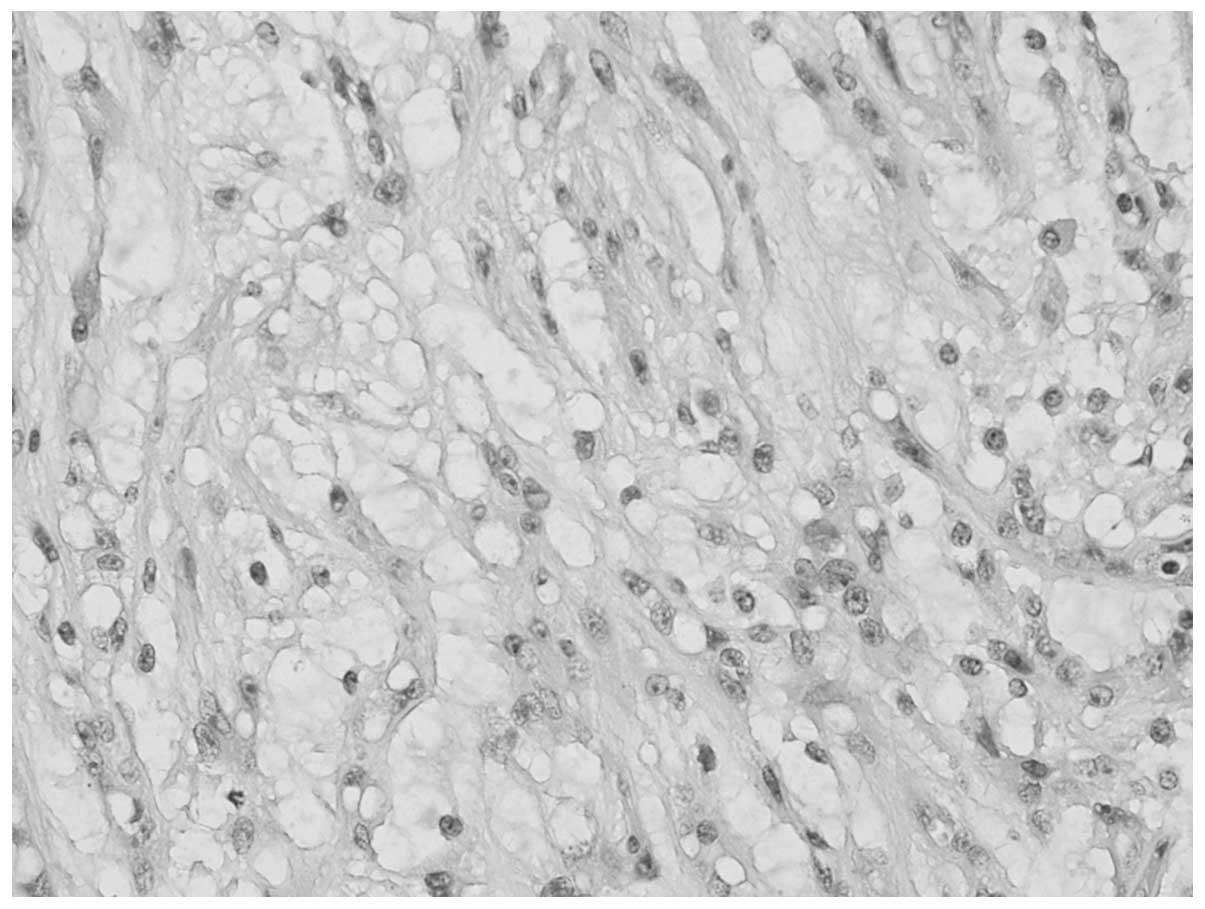
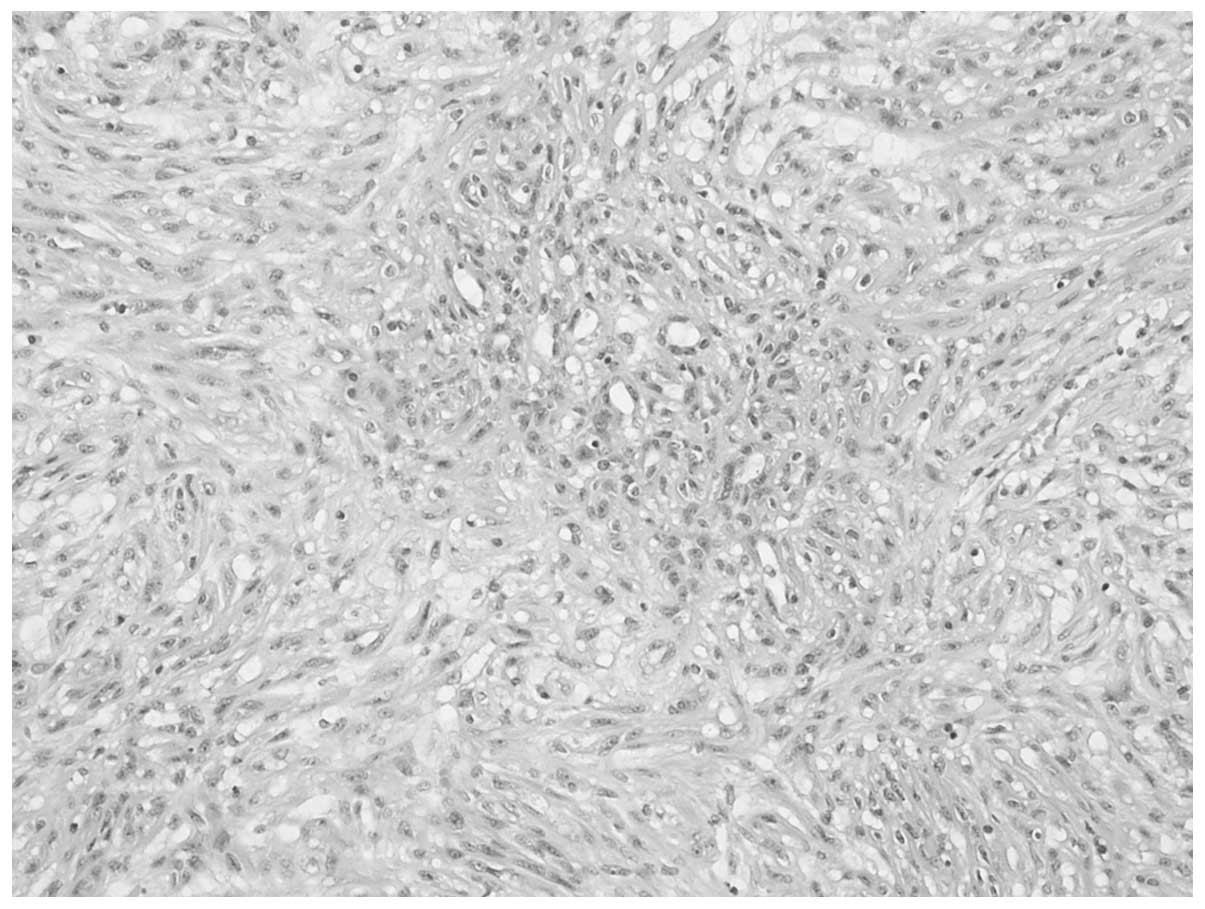
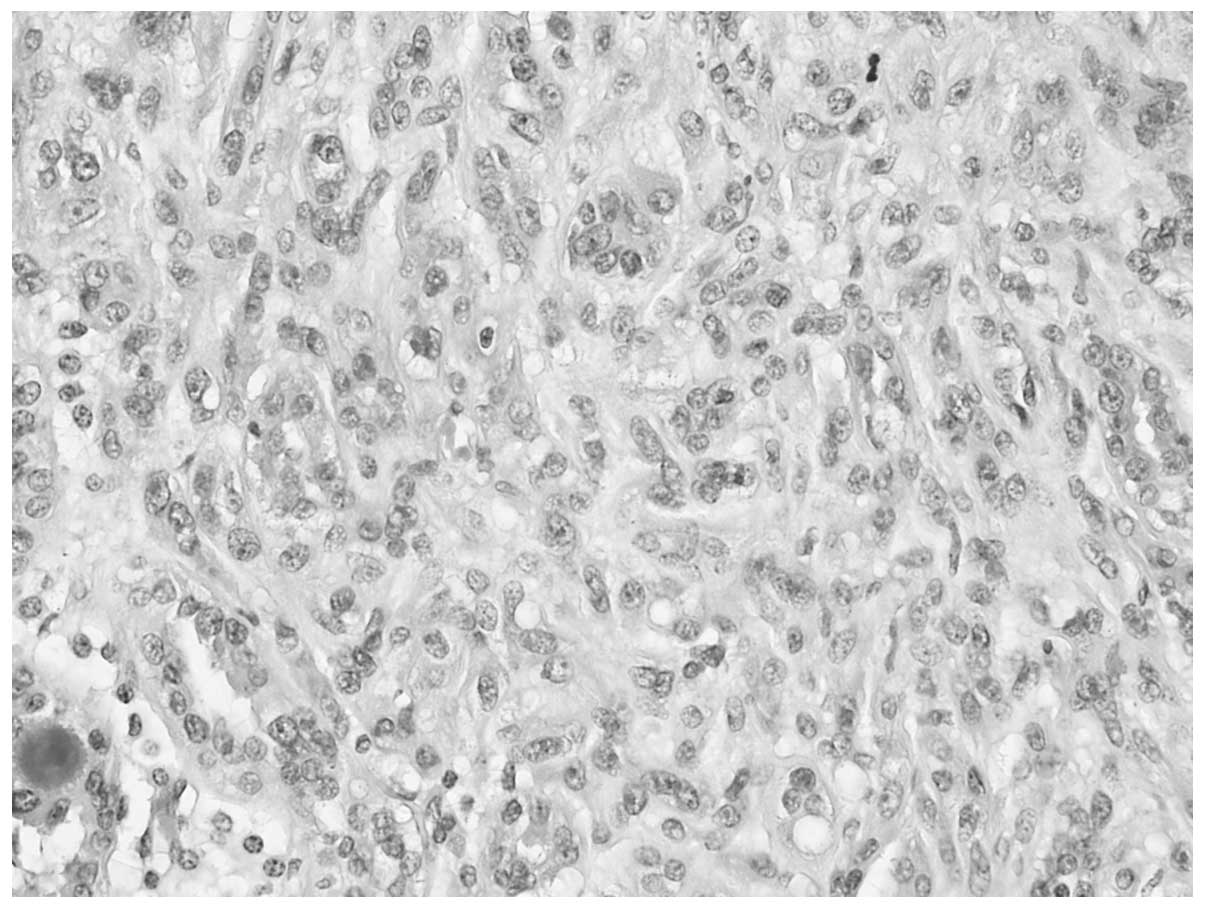
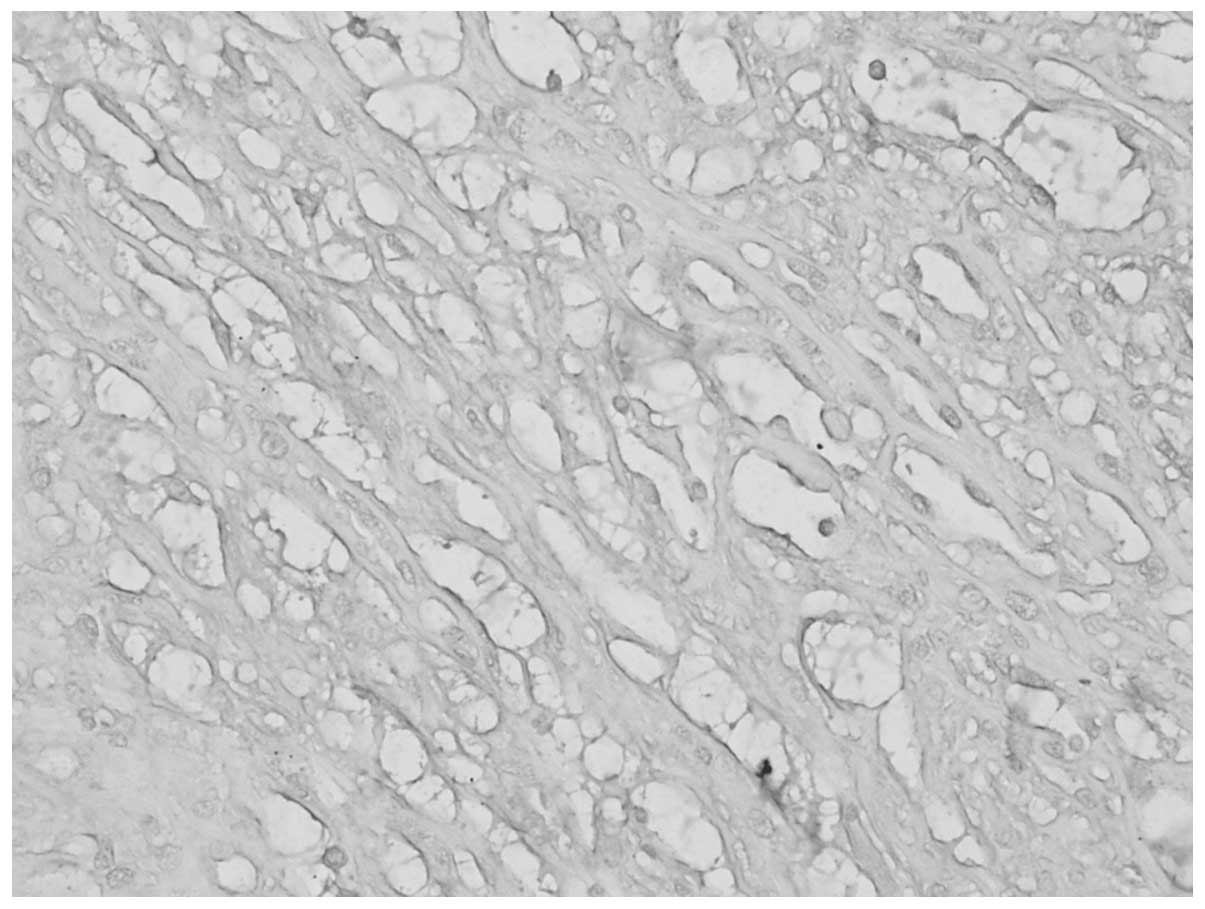
The tumor was composed of small, elongated cords or tubules, in a tightly packed arrangement (Fig. 3). Myxoid stroma was shown to be interspersed among the tubular cells (Fig. 4), and appeared to exhibit slender tubular spindle cell-like structures (Fig. 5). Tumor cells were smaller and cubic-shaped or oval, with single small eosinophilic nucleoli and low-grade nuclei (Fig. 6). Occasionally, necrosis and foam cell infiltration were identified. The myxoid stroma was stained by acidic mucus (Fig. 7).

Figure 3

Tumor was composed of small, elongated cords or tubules, in a tightly packed arrangement (hematoxylin and eosin; magnification, ×10).

Figure 4

Myxoid stroma was interspersed among the tubular cells (hematoxylin and eosin; magnification, ×40).

Figure 5

Slender tubular spindle cell-like structures (hematoxylin and eosin; magnification, ×20).

Figure 6

Tumor cells were smaller and cube-shaped or oval, with single small eosinophilic nucleoli and low-grade nuclei (hematoxylin and eosin; magnification, ×40).

Figure 7

Myxoid stromal staining by acidic mucus (alcian blue; magnification, ×40).

Immunohistochemistry

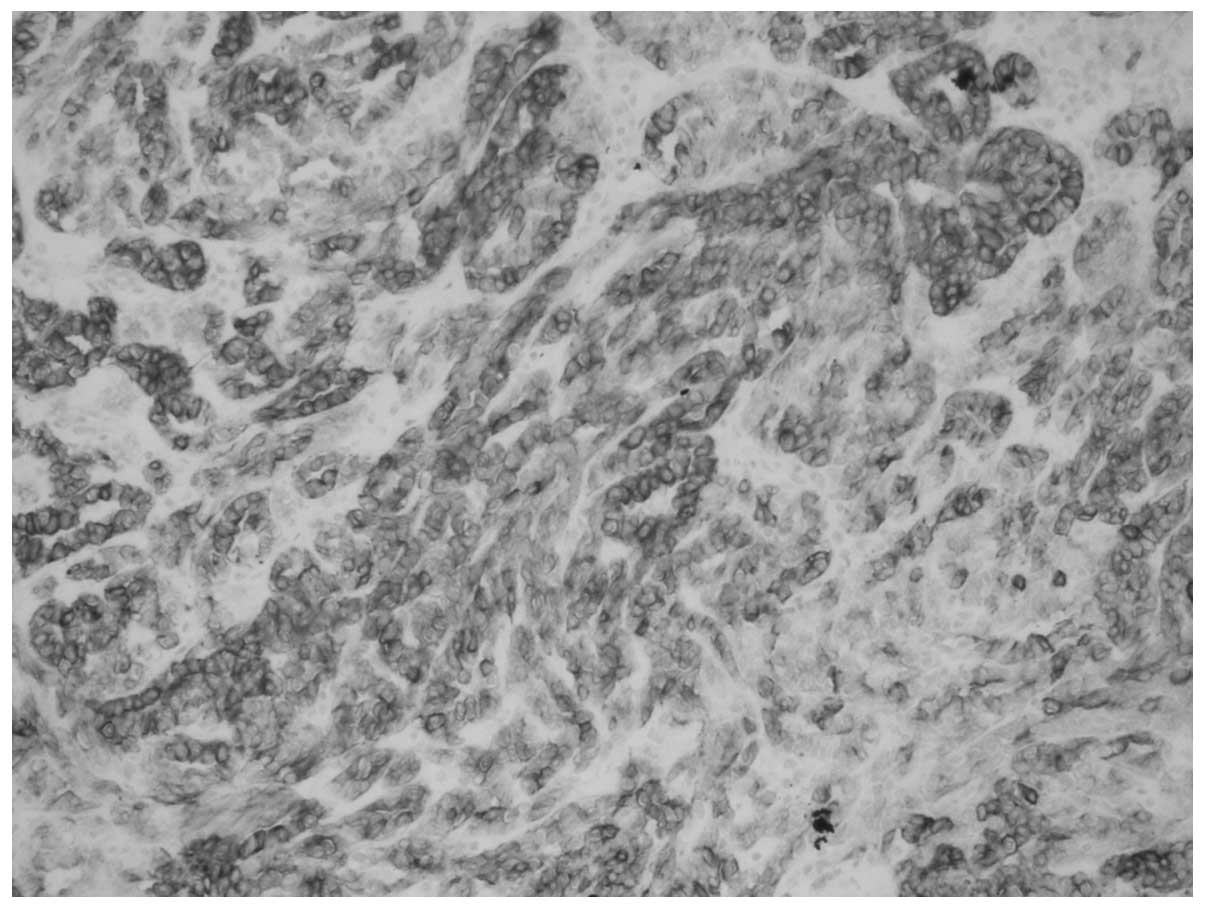
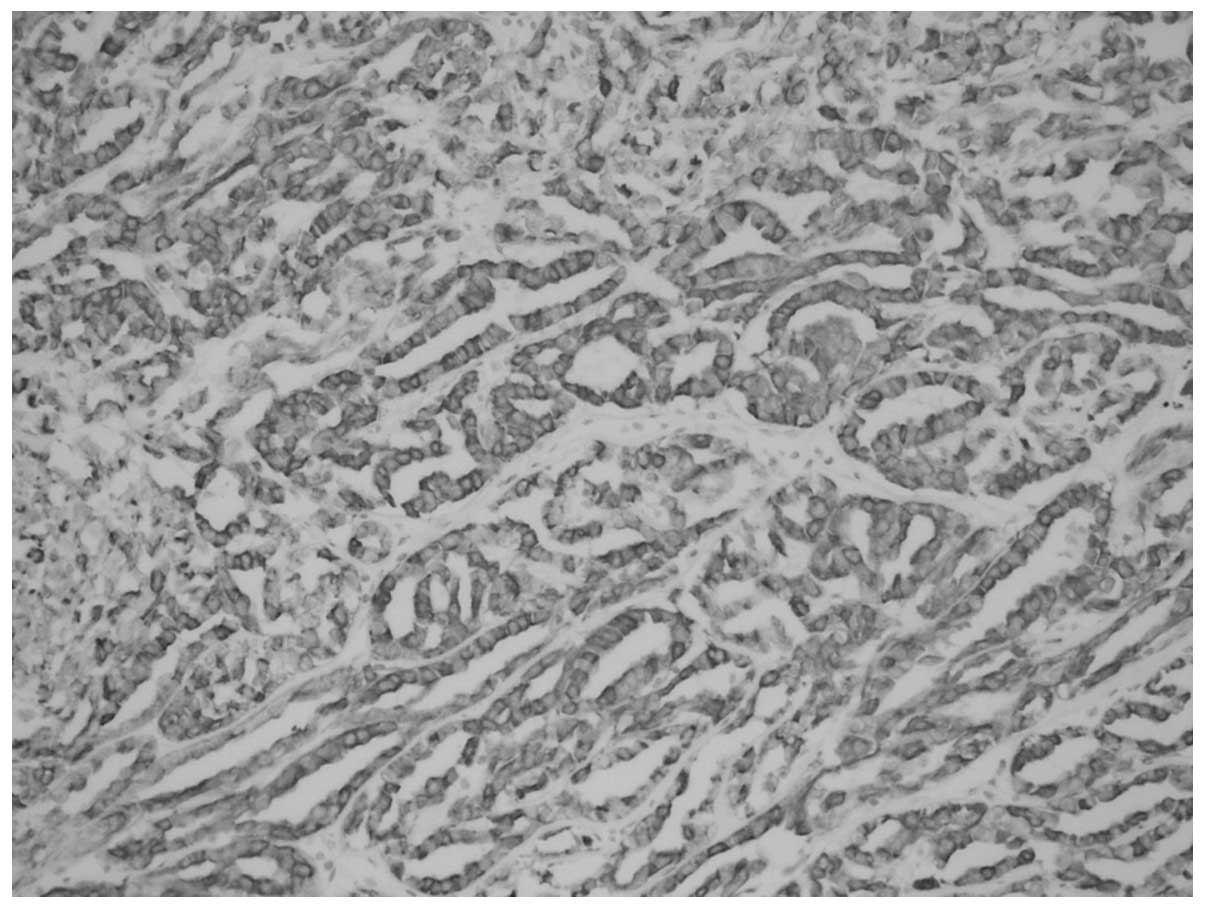
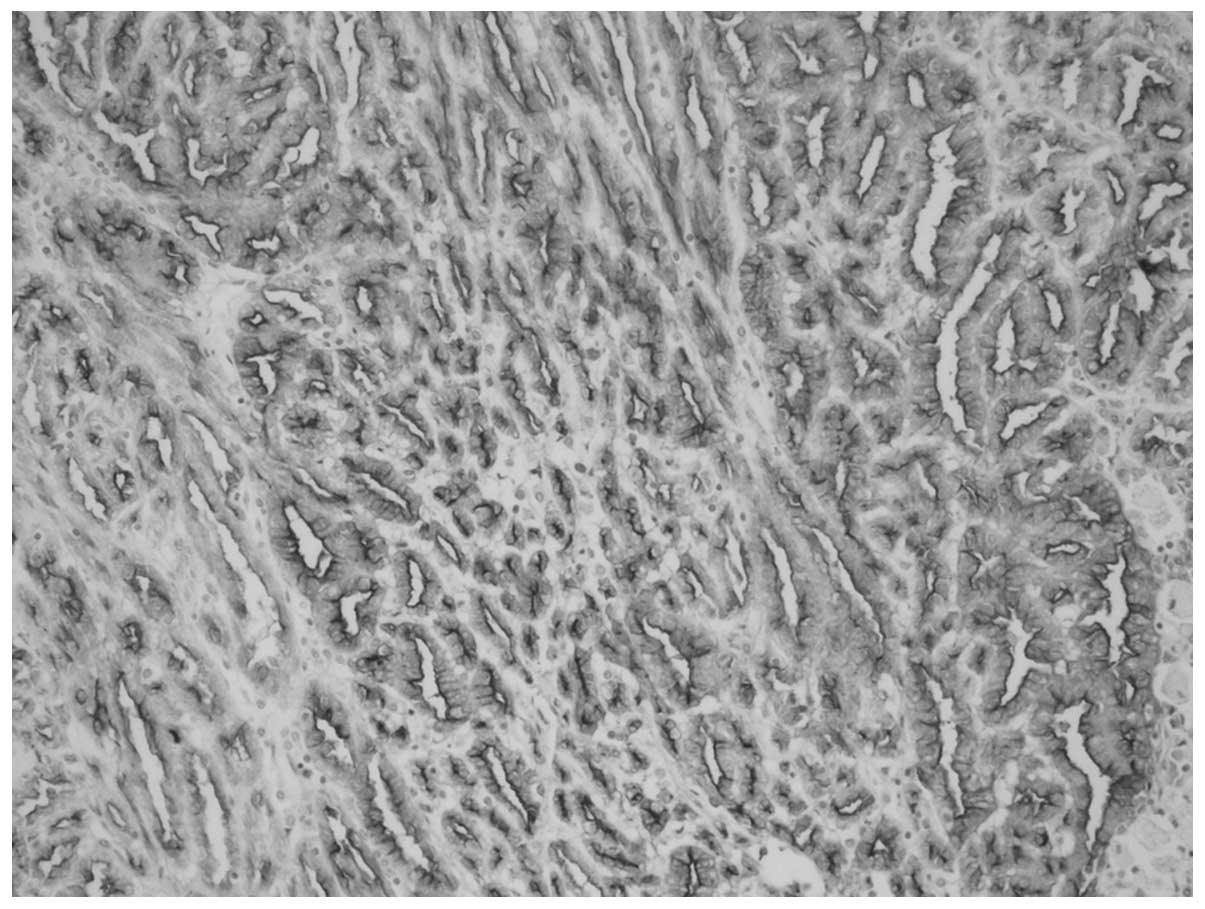
CK7 (Fig. 8), CK19 (Fig. 9), EMA (Fig. 10), Vimentin and P504S (AMACR) showed positive expression in tumoral cells, but the tumoral cells were CD10-negative.

Figure 8

CK7 showed positive expression in tumoral cells (magnification, ×20).

Figure 9

CK19 showed positive expression in tumoral cells (magnification, ×10).

Figure 10

EMA showed positive expression in tumoral cells (magnification, ×10).

Pathological results

The tumor was well-circumscribed, measuring ~7.0×6.5×6.5 cm. Invasion of the renal pelvis, renal sinus or perirenal fat was not observed. Under the microscope (BX53, Olympus, Tokyo, Japan), the tumor observed to be composed of small, elongated cords or tubules. Myxoid stroma was demonstrated to be interspersed among the tubular cells and appeared to exhibit slender tubular spindle cell-like structures, and was stained by acidic mucus. In terms of immunohistochemical staining, CK7, CK19 and AMACR had a positive expression in tumoral cells, while CD10 was negative in the tumorous cells. From these observations the tumor was determined to be low grade T1bN0 MTSCC-K.

Discussion

To date, ~100 MTSCC-K cases have been reported worldwide (6). MTSCC-K has a wide age distribution, with an age range between 17 and 82 years and a mean age of 53 years. The female incidence is approximately three- or four-fold that of males (3,6–8). Typically, the majority of patients present with asymptomatic masses, often found incidentally by ultrasound (9,10). In a few cases, the patient may present with flank pain or hematuria (9).

One of the main features of MTSCC-K is the good prognosis. However, the clinical symptoms and imaging characteristics of the MTSCC-K are similar to the more common renal cell carcinoma (RCC). Therefore, a clear preoperative diagnosis becomes more difficult. Previously, it has been reported (11) that on renal magnetic resonance imaging scans for the tumor, the T2 signal intensity ratio is 0.96 (intermediate between papillary, 0.67 and clear cell carcinoma, 1.41). Additionally, T1 images show a signal similar to that of a normal renal cortex and postcontrast T1 VIBE images demonstrate poor early phase enhancement. The current case underwent abdominal CT scan prior to surgery and no clear enhancement was identified in the arterial phase. However, marginal uneven enhancement was identified in the venous phase. This change is consistent with the previous literature and may provide references for the preoperative clinical diagnosis of MTSCC-K. In addition, it has been reported that fine needle aspiration biopsy may be diagnostic of MTSCC-K (12), which may aid to improve preoperative diagnosis rates.

Previously, Fine et al (3) described the histological types of MTSCC-K and divided them into the following two categories: Classic, abundance of extracellular mucin stroma; and mucin-poor, little to no extracellular mucin. In addition, the unusual organizational characteristics associated with MTSCC-K are as follows: Papillary clear cell structure, necrosis, ectopic bone or grit-like calcospherites and neuroendocrine differentiation has also been reported (13).

In cytogenetic studies, genetic abnormalities found in MTSCC-K cells are monosomies in chromosomes 1, 4, 6, 8 and 13, and total or partial trisomies of chromosomes 7, 11, 16 and 17 (3). Simultaneously, the immunophenotype of MTSCC-K tumor cells demonstrates a complex mode, including epithelial markers (CK19, CK7 and AE1/AE3) and distal convoluted tubule markers (EMACK19 and E-cadherin).

Since the incidence ratio of papillary RCC is second to clear RCC and is also a relatively common pathological type of RCC, the tubular architecture showing focal papillae are clear clues pointing to MTSCC-K. Therefore, it is important to differentially diagnose papillary RCC and MTSCC-K. Associated studies (13) have previously reported on a few of the immunohistochemical markers between MTSCC-K cells and papillary RCC cells. By comparison, the immunoreactivity in MTSCC-K was as follows: AMACR, 93%; CK7, 81%; EMA, 95%; RCC Ma, 7%; CD10, 15%; HMWK, 15%; and c-kit, 5%. While in papillary RCC, the immunoreactivity was as follows: AMACR, 95%; CK7, 65%; EMA, 88%; RCC Ma, 25%; CD10, 80%; HWMK, 15%; and c-kit, 18%. AMACR was once the specific immunohistochemical marker of papillary RCC, but high expression of AMACR has also been confirmed in MTSCC-K cells. By immunohistochemistry, in addition to the rate of CD10 expression differences existing in the two tumor cells, other markers have shown similarities. Therefore, identification of the two tumors relies mainly on pathological and karyotype analysis. Papillary RCC does not have an extracellular matrix; however, chromosomal gains, particularly in chromosomes 7 and 17, and loss of chromosome Y characterize papillary RCC (4).

Overall, MTSCC-K exhibits a lower malignant degree and an improved prognosis compared with other types of RCC (14). Generally, radical nephrectomy is the best treatment and no additional treatment is required following surgery. The tumor is typically of low pathological stage at the time of excision and it is extremely rare for cases to present with metastases to lymph nodes and other organs at the time of diagnosis (15). To date, an extremely small number of reported cases have presented with distant metastasis and no tumor-related mortality has been reported (6). However, MTSCC-K, as a type of renal cancer, requires close follow-up after surgery.

References

1 

Jung SJ, Yoon HK, Chung JI, et al: Mucinous tubular and spindle cell carcinoma of the kidney with neuroendocrine differentiation: report of two cases. Am J Clin Pathol. 125:99–104. 2006. View Article : Google Scholar : PubMed/NCBI

2 

MacLennan GT, Farrow GM and Bostwick DG: Low-grade collecting duct carcinoma of the kidney: report of 13 cases of low-grade mucinous tubulocystic renal carcinoma of possible collecting duct origin. Urology. 50:679–684. 1997. View Article : Google Scholar

3 

Fine SW, Argani P, DeMarzo AM, et al: Expanding the histologic spectrum of mucinous tubular and spindle cell carcinoma of kidney. Am J Surg Pathol. 30:1554–1560. 2006. View Article : Google Scholar : PubMed/NCBI

4 

Srigley JR, Eble JN, Grignon DJ and Hartwick RWJ: Unusual renal cell carcinoma (RCC) with prominent spindle cell change possibly related to the loop of Henle. Laboratory Investigation. 79(1)Lippincott Williams & Wilkins; Philadelphia, PA: pp. 107A1999

5 

Lopez-Belron AL, Scrpelli M, Montironi R and Kirkali Z: 2004 WHO classification of renal tumors of the adults. Eur Urol. 49:798–805. 2006. View Article : Google Scholar

6 

MacLennan GT and Cheng L: Neoplasms of the kidney. Urologic Surgical Pathology. Bostwick DG and Cheng L: 2nd edition. Mosby-Elsevier; Philadelphia, PA: pp. 104–106. 2008

7 

Grigore A, Toma L, Stoicea M, et al: Rare renal tumor - mucinous tubular and spindle cell carcinoma. Rom J Morphol. 53:167–171. 2012.PubMed/NCBI

8 

Srigley JR: Tumors of the kidney: Mucinous tubular and indle cell carcinoma. Pathology and Genetics of Tumours of the Urinary System and Male Genital Organs. Eble JN, Sauter G, Epstein JI and Sesterhenn IA: IARC Press; Lyon: pp. 402004

9 

Eble JN: Mucinous tubular and spindle cell carcinoma and post-neuroblastoma carcinoma: newly recognised entities in the renal cell carcinoma family. Pathology. 35:499–504. 2003. View Article : Google Scholar

10 

Eble JN and Young RH: Tumors of the urinary tract. Diagnostic Histopathology of Tumors. Fletcher CDM: 3rd edition. Churchill Livingstone; Edinburgh: pp. 5372007

11 

Oliva MR, Glickman JN, Zou KH, et al: Renal cell carcinoma: T1 and T2 signal intensity characteristics of papillary and clear cell types correlated with pathology. AJR Am J Roentgenol. 192:1524–1530. 2009. View Article : Google Scholar : PubMed/NCBI

12 

Marks-Jones DA, Zynger DL, Parwani AV and Cai G: Fine needle aspiration biopsy of renal mucinous tubular and spindle cell carcinoma: report of two cases. Diagn Cytopatho. 38:51–55. 2010.

13 

Paner GP, Srigley JR, Radhakfishnan A, et al: Immunohistochemical analysis of mucinous tubular and spindle cell carcinoma and papillary renal cell carcinoma of the kidney: significant immunophenotypic overlap warrants diagnostic caution. Am J Surg Pathol. 30:13–19. 2006. View Article : Google Scholar

14 

Kumari N, Chhabra P, Dewan U and Jain M: Renal mucinous tubular and spindle cell carcinoma. Indian J Pathol Microbiol. 52:400–402. 2009. View Article : Google Scholar : PubMed/NCBI

15 

Ursani NA, Robertson AR, Schieman SM, et al: Mucinous tubular and spindle cell carcinoma of kidney without sarcomatoid change showing metastases to liver and retroperitoneal lymph node. Hum Pathol. 42:444–448. 2011. View Article : Google Scholar

Related Articles

  • Abstract
  • View
  • Download
  • Twitter
Copy and paste a formatted citation
Spandidos Publications style
Sun N, Fu Y, Wang Y, Tian T, An W and Yuan T: Mucinous tubular and spindle cell carcinoma of the kidney: A case report and review of the literature. Oncol Lett 7: 811-814, 2014.
APA
Sun, N., Fu, Y., Wang, Y., Tian, T., An, W., & Yuan, T. (2014). Mucinous tubular and spindle cell carcinoma of the kidney: A case report and review of the literature. Oncology Letters, 7, 811-814. https://doi.org/10.3892/ol.2014.1783
MLA
Sun, N., Fu, Y., Wang, Y., Tian, T., An, W., Yuan, T."Mucinous tubular and spindle cell carcinoma of the kidney: A case report and review of the literature". Oncology Letters 7.3 (2014): 811-814.
Chicago
Sun, N., Fu, Y., Wang, Y., Tian, T., An, W., Yuan, T."Mucinous tubular and spindle cell carcinoma of the kidney: A case report and review of the literature". Oncology Letters 7, no. 3 (2014): 811-814. https://doi.org/10.3892/ol.2014.1783
Copy and paste a formatted citation
x
Spandidos Publications style
Sun N, Fu Y, Wang Y, Tian T, An W and Yuan T: Mucinous tubular and spindle cell carcinoma of the kidney: A case report and review of the literature. Oncol Lett 7: 811-814, 2014.
APA
Sun, N., Fu, Y., Wang, Y., Tian, T., An, W., & Yuan, T. (2014). Mucinous tubular and spindle cell carcinoma of the kidney: A case report and review of the literature. Oncology Letters, 7, 811-814. https://doi.org/10.3892/ol.2014.1783
MLA
Sun, N., Fu, Y., Wang, Y., Tian, T., An, W., Yuan, T."Mucinous tubular and spindle cell carcinoma of the kidney: A case report and review of the literature". Oncology Letters 7.3 (2014): 811-814.
Chicago
Sun, N., Fu, Y., Wang, Y., Tian, T., An, W., Yuan, T."Mucinous tubular and spindle cell carcinoma of the kidney: A case report and review of the literature". Oncology Letters 7, no. 3 (2014): 811-814. https://doi.org/10.3892/ol.2014.1783
Follow us
  • Twitter
  • LinkedIn
  • Facebook
About
  • Spandidos Publications
  • Careers
  • Cookie Policy
  • Privacy Policy
How can we help?
  • Help
  • Live Chat
  • Contact
  • Email to our Support Team