Spandidos Publications Logo
  • About
    • About Spandidos
    • Aims and Scopes
    • Abstracting and Indexing
    • Editorial Policies
    • Reprints and Permissions
    • Job Opportunities
    • Terms and Conditions
    • Contact
  • Journals
    • All Journals
    • Oncology Letters
      • Oncology Letters
      • Information for Authors
      • Editorial Policies
      • Editorial Board
      • Aims and Scope
      • Abstracting and Indexing
      • Bibliographic Information
      • Archive
    • International Journal of Oncology
      • International Journal of Oncology
      • Information for Authors
      • Editorial Policies
      • Editorial Board
      • Aims and Scope
      • Abstracting and Indexing
      • Bibliographic Information
      • Archive
    • Molecular and Clinical Oncology
      • Molecular and Clinical Oncology
      • Information for Authors
      • Editorial Policies
      • Editorial Board
      • Aims and Scope
      • Abstracting and Indexing
      • Bibliographic Information
      • Archive
    • Experimental and Therapeutic Medicine
      • Experimental and Therapeutic Medicine
      • Information for Authors
      • Editorial Policies
      • Editorial Board
      • Aims and Scope
      • Abstracting and Indexing
      • Bibliographic Information
      • Archive
    • International Journal of Molecular Medicine
      • International Journal of Molecular Medicine
      • Information for Authors
      • Editorial Policies
      • Editorial Board
      • Aims and Scope
      • Abstracting and Indexing
      • Bibliographic Information
      • Archive
    • Biomedical Reports
      • Biomedical Reports
      • Information for Authors
      • Editorial Policies
      • Editorial Board
      • Aims and Scope
      • Abstracting and Indexing
      • Bibliographic Information
      • Archive
    • Oncology Reports
      • Oncology Reports
      • Information for Authors
      • Editorial Policies
      • Editorial Board
      • Aims and Scope
      • Abstracting and Indexing
      • Bibliographic Information
      • Archive
    • Molecular Medicine Reports
      • Molecular Medicine Reports
      • Information for Authors
      • Editorial Policies
      • Editorial Board
      • Aims and Scope
      • Abstracting and Indexing
      • Bibliographic Information
      • Archive
    • World Academy of Sciences Journal
      • World Academy of Sciences Journal
      • Information for Authors
      • Editorial Policies
      • Editorial Board
      • Aims and Scope
      • Abstracting and Indexing
      • Bibliographic Information
      • Archive
    • International Journal of Functional Nutrition
      • International Journal of Functional Nutrition
      • Information for Authors
      • Editorial Policies
      • Editorial Board
      • Aims and Scope
      • Abstracting and Indexing
      • Bibliographic Information
      • Archive
    • International Journal of Epigenetics
      • International Journal of Epigenetics
      • Information for Authors
      • Editorial Policies
      • Editorial Board
      • Aims and Scope
      • Abstracting and Indexing
      • Bibliographic Information
      • Archive
    • Medicine International
      • Medicine International
      • Information for Authors
      • Editorial Policies
      • Editorial Board
      • Aims and Scope
      • Abstracting and Indexing
      • Bibliographic Information
      • Archive
  • Articles
  • Information
    • Information for Authors
    • Information for Reviewers
    • Information for Librarians
    • Information for Advertisers
    • Conferences
  • Language Editing
Spandidos Publications Logo
  • About
    • About Spandidos
    • Aims and Scopes
    • Abstracting and Indexing
    • Editorial Policies
    • Reprints and Permissions
    • Job Opportunities
    • Terms and Conditions
    • Contact
  • Journals
    • All Journals
    • Biomedical Reports
      • Information for Authors
      • Editorial Policies
      • Editorial Board
      • Aims and Scope
      • Abstracting and Indexing
      • Bibliographic Information
      • Archive
    • Experimental and Therapeutic Medicine
      • Information for Authors
      • Editorial Policies
      • Editorial Board
      • Aims and Scope
      • Abstracting and Indexing
      • Bibliographic Information
      • Archive
    • International Journal of Epigenetics
      • Information for Authors
      • Editorial Policies
      • Editorial Board
      • Aims and Scope
      • Abstracting and Indexing
      • Bibliographic Information
      • Archive
    • International Journal of Functional Nutrition
      • Information for Authors
      • Editorial Policies
      • Editorial Board
      • Aims and Scope
      • Abstracting and Indexing
      • Bibliographic Information
      • Archive
    • International Journal of Molecular Medicine
      • Information for Authors
      • Editorial Policies
      • Editorial Board
      • Aims and Scope
      • Abstracting and Indexing
      • Bibliographic Information
      • Archive
    • International Journal of Oncology
      • Information for Authors
      • Editorial Policies
      • Editorial Board
      • Aims and Scope
      • Abstracting and Indexing
      • Bibliographic Information
      • Archive
    • Medicine International
      • Information for Authors
      • Editorial Policies
      • Editorial Board
      • Aims and Scope
      • Abstracting and Indexing
      • Bibliographic Information
      • Archive
    • Molecular and Clinical Oncology
      • Information for Authors
      • Editorial Policies
      • Editorial Board
      • Aims and Scope
      • Abstracting and Indexing
      • Bibliographic Information
      • Archive
    • Molecular Medicine Reports
      • Information for Authors
      • Editorial Policies
      • Editorial Board
      • Aims and Scope
      • Abstracting and Indexing
      • Bibliographic Information
      • Archive
    • Oncology Letters
      • Information for Authors
      • Editorial Policies
      • Editorial Board
      • Aims and Scope
      • Abstracting and Indexing
      • Bibliographic Information
      • Archive
    • Oncology Reports
      • Information for Authors
      • Editorial Policies
      • Editorial Board
      • Aims and Scope
      • Abstracting and Indexing
      • Bibliographic Information
      • Archive
    • World Academy of Sciences Journal
      • Information for Authors
      • Editorial Policies
      • Editorial Board
      • Aims and Scope
      • Abstracting and Indexing
      • Bibliographic Information
      • Archive
  • Articles
  • Information
    • For Authors
    • For Reviewers
    • For Librarians
    • For Advertisers
    • Conferences
  • Language Editing
Login Register Submit
  • This site uses cookies
  • You can change your cookie settings at any time by following the instructions in our Cookie Policy. To find out more, you may read our Privacy Policy.

    I agree
Search articles by DOI, keyword, author or affiliation
Search
Advanced Search
presentation
Oncology Letters
Join Editorial Board Propose a Special Issue
Print ISSN: 1792-1074 Online ISSN: 1792-1082
Journal Cover
March-2017 Volume 13 Issue 3

Full Size Image

Sign up for eToc alerts
Recommend to Library

Journals

International Journal of Molecular Medicine

International Journal of Molecular Medicine

International Journal of Molecular Medicine is an international journal devoted to molecular mechanisms of human disease.

International Journal of Oncology

International Journal of Oncology

International Journal of Oncology is an international journal devoted to oncology research and cancer treatment.

Molecular Medicine Reports

Molecular Medicine Reports

Covers molecular medicine topics such as pharmacology, pathology, genetics, neuroscience, infectious diseases, molecular cardiology, and molecular surgery.

Oncology Reports

Oncology Reports

Oncology Reports is an international journal devoted to fundamental and applied research in Oncology.

Experimental and Therapeutic Medicine

Experimental and Therapeutic Medicine

Experimental and Therapeutic Medicine is an international journal devoted to laboratory and clinical medicine.

Oncology Letters

Oncology Letters

Oncology Letters is an international journal devoted to Experimental and Clinical Oncology.

Biomedical Reports

Biomedical Reports

Explores a wide range of biological and medical fields, including pharmacology, genetics, microbiology, neuroscience, and molecular cardiology.

Molecular and Clinical Oncology

Molecular and Clinical Oncology

International journal addressing all aspects of oncology research, from tumorigenesis and oncogenes to chemotherapy and metastasis.

World Academy of Sciences Journal

World Academy of Sciences Journal

Multidisciplinary open-access journal spanning biochemistry, genetics, neuroscience, environmental health, and synthetic biology.

International Journal of Functional Nutrition

International Journal of Functional Nutrition

Open-access journal combining biochemistry, pharmacology, immunology, and genetics to advance health through functional nutrition.

International Journal of Epigenetics

International Journal of Epigenetics

Publishes open-access research on using epigenetics to advance understanding and treatment of human disease.

Medicine International

Medicine International

An International Open Access Journal Devoted to General Medicine.

Journal Cover
March-2017 Volume 13 Issue 3

Full Size Image

Sign up for eToc alerts
Recommend to Library

  • Article
  • Citations
    • Cite This Article
    • Download Citation
    • Create Citation Alert
    • Remove Citation Alert
    • Cited By
  • Similar Articles
    • Related Articles (in Spandidos Publications)
    • Similar Articles (Google Scholar)
    • Similar Articles (PubMed)
  • Download PDF
  • Download XML
  • View XML
Case Report

Intensity modulated radiation therapy to treat primary female mediastinal seminoma and massive pericardial effusion: A case report

  • Authors:
    • Jun Cao
    • Yan Zhou
    • Fangwen Zou
    • Jin‑An Ma
    • Chunhong Hu
  • View Affiliations / Copyright

    Affiliations: Department of Oncology, Hunan Cancer Hospital, Changsha, Hunan 410003, P.R. China, Department of Oncology, The Second Xiangya Hospital of Central South University, Changsha, Hunan 410011, P.R. China
  • Pages: 1299-1302
    |
    Published online on: January 2, 2017
       https://doi.org/10.3892/ol.2017.5555
  • Expand metrics +
Metrics: Total Views: 0 (Spandidos Publications: | PMC Statistics: )
Metrics: Total PDF Downloads: 0 (Spandidos Publications: | PMC Statistics: )
Cited By (CrossRef): 0 citations Loading Articles...

This article is mentioned in:


Abstract

Primary mediastinal seminoma is a rare extragonadal germ cell tumour that mainly occurs in males. The present study reports the case of a 27‑year‑old woman that presented with superior vena cava syndrome and a large mass in the mediastinum, which was diagnosed as primary female mediastinal seminoma. The patient received 6 cycles of cisplatin‑based chemotherapy [4 cycles BEP chemotherapy (120 mg cisplatin, 0.45 g etoposide and 60 mg bleomycin, once every 3 weeks); 2 cycles IEP chemotherapy (120 mg cisplatin, 100 mg epirubicin and 6 g ifosfamide, once every 3 weeks)] and the patient showed an increase in the size of the mediastinal mass and hydropericardium, indicating a resistance to chemotherapy. Radiotherapy to the mediastinum (50 Gy over 18 fractions) and pericardium (30 Gy over 18 fractions) was performed. Following radiotherapy, the patient was considered to have a complete response to the treatment, and subsequent to a 5‑year follow‑up, no recurrence or metastasis was identified. To the best of our knowledge, no similar cases have been reported in the literature at present.

Introduction

Extragonadal germ cell tumours (EGCTs) mostly originate from primordial germ cell or thymus cells which may transform to germ cells, accounting for 2–5% of all germ cell tumours (1). EGCTs are further differentiated into seminoma, non-seminoma and mixed-cell tumours. Seminoma is the most common type of EGCT, and all three types are treated using radiotherapy and chemotherapy-based comprehensive treatments. EGCTs mostly present in the medial side of the body, including the mediastinum and retroperitoneum (2). Primary mediastinal seminoma is a rare extragonadal germ cell tumour that mainly occurs in males (3). Primary mediastinal seminoma commonly occurs in the anterior mediastinum of men with an average age of 33 years, and it is rarely observed in women. The incidence rate of primary mediastinal seminoma accounts for 1–4% of mediastinal tumors (4). As primary mediastinal seminoma is a highly radiosensitive tumour, radiotherapy is currently considered to be the most important means of treatment, though chemotherapy may also be used (4).

Case report

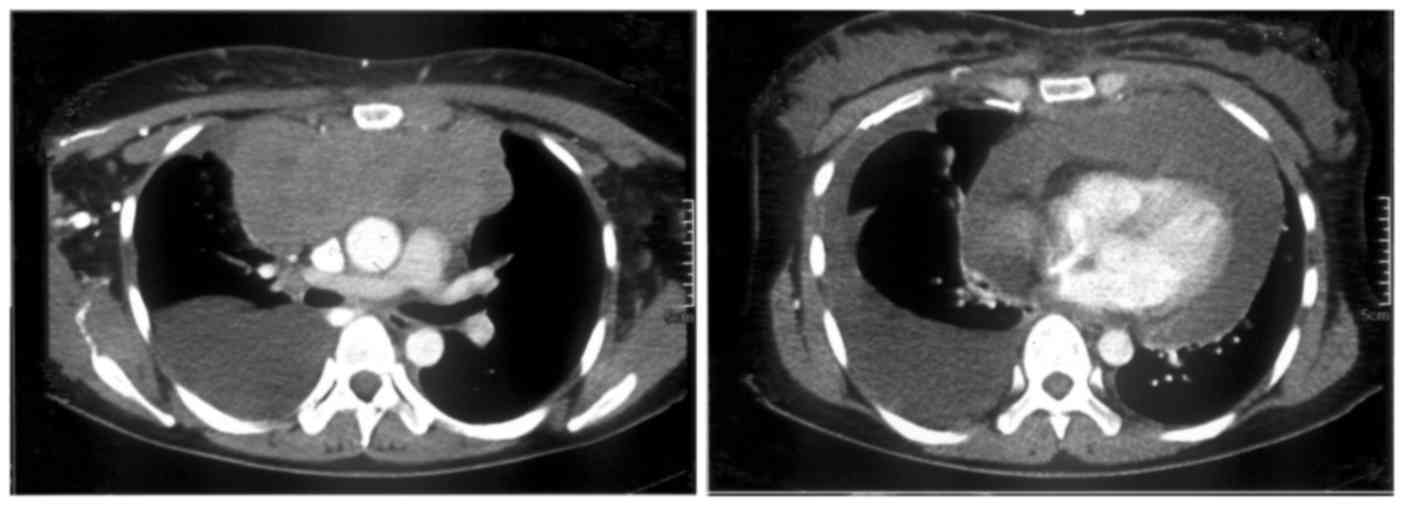
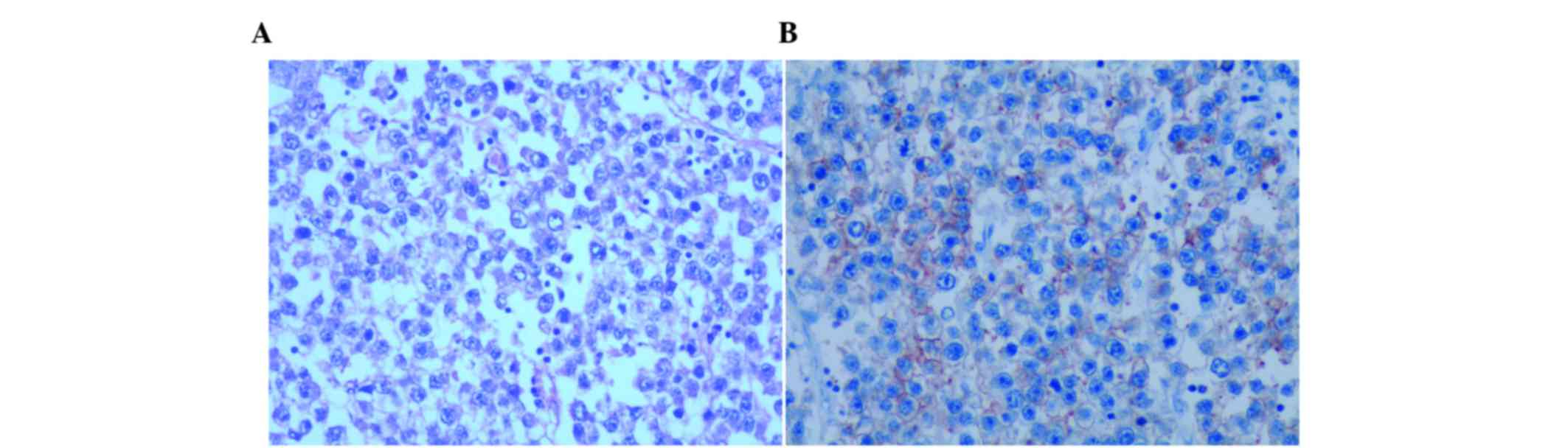
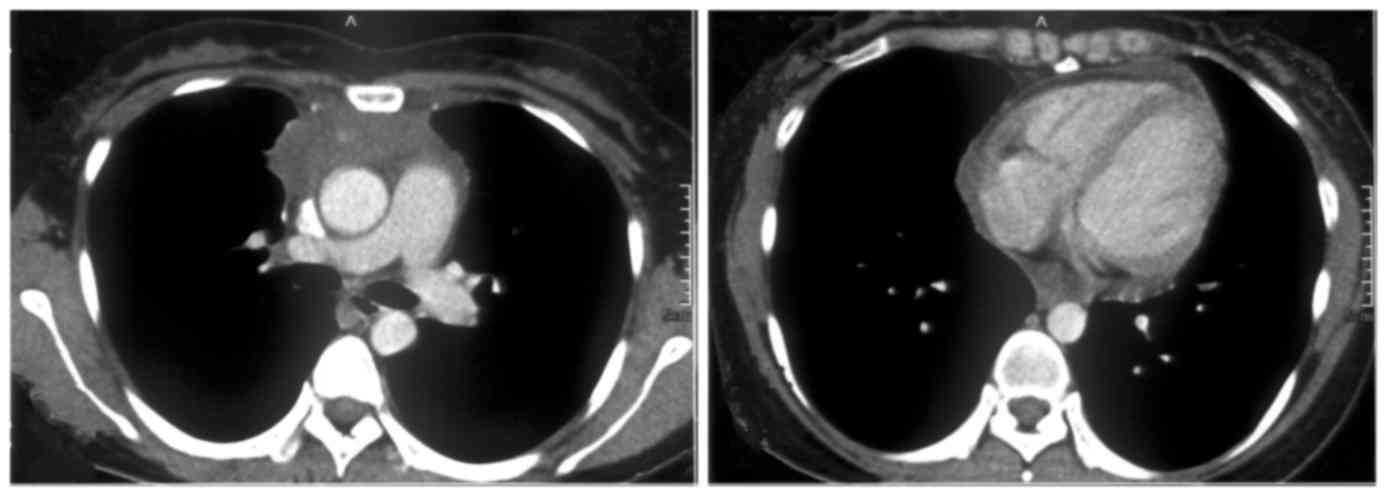
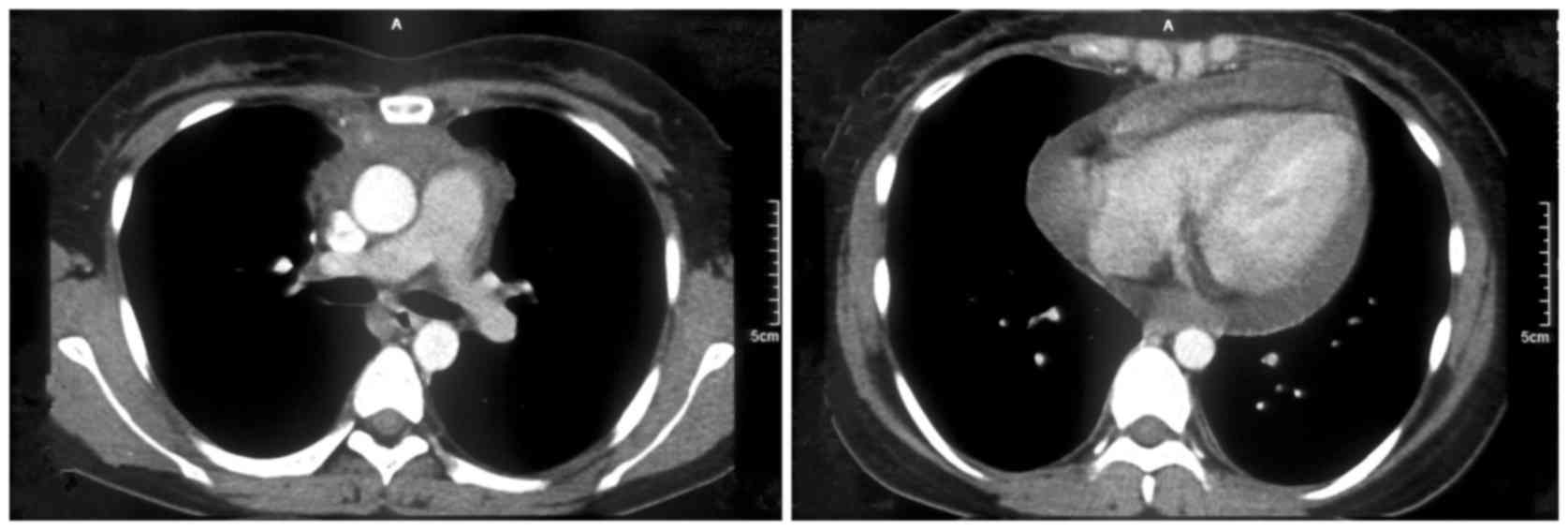
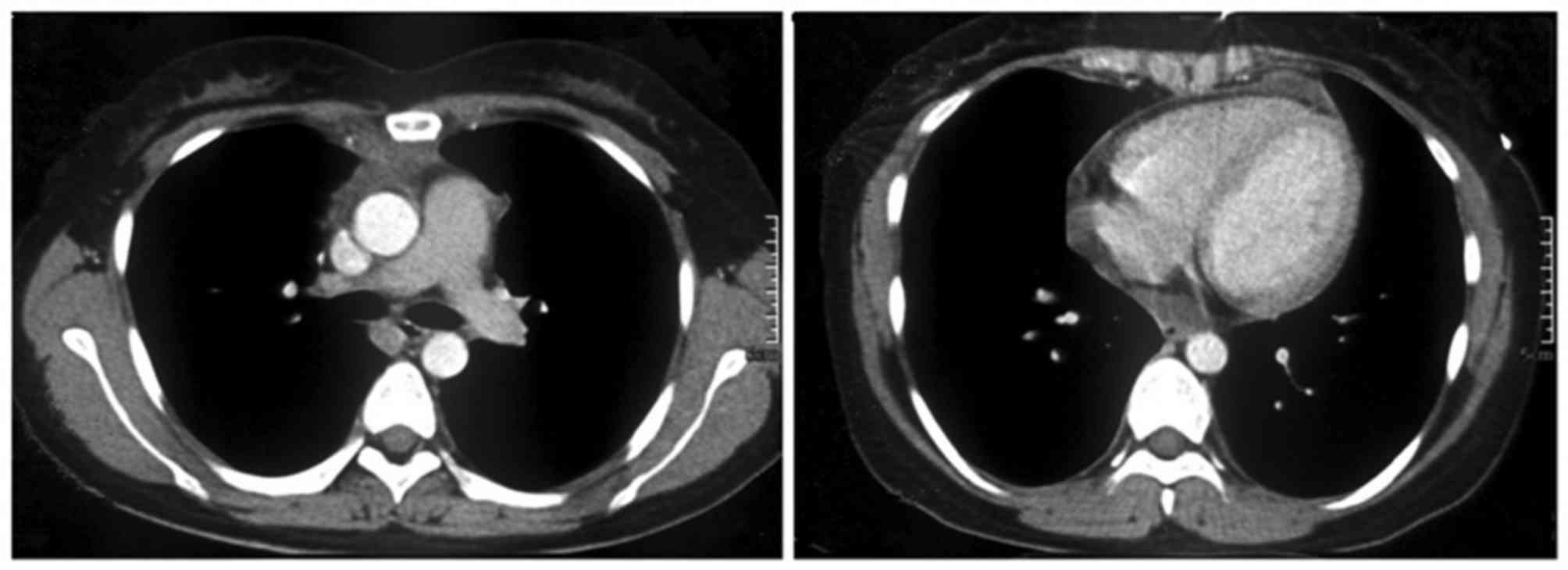
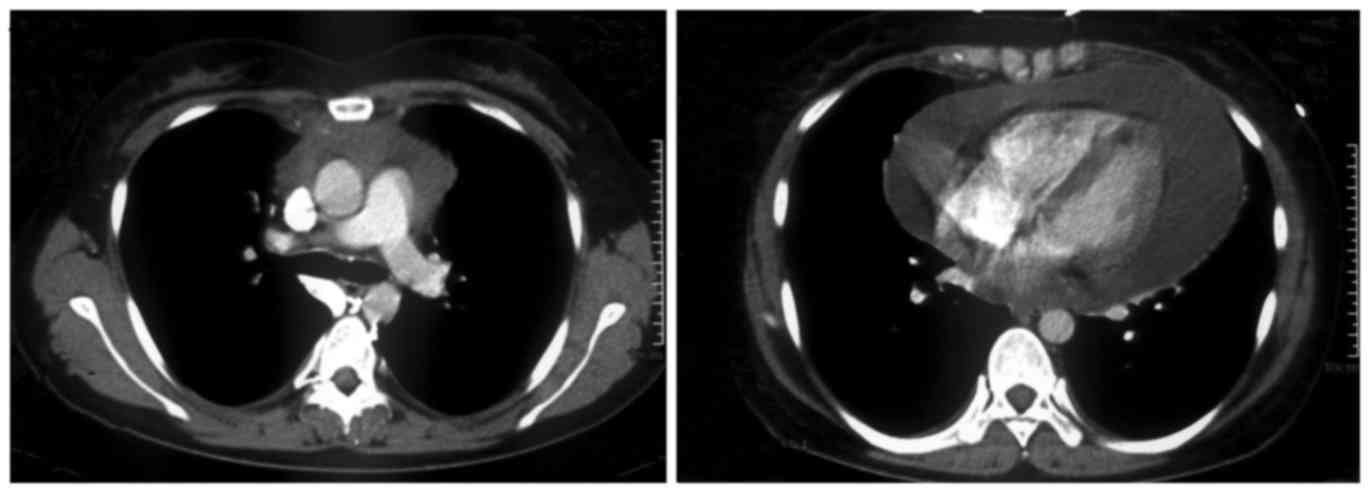
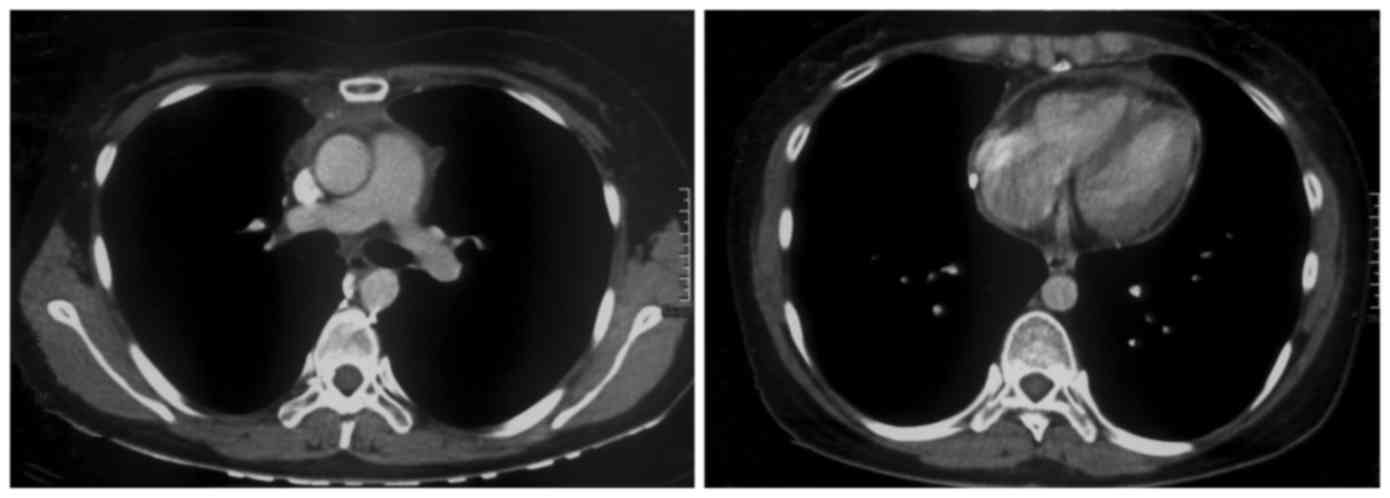
In November 2008, a 27-year-old woman presented at The Second Xiangya Hospital of Central South University (Changsha, China) with the signs and symptoms of superior vena cava syndrome (swollen neck), which had been present for 10 days, and was admitted to the present department. The patient had given birth 2 months prior to presentation. CT (Siemens) revealed a 12×6-cm mass in the anterior mediastinum, and water density shadow was observed inside the thickened pericardium (Fig. 1). Examination of the mediastinal mass biopsy (prepared using a BARD biopsy gun; Bard Company, Murray Hill, NJ, USA) in December 2008 revealed distributed macro-nucleic cells under microscope (N-117M CKX41; Olympus Corporation, Tokyo, Japan), with the following immunohistochemical findings: Strong expression of placental alkaline phosphatase (PLAP); expression of cluster of differentiation (CD)3 (dilution, 1:100; GD-x0297M-AF03; Abcam, Cambridge, UK), CD45 (dilution, 1:100; GD-x0297M-AF20; Abcam) and CD20 (dilution, 1:100; GD-x0297M-AF20; Abcam); and no expression of CD79a (dilution, 1:100; GD-x0297M-AF79a), cytokeratin (dilution, 1:500; GD-cyt-001; Abcam), S100 (dilution, 1:100; GD-S-100; Abcam), terminal deoxynucleotidyl transferase (dilution, 1:200; GD-te-001; Abcam), CD5 (dilution, 1:100; GD-x0297M-AF05; Abcam), CD30 (dilution, 1:100; GD-x0297M-AF30; Abcam), CD15 (dilution, 1:100; GD-x0297M-AF15; Abcam), anaplastic lymphoma kinase (dilution, 1:500; GD-ana-001; Abcam), B cell lymphoma-2 (dilution, 1:100; GD-bcl-005; Abcam) and CD10 (dilution, 1:100; GD-x097M-AF10; Abcam) (Fig. 2). These findings were consistent with the diagnosis of primary mediastinal seminoma and stage IV disease. The patient was administered with 2 cycles of the bleomycin, etoposide and cisplatin (BEP) chemotherapy regimen (120 mg cisplatin, 0.45 g etoposide and 60 mg bleomycin, once every 3 weeks). CT re-examination showed a distinctly reduced mediastinum mass size, decreased pericardial effusion and disappearance of the right mediastinal exudates (Fig. 3). The BEP regimen was prolonged with the same dosages for an additional 2 cycles. CT re-examination showed mild shrinkage of the mediastinal mass, but pericardial effusion had increased (Fig. 4). Thus, the chemotherapy regimen was revised to the iphosphamide, epirubicin and cisplatin regimen. CT re-examination (Fig. 5) shows that the mediastinal mass had decreased in size again, with reduced pericardial effusion, considering the treatment efficacy the regimen was prolonged. Another CT re-examination was performed 3 weeks subsequently, which showed the advancement of disease with an enlarged mediastinal mass and increased volume of pericardial effusion (Fig. 6). The patient was administered with intensity-modulated radiotherapy therapy from June 2008. A dose of 50 Gy/18 fractions was administered to the upper mediastinum and a dose of 30 Gy/18 fractions was administered to the pericardial area. Pericardiocentesis was performed post-radiotherapy, which drained 700 ml of red fluid, together with the infusion of 1 g fluorouracil. Post-radiotherapy CT examination showed that the mediastinal mass had disappeared, with a mild amount of pericardial effusion (Fig. 7). For 5 years subsequent to treatment, to the present time, there has been no relapse of the tumour and the patient is leading a normal life.

Figure 1.

Computed tomography performed in December 2008 shows a large mediastinal tumour mass, with effusion in the right pleura and pericardium.

Figure 2.

Histological analysis of the resected tumor specimen revealed the distribution of macro-nucleic cells (stain, hematoxylin and eosin). Magnification, (A) ×200 and (B) ×400.

Figure 3.

Computed tomography performed in January 2009, 2 weeks subsequent to bleomycin, etoposide and cisplatin chemotherapy, reveals shrinking of the mediastinal mass, with decreased pericardial and pleural effusion.

Figure 4.

CT performed in March 2009, 4 weeks subsequent to bleomycin, etoposide and cisplatin chemotherapy, reveals slight shrinking of the mediastinal mass compared with the CT performed in January 2008, but with an increased amount of pericardial effusion. CT, computed tomography

Figure 5.

CT performed in May 2009, 2 weeks subsequent to iphosphamide, epirubicin and cisplatin administration, revealing shrinking of the mediastinal mass shrinking compared with the CT perfomed in March 2009, with decreased pericardial effusion. CT, computed tomography

Figure 6.

CT performed in May 2009, 3 weeks subsequent to iphosphamide, epirubicin and cisplatin administration, showing an enlarged mass compared to the CT performed earlier in May 2009, with an increased amount of pericardial effusion. CT, computed tomography.

Figure 7.

Computed tomography performed in July 2009, subsequent to radiotherapy, revealed the disappearance of mediastinal mass, with a small amount of pericardial effusion.

Discussion

In 2004, the World Health Organization defined mediastinal seminoma as a type of extragonadal low-grade malignant germ cell tumour that commonly occurs in the anterior mediastinum of men, with the average age of 33 years, and it is rarely observed in women (4). The clinical data show that primary mediastinal seminoma accounts for 0.5–5% of all mediastinal tumours (5).

Clinical records show that the most common clinical symptoms of primary mediastinal seminoma include chest pain, dyspnoea and hoarseness of voice (1). In the majority of cases, CT shows heterogeneously distributed density of the mediastinal mass (6). Monitoring of serum tumour markers is significantly important for the diagnosis and prognostic evaluation of patients with mediastinal seminoma. According to the 2010 American Society of Clinical Oncology clinical guidelines, increased levels of biomarkers such as HCG, LDH and AFP should determine the presence of relapse or metastasis of the disease (7). In addition, 80–90% of mediastinal seminoma cases are found to be PLAP-positive by immunohistochemistry (2). The diagnosis of primary mediastinal seminoma in the present patient was confirmed by the clinical presentation, CT and the morphological appearance of the tumour. In addition, immunohistochemical analysis was performed for PLAP, CD3, CD20 and CD45, all of which were found to be expressed.

Among mediastinal tumours, seminoma is a highly radiosensitive tumour, and therefore long-term radiotherapy is considered the most important means of treatment and increases the long-term survival rate of patients by 60–80% (8). Patients administered with platinum-based chemotherapy had an overall long-term survival rate of 90%. At present, the most commonly accepted treatment methods for mediastinal seminoma may be classified as two types. Radiotherapy is used if patients develop post-chemotherapeutic local recurrence and remnant lesions and surgery is used in patients with post-chemotherapeutic remnant lesions >3 cm in size.

In the present case, there was recurrent relapse of the disease and the case was unique as the patient was female. The chemotherapeutic effect varies between men with primary mediastinal seminoma (9). Another explanation is that the patient was diagnosed with mediastinal seminoma through biopsy. However, the pathological biopsy specimen was small, and the tumour may have contained non-seminomatous germ cell tumour type cells, which were not biopsied. In addition, mixed-type gonadal cell tumours account for 13–34% of mediastinal tumours and they are less sensitive to chemotherapy compared with cases of seminoma (2). The present patient had large amounts of pericardial effusion, which is a contraindication for radiotherapy. However, considering that the patient was resistant to chemotherapy and the challenging nature of surgery due to extensive invasion, with no significant cardiac compression symptoms, such as dyspnoea or shock, the patient was advised to undergo radiotherapy. Subsequent to the aforementioned treatments the patient did not experience any relapse or metastasis during the 5 years of follow-up.

Thus, the present study shows that various comprehensive treatment methods should be used for the effective treatment of mediastinal seminoma. Although radiotherapy is contraindicated in pericardial effusion, the present study indicates that it could be considered if there are no other means of treatment and with no evident signs of cardiac compression.

References

1 

Hsu YJ, Pai L, Chen YC, Ho CL, Kao WY and Chao TY: Extragonadal germ cell tumors in Taiwan: An analysis of treatment results of 59 patients. Cancer. 95:766–774. 2002. View Article : Google Scholar : PubMed/NCBI

2 

Wick MR, Perlman EJ, Orazi A, Müller-Hermelink HK, Zettl A, Göbel U, Bokemeyer C, Hartmann JT and Marx A: Germ cell tumors of the mediastinum. World Health Organization Classification of TumoursPathology and Genetics of Tumours of the Lung, Pleura, Thymus and Heart. Travis WD, Brambilla E, Müller-Hermelink HK and Harris CC: IARC Press; Lyon: pp. 198–219. 2004

3 

Moran CA and Suster S: Primary germ cell tumors of the mediastinum: I. Analysis of 322 cases with special emphasis on teratomatous lesions and a proposal for histopathologic classification and clinical staging. Cancer. 80:681–690. 1997. View Article : Google Scholar : PubMed/NCBI

4 

Schrader M, Kempkensteffen C, Christoph F, Hinz S, Weikert S, Lein M, Krause H, Stephan C, Jung K, Hoepfner M, et al: Germ cell tumors of the gonads: A selective review emphasizing problems in drug resistance and current therapy options. Oncology. 76:77–84. 2009. View Article : Google Scholar : PubMed/NCBI

5 

Iwasa S, Ando M, Ono M, Hirata T, Yunokawa M, Nakano E, Yonemori K, Kouno T, Shimizu C, Tamura K, et al: Relapse with malignant transformation after chemotherapy for primary mediastinal seminoma: Case report. Jpn J Clin Oncol. 39:456–459. 2009. View Article : Google Scholar : PubMed/NCBI

6 

Xu X, Sun C, Zhang L and Liang J: A case of mediastinal seminoma presenting as superior vena cava syndrome. Intern Med. 51:1269–1272. 2012. View Article : Google Scholar : PubMed/NCBI

7 

Gilligan TD, Hayes DF, Seidenfeld J and Temin S: ASCO clinical practice guideline on uses of serum tumor markers in adult males with germ cell tumors. J Oncol Pract. 6:199–202. 2010. View Article : Google Scholar : PubMed/NCBI

8 

Feldman DR, Patil S, Trinos MJ, Carousso M, Ginsberg MS, Sheinfeld J, Bajorin DF, Bosl GJ and Motzer RJ: Progression-free and overall survival in patients with relapsed/refractory germ cell tumors treated with single-agent chemotherapy: Endpoints for clinical trial design. Cancer. 118:981–986. 2012. View Article : Google Scholar : PubMed/NCBI

9 

Liu TZ, Zhang DS, Liang Y, Zhou NN, Gao HF, Liu KJ and Wu HY: Treatment strategies and prognostic factors of patients with primary germ cell tumors in the mediastinum. J Cancer Res Clin Oncol. 137:1607–1612. 2011. View Article : Google Scholar : PubMed/NCBI

Related Articles

  • Abstract
  • View
  • Download
  • Twitter
Copy and paste a formatted citation
Spandidos Publications style
Cao J, Zhou Y, Zou F, Ma JA and Hu C: Intensity modulated radiation therapy to treat primary female mediastinal seminoma and massive pericardial effusion: A case report. Oncol Lett 13: 1299-1302, 2017.
APA
Cao, J., Zhou, Y., Zou, F., Ma, J., & Hu, C. (2017). Intensity modulated radiation therapy to treat primary female mediastinal seminoma and massive pericardial effusion: A case report. Oncology Letters, 13, 1299-1302. https://doi.org/10.3892/ol.2017.5555
MLA
Cao, J., Zhou, Y., Zou, F., Ma, J., Hu, C."Intensity modulated radiation therapy to treat primary female mediastinal seminoma and massive pericardial effusion: A case report". Oncology Letters 13.3 (2017): 1299-1302.
Chicago
Cao, J., Zhou, Y., Zou, F., Ma, J., Hu, C."Intensity modulated radiation therapy to treat primary female mediastinal seminoma and massive pericardial effusion: A case report". Oncology Letters 13, no. 3 (2017): 1299-1302. https://doi.org/10.3892/ol.2017.5555
Copy and paste a formatted citation
x
Spandidos Publications style
Cao J, Zhou Y, Zou F, Ma JA and Hu C: Intensity modulated radiation therapy to treat primary female mediastinal seminoma and massive pericardial effusion: A case report. Oncol Lett 13: 1299-1302, 2017.
APA
Cao, J., Zhou, Y., Zou, F., Ma, J., & Hu, C. (2017). Intensity modulated radiation therapy to treat primary female mediastinal seminoma and massive pericardial effusion: A case report. Oncology Letters, 13, 1299-1302. https://doi.org/10.3892/ol.2017.5555
MLA
Cao, J., Zhou, Y., Zou, F., Ma, J., Hu, C."Intensity modulated radiation therapy to treat primary female mediastinal seminoma and massive pericardial effusion: A case report". Oncology Letters 13.3 (2017): 1299-1302.
Chicago
Cao, J., Zhou, Y., Zou, F., Ma, J., Hu, C."Intensity modulated radiation therapy to treat primary female mediastinal seminoma and massive pericardial effusion: A case report". Oncology Letters 13, no. 3 (2017): 1299-1302. https://doi.org/10.3892/ol.2017.5555
Follow us
  • Twitter
  • LinkedIn
  • Facebook
About
  • Spandidos Publications
  • Careers
  • Cookie Policy
  • Privacy Policy
How can we help?
  • Help
  • Live Chat
  • Contact
  • Email to our Support Team