Spandidos Publications Logo
  • About
    • About Spandidos
    • Aims and Scopes
    • Abstracting and Indexing
    • Editorial Policies
    • Reprints and Permissions
    • Job Opportunities
    • Terms and Conditions
    • Contact
  • Journals
    • All Journals
    • Oncology Letters
      • Oncology Letters
      • Information for Authors
      • Editorial Policies
      • Editorial Board
      • Aims and Scope
      • Abstracting and Indexing
      • Bibliographic Information
      • Archive
    • International Journal of Oncology
      • International Journal of Oncology
      • Information for Authors
      • Editorial Policies
      • Editorial Board
      • Aims and Scope
      • Abstracting and Indexing
      • Bibliographic Information
      • Archive
    • Molecular and Clinical Oncology
      • Molecular and Clinical Oncology
      • Information for Authors
      • Editorial Policies
      • Editorial Board
      • Aims and Scope
      • Abstracting and Indexing
      • Bibliographic Information
      • Archive
    • Experimental and Therapeutic Medicine
      • Experimental and Therapeutic Medicine
      • Information for Authors
      • Editorial Policies
      • Editorial Board
      • Aims and Scope
      • Abstracting and Indexing
      • Bibliographic Information
      • Archive
    • International Journal of Molecular Medicine
      • International Journal of Molecular Medicine
      • Information for Authors
      • Editorial Policies
      • Editorial Board
      • Aims and Scope
      • Abstracting and Indexing
      • Bibliographic Information
      • Archive
    • Biomedical Reports
      • Biomedical Reports
      • Information for Authors
      • Editorial Policies
      • Editorial Board
      • Aims and Scope
      • Abstracting and Indexing
      • Bibliographic Information
      • Archive
    • Oncology Reports
      • Oncology Reports
      • Information for Authors
      • Editorial Policies
      • Editorial Board
      • Aims and Scope
      • Abstracting and Indexing
      • Bibliographic Information
      • Archive
    • Molecular Medicine Reports
      • Molecular Medicine Reports
      • Information for Authors
      • Editorial Policies
      • Editorial Board
      • Aims and Scope
      • Abstracting and Indexing
      • Bibliographic Information
      • Archive
    • World Academy of Sciences Journal
      • World Academy of Sciences Journal
      • Information for Authors
      • Editorial Policies
      • Editorial Board
      • Aims and Scope
      • Abstracting and Indexing
      • Bibliographic Information
      • Archive
    • International Journal of Functional Nutrition
      • International Journal of Functional Nutrition
      • Information for Authors
      • Editorial Policies
      • Editorial Board
      • Aims and Scope
      • Abstracting and Indexing
      • Bibliographic Information
      • Archive
    • International Journal of Epigenetics
      • International Journal of Epigenetics
      • Information for Authors
      • Editorial Policies
      • Editorial Board
      • Aims and Scope
      • Abstracting and Indexing
      • Bibliographic Information
      • Archive
    • Medicine International
      • Medicine International
      • Information for Authors
      • Editorial Policies
      • Editorial Board
      • Aims and Scope
      • Abstracting and Indexing
      • Bibliographic Information
      • Archive
  • Articles
  • Information
    • Information for Authors
    • Information for Reviewers
    • Information for Librarians
    • Information for Advertisers
    • Conferences
  • Language Editing
Spandidos Publications Logo
  • About
    • About Spandidos
    • Aims and Scopes
    • Abstracting and Indexing
    • Editorial Policies
    • Reprints and Permissions
    • Job Opportunities
    • Terms and Conditions
    • Contact
  • Journals
    • All Journals
    • Biomedical Reports
      • Information for Authors
      • Editorial Policies
      • Editorial Board
      • Aims and Scope
      • Abstracting and Indexing
      • Bibliographic Information
      • Archive
    • Experimental and Therapeutic Medicine
      • Information for Authors
      • Editorial Policies
      • Editorial Board
      • Aims and Scope
      • Abstracting and Indexing
      • Bibliographic Information
      • Archive
    • International Journal of Epigenetics
      • Information for Authors
      • Editorial Policies
      • Editorial Board
      • Aims and Scope
      • Abstracting and Indexing
      • Bibliographic Information
      • Archive
    • International Journal of Functional Nutrition
      • Information for Authors
      • Editorial Policies
      • Editorial Board
      • Aims and Scope
      • Abstracting and Indexing
      • Bibliographic Information
      • Archive
    • International Journal of Molecular Medicine
      • Information for Authors
      • Editorial Policies
      • Editorial Board
      • Aims and Scope
      • Abstracting and Indexing
      • Bibliographic Information
      • Archive
    • International Journal of Oncology
      • Information for Authors
      • Editorial Policies
      • Editorial Board
      • Aims and Scope
      • Abstracting and Indexing
      • Bibliographic Information
      • Archive
    • Medicine International
      • Information for Authors
      • Editorial Policies
      • Editorial Board
      • Aims and Scope
      • Abstracting and Indexing
      • Bibliographic Information
      • Archive
    • Molecular and Clinical Oncology
      • Information for Authors
      • Editorial Policies
      • Editorial Board
      • Aims and Scope
      • Abstracting and Indexing
      • Bibliographic Information
      • Archive
    • Molecular Medicine Reports
      • Information for Authors
      • Editorial Policies
      • Editorial Board
      • Aims and Scope
      • Abstracting and Indexing
      • Bibliographic Information
      • Archive
    • Oncology Letters
      • Information for Authors
      • Editorial Policies
      • Editorial Board
      • Aims and Scope
      • Abstracting and Indexing
      • Bibliographic Information
      • Archive
    • Oncology Reports
      • Information for Authors
      • Editorial Policies
      • Editorial Board
      • Aims and Scope
      • Abstracting and Indexing
      • Bibliographic Information
      • Archive
    • World Academy of Sciences Journal
      • Information for Authors
      • Editorial Policies
      • Editorial Board
      • Aims and Scope
      • Abstracting and Indexing
      • Bibliographic Information
      • Archive
  • Articles
  • Information
    • For Authors
    • For Reviewers
    • For Librarians
    • For Advertisers
    • Conferences
  • Language Editing
Login Register Submit
  • This site uses cookies
  • You can change your cookie settings at any time by following the instructions in our Cookie Policy. To find out more, you may read our Privacy Policy.

    I agree
Search articles by DOI, keyword, author or affiliation
Search
Advanced Search
presentation
Oncology Letters
Join Editorial Board Propose a Special Issue
Print ISSN: 1792-1074 Online ISSN: 1792-1082
Journal Cover
May-2018 Volume 15 Issue 5

Full Size Image

Sign up for eToc alerts
Recommend to Library

Journals

International Journal of Molecular Medicine

International Journal of Molecular Medicine

International Journal of Molecular Medicine is an international journal devoted to molecular mechanisms of human disease.

International Journal of Oncology

International Journal of Oncology

International Journal of Oncology is an international journal devoted to oncology research and cancer treatment.

Molecular Medicine Reports

Molecular Medicine Reports

Covers molecular medicine topics such as pharmacology, pathology, genetics, neuroscience, infectious diseases, molecular cardiology, and molecular surgery.

Oncology Reports

Oncology Reports

Oncology Reports is an international journal devoted to fundamental and applied research in Oncology.

Experimental and Therapeutic Medicine

Experimental and Therapeutic Medicine

Experimental and Therapeutic Medicine is an international journal devoted to laboratory and clinical medicine.

Oncology Letters

Oncology Letters

Oncology Letters is an international journal devoted to Experimental and Clinical Oncology.

Biomedical Reports

Biomedical Reports

Explores a wide range of biological and medical fields, including pharmacology, genetics, microbiology, neuroscience, and molecular cardiology.

Molecular and Clinical Oncology

Molecular and Clinical Oncology

International journal addressing all aspects of oncology research, from tumorigenesis and oncogenes to chemotherapy and metastasis.

World Academy of Sciences Journal

World Academy of Sciences Journal

Multidisciplinary open-access journal spanning biochemistry, genetics, neuroscience, environmental health, and synthetic biology.

International Journal of Functional Nutrition

International Journal of Functional Nutrition

Open-access journal combining biochemistry, pharmacology, immunology, and genetics to advance health through functional nutrition.

International Journal of Epigenetics

International Journal of Epigenetics

Publishes open-access research on using epigenetics to advance understanding and treatment of human disease.

Medicine International

Medicine International

An International Open Access Journal Devoted to General Medicine.

Journal Cover
May-2018 Volume 15 Issue 5

Full Size Image

Sign up for eToc alerts
Recommend to Library

  • Article
  • Citations
    • Cite This Article
    • Download Citation
    • Create Citation Alert
    • Remove Citation Alert
    • Cited By
  • Similar Articles
    • Related Articles (in Spandidos Publications)
    • Similar Articles (Google Scholar)
    • Similar Articles (PubMed)
  • Download PDF
  • Download XML
  • View XML
Article Open Access

Diallyl disulfide effect on the invasion and migration ability of HL-60 cells with a high expression of DJ-1 in the nucleus through the suppression of the Src signaling pathway

  • Authors:
    • Ran Liu
    • Ye‑Ning Yang
    • Lan Yi
    • Jing Qing
    • Qing‑Ye Li
    • Wen‑Song Wang
    • Juan Wang
    • Yu‑Xian Tang
    • Hui Tan
  • View Affiliations / Copyright

    Affiliations: Cancer Research Institute, Key Laboratory of Tumor Cellular and Molecular Pathology, College of Hunan Province, University of South China, Hunan 42100, P.R. China, Department of Pathology, The First People's Hospital of Youxian, Youxian, Hunan 412300, P.R. China
    Copyright: © Liu et al. This is an open access article distributed under the terms of Creative Commons Attribution License.
  • Pages: 6377-6385
    |
    Published online on: March 1, 2018
       https://doi.org/10.3892/ol.2018.8139
  • Expand metrics +
Metrics: Total Views: 0 (Spandidos Publications: | PMC Statistics: )
Metrics: Total PDF Downloads: 0 (Spandidos Publications: | PMC Statistics: )
Cited By (CrossRef): 0 citations Loading Articles...

This article is mentioned in:


Abstract

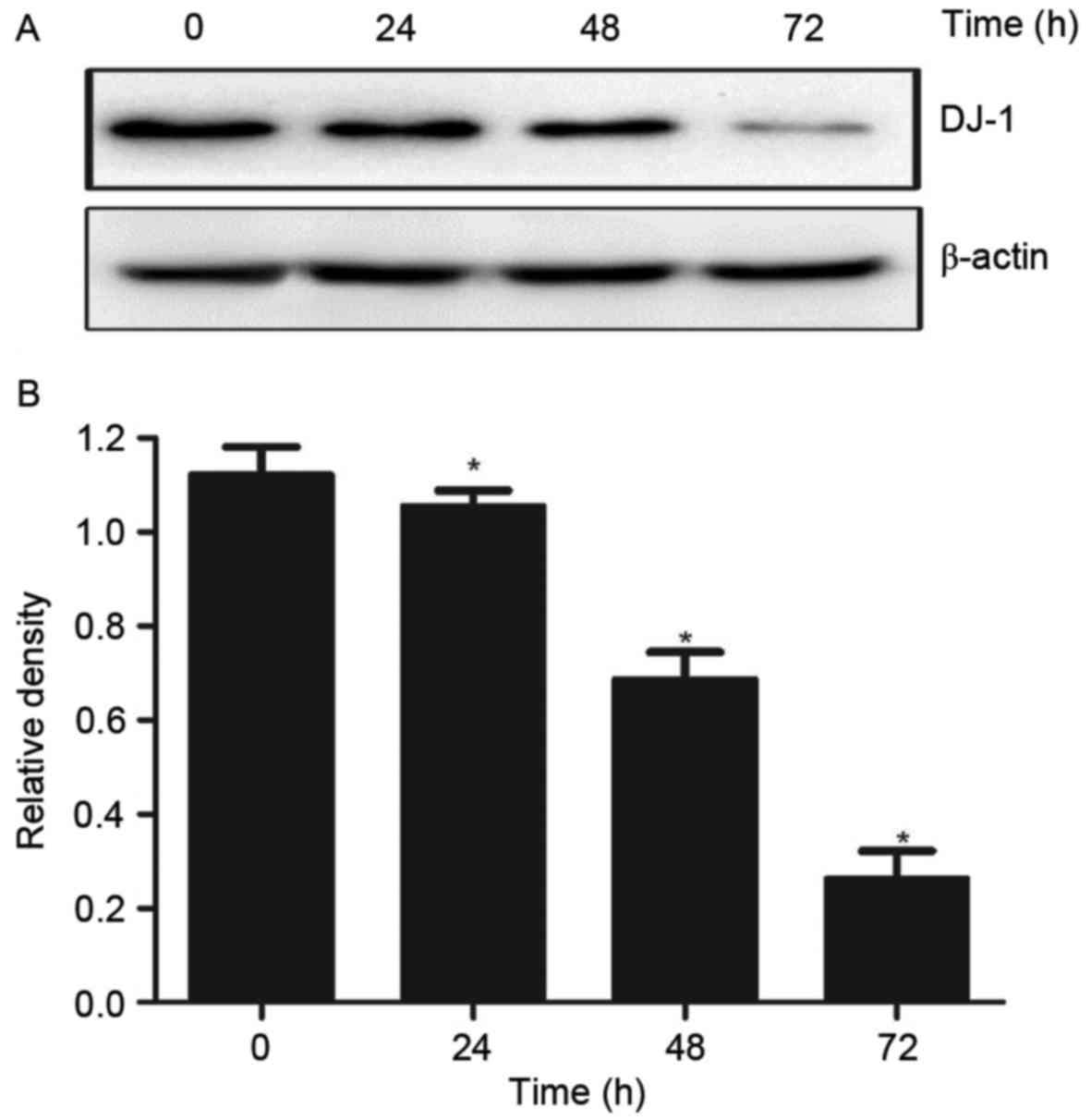
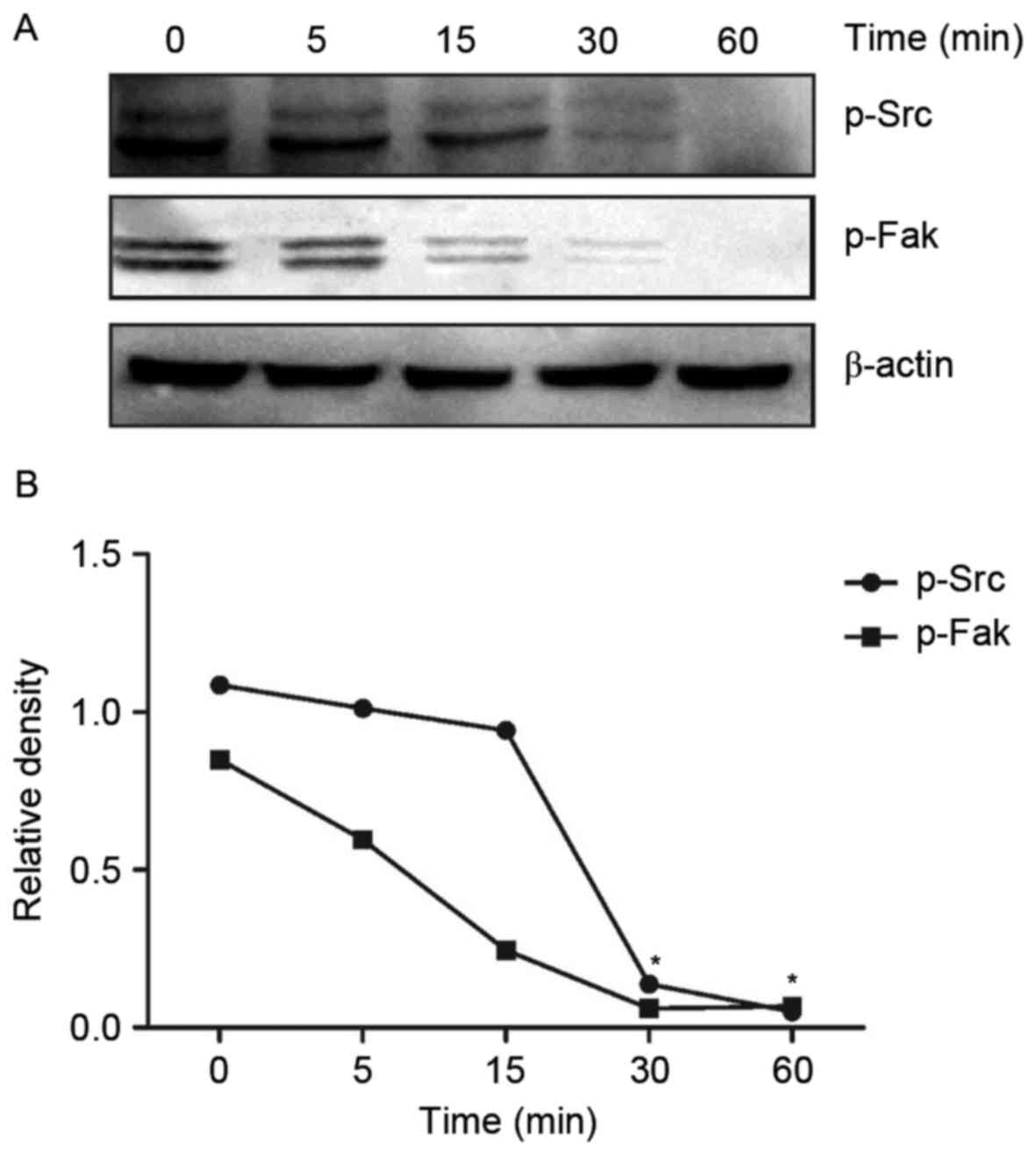
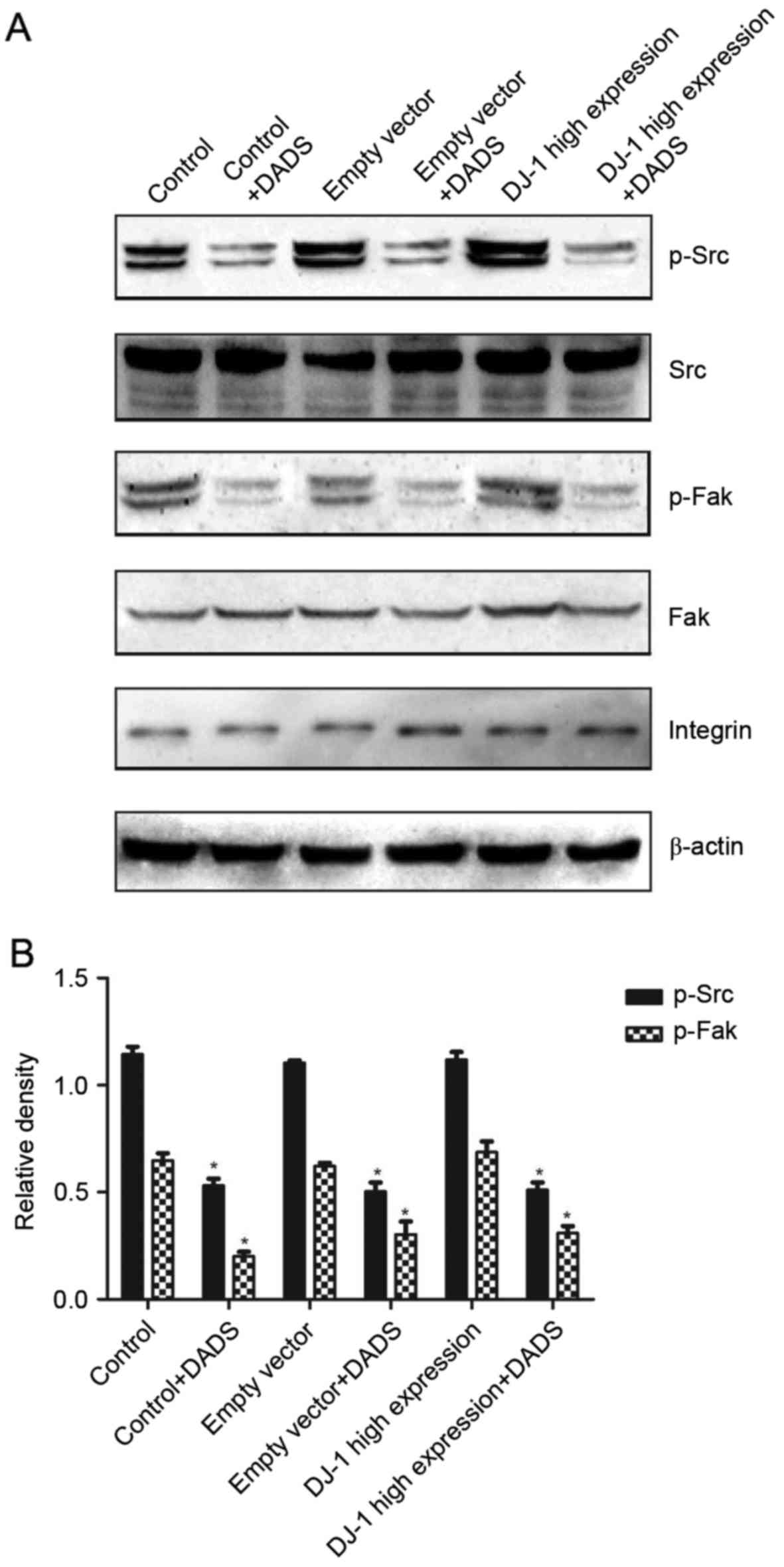
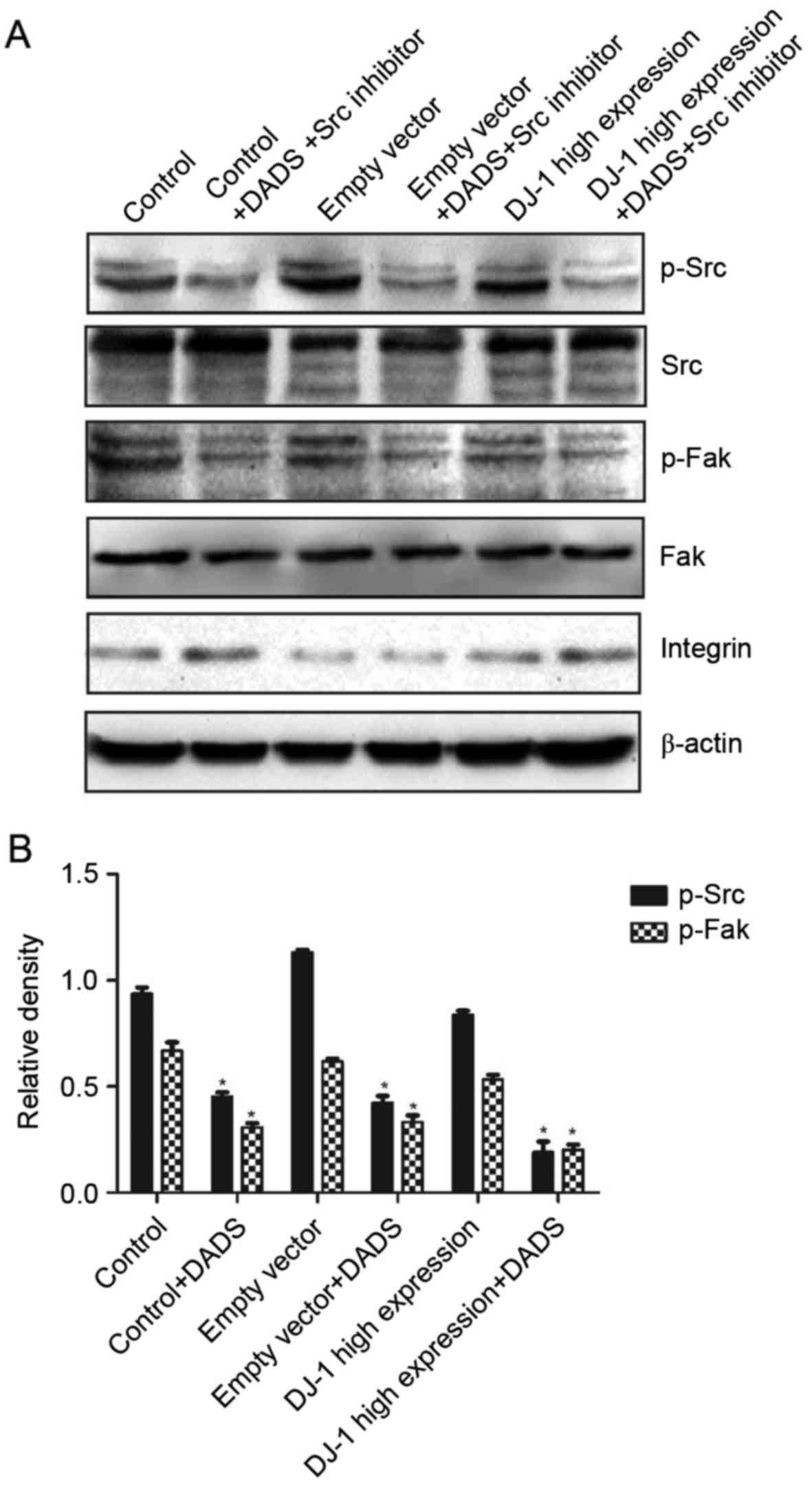
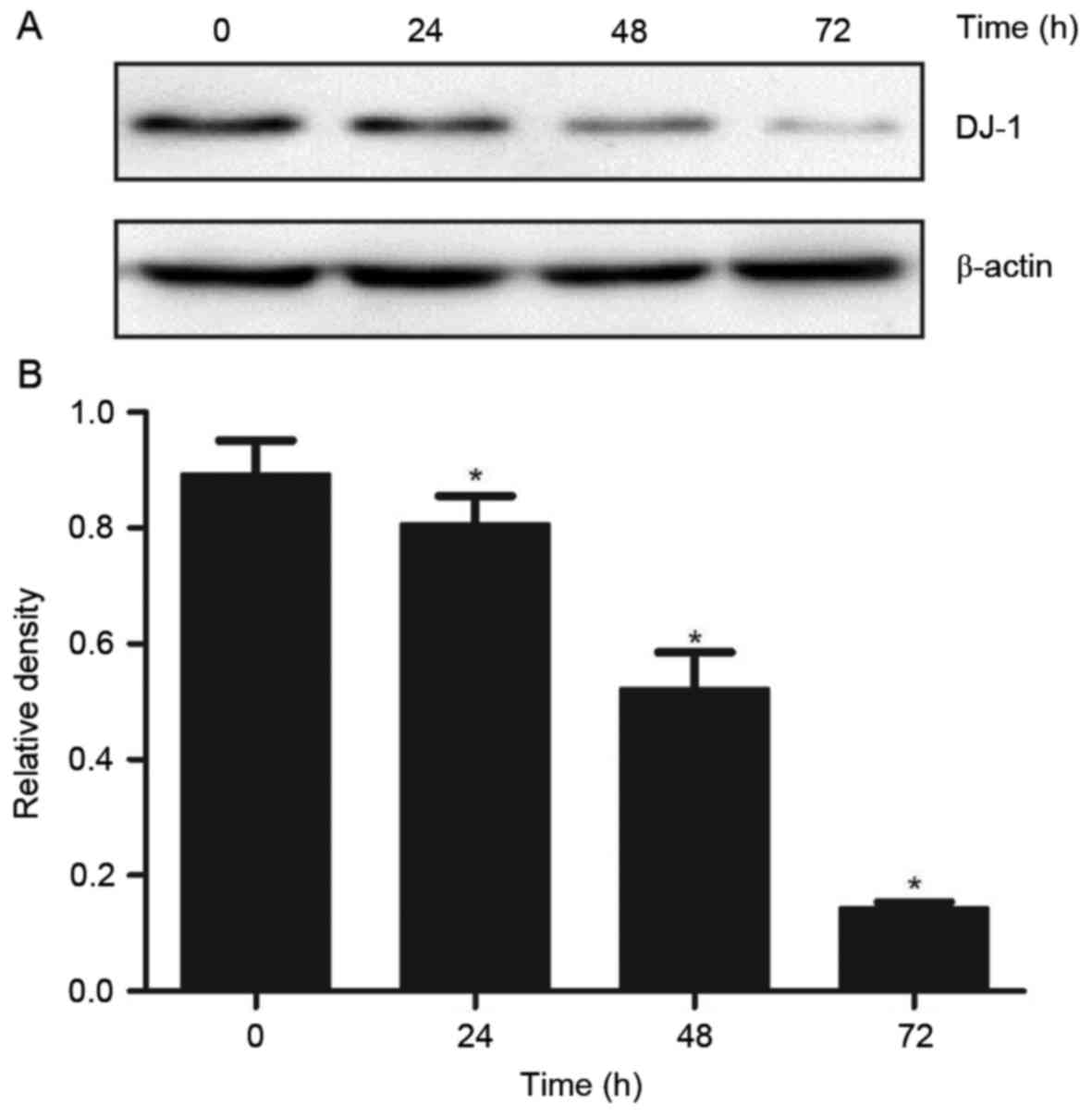
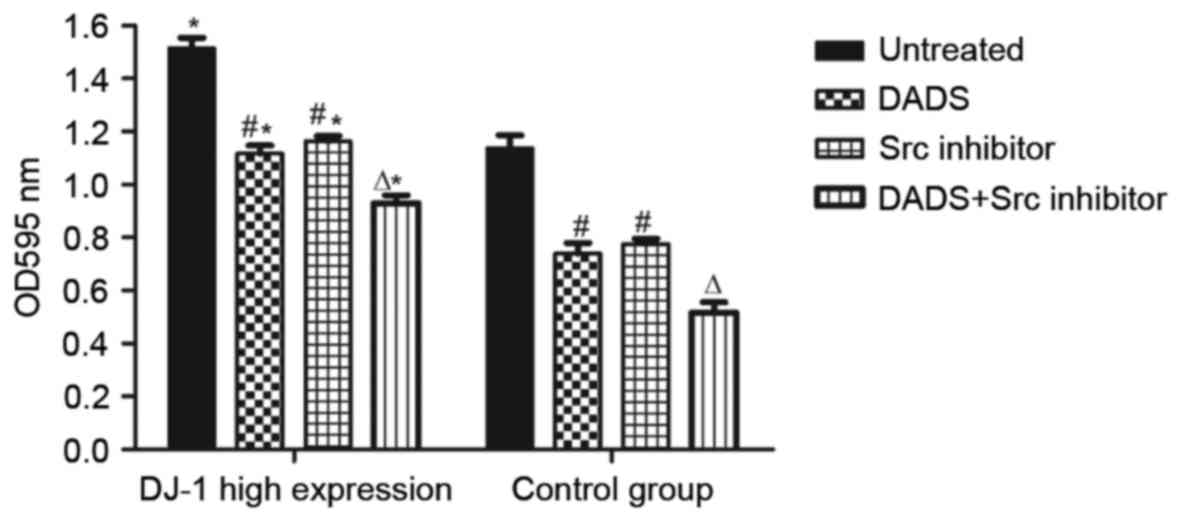
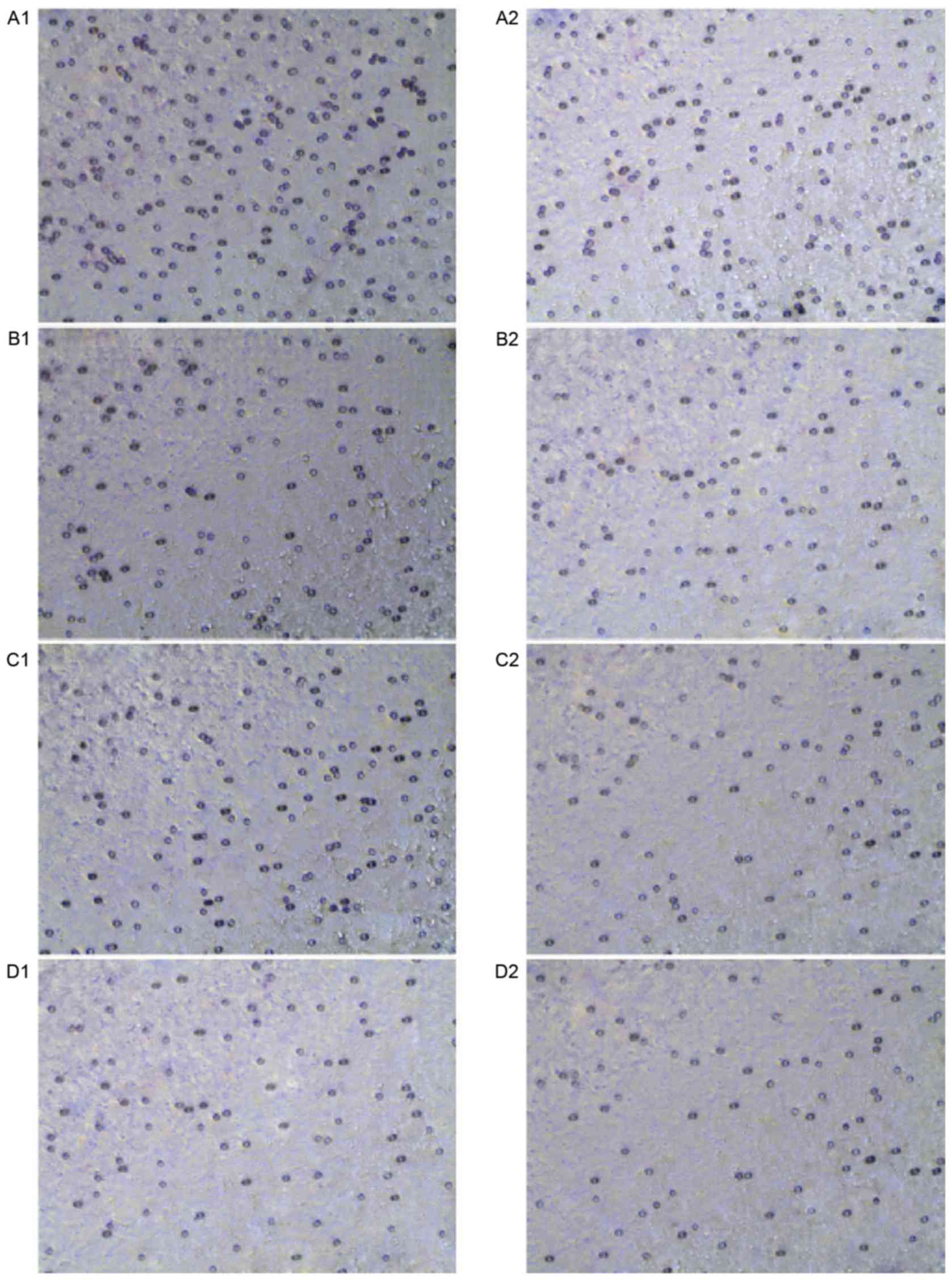
The present study examined the effect of diallyl disulfide (DADS) on the invasion and migration ability of HL‑60 cells with a high expression of parkinsonism associated deglycase (DJ‑1) in the nucleus (HHDN), and its molecular mechanism. A western blot assay was used to measure the effects of DADS and an Src inhibitor on the expression of DJ‑1 and the Src signal pathway in HHDN. The effects of DADS and Src inhibitors on the invasion and migration ability of HHDN was detected using Transwell migration and invasion chamber experiments. The experiments were divided into three groups: A control group (HL‑60 cells), an empty vector group and a high expression group (HHDN cells). Western blot assays revealed that the expression of DJ‑1 in HHDN was inhibited in a time‑dependent manner following treatment with DADS for 24, 48 and 72 h. Following DADS treatment, the expression of phosphorylated Src (p‑Src) and phosphorylated Fak (p‑Fak) were significantly decreased in all groups compared with the untreated groups, however the expression level of Src, Fak and integrin did not change significantly. Western blot analysis results revealed that following treatment with DADS and Src inhibitor, the expression levels of p‑Src and p‑Fak significantly decreased in all three groups compared with untreated groups, whereas the expression levels of Src, Fak and integrin did not change significantly. The expression of DJ‑1 in HHND was inhibited in time‑dependent manner following treatment with DADS and Src inhibitor for 24, 48 and 72 h. Transwell migration and invasion assay results revealed that DADS and Src inhibitors may suppress migration and invasion in leukemic cells, and a combination of the two treatments may result in more efficient suppression. DADS may downregulate DJ‑1‑mediated invasion and migration in leukemic cells through suppressing the Src‑Fak‑Integrin signaling pathway, and the Src inhibitor may enhance the antitumor effect of DADS.
View Figures

Figure 1

Figure 2

Figure 3

Figure 4

Figure 5

Figure 6

Figure 7

View References

1 

Pratheeshkumar P, Thejass P and Kutan G: Diallyl disulfide induces caspase-dependent apoptosis via mitochondria-mediated intrinsic pathway in B16F-10 melanoma cells by up-regulating p53, caspase-3 and down-regulating pro-inflammatory cytokines and nuclear factor-κβ-mediated Bcl-2 activation. J Environ Pathol Toxicol Oncol. 29:113–125. 2010. View Article : Google Scholar : PubMed/NCBI

2 

Altonsy MO, Habib TN and Andrews SC: Diallyl disulfide-induced apoptosis in a breast-cancer cell line (MCF-7) may be caused by inhibition of histone deacetylation. Nutr Cancer. 64:1251–1260. 2012. View Article : Google Scholar : PubMed/NCBI

3 

Tang H, Kong Y, Guo J, Tang Y and Xie X, Yang L, Su Q and Xie X: Diallyl disulfide suppresses proliferation and induces apoptosis in human gastric cancer through Wnt-1 signaling pathway by up-regulation of miR-200b and miR-22. Cancer Lett. 340:72–81. 2013. View Article : Google Scholar : PubMed/NCBI

4 

Xiao X, Chen B, Liu X, Liu P, Zheng G, Ye F, Tang H and Xie X: Diallyl disulfide suppresses SRC/Ras/ERK signaling-mediated proliferation and metastasis in human breast cancer by up-regulating miR-34a. PLoS One. 9:e1127202014. View Article : Google Scholar : PubMed/NCBI

5 

Truong D, Hindmarsh W and O'Brien PJ: The molecular mechanisms of diallyl disulfide and diallyl sulfide induced hepatocyte cytotoxicity. Chem Biol Interact. 180:79–88. 2009. View Article : Google Scholar : PubMed/NCBI

6 

Lee IC, Kim SH, Baek HS, Moon C, Kim SH, Kim YB, Yun WK, Kim HC and Kim JC: Protective effects of diallyl disulfide on carbon tetrachloride-induced hepatotoxicity through activation of Nrf2. Environ Toxicol. 30:538–548. 2015. View Article : Google Scholar : PubMed/NCBI

7 

Yin X, Zhang J, Li X, Liu D, Feng C, Liang R, Zhuang K, Cai C, Xue X, Jing F, et al: DADS suppresses human esophageal xenograft tumors through RAF/MEK/ERK and mitochondria-dependent pathways. Int J Mol Sci. 15:12422–12441. 2014. View Article : Google Scholar : PubMed/NCBI

8 

Tsubura A, Lai YC, Kuwata M, Uehara N and Yoshizawa K: Anticancer effects of garlic and garlic-derived compounds for breast cancer control. Anticancer Agents Med Chem. 11:249–253. 2011. View Article : Google Scholar : PubMed/NCBI

9 

Jie HE WY and Huang WG: Analysis of protein expression of cell differentiation induced by HL-60 cells by two dimensional gel electrophoresis. J Nan Uni (Med Edi). 32:143–6. 2004.

10 

Chien CH, Lee MJ, Liou HC, Liou HH and Fu WM: Local immunosuppressive microenvironment enhances migration of melanoma cells to lungs in DJ-1 knockout mice. PLoS One. 10:e01158272015. View Article : Google Scholar : PubMed/NCBI

11 

Fan J, Ren H, Jia N, Fei E, Zhou T, Jiang P, Wu M and Wang G: DJ-1 decreases Bax expression through repressing p53 transcriptional activity. J Biol Chem. 283:4022–4030. 2008. View Article : Google Scholar : PubMed/NCBI

12 

Pei XJ, Wu TT, Li B, Tian XY, Li Z and Yang QX: Increased expression of macrophage migration inhibitory factor and DJ-1 contribute to cell invasion and metastasis of nasopharyngeal carcinoma. Int J Med Sci. 11:106–115. 2013. View Article : Google Scholar : PubMed/NCBI

13 

Wang B, Qin H, Wang Y, Chen W, Luo J, Zhu X, Wen W and Lei W: Effect of DJ-1 overexpression on the proliferation, apoptosis, invasion and migration of laryngeal squamous cell carcinoma SNU-46 cells through PI3K/AKT/mTOR. Oncol Rep. 32:1108–1116. 2014. View Article : Google Scholar : PubMed/NCBI

14 

Devine MJ, Plun-Favreau H and Wood NW: Parkinson's disease and cancer: Two wars, one front. Nat Rev Cancer. 11:812–823. 2011. View Article : Google Scholar : PubMed/NCBI

15 

He X, Zheng Z, Li J, Ben Q, Liu J, Zhang J, Ji J, Yu B, Chen X, Su L, et al: DJ-1 promotes invasion and metastasis of pancreatic cancer cells by activating SRC/ERK/uPA. Carcinogenesis. 33:555–562. 2012. View Article : Google Scholar : PubMed/NCBI

16 

Che P, Yang Y, Han X, Hu M, Sellers JC, Londono-Joshi AI, Cai GQ, Buchsbaum DJ, Christein JD, Tang Q, et al: S100A4 promotes pancreatic cancer progression through a dual signaling pathway mediated by Src and focal adhesion kinase. Sci Rep. 5:84532015. View Article : Google Scholar : PubMed/NCBI

17 

Ku MJ, Kim JH, Lee J, Cho JY, Chun T and Lee SY: Maclurin suppresses migration and invasion of human non-small-cell lung cancer cells via anti-oxidative activity and inhibition of the Src/FAK-ERK-β-catenin pathway. Mol Cell Biochem. 402:243–252. 2015. View Article : Google Scholar : PubMed/NCBI

18 

Fang XQ, Liu XF, Yao L, Chen CQ, Lin JF, Gu ZD, Ni PH, Zheng XM and Fan QS: Focal adhesion kinase regulates the phosphorylation protein tyrosine phosphatase-α at Tyr789 in breast cancer cells. Mol Med Rep. 11:4303–4308. 2015. View Article : Google Scholar : PubMed/NCBI

19 

Altonsy MO, Habib TN and Andrews SC: Diallyl disulfide-induced apoptosis in a breast-cancer cell line (MCF-7) may be caused by inhibition of histone deacetylation. Nutr Cancer. 64:1251–1260. 2012. View Article : Google Scholar : PubMed/NCBI

20 

Kwon KB, Yoo SJ, Ryu DG, Yang JY, Rho HW, Kim JS, Park JW, Kim HR and Park BH: Induction of apoptosis by diallyl disulfide through activation of caspase-3 in human leukemia HL-60 cells. Biochem Pharmacol. 63:41–47. 2002. View Article : Google Scholar : PubMed/NCBI

21 

Jakubíková J and Sedlák J: Garlic-derived organosulfides induce cytotoxicity, apoptosis, cell cycle arrest and oxidative stress in human colon carcinoma cell lines. Neoplasma. 53:191–199. 2006.PubMed/NCBI

22 

Wu XJ, Kassie F and Mersch-Sundermann V: The role of reactive oxygen species (ROS) production on diallyl disulfide (DADS) induced apoptosis and cell cycle arrest in human A549 lung carcinoma cells. Mutat Res. 579:115–124. 2005. View Article : Google Scholar : PubMed/NCBI

23 

Nakagawa H, Tsuta K, Kiuchi K, Senzaki H, Tanaka K, Hioki K and Tsubura A: Growth inhibition effects of diallyl disulfide on human breast cancer cell lines. Carcinogenesis. 22:891–897. 2001. View Article : Google Scholar : PubMed/NCBI

24 

Shin DY, Kim GY, Lee JH, Choi BT, Yoo YH and Choi YH: Apoptosis induction of human prostate carcinoma DU145 cells by diallyl disulfide via modulation of JNK and PI3K/AKT signaling pathways. Int J Mol Sci. 13:14158–14171. 2012. View Article : Google Scholar : PubMed/NCBI

25 

Tsubura A, Lai YC, Kuwata M, Uehara N and Yoshizawa K: Anticancer effects of garlic and garlic-derived compounds for breast cancer control. Anticancer Agents Med Chem. 11:249–253. 2011. View Article : Google Scholar : PubMed/NCBI

26 

Carpinteiro A, Becker KA, Japtok L, Hessler G, Keitsch S, Požgajovà M, Schmid KW, Adams C, Müller S, Kleuser B, et al: Regulation of hematogenous tumor metastasis by acid sphingomyelinase. EMBO Mol Med. 7:714–734. 2015. View Article : Google Scholar : PubMed/NCBI

27 

Wu MH TL, Li LP, Huang WG and Su Q: Effect of growth inhibition and differentiation of HL-60 cell induced by diallyl disulfide. Zhonghua Xue Ye Xue Za Zhi. 25:300–2. 2004.

28 

He J SQ, Huang WG, Xie HL, Liang SP, Song Y and Xie JY: Proteomic initial Analysis of differentiation of human myeloid leukemia cells induced by diallyl disulfide. FEBS J. 272 Suppl 1:4402005.

29 

Zhang HY, Wang HQ, Liu HM, Guan Y and Du ZX: Regulation of tumor necrosis factor-related apoptosis-inducing ligand-induced apoptosis by DJ-1 in thyroid cancer cells. Endocr Relat Cancer. 15:535–544. 2008. View Article : Google Scholar : PubMed/NCBI

30 

Wu F, Liang YQ and Huang ZM: The expression of DJ-1 gene in human hepatocellular carcinoma and its relationship with tumor invasion and metastasis. Zhonghua Gan Zang Bing Za Zhi. 17:203–206. 2009.(In Chinese). PubMed/NCBI

31 

Zhu XL, Wen WP, Lei WB, Chai LP, Hou WJ, Wen YH and Wang XR: DJ-1 expression in laryngeal squamous cell carcinoma and its relationship with tumor recurrence and metastasis. Zhonghua Er Bi Yan Hou Tou Jing Wai Ke Za Zhi. 45:497–501. 2010.(In Chinese). PubMed/NCBI

32 

Wei W, Tang C, Zhan X, Yi H and Li C: Effect of DJ-1 siRNA on biological behavior of human lung squamous carcinoma SK-MES-1 cells. Zhong Nan Da Xue Xue Bao Yi Xue Ban. 38:7–13. 2013.(In Chinese). PubMed/NCBI

33 

Junn E, Jang WH, Zhao X, Jeong BS and Mouradian MM: Mitochondrial localization of DJ-1 leads to enhanced neuroprotection. J Neurosci Res. 87:123–129. 2009. View Article : Google Scholar : PubMed/NCBI

34 

Hao LY, Giasson BI and Bonini NM: DJ-1 is critical for mitochondrial function and rescues PINK1 loss of function. Proc Natl Acad Sci USA. 107:9747–9752. 2010. View Article : Google Scholar : PubMed/NCBI

35 

Junn E, Taniguchi H, Jeong BS, Zhao X, Ichijo H and Mouradian MM: Interaction of DJ-1 with Daxx inhibits apoptosis signal-regulating kinase 1 activity and cell death. Proc Natl Acad Sci USA. 102:9691–9696. 2005. View Article : Google Scholar : PubMed/NCBI

36 

Hwang S, Song S, Hong YK, Choi G, Suh YS, Han SY, Lee M, Park SH, Lee JH, Lee S, et al: Drosophila DJ-1 decreases neural sensitivity to stress by negatively regulating Daxx-like protein through dFOXO. PLoS Genet. 9:e10034122013. View Article : Google Scholar : PubMed/NCBI

37 

JuanWang, Jing yY, Qing Yuxian, Tang Qingye, Li Qi and Hui Su Tan: DADS inhibits proliferation and differentiation of human leukemia HL60 cells by down regulated. Chinese Pharmacological Bulletin. 416–20. 2015.

38 

Fang M, Zhong XY, Du B, Lin CL, Luo F, Tang LJ and Chen J: Role of DJ-1-induced PTEN down-regulation in migration and invasion of human glioma cells. Chin J Cancer. 29:988–994. 2010. View Article : Google Scholar : PubMed/NCBI

39 

Ismail IA, Kang HS, Lee HJ, Kim JK and Hong SH: DJ-1 upregulates breast cancer cell invasion by repressing KLF17 expression. Br J Cancer. 110:1298–1306. 2014. View Article : Google Scholar : PubMed/NCBI

40 

Zhu ZM, Li ZR, Huang Y, Yu HH, Huang XS, Yan YF, Shao JH and Chen HP: DJ-1 is involved in the peritoneal metastasis of gastric cancer through activation of the Akt signaling pathway. Oncol Rep. 31:1489–1497. 2014. View Article : Google Scholar : PubMed/NCBI

41 

Li Y, Cui J, Zhang CH, Yang DJ, Chen JH, Zan WH, Li B, Li Z and He YL: High-expression of DJ-1 and loss of PTEN associated with tumor metastasis and correlated with poor prognosis of gastric carcinoma. Int J Med Sci. 10:1689–1697. 2013. View Article : Google Scholar : PubMed/NCBI

42 

Gupta A and Dey CS: PTEN, a widely known negative regulator of insulin/PI3K signaling, positively regulates neuronal insulin resistance. Mol Biol Cell. 23:3882–3898. 2012. View Article : Google Scholar : PubMed/NCBI

43 

McNally RS, Davis BK, Clements CM, Accavitti-Loper MA, Mak TW and Ting JP: DJ-1 enhances cell survival through the binding of Cezanne, a negative regulator of NF-kappaB. J Biol Chem. 286:4098–4106. 2011. View Article : Google Scholar : PubMed/NCBI

44 

Ismail IA, Shakor Abdel AB and Hong SH: DJ-1 protects breast cancer cells against 2′-benzoyloxycinnamaldehyde-induced oxidative stress independent of Nrf2. J Cell Physiol. 230:2262–2269. 2015. View Article : Google Scholar : PubMed/NCBI

45 

He X, Zheng Z, Li J, Ben Q, Liu J, Zhang J, Ji J, Yu B, Chen X, Su L, et al: DJ-1 promotes invasion and metastasis of pancreatic cancer cells by activating SRC/ERK/uPA. Carcinogenesis. 33:555–562. 2012. View Article : Google Scholar : PubMed/NCBI

46 

Chang AY and Wang M: Molecular mechanisms of action and potential biomarkers of growth inhibition of dasatinib (BMS-354825) on hepatocellular carcinoma cells. BMC Cancer. 13:2672013. View Article : Google Scholar : PubMed/NCBI

47 

Li Y, Drabsch Y, Pujuguet P, Ren J, van Laar T, Zhang L, van Dam H, Clément-Lacroix P and Ten Dijke P: Genetic depletion and pharmacological targeting of αv integrin in breast cancer cells impairs metastasis in zebrafish and mouse xenograft models. Breast Cancer Res. 17:282015. View Article : Google Scholar : PubMed/NCBI

48 

Kim SA, Kwon SM, Kim JA, Kang KW, Yoon JH and Ahn SG: 5′-Nitro-indirubinoxime, an indirubin derivative, suppresses metastatic ability of human head and neck cancer cells through the inhibition of Integrin β1/FAK/Akt signaling. Cancer Lett. 306:197–204. 2011. View Article : Google Scholar : PubMed/NCBI

49 

Li Q, Tang Y, Qin J, Yi L, Yang Y, Wang J, He J, Su Q and Tan H: Subcellular localization of DJ-1 in human HL-60 leukemia cells in response to diallyl disulfide treatment. Mol Med Rep. 14:4666–4672. 2016. View Article : Google Scholar : PubMed/NCBI

50 

Ceppi P, Papotti M, Monica V, Lo Iacono M, Saviozzi S, Pautasso M, Novello S, Mussino S, Bracco E, Volante M and Scagliotti GV: Effects of Src kinase inhibition induced by dasatinib in non-small cell lung cancer cell lines treated with cisplatin. Mol Cancer Ther. 8:3066–3074. 2009. View Article : Google Scholar : PubMed/NCBI

51 

Sánchez-Bailón MP, Calcabrini A, Gómez-Domínguez D, Morte B, Martin-Forero E, Gómez-López G, Molinari A, Wagner KU and Martín-Pérez J: Src kinases catalytic activity regulates proliferation, migration and invasiveness of MDA-MB-231 breast cancer cells. Cell Signal. 24:1276–1286. 2012. View Article : Google Scholar : PubMed/NCBI

52 

Koppikar P, Choi SH, Egloff AM, Cai Q, Suzuki S, Freilino M, Nozawa H, Thomas SM, Gooding WE, Siegfried JM and Grandis JR: Combined inhibition of c-Src and epidermal growth factor receptor abrogates growth and invasion of head and neck squamous cell carcinoma. Clin Cancer Res. 14:4284–4291. 2008. View Article : Google Scholar : PubMed/NCBI

53 

Wang SE, Xiang B, Zent R, Quaranta V, Pozzi A and Arteaga CL: Transforming growth factor beta induces clustering of HER2 and integrins by activating Src-focal adhesion kinase and receptor association to the cytoskeleton. Cancer Res. 69:475–482. 2009. View Article : Google Scholar : PubMed/NCBI

54 

Sun B, Meng J, Xiang T, Chen Z, Li Y, Lu L, Zhang S and Chen X: Jianpijiedu fang improves survival of hepatocarcinoma mice by affecting phosphatase and tensin homolog, phosphoinositide 3-kinase, and focal adhesion kinase. J Tradit Chin Med. 33:479–485. 2013. View Article : Google Scholar : PubMed/NCBI

Related Articles

  • Abstract
  • View
  • Download
  • Twitter
Copy and paste a formatted citation
Spandidos Publications style
Liu R, Yang YN, Yi L, Qing J, Li QY, Wang WS, Wang J, Tang YX and Tan H: Diallyl disulfide effect on the invasion and migration ability of HL-60 cells with a high expression of DJ-1 in the nucleus through the suppression of the Src signaling pathway. Oncol Lett 15: 6377-6385, 2018.
APA
Liu, R., Yang, Y., Yi, L., Qing, J., Li, Q., Wang, W. ... Tan, H. (2018). Diallyl disulfide effect on the invasion and migration ability of HL-60 cells with a high expression of DJ-1 in the nucleus through the suppression of the Src signaling pathway. Oncology Letters, 15, 6377-6385. https://doi.org/10.3892/ol.2018.8139
MLA
Liu, R., Yang, Y., Yi, L., Qing, J., Li, Q., Wang, W., Wang, J., Tang, Y., Tan, H."Diallyl disulfide effect on the invasion and migration ability of HL-60 cells with a high expression of DJ-1 in the nucleus through the suppression of the Src signaling pathway". Oncology Letters 15.5 (2018): 6377-6385.
Chicago
Liu, R., Yang, Y., Yi, L., Qing, J., Li, Q., Wang, W., Wang, J., Tang, Y., Tan, H."Diallyl disulfide effect on the invasion and migration ability of HL-60 cells with a high expression of DJ-1 in the nucleus through the suppression of the Src signaling pathway". Oncology Letters 15, no. 5 (2018): 6377-6385. https://doi.org/10.3892/ol.2018.8139
Copy and paste a formatted citation
x
Spandidos Publications style
Liu R, Yang YN, Yi L, Qing J, Li QY, Wang WS, Wang J, Tang YX and Tan H: Diallyl disulfide effect on the invasion and migration ability of HL-60 cells with a high expression of DJ-1 in the nucleus through the suppression of the Src signaling pathway. Oncol Lett 15: 6377-6385, 2018.
APA
Liu, R., Yang, Y., Yi, L., Qing, J., Li, Q., Wang, W. ... Tan, H. (2018). Diallyl disulfide effect on the invasion and migration ability of HL-60 cells with a high expression of DJ-1 in the nucleus through the suppression of the Src signaling pathway. Oncology Letters, 15, 6377-6385. https://doi.org/10.3892/ol.2018.8139
MLA
Liu, R., Yang, Y., Yi, L., Qing, J., Li, Q., Wang, W., Wang, J., Tang, Y., Tan, H."Diallyl disulfide effect on the invasion and migration ability of HL-60 cells with a high expression of DJ-1 in the nucleus through the suppression of the Src signaling pathway". Oncology Letters 15.5 (2018): 6377-6385.
Chicago
Liu, R., Yang, Y., Yi, L., Qing, J., Li, Q., Wang, W., Wang, J., Tang, Y., Tan, H."Diallyl disulfide effect on the invasion and migration ability of HL-60 cells with a high expression of DJ-1 in the nucleus through the suppression of the Src signaling pathway". Oncology Letters 15, no. 5 (2018): 6377-6385. https://doi.org/10.3892/ol.2018.8139
Follow us
  • Twitter
  • LinkedIn
  • Facebook
About
  • Spandidos Publications
  • Careers
  • Cookie Policy
  • Privacy Policy
How can we help?
  • Help
  • Live Chat
  • Contact
  • Email to our Support Team