Spandidos Publications Logo
  • About
    • About Spandidos
    • Aims and Scopes
    • Abstracting and Indexing
    • Editorial Policies
    • Reprints and Permissions
    • Job Opportunities
    • Terms and Conditions
    • Contact
  • Journals
    • All Journals
    • Oncology Letters
      • Oncology Letters
      • Information for Authors
      • Editorial Policies
      • Editorial Board
      • Aims and Scope
      • Abstracting and Indexing
      • Bibliographic Information
      • Archive
    • International Journal of Oncology
      • International Journal of Oncology
      • Information for Authors
      • Editorial Policies
      • Editorial Board
      • Aims and Scope
      • Abstracting and Indexing
      • Bibliographic Information
      • Archive
    • Molecular and Clinical Oncology
      • Molecular and Clinical Oncology
      • Information for Authors
      • Editorial Policies
      • Editorial Board
      • Aims and Scope
      • Abstracting and Indexing
      • Bibliographic Information
      • Archive
    • Experimental and Therapeutic Medicine
      • Experimental and Therapeutic Medicine
      • Information for Authors
      • Editorial Policies
      • Editorial Board
      • Aims and Scope
      • Abstracting and Indexing
      • Bibliographic Information
      • Archive
    • International Journal of Molecular Medicine
      • International Journal of Molecular Medicine
      • Information for Authors
      • Editorial Policies
      • Editorial Board
      • Aims and Scope
      • Abstracting and Indexing
      • Bibliographic Information
      • Archive
    • Biomedical Reports
      • Biomedical Reports
      • Information for Authors
      • Editorial Policies
      • Editorial Board
      • Aims and Scope
      • Abstracting and Indexing
      • Bibliographic Information
      • Archive
    • Oncology Reports
      • Oncology Reports
      • Information for Authors
      • Editorial Policies
      • Editorial Board
      • Aims and Scope
      • Abstracting and Indexing
      • Bibliographic Information
      • Archive
    • Molecular Medicine Reports
      • Molecular Medicine Reports
      • Information for Authors
      • Editorial Policies
      • Editorial Board
      • Aims and Scope
      • Abstracting and Indexing
      • Bibliographic Information
      • Archive
    • World Academy of Sciences Journal
      • World Academy of Sciences Journal
      • Information for Authors
      • Editorial Policies
      • Editorial Board
      • Aims and Scope
      • Abstracting and Indexing
      • Bibliographic Information
      • Archive
    • International Journal of Functional Nutrition
      • International Journal of Functional Nutrition
      • Information for Authors
      • Editorial Policies
      • Editorial Board
      • Aims and Scope
      • Abstracting and Indexing
      • Bibliographic Information
      • Archive
    • International Journal of Epigenetics
      • International Journal of Epigenetics
      • Information for Authors
      • Editorial Policies
      • Editorial Board
      • Aims and Scope
      • Abstracting and Indexing
      • Bibliographic Information
      • Archive
    • Medicine International
      • Medicine International
      • Information for Authors
      • Editorial Policies
      • Editorial Board
      • Aims and Scope
      • Abstracting and Indexing
      • Bibliographic Information
      • Archive
  • Articles
  • Information
    • Information for Authors
    • Information for Reviewers
    • Information for Librarians
    • Information for Advertisers
    • Conferences
  • Language Editing
Spandidos Publications Logo
  • About
    • About Spandidos
    • Aims and Scopes
    • Abstracting and Indexing
    • Editorial Policies
    • Reprints and Permissions
    • Job Opportunities
    • Terms and Conditions
    • Contact
  • Journals
    • All Journals
    • Biomedical Reports
      • Information for Authors
      • Editorial Policies
      • Editorial Board
      • Aims and Scope
      • Abstracting and Indexing
      • Bibliographic Information
      • Archive
    • Experimental and Therapeutic Medicine
      • Information for Authors
      • Editorial Policies
      • Editorial Board
      • Aims and Scope
      • Abstracting and Indexing
      • Bibliographic Information
      • Archive
    • International Journal of Epigenetics
      • Information for Authors
      • Editorial Policies
      • Editorial Board
      • Aims and Scope
      • Abstracting and Indexing
      • Bibliographic Information
      • Archive
    • International Journal of Functional Nutrition
      • Information for Authors
      • Editorial Policies
      • Editorial Board
      • Aims and Scope
      • Abstracting and Indexing
      • Bibliographic Information
      • Archive
    • International Journal of Molecular Medicine
      • Information for Authors
      • Editorial Policies
      • Editorial Board
      • Aims and Scope
      • Abstracting and Indexing
      • Bibliographic Information
      • Archive
    • International Journal of Oncology
      • Information for Authors
      • Editorial Policies
      • Editorial Board
      • Aims and Scope
      • Abstracting and Indexing
      • Bibliographic Information
      • Archive
    • Medicine International
      • Information for Authors
      • Editorial Policies
      • Editorial Board
      • Aims and Scope
      • Abstracting and Indexing
      • Bibliographic Information
      • Archive
    • Molecular and Clinical Oncology
      • Information for Authors
      • Editorial Policies
      • Editorial Board
      • Aims and Scope
      • Abstracting and Indexing
      • Bibliographic Information
      • Archive
    • Molecular Medicine Reports
      • Information for Authors
      • Editorial Policies
      • Editorial Board
      • Aims and Scope
      • Abstracting and Indexing
      • Bibliographic Information
      • Archive
    • Oncology Letters
      • Information for Authors
      • Editorial Policies
      • Editorial Board
      • Aims and Scope
      • Abstracting and Indexing
      • Bibliographic Information
      • Archive
    • Oncology Reports
      • Information for Authors
      • Editorial Policies
      • Editorial Board
      • Aims and Scope
      • Abstracting and Indexing
      • Bibliographic Information
      • Archive
    • World Academy of Sciences Journal
      • Information for Authors
      • Editorial Policies
      • Editorial Board
      • Aims and Scope
      • Abstracting and Indexing
      • Bibliographic Information
      • Archive
  • Articles
  • Information
    • For Authors
    • For Reviewers
    • For Librarians
    • For Advertisers
    • Conferences
  • Language Editing
Login Register Submit
  • This site uses cookies
  • You can change your cookie settings at any time by following the instructions in our Cookie Policy. To find out more, you may read our Privacy Policy.

    I agree
Search articles by DOI, keyword, author or affiliation
Search
Advanced Search
presentation
Oncology Letters
Join Editorial Board Propose a Special Issue
Print ISSN: 1792-1074 Online ISSN: 1792-1082
Journal Cover
May-2018 Volume 15 Issue 5

Full Size Image

Sign up for eToc alerts
Recommend to Library

Journals

International Journal of Molecular Medicine

International Journal of Molecular Medicine

International Journal of Molecular Medicine is an international journal devoted to molecular mechanisms of human disease.

International Journal of Oncology

International Journal of Oncology

International Journal of Oncology is an international journal devoted to oncology research and cancer treatment.

Molecular Medicine Reports

Molecular Medicine Reports

Covers molecular medicine topics such as pharmacology, pathology, genetics, neuroscience, infectious diseases, molecular cardiology, and molecular surgery.

Oncology Reports

Oncology Reports

Oncology Reports is an international journal devoted to fundamental and applied research in Oncology.

Experimental and Therapeutic Medicine

Experimental and Therapeutic Medicine

Experimental and Therapeutic Medicine is an international journal devoted to laboratory and clinical medicine.

Oncology Letters

Oncology Letters

Oncology Letters is an international journal devoted to Experimental and Clinical Oncology.

Biomedical Reports

Biomedical Reports

Explores a wide range of biological and medical fields, including pharmacology, genetics, microbiology, neuroscience, and molecular cardiology.

Molecular and Clinical Oncology

Molecular and Clinical Oncology

International journal addressing all aspects of oncology research, from tumorigenesis and oncogenes to chemotherapy and metastasis.

World Academy of Sciences Journal

World Academy of Sciences Journal

Multidisciplinary open-access journal spanning biochemistry, genetics, neuroscience, environmental health, and synthetic biology.

International Journal of Functional Nutrition

International Journal of Functional Nutrition

Open-access journal combining biochemistry, pharmacology, immunology, and genetics to advance health through functional nutrition.

International Journal of Epigenetics

International Journal of Epigenetics

Publishes open-access research on using epigenetics to advance understanding and treatment of human disease.

Medicine International

Medicine International

An International Open Access Journal Devoted to General Medicine.

Journal Cover
May-2018 Volume 15 Issue 5

Full Size Image

Sign up for eToc alerts
Recommend to Library

  • Article
  • Citations
    • Cite This Article
    • Download Citation
    • Create Citation Alert
    • Remove Citation Alert
    • Cited By
  • Similar Articles
    • Related Articles (in Spandidos Publications)
    • Similar Articles (Google Scholar)
    • Similar Articles (PubMed)
  • Download PDF
  • Download XML
  • View XML
Article

Exogenous hydrogen sulfide promotes hepatocellular carcinoma cell growth by activating the STAT3-COX-2 signaling pathway

  • Authors:
    • Yulan Zhen
    • Qiaomei Wu
    • Yiqian Ding
    • Wei Zhang
    • Yuansheng Zhai
    • Xiaoxiong Lin
    • Yunxia Weng
    • Ruixian Guo
    • Ying Zhang
    • Jianqiang Feng
    • Yiyan Lei
    • Jingfu Chen
  • View Affiliations / Copyright

    Affiliations: Department of Oncology, The Third People's Hospital of Dongguan Dongguan City, Guangdong 523326, P.R. China, Department of Anesthesiology, Oral Subsidiary Sun Yat‑Sen University Hospital, Sun Yat‑sen University, Guangzhou, Guangdong 510700, P.R. China, Grade 2013, Medical Imaging, The First School of Clinical Medicine, Southern Medical University, Guangzhou, Guangdong 510000, P.R. China, Department of Cardiovasology and Cardiac Care Unit, Huangpu Division of The First Affiliated Hospital, Guangzhou, Guangdong 510080, P.R. China, Department of Physiology, Zhongshan School of Medicine, Sun Yat‑sen University, Guangzhou, Guangdong 510700, P.R. China, Department of Oncology, Affiliated Hospital, Guangdong Medical College, Zhanjiang, Guangdong 524001, P.R. China, Department of Thoracic Surgery, The First Affiliated Hospital, Sun Yat‑Sen University, Guangzhou, Guangdong 510080, P.R. China, Department of Cardiovascular Medicine and Dongguan Cardiovascular Institute, The Third People's Hospital of Dongguan City, Dongguan, Guangdong 523326, P.R. China
  • Pages: 6562-6570
    |
    Published online on: March 2, 2018
       https://doi.org/10.3892/ol.2018.8154
  • Expand metrics +
Metrics: Total Views: 0 (Spandidos Publications: | PMC Statistics: )
Metrics: Total PDF Downloads: 0 (Spandidos Publications: | PMC Statistics: )
Cited By (CrossRef): 0 citations Loading Articles...

This article is mentioned in:


Abstract

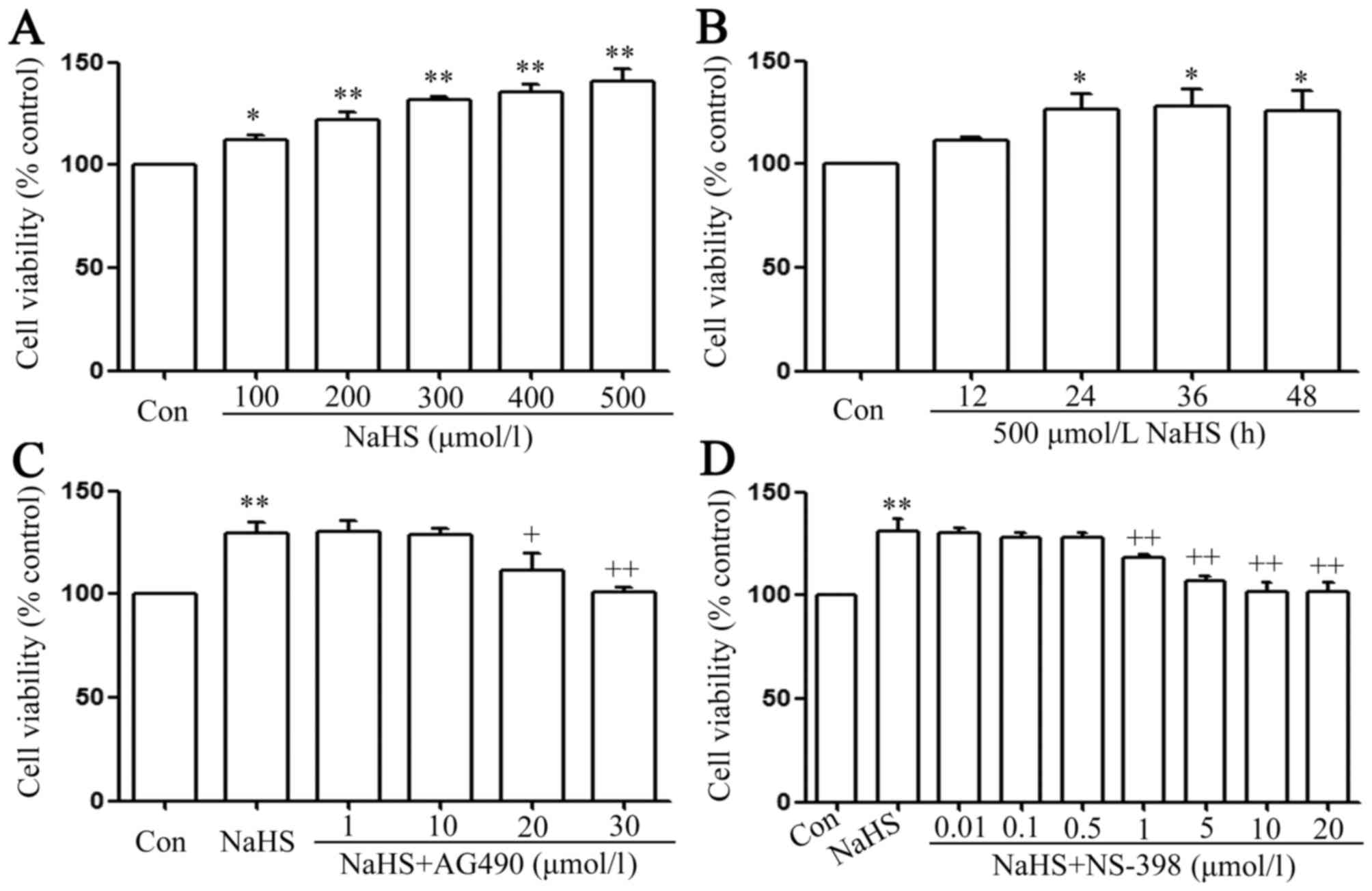
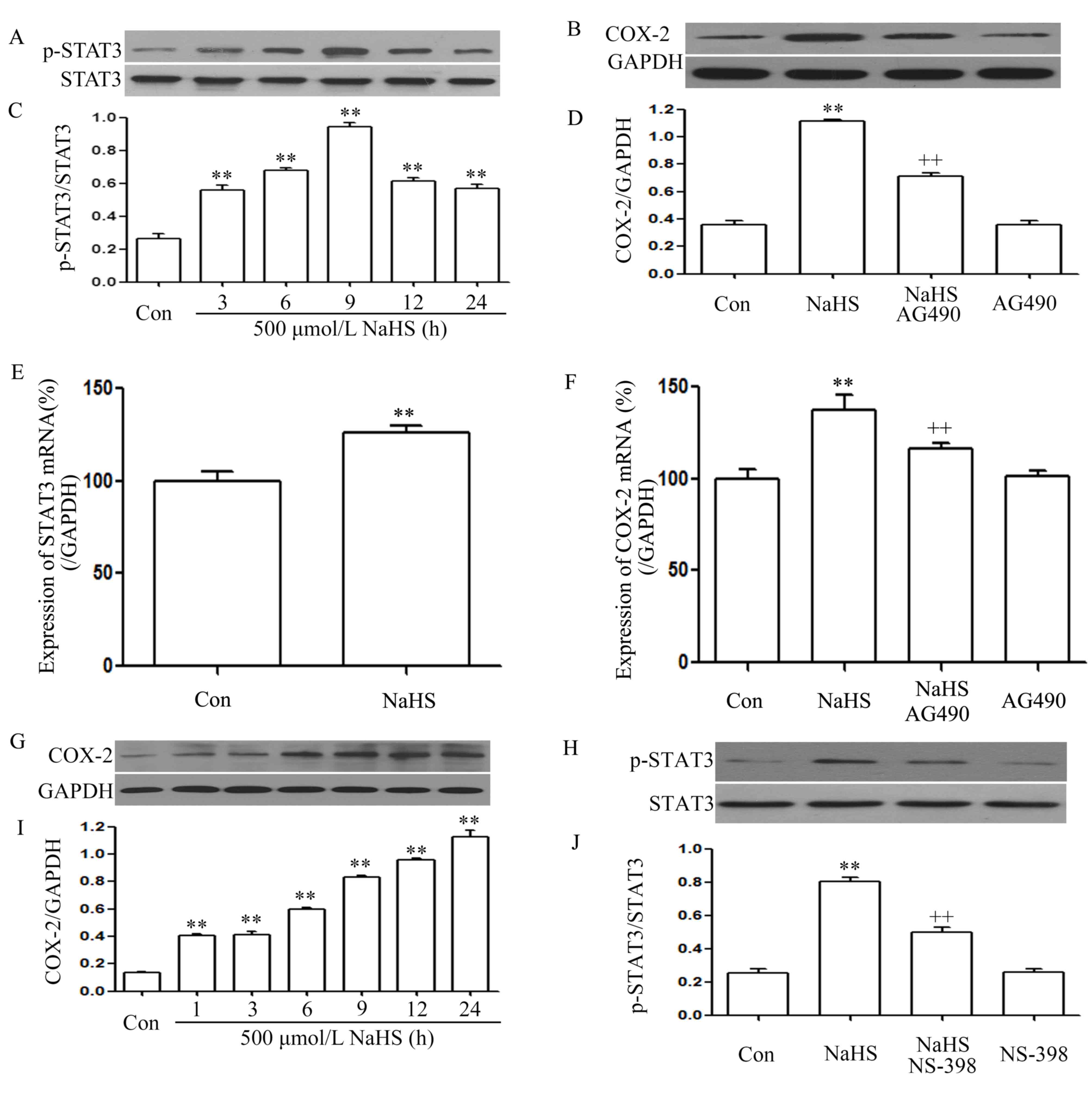
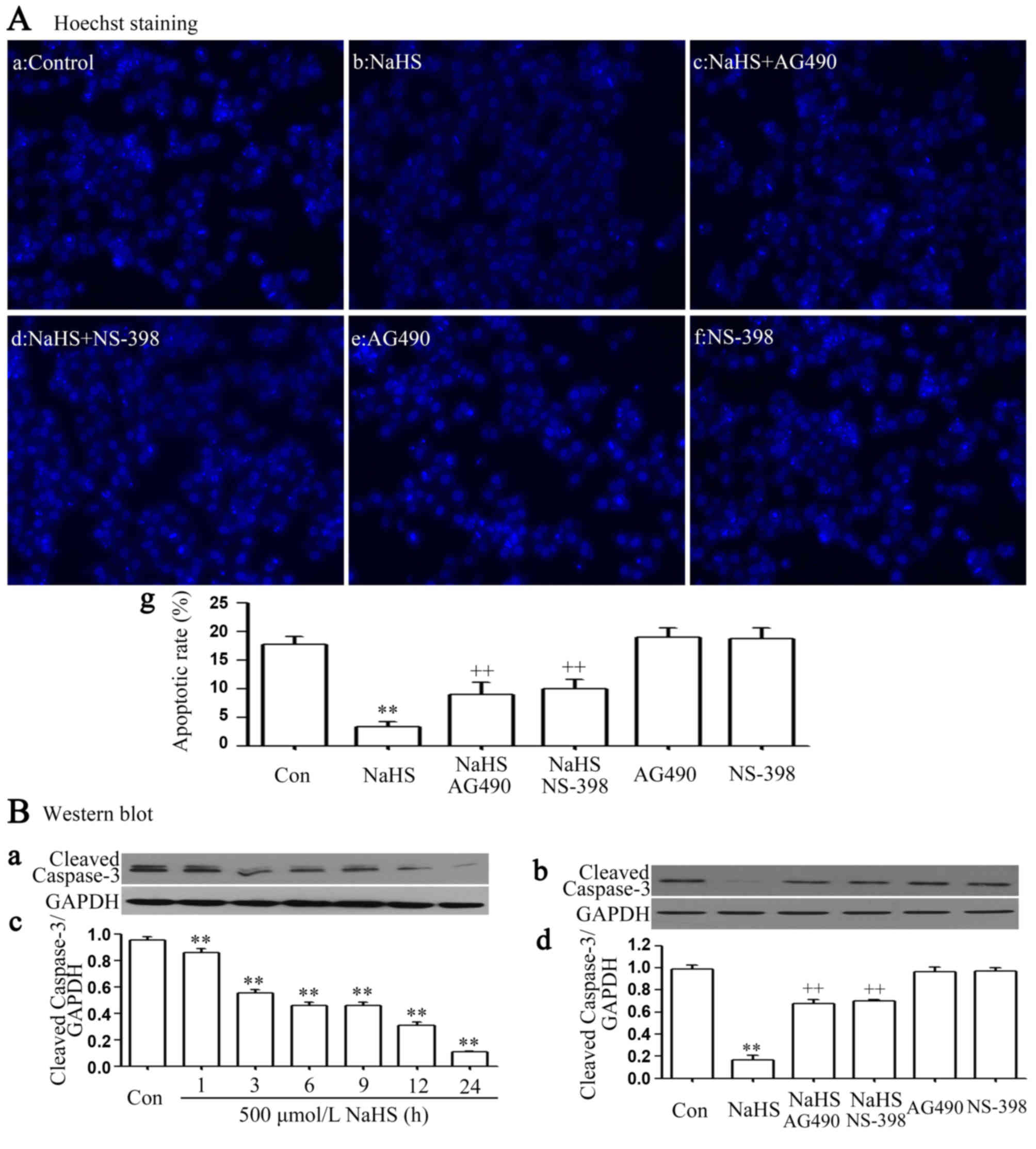
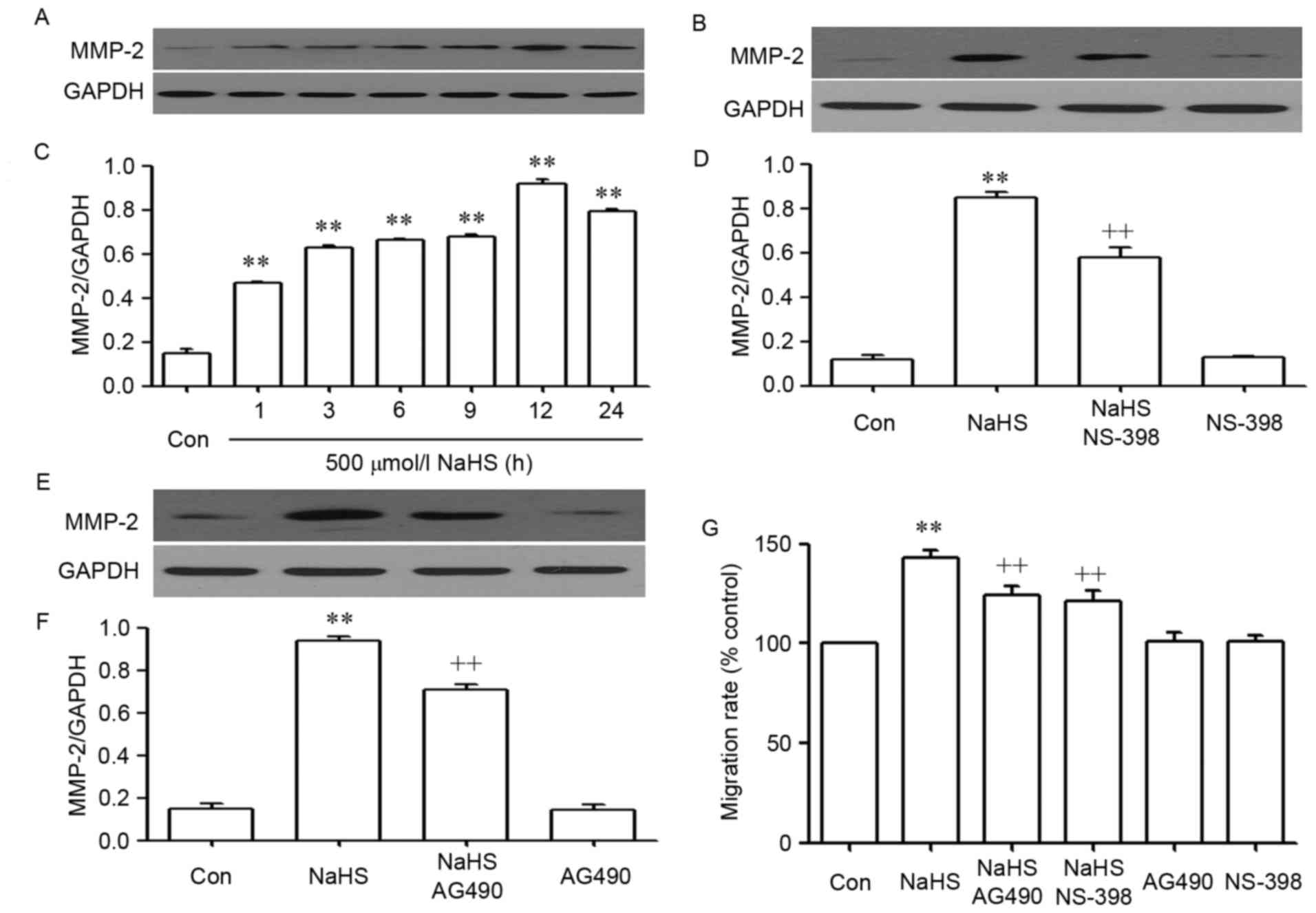
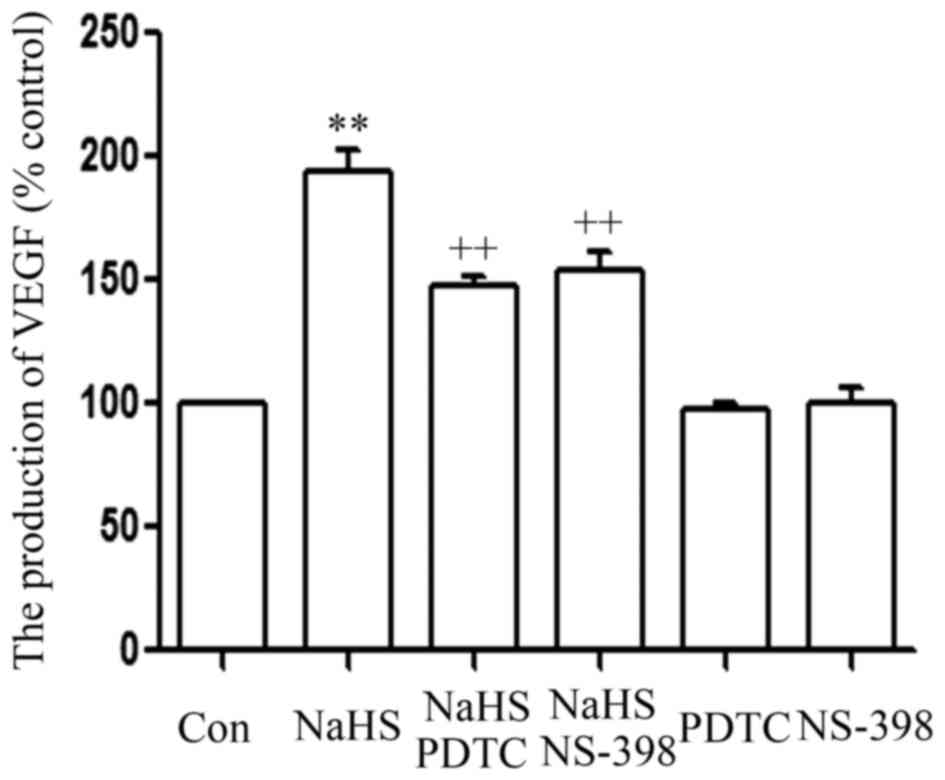
The effects of hydrogen sulfide (H2S) on cancer are controversial. Our group previously demonstrated that exogenous H2S promotes the development of cancer via amplifying the activation of the nuclear factor‑κB signaling pathway in hepatocellular carcinoma (HCC) cells (PLC/PRF/5). The present study aimed to further investigate the hypothesis that exogenous H2S promotes PLC/PRF/5 cell proliferation and migration, and inhibits apoptosis by activating the signal transducer and activator of transcription 3 (STAT3)‑cyclooxygenase‑2 (COX‑2) signaling pathway. PLC/PRF/5 cells were treated with 500 µmol/l NaHS (a donor of H2S) for 24 h. The expression levels of phosphorylated (p)‑STAT3, STAT3, cleaved caspase‑3 and COX‑2 were measured by western blot assay. Cell viability was detected by Cell Counting kit‑8 assay. Apoptotic cells were observed by Hoechst 33258 staining. The expression of STAT3 and COX‑2 messenger RNA (mRNA) was detected by semiquantitative reverse transcription‑polymerase chain reaction. The production of vascular endothelial growth factor (VEGF) was evaluated by ELISA. The results indicated that treatment of PLC/PRF/5 cells with 500 µmol/l NaHS for 24 h markedly increased the expression levels of p‑STAT3 and STAT3 mRNA, leading to COX‑2 and COX‑2 mRNA overexpression, VEGF induction, decreased cleaved caspase‑3 production, increased cell viability and migration, and decreased number of apoptotic cells. However, co‑treatment of PLC/PRF/5 cells with 500 µmol/l NaHS and 30 µmol/l AG490 (an inhibitor of STAT3) or 20 µmol/l NS‑398 (an inhibitor of COX‑2) for 24 h significantly reverted the effects induced by NaHS. Furthermore, co‑treatment of PLC/PRF/5 cells with 500 µmol/l NaHS and 30 µmol/l AG490 markedly decreased the NaHS‑induced increase in the expression level of COX‑2. By contrast, co‑treatment of PLC/PRF/5 cells with 500 µmol/l NaHS and 20 µmol/l NS‑398 inhibited the NaHS‑induced increase in the expression level of p‑STAT3. In conclusion, the findings of the present study provide evidence that the STAT3‑COX‑2 signaling pathway is involved in NaHS‑induced cell proliferation, migration, angiogenesis and anti‑apoptosis in PLC/PRF/5 cells, and suggest that the positive feedback between STAT3 and COX-2 may serve a crucial role in hepatocellular carcinoma carcinogenesis.
View Figures

Figure 1

Figure 2

Figure 3

Figure 4

Figure 5

View References

1 

Forner A, Llovet JM and Bruix J: Hepatocellular carcinoma. Lancet. 379:1245–1255. 2012. View Article : Google Scholar : PubMed/NCBI

2 

Bruix J, Boix L, Sala M and Llovet JM: Focus on hepatocellular carcinoma. Cancer Cell. 5:215–219. 2004. View Article : Google Scholar : PubMed/NCBI

3 

Lupberger J and Hildt E: Hepatitis B virus-induced oncogenesis. World J Gastroenterol. 13:74–81. 2007. View Article : Google Scholar : PubMed/NCBI

4 

Verslype C, Van Cutsem E, Dicato M, Arber N, Berlin JD, Cunningham D, De Gramont A, Diaz-Rubio E, Ducreux M, Gruenberger T, et al: The management of hepatocellular carcinoma. current expert opinion and recommendations derived from the 10th World Congress on Gastrointestinal Cancer, Barcelona, 2008. Ann Oncol. 20 Suppl 7:Svii1–Svii6. 2009. View Article : Google Scholar

5 

Wang H and Chen L: Tumor microenviroment and hepatocellular carcinoma metastasis. J Gastroenterol Hepatol. 28 Suppl 1:S43–S48. 2013. View Article : Google Scholar

6 

Iakova P, Timchenko L and Timchenko NA: Intracellular signaling and hepatocellular carcinoma. Semin Cancer Biol. 21:28–34. 2011. View Article : Google Scholar : PubMed/NCBI

7 

Faivre S, Bouattour M and Raymond E: Novel molecular therapies in hepatocellular carcinoma. Liver Int. 31 Suppl 1:S151–S160. 2011. View Article : Google Scholar

8 

Chuang SC, La Vecchia C and Boffetta P: Liver cancer: Descriptive epidemiology and risk factors other than HBV and HCV infection. Cancer Lett. 286:9–14. 2009. View Article : Google Scholar : PubMed/NCBI

9 

Liang X, Bi S, Yang W, Wang L, Cui G, Cui F, Zhang Y, Liu J, Gong X, Chen Y, et al: Epidemiological serosurvey of hepatitis B in China-declining HBV prevalence due to hepatitis B vaccination. Vaccine. 27:6550–6557. 2009. View Article : Google Scholar : PubMed/NCBI

10 

Zheng B, Zhu YJ, Wang HY and Chen L: Gender disparity in hepatocellular carcinoma (HCC): Multiple underlying mechanisms. Sci China Life Sc. 60:575–584. 2017. View Article : Google Scholar

11 

Levy DE and Darnell JE Jr: Stats: Transcriptional control and biological impact. Nat Rev Mol Cell Biol. 3:651–662. 2002. View Article : Google Scholar : PubMed/NCBI

12 

Yu H, Pardoll D and Jove R: STATs in cancer inflammation and immunity: A leading role for STAT3. Nat Rev Cancer. 9:798–809. 2009. View Article : Google Scholar : PubMed/NCBI

13 

Aggarwal BB, Kunnumakkara AB, Harikumar KB, Gupta SR, Tharakan ST, Koca C, Dey S and Sung B: Signal transducer and activator of transcription-3, inflammation and cancer: How intimate is the relationship? Ann N Y Acad Sci. 1171:59–76. 2009. View Article : Google Scholar : PubMed/NCBI

14 

Aggarwal BB, Sethi G, Ahn KS, Sandur SK, Pandey MK, Kunnumakkara AB, Sung B and Ichikawa H: Targeting signal-transducer-and-activator-of-transcription-3 for prevention and therapy of cancer: modern target but ancient solution. Ann N Y Acad Sci. 1091:151–169. 2006. View Article : Google Scholar : PubMed/NCBI

15 

Zhao T, Ren H, Wang X, Liu P, Yan F, Jiang W, Li Y, Li J, Gribben JG, Jia L and Hao J: Rituximab-induced HMGB1 release is associated with inhibition of STAT3 activity in human diffuse large B-cell lymphoma. Oncotarget. 6:27816–27831. 2015. View Article : Google Scholar : PubMed/NCBI

16 

Mukthavaram R, Ouyang X, Saklecha R, Jiang P, Nomura N, Pingle SC, Guo F and Makale M: Effect of the JAK2/STAT3 inhibitor SAR317461 on human glioblastoma tumorspheres. J Transl Med. 13:2692015. View Article : Google Scholar : PubMed/NCBI

17 

Liao XH, Zheng L, He HP, Zheng DL, Wei ZQ, Wang N, Dong J, Ma WJ and Zhang TC: STAT3 regulated ATR via microRNA-383 to control DNA damage to affect apoptosis in A431 cells. Cell Signal. 27:2285–2295. 2015. View Article : Google Scholar : PubMed/NCBI

18 

He S, Lu G, Hou H, Zhao Z, Zhu Z, Lu X, Chen J and Wang Z: Saikosaponin-d suppresses the expression of cyclooxygenase-2 through the phospho-signal transducer and activator of transcription 3/hypoxia-inducible factor-1α pathway in hepatocellular carcinoma cells. Mol Med Rep. 10:2556–2562. 2014. View Article : Google Scholar : PubMed/NCBI

19 

Loncle C, Bonjoch L, Folch-Puy E, Lopez-Millan MB, Lac S, Molejon MI, Chuluyan E, Cordelier P, Dubus P, Lomberk G, et al: IL-17 functions through the novel REG3β-JAK2-STAT3 inflammatory pathway to promote the transition from chronic pancreatitis to pancreatic cancer. Cancer Res. 75:4852–4862. 2015. View Article : Google Scholar : PubMed/NCBI

20 

Rokavec M, Öner MG and Hermeking H: lnflammation-induced epigenetic switches in cancer. Cell Mol Life Sci. 73:23–39. 2015. View Article : Google Scholar : PubMed/NCBI

21 

Choudhari SR, Khan MA, Harris G, Picker D, Jacob GS, Block T and Shailubhai K: Deactivation of Akt and STAT3 signaling promotes apoptosis, inhibits proliferation and enhances the sensitivity of hepatocellular carcinoma cells to an anticancer agent, Atiprimod. Mol Cancer Ther. 6:112–121. 2007. View Article : Google Scholar : PubMed/NCBI

22 

Kilburn KH, Thrasher JD and Gray MR: Low-level hydrogen sulfide and central nervous system dysfunction. Toxicol Ind Health. 26:387–405. 2010. View Article : Google Scholar : PubMed/NCBI

23 

Kamoun P: Endogenous production of hydrogen sulfide in mammals. Amino Acids. 26:243–254. 2004. View Article : Google Scholar : PubMed/NCBI

24 

Zhen Y, Pan W, Hu F, Wu H, Feng J, Zhang Y and Chen J: Exogenous hydrogen sulfide exerts proliferation/anti-apoptosis/angiogenesis/migration effects via amplifying the activation of NF-κB pathway in PLC/PRF/5 hepatoma cells. Int J Oncol. 46:2194–2204. 2015. View Article : Google Scholar : PubMed/NCBI

25 

Wu D, Si W, Wang M, Lv S, Ji A and Li Y: Hydrogen sulfide in cancer: Friend or foe? Nitric Oxide. 50:38–45. 2015. View Article : Google Scholar : PubMed/NCBI

26 

Lee ZW and Deng LW: Role of H2S donors in cancer biology. Handb Exp Pharmacol. 230:243–265. 2015. View Article : Google Scholar : PubMed/NCBI

27 

Hellmich MR and Szabo C: Hydrogen sulfide and cancer. Handb Exp Pharmacol. 230:233–241. 2015. View Article : Google Scholar : PubMed/NCBI

28 

Szabo C, Coletta C, Chao C, Módis K, Szczesny B, Papapetropoulos A and Hellmich MR: Tumor-derived hydrogen sulfide, produced by cystathionine-β-synthase, stimulates bioenergetics, cell proliferation and angiogenesis in colon cancer. Proc Natl Acad Sci USA. 110:12474–12479. 2013. View Article : Google Scholar : PubMed/NCBI

29 

DU SX, Xiao J, Guan F, Sun LM, Wu WS, Tang H, DU JB, Tang CS and Jin HF: Predictive role of cerebrospinal fluid hydrogen sulfide in central nervous system leukemia. Chin Med J (Engl). 124:3450–3454. 2011.PubMed/NCBI

30 

Rose P, Moore PK, Ming SH, Nam OC, Armstrong JS and Whiteman M: Hydrogen sulfide protects colon cancer cells from chemopreventative agent betaphenylethyl isothiocyanate induced apoptosis. World J Gastroenterol. 11:3990–3997. 2005. View Article : Google Scholar : PubMed/NCBI

31 

Cai WJ, Wang MJ, Ju LH, Wang C and Zhu YC: Hydrogen sulfide induces human colon cancer cell proliferation: Role of Akt, ERK and p21. Cell Biol Int. 34:565–572. 2010. View Article : Google Scholar : PubMed/NCBI

32 

Zhen Y, Zhang W, Liu C, He J, Lu Y, Guo R, Feng J, Zhang Y and Chen J: Exogenous hydrogen sulfide promotes C6 glioma cell growth through activation of the p38 MAPK/ERK1/2-COX-2 pathways. Oncol Rep. 34:2413–2422. 2015. View Article : Google Scholar : PubMed/NCBI

33 

Luan HF, Zhao ZB, Zhao QH, Zhu P, Xiu MY and Ji Y: Hydrogen sulfide postconditioning protects isolated rat hearts against ischemia and reperfusion injury mediated by the JAK2/STAT3 survival pathway. Braz J Med Biol Res. 45:898–905. 2012. View Article : Google Scholar : PubMed/NCBI

34 

Hu A, Huang JJ, Jin XJ, Li JP, Tang YJ, Huang XF, Cui HJ, Xu WH and Sun GB: Curcumin suppresses invasiveness and vasculogenic mimicry of squamous cell carcinoma of the larynx through the inhibition of JAK-2/STAT-3 signaling pathway. Am J Cancer Res. 5:278–288. 2014.PubMed/NCBI

35 

Livak KJ and Schmittgen TD: Analysis of relative gene expression data using real-time quantitative PCR and the 2(-Delta Delta C(T)) method. Methods. 25:402–408. 2001. View Article : Google Scholar : PubMed/NCBI

36 

Xu YY, Guo M, Yang LQ, Zhou F, Yu C, Wang A, Pang TH, Wu HY, Zou XP, Zhang WJ, et al: Regulation of CD44v6 expression in gastric carcinoma by the IL-6/STAT3 signaling pathway and its clinical significance. Oncotarget. 8:45848–45861. 2017.PubMed/NCBI

37 

Zeng L, Zhen Y, Chen Y, Zou L, Zhang Y, Hu F, Feng J, Shen J and Wei B: Naringin inhibits growth and induces apoptosis by a mechanism dependent on reduced activation of NF-κB/COX-2-caspase-1 pathway in HeLa cervical cancer cells. Int J Oncol. 45:1929–1936. 2014. View Article : Google Scholar : PubMed/NCBI

38 

Xu W, Chen J, Lin J, Liu D, Mo L, Pan W, Feng J, Wu W and Zheng D: Exogenous H2S protects H9c2 cardiac cells against high glucose-induced injury and inflammation by inhibiting the activation of the NF-κB and IL-1β pathways. Int J Mol Med. 35:177–186. 2015. View Article : Google Scholar : PubMed/NCBI

39 

Coletta C, Papapetropoulos A, Erdelyi K, Olah G, Módis K, Panopoulos P, Asimakopoulou A, Gerö D, Sharina I, Martin E and Szabo C: Hydrogen sulfide and nitric oxide are mutually dependent in the regulation of angiogenesis and endothelium-dependent vasorelaxation. Proc Natl Acad Sci USA. 109:9161–9166. 2012. View Article : Google Scholar : PubMed/NCBI

40 

Kimura H: Hydrogen sulfide: From brain to gut. Antioxid Redox Signal. 12:1111–1123. 2010. View Article : Google Scholar : PubMed/NCBI

41 

Huang X, Gao Y, Qin J and Lu S: The role of miR-34a in the hepatoprotective effect of hydrogen sulfide on ischemia/reperfusion injury in young and old rats. PLoS One. 9:e1133052014. View Article : Google Scholar : PubMed/NCBI

42 

You Q, Wu Z, Wu B, Liu C, Huang R, Yang L, Guo R, Wu K and Chen J: Naringin protects cardiomyocytes against hyperglycemia-induced injuries in vitro and in vivo. J Endocrinol. 230:197–214. 2016. View Article : Google Scholar : PubMed/NCBI

43 

Tegeder I, Niederberger E, Israr E, Gühring H, Brune K, Euchenhofer C, Grösch S and Geisslinger G: Inhibition of NF-kappaB and AP-1 activation by R- and S-flurbiprofen. FASEB J. 15:2–4. 2001. View Article : Google Scholar : PubMed/NCBI

44 

Seo KW, Coh YR, Rebhun RB, Ahn JO, Han SM, Lee HW and Youn HY: Antitumor effects of celecoxib in COX-2 expressing and non-expressing canine melanoma cell lines. Res Vet Sci. 96:482–486. 2014. View Article : Google Scholar : PubMed/NCBI

45 

Wu X, Cai M, Ji F and Lou LM: The impact of COX-2 on invasion of osteosarcoma cell and its mechanism of regulation. Cancer Cell Int. 14:272014. View Article : Google Scholar : PubMed/NCBI

46 

Gao J, Tian J, Lv Y, Shi F, Kong F, Shi H and Zhao L: Leptin induces functional activation of cyclooxygenase-2 through JAK2/STAT3, MAPK/ERK and PI3K/AKT pathways in human endometrial cancer cells. Cancer Sci. 100:389–395. 2009. View Article : Google Scholar : PubMed/NCBI

47 

Xu W, Chen GS, Shao Y, Li XL, Xu HC, Zhang H, Zhu GQ, Zhou YC, He XP and Sun WH: Gastrin acting on the cholecystokinin2 receptor induces cyclooxygenase-2 expression through JAK2/STAT3/PI3K/Akt pathway in human gastric cancer cells. Cancer Lett. 332:11–18. 2013. View Article : Google Scholar : PubMed/NCBI

48 

Gong J, Xie J, Bedolla R, Rivas P, Chakravarthy D, Freeman JW, Reddick R, Kopetz S, Peterson A, Wang H, et al: Combined targeting of STAT3/NF-κB/COX-2/EP4 for effective management of pancreatic cancer. Clin Cancer Res. 20:1259–1273. 2014. View Article : Google Scholar : PubMed/NCBI

49 

Liu X, Ji Q, Ye N, Sui H, Zhou L, Zhu H, Fan Z, Cai J and Li Q: Berberine inhibits invasion and metastasis of colorectal cancer cells via COX-2/PGE2 mediated JAK2/STAT3 Signaling pathway. PLoS One. 10:e01234782015. View Article : Google Scholar : PubMed/NCBI

50 

Xiong H, Du W, Sun TT, Lin YW, Wang JL, Hong J and Fang JY: A positive feedback loop between STAT3 and cyclooxygenase-2 gene may contribute to Helicobacter pylori-associated human gastric tumorigenesis. Int J Cancer. 134:2030–2040. 2014. View Article : Google Scholar : PubMed/NCBI

Related Articles

  • Abstract
  • View
  • Download
  • Twitter
Copy and paste a formatted citation
Spandidos Publications style
Zhen Y, Wu Q, Ding Y, Zhang W, Zhai Y, Lin X, Weng Y, Guo R, Zhang Y, Feng J, Feng J, et al: Exogenous hydrogen sulfide promotes hepatocellular carcinoma cell growth by activating the STAT3-COX-2 signaling pathway. Oncol Lett 15: 6562-6570, 2018.
APA
Zhen, Y., Wu, Q., Ding, Y., Zhang, W., Zhai, Y., Lin, X. ... Chen, J. (2018). Exogenous hydrogen sulfide promotes hepatocellular carcinoma cell growth by activating the STAT3-COX-2 signaling pathway. Oncology Letters, 15, 6562-6570. https://doi.org/10.3892/ol.2018.8154
MLA
Zhen, Y., Wu, Q., Ding, Y., Zhang, W., Zhai, Y., Lin, X., Weng, Y., Guo, R., Zhang, Y., Feng, J., Lei, Y., Chen, J."Exogenous hydrogen sulfide promotes hepatocellular carcinoma cell growth by activating the STAT3-COX-2 signaling pathway". Oncology Letters 15.5 (2018): 6562-6570.
Chicago
Zhen, Y., Wu, Q., Ding, Y., Zhang, W., Zhai, Y., Lin, X., Weng, Y., Guo, R., Zhang, Y., Feng, J., Lei, Y., Chen, J."Exogenous hydrogen sulfide promotes hepatocellular carcinoma cell growth by activating the STAT3-COX-2 signaling pathway". Oncology Letters 15, no. 5 (2018): 6562-6570. https://doi.org/10.3892/ol.2018.8154
Copy and paste a formatted citation
x
Spandidos Publications style
Zhen Y, Wu Q, Ding Y, Zhang W, Zhai Y, Lin X, Weng Y, Guo R, Zhang Y, Feng J, Feng J, et al: Exogenous hydrogen sulfide promotes hepatocellular carcinoma cell growth by activating the STAT3-COX-2 signaling pathway. Oncol Lett 15: 6562-6570, 2018.
APA
Zhen, Y., Wu, Q., Ding, Y., Zhang, W., Zhai, Y., Lin, X. ... Chen, J. (2018). Exogenous hydrogen sulfide promotes hepatocellular carcinoma cell growth by activating the STAT3-COX-2 signaling pathway. Oncology Letters, 15, 6562-6570. https://doi.org/10.3892/ol.2018.8154
MLA
Zhen, Y., Wu, Q., Ding, Y., Zhang, W., Zhai, Y., Lin, X., Weng, Y., Guo, R., Zhang, Y., Feng, J., Lei, Y., Chen, J."Exogenous hydrogen sulfide promotes hepatocellular carcinoma cell growth by activating the STAT3-COX-2 signaling pathway". Oncology Letters 15.5 (2018): 6562-6570.
Chicago
Zhen, Y., Wu, Q., Ding, Y., Zhang, W., Zhai, Y., Lin, X., Weng, Y., Guo, R., Zhang, Y., Feng, J., Lei, Y., Chen, J."Exogenous hydrogen sulfide promotes hepatocellular carcinoma cell growth by activating the STAT3-COX-2 signaling pathway". Oncology Letters 15, no. 5 (2018): 6562-6570. https://doi.org/10.3892/ol.2018.8154
Follow us
  • Twitter
  • LinkedIn
  • Facebook
About
  • Spandidos Publications
  • Careers
  • Cookie Policy
  • Privacy Policy
How can we help?
  • Help
  • Live Chat
  • Contact
  • Email to our Support Team