Spandidos Publications Logo
  • About
    • About Spandidos
    • Aims and Scopes
    • Abstracting and Indexing
    • Editorial Policies
    • Reprints and Permissions
    • Job Opportunities
    • Terms and Conditions
    • Contact
  • Journals
    • All Journals
    • Oncology Letters
      • Oncology Letters
      • Information for Authors
      • Editorial Policies
      • Editorial Board
      • Aims and Scope
      • Abstracting and Indexing
      • Bibliographic Information
      • Archive
    • International Journal of Oncology
      • International Journal of Oncology
      • Information for Authors
      • Editorial Policies
      • Editorial Board
      • Aims and Scope
      • Abstracting and Indexing
      • Bibliographic Information
      • Archive
    • Molecular and Clinical Oncology
      • Molecular and Clinical Oncology
      • Information for Authors
      • Editorial Policies
      • Editorial Board
      • Aims and Scope
      • Abstracting and Indexing
      • Bibliographic Information
      • Archive
    • Experimental and Therapeutic Medicine
      • Experimental and Therapeutic Medicine
      • Information for Authors
      • Editorial Policies
      • Editorial Board
      • Aims and Scope
      • Abstracting and Indexing
      • Bibliographic Information
      • Archive
    • International Journal of Molecular Medicine
      • International Journal of Molecular Medicine
      • Information for Authors
      • Editorial Policies
      • Editorial Board
      • Aims and Scope
      • Abstracting and Indexing
      • Bibliographic Information
      • Archive
    • Biomedical Reports
      • Biomedical Reports
      • Information for Authors
      • Editorial Policies
      • Editorial Board
      • Aims and Scope
      • Abstracting and Indexing
      • Bibliographic Information
      • Archive
    • Oncology Reports
      • Oncology Reports
      • Information for Authors
      • Editorial Policies
      • Editorial Board
      • Aims and Scope
      • Abstracting and Indexing
      • Bibliographic Information
      • Archive
    • Molecular Medicine Reports
      • Molecular Medicine Reports
      • Information for Authors
      • Editorial Policies
      • Editorial Board
      • Aims and Scope
      • Abstracting and Indexing
      • Bibliographic Information
      • Archive
    • World Academy of Sciences Journal
      • World Academy of Sciences Journal
      • Information for Authors
      • Editorial Policies
      • Editorial Board
      • Aims and Scope
      • Abstracting and Indexing
      • Bibliographic Information
      • Archive
    • International Journal of Functional Nutrition
      • International Journal of Functional Nutrition
      • Information for Authors
      • Editorial Policies
      • Editorial Board
      • Aims and Scope
      • Abstracting and Indexing
      • Bibliographic Information
      • Archive
    • International Journal of Epigenetics
      • International Journal of Epigenetics
      • Information for Authors
      • Editorial Policies
      • Editorial Board
      • Aims and Scope
      • Abstracting and Indexing
      • Bibliographic Information
      • Archive
    • Medicine International
      • Medicine International
      • Information for Authors
      • Editorial Policies
      • Editorial Board
      • Aims and Scope
      • Abstracting and Indexing
      • Bibliographic Information
      • Archive
  • Articles
  • Information
    • Information for Authors
    • Information for Reviewers
    • Information for Librarians
    • Information for Advertisers
    • Conferences
  • Language Editing
Spandidos Publications Logo
  • About
    • About Spandidos
    • Aims and Scopes
    • Abstracting and Indexing
    • Editorial Policies
    • Reprints and Permissions
    • Job Opportunities
    • Terms and Conditions
    • Contact
  • Journals
    • All Journals
    • Biomedical Reports
      • Information for Authors
      • Editorial Policies
      • Editorial Board
      • Aims and Scope
      • Abstracting and Indexing
      • Bibliographic Information
      • Archive
    • Experimental and Therapeutic Medicine
      • Information for Authors
      • Editorial Policies
      • Editorial Board
      • Aims and Scope
      • Abstracting and Indexing
      • Bibliographic Information
      • Archive
    • International Journal of Epigenetics
      • Information for Authors
      • Editorial Policies
      • Editorial Board
      • Aims and Scope
      • Abstracting and Indexing
      • Bibliographic Information
      • Archive
    • International Journal of Functional Nutrition
      • Information for Authors
      • Editorial Policies
      • Editorial Board
      • Aims and Scope
      • Abstracting and Indexing
      • Bibliographic Information
      • Archive
    • International Journal of Molecular Medicine
      • Information for Authors
      • Editorial Policies
      • Editorial Board
      • Aims and Scope
      • Abstracting and Indexing
      • Bibliographic Information
      • Archive
    • International Journal of Oncology
      • Information for Authors
      • Editorial Policies
      • Editorial Board
      • Aims and Scope
      • Abstracting and Indexing
      • Bibliographic Information
      • Archive
    • Medicine International
      • Information for Authors
      • Editorial Policies
      • Editorial Board
      • Aims and Scope
      • Abstracting and Indexing
      • Bibliographic Information
      • Archive
    • Molecular and Clinical Oncology
      • Information for Authors
      • Editorial Policies
      • Editorial Board
      • Aims and Scope
      • Abstracting and Indexing
      • Bibliographic Information
      • Archive
    • Molecular Medicine Reports
      • Information for Authors
      • Editorial Policies
      • Editorial Board
      • Aims and Scope
      • Abstracting and Indexing
      • Bibliographic Information
      • Archive
    • Oncology Letters
      • Information for Authors
      • Editorial Policies
      • Editorial Board
      • Aims and Scope
      • Abstracting and Indexing
      • Bibliographic Information
      • Archive
    • Oncology Reports
      • Information for Authors
      • Editorial Policies
      • Editorial Board
      • Aims and Scope
      • Abstracting and Indexing
      • Bibliographic Information
      • Archive
    • World Academy of Sciences Journal
      • Information for Authors
      • Editorial Policies
      • Editorial Board
      • Aims and Scope
      • Abstracting and Indexing
      • Bibliographic Information
      • Archive
  • Articles
  • Information
    • For Authors
    • For Reviewers
    • For Librarians
    • For Advertisers
    • Conferences
  • Language Editing
Login Register Submit
  • This site uses cookies
  • You can change your cookie settings at any time by following the instructions in our Cookie Policy. To find out more, you may read our Privacy Policy.

    I agree
Search articles by DOI, keyword, author or affiliation
Search
Advanced Search
presentation
Oncology Letters
Join Editorial Board Propose a Special Issue
Print ISSN: 1792-1074 Online ISSN: 1792-1082
Journal Cover
December-2023 Volume 26 Issue 6

Full Size Image

Sign up for eToc alerts
Recommend to Library

Journals

International Journal of Molecular Medicine

International Journal of Molecular Medicine

International Journal of Molecular Medicine is an international journal devoted to molecular mechanisms of human disease.

International Journal of Oncology

International Journal of Oncology

International Journal of Oncology is an international journal devoted to oncology research and cancer treatment.

Molecular Medicine Reports

Molecular Medicine Reports

Covers molecular medicine topics such as pharmacology, pathology, genetics, neuroscience, infectious diseases, molecular cardiology, and molecular surgery.

Oncology Reports

Oncology Reports

Oncology Reports is an international journal devoted to fundamental and applied research in Oncology.

Experimental and Therapeutic Medicine

Experimental and Therapeutic Medicine

Experimental and Therapeutic Medicine is an international journal devoted to laboratory and clinical medicine.

Oncology Letters

Oncology Letters

Oncology Letters is an international journal devoted to Experimental and Clinical Oncology.

Biomedical Reports

Biomedical Reports

Explores a wide range of biological and medical fields, including pharmacology, genetics, microbiology, neuroscience, and molecular cardiology.

Molecular and Clinical Oncology

Molecular and Clinical Oncology

International journal addressing all aspects of oncology research, from tumorigenesis and oncogenes to chemotherapy and metastasis.

World Academy of Sciences Journal

World Academy of Sciences Journal

Multidisciplinary open-access journal spanning biochemistry, genetics, neuroscience, environmental health, and synthetic biology.

International Journal of Functional Nutrition

International Journal of Functional Nutrition

Open-access journal combining biochemistry, pharmacology, immunology, and genetics to advance health through functional nutrition.

International Journal of Epigenetics

International Journal of Epigenetics

Publishes open-access research on using epigenetics to advance understanding and treatment of human disease.

Medicine International

Medicine International

An International Open Access Journal Devoted to General Medicine.

Journal Cover
December-2023 Volume 26 Issue 6

Full Size Image

Sign up for eToc alerts
Recommend to Library

  • Article
  • Citations
    • Cite This Article
    • Download Citation
    • Create Citation Alert
    • Remove Citation Alert
    • Cited By
  • Similar Articles
    • Related Articles (in Spandidos Publications)
    • Similar Articles (Google Scholar)
    • Similar Articles (PubMed)
  • Download PDF
  • Download XML
  • View XML

  • Supplementary Files
    • Supplementary_Data1.pdf
    • Supplementary_Data2.pdf
Article Open Access

Downregulation of complement factor H attenuates the stemness of MDA‑MB‑231 breast cancer cells via modulation of the ERK and p38 signaling pathways

  • Authors:
    • Soon Yong Park
    • Da-Young Eum
    • Yunho Jin
    • Chae Young Lee
    • Jae Woong Shim
    • Si Ho Choi
    • Seong-Joon Park
    • Kyu Heo
    • Yoo Jin Choi
  • View Affiliations / Copyright

    Affiliations: Research Department of Oncology, Dongnam Institute of Radiological & Medical Sciences, Busan 460333, Republic of Korea
    Copyright: © Park et al. This is an open access article distributed under the terms of Creative Commons Attribution License.
  • Article Number: 521
    |
    Published online on: October 18, 2023
       https://doi.org/10.3892/ol.2023.14107
  • Expand metrics +
Metrics: Total Views: 0 (Spandidos Publications: | PMC Statistics: )
Metrics: Total PDF Downloads: 0 (Spandidos Publications: | PMC Statistics: )
Cited By (CrossRef): 0 citations Loading Articles...

This article is mentioned in:


Abstract

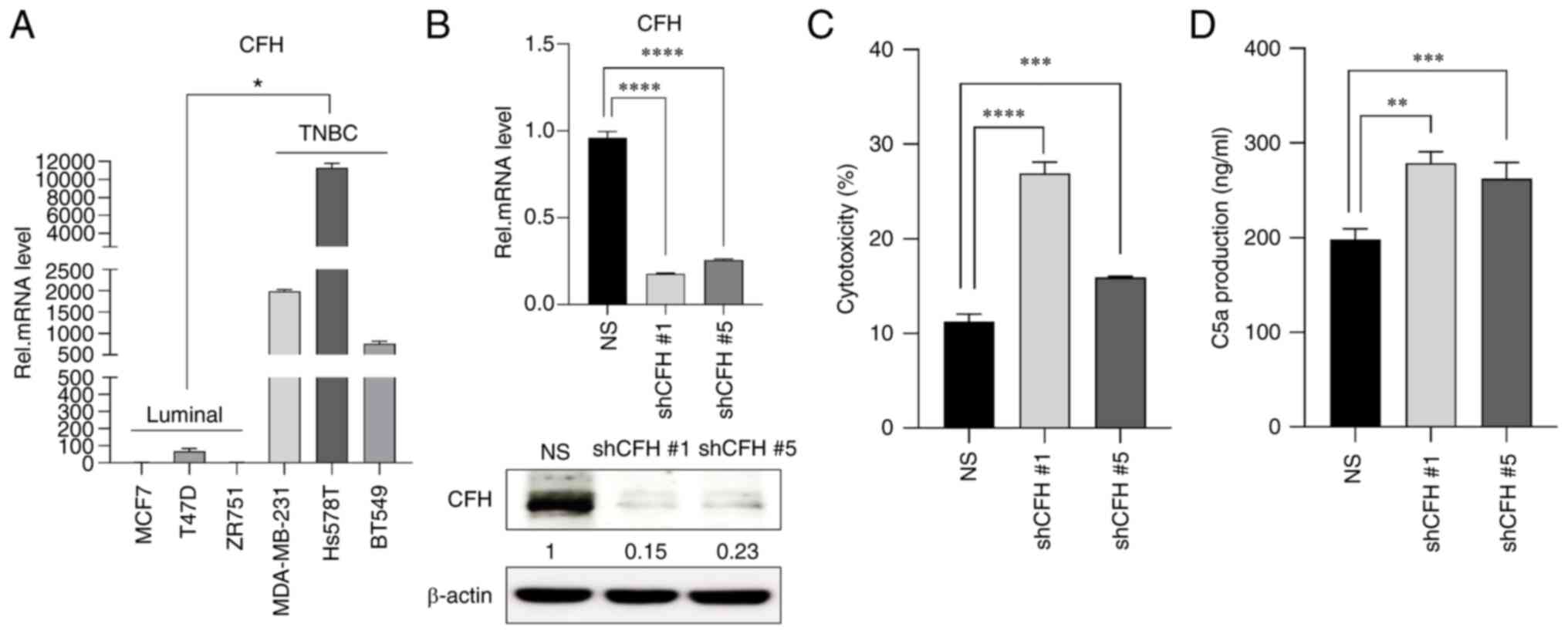
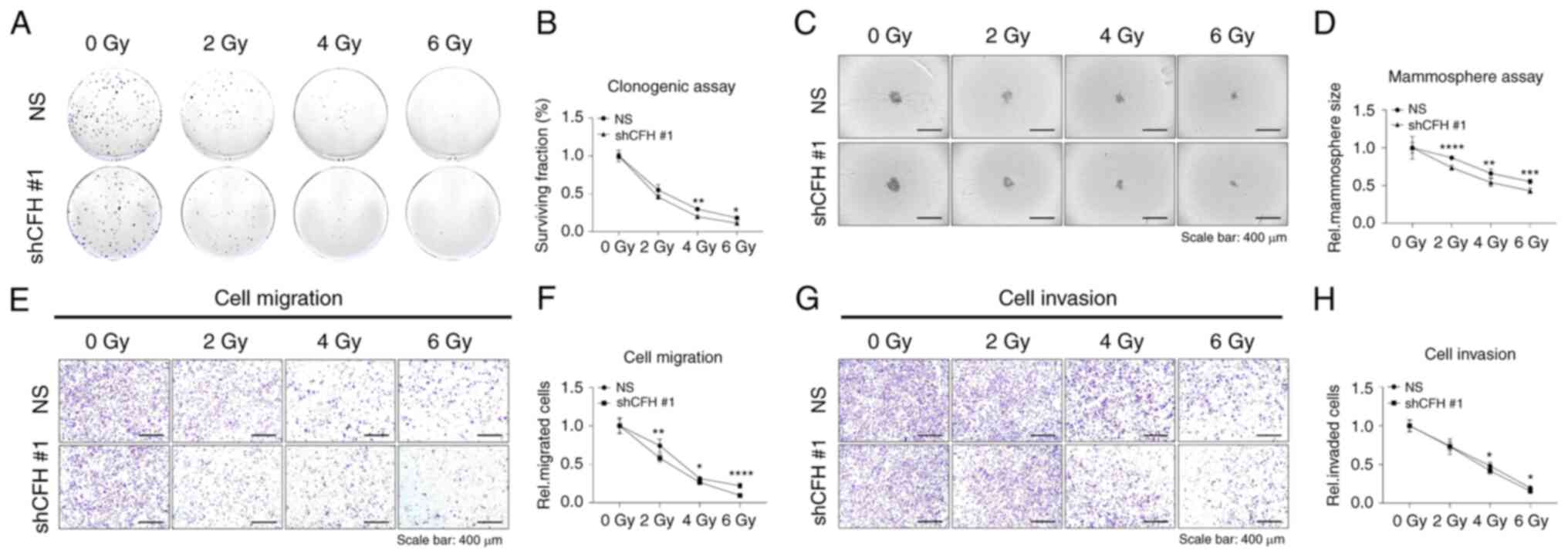
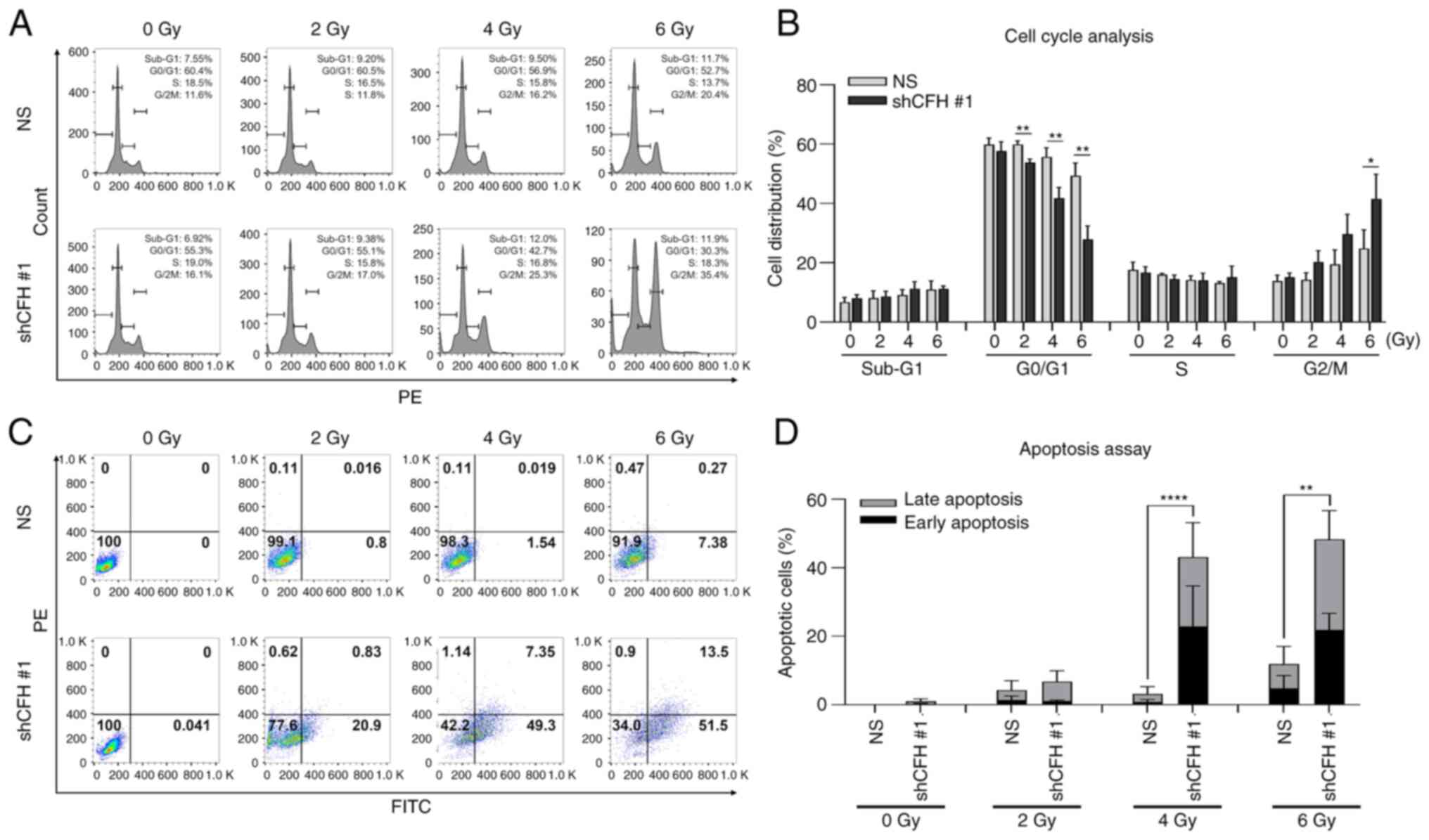
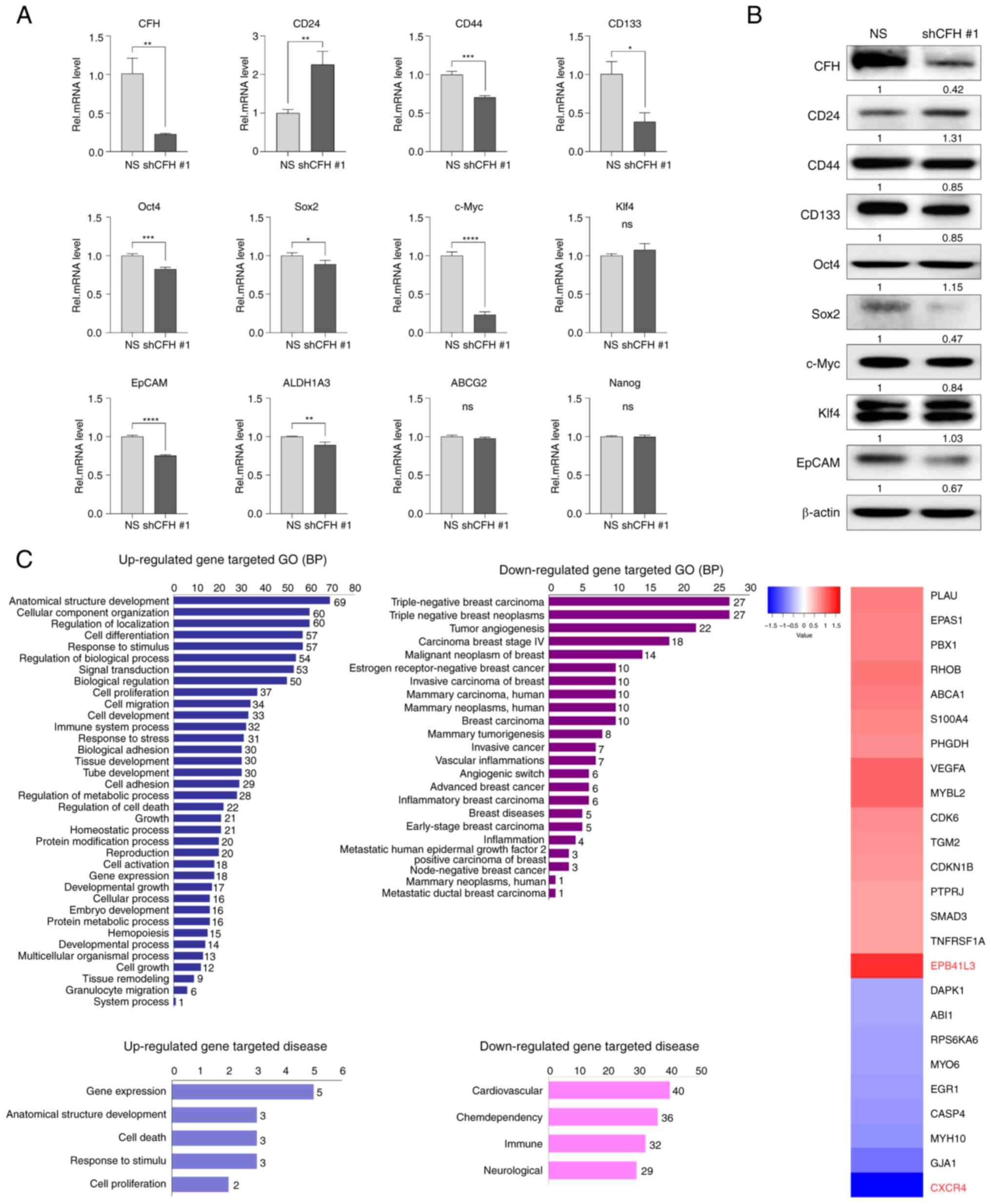
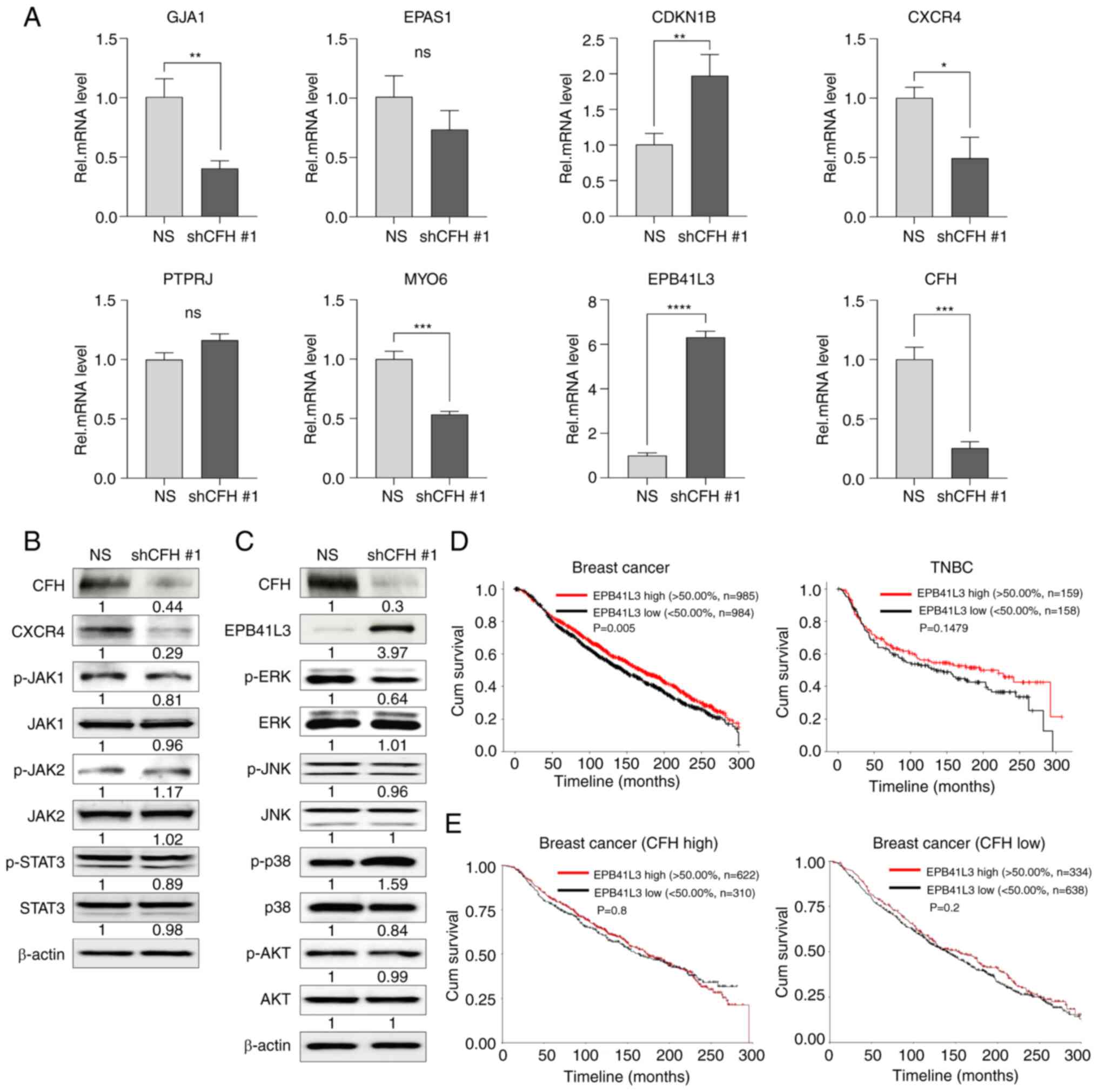
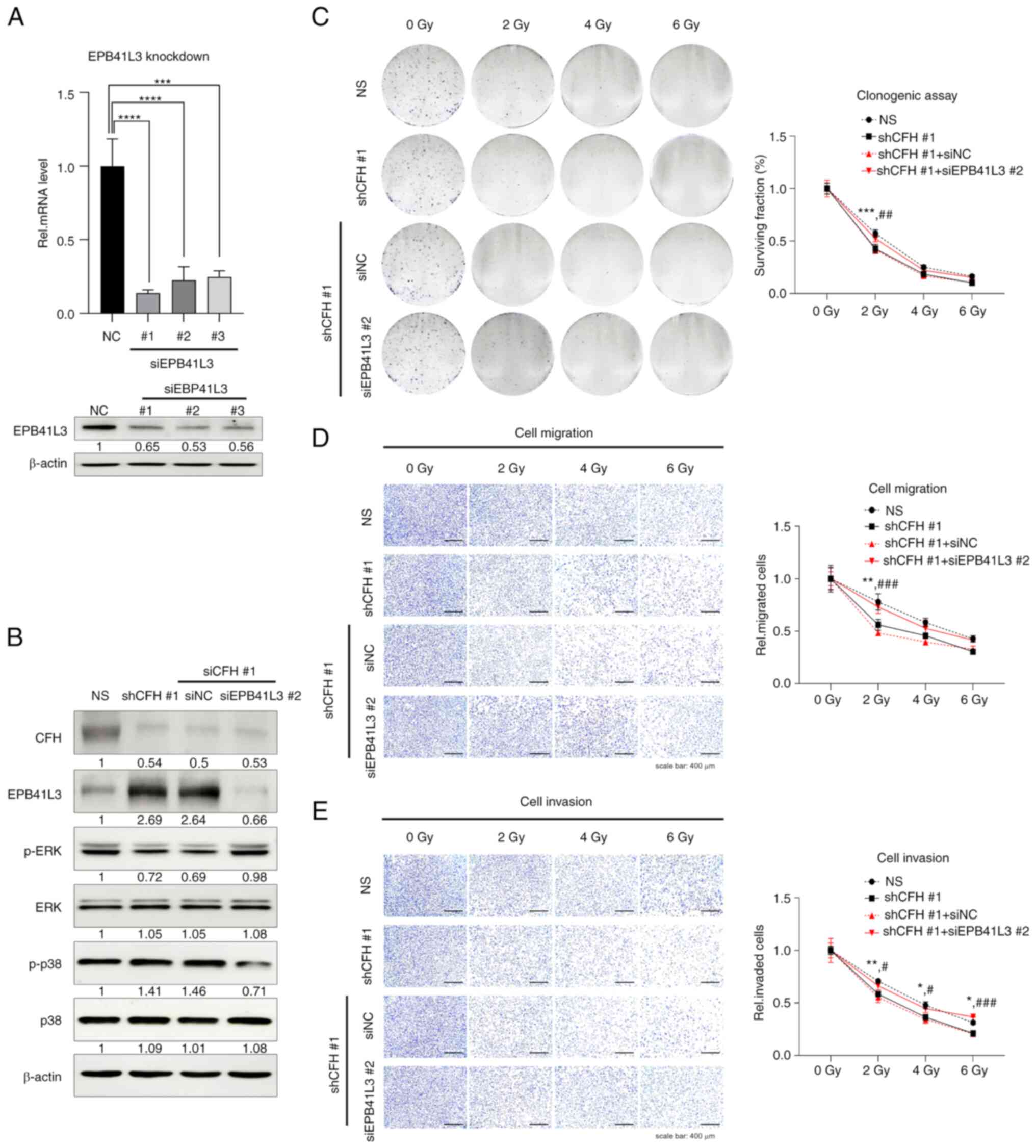
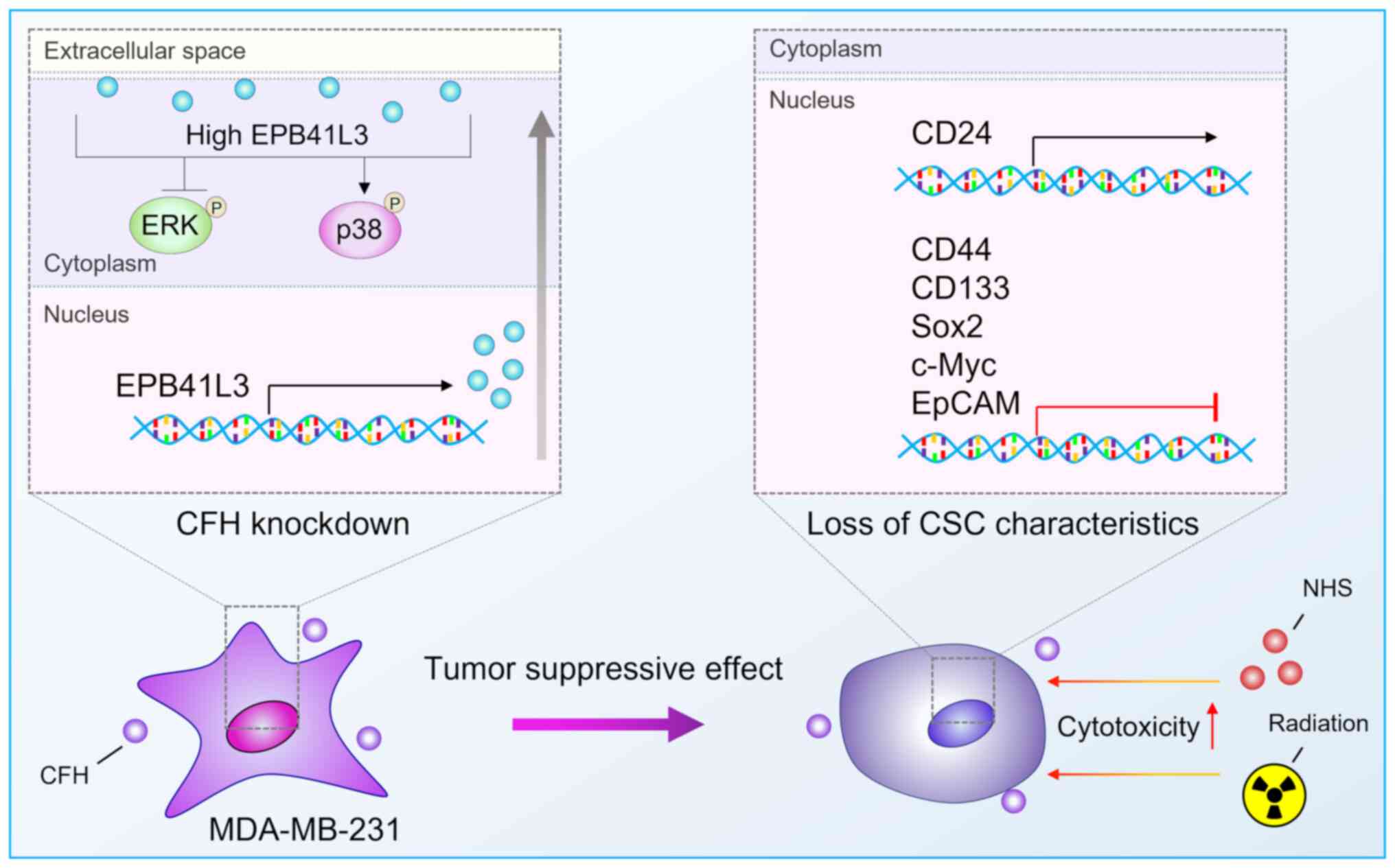
The complement system is a powerful innate immune system deployed in the immediate response to pathogens and cancer cells. Complement factor H (CFH), one of the regulators involved in the complement cascade, can interrupt the death of target cells. Certain types of cancer, such as breast cancer, can adopt an aggressive phenotype, such as breast cancer stem cells (BCSCs), through enhancement of the defense system against complement attack by amplifying various complement regulators. However, little is known about the association between CFH and BCSCs. In the present study, the roles of CFH in the CSC characteristics and radioresistance of MDA‑MB‑231 human breast cancer cells were investigated. CFH knockdown in MDA‑MB‑231 cells decreased the viability of the cells upon complement cascade activation. Notably, CFH knockdown also decreased cell survival and suppressed mammosphere formation, cell migration and cell invasion by attenuating radioresistance. Additionally, CFH knockdown further enhanced irradiation‑induced apoptosis through G2/M cell cycle arrest. It was also discovered that CFH knockdown attenuated the aggressive phenotypes of cancer cells by regulating CSC‑associated gene expression. Finally, by microarray analysis, it was found that the expression of erythrocyte membrane protein band 4.1‑like 3 (EPB41L3) was markedly increased following CFH knockdown. EPB41L3 inhibited ERK and activated the p38 MAPK signaling pathway. Taken together, these results indicated that CFH knockdown attenuated CSC properties and radioresistance in human breast cancer cells via controlling MAPK signaling and through upregulation of the tumor suppressor, EPB41L3.
View Figures

Figure 1

Figure 2

Figure 3

Figure 4

Figure 5

Figure 6

Figure 7

View References

1 

Siegel RL, Miller KD and Jemal A: Cancer statistics. CA Cancer J Clin. 69:7–34. 2019. View Article : Google Scholar : PubMed/NCBI

2 

Weigelt B, Peterse JL and van ‘t Veer LJ: Breast cancer metastasis: Markers and models. Nat Rev Cancer. 5:591–602. 2005. View Article : Google Scholar : PubMed/NCBI

3 

Bai X, Ni J, Beretov J, Graham P and Li Y: Cancer stem cell in breast cancer therapeutic resistance. Cancer Treat Rev. 69:152–163. 2018. View Article : Google Scholar : PubMed/NCBI

4 

Brooks MD, Burness ML and Wicha MS: Therapeutic implications of cellular heterogeneity and plasticity in breast cancer. Cell Stem Cell. 17:260–271. 2015. View Article : Google Scholar : PubMed/NCBI

5 

El-Sahli S and Wang L: Cancer stem cell-associated pathway in the metabolic reprogramming of breast cancer. Int J Mol Sci. 21:91252020. View Article : Google Scholar : PubMed/NCBI

6 

Badve S and Nakshtri H: Breast-cancer stem cells-beyond semantics. Lancet Oncol. 13:e43–e48. 2012. View Article : Google Scholar : PubMed/NCBI

7 

Walcher L, Kistenmacher AK, Suo H, Kitte R, Dluczek S, Strauß A, Blaudszun AR, Yevsa T, Fricke S and Kossatz-Boehlert U: Cancer stem cell-Origins and biomarkers: Perspectives for targeted personalized therapies. Front Immunol. 11:12802020. View Article : Google Scholar : PubMed/NCBI

8 

Fultang N, Chakraborty M and Peethambaran B: Regulation of cancer stem cells in triple negative breast cancer. Cancer Drug Resist. 4:321–342. 2021.PubMed/NCBI

9 

J O'Conor C, Chen T, González I, Cao D and Peng Y: Cancer stem cells in triple-negative breast cancer: a potential target and prognostic marker. Biomark Med. 12:813–820. 2018. View Article : Google Scholar : PubMed/NCBI

10 

Barzaman K, Karami J, Zarei Z, Hosseinzadeh A, Kazemi MH, Moradi-Kalbolandi S, Safari E and Farahmand L: Breast cancer: Biology, biomarkers, and treatments. Int Immunopharmacol. 84:1065352020. View Article : Google Scholar : PubMed/NCBI

11 

Crabtree JS and Miele L: Breast cancer stem cells. Biomedicines. 6:772018. View Article : Google Scholar : PubMed/NCBI

12 

Huang T, Song X, Xu D, Tiek D, Goenka A, Wu B, Sastry N, Hu B and Cheng SY: Stem cell programs in cancer initiation, progression, and therapy resistance. Theranostics. 10:8721–8743. 2020. View Article : Google Scholar : PubMed/NCBI

13 

Franco SS, Szczesna K, Iliou MS, Al-Qahtani M, Mobasheri A, Kobolák J and Dinnyés A: In vitro models of cancer stem cells and clinical applications. BMC Cancer. 16:7382016. View Article : Google Scholar : PubMed/NCBI

14 

Afshar-Kharghan V: The role of the complement system in cancer. J Clin Invest. 127:780–789. 2017. View Article : Google Scholar : PubMed/NCBI

15 

Bajic G, Degn SE, Thiel S and Andersen GR: Complement activation, regulation, and molecular basis for complement-related diseases. EMBO J. 34:2735–2757. 2015. View Article : Google Scholar : PubMed/NCBI

16 

Lewis LA, Ram S, Prasad A, Gulatin S, Getzlaff S, Blom AM, Vogel U and Rice PA: Defining targets for complement components C4b and C3b on the pathogenic neisseriae. Infect Immun. 76:339–350. 2008. View Article : Google Scholar : PubMed/NCBI

17 

Parente R, Clark SJ, Inforzato A and Day AJ: Complement factor H in host defense and immune evasion. Cell Mol Life Sci. 74:1605–1624. 2017. View Article : Google Scholar : PubMed/NCBI

18 

Cserhalmi M, Papp A, Brandus B, Uzonyi B and Jozsi M: Regulation of regulators: Role of the complement factor H-related proteins. Semin Immunol. 45:1013412019. View Article : Google Scholar : PubMed/NCBI

19 

Seol HS, Lee SE, Song JS, Rhee JK, Singh SR, Chang S and Jang SJ: Complement proteins C7 and CFH control the stemness of liver cancer cells via LSF-1. Cancer Lett. 372:24–35. 2016. View Article : Google Scholar : PubMed/NCBI

20 

Daugan MV, Revel M, Thouenon R, Dargon-Durey MA, Robe-Rybkine T, Torset C, Merle NS, Noé R, Verkarre V, Oudard SM, et al: Intracellular factor H drives tumor progression independently of the complement cascade. Cancer Immunol Res. 9:909–925. 2021. View Article : Google Scholar : PubMed/NCBI

21 

Ajona D, Hsu YF, Corrales L, Montuenga LM and Pio R: Down-regulation of human complement factor H sensitizes non-small cell lung cancer cells to complement attack and reduces in vivo tumor growth. J Immunol. 178:5991–5998. 2007. View Article : Google Scholar : PubMed/NCBI

22 

Junnikkala S, Hakulinen J, Jarva H, Manuelian T, Bjørge L, Bützow R, Zipfel PF and Meri S: Secretion of soluble complement inhibitors factor H and factor H-like protein (FHL-1) by ovarian tumour cells. Br J Cancer. 87:1119–1127. 2002. View Article : Google Scholar : PubMed/NCBI

23 

Smolag KI, Mueni CM, Leandersson K, Jirström K, Hagerling C, Mörgelin M, Barlow PN, Martin M and Blom AM: Complement inhibitor factor H expressed by breast cancer cells differentiates CD14+ human monocytes into immunosuppressive macrophages. Oncoimmunology. 9:17311352020. View Article : Google Scholar : PubMed/NCBI

24 

Liu M, Yang YJ, Zheng H, Zhong XR, Wang Y, Wang Z, Wang YG and Wang YP: Membrane-bound complement regulatory proteins are prognostic factors of operable breast cancer treated with adjuvant trastuzumab: A retrospective study. Oncol Rep. 32:2619–2627. 2014. View Article : Google Scholar : PubMed/NCBI

25 

Pereira B, Chin SF, Rueda OM, Vollan HKM, Provenzano E, Bardwell HA, Pugh M, Jones L, Russell R, Sammut SJ, et al: The somatic mutation profiles of 2,433 breast cancers refines their genomic and transcriptomic ladnscapes. Nat Commun. 7:114792016. View Article : Google Scholar : PubMed/NCBI

26 

Livak KJ and Schmittgen TD: Analysis of relative gene expression data using real-time quantitative PCR and the 2(−Delta Delta C(T)) method. Methods. 25:402–408. 2001. View Article : Google Scholar : PubMed/NCBI

27 

Liu X, Xiao Q, Bai X, Yu Z, Sun M, Zhao H, Mi X, Wang E, Yao W, Jin F, et al: Activation of STAT3 is involved in malignancy mediated by CXCL12-CXCR4 signaling in human breast cancer. Oncol Rep. 32:2760–2768. 2014. View Article : Google Scholar : PubMed/NCBI

28 

Trautmann F, Cojoc M, Kurth I, Melin N, Bouchez LC, Dubrovska A and Peitzsch C: CXCR4 as biomarker for radioresistant cancer stem cells. Int J Radiat Biol. 90:687–699. 2014. View Article : Google Scholar : PubMed/NCBI

29 

Yuan X, Piao L, Wang L, Han X, Zhuang M and Liu Z: Pivotal roles of protein 4.1B/DAL-1, a FERM-domain containing protein, in tumor progression. Int J Oncol. 55:979–987. 2019.PubMed/NCBI

30 

Yuan X, Piao L, Wang L, Han X, Tong L, Shao S, Xu X, Zhuang M and Liu Z: Erythrocyte membrane protein band 4.1-like 3 inhibits osteosarcoma cell invasion through regulation of Snai1-induced epithelial-to-mesenchymal transition. Aging. 13:1947–1961. 2020. View Article : Google Scholar : PubMed/NCBI

31 

Vlaicu SI, Tatomir A, Rus V and Rus H: Role of C5b-9 and RGC-32 in cancer. Front Immunol. 10:10542019. View Article : Google Scholar : PubMed/NCBI

32 

Lagadec C, Vlashi E, Donna LD, Dekmezian C and Pajonk F: Radiation-induced reprogramming of breast cancer cells. Stem Cells. 30:833–844. 2012. View Article : Google Scholar : PubMed/NCBI

33 

Kola P, Nagesh PKB, Roy PK, Deepak K, Reis RL, Kundu SC and Mandal M: Innovative nanotheranostics: Smart nanoparticles based approach to overcome breast cancer stem cells mediated chemo- and radioresistances. Wiley Interdiscip Rev Nanomed Nanobiotechnol. 15:e18762023. View Article : Google Scholar : PubMed/NCBI

34 

Jain V, Kumar H, Anod HV, Chand P, Gupta NV, Dey S and Kesharwani SS: A review of nanotechnology-based approaches for breast cancer and triple-negative breast cancer. J Control Release. 326:628–647. 2020. View Article : Google Scholar : PubMed/NCBI

35 

Song K and Faraneh M: Signaling pathways governing breast cancer stem cells behavior. Stem Cell Res Ther. 12:2452021. View Article : Google Scholar : PubMed/NCBI

36 

Zheng Q, Zhang M, Zhou F, Zhang L and Meng X: The breast cancer stem cells traits and drug resistance. Front Pharmacol. 11:5999652021. View Article : Google Scholar : PubMed/NCBI

37 

Yoon YH, Hwang HJ, Sung HJ, Heo SH, Kim DS, Hong SH, Lee KH and Cho JY: Upregulation of complement factor H by SOCX-1/3-STAT4 in lung cancer. Cancers (Basal). 11:4712019. View Article : Google Scholar

38 

Martin M, Leffler J, Smolag KI, Mytych J, Björk A, Chaves LD, Alexander JJ, Quigg RJ and Blom AM: Factor H uptake regulates intracellular C3 activation during apoptosis and decreases the inflammatory potential of nucleosomes. Cell Death Differ. 23:903–911. 2016. View Article : Google Scholar : PubMed/NCBI

39 

Mao X, Zhou L, Tey SK, Ma APY, Yeung CLS, Ng TH, Wong SWK, Liu BHM, Fung YME, Patz EF Jr, et al: Tumour extracellular vesicle-derived complement factor H promotes tumorigenesis and metastasis by inhibiting complement-dependent cytotoxicity of tumour cells. J Extracell Vesicels. 10:e120312020. View Article : Google Scholar : PubMed/NCBI

40 

Gupta N, Mohan CD, Shanmugam MK, Jung YY, Chinnathambi A, Alharbi SA, Ashrafizadeh M, Mahale M, Bender A, Kumar AP, et al: CXCR4 expression is elevated in TNBC patient derived samples and Z-guggulsterone abrogates tumor progression by targeting CXCL12/CXCR4 siganling axis in preclinical breast cancer model. Environ Res. 232:1163352023. View Article : Google Scholar : PubMed/NCBI

41 

Alsaab HO and Almalki AH: Anti-HSP70 alleviates cell migration and proliferation in colorectal cancer cells (CRC) by targeting CXCR4 (in vitro study). Med Oncol. 40:2562023. View Article : Google Scholar : PubMed/NCBI

42 

Zhao H, Jiang R, Zhang C, Feng Z and Wang X: The regulatory role of cancer stem cell marker gene CXCR4 in the growth and metastasis of gastric cancer. NPJ Precis Oncol. 7:862023. View Article : Google Scholar : PubMed/NCBI

43 

To SQ, Dmello RS, Richards AK, Ernst M and Chand AL: STAT3 signaling in breast cancer: Multicellular actions and therapeutic potential. Cancers (Basel). 14:4292022. View Article : Google Scholar : PubMed/NCBI

44 

Zeng R, Liu Y, Jiang ZJ, Huang JP, Wang Y, Li XF, Xiong WB, Wu XC, Zhang JR, Wang QE and Zheng YF: EPB41L3 is a potential tumor suppressor gene and prognostic indicator in esophageal squamous cell carcinoma. Int J Oncol. 52:1443–1454. 2018.PubMed/NCBI

45 

Lu Y, Liu B, Liu Y, Yu X and Cheng G: Dual effects of active ERK in cancer: A potential target for enhancing radiosensitivity. Oncol Lett. 20:993–1000. 2020. View Article : Google Scholar : PubMed/NCBI

46 

Sambade M, Camp JT, Kimple RJ, Sartor CI and Shields JM: Mechanism of lapatinib-mediated radiosensitization of breast cancer cells is primarily by inhibition of the Raf>MEK>ERK mitogen-activated protein kinase cascade and radiosensitization of lapatinib-resistant cells restored by direct inhibition of MEK. Radiother Oncol. 93:639–644. 2009. View Article : Google Scholar : PubMed/NCBI

47 

He H, Lin K, Zou C, Pan J, Fu W, Zhou Y, Lin H, Chen C and Su Y: Knockdown of annexin A2 enhances radiosensitivity by increasing G2/M-phase arrest, apoptosis and activating the p38 MAPK-HSP27 pathway in nasopharyngeal carcinoma. Front Oncol. 12:7695442022. View Article : Google Scholar : PubMed/NCBI

48 

Zhou Y, Zhao W, Xie G, Huang M, Hu M, Jiang X, Zeng D, Liu J, Zhou H, Chen H, et al: Induction of Nur77-dependent apoptotic pathway by a coumarin derivative through activation of JNK and p38 MAPK. Carcinogenesis. 35:2660–2669. 2014. View Article : Google Scholar : PubMed/NCBI

49 

Tang J, Wu W, Yang F, Liu L, Yang Z, Liu L, Tang W, Sun F and Lin H: Marine sponge-derived smenospongine preferentially eliminates breast cancer stem-like cells via p38/AMPKa pathways. Cancer Med. 7:3965–3976. 2018. View Article : Google Scholar : PubMed/NCBI

Related Articles

  • Abstract
  • View
  • Download
  • Twitter
Copy and paste a formatted citation
Spandidos Publications style
Park SY, Eum D, Jin Y, Lee CY, Shim JW, Choi SH, Park S, Heo K and Choi YJ: Downregulation of complement factor H attenuates the stemness of MDA‑MB‑231 breast cancer cells via modulation of the ERK and p38 signaling pathways. Oncol Lett 26: 521, 2023.
APA
Park, S.Y., Eum, D., Jin, Y., Lee, C.Y., Shim, J.W., Choi, S.H. ... Choi, Y.J. (2023). Downregulation of complement factor H attenuates the stemness of MDA‑MB‑231 breast cancer cells via modulation of the ERK and p38 signaling pathways. Oncology Letters, 26, 521. https://doi.org/10.3892/ol.2023.14107
MLA
Park, S. Y., Eum, D., Jin, Y., Lee, C. Y., Shim, J. W., Choi, S. H., Park, S., Heo, K., Choi, Y. J."Downregulation of complement factor H attenuates the stemness of MDA‑MB‑231 breast cancer cells via modulation of the ERK and p38 signaling pathways". Oncology Letters 26.6 (2023): 521.
Chicago
Park, S. Y., Eum, D., Jin, Y., Lee, C. Y., Shim, J. W., Choi, S. H., Park, S., Heo, K., Choi, Y. J."Downregulation of complement factor H attenuates the stemness of MDA‑MB‑231 breast cancer cells via modulation of the ERK and p38 signaling pathways". Oncology Letters 26, no. 6 (2023): 521. https://doi.org/10.3892/ol.2023.14107
Copy and paste a formatted citation
x
Spandidos Publications style
Park SY, Eum D, Jin Y, Lee CY, Shim JW, Choi SH, Park S, Heo K and Choi YJ: Downregulation of complement factor H attenuates the stemness of MDA‑MB‑231 breast cancer cells via modulation of the ERK and p38 signaling pathways. Oncol Lett 26: 521, 2023.
APA
Park, S.Y., Eum, D., Jin, Y., Lee, C.Y., Shim, J.W., Choi, S.H. ... Choi, Y.J. (2023). Downregulation of complement factor H attenuates the stemness of MDA‑MB‑231 breast cancer cells via modulation of the ERK and p38 signaling pathways. Oncology Letters, 26, 521. https://doi.org/10.3892/ol.2023.14107
MLA
Park, S. Y., Eum, D., Jin, Y., Lee, C. Y., Shim, J. W., Choi, S. H., Park, S., Heo, K., Choi, Y. J."Downregulation of complement factor H attenuates the stemness of MDA‑MB‑231 breast cancer cells via modulation of the ERK and p38 signaling pathways". Oncology Letters 26.6 (2023): 521.
Chicago
Park, S. Y., Eum, D., Jin, Y., Lee, C. Y., Shim, J. W., Choi, S. H., Park, S., Heo, K., Choi, Y. J."Downregulation of complement factor H attenuates the stemness of MDA‑MB‑231 breast cancer cells via modulation of the ERK and p38 signaling pathways". Oncology Letters 26, no. 6 (2023): 521. https://doi.org/10.3892/ol.2023.14107
Follow us
  • Twitter
  • LinkedIn
  • Facebook
About
  • Spandidos Publications
  • Careers
  • Cookie Policy
  • Privacy Policy
How can we help?
  • Help
  • Live Chat
  • Contact
  • Email to our Support Team