Spandidos Publications Logo
  • About
    • About Spandidos
    • Aims and Scopes
    • Abstracting and Indexing
    • Editorial Policies
    • Reprints and Permissions
    • Job Opportunities
    • Terms and Conditions
    • Contact
  • Journals
    • All Journals
    • Oncology Letters
      • Oncology Letters
      • Information for Authors
      • Editorial Policies
      • Editorial Board
      • Aims and Scope
      • Abstracting and Indexing
      • Bibliographic Information
      • Archive
    • International Journal of Oncology
      • International Journal of Oncology
      • Information for Authors
      • Editorial Policies
      • Editorial Board
      • Aims and Scope
      • Abstracting and Indexing
      • Bibliographic Information
      • Archive
    • Molecular and Clinical Oncology
      • Molecular and Clinical Oncology
      • Information for Authors
      • Editorial Policies
      • Editorial Board
      • Aims and Scope
      • Abstracting and Indexing
      • Bibliographic Information
      • Archive
    • Experimental and Therapeutic Medicine
      • Experimental and Therapeutic Medicine
      • Information for Authors
      • Editorial Policies
      • Editorial Board
      • Aims and Scope
      • Abstracting and Indexing
      • Bibliographic Information
      • Archive
    • International Journal of Molecular Medicine
      • International Journal of Molecular Medicine
      • Information for Authors
      • Editorial Policies
      • Editorial Board
      • Aims and Scope
      • Abstracting and Indexing
      • Bibliographic Information
      • Archive
    • Biomedical Reports
      • Biomedical Reports
      • Information for Authors
      • Editorial Policies
      • Editorial Board
      • Aims and Scope
      • Abstracting and Indexing
      • Bibliographic Information
      • Archive
    • Oncology Reports
      • Oncology Reports
      • Information for Authors
      • Editorial Policies
      • Editorial Board
      • Aims and Scope
      • Abstracting and Indexing
      • Bibliographic Information
      • Archive
    • Molecular Medicine Reports
      • Molecular Medicine Reports
      • Information for Authors
      • Editorial Policies
      • Editorial Board
      • Aims and Scope
      • Abstracting and Indexing
      • Bibliographic Information
      • Archive
    • World Academy of Sciences Journal
      • World Academy of Sciences Journal
      • Information for Authors
      • Editorial Policies
      • Editorial Board
      • Aims and Scope
      • Abstracting and Indexing
      • Bibliographic Information
      • Archive
    • International Journal of Functional Nutrition
      • International Journal of Functional Nutrition
      • Information for Authors
      • Editorial Policies
      • Editorial Board
      • Aims and Scope
      • Abstracting and Indexing
      • Bibliographic Information
      • Archive
    • International Journal of Epigenetics
      • International Journal of Epigenetics
      • Information for Authors
      • Editorial Policies
      • Editorial Board
      • Aims and Scope
      • Abstracting and Indexing
      • Bibliographic Information
      • Archive
    • Medicine International
      • Medicine International
      • Information for Authors
      • Editorial Policies
      • Editorial Board
      • Aims and Scope
      • Abstracting and Indexing
      • Bibliographic Information
      • Archive
  • Articles
  • Information
    • Information for Authors
    • Information for Reviewers
    • Information for Librarians
    • Information for Advertisers
    • Conferences
  • Language Editing
Spandidos Publications Logo
  • About
    • About Spandidos
    • Aims and Scopes
    • Abstracting and Indexing
    • Editorial Policies
    • Reprints and Permissions
    • Job Opportunities
    • Terms and Conditions
    • Contact
  • Journals
    • All Journals
    • Biomedical Reports
      • Information for Authors
      • Editorial Policies
      • Editorial Board
      • Aims and Scope
      • Abstracting and Indexing
      • Bibliographic Information
      • Archive
    • Experimental and Therapeutic Medicine
      • Information for Authors
      • Editorial Policies
      • Editorial Board
      • Aims and Scope
      • Abstracting and Indexing
      • Bibliographic Information
      • Archive
    • International Journal of Epigenetics
      • Information for Authors
      • Editorial Policies
      • Editorial Board
      • Aims and Scope
      • Abstracting and Indexing
      • Bibliographic Information
      • Archive
    • International Journal of Functional Nutrition
      • Information for Authors
      • Editorial Policies
      • Editorial Board
      • Aims and Scope
      • Abstracting and Indexing
      • Bibliographic Information
      • Archive
    • International Journal of Molecular Medicine
      • Information for Authors
      • Editorial Policies
      • Editorial Board
      • Aims and Scope
      • Abstracting and Indexing
      • Bibliographic Information
      • Archive
    • International Journal of Oncology
      • Information for Authors
      • Editorial Policies
      • Editorial Board
      • Aims and Scope
      • Abstracting and Indexing
      • Bibliographic Information
      • Archive
    • Medicine International
      • Information for Authors
      • Editorial Policies
      • Editorial Board
      • Aims and Scope
      • Abstracting and Indexing
      • Bibliographic Information
      • Archive
    • Molecular and Clinical Oncology
      • Information for Authors
      • Editorial Policies
      • Editorial Board
      • Aims and Scope
      • Abstracting and Indexing
      • Bibliographic Information
      • Archive
    • Molecular Medicine Reports
      • Information for Authors
      • Editorial Policies
      • Editorial Board
      • Aims and Scope
      • Abstracting and Indexing
      • Bibliographic Information
      • Archive
    • Oncology Letters
      • Information for Authors
      • Editorial Policies
      • Editorial Board
      • Aims and Scope
      • Abstracting and Indexing
      • Bibliographic Information
      • Archive
    • Oncology Reports
      • Information for Authors
      • Editorial Policies
      • Editorial Board
      • Aims and Scope
      • Abstracting and Indexing
      • Bibliographic Information
      • Archive
    • World Academy of Sciences Journal
      • Information for Authors
      • Editorial Policies
      • Editorial Board
      • Aims and Scope
      • Abstracting and Indexing
      • Bibliographic Information
      • Archive
  • Articles
  • Information
    • For Authors
    • For Reviewers
    • For Librarians
    • For Advertisers
    • Conferences
  • Language Editing
Login Register Submit
  • This site uses cookies
  • You can change your cookie settings at any time by following the instructions in our Cookie Policy. To find out more, you may read our Privacy Policy.

    I agree
Search articles by DOI, keyword, author or affiliation
Search
Advanced Search
presentation
Oncology Letters
Join Editorial Board Propose a Special Issue
Print ISSN: 1792-1074 Online ISSN: 1792-1082
Journal Cover
April-2024 Volume 27 Issue 4

Full Size Image

Sign up for eToc alerts
Recommend to Library

Journals

International Journal of Molecular Medicine

International Journal of Molecular Medicine

International Journal of Molecular Medicine is an international journal devoted to molecular mechanisms of human disease.

International Journal of Oncology

International Journal of Oncology

International Journal of Oncology is an international journal devoted to oncology research and cancer treatment.

Molecular Medicine Reports

Molecular Medicine Reports

Covers molecular medicine topics such as pharmacology, pathology, genetics, neuroscience, infectious diseases, molecular cardiology, and molecular surgery.

Oncology Reports

Oncology Reports

Oncology Reports is an international journal devoted to fundamental and applied research in Oncology.

Experimental and Therapeutic Medicine

Experimental and Therapeutic Medicine

Experimental and Therapeutic Medicine is an international journal devoted to laboratory and clinical medicine.

Oncology Letters

Oncology Letters

Oncology Letters is an international journal devoted to Experimental and Clinical Oncology.

Biomedical Reports

Biomedical Reports

Explores a wide range of biological and medical fields, including pharmacology, genetics, microbiology, neuroscience, and molecular cardiology.

Molecular and Clinical Oncology

Molecular and Clinical Oncology

International journal addressing all aspects of oncology research, from tumorigenesis and oncogenes to chemotherapy and metastasis.

World Academy of Sciences Journal

World Academy of Sciences Journal

Multidisciplinary open-access journal spanning biochemistry, genetics, neuroscience, environmental health, and synthetic biology.

International Journal of Functional Nutrition

International Journal of Functional Nutrition

Open-access journal combining biochemistry, pharmacology, immunology, and genetics to advance health through functional nutrition.

International Journal of Epigenetics

International Journal of Epigenetics

Publishes open-access research on using epigenetics to advance understanding and treatment of human disease.

Medicine International

Medicine International

An International Open Access Journal Devoted to General Medicine.

Journal Cover
April-2024 Volume 27 Issue 4

Full Size Image

Sign up for eToc alerts
Recommend to Library

  • Article
  • Citations
    • Cite This Article
    • Download Citation
    • Create Citation Alert
    • Remove Citation Alert
    • Cited By
  • Similar Articles
    • Related Articles (in Spandidos Publications)
    • Similar Articles (Google Scholar)
    • Similar Articles (PubMed)
  • Download PDF
  • Download XML
  • View XML
Article Open Access

Rapamycin inhibits B16 melanoma cell viability in vitro and in vivo by inducing autophagy and inhibiting the mTOR/p70‑S6k pathway

  • Authors:
    • Penghui Wang
    • Haifang Zhang
    • Kaikai Guo
    • Chun Liu
    • Shimin Chen
    • Baopeng Pu
    • Sirun Chen
    • Tong Feng
    • Hanyi Jiao
    • Chang Gao
  • View Affiliations / Copyright

    Affiliations: Department of Basic Medicine and Life Sciences, Hainan Medical University, Haikou, Hainan 570100, P.R. China, Hainan Institute for Drug Control, Haikou, Hainan 570216, P.R. China, Hainan Medical University Press, Hainan Medical University, Haikou, Hainan 570100, P.R. China, School of Pharmacy, Hainan Medical University, Haikou, Hainan 570100, P.R. China
    Copyright: © Wang et al. This is an open access article distributed under the terms of Creative Commons Attribution License.
  • Article Number: 140
    |
    Published online on: February 2, 2024
       https://doi.org/10.3892/ol.2024.14273
  • Expand metrics +
Metrics: Total Views: 0 (Spandidos Publications: | PMC Statistics: )
Metrics: Total PDF Downloads: 0 (Spandidos Publications: | PMC Statistics: )
Cited By (CrossRef): 0 citations Loading Articles...

This article is mentioned in:


Abstract

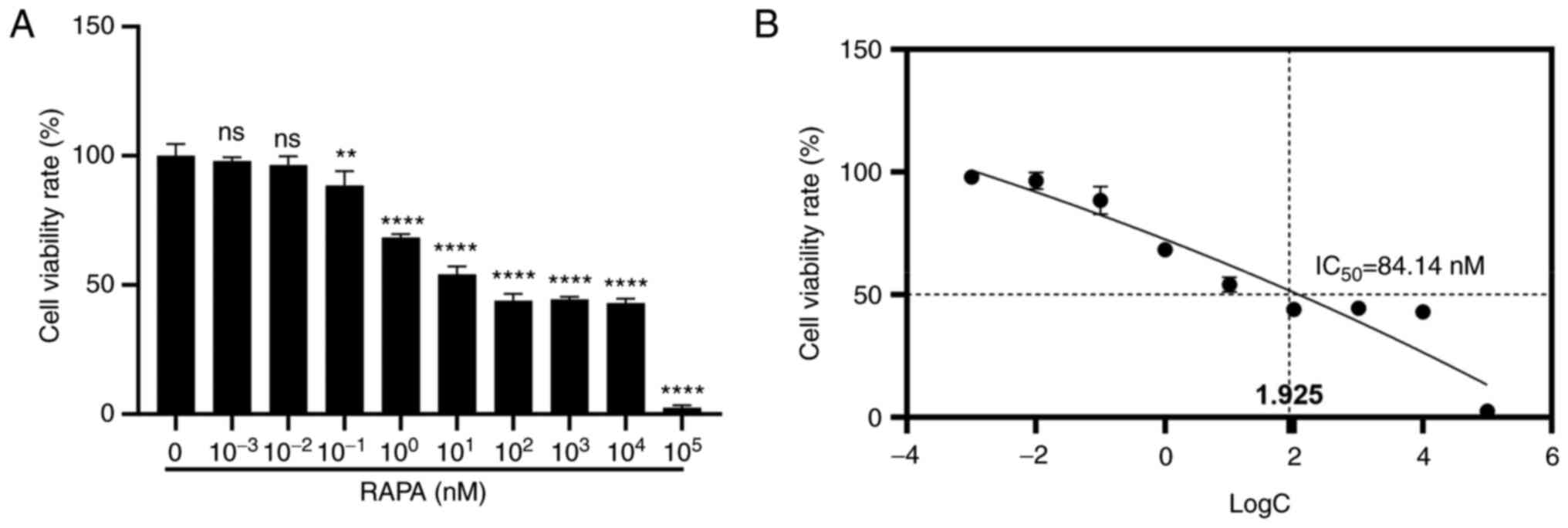
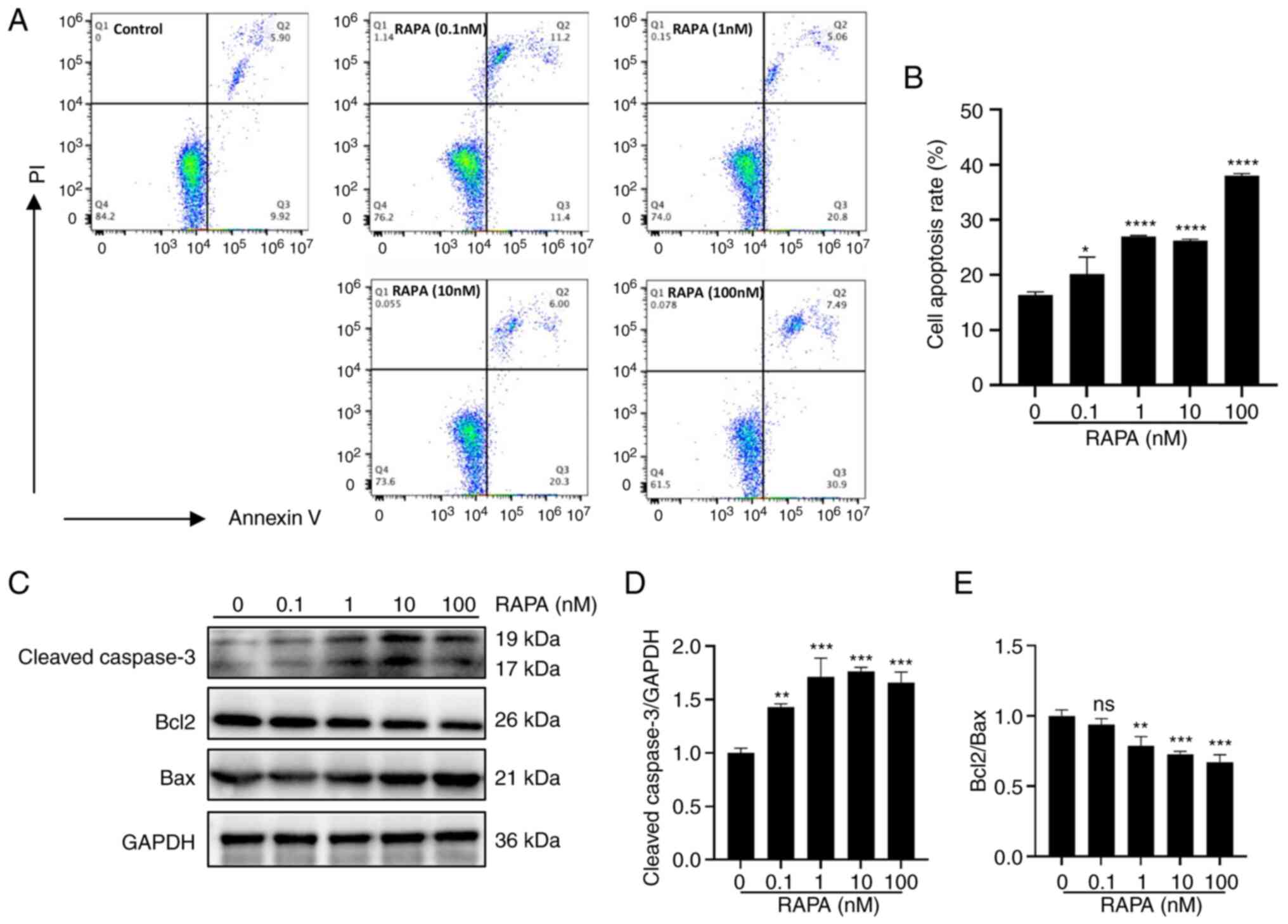
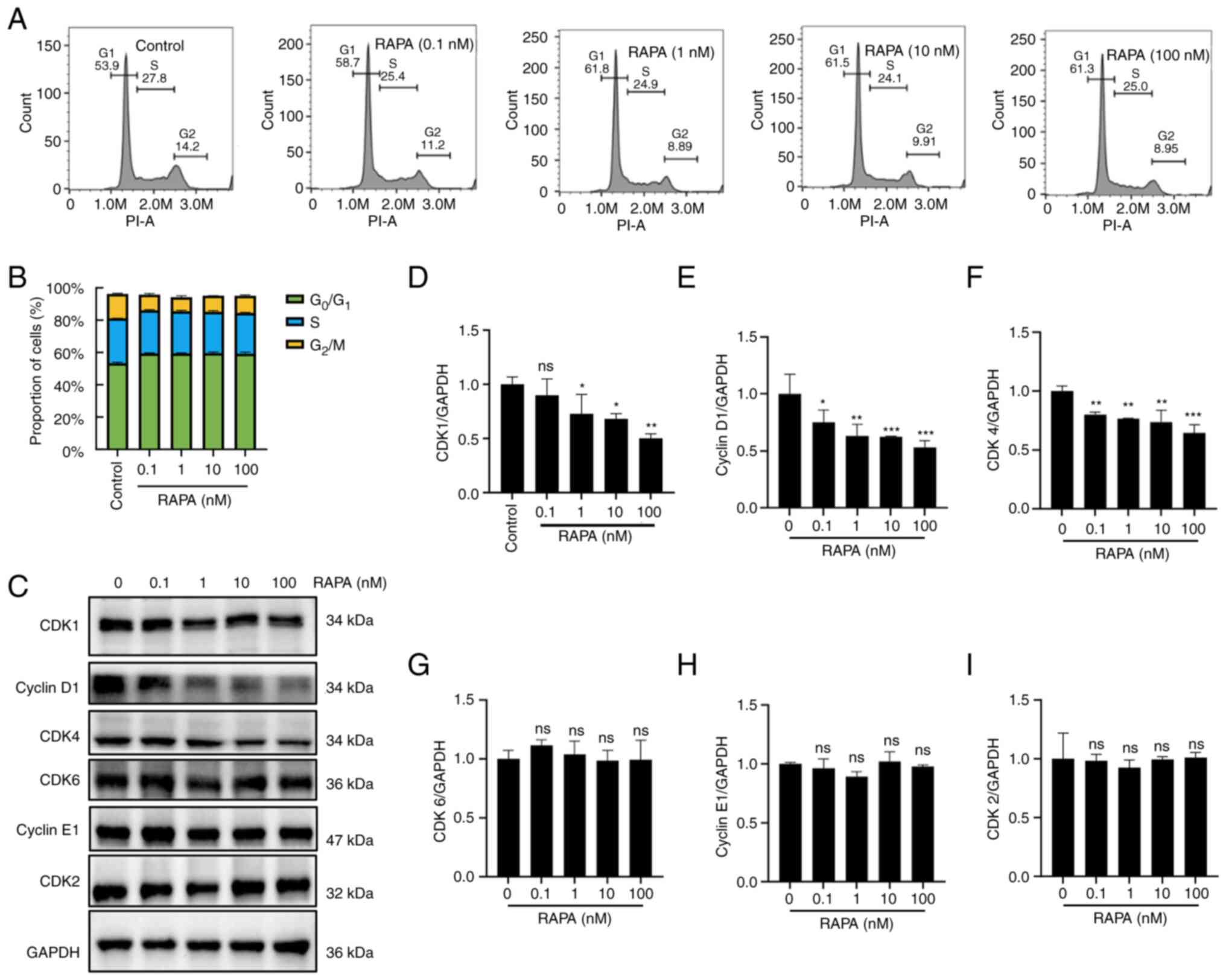
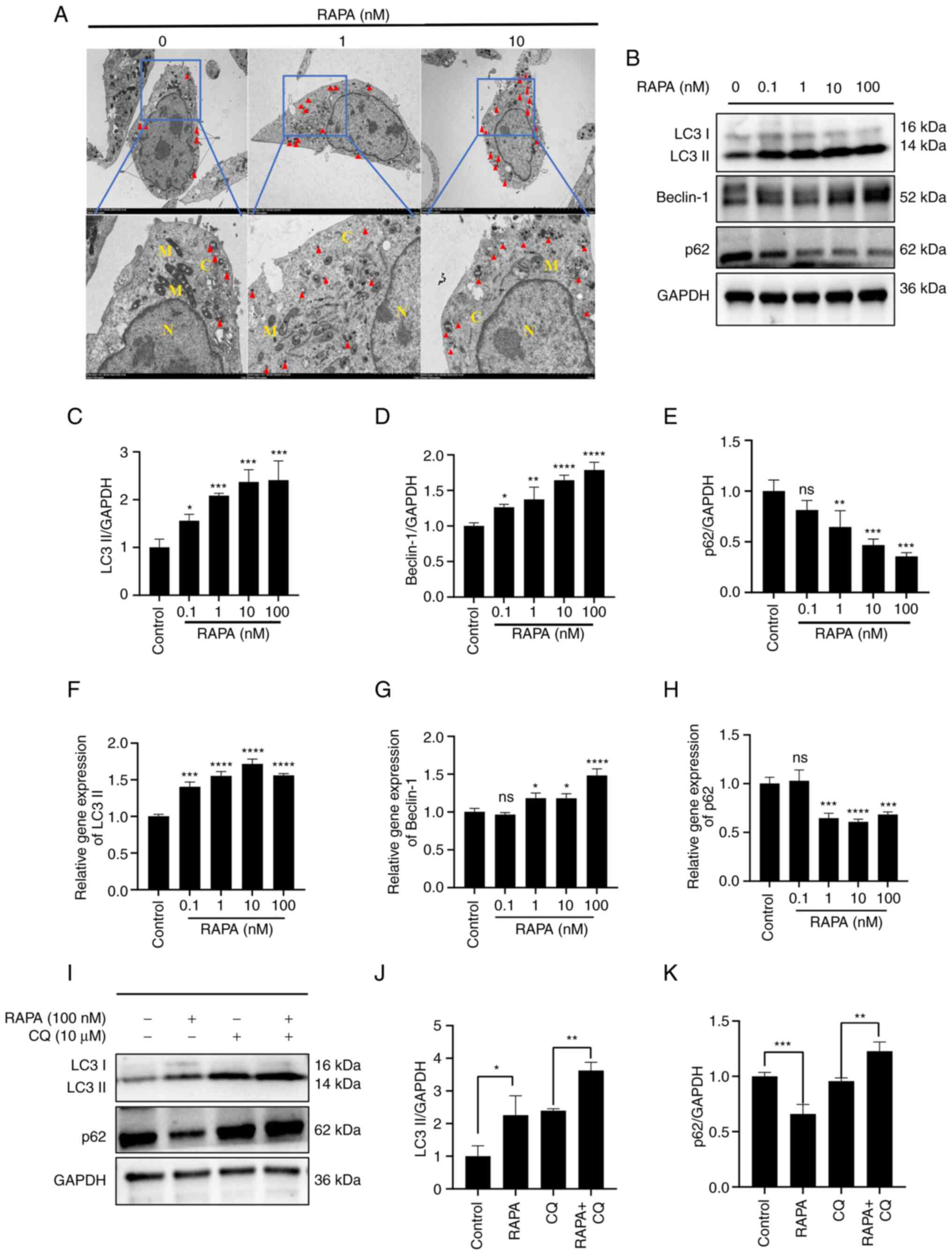
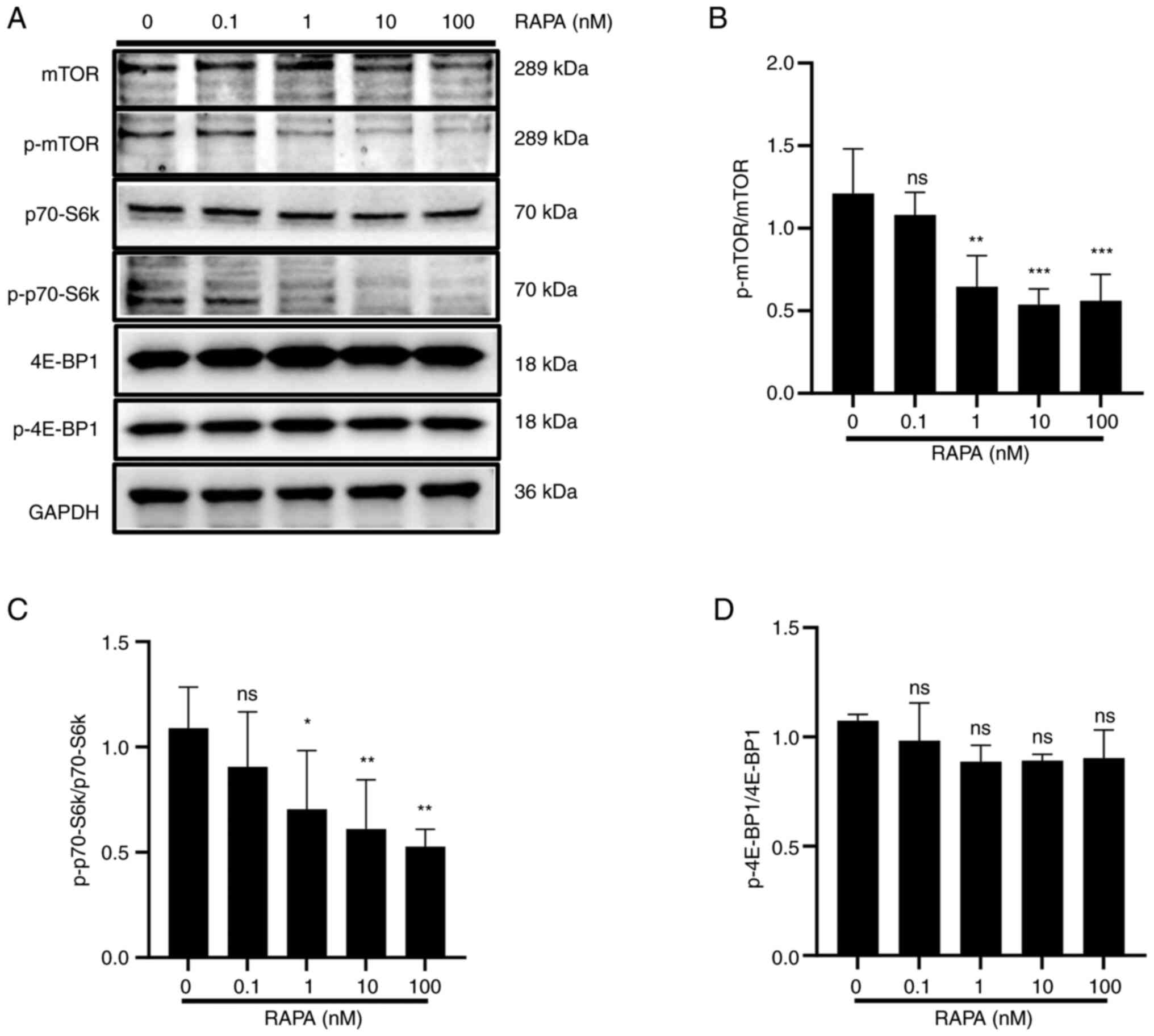
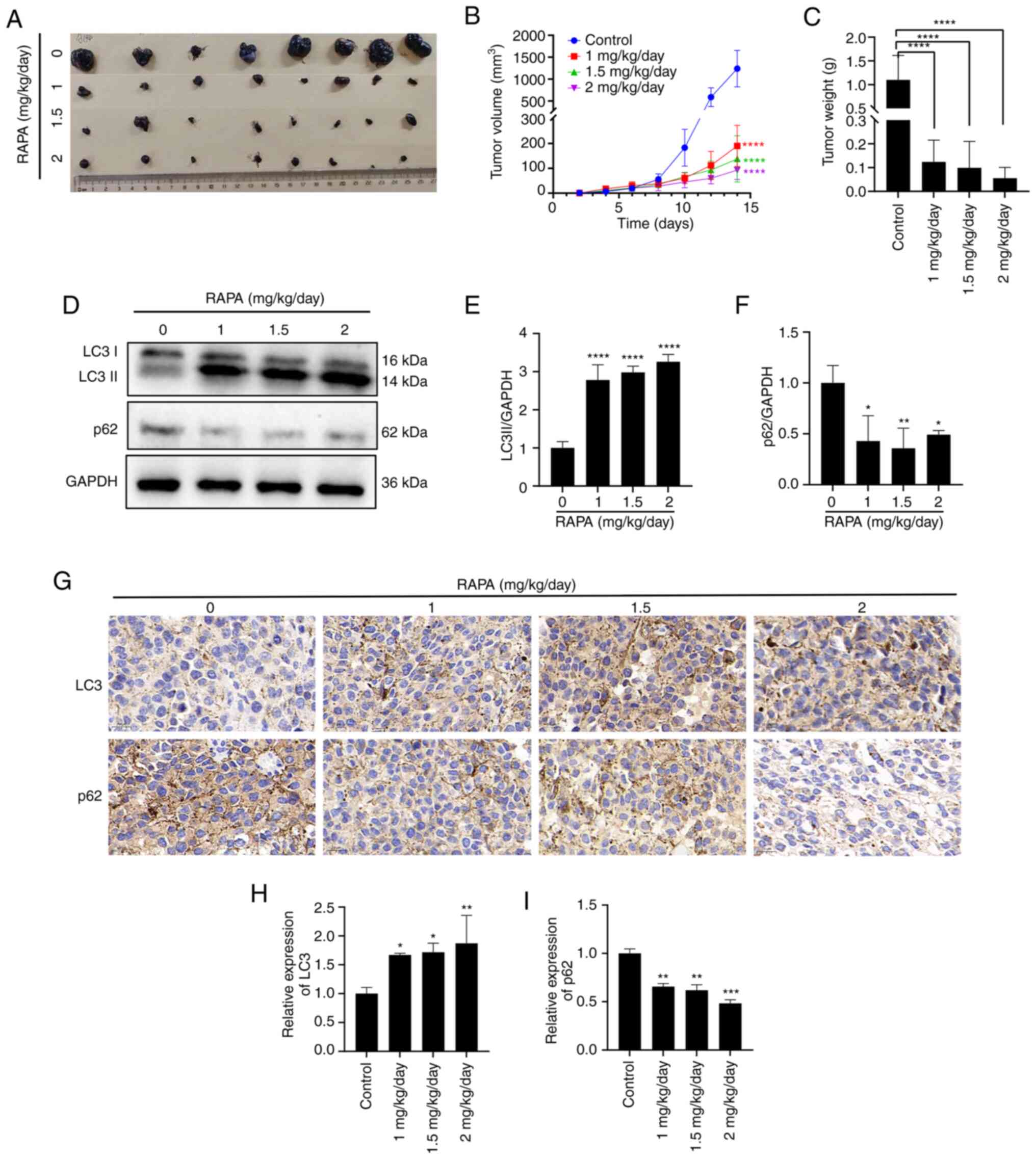
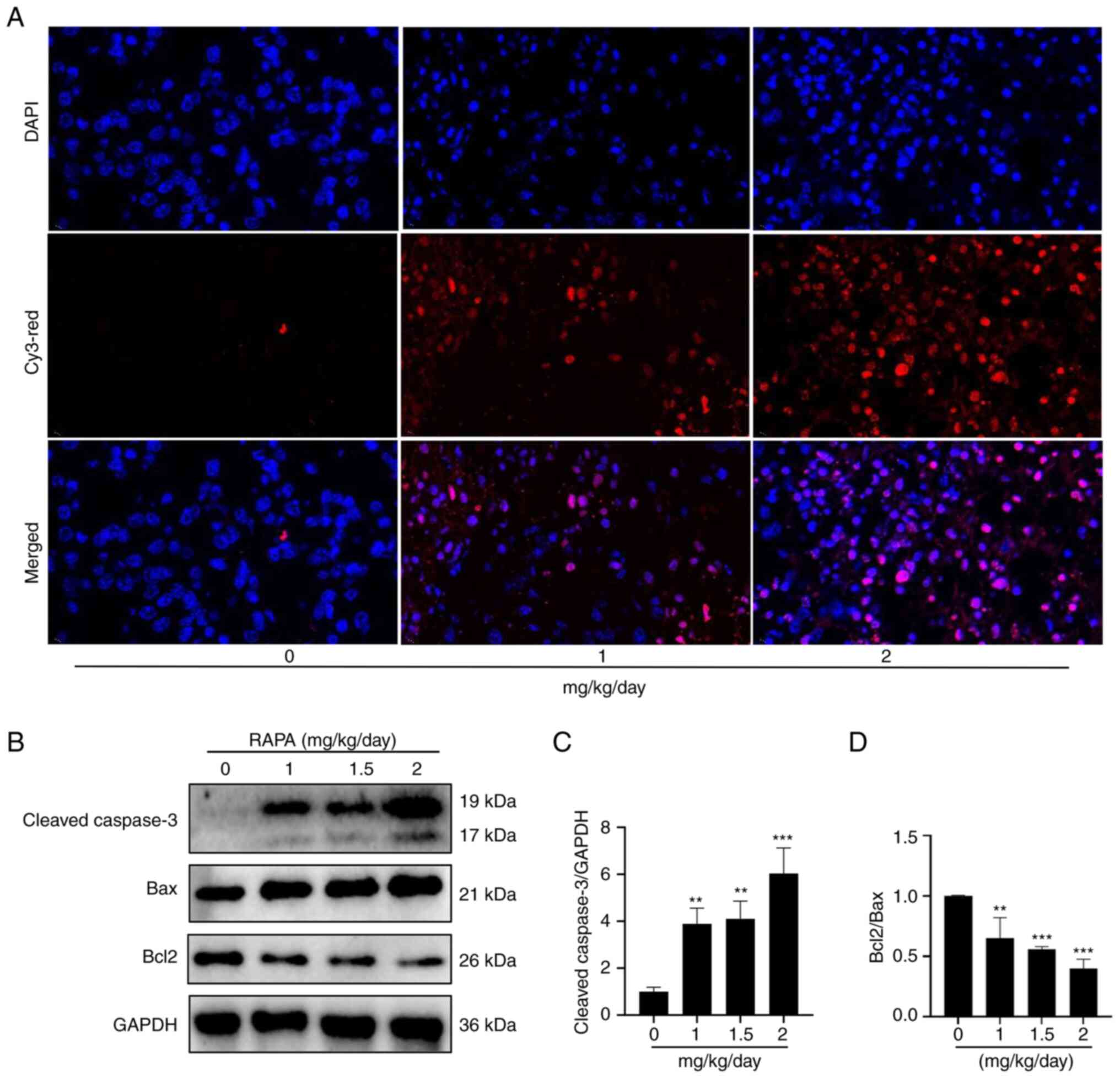
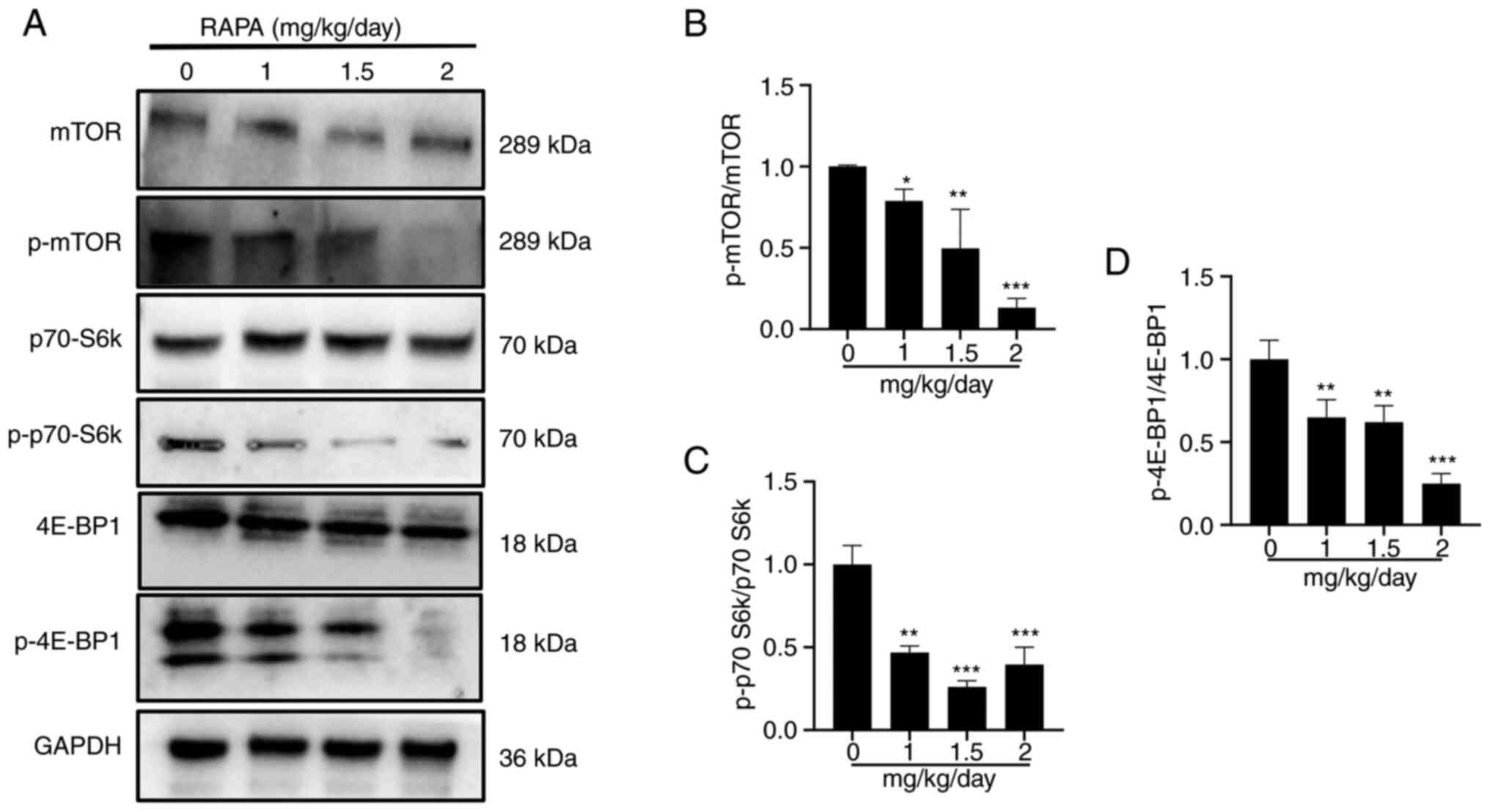
Rapamycin is an immunosuppressant that has been shown to prevent tumor growth following organ transplantation. However, its exact mode of antitumor action remains unknown. The present study used the B16‑F10 (B16) murine melanoma model to explore the antitumor mechanism of rapamycin, and it was revealed that rapamycin reduced B16 cell viability in vitro and in vivo. In addition, in vitro and in vivo, the results of western blotting showed that rapamycin reduced Bcl2 expression, and enhanced the protein expression levels of cleaved caspase 3 and Bax, indicating that it can induce the apoptosis of B16 melanoma cells. Furthermore, the results of cell cycle analysis and western blotting showed that rapamycin induced B16 cell cycle arrest in the G1 phase, based on the reduction in the protein expression levels of CDK1, cyclin D1 and CDK4, as well as the increase in the percentage of cells in G1 phase. Rapamycin also significantly increased the number of autophagosomes in B16 melanoma cells, as determined by transmission electron microscopy. Furthermore, the results of RT‑qPCR and western blotting showed that rapamycin upregulated the protein expression levels of microtubule‑associated protein light chain 3 (LC3) and Beclin‑1, while downregulating the expression of p62 in vitro and in vivo, thus indicating that rapamycin could trigger cellular autophagy. The present study revealed that rapamycin in combination with chloroquine (CQ) further increased LC3 expression compared with that in the CQ group, suggesting that rapamycin induced an increase in autophagy in B16 cells. Furthermore, the results of western blotting showed that rapamycin blocked the phosphorylation of p70 ribosomal S6 kinase (p70‑S6k) and mammalian target of rapamycin (mTOR) proteins in vitro and in vivo, thus suggesting that rapamycin may exert its antitumor effect by inhibiting the phosphorylation of the mTOR/p70‑S6k pathway. In conclusion, rapamycin may inhibit tumor growth by inducing cellular G1 phase arrest and apoptosis. In addition, rapamycin may exert its antitumor effects by inducing the autophagy of B16 melanoma cells in vitro and in vivo, and the mTOR/p70‑S6k signaling pathway may be involved in this process.
View Figures

Figure 1

Figure 2

Figure 3

Figure 4

Figure 5

Figure 6

Figure 7

Figure 8

View References

1 

Awad MA, Shah A and Griffith BP: Current status and outcomes in heart transplantation: A narrative review. Rev Cardiovasc Med. 23:112022. View Article : Google Scholar : PubMed/NCBI

2 

Hahn D, Hodson EM, Hamiwka LA, Lee VW, Chapman JR, Craig JC and Webster AC: Target of rapamycin inhibitors (TOR-I; sirolimus and everolimus) for primary immunosuppression in kidney transplant recipients. Cochrane Database System Rev. 12:CD0042902019.PubMed/NCBI

3 

Yang LS, Shan LL, Saxena A and Morris DL: Liver transplantation: A systematic review of long-term quality of life. Liver Int. 34:1298–1313. 2014. View Article : Google Scholar : PubMed/NCBI

4 

Geissler EK: Post-transplantation malignancies: Here today, gone tomorrow? Nat Rev Clin Oncol. 12:705–717. 2015. View Article : Google Scholar : PubMed/NCBI

5 

Dzambova M, Secnikova Z, Jirakova A, Jůzlová K, Viklický O, Hošková L, Göpfertovà D and Hercogová J: Malignant melanoma in organ transplant recipients: Incidence, outcomes, and management strategies: A review of literature. Dermatol Ther. 29:64–68. 2016. View Article : Google Scholar : PubMed/NCBI

6 

Park CK, Dahlke EJ, Fung K, Kitchen J, Austin PC, Rochon PA and Chan AW: Melanoma incidence, stage, and survival after solid organ transplant: A population-based cohort study in Ontario, Canada. J Am Acad Dermatol. 83:754–761. 2020. View Article : Google Scholar : PubMed/NCBI

7 

Russo I, Piaserico S, Belloni-Fortina A and Alaibac M: Cutaneous melanoma in solid organ transplant patients. G Ital Dermatol Venereol. 149:389–394. 2014.PubMed/NCBI

8 

Zwald F, Carvajal RD, Walker J, Sawinski D and Al-Adra D: Analysis of malignant melanoma risk and outcomes in solid organ transplant recipients: Assessment of transplant candidacy and the potential role of checkpoint inhibitors. Clin Transplant. 35:e142642021. View Article : Google Scholar : PubMed/NCBI

9 

Masuda Y, Mita A, Ohno Y, Kubota K, Notake T, Shimizu A and Soejima Y: De novo malignancy after adult-to-adult living donor liver transplantation: A single-center long-term experience. Transplant Proc. 55:952–955. 2023. View Article : Google Scholar : PubMed/NCBI

10 

Wang JH, Pfeiffer RM, Musgrove D, Castenson D, Fredrickson M, Miller J, Gonsalves L, Hsieh MC, Lynch CF, Zeng Y, et al: Cancer mortality among solid organ transplant recipients in the United States during 1987–2018. Transplantation. 107:2433–2442. 2023. View Article : Google Scholar : PubMed/NCBI

11 

Naik MG, Arns W, Budde K, Diekmann F, Eitner F, Gwinner W, Heyne N, Jürgensen JS, Morath C, Riester U, et al: Sirolimus in renal transplant recipients with malignancies in Germany. Clin Kidney J. 14:2047–2058. 2021. View Article : Google Scholar : PubMed/NCBI

12 

Kulbat A, Richter K, Stefura T, Kołodziej-Rzepa M, Kisielewski M, Wojewoda T and Wysocki WM: Systematic review of calcineurin inhibitors and incidence of skin malignancies after kidney transplantation in adult patients: A study of 309,551 cases. Curr Oncol. 30:5727–5737. 2023. View Article : Google Scholar : PubMed/NCBI

13 

Berenguer M, Burra P, Ghobrial M, Hibi T, Metselaar H, Sapisochin G, Bhoori S, Man NK, Mas V, Ohira M, et al: Posttransplant management of recipients undergoing liver transplantation for hepatocellular carcinoma. Working group report from the ILTS transplant oncology consensus conference. Transplantation. 104:1143–1149. 2020. View Article : Google Scholar : PubMed/NCBI

14 

Kim M, Rhu J, Choi GS, Kim JM and Joh JW: Risk factors for poor survival after recurrence of hepatocellular carcinoma after liver transplantation. Ann Surg Treat Res. 101:28–36. 2021. View Article : Google Scholar : PubMed/NCBI

15 

Rajendran L, Ivanics T, Claasen MP, Muaddi H and Sapisochin G: The management of post-transplantation recurrence of hepatocellular carcinoma. Clin Mol Hepatol. 28:1–16. 2022. View Article : Google Scholar : PubMed/NCBI

16 

Guba M, Graeb C, Jauch KW and Geissler EK: Pro- and anti-cancer effects of immunosuppressive agents used in organ transplantation. Transplantation. 77:1777–1782. 2004. View Article : Google Scholar : PubMed/NCBI

17 

Sun L, Yan Y, Lv H, Li J, Wang Z, Wang K, Wang L, Li Y, Jiang H and Zhang Y: Rapamycin targets STAT3 and impacts c-Myc to suppress tumor growth. Cell Chem Biol. 29:373–385.e376. 2022. View Article : Google Scholar : PubMed/NCBI

18 

Rostamzadeh D, Haghshenas MR, Samadi M, Mojtahedi Z, Babaloo Z and Ghaderi A: Immunosuppressive effects and potent anti-tumor efficacy of mTOR inhibitor everolimus in breast tumor-bearing mice. Iran J Allergy Asthma Immunol. 21:287–299. 2022.PubMed/NCBI

19 

Wang Z, Han Q, Wang J, Yao W, Wang L and Li K: Rapamycin induces autophagy and apoptosis in Kaposiform hemangioendothelioma primary cells in vitro. J Pediatr Surg. 57:1274–1280. 2022. View Article : Google Scholar : PubMed/NCBI

20 

Yu WX, Lu C, Wang B, Ren XY and Xu K: Effects of rapamycin on osteosarcoma cell proliferation and apoptosis by inducing autophagy. Eur Rev Med Pharmacol Sci. 24:915–921. 2020.PubMed/NCBI

21 

Cust AE and Scolyer RA: Melanoma in situ-getting the diagnosis and prognosis right. JAMA Dermatol. 159:699–701. 2023. View Article : Google Scholar : PubMed/NCBI

22 

Puza CJ, Cardones AR and Mosca PJ: Examining the incidence and presentation of melanoma in the cardiothoracic transplant population. JAMA Dermatol. 154:589–591. 2018. View Article : Google Scholar : PubMed/NCBI

23 

Bundscherer A, Hafner C, Maisch T, Becker B, Landthaler M and Vogt T: Antiproliferative and proapoptotic effects of rapamycin and celecoxib in malignant melanoma cell lines. Oncol Rep. 19:547–553. 2008.PubMed/NCBI

24 

Wang M, Xu Y, Wen GZ, Wang Q and Yuan SM: Rapamycin suppresses angiogenesis and lymphangiogenesis in melanoma by downregulating VEGF-A/VEGFR-2 and VEGF-C/VEGFR-3 expression. Onco Targets Ther. 12:4643–4654. 2019. View Article : Google Scholar : PubMed/NCBI

25 

Jurisic V, Srdic-Rajic T, Konjevic G, Bogdanovic G and Colic M: TNF-α induced apoptosis is accompanied with rapid CD30 and slower CD45 shedding from K-562 cells. J Membr Biol. 239:115–122. 2011. View Article : Google Scholar : PubMed/NCBI

26 

Livak KJ and Schmittgen TD: Analysis of relative gene expression data using real-time quantitative PCR and the 2(−Delta Delta C(T)) method. Methods. 25:402–408. 2001. View Article : Google Scholar : PubMed/NCBI

27 

Scherbakov AM, Vorontsova SK, Khamidullina AI, Mrdjanovic J, Andreeva OE, Bogdanov FB, Salnikova DI, Jurisic V, Zavarzin IV and Shirinian VZ: Novel pentacyclic derivatives and benzylidenes of the progesterone series cause anti-estrogenic and antiproliferative effects and induce apoptosis in breast cancer cells. Invest New Drugs. 41:142–152. 2023. View Article : Google Scholar : PubMed/NCBI

28 

Leary S, Underwood W and Anthony R: AVMA guidelines for the euthanasia of animals: 2020 edition. AVMA; Schaumburg, IL: 2020

29 

National Research Council (US) Committee for the Update of the Guide for the Care and Use of Laboratory Animals, . Guide for the Care and Use of Laboratory Animals. 8th edition. National Academies Press (US); Washington, DC: 2011

30 

Yang B and Zhao S: Polydatin regulates proliferation, apoptosis and autophagy in multiple myeloma cells through mTOR/p70s6k pathway. Onco Targets Ther. 10:935–944. 2017. View Article : Google Scholar : PubMed/NCBI

31 

Saber-Moghaddam N, Nomani H, Sahebkar A, Johnston TP and Mohammadpour AH: The change of immunosuppressive regimen from calcineurin inhibitors to mammalian target of rapamycin (mTOR) inhibitors and its effect on malignancy following heart transplantation. Int Immunopharmacol. 69:150–158. 2019. View Article : Google Scholar : PubMed/NCBI

32 

Gruber P and Zito PM: Skin Cancer. StatPearls. StatPearls Publishing LLC; Treasure Island, FL: 2023

33 

Rubatto M, Sciamarrelli N, Borriello S, Pala V, Mastorino L, Tonella L, Ribero S and Quaglino P: Classic and new strategies for the treatment of advanced melanoma and non-melanoma skin cancer. Front Med (Lausanne). 9:9592892022. View Article : Google Scholar : PubMed/NCBI

34 

Tsai TH, Su YF, Tsai CY, Wu CH, Lee KT and Hsu YC: RTA dh404 induces cell cycle arrest, apoptosis, and autophagy in glioblastoma cells. Int J Mol Sci. 24:40062023. View Article : Google Scholar : PubMed/NCBI

35 

Zhao W, Zhang L, Zhang Y, Jiang Z, Lu H, Xie Y, Han W, Zhao W, He J, Shi Z, et al: The CDK inhibitor AT7519 inhibits human glioblastoma cell growth by inducing apoptosis, pyroptosis and cell cycle arrest. Cell Death Dis. 14:112023. View Article : Google Scholar : PubMed/NCBI

36 

Sabarwal A, Chakraborty S, Mahanta S, Banerjee S, Balan M and Pal S: A novel combination treatment with honokiol and rapamycin effectively restricts c-met-induced growth of renal cancer cells, and also inhibits the expression of tumor cell PD-L1 involved in immune escape. Cancers (Basel). 12:17822020. View Article : Google Scholar : PubMed/NCBI

37 

Wang Z, Wang X, Cheng F, Wen X, Feng S, Yu F, Tang H, Liu Z and Teng X: Rapamycin inhibits glioma cells growth and promotes autophagy by miR-26a-5p/DAPK1 Axis. Cancer Manag Res. 13:2691–2700. 2021. View Article : Google Scholar : PubMed/NCBI

38 

Bjedov I and Rallis C: The target of rapamycin signalling pathway in ageing and lifespan regulation. Genes (Basel). 11:10432020. View Article : Google Scholar : PubMed/NCBI

39 

Gao G, Chen W, Yan M, Liu J, Luo H, Wang C and Yang P: Rapamycin regulates the balance between cardiomyocyte apoptosis and autophagy in chronic heart failure by inhibiting mTOR signaling. Int J Mol Med. 45:195–209. 2020.PubMed/NCBI

40 

Masaki N, Aoki Y, Obara K, Kubota Y, Bouvet M, Miyazaki J and Hoffman RM: Targeting autophagy with the synergistic combination of chloroquine and rapamycin as a novel effective treatment for well-differentiated liposarcoma. Cancer Genomics Proteomics. 20:317–322. 2023. View Article : Google Scholar : PubMed/NCBI

41 

Ni Z, Li H, Mu D, Hou J, Liu X, Tang S and Zheng S: Rapamycin alleviates 2,4,6-trinitrobenzene sulfonic acid-induced colitis through autophagy induction and NF-κB pathway inhibition in mice. Mediators Inflamm. 2022:29232162022. View Article : Google Scholar : PubMed/NCBI

42 

Ozates NP, Soğutlu F, Lerminoglu F, Demir B, Gunduz C, Shademan B and Avci CB: Effects of rapamycin and AZD3463 combination on apoptosis, autophagy, and cell cycle for resistance control in breast cancer. Life Sci. 264:1186432021. View Article : Google Scholar : PubMed/NCBI

43 

Kocoglu SS, Sunay FB and Akkaya PN: Effects of monensin and rapamycin combination therapy on tumor growth and apoptosis in a xenograft mouse model of neuroblastoma. Antibiotics (Basel). 12:9952023. View Article : Google Scholar

44 

Yang Z, Lei Z, Li B, Zhou Y, Zhang GM, Feng ZH, Zhang B, Shen GX and Huang B: Rapamycin inhibits lung metastasis of B16 melanoma cells through down-regulating alphav integrin expression and up-regulating apoptosis signaling. Cancer Sci. 101:494–500. 2010. View Article : Google Scholar : PubMed/NCBI

45 

Guo JY, Teng X, Laddha SV, Ma S, Van Nostrand SC, Yang Y, Khor S, Chan CS, Rabinowitz JD and White E: Autophagy provides metabolic substrates to maintain energy charge and nucleotide pools in Ras-driven lung cancer cells. Genes Dev. 30:1704–1717. 2016. View Article : Google Scholar : PubMed/NCBI

46 

Hashemi M, Paskeh MDA, Orouei S, Abbasi P, Khorrami R, Dehghanpour A, Esmaeili N, Ghahremanzade A, Zandieh MA, Peymani M, et al: Towards dual function of autophagy in breast cancer: A potent regulator of tumor progression and therapy response. Biomed Pharmacother. 161:1145462023. View Article : Google Scholar : PubMed/NCBI

47 

Li J, Chen X, Kang R, Zeh H, Klionsky DJ and Tang D: Regulation and function of autophagy in pancreatic cancer. Autophagy. 17:3275–3296. 2021. View Article : Google Scholar : PubMed/NCBI

48 

Ning B, Liu Y, Huang T and Wei Y: Autophagy and its role in osteosarcoma. Cancer Med. 12:5676–5687. 2023. View Article : Google Scholar : PubMed/NCBI

49 

Jiang P and Mizushima N: LC3- and p62-based biochemical methods for the analysis of autophagy progression in mammalian cells. Methods. 75:13–18. 2015. View Article : Google Scholar : PubMed/NCBI

50 

Zhang Z, Singh R and Aschner M: Methods for the detection of autophagy in mammalian cells. Curr Protoc Toxicol. 69:2012212012262016. View Article : Google Scholar : PubMed/NCBI

51 

du Toit A, Hofmeyr JS, Gniadek TJ and Loos B: Measuring autophagosome flux. Autophagy. 14:1060–1071. 2018.PubMed/NCBI

52 

Klionsky DJ, Abdelmohsen K, Ab A, Abedi MJ, Abeliovic H, Arozen AA, Adach H, Adams CM, Adams PD, Adeli K, et al: Guidelines for the use and interpretation of assays for monitoring autophagy (3rd edition). Autophagy. 12:1–222. 2016. View Article : Google Scholar : PubMed/NCBI

53 

Popova NV and Jucker M: The role of mTOR signaling as a therapeutic target in cancer. Int J Mol Sci. 22:17432021. View Article : Google Scholar : PubMed/NCBI

54 

Burnett PE, Barrow RK, Cohen NA, Snyder SH and Sabatini DM: RAFT1 phosphorylation of the translational regulators p70 S6 kinase and 4E-BP1. Proc Natl Acad Sci USA. 95:1432–1437. 1998. View Article : Google Scholar : PubMed/NCBI

55 

Choo AY, Yoon SO, Kim SG, Roux PP and Blenis J: Rapamycin differentially inhibits S6Ks and 4E-BP1 to mediate cell-type-specific repression of mRNA translation. Proc Natl Acad Sci USA. 105:17414–17419. 2008. View Article : Google Scholar : PubMed/NCBI

56 

Li B, Zhou C, Yi L, Xu L and Xu M: Effect and molecular mechanism of mTOR inhibitor rapamycin on temozolomide-induced autophagic death of U251 glioma cells. Oncol Lett. 15:2477–2484. 2018.PubMed/NCBI

Related Articles

  • Abstract
  • View
  • Download
  • Twitter
Copy and paste a formatted citation
Spandidos Publications style
Wang P, Zhang H, Guo K, Liu C, Chen S, Pu B, Chen S, Feng T, Jiao H, Gao C, Gao C, et al: Rapamycin inhibits B16 melanoma cell viability <em>in</em> <em>vitro</em> and <em>in</em> <em>vivo</em> by inducing autophagy and inhibiting the mTOR/p70‑S6k pathway. Oncol Lett 27: 140, 2024.
APA
Wang, P., Zhang, H., Guo, K., Liu, C., Chen, S., Pu, B. ... Gao, C. (2024). Rapamycin inhibits B16 melanoma cell viability <em>in</em> <em>vitro</em> and <em>in</em> <em>vivo</em> by inducing autophagy and inhibiting the mTOR/p70‑S6k pathway. Oncology Letters, 27, 140. https://doi.org/10.3892/ol.2024.14273
MLA
Wang, P., Zhang, H., Guo, K., Liu, C., Chen, S., Pu, B., Chen, S., Feng, T., Jiao, H., Gao, C."Rapamycin inhibits B16 melanoma cell viability <em>in</em> <em>vitro</em> and <em>in</em> <em>vivo</em> by inducing autophagy and inhibiting the mTOR/p70‑S6k pathway". Oncology Letters 27.4 (2024): 140.
Chicago
Wang, P., Zhang, H., Guo, K., Liu, C., Chen, S., Pu, B., Chen, S., Feng, T., Jiao, H., Gao, C."Rapamycin inhibits B16 melanoma cell viability <em>in</em> <em>vitro</em> and <em>in</em> <em>vivo</em> by inducing autophagy and inhibiting the mTOR/p70‑S6k pathway". Oncology Letters 27, no. 4 (2024): 140. https://doi.org/10.3892/ol.2024.14273
Copy and paste a formatted citation
x
Spandidos Publications style
Wang P, Zhang H, Guo K, Liu C, Chen S, Pu B, Chen S, Feng T, Jiao H, Gao C, Gao C, et al: Rapamycin inhibits B16 melanoma cell viability <em>in</em> <em>vitro</em> and <em>in</em> <em>vivo</em> by inducing autophagy and inhibiting the mTOR/p70‑S6k pathway. Oncol Lett 27: 140, 2024.
APA
Wang, P., Zhang, H., Guo, K., Liu, C., Chen, S., Pu, B. ... Gao, C. (2024). Rapamycin inhibits B16 melanoma cell viability <em>in</em> <em>vitro</em> and <em>in</em> <em>vivo</em> by inducing autophagy and inhibiting the mTOR/p70‑S6k pathway. Oncology Letters, 27, 140. https://doi.org/10.3892/ol.2024.14273
MLA
Wang, P., Zhang, H., Guo, K., Liu, C., Chen, S., Pu, B., Chen, S., Feng, T., Jiao, H., Gao, C."Rapamycin inhibits B16 melanoma cell viability <em>in</em> <em>vitro</em> and <em>in</em> <em>vivo</em> by inducing autophagy and inhibiting the mTOR/p70‑S6k pathway". Oncology Letters 27.4 (2024): 140.
Chicago
Wang, P., Zhang, H., Guo, K., Liu, C., Chen, S., Pu, B., Chen, S., Feng, T., Jiao, H., Gao, C."Rapamycin inhibits B16 melanoma cell viability <em>in</em> <em>vitro</em> and <em>in</em> <em>vivo</em> by inducing autophagy and inhibiting the mTOR/p70‑S6k pathway". Oncology Letters 27, no. 4 (2024): 140. https://doi.org/10.3892/ol.2024.14273
Follow us
  • Twitter
  • LinkedIn
  • Facebook
About
  • Spandidos Publications
  • Careers
  • Cookie Policy
  • Privacy Policy
How can we help?
  • Help
  • Live Chat
  • Contact
  • Email to our Support Team