Spandidos Publications Logo
  • About
    • About Spandidos
    • Aims and Scopes
    • Abstracting and Indexing
    • Editorial Policies
    • Reprints and Permissions
    • Job Opportunities
    • Terms and Conditions
    • Contact
  • Journals
    • All Journals
    • Oncology Letters
      • Oncology Letters
      • Information for Authors
      • Editorial Policies
      • Editorial Board
      • Aims and Scope
      • Abstracting and Indexing
      • Bibliographic Information
      • Archive
    • International Journal of Oncology
      • International Journal of Oncology
      • Information for Authors
      • Editorial Policies
      • Editorial Board
      • Aims and Scope
      • Abstracting and Indexing
      • Bibliographic Information
      • Archive
    • Molecular and Clinical Oncology
      • Molecular and Clinical Oncology
      • Information for Authors
      • Editorial Policies
      • Editorial Board
      • Aims and Scope
      • Abstracting and Indexing
      • Bibliographic Information
      • Archive
    • Experimental and Therapeutic Medicine
      • Experimental and Therapeutic Medicine
      • Information for Authors
      • Editorial Policies
      • Editorial Board
      • Aims and Scope
      • Abstracting and Indexing
      • Bibliographic Information
      • Archive
    • International Journal of Molecular Medicine
      • International Journal of Molecular Medicine
      • Information for Authors
      • Editorial Policies
      • Editorial Board
      • Aims and Scope
      • Abstracting and Indexing
      • Bibliographic Information
      • Archive
    • Biomedical Reports
      • Biomedical Reports
      • Information for Authors
      • Editorial Policies
      • Editorial Board
      • Aims and Scope
      • Abstracting and Indexing
      • Bibliographic Information
      • Archive
    • Oncology Reports
      • Oncology Reports
      • Information for Authors
      • Editorial Policies
      • Editorial Board
      • Aims and Scope
      • Abstracting and Indexing
      • Bibliographic Information
      • Archive
    • Molecular Medicine Reports
      • Molecular Medicine Reports
      • Information for Authors
      • Editorial Policies
      • Editorial Board
      • Aims and Scope
      • Abstracting and Indexing
      • Bibliographic Information
      • Archive
    • World Academy of Sciences Journal
      • World Academy of Sciences Journal
      • Information for Authors
      • Editorial Policies
      • Editorial Board
      • Aims and Scope
      • Abstracting and Indexing
      • Bibliographic Information
      • Archive
    • International Journal of Functional Nutrition
      • International Journal of Functional Nutrition
      • Information for Authors
      • Editorial Policies
      • Editorial Board
      • Aims and Scope
      • Abstracting and Indexing
      • Bibliographic Information
      • Archive
    • International Journal of Epigenetics
      • International Journal of Epigenetics
      • Information for Authors
      • Editorial Policies
      • Editorial Board
      • Aims and Scope
      • Abstracting and Indexing
      • Bibliographic Information
      • Archive
    • Medicine International
      • Medicine International
      • Information for Authors
      • Editorial Policies
      • Editorial Board
      • Aims and Scope
      • Abstracting and Indexing
      • Bibliographic Information
      • Archive
  • Articles
  • Information
    • Information for Authors
    • Information for Reviewers
    • Information for Librarians
    • Information for Advertisers
    • Conferences
  • Language Editing
Spandidos Publications Logo
  • About
    • About Spandidos
    • Aims and Scopes
    • Abstracting and Indexing
    • Editorial Policies
    • Reprints and Permissions
    • Job Opportunities
    • Terms and Conditions
    • Contact
  • Journals
    • All Journals
    • Biomedical Reports
      • Information for Authors
      • Editorial Policies
      • Editorial Board
      • Aims and Scope
      • Abstracting and Indexing
      • Bibliographic Information
      • Archive
    • Experimental and Therapeutic Medicine
      • Information for Authors
      • Editorial Policies
      • Editorial Board
      • Aims and Scope
      • Abstracting and Indexing
      • Bibliographic Information
      • Archive
    • International Journal of Epigenetics
      • Information for Authors
      • Editorial Policies
      • Editorial Board
      • Aims and Scope
      • Abstracting and Indexing
      • Bibliographic Information
      • Archive
    • International Journal of Functional Nutrition
      • Information for Authors
      • Editorial Policies
      • Editorial Board
      • Aims and Scope
      • Abstracting and Indexing
      • Bibliographic Information
      • Archive
    • International Journal of Molecular Medicine
      • Information for Authors
      • Editorial Policies
      • Editorial Board
      • Aims and Scope
      • Abstracting and Indexing
      • Bibliographic Information
      • Archive
    • International Journal of Oncology
      • Information for Authors
      • Editorial Policies
      • Editorial Board
      • Aims and Scope
      • Abstracting and Indexing
      • Bibliographic Information
      • Archive
    • Medicine International
      • Information for Authors
      • Editorial Policies
      • Editorial Board
      • Aims and Scope
      • Abstracting and Indexing
      • Bibliographic Information
      • Archive
    • Molecular and Clinical Oncology
      • Information for Authors
      • Editorial Policies
      • Editorial Board
      • Aims and Scope
      • Abstracting and Indexing
      • Bibliographic Information
      • Archive
    • Molecular Medicine Reports
      • Information for Authors
      • Editorial Policies
      • Editorial Board
      • Aims and Scope
      • Abstracting and Indexing
      • Bibliographic Information
      • Archive
    • Oncology Letters
      • Information for Authors
      • Editorial Policies
      • Editorial Board
      • Aims and Scope
      • Abstracting and Indexing
      • Bibliographic Information
      • Archive
    • Oncology Reports
      • Information for Authors
      • Editorial Policies
      • Editorial Board
      • Aims and Scope
      • Abstracting and Indexing
      • Bibliographic Information
      • Archive
    • World Academy of Sciences Journal
      • Information for Authors
      • Editorial Policies
      • Editorial Board
      • Aims and Scope
      • Abstracting and Indexing
      • Bibliographic Information
      • Archive
  • Articles
  • Information
    • For Authors
    • For Reviewers
    • For Librarians
    • For Advertisers
    • Conferences
  • Language Editing
Login Register Submit
  • This site uses cookies
  • You can change your cookie settings at any time by following the instructions in our Cookie Policy. To find out more, you may read our Privacy Policy.

    I agree
Search articles by DOI, keyword, author or affiliation
Search
Advanced Search
presentation
Oncology Letters
Join Editorial Board Propose a Special Issue
Print ISSN: 1792-1074 Online ISSN: 1792-1082
Journal Cover
April-2024 Volume 27 Issue 4

Full Size Image

Sign up for eToc alerts
Recommend to Library

Journals

International Journal of Molecular Medicine

International Journal of Molecular Medicine

International Journal of Molecular Medicine is an international journal devoted to molecular mechanisms of human disease.

International Journal of Oncology

International Journal of Oncology

International Journal of Oncology is an international journal devoted to oncology research and cancer treatment.

Molecular Medicine Reports

Molecular Medicine Reports

Covers molecular medicine topics such as pharmacology, pathology, genetics, neuroscience, infectious diseases, molecular cardiology, and molecular surgery.

Oncology Reports

Oncology Reports

Oncology Reports is an international journal devoted to fundamental and applied research in Oncology.

Experimental and Therapeutic Medicine

Experimental and Therapeutic Medicine

Experimental and Therapeutic Medicine is an international journal devoted to laboratory and clinical medicine.

Oncology Letters

Oncology Letters

Oncology Letters is an international journal devoted to Experimental and Clinical Oncology.

Biomedical Reports

Biomedical Reports

Explores a wide range of biological and medical fields, including pharmacology, genetics, microbiology, neuroscience, and molecular cardiology.

Molecular and Clinical Oncology

Molecular and Clinical Oncology

International journal addressing all aspects of oncology research, from tumorigenesis and oncogenes to chemotherapy and metastasis.

World Academy of Sciences Journal

World Academy of Sciences Journal

Multidisciplinary open-access journal spanning biochemistry, genetics, neuroscience, environmental health, and synthetic biology.

International Journal of Functional Nutrition

International Journal of Functional Nutrition

Open-access journal combining biochemistry, pharmacology, immunology, and genetics to advance health through functional nutrition.

International Journal of Epigenetics

International Journal of Epigenetics

Publishes open-access research on using epigenetics to advance understanding and treatment of human disease.

Medicine International

Medicine International

An International Open Access Journal Devoted to General Medicine.

Journal Cover
April-2024 Volume 27 Issue 4

Full Size Image

Sign up for eToc alerts
Recommend to Library

  • Article
  • Citations
    • Cite This Article
    • Download Citation
    • Create Citation Alert
    • Remove Citation Alert
    • Cited By
  • Similar Articles
    • Related Articles (in Spandidos Publications)
    • Similar Articles (Google Scholar)
    • Similar Articles (PubMed)
  • Download PDF
  • Download XML
  • View XML
Article Open Access

Pioglitazone, a peroxisome proliferator‑activated receptor γ agonist, induces cell death and inhibits the proliferation of hypoxic HepG2 cells by promoting excessive production of reactive oxygen species

  • Authors:
    • Guohao Huang
    • Mengfan Zhang
    • Manzhou Wang
    • Wenze Xu
    • Xuhua Duan
    • Xinwei Han
    • Jianzhuang Ren
  • View Affiliations / Copyright

    Affiliations: Department of Interventional Radiology, The First Affiliated Hospital of Zhengzhou University, Zhengzhou, Henan 450052 P.R. China
    Copyright: © Huang et al. This is an open access article distributed under the terms of Creative Commons Attribution License.
  • Article Number: 160
    |
    Published online on: February 19, 2024
       https://doi.org/10.3892/ol.2024.14294
  • Expand metrics +
Metrics: Total Views: 0 (Spandidos Publications: | PMC Statistics: )
Metrics: Total PDF Downloads: 0 (Spandidos Publications: | PMC Statistics: )
Cited By (CrossRef): 0 citations Loading Articles...

This article is mentioned in:


Abstract

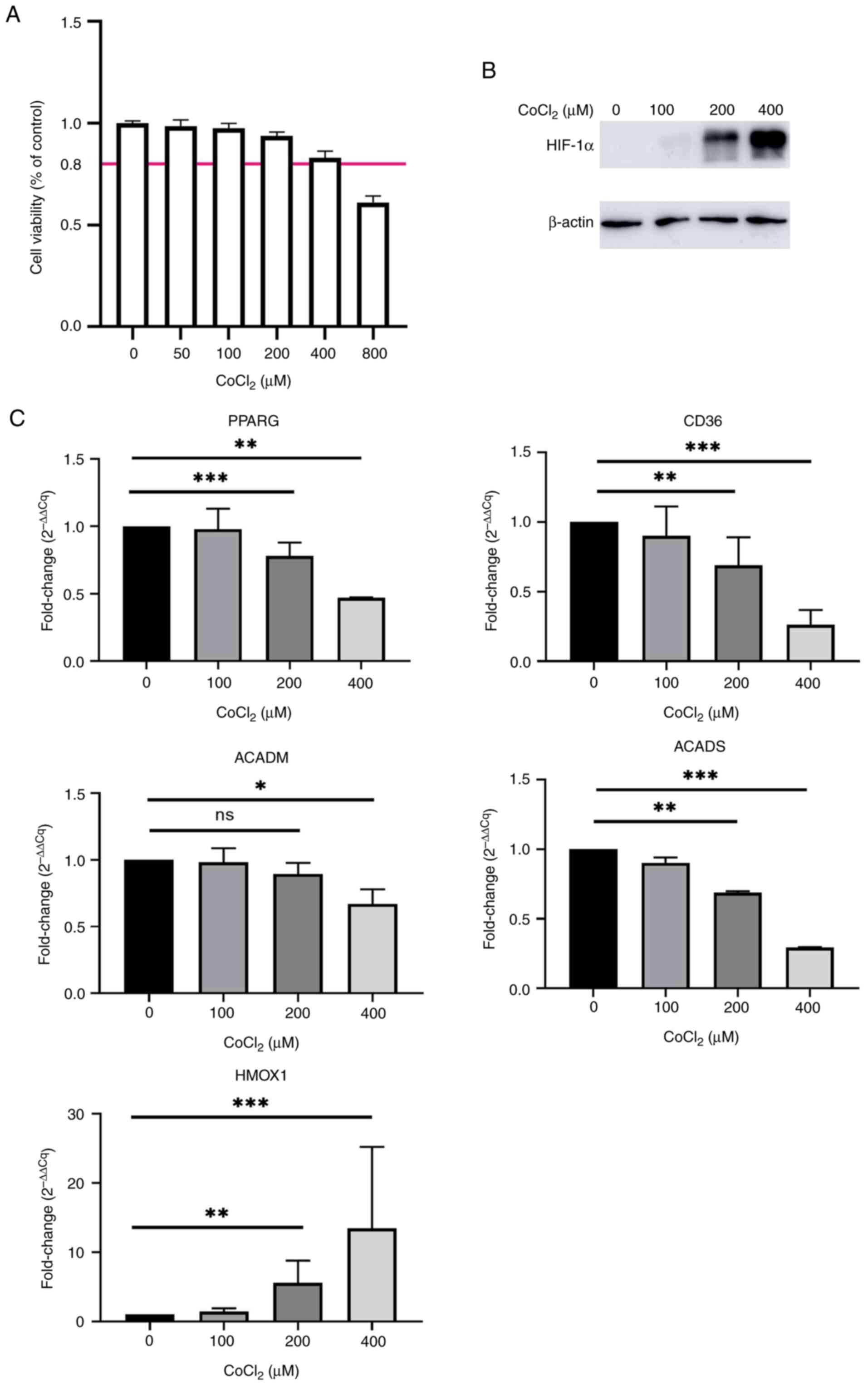
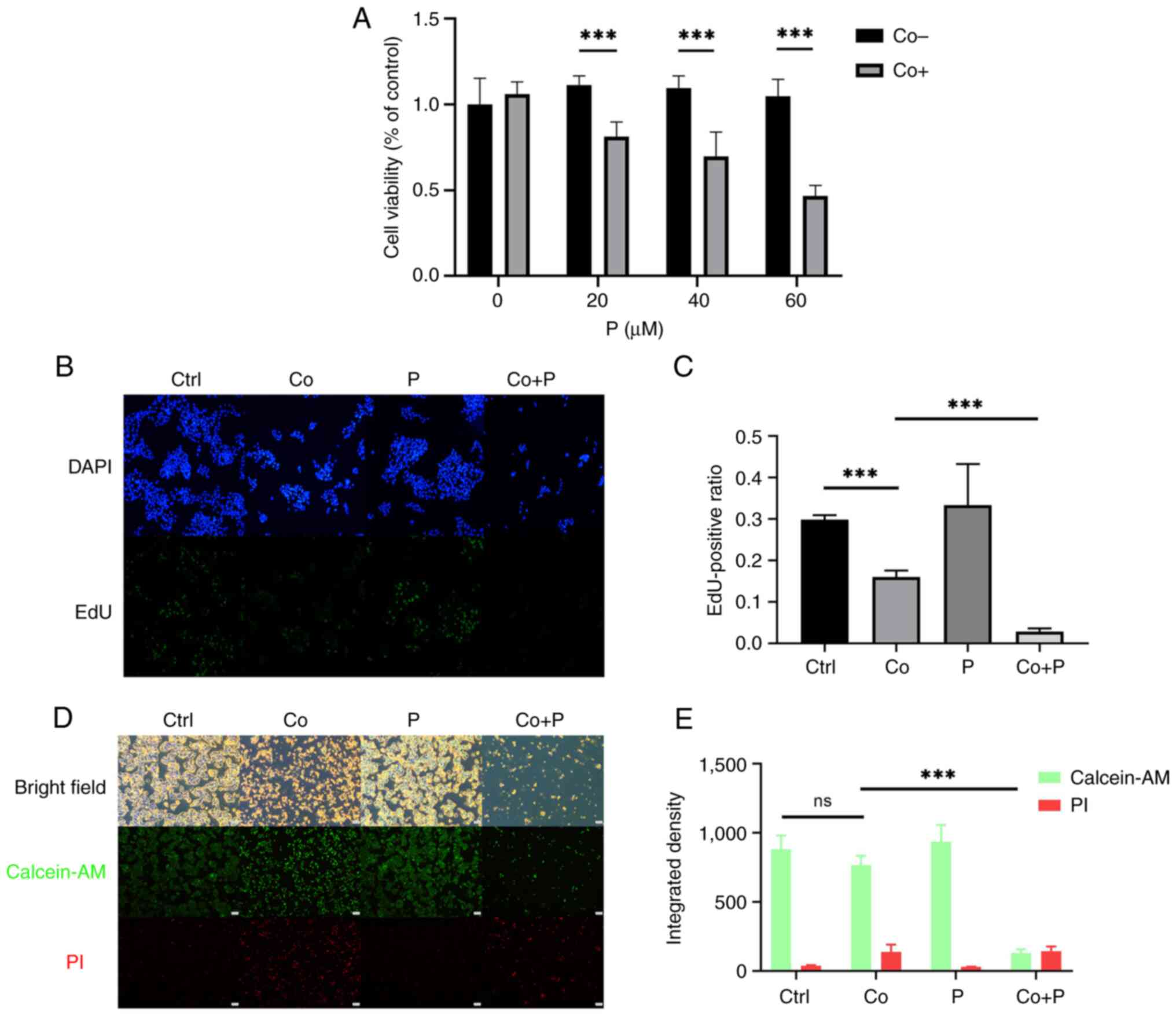
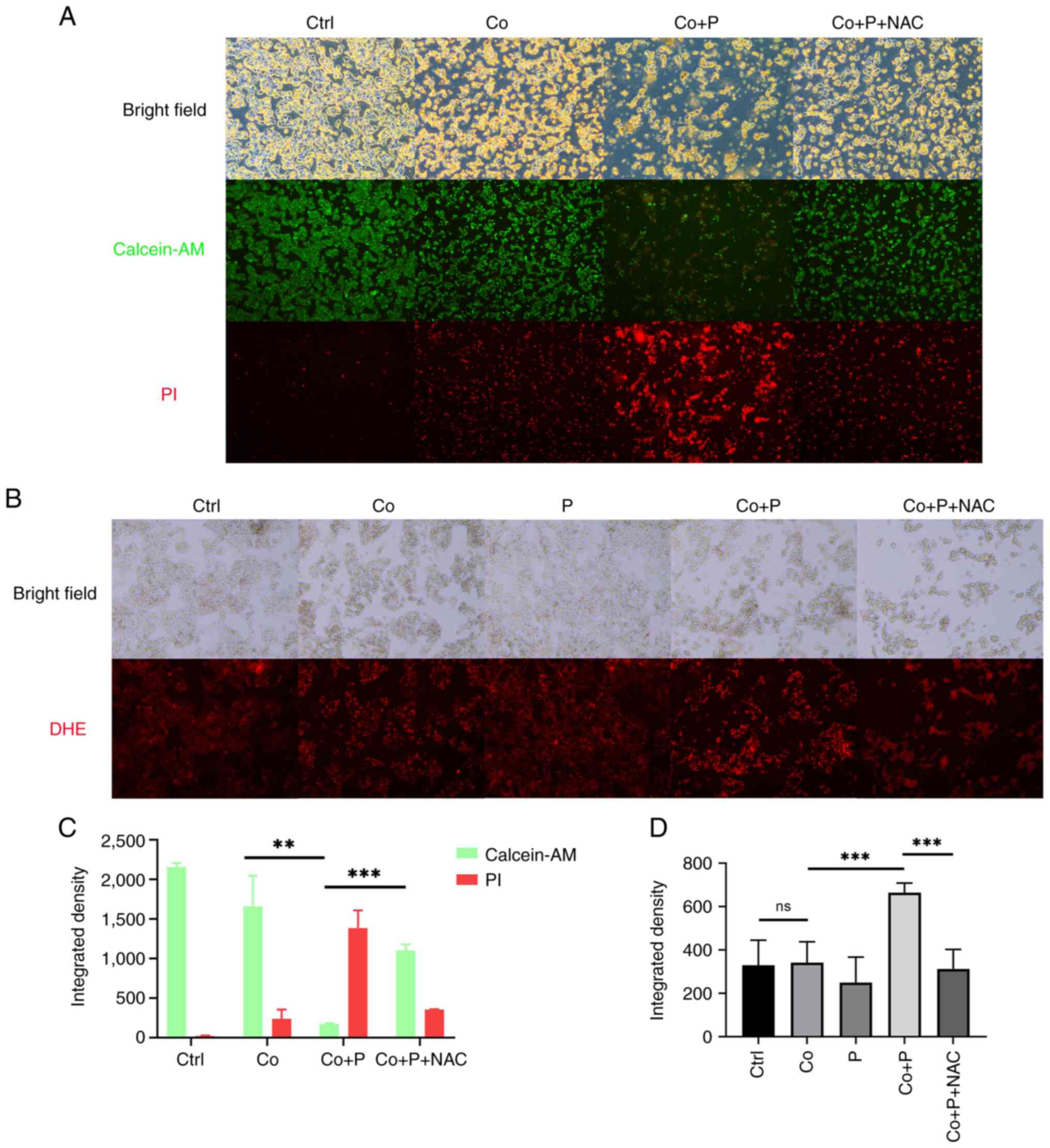
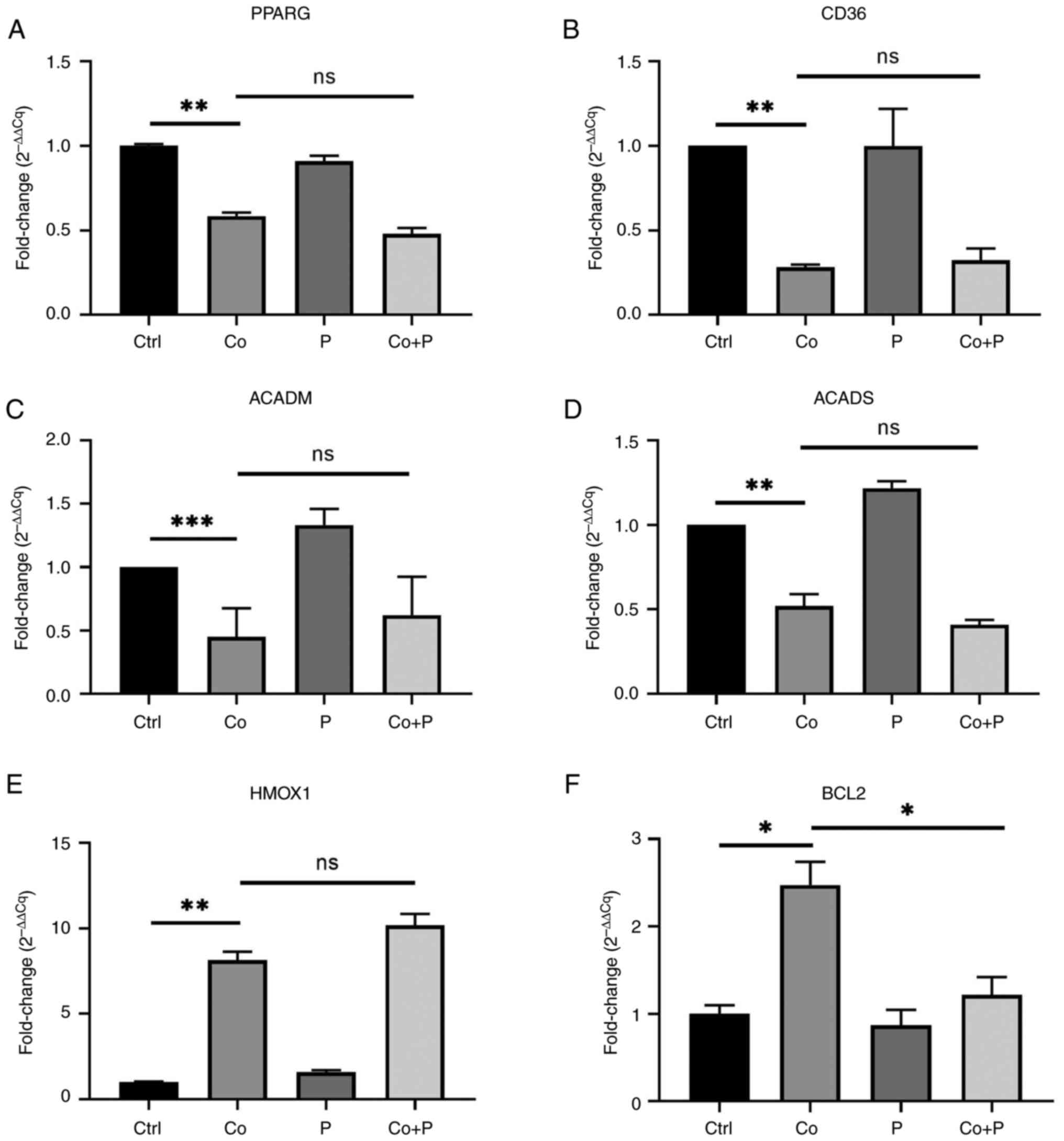
Hypoxia is a hallmark of solid tumors. Hypoxic cancer cells adjust their metabolic characteristics to regulate the production of cellular reactive oxygen species (ROS) and facilitate ROS‑mediated metastasis. Peroxisome proliferator‑activated receptor γ (PPARγ) is a nuclear receptor that regulates the transcription of fatty acid metabolism‑related genes that have a key role in the survival and proliferation function of hypoxic cancer cells. In the present study, mRNA expression in HepG2 cells under chemically induced hypoxia was assessed. The protein expression levels of hypoxia‑inducible factor 1α (HIF‑1α) were measured using western blotting. Following treatment with the PPARγ agonist pioglitazone, cell viability was assessed using a Cell Counting Kit‑8 assay, whilst cell proliferation and death were determined using 5‑ethynyl‑2'‑deoxyuridine incorporation staining, and calcein‑acetoxymethyl ester and propidium iodide staining, respectively. Cellular ROS production was assessed using dihydroethidium staining. Cobalt chloride was used to induce hypoxia in HepG2 cells, which was evaluated using HIF‑1α expression. The results revealed that the mRNA expression of PPARγ, CD36, acetyl‑co‑enzyme A dehydrogenase (ACAD) medium chain (ACADM) and ACAD short‑chain (ACADS) was downregulated in hypoxic HepG2 cells. The PPARγ agonist pioglitazone decreased the cell viability of hypoxic HepG2 cells by inhibiting cell proliferation and inducing cell death. Following treatment with the PPARγ agonist pioglitazone, hypoxic HepG2 cells produced excessive ROS. ROS‑mediated cell death induced by the PPARγ agonist pioglitazone was rescued with the antioxidant N‑acetyl‑L‑cysteine. The downregulated mRNA expression of PPARγ, CD36, ACADM and ACADS was not reverted by a PPARγ agonist in hypoxic HepG2 cells. By contrast, the PPARγ agonist suppressed the mRNA expression of BCL2, which was upregulated in hypoxic HepG2 cells. In summary, the PPARγ agonist stimulated excessive ROS production to inhibit cell proliferation and increase the death of hypoxic HepG2 cells by decreasing BCL2 mRNA expression, suggesting a negative association between PPARγ and BCL2 in the regulation of ROS production in hypoxic HepG2 cells.
View Figures

Figure 1

Figure 2

Figure 3

Figure 4

View References

1 

Hayes JD, Dinkova-Kostova AT and Tew KD: Oxidative Stress in Cancer. Cancer Cell. 38:167–197. 2020. View Article : Google Scholar : PubMed/NCBI

2 

Kaminski MM, Sauer SW, Kaminski M, Opp S, Ruppert T, Grigaravicius P, Grudnik P, Grone HJ, Krammer PH and Gülow K: T cell activation is driven by an ADP-dependent glucokinase linking enhanced glycolysis with mitochondrial reactive oxygen species generation. Cell Rep. 2:1300–1315. 2012. View Article : Google Scholar : PubMed/NCBI

3 

Ishikawa K, Takenaga K, Akimoto M, Koshikawa N, Yamaguchi A, Imanishi H, Nakada K, Honma Y and Hayashi J: ROS-Generating Mitochondrial DNA mutations can regulate tumor cell metastasis. Science. 320:661–664. 2008. View Article : Google Scholar : PubMed/NCBI

4 

Zong X, Cao X, Wang H, Xiao X, Wang Y and Lu Z: Cathelicidin-WA Facilitated intestinal fatty acid absorption through enhancing PPAR-ү dependent barrier function. Front Immunol. 10:16742019. View Article : Google Scholar : PubMed/NCBI

5 

Angela M, Endo Y, Asou HK, Yamamoto T, Tumes DJ, Tokuyama H, Yokote K and Nakayama T: Fatty acid metabolic reprogramming via mTOR-mediated inductions of PPARү directs early activation of T cells. Nat Commun. 7:136832016. View Article : Google Scholar : PubMed/NCBI

6 

Seo YS, Kim JH, Jo NY, Choi KM, Baik SH, Park JJ, Kim JS, Byun KS, Bak YT, Lee CH, et al: PPAR agonists treatment is effective in a nonalcoholic fatty liver disease animal model by modulating fatty-acid metabolic enzymes. J Gastroenterol Hepatol. 23:102–109. 2008. View Article : Google Scholar : PubMed/NCBI

7 

Small DM, Morais C, Coombes JS, Bennett NC, Johnson DW and Gobe GC: Oxidative stress-induced alterations in PPAR-ү and associated mitochondrial destabilization contribute to kidney cell apoptosis. Am J Physiol Renal Physiol. 307:F814–F822. 2014. View Article : Google Scholar : PubMed/NCBI

8 

Vallee A and Lecarpentier Y: Crosstalk between peroxisome proliferator-activated receptor gamma and the canonical WNT/β-Catenin pathway in chronic inflammation and oxidative stress during carcinogenesis. Front Immunol. 9:7452018. View Article : Google Scholar : PubMed/NCBI

9 

Koundouros N and Poulogiannis G: Reprogramming of fatty acid metabolism in cancer. Br J Cancer. 122:4–22. 2020. View Article : Google Scholar : PubMed/NCBI

10 

Carracedo A, Cantley LC and Pandolfi PP: Cancer metabolism: fatty acid oxidation in the limelight. Nat Rev Cancer. 13:227–232. 2013. View Article : Google Scholar : PubMed/NCBI

11 

Ma APY, Yeung CLS, Tey SK, Mao X, Wong SWK, Ng TH, Ko FCF, Kwong EML, Tang AHN, Ng IO, et al: Suppression of ACADM-Mediated fatty acid oxidation promotes hepatocellular carcinoma via aberrant CAV1/SREBP1 Signaling. Cancer Res. 81:3679–3692. 2021. View Article : Google Scholar : PubMed/NCBI

12 

Wang C, Shao L, Pan C, Ye J, Ding Z, Wu J, Du Q, Ren Y and Zhu C: Elevated level of mitochondrial reactive oxygen species via fatty acid beta-oxidation in cancer stem cells promotes cancer metastasis by inducing epithelial-mesenchymal transition. Stem Cell Res Ther. 10:1752019. View Article : Google Scholar : PubMed/NCBI

13 

Amoedo ND, Sarlak S, Obre E, Esteves P, Begueret H, Kieffer Y, Rousseau B, Dupis A, Izotte J, Bellance N, et al: Targeting the mitochondrial trifunctional protein restrains tumor growth in oxidative lung carcinomas. J Clin Invest. 131:e1330812021. View Article : Google Scholar : PubMed/NCBI

14 

Li XX, Wang ZJ, Zheng Y, Guan YF, Yang PB, Chen X, Peng C, He JP, Ai YL, Wu SF, et al: Nuclear Receptor Nur77 facilitates melanoma cell survival under metabolic stress by protecting fatty acid oxidation. Mol Cell. 69:480–492. e72018. View Article : Google Scholar : PubMed/NCBI

15 

Hsieh CH, Cheung CHY, Liu YL, Hou CL, Hsu CL, Huang CT, Yang TS, Chen SF, Chen CN, Hsu WM, et al: Quantitative Proteomics of Th-MYCN transgenic mice reveals aurora kinase inhibitor altered metabolic pathways and enhanced ACADM To suppress neuroblastoma progression. J Proteome Res. 18:3850–3866. 2019. View Article : Google Scholar : PubMed/NCBI

16 

Pacary E, Tixier E, Coulet F, Roussel S, Petit E and Bernaudin M: Crosstalk between HIF-1 and ROCK pathways in neuronal differentiation of mesenchymal stem cells, neurospheres and in PC12 neurite outgrowth. Mol Cell Neurosci. 35:409–423. 2007. View Article : Google Scholar : PubMed/NCBI

17 

Befani C, Mylonis I, Gkotinakou IM, Georgoulias P, Hu CJ, Simos G and Liakos P: Cobalt stimulates HIF-1-dependent but inhibits HIF-2-dependent gene expression in liver cancer cells. Int J Biochem Cell Biol. 45:2359–2368. 2013. View Article : Google Scholar : PubMed/NCBI

18 

Zhigalova N, Artemov A, Mazur A and Prokhortchouk E: Transcriptome sequencing revealed differences in the response of renal cancer cells to hypoxia and CoCl2 treatment. F1000Res. 4:15182015. View Article : Google Scholar : PubMed/NCBI

19 

Zhao Y, Lützen U, Gohlke P, Jiang P, Herdegen T and Culman J: Neuroprotective and antioxidative effects of pioglitazone in brain tissue adjacent to the ischemic core are mediated by PI3K/Akt and Nrf2/ARE pathways. J Mol Med (Berl). 99:1073–1083. 2021. View Article : Google Scholar : PubMed/NCBI

20 

Jiao XX, Lin SY, Lian SX, Qiu YR, Li ZH, Chen ZH, Lu WQ, Zhang Y, Deng L, Jiang Y and Hu GH: Inhibition of the breast cancer by PPARγ agonist pioglitazone through JAK2/STAT3 pathway. Neoplasma. 67:834–842. 2020. View Article : Google Scholar : PubMed/NCBI

21 

Tsubaki M, Takeda T, Tomonari Y, Kawashima K, Itoh T, Imano M, Satou T and Nishida S: Pioglitazone inhibits cancer cell growth through STAT3 inhibition and enhanced AIF expression via a PPARγ-independent pathway. J Cell Physiol. 233:3638–3647. 2017. View Article : Google Scholar : PubMed/NCBI

22 

Livak KJ and Schmittgen TD: Analysis of relative gene expression data using real-time quantitative PCR and the 2(−Delta Delta C(T)) Method. Methods. 25:402–408. 2001. View Article : Google Scholar : PubMed/NCBI

23 

Munoz-Sanchez J and Chanez-Cardenas ME: The use of cobalt chloride as a chemical hypoxia model. J Appl Toxicol. 39:556–570. 2019. View Article : Google Scholar : PubMed/NCBI

24 

Ran Y, Hu C, Wan J, Kang Q, Zhou R, Liu P, Ma D, Wang J and Tang L: Integrated investigation and experimental validation of PPARG as an oncogenic driver: Implications for prognostic assessment and therapeutic targeting in hepatocellular carcinoma. Front Pharmacol. 14:12983412023. View Article : Google Scholar : PubMed/NCBI

25 

Hsiao PJ, Chiou HC, Jiang HJ, Lee MY, Hsieh TJ and Kuo KK: Pioglitazone enhances cytosolic lipolysis, β-oxidation and autophagy to ameliorate hepatic steatosis. Sci Rep. 7:90302017. View Article : Google Scholar : PubMed/NCBI

26 

Petrova V, Annicchiarico-Petruzzelli M, Melino G and Amelio I: The hypoxic tumour microenvironment. Oncogenesis. 7:102018. View Article : Google Scholar : PubMed/NCBI

27 

Simonsen LO, Harbak H and Bennekou P: Cobalt metabolism and toxicology-A brief update. Sci Total Environ. 432:210–215. 2012. View Article : Google Scholar : PubMed/NCBI

28 

Horev-Azaria L, Kirkpatrick CJ, Korenstein R, Marche PN, Maimon O, Ponti J, Romano R, Rossi F, Golla-Schindler U, Sommer D, et al: Predictive toxicology of cobalt nanoparticles and ions: Comparative in vitro study of different cellular models using methods of knowledge discovery from data. Toxicol Sci. 122:489–501. 2011. View Article : Google Scholar : PubMed/NCBI

29 

Choi HJ, Jhe YL, Kim J, Lim JY, Lee JE, Shin MK and Cheong JH: FoxM1-dependent and fatty acid oxidation-mediated ROS modulation is a cell-intrinsic drug resistance mechanism in cancer stem-like cells. Redox Biol. 36:1015892020. View Article : Google Scholar : PubMed/NCBI

30 

Sprecher DL, Massien C, Pearce G, Billin AN, Perlstein I, Willson TM, Hassall DG, Ancellin N, Patterson SD, Lobe DC and Johnson TG: Triglyceride: High-Density Lipoprotein cholesterol effects in healthy subjects administered a peroxisome proliferator activated receptor δ agonist. Arterioscler Thromb Vasc Biol. 27:359–365. 2007. View Article : Google Scholar : PubMed/NCBI

31 

Froment P, Gizard F, Defever D, Staels B, Dupont J and Monget P: Peroxisome proliferator-activated receptors in reproductive tissues: From gametogenesis to parturition. J Endocrinol. 189:199–209. 2006. View Article : Google Scholar : PubMed/NCBI

32 

Wagner N and Wagner KD: Peroxisome proliferator-activated receptors and the hallmarks of cancer. Cells. 11:24322022. View Article : Google Scholar : PubMed/NCBI

33 

Kuemmerle NB, Rysman E, Lombardo PS, Flanagan AJ, Lipe BC, Wells WA, Pettus JR, Froehlich HM, Memoli VA, Morganelli PM, et al: Lipoprotein lipase links dietary fat to solid tumor cell proliferation. Mol Cancer Ther. 10:427–436. 2011. View Article : Google Scholar : PubMed/NCBI

34 

Pepino MY, Kuda O, Samovski D and Abumrad NA: Structure-Function of CD36 and importance of fatty acid signal transduction in fat metabolism. Annu Rev Nutr. 34:281–303. 2014. View Article : Google Scholar : PubMed/NCBI

35 

Hale JS, Otvos B, Sinyuk M, Alvarado AG, Hitomi M, Stoltz K, Wu Q, Flavahan W, Levison B, Johansen ML, et al: Cancer stem cell-specific scavenger receptor CD36 drives glioblastoma progression. Stem Cells. 32:1746–1758. 2014. View Article : Google Scholar : PubMed/NCBI

36 

Yang Y, Gu H, Zhang K, Guo Z, Wang X, Wei Q, Weng L, Han X, Lv Y, Cao M, et al: Exosomal ACADM sensitizes gemcitabine-resistance through modulating fatty acid metabolism and ferroptosis in pancreatic cancer. BMC Cancer. 23:7892023. View Article : Google Scholar : PubMed/NCBI

37 

Chen D, Feng X, Lv Z, Xu X, Lu Y, Wu W, Wu H, Liu H, Cao L, Ye S, et al: ACADS acts as a potential methylation biomarker associated with the proliferation and metastasis of hepatocellular carcinomas. Aging (Albany NY). 11:8825–8844. 2019. View Article : Google Scholar : PubMed/NCBI

38 

Xu R, Luo X, Ye X, Li H, Liu H, Du Q and Zhai Q: SIRT1/PGC-1α/PPAR-ү correlate with hypoxia-induced chemoresistance in non-small cell lung cancer. Front Oncol. 11:6827622021. View Article : Google Scholar : PubMed/NCBI

39 

Abe K, Ikeda S, Nara M, Kitadate A, Tagawa H and Takahashi N: Hypoxia-induced oxidative stress promotes therapy resistance via upregulation of heme oxygenase-1 in multiple myeloma. Cancer Med. 12:9709–9722. 2023. View Article : Google Scholar : PubMed/NCBI

40 

Lane SL, Dodson RB, Doyle AS, Park H, Rathi H, Matarrazo CJ, Moore LG, Lorca RA, Wolfson GH and Julian CG: Pharmacological activation of peroxisome proliferator-activated receptor ү (PPAR-ү) protects against hypoxia-associated fetal growth restriction. FASEB J. 33:8999–9007. 2019. View Article : Google Scholar : PubMed/NCBI

41 

Kilter H, Werner M, Roggia C, Reil JC, Schafers HJ, Kintscher U and Bohm M: The PPAR-gamma agonist rosiglitazone facilitates Akt rephosphorylation and inhibits apoptosis in cardiomyocytes during hypoxia/reoxygenation. Diabetes Obes Metab. 11:1060–1067. 2009. View Article : Google Scholar : PubMed/NCBI

42 

Feng J, Dai W, Mao Y, Wu L, Li J, Chen K, Yu Q, Kong R, Li S, Zhang J, et al: Simvastatin re-sensitizes hepatocellular carcinoma cells to sorafenib by inhibiting HIF-1α/PPAR-ү/PKM2-mediated glycolysis. J Exp Clin Cancer Res. 39:242020. View Article : Google Scholar : PubMed/NCBI

43 

Liu T, Sun L, Zhang Y, Wang Y and Zheng J: Imbalanced GSH/ROS and sequential cell death. J Biochem Mol Toxicol. 36:e229422021. View Article : Google Scholar : PubMed/NCBI

44 

Aldini G, Altomare A, Baron G, Vistoli G, Carini M, Borsani L and Sergio F: N-Acetylcysteine as an antioxidant and disulphide breaking agent: The reasons why. Free Radic Res. 52:751–762. 2018. View Article : Google Scholar : PubMed/NCBI

45 

Han EJ, Im CN, Park SH, Moon EY and Hong SH: Combined treatment with peroxisome proliferator-activated receptor (PPAR) γ ligands and gamma radiation induces apoptosis by PPARγ-independent up-regulation of reactive oxygen species-induced deoxyribonucleic acid damage signals in non-small cell lung cancer cells. Int J Radiat Oncol Biol Phys. 85:e239–248. 2013. View Article : Google Scholar : PubMed/NCBI

46 

Chen K, Li D, Zhang X, Hermonat PL and Mehta JL: Anoxia-reoxygenation stimulates collagen type-I and MMP-1 expression in cardiac fibroblasts: Modulation by the PPAR-gamma ligand pioglitazone. J Cardiovasc Pharmacol. 44:6822004. View Article : Google Scholar : PubMed/NCBI

47 

Cadenas S: Mitochondrial uncoupling, ROS generation and cardioprotection. Biochim Biophys Acta Bioenerg. 1859:940–950. 2018. View Article : Google Scholar : PubMed/NCBI

48 

Fuhrmann DC and Brune B: Mitochondrial composition and function under the control of hypoxia. Redox Biol. 12:208–215. 2017. View Article : Google Scholar : PubMed/NCBI

49 

Sawayama H, Ishimoto T, Watanabe M, Yoshida N, Sugihara H, Kurashige J, Hirashima K, Iwatsuki M, Baba Y, Oki E, et al: Small molecule agonists of PPAR-ү exert therapeutic effects in esophageal cancer. Cancer Res. 74:575–585. 2014. View Article : Google Scholar : PubMed/NCBI

50 

Jin JQ, Han JS, Ha J, Baek HS and Lim DJ: Lobeglitazone, A peroxisome proliferator-activated receptor-gamma agonist, inhibits papillary thyroid cancer cell migration and invasion by suppressing p38 MAPK signaling pathway. Endocrinol Metab (Seoul). 36:1095–1110. 2021. View Article : Google Scholar : PubMed/NCBI

51 

Jiao HL and Zhao BL: cytotoxic effect of peroxisome proliferator fenofibrate on human HepG2 hepatoma cell line and relevant mechanisms. Toxicol Appl Pharmacol. 185:172–179. 2002. View Article : Google Scholar : PubMed/NCBI

52 

Gao J, Liu Q, Xu Y, Gong X, Zhang R, Zhou C, Su Z, Jin J, Shi H, Shi J and Hou Y: PPARα induces cell apoptosis by destructing Bcl2. Oncotarget. 6:44635–44642. 2015. View Article : Google Scholar : PubMed/NCBI

53 

Chong SJ, Low IC and Pervaiz S: Mitochondrial ROS and involvement of Bcl-2 as a mitochondrial ROS regulator. Mitochondrion. 19(Pt A): 39–48. 2014. View Article : Google Scholar : PubMed/NCBI

Related Articles

  • Abstract
  • View
  • Download
  • Twitter
Copy and paste a formatted citation
Spandidos Publications style
Huang G, Zhang M, Wang M, Xu W, Duan X, Han X and Ren J: Pioglitazone, a peroxisome proliferator‑activated receptor γ agonist, induces cell death and inhibits the proliferation of hypoxic HepG2 cells by promoting excessive production of reactive oxygen species. Oncol Lett 27: 160, 2024.
APA
Huang, G., Zhang, M., Wang, M., Xu, W., Duan, X., Han, X., & Ren, J. (2024). Pioglitazone, a peroxisome proliferator‑activated receptor γ agonist, induces cell death and inhibits the proliferation of hypoxic HepG2 cells by promoting excessive production of reactive oxygen species. Oncology Letters, 27, 160. https://doi.org/10.3892/ol.2024.14294
MLA
Huang, G., Zhang, M., Wang, M., Xu, W., Duan, X., Han, X., Ren, J."Pioglitazone, a peroxisome proliferator‑activated receptor γ agonist, induces cell death and inhibits the proliferation of hypoxic HepG2 cells by promoting excessive production of reactive oxygen species". Oncology Letters 27.4 (2024): 160.
Chicago
Huang, G., Zhang, M., Wang, M., Xu, W., Duan, X., Han, X., Ren, J."Pioglitazone, a peroxisome proliferator‑activated receptor γ agonist, induces cell death and inhibits the proliferation of hypoxic HepG2 cells by promoting excessive production of reactive oxygen species". Oncology Letters 27, no. 4 (2024): 160. https://doi.org/10.3892/ol.2024.14294
Copy and paste a formatted citation
x
Spandidos Publications style
Huang G, Zhang M, Wang M, Xu W, Duan X, Han X and Ren J: Pioglitazone, a peroxisome proliferator‑activated receptor γ agonist, induces cell death and inhibits the proliferation of hypoxic HepG2 cells by promoting excessive production of reactive oxygen species. Oncol Lett 27: 160, 2024.
APA
Huang, G., Zhang, M., Wang, M., Xu, W., Duan, X., Han, X., & Ren, J. (2024). Pioglitazone, a peroxisome proliferator‑activated receptor γ agonist, induces cell death and inhibits the proliferation of hypoxic HepG2 cells by promoting excessive production of reactive oxygen species. Oncology Letters, 27, 160. https://doi.org/10.3892/ol.2024.14294
MLA
Huang, G., Zhang, M., Wang, M., Xu, W., Duan, X., Han, X., Ren, J."Pioglitazone, a peroxisome proliferator‑activated receptor γ agonist, induces cell death and inhibits the proliferation of hypoxic HepG2 cells by promoting excessive production of reactive oxygen species". Oncology Letters 27.4 (2024): 160.
Chicago
Huang, G., Zhang, M., Wang, M., Xu, W., Duan, X., Han, X., Ren, J."Pioglitazone, a peroxisome proliferator‑activated receptor γ agonist, induces cell death and inhibits the proliferation of hypoxic HepG2 cells by promoting excessive production of reactive oxygen species". Oncology Letters 27, no. 4 (2024): 160. https://doi.org/10.3892/ol.2024.14294
Follow us
  • Twitter
  • LinkedIn
  • Facebook
About
  • Spandidos Publications
  • Careers
  • Cookie Policy
  • Privacy Policy
How can we help?
  • Help
  • Live Chat
  • Contact
  • Email to our Support Team