Spandidos Publications Logo
  • About
    • About Spandidos
    • Aims and Scopes
    • Abstracting and Indexing
    • Editorial Policies
    • Reprints and Permissions
    • Job Opportunities
    • Terms and Conditions
    • Contact
  • Journals
    • All Journals
    • Oncology Letters
      • Oncology Letters
      • Information for Authors
      • Editorial Policies
      • Editorial Board
      • Aims and Scope
      • Abstracting and Indexing
      • Bibliographic Information
      • Archive
    • International Journal of Oncology
      • International Journal of Oncology
      • Information for Authors
      • Editorial Policies
      • Editorial Board
      • Aims and Scope
      • Abstracting and Indexing
      • Bibliographic Information
      • Archive
    • Molecular and Clinical Oncology
      • Molecular and Clinical Oncology
      • Information for Authors
      • Editorial Policies
      • Editorial Board
      • Aims and Scope
      • Abstracting and Indexing
      • Bibliographic Information
      • Archive
    • Experimental and Therapeutic Medicine
      • Experimental and Therapeutic Medicine
      • Information for Authors
      • Editorial Policies
      • Editorial Board
      • Aims and Scope
      • Abstracting and Indexing
      • Bibliographic Information
      • Archive
    • International Journal of Molecular Medicine
      • International Journal of Molecular Medicine
      • Information for Authors
      • Editorial Policies
      • Editorial Board
      • Aims and Scope
      • Abstracting and Indexing
      • Bibliographic Information
      • Archive
    • Biomedical Reports
      • Biomedical Reports
      • Information for Authors
      • Editorial Policies
      • Editorial Board
      • Aims and Scope
      • Abstracting and Indexing
      • Bibliographic Information
      • Archive
    • Oncology Reports
      • Oncology Reports
      • Information for Authors
      • Editorial Policies
      • Editorial Board
      • Aims and Scope
      • Abstracting and Indexing
      • Bibliographic Information
      • Archive
    • Molecular Medicine Reports
      • Molecular Medicine Reports
      • Information for Authors
      • Editorial Policies
      • Editorial Board
      • Aims and Scope
      • Abstracting and Indexing
      • Bibliographic Information
      • Archive
    • World Academy of Sciences Journal
      • World Academy of Sciences Journal
      • Information for Authors
      • Editorial Policies
      • Editorial Board
      • Aims and Scope
      • Abstracting and Indexing
      • Bibliographic Information
      • Archive
    • International Journal of Functional Nutrition
      • International Journal of Functional Nutrition
      • Information for Authors
      • Editorial Policies
      • Editorial Board
      • Aims and Scope
      • Abstracting and Indexing
      • Bibliographic Information
      • Archive
    • International Journal of Epigenetics
      • International Journal of Epigenetics
      • Information for Authors
      • Editorial Policies
      • Editorial Board
      • Aims and Scope
      • Abstracting and Indexing
      • Bibliographic Information
      • Archive
    • Medicine International
      • Medicine International
      • Information for Authors
      • Editorial Policies
      • Editorial Board
      • Aims and Scope
      • Abstracting and Indexing
      • Bibliographic Information
      • Archive
  • Articles
  • Information
    • Information for Authors
    • Information for Reviewers
    • Information for Librarians
    • Information for Advertisers
    • Conferences
  • Language Editing
Spandidos Publications Logo
  • About
    • About Spandidos
    • Aims and Scopes
    • Abstracting and Indexing
    • Editorial Policies
    • Reprints and Permissions
    • Job Opportunities
    • Terms and Conditions
    • Contact
  • Journals
    • All Journals
    • Biomedical Reports
      • Information for Authors
      • Editorial Policies
      • Editorial Board
      • Aims and Scope
      • Abstracting and Indexing
      • Bibliographic Information
      • Archive
    • Experimental and Therapeutic Medicine
      • Information for Authors
      • Editorial Policies
      • Editorial Board
      • Aims and Scope
      • Abstracting and Indexing
      • Bibliographic Information
      • Archive
    • International Journal of Epigenetics
      • Information for Authors
      • Editorial Policies
      • Editorial Board
      • Aims and Scope
      • Abstracting and Indexing
      • Bibliographic Information
      • Archive
    • International Journal of Functional Nutrition
      • Information for Authors
      • Editorial Policies
      • Editorial Board
      • Aims and Scope
      • Abstracting and Indexing
      • Bibliographic Information
      • Archive
    • International Journal of Molecular Medicine
      • Information for Authors
      • Editorial Policies
      • Editorial Board
      • Aims and Scope
      • Abstracting and Indexing
      • Bibliographic Information
      • Archive
    • International Journal of Oncology
      • Information for Authors
      • Editorial Policies
      • Editorial Board
      • Aims and Scope
      • Abstracting and Indexing
      • Bibliographic Information
      • Archive
    • Medicine International
      • Information for Authors
      • Editorial Policies
      • Editorial Board
      • Aims and Scope
      • Abstracting and Indexing
      • Bibliographic Information
      • Archive
    • Molecular and Clinical Oncology
      • Information for Authors
      • Editorial Policies
      • Editorial Board
      • Aims and Scope
      • Abstracting and Indexing
      • Bibliographic Information
      • Archive
    • Molecular Medicine Reports
      • Information for Authors
      • Editorial Policies
      • Editorial Board
      • Aims and Scope
      • Abstracting and Indexing
      • Bibliographic Information
      • Archive
    • Oncology Letters
      • Information for Authors
      • Editorial Policies
      • Editorial Board
      • Aims and Scope
      • Abstracting and Indexing
      • Bibliographic Information
      • Archive
    • Oncology Reports
      • Information for Authors
      • Editorial Policies
      • Editorial Board
      • Aims and Scope
      • Abstracting and Indexing
      • Bibliographic Information
      • Archive
    • World Academy of Sciences Journal
      • Information for Authors
      • Editorial Policies
      • Editorial Board
      • Aims and Scope
      • Abstracting and Indexing
      • Bibliographic Information
      • Archive
  • Articles
  • Information
    • For Authors
    • For Reviewers
    • For Librarians
    • For Advertisers
    • Conferences
  • Language Editing
Login Register Submit
  • This site uses cookies
  • You can change your cookie settings at any time by following the instructions in our Cookie Policy. To find out more, you may read our Privacy Policy.

    I agree
Search articles by DOI, keyword, author or affiliation
Search
Advanced Search
presentation
Oncology Letters
Join Editorial Board Propose a Special Issue
Print ISSN: 1792-1074 Online ISSN: 1792-1082
Journal Cover
March-2025 Volume 29 Issue 3

Full Size Image

Sign up for eToc alerts
Recommend to Library

Journals

International Journal of Molecular Medicine

International Journal of Molecular Medicine

International Journal of Molecular Medicine is an international journal devoted to molecular mechanisms of human disease.

International Journal of Oncology

International Journal of Oncology

International Journal of Oncology is an international journal devoted to oncology research and cancer treatment.

Molecular Medicine Reports

Molecular Medicine Reports

Covers molecular medicine topics such as pharmacology, pathology, genetics, neuroscience, infectious diseases, molecular cardiology, and molecular surgery.

Oncology Reports

Oncology Reports

Oncology Reports is an international journal devoted to fundamental and applied research in Oncology.

Experimental and Therapeutic Medicine

Experimental and Therapeutic Medicine

Experimental and Therapeutic Medicine is an international journal devoted to laboratory and clinical medicine.

Oncology Letters

Oncology Letters

Oncology Letters is an international journal devoted to Experimental and Clinical Oncology.

Biomedical Reports

Biomedical Reports

Explores a wide range of biological and medical fields, including pharmacology, genetics, microbiology, neuroscience, and molecular cardiology.

Molecular and Clinical Oncology

Molecular and Clinical Oncology

International journal addressing all aspects of oncology research, from tumorigenesis and oncogenes to chemotherapy and metastasis.

World Academy of Sciences Journal

World Academy of Sciences Journal

Multidisciplinary open-access journal spanning biochemistry, genetics, neuroscience, environmental health, and synthetic biology.

International Journal of Functional Nutrition

International Journal of Functional Nutrition

Open-access journal combining biochemistry, pharmacology, immunology, and genetics to advance health through functional nutrition.

International Journal of Epigenetics

International Journal of Epigenetics

Publishes open-access research on using epigenetics to advance understanding and treatment of human disease.

Medicine International

Medicine International

An International Open Access Journal Devoted to General Medicine.

Journal Cover
March-2025 Volume 29 Issue 3

Full Size Image

Sign up for eToc alerts
Recommend to Library

  • Article
  • Citations
    • Cite This Article
    • Download Citation
    • Create Citation Alert
    • Remove Citation Alert
    • Cited By
  • Similar Articles
    • Related Articles (in Spandidos Publications)
    • Similar Articles (Google Scholar)
    • Similar Articles (PubMed)
  • Download PDF
  • Download XML
  • View XML

  • Supplementary Files
    • Supplementary_Data1.pdf
    • Supplementary_Data2.pdf
    • Supplementary_Data3.xlsx
Article Open Access

DNA damage response mutations enhance the antitumor efficacy of ATR and PARP inhibitors in cholangiocarcinoma cell lines

  • Authors:
    • Tassanee Lerksuthirat
    • Sunisa Prasopporn
    • Rakkreat Wikiniyadhanee
    • Sermsiri Chitphuk
    • Wasana Stitchantrakul
    • Paravee Owneium
    • Siwanon Jirawatnotai
    • Donniphat Dejsuphong
  • View Affiliations / Copyright

    Affiliations: Research Center, Faculty of Medicine Ramathibodi Hospital, Mahidol University, Bangkok 10400, Thailand, Siriraj Center of Research for Excellence (SiCORE) for Systems Pharmacology, Department of Pharmacology, Faculty of Medicine Siriraj Hospital, Mahidol University, Bangkok 10700, Thailand, Program in Translational Medicine, Chakri Naruebodindra Medical Institute, Faculty of Medicine Ramathibodi Hospital, Mahidol University, Samutprakarn 10540, Thailand
    Copyright: © Lerksuthirat et al. This is an open access article distributed under the terms of Creative Commons Attribution License.
  • Article Number: 128
    |
    Published online on: January 7, 2025
       https://doi.org/10.3892/ol.2025.14874
  • Expand metrics +
Metrics: Total Views: 0 (Spandidos Publications: | PMC Statistics: )
Metrics: Total PDF Downloads: 0 (Spandidos Publications: | PMC Statistics: )
Cited By (CrossRef): 0 citations Loading Articles...

This article is mentioned in:


Abstract

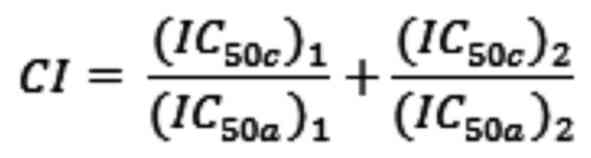
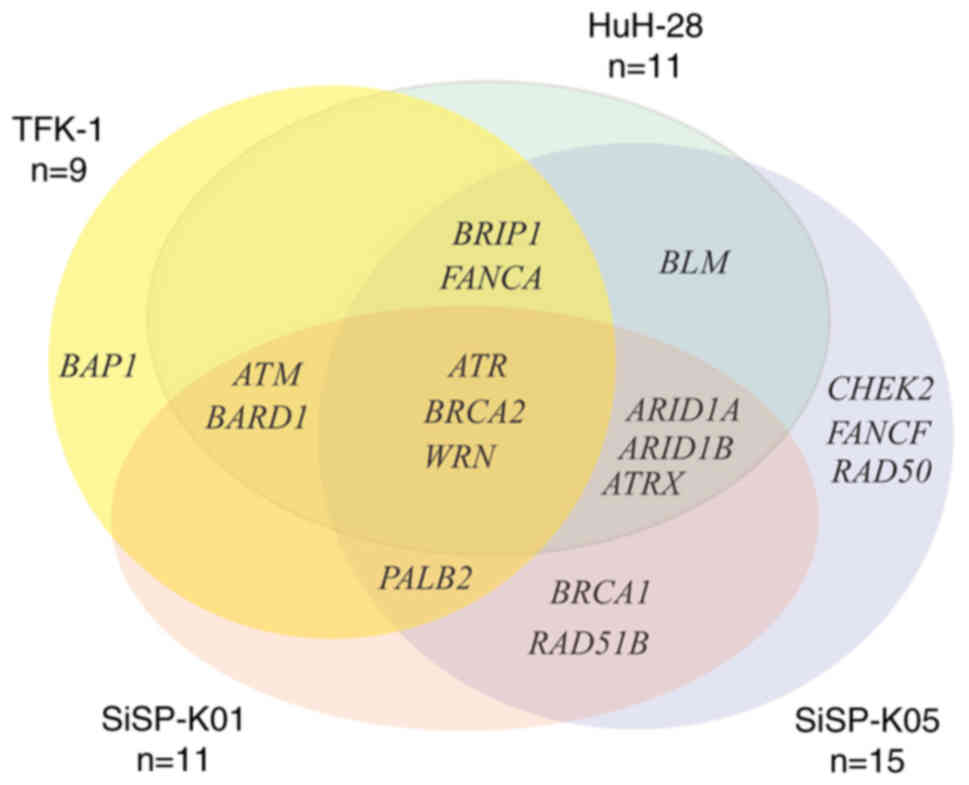
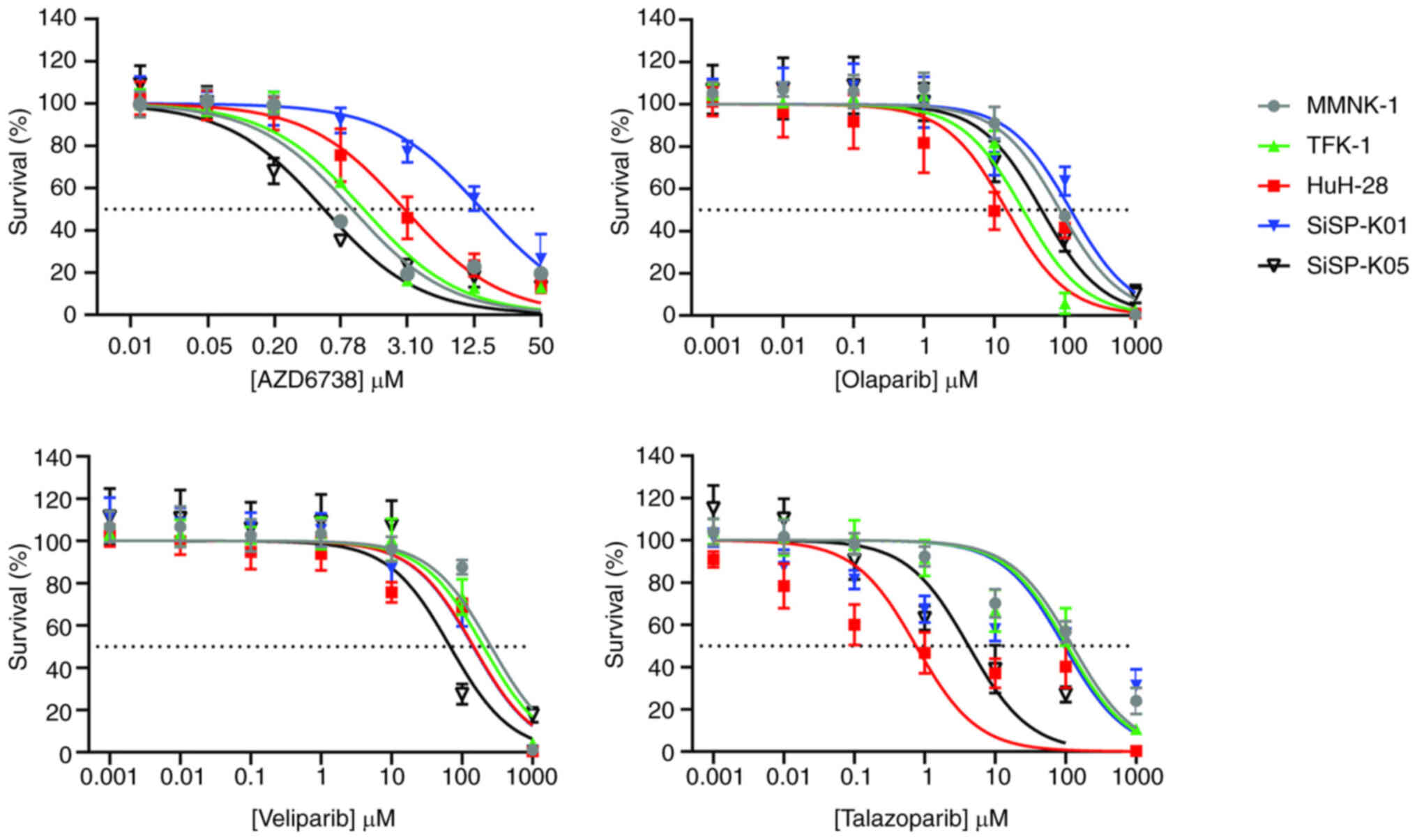
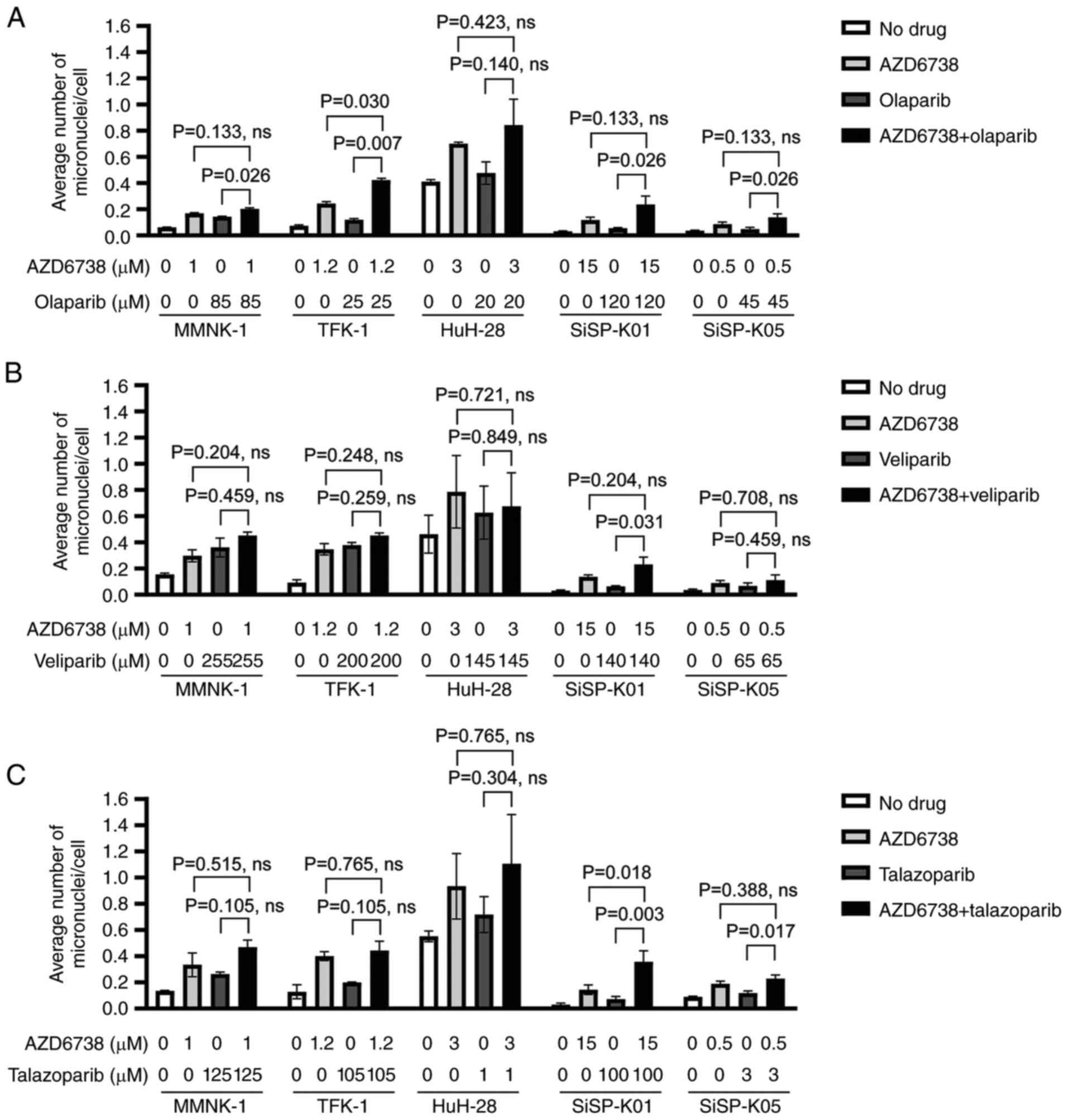
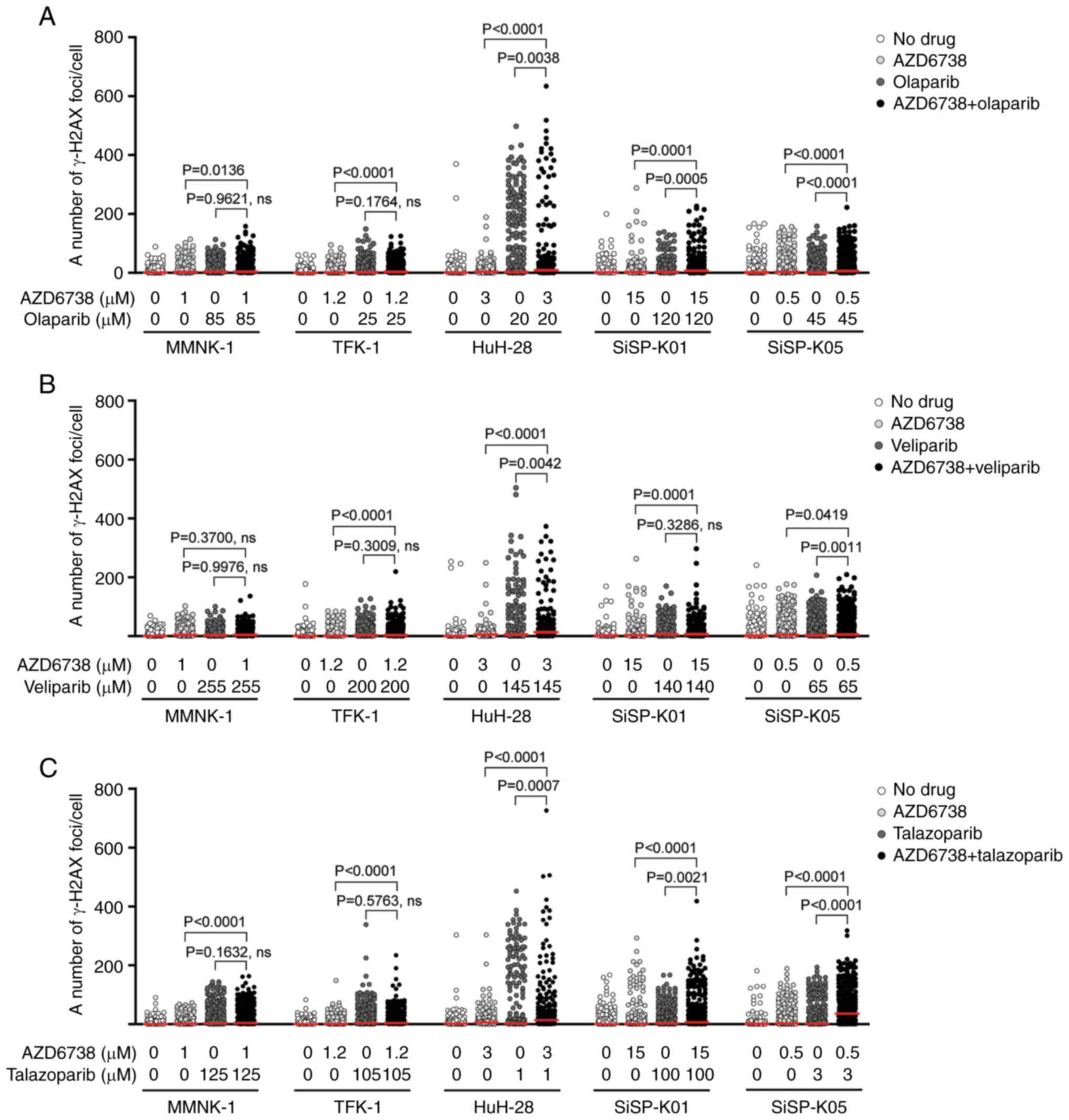
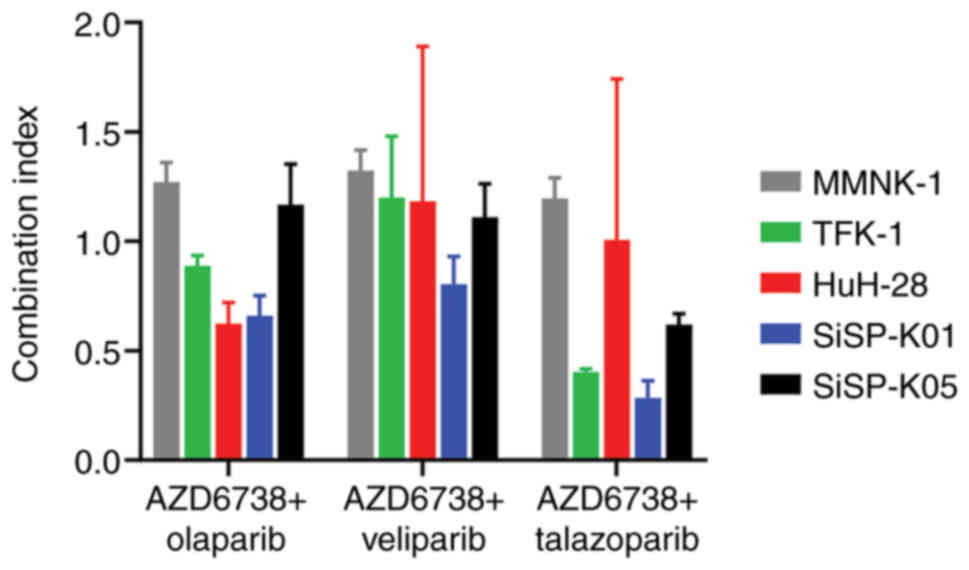
Cholangiocarcinoma (CCA) is a biliary tract carcinoma that is challenging to treat due to its heterogeneity and limited treatment options. Genetic alterations in DNA damage response (DDR) pathways and homologous recombination (HR) defects are common in CCA. This has prompted interest in the use of ataxia telangiectasia and Rad3‑related protein (ATR) and poly(ADP‑ribose) polymerase (PARP) inhibitors to treat CCA. The present study investigated the impact of an ATR inhibitor and various PARP inhibitors, individually and in combination, on CCA cell lines with different DDR mutation profiles. DDR gene alterations in these cell lines were analyzed, and the responses of the cells to treatment with the PARP inhibitors olaparib, veliparib and talazoparib and/or the ATR inhibitor AZD6738 were evaluated. Assessments focused on cellular viability, clonogenic survival and the combination index, alongside changes in DNA damage assessed via the formation of micronuclei and γ‑H2A histone family member X foci. The results revealed that the CCA cell lines with more DDR mutations exhibited greater sensitivity to single and combination treatments. Talazoparib was found to be the most potent PARP inhibitor in the CCA cell lines. The combination of AZD6738 and talazoparib demonstrated varying synergistic effects depending on the genetic background of the CCA cells, with greater efficacy in the cell lines less sensitive to single drug treatments. Mechanistically, this combination promoted the accumulation of DNA damage, including DNA double‑strand breaks. Overall, the study underscores the importance of HR in CCA. It reveals an association between the extent of DDR mutations and the response to AZD6738 and PARP inhibitors in CCA, both as single agents and in combination. These findings highlight that the number of mutated genes influences variability in the drug response.
View Figures

Figure 1

Figure 2

Figure 3

Figure 4

Figure 5

Figure 6

View References

1 

Brindley PJ, Bachini M, Ilyas SI, Khan SA, Loukas A, Sirica AE, The BT, Wongkham S and Gores GJ: Cholangiocarcinoma. Nat Rev Dis Primers. 7:652021. View Article : Google Scholar : PubMed/NCBI

2 

Banales JM, Marin JJG, Lamarca A, Rodrigues PM, Khan SA, Roberts LR, Cardinale V, Carpino G, Andersen JB, Braconi C, et al: Cholangiocarcinoma 2020: The next horizon in mechanisms and management. Nat Rev Gastroenterol Hepatol. 17:557–588. 2020. View Article : Google Scholar : PubMed/NCBI

3 

Ohaegbulam KC, Koethe Y, Fung A, Mayo SC, Grossberg AJ, Chen EY, Sharzehi K, Kardosh A, Farsad K, Rocha FG, et al: The multidisciplinary management of cholangiocarcinoma. Cancer. 129:184–214. 2023. View Article : Google Scholar : PubMed/NCBI

4 

Squadroni M, Tondulli L, Gatta G, Mosconi S, Beretta G and Labianca R: Cholangiocarcinoma. Crit Rev Oncol Hematol. 116:11–31. 2017. View Article : Google Scholar : PubMed/NCBI

5 

Gönül Geyik Ö, Anichini G, Ulukaya E, Marra F and Raggi C: DNA damage response inhibitors in cholangiocarcinoma: Current progress and perspectives. Cells. 11:14632022. View Article : Google Scholar : PubMed/NCBI

6 

Chae H, Kim D, Yoo C, Kim KP, Jeong JH, Chang HM, Lee SS, Park DH, Song TJ, Hwang S, et al: Therapeutic relevance of targeted sequencing in management of patients with advanced biliary tract cancer: DNA damage repair gene mutations as a predictive biomarker. Eur J Cancer. 120:31–39. 2019. View Article : Google Scholar : PubMed/NCBI

7 

Ahn DH and Bekaii-Saab T: Biliary tract cancer and genomic alterations in homologous recombinant deficiency: Exploiting synthetic lethality with PARP inhibitors. Chin Clin Oncol. 9:62020. View Article : Google Scholar : PubMed/NCBI

8 

Beijersbergen RL, Wessels LFA and Bernards R: Synthetic lethality in cancer therapeutics. Annu Rev Cancer Biol. 1:141–161. 2017. View Article : Google Scholar

9 

Pilié PG, Tang C, Mills GB and Yap TA: State-of-the-art strategies for targeting the DNA damage response in cancer. Nat Rev Clin Oncol. 16:81–104. 2019. View Article : Google Scholar : PubMed/NCBI

10 

D'Andrea AD: Mechanisms of PARP inhibitor sensitivity and resistance. DNA Repair (Amst). 71:172–176. 2018. View Article : Google Scholar : PubMed/NCBI

11 

Fong PC, Boss DS, Yap TA, Tutt A, Wu P, Mergui-Roelvink M, Mortimer P, Swaisland H, Lau A, O'Connor MJ, et al: Inhibition of poly(ADP-ribose) polymerase in tumors from BRCA mutation carriers. N Engl J Med. 361:123–134. 2009. View Article : Google Scholar : PubMed/NCBI

12 

Balasubramaniam S, Beaver JA, Horton S, Fernandes LL, Tang S, Horne HN, Liu J, Liu C, Schrieber SJ, Yu J, et al: FDA approval summary: rucaparib for the treatment of patients with deleterious BRCA mutation-associated advanced ovarian cancer. Clin Cancer Res. 23:7165–7170. 2017. View Article : Google Scholar : PubMed/NCBI

13 

Mirza MR, Monk BJ, Herrstedt J, Oza AM, Mahner S, Redondo A, Fabbro M, Ledermann JA, Lorusso D, Vergote I, et al: Niraparib maintenance therapy in platinum-sensitive, recurrent ovarian cancer. N Engl J Med. 375:2154–2164. 2016. View Article : Google Scholar : PubMed/NCBI

14 

Hoy SM: Talazoparib: First global approval. Drugs. 78:1939–1946. 2018. View Article : Google Scholar : PubMed/NCBI

15 

Li N, Bu H, Liu J, Zhu J, Zhou Q, Wang L, Yin R, Wu X, Yao S, Gu K, et al: An open-label, multicenter, single-arm, phase II study of fluzoparib in patients with germline BRCA1/2 mutation and platinum-sensitive recurrent ovarian cancer. Clin Cancer Res. 27:2452–2458. 2021. View Article : Google Scholar : PubMed/NCBI

16 

Xu B, Yin Y, Dong M, Song Y, Li W, Huang X, Wang T, He J, Mu X, Li L, et al: Pamiparib dose escalation in Chinese patients with non-mucinous high-grade ovarian cancer or advanced triple-negative breast cancer. Cancer Med. 10:109–118. 2021. View Article : Google Scholar : PubMed/NCBI

17 

da Costa AABA, Chowdhury D, Shapiro GI, D'Andrea AD and Konstantinopoulos PA: Targeting replication stress in cancer therapy. Nat Rev Drug Discov. 22:38–58. 2023. View Article : Google Scholar : PubMed/NCBI

18 

Smith G, Alholm Z, Coleman RL and Monk BJ: DNA damage repair inhibitors-combination therapies. Cancer J. 27:501–505. 2021. View Article : Google Scholar : PubMed/NCBI

19 

Mullard A: DNA damage response drugs for cancer yield continued synthetic lethality learnings. Nat Rev Drug Discov. 21:403–405. 2022. View Article : Google Scholar : PubMed/NCBI

20 

Shah PD, Wethington SL, Pagan C, Latif N, Tanyi J, Martin LP, Morgan M, Burger RA, Haggerty A, Zarrin H, et al: Combination ATR and PARP inhibitor (CAPRI): A phase 2 study of ceralasertib plus olaparib in patients with recurrent, platinum-resistant epithelial ovarian cancer. Gynecol Oncol. 163:246–253. 2021. View Article : Google Scholar : PubMed/NCBI

21 

Clinical Trials: NCT03330847: To assess safety and efficacy of agents targeting DNA damage repair with olaparib versus olaparib monotherapy. https://clinicaltrials.gov/show/NCT03330847June 4–2023

22 

Clinical Trials: NCT03787680: Targeting resistant prostate cancer with ATR and PARP inhibition (TRAP Trial). https://clinicaltrials.gov/show/NCT03787680June 4–2023

23 

Clinical Trials: NCT03878095: Testing olaparib and AZD6738 in IDH1 and IDH2 mutant tumors. https://clinicaltrials.gov/show/NCT03878095June 4–2023

24 

Clinical Trials: NCT04298021: DDR-umbrella study of DDR targeting agents in advanced biliary tract cancer. https://clinicaltrials.gov/study/NCT04298021November 13–2023

25 

Serra-Camprubí Q, Verdaguer H, Oliveros W, Lupión-Garcia N, Llop-Guevara A, Molina C, Vila-Casadesús M, Turpin A, Neuzillet C, Frigola J, et al: Human metastatic cholangiocarcinoma patient-derived xenografts and tumoroids for preclinical drug evaluation. Clin Cancer Res. 29:432–445. 2023. View Article : Google Scholar : PubMed/NCBI

26 

Bezrookove V, Patino JM, Nosrati M, Desprez PY, McAllister S, Soroceanu L, Baron A, Osorio R, Kashani-Sabet M and Dar AA: Niraparib suppresses cholangiocarcinoma tumor growth by inducing oxidative and replication stress. Cancers (Basel). 13:44052021. View Article : Google Scholar : PubMed/NCBI

27 

Moolmuang B and Ruchirawat M: The antiproliferative effects of ataxia-telangiectasia mutated and ATM- and Rad3-related inhibitions and their enhancements with the cytotoxicity of DNA damaging agents in cholangiocarcinoma cells. J Pharm Pharmacol. 73:40–51. 2021. View Article : Google Scholar : PubMed/NCBI

28 

Nam AR, Yoon J, Jin MH, Bang JH, Oh KS, Seo HR, Kim JM, Kim TY and Oh DY: ATR inhibition amplifies antitumor effects of olaparib in biliary tract cancer. Cancer Lett. 516:38–47. 2021. View Article : Google Scholar : PubMed/NCBI

29 

Maruyama M, Kobayashi N, Westerman KA, Sakaguchi M, Allain JE, Totsugawa T, Okitsu T, Fukazawa T, Weber A, Stolz DB, et al: Establishment of a highly differentiated immortalized human cholangiocyte cell line with SV40T and hTERT. Transplantation. 77:446–451. 2004. View Article : Google Scholar : PubMed/NCBI

30 

Kusaka Y, Tokiwa T and Sato J: Establishment and characterization of a cell line from a human cholangiocellular carcinoma. Res Exp Med (Berl). 188:367–375. 1988. View Article : Google Scholar : PubMed/NCBI

31 

Saijyo S, Kudo T, Suzuki M, Katayose Y, Shinoda M, Muto T, Fukuhara K, Suzuki T and Matsuno S: Establishment of a new extrahepatic bile duct carcinoma cell line, TFK-1. Tohoku J Exp Med. 177:61–71. 1995. View Article : Google Scholar : PubMed/NCBI

32 

Suntiparpluacha M, Chanwat R, Limsrichamrern S, More-krong P, Srifa S, Kongsri K, Aroonpruksakul S, Sathirareuangchai S, Sampatavanich S, Okada S and Jirawatnotai S: Establishment of cholangiocarcinoma organoids from long-term frozen tissues. J Basic Appl Pharmacol. 2:O11–O25. 2022.

33 

Jamnongsong S, Kueanjinda P, Buraphat P, Sakornsakolpat P, Vaeteewoottacharn K, Okada S, Jirawatnotai S and Sampattavanich S: Comprehensive drug response profiling and pan-omic analysis identified therapeutic candidates and prognostic biomarkers for Asian cholangiocarcinoma. iScience. 25:1051822022. View Article : Google Scholar : PubMed/NCBI

34 

Li MM, Datto M, Duncavage EJ, Kulkarni S, Lindeman NI, Roy S, Tsimberidou AM, Vnencak-Jones CL, Wolff DJ, Younes A and Nikiforova MN: Standards and guidelines for the interpretation and reporting of sequence variants in cancer: A joint consensus recommendation of the association for molecular pathology, American society of clinical oncology, and college of american pathologists. J Mol Diagn. 19:4–23. 2017. View Article : Google Scholar : PubMed/NCBI

35 

Chou TC: Drug combination studies and their synergy quantification using the Chou-Talalay method. Cancer Res. 70:440–446. 2010. View Article : Google Scholar : PubMed/NCBI

36 

Chou TC: Theoretical basis, experimental design, and computerized simulation of synergism and antagonism in drug combination studies. Pharmacol Rev. 58:621–681. 2006. View Article : Google Scholar : PubMed/NCBI

37 

Schindelin J, Arganda-Carreras I, Frise E, Kaynig V, Longair M, Pietzsch T, Preibisch S, Rueden C, Saalfeld S, Schmid B, et al: Fiji: An open-source platform for biological-image analysis. Nat Methods. 9:676–682. 2012. View Article : Google Scholar : PubMed/NCBI

38 

Jang SM, Redon CE, Fu H, Indig FE and Aladjem MI: RepID-deficient cancer cells are sensitized to a drug targeting p97/VCP segregase. Mol Cell Toxicol. 17:141–149. 2021. View Article : Google Scholar

39 

Wikiniyadhanee R, Lerksuthirat T, Stitchantrakul W, Chitphuk S, Sura T and Dejsuphong D: TRIM29 is required for efficient recruitment of 53BP1 in response to DNA double-strand breaks in vertebrate cells. FEBS Open Bio. 10:2055–2071. 2020. View Article : Google Scholar : PubMed/NCBI

40 

Lerksuthirat T, Wikiniyadhanee R, Chitphuk S, Stitchantrakul W, Sampattavanich S, Jirawatnotai S, Jumpathong J and Dejsuphong D: DNA Repair Biosensor-Identified DNA Damage Activities of Endophyte Extracts from Garcinia cowa. Biomolecules. 10:16802020. View Article : Google Scholar : PubMed/NCBI

41 

Audeh MW, Carmichael J, Penson RT, Friedlander M, Powell B, Bell-McGuinn KM, Scott C, Weitzel JN, Oaknin A, Loman N, et al: Oral poly(ADP-ribose) polymerase inhibitor olaparib in patients with BRCA1 or BRCA2 mutations and recurrent ovarian cancer: A proof-of-concept trial. Lancet. 376:245–251. 2010. View Article : Google Scholar : PubMed/NCBI

42 

Martorana F, Da Silva LA, Sessa C and Colombo I: Everything comes with a price: The toxicity profile of DNA-damage response targeting agents. Cancers (Basel). 14:9532022. View Article : Google Scholar : PubMed/NCBI

43 

Bradbury A, Hall S, Curtin N and Drew Y: Targeting ATR as cancer therapy: A new era for synthetic lethality and synergistic combinations? Pharmacol Ther. 207:1074502020. View Article : Google Scholar : PubMed/NCBI

44 

Clinical Trials: NCT03462342: Combination ATR and PARP inhibitor (CAPRI) trial with AZD6738 and olaparib in recurrent ovarian cancer (CAPRI). https://clinicaltrials.gov/study/NCT03462342November 11–2023

45 

Clinical Trials: NCT05269316: Study to evaluate IMP9064 as a monotherapy or in combination in patients with advanced solid tumors. https://www.clinicaltrials.gov/study/NCT05269316November 11–2023

46 

Lecona E and Fernandez-Capetillo O: Targeting ATR in cancer. Nat Rev Cancer. 18:586–595. 2018. View Article : Google Scholar : PubMed/NCBI

47 

Nam AR, Jin MH, Park JE, Bang JH, Oh DY and Bang YJ: Therapeutic targeting of the DNA damage response using an ATR inhibitor in biliary tract cancer. Cancer Res Treat. 51:1167–1179. 2019. View Article : Google Scholar : PubMed/NCBI

48 

Dorado Garcia H, Pusch F, Bei Y, von Stebut J, Ibáñez G, Guillan K, Imami K, Gürgen D, Rolff J, Helmsauer K, et al: Therapeutic targeting of ATR in alveolar rhabdomyosarcoma. Nat Commun. 13:42972022. View Article : Google Scholar : PubMed/NCBI

49 

King D, Southgate HED, Roetschke S, Gravells P, Fields L, Watson JB, Chen L, Chapman D, Harrison D, Yeomanson D, et al: Increased replication stress determines ATR inhibitor sensitivity in neuroblastoma cells. Cancers (Basel). 13:62152021. View Article : Google Scholar : PubMed/NCBI

50 

Bhamidipati D, Haro-Silerio JI, Yap TA and Ngoi N: PARP inhibitors: Enhancing efficacy through rational combinations. Br J Cancer. 129:904–916. 2023. View Article : Google Scholar : PubMed/NCBI

51 

Yano K and Shiotani B: Emerging strategies for cancer therapy by ATR inhibitors. Cancer Sci. 114:2709–2721. 2023. View Article : Google Scholar : PubMed/NCBI

52 

Sadeghi F, Asgari M, Matloubi M, Ranjbar M, Karkhaneh Yousefi N, Azari T and Zaki-Dizaji M: Molecular contribution of BRCA1 and BRCA2 to genome instability in breast cancer patients: Review of radiosensitivity assays. Biol Proced Online. 22:232020. View Article : Google Scholar : PubMed/NCBI

53 

Sule A, Van Doorn J, Sundaram RK, Ganesa S, Vasquez Juan C and Bindra Ranjit S: Targeting IDH1/2 mutant cancers with combinations of ATR and PARP inhibitors. NAR Cancer. 3:zcab0182021. View Article : Google Scholar : PubMed/NCBI

54 

Lloyd RL, Wijnhoven PWG, Ramos-Montoya A, Wilson Z, Illuzzi G, Falenta K, Jones GN, James N, Chabbert CD, Stott J, et al: Combined PARP and ATR inhibition potentiates genome instability and cell death in ATM-deficient cancer cells. Oncogene. 39:4869–4883. 2020. View Article : Google Scholar : PubMed/NCBI

55 

Lee EK and Matulonis UA: PARP inhibitor resistance mechanisms and implications for post-progression combination therapies. Cancers (Basel). 12:20542020. View Article : Google Scholar : PubMed/NCBI

56 

Onji H and Murai J: Reconsidering the mechanisms of action of PARP inhibitors based on clinical outcomes. Cancer Sci. 113:2943–2951. 2022. View Article : Google Scholar : PubMed/NCBI

57 

Murai J, Huang SYN, Renaud A, Zhang Y, Ji J, Takeda S, Morris J, Teicher B, Doroshow JH and Pommier Y: Stereospecific PARP trapping by BMN 673 and comparison with olaparib and rucaparib. Mol Cancer Ther. 13:433–443. 2014. View Article : Google Scholar : PubMed/NCBI

58 

Mosler T, Baymaz HI, Gräf JF, Mikicic I, Blattner G, Bartlett E, Ostermaier M, Piccinno R, Yang J, Voigt A, et al: PARP1 proximity proteomics reveals interaction partners at stressed replication forks. Nucleic Acids Res. 50:11600–11618. 2022. View Article : Google Scholar : PubMed/NCBI

59 

Zamalloa LG, Pruitt MM, Hermance NM, Gali H, Flynn RL and Manning AL: RB loss sensitizes cells to replication-associated DNA damage after PARP inhibition by trapping. Life Sci Alliance. 6:e2023020672023. View Article : Google Scholar : PubMed/NCBI

Related Articles

  • Abstract
  • View
  • Download
  • Twitter
Copy and paste a formatted citation
Spandidos Publications style
Lerksuthirat T, Prasopporn S, Wikiniyadhanee R, Chitphuk S, Stitchantrakul W, Owneium P, Jirawatnotai S and Dejsuphong D: DNA damage response mutations enhance the antitumor efficacy of ATR and PARP inhibitors in cholangiocarcinoma cell lines. Oncol Lett 29: 128, 2025.
APA
Lerksuthirat, T., Prasopporn, S., Wikiniyadhanee, R., Chitphuk, S., Stitchantrakul, W., Owneium, P. ... Dejsuphong, D. (2025). DNA damage response mutations enhance the antitumor efficacy of ATR and PARP inhibitors in cholangiocarcinoma cell lines. Oncology Letters, 29, 128. https://doi.org/10.3892/ol.2025.14874
MLA
Lerksuthirat, T., Prasopporn, S., Wikiniyadhanee, R., Chitphuk, S., Stitchantrakul, W., Owneium, P., Jirawatnotai, S., Dejsuphong, D."DNA damage response mutations enhance the antitumor efficacy of ATR and PARP inhibitors in cholangiocarcinoma cell lines". Oncology Letters 29.3 (2025): 128.
Chicago
Lerksuthirat, T., Prasopporn, S., Wikiniyadhanee, R., Chitphuk, S., Stitchantrakul, W., Owneium, P., Jirawatnotai, S., Dejsuphong, D."DNA damage response mutations enhance the antitumor efficacy of ATR and PARP inhibitors in cholangiocarcinoma cell lines". Oncology Letters 29, no. 3 (2025): 128. https://doi.org/10.3892/ol.2025.14874
Copy and paste a formatted citation
x
Spandidos Publications style
Lerksuthirat T, Prasopporn S, Wikiniyadhanee R, Chitphuk S, Stitchantrakul W, Owneium P, Jirawatnotai S and Dejsuphong D: DNA damage response mutations enhance the antitumor efficacy of ATR and PARP inhibitors in cholangiocarcinoma cell lines. Oncol Lett 29: 128, 2025.
APA
Lerksuthirat, T., Prasopporn, S., Wikiniyadhanee, R., Chitphuk, S., Stitchantrakul, W., Owneium, P. ... Dejsuphong, D. (2025). DNA damage response mutations enhance the antitumor efficacy of ATR and PARP inhibitors in cholangiocarcinoma cell lines. Oncology Letters, 29, 128. https://doi.org/10.3892/ol.2025.14874
MLA
Lerksuthirat, T., Prasopporn, S., Wikiniyadhanee, R., Chitphuk, S., Stitchantrakul, W., Owneium, P., Jirawatnotai, S., Dejsuphong, D."DNA damage response mutations enhance the antitumor efficacy of ATR and PARP inhibitors in cholangiocarcinoma cell lines". Oncology Letters 29.3 (2025): 128.
Chicago
Lerksuthirat, T., Prasopporn, S., Wikiniyadhanee, R., Chitphuk, S., Stitchantrakul, W., Owneium, P., Jirawatnotai, S., Dejsuphong, D."DNA damage response mutations enhance the antitumor efficacy of ATR and PARP inhibitors in cholangiocarcinoma cell lines". Oncology Letters 29, no. 3 (2025): 128. https://doi.org/10.3892/ol.2025.14874
Follow us
  • Twitter
  • LinkedIn
  • Facebook
About
  • Spandidos Publications
  • Careers
  • Cookie Policy
  • Privacy Policy
How can we help?
  • Help
  • Live Chat
  • Contact
  • Email to our Support Team