Oncol Lett 18: [Related article:] 3211–3217, 2019; DOI:
10.3892/ol.2019.10640
Subsequently to the publication of the above paper,
an interested reader drew to the authors’ attention that,
concerning the scratch-wound assay experiments shown in Fig. 5A on p. 3216, the ‘12 h/NC’ and ‘12
h/siRNA1’ data panels contained an overlapping section, such that
these data appeared to have been derived from the same original
source where the results from two different cell lines were
intended to have been portrayed. In addition, the reader noted that
the MGC-803 cell line had been used in various of the experiments,
which has been reported to be a problematic (contaminated) cell
line according to the website Cellosaurus on account of its being a
hybrid of HeLa, and probably of a gastric cancer cell from an Asian
individual, a poorly differentiated gastric mucinous
adenocarcinoma.
The authors were able to re-examine their original
data, and realized that the abovementioned data featured in
Fig. 5A had inadvertently been
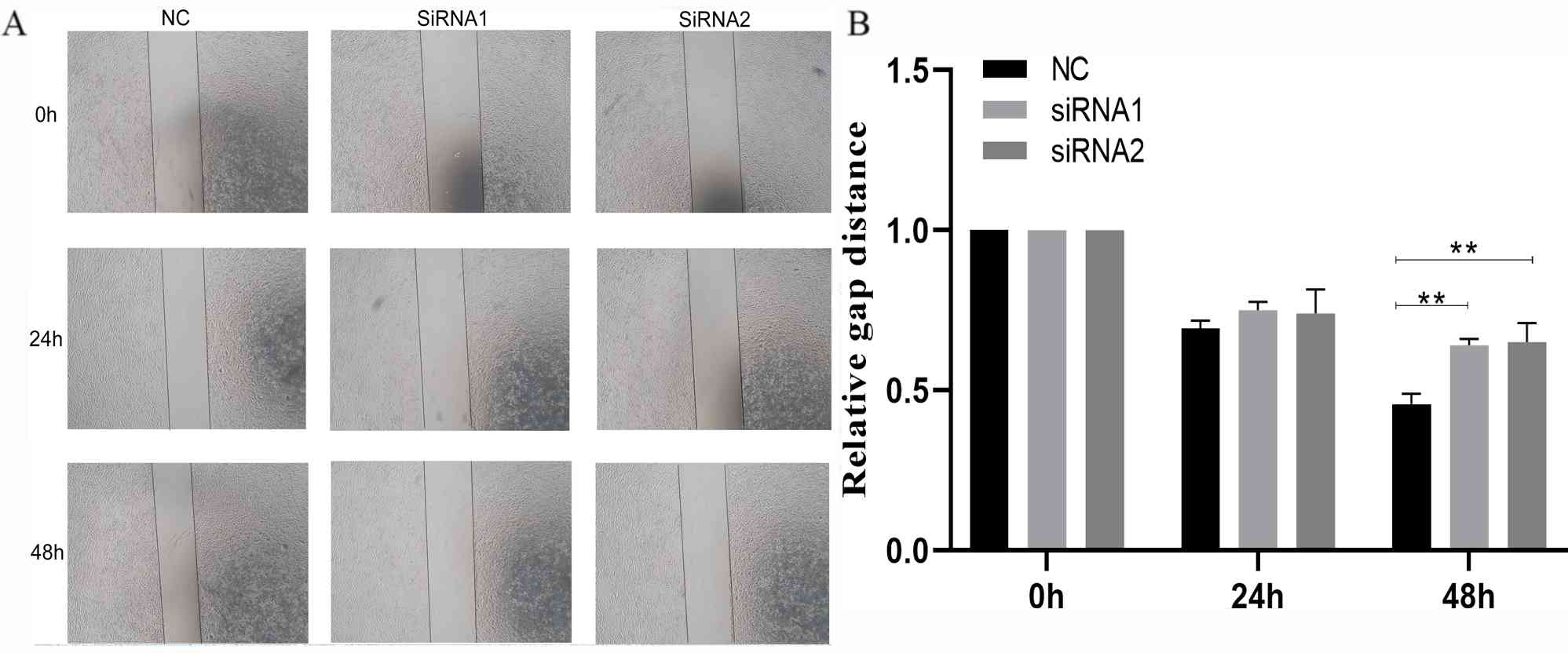
selected incorrectly. A revised version of Fig. 5, now showing data for these
experiments performed using the AGS cell line instead of the
problematic MGC-803 cell line, is shown on the subsequent pages. In
addition, considering that Figs. 3
and 4 also portrayed experiments
performed exclusively with the MGC-803 cell line, new versions of
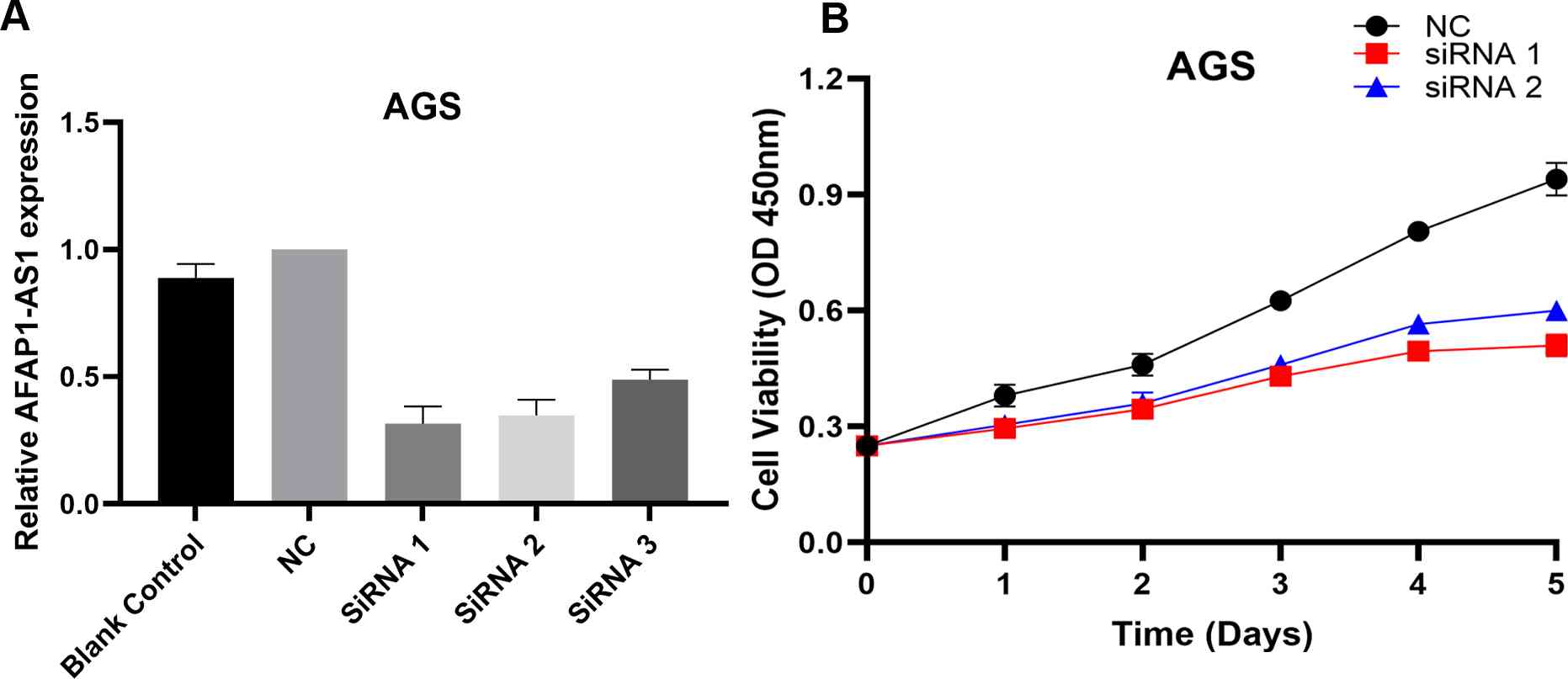
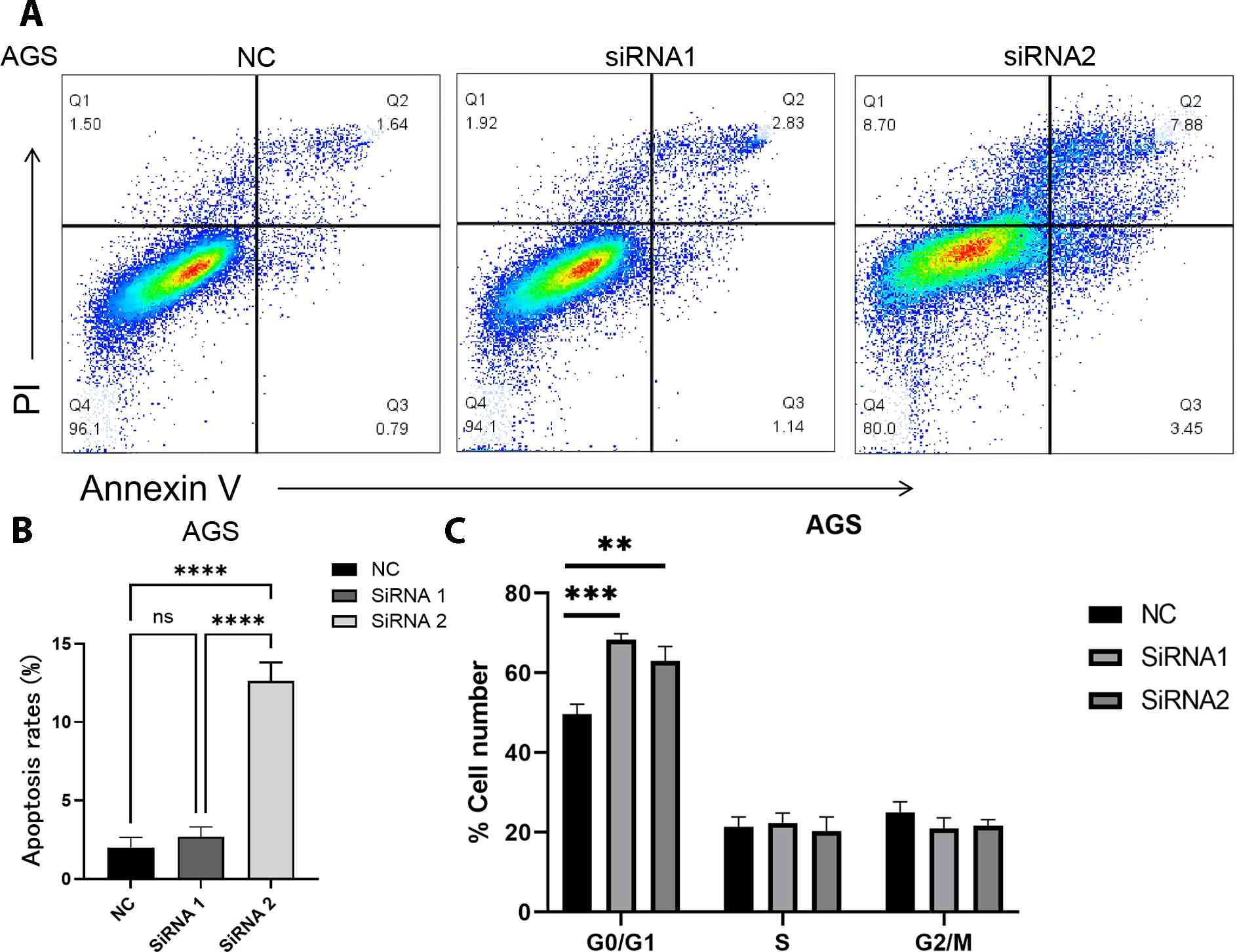
Figs. 3 and 4 showing alternative experiments with the
AGS cell line (namely, AFAP1 expression and cell viability
following AGS knockdown, and the effects of AFAP1-AS1 on apoptosis
and the cell cycle in AGS cells, for Figs. 3 and 4 respectively) are also shown on the
subsequent two pages. The authors confirm that the results obtained
from the newly performed experiments were broadly similar to the
results shown for these three figures in the published version of
this article: In Fig. 3, with the
AGS cell line, compared with the NC group, the knockdown efficiency
of siRNA1 was ~70%, and for siRNA2 it was ~65%. In Fig. 4A and B, no significant difference
was found in the rate of apoptosis between the NC and siRNA1
groups, although the apoptotic rate of the AGS cells was
significantly increased in the siRNA2 group (P<0.01); moreover,
the proportion of cells in the G0/G1 phase following APAP1-AS1
knockdown was similarly shown to be significantly increased in the
siRNA1 and siRNA2 groups compared with that observed in the NC
group. Finally, in Fig. 5, the
migratory ability of the AGS cell line was significantly inhibited
following knockdown of AFAP1-AS1.
The authors regret that errors that were made while
compiling the original figures, in addition to their the oversight
in using a contaminated cell line for various of the experiments.
They are grateful to the editor of Oncology Letters for
allowing them the opportunity to publish this corrigendum. All the
authors agree with the publication of this corrigendum;
furthermore, they apologize to the readership for any inconvenience
caused.