Spandidos Publications Logo
  • About
    • About Spandidos
    • Aims and Scopes
    • Abstracting and Indexing
    • Editorial Policies
    • Reprints and Permissions
    • Job Opportunities
    • Terms and Conditions
    • Contact
  • Journals
    • All Journals
    • Oncology Letters
      • Oncology Letters
      • Information for Authors
      • Editorial Policies
      • Editorial Board
      • Aims and Scope
      • Abstracting and Indexing
      • Bibliographic Information
      • Archive
    • International Journal of Oncology
      • International Journal of Oncology
      • Information for Authors
      • Editorial Policies
      • Editorial Board
      • Aims and Scope
      • Abstracting and Indexing
      • Bibliographic Information
      • Archive
    • Molecular and Clinical Oncology
      • Molecular and Clinical Oncology
      • Information for Authors
      • Editorial Policies
      • Editorial Board
      • Aims and Scope
      • Abstracting and Indexing
      • Bibliographic Information
      • Archive
    • Experimental and Therapeutic Medicine
      • Experimental and Therapeutic Medicine
      • Information for Authors
      • Editorial Policies
      • Editorial Board
      • Aims and Scope
      • Abstracting and Indexing
      • Bibliographic Information
      • Archive
    • International Journal of Molecular Medicine
      • International Journal of Molecular Medicine
      • Information for Authors
      • Editorial Policies
      • Editorial Board
      • Aims and Scope
      • Abstracting and Indexing
      • Bibliographic Information
      • Archive
    • Biomedical Reports
      • Biomedical Reports
      • Information for Authors
      • Editorial Policies
      • Editorial Board
      • Aims and Scope
      • Abstracting and Indexing
      • Bibliographic Information
      • Archive
    • Oncology Reports
      • Oncology Reports
      • Information for Authors
      • Editorial Policies
      • Editorial Board
      • Aims and Scope
      • Abstracting and Indexing
      • Bibliographic Information
      • Archive
    • Molecular Medicine Reports
      • Molecular Medicine Reports
      • Information for Authors
      • Editorial Policies
      • Editorial Board
      • Aims and Scope
      • Abstracting and Indexing
      • Bibliographic Information
      • Archive
    • World Academy of Sciences Journal
      • World Academy of Sciences Journal
      • Information for Authors
      • Editorial Policies
      • Editorial Board
      • Aims and Scope
      • Abstracting and Indexing
      • Bibliographic Information
      • Archive
    • International Journal of Functional Nutrition
      • International Journal of Functional Nutrition
      • Information for Authors
      • Editorial Policies
      • Editorial Board
      • Aims and Scope
      • Abstracting and Indexing
      • Bibliographic Information
      • Archive
    • International Journal of Epigenetics
      • International Journal of Epigenetics
      • Information for Authors
      • Editorial Policies
      • Editorial Board
      • Aims and Scope
      • Abstracting and Indexing
      • Bibliographic Information
      • Archive
    • Medicine International
      • Medicine International
      • Information for Authors
      • Editorial Policies
      • Editorial Board
      • Aims and Scope
      • Abstracting and Indexing
      • Bibliographic Information
      • Archive
  • Articles
  • Information
    • Information for Authors
    • Information for Reviewers
    • Information for Librarians
    • Information for Advertisers
    • Conferences
  • Language Editing
Spandidos Publications Logo
  • About
    • About Spandidos
    • Aims and Scopes
    • Abstracting and Indexing
    • Editorial Policies
    • Reprints and Permissions
    • Job Opportunities
    • Terms and Conditions
    • Contact
  • Journals
    • All Journals
    • Biomedical Reports
      • Information for Authors
      • Editorial Policies
      • Editorial Board
      • Aims and Scope
      • Abstracting and Indexing
      • Bibliographic Information
      • Archive
    • Experimental and Therapeutic Medicine
      • Information for Authors
      • Editorial Policies
      • Editorial Board
      • Aims and Scope
      • Abstracting and Indexing
      • Bibliographic Information
      • Archive
    • International Journal of Epigenetics
      • Information for Authors
      • Editorial Policies
      • Editorial Board
      • Aims and Scope
      • Abstracting and Indexing
      • Bibliographic Information
      • Archive
    • International Journal of Functional Nutrition
      • Information for Authors
      • Editorial Policies
      • Editorial Board
      • Aims and Scope
      • Abstracting and Indexing
      • Bibliographic Information
      • Archive
    • International Journal of Molecular Medicine
      • Information for Authors
      • Editorial Policies
      • Editorial Board
      • Aims and Scope
      • Abstracting and Indexing
      • Bibliographic Information
      • Archive
    • International Journal of Oncology
      • Information for Authors
      • Editorial Policies
      • Editorial Board
      • Aims and Scope
      • Abstracting and Indexing
      • Bibliographic Information
      • Archive
    • Medicine International
      • Information for Authors
      • Editorial Policies
      • Editorial Board
      • Aims and Scope
      • Abstracting and Indexing
      • Bibliographic Information
      • Archive
    • Molecular and Clinical Oncology
      • Information for Authors
      • Editorial Policies
      • Editorial Board
      • Aims and Scope
      • Abstracting and Indexing
      • Bibliographic Information
      • Archive
    • Molecular Medicine Reports
      • Information for Authors
      • Editorial Policies
      • Editorial Board
      • Aims and Scope
      • Abstracting and Indexing
      • Bibliographic Information
      • Archive
    • Oncology Letters
      • Information for Authors
      • Editorial Policies
      • Editorial Board
      • Aims and Scope
      • Abstracting and Indexing
      • Bibliographic Information
      • Archive
    • Oncology Reports
      • Information for Authors
      • Editorial Policies
      • Editorial Board
      • Aims and Scope
      • Abstracting and Indexing
      • Bibliographic Information
      • Archive
    • World Academy of Sciences Journal
      • Information for Authors
      • Editorial Policies
      • Editorial Board
      • Aims and Scope
      • Abstracting and Indexing
      • Bibliographic Information
      • Archive
  • Articles
  • Information
    • For Authors
    • For Reviewers
    • For Librarians
    • For Advertisers
    • Conferences
  • Language Editing
Login Register Submit
  • This site uses cookies
  • You can change your cookie settings at any time by following the instructions in our Cookie Policy. To find out more, you may read our Privacy Policy.

    I agree
Search articles by DOI, keyword, author or affiliation
Search
Advanced Search
presentation
Oncology Reports
Join Editorial Board Propose a Special Issue
Print ISSN: 1021-335X Online ISSN: 1791-2431
Journal Cover
December 2012 Volume 28 Issue 6

Full Size Image

Sign up for eToc alerts
Recommend to Library

Journals

International Journal of Molecular Medicine

International Journal of Molecular Medicine

International Journal of Molecular Medicine is an international journal devoted to molecular mechanisms of human disease.

International Journal of Oncology

International Journal of Oncology

International Journal of Oncology is an international journal devoted to oncology research and cancer treatment.

Molecular Medicine Reports

Molecular Medicine Reports

Covers molecular medicine topics such as pharmacology, pathology, genetics, neuroscience, infectious diseases, molecular cardiology, and molecular surgery.

Oncology Reports

Oncology Reports

Oncology Reports is an international journal devoted to fundamental and applied research in Oncology.

Experimental and Therapeutic Medicine

Experimental and Therapeutic Medicine

Experimental and Therapeutic Medicine is an international journal devoted to laboratory and clinical medicine.

Oncology Letters

Oncology Letters

Oncology Letters is an international journal devoted to Experimental and Clinical Oncology.

Biomedical Reports

Biomedical Reports

Explores a wide range of biological and medical fields, including pharmacology, genetics, microbiology, neuroscience, and molecular cardiology.

Molecular and Clinical Oncology

Molecular and Clinical Oncology

International journal addressing all aspects of oncology research, from tumorigenesis and oncogenes to chemotherapy and metastasis.

World Academy of Sciences Journal

World Academy of Sciences Journal

Multidisciplinary open-access journal spanning biochemistry, genetics, neuroscience, environmental health, and synthetic biology.

International Journal of Functional Nutrition

International Journal of Functional Nutrition

Open-access journal combining biochemistry, pharmacology, immunology, and genetics to advance health through functional nutrition.

International Journal of Epigenetics

International Journal of Epigenetics

Publishes open-access research on using epigenetics to advance understanding and treatment of human disease.

Medicine International

Medicine International

An International Open Access Journal Devoted to General Medicine.

Journal Cover
December 2012 Volume 28 Issue 6

Full Size Image

Sign up for eToc alerts
Recommend to Library

  • Article
  • Citations
    • Cite This Article
    • Download Citation
    • Create Citation Alert
    • Remove Citation Alert
    • Cited By
  • Similar Articles
    • Related Articles (in Spandidos Publications)
    • Similar Articles (Google Scholar)
    • Similar Articles (PubMed)
  • Download PDF
  • Download XML
  • View XML
Article Open Access

Hyperthermia reduces migration of osteosarcoma by suppression of autocrine motility factor

  • Authors:
    • Kosei Nakajima
    • Takashi Yanagawa
    • Hideomi Watanabe
    • Kenji Takagishi
  • View Affiliations / Copyright

    Affiliations: Department of Orthopedic Surgery, Graduate School of Medicine, Gunma University, Maebashi, Gunma, Japan, Department of Physical Therapy, Graduate School of Health Science, Gunma University, Maebashi, Gunma, Japan
    Copyright: © Nakajima et al. This is an open access article distributed under the terms of Creative Commons Attribution License [CC BY_NC 3.0].
  • Pages: 1953-1958
    |
    Published online on: October 1, 2012
       https://doi.org/10.3892/or.2012.2066
  • Expand metrics +
Metrics: Total Views: 0 (Spandidos Publications: | PMC Statistics: )
Metrics: Total PDF Downloads: 0 (Spandidos Publications: | PMC Statistics: )
Cited By (CrossRef): 0 citations Loading Articles...

This article is mentioned in:


Abstract

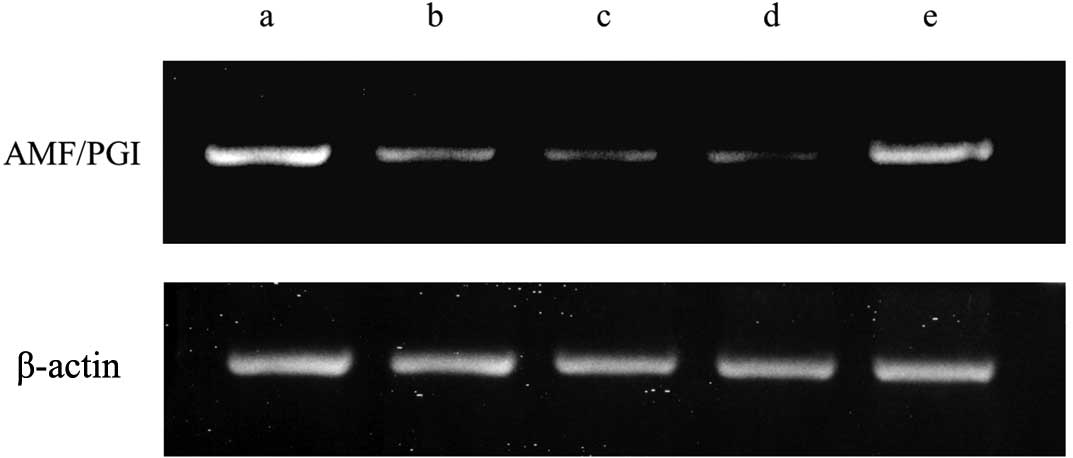
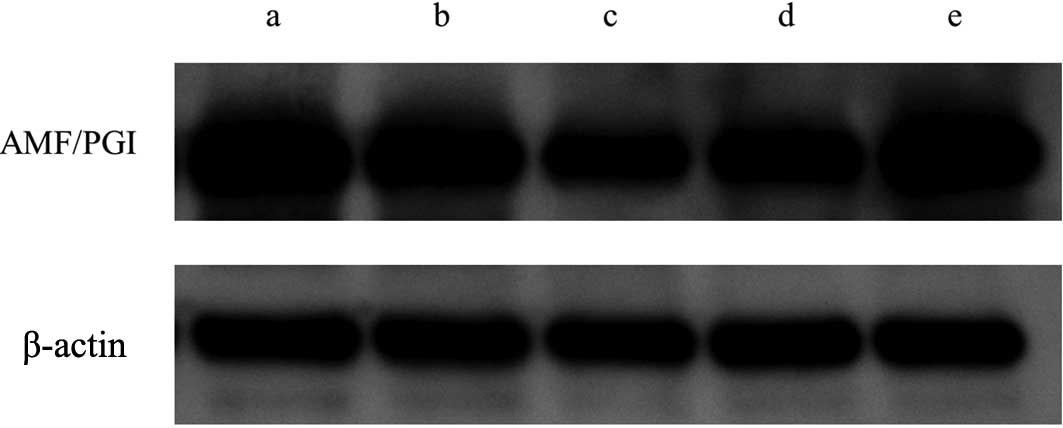
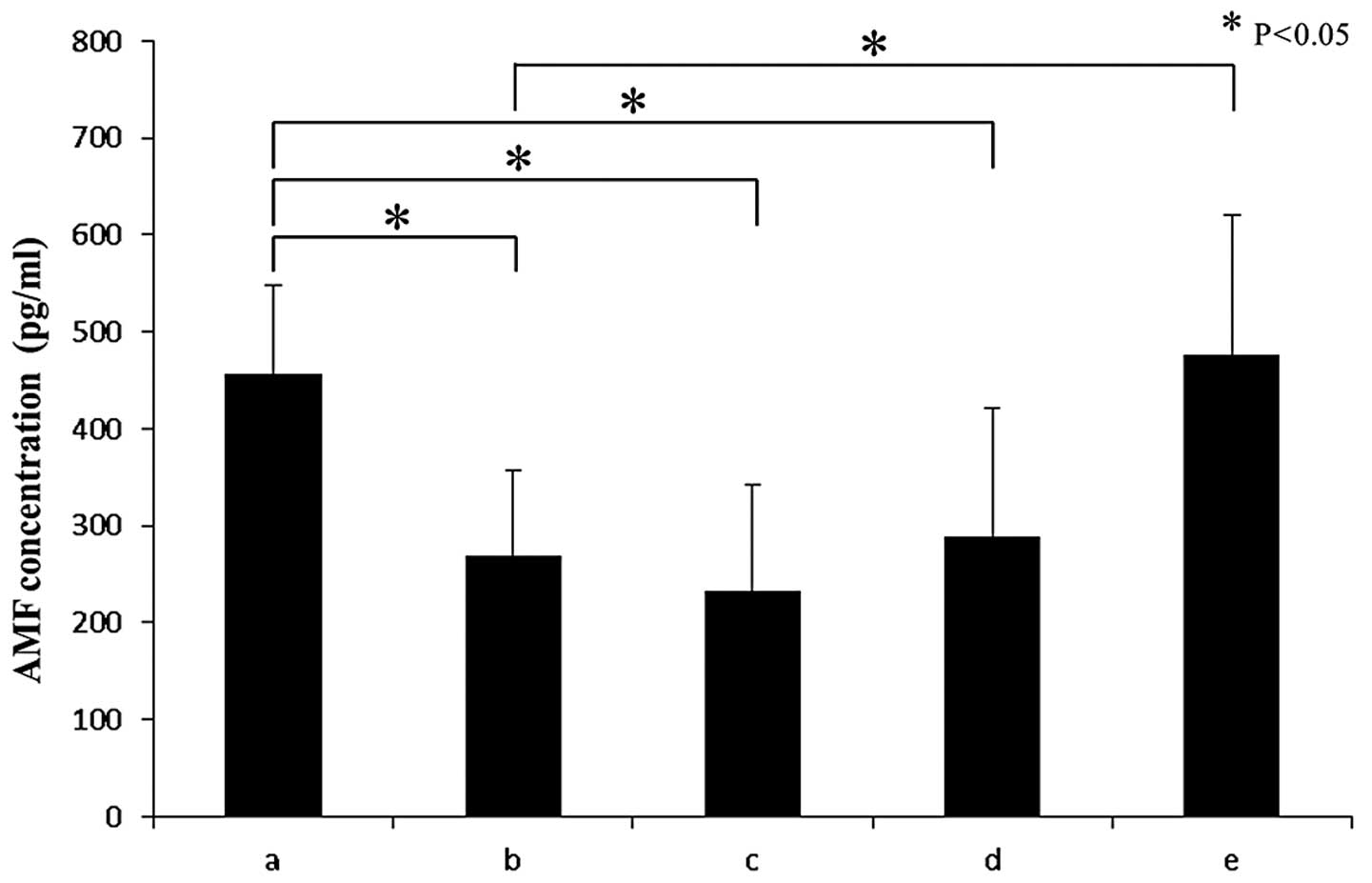
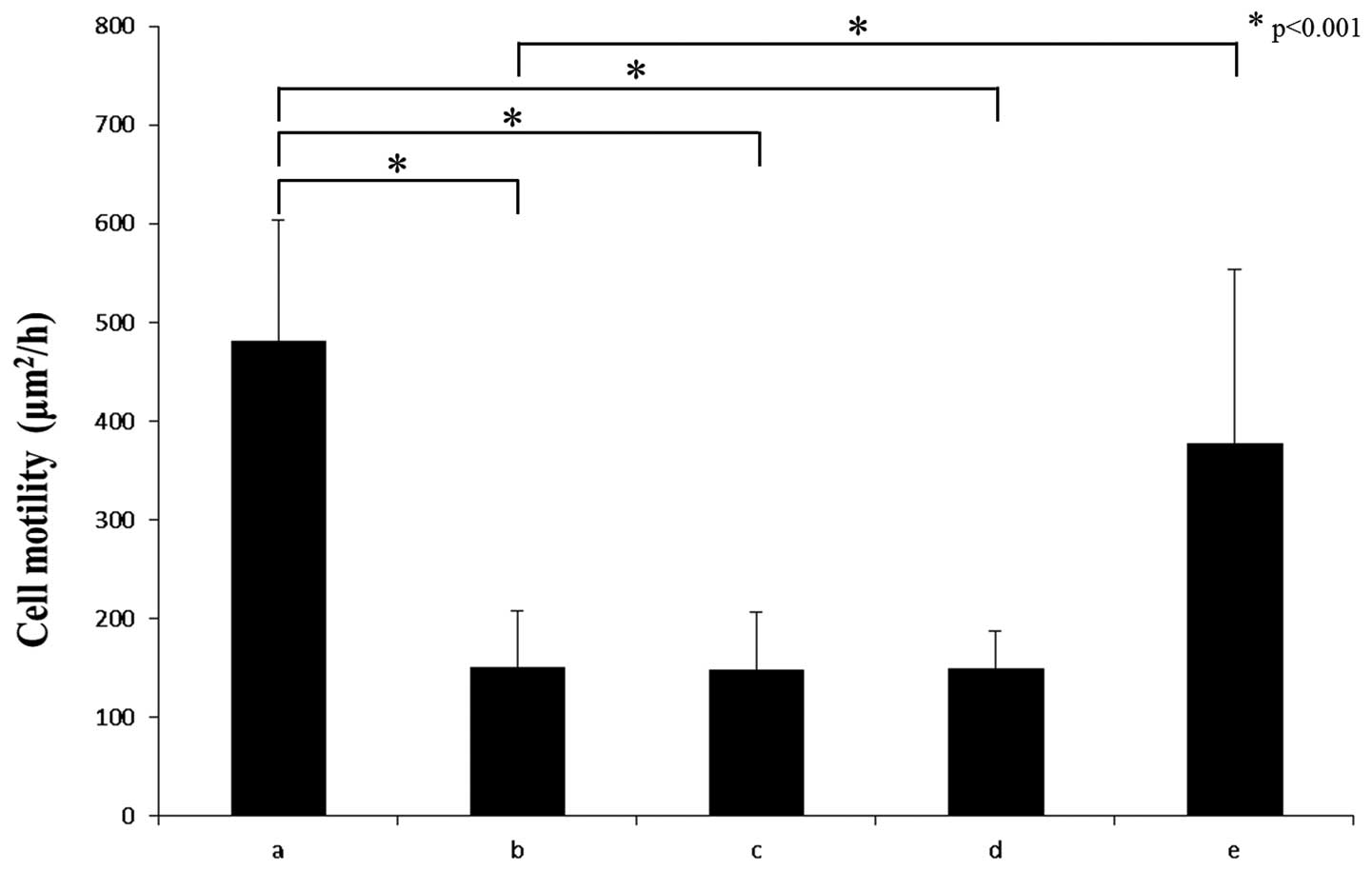
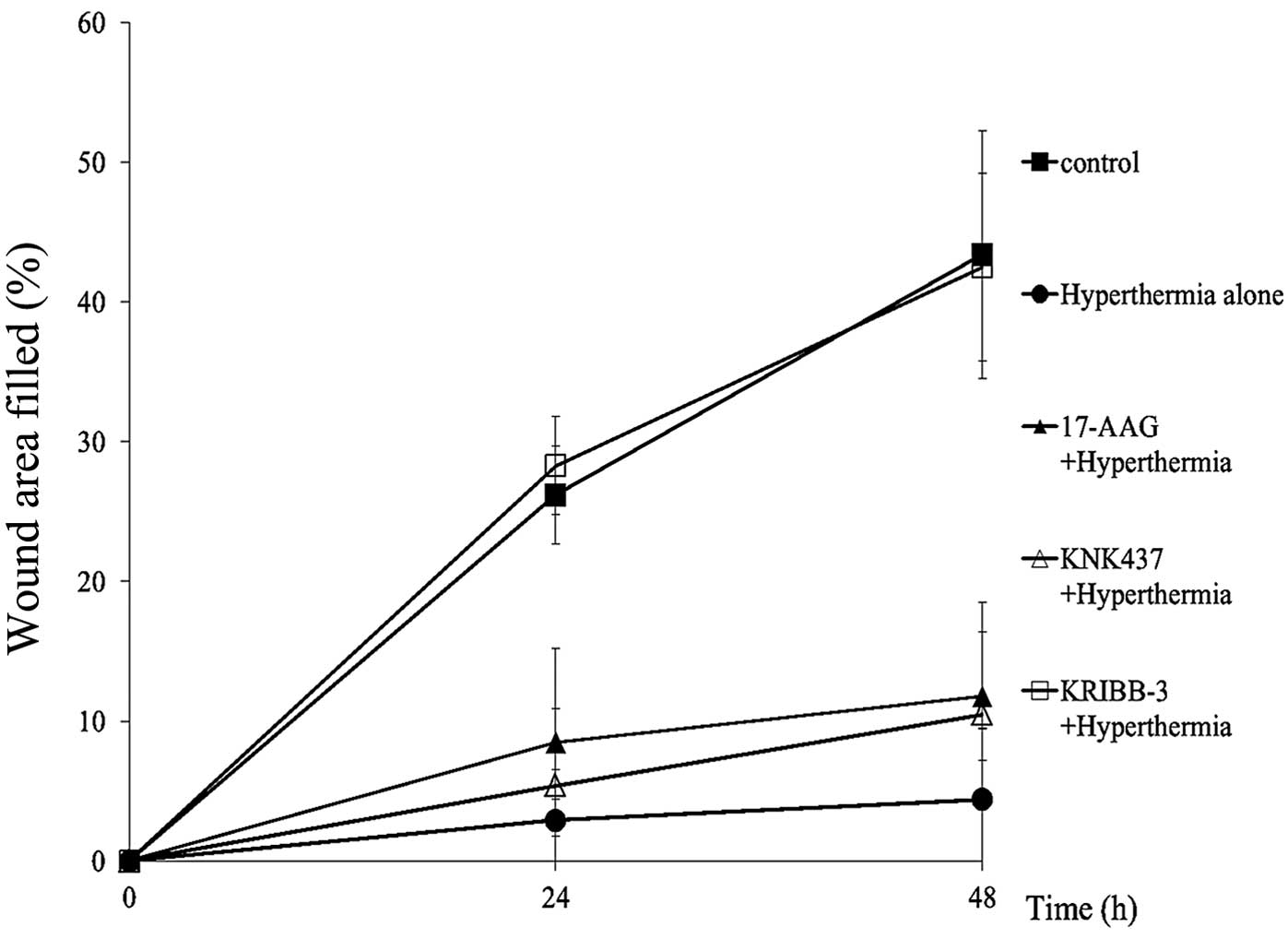
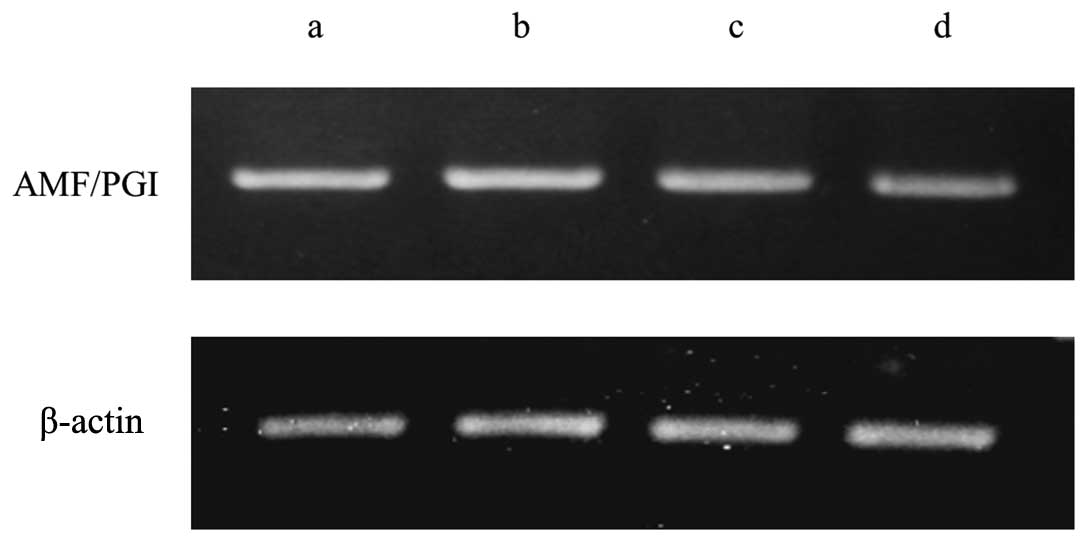
Autocrine motility factor (AMF) plays an important role in the development of metastasis by regulating tumor cell motility. The expression of AMF is associated with metastasis in malignant musculoskeletal tumors including osteosarcoma. Recent studies indicated that hyperthermia contributes to the improvement of the prognosis of patients with soft tissue sarcomas; however, few reports have evaluated the impact of hyperthermia on tumor cell motility, which is an important factor of metastasis. The purpose of this study was to evaluate the effect of hyperthermia with or without heat shock protein (HSP) inhibitors on the motility and AMF expression in an osteosarcoma cell line. Hyperthermia was carried out at 41˚C for 24 h. According to microarray results, HSP90, HSP70 and HSP27 expression was upregulated in osteosarcoma cells under hyperthermia. The intracellular, secreted AMF, mRNA of AMF and cell motility were evaluated by western blotting, ELISA, RT-PCR, wound healing and phagokinetic track assays, respectively. The protein secretion and mRNA levels of AMF and tumor cell motility were significantly decreased by hyperthermia. Of note, the downregulated AMF expression and motility were recovered by the addition of an HSP27 inhibitor. By contrast, the HSP90 and HSP70/72/105 inhibitors had no effect on AMF expression and motility downregulated by hyperthermia. In conclusion, hyperthermia reduced AMF expression and tumor cell motility via HSP27 and may therefore be applied as osteosarcoma treatment.
View Figures

Figure 1

Figure 2

Figure 3

Figure 4

Figure 5

Figure 6

View References

1 

Bielack SS, Kempf-Bielack B, Delling G, et al: Prognostic factors in high-grade osteosarcoma of the extremities or trunk: an analysis of 1,702 patients treated on neoadjuvant cooperative osteosarcoma study group protocols. J Clin Oncol. 20:776–790. 2002. View Article : Google Scholar

2 

Whelan JS, Jinks RC, McTiernan A, et al: Survival from high-grade localised extremity osteosarcoma: combined results and prognostic factors from three European Osteosarcoma Intergroup randomised controlled trials. Ann Oncol. Oct 19–2011.(Epub ahead of print). View Article : Google Scholar

3 

Bacci G, Longhi A, Versari M, Mercuri M, Briccoli A and Picci P: Prognostic factors for osteosarcoma of the extremity treated with neoadjuvant chemotherapy: 15-year experience in 789 patients treated at a single institution. Cancer. 106:1154–1161. 2006.PubMed/NCBI

4 

Ferrari S, Smeland S, Mercuri M, et al: Neoadjuvant chemotherapy with high-dose Ifosfamide, high-dose methotrexate, cisplatin, and doxorubicin for patients with localized osteosarcoma of the extremity: a joint study by the Italian and Scandinavian Sarcoma Groups. J Clin Oncol. 23:8845–8852. 2005. View Article : Google Scholar

5 

Mirabello L, Troisi RJ and Savage SA: Osteosarcoma incidence and survival rates from 1973 to 2004: data from the Surveillance, Epidemiology, and End Results Program. Cancer. 115:1531–1543. 2009. View Article : Google Scholar : PubMed/NCBI

6 

Tsutsumi S, Yanagawa T, Shimura T, et al: Regulation of cell proliferation by autocrine motility factor/phosphoglucose isomerase signaling. J Biol Chem. 278:32165–32172. 2003. View Article : Google Scholar : PubMed/NCBI

7 

Silletti S, Watanabe H, Hogan V, Nabi IR and Raz A: Purification of B16-F1 melanoma autocrine motility factor and its receptor. Cancer Res. 51:3507–3511. 1991.PubMed/NCBI

8 

Watanabe H, Kanbe K and Chigira M: Differential purification of autocrine motility factor derived from a murine protein-free fibrosarcoma. Clin Exp Metastasis. 12:155–163. 1994. View Article : Google Scholar : PubMed/NCBI

9 

Funasaka T, Haga A, Raz A and Nagase H: Tumor autocrine motility factor is an angiogenic factor that stimulates endothelial cell motility. Biochem Biophys Res Commun. 284:1116–1125. 2001. View Article : Google Scholar : PubMed/NCBI

10 

Funasaka T, Haga A, Raz A and Nagase H: Autocrine motility factor secreted by tumor cells upregulates vascular endothelial growth factor receptor (Flt-1) expression in endothelial cells. Int J Cancer. 101:217–223. 2002. View Article : Google Scholar

11 

Tsutsumi S, Hogan V, Nabi IR and Raz A: Overexpression of the autocrine motility factor/phosphoglucose isomerase induces transformation and survival of NIH-3T3 fibroblasts. Cancer Res. 63:242–249. 2003.PubMed/NCBI

12 

Haga A, Funasaka T, Niinaka Y, Raz A and Nagase H: Autocrine motility factor signaling induces tumor apoptotic resistance by regulations Apaf-1 and Caspase-9 apoptosome expression. Int J Cancer. 107:707–714. 2003. View Article : Google Scholar : PubMed/NCBI

13 

Watanabe H, Takehana K, Date M, Shinozaki T and Raz A: Tumor cell autocrine motility factor is the neuroleukin/phosphohexose isomerase polypeptide. Cancer Res. 56:2960–2963. 1996.PubMed/NCBI

14 

Faik P, Walker JI, Redmill AA and Morgan MJ: Mouse glucose-6-phosphate isomerase and neuroleukin have identical 3′ sequences. Nature. 332:455–457. 1988.

15 

Niinaka Y, Paku S, Haga A, Watanabe H and Raz A: Expression and secretion of neuroleukin/phosphohexose isomerase/maturation factor as autocrine motility factor by tumor cells. Cancer Res. 58:2667–2674. 1998.PubMed/NCBI

16 

Yanagawa T, Watanabe H, Takeuchi T, Fujimoto S, Kurihara H and Takagishi K: Overexpression of autocrine motility factor in metastatic tumor cells: possible association with augmented expression of KIF3A and GDI-beta. Lab Invest. 84:513–522. 2004. View Article : Google Scholar : PubMed/NCBI

17 

Yanagawa T, Funasaka T, Tsutsumi S, Raz T, Tanaka N and Raz A: Differential regulation of phosphoglucose isomerase/autocrine motility factor activities by protein kinase CK2 phosphorylation. J Biol Chem. 280:10419–10426. 2005. View Article : Google Scholar

18 

Baumann M, Kappl A, Lang T, Brand K, Siegfried W and Paterok E: The diagnostic validity of the serum tumor marker phosphohexose isomerase (PHI) in patients with gastrointestinal, kidney, and breast cancer. Cancer Invest. 8:351–356. 1990. View Article : Google Scholar : PubMed/NCBI

19 

Filella X, Molina R, Jo J, Mas E and Ballesta AM: Serum phosphohexose isomerase activities in patients with colorectal cancer. Tumour Biol. 12:360–367. 1991. View Article : Google Scholar : PubMed/NCBI

20 

Bodansky O: Serum phosphohexose isomerase in cancer. II. As an index of tumor growth in metastatic carcinoma of the breast. Cancer. 7:1200–1226. 1954. View Article : Google Scholar : PubMed/NCBI

21 

Patel PS, Raval GN, Rawal RM, et al: Comparison between serum levels of carcinoembryonic antigen, sialic acid and phosphohexose isomerase in lung cancer. Neoplasma. 42:271–274. 1995.PubMed/NCBI

22 

Dobashi Y, Watanabe H, Matsubara M, et al: Autocrine motility factor/glucose-6-phosphate isomerase is a possible predictor of metastasis in bone and soft tissue tumours. J Pathol. 208:44–53. 2006. View Article : Google Scholar : PubMed/NCBI

23 

Niinaka Y, Harada K, Fujimuro M, et al: Silencing of autocrine motility factor induces mesenchymal-to-epithelial transition and suppression of osteosarcoma pulmonary metastasis. Cancer Res. 70:9483–9493. 2010. View Article : Google Scholar : PubMed/NCBI

24 

Issels RD, Lindner LH, Verweij J, et al: Neo-adjuvant chemotherapy alone or with regional hyperthermia for localised high-risk soft-tissue sarcoma: a randomised phase 3 multicentre study. Lancet Oncol. 11:561–570. 2010. View Article : Google Scholar

25 

Alcaide M, Ramírez-Santillán C, Feito MJ, et al: In vitro evaluation of glass-glass ceramic thermoseed-induced hyperthermia on human osteosarcoma cell line. J Biomed Mater Res A. 100:64–71. 2012. View Article : Google Scholar : PubMed/NCBI

26 

Trieb K, Blahovec H and Kubista B: Effects of hyperthermia on heat shock protein expression, alkaline phosphatase activity and proliferation in human osteosarcoma cells. Cell Biochem Funct. 25:669–672. 2007. View Article : Google Scholar : PubMed/NCBI

27 

Shui C and Scutt A: Mild heat shock induces proliferation, alkaline phosphatase activity, and mineralization in human bone marrow stromal cells and Mg-63 cells in vitro. J Bone Miner Res. 16:731–741. 2001. View Article : Google Scholar

28 

Shido Y, Nishida Y, Suzuki Y, Kobayashi T and Ishiguro N: Targeted hyperthermia using magnetite cationic liposomes and an alternating magnetic field in a mouse osteosarcoma model. J Bone Joint Surg Br. 92:580–585. 2010. View Article : Google Scholar

29 

Bagatell R, Beliakoff J, David CL, Marron MT and Whitesell L: Hsp90 inhibitors deplete key anti-apoptotic proteins in pediatric solid tumor cells and demonstrate synergistic anticancer activity with cisplatin. Int J Cancer. 113:179–188. 2005. View Article : Google Scholar : PubMed/NCBI

30 

Shin KD, Lee MY, Shin DS, et al: Blocking tumor cell migration and invasion with biphenyl isoxazole derivative KRIBB3, a synthetic molecule that inhibits Hsp27 phosphorylation. J Biol Chem. 280:41439–41448. 2005. View Article : Google Scholar : PubMed/NCBI

31 

Yokota S, Kitahara M and Nagata K: Benzylidene lactam compound, KNK437, a novel inhibitor of acquisition of thermotolerance and heat shock protein induction in human colon carcinoma cells. Cancer Res. 60:2942–2948. 2000.PubMed/NCBI

32 

Bagatell R, Gore L, Egorin MJ, et al: Phase I pharmacokinetic and pharmacodynamic study of 17-N-allylamino-17-demethoxygeldanamycin in pediatric patients with recurrent or refractory solid tumors: a pediatric oncology experimental therapeutics investigators consortium study. Clin Cancer Res. 13:1783–1788. 2007. View Article : Google Scholar

33 

Koga F, Kihara K and Neckers L: Inhibition of cancer invasion and metastasis by targeting the molecular chaperone heat-shock protein 90. Anticancer Res. 29:797–807. 2009.PubMed/NCBI

34 

Sato T, Sawaji Y, Matsui N, et al: Heat shock suppresses membrane type 1-matrix metalloproteinase production and progelatinase A activation in human fibrosarcoma HT-1080 cells and thereby inhibits cellular invasion. Biochem Biophys Res Commun. 265:189–193. 1999. View Article : Google Scholar

35 

Funasaka T, Hu H, Yanagawa T, Hogan V and Raz A: Down-regulation of phosphoglucose isomerase/autocrine motility factor results in mesenchymal-to-epithelial transition of human lung fibrosarcoma cells. Cancer Res. 67:4236–4243. 2007. View Article : Google Scholar : PubMed/NCBI

36 

Funasaka T, Hogan V and Raz A: Phosphoglucose isomerase/autocrine motility factor mediates epithelial and mesenchymal phenotype conversions in breast cancer. Cancer Res. 69:5349–5356. 2009. View Article : Google Scholar

37 

Kugler W, Breme K, Laspe P, et al: Molecular basis of neurological dysfunction coupled with haemolytic anaemia in human glucose-6-phosphate isomerase (GPI) deficiency. Hum Genet. 103:450–454. 1998. View Article : Google Scholar : PubMed/NCBI

38 

Yanagawa T, Funasaka T, Tsutsumi S, Hu H, Watanabe H and Raz A: Regulation of phosphoglucose isomerase/autocrine motility factor activities by the poly(ADP-ribose) polymerase family-14. Cancer Res. 67:8682–8689. 2007. View Article : Google Scholar : PubMed/NCBI

39 

Nakano H, Tateishi A, Miki H, et al: Hyperthermic isolated regional perfusion for the treatment of osteosarcoma in the lower extremity. Am J Surg. 178:27–32. 1999. View Article : Google Scholar : PubMed/NCBI

40 

Williams RR, Hassan-Walker AF, Lavender FL, Morgan M, Faik P and Ragoussis J: The minisatellite of the GPI/AMF/NLK/MF gene: interspecies conservation and transcriptional activity. Gene. 269:81–92. 2001. View Article : Google Scholar : PubMed/NCBI

41 

Funasaka T, Yanagawa T, Hogan V and Raz A: Regulation of phosphoglucose isomerase/autocrine motility factor expression by hypoxia. FASEB J. 19:1422–1430. 2005. View Article : Google Scholar : PubMed/NCBI

42 

Khalil AA, Kabapy NF, Deraz SF and Smith C: Heat shock proteins in oncology: diagnostic biomarkers or therapeutic targets? Biochim Biophys Acta. 1816:89–104. 2011.PubMed/NCBI

43 

Jego G, Hazoumé A, Seigneuric R and Garrido C: Targeting heat shock proteins in cancer. Cancer Lett. Nov 13–2010.(Epub ahead of print).

44 

Uozaki H, Horiuchi H, Ishida T, Iijima T, Imamura T and Machinami R: Overexpression of resistance-related proteins (metallothioneins, glutathione-S-transferase pi, heat shock protein 27, and lung resistance-related protein) in osteosarcoma. Relationship with poor prognosis. Cancer. 79:2336–2344. 1997. View Article : Google Scholar

45 

Moon A, Bacchini P, Bertoni F, et al: Expression of heat shock proteins in osteosarcomas. Pathology. 42:421–425. 2010. View Article : Google Scholar : PubMed/NCBI

46 

Têtu B, Lacasse B, Bouchard HL, Lagacé R, Huot J and Landry J: Prognostic influence of HSP-27 expression in malignant fibrous histiocytoma: a clinicopathological and immunohistochemical study. Cancer Res. 52:2325–2328. 1992.PubMed/NCBI

Related Articles

  • Abstract
  • View
  • Download
  • Twitter
Copy and paste a formatted citation
Spandidos Publications style
Nakajima K, Yanagawa T, Watanabe H and Takagishi K: Hyperthermia reduces migration of osteosarcoma by suppression of autocrine motility factor. Oncol Rep 28: 1953-1958, 2012.
APA
Nakajima, K., Yanagawa, T., Watanabe, H., & Takagishi, K. (2012). Hyperthermia reduces migration of osteosarcoma by suppression of autocrine motility factor. Oncology Reports, 28, 1953-1958. https://doi.org/10.3892/or.2012.2066
MLA
Nakajima, K., Yanagawa, T., Watanabe, H., Takagishi, K."Hyperthermia reduces migration of osteosarcoma by suppression of autocrine motility factor". Oncology Reports 28.6 (2012): 1953-1958.
Chicago
Nakajima, K., Yanagawa, T., Watanabe, H., Takagishi, K."Hyperthermia reduces migration of osteosarcoma by suppression of autocrine motility factor". Oncology Reports 28, no. 6 (2012): 1953-1958. https://doi.org/10.3892/or.2012.2066
Copy and paste a formatted citation
x
Spandidos Publications style
Nakajima K, Yanagawa T, Watanabe H and Takagishi K: Hyperthermia reduces migration of osteosarcoma by suppression of autocrine motility factor. Oncol Rep 28: 1953-1958, 2012.
APA
Nakajima, K., Yanagawa, T., Watanabe, H., & Takagishi, K. (2012). Hyperthermia reduces migration of osteosarcoma by suppression of autocrine motility factor. Oncology Reports, 28, 1953-1958. https://doi.org/10.3892/or.2012.2066
MLA
Nakajima, K., Yanagawa, T., Watanabe, H., Takagishi, K."Hyperthermia reduces migration of osteosarcoma by suppression of autocrine motility factor". Oncology Reports 28.6 (2012): 1953-1958.
Chicago
Nakajima, K., Yanagawa, T., Watanabe, H., Takagishi, K."Hyperthermia reduces migration of osteosarcoma by suppression of autocrine motility factor". Oncology Reports 28, no. 6 (2012): 1953-1958. https://doi.org/10.3892/or.2012.2066
Follow us
  • Twitter
  • LinkedIn
  • Facebook
About
  • Spandidos Publications
  • Careers
  • Cookie Policy
  • Privacy Policy
How can we help?
  • Help
  • Live Chat
  • Contact
  • Email to our Support Team