Spandidos Publications Logo
  • About
    • About Spandidos
    • Aims and Scopes
    • Abstracting and Indexing
    • Editorial Policies
    • Reprints and Permissions
    • Job Opportunities
    • Terms and Conditions
    • Contact
  • Journals
    • All Journals
    • Oncology Letters
      • Oncology Letters
      • Information for Authors
      • Editorial Policies
      • Editorial Board
      • Aims and Scope
      • Abstracting and Indexing
      • Bibliographic Information
      • Archive
    • International Journal of Oncology
      • International Journal of Oncology
      • Information for Authors
      • Editorial Policies
      • Editorial Board
      • Aims and Scope
      • Abstracting and Indexing
      • Bibliographic Information
      • Archive
    • Molecular and Clinical Oncology
      • Molecular and Clinical Oncology
      • Information for Authors
      • Editorial Policies
      • Editorial Board
      • Aims and Scope
      • Abstracting and Indexing
      • Bibliographic Information
      • Archive
    • Experimental and Therapeutic Medicine
      • Experimental and Therapeutic Medicine
      • Information for Authors
      • Editorial Policies
      • Editorial Board
      • Aims and Scope
      • Abstracting and Indexing
      • Bibliographic Information
      • Archive
    • International Journal of Molecular Medicine
      • International Journal of Molecular Medicine
      • Information for Authors
      • Editorial Policies
      • Editorial Board
      • Aims and Scope
      • Abstracting and Indexing
      • Bibliographic Information
      • Archive
    • Biomedical Reports
      • Biomedical Reports
      • Information for Authors
      • Editorial Policies
      • Editorial Board
      • Aims and Scope
      • Abstracting and Indexing
      • Bibliographic Information
      • Archive
    • Oncology Reports
      • Oncology Reports
      • Information for Authors
      • Editorial Policies
      • Editorial Board
      • Aims and Scope
      • Abstracting and Indexing
      • Bibliographic Information
      • Archive
    • Molecular Medicine Reports
      • Molecular Medicine Reports
      • Information for Authors
      • Editorial Policies
      • Editorial Board
      • Aims and Scope
      • Abstracting and Indexing
      • Bibliographic Information
      • Archive
    • World Academy of Sciences Journal
      • World Academy of Sciences Journal
      • Information for Authors
      • Editorial Policies
      • Editorial Board
      • Aims and Scope
      • Abstracting and Indexing
      • Bibliographic Information
      • Archive
    • International Journal of Functional Nutrition
      • International Journal of Functional Nutrition
      • Information for Authors
      • Editorial Policies
      • Editorial Board
      • Aims and Scope
      • Abstracting and Indexing
      • Bibliographic Information
      • Archive
    • International Journal of Epigenetics
      • International Journal of Epigenetics
      • Information for Authors
      • Editorial Policies
      • Editorial Board
      • Aims and Scope
      • Abstracting and Indexing
      • Bibliographic Information
      • Archive
    • Medicine International
      • Medicine International
      • Information for Authors
      • Editorial Policies
      • Editorial Board
      • Aims and Scope
      • Abstracting and Indexing
      • Bibliographic Information
      • Archive
  • Articles
  • Information
    • Information for Authors
    • Information for Reviewers
    • Information for Librarians
    • Information for Advertisers
    • Conferences
  • Language Editing
Spandidos Publications Logo
  • About
    • About Spandidos
    • Aims and Scopes
    • Abstracting and Indexing
    • Editorial Policies
    • Reprints and Permissions
    • Job Opportunities
    • Terms and Conditions
    • Contact
  • Journals
    • All Journals
    • Biomedical Reports
      • Information for Authors
      • Editorial Policies
      • Editorial Board
      • Aims and Scope
      • Abstracting and Indexing
      • Bibliographic Information
      • Archive
    • Experimental and Therapeutic Medicine
      • Information for Authors
      • Editorial Policies
      • Editorial Board
      • Aims and Scope
      • Abstracting and Indexing
      • Bibliographic Information
      • Archive
    • International Journal of Epigenetics
      • Information for Authors
      • Editorial Policies
      • Editorial Board
      • Aims and Scope
      • Abstracting and Indexing
      • Bibliographic Information
      • Archive
    • International Journal of Functional Nutrition
      • Information for Authors
      • Editorial Policies
      • Editorial Board
      • Aims and Scope
      • Abstracting and Indexing
      • Bibliographic Information
      • Archive
    • International Journal of Molecular Medicine
      • Information for Authors
      • Editorial Policies
      • Editorial Board
      • Aims and Scope
      • Abstracting and Indexing
      • Bibliographic Information
      • Archive
    • International Journal of Oncology
      • Information for Authors
      • Editorial Policies
      • Editorial Board
      • Aims and Scope
      • Abstracting and Indexing
      • Bibliographic Information
      • Archive
    • Medicine International
      • Information for Authors
      • Editorial Policies
      • Editorial Board
      • Aims and Scope
      • Abstracting and Indexing
      • Bibliographic Information
      • Archive
    • Molecular and Clinical Oncology
      • Information for Authors
      • Editorial Policies
      • Editorial Board
      • Aims and Scope
      • Abstracting and Indexing
      • Bibliographic Information
      • Archive
    • Molecular Medicine Reports
      • Information for Authors
      • Editorial Policies
      • Editorial Board
      • Aims and Scope
      • Abstracting and Indexing
      • Bibliographic Information
      • Archive
    • Oncology Letters
      • Information for Authors
      • Editorial Policies
      • Editorial Board
      • Aims and Scope
      • Abstracting and Indexing
      • Bibliographic Information
      • Archive
    • Oncology Reports
      • Information for Authors
      • Editorial Policies
      • Editorial Board
      • Aims and Scope
      • Abstracting and Indexing
      • Bibliographic Information
      • Archive
    • World Academy of Sciences Journal
      • Information for Authors
      • Editorial Policies
      • Editorial Board
      • Aims and Scope
      • Abstracting and Indexing
      • Bibliographic Information
      • Archive
  • Articles
  • Information
    • For Authors
    • For Reviewers
    • For Librarians
    • For Advertisers
    • Conferences
  • Language Editing
Login Register Submit
  • This site uses cookies
  • You can change your cookie settings at any time by following the instructions in our Cookie Policy. To find out more, you may read our Privacy Policy.

    I agree
Search articles by DOI, keyword, author or affiliation
Search
Advanced Search
presentation
Oncology Reports
Join Editorial Board Propose a Special Issue
Print ISSN: 1021-335X Online ISSN: 1791-2431
Journal Cover
November-2020 Volume 44 Issue 5

Full Size Image

Sign up for eToc alerts
Recommend to Library

Journals

International Journal of Molecular Medicine

International Journal of Molecular Medicine

International Journal of Molecular Medicine is an international journal devoted to molecular mechanisms of human disease.

International Journal of Oncology

International Journal of Oncology

International Journal of Oncology is an international journal devoted to oncology research and cancer treatment.

Molecular Medicine Reports

Molecular Medicine Reports

Covers molecular medicine topics such as pharmacology, pathology, genetics, neuroscience, infectious diseases, molecular cardiology, and molecular surgery.

Oncology Reports

Oncology Reports

Oncology Reports is an international journal devoted to fundamental and applied research in Oncology.

Experimental and Therapeutic Medicine

Experimental and Therapeutic Medicine

Experimental and Therapeutic Medicine is an international journal devoted to laboratory and clinical medicine.

Oncology Letters

Oncology Letters

Oncology Letters is an international journal devoted to Experimental and Clinical Oncology.

Biomedical Reports

Biomedical Reports

Explores a wide range of biological and medical fields, including pharmacology, genetics, microbiology, neuroscience, and molecular cardiology.

Molecular and Clinical Oncology

Molecular and Clinical Oncology

International journal addressing all aspects of oncology research, from tumorigenesis and oncogenes to chemotherapy and metastasis.

World Academy of Sciences Journal

World Academy of Sciences Journal

Multidisciplinary open-access journal spanning biochemistry, genetics, neuroscience, environmental health, and synthetic biology.

International Journal of Functional Nutrition

International Journal of Functional Nutrition

Open-access journal combining biochemistry, pharmacology, immunology, and genetics to advance health through functional nutrition.

International Journal of Epigenetics

International Journal of Epigenetics

Publishes open-access research on using epigenetics to advance understanding and treatment of human disease.

Medicine International

Medicine International

An International Open Access Journal Devoted to General Medicine.

Journal Cover
November-2020 Volume 44 Issue 5

Full Size Image

Sign up for eToc alerts
Recommend to Library

  • Article
  • Citations
    • Cite This Article
    • Download Citation
    • Create Citation Alert
    • Remove Citation Alert
    • Cited By
  • Similar Articles
    • Related Articles (in Spandidos Publications)
    • Similar Articles (Google Scholar)
    • Similar Articles (PubMed)
  • Download PDF
  • Download XML
  • View XML

  • Supplementary Files
    • Supplementary_Data.pdf
Article Open Access

A defucosylated anti‑CD44 monoclonal antibody 5‑mG2a‑f exerts antitumor effects in mouse xenograft models of oral squamous cell carcinoma

  • Authors:
    • Junko Takei
    • Mika K. Kaneko
    • Tomokazu Ohishi
    • Hideki Hosono
    • Takuro Nakamura
    • Miyuki Yanaka
    • Masato Sano
    • Teizo Asano
    • Yusuke Sayama
    • Manabu Kawada
    • Hiroyuki Harada
    • Yukinari Kato
  • View Affiliations / Copyright

    Affiliations: Department of Antibody Drug Development, Tohoku University Graduate School of Medicine, Aoba‑ku, Sendai, Miyagi 980‑8575, Japan, Institute of Microbial Chemistry (BIKAKEN), Numazu, Microbial Chemistry Research Foundation, Numazu‑shi, Shizuoka 410‑0301, Japan, Department of Oral and Maxillofacial Surgery, Graduate School of Medical and Dental Sciences, Tokyo Medical and Dental University, Bunkyo‑ku, Tokyo 113‑8510, Japan
    Copyright: © Takei et al. This is an open access article distributed under the terms of Creative Commons Attribution License [CC BY 4.0].
  • Pages: 1949-1960
    |
    Published online on: August 14, 2020
       https://doi.org/10.3892/or.2020.7735
  • Expand metrics +
Metrics: Total Views: 0 (Spandidos Publications: | PMC Statistics: )
Metrics: Total PDF Downloads: 0 (Spandidos Publications: | PMC Statistics: )
Cited By (CrossRef): 0 citations Loading Articles...

This article is mentioned in:


Abstract

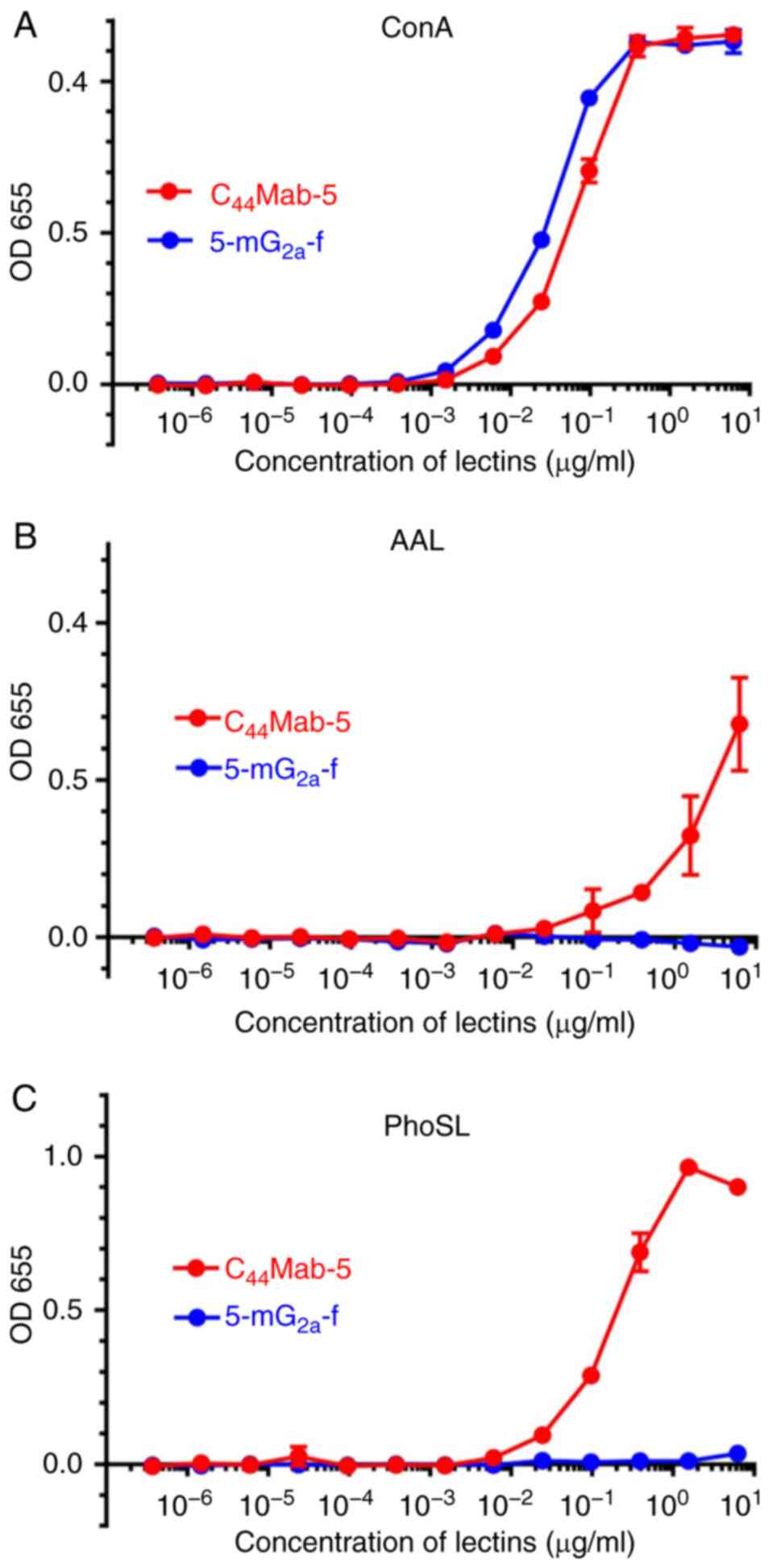
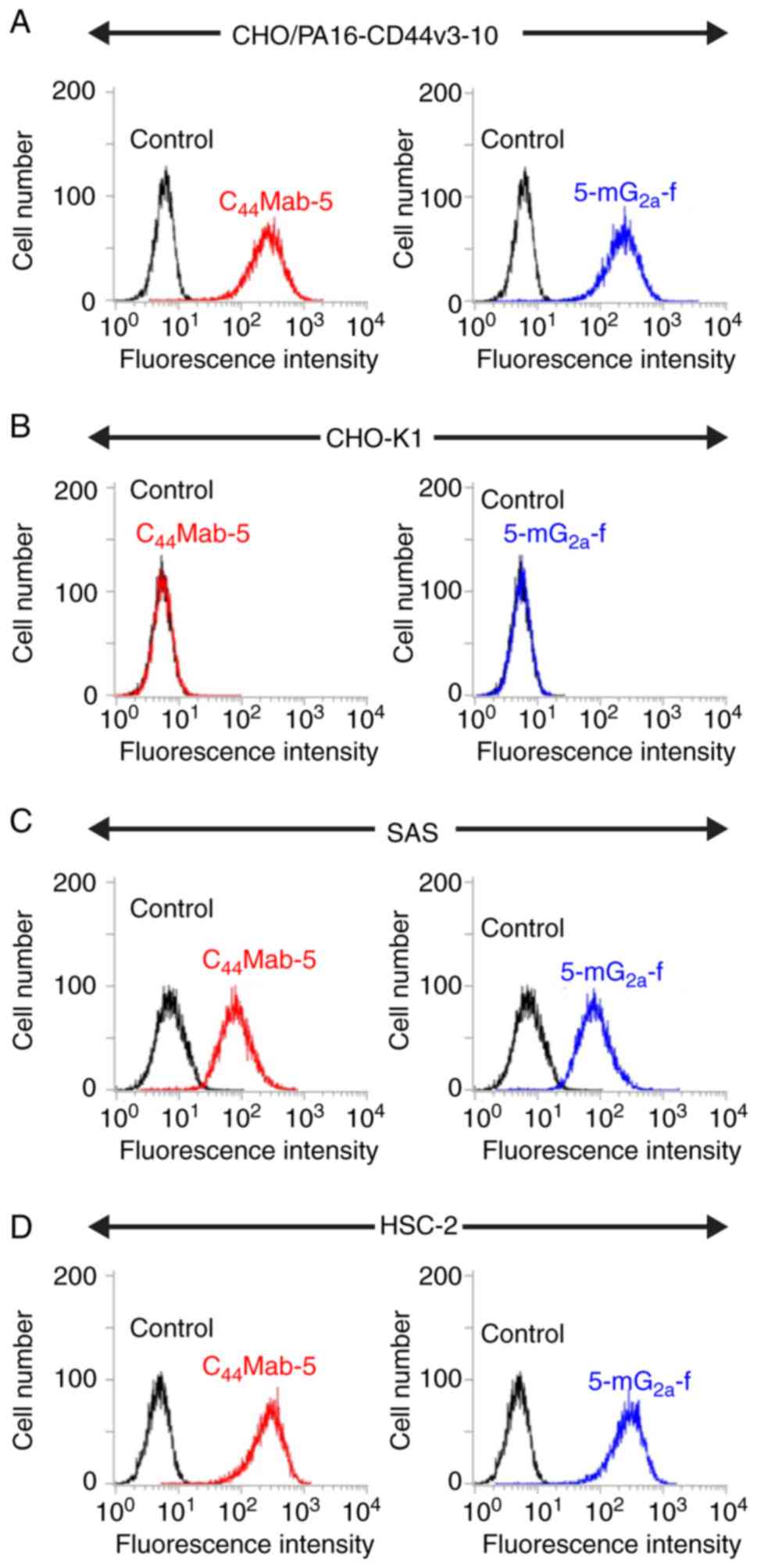
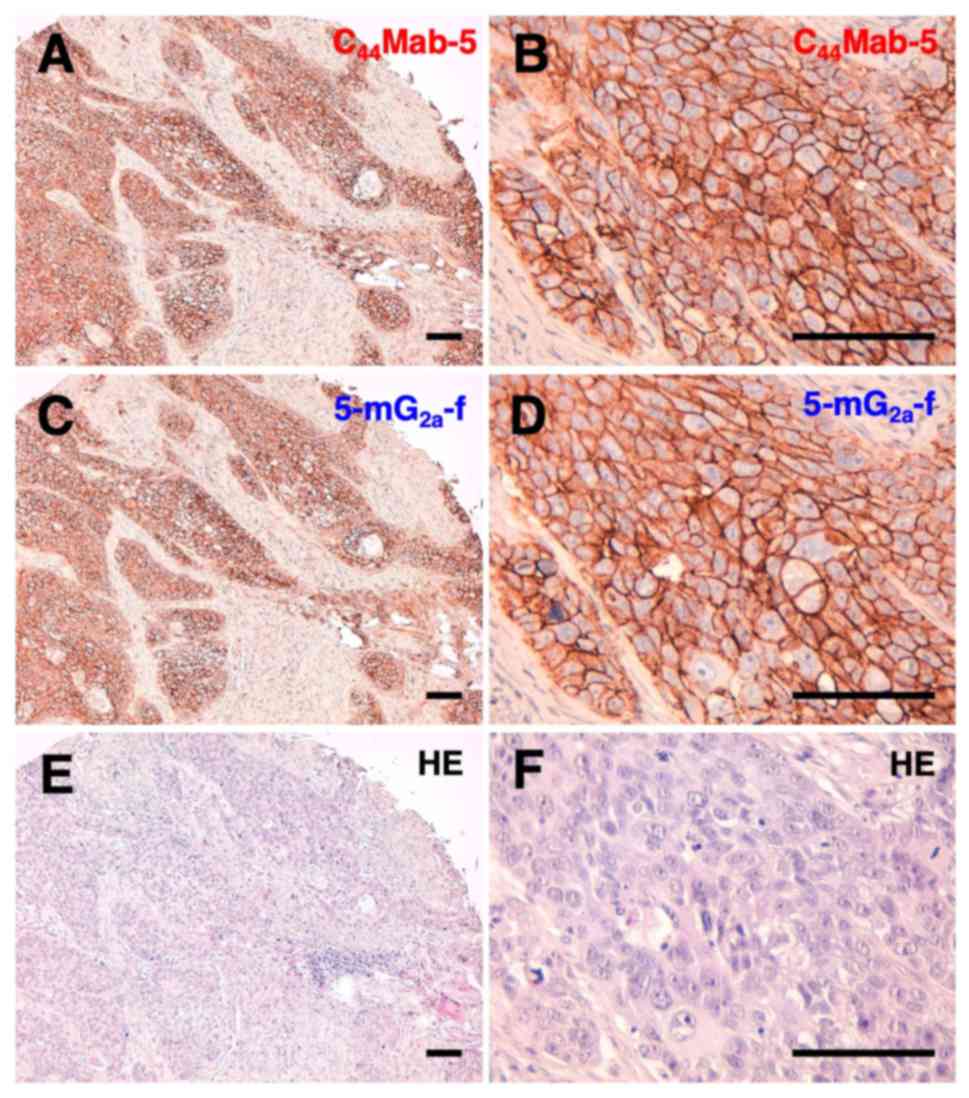
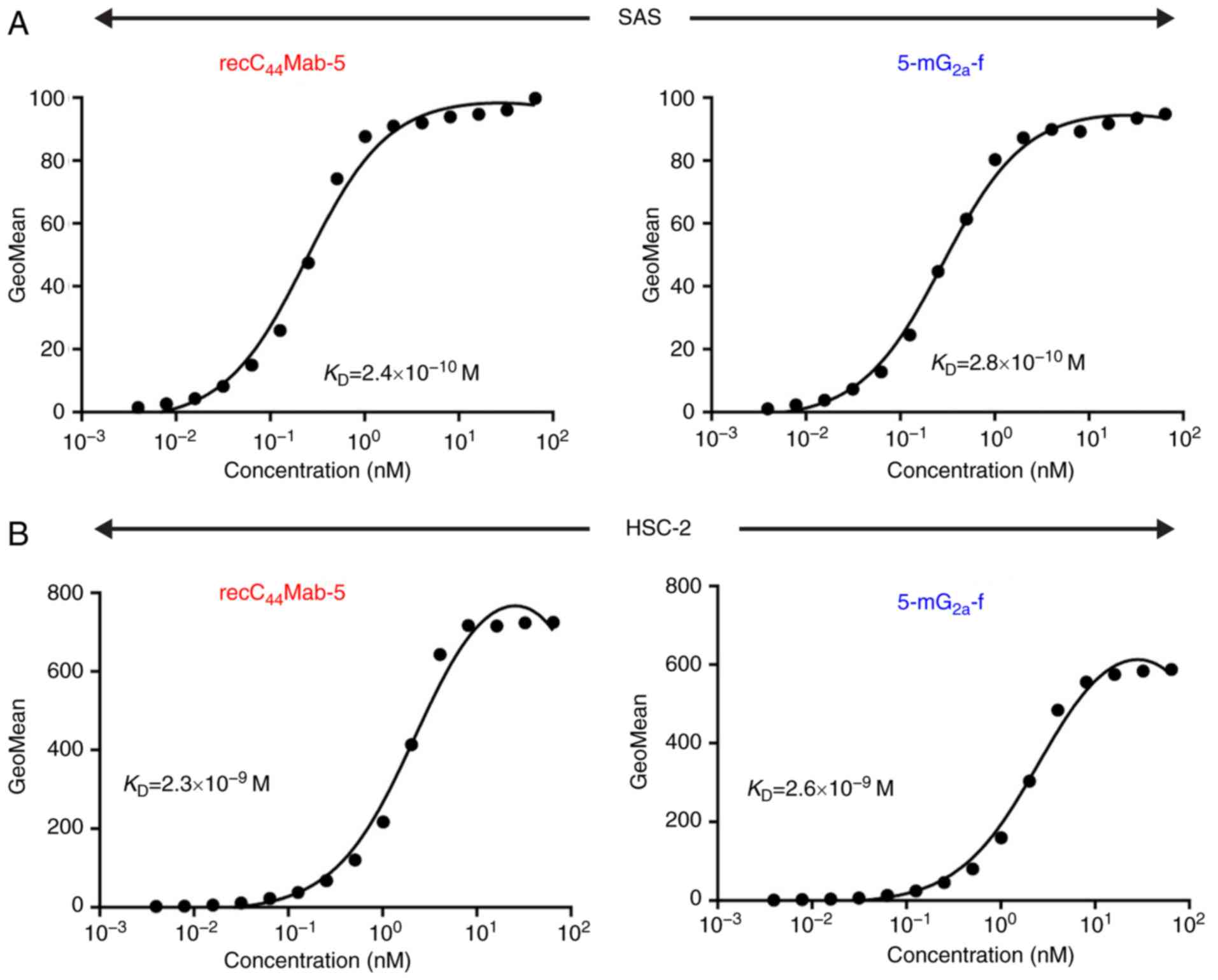
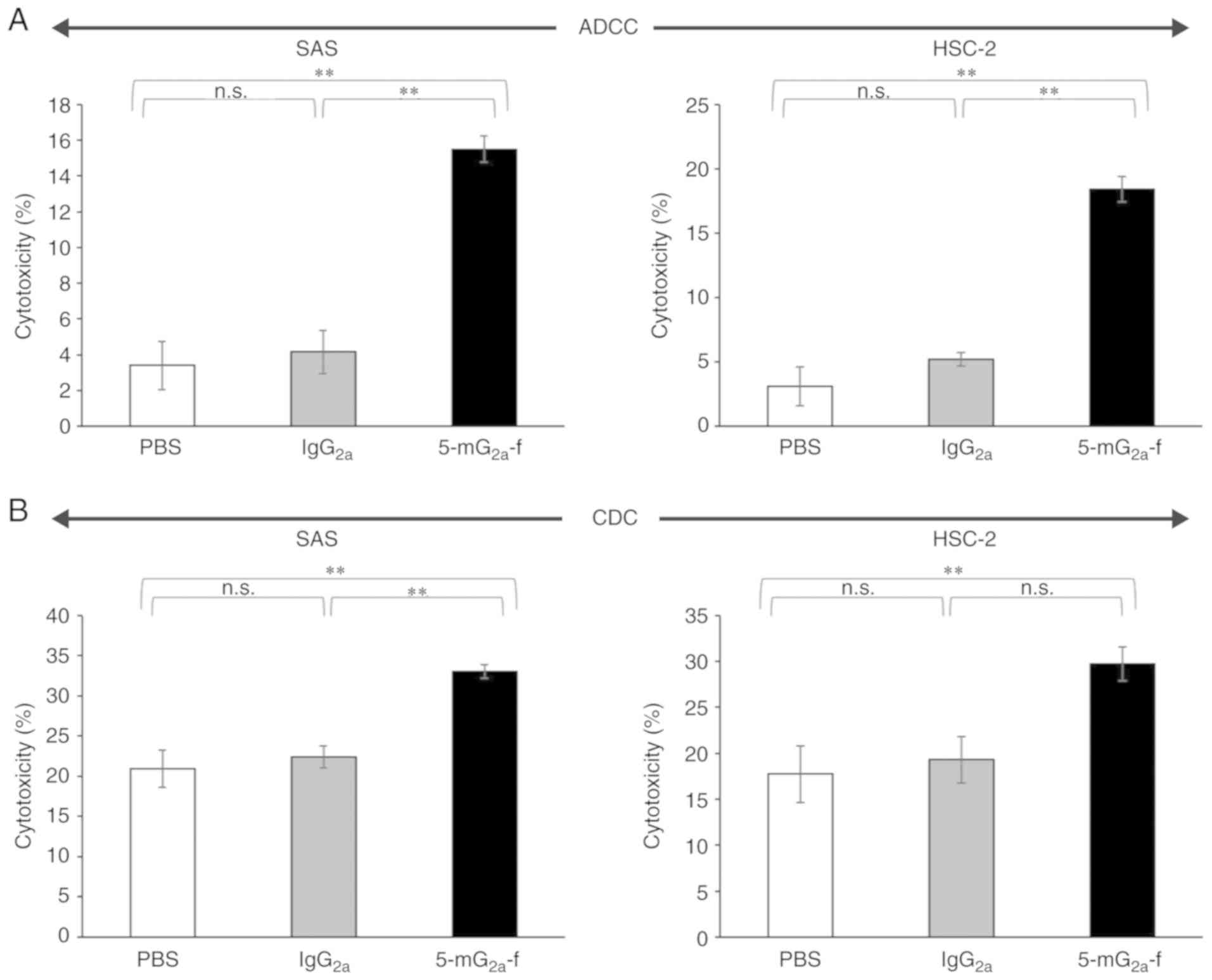
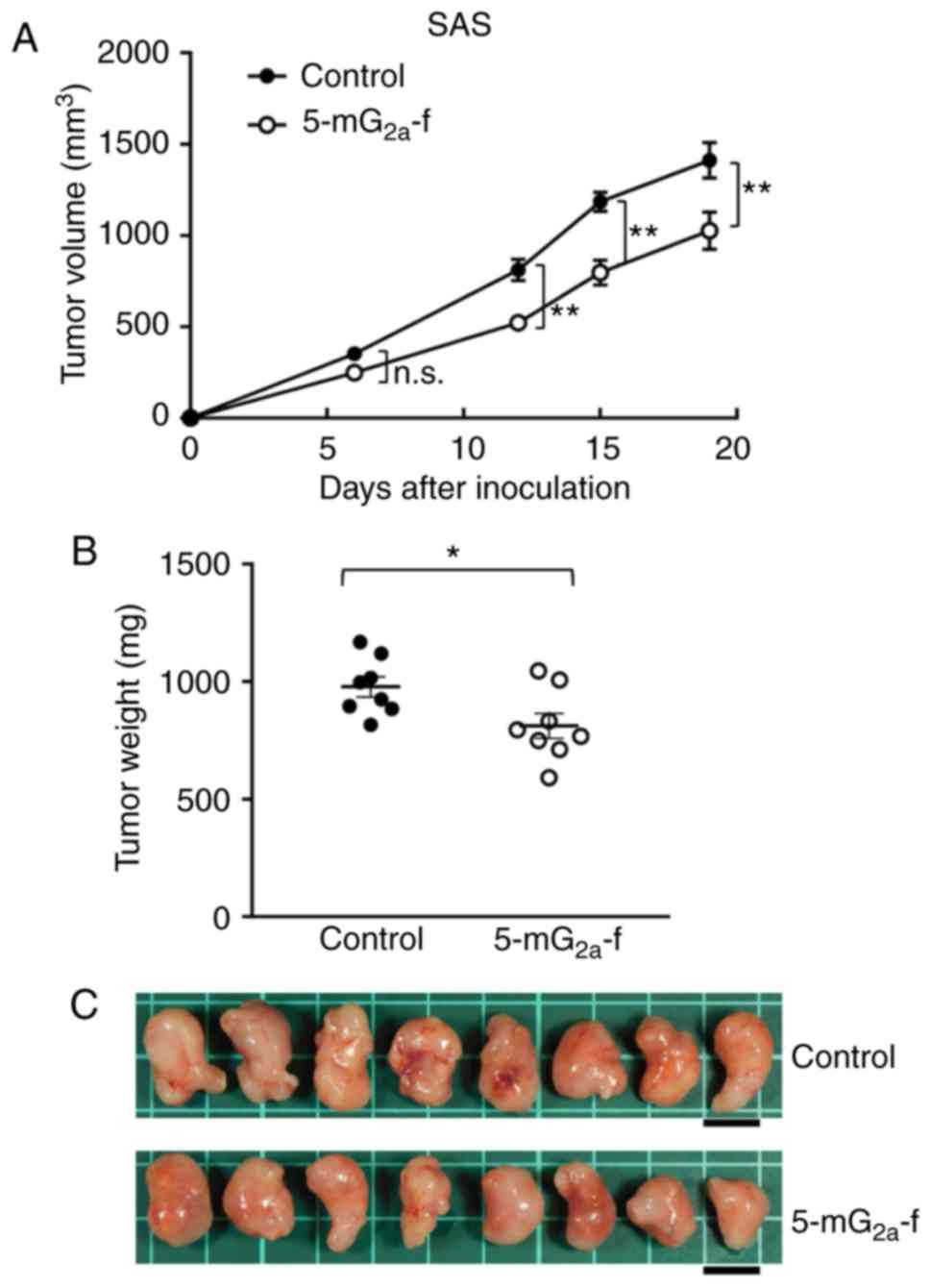
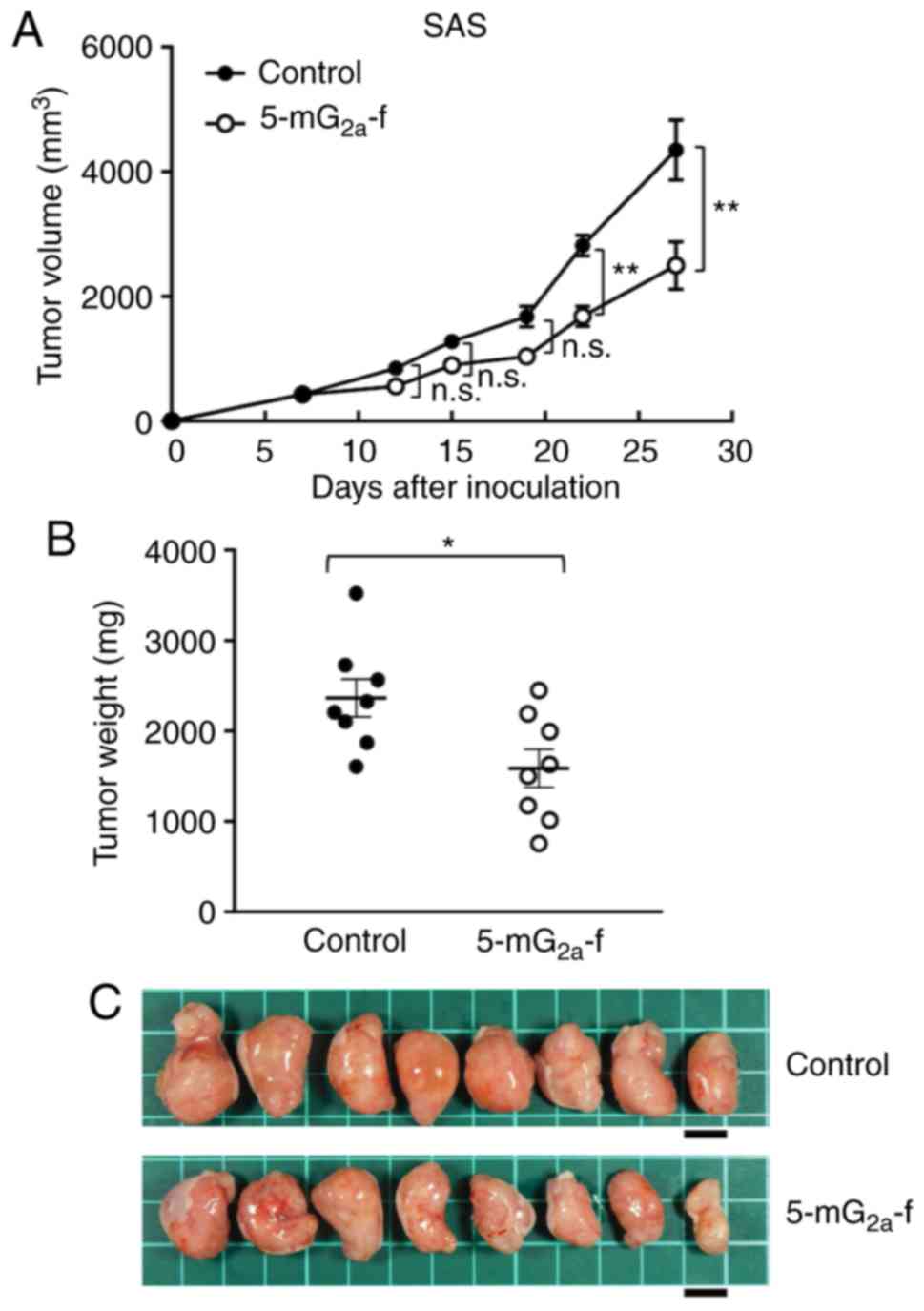
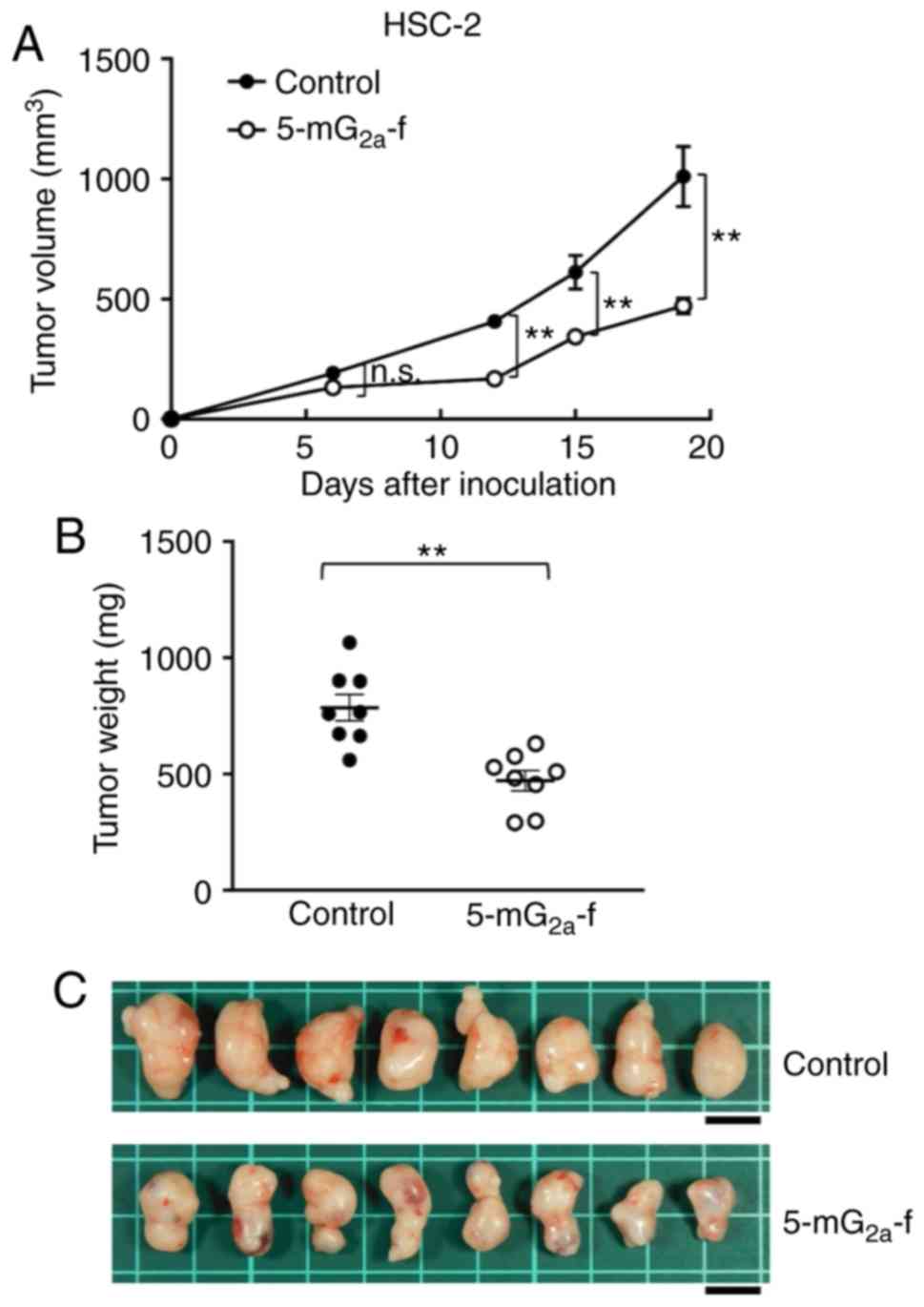
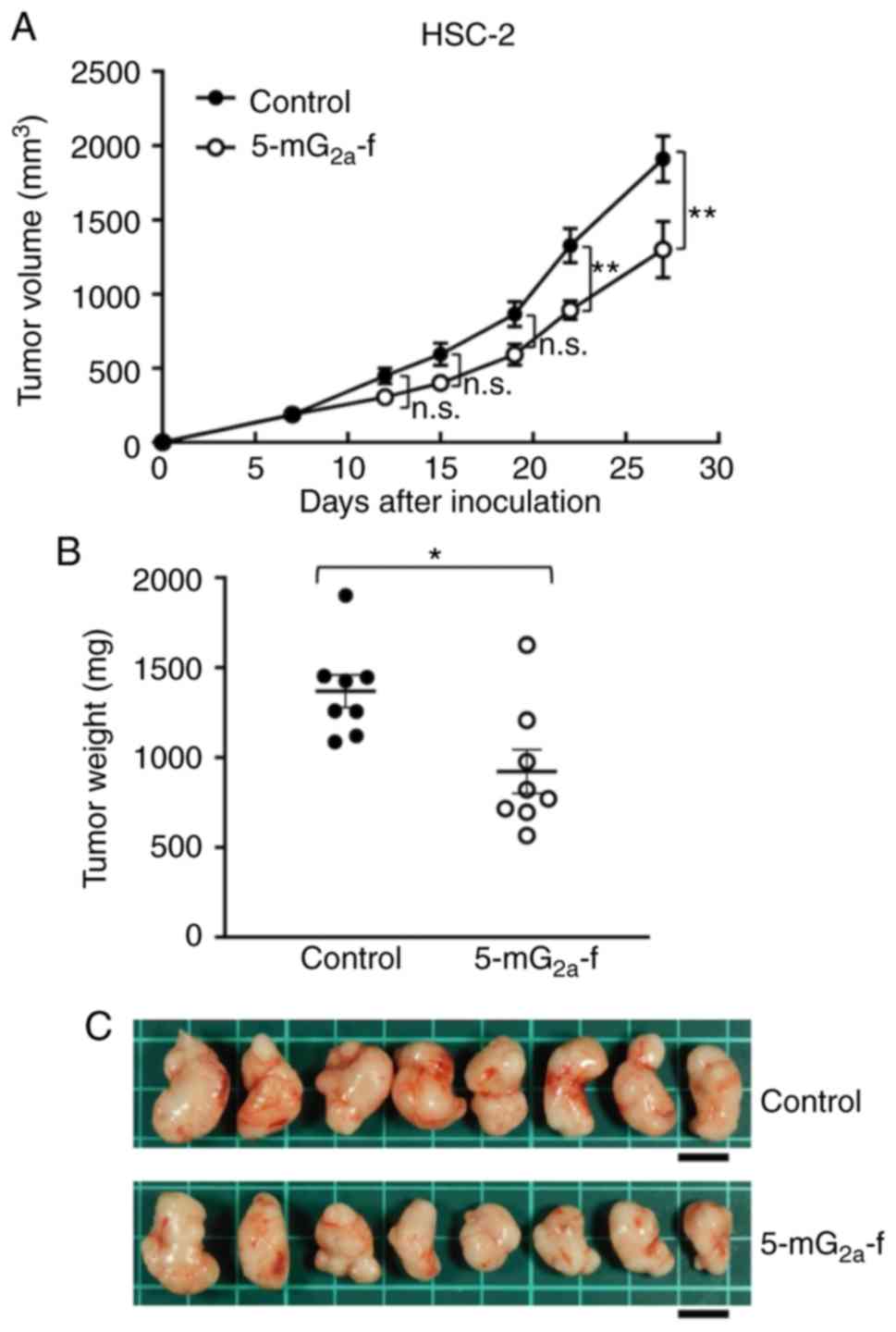
CD44 is widely expressed on the surface of most tissues and all hematopoietic cells, and regulates many genes associated with cell adhesion, migration, proliferation, differentiation, and survival. CD44 has also been studied as a therapeutic target in several cancers. Previously, an anti‑CD44 monoclonal antibody (mAb), C44Mab‑5 (IgG1, kappa) was established by immunizing mice with CD44‑overexpressing Chinese hamster ovary (CHO)-K1 cells. C44Mab‑5 recognized all CD44 isoforms, and showed high sensitivity for flow cytometry and immunohistochemical analysis in oral cancers. However, as the IgG1 subclass of C44Mab‑5 lacks antibody‑dependent cellular cytotoxicity (ADCC) and complement‑dependent cytotoxicity (CDC), the antitumor activity of C44Mab‑5 could not be determined. In the present study, we converted the mouse IgG1 subclass antibody C44Mab‑5 into an IgG2a subclass antibody, 5‑mG2a, and further produced a defucosylated version, 5‑mG2a‑f, using FUT8‑deficient ExpiCHO‑S (BINDS‑09) cells. Defucosylation of 5‑mG2a‑f was confirmed using fucose‑binding lectins, such as AAL and PhoSL. The dissociation constants (KD) for 5‑mG2a‑f against SAS and HSC‑2 oral cancer cells were determined through flow cytometry to be 2.8x10‑10 M and 2.6x10‑9 M, respectively, indicating that 5‑mG2a‑f possesses extremely high binding affinity. Furthermore, immunohistochemical staining using 5‑mG2a‑f specifically stained the membranes of oral cancer cells. In vitro analysis demonstrated that 5‑mG2a‑f showed moderate ADCC and CDC activities against SAS and HSC‑2 oral cancer cells. In vivo analysis revealed that 5‑mG2a‑f significantly reduced tumor development in SAS and HSC‑2 xenografts in comparison to control mouse IgG, even after injection seven days post‑tumor inoculation. Collectively, these results suggest that treatment with 5‑mG2a‑f may represent a useful therapy for patients with CD44‑expressing oral cancers.
View Figures

Figure 1

Figure 2

Figure 3

Figure 4

Figure 5

Figure 6

Figure 7

Figure 8

Figure 9

View References

1 

Bray F, Ferlay J, Soerjomataram I, Siegel RL, Torre LA and Jemal A: Global cancer statistics 2018: GLOBOCAN estimates of incidence and mortality worldwide for 36 cancers in 185 countries. CA Cancer J Clin. 68:394–424. 2018. View Article : Google Scholar : PubMed/NCBI

2 

Hashibe M, Brennan P, Chuang SC, Boccia S, Castellsague X, Chen C, Curado MP, Dal Maso L, Daudt AW, Fabianova E, et al: Interaction between tobacco and alcohol use and the risk of head and neck cancer: Pooled analysis in the international head and neck cancer epidemiology consortium. Cancer Epidemiol Biomarkers Prev. 18:541–550. 2009. View Article : Google Scholar : PubMed/NCBI

3 

Tota JE, Anderson WF, Coffey C, Califano J, Cozen W, Ferris RL, St John M, Cohen EE and Chaturvedi AK: Rising incidence of oral tongue cancer among white men and women in the United States, 1973–2012. Oral Oncol. 67:146–152. 2017. View Article : Google Scholar : PubMed/NCBI

4 

Hussein AA, Helder MN, de Visscher JG, Leemans CR, Braakhuis BJ, de Vet HCW and Forouzanfar T: Global incidence of oral and oropharynx cancer in patients younger than 45 years versus older patients: A systematic review. Eur J Cancer. 82:115–127. 2017. View Article : Google Scholar : PubMed/NCBI

5 

Sherman L, Sleeman J, Herrlich P and Ponta H: Hyaluronate receptors: Key players in growth, differentiation, migration and tumor progression. Curr Opin Cell Biol. 6:726–733. 1994. View Article : Google Scholar : PubMed/NCBI

6 

Slevin M, Krupinski J, Gaffney J, Matou S, West D, Delisser H, Savani RC and Kumar S: Hyaluronan-mediated angiogenesis in vascular disease: Uncovering RHAMM and CD44 receptor signaling pathways. Matrix Biol. 26:58–68. 2007. View Article : Google Scholar : PubMed/NCBI

7 

Rodrigo JP, Dominguez F, Alvarez C, Gonzalez MV, Herrero A and Suárez C: Clinicopathologic significance of expression of CD44s and CD44v6 isoforms in squamous cell carcinoma of the supraglottic larynx. Am J Clin Pathol. 118:67–72. 2002. View Article : Google Scholar : PubMed/NCBI

8 

Zöller M: CD44: Can a cancer-initiating cell profit from an abundantly expressed molecule? Nat Rev Cancer. 11:254–267. 2011. View Article : Google Scholar : PubMed/NCBI

9 

Greenfield B, Wang WC, Marquardt H, Piepkorn M, Wolff EA, Aruffo A and Bennett KL: Characterization of the heparan sulfate and chondroitin sulfate assembly sites in CD44. J Biol Chem. 274:2511–2517. 1999. View Article : Google Scholar : PubMed/NCBI

10 

Skelton TP, Zeng C, Nocks A and Stamenkovic I: Glycosylation provides both stimulatory and inhibitory effects on cell surface and soluble CD44 binding to hyaluronan. J Cell Biol. 140:431–446. 1998. View Article : Google Scholar : PubMed/NCBI

11 

Hofmann M, Rudy W, Zöller M, Tölg C, Ponta H, Herrlich P and Günthert U: CD44 splice variants confer metastatic behavior in rats: Homologous sequences are expressed in human tumor cell lines. Cancer Res. 51:5292–5297. 1991.PubMed/NCBI

12 

Günthert U, Hofmann M, Rudy W, Reber S, Zöller M, Haussmann I, Matzku S, Wenzel A, Ponta H and Herrlich P: A new variant of glycoprotein CD44 confers metastatic potential to rat carcinoma cells. Cell. 65:13–24. 1991. View Article : Google Scholar : PubMed/NCBI

13 

Tremmel M, Matzke A, Albrecht I, Laib AM, Olaku V, Ballmer-Hofer K, Christofori G, Héroult M, Augustin HG, Ponta H and Orian-Rousseau V: A CD44v6 peptide reveals a role of CD44 in VEGFR-2 signaling and angiogenesis. Blood. 114:5236–5244. 2009. View Article : Google Scholar : PubMed/NCBI

14 

Orian-Rousseau V, Morrison H, Matzke A, Kastilan T, Pace G, Herrlich P and Ponta H: Hepatocyte growth factor-induced Ras activation requires ERM proteins linked to both CD44v6 and F-actin. Mol Biol Cell. 18:76–83. 2007. View Article : Google Scholar : PubMed/NCBI

15 

Orian-Rousseau V, Chen L, Sleeman JP, Herrlich P and Ponta H: CD44 is required for two consecutive steps in HGF/c-Met signaling. Genes Dev. 16:3074–3086. 2002. View Article : Google Scholar : PubMed/NCBI

16 

Rudy W, Hofmann M, Schwartz-Albiez R, Zöller M, Heider KH, Ponta H and Herrlich P: The two major CD44 proteins expressed on a metastatic rat tumor cell line are derived from different splice variants: Each one individually suffices to confer metastatic behavior. Cancer Res. 53:1262–1268. 1993.PubMed/NCBI

17 

Jackson DG, Bell JI, Dickinson R, Timans J, Shields J and Whittle N: Proteoglycan forms of the lymphocyte homing receptor CD44 are alternatively spliced variants containing the v3 exon. J Cell Biol. 128:673–685. 1995. View Article : Google Scholar : PubMed/NCBI

18 

Bennett KL, Jackson DG, Simon JC, Tanczos E, Peach R, Modrell B, Stamenkovic I, Plowman G and Aruffo A: CD44 isoforms containing exon V3 are responsible for the presentation of heparin-binding growth factor. J Cell Biol. 128:687–698. 1995. View Article : Google Scholar : PubMed/NCBI

19 

Hu S, Wu X, Zhou B, Xu Z, Qin J, Lu H, Lv L, Gao Y, Deng L, Yin J and Li G: IMP3 combined with CD44s, a novel predictor for prognosis of patients with hepatocellular carcinoma. J Cancer Res Clin Oncol. 140:883–893. 2014. View Article : Google Scholar : PubMed/NCBI

20 

Auvinen P, Tammi R, Kosma VM, Sironen R, Soini Y, Mannermaa A, Tumelius R, Uljas E and Tammi M: Increased hyaluronan content and stromal cell CD44 associate with HER2 positivity and poor prognosis in human breast cancer. Int J Cancer. 132:531–539. 2013. View Article : Google Scholar : PubMed/NCBI

21 

Fang YJ, Zhang L, Wu XJ, Lu ZH, Li JB, Ou QJ, Zhang MF, Ding PR, Pan ZZ and Wan DS: Impact of ERβ and CD44 expression on the prognosis of patients with stage II colon cancer. Tumour Biol. 33:1907–1914. 2012. View Article : Google Scholar : PubMed/NCBI

22 

Kokko LL, Hurme S, Maula SM, Alanen K, Grénman R, Kinnunen I and Ventelä S: Significance of site-specific prognosis of cancer stem cell marker CD44 in head and neck squamous-cell carcinoma. Oral Oncol. 47:510–516. 2011. View Article : Google Scholar : PubMed/NCBI

23 

Nguyen VN, Mirejovský T, Melinová L and Mandys V: CD44 and its v6 spliced variant in lung carcinomas: Relation to NCAM, CEA, EMA and UP1 and prognostic significance. Neoplasma. 47:400–408. 2000.PubMed/NCBI

24 

Ghatak S, Misra S and Toole BP: Hyaluronan oligosaccharides inhibit anchorage-independent growth of tumor cells by suppressing the phosphoinositide 3-kinase/Akt cell survival pathway. J Biol Chem. 277:38013–38020. 2002. View Article : Google Scholar : PubMed/NCBI

25 

Marangoni E, Lecomte N, Durand L, de Pinieux G, Decaudin D, Chomienne C, Smadja-Joffe F and Poupon MF: CD44 targeting reduces tumour growth and prevents post-chemotherapy relapse of human breast cancers xenografts. Br J Cancer. 100:918–922. 2009. View Article : Google Scholar : PubMed/NCBI

26 

Jin L, Hope KJ, Zhai Q, Smadja-Joffe F and Dick JE: Targeting of CD44 eradicates human acute myeloid leukemic stem cells. Nat Med. 12:1167–1174. 2006. View Article : Google Scholar : PubMed/NCBI

27 

Yamada S, Itai S, Nakamura T, Yanaka M, Kaneko MK and Kato Y: Detection of high CD44 expression in oral cancers using the novel monoclonal antibody, C44Mab-5. Biochem Biophys Rep. 14:64–68. 2018.PubMed/NCBI

28 

Kato Y, Mizuno T, Yamada S, Nakamura T, Itai S, Yanaka M, Sano M and Kaneko MK: Establishment of P38Bf, a core-fucose-deficient mouse-canine chimeric antibody against dog podoplanin. Monoclon Antib Immunodiagn Immunother. 37:218–223. 2018. View Article : Google Scholar : PubMed/NCBI

29 

Kilkenny C, Browne WJ, Cuthill IC, Emerson M and Altman DG: Improving bioscience research reporting: The ARRIVE guidelines for reporting animal research. PLoS Biol. 8:e10004122010. View Article : Google Scholar : PubMed/NCBI

30 

Aske KC and Waugh CA: Expanding the 3R principles: More rigour and transparency in research using animals. EMBO Rep. 18:1490–1492. 2017. View Article : Google Scholar : PubMed/NCBI

31 

Kobayashi Y, Tateno H, Dohra H, Moriwaki K, Miyoshi E, Hirabayashi J and Kawagishi H: A novel core fucose-specific lectin from the mushroom Pholiota squarrosa. J Biol Chem. 287:33973–33982. 2012. View Article : Google Scholar : PubMed/NCBI

32 

Takei J, Kaneko MK, Ohishi T, Kawada M, Harada H and Kato Y: A novel anti-EGFR monoclonal antibody (EMab-17) exerts antitumor activity against oral squamous cell carcinomas via antibody-dependent cellular cytotoxicity and complement-dependent cytotoxicity. Oncol Lett. 19:2809–2816. 2020.PubMed/NCBI

33 

Kato Y, Kunita A, Fukayama M, Abe S, Nishioka Y, Uchida H, Tahara H, Yamada S, Yanaka M, Nakamura T, et al: Antiglycopeptide mouse monoclonal antibody LpMab-21 exerts antitumor activity against human podoplanin through antibody-dependent cellular cytotoxicity and complement-dependent cytotoxicity. Monoclon Antib Immunodiagn Immunother. 36:20–24. 2017. View Article : Google Scholar : PubMed/NCBI

34 

Wimmerova M, Mitchell E, Sanchez JF, Gautier C and Imberty A: Crystal structure of fungal lectin: Six-bladed beta-propeller fold and novel fucose recognition mode for Aleuria aurantia lectin. J Biol Chem. 278:27059–27067. 2003. View Article : Google Scholar : PubMed/NCBI

35 

Sumner JB, Howell SF and Zeissig A: Concanavalin a and Hemagglutination. Science. 82:65–66. 1935. View Article : Google Scholar : PubMed/NCBI

36 

Rivera C: Essentials of oral cancer. Int J Clin Exp Pathol. 8:11884–11894. 2015.PubMed/NCBI

37 

Güneri P and Epstein JB: Late stage diagnosis of oral cancer: Components and possible solutions. Oral Oncol. 50:1131–1136. 2014. View Article : Google Scholar : PubMed/NCBI

38 

Vokes EE: Induction chemotherapy for head and neck cancer: Recent data. Oncologist. 15 (Suppl 3):S3–S7. 2010. View Article : Google Scholar

39 

Marcazzan S, Varoni EM, Blanco E, Lodi G and Ferrari M: Nanomedicine, an emerging therapeutic strategy for oral cancer therapy. Oral Oncol. 76:1–7. 2018. View Article : Google Scholar : PubMed/NCBI

40 

Furness S, Glenny AM, Worthington HV, Pavitt S, Oliver R, Clarkson JE, Macluskey M, Chan KK and Conway DI: Interventions for the treatment of oral cavity and oropharyngeal cancer: Chemotherapy. Cochrane Database Syst Rev. 2011:CD0063862011.

41 

Bonner JA, Harari PM, Giralt J, Azarnia N, Shin DM, Cohen RB, Jones CU, Sur R, Raben D, Jassem J, et al: Radiotherapy plus cetuximab for squamous-cell carcinoma of the head and neck. N Engl J Med. 354:567–578. 2006. View Article : Google Scholar : PubMed/NCBI

42 

Vermorken JB, Mesia R, Rivera F, Remenar E, Kawecki A, Rottey S, Erfan J, Zabolotnyy D, Kienzer HR, Cupissol D, et al: Platinum-based chemotherapy plus cetuximab in head and neck cancer. N Engl J Med. 359:1116–1127. 2008. View Article : Google Scholar : PubMed/NCBI

43 

Naruse T, Yanamoto S, Matsushita Y, Sakamoto Y, Morishita K, Ohba S, Shiraishi T, Yamada SI, Asahina I and Umeda M: Cetuximab for the treatment of locally advanced and recurrent/metastatic oral cancer: An investigation of distant metastasis. Mol Clin Oncol. 5:246–252. 2016. View Article : Google Scholar : PubMed/NCBI

44 

Amit M, Yen TC, Liao CT, Chaturvedi P, Agarwal JP, Kowalski LP, Ebrahimi A, Clark JR, Kreppel M, Zöller J, et al: Improvement in survival of patients with oral cavity squamous cell carcinoma: An international collaborative study. Cancer. 119:4242–4248. 2013. View Article : Google Scholar : PubMed/NCBI

45 

Takei J, Kaneko MK, Ohishi T, Kawada M, Harada H and Kato Y: H2Mab-19, an anti-human epidermal growth factor receptor 2 monoclonal antibody exerts antitumor activity in mouse oral cancer xenografts. Exp Ther Med. 20:846–853. 2020. View Article : Google Scholar : PubMed/NCBI

46 

Hanken H, Gaudin R, Gröbe A, Fraederich M, Eichhorn W, Smeets R, Simon R, Sauter G, Grupp K, Izbicki JR, et al: Her2 expression and gene amplification is rarely detectable in patients with oral squamous cell carcinomas. J Oral Pathol Med. 43:304–308. 2014. View Article : Google Scholar : PubMed/NCBI

47 

Yan M, Schwaederle M, Arguello D, Millis SZ, Gatalica Z and Kurzrock R: HER2 expression status in diverse cancers: Review of results from 37,992 patients. Cancer Metastasis Rev. 34:157–164. 2015. View Article : Google Scholar : PubMed/NCBI

48 

Kondo N, Ishiguro Y, Kimura M, Sano D, Fujita K, Sakakibara A, Taguchi T, Toth G, Matsuda H and Tsukuda M: Antitumor effect of gefitinib on head and neck squamous cell carcinoma enhanced by trastuzumab. Oncol Rep. 20:373–378. 2008.PubMed/NCBI

49 

Kondo N, Tsukuda M, Sakakibara A, Takahashi H, Hyakusoku H, Komatsu M, Niho T, Nakazaki K and Toth G: Combined molecular targeted drug therapy for EGFR and HER-2 in head and neck squamous cell carcinoma cell lines. Int J Oncol. 40:1805–1812. 2012.PubMed/NCBI

50 

Itai S, Ohishi T, Kaneko MK, Yamada S, Abe S, Nakamura T, Yanaka M, Chang YW, Ohba SI, Nishioka Y, et al: Anti-podocalyxin antibody exerts antitumor effects via antibody-dependent cellular cytotoxicity in mouse xenograft models of oral squamous cell carcinoma. Oncotarget. 9:22480–22497. 2018. View Article : Google Scholar : PubMed/NCBI

51 

Kato Y and Kaneko MK: A cancer-specific monoclonal antibody recognizes the aberrantly glycosylated podoplanin. Sci Rep. 4:59242014. View Article : Google Scholar : PubMed/NCBI

52 

Yamada S, Ogasawara S, Kaneko MK and Kato Y: LpMab-23: A cancer-specific monoclonal antibody against human podoplanin. Monoclon Antib Immunodiagn Immunother. 36:72–76. 2017. View Article : Google Scholar : PubMed/NCBI

53 

Kaneko MK, Yamada S, Nakamura T, Abe S, Nishioka Y, Kunita A, Fukayama M, Fujii Y, Ogasawara S and Kato Y: Antitumor activity of chLpMab-2, a human-mouse chimeric cancer-specific antihuman podoplanin antibody, via antibody-dependent cellular cytotoxicity. Cancer Med. 6:768–777. 2017. View Article : Google Scholar : PubMed/NCBI

54 

Kaneko MK, Nakamura T, Kunita A, Fukayama M, Abe S, Nishioka Y, Yamada S, Yanaka M, Saidoh N, Yoshida K, et al: ChLpMab-23: Cancer-specific human-mouse chimeric anti-podoplanin antibody exhibits antitumor activity via antibody-dependent cellular cytotoxicity. Monoclon Antib Immunodiagn Immunother. 36:104–112. 2017. View Article : Google Scholar : PubMed/NCBI

Related Articles

  • Abstract
  • View
  • Download
  • Twitter
Copy and paste a formatted citation
Spandidos Publications style
Takei J, Kaneko MK, Ohishi T, Hosono H, Nakamura T, Yanaka M, Sano M, Asano T, Sayama Y, Kawada M, Kawada M, et al: A defucosylated anti‑CD44 monoclonal antibody 5‑mG2a‑f exerts antitumor effects in mouse xenograft models of oral squamous cell carcinoma. Oncol Rep 44: 1949-1960, 2020.
APA
Takei, J., Kaneko, M.K., Ohishi, T., Hosono, H., Nakamura, T., Yanaka, M. ... Kato, Y. (2020). A defucosylated anti‑CD44 monoclonal antibody 5‑mG2a‑f exerts antitumor effects in mouse xenograft models of oral squamous cell carcinoma. Oncology Reports, 44, 1949-1960. https://doi.org/10.3892/or.2020.7735
MLA
Takei, J., Kaneko, M. K., Ohishi, T., Hosono, H., Nakamura, T., Yanaka, M., Sano, M., Asano, T., Sayama, Y., Kawada, M., Harada, H., Kato, Y."A defucosylated anti‑CD44 monoclonal antibody 5‑mG2a‑f exerts antitumor effects in mouse xenograft models of oral squamous cell carcinoma". Oncology Reports 44.5 (2020): 1949-1960.
Chicago
Takei, J., Kaneko, M. K., Ohishi, T., Hosono, H., Nakamura, T., Yanaka, M., Sano, M., Asano, T., Sayama, Y., Kawada, M., Harada, H., Kato, Y."A defucosylated anti‑CD44 monoclonal antibody 5‑mG2a‑f exerts antitumor effects in mouse xenograft models of oral squamous cell carcinoma". Oncology Reports 44, no. 5 (2020): 1949-1960. https://doi.org/10.3892/or.2020.7735
Copy and paste a formatted citation
x
Spandidos Publications style
Takei J, Kaneko MK, Ohishi T, Hosono H, Nakamura T, Yanaka M, Sano M, Asano T, Sayama Y, Kawada M, Kawada M, et al: A defucosylated anti‑CD44 monoclonal antibody 5‑mG2a‑f exerts antitumor effects in mouse xenograft models of oral squamous cell carcinoma. Oncol Rep 44: 1949-1960, 2020.
APA
Takei, J., Kaneko, M.K., Ohishi, T., Hosono, H., Nakamura, T., Yanaka, M. ... Kato, Y. (2020). A defucosylated anti‑CD44 monoclonal antibody 5‑mG2a‑f exerts antitumor effects in mouse xenograft models of oral squamous cell carcinoma. Oncology Reports, 44, 1949-1960. https://doi.org/10.3892/or.2020.7735
MLA
Takei, J., Kaneko, M. K., Ohishi, T., Hosono, H., Nakamura, T., Yanaka, M., Sano, M., Asano, T., Sayama, Y., Kawada, M., Harada, H., Kato, Y."A defucosylated anti‑CD44 monoclonal antibody 5‑mG2a‑f exerts antitumor effects in mouse xenograft models of oral squamous cell carcinoma". Oncology Reports 44.5 (2020): 1949-1960.
Chicago
Takei, J., Kaneko, M. K., Ohishi, T., Hosono, H., Nakamura, T., Yanaka, M., Sano, M., Asano, T., Sayama, Y., Kawada, M., Harada, H., Kato, Y."A defucosylated anti‑CD44 monoclonal antibody 5‑mG2a‑f exerts antitumor effects in mouse xenograft models of oral squamous cell carcinoma". Oncology Reports 44, no. 5 (2020): 1949-1960. https://doi.org/10.3892/or.2020.7735
Follow us
  • Twitter
  • LinkedIn
  • Facebook
About
  • Spandidos Publications
  • Careers
  • Cookie Policy
  • Privacy Policy
How can we help?
  • Help
  • Live Chat
  • Contact
  • Email to our Support Team