International Journal of Molecular Medicine is an international journal devoted to molecular mechanisms of human disease.
International Journal of Oncology is an international journal devoted to oncology research and cancer treatment.
Covers molecular medicine topics such as pharmacology, pathology, genetics, neuroscience, infectious diseases, molecular cardiology, and molecular surgery.
Oncology Reports is an international journal devoted to fundamental and applied research in Oncology.
Experimental and Therapeutic Medicine is an international journal devoted to laboratory and clinical medicine.
Oncology Letters is an international journal devoted to Experimental and Clinical Oncology.
Explores a wide range of biological and medical fields, including pharmacology, genetics, microbiology, neuroscience, and molecular cardiology.
International journal addressing all aspects of oncology research, from tumorigenesis and oncogenes to chemotherapy and metastasis.
Multidisciplinary open-access journal spanning biochemistry, genetics, neuroscience, environmental health, and synthetic biology.
Open-access journal combining biochemistry, pharmacology, immunology, and genetics to advance health through functional nutrition.
Publishes open-access research on using epigenetics to advance understanding and treatment of human disease.
An International Open Access Journal Devoted to General Medicine.
Oncol Rep 37: [Related article:] 3209–3218, 2017; DOI: 10.3892/or.2017.5585
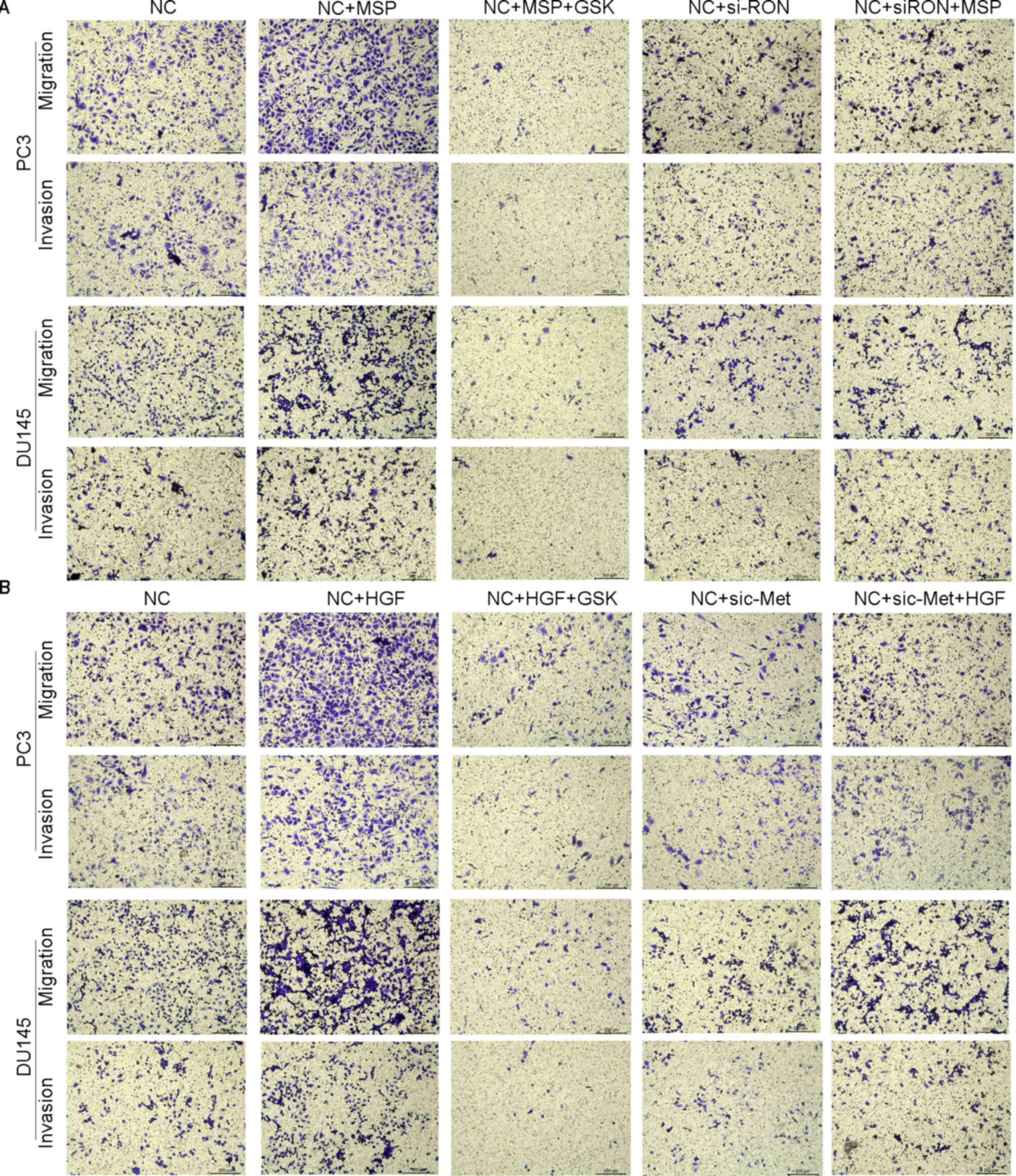
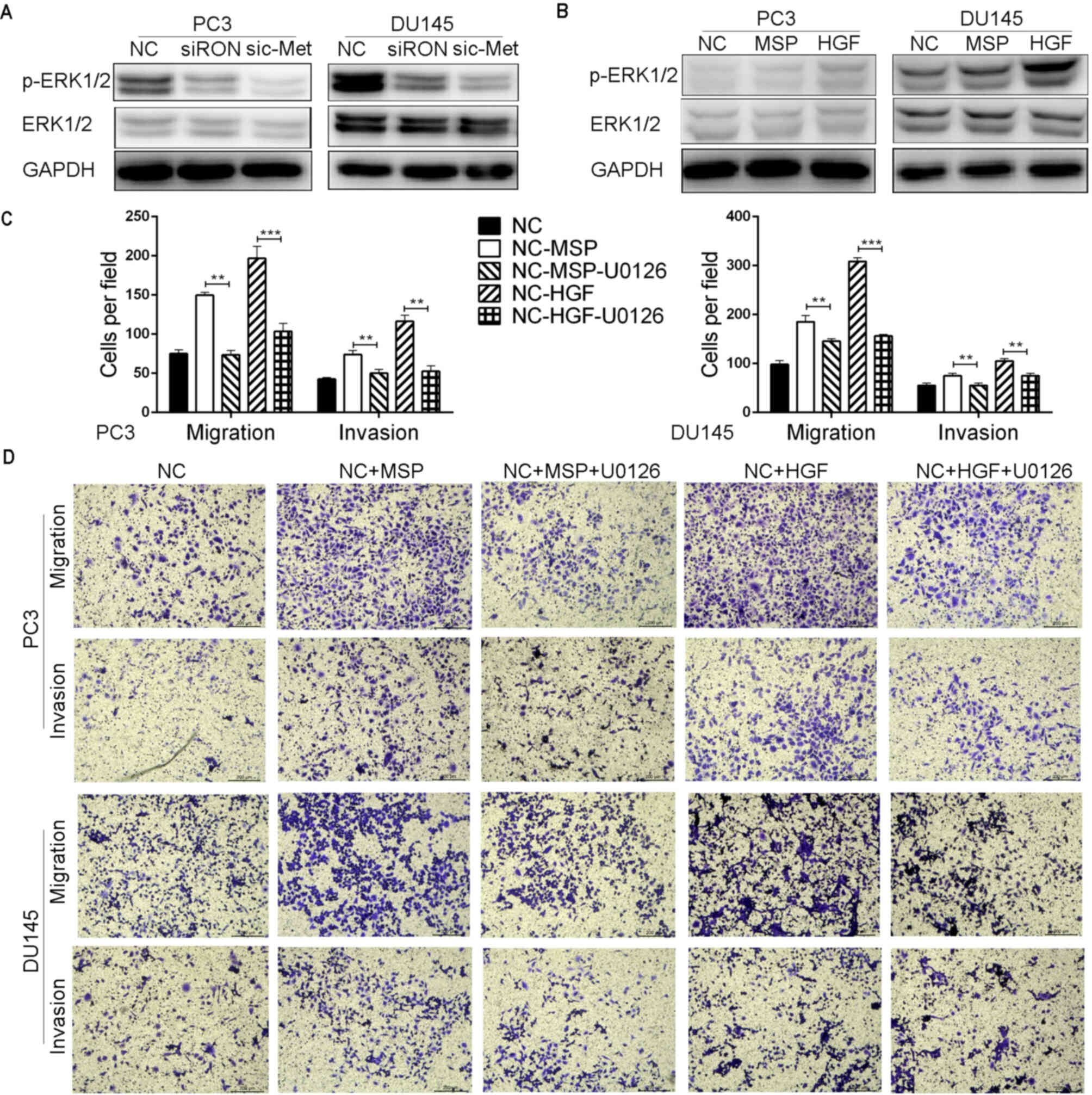
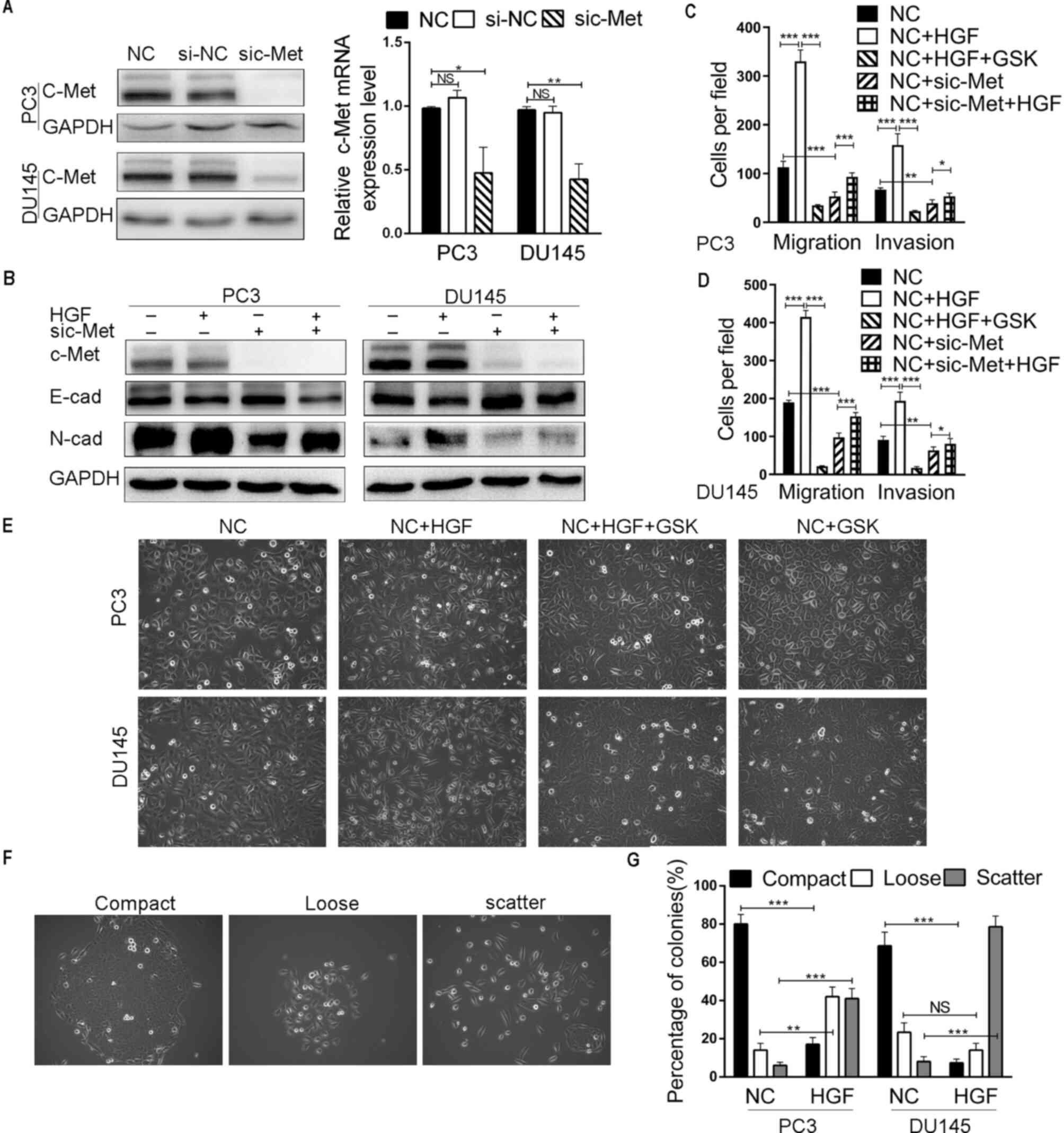
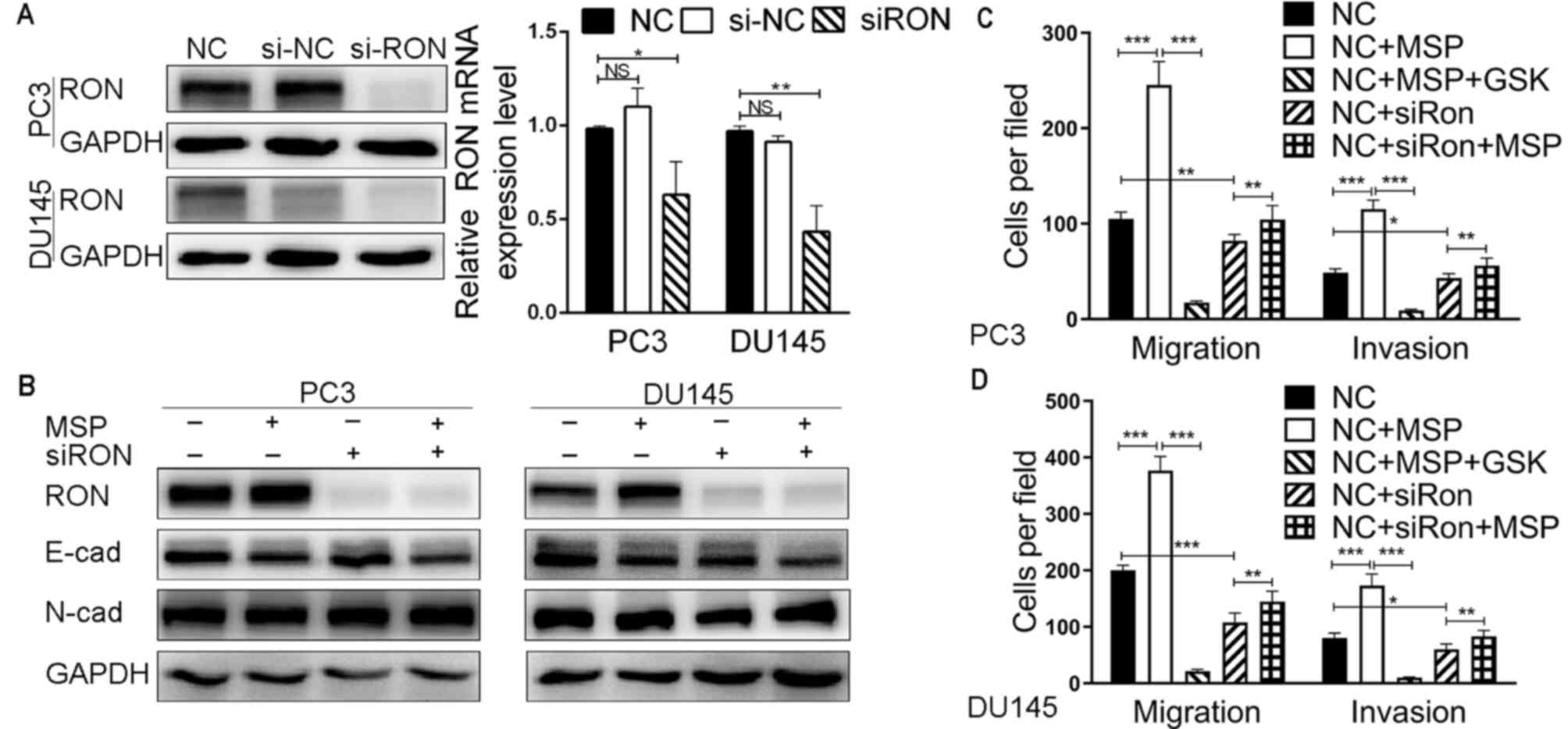
Subsequently to the publication of the above article, the authors have discovered that the version of Fig. 5 included in the paper was an incorrect version, and that two pairs of data panels were inadvertently included in Fig. 6D (the data panels for the NC+migration and NC+HGF+U0126+invasion experiments for the PC3 cells, and the data panels for the NC+invasion and NC+HGF+U0126+invasion experiments for the DU145 cells) that contained overlapping data derived from the same source. These data were intended to represent the results obtained under different experimental conditions. Furthermore, the GAPDH control bands in Fig. 4A (DU145 cells) and the p-ERK1/2 bands in Fig. 6A (PC3 cells) were incorrectly chosen for these figures. After having consulted the original data, the authors discovered that unintended errors were made in assembling the data for these graphs. In uploading the corrected version of Fig. 5, Fig. 3C and D and Fig. 4C and D were adjusted accordingly.
The corrected versions of Figs. 3, 4, 5, and 6 are shown on the subsequent pages. The authors regret the errors that were made during the preparation of the published figures, and confirm that these errors did not affect the conclusions reported in the study. The authors are grateful to the Editor of Oncology Reports for allowing them the opportunity to publish a Corrigendum, and all the authors agree to this Corrigendum. Furthermore, they apologize to the readership for any inconvenience caused.