Spandidos Publications Logo
  • About
    • About Spandidos
    • Aims and Scopes
    • Abstracting and Indexing
    • Editorial Policies
    • Reprints and Permissions
    • Job Opportunities
    • Terms and Conditions
    • Contact
  • Journals
    • All Journals
    • Oncology Letters
      • Oncology Letters
      • Information for Authors
      • Editorial Policies
      • Editorial Board
      • Aims and Scope
      • Abstracting and Indexing
      • Bibliographic Information
      • Archive
    • International Journal of Oncology
      • International Journal of Oncology
      • Information for Authors
      • Editorial Policies
      • Editorial Board
      • Aims and Scope
      • Abstracting and Indexing
      • Bibliographic Information
      • Archive
    • Molecular and Clinical Oncology
      • Molecular and Clinical Oncology
      • Information for Authors
      • Editorial Policies
      • Editorial Board
      • Aims and Scope
      • Abstracting and Indexing
      • Bibliographic Information
      • Archive
    • Experimental and Therapeutic Medicine
      • Experimental and Therapeutic Medicine
      • Information for Authors
      • Editorial Policies
      • Editorial Board
      • Aims and Scope
      • Abstracting and Indexing
      • Bibliographic Information
      • Archive
    • International Journal of Molecular Medicine
      • International Journal of Molecular Medicine
      • Information for Authors
      • Editorial Policies
      • Editorial Board
      • Aims and Scope
      • Abstracting and Indexing
      • Bibliographic Information
      • Archive
    • Biomedical Reports
      • Biomedical Reports
      • Information for Authors
      • Editorial Policies
      • Editorial Board
      • Aims and Scope
      • Abstracting and Indexing
      • Bibliographic Information
      • Archive
    • Oncology Reports
      • Oncology Reports
      • Information for Authors
      • Editorial Policies
      • Editorial Board
      • Aims and Scope
      • Abstracting and Indexing
      • Bibliographic Information
      • Archive
    • Molecular Medicine Reports
      • Molecular Medicine Reports
      • Information for Authors
      • Editorial Policies
      • Editorial Board
      • Aims and Scope
      • Abstracting and Indexing
      • Bibliographic Information
      • Archive
    • World Academy of Sciences Journal
      • World Academy of Sciences Journal
      • Information for Authors
      • Editorial Policies
      • Editorial Board
      • Aims and Scope
      • Abstracting and Indexing
      • Bibliographic Information
      • Archive
    • International Journal of Functional Nutrition
      • International Journal of Functional Nutrition
      • Information for Authors
      • Editorial Policies
      • Editorial Board
      • Aims and Scope
      • Abstracting and Indexing
      • Bibliographic Information
      • Archive
    • International Journal of Epigenetics
      • International Journal of Epigenetics
      • Information for Authors
      • Editorial Policies
      • Editorial Board
      • Aims and Scope
      • Abstracting and Indexing
      • Bibliographic Information
      • Archive
    • Medicine International
      • Medicine International
      • Information for Authors
      • Editorial Policies
      • Editorial Board
      • Aims and Scope
      • Abstracting and Indexing
      • Bibliographic Information
      • Archive
  • Articles
  • Information
    • Information for Authors
    • Information for Reviewers
    • Information for Librarians
    • Information for Advertisers
    • Conferences
  • Language Editing
Spandidos Publications Logo
  • About
    • About Spandidos
    • Aims and Scopes
    • Abstracting and Indexing
    • Editorial Policies
    • Reprints and Permissions
    • Job Opportunities
    • Terms and Conditions
    • Contact
  • Journals
    • All Journals
    • Biomedical Reports
      • Information for Authors
      • Editorial Policies
      • Editorial Board
      • Aims and Scope
      • Abstracting and Indexing
      • Bibliographic Information
      • Archive
    • Experimental and Therapeutic Medicine
      • Information for Authors
      • Editorial Policies
      • Editorial Board
      • Aims and Scope
      • Abstracting and Indexing
      • Bibliographic Information
      • Archive
    • International Journal of Epigenetics
      • Information for Authors
      • Editorial Policies
      • Editorial Board
      • Aims and Scope
      • Abstracting and Indexing
      • Bibliographic Information
      • Archive
    • International Journal of Functional Nutrition
      • Information for Authors
      • Editorial Policies
      • Editorial Board
      • Aims and Scope
      • Abstracting and Indexing
      • Bibliographic Information
      • Archive
    • International Journal of Molecular Medicine
      • Information for Authors
      • Editorial Policies
      • Editorial Board
      • Aims and Scope
      • Abstracting and Indexing
      • Bibliographic Information
      • Archive
    • International Journal of Oncology
      • Information for Authors
      • Editorial Policies
      • Editorial Board
      • Aims and Scope
      • Abstracting and Indexing
      • Bibliographic Information
      • Archive
    • Medicine International
      • Information for Authors
      • Editorial Policies
      • Editorial Board
      • Aims and Scope
      • Abstracting and Indexing
      • Bibliographic Information
      • Archive
    • Molecular and Clinical Oncology
      • Information for Authors
      • Editorial Policies
      • Editorial Board
      • Aims and Scope
      • Abstracting and Indexing
      • Bibliographic Information
      • Archive
    • Molecular Medicine Reports
      • Information for Authors
      • Editorial Policies
      • Editorial Board
      • Aims and Scope
      • Abstracting and Indexing
      • Bibliographic Information
      • Archive
    • Oncology Letters
      • Information for Authors
      • Editorial Policies
      • Editorial Board
      • Aims and Scope
      • Abstracting and Indexing
      • Bibliographic Information
      • Archive
    • Oncology Reports
      • Information for Authors
      • Editorial Policies
      • Editorial Board
      • Aims and Scope
      • Abstracting and Indexing
      • Bibliographic Information
      • Archive
    • World Academy of Sciences Journal
      • Information for Authors
      • Editorial Policies
      • Editorial Board
      • Aims and Scope
      • Abstracting and Indexing
      • Bibliographic Information
      • Archive
  • Articles
  • Information
    • For Authors
    • For Reviewers
    • For Librarians
    • For Advertisers
    • Conferences
  • Language Editing
Login Register Submit
  • This site uses cookies
  • You can change your cookie settings at any time by following the instructions in our Cookie Policy. To find out more, you may read our Privacy Policy.

    I agree
Search articles by DOI, keyword, author or affiliation
Search
Advanced Search
presentation
Oncology Reports
Join Editorial Board Propose a Special Issue
Print ISSN: 1021-335X Online ISSN: 1791-2431
Journal Cover
September-2023 Volume 50 Issue 3

Full Size Image

Sign up for eToc alerts
Recommend to Library

Journals

International Journal of Molecular Medicine

International Journal of Molecular Medicine

International Journal of Molecular Medicine is an international journal devoted to molecular mechanisms of human disease.

International Journal of Oncology

International Journal of Oncology

International Journal of Oncology is an international journal devoted to oncology research and cancer treatment.

Molecular Medicine Reports

Molecular Medicine Reports

Covers molecular medicine topics such as pharmacology, pathology, genetics, neuroscience, infectious diseases, molecular cardiology, and molecular surgery.

Oncology Reports

Oncology Reports

Oncology Reports is an international journal devoted to fundamental and applied research in Oncology.

Experimental and Therapeutic Medicine

Experimental and Therapeutic Medicine

Experimental and Therapeutic Medicine is an international journal devoted to laboratory and clinical medicine.

Oncology Letters

Oncology Letters

Oncology Letters is an international journal devoted to Experimental and Clinical Oncology.

Biomedical Reports

Biomedical Reports

Explores a wide range of biological and medical fields, including pharmacology, genetics, microbiology, neuroscience, and molecular cardiology.

Molecular and Clinical Oncology

Molecular and Clinical Oncology

International journal addressing all aspects of oncology research, from tumorigenesis and oncogenes to chemotherapy and metastasis.

World Academy of Sciences Journal

World Academy of Sciences Journal

Multidisciplinary open-access journal spanning biochemistry, genetics, neuroscience, environmental health, and synthetic biology.

International Journal of Functional Nutrition

International Journal of Functional Nutrition

Open-access journal combining biochemistry, pharmacology, immunology, and genetics to advance health through functional nutrition.

International Journal of Epigenetics

International Journal of Epigenetics

Publishes open-access research on using epigenetics to advance understanding and treatment of human disease.

Medicine International

Medicine International

An International Open Access Journal Devoted to General Medicine.

Journal Cover
September-2023 Volume 50 Issue 3

Full Size Image

Sign up for eToc alerts
Recommend to Library

  • Article
  • Citations
    • Cite This Article
    • Download Citation
    • Create Citation Alert
    • Remove Citation Alert
    • Cited By
  • Similar Articles
    • Related Articles (in Spandidos Publications)
    • Similar Articles (Google Scholar)
    • Similar Articles (PubMed)
  • Download PDF
  • Download XML
  • View XML

  • Supplementary Files
    • Supplementary_Data.pdf
Article Open Access

Copper (II) complex of salicylate phenanthroline induces the apoptosis of colorectal cancer cells, including oxaliplatin‑resistant cells

  • Authors:
    • Zixin Liu
    • Limei Fan
    • Dongqin Niu
    • Ming Chen
    • Weiran Zhang
    • Yuchen Liu
    • Jinhua Xu
    • Dong Wang
  • View Affiliations / Copyright

    Affiliations: School of Medicine, Jianghan University, Wuhan, Hubei 430056, P.R. China, Wuhan Institute of Biomedical Sciences, School of Medicine, Jianghan University, Wuhan, Hubei 430056, P.R. China
    Copyright: © Liu et al. This is an open access article distributed under the terms of Creative Commons Attribution License.
  • Article Number: 170
    |
    Published online on: July 27, 2023
       https://doi.org/10.3892/or.2023.8607
  • Expand metrics +
Metrics: Total Views: 0 (Spandidos Publications: | PMC Statistics: )
Metrics: Total PDF Downloads: 0 (Spandidos Publications: | PMC Statistics: )
Cited By (CrossRef): 0 citations Loading Articles...

This article is mentioned in:


Abstract

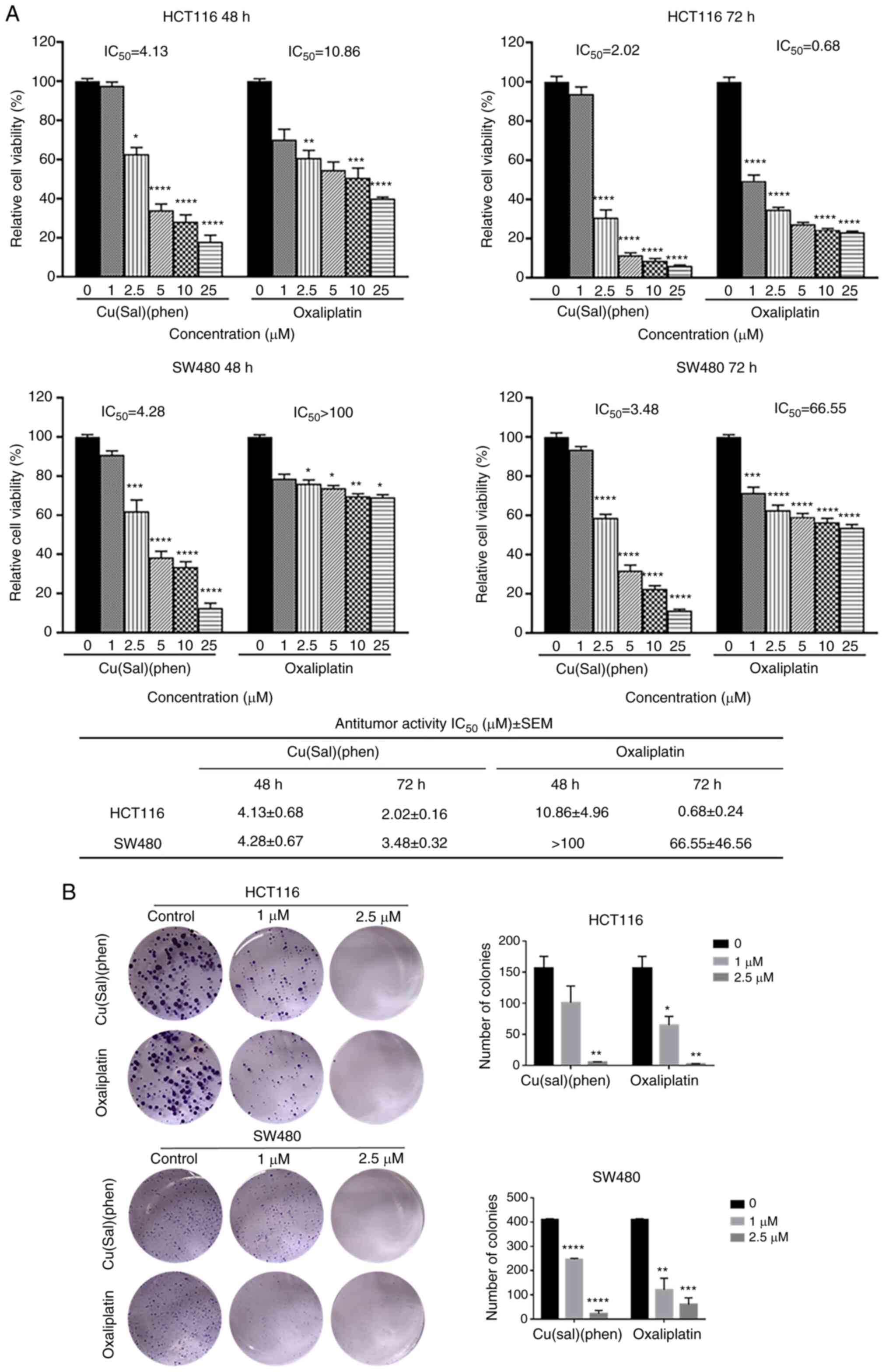
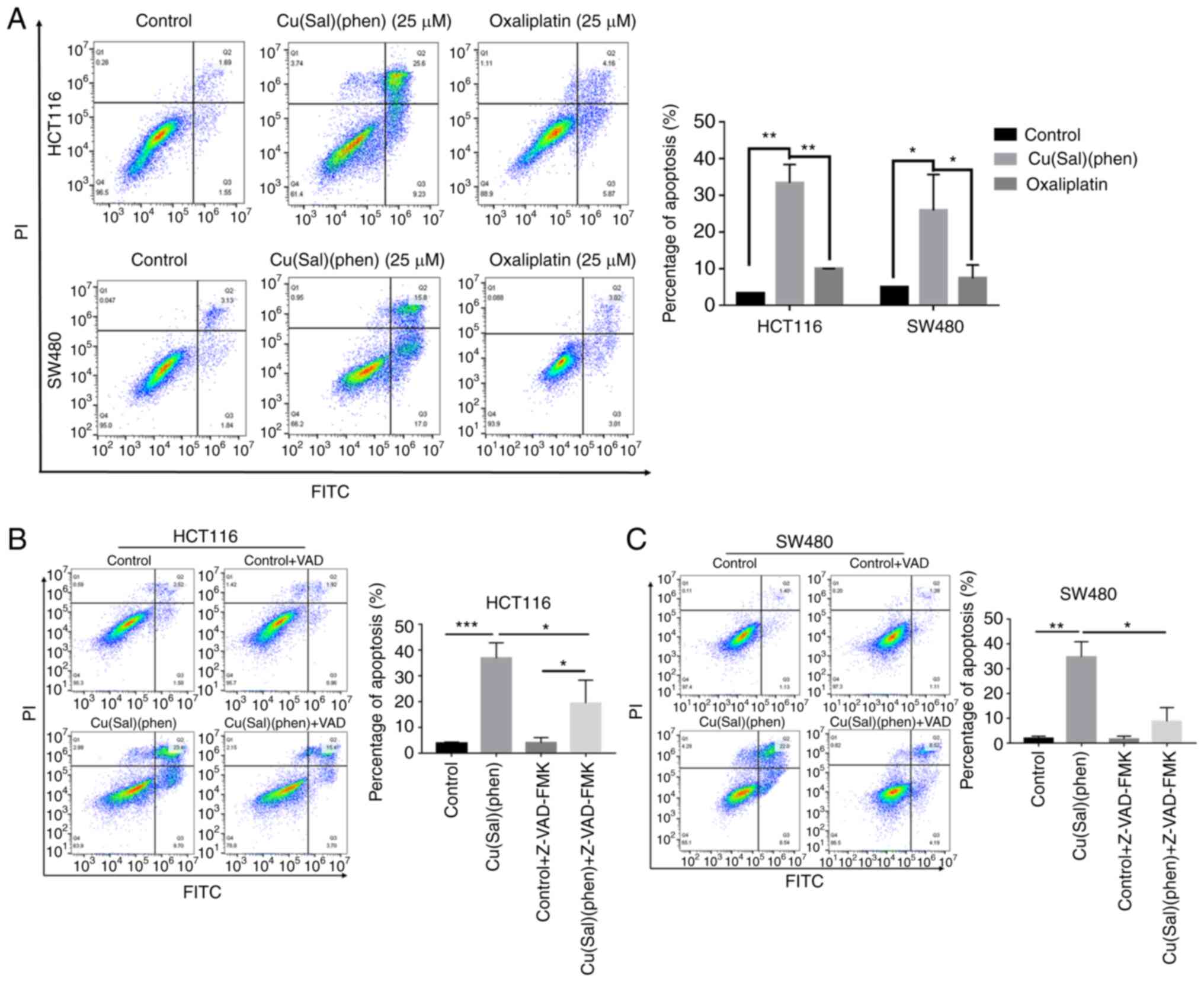
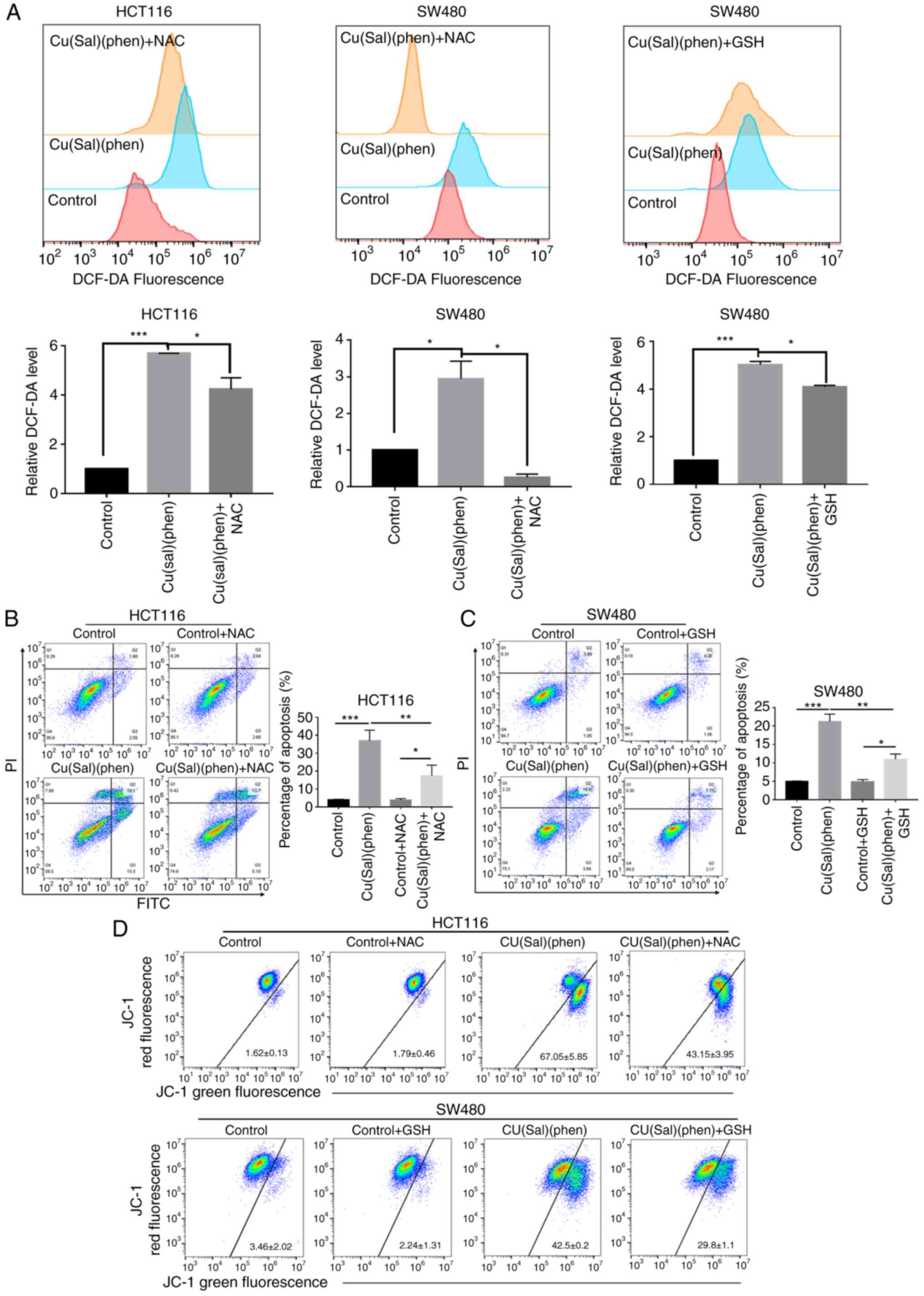
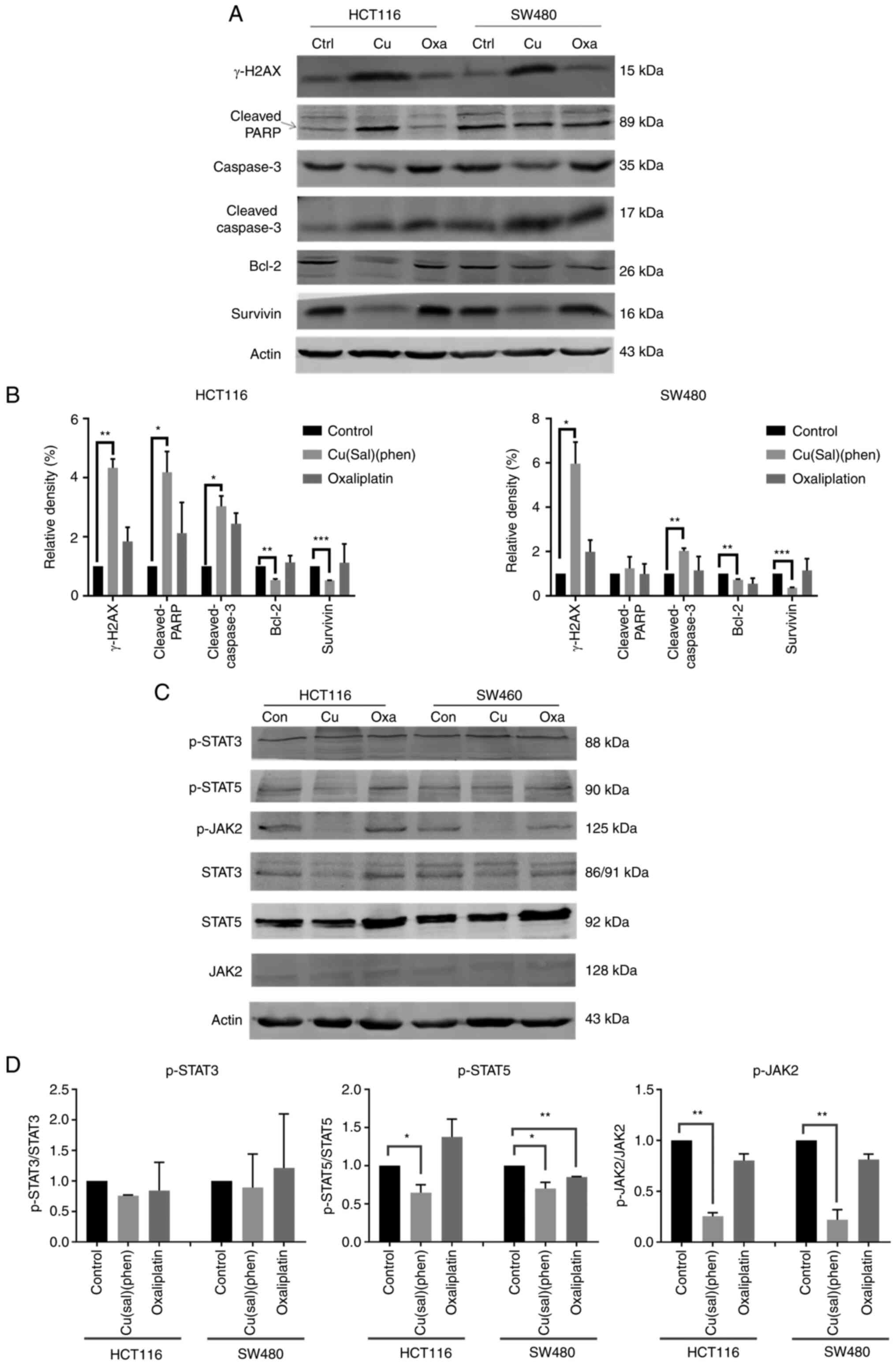
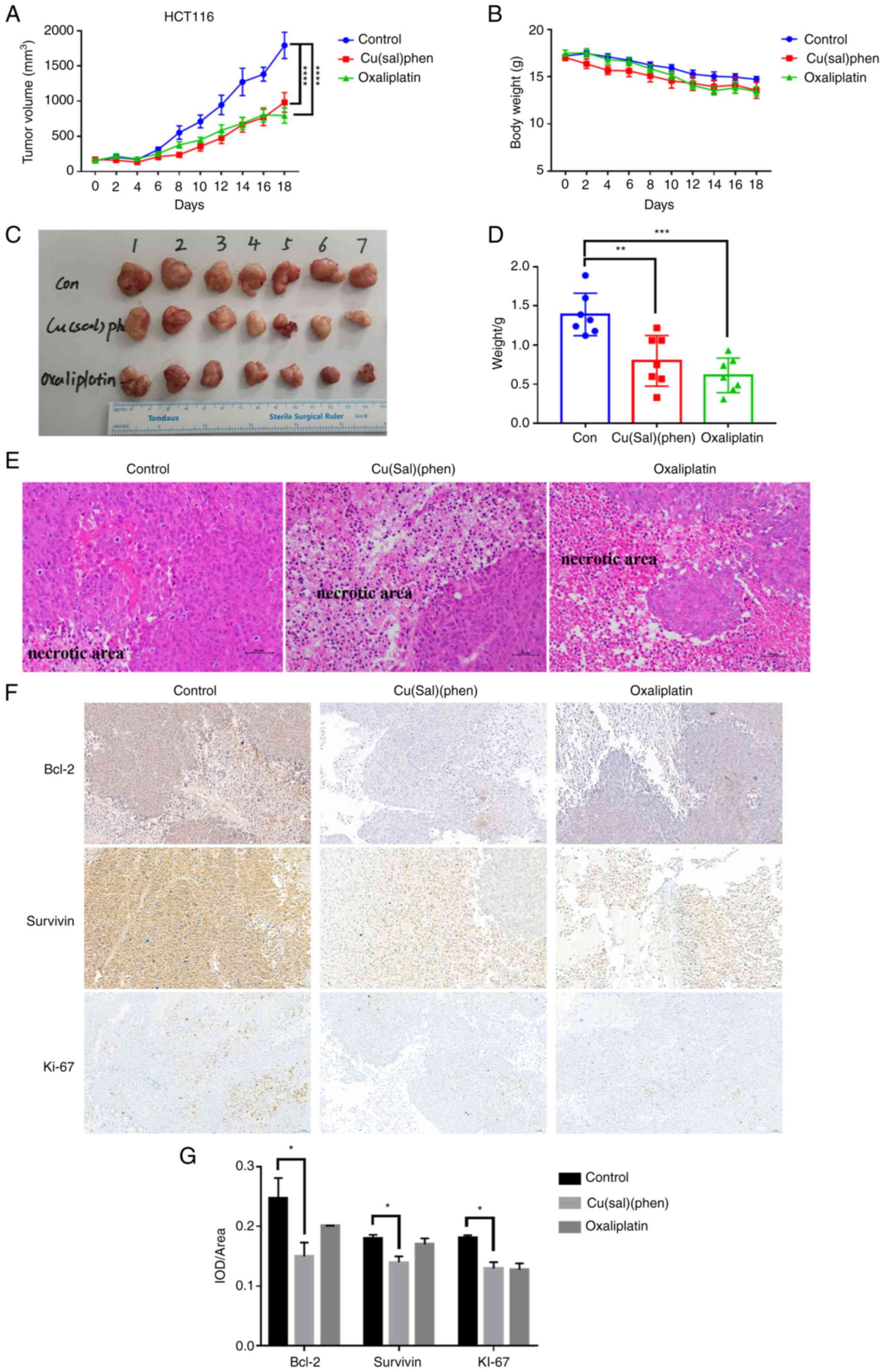
Oxaliplatin (Oxa) is one of the most effective chemotherapeutic drugs used in the treatment of colorectal cancer (CRC). However, the use of this drug is associated with severe side‑effects and patients eventually develop resistance to Oxa. In recent years, copper complexes have been extensively investigated as substitutes for platinum‑based drugs. Therefore, a number of copper complexes have also been developed for cancer therapy, such as copper (II) complex of salicylate phenanthroline [Cu(sal)(phen)]. In the present study, the antitumor activity and the related molecular mechanisms of Cu(sal)(phen) were examined in CRC cells. As compared with the chemotherapeutic drug, Oxa, Cu(sal)(phen) was more effective in inducing apoptosis and reactive oxygen species (ROS) production, and in decreasing mitochondrial membrane potential in the CRC cell lines, HCT116 and SW480. In addition, the expression of the apoptosis‑related proteins, Bcl‑2 and survivin, and those of the upstream regulators, p‑JAK2 and p‑STAT5, were significantly decreased in the two cell lines following treatment with Cu(sal)(phen). Furthermore, the efficacy of the complex against CRC was found to be excellent in an animal model. The results of immunohistochemical analysis revealed that the expression levels of Bcl‑2, survivin and Ki‑67 in tumor tissues were decreased following Cu(sal)(phen) treatment. The antitumor mechanisms underlying Cu(Sal)(phen) treatment were the induction of ROS generation, the inhibition of the JAK2/STAT5 signaling pathway and the downregulation of the expression of anti‑apoptotic proteins, such as Bcl‑2 and survivin. On the whole, the findings of the present study indicated that Cu(sal)(phen) effectively inhibited the viability and proliferation of HCT116 and SW480 CRC cells; in the future, the authors aim to conduct further experiments in future studies to provide more evidence that supports the development of Cu(sal)(phen) as a therapeutic agent for CRC.
View Figures

Figure 1

Figure 2

Figure 3

Figure 4

Figure 5

View References

1 

Sung H, Ferlay J, Siegel RL, Laversanne M, Soerjomataram I, Jemal A and Bray F: Global cancer statistics 2020: GLOBOCAN estimates of incidence and mortality worldwide for 36 cancers in 185 countries. CA Cancer J Clin. 71:209–249. 2021. View Article : Google Scholar : PubMed/NCBI

2 

Lu WQ, Hu YY, Lin XP and Fan W: Knockdown of PKM2 and GLS1 expression can significantly reverse oxaliplatin-resistance in colorectal cancer cells. Oncotarget. 8:44171–44185. 2017. View Article : Google Scholar : PubMed/NCBI

3 

Asadzadeh Z, Mansoori B, Mohammadi A, Kazemi T, Mokhtarzadeh A, Shanehbandi D, Hemmat N, Derakhshani A, Brunetti O, Safaei S, et al: The combination effect of Prominin1 (CD133) suppression and Oxaliplatin treatment in colorectal cancer therapy. Biomed Pharmacother. 137:1113642021. View Article : Google Scholar : PubMed/NCBI

4 

Li Y, Sun Z, Cui Y, Zhang H, Zhang S, Wang X, Liu S and Gao Q: Oxaliplatin derived monofunctional triazole-containing platinum(II) complex counteracts oxaliplatin-induced drug resistance in colorectal cancer. Bioorg Chem. 107:1046362021. View Article : Google Scholar : PubMed/NCBI

5 

Chen W, Lian W, Yuan Y and Li M: The synergistic effects of oxaliplatin and piperlongumine on colorectal cancer are mediated by oxidative stress. Cell Death Dis. 10:6002019. View Article : Google Scholar : PubMed/NCBI

6 

Martinez-Balibrea E, Martínez-Cardús A, Ginés A, Ruiz de Porras V, Moutinho C, Layos L, Manzano JL, Bugés C, Bystrup S, Esteller M and Abad A: Tumor-related molecular mechanisms of oxaliplatin resistance. Mol Cancer Ther. 14:1767–1776. 2015. View Article : Google Scholar : PubMed/NCBI

7 

Buchholz A, Sahmoun AE and Kurniali PC: Characteristics of colorectal patients who discontinued oxaliplatin therapy. J Clin Oncol. 37 (Suppl):e151552019. View Article : Google Scholar

8 

Zedan AH, Hansen TF, Svenningsen ÅF and Vilholm OJ: Oxaliplatin-induced neuropathy in colorectal cancer: Many questions with few answers. Clin Colorectal Cancer. 13:73–80. 2014. View Article : Google Scholar : PubMed/NCBI

9 

Ali A, Mishra S, Kamaal S, Alarifi A, Afzal M, Saha KD and Ahmad M: Evaluation of catacholase mimicking activity and apoptosis in human colorectal carcinoma cell line by activating mitochondrial pathway of copper(II) complex coupled with 2-(quinolin-8-yloxy)(methyl)benzonitrile and 8-hydroxyquinoline. Bioorg Chem. 106:1044792021. View Article : Google Scholar : PubMed/NCBI

10 

Zehra S, Tabassum S and Arjmand F: Biochemical pathways of copper complexes: Progress over the past 5 years. Drug Discov Today. 26:1086–1096. 2021. View Article : Google Scholar : PubMed/NCBI

11 

Song W, Xu P, Zhi S, Zhu S, Guo Y and Yang H: Integrated transcriptome and in vitro analysis revealed antiproliferative effects on human gastric cancer cells by a benzimidazole-quinoline copper(II) complex. Process Biochem. 102:286–295. 2021. View Article : Google Scholar

12 

Sequeira D, Baptista PV, Valente R, Piedade MFM, Garcia MH, Morais TS and Fernandes AR: Cu(I) complexes as new antiproliferative agents against sensitive and doxorubicin resistant colorectal cancer cells: Synthesis, characterization, and mechanisms of action. Dalton Trans. 50:1845–1865. 2021. View Article : Google Scholar : PubMed/NCBI

13 

Radhakrishnan K, Khamrang T, Sambantham K, Sali VK, Chitgupi U, Lovell JF, Mohammad AA and Venugopal R: Identification of cytotoxic copper(II) complexes with phenanthroline and quinoline, quinoxaline or quinazoline-derived mixed ligands. Polyhedron. 194:1148862021. View Article : Google Scholar

14 

Mahendiran D, Kumar RS, Viswanathan V, Velmurugan D and Rahiman AK: Targeting of DNA molecules, BSA/c-Met tyrosine kinase receptors and anti-proliferative activity of bis(terpyridine)copper(ii) complexes. Dalton Trans. 45:7794–7814. 2016. View Article : Google Scholar : PubMed/NCBI

15 

Gou Y, Chen M, Li S, Deng J, Li J, Fang G, Yang F and Huang G: Dithiocarbazate-copper complexes for bioimaging and treatment of pancreatic cancer. J Med Chem. 64:5485–5499. 2021. View Article : Google Scholar : PubMed/NCBI

16 

Chen X, Dou QP, Liu J and Tang D: Targeting ubiquitin- proteasome system with copper complexes for cancer therapy. Front Mol Biosci. 8:6491512021. View Article : Google Scholar : PubMed/NCBI

17 

Cui Q, Wang JQ, Assaraf YG, Ren L, Gupta P, Wei L, Ashby CR Jr, Yang DH and Chen ZS: Modulating ROS to overcome multidrug resistance in cancer. Drug Resist Updat. 41:1–25. 2018. View Article : Google Scholar : PubMed/NCBI

18 

Snezhkina AV, Kudryavtseva AV, Kardymon OL, Savvateeva MV, Melnikova NV, Krasnov GS and Dmitriev AA: ROS generation and antioxidant defense systems in normal and malignant cells. Oxid Med Cell Longev. 2019:61758042019. View Article : Google Scholar : PubMed/NCBI

19 

Ng CH, Kong SM, Tiong YL, Maah MJ, Sukram N, Ahmad M and Khoo ASB: Selective anticancer copper(II)-mixed ligand complexes: Targeting of ROS and proteasomes. Metallomics. 6:892–906. 2014. View Article : Google Scholar : PubMed/NCBI

20 

Polloni L, Seni Silva AC, Teixeira SC, Azevedo FVPV, Zóia MAP, da Silva MS, Lima PMAP, Correia LIV, do Couto Almeida J, da Silva CV, et al: Action of copper(II) complex with β-diketone and 1,10-phenanthroline (CBP-01) on sarcoma cells and biological effects under cell death. Biomed Pharmacother. 112:1085862019. View Article : Google Scholar : PubMed/NCBI

21 

Pfeffer CM and Singh ATK: Apoptosis: A target for anticancer therapy. Int J Mol Sci. 19:4482018. View Article : Google Scholar : PubMed/NCBI

22 

Banjara S, Suraweera CD, Hinds MG and Kvansakul M: The Bcl-2 family: Ancient origins, conserved structures, and divergent mechanisms. Biomolecules. 10:1282020. View Article : Google Scholar : PubMed/NCBI

23 

Sun BB, Fu LN, Wang YQ, Gao QY, Xu J, Cao ZJ, Chen YX and Fang JY: Silencing of JMJD2B induces cell apoptosis via mitochondria-mediated and death receptor-mediated pathway activation in colorectal cancer. J Dig Dis. 15:491–500. 2014. View Article : Google Scholar : PubMed/NCBI

24 

Li D, Hu C and Li H: Survivin as a novel target protein for reducing the proliferation of cancer cells. Biomed Rep. 8:399–406. 2018.PubMed/NCBI

25 

de Ridder I, Kerkhofs M, Veettil SP, Dehaen W and Bultynck G: Cancer cell death strategies by targeting Bcl-2′s BH4 domain. Biochim Biophys Acta Mol Cell Res. 1868:1189832021. View Article : Google Scholar : PubMed/NCBI

26 

Guvenc H, Pavlyukov MS, Joshi K, Kurt H, Banasavadi-Siddegowda YK, Mao P, Hong C, Yamada R, Kwon CH, Bhasin D, et al: Impairment of glioma stem cell survival and growth by a novel inhibitor for Survivin-Ran protein complex. Clin Cancer Res. 19:631–642. 2013. View Article : Google Scholar : PubMed/NCBI

27 

Lopes JC, Botelho FV, Barbosa Silva MJ, Silva SF, Polloni L, Alves Machado PH, Rodrigues de Souza T, Goulart LR, Silva Caldeira PP, Pereira Maia EC, et al: In vitro and in vivo antitumoral activity of a ternary copper (II) complex. Biochem Biophys Res Commun. 533:1021–1026. 2020. View Article : Google Scholar : PubMed/NCBI

28 

Fan L, Tian M, Liu Y, Deng Y, Liao Z and Xu J: Salicylate •phenanthroline copper (II) complex induces apoptosis in triple-negative breast cancer cells. Oncotarget. 8:29823–29832. 2017. View Article : Google Scholar : PubMed/NCBI

29 

Sukhdeo K, Paramban RI, Vidal JG, Elia J, Martin J, Rivera M, Carrasco DR, Jarrar A, Kalady MF, Carson CT, et al: Multiplex flow cytometry barcoding and antibody arrays identify surface antigen profiles of primary and metastatic colon cancer cell lines. PLoS One. 8:e530152013. View Article : Google Scholar : PubMed/NCBI

30 

Kreutz D, Bileck A, Plessl K, Wolrab D, Groessl M, Keppler BK, Meier SM and Gerner C: Response profiling using shotgun proteomics enables global metallodrug mechanisms of action to be established. Chemistry. 23:1881–1890. 2017. View Article : Google Scholar : PubMed/NCBI

31 

Sun W, Ge Y, Cui JP, Yu YF and Liu BL: Scutellarin resensitizes oxaliplatin-resistant colorectal cancer cells to oxaliplatin treatment through inhibition of PKM2. Mol Ther Oncolytics. 21:87–97. 2021. View Article : Google Scholar : PubMed/NCBI

32 

Guo WJ, Ye SS, Cao N, Huang JA, Gao J and Chen QY: ROS-mediated autophagy was involved in cancer cell death induced by novel copper(II) complex. Exp Toxicol Pathol. 62:577–582. 2010. View Article : Google Scholar : PubMed/NCBI

33 

Cao Y, Wang J, Tian H and Fu GH: Mitochondrial ROS accumulation inhibiting JAK2/STAT3 pathway is a critical modulator of CYT997-induced autophagy and apoptosis in gastric cancer. J Exp Clin Cancer Res. 39:1192020. View Article : Google Scholar : PubMed/NCBI

34 

Murphy MP: How mitochondria produce reactive oxygen species. Biochem J. 417:1–13. 2009. View Article : Google Scholar : PubMed/NCBI

35 

Warren CFA, Wong-Brown MW and Bowden NA: BCL-2 family isoforms in apoptosis and cancer. Cell Death Dis. 10:1772019. View Article : Google Scholar : PubMed/NCBI

36 

Peery RC, Liu JY and Zhang JT: Targeting survivin for therapeutic discovery: Past, present, and future promises. Drug Discov Today. 22:1466–1477. 2017. View Article : Google Scholar : PubMed/NCBI

37 

Jiang F, Zhou JY, Zhang D, Liu MH and Chen YG: Artesunate induces apoptosis and autophagy in HCT116 colon cancer cells, and autophagy inhibition enhances the artesunate-induced apoptosis. Int J Mol Med. 42:1295–1304. 2018.PubMed/NCBI

38 

Schütz CS, Stope MB and Bekeschus S: H2A.X phosphorylation in oxidative stress and risk assessment in plasma medicine. Oxid Med Cell Longev. 2021:20609862021. View Article : Google Scholar : PubMed/NCBI

39 

Johnstone TC, Suntharalingam K and Lippard SJ: The next generation of platinum drugs: Targeted Pt(II) agents, nanoparticle delivery, and Pt(IV) prodrugs. Chem Rev. 116:3436–3486. 2016. View Article : Google Scholar : PubMed/NCBI

40 

Gałczyńska K, Drulis-Kawa Z and Arabski M: Antitumor activity of Pt(II), Ru(III) and Cu(II) complexes. Molecules. 25:34922020. View Article : Google Scholar : PubMed/NCBI

41 

Wang NN, Zhang PZ, Zhang J, Wang HN, Li L, Ren F, Dai PF, Li H and Lv XF: Penfluridol triggers mitochondrial-mediated apoptosis and suppresses glycolysis in colorectal cancer cells through down-regulating hexokinase-2. Anat Rec (Hoboken). 304:520–530. 2021. View Article : Google Scholar : PubMed/NCBI

42 

Cui Q, Wen S and Huang P: Targeting cancer cell mitochondria as a therapeutic approach: Recent updates. Future Med Chem. 9:929–949. 2017. View Article : Google Scholar : PubMed/NCBI

43 

Kleih M, Böpple K, Dong M, Gaißler A, Heine S, Olayioye MA, Aulitzky WE and Essmann F: Direct impact of cisplatin on mitochondria induces ROS production that dictates cell fate of ovarian cancer cells. Cell Death Dis. 10:8512019. View Article : Google Scholar : PubMed/NCBI

44 

Xia S, Miao Y and Liu S: Withaferin A induces apoptosis by ROS-dependent mitochondrial dysfunction in human colorectal cancer cells. Biochem Biophys Res Commun. 503:2363–2369. 2018. View Article : Google Scholar : PubMed/NCBI

45 

Kowol CR, Heffeter P, Miklos W, Gille L, Trondl R, Cappellacci L, Berger W and Keppler BK: Mechanisms underlying reductant-induced reactive oxygen species formation by anticancer copper(II) compounds. J Biol Inorg Chem. 17:409–423. 2012. View Article : Google Scholar : PubMed/NCBI

46 

Basak D, Uddin MN and Hancock J: The role of oxidative stress and its counteractive utility in colorectal cancer (CRC). Cancers (Basel). 12:33362020. View Article : Google Scholar : PubMed/NCBI

47 

Moloney JN and Cotter TG: ROS signalling in the biology of cancer. Semin Cell Dev Biol. 80:50–64. 2018. View Article : Google Scholar : PubMed/NCBI

48 

Yang F, Pei R, Zhang Z, Liao J, Yu W, Qiao N, Han Q, Li Y, Hu L, Guo J, et al: Copper induces oxidative stress and apoptosis through mitochondria-mediated pathway in chicken hepatocytes. Toxicol In vitro. 54:310–316. 2019. View Article : Google Scholar : PubMed/NCBI

49 

Tsvetkov P, Coy S, Petrova B, Dreishpoon M, Verma A, Abdusamad M, Rossen J, Joesch-Cohen L, Humeidi R, Spangler RD, et al: Copper induces cell death by targeting lipoylated TCA cycle proteins. Science. 375:1254–1261. 2022. View Article : Google Scholar : PubMed/NCBI

50 

Piché A, Grim J, Rancourt C, Gómez-Navarro J, Reed JC and Curiel DT: Modulation of Bcl-2 protein levels by an intracellular anti-Bcl-2 single-chain antibody increases drug-induced cytotoxicity in the breast cancer cell line MCF-7. Cancer Res. 58:2134–2140. 1998.PubMed/NCBI

51 

Tanioka M, Nokihara H, Yamamoto N, Yamada Y, Yamada K, Goto Y, Fujimoto T, Sekiguchi R, Uenaka K, Callies S and Tamura T: Phase I study of LY2181308, an antisense oligonucleotide against survivin, in patients with advanced solid tumors. Cancer Chemother Pharmacol. 68:505–511. 2011. View Article : Google Scholar : PubMed/NCBI

52 

Chen Y, Zhou Q, Zhang L, Zhong Y, Fan G, Zhang Z, Wang R, Jin M, Qiu Y and Kong D: Stellettin B induces apoptosis in human chronic myeloid leukemia cells via targeting PI3K and Stat5. Oncotarget. 8:28906–28921. 2017. View Article : Google Scholar : PubMed/NCBI

53 

Niu D, Wang D, Fan L, Liu Z, Chen M, Zhang W and Liu Y, Xu J and Liu Y: The copper (II) complex of salicylate phenanthroline inhibits proliferation and induces apoptosis of hepatocellular carcinoma cells. Environ Toxicol. 38:1384–1394. 2023. View Article : Google Scholar : PubMed/NCBI

Related Articles

  • Abstract
  • View
  • Download
  • Twitter
Copy and paste a formatted citation
Spandidos Publications style
Liu Z, Fan L, Niu D, Chen M, Zhang W, Liu Y, Xu J and Wang D: Copper (II) complex of salicylate phenanthroline induces the apoptosis of colorectal cancer cells, including oxaliplatin‑resistant cells. Oncol Rep 50: 170, 2023.
APA
Liu, Z., Fan, L., Niu, D., Chen, M., Zhang, W., Liu, Y. ... Wang, D. (2023). Copper (II) complex of salicylate phenanthroline induces the apoptosis of colorectal cancer cells, including oxaliplatin‑resistant cells. Oncology Reports, 50, 170. https://doi.org/10.3892/or.2023.8607
MLA
Liu, Z., Fan, L., Niu, D., Chen, M., Zhang, W., Liu, Y., Xu, J., Wang, D."Copper (II) complex of salicylate phenanthroline induces the apoptosis of colorectal cancer cells, including oxaliplatin‑resistant cells". Oncology Reports 50.3 (2023): 170.
Chicago
Liu, Z., Fan, L., Niu, D., Chen, M., Zhang, W., Liu, Y., Xu, J., Wang, D."Copper (II) complex of salicylate phenanthroline induces the apoptosis of colorectal cancer cells, including oxaliplatin‑resistant cells". Oncology Reports 50, no. 3 (2023): 170. https://doi.org/10.3892/or.2023.8607
Copy and paste a formatted citation
x
Spandidos Publications style
Liu Z, Fan L, Niu D, Chen M, Zhang W, Liu Y, Xu J and Wang D: Copper (II) complex of salicylate phenanthroline induces the apoptosis of colorectal cancer cells, including oxaliplatin‑resistant cells. Oncol Rep 50: 170, 2023.
APA
Liu, Z., Fan, L., Niu, D., Chen, M., Zhang, W., Liu, Y. ... Wang, D. (2023). Copper (II) complex of salicylate phenanthroline induces the apoptosis of colorectal cancer cells, including oxaliplatin‑resistant cells. Oncology Reports, 50, 170. https://doi.org/10.3892/or.2023.8607
MLA
Liu, Z., Fan, L., Niu, D., Chen, M., Zhang, W., Liu, Y., Xu, J., Wang, D."Copper (II) complex of salicylate phenanthroline induces the apoptosis of colorectal cancer cells, including oxaliplatin‑resistant cells". Oncology Reports 50.3 (2023): 170.
Chicago
Liu, Z., Fan, L., Niu, D., Chen, M., Zhang, W., Liu, Y., Xu, J., Wang, D."Copper (II) complex of salicylate phenanthroline induces the apoptosis of colorectal cancer cells, including oxaliplatin‑resistant cells". Oncology Reports 50, no. 3 (2023): 170. https://doi.org/10.3892/or.2023.8607
Follow us
  • Twitter
  • LinkedIn
  • Facebook
About
  • Spandidos Publications
  • Careers
  • Cookie Policy
  • Privacy Policy
How can we help?
  • Help
  • Live Chat
  • Contact
  • Email to our Support Team