Spandidos Publications Logo
  • About
    • About Spandidos
    • Aims and Scopes
    • Abstracting and Indexing
    • Editorial Policies
    • Reprints and Permissions
    • Job Opportunities
    • Terms and Conditions
    • Contact
  • Journals
    • All Journals
    • Oncology Letters
      • Oncology Letters
      • Information for Authors
      • Editorial Policies
      • Editorial Board
      • Aims and Scope
      • Abstracting and Indexing
      • Bibliographic Information
      • Archive
    • International Journal of Oncology
      • International Journal of Oncology
      • Information for Authors
      • Editorial Policies
      • Editorial Board
      • Aims and Scope
      • Abstracting and Indexing
      • Bibliographic Information
      • Archive
    • Molecular and Clinical Oncology
      • Molecular and Clinical Oncology
      • Information for Authors
      • Editorial Policies
      • Editorial Board
      • Aims and Scope
      • Abstracting and Indexing
      • Bibliographic Information
      • Archive
    • Experimental and Therapeutic Medicine
      • Experimental and Therapeutic Medicine
      • Information for Authors
      • Editorial Policies
      • Editorial Board
      • Aims and Scope
      • Abstracting and Indexing
      • Bibliographic Information
      • Archive
    • International Journal of Molecular Medicine
      • International Journal of Molecular Medicine
      • Information for Authors
      • Editorial Policies
      • Editorial Board
      • Aims and Scope
      • Abstracting and Indexing
      • Bibliographic Information
      • Archive
    • Biomedical Reports
      • Biomedical Reports
      • Information for Authors
      • Editorial Policies
      • Editorial Board
      • Aims and Scope
      • Abstracting and Indexing
      • Bibliographic Information
      • Archive
    • Oncology Reports
      • Oncology Reports
      • Information for Authors
      • Editorial Policies
      • Editorial Board
      • Aims and Scope
      • Abstracting and Indexing
      • Bibliographic Information
      • Archive
    • Molecular Medicine Reports
      • Molecular Medicine Reports
      • Information for Authors
      • Editorial Policies
      • Editorial Board
      • Aims and Scope
      • Abstracting and Indexing
      • Bibliographic Information
      • Archive
    • World Academy of Sciences Journal
      • World Academy of Sciences Journal
      • Information for Authors
      • Editorial Policies
      • Editorial Board
      • Aims and Scope
      • Abstracting and Indexing
      • Bibliographic Information
      • Archive
    • International Journal of Functional Nutrition
      • International Journal of Functional Nutrition
      • Information for Authors
      • Editorial Policies
      • Editorial Board
      • Aims and Scope
      • Abstracting and Indexing
      • Bibliographic Information
      • Archive
    • International Journal of Epigenetics
      • International Journal of Epigenetics
      • Information for Authors
      • Editorial Policies
      • Editorial Board
      • Aims and Scope
      • Abstracting and Indexing
      • Bibliographic Information
      • Archive
    • Medicine International
      • Medicine International
      • Information for Authors
      • Editorial Policies
      • Editorial Board
      • Aims and Scope
      • Abstracting and Indexing
      • Bibliographic Information
      • Archive
  • Articles
  • Information
    • Information for Authors
    • Information for Reviewers
    • Information for Librarians
    • Information for Advertisers
    • Conferences
  • Language Editing
Spandidos Publications Logo
  • About
    • About Spandidos
    • Aims and Scopes
    • Abstracting and Indexing
    • Editorial Policies
    • Reprints and Permissions
    • Job Opportunities
    • Terms and Conditions
    • Contact
  • Journals
    • All Journals
    • Biomedical Reports
      • Information for Authors
      • Editorial Policies
      • Editorial Board
      • Aims and Scope
      • Abstracting and Indexing
      • Bibliographic Information
      • Archive
    • Experimental and Therapeutic Medicine
      • Information for Authors
      • Editorial Policies
      • Editorial Board
      • Aims and Scope
      • Abstracting and Indexing
      • Bibliographic Information
      • Archive
    • International Journal of Epigenetics
      • Information for Authors
      • Editorial Policies
      • Editorial Board
      • Aims and Scope
      • Abstracting and Indexing
      • Bibliographic Information
      • Archive
    • International Journal of Functional Nutrition
      • Information for Authors
      • Editorial Policies
      • Editorial Board
      • Aims and Scope
      • Abstracting and Indexing
      • Bibliographic Information
      • Archive
    • International Journal of Molecular Medicine
      • Information for Authors
      • Editorial Policies
      • Editorial Board
      • Aims and Scope
      • Abstracting and Indexing
      • Bibliographic Information
      • Archive
    • International Journal of Oncology
      • Information for Authors
      • Editorial Policies
      • Editorial Board
      • Aims and Scope
      • Abstracting and Indexing
      • Bibliographic Information
      • Archive
    • Medicine International
      • Information for Authors
      • Editorial Policies
      • Editorial Board
      • Aims and Scope
      • Abstracting and Indexing
      • Bibliographic Information
      • Archive
    • Molecular and Clinical Oncology
      • Information for Authors
      • Editorial Policies
      • Editorial Board
      • Aims and Scope
      • Abstracting and Indexing
      • Bibliographic Information
      • Archive
    • Molecular Medicine Reports
      • Information for Authors
      • Editorial Policies
      • Editorial Board
      • Aims and Scope
      • Abstracting and Indexing
      • Bibliographic Information
      • Archive
    • Oncology Letters
      • Information for Authors
      • Editorial Policies
      • Editorial Board
      • Aims and Scope
      • Abstracting and Indexing
      • Bibliographic Information
      • Archive
    • Oncology Reports
      • Information for Authors
      • Editorial Policies
      • Editorial Board
      • Aims and Scope
      • Abstracting and Indexing
      • Bibliographic Information
      • Archive
    • World Academy of Sciences Journal
      • Information for Authors
      • Editorial Policies
      • Editorial Board
      • Aims and Scope
      • Abstracting and Indexing
      • Bibliographic Information
      • Archive
  • Articles
  • Information
    • For Authors
    • For Reviewers
    • For Librarians
    • For Advertisers
    • Conferences
  • Language Editing
Login Register Submit
  • This site uses cookies
  • You can change your cookie settings at any time by following the instructions in our Cookie Policy. To find out more, you may read our Privacy Policy.

    I agree
Search articles by DOI, keyword, author or affiliation
Search
Advanced Search
presentation
Oncology Reports
Join Editorial Board Propose a Special Issue
Print ISSN: 1021-335X Online ISSN: 1791-2431
Journal Cover
March-2024 Volume 51 Issue 3

Full Size Image

Sign up for eToc alerts
Recommend to Library

Journals

International Journal of Molecular Medicine

International Journal of Molecular Medicine

International Journal of Molecular Medicine is an international journal devoted to molecular mechanisms of human disease.

International Journal of Oncology

International Journal of Oncology

International Journal of Oncology is an international journal devoted to oncology research and cancer treatment.

Molecular Medicine Reports

Molecular Medicine Reports

Covers molecular medicine topics such as pharmacology, pathology, genetics, neuroscience, infectious diseases, molecular cardiology, and molecular surgery.

Oncology Reports

Oncology Reports

Oncology Reports is an international journal devoted to fundamental and applied research in Oncology.

Experimental and Therapeutic Medicine

Experimental and Therapeutic Medicine

Experimental and Therapeutic Medicine is an international journal devoted to laboratory and clinical medicine.

Oncology Letters

Oncology Letters

Oncology Letters is an international journal devoted to Experimental and Clinical Oncology.

Biomedical Reports

Biomedical Reports

Explores a wide range of biological and medical fields, including pharmacology, genetics, microbiology, neuroscience, and molecular cardiology.

Molecular and Clinical Oncology

Molecular and Clinical Oncology

International journal addressing all aspects of oncology research, from tumorigenesis and oncogenes to chemotherapy and metastasis.

World Academy of Sciences Journal

World Academy of Sciences Journal

Multidisciplinary open-access journal spanning biochemistry, genetics, neuroscience, environmental health, and synthetic biology.

International Journal of Functional Nutrition

International Journal of Functional Nutrition

Open-access journal combining biochemistry, pharmacology, immunology, and genetics to advance health through functional nutrition.

International Journal of Epigenetics

International Journal of Epigenetics

Publishes open-access research on using epigenetics to advance understanding and treatment of human disease.

Medicine International

Medicine International

An International Open Access Journal Devoted to General Medicine.

Journal Cover
March-2024 Volume 51 Issue 3

Full Size Image

Sign up for eToc alerts
Recommend to Library

  • Article
  • Citations
    • Cite This Article
    • Download Citation
    • Create Citation Alert
    • Remove Citation Alert
    • Cited By
  • Similar Articles
    • Related Articles (in Spandidos Publications)
    • Similar Articles (Google Scholar)
    • Similar Articles (PubMed)
  • Download PDF
  • Download XML
  • View XML
Article Open Access

Selective degradation of PL2L60 by metabolic stresses‑induced autophagy suppresses multi‑cancer growth

  • Authors:
    • Lei Sun
    • Fu Hui
    • Gao-Yan Tang
    • Hai-Lian Shen
    • Xue-Lei Cao
    • Jian-Xin Gao
    • Lin-Feng Li
  • View Affiliations / Copyright

    Affiliations: The State Key Laboratory of Oncogenes and Related Genes, and The Laboratory of Tumorigenesis and Immunity, Renji-Med X Clinical Stem Cell Research Center, Ren Ji Hospital, School of Medicine, Shanghai Jiao Tong University, PuDong, Shanghai 200127, P.R. China, Department of Oncology, First Affiliated Hospital of Weifang Medical University, Weifang, Shandong 261000, P.R. China, Sam and Ann Barshop Institute for Longevity of Aging Studies, University of Texas Health Science Center at San Antonio, San Antonio, TX 78292, USA, Department of Clinical Laboratory, Qi Lu Hospital of Shandong University, Jinan, Shandong 250012, P.R. China
    Copyright: © Sun et al. This is an open access article distributed under the terms of Creative Commons Attribution License.
  • Article Number: 41
    |
    Published online on: January 12, 2024
       https://doi.org/10.3892/or.2024.8700
  • Expand metrics +
Metrics: Total Views: 0 (Spandidos Publications: | PMC Statistics: )
Metrics: Total PDF Downloads: 0 (Spandidos Publications: | PMC Statistics: )
Cited By (CrossRef): 0 citations Loading Articles...

This article is mentioned in:


Abstract

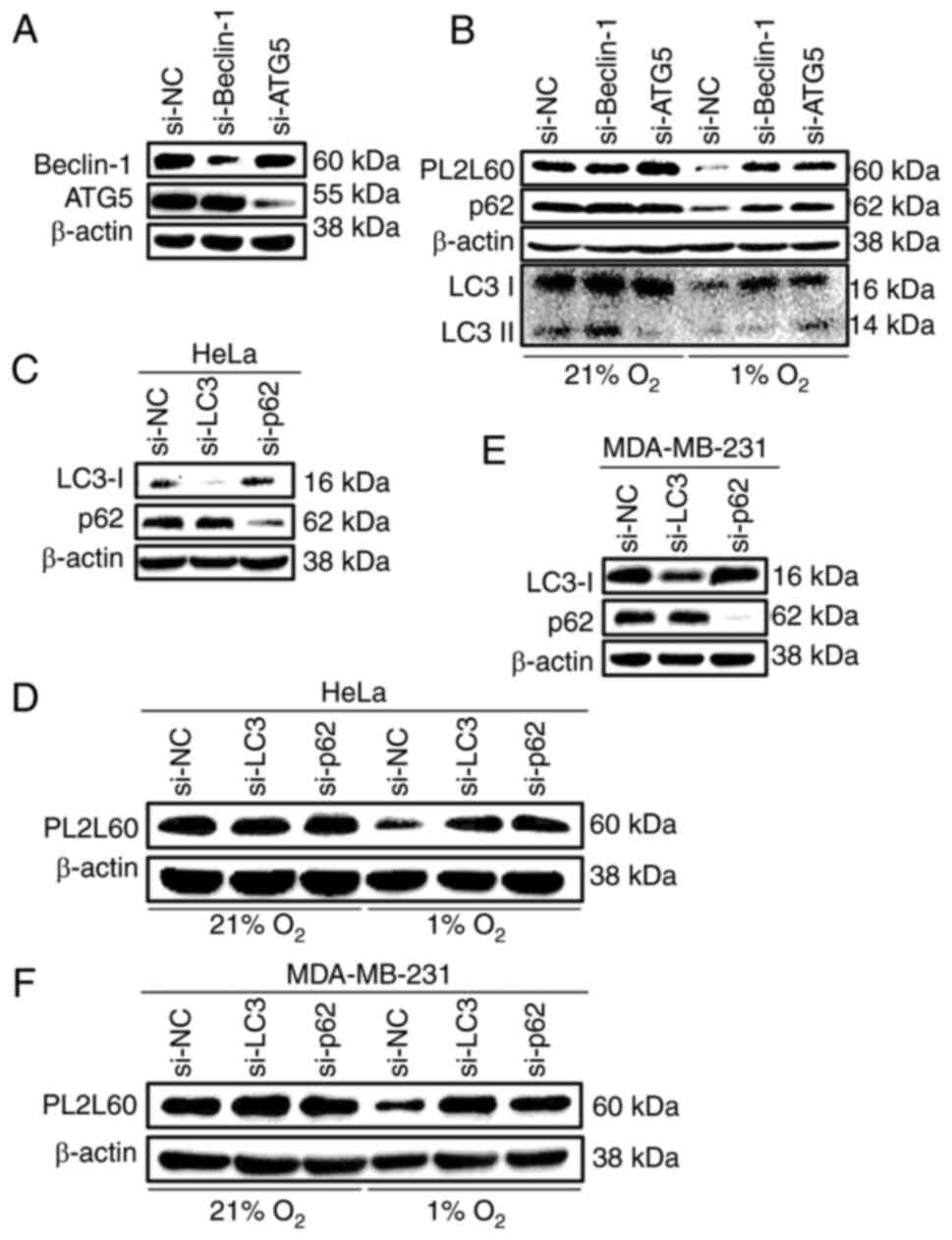
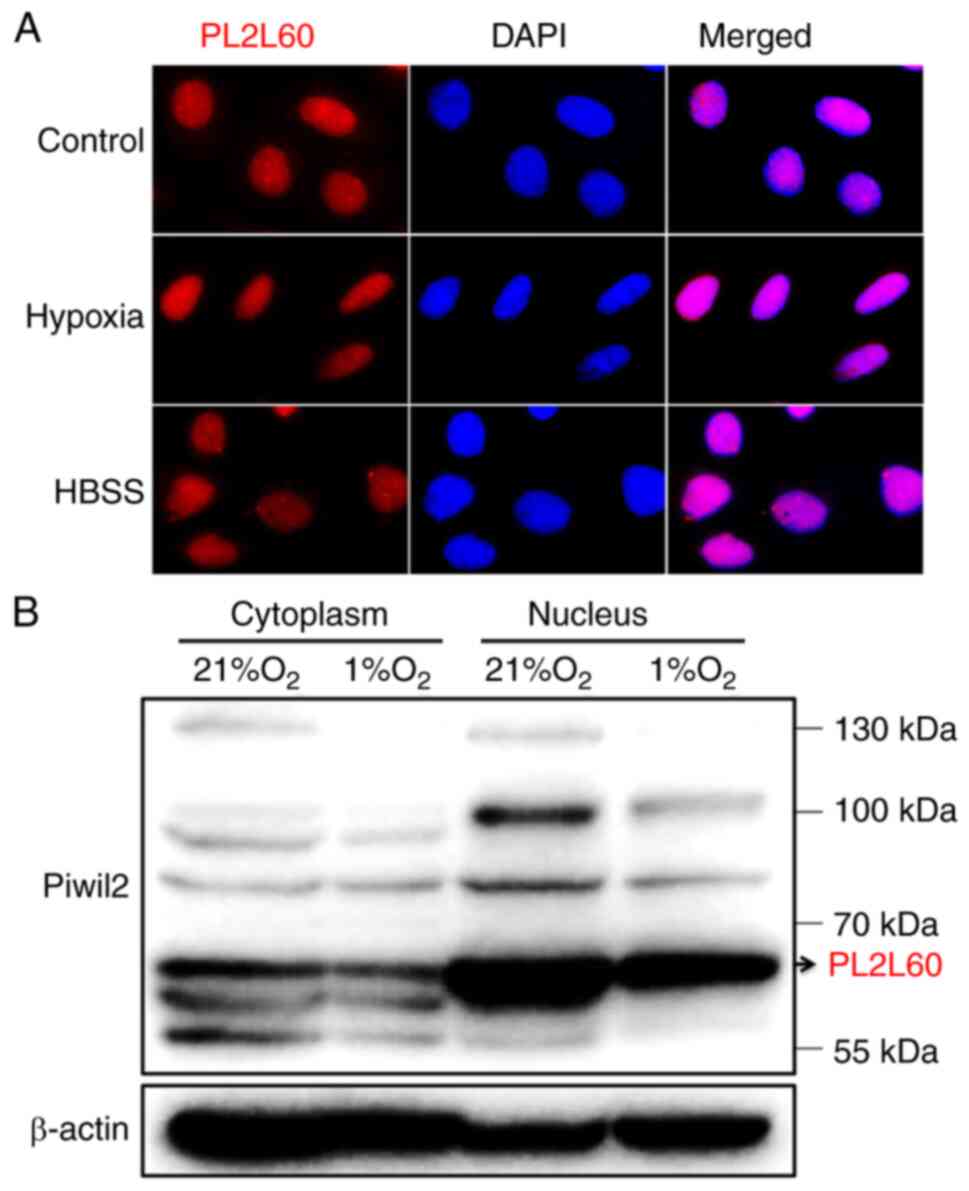
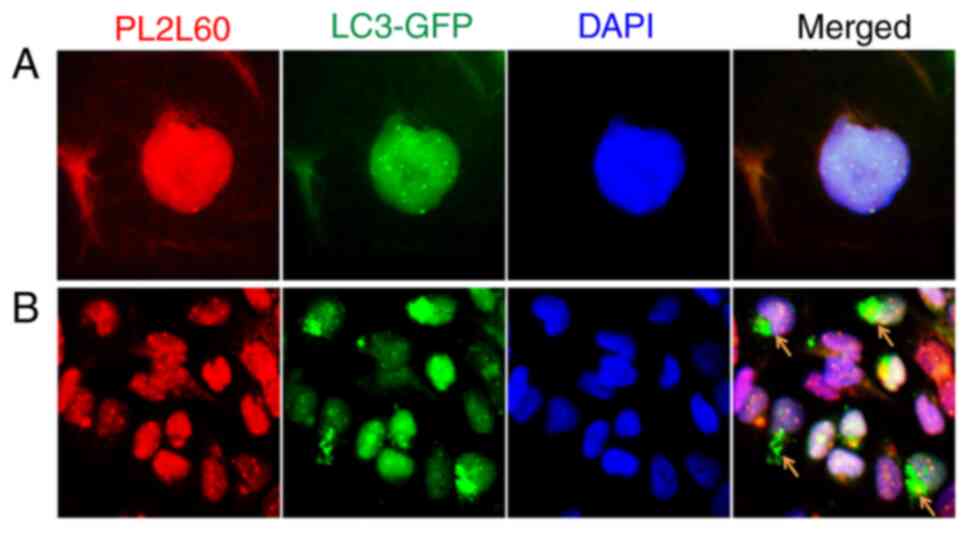
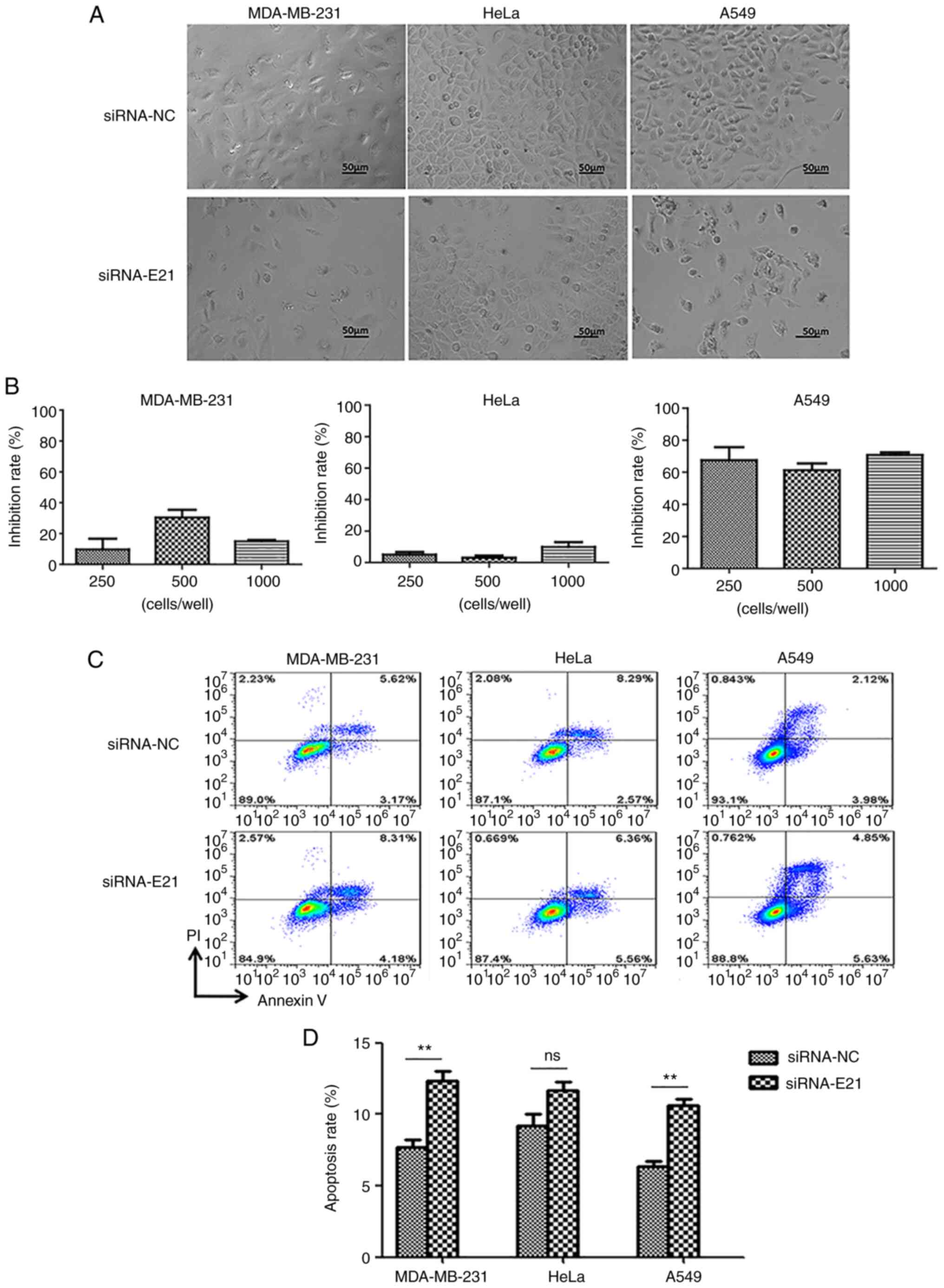
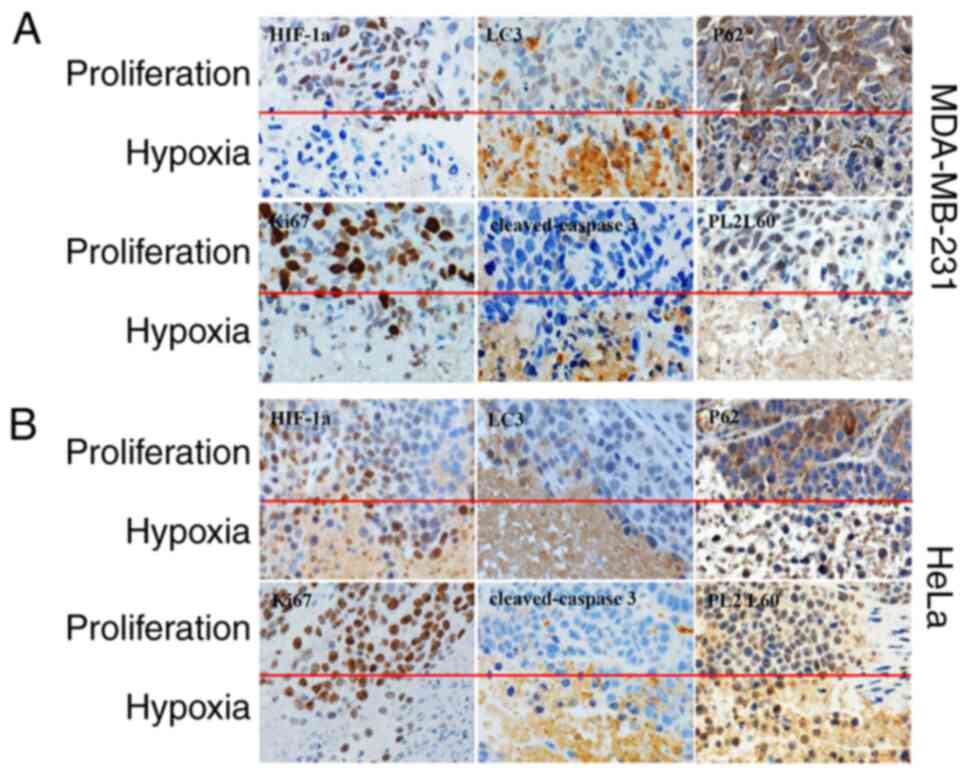
It has been reported that PL2L60 proteins, a product of PIWIL2 gene which might be activated by an intragenic promoter, could mediate a common pathway specifically for tumorigenesis. In the present study, it was further identified by using western blot assay that the PL2L60 proteins could be degraded in cancer cells through a mechanism of selective autophagy in response to oxidative stress. The PL2L60 was downregulated in various types of cancer cells under the hypoxic condition independently of HIF‑1α, resulting in apoptosis of cancer cells. Inhibition of autophagy by small interfering RNA targeting of either Beclin‑1 (BECN1) or Atg5 resulted in restoration of PL2L60 expression in hypoxic cancer cell. The hypoxic degradation of PL2L60 was also blocked by the attenuation of the autophagosome membrane protein Atg8/microtubule‑associated protein 1 light chain 3 (LC3) or autophagy cargo protein p62 expression. Surprisingly, Immunofluorescence analysis demonstrated that LC3 could be directly bound to PL2L60 and was required for the transport of PL2L60 from the nucleus to the cytoplasm for lysosomal flux under basal or activated autophagy in cancer cells. Moreover, flow cytometric analysis displayed that knocking down of PL2L60 mRNA but not PIWIL2 mRNA effectively inhibited cancer cell proliferation and promoted apoptosis of cancer cells. The similar results were obtained from in vivo tumorigenic experiment, in which PL2L60 downregulation in necroptosis areas was confirmed by immunohistochemistry. These results suggested that various cancer could be suppressed by promoting autophagy. The present study revealed a key role of autophagic degradation of PL2L60 in hypoxia‑induced cancer cell death, which could be used as a novel therapeutic target of cancer.
View Figures

Figure 1

Figure 2

Figure 3

Figure 4

Figure 5

Figure 6

Figure 7

Figure 8

Figure 9

View References

1 

Chen L, Shen R, Ye Y, Pu XA, Liu X, Duan W, Wen J, Zimmerer J, Wang Y, Liu Y, et al: Precancerous stem cells have the potential for both benign and malignant differentiation. PLoS One. 2:e2932007. View Article : Google Scholar : PubMed/NCBI

2 

Ye Y, Yin DT, Chen L, Zhou Q, Shen R, He G, Yan Q, Tong Z, Issekutz AC, Shapiro CL, et al: Identification of Piwil2-like (PL2L) proteins that promote tumorigenesis. PLoS One. 5:e134062010. View Article : Google Scholar : PubMed/NCBI

3 

Gainetdinov IV, Skvortsova YV, Stukacheva EA, Bychenko OS, Kondratieva SA, Zinovieva MV and Azhikina TL: Expression profiles of PIWIL2 short isoforms differ in testicular germ cell tumors of various differentiation subtypes. PLoS One. 9:e1125282014. View Article : Google Scholar : PubMed/NCBI

4 

Liu SS, Liu N, Liu MY, Sun L, Xia WY, Lu HM, Fu YJ, Yang GL, Bo JJ, Liu XX, et al: An unusual intragenic promoter of PIWIL2 contributes to aberrant activation of oncogenic PL2L60. Oncotarget. 8:46104–46120. 2017. View Article : Google Scholar : PubMed/NCBI

5 

Li LF, Liu N, Liu MY and Gao JX: The Functions of Piwil2 and Its Prospects in Tumorigenesis. Am J Transl Med. 1:75–98. 2017. View Article : Google Scholar

6 

Gao JX, Liu N and Wu HL: PIWIL2 (piwi-like RNA-mediated gene silencing 2). Atlas Genet Cytogenet Oncol Haematol. 18:919–927. 2014.PubMed/NCBI

7 

Czech B and Hannon GJ: Small RNA sorting: Matchmaking for Argonautes. Nat Rev Genet. 12:19–31. 2011. View Article : Google Scholar : PubMed/NCBI

8 

Yang Z, Chen KM, Pandey RR, Homolka D, Reuter M, Janeiro BK, Sachidanandam R, Fauvarque MO, McCarthy AA and Pillai RS: PIWI slicing and EXD1 drive biogenesis of nuclear piRNAs from cytosolic targets of the mouse piRNA pathway. Mol Cell. 61:138–152. 2016. View Article : Google Scholar : PubMed/NCBI

9 

Vourekas A and Mourelatos Z: HITS-CLIP (CLIP-Seq) for mouse Piwi proteins. Methods Mol Biol. 1093:73–95. 2014. View Article : Google Scholar : PubMed/NCBI

10 

Vourekas A, Alexiou P, Vrettos N, Maragkakis M and Mourelatos Z: Sequence-dependent but not sequence-specific piRNA adhesion traps mRNAs to the germ plasm. Nature. 531:390–394. 2016. View Article : Google Scholar : PubMed/NCBI

11 

Hirakata S and Siomi MC: piRNA biogenesis in the germline: From transcription of piRNA genomic sources to piRNA maturation. Biochim Biophys Acta. 1859:82–92. 2016. View Article : Google Scholar : PubMed/NCBI

12 

Yin DT, Wang Q, Chen L, Liu MY, Han C, Yan Q, Shen R, He G, Duan W, Li JJ, et al: Germline stem cell gene PIWIL2 mediates DNA repair through relaxation of chromatin. PLoS One. 6:e271542011. View Article : Google Scholar : PubMed/NCBI

13 

Kim E, Goren A and Ast G: Alternative splicing: Current perspectives. Bioessays. 30:38–47. 2008. View Article : Google Scholar : PubMed/NCBI

14 

Xin D, Hu L and Kong X: Alternative promoters influence alternative splicing at the genomic level. PLoS One. 3:e23772008. View Article : Google Scholar : PubMed/NCBI

15 

Yang X, Coulombe-Huntington J, Kang S, Sheynkman GM, Hao T, Richardson A, Sun S, Yang F, Shen YA, Murray RR, et al: Widespread expansion of protein interaction capabilities by alternative splicing. Cell. 164:805–817. 2016. View Article : Google Scholar : PubMed/NCBI

16 

Thadani-Mulero M, Portella L, Sun S, Sung M, Matov A, Vessella RL, Corey E, Nanus DM, Plymate SR and Giannakakou P: Androgen receptor splice variants determine taxane sensitivity in prostate cancer. Cancer Res. 74:2270–2282. 2014. View Article : Google Scholar : PubMed/NCBI

17 

Vaupel P, Kelleher DK and Höckel M: Oxygen status of malignant tumors: Pathogenesis of hypoxia and significance for tumor therapy. Semin Oncol. 28 (2 Suppl 8):S29–S35. 2001. View Article : Google Scholar : PubMed/NCBI

18 

Ueda S, Saeki T, Osaki A, Yamane T and Kuji I: Bevacizumab induces acute hypoxia and cancer progression in patients with refractory breast cancer: Multimodal functional imaging and multiplex cytokine analysis. Clin Cancer Res. 23:5769–5778. 2017. View Article : Google Scholar : PubMed/NCBI

19 

Sun L, Li T, Wei Q, Zhang Y, Jia X, Wan Z and Han L: Upregulation of BNIP3 mediated by ERK/HIF-1α pathway induces autophagy and contributes to anoikis resistance of hepatocellular carcinoma cells. Future Oncol. 10:1387–1398. 2014. View Article : Google Scholar : PubMed/NCBI

20 

Azad MB, Chen Y, Henson ES, Cizeau J, McMillan-Ward E, Israels SJ and Gibson SB: Hypoxia induces autophagic cell death in apoptosis-competent cells through a mechanism involving BNIP3. Autophagy. 4:195–204. 2008. View Article : Google Scholar : PubMed/NCBI

21 

Luo J, Solimini NL and Elledge SJ: Principles of cancer therapy: Oncogene and non-oncogene addiction. Cell. 136:823–837. 2009. View Article : Google Scholar : PubMed/NCBI

22 

Klionsky DJ and Emr SD: Autophagy as a regulated pathway of cellular degradation. Science. 290:1717–1721. 2000. View Article : Google Scholar : PubMed/NCBI

23 

Bellot G, Garcia-Medina R, Gounon P, Chiche J, Roux D, Pouysségur J and Mazure NM: Hypoxia-induced autophagy is mediated through hypoxia-inducible factor induction of BNIP3 and BNIP3L via their BH3 domains. Mol Cell Biol. 29:2570–2581. 2009. View Article : Google Scholar : PubMed/NCBI

24 

Xie Z and Klionsky DJ: Autophagosome formation: Core machinery and adaptations. Nat Cell Biol. 9:1102–1109. 2007. View Article : Google Scholar : PubMed/NCBI

25 

Tsujimoto Y and Shimizu S: Another way to die: Autophagic programmed cell death. Cell Death Differ. 12 (Suppl 2):S1528–S1534. 2005. View Article : Google Scholar : PubMed/NCBI

26 

Gewirtz DA: The four faces of autophagy: Implications for cancer therapy. Cancer Res. 74:647–651. 2014. View Article : Google Scholar : PubMed/NCBI

27 

Song J, Guo X, Xie X, Zhao X, Li D, Deng W, Song Y, Shen F, Wu M and Wei L: Autophagy in hypoxia protects cancer cells against apoptosis induced by nutrient deprivation through a Beclin1-dependent way in hepatocellular carcinoma. J Cell Biochem. 112:3406–3420. 2011. View Article : Google Scholar : PubMed/NCBI

28 

Sun L, Liu N, Liu SS, Xia WY, Liu MY, Li LF and Gao JX: Beclin-1-independent autophagy mediates programmed cancer cell death through interplays with endoplasmic reticulum and/or mitochondria in colbat chloride-induced hypoxia. Am J Cancer Res. 5:2626–2642. 2015.PubMed/NCBI

29 

Philip B, Ito K, Moreno-Sánchez R and Ralph SJ: HIF expression and the role of hypoxic microenvironments within primary tumours as protective sites driving cancer stem cell renewal and metastatic progression. Carcinogenesis. 34:1699–1707. 2013. View Article : Google Scholar : PubMed/NCBI

30 

Majmundar AJ, Wong WJ and Simon MC: Hypoxia-inducible factors and the response to hypoxic stress. Mol Cell. 40:294–309. 2010. View Article : Google Scholar : PubMed/NCBI

31 

Ivan M, Kondo K, Yang H, Kim W, Valiando J, Ohh M, Salic A, Asara JM, Lane WS and Kaelin WG Jr: HIFalpha targeted for VHL-mediated destruction by proline hydroxylation: Implications for O2 sensing. Science. 292:464–468. 2001. View Article : Google Scholar : PubMed/NCBI

32 

Kristensen AR, Schandorff S, Høyer-Hansen M, Nielsen MO, Jäättelä M, Dengjel J and Andersen JS: Ordered organelle degradation during starvation-induced autophagy. Mol Cell Proteomics. 7:2419–2428. 2008. View Article : Google Scholar : PubMed/NCBI

33 

Li HY, Zhang J, Sun LL, Li BH, Gao HL, Xie T, Zhang N and Ye ZM: Celastrol induces apoptosis and autophagy via the ROS/JNK signaling pathway in human osteosarcoma cells: An in vitro and in vivo study. Cell Death Dis. 6:e16042015. View Article : Google Scholar : PubMed/NCBI

34 

Maiuri MC, Zalckvar E, Kimchi A and Kroemer G: Self-eating and self-killing: Crosstalk between autophagy and apoptosis. Nat Rev Mol Cell Biol. 8:741–752. 2007. View Article : Google Scholar : PubMed/NCBI

35 

Liang XH, Jackson S, Seaman M, Brown K, Kempkes B, Hibshoosh H and Levine B: Induction of autophagy and inhibition of tumorigenesis by beclin 1. Nature. 402:672–676. 1999. View Article : Google Scholar : PubMed/NCBI

36 

Liang C, Feng P, Ku B, Dotan I, Canaani D, Oh BH and Jung JU: Autophagic and tumour suppressor activity of a novel Beclin1-binding protein UVRAG. Nat Cell Biol. 8:688–699. 2006. View Article : Google Scholar : PubMed/NCBI

37 

Johansen T and Lamark T: Selective autophagy mediated by autophagic adapter proteins. Autophagy. 7:279–296. 2011. View Article : Google Scholar : PubMed/NCBI

38 

Kobayashi H and Tomari Y: RISC assembly: Coordination between small RNAs and Argonaute proteins. Biochim Biophys Acta. 1859:71–81. 2016. View Article : Google Scholar : PubMed/NCBI

39 

Da Ros M, Lehtiniemi T, Olotu O, Fischer D, Zhang FP, Vihinen H, Jokitalo E, Sironen A, Toppari J and Kotaja N: FYCO1 and autophagy control the integrity of the haploid male germ cell-specific RNP granules. Autophagy. 13:302–321. 2017. View Article : Google Scholar : PubMed/NCBI

40 

Link S, Grund SE and Diederichs S: Alternative splicing affects the subcellular localization of Drosha. Nucleic acids research. 44:5330–5343. 2016. View Article : Google Scholar : PubMed/NCBI

41 

Olive PL, Vikse C and Trotter MJ: Measurement of oxygen diffusion distance in tumor cubes using a fluorescent hypoxia probe. Int J Radiat Oncol Biol Phys. 22:397–402. 1992. View Article : Google Scholar : PubMed/NCBI

42 

Shimizu S, Eguchi Y, Kamiike W, Itoh Y, Hasegawa J, Yamabe K, Otsuki Y, Matsuda H and Tsujimoto Y: Induction of apoptosis as well as necrosis by hypoxia and predominant prevention of apoptosis by Bcl-2 and Bcl-XL. Cancer Res. 56:2161–2166. 1996.PubMed/NCBI

43 

Rouschop KM, van den Beucken T, Dubois L, Niessen H, Bussink J, Savelkouls K, Keulers T, Mujcic H, Landuyt W, Voncken JW, et al: The unfolded protein response protects human tumor cells during hypoxia through regulation of the autophagy genes MAP1LC3B and ATG5. J Clin Invest. 120:127–141. 2010. View Article : Google Scholar : PubMed/NCBI

44 

Mariño G, Niso-Santano M, Baehrecke EH and Kroemer G: Self-consumption: The interplay of autophagy and apoptosis. Nat Rev Mol Cell Biol. 15:81–94. 2014. View Article : Google Scholar : PubMed/NCBI

45 

Amaravadi R, Kimmelman AC and White E: Recent insights into the function of autophagy in cancer. Genes Dev. 30:1913–1930. 2016. View Article : Google Scholar : PubMed/NCBI

46 

Goodwin JM, Dowdle WE, DeJesus R, Wang Z, Bergman P, Kobylarz M, Lindeman A, Xavier RJ, McAllister G, Nyfeler B, et al: Autophagy-independent lysosomal targeting regulated by ULK1/2-FIP200 and ATG9. Cell Rep. 20:2341–2356. 2017. View Article : Google Scholar : PubMed/NCBI

47 

Le Guerroué F, Eck F, Jung J, Starzetz T, Mittelbronn M, Kaulich M and Behrends C: Autophagosomal content profiling reveals an LC3C-dependent piecemeal mitophagy pathway. Mol Cell. 68:786–796.e6. 2017. View Article : Google Scholar : PubMed/NCBI

48 

Wild P, Farhan H, McEwan DG, Wagner S, Rogov VV, Brady NR, Richter B, Korac J, Waidmann O, Choudhary C, et al: Phosphorylation of the autophagy receptor optineurin restricts Salmonella growth. Science. 333:228–233. 2011. View Article : Google Scholar : PubMed/NCBI

49 

Newman AC, Kemp AJ, Drabsch Y, Behrends C and Wilkinson S: Autophagy acts through TRAF3 and RELB to regulate gene expression via antagonism of SMAD proteins. Nat Commun. 8:15372017. View Article : Google Scholar : PubMed/NCBI

50 

Jo C, Gundemir S, Pritchard S, Jin YN, Rahman I and Johnson GVW: Nrf2 reduces levels of phosphorylated tau protein by inducing autophagy adaptor protein NDP52. Nat Commun. 5:34962014. View Article : Google Scholar : PubMed/NCBI

51 

Peng JC, Valouev A, Liu N and Lin H: Piwi maintains germline stem cells and oogenesis in Drosophila through negative regulation of Polycomb group proteins. Nat Genet. 48:283–291. 2016. View Article : Google Scholar : PubMed/NCBI

52 

Reuter M, Chuma S, Tanaka T, Franz T, Stark A and Pillai RS: Loss of the Mili-interacting Tudor domain-containing protein-1 activates transposons and alters the Mili-associated small RNA profile. Nat Struct Mol Biol. 16:639–646. 2009. View Article : Google Scholar : PubMed/NCBI

53 

Aravin AA, van der Heijden GW, Castaneda J, Vagin VV, Hannon GJ and Bortvin A: Cytoplasmic compartmentalization of the fetal piRNA pathway in mice. PLoS Genet. 5:e10007642009. View Article : Google Scholar : PubMed/NCBI

54 

Mathioudakis N, Palencia A, Kadlec J, Round A, Tripsianes K, Sattler M, Pillai RS and Cusack S: The multiple Tudor domain-containing protein TDRD1 is a molecular scaffold for mouse Piwi proteins and piRNA biogenesis factors. RNA. 18:2056–2072. 2012. View Article : Google Scholar : PubMed/NCBI

55 

Luo M, Zhao X, Song Y, Cheng H and Zhou R: Nuclear autophagy: An evolutionarily conserved mechanism of nuclear degradation in the cytoplasm. Autophagy. 12:1973–1983. 2016. View Article : Google Scholar : PubMed/NCBI

56 

Dou Z, Xu C, Donahue G, Shimi T, Pan JA, Zhu J, Ivanov A, Capell BC, Drake AM, Shah PP, et al: Autophagy mediates degradation of nuclear lamina. Nature. 527:105–109. 2015. View Article : Google Scholar : PubMed/NCBI

57 

Tan KP, Ho MY, Cho HC, Yu J, Hung JT and Yu AL: Fucosylation of LAMP-1 and LAMP-2 by FUT1 correlates with lysosomal positioning and autophagic flux of breast cancer cells. Cell Death Dis. 7:e23472016. View Article : Google Scholar : PubMed/NCBI

58 

Kirino Y, Kim N, de Planell-Saguer M, Khandros E, Chiorean S, Klein PS, Rigoutsos I, Jongens TA and Mourelatos Z: Arginine methylation of Piwi proteins catalysed by dPRMT5 is required for Ago3 and Aub stability. Nat Cell Biol. 11:652–658. 2009. View Article : Google Scholar : PubMed/NCBI

59 

Sun L, Xia WY, Zhao SH, Liu N, Liu SS, Xiu P, Li LF, Cao XL and Gao JX: An asymmetrically dimethylarginated nuclear 90 kDa protein (p90aDMA) induced by interleukin (IL)-2, IL-4 or IL-6 in the tumor microenvironment is selectively degraded by autophagy. Int J Oncol. 48:2461–2471. 2016. View Article : Google Scholar : PubMed/NCBI

60 

Li S, Yang P, Tian E and Zhang H: Arginine methylation modulates autophagic degradation of PGL granules in C. elegans. Mol Cell. 52:421–433. 2013.Ritio optatur sinvelignis ut arum que lanturerum il et, quatio. Nam et et escia audi aciis nia idis eum hilit volor molorat. View Article : Google Scholar : PubMed/NCBI

Related Articles

  • Abstract
  • View
  • Download
  • Twitter
Copy and paste a formatted citation
Spandidos Publications style
Sun L, Hui F, Tang G, Shen H, Cao X, Gao J and Li L: Selective degradation of PL2L60 by metabolic stresses‑induced autophagy suppresses multi‑cancer growth. Oncol Rep 51: 41, 2024.
APA
Sun, L., Hui, F., Tang, G., Shen, H., Cao, X., Gao, J., & Li, L. (2024). Selective degradation of PL2L60 by metabolic stresses‑induced autophagy suppresses multi‑cancer growth. Oncology Reports, 51, 41. https://doi.org/10.3892/or.2024.8700
MLA
Sun, L., Hui, F., Tang, G., Shen, H., Cao, X., Gao, J., Li, L."Selective degradation of PL2L60 by metabolic stresses‑induced autophagy suppresses multi‑cancer growth". Oncology Reports 51.3 (2024): 41.
Chicago
Sun, L., Hui, F., Tang, G., Shen, H., Cao, X., Gao, J., Li, L."Selective degradation of PL2L60 by metabolic stresses‑induced autophagy suppresses multi‑cancer growth". Oncology Reports 51, no. 3 (2024): 41. https://doi.org/10.3892/or.2024.8700
Copy and paste a formatted citation
x
Spandidos Publications style
Sun L, Hui F, Tang G, Shen H, Cao X, Gao J and Li L: Selective degradation of PL2L60 by metabolic stresses‑induced autophagy suppresses multi‑cancer growth. Oncol Rep 51: 41, 2024.
APA
Sun, L., Hui, F., Tang, G., Shen, H., Cao, X., Gao, J., & Li, L. (2024). Selective degradation of PL2L60 by metabolic stresses‑induced autophagy suppresses multi‑cancer growth. Oncology Reports, 51, 41. https://doi.org/10.3892/or.2024.8700
MLA
Sun, L., Hui, F., Tang, G., Shen, H., Cao, X., Gao, J., Li, L."Selective degradation of PL2L60 by metabolic stresses‑induced autophagy suppresses multi‑cancer growth". Oncology Reports 51.3 (2024): 41.
Chicago
Sun, L., Hui, F., Tang, G., Shen, H., Cao, X., Gao, J., Li, L."Selective degradation of PL2L60 by metabolic stresses‑induced autophagy suppresses multi‑cancer growth". Oncology Reports 51, no. 3 (2024): 41. https://doi.org/10.3892/or.2024.8700
Follow us
  • Twitter
  • LinkedIn
  • Facebook
About
  • Spandidos Publications
  • Careers
  • Cookie Policy
  • Privacy Policy
How can we help?
  • Help
  • Live Chat
  • Contact
  • Email to our Support Team