Spandidos Publications Logo
  • About
    • About Spandidos
    • Aims and Scopes
    • Abstracting and Indexing
    • Editorial Policies
    • Reprints and Permissions
    • Job Opportunities
    • Terms and Conditions
    • Contact
  • Journals
    • All Journals
    • Oncology Letters
      • Oncology Letters
      • Information for Authors
      • Editorial Policies
      • Editorial Board
      • Aims and Scope
      • Abstracting and Indexing
      • Bibliographic Information
      • Archive
    • International Journal of Oncology
      • International Journal of Oncology
      • Information for Authors
      • Editorial Policies
      • Editorial Board
      • Aims and Scope
      • Abstracting and Indexing
      • Bibliographic Information
      • Archive
    • Molecular and Clinical Oncology
      • Molecular and Clinical Oncology
      • Information for Authors
      • Editorial Policies
      • Editorial Board
      • Aims and Scope
      • Abstracting and Indexing
      • Bibliographic Information
      • Archive
    • Experimental and Therapeutic Medicine
      • Experimental and Therapeutic Medicine
      • Information for Authors
      • Editorial Policies
      • Editorial Board
      • Aims and Scope
      • Abstracting and Indexing
      • Bibliographic Information
      • Archive
    • International Journal of Molecular Medicine
      • International Journal of Molecular Medicine
      • Information for Authors
      • Editorial Policies
      • Editorial Board
      • Aims and Scope
      • Abstracting and Indexing
      • Bibliographic Information
      • Archive
    • Biomedical Reports
      • Biomedical Reports
      • Information for Authors
      • Editorial Policies
      • Editorial Board
      • Aims and Scope
      • Abstracting and Indexing
      • Bibliographic Information
      • Archive
    • Oncology Reports
      • Oncology Reports
      • Information for Authors
      • Editorial Policies
      • Editorial Board
      • Aims and Scope
      • Abstracting and Indexing
      • Bibliographic Information
      • Archive
    • Molecular Medicine Reports
      • Molecular Medicine Reports
      • Information for Authors
      • Editorial Policies
      • Editorial Board
      • Aims and Scope
      • Abstracting and Indexing
      • Bibliographic Information
      • Archive
    • World Academy of Sciences Journal
      • World Academy of Sciences Journal
      • Information for Authors
      • Editorial Policies
      • Editorial Board
      • Aims and Scope
      • Abstracting and Indexing
      • Bibliographic Information
      • Archive
    • International Journal of Functional Nutrition
      • International Journal of Functional Nutrition
      • Information for Authors
      • Editorial Policies
      • Editorial Board
      • Aims and Scope
      • Abstracting and Indexing
      • Bibliographic Information
      • Archive
    • International Journal of Epigenetics
      • International Journal of Epigenetics
      • Information for Authors
      • Editorial Policies
      • Editorial Board
      • Aims and Scope
      • Abstracting and Indexing
      • Bibliographic Information
      • Archive
    • Medicine International
      • Medicine International
      • Information for Authors
      • Editorial Policies
      • Editorial Board
      • Aims and Scope
      • Abstracting and Indexing
      • Bibliographic Information
      • Archive
  • Articles
  • Information
    • Information for Authors
    • Information for Reviewers
    • Information for Librarians
    • Information for Advertisers
    • Conferences
  • Language Editing
Spandidos Publications Logo
  • About
    • About Spandidos
    • Aims and Scopes
    • Abstracting and Indexing
    • Editorial Policies
    • Reprints and Permissions
    • Job Opportunities
    • Terms and Conditions
    • Contact
  • Journals
    • All Journals
    • Biomedical Reports
      • Information for Authors
      • Editorial Policies
      • Editorial Board
      • Aims and Scope
      • Abstracting and Indexing
      • Bibliographic Information
      • Archive
    • Experimental and Therapeutic Medicine
      • Information for Authors
      • Editorial Policies
      • Editorial Board
      • Aims and Scope
      • Abstracting and Indexing
      • Bibliographic Information
      • Archive
    • International Journal of Epigenetics
      • Information for Authors
      • Editorial Policies
      • Editorial Board
      • Aims and Scope
      • Abstracting and Indexing
      • Bibliographic Information
      • Archive
    • International Journal of Functional Nutrition
      • Information for Authors
      • Editorial Policies
      • Editorial Board
      • Aims and Scope
      • Abstracting and Indexing
      • Bibliographic Information
      • Archive
    • International Journal of Molecular Medicine
      • Information for Authors
      • Editorial Policies
      • Editorial Board
      • Aims and Scope
      • Abstracting and Indexing
      • Bibliographic Information
      • Archive
    • International Journal of Oncology
      • Information for Authors
      • Editorial Policies
      • Editorial Board
      • Aims and Scope
      • Abstracting and Indexing
      • Bibliographic Information
      • Archive
    • Medicine International
      • Information for Authors
      • Editorial Policies
      • Editorial Board
      • Aims and Scope
      • Abstracting and Indexing
      • Bibliographic Information
      • Archive
    • Molecular and Clinical Oncology
      • Information for Authors
      • Editorial Policies
      • Editorial Board
      • Aims and Scope
      • Abstracting and Indexing
      • Bibliographic Information
      • Archive
    • Molecular Medicine Reports
      • Information for Authors
      • Editorial Policies
      • Editorial Board
      • Aims and Scope
      • Abstracting and Indexing
      • Bibliographic Information
      • Archive
    • Oncology Letters
      • Information for Authors
      • Editorial Policies
      • Editorial Board
      • Aims and Scope
      • Abstracting and Indexing
      • Bibliographic Information
      • Archive
    • Oncology Reports
      • Information for Authors
      • Editorial Policies
      • Editorial Board
      • Aims and Scope
      • Abstracting and Indexing
      • Bibliographic Information
      • Archive
    • World Academy of Sciences Journal
      • Information for Authors
      • Editorial Policies
      • Editorial Board
      • Aims and Scope
      • Abstracting and Indexing
      • Bibliographic Information
      • Archive
  • Articles
  • Information
    • For Authors
    • For Reviewers
    • For Librarians
    • For Advertisers
    • Conferences
  • Language Editing
Login Register Submit
  • This site uses cookies
  • You can change your cookie settings at any time by following the instructions in our Cookie Policy. To find out more, you may read our Privacy Policy.

    I agree
Search articles by DOI, keyword, author or affiliation
Search
Advanced Search
presentation
Oncology Reports
Join Editorial Board Propose a Special Issue
Print ISSN: 1021-335X Online ISSN: 1791-2431
Journal Cover
October-2024 Volume 52 Issue 4

Full Size Image

Sign up for eToc alerts
Recommend to Library

Journals

International Journal of Molecular Medicine

International Journal of Molecular Medicine

International Journal of Molecular Medicine is an international journal devoted to molecular mechanisms of human disease.

International Journal of Oncology

International Journal of Oncology

International Journal of Oncology is an international journal devoted to oncology research and cancer treatment.

Molecular Medicine Reports

Molecular Medicine Reports

Covers molecular medicine topics such as pharmacology, pathology, genetics, neuroscience, infectious diseases, molecular cardiology, and molecular surgery.

Oncology Reports

Oncology Reports

Oncology Reports is an international journal devoted to fundamental and applied research in Oncology.

Experimental and Therapeutic Medicine

Experimental and Therapeutic Medicine

Experimental and Therapeutic Medicine is an international journal devoted to laboratory and clinical medicine.

Oncology Letters

Oncology Letters

Oncology Letters is an international journal devoted to Experimental and Clinical Oncology.

Biomedical Reports

Biomedical Reports

Explores a wide range of biological and medical fields, including pharmacology, genetics, microbiology, neuroscience, and molecular cardiology.

Molecular and Clinical Oncology

Molecular and Clinical Oncology

International journal addressing all aspects of oncology research, from tumorigenesis and oncogenes to chemotherapy and metastasis.

World Academy of Sciences Journal

World Academy of Sciences Journal

Multidisciplinary open-access journal spanning biochemistry, genetics, neuroscience, environmental health, and synthetic biology.

International Journal of Functional Nutrition

International Journal of Functional Nutrition

Open-access journal combining biochemistry, pharmacology, immunology, and genetics to advance health through functional nutrition.

International Journal of Epigenetics

International Journal of Epigenetics

Publishes open-access research on using epigenetics to advance understanding and treatment of human disease.

Medicine International

Medicine International

An International Open Access Journal Devoted to General Medicine.

Journal Cover
October-2024 Volume 52 Issue 4

Full Size Image

Sign up for eToc alerts
Recommend to Library

  • Article
  • Citations
    • Cite This Article
    • Download Citation
    • Create Citation Alert
    • Remove Citation Alert
    • Cited By
  • Similar Articles
    • Related Articles (in Spandidos Publications)
    • Similar Articles (Google Scholar)
    • Similar Articles (PubMed)
  • Download PDF
  • Download XML
  • View XML

  • Supplementary Files
    • Supplementary_Data1.pdf
    • Supplementary_Data2.pdf
Article Open Access

Pituitary tumor‑transforming gene 1 regulates the senescence and apoptosis of oral squamous cell carcinoma in a p21‑dependent DNA damage response manner

  • Authors:
    • Suyeon Park
    • Shihyun Kim
    • Moon-Young Kim
    • Sang Shin Lee
    • Jongho Choi
  • View Affiliations / Copyright

    Affiliations: Department of Oral Pathology, College of Dentistry, Gangneung‑Wonju National University, Gangneung‑si, Gangwon‑do 25457, Republic of Korea, Department of Oral and Maxillofacial Surgery, College of Dentistry, Dankook University, Dongnam‑gu, Cheonan 31116, Republic of Korea
    Copyright: © Park et al. This is an open access article distributed under the terms of Creative Commons Attribution License.
  • Article Number: 135
    |
    Published online on: August 12, 2024
       https://doi.org/10.3892/or.2024.8794
  • Expand metrics +
Metrics: Total Views: 0 (Spandidos Publications: | PMC Statistics: )
Metrics: Total PDF Downloads: 0 (Spandidos Publications: | PMC Statistics: )
Cited By (CrossRef): 0 citations Loading Articles...

This article is mentioned in:


Abstract

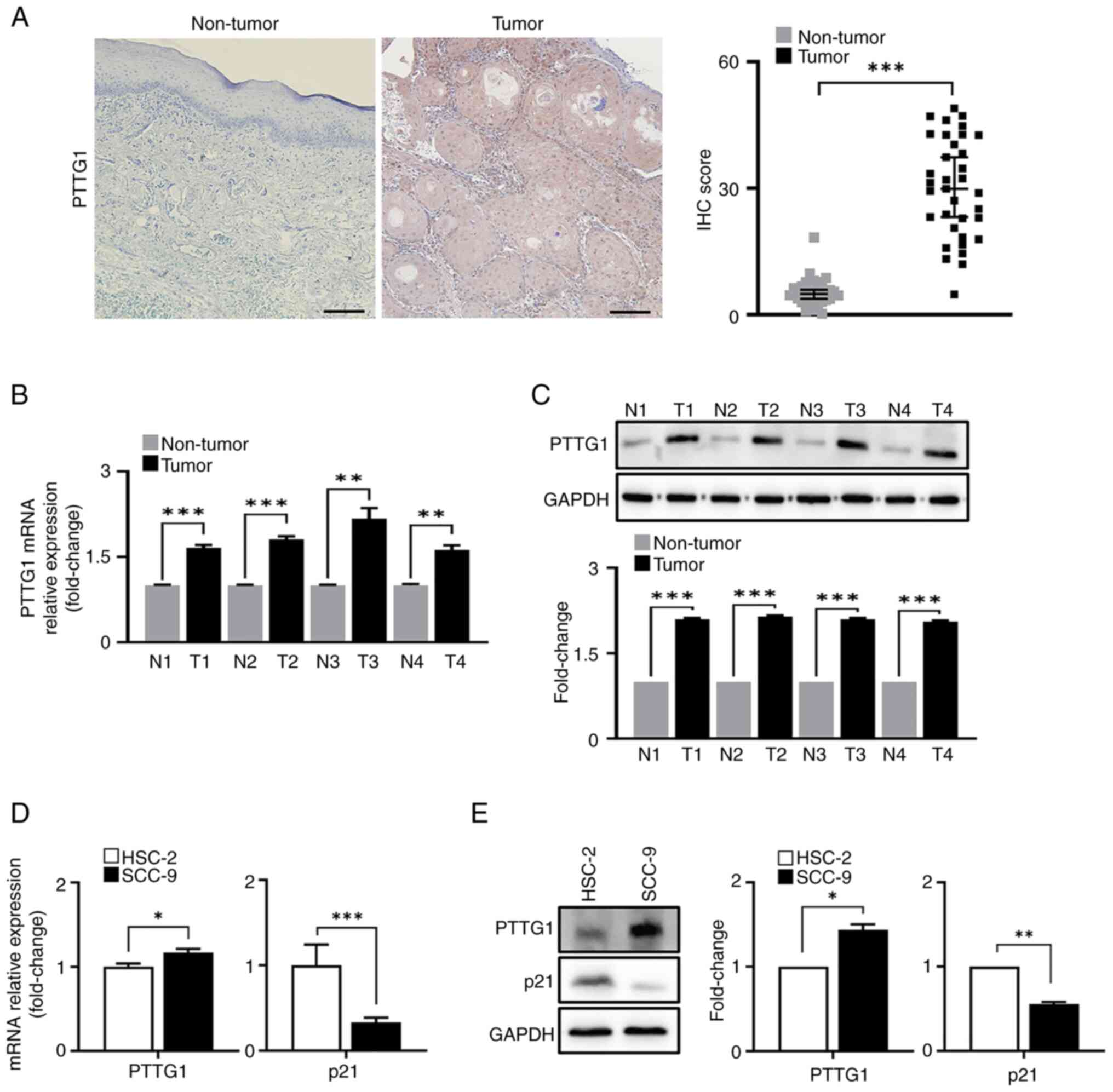
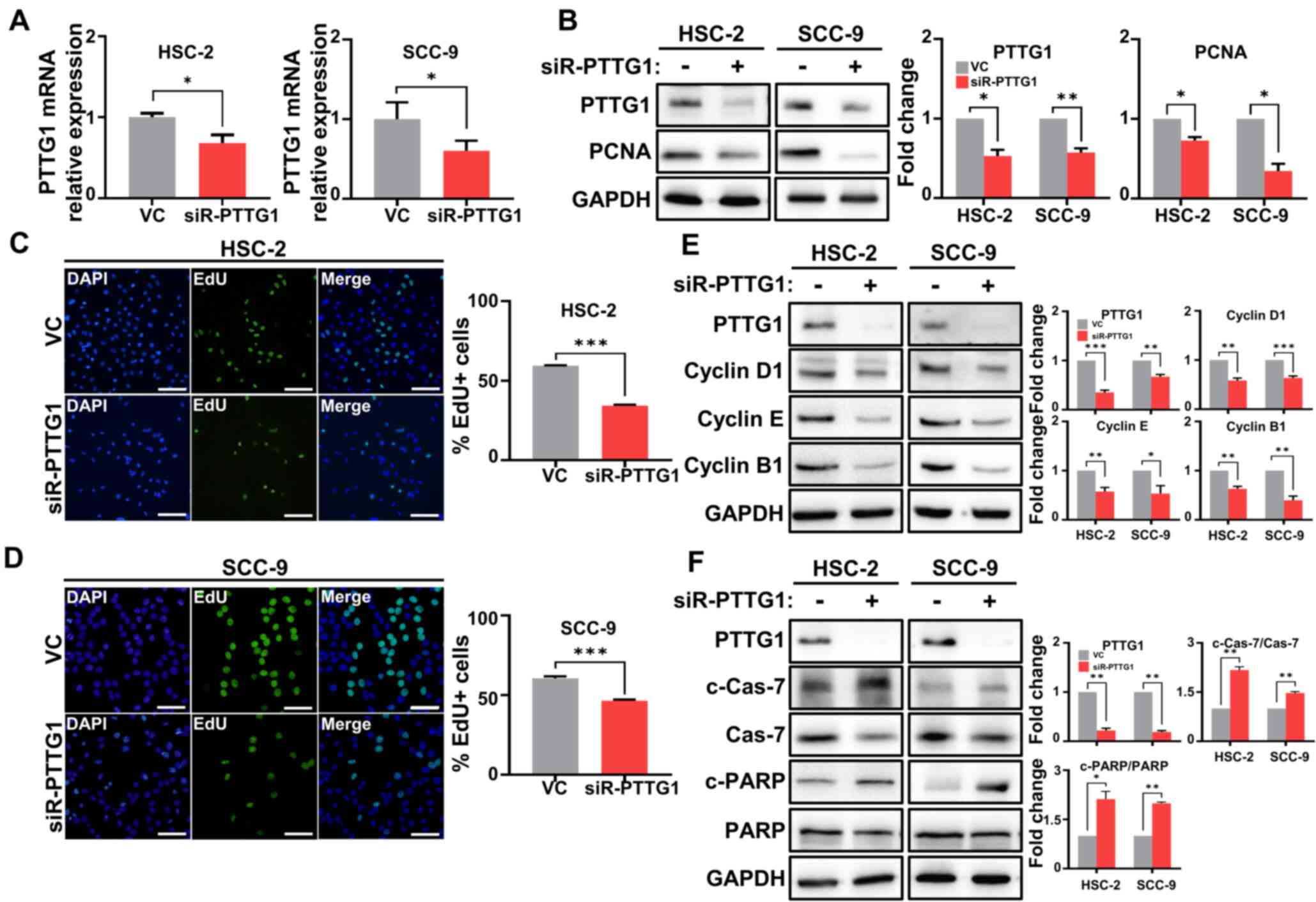
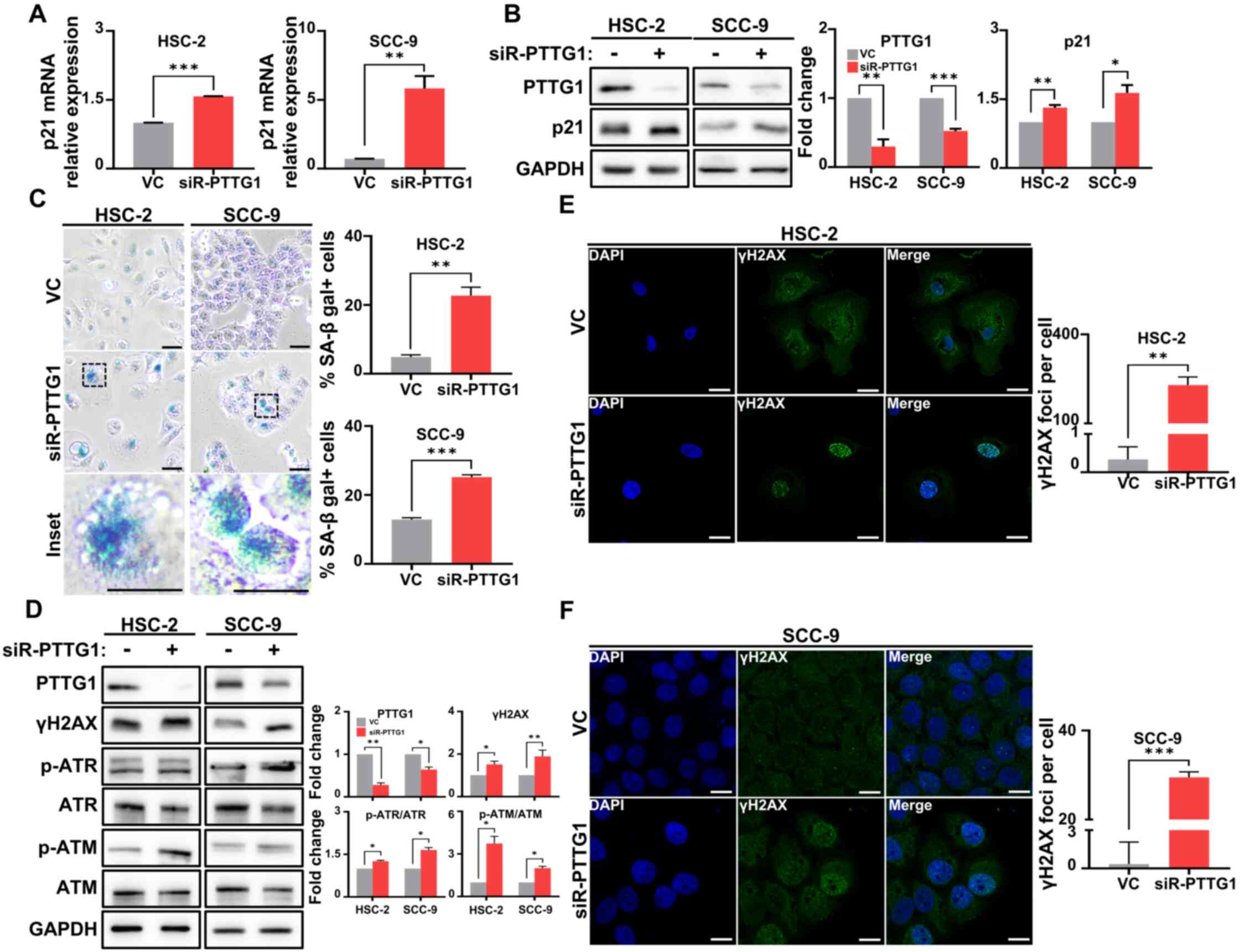
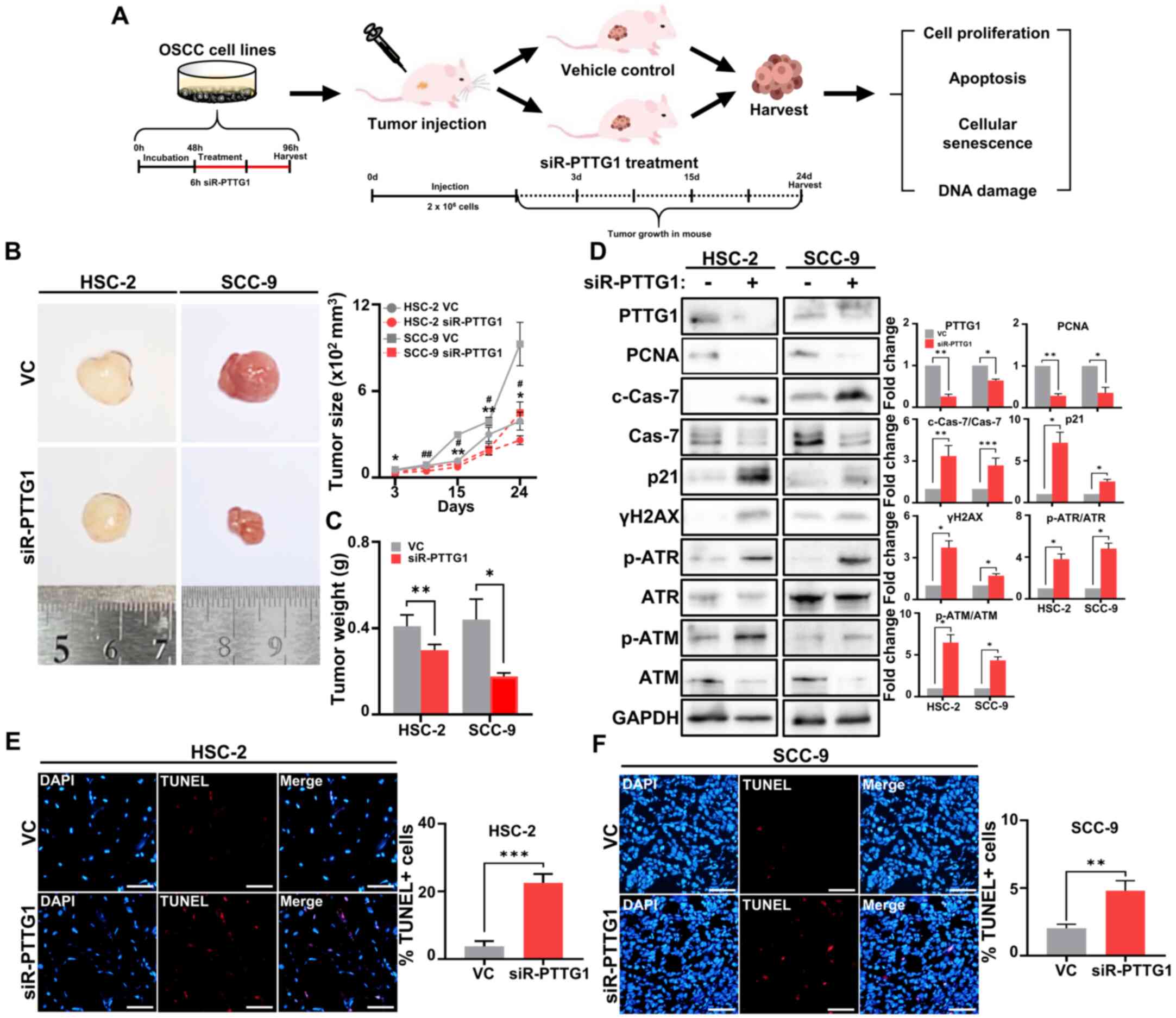
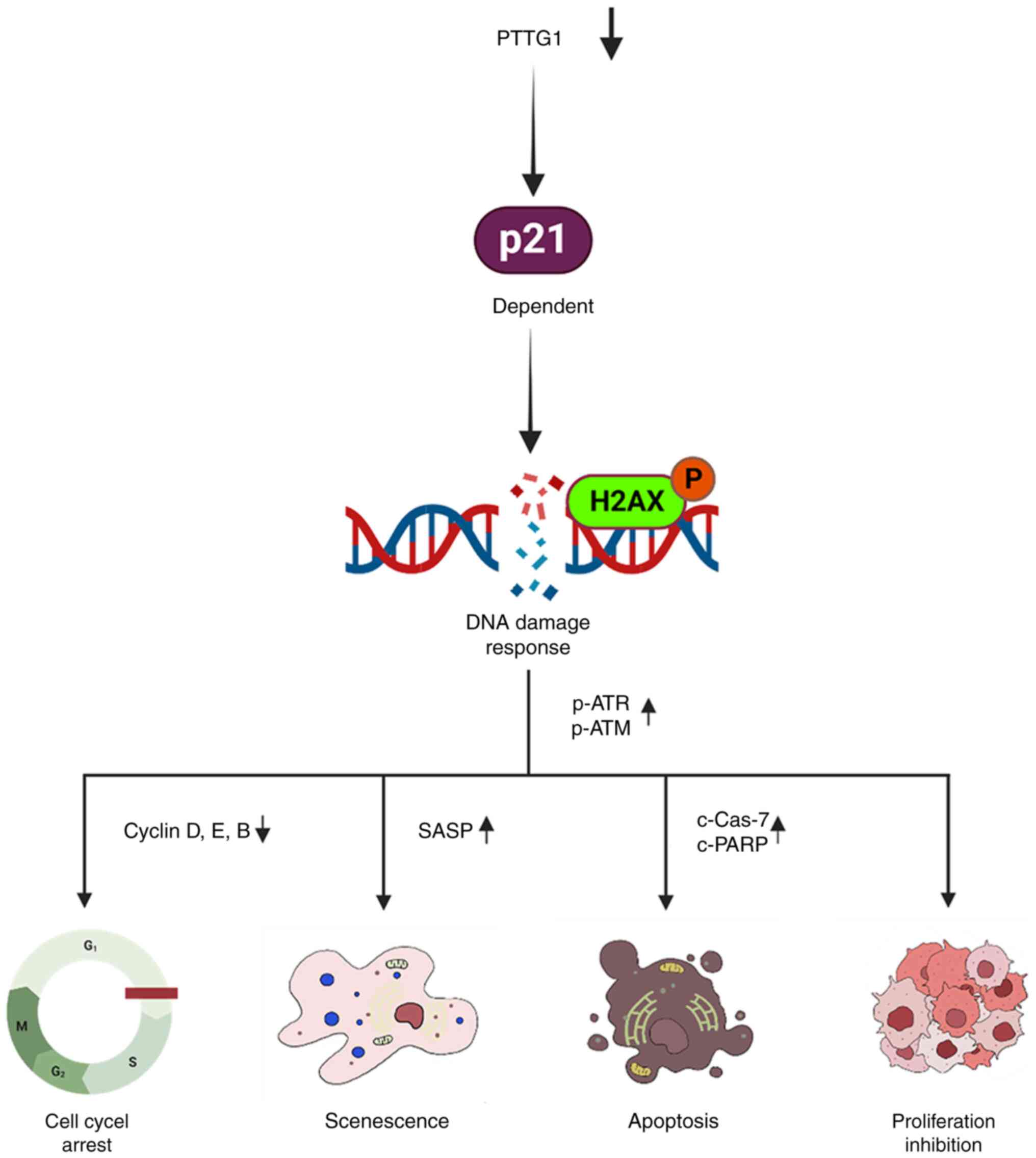
Pituitary tumor‑transforming gene 1 (PTTG1), also known as securin, is a proto‑oncogene involved in the development of various cancers by promoting cell proliferation and mobility. However, its underlying biological mechanisms in oral squamous cell carcinoma (OSCC) progression remain unclear. in the present study, it was sought to elucidate the role of PTTG1 as an oncogene in OSCC progression and was attempted to unravel the underlying mechanism and impact of PTTG1 expression on cell cycle, cell death, and cellular senescence. The effect of double strand break on PTTG1 expression was investigated in OSCC growth. To identify the role of PTTG1 in OSCC growth, the cell viability and senescence was analyzed by EdU and senescence‑associated beta‑galactosidase (SA‑β‑gal) assay, respectively. To verify the DNA damage‑induced senescence of PTTG1, the chromosomal damage in OSCC was analyzed in vitro. Finally, the effect of PTTG1 on tumor growth and gene expression related to cell viability and DNA damaged‑induced senescence was investigated in vivo. PTTG1 expression was compared between OSCC and healthy patient samples (n=32) using reverse transcription‑quantitative PCR and immunohistochemistry; and it was found that PTTG1 expression was upregulated in OSCC. Small interfering RNA‑mediated knockdown of PTTG1 in two OSCC cell lines revealed that PTTG1 downregulation significantly inhibited cell proliferation and arrested the cell cycle pathway as evidenced by changes in checkpoint genes (such as cyclin D1, E and B1). PTTG1 knockdown also increased apoptosis, as evidenced by the upregulation of apoptotic genes [such as cleaved (c‑) Caspase‑7 and c‑poly (ADP‑ribose) polymerase]. Moreover, PTTG1 downregulation promoted cellular senescence, as shown by western blotting and SA‑β‑gal staining. Finally, senescence‑induced DNA damage was observed in OSCC cells, which accelerates genomic instability, through chromosomal damage analysis. Taken together, the present findings suggested that PTTG1 acts as a proto‑oncogene; regulates cell proliferation, cell cycle, cellular senescence and DNA damage in OSCC; and may serve as a novel diagnostic biomarker and potential therapeutic target for OSCC.
View Figures

Figure 1

Figure 2

Figure 3

Figure 4

Figure 5

View References

1 

No authors listed: Oral cancer-the fight must go on against all odds…. Evid Based Dent. 23:4–5. 2022. View Article : Google Scholar

2 

Sung H, Ferlay J, Siegel RL, Laversanne M, Soerjomataram I, Jemal A and Bray F: Global cancer statistics 2020: GLOBOCAN estimates of incidence and mortality worldwide for 36 cancers in 185 countries. CA Cancer J Clin. 71:209–249. 2021. View Article : Google Scholar : PubMed/NCBI

3 

Johnson DE, Burtness B, Leemans CR, Lui VWY, Bauman JE and Grandis JR: Head and neck squamous cell carcinoma. Nat Rev Dis Primers. 6:922020. View Article : Google Scholar : PubMed/NCBI

4 

Kuo TJ, Jean YH, Shih PC, Cheng SY, Kuo HM, Lee YT, Lai YC, Tseng CC, Chen WF and Wen ZH: Stellettin B-induced oral cancer cell death via endoplasmic reticulum stress-mitochondrial apoptotic and autophagic signaling pathway. Int J Mol Sci. 23:88132022. View Article : Google Scholar : PubMed/NCBI

5 

Kruijtzer CM, Beijnen JH and Schellens JH: Improvement of oral drug treatment by temporary inhibition of drug transporters and/or cytochrome P450 in the gastrointestinal tract and liver: An overview. Oncologist. 7:516–530. 2002. View Article : Google Scholar : PubMed/NCBI

6 

Dobler C, Jost T, Hecht M, Fietkau R and Distel L: Senescence induction by combined ionizing radiation and DNA damage response inhibitors in head and neck squamous cell carcinoma cells. Cells. 9:20122020. View Article : Google Scholar : PubMed/NCBI

7 

Pei L and Melmed S: Isolation and characterization of a pituitary tumor-transforming gene (PTTG). Mol Endocrinol. 11:433–441. 1997. View Article : Google Scholar : PubMed/NCBI

8 

Jallepalli PV, Waizenegger IC, Bunz F, Langer S, Speicher MR, Peters JM, Kinzler KW, Vogelstein B and Lengauer C: Securin is required for chromosomal stability in human cells. Cell. 105:445–457. 2001. View Article : Google Scholar : PubMed/NCBI

9 

Vlotides G, Eigler T and Melmed S: Pituitary tumor-transforming gene: Physiology and implications for tumorigenesis. Endocr Rev. 28:165–186. 2007. View Article : Google Scholar : PubMed/NCBI

10 

Teveroni E, Di Nicuolo F, Bianchetti G, Epstein AL, Grande G, Maulucci G, De Spirito M, Pontecorvi A, Milardi D and Mancini F: Nuclear localization of PTTG1 promotes migration and invasion of seminoma tumor through activation of MMP-2. Cancers (Basel). 13:2122021. View Article : Google Scholar : PubMed/NCBI

11 

Wang Z, Yu R and Melmed S: Mice lacking pituitary tumor transforming gene show testicular and splenic hypoplasia, thymic hyperplasia, thrombocytopenia, aberrant cell cycle progression, and premature centromere division. Mol Endocrinol. 15:1870–1879. 2001. View Article : Google Scholar : PubMed/NCBI

12 

Lai Y, Xin D, Bai J, Mao Z and Na Y: The important anti-apoptotic role and its regulation mechanism of PTTG1 in UV-induced apoptosis. J Biochem Mol Biol. 40:966–972. 2007.PubMed/NCBI

13 

Kim DS, Franklyn JA, Smith VE, Stratford AL, Pemberton HN, Warfield A, Watkinson JC, Ishmail T, Wakelam MJ and McCabe CJ: Securin induces genetic instability in colorectal cancer by inhibiting double-stranded DNA repair activity. Carcinogenesis. 28:749–759. 2007. View Article : Google Scholar : PubMed/NCBI

14 

Read ML, Fong JC, Modasia B, Fletcher A, Imruetaicharoenchoke W, Thompson RJ, Nieto H, Reynolds JJ, Bacon A, Mallick U, et al: Elevated PTTG and PBF predicts poor patient outcome and modulates DNA damage response genes in thyroid cancer. Oncogene. 36:5296–5308. 2017. View Article : Google Scholar : PubMed/NCBI

15 

Pei L: Identification of c-myc as a down-stream target for pituitary tumor-transforming gene. J Biol Chem. 276:8484–8491. 2001. View Article : Google Scholar : PubMed/NCBI

16 

Bernal JA, Luna R, Espina A, Lázaro I, Ramos-Morales F, Romero F, Arias C, Silva A, Tortolero M and Pintor-Toro JA: Human securin interacts with p53 and modulates p53-mediated transcriptional activity and apoptosis. Nat Genet. 32:306–311. 2002. View Article : Google Scholar : PubMed/NCBI

17 

Liao LJ, Hsu YH, Yu CH, Chiang CP, Jhan JR, Chang LC, Lin JJ and Lou PJ: Association of pituitary tumor transforming gene expression with early oral tumorigenesis and malignant progression of precancerous lesions. Head Neck. 33:719–726. 2011. View Article : Google Scholar : PubMed/NCBI

18 

Zhang E, Liu S, Xu Z, Huang S, Tan X, Sun C and Lu L: Pituitary tumor-transforming gene 1 (PTTG1) is overexpressed in oral squamous cell carcinoma (OSCC) and promotes migration, invasion and epithelial-mesenchymal transition (EMT) in SCC15 cells. Tumour Biol. 35:8801–8811. 2014. View Article : Google Scholar : PubMed/NCBI

19 

Piskorz WM and Cechowska-Pasko M: Senescence of tumor cells in anticancer therapy-beneficial and detrimental effects. Int J Mol Sci. 23:110822022. View Article : Google Scholar : PubMed/NCBI

20 

Kuilman T, Michaloglou C, Mooi WJ and Peeper DS: The essence of senescence. Genes Dev. 24:2463–2479. 2010. View Article : Google Scholar : PubMed/NCBI

21 

Campisi J and d'Adda di Fagagna F: Cellular senescence: When bad things happen to good cells. Nat Rev Mol Cell Biol. 8:729–740. 2007. View Article : Google Scholar : PubMed/NCBI

22 

Childs BG, Baker DJ, Kirkland JL, Campisi J and van Deursen JM: Senescence and apoptosis: Dueling or complementary cell fates? EMBO Rep. 15:1139–1153. 2014. View Article : Google Scholar : PubMed/NCBI

23 

Gorgoulis V, Adams PD, Alimonti A, Bennett DC, Bischof O, Bishop C, Campisi J, Collado M, Evangelou K, Ferbeyre G, et al: Cellular senescence: Defining a path forward. Cell. 179:813–827. 2019. View Article : Google Scholar : PubMed/NCBI

24 

Hernandez-Segura A, Nehme J and Demaria M: Hallmarks of cellular senescence. Trends Cell Biol. 28:436–453. 2018. View Article : Google Scholar : PubMed/NCBI

25 

Herranz N and Gil J: Mechanisms and functions of cellular senescence. J Clin Invest. 128:1238–1246. 2018. View Article : Google Scholar : PubMed/NCBI

26 

HAYFLICK L: THE LIMITED IN VITRO LIFETIME OF HUMAN DIPLOID CELL STRAINS. Exp Cell Res. 37:614–636. 1965. View Article : Google Scholar : PubMed/NCBI

27 

Chen YC, Hsieh HH, Chang HC, Wang HC, Lin WJ and Lin JJ: CDC25B induces cellular senescence and correlates with tumor suppression in a p53-dependent manner. J Biol Chem. 296:1005642021. View Article : Google Scholar : PubMed/NCBI

28 

Jung SH, Hwang HJ, Kang D, Park HA, Lee HC, Jeong D, Lee K, Park HJ, Ko YG and Lee JS: mTOR kinase leads to PTEN-loss-induced cellular senescence by phosphorylating p53. Oncogene. 38:1639–1650. 2019. View Article : Google Scholar : PubMed/NCBI

29 

Livak KJ and Schmittgen TD: Analysis of relative gene expression data using real-time quantitative PCR and the 2(−Delta Delta C(T)) Method. Methods. 25:402–408. 2001. View Article : Google Scholar : PubMed/NCBI

30 

Jeoung DI, Tang B and Sonenberg M: Induction of tumor suppressor p21 protein by kinase inhibitors in MCF-7 cells. Biochem Biophys Res Commun. 214:361–366. 1995. View Article : Google Scholar : PubMed/NCBI

31 

Englund DA, Jolliffe A, Aversa Z, Zhang X, Sturmlechner I, Sakamoto AE, Zeidler JD, Warner GM, McNinch C, White TA, et al: p21 induces a senescence program and skeletal muscle dysfunction. Mol Metab. 67:1016522023. View Article : Google Scholar : PubMed/NCBI

32 

Bologna-Molina R, Mosqueda-Taylor A, Molina-Frechero N, Mori-Estevez AD and Sánchez-Acuña G: Comparison of the value of PCNA and Ki-67 as markers of cell proliferation in ameloblastic tumors. Med Oral Patol Oral Cir Bucal. 18:e174–e179. 2013. View Article : Google Scholar : PubMed/NCBI

33 

Loftus LV, Amend SR and Pienta KJ: Interplay between cell death and cell proliferation reveals new strategies for cancer therapy. Int J Mol Sci. 23:47232022. View Article : Google Scholar : PubMed/NCBI

34 

Mirzayans R and Murray D: Do TUNEL and other apoptosis assays detect cell death in preclinical studies? Int J Mol Sci. 21:90902020. View Article : Google Scholar : PubMed/NCBI

35 

Meng C, Zou Y, Hong W, Bao C and Jia X: Estrogen-regulated PTTG1 promotes breast cancer progression by regulating cyclin kinase expression. Mol Med. 26:332020. View Article : Google Scholar : PubMed/NCBI

36 

Yang G, Xiog Y, Wang G, Li W, Tang T, Sun J and Li J: miR-374c-5p regulates PTTG1 and inhibits cell growth and metastasis in hepatocellular carcinoma by regulating epithelial-mesenchymal transition. Mol Med Rep. 25:1482022. View Article : Google Scholar : PubMed/NCBI

37 

Zhang H, He Z, Qiu L, Wei J, Gong X, Xian M, Chen Z, Cui Y, Fu S, Zhang Z, et al: PRR11 promotes cell proliferation by regulating PTTG1 through interacting with E2F1 transcription factor in pan-cancer. Front Mol Biosci. 9:8773202022. View Article : Google Scholar : PubMed/NCBI

38 

Lee SS, Choi JH, Lim SM, Kim GJ, Lee SK and Jeon YK: Alteration of pituitary tumor transforming gene 1 by microRNA-186 and 655 regulates invasion ability of human oral squamous cell carcinoma. Int J Mol Sci. 22:10212021. View Article : Google Scholar : PubMed/NCBI

39 

Hu J, Cao J, Topatana W, Juengpanich S, Li S, Zhang B, Shen J, Cai L, Cai X and Chen M: Targeting mutant p53 for cancer therapy: Direct and indirect strategies. J Hematol Oncol. 14:1572021. View Article : Google Scholar : PubMed/NCBI

40 

Nakagaki T, Tamura M, Kobashi K, Koyama R, Fukushima H, Ohashi T, Idogawa M, Ogi K, Hiratsuka H, Tokino T and Sasaki Y: Profiling cancer-related gene mutations in oral squamous cell carcinoma from Japanese patients by targeted amplicon sequencing. Oncotarget. 8:59113–59122. 2017. View Article : Google Scholar : PubMed/NCBI

41 

Hauser U, Balz V, Carey TE, Grénman R, Van Lierop A, Scheckenbach K and Bier H: Reliable detection of p53 aberrations in squamous cell carcinomas of the head and neck requires transcript analysis of the entire coding region. Head Neck. 24:868–873. 2002. View Article : Google Scholar : PubMed/NCBI

42 

Alhmoud JF, Woolley JF, Al Moustafa AE and Malki MI: DNA damage/repair management in cancers. Cancers (Basel). 12:10502020. View Article : Google Scholar : PubMed/NCBI

43 

Yousefzadeh M, Henpita C, Vyas R, Soto-Palma C, Robbins P and Niedernhofer L: DNA damage-how and why we age? Elife. 10:e628522021. View Article : Google Scholar : PubMed/NCBI

44 

Trenner A and Sartori AA: Harnessing DNA double-strand break repair for cancer treatment. Front Oncol. 9:13882019. View Article : Google Scholar : PubMed/NCBI

45 

Abuetabh Y, Wu HH, Chai C, Al Yousef H, Persad S, Sergi CM and Leng R: DNA damage response revisited: The p53 family and its regulators provide endless cancer therapy opportunities. Exp Mol Med. 54:1658–1669. 2022. View Article : Google Scholar : PubMed/NCBI

46 

Cimprich KA and Cortez D: ATR: An essential regulator of genome integrity. Nat Rev Mol Cell Biol. 9:616–627. 2008. View Article : Google Scholar : PubMed/NCBI

47 

Bonner WM, Redon CE, Dickey JS, Nakamura AJ, Sedelnikova OA, Solier S and Pommier Y: GammaH2AX and cancer. Nat Rev Cancer. 8:957–967. 2008. View Article : Google Scholar : PubMed/NCBI

48 

Engeland K: Cell cycle regulation: p53-p21-RB signaling. Cell Death Differ. 29:946–960. 2022. View Article : Google Scholar : PubMed/NCBI

49 

Ho CJ, Lin RW, Zhu WH, Wen TK, Hu CJ, Lee YL, Hung TI and Wang C: Transcription-independent and -dependent p53-mediated apoptosis in response to genotoxic and non-genotoxic stress. Cell Death Discov. 5:1312019. View Article : Google Scholar : PubMed/NCBI

50 

Lee TK, Lau TC and Ng IO: Doxorubicin-induced apoptosis and chemosensitivity in hepatoma cell lines. Cancer Chemother Pharmacol. 49:78–86. 2002. View Article : Google Scholar : PubMed/NCBI

51 

Kciuk M, Gielecińska A, Mujwar S, Kołat D, Kałuzińska-Kołat Ż, Celik I and Kontek R: Doxorubicin-an agent with multiple mechanisms of anticancer activity. Cells. 12:6592023. View Article : Google Scholar : PubMed/NCBI

52 

Yun UJ, Lee JH, Shim J, Yoon K, Goh SH, Yi EH, Ye SK, Lee JS, Lee H, Park J, et al: Anti-cancer effect of doxorubicin is mediated by downregulation of HMG-Co A reductase via inhibition of EGFR/Src pathway. Lab Invest. 99:1157–1172. 2019. View Article : Google Scholar : PubMed/NCBI

Related Articles

  • Abstract
  • View
  • Download
  • Twitter
Copy and paste a formatted citation
Spandidos Publications style
Park S, Kim S, Kim M, Lee SS and Choi J: Pituitary tumor‑transforming gene 1 regulates the senescence and apoptosis of oral squamous cell carcinoma in a p21‑dependent DNA damage response manner. Oncol Rep 52: 135, 2024.
APA
Park, S., Kim, S., Kim, M., Lee, S.S., & Choi, J. (2024). Pituitary tumor‑transforming gene 1 regulates the senescence and apoptosis of oral squamous cell carcinoma in a p21‑dependent DNA damage response manner. Oncology Reports, 52, 135. https://doi.org/10.3892/or.2024.8794
MLA
Park, S., Kim, S., Kim, M., Lee, S. S., Choi, J."Pituitary tumor‑transforming gene 1 regulates the senescence and apoptosis of oral squamous cell carcinoma in a p21‑dependent DNA damage response manner". Oncology Reports 52.4 (2024): 135.
Chicago
Park, S., Kim, S., Kim, M., Lee, S. S., Choi, J."Pituitary tumor‑transforming gene 1 regulates the senescence and apoptosis of oral squamous cell carcinoma in a p21‑dependent DNA damage response manner". Oncology Reports 52, no. 4 (2024): 135. https://doi.org/10.3892/or.2024.8794
Copy and paste a formatted citation
x
Spandidos Publications style
Park S, Kim S, Kim M, Lee SS and Choi J: Pituitary tumor‑transforming gene 1 regulates the senescence and apoptosis of oral squamous cell carcinoma in a p21‑dependent DNA damage response manner. Oncol Rep 52: 135, 2024.
APA
Park, S., Kim, S., Kim, M., Lee, S.S., & Choi, J. (2024). Pituitary tumor‑transforming gene 1 regulates the senescence and apoptosis of oral squamous cell carcinoma in a p21‑dependent DNA damage response manner. Oncology Reports, 52, 135. https://doi.org/10.3892/or.2024.8794
MLA
Park, S., Kim, S., Kim, M., Lee, S. S., Choi, J."Pituitary tumor‑transforming gene 1 regulates the senescence and apoptosis of oral squamous cell carcinoma in a p21‑dependent DNA damage response manner". Oncology Reports 52.4 (2024): 135.
Chicago
Park, S., Kim, S., Kim, M., Lee, S. S., Choi, J."Pituitary tumor‑transforming gene 1 regulates the senescence and apoptosis of oral squamous cell carcinoma in a p21‑dependent DNA damage response manner". Oncology Reports 52, no. 4 (2024): 135. https://doi.org/10.3892/or.2024.8794
Follow us
  • Twitter
  • LinkedIn
  • Facebook
About
  • Spandidos Publications
  • Careers
  • Cookie Policy
  • Privacy Policy
How can we help?
  • Help
  • Live Chat
  • Contact
  • Email to our Support Team