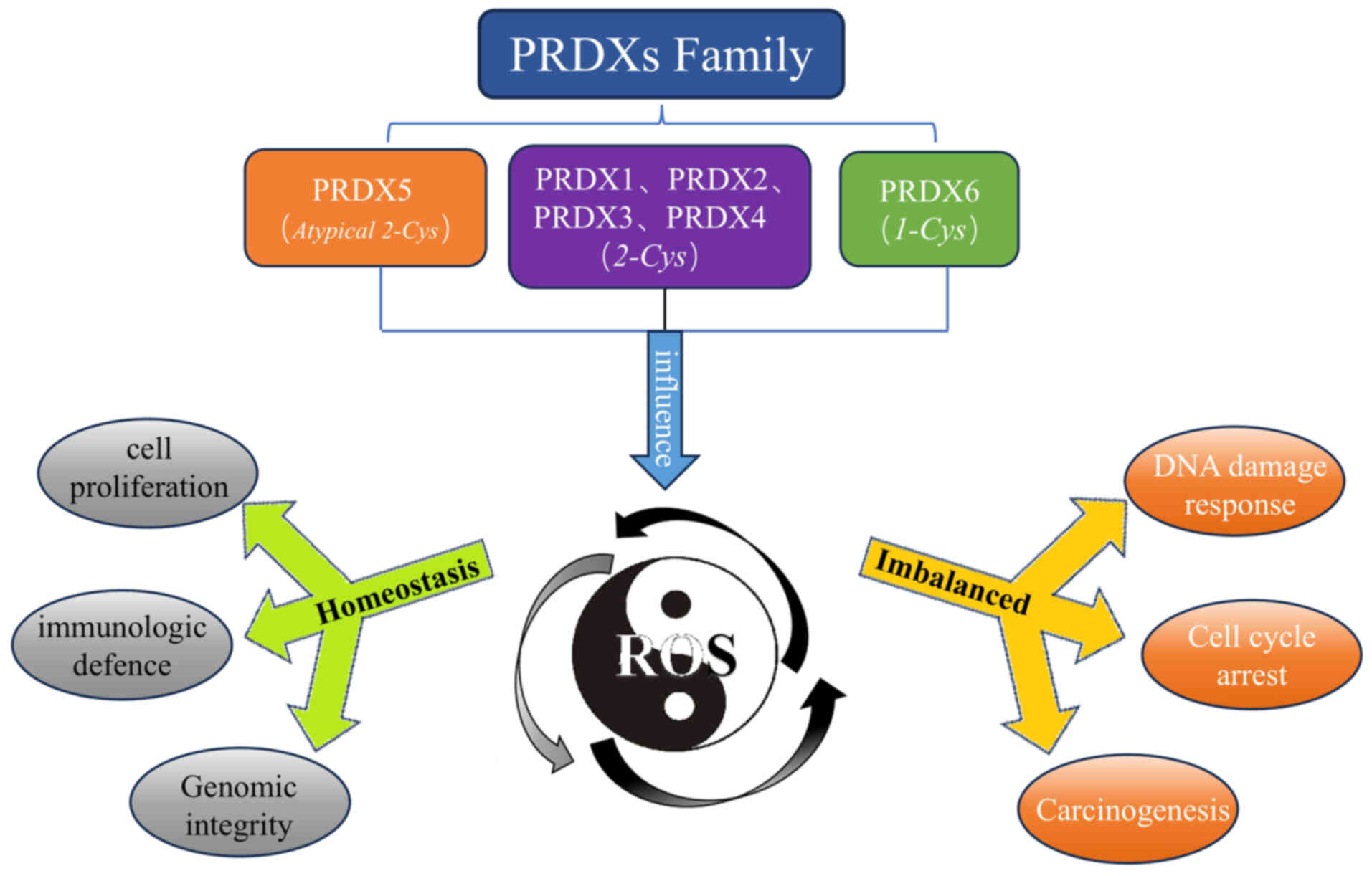
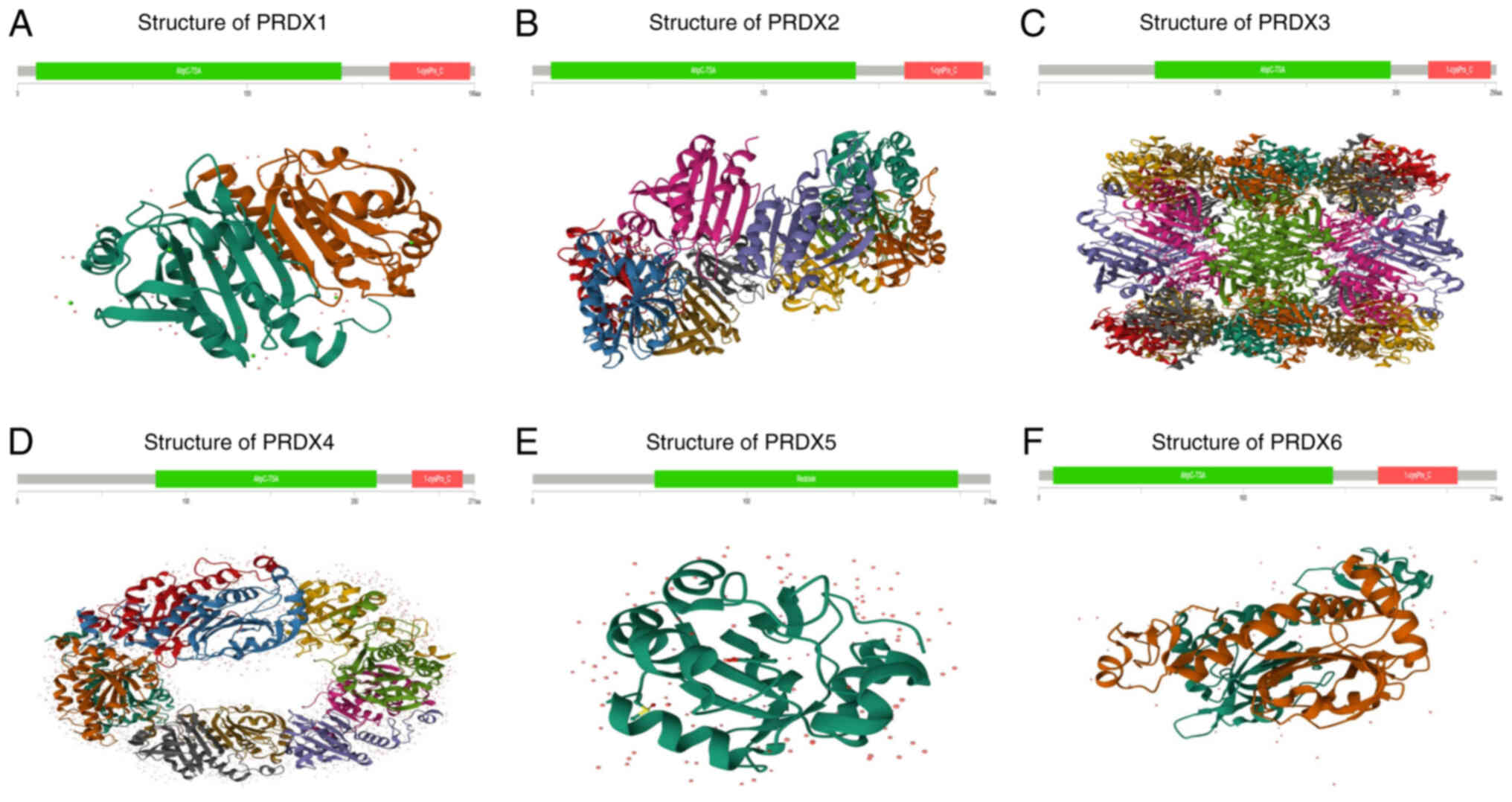
|
1
|
Wang S, Zheng R, Li J, Zeng H, Li L, Chen
R, Sun K, Han B, Bray F, Wei W and He J: Global, regional, and
national lifetime risks of developing and dying from
gastrointestinal cancers in 185 countries: A population-based
systematic analysis of GLOBOCAN. Lancet Gastroenterol Hepatol.
9:229–237. 2024. View Article : Google Scholar : PubMed/NCBI
|
|
2
|
Cao W, Chen HD, Yu YW, Li N and Chen WQ:
Changing profiles of cancer burden worldwide and in China: A
secondary analysis of the global cancer statistics 2020. Chin Med J
(Engl). 134:783–791. 2021. View Article : Google Scholar : PubMed/NCBI
|
|
3
|
Huang J, Lucero-Prisno DE III, Zhang L, Xu
W, Wong SH, Ng SC and Wong MCS: Updated epidemiology of
gastrointestinal cancers in East Asia. Nat Rev Gastroenterol
Hepatol. 20:271–287. 2023. View Article : Google Scholar : PubMed/NCBI
|
|
4
|
Forman HJ and Zhang H: Targeting oxidative
stress in disease: Promise and limitations of antioxidant therapy.
Nat Rev Drug Discov. 20:689–709. 2021. View Article : Google Scholar : PubMed/NCBI
|
|
5
|
Mittler R: ROS are good. Trends Plant Sci.
22:11–19. 2017. View Article : Google Scholar : PubMed/NCBI
|
|
6
|
Holmström KM and Finkel T: Cellular
mechanisms and physiological consequences of redox-dependent
signalling. Nat Rev Mol Cell Biol. 15:411–421. 2014. View Article : Google Scholar : PubMed/NCBI
|
|
7
|
Zhao W, Zhuang P, Chen Y, Wu Y, Zhong M
and Lun Y: ‘Double-edged sword’ effect of reactive oxygen species
(ROS) in tumor development and carcinogenesis. Physiol Res.
72:301–307. 2023. View Article : Google Scholar : PubMed/NCBI
|
|
8
|
Rosini E and Pollegioni L: Reactive oxygen
species as a double-edged sword: The role of oxidative enzymes in
antitumor therapy. Biofactors. 48:384–399. 2022. View Article : Google Scholar : PubMed/NCBI
|
|
9
|
Agidigbi TS and Kim C: Reactive oxygen
species in osteoclast differentiation and possible pharmaceutical
targets of ROS-mediated osteoclast diseases. Int J Mol Sci.
20:35762019. View Article : Google Scholar : PubMed/NCBI
|
|
10
|
Fransen M and Lismont C: Redox signaling
from and to peroxisomes: Progress, challenges, and prospects.
Antioxid Redox Signal. 30:95–112. 2019. View Article : Google Scholar : PubMed/NCBI
|
|
11
|
Lee YJ: Knockout mouse models for
peroxiredoxins. Antioxidants (Basel). 9:1822020. View Article : Google Scholar : PubMed/NCBI
|
|
12
|
Park MH, Jo M, Kim YR, Lee CK and Hong JT:
Roles of peroxiredoxins in cancer, neurodegenerative diseases and
inflammatory diseases. Pharmacol Ther. 163:1–23. 2016. View Article : Google Scholar : PubMed/NCBI
|
|
13
|
Jeong SJ, Park JG and Oh GT:
Peroxiredoxins as potential targets for cardiovascular disease.
Antioxidants (Basel). 10:12442021. View Article : Google Scholar : PubMed/NCBI
|
|
14
|
Zhou F, Chen F, Ouyang Z, Zhu R, Zhou R,
Hu W and Lu C: Functions of peroxiredoxins and their roles in
autoimmune diseases. Antioxid Redox Signal. 40:329–344. 2024.
View Article : Google Scholar : PubMed/NCBI
|
|
15
|
Gao L, Meng J, Yue C, Wu X, Su Q, Wu H,
Zhang Z, Yu Q, Gao S, Fan S and Zuo L: Integrative analysis the
characterization of peroxiredoxins in pan-cancer. Cancer Cell Int.
21:3662021. View Article : Google Scholar : PubMed/NCBI
|
|
16
|
Rodrigo DCG, Udayantha HMV, Liyanage DS,
Omeka WKM, Kodagoda YK, Hanchapola HACR, Dilshan MAH, Ganepola
GANP, Warnakula WADLR, Kim G, et al: Functional characterization of
peroxiredoxin 5 from yellowtail clownfish (Amphiprion clarkii):
Immunological expression assessment, antioxidant activities, heavy
metal detoxification, and nitrosative stress mitigation. Dev Comp
Immunol. 162:1052892025. View Article : Google Scholar : PubMed/NCBI
|
|
17
|
Prochownik EV: Functional and physical
communication between oncoproteins and tumor suppressors. Cell Mol
Life Sci. 62:2438–2459. 2005. View Article : Google Scholar : PubMed/NCBI
|
|
18
|
Wu X, Li J, Zhang H, Wang H, Yin G and
Miao D: Pyrroloquinoline quinone prevents testosterone
deficiency-induced osteoporosis by stimulating osteoblastic bone
formation and inhibiting osteoclastic bone resorption. Am J Transl
Res. 9:1230–1242. 2017.PubMed/NCBI
|
|
19
|
Yamada S, Al-Sharabi N, Torelli F, Volponi
AA, Sandven L, Ueda M, Fristad I and Mustafa K: Harnessing the
antioxidative potential of dental pulp stem cell-conditioned medium
in photopolymerized GelMA hydrogels. Biomater Res. 28:00842024.
View Article : Google Scholar : PubMed/NCBI
|
|
20
|
Xu Z, Chen Q, Zeng X, Li M and Liao J:
lnc-NLC1-C inhibits migration, invasion and autophagy of glioma
cells by targeting miR-383 and regulating PRDX-3 expression. Oncol
Lett. 22:6402021. View Article : Google Scholar : PubMed/NCBI
|
|
21
|
Lv C, Huang Y, Wang Q, Wang C, Hu H, Zhang
H, Lu D, Jiang H, Shen R, Zhang W and Liu S: Ainsliadimer A induces
ROS-mediated apoptosis in colorectal cancer cells via directly
targeting peroxiredoxin 1 and 2. Cell Chem Biol. 30:295–307.e5.
2023. View Article : Google Scholar : PubMed/NCBI
|
|
22
|
Walsh B, Pearl A, Suchy S, Tartaglio J,
Visco K and Phelan SA: Overexpression of Prdx6 and resistance to
peroxide-induced death in Hepa1-6 cells: Prdx suppression increases
apoptosis. Redox Rep. 14:275–284. 2009. View Article : Google Scholar : PubMed/NCBI
|
|
23
|
Liu Y, Wang P, Hu W and Chen D: New
insights into the roles of peroxiredoxins in cancer. Biomed
Pharmacother. 164:1148962023. View Article : Google Scholar : PubMed/NCBI
|
|
24
|
Neumann CA and Fang Q: Are peroxiredoxins
tumor suppressors? Curr Opin Pharmacol. 7:375–380. 2007. View Article : Google Scholar : PubMed/NCBI
|
|
25
|
Zhang Z, Zheng Q, Li P, Xu X, Zhou Y and
Qian C: Expression and mechanism of PRDXs family in oral squamous
cell carcinoma. Discov Oncol. 16:4152025. View Article : Google Scholar : PubMed/NCBI
|
|
26
|
Carini F, Mazzola M, Rappa F, Jurjus A,
Geagea AG, Al Kattar S, Bou-Assi T, Jurjus R, Damiani P, Leone A
and Tomasello G: Colorectal carcinogenesis: Role of oxidative
stress and antioxidants. Anticancer Res. 37:4759–4766.
2017.PubMed/NCBI
|
|
27
|
Song JH, Han YM, Kim WH, Park JM, Jeong M,
Go EJ, Hong SP and Hahm KB: Oxidative stress from reflux
esophagitis to esophageal cancer: The alleviation with
antioxidants. Free Radic Res. 50:1071–1079. 2016. View Article : Google Scholar : PubMed/NCBI
|
|
28
|
Liu Y, Hao C, Li L, Zhang H, Zha W, Ma L,
Chen L and Gan J: The role of oxidative stress in the development
and therapeutic intervention of hepatocellular carcinoma. Curr
Cancer Drug Targets. 23:792–804. 2023. View Article : Google Scholar : PubMed/NCBI
|
|
29
|
Toh JWT and Wilson RB: Pathways of gastric
carcinogenesis, Helicobacter pylori virulence and interactions with
antioxidant systems, vitamin C and phytochemicals. Int J Mol Sci.
21:64512020. View Article : Google Scholar : PubMed/NCBI
|
|
30
|
Kim K, Kim IH, Lee KY, Rhee SG and
Stadtman ER: The isolation and purification of a specific
‘protector’ protein which inhibits enzyme inactivation by a
thiol/Fe(III)/O2 mixed-function oxidation system. J Biol Chem.
263:4704–4711. 1988. View Article : Google Scholar : PubMed/NCBI
|
|
31
|
Tartaglia LA, Storz G, Brodsky MH, Lai A
and Ames BN: Alkyl hydroperoxide reductase from Salmonella
typhimurium. Sequence and homology to thioredoxin reductase and
other flavoprotein disulfide oxidoreductases. J Biol Chem.
265:10535–10540. 1990. View Article : Google Scholar : PubMed/NCBI
|
|
32
|
Chae HZ, Chung SJ and Rhee SG:
Thioredoxin-dependent peroxide reductase from yeast. J Biol Chem.
269:27670–27678. 1994. View Article : Google Scholar : PubMed/NCBI
|
|
33
|
McGonigle S, Dalton JP and James ER:
Peroxidoxins: A new antioxidant family. Parasitol Today.
14:139–145. 1998. View Article : Google Scholar : PubMed/NCBI
|
|
34
|
Rhee SG, Chae HZ and Kim K:
Peroxiredoxins: A historical overview and speculative preview of
novel mechanisms and emerging concepts in cell signaling. Free
Radic Biol Med. 38:1543–1552. 2005. View Article : Google Scholar : PubMed/NCBI
|
|
35
|
Neumann CA, Cao J and Manevich Y:
Peroxiredoxin 1 and its role in cell signaling. Cell Cycle.
8:4072–4078. 2009. View Article : Google Scholar : PubMed/NCBI
|
|
36
|
Hall A, Nelson K, Poole LB and Karplus PA:
Structure-based insights into the catalytic power and
conformational dexterity of peroxiredoxins. Antioxid Redox Signal.
15:795–815. 2011. View Article : Google Scholar : PubMed/NCBI
|
|
37
|
Rhee SG, Woo HA, Kil IS and Bae SH:
Peroxiredoxin functions as a peroxidase and a regulator and sensor
of local peroxides. J Biol Chem. 287:4403–4410. 2012. View Article : Google Scholar : PubMed/NCBI
|
|
38
|
Chae HZ, Robison K, Poole LB, Church G,
Storz G and Rhee SG: Cloning and sequencing of thiol-specific
antioxidant from mammalian brain: Alkyl hydroperoxide reductase and
thiol-specific antioxidant define a large family of antioxidant
enzymes. Proc Natl Acad Sci USA. 91:7017–7021. 1994. View Article : Google Scholar : PubMed/NCBI
|
|
39
|
Rhee SG, Kang SW, Chang TS, Jeong W and
Kim K: Peroxiredoxin, a novel family of peroxidases. IUBMB Life.
52:35–41. 2001. View Article : Google Scholar : PubMed/NCBI
|
|
40
|
Wood ZA, Schröder E, Robin Harris J and
Poole LB: Structure, mechanism and regulation of peroxiredoxins.
Trends Biochem Sci. 28:32–40. 2003. View Article : Google Scholar : PubMed/NCBI
|
|
41
|
Immenschuh S and Baumgart-Vogt E:
Peroxiredoxins, oxidative stress, and cell proliferation. Antioxid
Redox Signal. 7:768–777. 2005. View Article : Google Scholar : PubMed/NCBI
|
|
42
|
Banmeyer I, Marchand C, Verhaeghe C, Vucic
B, Rees JF and Knoops B: Overexpression of human peroxiredoxin 5 in
subcellular compartments of Chinese hamster ovary cells: Effects on
cytotoxicity and DNA damage caused by peroxides. Free Radic Biol
Med. 36:65–77. 2004. View Article : Google Scholar : PubMed/NCBI
|
|
43
|
Rhee SG: Overview on peroxiredoxin. Mol
Cells. 39:1–5. 2016. View Article : Google Scholar : PubMed/NCBI
|
|
44
|
Oberley TD, Verwiebe E, Zhong W, Kang SW
and Rhee SG: Localization of the thioredoxin system in normal rat
kidney. Free Radic Biol Med. 30:412–424. 2001. View Article : Google Scholar : PubMed/NCBI
|
|
45
|
Verdoucq L, Vignols F, Jacquot JP,
Chartier Y and Meyer Y: In vivo characterization of a thioredoxin h
target protein defines a new peroxiredoxin family. J Biol Chem.
274:19714–19722. 1999. View Article : Google Scholar : PubMed/NCBI
|
|
46
|
Ding C, Fan X and Wu G: Peroxiredoxin 1-an
antioxidant enzyme in cancer. J Cell Mol Med. 21:193–202. 2017.
View Article : Google Scholar : PubMed/NCBI
|
|
47
|
Wen ST and Van Etten RA: The PAG gene
product, a stress-induced protein with antioxidant properties, is
an Abl SH3-binding protein and a physiological inhibitor of c-Abl
tyrosine kinase activity. Genes Dev. 11:2456–2467. 1997. View Article : Google Scholar : PubMed/NCBI
|
|
48
|
Sobin LH and Fleming ID: TNM
classification of malignant tumors, fifth edition (1997). union
internationale contre le cancer and the American joint committee on
cancer. Cancer. 80:1803–1804. 1997. View Article : Google Scholar : PubMed/NCBI
|
|
49
|
Sun HH, Li YL, Jiang H, Yin XH and Jin XL:
PRDX1 influences the occurrence and progression of liver cancer by
inhibiting mitochondrial apoptosis pathway. Cell J. 24:657–664.
2022.PubMed/NCBI
|
|
50
|
Lu E, Hu X, Pan C, Chen J, Xu Y and Zhu X:
Up-regulation of peroxiredoxin-1 promotes cell proliferation and
metastasis and inhibits apoptosis in cervical cancer. J Cancer.
11:1170–1181. 2020. View Article : Google Scholar : PubMed/NCBI
|
|
51
|
Moretton A, Kourtis S, Gañez Zapater A,
Calabrò C, Espinar Calvo ML, Fontaine F, Darai E, Abad Cortel E,
Block S, Pascual-Reguant L, et al: A metabolic map of the DNA
damage response identifies PRDX1 in the control of nuclear ROS
scavenging and aspartate availability. Mol Syst Biol.
19:e112672023. View Article : Google Scholar : PubMed/NCBI
|
|
52
|
Skoko JJ, Cao J, Gaboriau D, Attar M, Asan
A, Hong L, Paulsen CE, Ma H, Liu Y, Wu H, et al: Redox regulation
of RAD51 Cys319 and homologous recombination by peroxiredoxin 1.
Redox Biol. 56:1024432022. View Article : Google Scholar : PubMed/NCBI
|
|
53
|
Gong F, Hou G, Liu H and Zhang M:
Peroxiredoxin 1 promotes tumorigenesis through regulating the
activity of mTOR/p70S6K pathway in esophageal squamous cell
carcinoma. Med Oncol. 32:4552015. View Article : Google Scholar : PubMed/NCBI
|
|
54
|
Gong F, Liu H, Li J, Xue L and Zhang M:
Peroxiredoxin 1 is involved in disassembly of flagella and cilia.
Biochem Biophys Res Commun. 444:420–426. 2014. View Article : Google Scholar : PubMed/NCBI
|
|
55
|
Zhang J, Wang K, Zhang J, Liu SS, Dai L
and Zhang JY: Using proteomic approach to identify tumor-associated
proteins as biomarkers in human esophageal squamous cell carcinoma.
J Proteome Res. 10:2863–2872. 2011. View Article : Google Scholar : PubMed/NCBI
|
|
56
|
Ren P, Ye H, Dai L, Liu M, Liu X, Chai Y,
Shao Q, Li Y, Lei N, Peng B, et al: Peroxiredoxin 1 is a
tumor-associated antigen in esophageal squamous cell carcinoma.
Oncol Rep. 30:2297–2303. 2013. View Article : Google Scholar : PubMed/NCBI
|
|
57
|
Chen Q, Li J, Yang X, Ma J, Gong F and Liu
Y: Prdx1 promotes the loss of primary cilia in esophageal squamous
cell carcinoma. BMC Cancer. 20:3722020. View Article : Google Scholar : PubMed/NCBI
|
|
58
|
Song Y, Liu H, Cui C, Peng X, Wang C, Tian
X and Li W: Silencing of peroxiredoxin 1 inhibits the proliferation
of esophageal cancer cells and promotes apoptosis by inhibiting the
activity of the PI3K/AKT pathway. Cancer Manag Res. 11:10883–10890.
2019. View Article : Google Scholar : PubMed/NCBI
|
|
59
|
Hoshino I, Matsubara H, Akutsu Y,
Nishimori T, Yoneyama Y, Murakami K, Sakata H, Matsushita K and
Ochiai T: Tumor suppressor Prdx1 is a prognostic factor in
esophageal squamous cell carcinoma patients. Oncol Rep. 18:867–871.
2007.PubMed/NCBI
|
|
60
|
An Y, Jiang J, Zhou L, Shi J, Jin P, Li L,
Peng L, He S, Zhang W, Huang C, et al: Peroxiredoxin 1 is essential
for natamycin-triggered apoptosis and protective autophagy in
hepatocellular carcinoma. Cancer Lett. 521:210–223. 2021.(Epub
ahead of print). View Article : Google Scholar : PubMed/NCBI
|
|
61
|
Ma Q, Hui Y, Huang BR, Yang BF, Li JX, Fan
TT, Gao XC, Ma DY, Chen WF and Pei ZX: Ferroptosis and cuproptosis
prognostic signature for prediction of prognosis, immunotherapy and
drug sensitivity in hepatocellular carcinoma: Development and
validation based on TCGA and ICGC databases. Transl Cancer Res.
12:46–64. 2023. View Article : Google Scholar : PubMed/NCBI
|
|
62
|
He Y, Li S, Tang D, Peng Y, Meng J, Peng
S, Deng Z, Qiu S, Liao X, Chen H, et al: Circulating
peroxiredoxin-1 is a novel damage-associated molecular pattern and
aggravates acute liver injury via promoting inflammation. Free
Radic Biol Med. 137:24–36. 2019. View Article : Google Scholar : PubMed/NCBI
|
|
63
|
Sun QK, Zhu JY, Wang W, Lv Y, Zhou HC, Yu
JH, Xu GL, Ma JL, Zhong W and Jia WD: Diagnostic and prognostic
significance of peroxiredoxin 1 expression in human hepatocellular
carcinoma. Med Oncol. 31:7862014. View Article : Google Scholar : PubMed/NCBI
|
|
64
|
Cheng ML, Lu YF, Chen H, Shen ZY and Liu
J: Liver expression of Nrf2-related genes in different liver
diseases. Hepatobiliary Pancreat Dis Int. 14:485–491. 2015.
View Article : Google Scholar : PubMed/NCBI
|
|
65
|
Luo L, Yao X, Xiang J, Huang F and Luo H:
Identification of ferroptosis-related genes for overall survival
prediction in hepatocellular carcinoma. Sci Rep. 12:100072022.
View Article : Google Scholar : PubMed/NCBI
|
|
66
|
Aguilar-Melero P, Prieto-Álamo MJ, Jurado
J, Holmgren A and Pueyo C: Proteomics in HepG2 hepatocarcinoma
cells with stably silenced expression of PRDX1. J Proteomics.
79:161–171. 2013. View Article : Google Scholar : PubMed/NCBI
|
|
67
|
Zhang Y, Wu K, Liu Y, Sun S, Shao Y, Li Q,
Sui X and Duan C: UHRF2 promotes the malignancy of hepatocellular
carcinoma by PARP1 mediated autophagy. Cell Signal. 109:1107822023.
View Article : Google Scholar : PubMed/NCBI
|
|
68
|
Zhang Z, Zhou P, Liu M and Pei B:
Expression and prognostic role of PRDX1 in gastrointestinal
cancers. J Cancer. 14:2895–2907. 2023. View Article : Google Scholar : PubMed/NCBI
|
|
69
|
Zhuang K, Tang H, Guo H and Yuan S:
Geraniol prevents Helicobacterium pylori-induced human gastric
cancer signalling by enhancing peroxiredoxin-1 expression in GES-1
cells. Microb Pathog. 174:1059372023. View Article : Google Scholar : PubMed/NCBI
|
|
70
|
Tan BB, Li Y, Li SJ, Zhao Q, Fan LQ, Liu
QW, Zhao YJ and Zhang MY: Effect and mechanism of PRDX1 in
epithelial mesenchymal transformationin of gastric cancer cells.
Zhonghua Zhong Liu Za Zhi. 42:919–924. 2020.(In Chinese).
PubMed/NCBI
|
|
71
|
Xu R, Pan J, Mei J and Zhang Q: Systematic
characterization of prognostic values of peroxiredoxin family in
gastric cancer. Biomed Res Int. 2020:39481832020. View Article : Google Scholar : PubMed/NCBI
|
|
72
|
Yu W, Wu J, Ning ZL, Liu QY and Quan RL:
High expression of peroxiredoxin 1 is associated with
epithelial-mesenchymal transition marker and poor prognosis in
gastric cancer. Med Sci Monit. 24:2259–2270. 2018. View Article : Google Scholar : PubMed/NCBI
|
|
73
|
Zhang Z and Dai DQ: MicroRNA-596 acts as a
tumor suppressor in gastric cancer and is upregulated by promotor
demethylation. World J Gastroenterol. 25:1224–1237. 2019.
View Article : Google Scholar : PubMed/NCBI
|
|
74
|
Li HX, Sun XY, Yang SM, Wang Q and Wang
ZY: Peroxiredoxin 1 promoted tumor metastasis and angiogenesis in
colorectal cancer. Pathol Res Pract. 214:655–660. 2018. View Article : Google Scholar : PubMed/NCBI
|
|
75
|
Xu S, Ma Y, Tong Q, Yang J, Liu J, Wang Y,
Li G, Zeng J, Fang S, Li F, et al: Cullin-5 neddylation-mediated
NOXA degradation is enhanced by PRDX1 oligomers in colorectal
cancer. Cell Death Dis. 12:2652021. View Article : Google Scholar : PubMed/NCBI
|
|
76
|
Song Y, Wang X, Sun Y, Yu N, Tian Y, Han
J, Qu X and Yu X: PRDX1 inhibits ferroptosis by binding to Cullin-3
as a molecular chaperone in colorectal cancer. Int J Biol Sci.
20:5070–5086. 2024. View Article : Google Scholar : PubMed/NCBI
|
|
77
|
Rho JH, Qin S, Wang JY and Roehrl MHA:
Proteomic expression analysis of surgical human colorectal cancer
tissues: Up-regulation of PSB7, PRDX1, and SRP9 and hypoxic
adaptation in cancer. J Proteome Res. 7:2959–2972. 2008. View Article : Google Scholar : PubMed/NCBI
|
|
78
|
Chu G, Li J, Zhao Y, Liu N, Zhu X, Liu Q,
Wei D and Gao C: Identification and verification of PRDX1 as an
inflammation marker for colorectal cancer progression. Am J Transl
Res. 8:842–859. 2016.PubMed/NCBI
|
|
79
|
Li Y, Zhu Y, Shang FF, Xu L, Jiang D, Sun
B, Zhang L, Luo C, Zhang A, Zhang H and Ding C: Discovery of urea
derivatives of celastrol as selective peroxiredoxin 1 inhibitors
against colorectal cancer cells. J Med Chem. 67:7176–7196. 2024.
View Article : Google Scholar : PubMed/NCBI
|
|
80
|
Tai WC, Wong WY, Lee MM, Chan BD, Lu C and
Hsiao WL: Mechanistic study of the anti-cancer effect of
Gynostemma pentaphyllum saponins in the Apc(Min/+) mouse
model. Proteomics. 16:1557–1569. 2016. View Article : Google Scholar : PubMed/NCBI
|
|
81
|
Cai CY, Zhai LL, Wu Y and Tang ZG:
Expression and clinical value of peroxiredoxin-1 in patients with
pancreatic cancer. Eur J Surg Oncol. 41:228–235. 2015. View Article : Google Scholar : PubMed/NCBI
|
|
82
|
Taniuchi K, Furihata M, Hanazaki K,
Iwasaki S, Tanaka K, Shimizu T, Saito M and Saibara T:
Peroxiredoxin 1 promotes pancreatic cancer cell invasion by
modulating p38 MAPK activity. Pancreas. 44:331–340. 2015.
View Article : Google Scholar : PubMed/NCBI
|
|
83
|
Zhou J, Shen W, He X, Qian J, Liu S and Yu
G: Overexpression of Prdx1 in hilar cholangiocarcinoma: A predictor
for recurrence and prognosis. Int J Clin Exp Pathol. 8:9863–9874.
2015.PubMed/NCBI
|
|
84
|
Liao W, Du J, Li L, Wu X, Chen X, Feng Q,
Xu L, Chen X, Liao M, Huang J, et al: CircZNF215 promotes tumor
growth and metastasis through inactivation of the PTEN/AKT pathway
in intrahepatic cholangiocarcinoma. J Exp Clin Cancer Res.
42:1252023. View Article : Google Scholar : PubMed/NCBI
|
|
85
|
Hall A, Karplus PA and Poole LB: Typical
2-Cys peroxiredoxins-structures, mechanisms and functions. FEBS J.
276:2469–2477. 2009. View Article : Google Scholar : PubMed/NCBI
|
|
86
|
Cunningham F, Achuthan P, Akanni W, Allen
J, Amode MR, Armean IM, Bennett R, Bhai J, Billis K, Boddu S, et
al: Ensembl 2019. Nucleic Acids Res. 47(D1): D745–D751. 2019.
View Article : Google Scholar : PubMed/NCBI
|
|
87
|
Moon EY, Noh YW, Han YH, Kim SU, Kim JM,
Yu DY and Lim JS: T lymphocytes and dendritic cells are activated
by the deletion of peroxiredoxin II (Prx II) gene. Immunol Lett.
102:184–190. 2006. View Article : Google Scholar : PubMed/NCBI
|
|
88
|
Moon EY, Han YH, Lee DS, Han YM and Yu DY:
Reactive oxygen species induced by the deletion of peroxiredoxin II
(PrxII) increases the number of thymocytes resulting in the
enlargement of PrxII-null thymus. Eur J Immunol. 34:2119–2128.
2004. View Article : Google Scholar : PubMed/NCBI
|
|
89
|
Park JG, Yoo JY, Jeong SJ, Choi JH, Lee
MR, Lee MN, Hwa Lee J, Kim HC, Jo H, Yu DY, et al: Peroxiredoxin 2
deficiency exacerbates atherosclerosis in apolipoprotein
E-deficient mice. Circ Res. 109:739–749. 2011. View Article : Google Scholar : PubMed/NCBI
|
|
90
|
Kang DH, Lee DJ, Lee KW, Park YS, Lee JY,
Lee SH, Koh YJ, Koh GY, Choi C, Yu DY, et al: Peroxiredoxin II is
an essential antioxidant enzyme that prevents the oxidative
inactivation of VEGF receptor-2 in vascular endothelial cells. Mol
Cell. 44:545–558. 2011. View Article : Google Scholar : PubMed/NCBI
|
|
91
|
Balasubramanian P, Vijayarangam V,
Deviparasakthi MKG, Palaniyandi T, Ravi M, Natarajan S, Viswanathan
S, Baskar G, Wahab MRA and Surendran H: Implications and
progression of peroxiredoxin 2 (PRDX2) in various human diseases.
Pathol Res Pract. 254:1550802024. View Article : Google Scholar : PubMed/NCBI
|
|
92
|
Wang W, Wei J, Zhang H, Zheng X, Zhou H,
Luo Y, Yang J, Deng Q, Huang S and Fu Z: PRDX2 promotes the
proliferation of colorectal cancer cells by increasing the
ubiquitinated degradation of p53. Cell Death Dis. 12:6052021.
View Article : Google Scholar : PubMed/NCBI
|
|
93
|
Jing X, Du L, Niu A, Wang Y, Wang Y and
Wang C: Silencing of PRDX2 inhibits the proliferation and invasion
of non-small cell lung cancer cells. Biomed Res Int.
2020:12763282020. View Article : Google Scholar : PubMed/NCBI
|
|
94
|
Zhou J, Cheng A, Guo J, Liu Y, Li X, Chen
M, Hu D and Wu J: Targeting PRDX2 to inhibit tumor growth and
metastasis in triple-negative breast cancer: The role of FN1 and
the PI3K/AKT/SP1 pathway. J Transl Med. 23:4342025. View Article : Google Scholar : PubMed/NCBI
|
|
95
|
Lee KW, Lee DJ, Lee JY, Kang DH, Kwon J
and Kang SW: Peroxiredoxin II restrains DNA damage-induced death in
cancer cells by positively regulating JNK-dependent DNA repair. J
Biol Chem. 286:8394–8404. 2011. View Article : Google Scholar : PubMed/NCBI
|
|
96
|
Feng AL, Han X, Meng X, Chen Z, Li Q, Shu
W, Dai H, Zhu J and Yang Z: PRDX2 plays an oncogenic role in
esophageal squamous cell carcinoma via Wnt/β-catenin and AKT
pathways. Clin Transl Oncol. 22:1838–1848. 2020. View Article : Google Scholar : PubMed/NCBI
|
|
97
|
Zhan X, Li J, Zeng R, Lei L, Feng A and
Yang Z: MiR-92a-2-5p suppresses esophageal squamous cell carcinoma
cell proliferation and invasion by targeting PRDX2. Exp Cell Res.
435:1139252024. View Article : Google Scholar : PubMed/NCBI
|
|
98
|
Qi Y, Chiu JF, Wang L, Kwong DLW and He
QY: Comparative proteomic analysis of esophageal squamous cell
carcinoma. Proteomics. 5:2960–2971. 2005. View Article : Google Scholar : PubMed/NCBI
|
|
99
|
Yang X, Xiang X, Xu G, Zhou S, An T and
Huang Z: Silencing of peroxiredoxin 2 suppresses proliferation and
Wnt/β-catenin pathway, and induces senescence in hepatocellular
carcinoma. Oncol Res. 32:213–226. 2023. View Article : Google Scholar : PubMed/NCBI
|
|
100
|
Zhao Y, Liu J, Xiong Z, Gu S and Xia X:
Exosome-derived miR-23a-5p inhibits HCC proliferation and
angiogenesis by regulating PRDX2 expression: MiR-23a-5p/PRDX2 axis
in HCC progression. Heliyon. 10:e231682023. View Article : Google Scholar : PubMed/NCBI
|
|
101
|
Zhou S, Han Q, Wang R, Li X, Wang Q, Wang
H, Wang J and Ma Y: PRDX2 protects hepatocellular carcinoma
SMMC-7721 cells from oxidative stress. Oncol Lett. 12:2217–2221.
2016. View Article : Google Scholar : PubMed/NCBI
|
|
102
|
Bai B, Lin Y, Hu J, Wang H, Li L, Zhao S,
Zhang J, Meng W, Yue P, Bai Z and Li X: Peroxiredoxin2
downregulation enhances hepatocellular carcinoma proliferation and
migration, and is associated with unfavorable prognosis in
patients. Oncol Rep. 41:1539–1548. 2019.PubMed/NCBI
|
|
103
|
Zhang S, He J, Tang M and Sun H: Prdx2
upregulation promotes the growth and survival of gastric cancer
cells. Pathol Oncol Res. 26:1869–1877. 2020. View Article : Google Scholar : PubMed/NCBI
|
|
104
|
Chen X, Zhao Y, Luo W, Chen S, Lin F,
Zhang X, Fan S, Shen X, Wang Y and Liang G: Celastrol induces
ROS-mediated apoptosis via directly targeting peroxiredoxin-2 in
gastric cancer cells. Theranostics. 10:10290–10308. 2020.
View Article : Google Scholar : PubMed/NCBI
|
|
105
|
Zhou Y, Wang M, Qian Y, Yu D, Zhang J, Fu
M, Zhang X, Qin R, Ji R, Zhang X and Gu J: PRDX2 promotes gastric
cancer progression by forming a feedback loop with PKM2/STAT3 axis.
Cell Signal. 127:1115862025. View Article : Google Scholar : PubMed/NCBI
|
|
106
|
Lu W, Fu Z, Wang H, Feng J, Wei J and Guo
J: Peroxiredoxin 2 is upregulated in colorectal cancer and
contributes to colorectal cancer cells' survival by protecting
cells from oxidative stress. Mol Cell Biochem. 387:261–270. 2014.
View Article : Google Scholar : PubMed/NCBI
|
|
107
|
Ji D, Li M, Zhan T, Yao Y, Shen J, Tian H,
Zhang Z and Gu J: Prognostic role of serum AZGP1, PEDF and PRDX2 in
colorectal cancer patients. Carcinogenesis. 34:1265–1272. 2013.
View Article : Google Scholar : PubMed/NCBI
|
|
108
|
Peng L, Wang R, Shang J, Xiong Y and Fu Z:
Peroxiredoxin 2 is associated with colorectal cancer progression
and poor survival of patients. Oncotarget. 8:15057–15070. 2017.
View Article : Google Scholar : PubMed/NCBI
|
|
109
|
Lu W, Fu Z, Wang H, Feng J, Wei J and Guo
J: Peroxiredoxin 2 knockdown by RNA interference inhibits the
growth of colorectal cancer cells by downregulating Wnt/β-catenin
signaling. Cancer Lett. 343:190–199. 2014. View Article : Google Scholar : PubMed/NCBI
|
|
110
|
Xu J, Zhang S, Wang R, Wu X, Zeng L and Fu
Z: Knockdown of PRDX2 sensitizes colon cancer cells to 5-FU by
suppressing the PI3K/AKT signaling pathway. Biosci Rep.
37:BSR201604472017. View Article : Google Scholar : PubMed/NCBI
|
|
111
|
Chen X, Liao X, Zheng B, Wang F, Chen F,
Deng Z, Jiang H and Qin S: Differential plasma proteins identified
via iTRAQ-based analysis serve as diagnostic markers of pancreatic
ductal adenocarcinoma. Dis Markers. 2023:51451522023. View Article : Google Scholar : PubMed/NCBI
|
|
112
|
Zhang Y, Zhang L, Lu S, Xiang Y, Zeng C,
He T, Ding Y and Wang W: Long non-coding RNA CASC15 promotes
intrahepatic cholangiocarcinoma possibly through inducing
PRDX2/PI3K/AKT axis. Cancer Res Treat. 53:184–198. 2021. View Article : Google Scholar : PubMed/NCBI
|
|
113
|
Cavalloni G, Peraldo-Neia C, Massa A,
Bergamini C, Trentini A, De Rosa G, Daniele L, Ciccosanti F,
Cervellati C, Leone F and Aglietta M: Proteomic analysis identifies
deregulated metabolic and oxidative-associated proteins in Italian
intrahepatic cholangiocarcinoma patients. BMC Cancer. 21:8652021.
View Article : Google Scholar : PubMed/NCBI
|
|
114
|
Tang Z, Yang Y, Zhang J, Fu W, Lin Y, Su
G, Li Y, Meng W, Li X and Xie X: Quantitative proteomic analysis
and evaluation of the potential prognostic biomarkers in
cholangiocarcinoma. J Cancer. 10:3985–3999. 2019. View Article : Google Scholar : PubMed/NCBI
|
|
115
|
Wonsey DR, Zeller KI and Dang CV: The
c-Myc target gene PRDX3 is required for mitochondrial homeostasis
and neoplastic transformation. Proc Natl Acad Sci USA.
99:6649–6654. 2002. View Article : Google Scholar : PubMed/NCBI
|
|
116
|
Huh JY, Kim Y, Jeong J, Park J, Kim I, Huh
KH, Kim YS, Woo HA, Rhee SG, Lee KJ and Ha H: Peroxiredoxin 3 is a
key molecule regulating adipocyte oxidative stress, mitochondrial
biogenesis, and adipokine expression. Antioxid Redox Signal.
16:229–243. 2012. View Article : Google Scholar : PubMed/NCBI
|
|
117
|
Song IS, Kim HK, Jeong SH, Lee SR, Kim N,
Rhee BD, Ko KS and Han J: Mitochondrial peroxiredoxin III is a
potential target for cancer therapy. Int J Mol Sci. 12:7163–7185.
2011. View Article : Google Scholar : PubMed/NCBI
|
|
118
|
Nonn L, Berggren M and Powis G: Increased
expression of mitochondrial peroxiredoxin-3 (thioredoxin
peroxidase-2) protects cancer cells against hypoxia and
drug-induced hydrogen peroxide-dependent apoptosis. Mol Cancer Res.
1:682–689. 2003.PubMed/NCBI
|
|
119
|
Chang TS, Cho CS, Park S, Yu S, Kang SW
and Rhee SG: Peroxiredoxin III, a mitochondrion-specific
peroxidase, regulates apoptotic signaling by mitochondria. J Biol
Chem. 279:41975–41984. 2004. View Article : Google Scholar : PubMed/NCBI
|
|
120
|
Lin JF, Xu J, Tian HY, Gao X, Chen QX, Gu
Q, Xu GJ, Song JD and Zhao FK: Identification of candidate prostate
cancer biomarkers in prostate needle biopsy specimens using
proteomic analysis. Int J Cancer. 121:2596–2605. 2007. View Article : Google Scholar : PubMed/NCBI
|
|
121
|
Liu Z, Hu Y, Liang H, Sun Z, Feng S and
Deng H: Silencing PRDX3 inhibits growth and promotes invasion and
extracellular matrix degradation in hepatocellular carcinoma cells.
J Proteome Res. 15:1506–1514. 2016. View Article : Google Scholar : PubMed/NCBI
|
|
122
|
Chua PJ, Lee EH, Yu Y, Yip GWC, Tan PH and
Bay BH: Silencing the peroxiredoxin III gene inhibits cell
proliferation in breast cancer. Int J Oncol. 36:359–364.
2010.PubMed/NCBI
|
|
123
|
Wang YG, Li L, Liu CH, Hong S and Zhang
MJ: Peroxiredoxin 3 is resistant to oxidation-induced apoptosis of
Hep-3b cells. Clin Transl Oncol. 16:561–566. 2014. View Article : Google Scholar : PubMed/NCBI
|
|
124
|
Qiao B, Wang J, Xie J, Niu Y, Ye S, Wan Q
and Ye Q: Detection and identification of peroxiredoxin 3 as a
biomarker in hepatocellular carcinoma by a proteomic approach. Int
J Mol Med. 29:832–840. 2012.PubMed/NCBI
|
|
125
|
Shi L, Wu LL, Yang JR, Chen XF, Zhang Y,
Chen ZQ, Liu CL, Chi SY, Zheng JY, Huang HX, et al: Serum
peroxiredoxin3 is a useful biomarker for early diagnosis and
assessemnt of prognosis of hepatocellular carcinoma in Chinese
patients. Asian Pac J Cancer Prev. 15:2979–2986. 2014. View Article : Google Scholar : PubMed/NCBI
|
|
126
|
Yan H, Cai X, Fu S, Zhang X and Zhang J:
PRDX3 promotes resistance to cisplatin in gastric cancer cells. J
Cancer Res Ther. 18:1994–2000. 2022. View Article : Google Scholar : PubMed/NCBI
|
|
127
|
Zhao Z, Cai Z, Zhang S, Yin X, Jiang T,
Shen C, Yin Y, Sun H, Chen Z, Han J and Zhang B: Activation of the
FOXM1/ASF1B/PRDX3 axis confers hyperproliferative and antioxidative
stress reactivity to gastric cancer. Cancer Lett. 589:2167962024.
View Article : Google Scholar : PubMed/NCBI
|
|
128
|
Song IS, Jeong YJ and Han J: Mitochondrial
metabolism in cancer stem cells: A therapeutic target for colon
cancer. BMB Rep. 48:539–540. 2015. View Article : Google Scholar : PubMed/NCBI
|
|
129
|
van Eijck CWF, Strijk G, Vietsch EE, van
der Sijde F, Verheij M, Mustafa DAM, Vink M, Aerts JGJV, van Eijck
CHJ and Willemsen M: FOLFIRINOX chemotherapy modulates the
peripheral immune landscape in pancreatic cancer: Implications for
combination therapies and early response prediction. Eur J Cancer.
196:1134402024. View Article : Google Scholar : PubMed/NCBI
|
|
130
|
Okado-Matsumoto A, Matsumoto A, Fujii J
and Taniguchi N: Peroxiredoxin IV is a secretable protein with
heparin-binding properties under reduced conditions. J Biochem.
127:493–501. 2000. View Article : Google Scholar : PubMed/NCBI
|
|
131
|
Tavender TJ, Sheppard AM and Bulleid NJ:
Peroxiredoxin IV is an endoplasmic reticulum-localized enzyme
forming oligomeric complexes in human cells. Biochem J.
411:191–199. 2008. View Article : Google Scholar : PubMed/NCBI
|
|
132
|
Wang X, Wang L, Wang X, Sun F and Wang CC:
Structural insights into the peroxidase activity and inactivation
of human peroxiredoxin 4. Biochem J. 441:113–118. 2012. View Article : Google Scholar : PubMed/NCBI
|
|
133
|
Wood ZA, Poole LB, Hantgan RR and Karplus
PA: Dimers to doughnuts: Redox-sensitive oligomerization of
2-cysteine peroxiredoxins. Biochemistry. 41:5493–5504. 2002.
View Article : Google Scholar : PubMed/NCBI
|
|
134
|
Cao Z, Tavender TJ, Roszak AW, Cogdell RJ
and Bulleid NJ: Crystal structure of reduced and of oxidized
peroxiredoxin IV enzyme reveals a stable oxidized decamer and a
non-disulfide-bonded intermediate in the catalytic cycle. J Biol
Chem. 286:42257–42266. 2011. View Article : Google Scholar : PubMed/NCBI
|
|
135
|
Ito R, Takahashi M, Ihara H, Tsukamoto H,
Fujii J and Ikeda Y: Measurement of peroxiredoxin-4 serum levels in
rat tissue and its use as a potential marker for hepatic disease.
Mol Med Rep. 6:379–384. 2012. View Article : Google Scholar : PubMed/NCBI
|
|
136
|
Leyens G, Donnay I and Knoops B: Cloning
of bovine peroxiredoxins-gene expression in bovine tissues and
amino acid sequence comparison with rat, mouse and primate
peroxiredoxins. Comp Biochem Physiol B Biochem Mol Biol.
136:943–955. 2003. View Article : Google Scholar : PubMed/NCBI
|
|
137
|
Schulte J, Struck J, Bergmann A and Köhrle
J: Immunoluminometric assay for quantification of peroxiredoxin 4
in human serum. Clin Chim Acta. 411:1258–1263. 2010. View Article : Google Scholar : PubMed/NCBI
|
|
138
|
Zito E: PRDX4, an endoplasmic
reticulum-localized peroxiredoxin at the crossroads between
enzymatic oxidative protein folding and nonenzymatic protein
oxidation. Antioxid Redox Signal. 18:1666–1674. 2013. View Article : Google Scholar : PubMed/NCBI
|
|
139
|
Rhee SG: Cell signaling. H2O2, a necessary
evil for cell signaling. Science. 312:1882–1883. 2006. View Article : Google Scholar : PubMed/NCBI
|
|
140
|
Wang W, Shen XB, Huang DB, Jia W, Liu WB
and He YF: Peroxiredoxin 4 suppresses anoikis and augments growth
and metastasis of hepatocellular carcinoma cells through the
β-catenin/ID2 pathway. Cell Oncol (Dordr). 42:769–781. 2019.
View Article : Google Scholar : PubMed/NCBI
|
|
141
|
Kim TH, Song J, Alcantara Llaguno SR,
Murnan E, Liyanarachchi S, Palanichamy K, Yi JY, Viapiano MS,
Nakano I, Yoon SO, et al: Suppression of peroxiredoxin 4 in
glioblastoma cells increases apoptosis and reduces tumor growth.
PLoS One. 7:e428182012. View Article : Google Scholar : PubMed/NCBI
|
|
142
|
Kobayashi S, Hiwasa T, Arasawa T, Kagaya
A, Ishii S, Shimada H, Ito M, Suzuki M, Kano M, Rahmutulla B, et
al: Identification of specific and common diagnostic antibody
markers for gastrointestinal cancers by SEREX screening using
testis cDNA phage library. Oncotarget. 9:18559–18569. 2018.
View Article : Google Scholar : PubMed/NCBI
|
|
143
|
Guo X, Noguchi H, Ishii N, Homma T, Hamada
T, Hiraki T, Zhang J, Matsuo K, Yokoyama S, Ishibashi H, et al: The
association of peroxiredoxin 4 with the initiation and progression
of hepatocellular carcinoma. Antioxid Redox Signal. 30:1271–1284.
2019. View Article : Google Scholar : PubMed/NCBI
|
|
144
|
Zhang L, Wu K, Hou Y and Li X: Validation
of the interaction between PRDX4 and TXNDC5 in gastric cancer and
the significance of the PRDX4 gene in gastric cancer based on a
data mining analysis. Transl Cancer Res. 13:81–101. 2024.
View Article : Google Scholar : PubMed/NCBI
|
|
145
|
Park SY, Lee YJ, Park J, Kim TH, Hong SC,
Jung EJ, Ju YT, Jeong CY, Park HJ, Ko GH, et al: PRDX4
overexpression is associated with poor prognosis in gastric cancer.
Oncol Lett. 19:3522–3530. 2020.PubMed/NCBI
|
|
146
|
Jia W, Chen P and Cheng Y: PRDX4 and its
roles in various cancers. Technol Cancer Res Treat.
18:15330338198643132019. View Article : Google Scholar : PubMed/NCBI
|
|
147
|
Yi N, Xiao MB, Ni WK, Jiang F, Lu CH and
Ni RZ: High expression of peroxiredoxin 4 affects the survival time
of colorectal cancer patients, but is not an independent
unfavorable prognostic factor. Mol Clin Oncol. 2:767–772. 2014.
View Article : Google Scholar : PubMed/NCBI
|
|
148
|
Zhou H, Li L, Chen J, Hou S, Zhou T and
Xiong Y: Expression and prognostic value of PRDX family in colon
adenocarcinoma by integrating comprehensive analysis and in vitro
and in vivo validation. Front Oncol. 13:11367382023. View Article : Google Scholar : PubMed/NCBI
|
|
149
|
Han J, Itoh T, Shioya A, Sakurai M, Oyama
T, Kumagai M, Takamura H, Okuro M, Mukai T, Kitakata H, et al: The
combination of the low immunohistochemical expression of
peroxiredoxin 4 and perilipin 2 predicts longer survival in
pancreatic ductal adenocarcinoma with peroxiredoxin 4 possibly
playing a main role. Histol Histopathol. 38:1415–1427.
2023.PubMed/NCBI
|
|
150
|
Ma P, Zhou Y, Fang P, Ke W, Xiao S and
Fang L: Molecular cloning, prokaryotic expression and the
anti-inflammatory activity of porcine PRDX5. Dev Comp Immunol.
136:1045152022. View Article : Google Scholar : PubMed/NCBI
|
|
151
|
Seo MS, Kang SW, Kim K, Baines IC, Lee TH
and Rhee SG: Identification of a new type of mammalian
peroxiredoxin that forms an intramolecular disulfide as a reaction
intermediate. J Biol Chem. 275:20346–20354. 2000. View Article : Google Scholar : PubMed/NCBI
|
|
152
|
Ji Y, Chae S, Lee HK, Park I, Kim C,
Ismail T, Kim Y, Park JW, Kwon OS, Kang BS, et al: Peroxiredoxin5
controls vertebrate ciliogenesis by modulating mitochondrial
reactive oxygen species. Antioxid Redox Signal. 30:1731–1745. 2019.
View Article : Google Scholar : PubMed/NCBI
|
|
153
|
Agborbesong E, Zhou JX, Li LX, Calvet JP
and Li X: Antioxidant enzyme peroxiredoxin 5 regulates cyst growth
and ciliogenesis via modulating Plk1 stability. FASEB J.
36:e220892022. View Article : Google Scholar : PubMed/NCBI
|
|
154
|
Knoops B, Goemaere J, Van der Eecken V and
Declercq JP: Peroxiredoxin 5: Structure, mechanism, and function of
the mammalian atypical 2-Cys peroxiredoxin. Antioxid Redox Signal.
15:817–829. 2011. View Article : Google Scholar : PubMed/NCBI
|
|
155
|
Chen X, Cao X, Xiao W, Li B and Xue Q:
PRDX5 as a novel binding partner in Nrf2-mediated NSCLC progression
under oxidative stress. Aging (Albany NY). 12:122–137. 2020.
View Article : Google Scholar : PubMed/NCBI
|
|
156
|
Bai F, Zhang N, Fang W, He X, Zheng Y and
Gu D: PCAT6 mediates cellular biological functions in
gastrointestinal stromal tumor via upregulation of PRDX5 and
activation of Wnt pathway. Mol Carcinog. 59:661–669. 2020.
View Article : Google Scholar : PubMed/NCBI
|
|
157
|
Xie DP, Gong YX, Lee J, Jeong EM, Ren CX,
Guo XY, Han YH, Cui YD, Lee SJ, Kwon T and Sun HN: Peroxiredoxin 5
protects HepG2 cells from ethyl β-carboline-3-carboxylate-induced
cell death via ROS-dependent MAPK signalling pathways. J Cancer.
13:3258–3267. 2022. View Article : Google Scholar : PubMed/NCBI
|
|
158
|
Qi W, Li Z, Xia L, Dai J, Zhang Q, Wu C
and Xu S: LncRNA GABPB1-AS1 and GABPB1 regulate oxidative stress
during erastin-induced ferroptosis in HepG2 hepatocellular
carcinoma cells. Sci Rep. 9:161852019. View Article : Google Scholar : PubMed/NCBI
|
|
159
|
Kim B, Kim YS, Ahn HM, Lee HJ, Jung MK,
Jeong HY, Choi DK, Lee JH, Lee SR, Kim JM and Lee DS: Peroxiredoxin
5 overexpression enhances tumorigenicity and correlates with poor
prognosis in gastric cancer. Int J Oncol. 51:298–306. 2017.
View Article : Google Scholar : PubMed/NCBI
|
|
160
|
Jin YZ, Gong YX, Liu Y, Xie DP, Ren CX,
Lee SJ, Sun HN, Kwon T and Xu DY: Peroxiredoxin V silencing
elevates susceptibility to doxorubicin-induced cell apoptosis via
ROS-dependent mitochondrial dysfunction in AGS gastric cancer
cells. Anticancer Res. 41:1831–1840. 2021. View Article : Google Scholar : PubMed/NCBI
|
|
161
|
Ahn HM, Yoo JW, Lee S, Lee HJ, Lee HS and
Lee DS: Peroxiredoxin 5 promotes the epithelial-mesenchymal
transition in colon cancer. Biochem Biophys Res Commun.
487:580–586. 2017. View Article : Google Scholar : PubMed/NCBI
|
|
162
|
Arevalo JA and Vazquez-Medina JP: The role
of peroxiredoxin 6 in cell signaling. Antioxidants (Basel).
7:1722018. View Article : Google Scholar : PubMed/NCBI
|
|
163
|
Fisher AB: The phospholipase A2
activity of peroxiredoxin 6. J Lipid Res. 59:1132–1147. 2018.
View Article : Google Scholar : PubMed/NCBI
|
|
164
|
Wahlig S, Lovatt M and Mehta JS:
Functional role of peroxiredoxin 6 in the eye. Free Radic Biol Med.
126:210–220. 2018. View Article : Google Scholar : PubMed/NCBI
|
|
165
|
Kumari A, Chowhan RK, Kakchingtabam P,
Shahnaj S, Rahaman H, Ansari MS and Singh LR: Peroxiredoxin-6: A
guardian of lung pathophysiologies. Curr Protein Pept Sci.
22:666–674. 2021. View Article : Google Scholar : PubMed/NCBI
|
|
166
|
Tu Q, Xiong Y, Fan L, Qiao B, Xia Z, Hu L,
Wang Y, Peng G and Ye Q: Peroxiredoxin 6 attenuates ischemia- and
hypoxia-induced liver damage of brain-dead donors. Mol Med Rep.
13:753–761. 2016. View Article : Google Scholar : PubMed/NCBI
|
|
167
|
Manevich Y and Fisher AB: Peroxiredoxin 6,
a 1-Cys peroxiredoxin, functions in antioxidant defense and lung
phospholipid metabolism. Free Radic Biol Med. 38:1422–1432. 2005.
View Article : Google Scholar : PubMed/NCBI
|
|
168
|
Raatikainen S, Aaaltomaa S, Kärjä V and
Soini Y: Increased peroxiredoxin 6 expression predicts biochemical
recurrence in prostate cancer patients after radical prostatectomy.
Anticancer Res. 35:6465–6470. 2015.PubMed/NCBI
|
|
169
|
Fisher AB: Peroxiredoxin 6: A bifunctional
enzyme with glutathione peroxidase and phospholipase A2
activities. Antioxid Redox Signal. 15:831–844. 2011. View Article : Google Scholar : PubMed/NCBI
|
|
170
|
Huang WS, Huang CY, Hsieh MC, Kuo YH, Tung
SY, Shen CH, Hsieh YY, Teng CC, Lee KC, Lee KF and Kuo HC:
Expression of PRDX6 correlates with migration and invasiveness of
colorectal cancer cells. Cell Physiol Biochem. 51:2616–2630. 2018.
View Article : Google Scholar : PubMed/NCBI
|
|
171
|
Yun HM, Park KR, Lee HP, Lee DH, Jo M,
Shin DH, Yoon DY, Han SB and Hong JT: PRDX6 promotes lung tumor
progression via its GPx and iPLA2 activities. Free Radic Biol Med.
69:367–376. 2014. View Article : Google Scholar : PubMed/NCBI
|
|
172
|
Mu R, Li Y, Xing J, Li Y, Lin R, Ye S,
Zhang Y, Mu H, Guo X and An L: Effect of lentivirus-mediated
peroxiredoxins 6 gene silencing on the phenotype of human gastric
cancer BGC-823 cells. J Cancer Res Ther. 18:411–417. 2022.
View Article : Google Scholar : PubMed/NCBI
|
|
173
|
Guo JH, Xing GL, Fang XH, Wu HF, Zhang B,
Yu JZ, Fan ZM and Wang LD: Proteomic profiling of fetal esophageal
epithelium, esophageal cancer, and tumor-adjacent esophageal
epithelium and immunohistochemical characterization of a
representative differential protein, PRX6. World J Gastroenterol.
23:1434–1442. 2017. View Article : Google Scholar : PubMed/NCBI
|
|
174
|
He Y, Xu W, Xiao Y, Pan L, Chen G, Tang Y,
Zhou J, Wu J, Zhu W, Zhang S and Cao J: Overexpression of
peroxiredoxin 6 (PRDX6) promotes the aggressive phenotypes of
esophageal squamous cell carcinoma. J Cancer. 9:3939–3949. 2018.
View Article : Google Scholar : PubMed/NCBI
|
|
175
|
Mu R, Chang M, Feng C, Cui Y, Li T, Liu C,
Wang Y and Guo X: Analysis of the expression of PRDX6 in patients
with hepatocellular carcinoma and its effect on the phenotype of
hepatocellular carcinoma cells. Curr Genomics. 25:2–11. 2024.
View Article : Google Scholar : PubMed/NCBI
|
|
176
|
Xu X, Lu D, Zhuang R, Wei X, Xie H, Wang
C, Zhu Y, Wang J, Zhong C, Zhang X, et al: The phospholipase A2
activity of peroxiredoxin 6 promotes cancer cell death induced by
tumor necrosis factor alpha in hepatocellular carcinoma. Mol
Carcinog. 55:1299–1308. 2016. View Article : Google Scholar : PubMed/NCBI
|
|
177
|
Choi H, Chang JW and Jung YK:
Peroxiredoxin 6 interferes with TRAIL-induced death-inducing
signaling complex formation by binding to death effector domain
caspase. Cell Death Differ. 18:405–414. 2011. View Article : Google Scholar : PubMed/NCBI
|
|
178
|
Guo HW, Lü YY, Zhu YL and Yang GB:
Expression of peroxiredoxin 6 in gastric cancer and its clinical
significance. Zhonghua Yi Xue Za Zhi. 92:2433–2435. 2012.(In
Chinese). PubMed/NCBI
|
|
179
|
Wang D, Li Y, Liu Y, Cheng S, Liu F, Zuo
R, Ding C, Shi S and Liu G: NPM1 promotes cell proliferation by
targeting PRDX6 in colorectal cancer. Int J Biochem Cell Biol.
147:1062332022. View Article : Google Scholar : PubMed/NCBI
|
|
180
|
Lagal DJ, Montes-Osuna AM, Ortiz-Olivencia
A, Arribas-Parejas C, Ortiz-Alcántara Á, Pescuezo-Castillo C,
Bárcena JA, Padilla CA and Requejo-Aguilar R: Tumoral malignancy
decreases coupled with higher ROS and lipid peroxidation in HCT116
colon cancer cells upon loss of PRDX6. Antioxidants (Basel).
13:8812024. View Article : Google Scholar : PubMed/NCBI
|
|
181
|
Huang WS, Kuo YH, Chin CC, Wang JY, Yu HR,
Sheen JM, Tung SY, Shen CH, Chen TC, Sung ML, et al: Proteomic
analysis of the effects of baicalein on colorectal cancer cells.
Proteomics. 12:810–819. 2012. View Article : Google Scholar : PubMed/NCBI
|
|
182
|
Park JY, Kim SA, Chung JW, Bang S, Park
SW, Paik YK and Song SY: Proteomic analysis of pancreatic juice for
the identification of biomarkers of pancreatic cancer. J Cancer Res
Clin Oncol. 137:1229–1238. 2011. View Article : Google Scholar : PubMed/NCBI
|
|
183
|
Li H, Wu Z, Zhong R, Zhang Q, Chen Q and
Shen Y: PRDX6 knockout restrains the malignant progression of
intrahepatic cholangiocarcinoma. Med Oncol. 39:2502022. View Article : Google Scholar : PubMed/NCBI
|