Spandidos Publications Logo
  • About
    • About Spandidos
    • Aims and Scopes
    • Abstracting and Indexing
    • Editorial Policies
    • Reprints and Permissions
    • Job Opportunities
    • Terms and Conditions
    • Contact
  • Journals
    • All Journals
    • Oncology Letters
      • Oncology Letters
      • Information for Authors
      • Editorial Policies
      • Editorial Board
      • Aims and Scope
      • Abstracting and Indexing
      • Bibliographic Information
      • Archive
    • International Journal of Oncology
      • International Journal of Oncology
      • Information for Authors
      • Editorial Policies
      • Editorial Board
      • Aims and Scope
      • Abstracting and Indexing
      • Bibliographic Information
      • Archive
    • Molecular and Clinical Oncology
      • Molecular and Clinical Oncology
      • Information for Authors
      • Editorial Policies
      • Editorial Board
      • Aims and Scope
      • Abstracting and Indexing
      • Bibliographic Information
      • Archive
    • Experimental and Therapeutic Medicine
      • Experimental and Therapeutic Medicine
      • Information for Authors
      • Editorial Policies
      • Editorial Board
      • Aims and Scope
      • Abstracting and Indexing
      • Bibliographic Information
      • Archive
    • International Journal of Molecular Medicine
      • International Journal of Molecular Medicine
      • Information for Authors
      • Editorial Policies
      • Editorial Board
      • Aims and Scope
      • Abstracting and Indexing
      • Bibliographic Information
      • Archive
    • Biomedical Reports
      • Biomedical Reports
      • Information for Authors
      • Editorial Policies
      • Editorial Board
      • Aims and Scope
      • Abstracting and Indexing
      • Bibliographic Information
      • Archive
    • Oncology Reports
      • Oncology Reports
      • Information for Authors
      • Editorial Policies
      • Editorial Board
      • Aims and Scope
      • Abstracting and Indexing
      • Bibliographic Information
      • Archive
    • Molecular Medicine Reports
      • Molecular Medicine Reports
      • Information for Authors
      • Editorial Policies
      • Editorial Board
      • Aims and Scope
      • Abstracting and Indexing
      • Bibliographic Information
      • Archive
    • World Academy of Sciences Journal
      • World Academy of Sciences Journal
      • Information for Authors
      • Editorial Policies
      • Editorial Board
      • Aims and Scope
      • Abstracting and Indexing
      • Bibliographic Information
      • Archive
    • International Journal of Functional Nutrition
      • International Journal of Functional Nutrition
      • Information for Authors
      • Editorial Policies
      • Editorial Board
      • Aims and Scope
      • Abstracting and Indexing
      • Bibliographic Information
      • Archive
    • International Journal of Epigenetics
      • International Journal of Epigenetics
      • Information for Authors
      • Editorial Policies
      • Editorial Board
      • Aims and Scope
      • Abstracting and Indexing
      • Bibliographic Information
      • Archive
    • Medicine International
      • Medicine International
      • Information for Authors
      • Editorial Policies
      • Editorial Board
      • Aims and Scope
      • Abstracting and Indexing
      • Bibliographic Information
      • Archive
  • Articles
  • Information
    • Information for Authors
    • Information for Reviewers
    • Information for Librarians
    • Information for Advertisers
    • Conferences
  • Language Editing
Spandidos Publications Logo
  • About
    • About Spandidos
    • Aims and Scopes
    • Abstracting and Indexing
    • Editorial Policies
    • Reprints and Permissions
    • Job Opportunities
    • Terms and Conditions
    • Contact
  • Journals
    • All Journals
    • Biomedical Reports
      • Information for Authors
      • Editorial Policies
      • Editorial Board
      • Aims and Scope
      • Abstracting and Indexing
      • Bibliographic Information
      • Archive
    • Experimental and Therapeutic Medicine
      • Information for Authors
      • Editorial Policies
      • Editorial Board
      • Aims and Scope
      • Abstracting and Indexing
      • Bibliographic Information
      • Archive
    • International Journal of Epigenetics
      • Information for Authors
      • Editorial Policies
      • Editorial Board
      • Aims and Scope
      • Abstracting and Indexing
      • Bibliographic Information
      • Archive
    • International Journal of Functional Nutrition
      • Information for Authors
      • Editorial Policies
      • Editorial Board
      • Aims and Scope
      • Abstracting and Indexing
      • Bibliographic Information
      • Archive
    • International Journal of Molecular Medicine
      • Information for Authors
      • Editorial Policies
      • Editorial Board
      • Aims and Scope
      • Abstracting and Indexing
      • Bibliographic Information
      • Archive
    • International Journal of Oncology
      • Information for Authors
      • Editorial Policies
      • Editorial Board
      • Aims and Scope
      • Abstracting and Indexing
      • Bibliographic Information
      • Archive
    • Medicine International
      • Information for Authors
      • Editorial Policies
      • Editorial Board
      • Aims and Scope
      • Abstracting and Indexing
      • Bibliographic Information
      • Archive
    • Molecular and Clinical Oncology
      • Information for Authors
      • Editorial Policies
      • Editorial Board
      • Aims and Scope
      • Abstracting and Indexing
      • Bibliographic Information
      • Archive
    • Molecular Medicine Reports
      • Information for Authors
      • Editorial Policies
      • Editorial Board
      • Aims and Scope
      • Abstracting and Indexing
      • Bibliographic Information
      • Archive
    • Oncology Letters
      • Information for Authors
      • Editorial Policies
      • Editorial Board
      • Aims and Scope
      • Abstracting and Indexing
      • Bibliographic Information
      • Archive
    • Oncology Reports
      • Information for Authors
      • Editorial Policies
      • Editorial Board
      • Aims and Scope
      • Abstracting and Indexing
      • Bibliographic Information
      • Archive
    • World Academy of Sciences Journal
      • Information for Authors
      • Editorial Policies
      • Editorial Board
      • Aims and Scope
      • Abstracting and Indexing
      • Bibliographic Information
      • Archive
  • Articles
  • Information
    • For Authors
    • For Reviewers
    • For Librarians
    • For Advertisers
    • Conferences
  • Language Editing
Login Register Submit
  • This site uses cookies
  • You can change your cookie settings at any time by following the instructions in our Cookie Policy. To find out more, you may read our Privacy Policy.

    I agree
Search articles by DOI, keyword, author or affiliation
Search
Advanced Search
presentation
Molecular Medicine Reports
Join Editorial Board Propose a Special Issue
Print ISSN: 1791-2997 Online ISSN: 1791-3004
Journal Cover
April-2017 Volume 15 Issue 4

Full Size Image

Sign up for eToc alerts
Recommend to Library

Journals

International Journal of Molecular Medicine

International Journal of Molecular Medicine

International Journal of Molecular Medicine is an international journal devoted to molecular mechanisms of human disease.

International Journal of Oncology

International Journal of Oncology

International Journal of Oncology is an international journal devoted to oncology research and cancer treatment.

Molecular Medicine Reports

Molecular Medicine Reports

Covers molecular medicine topics such as pharmacology, pathology, genetics, neuroscience, infectious diseases, molecular cardiology, and molecular surgery.

Oncology Reports

Oncology Reports

Oncology Reports is an international journal devoted to fundamental and applied research in Oncology.

Experimental and Therapeutic Medicine

Experimental and Therapeutic Medicine

Experimental and Therapeutic Medicine is an international journal devoted to laboratory and clinical medicine.

Oncology Letters

Oncology Letters

Oncology Letters is an international journal devoted to Experimental and Clinical Oncology.

Biomedical Reports

Biomedical Reports

Explores a wide range of biological and medical fields, including pharmacology, genetics, microbiology, neuroscience, and molecular cardiology.

Molecular and Clinical Oncology

Molecular and Clinical Oncology

International journal addressing all aspects of oncology research, from tumorigenesis and oncogenes to chemotherapy and metastasis.

World Academy of Sciences Journal

World Academy of Sciences Journal

Multidisciplinary open-access journal spanning biochemistry, genetics, neuroscience, environmental health, and synthetic biology.

International Journal of Functional Nutrition

International Journal of Functional Nutrition

Open-access journal combining biochemistry, pharmacology, immunology, and genetics to advance health through functional nutrition.

International Journal of Epigenetics

International Journal of Epigenetics

Publishes open-access research on using epigenetics to advance understanding and treatment of human disease.

Medicine International

Medicine International

An International Open Access Journal Devoted to General Medicine.

Journal Cover
April-2017 Volume 15 Issue 4

Full Size Image

Sign up for eToc alerts
Recommend to Library

  • Article
  • Citations
    • Cite This Article
    • Download Citation
    • Create Citation Alert
    • Remove Citation Alert
    • Cited By
  • Similar Articles
    • Related Articles (in Spandidos Publications)
    • Similar Articles (Google Scholar)
    • Similar Articles (PubMed)
  • Download PDF
  • Download XML
  • View XML
Article Open Access

Insulin-like growth factor 1 receptor-mediated cell survival in hypoxia depends on the promotion of autophagy via suppression of the PI3K/Akt/mTOR signaling pathway

  • Authors:
    • Qi Liu
    • Jing‑Zhi Guan
    • Yong Sun
    • Ziyu Le
    • Ping Zhang
    • Dong Yu
    • Yong Liu
  • View Affiliations / Copyright

    Affiliations: Cancer Research Institute, Fudan University Shanghai Cancer Center, Shanghai 200032, P.R. China, Department of Oncology, The People's Liberation Army No. 309 Hospital, Beijing 100193, P.R. China, Department of Oncology, Shanghai Medical College, Fudan University, Shanghai 200032, P.R. China, School of Radiological Medicine and Protection, Medical College of Soochow University, Soochow University, Suzhou, Jiangsu 215123, P.R. China
    Copyright: © Liu et al. This is an open access article distributed under the terms of Creative Commons Attribution License.
  • Pages: 2136-2142
    |
    Published online on: March 1, 2017
       https://doi.org/10.3892/mmr.2017.6265
  • Expand metrics +
Metrics: Total Views: 0 (Spandidos Publications: | PMC Statistics: )
Metrics: Total PDF Downloads: 0 (Spandidos Publications: | PMC Statistics: )
Cited By (CrossRef): 0 citations Loading Articles...

This article is mentioned in:


Abstract

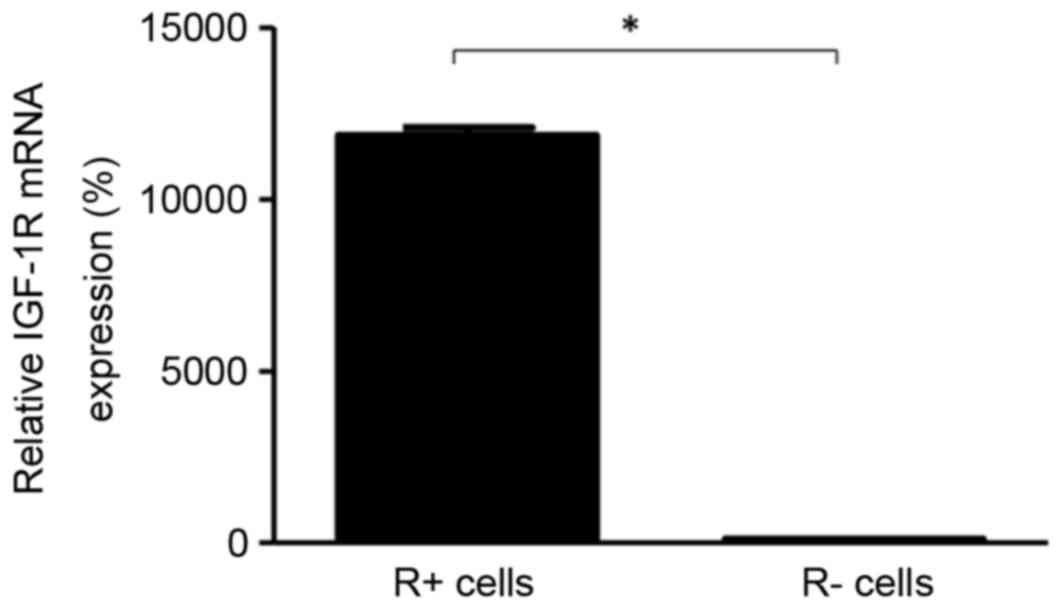
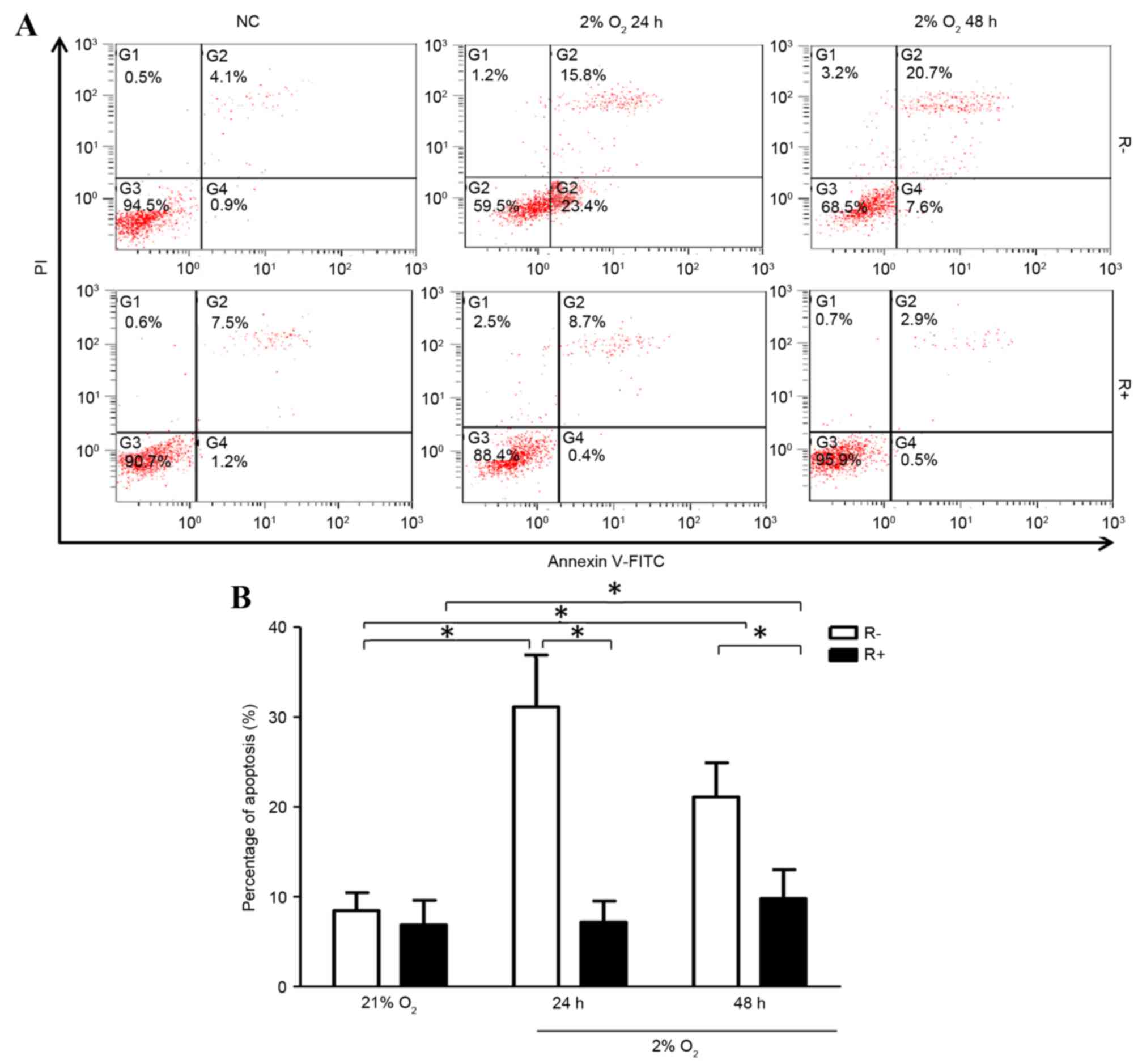
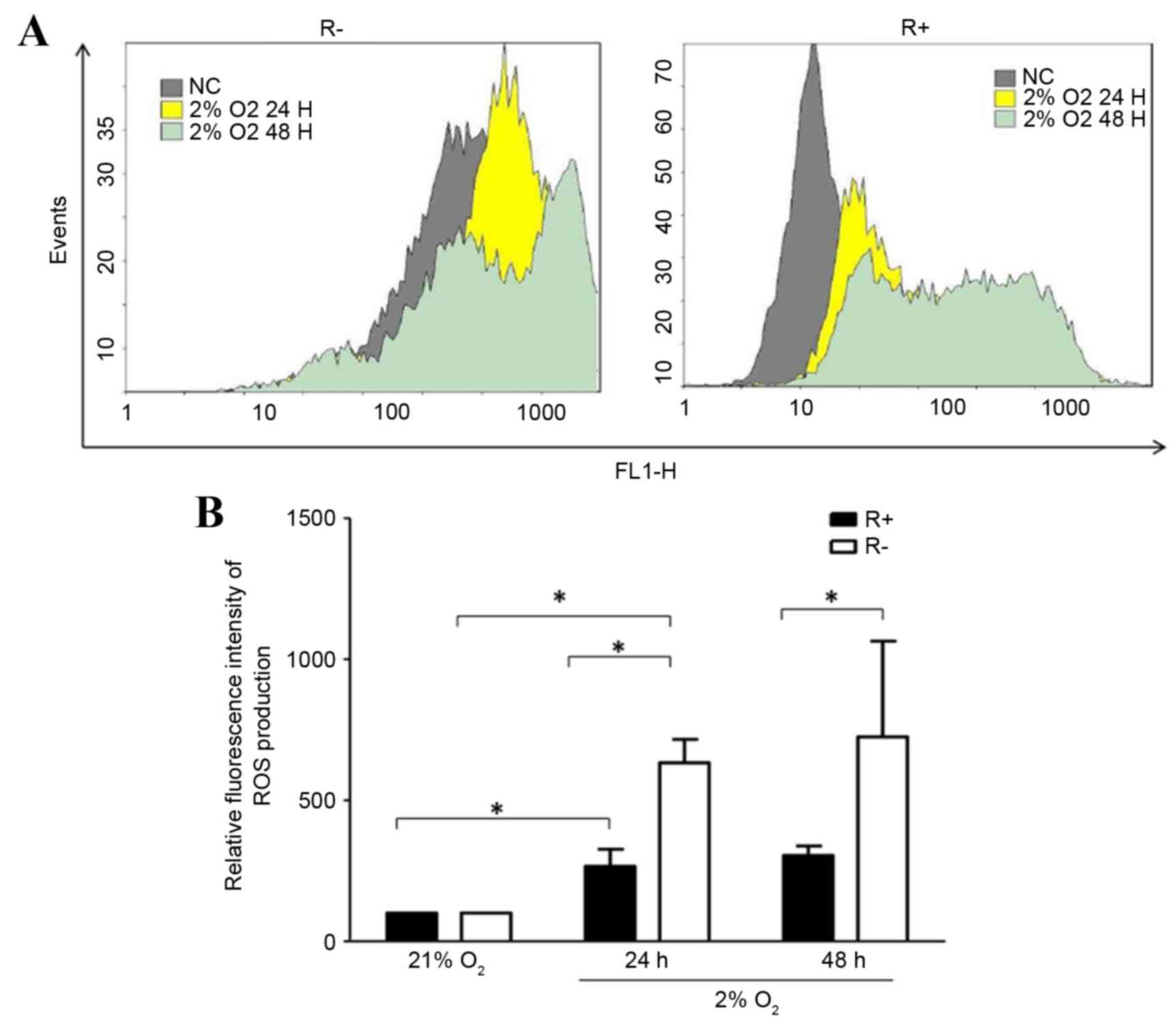
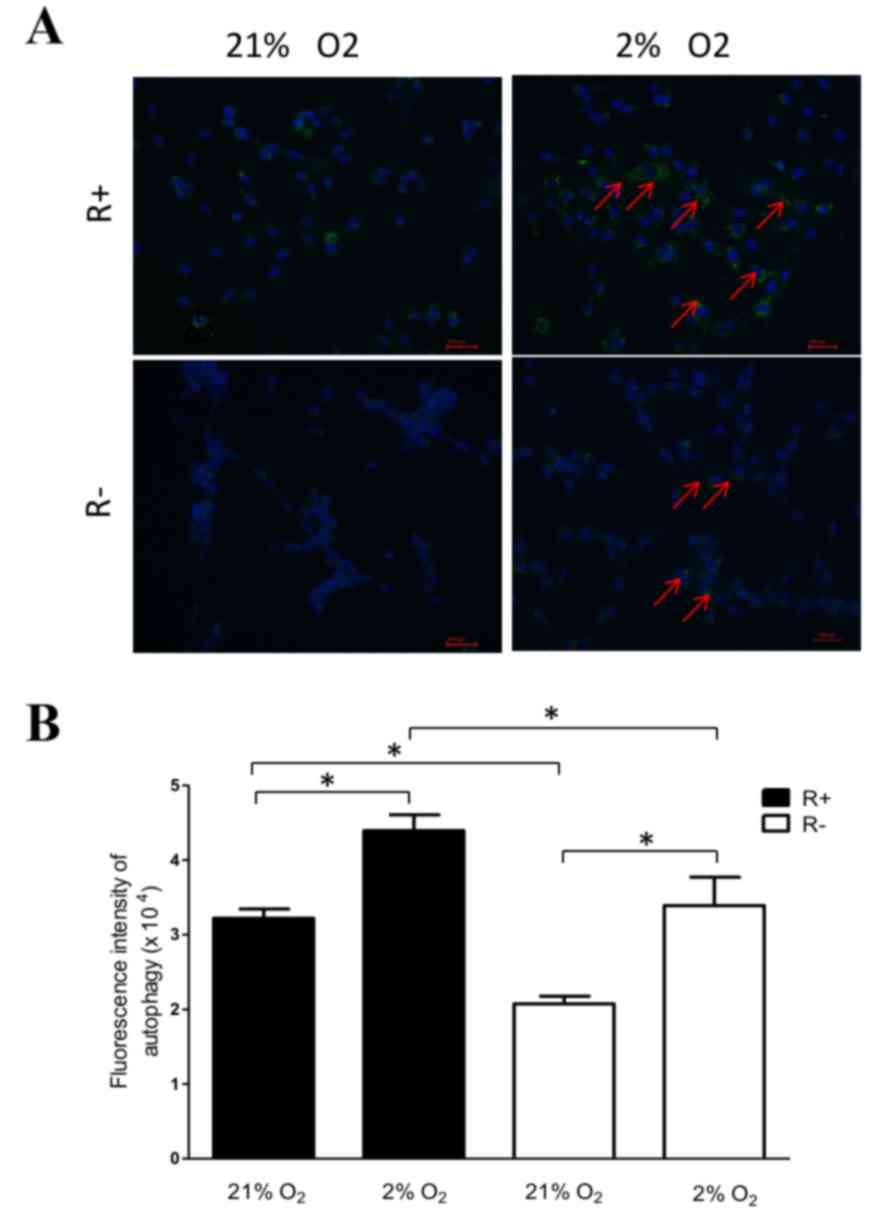
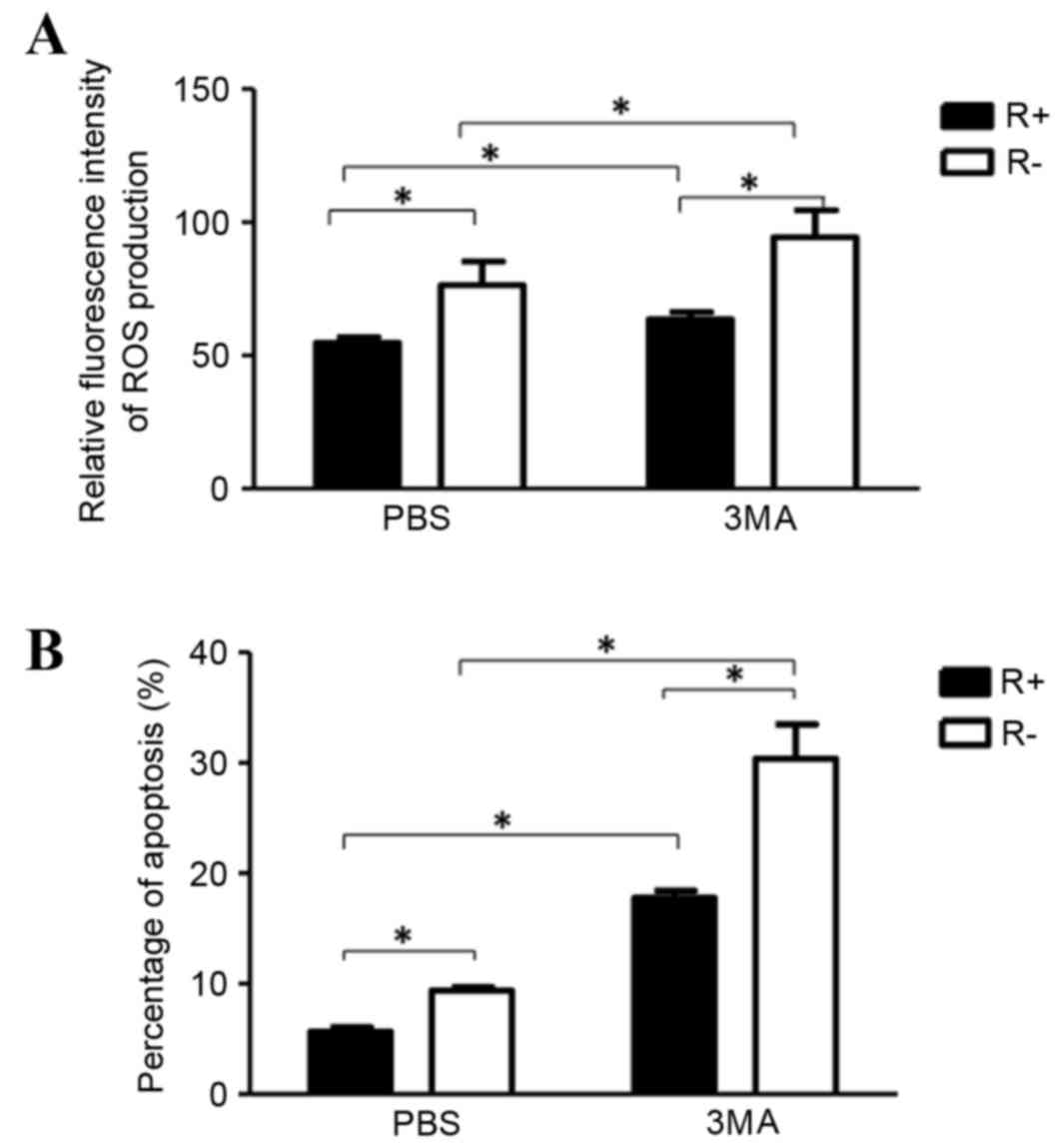
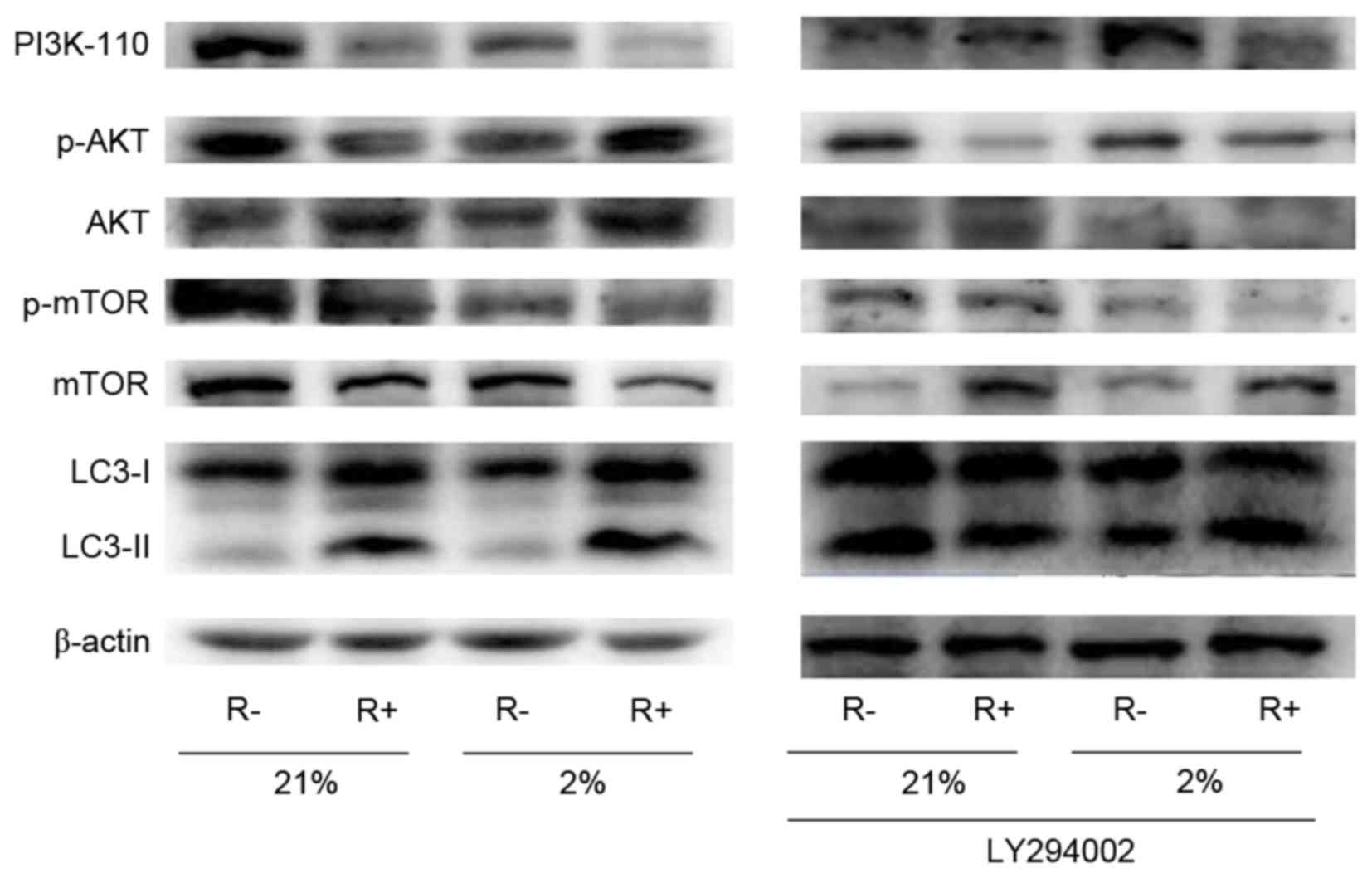
Hypoxia is widely accepted as a fundamental biological phenomenon, which is strongly associated with tissue damage and cell viability under stress conditions. Insulin-like growth factor‑1 (IGF‑1) is known to protect tissues from multiple types of damage, and protect cells from apoptosis. Hypoxia is a regulatory factor of the IGF system, however the role of the IGF-1 receptor (IGF‑1R) in hypoxia‑induced apoptosis remains unclear. The present study investigated the potential mechanisms associated with IGF‑1R‑associated apoptosis under hypoxic conditions. Mouse embryonic fibroblasts exhibiting disruption or overexpression of IGF‑1R (R‑ cells and R+ cells) were used to examine the level of apoptosis, autophagy, and production of reactive oxygen species (ROS). The autophagy inhibitor 3‑methyladenine was used to assess the effect of autophagy on ROS production and apoptosis under hypoxic conditions. A potential downstream signaling pathway involving phosphatidylinositol 3-kinase (PI3K)/threonine protein kinase B (Akt)/mammalian target of rapamycin (mTOR) was identifiedby western blot analysis. The results demonstrated that hypoxia induced apoptosis, increased ROS production, and promoted autophagy in a time‑dependent manner relative to that observed under normoxia. R+ cells exhibited a lower percentage of apoptotic cells, lower ROS production, and higher levels of autophagy when compared to that of R- cells. In addition, inhibition of autophagy led to increased ROS production and a higher percentage of apoptotic cells in the two cell types. Furthermore, IGF‑1R is related with PI3K/Akt/mTOR signaling pathway and enhanced autophagy-associated protein expression, which was verified following treatment with the PI3K inhibitor LY294002. These results indicated that IGF‑1R may increase cell viability under hypoxic conditions by promoting autophagy and scavenging ROS production, which is closed with PI3K/Akt/mTOR signaling pathway.
View Figures

Figure 1

Figure 2

Figure 3

Figure 4

Figure 5

Figure 6

View References

1 

Liu W, D'Ercole JA and Ye P: Blunting type 1 insulin-like growth factor receptor expression exacerbates neuronal apoptosis following hypoxic/ischemic injury. BMC Neurosci. 12:642011. View Article : Google Scholar : PubMed/NCBI

2 

Du L, Yu Y, Ma H, Lu X, Ma L, Jin Y and Zhang H: Hypoxia enhances protective effect of placental-derived mesenchymal stem cells on damaged intestinal epithelial cells by promoting secretion of insulin-like growth factor-1. Int J Mol Sci. 15:1983–2002. 2014. View Article : Google Scholar : PubMed/NCBI

3 

Li HX, Zhou YF, Zhao X, Jiang B and Yang XJ: GATA-4 protects against hypoxia-induced cardiomyocyte injury: Effects on mitochondrial membrane potential. Can J Physiol Pharmacol. 92:669–678. 2014. View Article : Google Scholar : PubMed/NCBI

4 

Caldwell CC, Tschoep J and Lentsch AB: Lymphocyte function during hepatic ischemia/reperfusion injury. J Leukoc Biol. 82:457–464. 2007. View Article : Google Scholar : PubMed/NCBI

5 

Ildefonso JA and Arias-Diaz J: Pathophysiology of liver ischemia-reperfusion injury. Cir Esp. 87:202–209. 2010.(In Spanish). View Article : Google Scholar : PubMed/NCBI

6 

Vujaskovic Z, Anscher MS, Feng QF, Rabbani ZN, Amin K, Samulski TS, Dewhirst MW and Haroon ZA: Radiation-induced hypoxia may perpetuate late normal tissue injury. Int J Radiat Oncol Biol Phys. 50:851–855. 2001. View Article : Google Scholar : PubMed/NCBI

7 

Vujaskovic Z, Marks LB and Anscher MS: The physical parameters and molecular events associated with radiation-induced lung toxicity. Semin Radiat Oncol. 10:296–307. 2000. View Article : Google Scholar : PubMed/NCBI

8 

Luo Y, Liu X, Zheng Q, Wan X, Ouyang S, Yin Y, Sui X, Liu J and Yang X: Hydrogen sulfide prevents hypoxia-induced apoptosis via inhibition of an H2O2-activated calcium signaling pathway in mouse hippocampal neurons. Biochem Biophys Res Commun. 425:473–477. 2012. View Article : Google Scholar : PubMed/NCBI

9 

Kim BM and Chung HW: Hypoxia/reoxygenation induces apoptosis through a ROS-mediated caspase-8/Bid/Bax pathway in human lymphocytes. Biochem Biophys Res Commun. 363:745–750. 2007. View Article : Google Scholar : PubMed/NCBI

10 

Peng C, Rao W, Zhang L, Wang K, Hui H, Wang L, Su N, Luo P, Hao YL, Tu Y, et al: Mitofusin 2 ameliorates hypoxia-induced apoptosis via mitochondrial function and signaling pathways. Int J Biochem Cell Biol. 69:29–40. 2015. View Article : Google Scholar : PubMed/NCBI

11 

Kuo CY, Chiu YC, Lee AY and Hwang TL: Mitochondrial Lon protease controls ROS-dependent apoptosis in cardiomyocyte under hypoxia. Mitochondrion. 23:7–16. 2015. View Article : Google Scholar : PubMed/NCBI

12 

Laron Z: Insulin-like growth factor 1 (IGF-1): A growth hormone. Mol Pathol. 54:311–316. 2001. View Article : Google Scholar : PubMed/NCBI

13 

Chisalita SI and Arnqvist HJ: Insulin-like growth factor I receptors are more abundant than insulin receptors in human micro- and macrovascular endothelial cells. Am J Physiol Endocrinol Metab. 286:E896–E901. 2004. View Article : Google Scholar : PubMed/NCBI

14 

Liang M, Woodard LE, Liang A, Luo J, Wilson MH, Mitch WE and Cheng J: Protective role of insulin-like growth factor-1 receptor in endothelial cells against unilateral ureteral obstruction-induced renal fibrosis. Am J Pathol. 185:1234–1250. 2015. View Article : Google Scholar : PubMed/NCBI

15 

Custodio RJ, do Carmo Custodio VI, Scrideli CA, Milani SL Sader, Cervi MC, Cupo P and Martinelli CE Jr: Impact of hypoxia on IGF-I, IGF-II, IGFBP-3, ALS and IGFBP-1 regulation and on IGF1R gene expression in children. Growth Horm IGF Res. 22:186–191. 2012. View Article : Google Scholar : PubMed/NCBI

16 

Morgan BL and Chao CR: The effects of hypoxia on growth cones in the ovine fetal brain. J Matern Fetal Neonatal Med. 16:55–59. 2004. View Article : Google Scholar : PubMed/NCBI

17 

Heck S, Lezoualc'h F, Engert S and Behl C: Insulin-like growth factor-1-mediated neuroprotection against oxidative stress is associated with activation of nuclear factor kappaB. J Biol Chem. 274:9828–9835. 1999. View Article : Google Scholar : PubMed/NCBI

18 

Baregamian N, Song J, Jeschke MG, Evers BM and Chung DH: IGF-1 protects intestinal epithelial cells from oxidative stress-induced apoptosis. J Surg Res. 136:31–37. 2006. View Article : Google Scholar : PubMed/NCBI

19 

Maldonado C, Cea P, Adasme T, Collao A, Díaz-Araya G, Chiong M and Lavandero S: IGF-1 protects cardiac myocytes from hyperosmotic stress-induced apoptosis via CREB. Biochem Biophys Res Commun. 336:1112–1118. 2005. View Article : Google Scholar : PubMed/NCBI

20 

Yu D, Watanabe H, Shibuya H and Miura M: Redundancy of radioresistant signaling pathways originating from insulin-like growth factor I receptor. J Biol Chem. 278:6702–6709. 2003. View Article : Google Scholar : PubMed/NCBI

21 

Yu D, Shibuya H and Miura M: Roles of the insulin-like growth factor I receptor C-terminus in cellular radioresistance. Biochem Biophys Res Commun. 311:174–178. 2003. View Article : Google Scholar : PubMed/NCBI

22 

Livak KJ and Schmittgen TD: Analysis of relative gene expression data using real-time quantitative PCR and the 2(−Delta Delta C(T)) Method. Methods. 25:402–408. 2001. View Article : Google Scholar : PubMed/NCBI

23 

Martin M, Lefaix J and Delanian S: TGF-beta1 and radiation fibrosis: A master switch and a specific therapeutic target? Int J Radiat Oncol Biol Phys. 47:277–290. 2000. View Article : Google Scholar : PubMed/NCBI

24 

Murphy MP: How mitochondria produce reactive oxygen species. Biochem J. 417:1–13. 2009. View Article : Google Scholar : PubMed/NCBI

25 

Lopez-Lopez C, LeRoith D and Torres-Aleman I: Insulin-like growth factor I is required for vessel remodeling in the adult brain. Proc Natl Acad Sci USA. 101:9833–9838. 2004. View Article : Google Scholar : PubMed/NCBI

26 

Conti E, Carrozza C, Capoluongo E, Volpe M, Crea F, Zuppi C and Andreotti F: Insulin-like growth factor-1 as a vascular protective factor. Circulation. 110:2260–2265. 2004. View Article : Google Scholar : PubMed/NCBI

27 

Adams MM, Forbes M Elizabeth, Linville M Constance, Riddle DR, Sonntag WE and Brunso-Bechtold JK: Stability of local brain levels of insulin-like growth factor-I in two well-characterized models of decreased plasma IGF-I. Growth Factors. 27:181–188. 2009. View Article : Google Scholar : PubMed/NCBI

28 

Carro E, Spuch C, Trejo JL, Antequera D and Torres-Aleman I: Choroid plexus megalin is involved in neuroprotection by serum insulin-like growth factor I. J Neurosci. 25:10884–10893. 2005. View Article : Google Scholar : PubMed/NCBI

29 

Avivar-valderas A, Bobrovnikova-Marjon E, Diehl J Alan, Bardeesy N, Debnath J and Aguirre-Ghiso JA: Regulation of autophagy during ECM detachment is linked to a selective inhi- bition of mTORC1 by PERK. Oncogene. 32:4932–4940. 2013. View Article : Google Scholar : PubMed/NCBI

30 

Liu B, Wen X and Cheng Y: Survival or death: Disequilibrating the oncogenic and tumor suppressive autophagy in cancer. Cell Death Dis. 4:e8922013. View Article : Google Scholar : PubMed/NCBI

31 

Eisenberg-Lerner A, Bialik S, Simon HU and Kimchi A: Life and death partners: Apoptosis, autophagy and the cross-talk between them. Cell Death Differ. 16:966–975. 2009. View Article : Google Scholar : PubMed/NCBI

32 

Rouschop KM, Ramaekers CH, Schaaf MB, Keulers TG, Savelkouls KG, Lambin P, Koritzinsky M and Wouters BG: Autophagy is required during cycling hypoxia to lower production of reactive oxygen species. Radiother Oncol. 92:411–416. 2009. View Article : Google Scholar : PubMed/NCBI

33 

Farombi EO: Genotoxicity of chloroquine in rat liver cells: Protective role of free radical scavengers. Cell Biol Toxicol. 22:159–167. 2006. View Article : Google Scholar : PubMed/NCBI

34 

Sun Y, Xing X, Liu Q, Wang Z, Xin Y, Zhang P, Hu C and Liu Y: Hypoxia-induced autophagy reduces radiosensitivity by the HIF-1α/miR-210/Bcl-2 pathway in colon cancer cells. Int J Oncol. 46:750–756. 2015.PubMed/NCBI

35 

Liu Q, Sun Y, Lv Y, Le Z, Xin Y, Zhang P and Liu Y: TERT alleviates irradiation-induced late rectal injury by reducing hypoxia-induced ROS levels through the activation of NF-κB and autophagy. Int J Mol Med. 38:785–793. 2016.PubMed/NCBI

36 

Shao X, Lai D, Zhang L and Xu H: Induction of autophagy and apoptosis via PI3K/AKT/TOR pathways by azadirachtin a in spodoptera litura cells. Sci Rep. 6:354822016. View Article : Google Scholar : PubMed/NCBI

37 

Fan XJ, Wang Y, Wang L and Zhu M: Salidroside induces apoptosis and autophagy in human colorectal cancer cells through inhibition of PI3K/Akt/mTOR pathway. Oncol Rep. 36:3559–3567. 2016.PubMed/NCBI

38 

Opgaard O Saetrum and Wang PH: IGF-I is a matter of heart. Growth Horm IGF Res. 15:89–94. 2005. View Article : Google Scholar : PubMed/NCBI

39 

Troncoso R, Vicencio JM, Parra V, Nemchenko A, Kawashima Y, Del Campo A, Toro B, Battiprolu PK, Aranguiz P, Chiong M, et al: Energy-preserving effects of IGF-1 antagonize starvation-induced cardiac autophagy. Cardiovasc Res. 93:320–329. 2012. View Article : Google Scholar : PubMed/NCBI

40 

Bitto A, Lerner C, Torres C, Roell M, Malaguti M, Perez V, Lorenzini A, Hrelia S, Ikeno Y, Matzko ME, et al: Long-term IGF-I exposure decreases autophagy and cell viability. PLoS One. 5:e125922010. View Article : Google Scholar : PubMed/NCBI

41 

Jia G, Cheng G, Gangahar DM and Agrawal DK: Insulin-like growth factor-1 and TNF-alpha regulate autophagy through c-jun N-terminal kinase and Akt pathways in human atherosclerotic vascular smooth cells. Immunol Cell Biol. 84:448–454. 2006. View Article : Google Scholar : PubMed/NCBI

42 

Aki T, Yamaguchi K, Fujimiya T and Mizukami Y: Phosphoinositide 3-kinase accelerates autophagic cell death during glucose deprivation in the rat cardiomyocyte-derived cell line H9c2. Oncogene. 22:8529–8535. 2003. View Article : Google Scholar : PubMed/NCBI

43 

Renna M, Bento CF, Fleming A, Menzies FM, Siddiqi FH, Ravikumar B, Puri M, Garcia-Arencibia M, Sadiq O, Corrochano S, et al: IGF-1 receptor antagonism inhibits autophagy. Hum Mol Genet. 22:4528–4544. 2013. View Article : Google Scholar : PubMed/NCBI

44 

Bains M, Florez-McClure ML and Heidenreich KA: Insulin-like growth factor-I prevents the accumulation of autophagic vesicles and cell death in Purkinje neurons by increasing the rate of autophagosome-to-lysosome fusion and degradation. J Biol Chem. 284:20398–20407. 2009. View Article : Google Scholar : PubMed/NCBI

Related Articles

  • Abstract
  • View
  • Download
  • Twitter
Copy and paste a formatted citation
Spandidos Publications style
Liu Q, Guan JZ, Sun Y, Le Z, Zhang P, Yu D and Liu Y: Insulin-like growth factor 1 receptor-mediated cell survival in hypoxia depends on the promotion of autophagy via suppression of the PI3K/Akt/mTOR signaling pathway. Mol Med Rep 15: 2136-2142, 2017.
APA
Liu, Q., Guan, J., Sun, Y., Le, Z., Zhang, P., Yu, D., & Liu, Y. (2017). Insulin-like growth factor 1 receptor-mediated cell survival in hypoxia depends on the promotion of autophagy via suppression of the PI3K/Akt/mTOR signaling pathway. Molecular Medicine Reports, 15, 2136-2142. https://doi.org/10.3892/mmr.2017.6265
MLA
Liu, Q., Guan, J., Sun, Y., Le, Z., Zhang, P., Yu, D., Liu, Y."Insulin-like growth factor 1 receptor-mediated cell survival in hypoxia depends on the promotion of autophagy via suppression of the PI3K/Akt/mTOR signaling pathway". Molecular Medicine Reports 15.4 (2017): 2136-2142.
Chicago
Liu, Q., Guan, J., Sun, Y., Le, Z., Zhang, P., Yu, D., Liu, Y."Insulin-like growth factor 1 receptor-mediated cell survival in hypoxia depends on the promotion of autophagy via suppression of the PI3K/Akt/mTOR signaling pathway". Molecular Medicine Reports 15, no. 4 (2017): 2136-2142. https://doi.org/10.3892/mmr.2017.6265
Copy and paste a formatted citation
x
Spandidos Publications style
Liu Q, Guan JZ, Sun Y, Le Z, Zhang P, Yu D and Liu Y: Insulin-like growth factor 1 receptor-mediated cell survival in hypoxia depends on the promotion of autophagy via suppression of the PI3K/Akt/mTOR signaling pathway. Mol Med Rep 15: 2136-2142, 2017.
APA
Liu, Q., Guan, J., Sun, Y., Le, Z., Zhang, P., Yu, D., & Liu, Y. (2017). Insulin-like growth factor 1 receptor-mediated cell survival in hypoxia depends on the promotion of autophagy via suppression of the PI3K/Akt/mTOR signaling pathway. Molecular Medicine Reports, 15, 2136-2142. https://doi.org/10.3892/mmr.2017.6265
MLA
Liu, Q., Guan, J., Sun, Y., Le, Z., Zhang, P., Yu, D., Liu, Y."Insulin-like growth factor 1 receptor-mediated cell survival in hypoxia depends on the promotion of autophagy via suppression of the PI3K/Akt/mTOR signaling pathway". Molecular Medicine Reports 15.4 (2017): 2136-2142.
Chicago
Liu, Q., Guan, J., Sun, Y., Le, Z., Zhang, P., Yu, D., Liu, Y."Insulin-like growth factor 1 receptor-mediated cell survival in hypoxia depends on the promotion of autophagy via suppression of the PI3K/Akt/mTOR signaling pathway". Molecular Medicine Reports 15, no. 4 (2017): 2136-2142. https://doi.org/10.3892/mmr.2017.6265
Follow us
  • Twitter
  • LinkedIn
  • Facebook
About
  • Spandidos Publications
  • Careers
  • Cookie Policy
  • Privacy Policy
How can we help?
  • Help
  • Live Chat
  • Contact
  • Email to our Support Team