Spandidos Publications Logo
  • About
    • About Spandidos
    • Aims and Scopes
    • Abstracting and Indexing
    • Editorial Policies
    • Reprints and Permissions
    • Job Opportunities
    • Terms and Conditions
    • Contact
  • Journals
    • All Journals
    • Oncology Letters
      • Oncology Letters
      • Information for Authors
      • Editorial Policies
      • Editorial Board
      • Aims and Scope
      • Abstracting and Indexing
      • Bibliographic Information
      • Archive
    • International Journal of Oncology
      • International Journal of Oncology
      • Information for Authors
      • Editorial Policies
      • Editorial Board
      • Aims and Scope
      • Abstracting and Indexing
      • Bibliographic Information
      • Archive
    • Molecular and Clinical Oncology
      • Molecular and Clinical Oncology
      • Information for Authors
      • Editorial Policies
      • Editorial Board
      • Aims and Scope
      • Abstracting and Indexing
      • Bibliographic Information
      • Archive
    • Experimental and Therapeutic Medicine
      • Experimental and Therapeutic Medicine
      • Information for Authors
      • Editorial Policies
      • Editorial Board
      • Aims and Scope
      • Abstracting and Indexing
      • Bibliographic Information
      • Archive
    • International Journal of Molecular Medicine
      • International Journal of Molecular Medicine
      • Information for Authors
      • Editorial Policies
      • Editorial Board
      • Aims and Scope
      • Abstracting and Indexing
      • Bibliographic Information
      • Archive
    • Biomedical Reports
      • Biomedical Reports
      • Information for Authors
      • Editorial Policies
      • Editorial Board
      • Aims and Scope
      • Abstracting and Indexing
      • Bibliographic Information
      • Archive
    • Oncology Reports
      • Oncology Reports
      • Information for Authors
      • Editorial Policies
      • Editorial Board
      • Aims and Scope
      • Abstracting and Indexing
      • Bibliographic Information
      • Archive
    • Molecular Medicine Reports
      • Molecular Medicine Reports
      • Information for Authors
      • Editorial Policies
      • Editorial Board
      • Aims and Scope
      • Abstracting and Indexing
      • Bibliographic Information
      • Archive
    • World Academy of Sciences Journal
      • World Academy of Sciences Journal
      • Information for Authors
      • Editorial Policies
      • Editorial Board
      • Aims and Scope
      • Abstracting and Indexing
      • Bibliographic Information
      • Archive
    • International Journal of Functional Nutrition
      • International Journal of Functional Nutrition
      • Information for Authors
      • Editorial Policies
      • Editorial Board
      • Aims and Scope
      • Abstracting and Indexing
      • Bibliographic Information
      • Archive
    • International Journal of Epigenetics
      • International Journal of Epigenetics
      • Information for Authors
      • Editorial Policies
      • Editorial Board
      • Aims and Scope
      • Abstracting and Indexing
      • Bibliographic Information
      • Archive
    • Medicine International
      • Medicine International
      • Information for Authors
      • Editorial Policies
      • Editorial Board
      • Aims and Scope
      • Abstracting and Indexing
      • Bibliographic Information
      • Archive
  • Articles
  • Information
    • Information for Authors
    • Information for Reviewers
    • Information for Librarians
    • Information for Advertisers
    • Conferences
  • Language Editing
Spandidos Publications Logo
  • About
    • About Spandidos
    • Aims and Scopes
    • Abstracting and Indexing
    • Editorial Policies
    • Reprints and Permissions
    • Job Opportunities
    • Terms and Conditions
    • Contact
  • Journals
    • All Journals
    • Biomedical Reports
      • Information for Authors
      • Editorial Policies
      • Editorial Board
      • Aims and Scope
      • Abstracting and Indexing
      • Bibliographic Information
      • Archive
    • Experimental and Therapeutic Medicine
      • Information for Authors
      • Editorial Policies
      • Editorial Board
      • Aims and Scope
      • Abstracting and Indexing
      • Bibliographic Information
      • Archive
    • International Journal of Epigenetics
      • Information for Authors
      • Editorial Policies
      • Editorial Board
      • Aims and Scope
      • Abstracting and Indexing
      • Bibliographic Information
      • Archive
    • International Journal of Functional Nutrition
      • Information for Authors
      • Editorial Policies
      • Editorial Board
      • Aims and Scope
      • Abstracting and Indexing
      • Bibliographic Information
      • Archive
    • International Journal of Molecular Medicine
      • Information for Authors
      • Editorial Policies
      • Editorial Board
      • Aims and Scope
      • Abstracting and Indexing
      • Bibliographic Information
      • Archive
    • International Journal of Oncology
      • Information for Authors
      • Editorial Policies
      • Editorial Board
      • Aims and Scope
      • Abstracting and Indexing
      • Bibliographic Information
      • Archive
    • Medicine International
      • Information for Authors
      • Editorial Policies
      • Editorial Board
      • Aims and Scope
      • Abstracting and Indexing
      • Bibliographic Information
      • Archive
    • Molecular and Clinical Oncology
      • Information for Authors
      • Editorial Policies
      • Editorial Board
      • Aims and Scope
      • Abstracting and Indexing
      • Bibliographic Information
      • Archive
    • Molecular Medicine Reports
      • Information for Authors
      • Editorial Policies
      • Editorial Board
      • Aims and Scope
      • Abstracting and Indexing
      • Bibliographic Information
      • Archive
    • Oncology Letters
      • Information for Authors
      • Editorial Policies
      • Editorial Board
      • Aims and Scope
      • Abstracting and Indexing
      • Bibliographic Information
      • Archive
    • Oncology Reports
      • Information for Authors
      • Editorial Policies
      • Editorial Board
      • Aims and Scope
      • Abstracting and Indexing
      • Bibliographic Information
      • Archive
    • World Academy of Sciences Journal
      • Information for Authors
      • Editorial Policies
      • Editorial Board
      • Aims and Scope
      • Abstracting and Indexing
      • Bibliographic Information
      • Archive
  • Articles
  • Information
    • For Authors
    • For Reviewers
    • For Librarians
    • For Advertisers
    • Conferences
  • Language Editing
Login Register Submit
  • This site uses cookies
  • You can change your cookie settings at any time by following the instructions in our Cookie Policy. To find out more, you may read our Privacy Policy.

    I agree
Search articles by DOI, keyword, author or affiliation
Search
Advanced Search
presentation
Biomedical Reports
Join Editorial Board Propose a Special Issue
Print ISSN: 2049-9434 Online ISSN: 2049-9442
Journal Cover
December-2025 Volume 23 Issue 6

Full Size Image

Sign up for eToc alerts
Recommend to Library

Journals

International Journal of Molecular Medicine

International Journal of Molecular Medicine

International Journal of Molecular Medicine is an international journal devoted to molecular mechanisms of human disease.

International Journal of Oncology

International Journal of Oncology

International Journal of Oncology is an international journal devoted to oncology research and cancer treatment.

Molecular Medicine Reports

Molecular Medicine Reports

Covers molecular medicine topics such as pharmacology, pathology, genetics, neuroscience, infectious diseases, molecular cardiology, and molecular surgery.

Oncology Reports

Oncology Reports

Oncology Reports is an international journal devoted to fundamental and applied research in Oncology.

Experimental and Therapeutic Medicine

Experimental and Therapeutic Medicine

Experimental and Therapeutic Medicine is an international journal devoted to laboratory and clinical medicine.

Oncology Letters

Oncology Letters

Oncology Letters is an international journal devoted to Experimental and Clinical Oncology.

Biomedical Reports

Biomedical Reports

Explores a wide range of biological and medical fields, including pharmacology, genetics, microbiology, neuroscience, and molecular cardiology.

Molecular and Clinical Oncology

Molecular and Clinical Oncology

International journal addressing all aspects of oncology research, from tumorigenesis and oncogenes to chemotherapy and metastasis.

World Academy of Sciences Journal

World Academy of Sciences Journal

Multidisciplinary open-access journal spanning biochemistry, genetics, neuroscience, environmental health, and synthetic biology.

International Journal of Functional Nutrition

International Journal of Functional Nutrition

Open-access journal combining biochemistry, pharmacology, immunology, and genetics to advance health through functional nutrition.

International Journal of Epigenetics

International Journal of Epigenetics

Publishes open-access research on using epigenetics to advance understanding and treatment of human disease.

Medicine International

Medicine International

An International Open Access Journal Devoted to General Medicine.

Journal Cover
December-2025 Volume 23 Issue 6

Full Size Image

Sign up for eToc alerts
Recommend to Library

  • Article
  • Citations
    • Cite This Article
    • Download Citation
    • Create Citation Alert
    • Remove Citation Alert
    • Cited By
  • Similar Articles
    • Related Articles (in Spandidos Publications)
    • Similar Articles (Google Scholar)
    • Similar Articles (PubMed)
  • Download PDF
  • Download XML
  • View XML

  • Supplementary Files
    • Supplementary_Data.pdf
Article Open Access

Systematic review and meta‑analysis of risk prediction models for retinopathy of prematurity in preterm infants

  • Authors:
    • Li Li
    • Yanlin Gao
    • Wei Chen
    • Mei Han
  • View Affiliations / Copyright

    Affiliations: Tianjin Key Laboratory of Ophthalmology and Vision Science, Tianjin Eye Hospital, Tianjin 300020, P.R. China
    Copyright: © Li et al. This is an open access article distributed under the terms of Creative Commons Attribution License [CC BY_NC 4.0].
  • Article Number: 195
    |
    Published online on: October 22, 2025
       https://doi.org/10.3892/br.2025.2073
  • Expand metrics +
Metrics: Total Views: 0 (Spandidos Publications: | PMC Statistics: )
Metrics: Total PDF Downloads: 0 (Spandidos Publications: | PMC Statistics: )
Cited By (CrossRef): 0 citations Loading Articles...

This article is mentioned in:


Abstract

Retinopathy of prematurity (ROP) is a proliferative vascular disease affecting preterm infants with incompletely developed retinal vasculature, characterized by abnormal vascular proliferation that can lead to retinal detachment and blindness. Given its impact on neonatal visual health, developing reliable risk prediction models for ROP has become crucial for optimizing clinical screening and intervention strategies. However, existing models exhibit substantial heterogeneity in methodology, validation, and performance, limiting their generalizability across diverse clinical settings. The present study aimed to evaluate and summarize the effectiveness of existing ROP risk prediction models in preterm infants through a systematic review and meta‑analysis, with the goal of providing reliable clinical screening tools based on effectiveness metrics. A systematic search was conducted across PubMed, Cochrane Library, Web of Science and Embase databases using a strategy that combined MeSH terms and free‑text words to identify literature associated with risk prediction models for ROP in preterm infants. The risk of bias was assessed using the PROBAST tool. Statistical analysis involved data synthesis, heterogeneity testing, subgroup and sensitivity analyses, and publication bias assessment. A total of 492 relevant articles were retrieved; following deduplication and screening, 28 articles involving ROP risk prediction models were included. The included studies were published between 2009 and 2025, with sample sizes ranging from 90 to 22,569 participants, and a total sample size of 72,991. A total of 16 studies did not specify the validation method, five conducted external validation, two performed both internal and external validation, and five performed only internal validation. PROBAST assessment revealed that all included models had a moderate risk of bias, primarily attributed to the retrospective nature of the study design, inconsistent variable measurement and inadequate control of confounding factors. Meta‑analysis showed that the pooled area under the receiver operating characteristic curve (AUC) was 0.87 (95% CI: 0.34; 0.99), indicating good discriminative ability of the models. However, significant heterogeneity was observed (I²=99.2%, P<0.05). Subgroup analysis by model type demonstrated significant heterogeneity in both traditional statistical (I²=92.2%) and machine learning models (I²=97.3%). Subgroup analysis by study region showed no significant heterogeneity in studies from South America (I²=0%), while high heterogeneity was found in studies from Asia and North America + Europe (I²=96.6 and 93.6%, respectively). This may be associated with cross‑regional differences in population characteristics (such as ethnicity and disease spectra) and variations in medical standards. Funnel plot and Peters' bias test indicated high reliability of the overall study conclusions, and the results of the sensitivity analysis were stable. However, some studies had small sample sizes and single‑center designs, leading to selection bias. Additionally, multiple studies lacked model validation, and samples were limited to specific regions, failing to cover diverse healthcare settings and ethnic groups. In conclusion, current ROP risk prediction models for preterm infants exhibit good clinical application potential, with certain discriminative and predictive abilities, which can provide references for clinical screening. However, the risk of bias and insufficient validation limit their generalization ability. Future studies should expand sample sizes through prospective designs, strengthen external validation and optimize model development to improve prediction accuracy and universality, addressing the identified risks of bias and limited generalizability.
View Figures

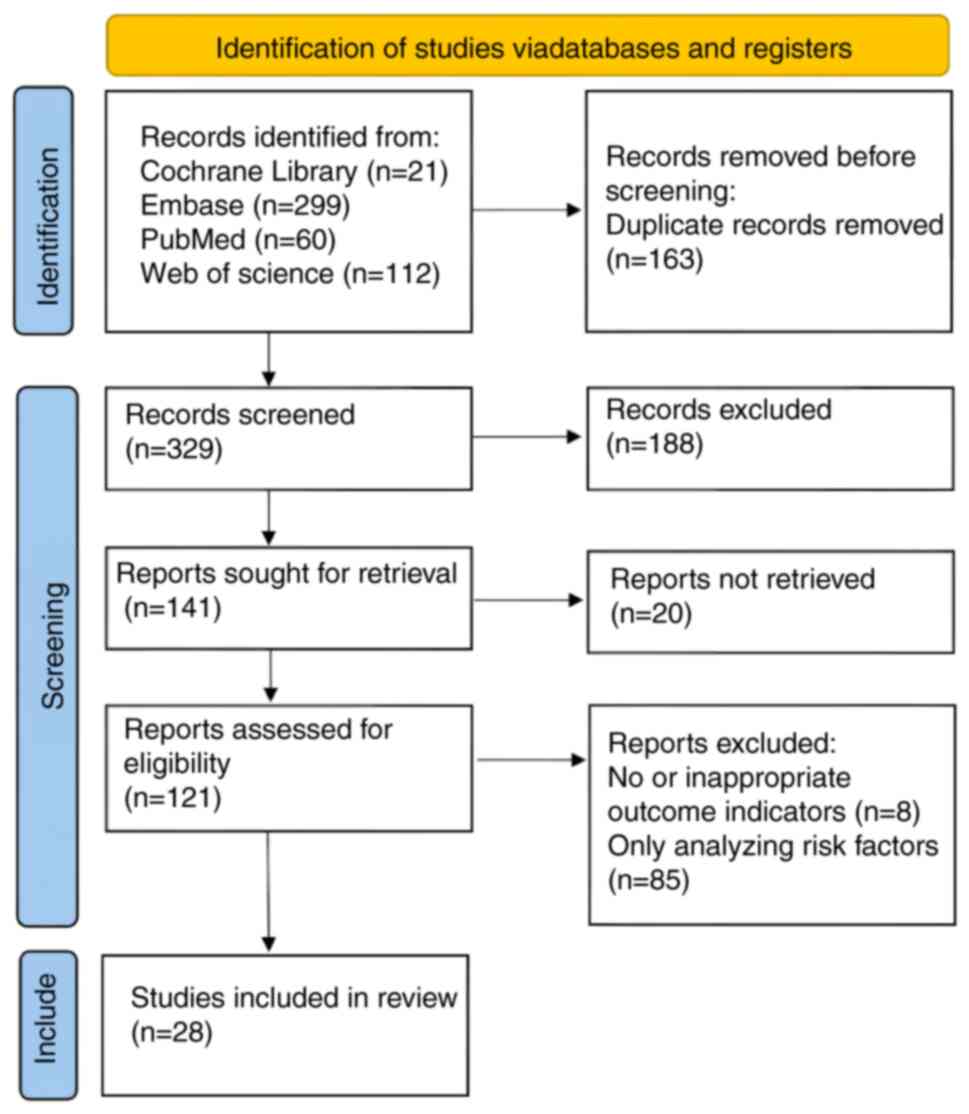
Figure 1

Flowchart of literature screening.
Initial retrieval from PubMed, Cochrane Library, Web of Science and
Embase yielded 492 records. After removing 163 duplicates, 329
records remained. Following the exclusion of 83 ineligible records
(meta-analyses, reviews, animal studies, conference abstracts), 246
full texts were assessed. Further exclusions (n=218) included
studies without prediction models. Ultimately, 28 studies were
included, encompassing 28 retinopathy of prematurity risk
prediction models with a total sample size of 72,991 infants.

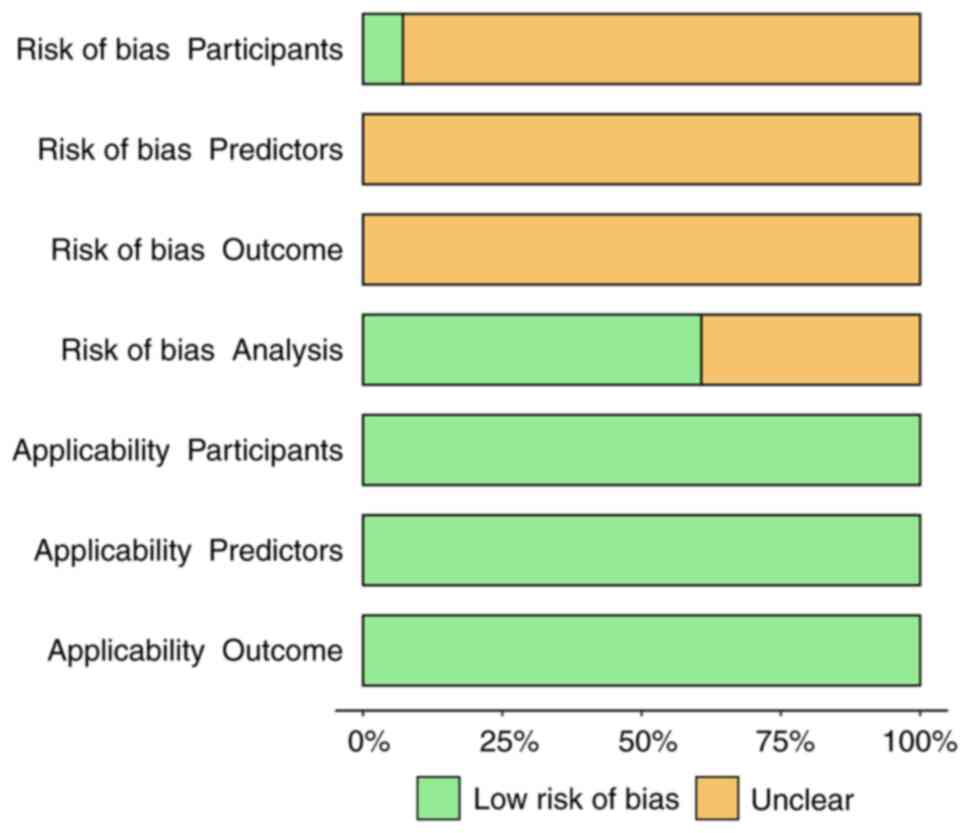
Figure 2

Publication bias of the included
studies.

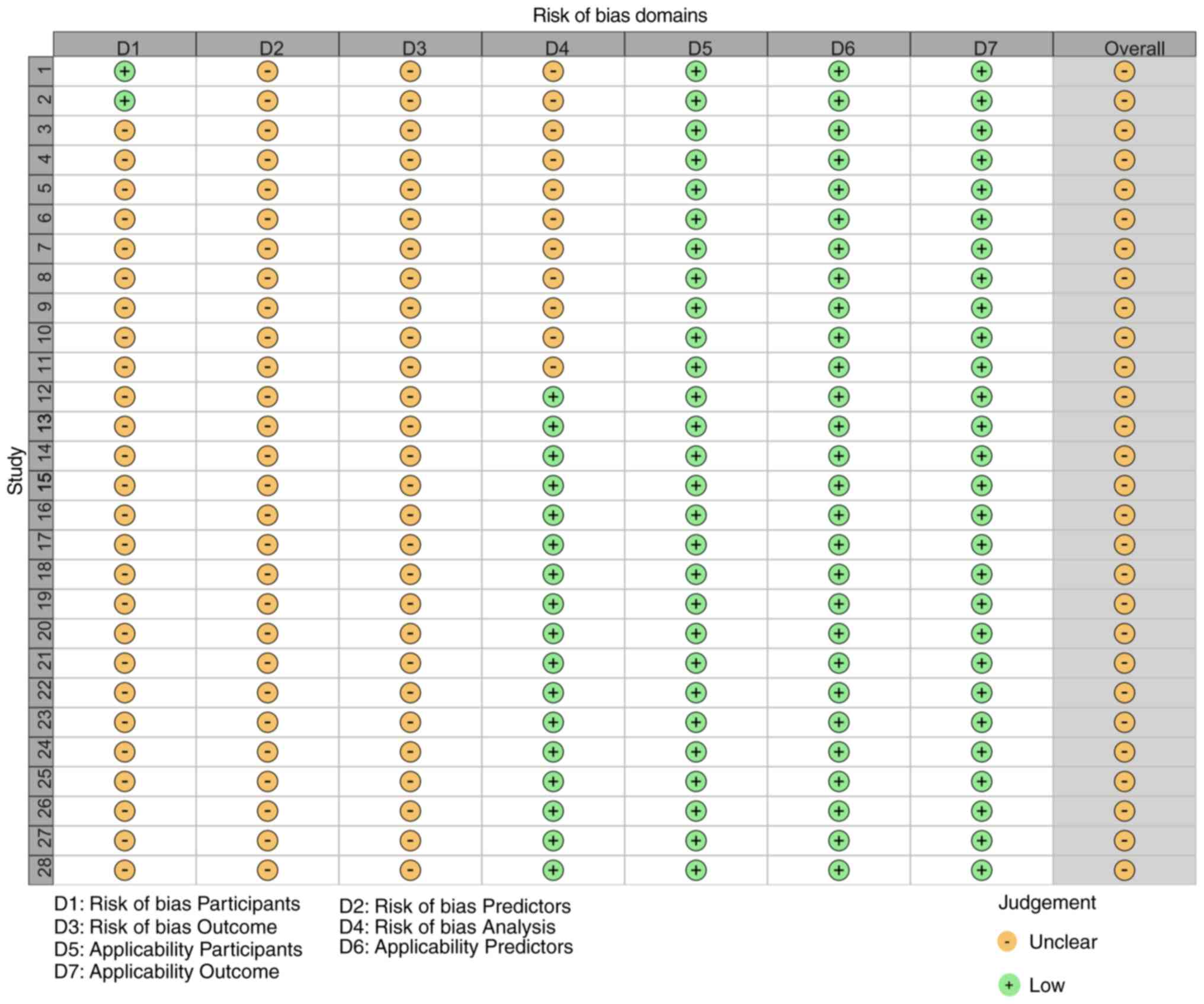
Figure 3

Specific assessment results of
PROBAST. Risk of bias evaluation for 28 included studies using the
PROBAST tool. Each study was assessed across 20 items in four
domains (participants, predictors, outcomes, analysis), with an
overall unclear risk of bias. PROBAST, Prediction Model Risk Of
Bias Assessment Tool.

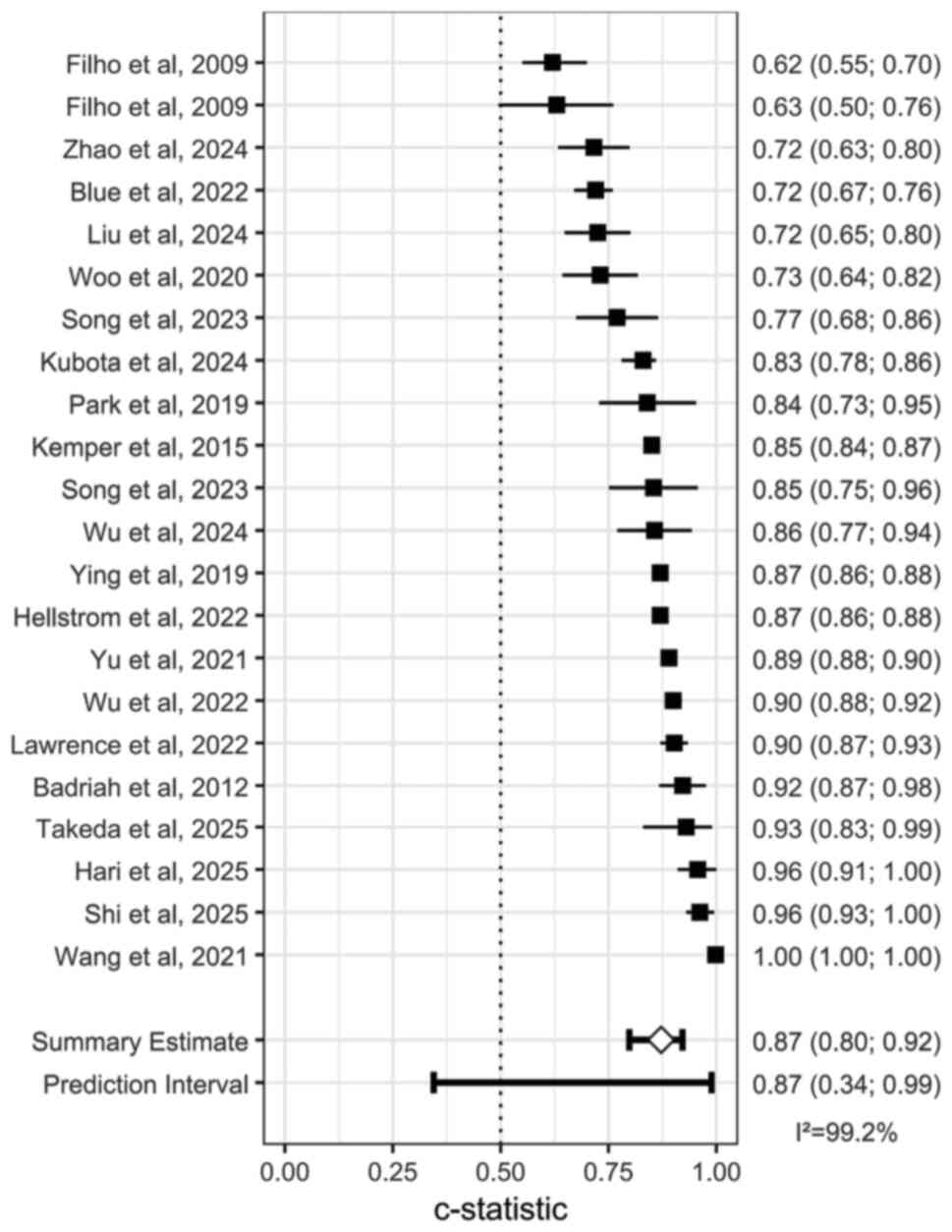
Figure 4

Forest plot of retinopathy of
prematurity risk prediction model for premature infants. Individual
and pooled (0.87, 95% CI: 0.34; 0.99) AUC values with 95% CIs for
22 risk prediction models. Heterogeneity is marked by I²=99.2%
(P<0.05). AUC, area under the receiver operating characteristic
curve; CI, confidence interval.

Figure 5

Subgroup analysis of types of
retinopathy of prematurity risk prediction model for premature
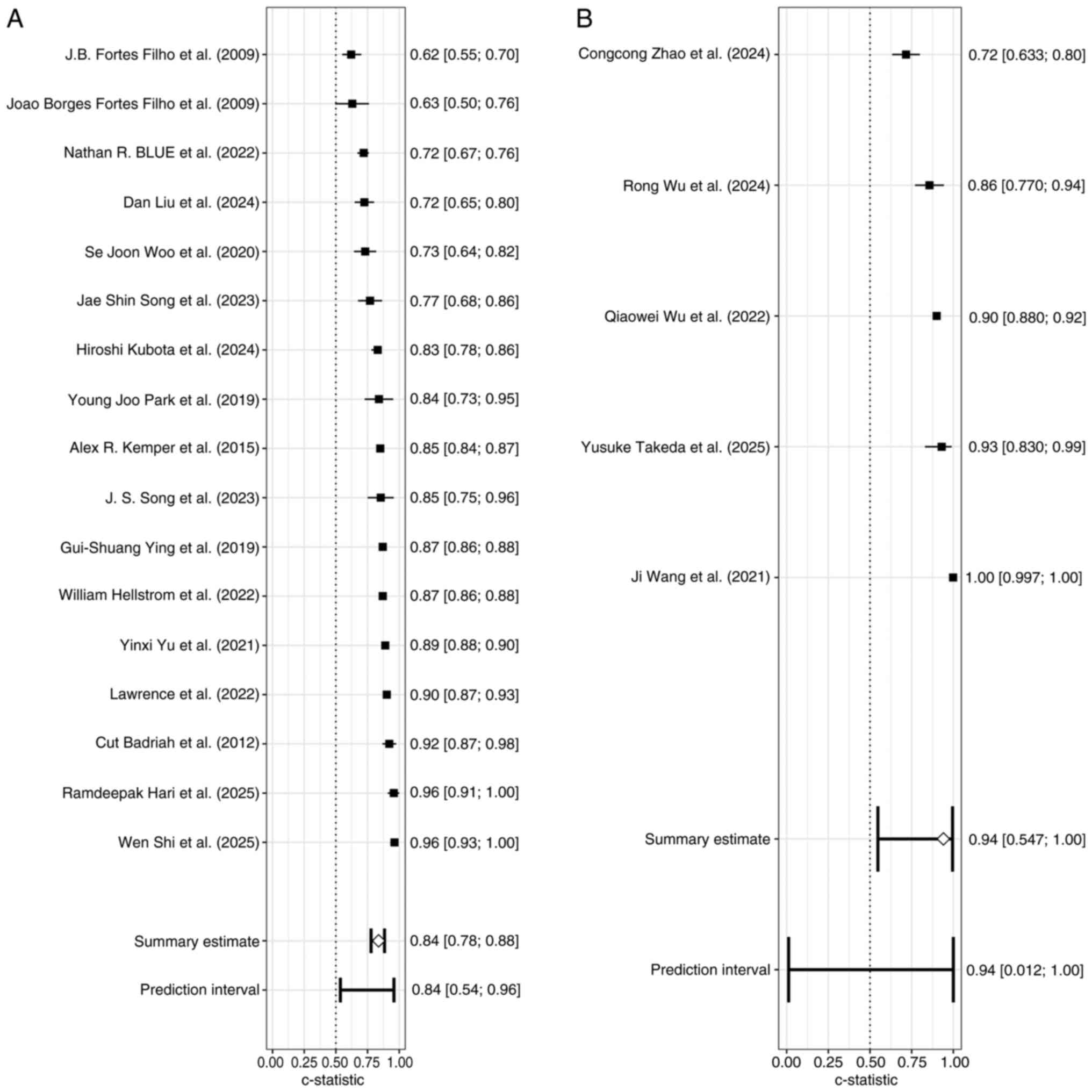
infants. (A) Traditional statistical (n=17) and (B) machine
learning models (n=5). Each subgroup includes individual study AUCs
with 95% CIs and pooled effect sizes, with I² values of 92.2 and
97.3% respectively. AUC, area under the receiver operating
characteristic curve; CI, confidence interval.

Figure 6

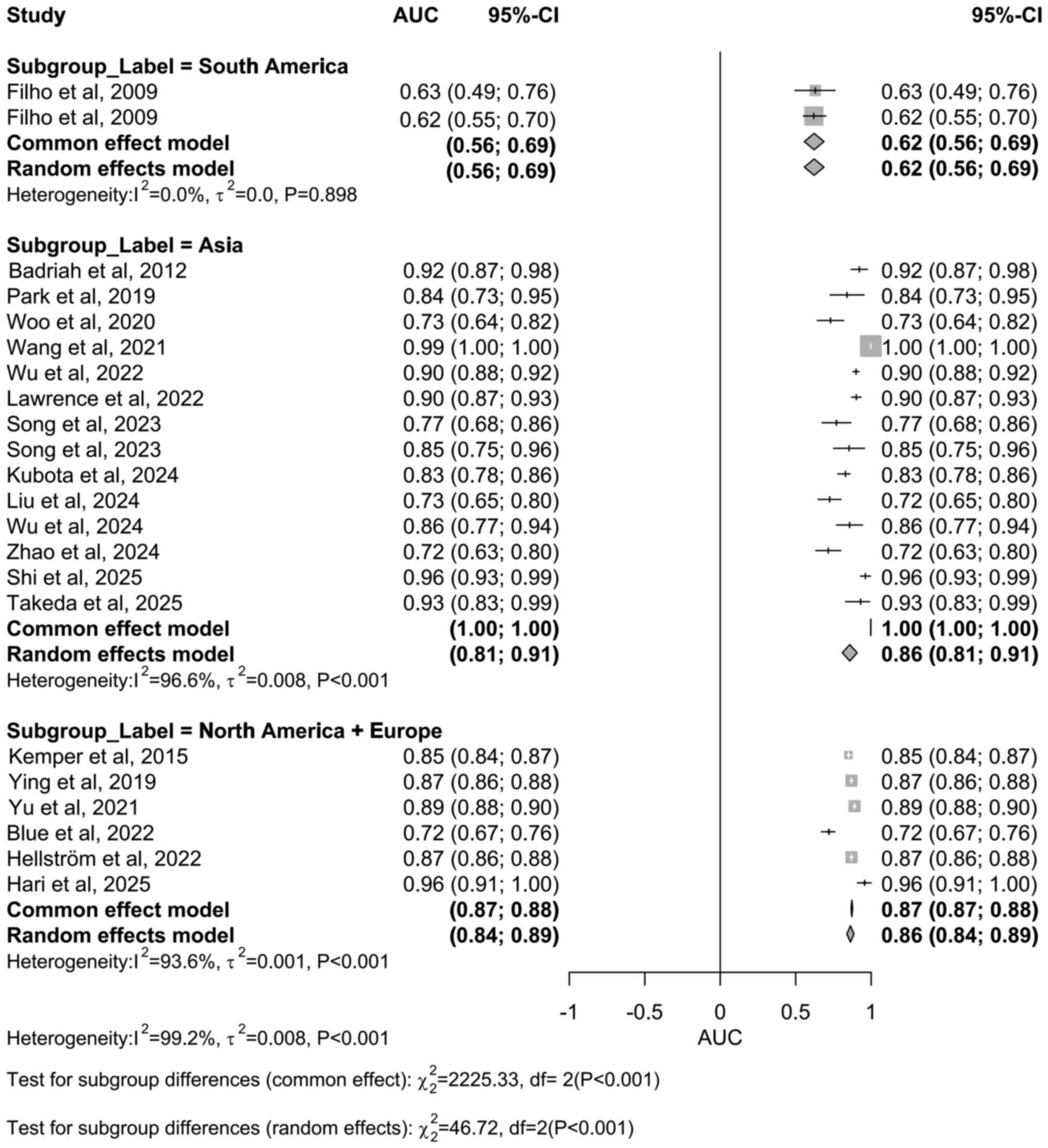
Regional subgroup analysis of
retinopathy of prematurity risk in preterm infants. Forest plots of
the subgroup meta-analyses of 22 models by geographic region: South
America (n=2), Asia (n=15) and North America + Europe (n=6). Each
region includes individual study AUCs with 95% CIs and pooled
effect sizes, with I² values of 0.0, 96.6 and 93.6%, respectively.
AUC, area under the receiver operating characteristic curve; CI,
confidence interval.

Figure 7

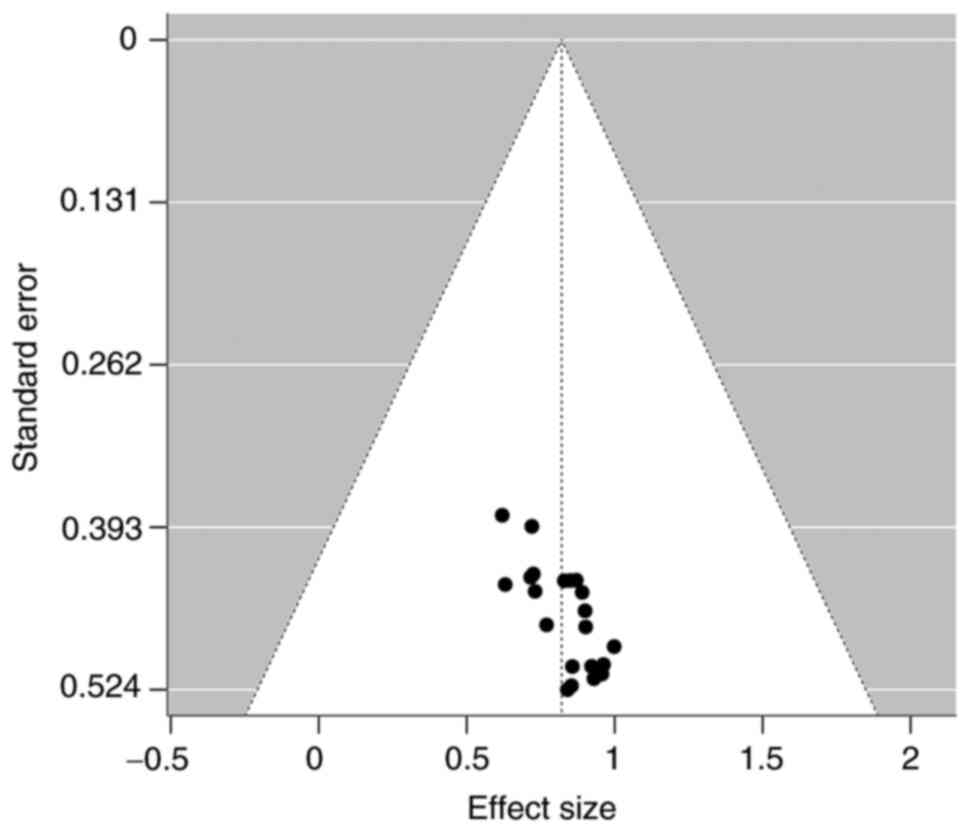
Funnel plot of the retinopathy of
prematurity risk prediction model for premature infants.
Distribution of 22 studies, with each point representing AUC and
precision (1/standard error). The vertical line indicates the
pooled AUC (0.87). AUC, area under the receiver operating
characteristic curve.

Figure 8

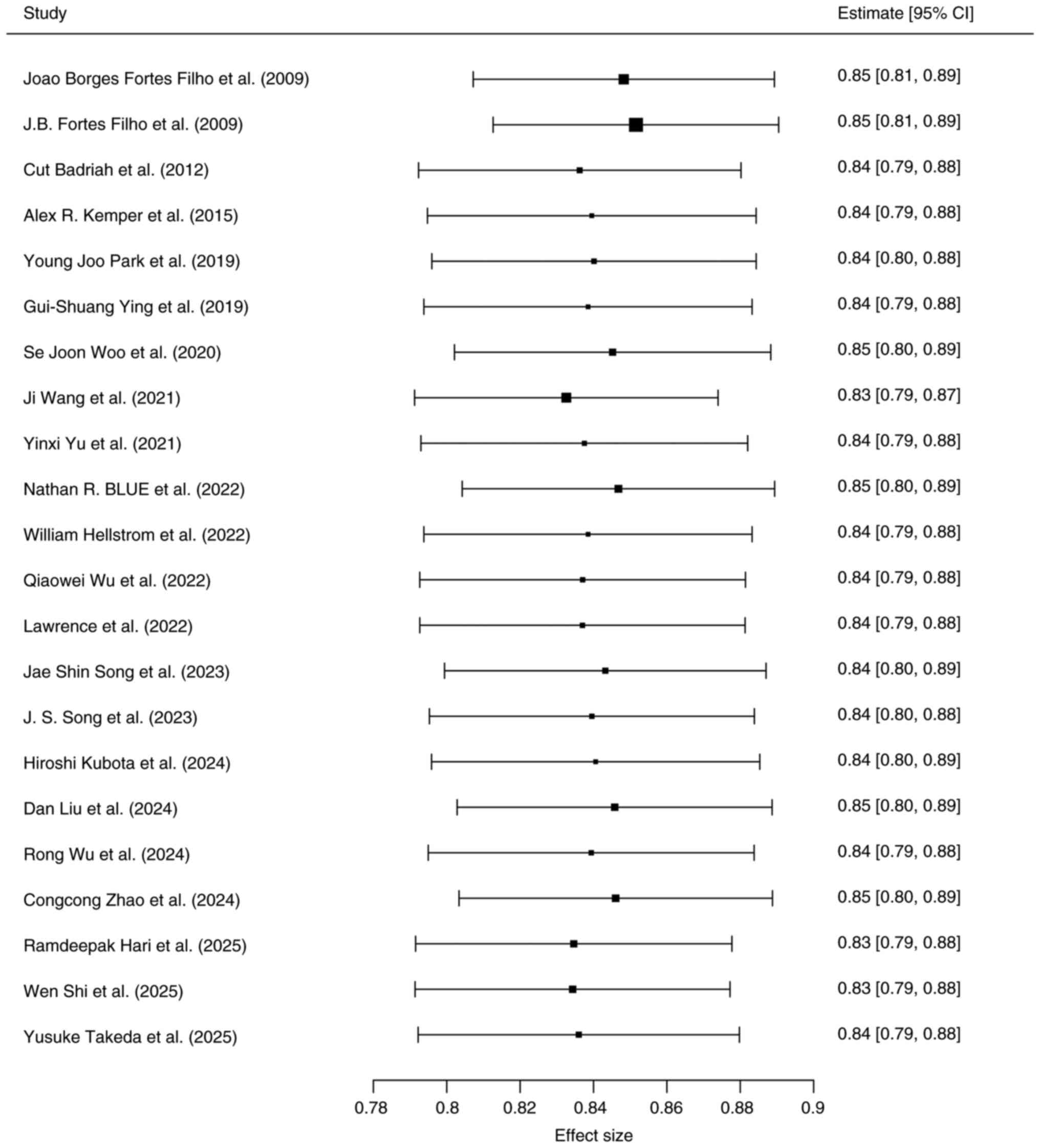
Sensitivity analysis of the combined
retinopathy of prematurity risk prediction model for premature
infants. Pooled area under the receiver operating characteristic
curve after iteratively excluding each study is shown.

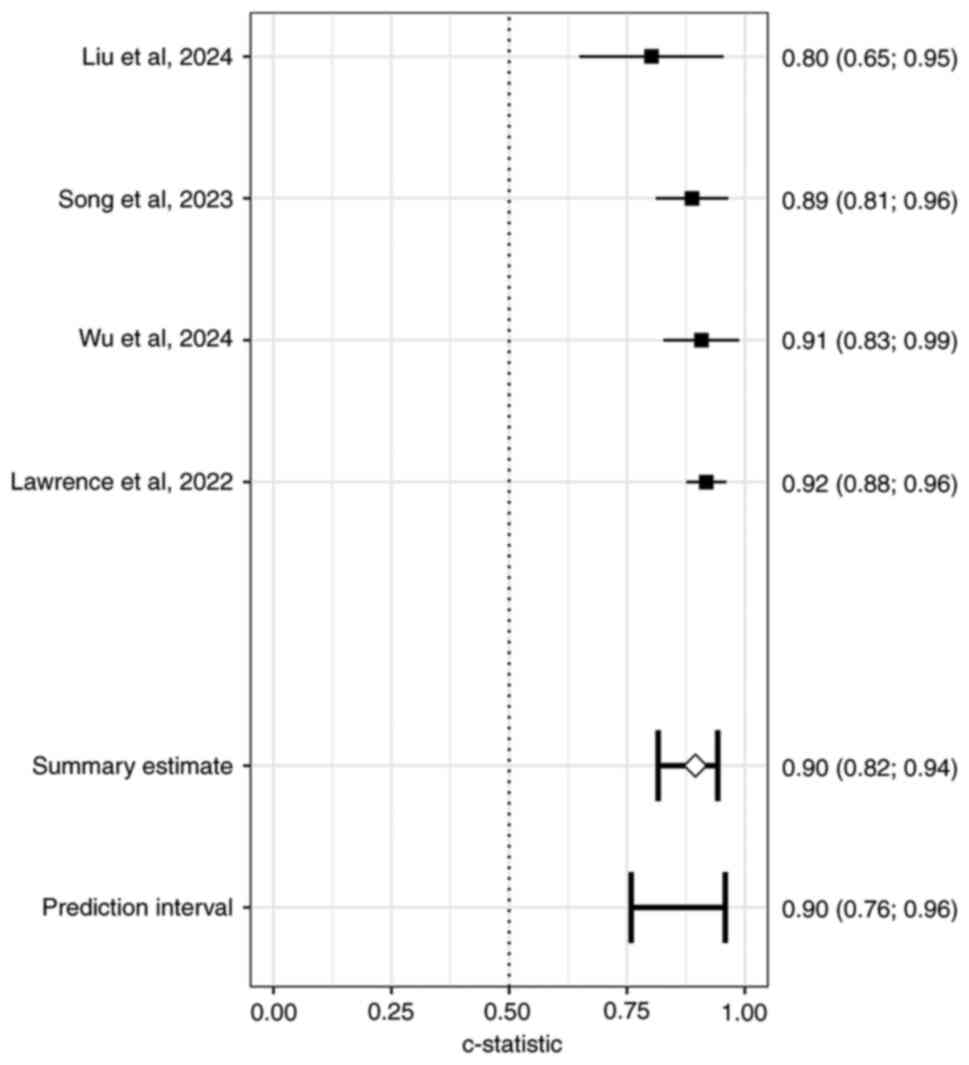
Figure 9

Forest plot of the external
validation of four retinopathy of prematurity risk prediction
models for premature infants. The diamond indicates the pooled
external validation area under the receiver operating
characteristic curve (0.90, 95% CI: 0.76; 0.96). CI, confidence
interval.
View References

1 

Fu Y, Lei C, Qibo R, Huang X, Chen Y, Wang M and Zhang M: Insulin-like growth factor-1 and retinopathy of prematurity: A systemic review and meta-analysis. Surv Ophthalmol. 68:1153–1165. 2023.PubMed/NCBI View Article : Google Scholar

2 

García H, Villasis-Keever MA, Zavala-Vargas G, Bravo-Ortiz JC, Pérez-Méndez A and Escamilla-Núñez A: Global prevalence and severity of retinopathy of prematurity over the last four decades (1985-2021): A systematic review and meta-analysis. Arch Med Res. 55(102967)2024.PubMed/NCBI View Article : Google Scholar

3 

Bhatnagar A, Skrehot HC, Bhatt A, Herce H and Weng CY: Epidemiology of retinopathy of prematurity in the US from 2003 to 2019. JAMA Ophthalmol. 141:479–485. 2023.PubMed/NCBI View Article : Google Scholar

4 

Chiang MF, Quinn GE, Fielder AR, Ostmo SR, Chan RV, Berrocal A, Binenbaum G, Blair M, Campbell JP, Capone A Jr, et al: International classification of retinopathy of prematurity, third edition. Ophthalmology. 128:e51–e68. 2021.PubMed/NCBI View Article : Google Scholar

5 

Schmitz AM, Bumbaru SM, Fakhouri LS and Zhang DQ: Long-term impairment of retinal ganglion cell function after oxygen-induced retinopathy. Cells. 14(512)2025.PubMed/NCBI View Article : Google Scholar

6 

Beccasio A, Mignini C, Caricato A, Iaccheri B, Di Cara G, Verrotti A and Cagini C: New trends in intravitreal anti-VEGF therapy for ROP. Eur J Ophthalmol. 32:1340–1351. 2022.PubMed/NCBI View Article : Google Scholar

7 

Sankar BK, Amin H, Pappa P and Riaz KM: Risk factors of retinopathy of prematurity: A prospective study. Indian J Public Health. 69:111–114. 2025.PubMed/NCBI View Article : Google Scholar

8 

Karmouta R, Strawbridge JC, Langston S, Altendahl M, Khitri M, Chu A and Tsui I: Neurodevelopmental outcomes in infants screened for retinopathy of prematurity. JAMA Ophthalmol. 141:1125–1132. 2023.PubMed/NCBI View Article : Google Scholar

9 

Tan H, Blasco P, Lewis T, Ostmo S, Chiang MF and Campbell JP: Neurodevelopmental outcomes in preterm infants with retinopathy of prematurity. Surv Ophthalmol. 66:877–891. 2021.PubMed/NCBI View Article : Google Scholar

10 

Almutairi MF, Gulden S, Hundscheid TM, Bartoš F, Cavallaro G and Villamor E: Platelet counts and risk of severe retinopathy of prematurity: A bayesian model-averaged meta-analysis. Children (Basel). 10(1903)2023.PubMed/NCBI View Article : Google Scholar

11 

Nakayama LF, Mitchell WG, Ribeiro LZ, Dychiao RG, Phanphruk W, Celi LA, Kalua K, Santiago APD, Regatieri CVS and Moraes NSB: Fairness and generalisability in deep learning of retinopathy of prematurity screening algorithms: A literature review. BMJ Open Ophthalmol. 8(e001216)2023.PubMed/NCBI View Article : Google Scholar

12 

Kim SJ, Port AD, Swan R, Campbell JP, Chan RVP and Chiang MF: Retinopathy of prematurity: A review of risk factors and their clinical significance. Surv Ophthalmol. 63:618–637. 2018.PubMed/NCBI View Article : Google Scholar

13 

Shah S, Slaney E, VerHage E, Chen J, Dias R, Abdelmalik B, Weaver A and Neu J: Application of artificial intelligence in the early detection of retinopathy of prematurity: Review of the literature. Neonatology. 120:558–565. 2023.PubMed/NCBI View Article : Google Scholar

14 

Hellström A and Hård AL: Screening and novel therapies for retinopathy of prematurity-A review. Early Hum Dev. 138(104846)2019.PubMed/NCBI View Article : Google Scholar

15 

Diggikar S, Gurumoorthy P, Trif P, Mudura D, Nagesh NK, Galis R, Vinekar A and Kramer BW: Retinopathy of prematurity and neurodevelopmental outcomes in preterm infants: A systematic review and meta-analysis. Front Pediatr. 11(1055813)2023.PubMed/NCBI View Article : Google Scholar

16 

Collins GS, Moons KGM, Dhiman P, Riley RD, Beam AL, Van Calster B, Ghassemi M, Liu X, Reitsma JB, van Smeden M, et al: TRIPOD+AI statement: Updated guidance for reporting clinical prediction models that use regression or machine learning methods. BMJ. 385(e078378)2024.PubMed/NCBI View Article : Google Scholar

17 

Fernandez-Felix BM, López-Alcalde J, Roqué M, Muriel A and Zamora J: CHARMS and PROBAST at your fingertips: A template for data extraction and risk of bias assessment in systematic reviews of predictive models. BMC Med Res Methodol. 23(44)2023.PubMed/NCBI View Article : Google Scholar

18 

Moons KGM, Damen JAA, Kaul T, Hooft L, Navarro CA, Dhiman P, Beam AL, Van Calster B, Celi LA, Denaxas S, et al: PROBAST+AI: An updated quality, risk of bias, and applicability assessment tool for prediction models using regression or artificial intelligence methods. BMJ. 388(e082505)2025.PubMed/NCBI View Article : Google Scholar

19 

Fu H, Hou D, Xu R, You Q, Li H, Yang Q, Wang H, Gao J and Bai D: Risk prediction models for deep venous thrombosis in patients with acute stroke: A systematic review and meta-analysis. Int J Nurs Stud. 149(104623)2024.PubMed/NCBI View Article : Google Scholar

20 

Kuo RYL, Harrison C, Curran TA, Jones B, Freethy A, Cussons D, Stewart M, Collins GS and Furniss D: Artificial intelligence in fracture detection: A systematic review and meta-analysis. Radiology. 304:50–62. 2022.PubMed/NCBI View Article : Google Scholar

21 

de Jong Y, Ramspek CL, Zoccali C, Jager KJ, Dekker FW and van Diepen M: Appraising prediction research: A guide and meta-review on bias and applicability assessment using the prediction model risk of bias ASsessment tool (PROBAST). Nephrology (Carlton). 26:939–947. 2021.PubMed/NCBI View Article : Google Scholar

22 

Cumpston M, Li T, Page MJ, Chandler J, Welch VA, Higgins JP and Thomas J: Updated guidance for trusted systematic reviews: A new edition of the cochrane handbook for systematic reviews of interventions. Cochrane Database Syst Rev. 10(ED000142)2019.PubMed/NCBI View Article : Google Scholar

23 

Furuya-Kanamori L, Barendregt JJ and Doi SAR: A new improved graphical and quantitative method for detecting bias in meta-analysis. Int J Evid Based Healthc. 16:195–203. 2018.PubMed/NCBI View Article : Google Scholar

24 

Page MJ, McKenzie JE, Bossuyt PM, Boutron I, Hoffmann TC, Mulrow CD, Shamseer L, Tetzlaff JM, Akl EA, Brennan SE, et al: The PRISMA 2020 statement: An updated guideline for reporting systematic reviews. BMJ. 372(n71)2021.PubMed/NCBI View Article : Google Scholar

25 

Filho JB, Bonomo PP, Maia M and Procianoy RS: Weight gain measured at 6 weeks after birth as a predictor for severe retinopathy of prematurity: Study with 317 very low birth weight preterm babies. Graefes Arch Clin Exp Ophthalmol. 247:831–836. 2009.PubMed/NCBI View Article : Google Scholar

26 

Filho JB, Dill JC, Ishizaki A, Aguiar WW, Silveira RC and Procianoy RS: Score for neonatal acute physiology and perinatal extension II as a predictor of retinopathy of prematurity: Study in 304 very-low-birth-weight preterm infants. Ophthalmologica. 223:177–182. 2009.PubMed/NCBI View Article : Google Scholar

27 

Badriah C, Amir I, Elvioza E and Ifran E: Prevalence and risk factors of retinopathy of prematurity. Paediatrica Indonesiana. 52:138–144. 2012.

28 

Kemper AR, Wade KC, Hornik CP, Ying GS, Baumritter A and Quinn GE: Telemedicine Approaches to Evaluating Acute-phase Retinopathy of Prematurity (e-ROP) Study Cooperative Group. Retinopathy of prematurity risk prediction for infants with birth weight less than 1251 grams. J Pediatr. 166:257–261.e2. 2015.PubMed/NCBI View Article : Google Scholar

29 

Owen LA, Morrison MA, Hoffman RO, Yoder BA and DeAngelis MM: Retinopathy of prematurity: A comprehensive risk analysis for prevention and prediction of disease. PLoS One. 12(e0171467)2017.PubMed/NCBI View Article : Google Scholar

30 

Gerull R, Brauer V, Bassler D, Laubscher B, Pfister RE, Nelle M, Müller B, Roth-Kleiner M, Gerth-Kahlert C and Adams M: Swiss Neonatal Network & Follow-up Group. Prediction of ROP treatment and evaluation of screening criteria in VLBW infants-a population based analysis. Pediatr Res. 84:632–638. 2018.PubMed/NCBI View Article : Google Scholar

31 

Cerda AM, McCourt EA, Thevarajah T, Wymore E, Lynch AM and Wagner BD: Comparison between weight gain and Fenton preterm growth z scores in assessing the risk of retinopathy of prematurity. J AAPOS. 23:281–283. 2019.PubMed/NCBI View Article : Google Scholar

32 

Park YJ, Woo SJ, Kim YM, Hong S, Lee YE and Park KH: Immune and inflammatory proteins in cord blood as predictive biomarkers of retinopathy of prematurity in preterm infants. Invest Ophthalmol Vis Sci. 60:3813–3820. 2019.PubMed/NCBI View Article : Google Scholar

33 

Ying GS, Bell EF, Donohue P, Tomlinson LA and Binenbaum G: G-ROP Research Group. Perinatal risk factors for the retinopathy of prematurity in postnatal growth and rop study. Ophthalmic Epidemiol. 26:270–278. 2019.PubMed/NCBI View Article : Google Scholar

34 

Woo SJ, Park JY, Hong S, Kim YM, Park YH, Lee YE and Park KH: Inflammatory and angiogenic mediators in amniotic fluid are associated with the development of retinopathy of prematurity in preterm infants. Invest Ophthalmol Vis Sci. 61(42)2020.PubMed/NCBI View Article : Google Scholar

35 

Fekri Y, Ojaghi H, Momeni N and Amani F: Retinopathy of prematurity in Ardabil, North West of Iran: Prevalence and risk factors. Eur J Transl Myol. 31(10063)2021.PubMed/NCBI View Article : Google Scholar

36 

Wang J, Ji J, Zhang M, Lin JW, Zhang G, Gong W, Cen LP, Lu Y, Huang X, Huang D, et al: Automated explainable multidimensional deep learning platform of retinal images for retinopathy of prematurity screening. JAMA Netw Open. 4(e218758)2021.PubMed/NCBI View Article : Google Scholar

37 

Yu Y, Tomlinson LA, Binenbaum G and Ying GS: G-Rop Study Group. Incidence, timing and risk factors of type 1 retinopathy of prematurity in a North American cohort. Br J Ophthalmol. 105:1724–1730. 2021.PubMed/NCBI View Article : Google Scholar

38 

Blue NR, Allshouse AA, Grobman WA, Day RC, Haas DM, Simhan HN, Parry S, Saade GR and Silver RM: Developing a predictive model for perinatal morbidity among small for gestational age infants. J Matern Fetal Neonatal Med. 35:8462–8471. 2022.PubMed/NCBI View Article : Google Scholar

39 

Hellström W, Martinsson T, Morsing E, Gränse L, Ley D and Hellström A: Low fraction of fetal haemoglobin is associated with retinopathy of prematurity in the very preterm infant. Br J Ophthalmol. 106:970–974. 2022.PubMed/NCBI View Article : Google Scholar

40 

Wu Q, Hu Y, Mo Z, Wu R, Zhang X, Yang Y, Liu B, Xiao Y, Zeng X, Lin Z, et al: Development and validation of a deep learning model to predict the occurrence and severity of retinopathy of prematurity. JAMA Netw Open. 5(e2217447)2022.PubMed/NCBI View Article : Google Scholar

41 

Iu LPL, Yip WWK, Lok JYC, Fan MCY, Lai CHY, Ho M and Young AL: Prediction model to predict type 1 retinopathy of prematurity using gestational age and birth weight (PW-ROP). Br J Ophthalmol. 107:1007–1011. 2023.PubMed/NCBI View Article : Google Scholar

42 

Song JS, Woo SJ, Park KH, Joo E, Kim H, Oh E and Lee KN: Cord blood transforming growth factor-β-induced as predictive biomarker of retinopathy of prematurity in preterm infants. Graefes Arch Clin Exp Ophthalmol. 261:2477–2488. 2023.PubMed/NCBI View Article : Google Scholar

43 

Song JS, Woo SJ, Park KH, Kim H, Lee KN and Kim YM: Association of inflammatory and angiogenic biomarkers in maternal plasma with retinopathy of prematurity in preterm infants. Eye (Lond). 37:1802–1809. 2023.PubMed/NCBI View Article : Google Scholar

44 

Chen S, Zhao X, Wu Z, Cao K, Zhang Y, Tan T, Lam CT, Xu Y, Zhang G and Sun Y: Multi-risk factors joint prediction model for risk prediction of retinopathy of prematurity. EPMA J. 15:261–274. 2024.PubMed/NCBI View Article : Google Scholar

45 

Kubota H, Fukushima Y, Kawasaki R, Endo T, Hatsukawa Y, Ineyama H, Hirata K, Hirano S, Wada K and Nishida K: Continuous oxygen saturation and risk of retinopathy of prematurity in a Japanese cohort. Br J Ophthalmol. 108:1275–1280. 2024.PubMed/NCBI View Article : Google Scholar

46 

Lin WC, Jordan BK, Scottoline B, Ostmo SR, Coyner AS, Singh P, Kalpathy-Cramer J, Erdogmus D, Chan RVP, Chiang MF and Campbell JP: Oxygenation fluctuations associated with severe retinopathy of prematurity: Insights from a multimodal deep learning approach. Ophthalmol Sci. 4(100417)2023.PubMed/NCBI View Article : Google Scholar

47 

Liu D, Li XY, He HW, Jin KL, Zhang LX, Zhou Y, Zhu ZM, Jiang CC, Wu HJ and Zheng SL: Nomogram to predict severe retinopathy of prematurity in Southeast China. Int J Ophthalmol. 17:282–288. 2024.PubMed/NCBI View Article : Google Scholar

48 

Wu R, Chen H, Bai Y, Zhang Y, Feng S and Lu X: Prediction models for retinopathy of prematurity occurrence based on artificial neural network. BMC Ophthalmol. 24(323)2024.PubMed/NCBI View Article : Google Scholar

49 

Zhao C, Sun Z, Chen H, Li K and Sun H: The impact of blood lactic acid levels on retinopathy of prematurity morbidity. BMC Pediatr. 24(152)2024.PubMed/NCBI View Article : Google Scholar

50 

Hari R, Mellacheruvu P, Nonye OC, Rastogi A and Mydam J: Severe patent ductus arteriosus is a risk factor for clinically significant retinopathy of prematurity in very low birth weight infants. SN Compr Clin Med. 7(60)2025.

51 

Shi W, Zhu L, He X, Wang S and Wang C: Combined indicator assists in early recognition of retinopathy of prematurity. Sci Rep. 15(8048)2025.PubMed/NCBI View Article : Google Scholar

52 

Takeda Y, Kaneko Y, Sugimoto M, Yamashita H, Sasaki A and Mitsui T: Prediction models for retinopathy of prematurity using nonimaging machine learning approaches: A regional multicenter study. Ophthalmol Sci. 5(100715)2025.PubMed/NCBI View Article : Google Scholar

53 

Wagner SK, Liefers B, Radia M, Zhang G, Struyven R, Faes L, Than J, Balal S, Hennings C, Kilduff C, et al: Development and international validation of custom-engineered and code-free deep-learning models for detection of plus disease in retinopathy of prematurity: A retrospective study. Lancet Digit Health. 5:e340–e349. 2023.PubMed/NCBI View Article : Google Scholar

54 

Rashidian P, Karami S and Salehi SA: A review on retinopathy of prematurity. Med Hypothesis Discov Innov Ophthalmol. 13:201–212. 2025.PubMed/NCBI View Article : Google Scholar

55 

Maitra P, Shah PK, Campbell PJ and Rishi P: The scope of artificial intelligence in retinopathy of prematurity (ROP) management. Indian J Ophthalmol. 72:931–934. 2024.PubMed/NCBI View Article : Google Scholar

56 

Xu S, Liang Z, Du Q, Li Z, Tan G, Nie C, Yang Y, Lv X, Zhang C and Luo X: A systematic study on the prevention and treatment of retinopathy of prematurity in China. BMC Ophthalmol. 18(44)2018.PubMed/NCBI View Article : Google Scholar

57 

Yildirim M, Coban A, Bulut O, Mercül NK and Ince Z: Postnatal weight gain and retinopathy of prematurity in preterm infants: A population-based retrospective cohort study. J Matern Fetal Neonatal Med. 37(2337720)2024.PubMed/NCBI View Article : Google Scholar

58 

Han G, Lim DH, Kang D, Cho J, Guallar E, Chang YS, Chung TY, Kim SJ and Park WS: Association between retinopathy of prematurity in very-low-birth-weight infants and neurodevelopmental impairment. Am J Ophthalmol. 244:205–215. 2022.PubMed/NCBI View Article : Google Scholar

59 

Dammann O, Hartnett ME and Stahl A: Retinopathy of prematurity. Dev Med Child Neurol. 65:625–631. 2023.PubMed/NCBI View Article : Google Scholar

60 

Engin CD, Ozturk T, Ozkan O, Oztas A, Selver MA and Tuzun F: Prediction of retinopathy of prematurity development and treatment need with machine learning models. BMC Ophthalmol. 25(194)2025.PubMed/NCBI View Article : Google Scholar

61 

Gilbert CE: Global perspectives of retinopathy of prematurity. Indian J Ophthalmol. 71:3431–3433. 2023.PubMed/NCBI View Article : Google Scholar

62 

Wang J, Ying GS, Yu Y, Tomlinson L and Binenbaum G: Racial differences in retinopathy of prematurity. Ophthalmic Epidemiol. 30:523–531. 2023.PubMed/NCBI View Article : Google Scholar

63 

Kim ES, Calkins KL and Chu A: Retinopathy of prematurity: The role of nutrition. Pediatr Ann. 52:e303–e308. 2023.PubMed/NCBI View Article : Google Scholar

64 

He D, Luo X, Ying B, Quinn GE, Baumritter A, Chen Y, Ying GS and He L: Machine learning models for predicting treatment-requiring retinopathy of prematurity in the e-ROP study. Transl Vis Sci Technol. 14(14)2025.PubMed/NCBI View Article : Google Scholar

Related Articles

  • Abstract
  • View
  • Download
  • Twitter
Copy and paste a formatted citation
Spandidos Publications style
Li L, Gao Y, Chen W and Han M: Systematic review and meta‑analysis of risk prediction models for retinopathy of prematurity in preterm infants. Biomed Rep 23: 195, 2025.
APA
Li, L., Gao, Y., Chen, W., & Han, M. (2025). Systematic review and meta‑analysis of risk prediction models for retinopathy of prematurity in preterm infants. Biomedical Reports, 23, 195. https://doi.org/10.3892/br.2025.2073
MLA
Li, L., Gao, Y., Chen, W., Han, M."Systematic review and meta‑analysis of risk prediction models for retinopathy of prematurity in preterm infants". Biomedical Reports 23.6 (2025): 195.
Chicago
Li, L., Gao, Y., Chen, W., Han, M."Systematic review and meta‑analysis of risk prediction models for retinopathy of prematurity in preterm infants". Biomedical Reports 23, no. 6 (2025): 195. https://doi.org/10.3892/br.2025.2073
Copy and paste a formatted citation
x
Spandidos Publications style
Li L, Gao Y, Chen W and Han M: Systematic review and meta‑analysis of risk prediction models for retinopathy of prematurity in preterm infants. Biomed Rep 23: 195, 2025.
APA
Li, L., Gao, Y., Chen, W., & Han, M. (2025). Systematic review and meta‑analysis of risk prediction models for retinopathy of prematurity in preterm infants. Biomedical Reports, 23, 195. https://doi.org/10.3892/br.2025.2073
MLA
Li, L., Gao, Y., Chen, W., Han, M."Systematic review and meta‑analysis of risk prediction models for retinopathy of prematurity in preterm infants". Biomedical Reports 23.6 (2025): 195.
Chicago
Li, L., Gao, Y., Chen, W., Han, M."Systematic review and meta‑analysis of risk prediction models for retinopathy of prematurity in preterm infants". Biomedical Reports 23, no. 6 (2025): 195. https://doi.org/10.3892/br.2025.2073
Follow us
  • Twitter
  • LinkedIn
  • Facebook
About
  • Spandidos Publications
  • Careers
  • Cookie Policy
  • Privacy Policy
How can we help?
  • Help
  • Live Chat
  • Contact
  • Email to our Support Team