Spandidos Publications Logo
  • About
    • About Spandidos
    • Aims and Scopes
    • Abstracting and Indexing
    • Editorial Policies
    • Reprints and Permissions
    • Job Opportunities
    • Terms and Conditions
    • Contact
  • Journals
    • All Journals
    • Oncology Letters
      • Oncology Letters
      • Information for Authors
      • Editorial Policies
      • Editorial Board
      • Aims and Scope
      • Abstracting and Indexing
      • Bibliographic Information
      • Archive
    • International Journal of Oncology
      • International Journal of Oncology
      • Information for Authors
      • Editorial Policies
      • Editorial Board
      • Aims and Scope
      • Abstracting and Indexing
      • Bibliographic Information
      • Archive
    • Molecular and Clinical Oncology
      • Molecular and Clinical Oncology
      • Information for Authors
      • Editorial Policies
      • Editorial Board
      • Aims and Scope
      • Abstracting and Indexing
      • Bibliographic Information
      • Archive
    • Experimental and Therapeutic Medicine
      • Experimental and Therapeutic Medicine
      • Information for Authors
      • Editorial Policies
      • Editorial Board
      • Aims and Scope
      • Abstracting and Indexing
      • Bibliographic Information
      • Archive
    • International Journal of Molecular Medicine
      • International Journal of Molecular Medicine
      • Information for Authors
      • Editorial Policies
      • Editorial Board
      • Aims and Scope
      • Abstracting and Indexing
      • Bibliographic Information
      • Archive
    • Biomedical Reports
      • Biomedical Reports
      • Information for Authors
      • Editorial Policies
      • Editorial Board
      • Aims and Scope
      • Abstracting and Indexing
      • Bibliographic Information
      • Archive
    • Oncology Reports
      • Oncology Reports
      • Information for Authors
      • Editorial Policies
      • Editorial Board
      • Aims and Scope
      • Abstracting and Indexing
      • Bibliographic Information
      • Archive
    • Molecular Medicine Reports
      • Molecular Medicine Reports
      • Information for Authors
      • Editorial Policies
      • Editorial Board
      • Aims and Scope
      • Abstracting and Indexing
      • Bibliographic Information
      • Archive
    • World Academy of Sciences Journal
      • World Academy of Sciences Journal
      • Information for Authors
      • Editorial Policies
      • Editorial Board
      • Aims and Scope
      • Abstracting and Indexing
      • Bibliographic Information
      • Archive
    • International Journal of Functional Nutrition
      • International Journal of Functional Nutrition
      • Information for Authors
      • Editorial Policies
      • Editorial Board
      • Aims and Scope
      • Abstracting and Indexing
      • Bibliographic Information
      • Archive
    • International Journal of Epigenetics
      • International Journal of Epigenetics
      • Information for Authors
      • Editorial Policies
      • Editorial Board
      • Aims and Scope
      • Abstracting and Indexing
      • Bibliographic Information
      • Archive
    • Medicine International
      • Medicine International
      • Information for Authors
      • Editorial Policies
      • Editorial Board
      • Aims and Scope
      • Abstracting and Indexing
      • Bibliographic Information
      • Archive
  • Articles
  • Information
    • Information for Authors
    • Information for Reviewers
    • Information for Librarians
    • Information for Advertisers
    • Conferences
  • Language Editing
Spandidos Publications Logo
  • About
    • About Spandidos
    • Aims and Scopes
    • Abstracting and Indexing
    • Editorial Policies
    • Reprints and Permissions
    • Job Opportunities
    • Terms and Conditions
    • Contact
  • Journals
    • All Journals
    • Biomedical Reports
      • Information for Authors
      • Editorial Policies
      • Editorial Board
      • Aims and Scope
      • Abstracting and Indexing
      • Bibliographic Information
      • Archive
    • Experimental and Therapeutic Medicine
      • Information for Authors
      • Editorial Policies
      • Editorial Board
      • Aims and Scope
      • Abstracting and Indexing
      • Bibliographic Information
      • Archive
    • International Journal of Epigenetics
      • Information for Authors
      • Editorial Policies
      • Editorial Board
      • Aims and Scope
      • Abstracting and Indexing
      • Bibliographic Information
      • Archive
    • International Journal of Functional Nutrition
      • Information for Authors
      • Editorial Policies
      • Editorial Board
      • Aims and Scope
      • Abstracting and Indexing
      • Bibliographic Information
      • Archive
    • International Journal of Molecular Medicine
      • Information for Authors
      • Editorial Policies
      • Editorial Board
      • Aims and Scope
      • Abstracting and Indexing
      • Bibliographic Information
      • Archive
    • International Journal of Oncology
      • Information for Authors
      • Editorial Policies
      • Editorial Board
      • Aims and Scope
      • Abstracting and Indexing
      • Bibliographic Information
      • Archive
    • Medicine International
      • Information for Authors
      • Editorial Policies
      • Editorial Board
      • Aims and Scope
      • Abstracting and Indexing
      • Bibliographic Information
      • Archive
    • Molecular and Clinical Oncology
      • Information for Authors
      • Editorial Policies
      • Editorial Board
      • Aims and Scope
      • Abstracting and Indexing
      • Bibliographic Information
      • Archive
    • Molecular Medicine Reports
      • Information for Authors
      • Editorial Policies
      • Editorial Board
      • Aims and Scope
      • Abstracting and Indexing
      • Bibliographic Information
      • Archive
    • Oncology Letters
      • Information for Authors
      • Editorial Policies
      • Editorial Board
      • Aims and Scope
      • Abstracting and Indexing
      • Bibliographic Information
      • Archive
    • Oncology Reports
      • Information for Authors
      • Editorial Policies
      • Editorial Board
      • Aims and Scope
      • Abstracting and Indexing
      • Bibliographic Information
      • Archive
    • World Academy of Sciences Journal
      • Information for Authors
      • Editorial Policies
      • Editorial Board
      • Aims and Scope
      • Abstracting and Indexing
      • Bibliographic Information
      • Archive
  • Articles
  • Information
    • For Authors
    • For Reviewers
    • For Librarians
    • For Advertisers
    • Conferences
  • Language Editing
Login Register Submit
  • This site uses cookies
  • You can change your cookie settings at any time by following the instructions in our Cookie Policy. To find out more, you may read our Privacy Policy.

    I agree
Search articles by DOI, keyword, author or affiliation
Search
Advanced Search
presentation
Experimental and Therapeutic Medicine
Join Editorial Board Propose a Special Issue
Print ISSN: 1792-0981 Online ISSN: 1792-1015
Journal Cover
October-2015 Volume 10 Issue 4

Full Size Image

Sign up for eToc alerts
Recommend to Library

Journals

International Journal of Molecular Medicine

International Journal of Molecular Medicine

International Journal of Molecular Medicine is an international journal devoted to molecular mechanisms of human disease.

International Journal of Oncology

International Journal of Oncology

International Journal of Oncology is an international journal devoted to oncology research and cancer treatment.

Molecular Medicine Reports

Molecular Medicine Reports

Covers molecular medicine topics such as pharmacology, pathology, genetics, neuroscience, infectious diseases, molecular cardiology, and molecular surgery.

Oncology Reports

Oncology Reports

Oncology Reports is an international journal devoted to fundamental and applied research in Oncology.

Experimental and Therapeutic Medicine

Experimental and Therapeutic Medicine

Experimental and Therapeutic Medicine is an international journal devoted to laboratory and clinical medicine.

Oncology Letters

Oncology Letters

Oncology Letters is an international journal devoted to Experimental and Clinical Oncology.

Biomedical Reports

Biomedical Reports

Explores a wide range of biological and medical fields, including pharmacology, genetics, microbiology, neuroscience, and molecular cardiology.

Molecular and Clinical Oncology

Molecular and Clinical Oncology

International journal addressing all aspects of oncology research, from tumorigenesis and oncogenes to chemotherapy and metastasis.

World Academy of Sciences Journal

World Academy of Sciences Journal

Multidisciplinary open-access journal spanning biochemistry, genetics, neuroscience, environmental health, and synthetic biology.

International Journal of Functional Nutrition

International Journal of Functional Nutrition

Open-access journal combining biochemistry, pharmacology, immunology, and genetics to advance health through functional nutrition.

International Journal of Epigenetics

International Journal of Epigenetics

Publishes open-access research on using epigenetics to advance understanding and treatment of human disease.

Medicine International

Medicine International

An International Open Access Journal Devoted to General Medicine.

Journal Cover
October-2015 Volume 10 Issue 4

Full Size Image

Sign up for eToc alerts
Recommend to Library

  • Article
  • Citations
    • Cite This Article
    • Download Citation
    • Create Citation Alert
    • Remove Citation Alert
    • Cited By
  • Similar Articles
    • Related Articles (in Spandidos Publications)
    • Similar Articles (Google Scholar)
    • Similar Articles (PubMed)
  • Download PDF
  • Download XML
  • View XML
Case Report

Superior mesenteric artery syndrome caused by surgery and radiation therapy for a brain tumor: A case report

  • Authors:
    • Qiucheng Lei
    • Xinying Wang
    • Chao Wu
    • Jingcheng Bi
    • Li Zhang
  • View Affiliations / Copyright

    Affiliations: Department of General Surgery, Jinling Hospital, Southern Medical University, Nanjing, Jiangsu 210002, P.R. China, Research Institute of General Surgery, Jinling Hospital, Medical School of Nanjing University, Nanjing, Jiangsu 210029, P.R. China
  • Pages: 1578-1580
    |
    Published online on: August 19, 2015
       https://doi.org/10.3892/etm.2015.2691
  • Expand metrics +
Metrics: Total Views: 0 (Spandidos Publications: | PMC Statistics: )
Metrics: Total PDF Downloads: 0 (Spandidos Publications: | PMC Statistics: )
Cited By (CrossRef): 0 citations Loading Articles...

This article is mentioned in:


Abstract

Superior mesenteric artery syndrome (SMAS) is defined as an obstruction of the third part of duodenum due to compression by the superior mesenteric artery. Although traumatic brain injury is a risk factor for SMAS, few cases of SMAS resulting from brain surgery have been reported. SMAS has been observed to occur following neurosurgical surgery in pediatric patients but, to the best of our knowledge, no such cases have been reported in adults. The present study reports the case of a 21‑year‑old female patient who developed SMAS after persistent vomiting and prolonged weight loss following cerebellar tumor resection and cranial irradiation. The SMAS was confirmed by computed tomography and resolved following successful nutritional management.

Introduction

Superior mesenteric artery syndrome (SMAS), also known as Wilkie's syndrome, was first reported by Rokitansky in 1842 (1). It is defined as a compression of the third part of duodenum by the superior mesenteric artery (SMA). Numerous risk factors can lead to SMAS, including weight loss, spasticity, prolonged recumbency and severe traumatic brain injury (2). Although SMAS frequently occurs after traumatic brain injury, no cases of SMAS following brain surgery and cranial radiation have been reported. To increase awareness of this rare treatable effect of neurosurgery, the case of a patient who developed SMAS following cerebellar tumor resection and cranial irradiation is described in the present study.

Case report

In March 2013, a 21-year-old woman underwent brain surgery following the diagnosis of neuroglioma at Jiangsu Provincial People's Hospital (Nanjing, China). The patient was also received Gamma Knife treatment (local brain radiotherapy) postoperatively, which stabilized her condition for a while. The patient, who had an unremarkable medical history, was admitted to a local hospital in May 2014, with a 3-day history of nausea and vomiting after eating. Symptom relief was achieved 1 week later following the treatment of influenza. The patient further developed chronic intermittent abdominal pain, repeatedly with no known cause. On initial examination, computed tomography (CT) plain and enhancement scanning of the abdomen showed duodenal stasis. The patient was given enteral and parenteral nutritional support treatment for >10 days. However, the patient exhibited no improvement and on July 13, 2014 was transferred to Jinling Hospital (Nanjing, China) for continuing management.

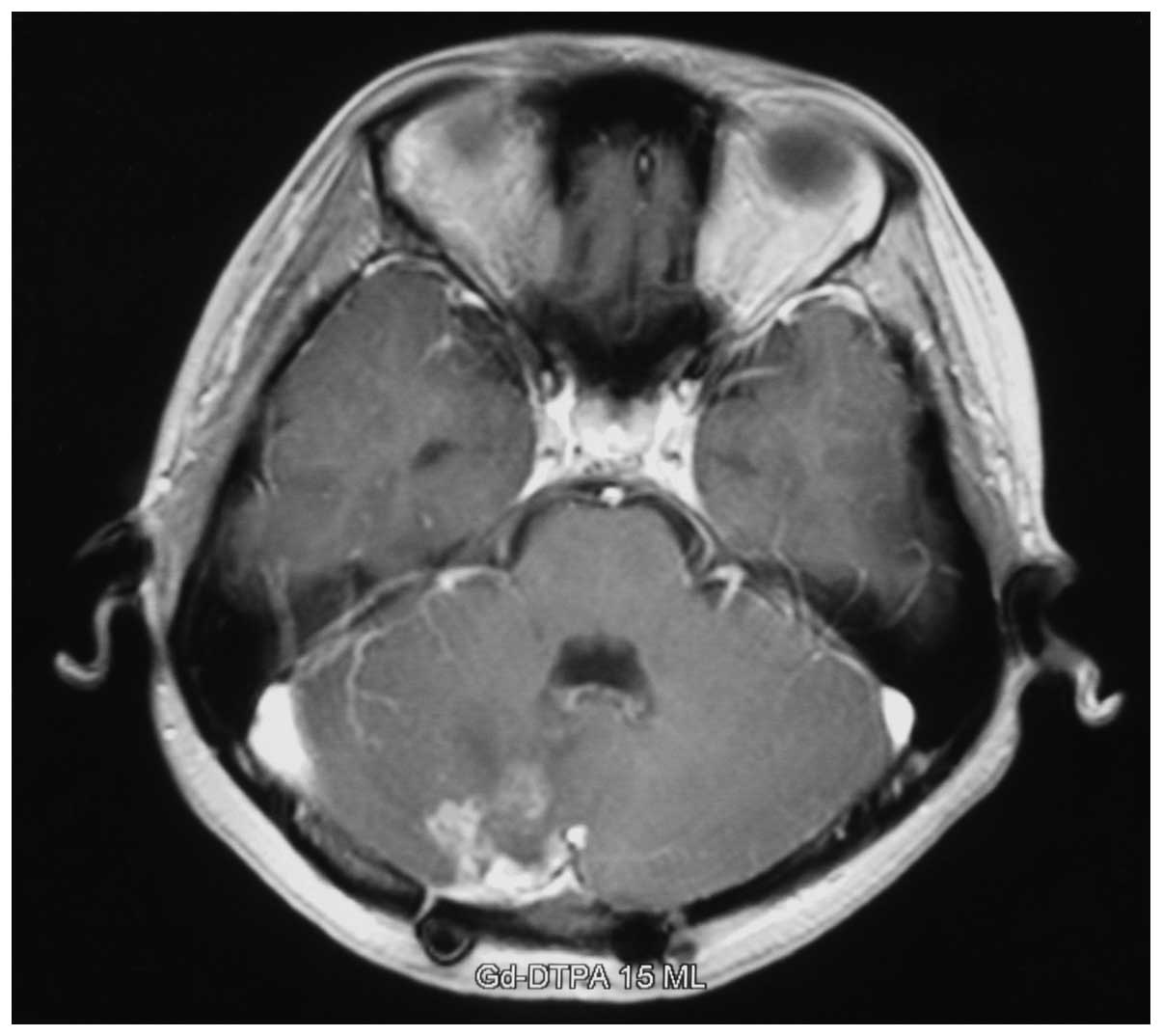
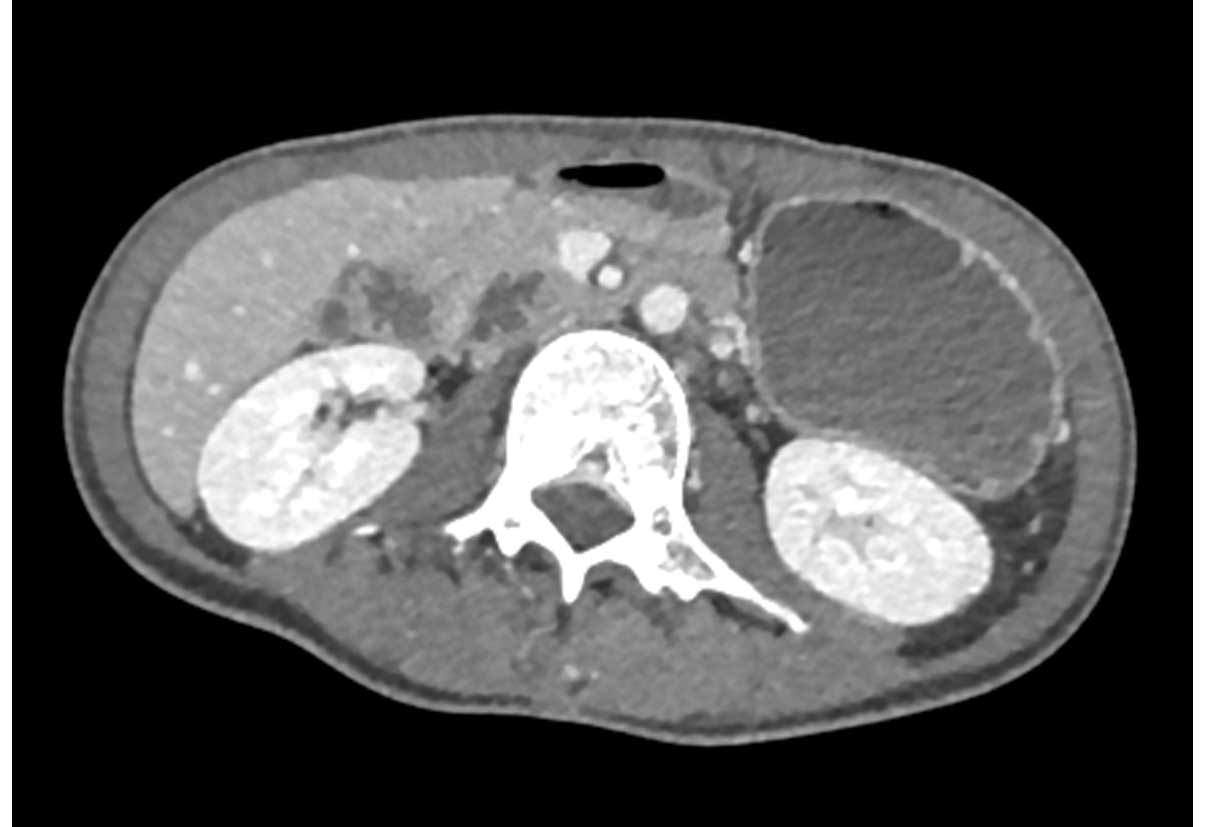
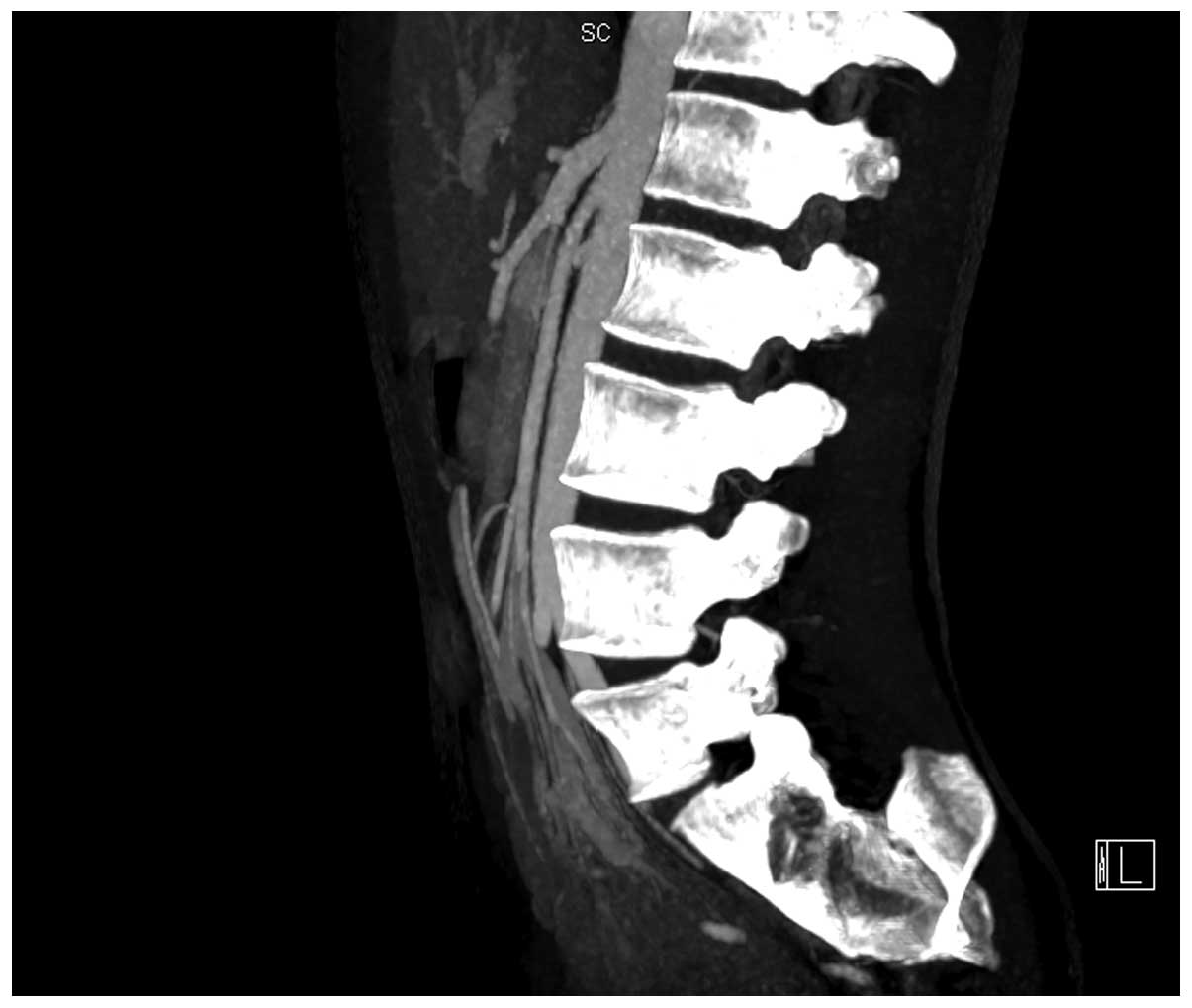
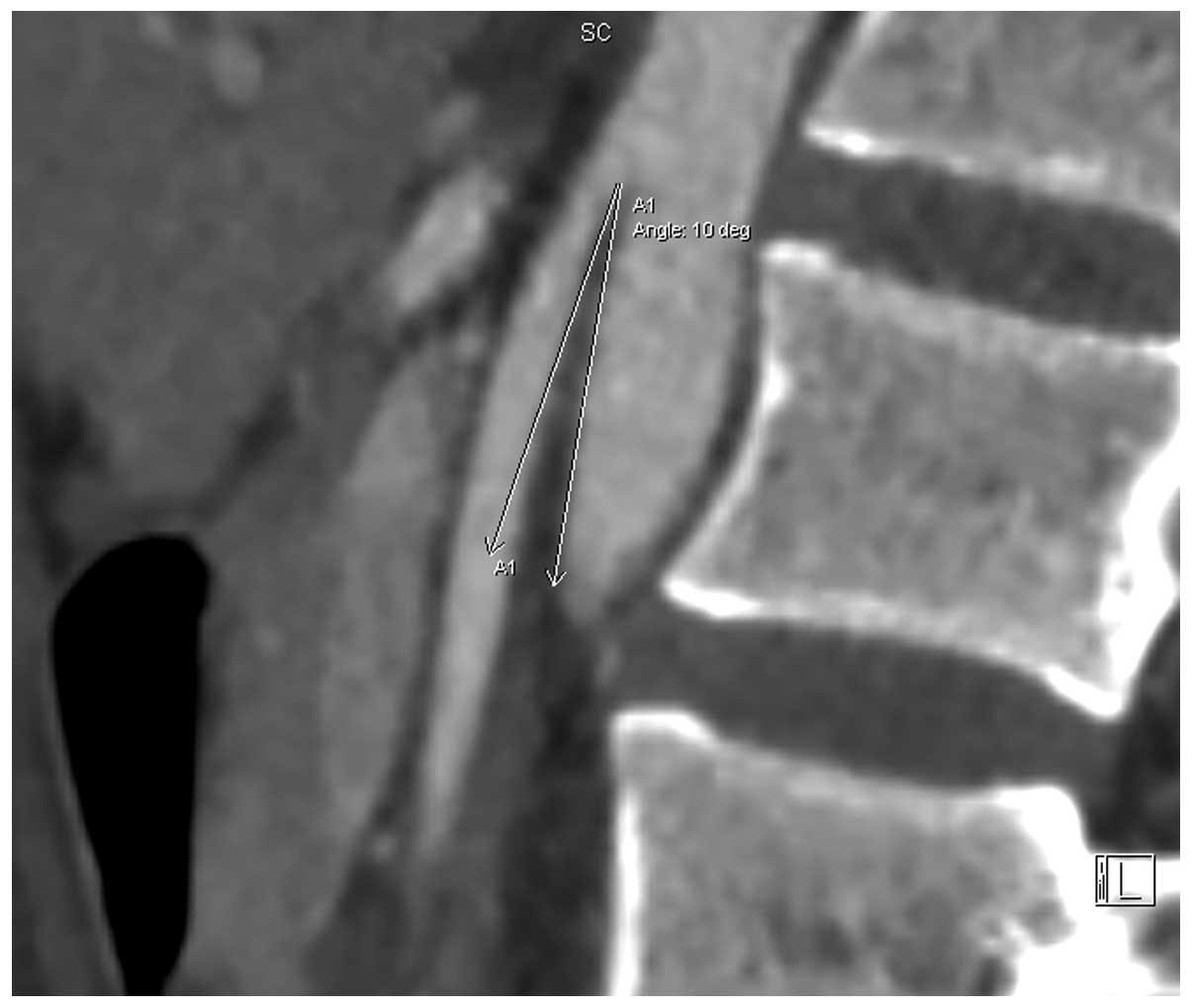
On admission to the hospital, the patient was generally unwell, exhibiting physical decline and loss of appetite. Clinical examination was unremarkable. The patient had undergone significant weight loss since the start of the illness (~10 kg), with a Patient-Generated Subjective Global Assessment (PG-SGA) classification of grade C and a Nutritional Risk Screening (NRS)-2002 score of 6. The patient was 1.63 m in height and weighed 34.5 kg, corresponding to a body mass index of 12.99 kg/m2. Her resting energy expenditure (REE) rate was measured to be 1,229 kcal/day by indirect calorimetry. Levels of total protein (57.7 g/l), albumin (37.1 g/l) and prealbumin (154 mg/l) were low. The patient underwent magnetic resonance imaging (MRI) scanning, which revealed an annular focal high-intensity signal in the region of the right cerebellar hemisphere (Fig. 1). Based on the history of treatment, tumor recurrence was considered. On July 31, 2014, a CT scan confirmed compression of the duodenum (Fig. 2), and the diagnosis of SMAS was made by multidetector computed tomography angiography (CTA; Figs. 3 and 4).

Figure 1.

Axial magnetic resonance imaging scan of the brain shows an annular focal high-intensity signal in the region of the right cerebellar hemisphere.

Figure 2.

Axial computed tomography scan of the abdomen shows a narrowed aortomesenteric distance and a small, dilated proximal duodenum.

Figure 3.

Sagittal slice of a computed tomography angiography scan of the abdomen shows that the superior mesenteric artery-aorta angle is small.

Figure 4.

Sagittal slice of the computed tomography angiography scan of the abdomen shows that the superior mesenteric artery-aorta angle in the patient is ~10°.

Once the diagnosis of SMAS was established, treatment with nutrition support was initiated. For this patient, combined enteral and parenteral nutrition support was the preferred method. A percutaneous endoscopic gastric jejunum colostomy was performed for the subsequent management of the patient on August 11, 2014, and a step-by step process was used to enable a gradual transition to the provision of total enteral nutritional support, with the aim of inducing the patient to gain weight. The fluid and electrolyte balance of the patient were also regulated. The patient was discharged to be cared for by her family on August 18, 2014, and continued to receive enteral nutritional support. At the last follow-up 3 months later, the patient's nutritional status had improved.

Discussion

SMAS is a relatively rare cause of duodenal outlet obstruction resulting from compression of the third part of the duodenum between the SMA and the aorta (1,3). In 1982, the prevalence of SMAS in the general population was reported to be between 0.013 and 0.3% (4). It has also been reported that SMAS occurs most frequently in older children and young adults, with a higher incidence in females (5,6).

There are numerous potential causes of SMAS, including congenital and acquired factors. Congenital factors are mainly anatomical anomalies, such as a low take-off position of the SMA and an abnormally high origin of the ligament of Treitz (7). Acquired factors include numerous severe wasting diseases (such as cancer, trauma or burns), disorders resulting from malnutrition (such as malabsorption or anorexia nervosa) and prolonged vomiting (2). It is worthy of note that the postoperative state is also a common cause of SMAS. A study in 2012 reported a case of SMAS resulting from minimally invasive correction of pectus excavatum (8), which implies that postoperative malnutrition resulting from non-abdominal surgery may be a potential cause of SMAS. In neurosurgery, postoperative malnutrition and vomiting are very common following brain tumor surgery. In 2008, Bhattacharya et al described the case of a 3-year-old female child with pilocytic astrocytoma who had persistent vomiting following neurosurgical procedures for posterior fossa astrocytoma; during the recovery period, the patient was diagnosed with SMAS (9). As early as in the 1990s, certain scholars had observed that severe traumatic brain injury is a cause of SMAS (2,10). Brain injury and brain surgery frequently present the same symptoms; managements such as craniotomy, tumor resection and radiotherapy in patients with brain tumors are a cause of brain injury. It may be speculated that in the present patient, a thin younger woman who underwent brain tumor surgery and radiotherapy, it is likely that prolonged vomiting and postoperative malnutrition contributed to weight loss, resulting in the obstruction of the duodenum.

The clinical symptoms of SMAS are usually nonspecific, and include epigastric pain, bilious vomiting, nausea, fullness, postprandial bloating and weight loss (3,11). The diagnosis is mainly based on the history and clinical features and can be confirmed by radiological examination of the abdomen, for example, with CT and a barium meal. The angle between the abdominal aorta and SMA is usually 38–60°, and the normal distance between those two blood vessels averages 10–28 mm (12). However, the angle between the abdominal aorta and SMA in patients with SMAS is usually <22° and the distance between vessels is <8 mm (13,14). The angle between the abdominal aorta and SMA observed in the CTA scan of the present patient was ~10°, which also supports the diagnosis of SMAS. The choice of treatment is usually dependent upon the cause of SMAS and degree of obstruction. Conservative therapeutic approaches include nasogastric decompression, hyperalimentation (15), maintenance of fluid and electrolyte balance (3) and nutritional therapy. Surgical procedures are indicated if there is no response to conservative treatment.

In conclusion, to the best of our knowledge, the present patient is the first reported case of SMAS in an adult following neurosurgical surgery and cranial irradiation. In the present case, a progressive decline in body weight occurred during the postoperative period following brain tumor surgery, but in the absence of effective nutritional therapy, weight loss persisted, finally resulting in the development of SMAS. When prolonged vomiting and acute weight loss are observed postoperatively in patients who have undergone brain surgery or cranial irradiation, neurosurgeons should consider the possibility of SMAS. A combination of parenteral and enteral nutritional therapy is recommended.

Acknowledgements

The authors thank Dr Xie Li and her colleagues from the Department of Radiology of Jinling Hospital for assistance and suggestions provided in the diagnosis of the patient.

References

1 

Von Rokitansky C: Lehrbuch der Pathologischen Anatomie. 3. 3rd. Braumüller; Vienna: pp. 871861, (In German).

2 

Pedoto MJ, O'Dell MW, Thrun M and Hollifield D: Superior mesenteric artery syndrome in traumatic brain injury: Two cases. Archives Phys Med Rehabil. 76:871–875. 1995. View Article : Google Scholar

3 

Roy A, Gisel JJ, Roy V and Bouras EP: Superior mesenteric artery (Wilkie's) syndrome as a result of cardiac cachexia. J Gen Intern Med. 20:C3–C4. 2005. View Article : Google Scholar : PubMed/NCBI

4 

Anderson JR, Earnshaw PM and Fraser GM: Extrinsic compression of the third part of the duodenum. Clin Radiol. 33:75–81. 1982. View Article : Google Scholar : PubMed/NCBI

5 

Burkhalter JL and Blumenthal BI: Radiologic seminar CCVIII: Superior mesenteric artery syndrome: A case report. J Miss State Med Assoc. 21:240–242. 1980.PubMed/NCBI

6 

Walsh TN, McPhillips M and O'Higgins N: Extrinsic compression of the duodenum - Wilkie's syndrome. Ir J Med Sci. 152:129–133. 1983. View Article : Google Scholar : PubMed/NCBI

7 

Neri S, Signorelli SS, Mondati E, Pulvirenti D, Campanile E, Di Pino L, Scuderi M, Giustolisi N, Di Prima P, Mauceri B, et al: Ultrasound imaging in diagnosis of superior mesenteric artery syndrome. J Intern Med. 257:346–351. 2005. View Article : Google Scholar : PubMed/NCBI

8 

Ricca RL, Kasten J and Javid PJ: Superior mesenteric artery syndrome after minimally invasive correction of pectus excavatum: Impact of post-operative weight loss. J Pediatr Surg. 47:2137–2139. 2012. View Article : Google Scholar : PubMed/NCBI

9 

Bhattacharya D, Kamel M and McAuley D: Superior mesenteric artery syndrome (Wilkie's syndrome) complicating recovery from posterior fossa surgery in a child - a rare phenomenon. Childs Nerv Syst. 24:365–367. 2008. View Article : Google Scholar : PubMed/NCBI

10 

Philip PA: Superior mesenteric artery syndrome: An unusual cause of intestinal obstruction in brain-injured children. Brain Inj. 6:351–358. 1992. View Article : Google Scholar : PubMed/NCBI

11 

Payawal JH, Cohen AJ and Stamos MJ: Superior mesenteric artery syndrome involving the duodenum and jejunum. Emerg Radiol. 10:273–275. 2004. View Article : Google Scholar : PubMed/NCBI

12 

Ozkurt H, Cenker MM, Bas N, Erturk SM and Basak M: Measurement of the distance and angle between the aorta and superior mesenteric artery: Normal values in different BMI categories. Surg Radiol Anat. 29:595–599. 2007. View Article : Google Scholar : PubMed/NCBI

13 

Unal B, Aktas A, Kemal G, Bilgili Y, Güliter S, Daphan C and Aydinuraz K: Superior mesenteric artery syndrome: CT and ultrasonography findings. Diagn Interv Radiol. 11:90–95. 2005.PubMed/NCBI

14 

Sabbagh C, Santin E, Potier A and Regimbeau JM: The superior mesenteric artery syndrome: A rare etiology for proximal obstructive syndrome. J Vis Surg. 149:428–429. 2012. View Article : Google Scholar

15 

Munns SW, Morrissy RT, Golladay ES and McKenzie CN: Hyperalimentation for superior mesenteric-artery (cast) syndrome following correction of spinal deformity. J Bone Joint Surg Am. 66:1175–1177. 1984.PubMed/NCBI

Related Articles

  • Abstract
  • View
  • Download
  • Twitter
Copy and paste a formatted citation
Spandidos Publications style
Lei Q, Wang X, Wu C, Bi J and Zhang L: Superior mesenteric artery syndrome caused by surgery and radiation therapy for a brain tumor: A case report. Exp Ther Med 10: 1578-1580, 2015.
APA
Lei, Q., Wang, X., Wu, C., Bi, J., & Zhang, L. (2015). Superior mesenteric artery syndrome caused by surgery and radiation therapy for a brain tumor: A case report. Experimental and Therapeutic Medicine, 10, 1578-1580. https://doi.org/10.3892/etm.2015.2691
MLA
Lei, Q., Wang, X., Wu, C., Bi, J., Zhang, L."Superior mesenteric artery syndrome caused by surgery and radiation therapy for a brain tumor: A case report". Experimental and Therapeutic Medicine 10.4 (2015): 1578-1580.
Chicago
Lei, Q., Wang, X., Wu, C., Bi, J., Zhang, L."Superior mesenteric artery syndrome caused by surgery and radiation therapy for a brain tumor: A case report". Experimental and Therapeutic Medicine 10, no. 4 (2015): 1578-1580. https://doi.org/10.3892/etm.2015.2691
Copy and paste a formatted citation
x
Spandidos Publications style
Lei Q, Wang X, Wu C, Bi J and Zhang L: Superior mesenteric artery syndrome caused by surgery and radiation therapy for a brain tumor: A case report. Exp Ther Med 10: 1578-1580, 2015.
APA
Lei, Q., Wang, X., Wu, C., Bi, J., & Zhang, L. (2015). Superior mesenteric artery syndrome caused by surgery and radiation therapy for a brain tumor: A case report. Experimental and Therapeutic Medicine, 10, 1578-1580. https://doi.org/10.3892/etm.2015.2691
MLA
Lei, Q., Wang, X., Wu, C., Bi, J., Zhang, L."Superior mesenteric artery syndrome caused by surgery and radiation therapy for a brain tumor: A case report". Experimental and Therapeutic Medicine 10.4 (2015): 1578-1580.
Chicago
Lei, Q., Wang, X., Wu, C., Bi, J., Zhang, L."Superior mesenteric artery syndrome caused by surgery and radiation therapy for a brain tumor: A case report". Experimental and Therapeutic Medicine 10, no. 4 (2015): 1578-1580. https://doi.org/10.3892/etm.2015.2691
Follow us
  • Twitter
  • LinkedIn
  • Facebook
About
  • Spandidos Publications
  • Careers
  • Cookie Policy
  • Privacy Policy
How can we help?
  • Help
  • Live Chat
  • Contact
  • Email to our Support Team