Spandidos Publications Logo
  • About
    • About Spandidos
    • Aims and Scopes
    • Abstracting and Indexing
    • Editorial Policies
    • Reprints and Permissions
    • Job Opportunities
    • Terms and Conditions
    • Contact
  • Journals
    • All Journals
    • Oncology Letters
      • Oncology Letters
      • Information for Authors
      • Editorial Policies
      • Editorial Board
      • Aims and Scope
      • Abstracting and Indexing
      • Bibliographic Information
      • Archive
    • International Journal of Oncology
      • International Journal of Oncology
      • Information for Authors
      • Editorial Policies
      • Editorial Board
      • Aims and Scope
      • Abstracting and Indexing
      • Bibliographic Information
      • Archive
    • Molecular and Clinical Oncology
      • Molecular and Clinical Oncology
      • Information for Authors
      • Editorial Policies
      • Editorial Board
      • Aims and Scope
      • Abstracting and Indexing
      • Bibliographic Information
      • Archive
    • Experimental and Therapeutic Medicine
      • Experimental and Therapeutic Medicine
      • Information for Authors
      • Editorial Policies
      • Editorial Board
      • Aims and Scope
      • Abstracting and Indexing
      • Bibliographic Information
      • Archive
    • International Journal of Molecular Medicine
      • International Journal of Molecular Medicine
      • Information for Authors
      • Editorial Policies
      • Editorial Board
      • Aims and Scope
      • Abstracting and Indexing
      • Bibliographic Information
      • Archive
    • Biomedical Reports
      • Biomedical Reports
      • Information for Authors
      • Editorial Policies
      • Editorial Board
      • Aims and Scope
      • Abstracting and Indexing
      • Bibliographic Information
      • Archive
    • Oncology Reports
      • Oncology Reports
      • Information for Authors
      • Editorial Policies
      • Editorial Board
      • Aims and Scope
      • Abstracting and Indexing
      • Bibliographic Information
      • Archive
    • Molecular Medicine Reports
      • Molecular Medicine Reports
      • Information for Authors
      • Editorial Policies
      • Editorial Board
      • Aims and Scope
      • Abstracting and Indexing
      • Bibliographic Information
      • Archive
    • World Academy of Sciences Journal
      • World Academy of Sciences Journal
      • Information for Authors
      • Editorial Policies
      • Editorial Board
      • Aims and Scope
      • Abstracting and Indexing
      • Bibliographic Information
      • Archive
    • International Journal of Functional Nutrition
      • International Journal of Functional Nutrition
      • Information for Authors
      • Editorial Policies
      • Editorial Board
      • Aims and Scope
      • Abstracting and Indexing
      • Bibliographic Information
      • Archive
    • International Journal of Epigenetics
      • International Journal of Epigenetics
      • Information for Authors
      • Editorial Policies
      • Editorial Board
      • Aims and Scope
      • Abstracting and Indexing
      • Bibliographic Information
      • Archive
    • Medicine International
      • Medicine International
      • Information for Authors
      • Editorial Policies
      • Editorial Board
      • Aims and Scope
      • Abstracting and Indexing
      • Bibliographic Information
      • Archive
  • Articles
  • Information
    • Information for Authors
    • Information for Reviewers
    • Information for Librarians
    • Information for Advertisers
    • Conferences
  • Language Editing
Spandidos Publications Logo
  • About
    • About Spandidos
    • Aims and Scopes
    • Abstracting and Indexing
    • Editorial Policies
    • Reprints and Permissions
    • Job Opportunities
    • Terms and Conditions
    • Contact
  • Journals
    • All Journals
    • Biomedical Reports
      • Information for Authors
      • Editorial Policies
      • Editorial Board
      • Aims and Scope
      • Abstracting and Indexing
      • Bibliographic Information
      • Archive
    • Experimental and Therapeutic Medicine
      • Information for Authors
      • Editorial Policies
      • Editorial Board
      • Aims and Scope
      • Abstracting and Indexing
      • Bibliographic Information
      • Archive
    • International Journal of Epigenetics
      • Information for Authors
      • Editorial Policies
      • Editorial Board
      • Aims and Scope
      • Abstracting and Indexing
      • Bibliographic Information
      • Archive
    • International Journal of Functional Nutrition
      • Information for Authors
      • Editorial Policies
      • Editorial Board
      • Aims and Scope
      • Abstracting and Indexing
      • Bibliographic Information
      • Archive
    • International Journal of Molecular Medicine
      • Information for Authors
      • Editorial Policies
      • Editorial Board
      • Aims and Scope
      • Abstracting and Indexing
      • Bibliographic Information
      • Archive
    • International Journal of Oncology
      • Information for Authors
      • Editorial Policies
      • Editorial Board
      • Aims and Scope
      • Abstracting and Indexing
      • Bibliographic Information
      • Archive
    • Medicine International
      • Information for Authors
      • Editorial Policies
      • Editorial Board
      • Aims and Scope
      • Abstracting and Indexing
      • Bibliographic Information
      • Archive
    • Molecular and Clinical Oncology
      • Information for Authors
      • Editorial Policies
      • Editorial Board
      • Aims and Scope
      • Abstracting and Indexing
      • Bibliographic Information
      • Archive
    • Molecular Medicine Reports
      • Information for Authors
      • Editorial Policies
      • Editorial Board
      • Aims and Scope
      • Abstracting and Indexing
      • Bibliographic Information
      • Archive
    • Oncology Letters
      • Information for Authors
      • Editorial Policies
      • Editorial Board
      • Aims and Scope
      • Abstracting and Indexing
      • Bibliographic Information
      • Archive
    • Oncology Reports
      • Information for Authors
      • Editorial Policies
      • Editorial Board
      • Aims and Scope
      • Abstracting and Indexing
      • Bibliographic Information
      • Archive
    • World Academy of Sciences Journal
      • Information for Authors
      • Editorial Policies
      • Editorial Board
      • Aims and Scope
      • Abstracting and Indexing
      • Bibliographic Information
      • Archive
  • Articles
  • Information
    • For Authors
    • For Reviewers
    • For Librarians
    • For Advertisers
    • Conferences
  • Language Editing
Login Register Submit
  • This site uses cookies
  • You can change your cookie settings at any time by following the instructions in our Cookie Policy. To find out more, you may read our Privacy Policy.

    I agree
Search articles by DOI, keyword, author or affiliation
Search
Advanced Search
presentation
Experimental and Therapeutic Medicine
Join Editorial Board Propose a Special Issue
Print ISSN: 1792-0981 Online ISSN: 1792-1015
Journal Cover
July-2017 Volume 14 Issue 1

Full Size Image

Sign up for eToc alerts
Recommend to Library

Journals

International Journal of Molecular Medicine

International Journal of Molecular Medicine

International Journal of Molecular Medicine is an international journal devoted to molecular mechanisms of human disease.

International Journal of Oncology

International Journal of Oncology

International Journal of Oncology is an international journal devoted to oncology research and cancer treatment.

Molecular Medicine Reports

Molecular Medicine Reports

Covers molecular medicine topics such as pharmacology, pathology, genetics, neuroscience, infectious diseases, molecular cardiology, and molecular surgery.

Oncology Reports

Oncology Reports

Oncology Reports is an international journal devoted to fundamental and applied research in Oncology.

Experimental and Therapeutic Medicine

Experimental and Therapeutic Medicine

Experimental and Therapeutic Medicine is an international journal devoted to laboratory and clinical medicine.

Oncology Letters

Oncology Letters

Oncology Letters is an international journal devoted to Experimental and Clinical Oncology.

Biomedical Reports

Biomedical Reports

Explores a wide range of biological and medical fields, including pharmacology, genetics, microbiology, neuroscience, and molecular cardiology.

Molecular and Clinical Oncology

Molecular and Clinical Oncology

International journal addressing all aspects of oncology research, from tumorigenesis and oncogenes to chemotherapy and metastasis.

World Academy of Sciences Journal

World Academy of Sciences Journal

Multidisciplinary open-access journal spanning biochemistry, genetics, neuroscience, environmental health, and synthetic biology.

International Journal of Functional Nutrition

International Journal of Functional Nutrition

Open-access journal combining biochemistry, pharmacology, immunology, and genetics to advance health through functional nutrition.

International Journal of Epigenetics

International Journal of Epigenetics

Publishes open-access research on using epigenetics to advance understanding and treatment of human disease.

Medicine International

Medicine International

An International Open Access Journal Devoted to General Medicine.

Journal Cover
July-2017 Volume 14 Issue 1

Full Size Image

Sign up for eToc alerts
Recommend to Library

  • Article
  • Citations
    • Cite This Article
    • Download Citation
    • Create Citation Alert
    • Remove Citation Alert
    • Cited By
  • Similar Articles
    • Related Articles (in Spandidos Publications)
    • Similar Articles (Google Scholar)
    • Similar Articles (PubMed)
  • Download PDF
  • Download XML
  • View XML
Article

IGF‑1 may predict the severity and outcome of patients with sepsis and be associated with microRNA‑1 level changes

  • Authors:
    • Liang Xu
    • Weijun Zhang
    • Renhua Sun
    • Jingquan Liu
    • Jun Hong
    • Qian Li
    • Bangchuan Hu
    • Fangxiao Gong
  • View Affiliations / Copyright

    Affiliations: Department of Intensive Care Unit, Zhejiang Provincial People's Hospital, Hangzhou, Zhejiang 310014, P.R. China, Department of Neurology, Zhejiang Provincial Hospital of Traditional Chinese Medicine, Hangzhou, Zhejiang 310006, P.R. China
  • Pages: 797-804
    |
    Published online on: June 7, 2017
       https://doi.org/10.3892/etm.2017.4553
  • Expand metrics +
Metrics: Total Views: 0 (Spandidos Publications: | PMC Statistics: )
Metrics: Total PDF Downloads: 0 (Spandidos Publications: | PMC Statistics: )
Cited By (CrossRef): 0 citations Loading Articles...

This article is mentioned in:


Abstract

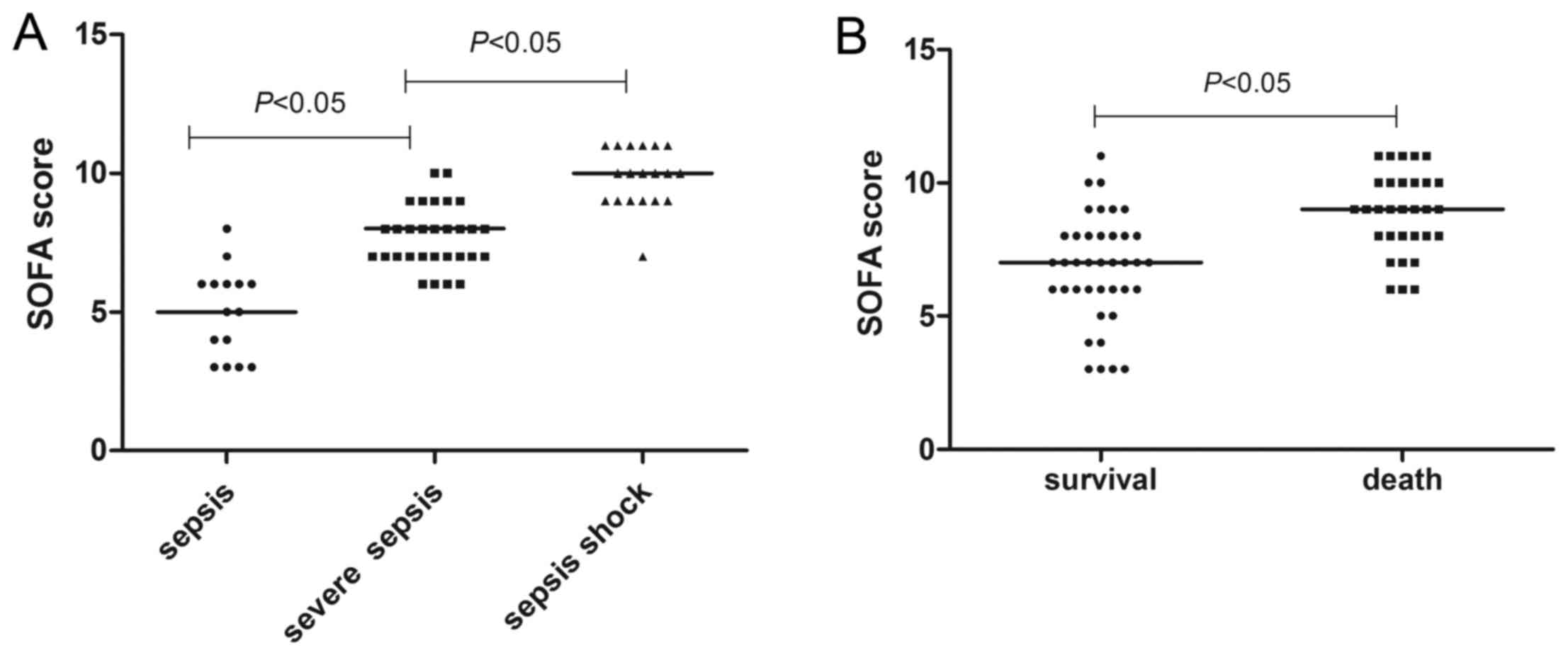
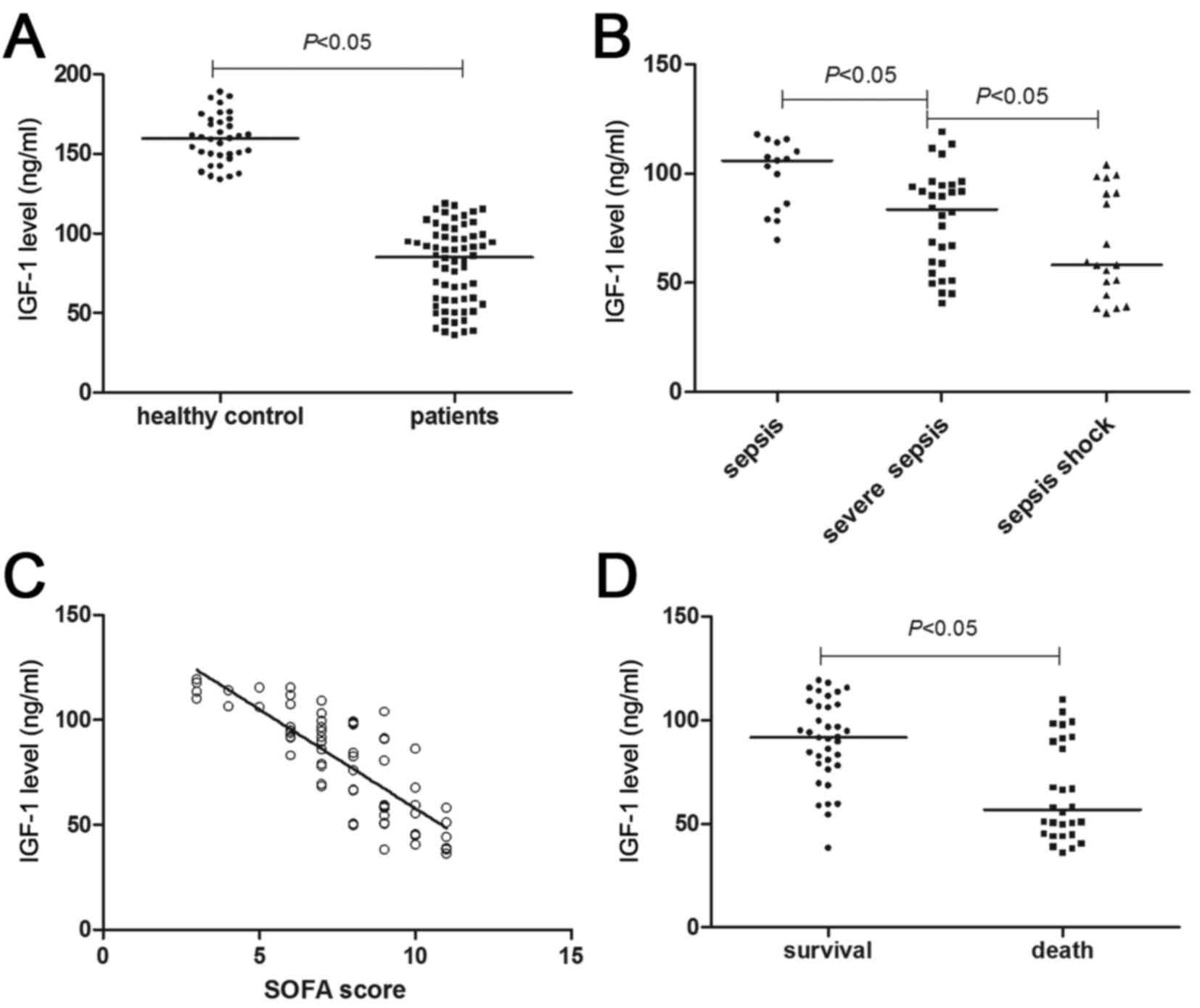
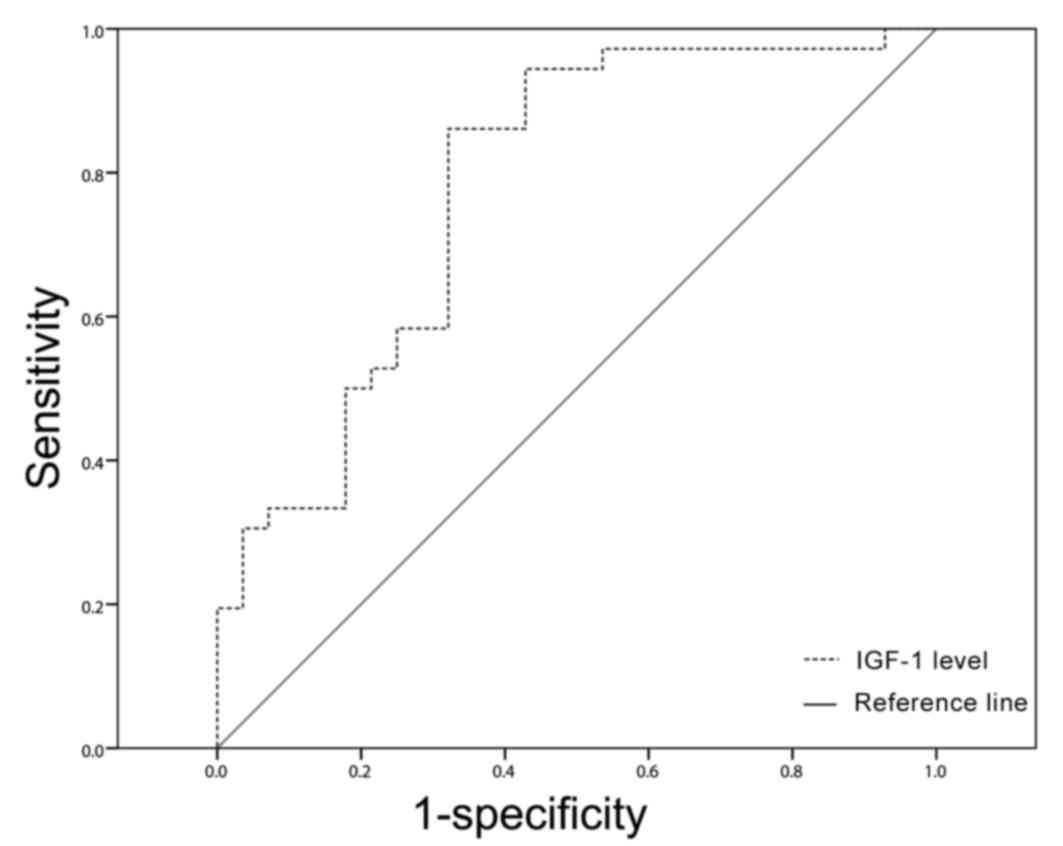
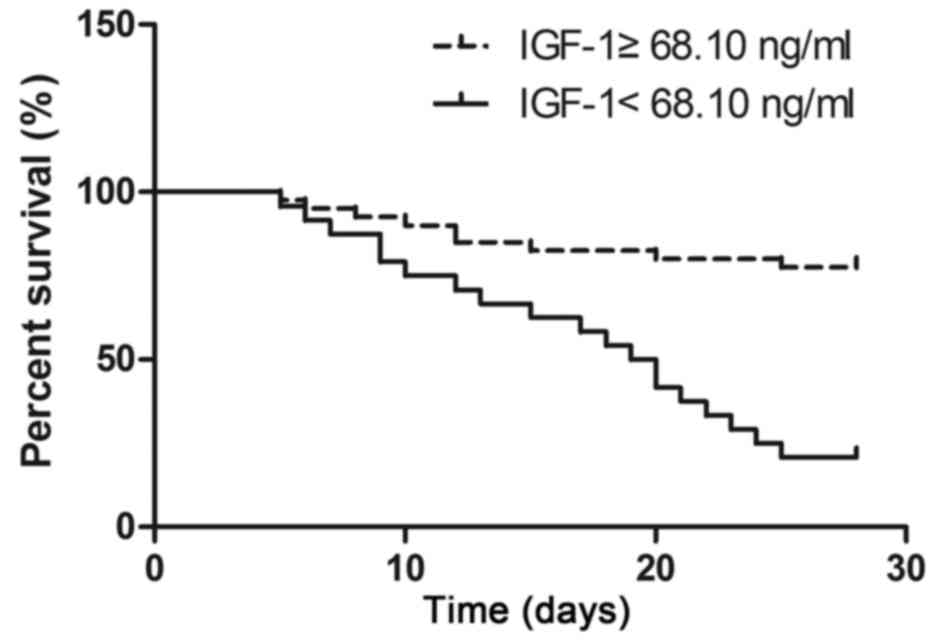
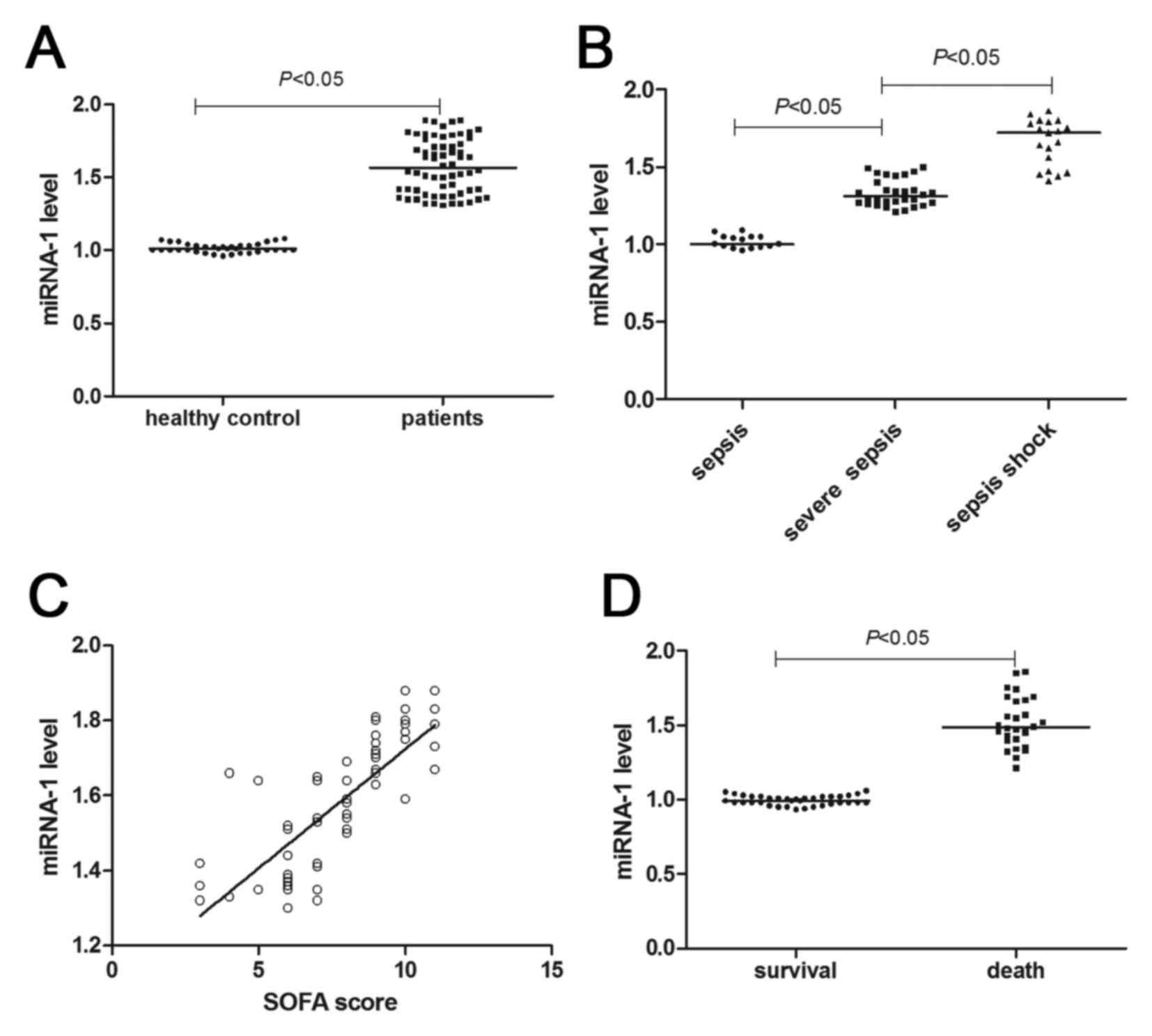
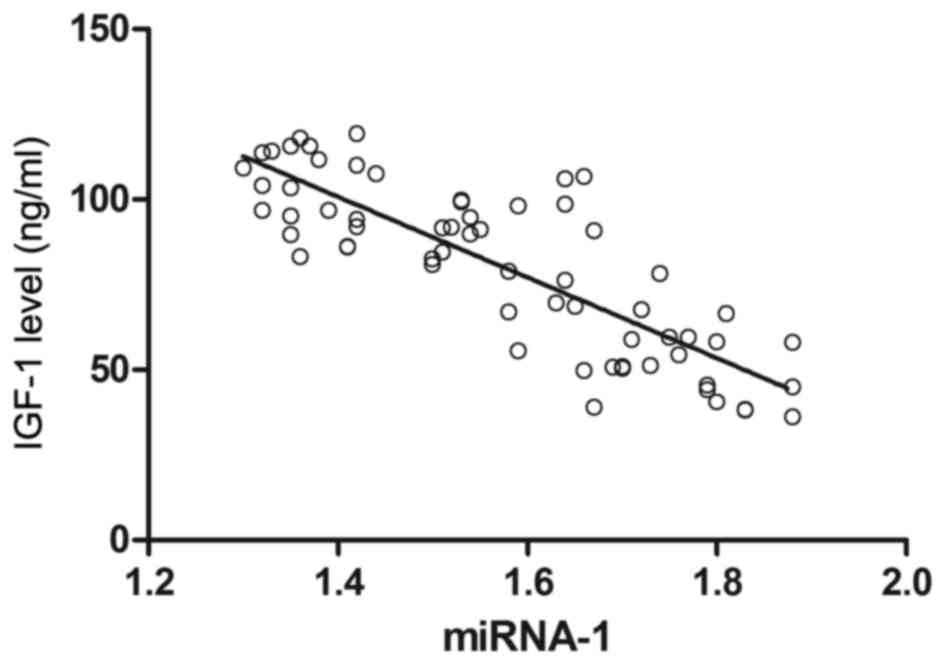
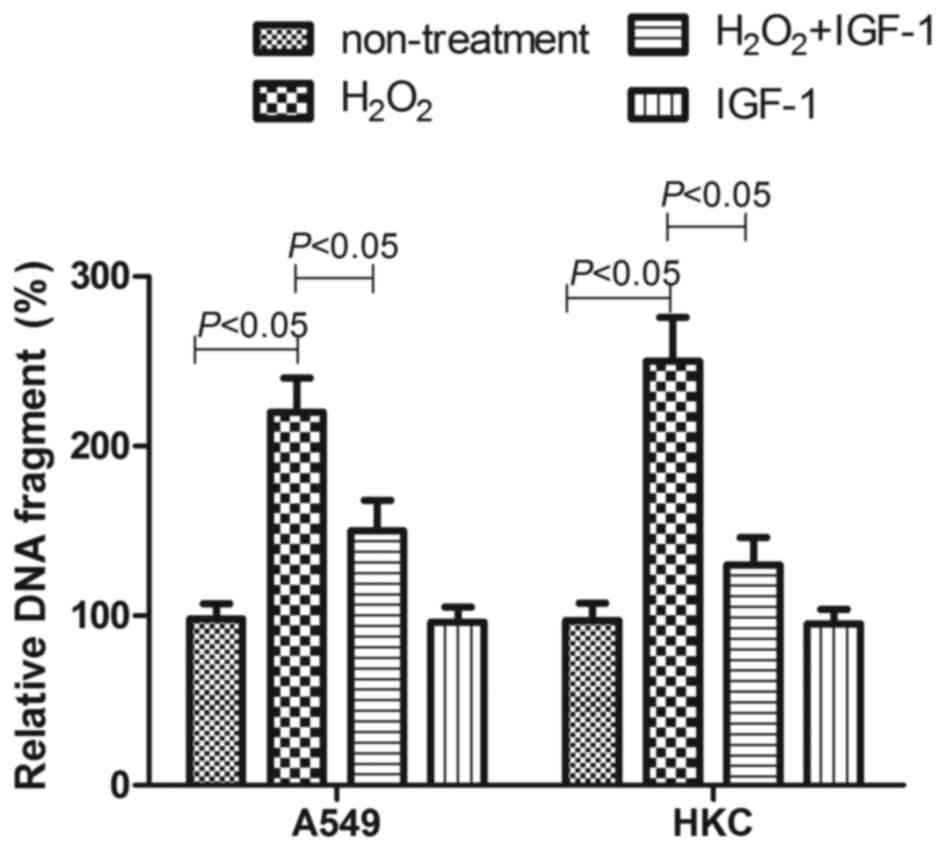
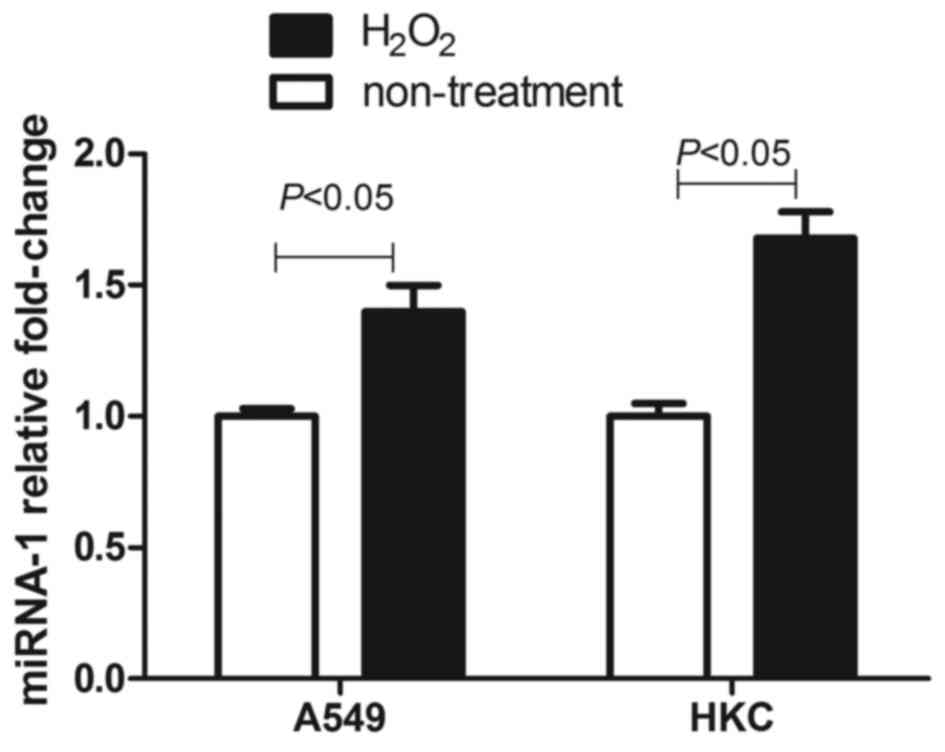
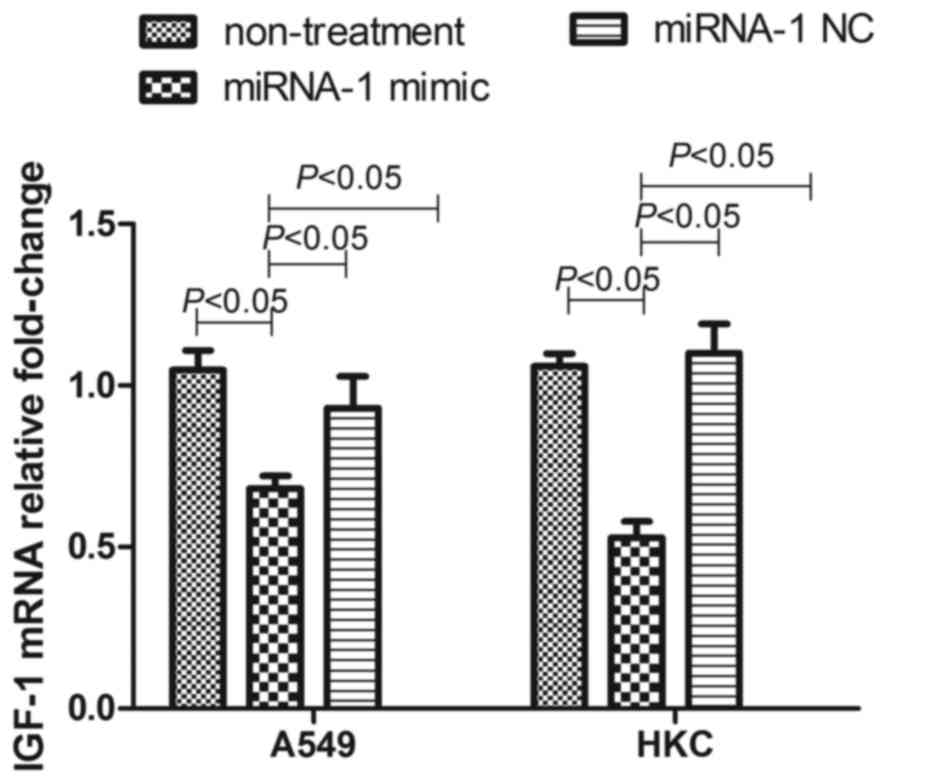
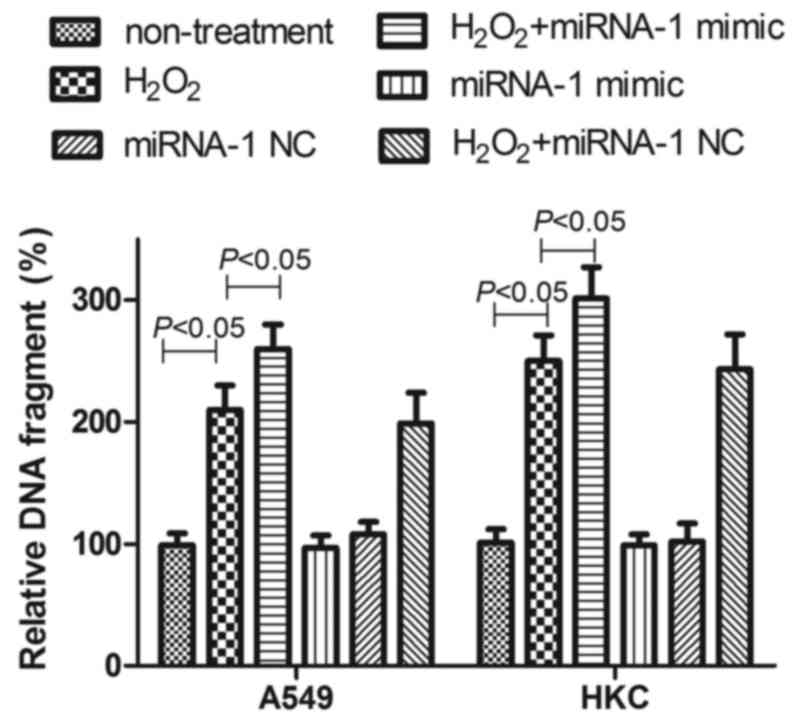
IGF-1 functions as an anti-oxidative stress molecule and some critical patients with sepsis have a lower level of serum IGF‑1. However, the association between IGF‑1 and the severity or prognosis of sepsis remains unclear. This study aimed to elucidate the relationship between serum IGF‑1 levels and the severity and prognosis of sepsis, and the possible mechanism was analyzed. Clinical characteristics of patients with sepsis were recorded and analyzed. Serum IGF‑1 levels and micro (mi)RNA‑1 levels were tested using radioimmunoassay and reverse transcription‑quantitative polymerase chain reaction (RT‑qPCR) analysis, respectively. The A549 cell line and HKC cell line were cultured in vitro and exposed to H2O2 with or without IGF‑1 treatment. Cell death was detected by analyzing cell death markers via ELISA kits, and miRNA‑1 levels were detected after H2O2 exposure using RT‑qPCR analysis. miRNA‑1 in cells was upregulated by transfection and IGF‑1 mRNA was detected to determine its relationship with miRNA‑1. Once again, cell ELISA kits were used to analyze cell death markers after transfection. Serum IGF‑1 levels were reduced in patients with sepsis, whereas miRNA‑1 levels were higher (P<0.05 vs. healthy control). Patients in the septic shock subgroup or dead patients had the lowest IGF‑1 levels and the highest miRNA‑1 levels (P<0.05 vs. sepsis and severe sepsis). IGF‑1 levels were inversely proportional to the miRNA‑1 level. In vitro, IGF‑1 reduced the cell death caused by H2O2. miRNA‑1 transfection effectively increased the sensitivity of cells to H2O2 damage by reducing the expression of IGF‑1, which was able to prevent cells from injury caused by H2O2. The transfection of negative control miRNA did not influence the level of IGF‑1 miRNA and the sensitivity to H2O2 damage. In conclusion, low IGF‑1 levels in patients with sepsis may predict increased severity of the condition and poor prognosis. The possible mechanism is that the excessive miRNA‑1 levels reduce IGF‑1 levels, resulting in insufficient anti‑oxidative action by IGF‑1 which increases the injury caused by oxidative stress in patients with sepsis.
View Figures

Figure 1

Figure 2

Figure 3

Figure 4

Figure 5

Figure 6

Figure 7

Figure 8

Figure 9

Figure 10

View References

1 

Guerra WF, Mayfield TR, Meyers MS, Clouatre AE and Riccio JC: Early detection and treatment of patients with severe sepsis by prehospital personnel. J Emerg Med. 44:1116–1125. 2013. View Article : Google Scholar : PubMed/NCBI

2 

Lekkou A, Mouzaki A, Siagris D, Ravani I and Gogos CA: Serum lipid profile, cytokine production, and clinical outcome in patients with severe sepsis. J Crit Care. 29:723–727. 2014. View Article : Google Scholar : PubMed/NCBI

3 

Keegan J and Wira CR III: Early identification and management of patients with severe sepsis and septic shock in the emergency department. Emerg Med Clin North Am. 32:759–776. 2014. View Article : Google Scholar : PubMed/NCBI

4 

Brosche T, Bertsch T, Sieber CC and Hoffmann U: Reduced plasmalogen concentration as a surrogate marker of oxidative stress in elderly septic patients. Arch Gerontol Geriatr. 57:66–69. 2013. View Article : Google Scholar : PubMed/NCBI

5 

Karapetsa M, Pitsika M, Goutzourelas N, Stagos D, Becker A Tousia and Zakynthinos E: Oxidative status in ICU patients with septic shock. Food Chem Toxicol. 61:106–111. 2013. View Article : Google Scholar : PubMed/NCBI

6 

Gu Y, Wang C and Cohen A: Effect of IGF-1 on the balance between autophagy of dysfunctional mitochondria and apoptosis. FEBS Lett. 577:357–360. 2004. View Article : Google Scholar : PubMed/NCBI

7 

Li Y, Shelat H and Geng YJ: IGF-1 prevents oxidative stress induced-apoptosis in induced pluripotent stem cells which is mediated by microRNA-1. Biochem Biophys Res Commun. 426:615–619. 2012. View Article : Google Scholar : PubMed/NCBI

8 

Essandoh K and Fan GC: Role of extracellular and intracellular microRNAs in sepsis. Biochim Biophys Acta. 1842:2155–2162. 2014. View Article : Google Scholar : PubMed/NCBI

9 

Montano M: MicroRNAs: miRRORS of health and disease. Transl Res. 157:157–162. 2011. View Article : Google Scholar : PubMed/NCBI

10 

Yu XY, Song YH, Geng YJ, Lin QX, Shan ZX, Lin SG and Li Y: Glucose induces apoptosis of cardiomyocytes via microRNA-1 and IGF-1. Biochem Biophys Res Commun. 376:548–552. 2008. View Article : Google Scholar : PubMed/NCBI

11 

Shah G, Zielonka J, Chen F, Zhang G, Cao Y, Kalyanaraman B and See W: H2O2 generation by bacillus Calmette-Guérin induces the cellular oxidative stress response required for bacillus Calmette-Guérin direct effects on urothelial carcinoma biology. J Urol. 192:1238–1248. 2014. View Article : Google Scholar : PubMed/NCBI

12 

Trinh MD, Ngo DH, Tran DK, Tran QT, Vo TS, Dinh MH and Ngo DN: Prevention of H2O2-induced oxidative stress in Chang liver cells by 4-hydroxybenzyl-chitooligomers. Carbohydr Polym. 103:502–509. 2014. View Article : Google Scholar : PubMed/NCBI

13 

Levy MM, Fink MP, Marshall JC, Abraham E, Angus D, Cook D, Cohen J, Opal SM, Vincent JL and Ramsay G: SCCM/ESICM/ACCP/ATS/SIS: 2001 SCCM/ESICM/ACCP/ATS/SIS International Sepsis Definitions Conference. Crit Care Med. 31:1250–1256. 2003. View Article : Google Scholar : PubMed/NCBI

14 

Dellinger RP, Levy MM, Rhodes A, Annane D, Gerlach H, Opal SM, Sevransky JE, Sprung CL, Douglas IS, Jaeschke R, et al: Surviving sepsis campaign: International guidelines for management of severe sepsis and septic shock, 2012. Intensive Care Med. 39:165–228. 2013. View Article : Google Scholar : PubMed/NCBI

15 

Livak KJ and Schmittgen TD: Analysis of relative gene expression data using real-time quantitative PCR and the 2-(Delta Delta C(T)) method. Methods. 25:402–408. 2001. View Article : Google Scholar : PubMed/NCBI

16 

Mühl D, Woth G, Drenkovics L, Varga A, Ghosh S, Csontos C, Bogár L, Wéber G and Lantos J: Comparison of oxidative stress & leukocyte activation in patients with severe sepsis & burn injury. Indian J Med Res. 134:69–78. 2011.PubMed/NCBI

17 

Apostolova N, Garcia-Bou R, Hernandez-Mijares A, Herance R, Rocha M and Victor VM: Mitochondrial antioxidants alleviate oxidative and nitrosative stress in a cellular model of sepsis. Pharm Res. 28:2910–2919. 2011. View Article : Google Scholar : PubMed/NCBI

18 

Santos RS, Silva PL, De Oliveira GP, Santos CL, Cruz FF, De Assis EF, de Castro-Faria-Neto HC, Capelozzi VL, Morales MM, Pelosi P, et al: Oleanolic acid improves pulmonary morphofunctional parameters in experimental sepsis by modulating oxidative and apoptotic processes. Respir Physiol Neurobiol. 189:484–490. 2013. View Article : Google Scholar : PubMed/NCBI

19 

Wang Z, Holthoff JH, Seely KA, Pathak E, Spencer HJ III, Gokden N and Mayeux PR: Development of oxidative stress in the peritubular capillary microenvironment mediates sepsis-induced renal microcirculatory failure and acute kidney injury. Am J Pathol. 180:505–516. 2012. View Article : Google Scholar : PubMed/NCBI

20 

Whelan SP, Carchman EH, Kautza B, Nassour I, Mollen K, Escobar D, Gomez H, Rosengart MA, Shiva S and Zuckerbraun BS: Polymicrobial sepsis is associated with decreased hepatic oxidative phosphorylation and an altered metabolic profile. J Surg Res. 186:297–303. 2014. View Article : Google Scholar : PubMed/NCBI

21 

Zapelini PH, Rezin GT, Cardoso MR, Ritter C, Klamt F, Moreira JCF, Streck EL and Dal-Pizzol F: Antioxidant treatment reverses mitochondrial dysfunction in a sepsis animal model. Mitochondrion. 8:211–218. 2008. View Article : Google Scholar : PubMed/NCBI

22 

Fukuoka H, Iida K, Nishizawa H, Imanaka M, Takeno R, Iguchi G, Takahashi M, Okimura Y, Kaji H, Chihara K and Takahashi Y: IGF-I stimulates reactive oxygen species (ROS) production and inhibits insulin-dependent glucose uptake via ROS in 3T3-L1 adipocytes. Growth Horm IGF Res. 20:212–219. 2010. View Article : Google Scholar : PubMed/NCBI

23 

Papaconstantinou J: Insulin/IGF-1 and ROS signaling pathway cross-talk in aging and longevity determination. Mol Cell Endocrinol. 299:89–100. 2009. View Article : Google Scholar : PubMed/NCBI

24 

Elijah IE, Branski LK, Finnerty CC and Herndon DN: The GH/IGF-1 system in critical illness. Best Pract Res Clin Endocrinol Metab. 25:759–767. 2011. View Article : Google Scholar : PubMed/NCBI

25 

Baregamian N, Song J, Jeschke MG, Evers BM and Chung DH: IGF-1 protects intestinal epithelial cells from oxidative stress-induced apoptosis. J Surg Res. 136:31–37. 2006. View Article : Google Scholar : PubMed/NCBI

26 

von Dessauer B, Bongain J, Molina V, Quilodrán J, Castillo R and Rodrigo R: Oxidative stress as a novel target in pediatric sepsis management. J Crit Care. 26:103.e1–e7. 2011. View Article : Google Scholar

27 

Bayram F, Bitgen N, Donmez-Altuntas H, Cakir I, Hamurcu Z, Sahin F, Simsek Y and Baskol G: Increased genome instability and oxidative DNA damage and their association with IGF-1 levels in patients with active acromegaly. Growth Horm IGF Res. 24:29–34. 2014. View Article : Google Scholar : PubMed/NCBI

28 

Naeem A, Zhong K, Moisá SJ, Drackley JK, Moyes KM and Loor JJ: Bioinformatics analysis of microRNA and putative target genes in bovine mammary tissue infected with Streptococcus uberis1. J Dairy Sci. 95:6397–6408. 2012. View Article : Google Scholar : PubMed/NCBI

29 

Huat TJ, Khan AA, Abdullah JM, Idris FM and Jaafar H: MicroRNA expression profile of bone marrow mesenchymal stem cell-derived neural progenitor by microarray under the influence of EGF, bFGF and IGF-1. Genom Data. 5:201–205. 2015. View Article : Google Scholar : PubMed/NCBI

30 

Griffiths B and Anderson ID: Sepsis, SIRS and MODS. Surgery (Oxford). 27:446–449. 2009. View Article : Google Scholar

31 

García-Nebot MJ, Cilla A, Alegría A and Barberá R: Caseinophosphopeptides exert partial and site-specific cytoprotection against H2O2-induced oxidative stress in Caco-2 cells. Food Chem. 129:1495–1503. 2011. View Article : Google Scholar

32 

Zhai L, Zhang P, Sun RY, Liu XY, Liu WG and Guo XL: Cytoprotective effects of CSTMP, a novel stilbene derivative, against H2O2-induced oxidative stress in human endothelial cells. Pharmacol Rep. 63:1469–1480. 2011. View Article : Google Scholar : PubMed/NCBI

Related Articles

  • Abstract
  • View
  • Download
  • Twitter
Copy and paste a formatted citation
Spandidos Publications style
Xu L, Zhang W, Sun R, Liu J, Hong J, Li Q, Hu B and Gong F: IGF‑1 may predict the severity and outcome of patients with sepsis and be associated with microRNA‑1 level changes. Exp Ther Med 14: 797-804, 2017.
APA
Xu, L., Zhang, W., Sun, R., Liu, J., Hong, J., Li, Q. ... Gong, F. (2017). IGF‑1 may predict the severity and outcome of patients with sepsis and be associated with microRNA‑1 level changes. Experimental and Therapeutic Medicine, 14, 797-804. https://doi.org/10.3892/etm.2017.4553
MLA
Xu, L., Zhang, W., Sun, R., Liu, J., Hong, J., Li, Q., Hu, B., Gong, F."IGF‑1 may predict the severity and outcome of patients with sepsis and be associated with microRNA‑1 level changes". Experimental and Therapeutic Medicine 14.1 (2017): 797-804.
Chicago
Xu, L., Zhang, W., Sun, R., Liu, J., Hong, J., Li, Q., Hu, B., Gong, F."IGF‑1 may predict the severity and outcome of patients with sepsis and be associated with microRNA‑1 level changes". Experimental and Therapeutic Medicine 14, no. 1 (2017): 797-804. https://doi.org/10.3892/etm.2017.4553
Copy and paste a formatted citation
x
Spandidos Publications style
Xu L, Zhang W, Sun R, Liu J, Hong J, Li Q, Hu B and Gong F: IGF‑1 may predict the severity and outcome of patients with sepsis and be associated with microRNA‑1 level changes. Exp Ther Med 14: 797-804, 2017.
APA
Xu, L., Zhang, W., Sun, R., Liu, J., Hong, J., Li, Q. ... Gong, F. (2017). IGF‑1 may predict the severity and outcome of patients with sepsis and be associated with microRNA‑1 level changes. Experimental and Therapeutic Medicine, 14, 797-804. https://doi.org/10.3892/etm.2017.4553
MLA
Xu, L., Zhang, W., Sun, R., Liu, J., Hong, J., Li, Q., Hu, B., Gong, F."IGF‑1 may predict the severity and outcome of patients with sepsis and be associated with microRNA‑1 level changes". Experimental and Therapeutic Medicine 14.1 (2017): 797-804.
Chicago
Xu, L., Zhang, W., Sun, R., Liu, J., Hong, J., Li, Q., Hu, B., Gong, F."IGF‑1 may predict the severity and outcome of patients with sepsis and be associated with microRNA‑1 level changes". Experimental and Therapeutic Medicine 14, no. 1 (2017): 797-804. https://doi.org/10.3892/etm.2017.4553
Follow us
  • Twitter
  • LinkedIn
  • Facebook
About
  • Spandidos Publications
  • Careers
  • Cookie Policy
  • Privacy Policy
How can we help?
  • Help
  • Live Chat
  • Contact
  • Email to our Support Team