Spandidos Publications Logo
  • About
    • About Spandidos
    • Aims and Scopes
    • Abstracting and Indexing
    • Editorial Policies
    • Reprints and Permissions
    • Job Opportunities
    • Terms and Conditions
    • Contact
  • Journals
    • All Journals
    • Oncology Letters
      • Oncology Letters
      • Information for Authors
      • Editorial Policies
      • Editorial Board
      • Aims and Scope
      • Abstracting and Indexing
      • Bibliographic Information
      • Archive
    • International Journal of Oncology
      • International Journal of Oncology
      • Information for Authors
      • Editorial Policies
      • Editorial Board
      • Aims and Scope
      • Abstracting and Indexing
      • Bibliographic Information
      • Archive
    • Molecular and Clinical Oncology
      • Molecular and Clinical Oncology
      • Information for Authors
      • Editorial Policies
      • Editorial Board
      • Aims and Scope
      • Abstracting and Indexing
      • Bibliographic Information
      • Archive
    • Experimental and Therapeutic Medicine
      • Experimental and Therapeutic Medicine
      • Information for Authors
      • Editorial Policies
      • Editorial Board
      • Aims and Scope
      • Abstracting and Indexing
      • Bibliographic Information
      • Archive
    • International Journal of Molecular Medicine
      • International Journal of Molecular Medicine
      • Information for Authors
      • Editorial Policies
      • Editorial Board
      • Aims and Scope
      • Abstracting and Indexing
      • Bibliographic Information
      • Archive
    • Biomedical Reports
      • Biomedical Reports
      • Information for Authors
      • Editorial Policies
      • Editorial Board
      • Aims and Scope
      • Abstracting and Indexing
      • Bibliographic Information
      • Archive
    • Oncology Reports
      • Oncology Reports
      • Information for Authors
      • Editorial Policies
      • Editorial Board
      • Aims and Scope
      • Abstracting and Indexing
      • Bibliographic Information
      • Archive
    • Molecular Medicine Reports
      • Molecular Medicine Reports
      • Information for Authors
      • Editorial Policies
      • Editorial Board
      • Aims and Scope
      • Abstracting and Indexing
      • Bibliographic Information
      • Archive
    • World Academy of Sciences Journal
      • World Academy of Sciences Journal
      • Information for Authors
      • Editorial Policies
      • Editorial Board
      • Aims and Scope
      • Abstracting and Indexing
      • Bibliographic Information
      • Archive
    • International Journal of Functional Nutrition
      • International Journal of Functional Nutrition
      • Information for Authors
      • Editorial Policies
      • Editorial Board
      • Aims and Scope
      • Abstracting and Indexing
      • Bibliographic Information
      • Archive
    • International Journal of Epigenetics
      • International Journal of Epigenetics
      • Information for Authors
      • Editorial Policies
      • Editorial Board
      • Aims and Scope
      • Abstracting and Indexing
      • Bibliographic Information
      • Archive
    • Medicine International
      • Medicine International
      • Information for Authors
      • Editorial Policies
      • Editorial Board
      • Aims and Scope
      • Abstracting and Indexing
      • Bibliographic Information
      • Archive
  • Articles
  • Information
    • Information for Authors
    • Information for Reviewers
    • Information for Librarians
    • Information for Advertisers
    • Conferences
  • Language Editing
Spandidos Publications Logo
  • About
    • About Spandidos
    • Aims and Scopes
    • Abstracting and Indexing
    • Editorial Policies
    • Reprints and Permissions
    • Job Opportunities
    • Terms and Conditions
    • Contact
  • Journals
    • All Journals
    • Biomedical Reports
      • Information for Authors
      • Editorial Policies
      • Editorial Board
      • Aims and Scope
      • Abstracting and Indexing
      • Bibliographic Information
      • Archive
    • Experimental and Therapeutic Medicine
      • Information for Authors
      • Editorial Policies
      • Editorial Board
      • Aims and Scope
      • Abstracting and Indexing
      • Bibliographic Information
      • Archive
    • International Journal of Epigenetics
      • Information for Authors
      • Editorial Policies
      • Editorial Board
      • Aims and Scope
      • Abstracting and Indexing
      • Bibliographic Information
      • Archive
    • International Journal of Functional Nutrition
      • Information for Authors
      • Editorial Policies
      • Editorial Board
      • Aims and Scope
      • Abstracting and Indexing
      • Bibliographic Information
      • Archive
    • International Journal of Molecular Medicine
      • Information for Authors
      • Editorial Policies
      • Editorial Board
      • Aims and Scope
      • Abstracting and Indexing
      • Bibliographic Information
      • Archive
    • International Journal of Oncology
      • Information for Authors
      • Editorial Policies
      • Editorial Board
      • Aims and Scope
      • Abstracting and Indexing
      • Bibliographic Information
      • Archive
    • Medicine International
      • Information for Authors
      • Editorial Policies
      • Editorial Board
      • Aims and Scope
      • Abstracting and Indexing
      • Bibliographic Information
      • Archive
    • Molecular and Clinical Oncology
      • Information for Authors
      • Editorial Policies
      • Editorial Board
      • Aims and Scope
      • Abstracting and Indexing
      • Bibliographic Information
      • Archive
    • Molecular Medicine Reports
      • Information for Authors
      • Editorial Policies
      • Editorial Board
      • Aims and Scope
      • Abstracting and Indexing
      • Bibliographic Information
      • Archive
    • Oncology Letters
      • Information for Authors
      • Editorial Policies
      • Editorial Board
      • Aims and Scope
      • Abstracting and Indexing
      • Bibliographic Information
      • Archive
    • Oncology Reports
      • Information for Authors
      • Editorial Policies
      • Editorial Board
      • Aims and Scope
      • Abstracting and Indexing
      • Bibliographic Information
      • Archive
    • World Academy of Sciences Journal
      • Information for Authors
      • Editorial Policies
      • Editorial Board
      • Aims and Scope
      • Abstracting and Indexing
      • Bibliographic Information
      • Archive
  • Articles
  • Information
    • For Authors
    • For Reviewers
    • For Librarians
    • For Advertisers
    • Conferences
  • Language Editing
Login Register Submit
  • This site uses cookies
  • You can change your cookie settings at any time by following the instructions in our Cookie Policy. To find out more, you may read our Privacy Policy.

    I agree
Search articles by DOI, keyword, author or affiliation
Search
Advanced Search
presentation
Experimental and Therapeutic Medicine
Join Editorial Board Propose a Special Issue
Print ISSN: 1792-0981 Online ISSN: 1792-1015
Journal Cover
June-2018 Volume 15 Issue 6

Full Size Image

Sign up for eToc alerts
Recommend to Library

Journals

International Journal of Molecular Medicine

International Journal of Molecular Medicine

International Journal of Molecular Medicine is an international journal devoted to molecular mechanisms of human disease.

International Journal of Oncology

International Journal of Oncology

International Journal of Oncology is an international journal devoted to oncology research and cancer treatment.

Molecular Medicine Reports

Molecular Medicine Reports

Covers molecular medicine topics such as pharmacology, pathology, genetics, neuroscience, infectious diseases, molecular cardiology, and molecular surgery.

Oncology Reports

Oncology Reports

Oncology Reports is an international journal devoted to fundamental and applied research in Oncology.

Experimental and Therapeutic Medicine

Experimental and Therapeutic Medicine

Experimental and Therapeutic Medicine is an international journal devoted to laboratory and clinical medicine.

Oncology Letters

Oncology Letters

Oncology Letters is an international journal devoted to Experimental and Clinical Oncology.

Biomedical Reports

Biomedical Reports

Explores a wide range of biological and medical fields, including pharmacology, genetics, microbiology, neuroscience, and molecular cardiology.

Molecular and Clinical Oncology

Molecular and Clinical Oncology

International journal addressing all aspects of oncology research, from tumorigenesis and oncogenes to chemotherapy and metastasis.

World Academy of Sciences Journal

World Academy of Sciences Journal

Multidisciplinary open-access journal spanning biochemistry, genetics, neuroscience, environmental health, and synthetic biology.

International Journal of Functional Nutrition

International Journal of Functional Nutrition

Open-access journal combining biochemistry, pharmacology, immunology, and genetics to advance health through functional nutrition.

International Journal of Epigenetics

International Journal of Epigenetics

Publishes open-access research on using epigenetics to advance understanding and treatment of human disease.

Medicine International

Medicine International

An International Open Access Journal Devoted to General Medicine.

Journal Cover
June-2018 Volume 15 Issue 6

Full Size Image

Sign up for eToc alerts
Recommend to Library

  • Article
  • Citations
    • Cite This Article
    • Download Citation
    • Create Citation Alert
    • Remove Citation Alert
    • Cited By
  • Similar Articles
    • Related Articles (in Spandidos Publications)
    • Similar Articles (Google Scholar)
    • Similar Articles (PubMed)
  • Download PDF
  • Download XML
  • View XML
Article

Thymoquinone reduces spinal cord injury by inhibiting inflammatory response, oxidative stress and apoptosis via PPAR‑γ and PI3K/Akt pathways

  • Authors:
    • Yinming Chen
    • Benlong Wang
    • Hai Zhao
  • View Affiliations / Copyright

    Affiliations: Department of Orthopedics, Zaozhuang Municipal Hospital, Zaozhuang, Shandong 277102, P.R. China
  • Pages: 4987-4994
    |
    Published online on: April 16, 2018
       https://doi.org/10.3892/etm.2018.6072
  • Expand metrics +
Metrics: Total Views: 0 (Spandidos Publications: | PMC Statistics: )
Metrics: Total PDF Downloads: 0 (Spandidos Publications: | PMC Statistics: )
Cited By (CrossRef): 0 citations Loading Articles...

This article is mentioned in:


Abstract

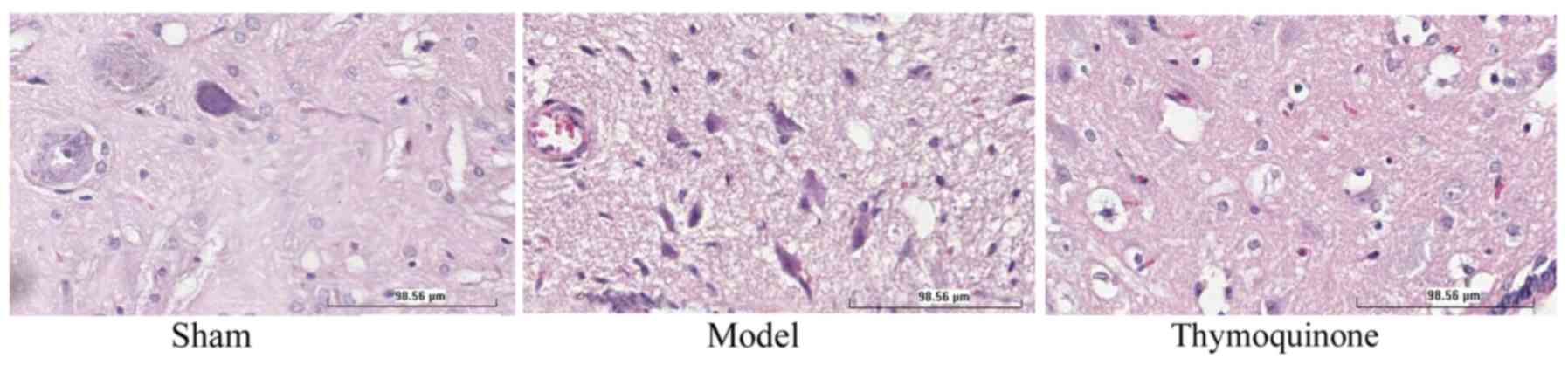
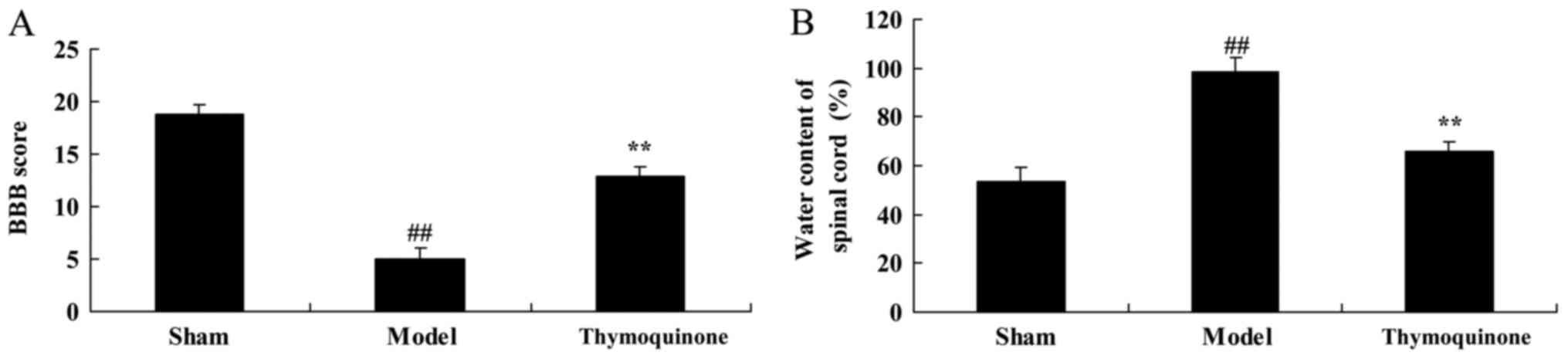
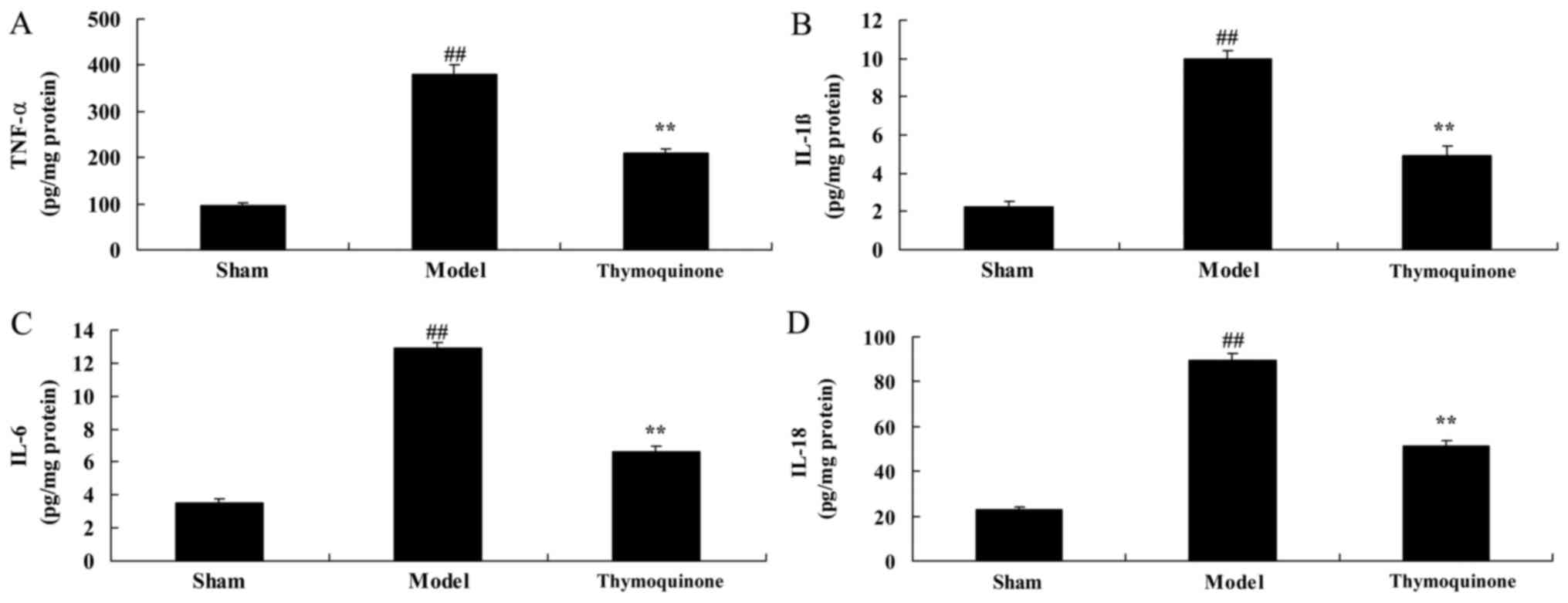
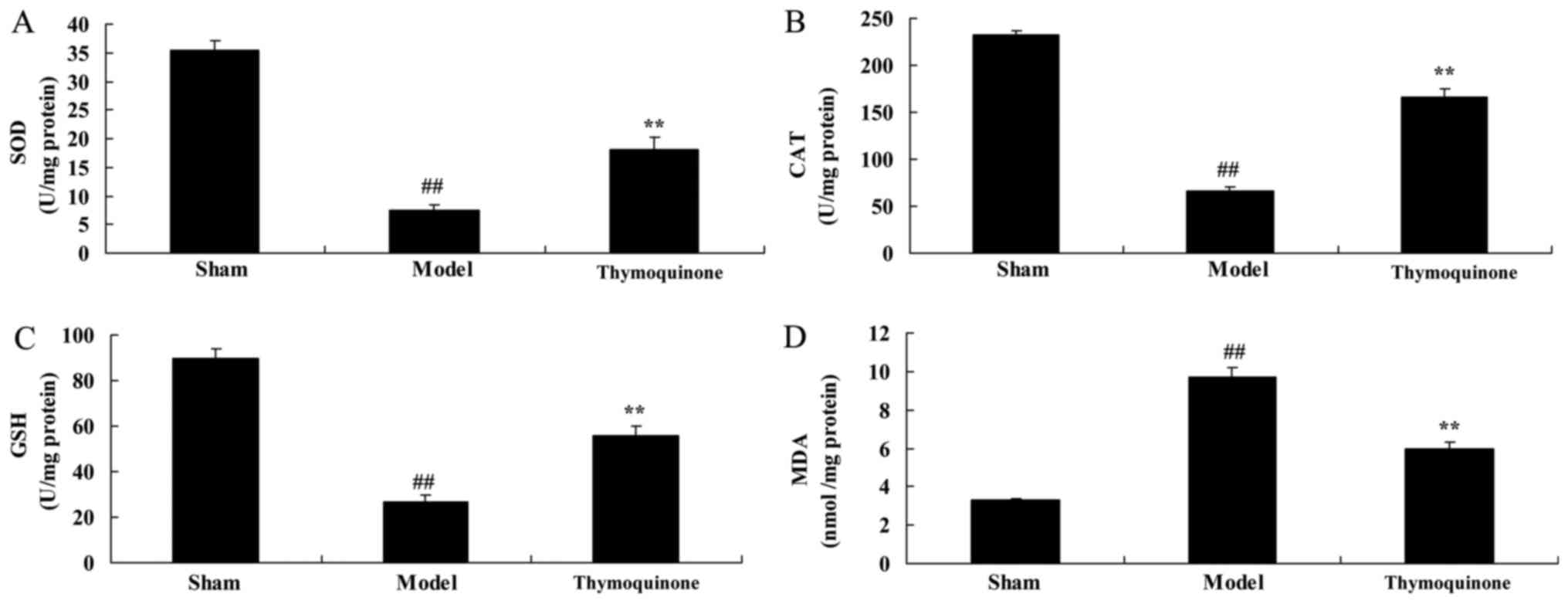
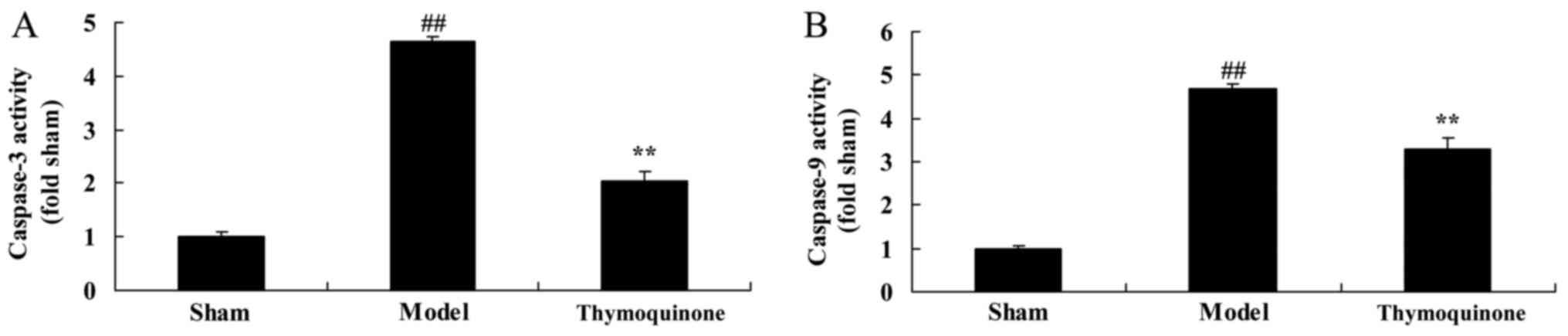
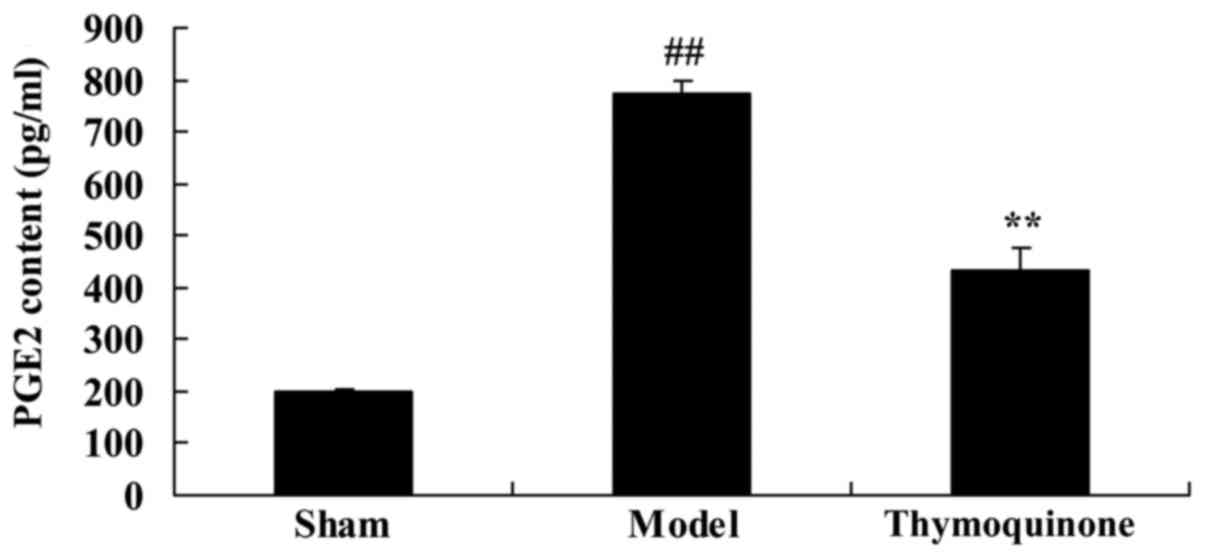
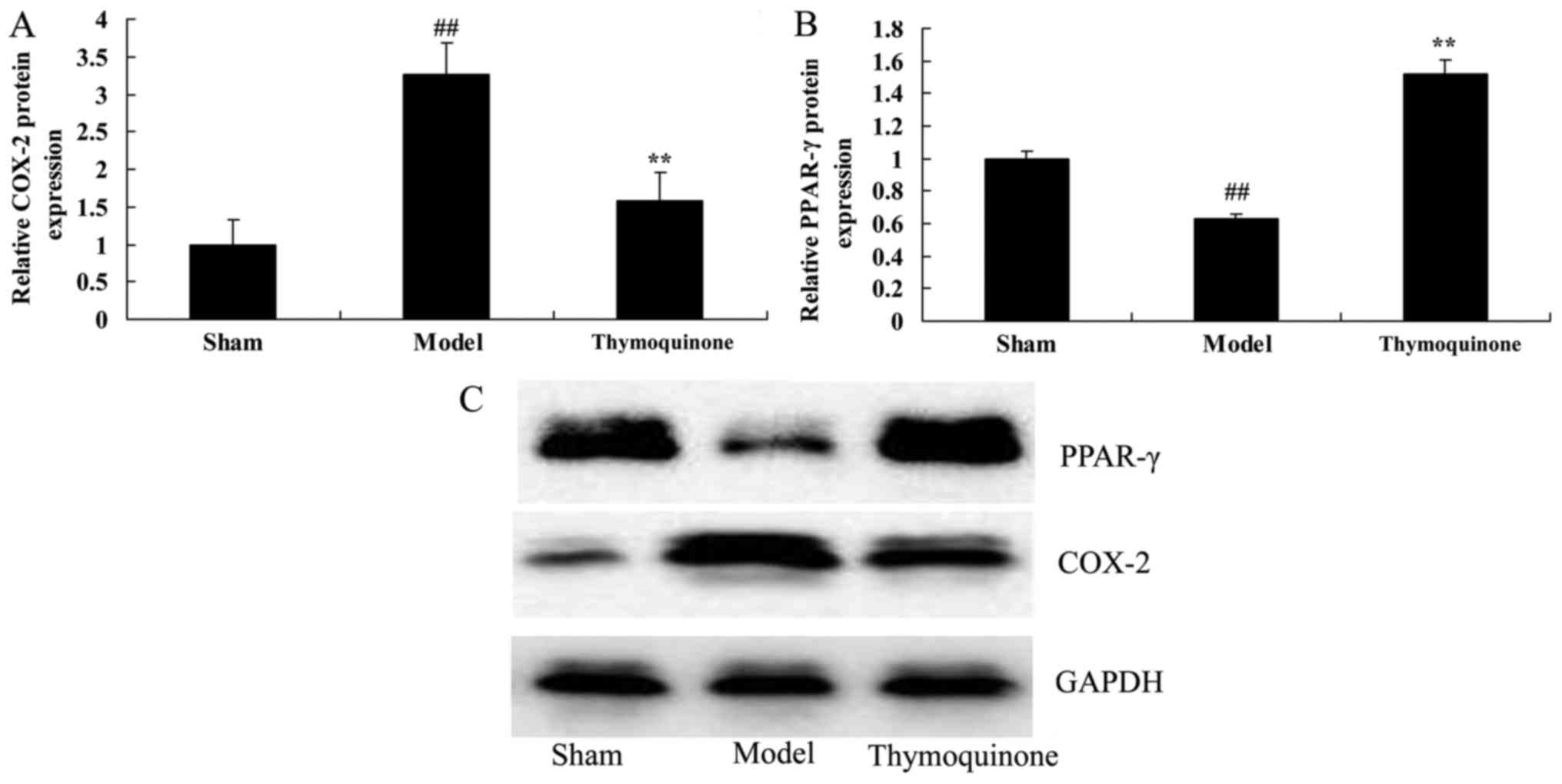
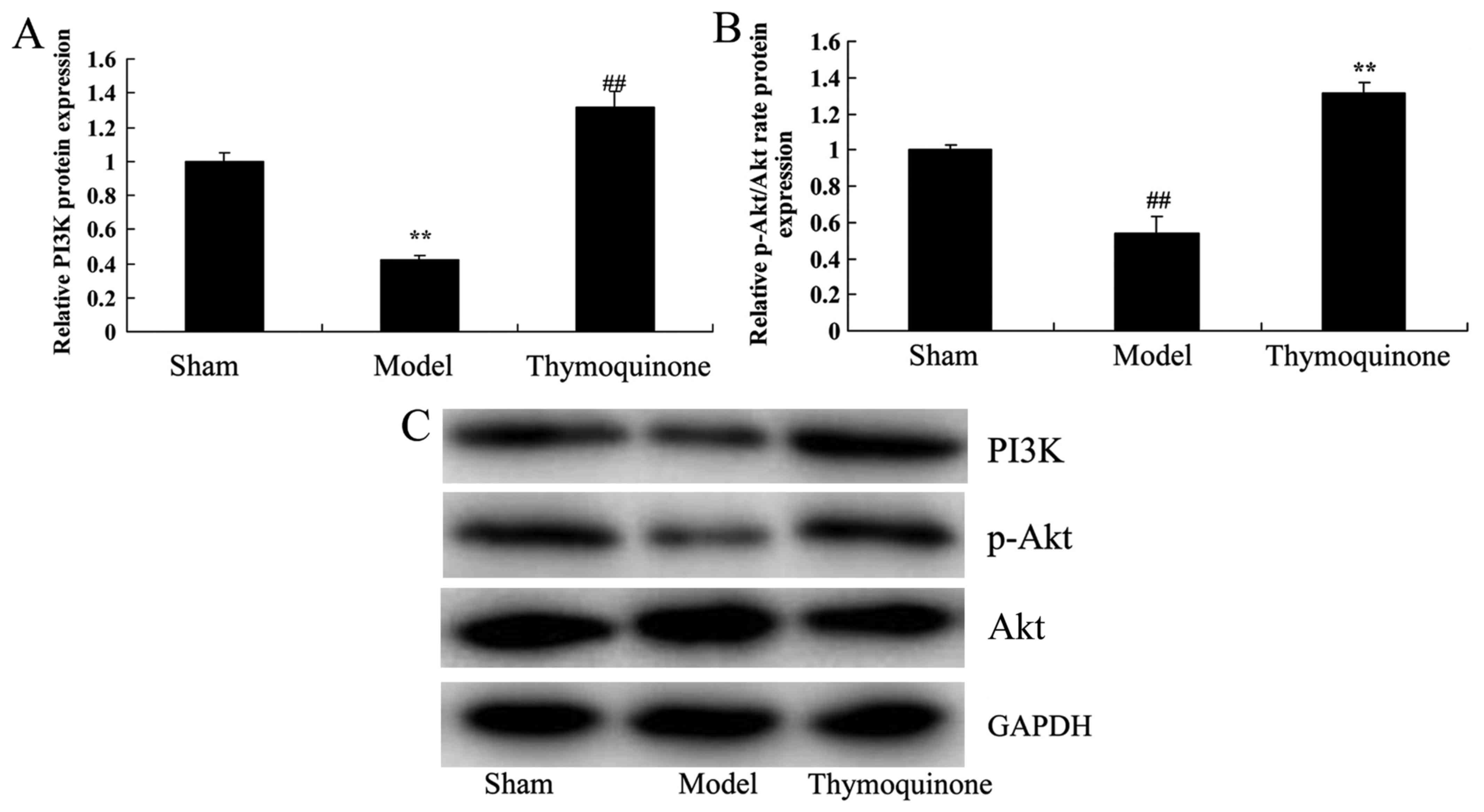
The present study used a mild contusion injury in rat spinal cord to determine that thymoquinone reduces inflammatory response, oxidative stress and apoptosis in a spinal cord injury (SCI) rat model and to demonstrate its possible molecular mechanisms. The rats in the thymoquinone group received 30 mg/kg thymoquinone once daily by intragastric administration from 3 weeks after surgery. Hematoxylin and eosin staining, Basso, Beattie and Bresnahan (BBB) scale and tissue water content detection were used in the present study to analyze the effect of thymoquinone on SCI. The activity of inflammatory response mediators, oxidative stress factors and caspase‑3/9 was measured using ELISA kits. Furthermore, western blotting was performed to analyzed the protein expression levels of prostaglandin E2, suppressed cyclooxygenase‑2 (COX‑2) and activated peroxisome proliferator‑activated receptor γ (PPAR‑γ), PI3K and Akt. The results from the study demonstrated that thymoquinone increased Basso, Beattie and Bresnahan score and decreased water content in spinal cord tissue. Treatment with thymoquinone decreased inflammatory response [measured by levels of tumor necrosis factor α, interleukin (IL)‑1β, IL‑6 and IL‑18], oxidative stress (measured by levels of superoxide dismutase, catalase, glutathione and malondialdehyde) and cell apoptosis (measured by levels of caspase‑3 and caspase‑9) in SCI rats. Thymoquinone treatment inhibited prostaglandin E2 activity, suppressed COX‑2 protein expression and activated PPAR‑γ, PI3K and p‑Akt protein expression in SCI rats. These data revealed that thymoquinone reduces inflammatory response, oxidative stress and apoptosis via PPAR‑γ and PI3K/Akt pathways in an SCI rat model.
View Figures

Figure 1

Figure 2

Figure 3

Figure 4

Figure 5

Figure 6

Figure 7

Figure 8

Figure 9

View References

1 

Arora M, Harvey LA, Hayes AJ, Chhabra HS, Glinsky JV, Cameron ID, Lavrencic L, Arumugam N, Hossain S and Bedi PK: Effectiveness and cost-effectiveness of telephone-based support versus usual care for treatment of pressure ulcers in people with spinal cord injury in low-income and middle-income countries: Study protocol for a 12-week randomised controlled trial. BMJ Open. 5:e0083692015. View Article : Google Scholar : PubMed/NCBI

2 

Dudley-Javoroski S and Shields RK: Active-resisted stance modulates regional bone mineral density in humans with spinal cord injury. J Spinal Cord Med. 36:191–199. 2013. View Article : Google Scholar : PubMed/NCBI

3 

Harper LA, Coleman JA, Perrin PB, Olivera SL, Perdomo JL, Arango JA and Arango-Lasprilla JC: Comparison of mental health between individuals with spinal cord injury and able-bodied controls in Neiva, Colombia. J Rehabil Res Dev. 51:127–136. 2014. View Article : Google Scholar : PubMed/NCBI

4 

Lόpez-Larraz E, Antelis JM, Montesano L, Gil-Agudo A and Minguez J: Continuous decoding of motor attempt and motor imagery from EEG activity in spinal cord injury patients. Conf Proc IEEE Eng Med Biol Soc. 2012:1798–1801. 2012.PubMed/NCBI

5 

Jia C, Liao LM, Chen G and Sui Y: Detrusor botulinum toxin A injection significantly decreased urinary tract infection in patients with traumatic spinal cord injury. Spinal Cord. 51:487–490. 2013. View Article : Google Scholar : PubMed/NCBI

6 

Laubacher M, Perret C and Hunt KJ: Work-rate-guided exercise testing in patients with incomplete spinal cord injury using a robotics-assisted tilt-table. Disabil Rehabil Assist Technol. 10:433–438. 2015. View Article : Google Scholar : PubMed/NCBI

7 

Rosety-Rodriguez M, Camacho A, Rosety I, Fornieles G, Rosety MA, Diaz AJ, Bernardi M, Rosety M and Ordonez FJ: Low-grade systemic inflammation and leptin levels were improved by arm cranking exercise in adults with chronic spinal cord injury. Arch Phys Med Rehabil. 95:297–302. 2014. View Article : Google Scholar : PubMed/NCBI

8 

Nelissen S, Vangansewinkel T, Geurts N, Geboes L, Lemmens E, Vidal PM, Lemmens S, Willems L, Boato F, Dooley D, et al: Mast cells protect from post-traumatic spinal cord damage in mice by degrading inflammation-associated cytokines via mouse mast cell protease 4. Neurobiol Dis. 62:260–272. 2014. View Article : Google Scholar : PubMed/NCBI

9 

Amin B, Abnous K, Motamedshariaty V and Hosseinzadeh H: Attenuation of oxidative stress, inflammation and apoptosis by ethanolic and aqueous extracts of Crocus sativus L. stigma after chronic constriction injury of rats. An Acad Bras Cienc. 86:1821–1832. 2014. View Article : Google Scholar : PubMed/NCBI

10 

Yu WR and Fehlings MG: Fas/FasL-mediated apoptosis and inflammation are key features of acute human spinal cord injury: Implications for translational, clinical application. Acta Neuropathol. 122:747–761. 2011. View Article : Google Scholar : PubMed/NCBI

11 

Yi JH, Park SW, Brooks N, Lang BT and Vemuganti R: PPARgamma agonist rosiglitazone is neuroprotective after traumatic brain injury via anti-inflammatory and anti-oxidative mechanisms. Brain Res. 1244:164–172. 2008. View Article : Google Scholar : PubMed/NCBI

12 

McTigue DM: Potential therapeutic targets for PPARgamma after spinal cord injury. PPAR Res. 2008:5171622008. View Article : Google Scholar : PubMed/NCBI

13 

Yan J, Li B, Chen JW, Jiang SD and Jiang LS: Spinal cord injury causes bone loss through peroxisome proliferator-activated receptor-γ and Wnt signalling. J Cell Mol Med. 16:2968–2977. 2012. View Article : Google Scholar : PubMed/NCBI

14 

Chae CH and Kim HT: Forced, moderate-intensity treadmill exercise suppresses apoptosis by increasing the level of NGF and stimulating phosphatidylinositol 3-kinase signaling in the hippocampus of induced aging rats. Neurochem Int. 55:208–213. 2009. View Article : Google Scholar : PubMed/NCBI

15 

Kim Y, Seger R, Babu Suresh CV, Hwang SY and Yoo YS: A positive role of the PI3-K/Akt signaling pathway in PC12 cell differentiation. Mol Cells. 18:353–359. 2004.PubMed/NCBI

16 

Randhawa MA, Alenazy AK, Alrowaili MG and Basha J: An active principle of Nigella sativa L., thymoquinone, showing significant antimicrobial activity against anaerobic bacteria. J Intercult Ethnopharmacol. 6:97–101. 2016. View Article : Google Scholar : PubMed/NCBI

17 

Dur A, Kose H, Kocyigit A, Kocaman O, Ismayilova M and Sonmez FC: The anti-inflammatory and antioxidant effects of thymoquinone on ceruleine induced acute pancreatitis in rats. Bratisl Lek Listy. 117:614–618. 2016.PubMed/NCBI

18 

Zhang L, Bai Y and Yang Y: Thymoquinone chemosensitizes colon cancer cells through inhibition of NF-κB. Oncol Lett. 12:2840–2845. 2016. View Article : Google Scholar : PubMed/NCBI

19 

Liu X, Dong J, Cai W, Pan Y, Li R and Li B: The effect of thymoquinone on apoptosis of SK-OV-3 ovarian cancer cell by regulation of Bcl-2 and Bax. Int J Gynecol Cancer. 27:1596–1601. 2017. View Article : Google Scholar : PubMed/NCBI

20 

Barkat MA, Abul H, Ahmad J, Khan MA, Beg S and Ahmad FJ: Insights into the targeting potential of thymoquinone for therapeutic intervention against triple-negative breast cancer. Curr Drug Targets. 19:70–80. 2018. View Article : Google Scholar : PubMed/NCBI

21 

Jiang ZS, Pu ZC and Hao ZH: Carvacrol protects against spinal cord injury in rats via suppressing oxidative stress and the endothelial nitric oxide synthase pathway. Mol Med Rep. 12:5349–5354. 2015. View Article : Google Scholar : PubMed/NCBI

22 

Liu L, Moody J and Gall A: A quantitative, pooled analysis and systematic review of controlled trials on the impact of electrical stimulation settings and placement on pressure ulcer healing rates in persons with spinal cord injuries. Ostomy Wound Manage. 62:16–34. 2016.PubMed/NCBI

23 

Üstün N, Aras M, Ozgur T, Bayraktar HS, Sefil F, Ozden R and Yagiz AE: Thymoquinone attenuates trauma induced spinal cord damage in an animal model. Ulus Travma Acil Cerrahi Derg. 20:328–332. 2014. View Article : Google Scholar : PubMed/NCBI

24 

Foroughi Asl H, Talukdar HA, Kindt AS, Jain RK, Ermel R, Ruusalepp A, Nguyen KD, Dobrin R, Reilly DF, Schunkert H, et al: Expression quantitative trait Loci acting across multiple tissues are enriched in inherited risk for coronary artery disease. Circ Cardiovasc Genet. 8:305–315. 2015. View Article : Google Scholar : PubMed/NCBI

25 

Tian DS, Liu JL, Xie MJ, Zhan Y, Qu WS, Yu ZY, Tang ZP, Pan DJ and Wang W: Tamoxifen attenuates inflammatory-mediated damage and improves functional outcome after spinal cord injury in rats. J Neurochem. 109:1658–1667. 2009. View Article : Google Scholar : PubMed/NCBI

26 

Paterniti I, Genovese T, Crisafulli C, Mazzon E, Di Paola R, Galuppo M, Bramanti P and Cuzzocrea S: Treatment with green tea extract attenuates secondary inflammatory response in an experimental model of spinal cord trauma. Naunyn Schmiedebergs Arch Pharmacol. 380:179–192. 2009. View Article : Google Scholar : PubMed/NCBI

27 

Jiang S, Bendjelloul F, Ballerini P, D'Alimonte I, Nargi E, Jiang C, Huang X and Rathbone MP: Guanosine reduces apoptosis and inflammation associated with restoration of function in rats with acute spinal cord injury. Purinergic Signal. 3:411–421. 2007. View Article : Google Scholar : PubMed/NCBI

28 

Uchida K, Nakajima H, Watanabe S, Yayama T, Guerrero AR, Inukai T, Hirai T, Sugita D, Johnson WE and Baba H: Apoptosis of neurons and oligodendrocytes in the spinal cord of spinal hyperostotic mouse (twy/twy): Possible pathomechanism of human cervical compressive myelopathy. Eur Spine J. 21:490–497. 2012. View Article : Google Scholar : PubMed/NCBI

29 

Zhang SQ, Wu MF, Gu R, Liu JB, Li Y, Zhu QS and Jiang JL: Senegenin inhibits neuronal apoptosis after spinal cord contusion injury. Neural Regen Res. 11:657–663. 2016. View Article : Google Scholar : PubMed/NCBI

30 

Mizuno A, Miyauchi K, Nishizaki Y, Yamazoe M, Komatsu I, Asano T, Mitsuhashi H, Nishi Y, Niwa K and Daida H: Impact of the augmentation time ratio on direct measurement of central aortic pressure in the presence of coronary artery disease. Hypertens Res. 38:684–689. 2015. View Article : Google Scholar : PubMed/NCBI

31 

Xu GY, Liu S, Hughes MG and McAdoo DJ: Glutamate-induced losses of oligodendrocytes and neurons and activation of caspase-3 in the rat spinal cord. Neuroscience. 153:1034–1047. 2008. View Article : Google Scholar : PubMed/NCBI

32 

Griggs RB, Donahue RR, Morgenweck J, Grace PM, Sutton A, Watkins LR and Taylor BK: Pioglitazone rapidly reduces neuropathic pain through astrocyte and nongenomic PPARγ mechanisms. Pain. 156:469–482. 2015. View Article : Google Scholar : PubMed/NCBI

33 

Paterniti I, Impellizzeri D, Crupi R, Morabito R, Campolo M, Esposito E and Cuzzocrea S: Molecular evidence for the involvement of PPAR-δ and PPAR-γ in anti-inflammatory and neuroprotective activities of palmitoylethanolamide after spinal cord trauma. J Neuroinflammation. 10:202013. View Article : Google Scholar : PubMed/NCBI

34 

Park SW, Yi JH, Miranpuri G, Satriotomo I, Bowen K, Resnick DK and Vemuganti R: Thiazolidinedione class of peroxisome proliferator-activated receptor gamma agonists prevents neuronal damage, motor dysfunction, myelin loss, neuropathic pain, and inflammation after spinal cord injury in adult rats. J Pharmacol Exp Ther. 320:1002–1012. 2007. View Article : Google Scholar : PubMed/NCBI

35 

Pei X, Li X, Chen H, Han Y and Fan Y: Thymoquinone inhibits angiotensin II-induced proliferation and migration of vascular smooth muscle cells through the AMPK/PPARγ/PGC-1α pathway. DNA Cell Biol. 35:426–433. 2016. View Article : Google Scholar : PubMed/NCBI

36 

Isele NB, Lee HS, Landshamer S, Straube A, Padovan CS, Plesnila N and Culmsee C: Bone marrow stromal cells mediate protection through stimulation of PI3-K/Akt and MAPK signaling in neurons. Neurochem Int. 50:243–250. 2007. View Article : Google Scholar : PubMed/NCBI

37 

Zhang P, Zhang L, Zhu L, Chen F, Zhou S, Tian T, Zhang Y, Jiang X, Li X, Zhang C, et al: The change tendency of PI3K/Akt pathway after spinal cord injury. Am J Transl Res. 7:2223–2232. 2015.PubMed/NCBI

38 

Felix MS, Bauer S, Darlot F, Muscatelli F, Kastner A, Gauthier P and Matarazzo V: Activation of Akt/FKHR in the medulla oblongata contributes to spontaneous respiratory recovery after incomplete spinal cord injury in adult rats. Neurobiol Dis. 69:93–107. 2014. View Article : Google Scholar : PubMed/NCBI

39 

Liu H, Liu HY, Jiang YN and Li N: Protective effect of thymoquinone improves cardiovascular function, and attenuates oxidative stress, inflammation and apoptosis by mediating the PI3K/Akt pathway in diabetic rats. Mol Med Rep. 13:2836–2842. 2016. View Article : Google Scholar : PubMed/NCBI

Related Articles

  • Abstract
  • View
  • Download
  • Twitter
Copy and paste a formatted citation
Spandidos Publications style
Chen Y, Wang B and Zhao H: Thymoquinone reduces spinal cord injury by inhibiting inflammatory response, oxidative stress and apoptosis via PPAR‑γ and PI3K/Akt pathways. Exp Ther Med 15: 4987-4994, 2018.
APA
Chen, Y., Wang, B., & Zhao, H. (2018). Thymoquinone reduces spinal cord injury by inhibiting inflammatory response, oxidative stress and apoptosis via PPAR‑γ and PI3K/Akt pathways. Experimental and Therapeutic Medicine, 15, 4987-4994. https://doi.org/10.3892/etm.2018.6072
MLA
Chen, Y., Wang, B., Zhao, H."Thymoquinone reduces spinal cord injury by inhibiting inflammatory response, oxidative stress and apoptosis via PPAR‑γ and PI3K/Akt pathways". Experimental and Therapeutic Medicine 15.6 (2018): 4987-4994.
Chicago
Chen, Y., Wang, B., Zhao, H."Thymoquinone reduces spinal cord injury by inhibiting inflammatory response, oxidative stress and apoptosis via PPAR‑γ and PI3K/Akt pathways". Experimental and Therapeutic Medicine 15, no. 6 (2018): 4987-4994. https://doi.org/10.3892/etm.2018.6072
Copy and paste a formatted citation
x
Spandidos Publications style
Chen Y, Wang B and Zhao H: Thymoquinone reduces spinal cord injury by inhibiting inflammatory response, oxidative stress and apoptosis via PPAR‑γ and PI3K/Akt pathways. Exp Ther Med 15: 4987-4994, 2018.
APA
Chen, Y., Wang, B., & Zhao, H. (2018). Thymoquinone reduces spinal cord injury by inhibiting inflammatory response, oxidative stress and apoptosis via PPAR‑γ and PI3K/Akt pathways. Experimental and Therapeutic Medicine, 15, 4987-4994. https://doi.org/10.3892/etm.2018.6072
MLA
Chen, Y., Wang, B., Zhao, H."Thymoquinone reduces spinal cord injury by inhibiting inflammatory response, oxidative stress and apoptosis via PPAR‑γ and PI3K/Akt pathways". Experimental and Therapeutic Medicine 15.6 (2018): 4987-4994.
Chicago
Chen, Y., Wang, B., Zhao, H."Thymoquinone reduces spinal cord injury by inhibiting inflammatory response, oxidative stress and apoptosis via PPAR‑γ and PI3K/Akt pathways". Experimental and Therapeutic Medicine 15, no. 6 (2018): 4987-4994. https://doi.org/10.3892/etm.2018.6072
Follow us
  • Twitter
  • LinkedIn
  • Facebook
About
  • Spandidos Publications
  • Careers
  • Cookie Policy
  • Privacy Policy
How can we help?
  • Help
  • Live Chat
  • Contact
  • Email to our Support Team