Spandidos Publications Logo
  • About
    • About Spandidos
    • Aims and Scopes
    • Abstracting and Indexing
    • Editorial Policies
    • Reprints and Permissions
    • Job Opportunities
    • Terms and Conditions
    • Contact
  • Journals
    • All Journals
    • Oncology Letters
      • Oncology Letters
      • Information for Authors
      • Editorial Policies
      • Editorial Board
      • Aims and Scope
      • Abstracting and Indexing
      • Bibliographic Information
      • Archive
    • International Journal of Oncology
      • International Journal of Oncology
      • Information for Authors
      • Editorial Policies
      • Editorial Board
      • Aims and Scope
      • Abstracting and Indexing
      • Bibliographic Information
      • Archive
    • Molecular and Clinical Oncology
      • Molecular and Clinical Oncology
      • Information for Authors
      • Editorial Policies
      • Editorial Board
      • Aims and Scope
      • Abstracting and Indexing
      • Bibliographic Information
      • Archive
    • Experimental and Therapeutic Medicine
      • Experimental and Therapeutic Medicine
      • Information for Authors
      • Editorial Policies
      • Editorial Board
      • Aims and Scope
      • Abstracting and Indexing
      • Bibliographic Information
      • Archive
    • International Journal of Molecular Medicine
      • International Journal of Molecular Medicine
      • Information for Authors
      • Editorial Policies
      • Editorial Board
      • Aims and Scope
      • Abstracting and Indexing
      • Bibliographic Information
      • Archive
    • Biomedical Reports
      • Biomedical Reports
      • Information for Authors
      • Editorial Policies
      • Editorial Board
      • Aims and Scope
      • Abstracting and Indexing
      • Bibliographic Information
      • Archive
    • Oncology Reports
      • Oncology Reports
      • Information for Authors
      • Editorial Policies
      • Editorial Board
      • Aims and Scope
      • Abstracting and Indexing
      • Bibliographic Information
      • Archive
    • Molecular Medicine Reports
      • Molecular Medicine Reports
      • Information for Authors
      • Editorial Policies
      • Editorial Board
      • Aims and Scope
      • Abstracting and Indexing
      • Bibliographic Information
      • Archive
    • World Academy of Sciences Journal
      • World Academy of Sciences Journal
      • Information for Authors
      • Editorial Policies
      • Editorial Board
      • Aims and Scope
      • Abstracting and Indexing
      • Bibliographic Information
      • Archive
    • International Journal of Functional Nutrition
      • International Journal of Functional Nutrition
      • Information for Authors
      • Editorial Policies
      • Editorial Board
      • Aims and Scope
      • Abstracting and Indexing
      • Bibliographic Information
      • Archive
    • International Journal of Epigenetics
      • International Journal of Epigenetics
      • Information for Authors
      • Editorial Policies
      • Editorial Board
      • Aims and Scope
      • Abstracting and Indexing
      • Bibliographic Information
      • Archive
    • Medicine International
      • Medicine International
      • Information for Authors
      • Editorial Policies
      • Editorial Board
      • Aims and Scope
      • Abstracting and Indexing
      • Bibliographic Information
      • Archive
  • Articles
  • Information
    • Information for Authors
    • Information for Reviewers
    • Information for Librarians
    • Information for Advertisers
    • Conferences
  • Language Editing
Spandidos Publications Logo
  • About
    • About Spandidos
    • Aims and Scopes
    • Abstracting and Indexing
    • Editorial Policies
    • Reprints and Permissions
    • Job Opportunities
    • Terms and Conditions
    • Contact
  • Journals
    • All Journals
    • Biomedical Reports
      • Information for Authors
      • Editorial Policies
      • Editorial Board
      • Aims and Scope
      • Abstracting and Indexing
      • Bibliographic Information
      • Archive
    • Experimental and Therapeutic Medicine
      • Information for Authors
      • Editorial Policies
      • Editorial Board
      • Aims and Scope
      • Abstracting and Indexing
      • Bibliographic Information
      • Archive
    • International Journal of Epigenetics
      • Information for Authors
      • Editorial Policies
      • Editorial Board
      • Aims and Scope
      • Abstracting and Indexing
      • Bibliographic Information
      • Archive
    • International Journal of Functional Nutrition
      • Information for Authors
      • Editorial Policies
      • Editorial Board
      • Aims and Scope
      • Abstracting and Indexing
      • Bibliographic Information
      • Archive
    • International Journal of Molecular Medicine
      • Information for Authors
      • Editorial Policies
      • Editorial Board
      • Aims and Scope
      • Abstracting and Indexing
      • Bibliographic Information
      • Archive
    • International Journal of Oncology
      • Information for Authors
      • Editorial Policies
      • Editorial Board
      • Aims and Scope
      • Abstracting and Indexing
      • Bibliographic Information
      • Archive
    • Medicine International
      • Information for Authors
      • Editorial Policies
      • Editorial Board
      • Aims and Scope
      • Abstracting and Indexing
      • Bibliographic Information
      • Archive
    • Molecular and Clinical Oncology
      • Information for Authors
      • Editorial Policies
      • Editorial Board
      • Aims and Scope
      • Abstracting and Indexing
      • Bibliographic Information
      • Archive
    • Molecular Medicine Reports
      • Information for Authors
      • Editorial Policies
      • Editorial Board
      • Aims and Scope
      • Abstracting and Indexing
      • Bibliographic Information
      • Archive
    • Oncology Letters
      • Information for Authors
      • Editorial Policies
      • Editorial Board
      • Aims and Scope
      • Abstracting and Indexing
      • Bibliographic Information
      • Archive
    • Oncology Reports
      • Information for Authors
      • Editorial Policies
      • Editorial Board
      • Aims and Scope
      • Abstracting and Indexing
      • Bibliographic Information
      • Archive
    • World Academy of Sciences Journal
      • Information for Authors
      • Editorial Policies
      • Editorial Board
      • Aims and Scope
      • Abstracting and Indexing
      • Bibliographic Information
      • Archive
  • Articles
  • Information
    • For Authors
    • For Reviewers
    • For Librarians
    • For Advertisers
    • Conferences
  • Language Editing
Login Register Submit
  • This site uses cookies
  • You can change your cookie settings at any time by following the instructions in our Cookie Policy. To find out more, you may read our Privacy Policy.

    I agree
Search articles by DOI, keyword, author or affiliation
Search
Advanced Search
presentation
Experimental and Therapeutic Medicine
Join Editorial Board Propose a Special Issue
Print ISSN: 1792-0981 Online ISSN: 1792-1015
Journal Cover
April-2019 Volume 17 Issue 4

Full Size Image

Sign up for eToc alerts
Recommend to Library

Journals

International Journal of Molecular Medicine

International Journal of Molecular Medicine

International Journal of Molecular Medicine is an international journal devoted to molecular mechanisms of human disease.

International Journal of Oncology

International Journal of Oncology

International Journal of Oncology is an international journal devoted to oncology research and cancer treatment.

Molecular Medicine Reports

Molecular Medicine Reports

Covers molecular medicine topics such as pharmacology, pathology, genetics, neuroscience, infectious diseases, molecular cardiology, and molecular surgery.

Oncology Reports

Oncology Reports

Oncology Reports is an international journal devoted to fundamental and applied research in Oncology.

Experimental and Therapeutic Medicine

Experimental and Therapeutic Medicine

Experimental and Therapeutic Medicine is an international journal devoted to laboratory and clinical medicine.

Oncology Letters

Oncology Letters

Oncology Letters is an international journal devoted to Experimental and Clinical Oncology.

Biomedical Reports

Biomedical Reports

Explores a wide range of biological and medical fields, including pharmacology, genetics, microbiology, neuroscience, and molecular cardiology.

Molecular and Clinical Oncology

Molecular and Clinical Oncology

International journal addressing all aspects of oncology research, from tumorigenesis and oncogenes to chemotherapy and metastasis.

World Academy of Sciences Journal

World Academy of Sciences Journal

Multidisciplinary open-access journal spanning biochemistry, genetics, neuroscience, environmental health, and synthetic biology.

International Journal of Functional Nutrition

International Journal of Functional Nutrition

Open-access journal combining biochemistry, pharmacology, immunology, and genetics to advance health through functional nutrition.

International Journal of Epigenetics

International Journal of Epigenetics

Publishes open-access research on using epigenetics to advance understanding and treatment of human disease.

Medicine International

Medicine International

An International Open Access Journal Devoted to General Medicine.

Journal Cover
April-2019 Volume 17 Issue 4

Full Size Image

Sign up for eToc alerts
Recommend to Library

  • Article
  • Citations
    • Cite This Article
    • Download Citation
    • Create Citation Alert
    • Remove Citation Alert
    • Cited By
  • Similar Articles
    • Related Articles (in Spandidos Publications)
    • Similar Articles (Google Scholar)
    • Similar Articles (PubMed)
  • Download PDF
  • Download XML
  • View XML
Article Open Access

Decoy receptor‑3 regulates inflammation and apoptosis via PI3K/AKT signaling pathway in coronary heart disease

  • Authors:
    • Xinjing Chen
    • Rehua Wang
    • Wei Chen
    • Li Lai
    • Zhiliang Li
  • View Affiliations / Copyright

    Affiliations: Department of Cardiology, Zhujiang Hospital, Southern Medical University, Guangzhou, Guangdong 510280, P.R. China, Department of Cardiology, Fujian Provincial Hospital, Fujian Medical University, Fuzhou, Fujian 350001, P.R. China, Fujian Key Laboratory of Cardiovascular Disease, Fujian Provincial Hospital, Fujian Medical University, Fuzhou, Fujian 350001, P.R. China
    Copyright: © Chen et al. This is an open access article distributed under the terms of Creative Commons Attribution License.
  • Pages: 2614-2622
    |
    Published online on: January 30, 2019
       https://doi.org/10.3892/etm.2019.7222
  • Expand metrics +
Metrics: Total Views: 0 (Spandidos Publications: | PMC Statistics: )
Metrics: Total PDF Downloads: 0 (Spandidos Publications: | PMC Statistics: )
Cited By (CrossRef): 0 citations Loading Articles...

This article is mentioned in:


Abstract

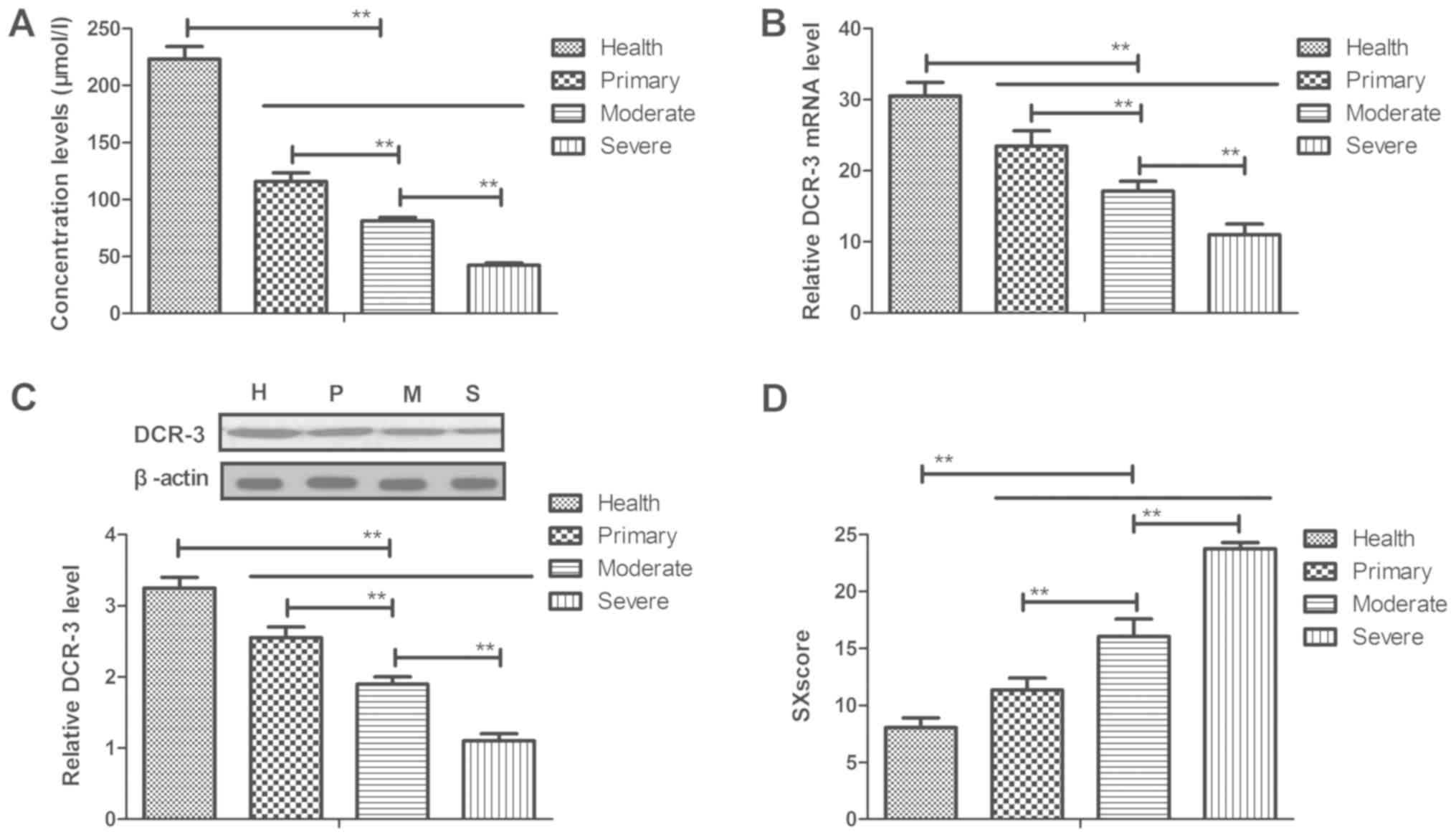
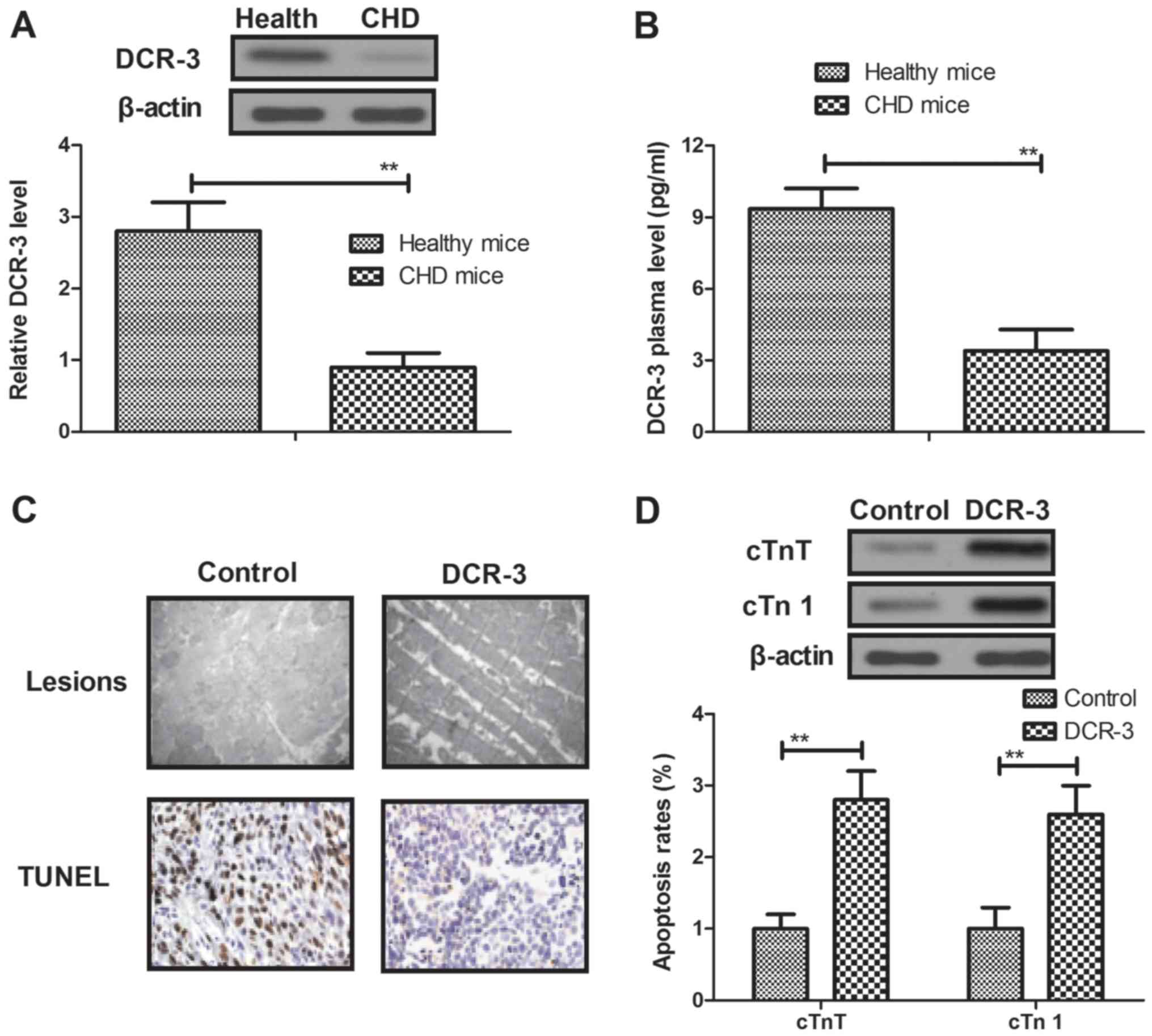
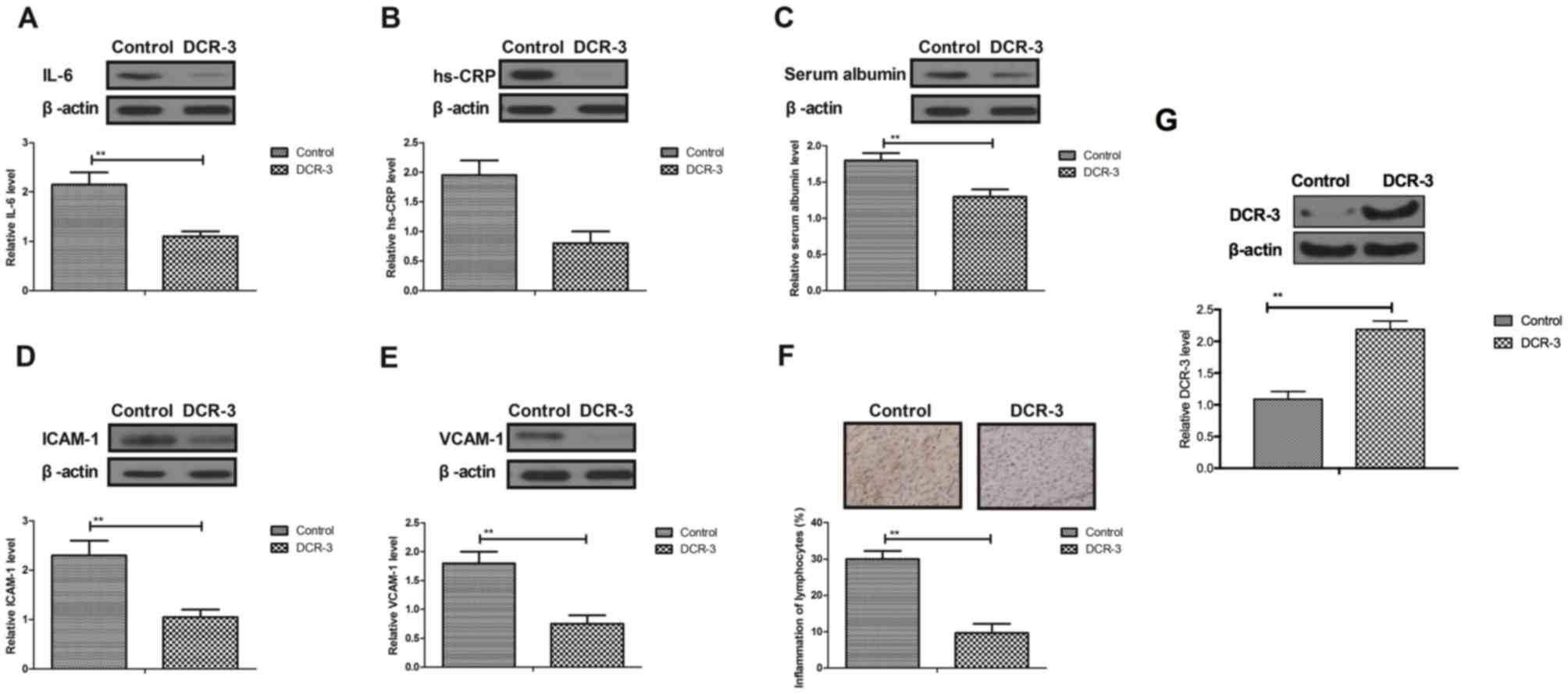
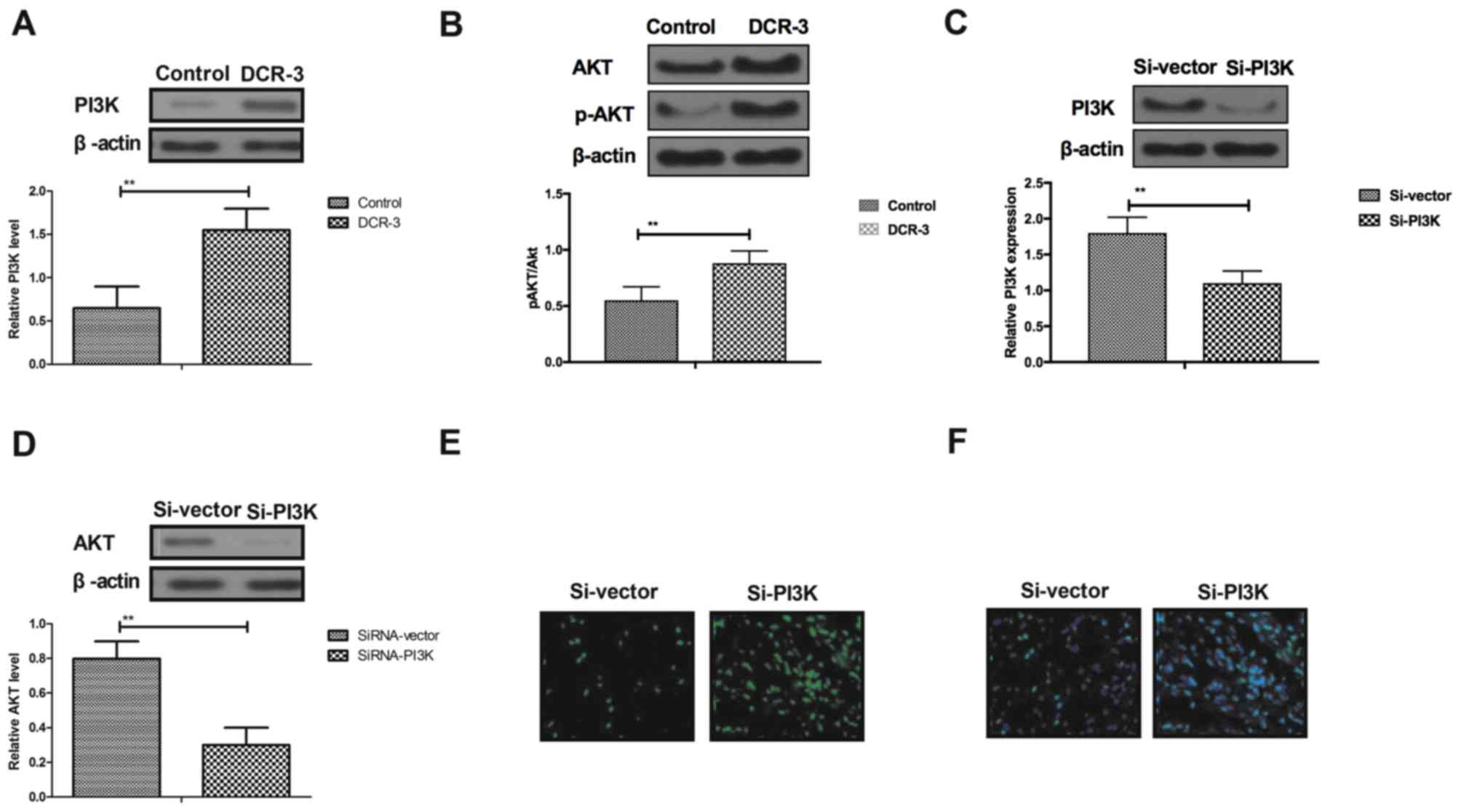
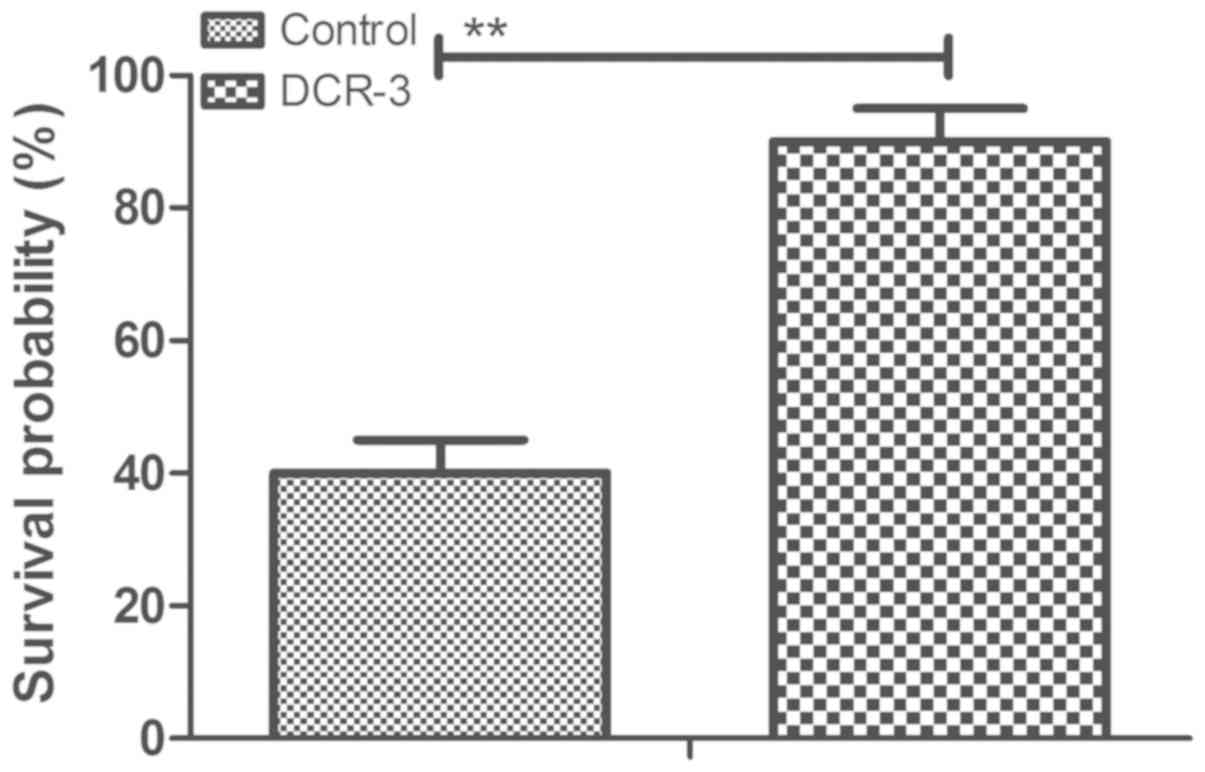
Coronary heart disease is a disease characterized by coronary artery atherosclerosis lesions caused by vascular cavity stenosis, occlusion, myocardial ischemia, hypoxia or necrosis. Previous studies have demonstrated that decoy receptor‑3 (DCR‑3) can act as a pleiotropic immunomodulation for enhancing angiogenesis, which may be associated with the progression of coronary heart disease. In the present study, ELISA assay was used to investigate the plasma concentration level of DCR‑3 in patients with coronary heart disease. The mRNA and protein level of DCR‑3 in myocardial cells were determined by reverse transcription‑quantitative polymerase chain reaction and western blotting, respectively. The role and molecular mechanism of DCR‑3 was also evaluated in myocardial cells in mice with coronary heart disease. The role of small interfering RNA that targeted phosphoinositide 3‑kinase (PI3K) in DCR‑3 mediated apoptosis was confirmed by terminal deoxynucleotidyl‑transferase‑mediated dUTP nick end labeling and immunofluorescence. C57BL/6 mice with coronary heart disease were used to evaluate the efficacy of DCR‑3 on inflammation and apoptosis. The data indicated that plasma concentration level of DCR‑3 was downregulated in mice with coronary heart disease and that DCR‑3 administration improved symptoms of coronary heart disease and prolonged survival of mice with coronary heart disease. In addition, it was demonstrated that DCR‑3 treatment suppressed the inflammatory response and apoptosis of myocardial cells. Circulating DCR‑3 concentration levels may be identified as a predictor of coronary heart disease and prognosis of coronary heart disease. Notably, it was also demonstrated that DCR‑3 inhibited inflammatory factor expression levels by regulation of the PI3K/protein kinase B (AKT) signaling pathway. Taken together, these results indicate that increasing circulating DCR‑3 plasma concentration is associated with degree of coronary heart disease, suggesting that DCR‑3 may be a promising drug for the treatment of coronary heart disease via regulating inflammation and apoptosis through the PI3K/AKT signaling pathway.
View Figures

Figure 1

Figure 2

Figure 3

Figure 4

Figure 5

View References

1 

Tully PJ and Baumeister H: Collaborative care for comorbid depression and coronary heart disease: A systematic review and meta-analysis of randomised controlled trials. BMJ Open. 5:e0091282015. View Article : Google Scholar : PubMed/NCBI

2 

Heikkilä K, Koskinen OA, Agarwal A, Tikkinen KA, Mäki M and Kaukinen K: Associations of coeliac disease with coronary heart disease and cerebrovascular disease: A systematic review and meta-analysis. Nutr Metab Cardiovasc Dis. 25:816–831. 2015. View Article : Google Scholar : PubMed/NCBI

3 

Mayor S: Reduced blood pressure and cholesterol are main factors in fall in deaths from coronary heart disease. BMJ. 350:h4152015. View Article : Google Scholar : PubMed/NCBI

4 

Niermann C, Gorressen S, Klier M, Gowert NS, Billuart P, Kelm M, Merx MW and Elvers M: Oligophrenin1 protects mice against myocardial ischemia and reperfusion injury by modulating inflammation and myocardial apoptosis. Cell Signal. 28:967–978. 2016. View Article : Google Scholar : PubMed/NCBI

5 

Guo CX, Jiang X, Zeng XJ, Wang HX, Li HH, Du FH and Chen BX: Soluble receptor for advanced glycation end-products protects against ischemia/reperfusion-induced myocardial apoptosis via regulating the ubiquitin proteasome system. Free Radic Biol Med. 94:17–26. 2016. View Article : Google Scholar : PubMed/NCBI

6 

O'Neal WT, Soliman EZ, Howard G, Howard VJ, Safford MM, Cushman M and Zakai NA: Inflammation and hemostasis in atrial fibrillation and coronary heart disease: The REasons for geographic and racial differences in stroke study. Atherosclerosis. 243:192–197. 2015. View Article : Google Scholar : PubMed/NCBI

7 

Geng YJ: Molecular mechanisms for cardiovascular stem cell apoptosis and growth in the hearts with atherosclerotic coronary disease and ischemic heart failure. Ann N Y Acad Sci. 1010:687–697. 2003. View Article : Google Scholar : PubMed/NCBI

8 

Fang Y, Chen S, Liu Z, Ai W, He X, Wang L, Xie P, Jiang B and Fang H: Endothelial stem cells attenuate cardiac apoptosis via downregulating cardiac microRNA-146a in a rat model of coronary heart disease. Exp Ther Med. 16:4246–4252. 2018.PubMed/NCBI

9 

Xu L, Jiang X, Wei F and Zhu H: Leonurine protects cardiac function following acute myocardial infarction through anti-apoptosis by the PI3K/AKT/GSK3β signaling pathway. Mol Med Rep. 18:1582–1590. 2018.PubMed/NCBI

10 

Wang Z, Zhang J, Ren T and Dong Z: Targeted metabolomic profiling of cardioprotective effect of Ginkgo biloba L.extract on myocardial ischemia in rats. Phytomedicine. international journal of phytotherapy and phytopharmacology. 23:621–631. 2016. View Article : Google Scholar

11 

Wang L, Niu X, Hu J, Xing H, Sun M, Wang J, Jian Q and Yang H: After myocardial ischemia-reperfusion, mir-29a, and let7 could affect apoptosis through regulating IGF-1. BioMed Research International. 2015:2454122015. View Article : Google Scholar : PubMed/NCBI

12 

Wakiyama H, Cowan DB, Toyoda Y, Federman M, Levitsky S and McCully JD: Selective opening of mitochondrial ATP-sensitive potassium channels during surgically induced myocardial ischemia decreases necrosis and apoptosis. Eur J Cardiothorac Surg. 21:424–433. 2002. View Article : Google Scholar : PubMed/NCBI

13 

Elsasser A, Suzuki K, Lorenz-Meyer S, Bode C and Schaper J: The role of apoptosis in myocardial ischemia: A critical appraisal. Basic Res Cardiol. 96:219–226. 2001. View Article : Google Scholar : PubMed/NCBI

14 

Salmina AB, Shul'man VA, Nikulina SY, Trufanova LV, Fursov AA, But'yanov PA, Kuskaev AP, Bol'shakova EV and Kotlovskii MY: Apoptosis of leukocytes as a marker of neutrophil-endotheliocyte interaction in coronary heart disease. Bull Exp Biol Med. 144:39–41. 2007.(In English, Russian). View Article : Google Scholar : PubMed/NCBI

15 

Liu LL, Lin LR, Lu CX, Fu JG, Chao PL, Jin HW, Zhang ZY and Yang TC: Expression of inflammatory and apoptosis factors following coronary stent implantation in coronary heart disease patients. Int Immunopharmacol. 11:1850–1854. 2011. View Article : Google Scholar : PubMed/NCBI

16 

Azambuja MI: Inflammation as the cause of coronary heart disease. Lancet Infect Dis. 10:142–143. 2010. View Article : Google Scholar : PubMed/NCBI

17 

Wu T, Sun QF, Yang PS, Feng W and Liu XL: Levels of inflammation cytokines in patients with coronary heart disease and periodontal disease. Zhonghua Kou Qiang Yi Xue Za Zhi. 45:265–268. 2010.(In Chinese). PubMed/NCBI

18 

Yan Y, Song D, Liu L, Meng X, Qi C and Wang J: The relationship of plasma decoy receptor 3 and coronary collateral circulation in patients with coronary artery disease. Life Sci. 189:84–88. 2017. View Article : Google Scholar : PubMed/NCBI

19 

Marriott HM, Daigneault M, Thompson AA, Walmsley SR, Gill SK, Witcher DR, Wroblewski VJ, Hellewell PG, Whyte MK and Dockrell DH: A decoy receptor 3 analogue reduces localised defects in phagocyte function in pneumococcal pneumonia. Thorax. 67:985–992. 2012. View Article : Google Scholar : PubMed/NCBI

20 

Wu SF, Liu TM, Lin YC, Sytwu HK, Juan HF, Chen ST, Shen KL, his SC and Hsieh SL: Immunomodulatory effect of decoy receptor 3 on the differentiation and function of bone marrow-derived dendritic cells in nonobese diabetic mice: From regulatory mechanism to clinical implication. J Leukoc Biol. 75:293–306. 2004. View Article : Google Scholar : PubMed/NCBI

21 

Jiang M, Lin X, He R, Lin X, Liang L, Tang R, Xiong D, Wei K, Dang Y, Feng Z and Chen G: Decoy receptor 3 (DcR3) as a biomarker of tumor deterioration in female reproductive cancers: A meta-analysis. Med Sci Monit. 22:1850–1857. 2016. View Article : Google Scholar : PubMed/NCBI

22 

Dietz R and Rauch B: German Society of Cardiology-Heart Circulation Research; German Society for Prevention Rehabilitation of Cardiac Diseases; German Society for Thoracic CardiovascularSurgery: Guidelines for diagnosis and treatment of chronic coronary heart disease. Issued by the executive committee of the German Society of Cardiology - Heart Circulation Research in cooperation with the German Society for Prevention and Rehabilitation of Cardiac Diseases and the German Society for Thoracic and Cardiovascular Surgery. Z Kardiol. 92:501–521. 2003.(In German). PubMed/NCBI

23 

Golden HB, Gollapudi D, Gerilechaogetu F, Li J, Cristales RJ, Peng X and Dostal DE: Isolation of cardiac myocytes and fibroblasts from neonatal rat pups. Methods Mol Biol. 843:205–214. 2012. View Article : Google Scholar : PubMed/NCBI

24 

Lee I, Chalon J, Ramanathan S, Gross S and Turndorf H: Analgesic properties of meperidine, amitriptyline and phenelzine in mice. Can Anaesth Soc J. 30:501–505. 1983. View Article : Google Scholar : PubMed/NCBI

25 

Livak KJ and Schmittgen TD: Analysis of relative gene expression data using real-time quantitative PCR and the 2(-Delta Delta C(T)) method. Methods. 25:402–408. 2001. View Article : Google Scholar : PubMed/NCBI

26 

Börekçi A, Gür M, Şeker T, Baykan AO, Özaltun B, Karakoyun S, Karakurt A, Türkoğlu C, Makça I and Çaylı M: Coronary collateral circulation in patients with chronic coronary total occlusion; its relationship with cardiac risk markers and SYNTAX score. Perfusion. 30:457–464. 2015. View Article : Google Scholar : PubMed/NCBI

27 

Wu ZW, Liu YF, Wang S and Li B: miRNA-146a induces vascular smooth muscle cell apoptosis in a rat model of coronary heart disease via NF-κB pathway. Genet Mol Res. 14:18703–18712. 2015. View Article : Google Scholar : PubMed/NCBI

28 

Werba JP, Veglia F, Amato M, Baldassarre D, Massironi P, Meroni PL, Riboldi P, Tremoli E and Camera M: Patients with a history of stable or unstable coronary heart disease have different acute phase responses to an inflammatory stimulus. Atherosclerosis. 196:835–840. 2008. View Article : Google Scholar : PubMed/NCBI

29 

Rong R and Xijun X: Erythropoietin pretreatment suppresses inflammation by activating the PI3K/Akt signaling pathway in myocardial ischemia-reperfusion injury. Exp Ther Med. 10:413–418. 2015. View Article : Google Scholar : PubMed/NCBI

30 

Funke B, Autschbach F, Kim S, Lasitschka F, Strauch U, Rogler G, Gdynia G, Li L, Gretz N, Macher-Goeppinger S, et al: Functional characterisation of decoy receptor 3 in Crohn's disease. Gut. 58:483–491. 2009. View Article : Google Scholar : PubMed/NCBI

31 

Kim S, Kotoula V, Hytiroglou P, Zardavas D and Zhang L: Significance of increased expression of decoy receptor 3 in chronic liver disease. Dig Liver Dis. 41:591–598. 2009. View Article : Google Scholar : PubMed/NCBI

32 

Chang TY, Hsu CY, Huang PH, Chiang CH, Leu HB, Huang CC, Chen JW and Lin SJ: Usefulness of circulating decoy receptor 3 in predicting coronary artery disease severity and future major adverse cardiovascular events in patients with multivessel coronary artery disease. Am J Cardiol. 116:1028–1033. 2015. View Article : Google Scholar : PubMed/NCBI

33 

Kim S, McAuliffe WJ, Zaritskaya LS, Moore PA, Zhang L and Nardelli B: Selective induction of tumor necrosis receptor factor 6/decoy receptor 3 release by bacterial antigens in human monocytes and myeloid dendritic cells. Infect Immun. 72:89–93. 2004. View Article : Google Scholar : PubMed/NCBI

34 

Steptoe A, Wikman A, Molloy GJ, Messerli-Bürgy N and Kaski JC: Inflammation and symptoms of depression and anxiety in patients with acute coronary heart disease. Brain Behav Immun. 31:183–188. 2013. View Article : Google Scholar : PubMed/NCBI

35 

Li SR, Wang TH and Zhang BJ: Effects of naoxintong capsule on the inflammation and prognosis in borderline lesion coronary heart disease patients. Zhongguo Zhong Xi Yi Jie He Za Zhi. 32:607–611. 2012.(In Chinese). PubMed/NCBI

36 

El-Mesallamy HO, Hamdy NM, Salman TM and Ibrahim SM: Adiponectin and sE-selectin concentrations in relation to inflammation in obese type 2 diabetic patients with coronary heart disease. Angiology. 63:96–102. 2012. View Article : Google Scholar : PubMed/NCBI

37 

Wortinger MA, Foley JW, Larocque P, Witcher DR, Lahn M, Jakubowski JA, Glasebrook A and Song HY: Fas ligand-induced murine pulmonary inflammation is reduced by a stable decoy receptor 3 analogue. Immunology. 110:225–233. 2003. View Article : Google Scholar : PubMed/NCBI

38 

Chen SJ, Wang YL, Kao JH, Wu SF, Lo WT, Wu CC, Tao PL, Wang CC, Chang DM and Sytwu HK: Decoy receptor 3 ameliorates experimental autoimmune encephalomyelitis by directly counteracting local inflammation and downregulating Th17 cells. Mol Immunol. 47:567–574. 2009. View Article : Google Scholar : PubMed/NCBI

39 

Zhang M, He H, Wang ZM, Xu Z, Zhou N, Tao Z, Chen B, Li C, Zhu T, Yang D, et al: Diagnostic and prognostic value of minor elevated cardiac troponin levels for percutaneous coronary intervention-related myocardial injury: A prospective, single-center and double-blind study. J Biomed Res. 28:98–107. 2014.PubMed/NCBI

40 

Apak I, Iltumur K, Tamam Y and Kaya N: Serum cardiac troponin T levels as an indicator of myocardial injury in ischemic and hemorrhagic stroke patients. Tohoku J Exp Med. 205:93–101. 2005. View Article : Google Scholar : PubMed/NCBI

41 

Nesher N, Zisman E, Wolf T, Sharony R, Bolotin G, David M, Uretzky G and Pizov R: Strict thermoregulation attenuates myocardial injury during coronary artery bypass graft surgery as reflected by reduced levels of cardiac-specific troponin I. Anesth Analg. 96:328–335. 2003. View Article : Google Scholar : PubMed/NCBI

42 

Boriani G, Biffi M, Cervi V, Bronzetti G, Magagnoli G, Zannoli R and Branzi A: Evaluation of myocardial injury following repeated internal atrial shocks by monitoring serum cardiac troponin I levels. Chest. 118:342–347. 2000. View Article : Google Scholar : PubMed/NCBI

43 

Wu ZW, Liu YF, Wang S and Li B: Corrigendum miRNA-146a induces vascular smooth muscle cell apoptosis in a rat model of coronary heart disease via NF-kappaB pathway - Genet. Mol. Res. 14(4): 18703–18712, Genet Mol Res 15. 2016. View Article : Google Scholar

44 

Im J, Kim K, Hergert P and Nho RS: Idiopathic pulmonary fibrosis fibroblasts become resistant to Fas ligand-dependent apoptosis via the alteration of decoy receptor 3. J Pathol. 240:25–37. 2016. View Article : Google Scholar : PubMed/NCBI

45 

Liang D, Hou Y, Lou X and Chen H: Decoy receptor 3 improves survival in experimental sepsis by suppressing the inflammatory response and lymphocyte apoptosis. PLoS One. 10:e01316802015. View Article : Google Scholar : PubMed/NCBI

46 

Zhang Y, Li D, Zhao X, Song S, Zhang L, Zhu D, Wang Z, Chen X and Zhou J: Decoy receptor 3 suppresses FasL-induced apoptosis via ERK1/2 activation in pancreatic cancer cells. Biochem Biophys Res Commun. 463:1144–1151. 2015. View Article : Google Scholar : PubMed/NCBI

47 

Koksal IT, Sanlioglu AD, Karacay B, Griffith TS and Sanlioglu S: Tumor necrosis factor-related apoptosis inducing ligand-R4 decoy receptor expression is correlated with high Gleason scores, prostate-specific antigen recurrence, and decreased survival in patients with prostate carcinoma. Urol Oncol. 26:158–165. 2008. View Article : Google Scholar : PubMed/NCBI

48 

Zhou J, Song S, He S, Wang Z, Zhang B, Li D and Zhu D: Silencing of decoy receptor 3 (DcR3) expression by siRNA in pancreatic carcinoma cells induces Fas ligand-mediated apoptosis in vitro and in vivo. Int J Mol Med. 32:653–660. 2013. View Article : Google Scholar : PubMed/NCBI

49 

You RI, Chang YC, Chen PM, Wang WS, Hsu TL, Yang CY, Lee CT and Hsieh SL: Apoptosis of dendritic cells induced by decoy receptor 3 (DcR3). Blood. 111:1480–1488. 2008. View Article : Google Scholar : PubMed/NCBI

50 

Zhang Z, Li S, Cui M, Gao X, Sun D, Qin X, Narsinh K, Li C, Jia H, Li C, et al: Rosuvastatin enhances the therapeutic efficacy of adipose-derived mesenchymal stem cells for myocardial infarction via PI3K/Akt and MEK/ERK pathways. Basic Res Cardiol. 108:3332013. View Article : Google Scholar : PubMed/NCBI

51 

Hu Y, Li L, Yin W, Shen L, You B and Gao H: Protective effect of proanthocyanidins on anoxia-reoxygenation injury of myocardial cells mediated by the PI3K/Akt/GSK-3beta pathway and mitochondrial ATP-sensitive potassium channel. Mol Med Rep. 10:2051–2058. 2014. View Article : Google Scholar : PubMed/NCBI

52 

Fang J, Hu F, Ke D, Yan Y, Liao Z, Yuan X, Wu L, Jiang Q and Chen L: N,N-dimethylsphingosine attenuates myocardial ischemia-reperfusion injury by recruiting regulatory T cells through PI3K/Akt pathway in mice. Basic Res Cardiol. 111:322016. View Article : Google Scholar : PubMed/NCBI

Related Articles

  • Abstract
  • View
  • Download
  • Twitter
Copy and paste a formatted citation
Spandidos Publications style
Chen X, Wang R, Chen W, Lai L and Li Z: Decoy receptor‑3 regulates inflammation and apoptosis via PI3K/AKT signaling pathway in coronary heart disease. Exp Ther Med 17: 2614-2622, 2019.
APA
Chen, X., Wang, R., Chen, W., Lai, L., & Li, Z. (2019). Decoy receptor‑3 regulates inflammation and apoptosis via PI3K/AKT signaling pathway in coronary heart disease. Experimental and Therapeutic Medicine, 17, 2614-2622. https://doi.org/10.3892/etm.2019.7222
MLA
Chen, X., Wang, R., Chen, W., Lai, L., Li, Z."Decoy receptor‑3 regulates inflammation and apoptosis via PI3K/AKT signaling pathway in coronary heart disease". Experimental and Therapeutic Medicine 17.4 (2019): 2614-2622.
Chicago
Chen, X., Wang, R., Chen, W., Lai, L., Li, Z."Decoy receptor‑3 regulates inflammation and apoptosis via PI3K/AKT signaling pathway in coronary heart disease". Experimental and Therapeutic Medicine 17, no. 4 (2019): 2614-2622. https://doi.org/10.3892/etm.2019.7222
Copy and paste a formatted citation
x
Spandidos Publications style
Chen X, Wang R, Chen W, Lai L and Li Z: Decoy receptor‑3 regulates inflammation and apoptosis via PI3K/AKT signaling pathway in coronary heart disease. Exp Ther Med 17: 2614-2622, 2019.
APA
Chen, X., Wang, R., Chen, W., Lai, L., & Li, Z. (2019). Decoy receptor‑3 regulates inflammation and apoptosis via PI3K/AKT signaling pathway in coronary heart disease. Experimental and Therapeutic Medicine, 17, 2614-2622. https://doi.org/10.3892/etm.2019.7222
MLA
Chen, X., Wang, R., Chen, W., Lai, L., Li, Z."Decoy receptor‑3 regulates inflammation and apoptosis via PI3K/AKT signaling pathway in coronary heart disease". Experimental and Therapeutic Medicine 17.4 (2019): 2614-2622.
Chicago
Chen, X., Wang, R., Chen, W., Lai, L., Li, Z."Decoy receptor‑3 regulates inflammation and apoptosis via PI3K/AKT signaling pathway in coronary heart disease". Experimental and Therapeutic Medicine 17, no. 4 (2019): 2614-2622. https://doi.org/10.3892/etm.2019.7222
Follow us
  • Twitter
  • LinkedIn
  • Facebook
About
  • Spandidos Publications
  • Careers
  • Cookie Policy
  • Privacy Policy
How can we help?
  • Help
  • Live Chat
  • Contact
  • Email to our Support Team