Spandidos Publications Logo
  • About
    • About Spandidos
    • Aims and Scopes
    • Abstracting and Indexing
    • Editorial Policies
    • Reprints and Permissions
    • Job Opportunities
    • Terms and Conditions
    • Contact
  • Journals
    • All Journals
    • Oncology Letters
      • Oncology Letters
      • Information for Authors
      • Editorial Policies
      • Editorial Board
      • Aims and Scope
      • Abstracting and Indexing
      • Bibliographic Information
      • Archive
    • International Journal of Oncology
      • International Journal of Oncology
      • Information for Authors
      • Editorial Policies
      • Editorial Board
      • Aims and Scope
      • Abstracting and Indexing
      • Bibliographic Information
      • Archive
    • Molecular and Clinical Oncology
      • Molecular and Clinical Oncology
      • Information for Authors
      • Editorial Policies
      • Editorial Board
      • Aims and Scope
      • Abstracting and Indexing
      • Bibliographic Information
      • Archive
    • Experimental and Therapeutic Medicine
      • Experimental and Therapeutic Medicine
      • Information for Authors
      • Editorial Policies
      • Editorial Board
      • Aims and Scope
      • Abstracting and Indexing
      • Bibliographic Information
      • Archive
    • International Journal of Molecular Medicine
      • International Journal of Molecular Medicine
      • Information for Authors
      • Editorial Policies
      • Editorial Board
      • Aims and Scope
      • Abstracting and Indexing
      • Bibliographic Information
      • Archive
    • Biomedical Reports
      • Biomedical Reports
      • Information for Authors
      • Editorial Policies
      • Editorial Board
      • Aims and Scope
      • Abstracting and Indexing
      • Bibliographic Information
      • Archive
    • Oncology Reports
      • Oncology Reports
      • Information for Authors
      • Editorial Policies
      • Editorial Board
      • Aims and Scope
      • Abstracting and Indexing
      • Bibliographic Information
      • Archive
    • Molecular Medicine Reports
      • Molecular Medicine Reports
      • Information for Authors
      • Editorial Policies
      • Editorial Board
      • Aims and Scope
      • Abstracting and Indexing
      • Bibliographic Information
      • Archive
    • World Academy of Sciences Journal
      • World Academy of Sciences Journal
      • Information for Authors
      • Editorial Policies
      • Editorial Board
      • Aims and Scope
      • Abstracting and Indexing
      • Bibliographic Information
      • Archive
    • International Journal of Functional Nutrition
      • International Journal of Functional Nutrition
      • Information for Authors
      • Editorial Policies
      • Editorial Board
      • Aims and Scope
      • Abstracting and Indexing
      • Bibliographic Information
      • Archive
    • International Journal of Epigenetics
      • International Journal of Epigenetics
      • Information for Authors
      • Editorial Policies
      • Editorial Board
      • Aims and Scope
      • Abstracting and Indexing
      • Bibliographic Information
      • Archive
    • Medicine International
      • Medicine International
      • Information for Authors
      • Editorial Policies
      • Editorial Board
      • Aims and Scope
      • Abstracting and Indexing
      • Bibliographic Information
      • Archive
  • Articles
  • Information
    • Information for Authors
    • Information for Reviewers
    • Information for Librarians
    • Information for Advertisers
    • Conferences
  • Language Editing
Spandidos Publications Logo
  • About
    • About Spandidos
    • Aims and Scopes
    • Abstracting and Indexing
    • Editorial Policies
    • Reprints and Permissions
    • Job Opportunities
    • Terms and Conditions
    • Contact
  • Journals
    • All Journals
    • Biomedical Reports
      • Information for Authors
      • Editorial Policies
      • Editorial Board
      • Aims and Scope
      • Abstracting and Indexing
      • Bibliographic Information
      • Archive
    • Experimental and Therapeutic Medicine
      • Information for Authors
      • Editorial Policies
      • Editorial Board
      • Aims and Scope
      • Abstracting and Indexing
      • Bibliographic Information
      • Archive
    • International Journal of Epigenetics
      • Information for Authors
      • Editorial Policies
      • Editorial Board
      • Aims and Scope
      • Abstracting and Indexing
      • Bibliographic Information
      • Archive
    • International Journal of Functional Nutrition
      • Information for Authors
      • Editorial Policies
      • Editorial Board
      • Aims and Scope
      • Abstracting and Indexing
      • Bibliographic Information
      • Archive
    • International Journal of Molecular Medicine
      • Information for Authors
      • Editorial Policies
      • Editorial Board
      • Aims and Scope
      • Abstracting and Indexing
      • Bibliographic Information
      • Archive
    • International Journal of Oncology
      • Information for Authors
      • Editorial Policies
      • Editorial Board
      • Aims and Scope
      • Abstracting and Indexing
      • Bibliographic Information
      • Archive
    • Medicine International
      • Information for Authors
      • Editorial Policies
      • Editorial Board
      • Aims and Scope
      • Abstracting and Indexing
      • Bibliographic Information
      • Archive
    • Molecular and Clinical Oncology
      • Information for Authors
      • Editorial Policies
      • Editorial Board
      • Aims and Scope
      • Abstracting and Indexing
      • Bibliographic Information
      • Archive
    • Molecular Medicine Reports
      • Information for Authors
      • Editorial Policies
      • Editorial Board
      • Aims and Scope
      • Abstracting and Indexing
      • Bibliographic Information
      • Archive
    • Oncology Letters
      • Information for Authors
      • Editorial Policies
      • Editorial Board
      • Aims and Scope
      • Abstracting and Indexing
      • Bibliographic Information
      • Archive
    • Oncology Reports
      • Information for Authors
      • Editorial Policies
      • Editorial Board
      • Aims and Scope
      • Abstracting and Indexing
      • Bibliographic Information
      • Archive
    • World Academy of Sciences Journal
      • Information for Authors
      • Editorial Policies
      • Editorial Board
      • Aims and Scope
      • Abstracting and Indexing
      • Bibliographic Information
      • Archive
  • Articles
  • Information
    • For Authors
    • For Reviewers
    • For Librarians
    • For Advertisers
    • Conferences
  • Language Editing
Login Register Submit
  • This site uses cookies
  • You can change your cookie settings at any time by following the instructions in our Cookie Policy. To find out more, you may read our Privacy Policy.

    I agree
Search articles by DOI, keyword, author or affiliation
Search
Advanced Search
presentation
Experimental and Therapeutic Medicine
Join Editorial Board Propose a Special Issue
Print ISSN: 1792-0981 Online ISSN: 1792-1015
Journal Cover
May-2020 Volume 19 Issue 5

Full Size Image

Sign up for eToc alerts
Recommend to Library

Journals

International Journal of Molecular Medicine

International Journal of Molecular Medicine

International Journal of Molecular Medicine is an international journal devoted to molecular mechanisms of human disease.

International Journal of Oncology

International Journal of Oncology

International Journal of Oncology is an international journal devoted to oncology research and cancer treatment.

Molecular Medicine Reports

Molecular Medicine Reports

Covers molecular medicine topics such as pharmacology, pathology, genetics, neuroscience, infectious diseases, molecular cardiology, and molecular surgery.

Oncology Reports

Oncology Reports

Oncology Reports is an international journal devoted to fundamental and applied research in Oncology.

Experimental and Therapeutic Medicine

Experimental and Therapeutic Medicine

Experimental and Therapeutic Medicine is an international journal devoted to laboratory and clinical medicine.

Oncology Letters

Oncology Letters

Oncology Letters is an international journal devoted to Experimental and Clinical Oncology.

Biomedical Reports

Biomedical Reports

Explores a wide range of biological and medical fields, including pharmacology, genetics, microbiology, neuroscience, and molecular cardiology.

Molecular and Clinical Oncology

Molecular and Clinical Oncology

International journal addressing all aspects of oncology research, from tumorigenesis and oncogenes to chemotherapy and metastasis.

World Academy of Sciences Journal

World Academy of Sciences Journal

Multidisciplinary open-access journal spanning biochemistry, genetics, neuroscience, environmental health, and synthetic biology.

International Journal of Functional Nutrition

International Journal of Functional Nutrition

Open-access journal combining biochemistry, pharmacology, immunology, and genetics to advance health through functional nutrition.

International Journal of Epigenetics

International Journal of Epigenetics

Publishes open-access research on using epigenetics to advance understanding and treatment of human disease.

Medicine International

Medicine International

An International Open Access Journal Devoted to General Medicine.

Journal Cover
May-2020 Volume 19 Issue 5

Full Size Image

Sign up for eToc alerts
Recommend to Library

  • Article
  • Citations
    • Cite This Article
    • Download Citation
    • Create Citation Alert
    • Remove Citation Alert
    • Cited By
  • Similar Articles
    • Related Articles (in Spandidos Publications)
    • Similar Articles (Google Scholar)
    • Similar Articles (PubMed)
  • Download PDF
  • Download XML
  • View XML
Article Open Access

Celecoxib, a selective COX‑2 inhibitor, markedly reduced the severity of tamoxifen‑induced adenomyosis in a murine model

  • Authors:
    • Zhixing Jin
    • Xiaoyi Wu
    • Haiou Liu
    • Congjian Xu
  • View Affiliations / Copyright

    Affiliations: Department of Obstetrics and Gynecology, Shanghai Medical College of Fudan University, Shanghai 200011, P.R. China, Obstetrics and Gynecology Hospital of Fudan University; 3Shanghai Key Laboratory of Female Reproductive Endocrine Related Diseases, Fudan University, Shanghai 200011, P.R. China
    Copyright: © Jin et al. This is an open access article distributed under the terms of Creative Commons Attribution License.
  • Pages: 3289-3299
    |
    Published online on: March 6, 2020
       https://doi.org/10.3892/etm.2020.8580
  • Expand metrics +
Metrics: Total Views: 0 (Spandidos Publications: | PMC Statistics: )
Metrics: Total PDF Downloads: 0 (Spandidos Publications: | PMC Statistics: )
Cited By (CrossRef): 0 citations Loading Articles...

This article is mentioned in:


Abstract

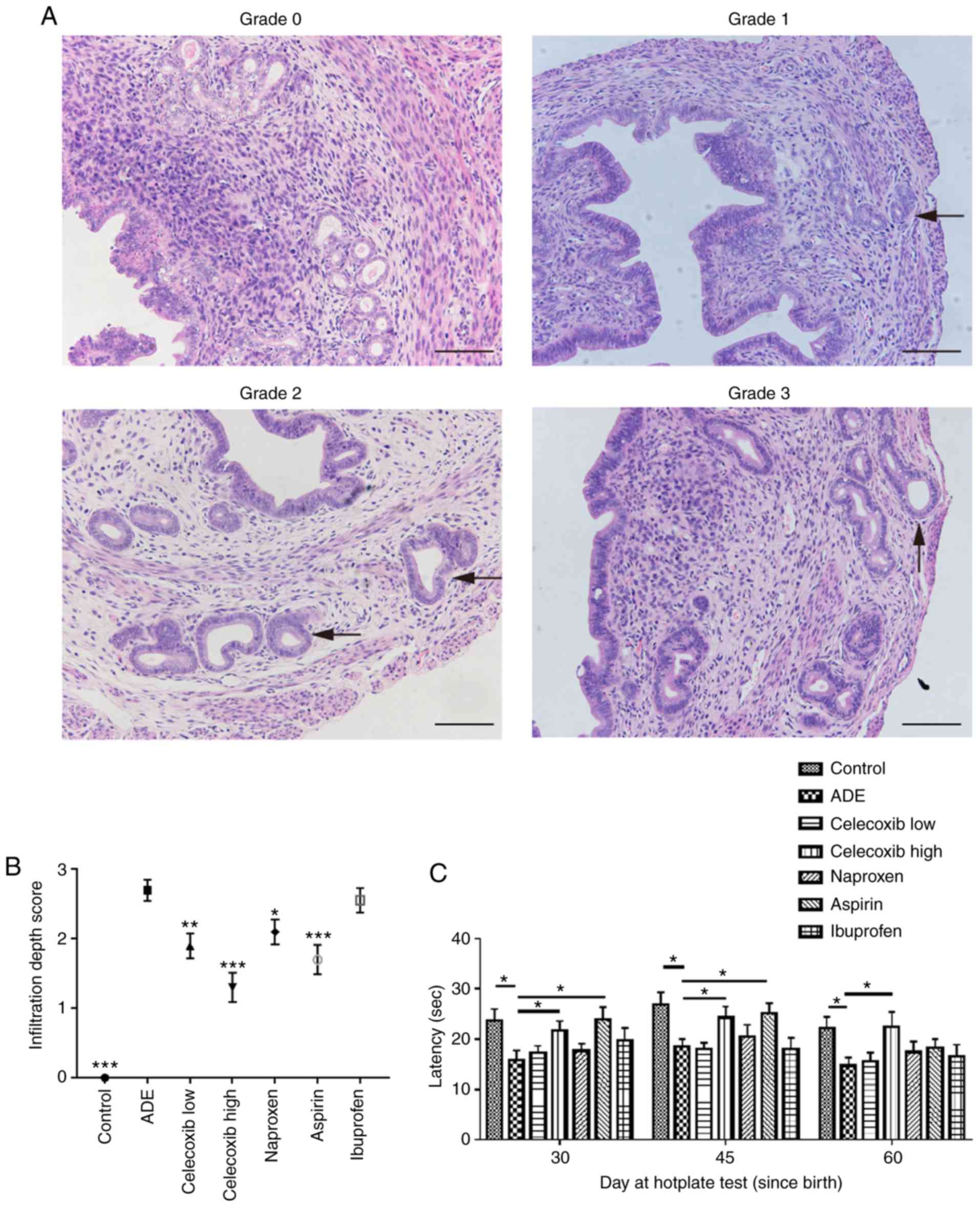
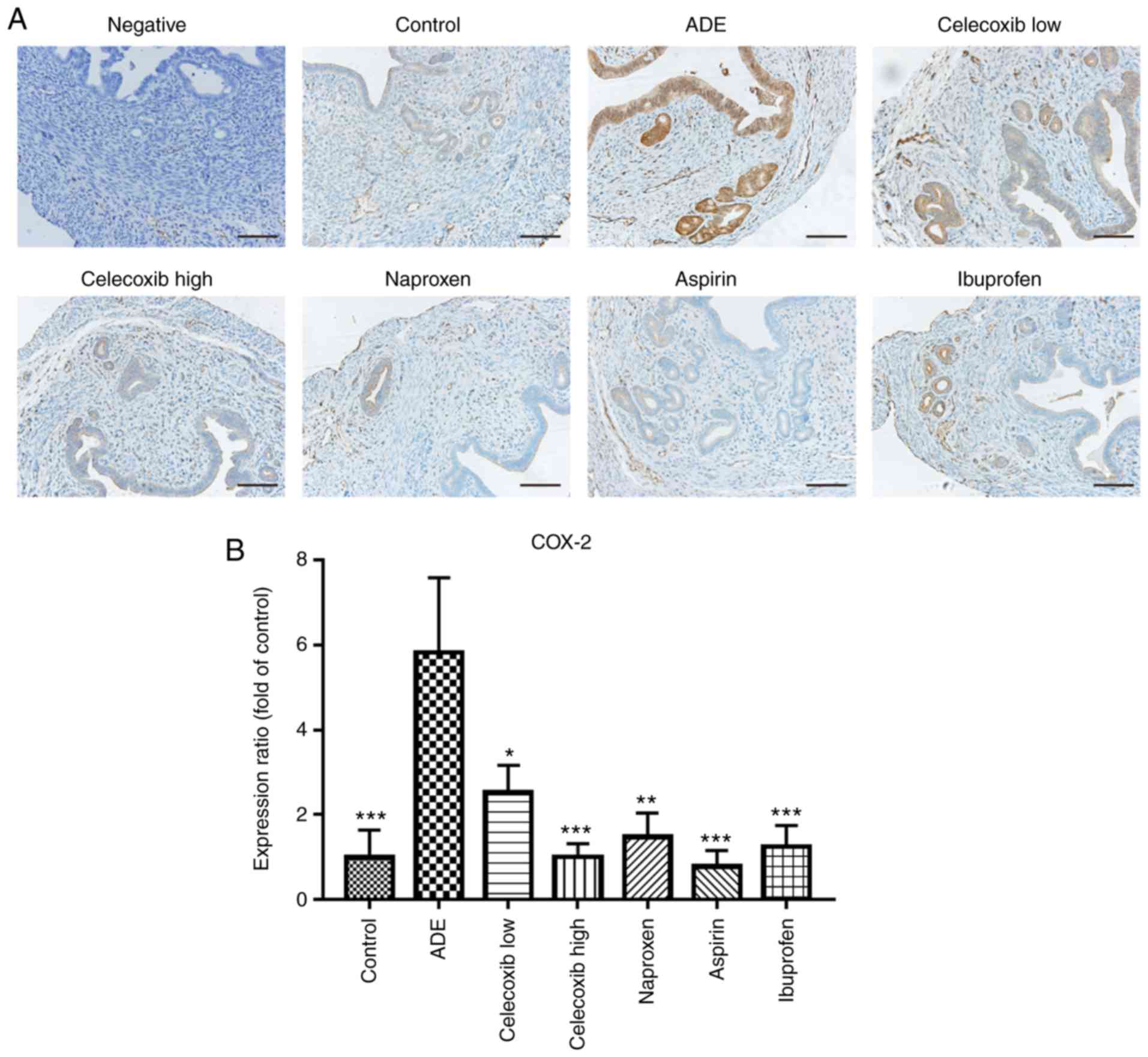
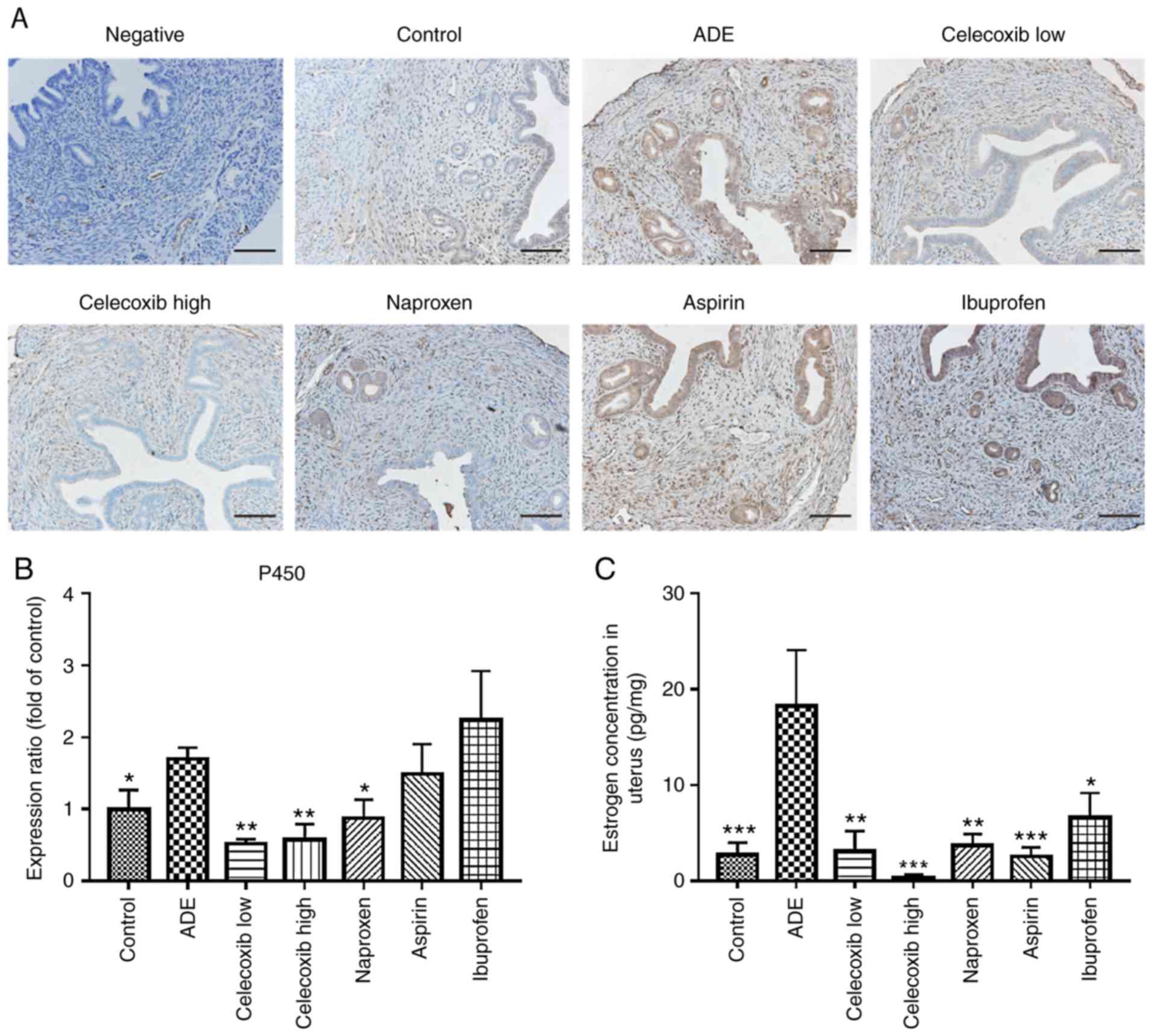
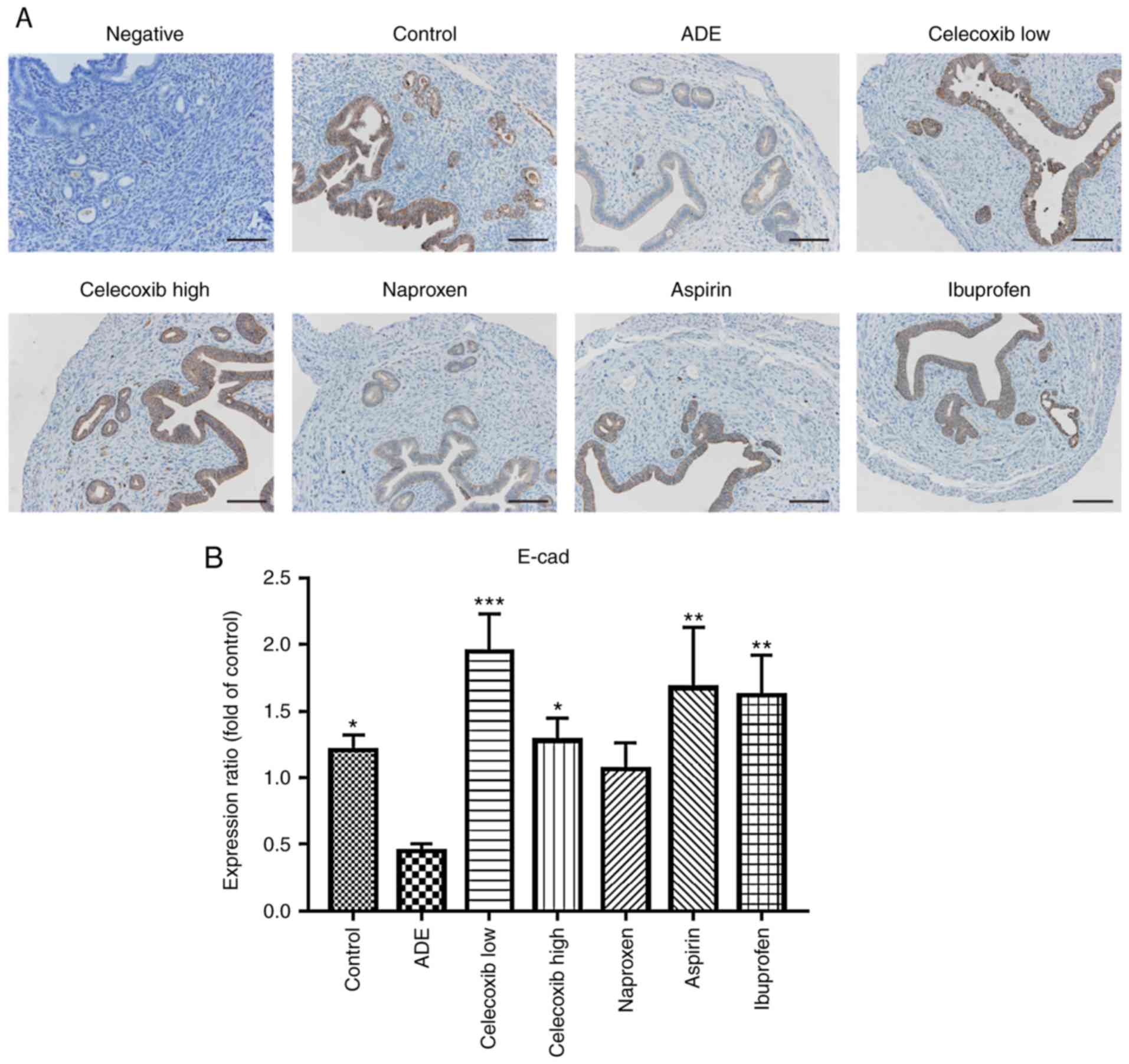
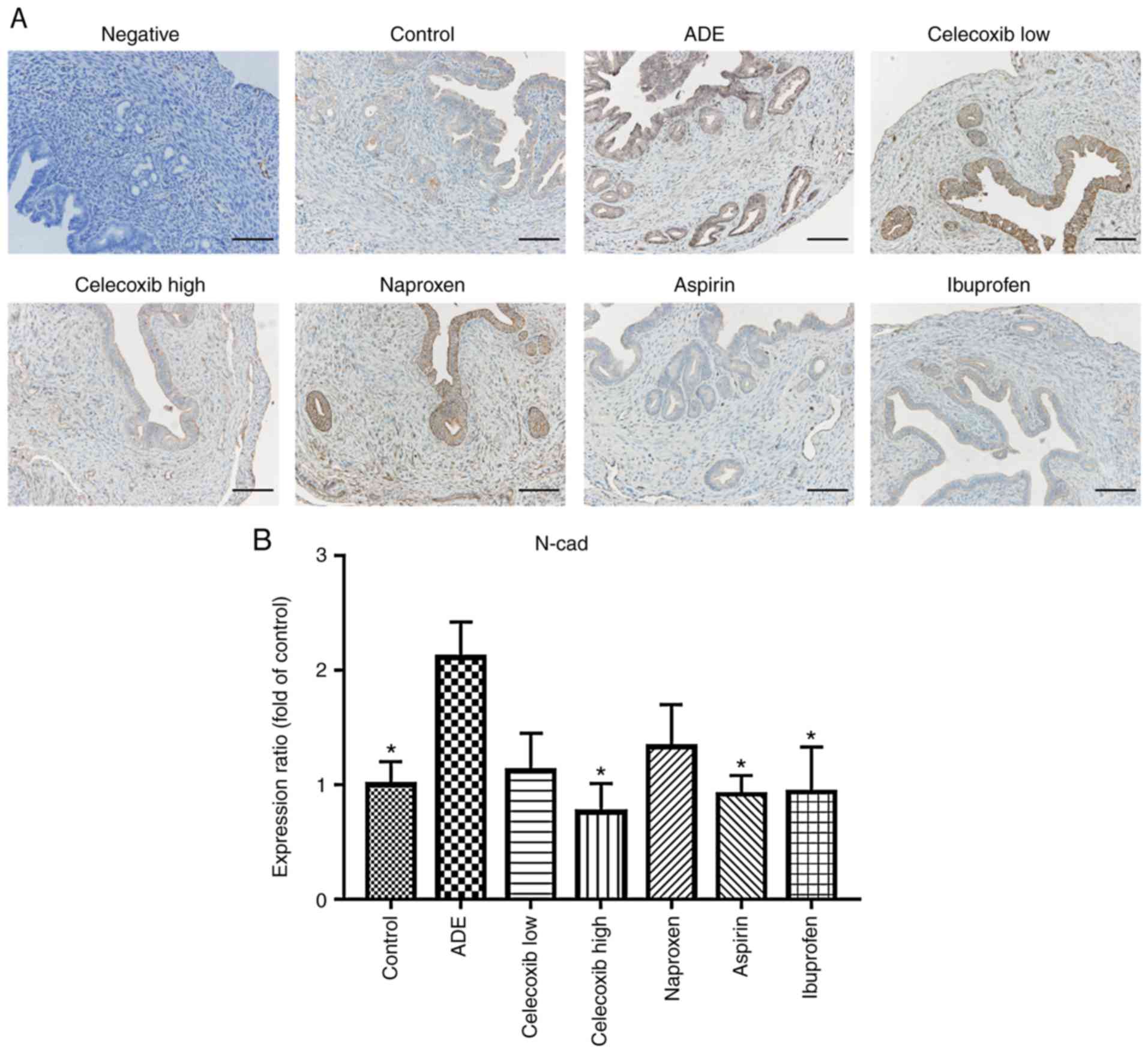
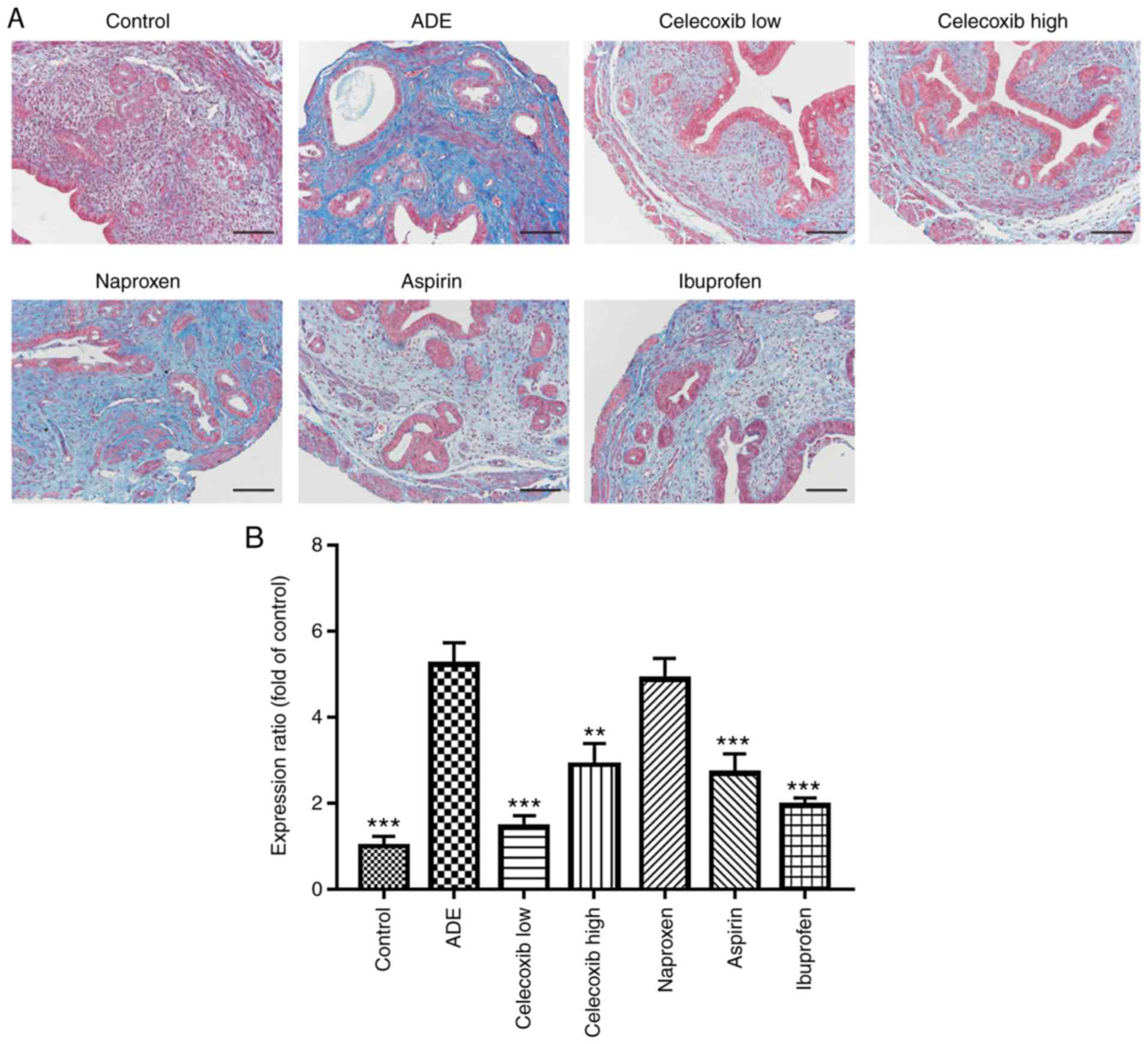
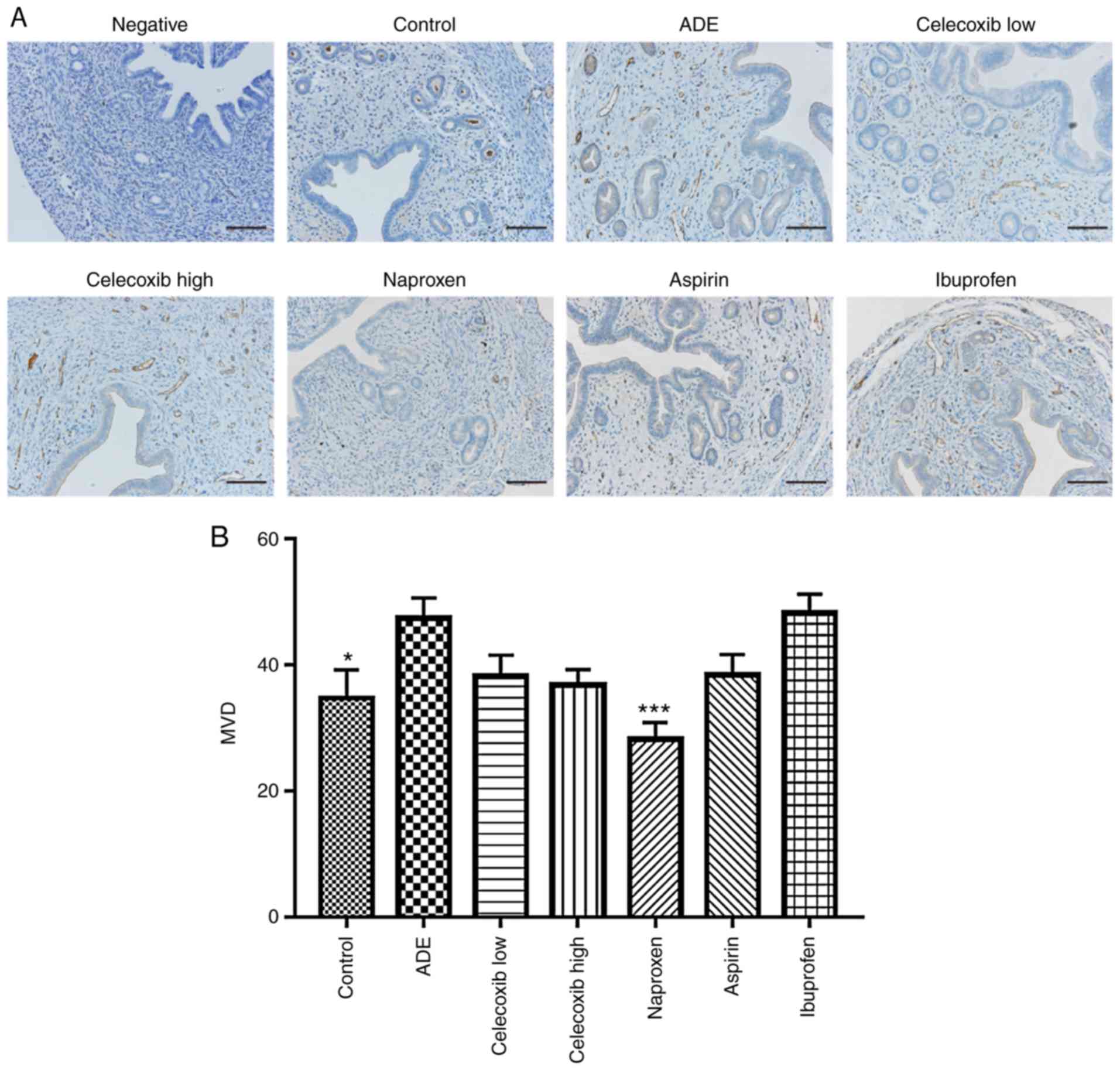
The aim of the present study was to evaluate the effects of the selective cyclooxygenase (COX)‑2 inhibitor celecoxib on the development of uterine adenomyosis in mice. ICR neonatal mice were first exposed to tamoxifen to establish a mouse model of adenomyosis. Following 60 days of celecoxib treatment, pathological formation of adenomyosis lesions and the depth of myometrial infiltration were evaluated using hematoxylin and eosin staining. To examine thermal pain modulation in mice, a hotplate test was conducted every 15 days from postnatal day 30 onwards. Immunohistochemistry was performed to assess the expression of aromatase P450, N‑cadherin, E‑cadherin, COX‑2 and cluster of differentiation 31, whereas the levels of estrogen were analyzed in uterine tissue homogenates using ELISA. Masson trichrome staining was performed to assess the extent of fibrosis in the uterus. Celecoxib treatment significantly inhibited the depth of infiltration into the myometrium, resulting in significantly reduced disease severity. Treatment with high doses of celecoxib significantly prolonged thermal response latency. Following celecoxib treatment, the expression of E‑cadherin was significantly increased whereas the expression of N‑cadherin was significantly decreased. Concomitantly, the extent of fibrosis was also reduced following celecoxib treatment. Uterine tissue homogenates isolated from mice treated with both high and low doses of celecoxib exhibited lower concentrations of estrogen and decreased expression of aromatase P450. These observations suggest that celecoxib reduces adenomyosis severity by suppressing estrogen production in the uterus, reversing epithelial‑mesenchymal transition and relieving fibrosis. Taken together, the results of the present study support the potential use of celecoxib, a selective COX‑2 inhibitor, for the treatment of adenomyosis.
View Figures

Figure 1

Figure 2

Figure 3

Figure 4

Figure 5

Figure 6

Figure 7

Figure 8

View References

1 

García-Solares J, Donnez J, Donnez O and Dolmans MM: Pathogenesis of uterine adenomyosis: Invagination or metaplasia? Fertil Steril. 109:371–379. 2018.PubMed/NCBI View Article : Google Scholar

2 

Bazot M and Daraï E: Role of transvaginal sonography and magnetic resonance imaging in the diagnosis of uterine adenomyosis. Fertil Steril. 109:389–397. 2018.PubMed/NCBI View Article : Google Scholar

3 

Leyendecker G, Wildt L and Mall G: The pathophysiology of endometriosis and adenomyosis: Tissue injury and repair. Arch Gynecol Obstet. 280:529–538. 2009.PubMed/NCBI View Article : Google Scholar

4 

Pontis A, D'Alterio MN, Pirarba S, de Angelis C, Tinelli R and Angioni S: Adenomyosis: A systematic review of medical treatment. Gynecol Endocrinol. 32:696–700. 2016.PubMed/NCBI View Article : Google Scholar

5 

Spitz IM: Clinical utility of progesterone receptor modulators and their effect on the endometrium. Curr Opin Obstet Gynecol. 21:318–24. 2009.PubMed/NCBI View Article : Google Scholar

6 

Badawy AM, Elnashar AM and Mosbah AA: Aromatase inhibitors or gonadotropin-releasing hormone agonists for the management of uterine adenomyosis: A randomized controlled trial. Acta Obstet Gynecol Scand. 91:489–495. 2012.PubMed/NCBI View Article : Google Scholar

7 

Fawzy M and Mesbah Y: Comparison of dienogest versus triptorelin acetate in premenopausal women with adenomyosis: A prospective clinical trial. Arch Gynecol Obstet. 292:1267–1271. 2015.PubMed/NCBI View Article : Google Scholar

8 

Vigano P, Corti L and Berlanda N: Beyond infertility: Obstetrical and postpartum complications associated with endometriosis and adenomyosis. Fertil Steril. 104:802–812. 2015.PubMed/NCBI View Article : Google Scholar

9 

Huang TS, Chen YJ, Chou TY, Chen CY, Li HY, Huang BS, Tsai HW, Lan HY, Chang CH, Twu NF, et al: Oestrogen-induced angiogenesis promotes adenomyosis by activating the Slug-VEGF axis in endometrial epithelial cells. J Cell Mol Med. 18:1358–1371. 2014.PubMed/NCBI View Article : Google Scholar

10 

Marjoribanks J, Ayeleke RO, Farquhar C and Proctor M: Nonsteroidal anti-inflammatory drugs for dysmenorrhoea. Cochrane Database Syst Rev: CD001751, 2015.

11 

Lethaby A, Duckitt K and Farquhar C: Non-steroidal anti-inflammatory drugs for heavy menstrual bleeding. Cochrane Database Syst Rev: CD000400, 2013.

12 

Navone SE, Guarnaccia L, Cordiglieri C, Crisà FM, Caroli M, Locatelli M, Schisano L, Rampini P, Miozzo M, La Verde N, et al: Aspirin affects tumor angiogenesis and sensitizes human glioblastoma endothelial cells to temozolomide, bevacizumab, and sunitinib, impairing vascular endothelial growth factor-related signaling. World Neurosurg. 120:e380–e391. 2018.PubMed/NCBI View Article : Google Scholar

13 

Zhang L, Li S, Li L, Chen Z and Yang Y: COX2 inhibition in the endothelium induces glucose metabolism normalization and impairs tumor progression. Mol Med Rep. 17:2937–2944. 2018.PubMed/NCBI View Article : Google Scholar

14 

Hu W, Pei H, Sun F, Li P, Nie J, Li B, Hei TK and Zhou G: Epithelial-mesenchymal transition in non-targeted lung tissues of Kunming mice exposed to X-rays is suppressed by celecoxib. J Radiat Res. 59:583–587. 2018.PubMed/NCBI View Article : Google Scholar

15 

Gungor H, Ilhan N and Eroksuz H: The effectiveness of cyclooxygenase-2 inhibitors and evaluation of angiogenesis in the model of experimental colorectal cancer. Biomed Pharmacother. 102:221–229. 2018.PubMed/NCBI View Article : Google Scholar

16 

Sauer CM, Myran DT, Costentin CE, Zwisler G, Safder T, Papatheodorou S and Mucci LA: Effect of long term aspirin use on the incidence of prostate cancer: A systematic review and meta-analysis. Crit Rev Oncol Hematol. 132:66–75. 2018.PubMed/NCBI View Article : Google Scholar

17 

Gao F, Zafar MI, Jüttner S, Höcker M and Wiedenmann B: Expression and molecular regulation of the Cox2 gene in gastroenteropancreatic neuroendocrine tumors and antiproliferation of nonsteroidal anti-inflammatory drugs (NSAIDs). Med Sci Monit. 24:8125–8140. 2018.PubMed/NCBI View Article : Google Scholar

18 

Li J, Hao Q, Cao W, Vadgama JV and Wu Y: Celecoxib in breast cancer prevention and therapy. Cancer Manag Res. 10:4653–4667. 2018.PubMed/NCBI View Article : Google Scholar

19 

Guo CG and Leung WK: Potential strategies in the prevention of nonsteroidal anti-inflammatory drugs-associated adverse effects in the lower gastrointestinal tract. Gut Liver 2019 (Epub ahead of print).

20 

Monteiro B and Steagall PV: Antiinflammatory drugs. Vet Clin North Am Small Anim Pract. 49:993–1011. 2019.PubMed/NCBI View Article : Google Scholar

21 

Melcarne L, García-Iglesias P and Calvet X: Management of NSAID-associated peptic ulcer disease. Expert Rev Gastroenterol Hepatol. 10:723–733. 2016.PubMed/NCBI View Article : Google Scholar

22 

Granstrom DE: Agricultural (nonbiomedical) animal research outside the laboratory: A review of guidelines for institutional animal care and use committees. ILAR J. 44:206–210. 2003.PubMed/NCBI View Article : Google Scholar

23 

Shen M, Liu X, Zhang H and Guo SW: Transforming growth factor β1 signaling coincides with epithelial-mesenchymal transition and fibroblast-to-myofibroblast transdifferentiation in the development of adenomyosis in mice. Hum Reprod. 31:355–369. 2016.PubMed/NCBI View Article : Google Scholar

24 

Zhu B, Chen Y, Zhang H, Liu X and Guo SW: Resveratrol reduces myometrial infiltration, uterine hyperactivity, and stress levels and alleviates generalized hyperalgesia in mice with induced adenomyosis. Reprod Sci. 22:1336–1349. 2015.PubMed/NCBI View Article : Google Scholar

25 

Jin Z, Wang L and Zhu Z: Effect of GuiXiong Xiaoyi Wan in treatment of endometriosis on rats. Evid Based Complement Alternat Med. 2015(208514)2015.PubMed/NCBI View Article : Google Scholar

26 

Ding D, Liu X, Duan J and Guo SW: Platelets are an unindicted culprit in the development of endometriosis: Clinical and experimental evidence. Hum Reprod. 30:812–832. 2015.PubMed/NCBI View Article : Google Scholar

27 

Bird CC, McElin TW and Manalo-Estrella P: The elusive adenomyosis of the uterus-revisited. Am J Obstet Gynecol. 112:583–593. 1972.PubMed/NCBI View Article : Google Scholar

28 

Plone MA, Emerich DF and Lindner MD: Individual differences in the hotplate test and effects of habituation on sensitivity to morphine. Pain. 66:265–270. 1996.PubMed/NCBI View Article : Google Scholar

29 

Bjarnason I, Scarpignato C, Holmgren E, Olszewski M, Rainsford KD and Lanas A: Mechanisms of damage to the gastrointestinal tract from nonsteroidal anti-inflammatory drugs. Gastroenterology. 154:500–514. 2018.PubMed/NCBI View Article : Google Scholar

30 

Parente L and Perretti M: Advances in the pathophysiology of constitutive and inducible cyclooxygenases: Two enzymes in the spotlight. Biochem Pharmacol. 65:153–159. 2003.PubMed/NCBI View Article : Google Scholar

31 

Ota H, Igarashi S, Sasaki M and Tanaka T: Distribution of cyclooxygenase-2 in eutopic and ectopic endometrium in endometriosis and adenomyosis. Hum Reprod. 16:561–566. 2001.PubMed/NCBI View Article : Google Scholar

32 

Wang Y, Qu Y and Song W: Genetic variation in COX-2-1195 and the risk of endometriosis and adenomyosis. Clin Exp Obstet Gynecol. 42:168–172. 2015.PubMed/NCBI

33 

Maia HJ Jr, Haddad C, Pinheiro N and Casoy J: The effect of oral contraceptives on aromatase and Cox-2 expression in the endometrium of patients with idiopathic menorrhagia or adenomyosis. Int J Womens Health. 5:293–299. 2013.PubMed/NCBI View Article : Google Scholar

34 

Manna PR, Molehin D and Ahmed AU: Dysregulation of aromatase in breast, endometrial, and ovarian cancers: An overview of therapeutic strategies. Prog Mol Biol Transl Sci. 144:487–537. 2016.PubMed/NCBI View Article : Google Scholar

35 

Chen YJ, Li HY, Huang CH, Twu NF, Yen MS, Wang PH, Chou TY, Liu YN, Chao KC and Yang MH: Oestrogen-induced epithelial-mesenchymal transition of endometrial epithelial cells contributes to the development of adenomyosis. J Pathol. 222:261–270. 2010.PubMed/NCBI View Article : Google Scholar

36 

Khan KN, Kitajima M, Hiraki K, Fujishita A, Nakashima M and Masuzaki H: Involvement of hepatocyte growth factor-induced epithelial-mesenchymal transition in human adenomyosis. Biol Reprod. 92(35)2015.PubMed/NCBI View Article : Google Scholar

37 

Bilyk O, Coatham M, Jewer M and Postovit LM: Epithelial-to-mesenchymal transition in the female reproductive tract: From normal functioning to disease pathology. Front Oncol. 7(145)2017.PubMed/NCBI View Article : Google Scholar

38 

Tsui KH, Lee WL, Chen CY, Sheu BC, Yen MS, Chang TC and Wang PH: Medical treatment for adenomyosis and/or adenomyoma. Taiwan J Obstet Gynecol. 53:459–465. 2014.PubMed/NCBI View Article : Google Scholar

39 

Chamoun-Emanuelli AM, Bryan LK, Cohen ND, Tetrault TL, Szule JA, Barhoumi R and Whitfield-Cargile CM: NSAIDs disrupt intestinal homeostasis by suppressing macroautophagy in intestinal epithelial cells. Sci Rep. 9(14534)2019.PubMed/NCBI View Article : Google Scholar

40 

Lands LC and Stanojevic S: Oral non-steroidal anti-inflammatory drug therapy for lung disease in cystic fibrosis. Cochrane Database Syst Rev. 9(CD001505)2019.PubMed/NCBI View Article : Google Scholar

41 

Vallée A, Lecarpentier Y and Vallée JN: Targeting the canonical WNT/β-catenin pathway in cancer treatment using non-steroidal anti-inflammatory drugs. Cells. 8(E726)2019.PubMed/NCBI View Article : Google Scholar

42 

Rižner TL: The important roles of steroid sulfatase and sulfotransferases in gynecological diseases. Front Pharmacol. 7(30)2016.PubMed/NCBI View Article : Google Scholar

43 

Urabe M, Yamamoto T, Kitawaki J, Honjo H and Okada H: Estrogen biosynthesis in human uterine adenomyosis. Acta Endocrinol (Copenh). 121:259–264. 1989.PubMed/NCBI View Article : Google Scholar

44 

Benagiano G and Brosens I: The endometrium in adenomyosis. Womens Health (Lond). 8:301–312. 2012.PubMed/NCBI View Article : Google Scholar

45 

Kitawaki J, Noguchi T, Amatsu T, Maeda K, Tsukamoto K, Yamamoto T, Fushiki S, Osawa Y and Honjo H: Expression of aromatase cytochrome P450 protein and messenger ribonucleic acid in human endometriotic and adenomyotic tissues but not in normal endometrium. Biol Reprod. 57:514–519. 1997.PubMed/NCBI View Article : Google Scholar

46 

Kitawaki J, Koshiba H, Ishihara H, Kusuki I, Tsukamoto K and Honjo H: Progesterone induction of 17beta-hydroxysteroid dehydrogenase type 2 during the secretory phase occurs in the endometrium of estrogen-dependent benign diseases but not in normal endometrium. J Clin Endocrinol Metab. 85:3292–3296. 2000.PubMed/NCBI View Article : Google Scholar

47 

Pastushenko I and Blanpain C: EMT transition states during tumor progression and metastasis. Trends Cell Biol. 29:212–226. 2019.PubMed/NCBI View Article : Google Scholar

48 

Liu X, Shen M, Qi Q, Zhang H and Guo SW: Corroborating evidence for platelet-induced epithelial-mesenchymal transition and fibroblast-to-myofibroblast transdifferentiation in the development of adenomyosis. Hum Reprod. 31:734–749. 2016.PubMed/NCBI View Article : Google Scholar

49 

Manta L, Suciu N, Toader O, Purcărea RM, Constantin A and Popa F: The etiopathogenesis of uterine fibromatosis. J Med Life. 9:39–45. 2016.PubMed/NCBI

50 

Thiery JP, Acloque H, Huang RY and Nieto MA: Epithelial-mesenchymal transitions in development and disease. Cell. 139:871–890. 2009.PubMed/NCBI View Article : Google Scholar

51 

Hinz B: Formation and function of the myofibroblast during tissue repair. J Invest Dermatol. 127:526–537. 2007.PubMed/NCBI View Article : Google Scholar

52 

Thannickal VJ, Zhou Y, Gaggar A and Duncan SR: Fibrosis: Ultimate and proximate causes. J Clin Invest. 124:4673–4677. 2014.PubMed/NCBI View Article : Google Scholar

53 

Tai Y, Zhang LH, Gao JH, Zhao C, Tong H, Ye C, Huang ZY, Liu R and Tang CW: Suppressing growth and invasion of human hepatocellular carcinoma cells by celecoxib through inhibition of cyclooxygenase-2. Cancer Manag Res. 11:2831–2848. 2019.PubMed/NCBI View Article : Google Scholar

54 

Saxena P, Sharma PK and Purohit P: A journey of celecoxib from pain to cancer. Prostaglandins Other Lipid Mediat. 147(106379)2019.PubMed/NCBI View Article : Google Scholar : (Epub ahead of print).

Related Articles

  • Abstract
  • View
  • Download
  • Twitter
Copy and paste a formatted citation
Spandidos Publications style
Jin Z, Wu X, Liu H and Xu C: Celecoxib, a selective COX‑2 inhibitor, markedly reduced the severity of tamoxifen‑induced adenomyosis in a murine model. Exp Ther Med 19: 3289-3299, 2020.
APA
Jin, Z., Wu, X., Liu, H., & Xu, C. (2020). Celecoxib, a selective COX‑2 inhibitor, markedly reduced the severity of tamoxifen‑induced adenomyosis in a murine model. Experimental and Therapeutic Medicine, 19, 3289-3299. https://doi.org/10.3892/etm.2020.8580
MLA
Jin, Z., Wu, X., Liu, H., Xu, C."Celecoxib, a selective COX‑2 inhibitor, markedly reduced the severity of tamoxifen‑induced adenomyosis in a murine model". Experimental and Therapeutic Medicine 19.5 (2020): 3289-3299.
Chicago
Jin, Z., Wu, X., Liu, H., Xu, C."Celecoxib, a selective COX‑2 inhibitor, markedly reduced the severity of tamoxifen‑induced adenomyosis in a murine model". Experimental and Therapeutic Medicine 19, no. 5 (2020): 3289-3299. https://doi.org/10.3892/etm.2020.8580
Copy and paste a formatted citation
x
Spandidos Publications style
Jin Z, Wu X, Liu H and Xu C: Celecoxib, a selective COX‑2 inhibitor, markedly reduced the severity of tamoxifen‑induced adenomyosis in a murine model. Exp Ther Med 19: 3289-3299, 2020.
APA
Jin, Z., Wu, X., Liu, H., & Xu, C. (2020). Celecoxib, a selective COX‑2 inhibitor, markedly reduced the severity of tamoxifen‑induced adenomyosis in a murine model. Experimental and Therapeutic Medicine, 19, 3289-3299. https://doi.org/10.3892/etm.2020.8580
MLA
Jin, Z., Wu, X., Liu, H., Xu, C."Celecoxib, a selective COX‑2 inhibitor, markedly reduced the severity of tamoxifen‑induced adenomyosis in a murine model". Experimental and Therapeutic Medicine 19.5 (2020): 3289-3299.
Chicago
Jin, Z., Wu, X., Liu, H., Xu, C."Celecoxib, a selective COX‑2 inhibitor, markedly reduced the severity of tamoxifen‑induced adenomyosis in a murine model". Experimental and Therapeutic Medicine 19, no. 5 (2020): 3289-3299. https://doi.org/10.3892/etm.2020.8580
Follow us
  • Twitter
  • LinkedIn
  • Facebook
About
  • Spandidos Publications
  • Careers
  • Cookie Policy
  • Privacy Policy
How can we help?
  • Help
  • Live Chat
  • Contact
  • Email to our Support Team