Spandidos Publications Logo
  • About
    • About Spandidos
    • Aims and Scopes
    • Abstracting and Indexing
    • Editorial Policies
    • Reprints and Permissions
    • Job Opportunities
    • Terms and Conditions
    • Contact
  • Journals
    • All Journals
    • Oncology Letters
      • Oncology Letters
      • Information for Authors
      • Editorial Policies
      • Editorial Board
      • Aims and Scope
      • Abstracting and Indexing
      • Bibliographic Information
      • Archive
    • International Journal of Oncology
      • International Journal of Oncology
      • Information for Authors
      • Editorial Policies
      • Editorial Board
      • Aims and Scope
      • Abstracting and Indexing
      • Bibliographic Information
      • Archive
    • Molecular and Clinical Oncology
      • Molecular and Clinical Oncology
      • Information for Authors
      • Editorial Policies
      • Editorial Board
      • Aims and Scope
      • Abstracting and Indexing
      • Bibliographic Information
      • Archive
    • Experimental and Therapeutic Medicine
      • Experimental and Therapeutic Medicine
      • Information for Authors
      • Editorial Policies
      • Editorial Board
      • Aims and Scope
      • Abstracting and Indexing
      • Bibliographic Information
      • Archive
    • International Journal of Molecular Medicine
      • International Journal of Molecular Medicine
      • Information for Authors
      • Editorial Policies
      • Editorial Board
      • Aims and Scope
      • Abstracting and Indexing
      • Bibliographic Information
      • Archive
    • Biomedical Reports
      • Biomedical Reports
      • Information for Authors
      • Editorial Policies
      • Editorial Board
      • Aims and Scope
      • Abstracting and Indexing
      • Bibliographic Information
      • Archive
    • Oncology Reports
      • Oncology Reports
      • Information for Authors
      • Editorial Policies
      • Editorial Board
      • Aims and Scope
      • Abstracting and Indexing
      • Bibliographic Information
      • Archive
    • Molecular Medicine Reports
      • Molecular Medicine Reports
      • Information for Authors
      • Editorial Policies
      • Editorial Board
      • Aims and Scope
      • Abstracting and Indexing
      • Bibliographic Information
      • Archive
    • World Academy of Sciences Journal
      • World Academy of Sciences Journal
      • Information for Authors
      • Editorial Policies
      • Editorial Board
      • Aims and Scope
      • Abstracting and Indexing
      • Bibliographic Information
      • Archive
    • International Journal of Functional Nutrition
      • International Journal of Functional Nutrition
      • Information for Authors
      • Editorial Policies
      • Editorial Board
      • Aims and Scope
      • Abstracting and Indexing
      • Bibliographic Information
      • Archive
    • International Journal of Epigenetics
      • International Journal of Epigenetics
      • Information for Authors
      • Editorial Policies
      • Editorial Board
      • Aims and Scope
      • Abstracting and Indexing
      • Bibliographic Information
      • Archive
    • Medicine International
      • Medicine International
      • Information for Authors
      • Editorial Policies
      • Editorial Board
      • Aims and Scope
      • Abstracting and Indexing
      • Bibliographic Information
      • Archive
  • Articles
  • Information
    • Information for Authors
    • Information for Reviewers
    • Information for Librarians
    • Information for Advertisers
    • Conferences
  • Language Editing
Spandidos Publications Logo
  • About
    • About Spandidos
    • Aims and Scopes
    • Abstracting and Indexing
    • Editorial Policies
    • Reprints and Permissions
    • Job Opportunities
    • Terms and Conditions
    • Contact
  • Journals
    • All Journals
    • Biomedical Reports
      • Information for Authors
      • Editorial Policies
      • Editorial Board
      • Aims and Scope
      • Abstracting and Indexing
      • Bibliographic Information
      • Archive
    • Experimental and Therapeutic Medicine
      • Information for Authors
      • Editorial Policies
      • Editorial Board
      • Aims and Scope
      • Abstracting and Indexing
      • Bibliographic Information
      • Archive
    • International Journal of Epigenetics
      • Information for Authors
      • Editorial Policies
      • Editorial Board
      • Aims and Scope
      • Abstracting and Indexing
      • Bibliographic Information
      • Archive
    • International Journal of Functional Nutrition
      • Information for Authors
      • Editorial Policies
      • Editorial Board
      • Aims and Scope
      • Abstracting and Indexing
      • Bibliographic Information
      • Archive
    • International Journal of Molecular Medicine
      • Information for Authors
      • Editorial Policies
      • Editorial Board
      • Aims and Scope
      • Abstracting and Indexing
      • Bibliographic Information
      • Archive
    • International Journal of Oncology
      • Information for Authors
      • Editorial Policies
      • Editorial Board
      • Aims and Scope
      • Abstracting and Indexing
      • Bibliographic Information
      • Archive
    • Medicine International
      • Information for Authors
      • Editorial Policies
      • Editorial Board
      • Aims and Scope
      • Abstracting and Indexing
      • Bibliographic Information
      • Archive
    • Molecular and Clinical Oncology
      • Information for Authors
      • Editorial Policies
      • Editorial Board
      • Aims and Scope
      • Abstracting and Indexing
      • Bibliographic Information
      • Archive
    • Molecular Medicine Reports
      • Information for Authors
      • Editorial Policies
      • Editorial Board
      • Aims and Scope
      • Abstracting and Indexing
      • Bibliographic Information
      • Archive
    • Oncology Letters
      • Information for Authors
      • Editorial Policies
      • Editorial Board
      • Aims and Scope
      • Abstracting and Indexing
      • Bibliographic Information
      • Archive
    • Oncology Reports
      • Information for Authors
      • Editorial Policies
      • Editorial Board
      • Aims and Scope
      • Abstracting and Indexing
      • Bibliographic Information
      • Archive
    • World Academy of Sciences Journal
      • Information for Authors
      • Editorial Policies
      • Editorial Board
      • Aims and Scope
      • Abstracting and Indexing
      • Bibliographic Information
      • Archive
  • Articles
  • Information
    • For Authors
    • For Reviewers
    • For Librarians
    • For Advertisers
    • Conferences
  • Language Editing
Login Register Submit
  • This site uses cookies
  • You can change your cookie settings at any time by following the instructions in our Cookie Policy. To find out more, you may read our Privacy Policy.

    I agree
Search articles by DOI, keyword, author or affiliation
Search
Advanced Search
presentation
Experimental and Therapeutic Medicine
Join Editorial Board Propose a Special Issue
Print ISSN: 1792-0981 Online ISSN: 1792-1015
Journal Cover
December-2020 Volume 20 Issue 6

Full Size Image

Sign up for eToc alerts
Recommend to Library

Journals

International Journal of Molecular Medicine

International Journal of Molecular Medicine

International Journal of Molecular Medicine is an international journal devoted to molecular mechanisms of human disease.

International Journal of Oncology

International Journal of Oncology

International Journal of Oncology is an international journal devoted to oncology research and cancer treatment.

Molecular Medicine Reports

Molecular Medicine Reports

Covers molecular medicine topics such as pharmacology, pathology, genetics, neuroscience, infectious diseases, molecular cardiology, and molecular surgery.

Oncology Reports

Oncology Reports

Oncology Reports is an international journal devoted to fundamental and applied research in Oncology.

Experimental and Therapeutic Medicine

Experimental and Therapeutic Medicine

Experimental and Therapeutic Medicine is an international journal devoted to laboratory and clinical medicine.

Oncology Letters

Oncology Letters

Oncology Letters is an international journal devoted to Experimental and Clinical Oncology.

Biomedical Reports

Biomedical Reports

Explores a wide range of biological and medical fields, including pharmacology, genetics, microbiology, neuroscience, and molecular cardiology.

Molecular and Clinical Oncology

Molecular and Clinical Oncology

International journal addressing all aspects of oncology research, from tumorigenesis and oncogenes to chemotherapy and metastasis.

World Academy of Sciences Journal

World Academy of Sciences Journal

Multidisciplinary open-access journal spanning biochemistry, genetics, neuroscience, environmental health, and synthetic biology.

International Journal of Functional Nutrition

International Journal of Functional Nutrition

Open-access journal combining biochemistry, pharmacology, immunology, and genetics to advance health through functional nutrition.

International Journal of Epigenetics

International Journal of Epigenetics

Publishes open-access research on using epigenetics to advance understanding and treatment of human disease.

Medicine International

Medicine International

An International Open Access Journal Devoted to General Medicine.

Journal Cover
December-2020 Volume 20 Issue 6

Full Size Image

Sign up for eToc alerts
Recommend to Library

  • Article
  • Citations
    • Cite This Article
    • Download Citation
    • Create Citation Alert
    • Remove Citation Alert
    • Cited By
  • Similar Articles
    • Related Articles (in Spandidos Publications)
    • Similar Articles (Google Scholar)
    • Similar Articles (PubMed)
  • Download PDF
  • Download XML
  • View XML

  • Supplementary Files
    • Supplementary_Data.pdf
Article Open Access

SIRT1 promotes pulmonary artery endothelial cell proliferation by targeting the Akt signaling pathway

  • Authors:
    • Liandong Xi
    • Lin Ruan
    • Xiaoguang Yao
    • Dong Zhang
    • Hongwei Yuan
    • Qiang Li
    • Cuihuan Yan
  • View Affiliations / Copyright

    Affiliations: Department of Cardiovascular, Beijing Miyun Hospital Affiliated Capital Medical University, Beijing 101500, P.R. China, Department of Nephrology, The First Hospital of Hebei Medical University, Shijiazhuang, Hebei 050051, P.R. China, Hebei Key Laboratory of Integrative Medicine on Liver‑Kidney Patterns, Institute of Integrative Medicine, College of Integrative Medicine, Hebei University of Chinese Medicine, Shijiazhuang, Hebei 050200; P.R. China, The Third Cardiovascular Department, The Second Affiliated Hospital of Tianjin University of Traditional Chinese Medicine, Tianjin 300193, P.R. China
    Copyright: © Xi et al. This is an open access article distributed under the terms of Creative Commons Attribution License.
  • Article Number: 179
    |
    Published online on: October 12, 2020
       https://doi.org/10.3892/etm.2020.9309
  • Expand metrics +
Metrics: Total Views: 0 (Spandidos Publications: | PMC Statistics: )
Metrics: Total PDF Downloads: 0 (Spandidos Publications: | PMC Statistics: )
Cited By (CrossRef): 0 citations Loading Articles...

This article is mentioned in:


Abstract

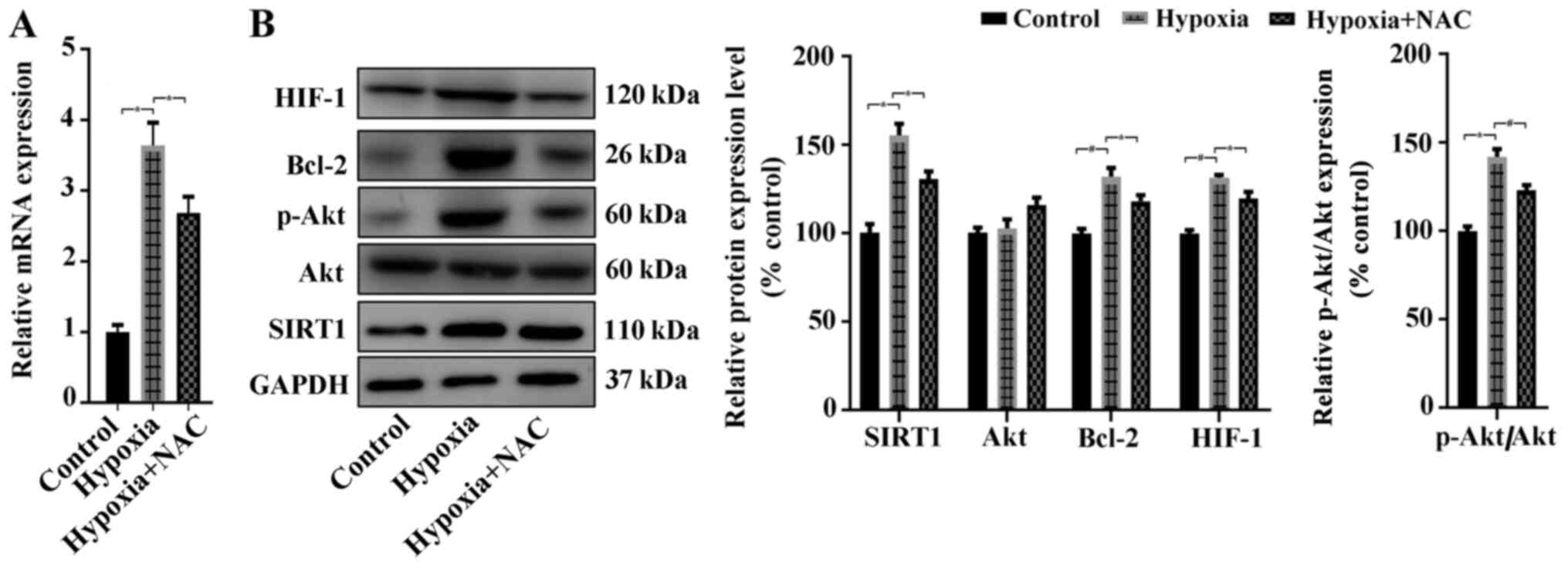
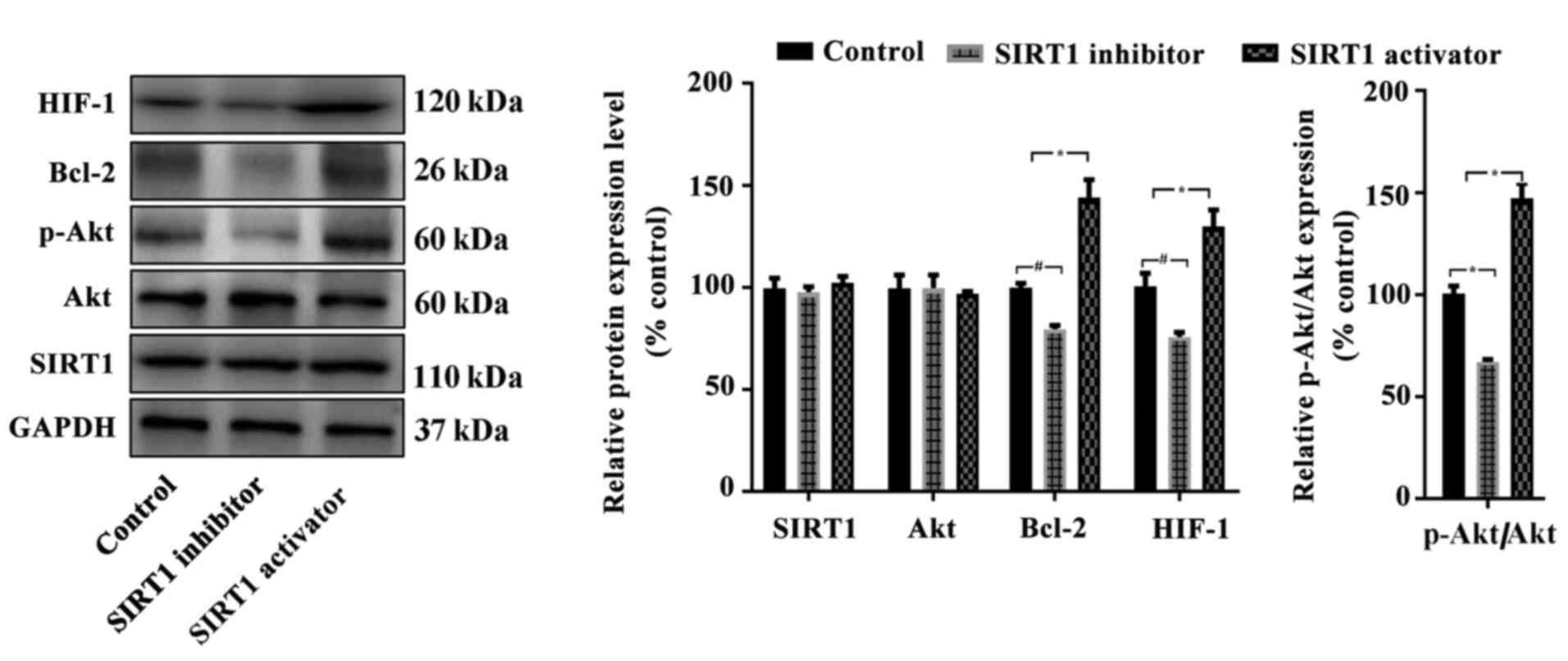
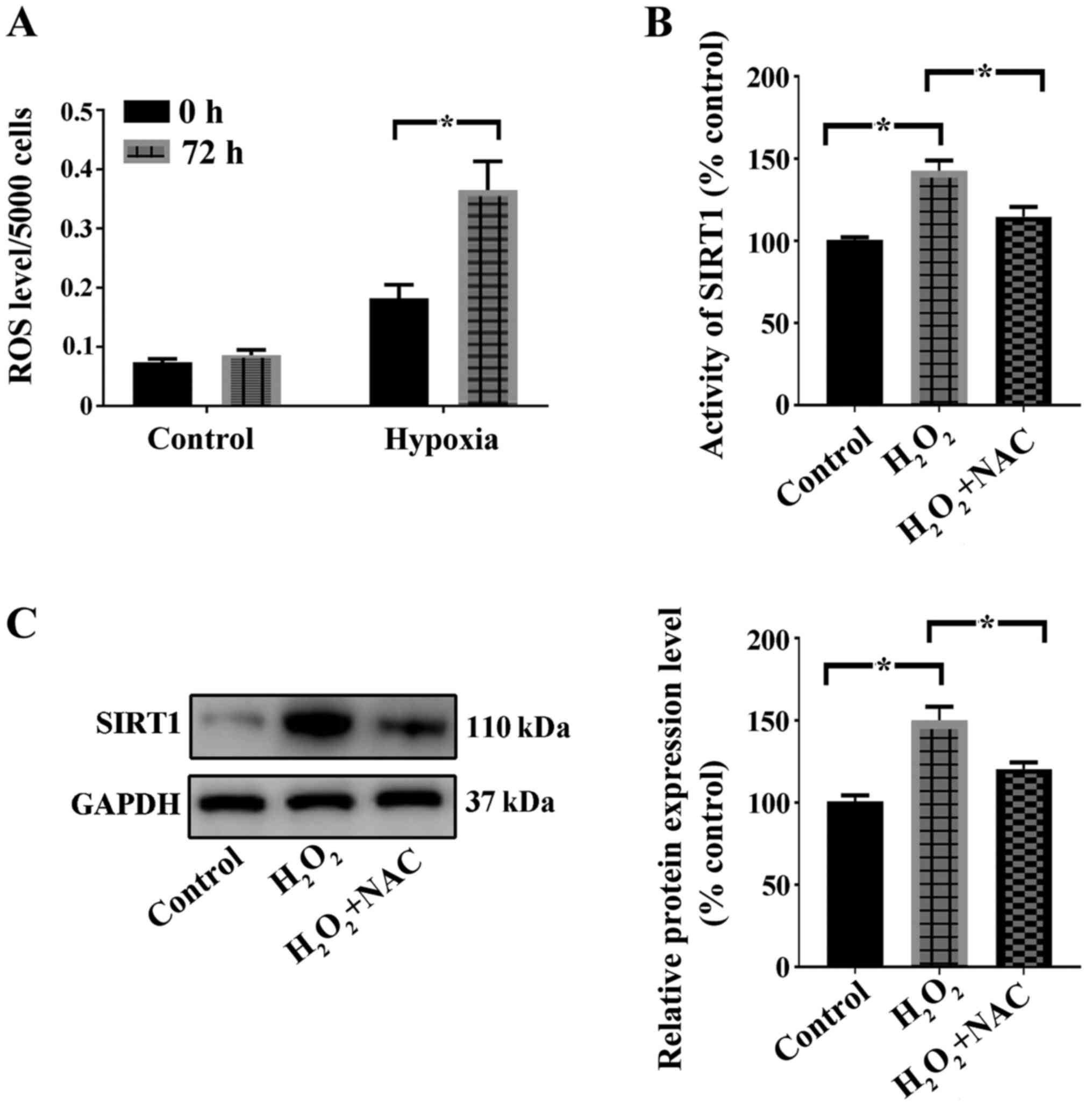
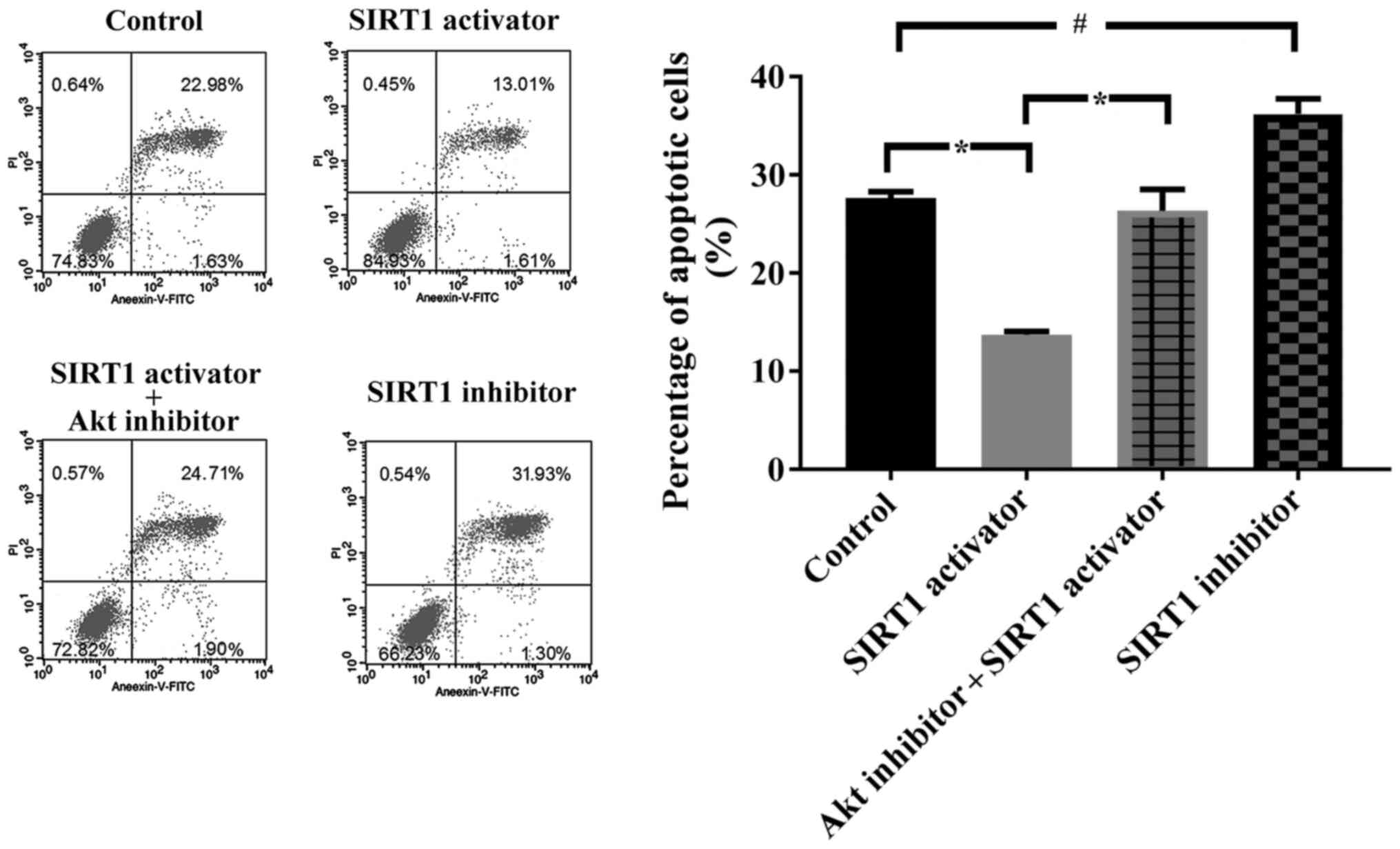
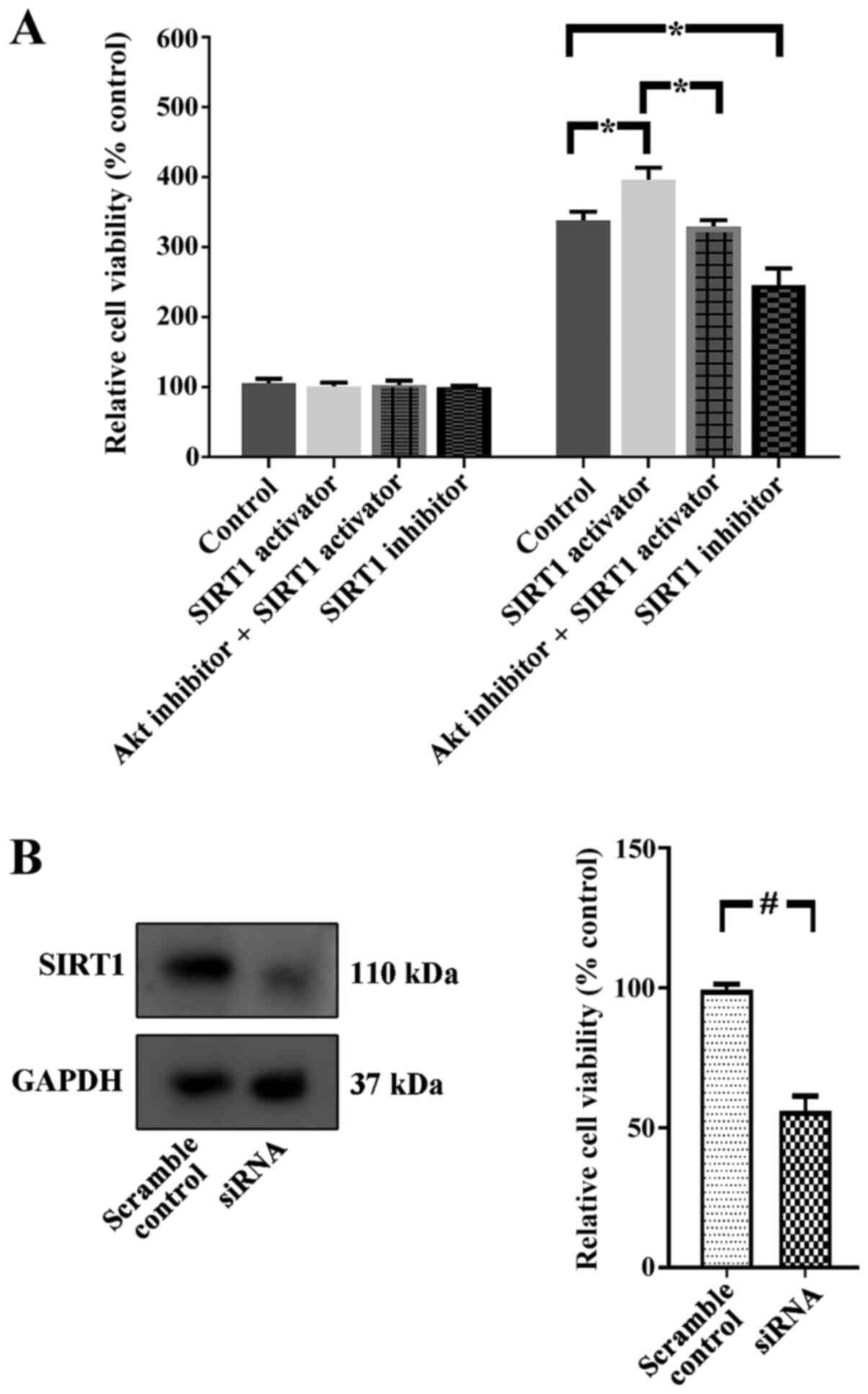
Pulmonary arterial hypertension (PAH) is a disease characterized by a progressive increase in pulmonary vascular resistance and obliterative pulmonary vascular remodeling; however, the pathogenesis of the disease is not completely understood. Sirtuin 1 (SIRT1) is a histone deacetylase involved in cell survival and metabolism. The present study explored the potential role of SIRT1 in human pulmonary arterial endothelial cells (HPAECs) under hypoxic conditions. In vitro HPAECs were cultured and exposed to hypoxic conditions. Subsequently, SIRT1 expression levels were measured via western blotting, the generation of reactive oxygen species (ROS) was evaluated, and the interaction between SIRT1 and Akt was assessed via reverse transcription‑quantitative PCR and western blotting. In addition, the effects of SIRT1 on cell proliferation and apoptosis were also investigated. The results indicated that hypoxia induced SIRT1 expression in pulmonary arterial endothelial cells, which may be associated with ROS generation. SIRT1 expression activated the Akt signaling pathway, which increased the expression levels of Bcl‑2 and hypoxia‑inducible factor‑1 in HPAECs. Moreover, SIRT1 promoted HPAEC proliferation and inhibited HPAEC apoptosis. ROS generation enhanced the SIRT1/Akt axis, which was essential for epithelial cell injury under hypoxic conditions. Therefore, blocking SIRT1 may reduce hypoxia‑induced pathological damage in HPAECs.
View Figures

Figure 1

Figure 2

Figure 3

Figure 4

Figure 5

View References

1 

Montani D, Günther S, Dorfmüller P, Perros F, Girerd B, Garcia G, Jaïs X, Savale L, Artaud-Macari E, Price LC, et al: Pulmonary arterial hypertension. Orphanet J Rare Dis. 8(97)2013.PubMed/NCBI View Article : Google Scholar

2 

Tuder RM, Marecki JC, Richter A, Fijalkowska I and Flores S: Pathology of pulmonary hypertension. Clin Chest Med. 28:23–42, vii. 2007.PubMed/NCBI View Article : Google Scholar

3 

Budhiraja R, Tuder RM and Hassoun PM: Endothelial dysfunction in pulmonary hypertension. Circulation. 109:159–165. 2004.PubMed/NCBI View Article : Google Scholar

4 

Upton PD, Davies RJ, Tajsic T and Morrell NW: Transforming growth factor-β(1) represses bone morphogenetic protein-mediated Smad signaling in pulmonary artery smooth muscle cells via Smad3. Am J Respir Cell Mol Biol. 49:1135–1145. 2013.PubMed/NCBI View Article : Google Scholar

5 

Rol N, Kurakula KB, Happé C, Bogaard HJ and Goumans MJ: TGF-β and BMPR2 signaling in PAH: Two black sheep in one family. Int J Mol Sci. 19(2585)2018.PubMed/NCBI View Article : Google Scholar

6 

Wong WK, Knowles JA and Morse JH: Bone morphogenetic protein receptor type II C-terminus interacts with c-Src: Implication for a role in pulmonary arterial hypertension. Am J Respir Cell Mol Biol. 33:438–446. 2005.PubMed/NCBI View Article : Google Scholar

7 

Liu D and Morrell NW: Genetics and the molecular pathogenesis of pulmonary arterial hypertension. Curr Hypertens Rep. 15:632–637. 2013.PubMed/NCBI View Article : Google Scholar

8 

Tuder RM: Pulmonary vascular remodeling in pulmonary hypertension. Cell Tissue Res. 367:643–649. 2017.PubMed/NCBI View Article : Google Scholar

9 

Stenmark KR, Fagan KA and Frid MG: Hypoxia-induced pulmonary vascular remodeling: Cellular and molecular mechanisms. Circ Res. 99:675–691. 2006.PubMed/NCBI View Article : Google Scholar

10 

Wong CM, Bansal G, Pavlickova L, Marcocci L and Suzuki YJ: Reactive oxygen species and antioxidants in pulmonary hypertension. Antioxid Redox Signal. 18:1789–1796. 2013.PubMed/NCBI View Article : Google Scholar

11 

Salminen A, Kaarniranta K and Kauppinen A: Crosstalk between oxidative stress and SIRT1: Impact on the aging process. Int J Mol Sci. 14:3834–3859. 2013.PubMed/NCBI View Article : Google Scholar

12 

Ruan L, Wang L, Wang X, He M and Yao X: SIRT1 contributes to neuroendocrine differentiation of prostate cancer. Oncotarget. 9:2002–2016. 2017.PubMed/NCBI View Article : Google Scholar

13 

Martinez-Redondo P and Vaquero A: The diversity of histone versus nonhistone sirtuin substrates. Genes Cancer. 4:148–163. 2013.PubMed/NCBI View Article : Google Scholar

14 

Chen PI, Cao A, Miyagawa K, Tojais NF, Hennigs JK, Li CG, Sweeney NM, Inglis AS, Wang L, Li D, et al: Amphetamines promote mitochondrial dysfunction and DNA damage in pulmonary hypertension. JCI Insight. 2(e90427)2017.PubMed/NCBI View Article : Google Scholar

15 

Zurlo G, Piquereau J, Moulin M, Pires Da Silva J, Gressette M, Ranchoux B, Garnier A, Ventura-Clapier R, Fadel E, Humbert M, et al: Sirtuin 1 regulates pulmonary artery smooth muscle cell proliferation: Role in pulmonary arterial hypertension. J Hypertens. 36:1164–1177. 2018.PubMed/NCBI View Article : Google Scholar

16 

Peck B, Chen CY, Ho KK, Di Fruscia P, Myatt SS, Coombes RC, Fuchter MJ, Hsiao CD and Lam EW: SIRT inhibitors induce cell death and p53 acetylation through targeting both SIRT1 and SIRT2. Mol Cancer Ther. 9:844–855. 2010.PubMed/NCBI View Article : Google Scholar

17 

Sefton EC, Qiang W, Serna V, Kurita T, Wei JJ, Chakravarti D and Kim JJ: MK-2206, an AKT inhibitor, promotes caspase-independent cell death and inhibits leiomyoma growth. Endocrinology. 154:4046–4057. 2013.PubMed/NCBI View Article : Google Scholar

18 

Shiota M, Yokomizo A, Tada Y, Inokuchi J, Kashiwagi E, Masubuchi D, Eto M, Uchiumi T and Naito S: Castration resistance of prostate cancer cells caused by castration-induced oxidative stress through Twist1 and androgen receptor overexpression. Oncogene. 29:237–250. 2010.PubMed/NCBI View Article : Google Scholar

19 

Kang BY, Kleinhenz JM, Murphy TC and Hart CM: The PPARγ ligand rosiglitazone attenuates hypoxia-induced endothelin signaling in vitro and in vivo. Am J Physiol Lung Cell Mol Physiol. 301:L881–L891. 2011.PubMed/NCBI View Article : Google Scholar

20 

Green DE, Murphy TC, Kang BY, Kleinhenz JM, Szyndralewiez C, Page P, Sutliff RL and Hart CM: The Nox4 inhibitor GKT137831 attenuates hypoxia-induced pulmonary vascular cell proliferation. Am J Respir Cell Mol Biol. 47:718–726. 2012.PubMed/NCBI View Article : Google Scholar

21 

Livak KJ and Schmittgen TD: Analysis of relative gene expression data using real-time quantitative PCR and the 2(-Delta Delta C(T)) method. Methods. 25:402–408. 2001.PubMed/NCBI View Article : Google Scholar

22 

Bonnet S, Michelakis ED, Porter CJ, Andrade-Navarro MA, Thébaud B, Bonnet S, Haromy A, Harry G, Moudgil R, McMurtry MS, et al: An abnormal mitochondrial-hypoxia inducible factor-1alpha-Kv channel pathway disrupts oxygen sensing and triggers pulmonary arterial hypertension in fawn hooded rats: Similarities to human pulmonary arterial hypertension. Circulation. 113:2630–2641. 2006.PubMed/NCBI View Article : Google Scholar

23 

Kennedy SG, Wagner AJ, Conzen SD, Jordán J, Bellacosa A, Tsichlis PN and Hay N: The PI 3-kinase/Akt signaling pathway delivers an anti-apoptotic signal. Genes Dev. 11:701–713. 1997.PubMed/NCBI View Article : Google Scholar

24 

Kazi AA, Molitoris KH and Koos RD: Estrogen rapidly activates the PI3K/AKT pathway and hypoxia-inducible factor 1 and induces vascular endothelial growth factor A expression in luminal epithelial cells of the rat uterus. Biol Reprod. 81:378–387. 2009.PubMed/NCBI View Article : Google Scholar

25 

Phaniendra A, Jestadi DB and Periyasamy L: Free radicals: Properties, sources, targets, and their implication in various diseases. Indian J Clin Biochem. 30:11–26. 2015.PubMed/NCBI View Article : Google Scholar

26 

Demarco VG, Whaley-Connell AT, Sowers JR, Habibi J and Dellsperger KC: Contribution of oxidative stress to pulmonary arterial hypertension. World J Cardiol. 2:316–324. 2010.PubMed/NCBI View Article : Google Scholar

27 

Migliaccio E, Giorgio M and Pelicci PG: Apoptosis and aging: Role of p66Shc redox protein. Antioxid Redox Signal. 8:600–608. 2006.PubMed/NCBI View Article : Google Scholar

28 

Zangar RC, Davydov DR and Verma S: Mechanisms that regulate production of reactive oxygen species by cytochrome P450. Toxicol Appl Pharmacol. 199:316–331. 2004.PubMed/NCBI View Article : Google Scholar

29 

Circu ML, Moyer MP, Harrison L and Aw TY: Contribution of glutathione status to oxidant-induced mitochondrial DNA damage in colonic epithelial cells. Free Radic Biol Med. 47:1190–1198. 2009.PubMed/NCBI View Article : Google Scholar

30 

Rachek LI, Yuzefovych LV, Ledoux SP, Julie NL and Wilson GL: Troglitazone, but not rosiglitazone, damages mitochondrial DNA and induces mitochondrial dysfunction and cell death in human hepatocytes. Toxicol Appl Pharmacol. 240:348–354. 2009.PubMed/NCBI View Article : Google Scholar

31 

Wedgwood S and Black SM: Role of reactive oxygen species in vascular remodeling associated with pulmonary hypertension. Antioxid Redox Signal. 5:759–769. 2003.PubMed/NCBI View Article : Google Scholar

32 

Kemp M, Go YM and Jones DP: Nonequilibrium thermodynamics of thiol/disulfide redox systems: A perspective on redox systems biology. Free Radic Biol Med. 44:921–937. 2008.PubMed/NCBI View Article : Google Scholar

33 

Go YM and Jones DP: Redox compartmentalization in eukaryotic cells. Biochim Biophys Acta. 1780:1273–1290. 2008.PubMed/NCBI View Article : Google Scholar

34 

Ekshyyan O and Aw TY: Decreased susceptibility of differentiated PC12 cells to oxidative challenge: Relationship to cellular redox and expression of apoptotic protease activator factor-1. Cell Death Differ. 12:1066–1077. 2005.PubMed/NCBI View Article : Google Scholar

35 

Hasegawa K, Wakino S, Yoshioka K, Tatematsu S, Hara Y, Minakuchi H, Washida N, Tokuyama H, Hayashi K and Itoh H: Sirt1 protects against oxidative stress-induced renal tubular cell apoptosis by the bidirectional regulation of catalase expression. Biochem Biophys Res Commun. 372:51–56. 2008.PubMed/NCBI View Article : Google Scholar

36 

Sancho-Martinez SM, Prieto-Garcia L, Prieto M, Fuentes-Calvo I, López-Novoa JM, Morales AI, Martínez-Salgado C and López-Hernández FJ: N-acetylcysteine transforms necrosis into apoptosis and affords tailored protection from cisplatin cytotoxicity. Toxicol Appl Pharmacol. 349:83–93. 2018.PubMed/NCBI View Article : Google Scholar

37 

Roberts RL, Aroda VR and Ank BJ: N-acetylcysteine enhances antibody-dependent cellular cytotoxicity in neutrophils and mononuclear cells from healthy adults and human immunodeficiency virus-infected patients. J Infect Dis. 172:1492–1502. 1995.PubMed/NCBI View Article : Google Scholar

38 

Tanno M, Sakamoto J, Miura T, Shimamoto K and Horio Y: Nucleocytoplasmic shuttling of the NAD+-dependent histone deacetylase SIRT1. J Biol Chem. 282:6823–6832. 2007.PubMed/NCBI View Article : Google Scholar

39 

Yamamoto H, Schoonjans K and Auwerx J: Sirtuin functions in health and disease. Mol Endocrinol. 21:1745–1755. 2007.PubMed/NCBI View Article : Google Scholar

40 

Jin X, Wei Y, Xu F, Zhao M, Dai K, Shen R, Yang S and Zhang N: SIRT1 promotes formation of breast cancer through modulating Akt activity. J Cancer. 9:2012–2023. 2018.PubMed/NCBI View Article : Google Scholar

41 

Pillai VB, Sundaresan NR and Gupta MP: Regulation of Akt signaling by sirtuins: Its implication in cardiac hypertrophy and aging. Circ Res. 114:368–378. 2014.PubMed/NCBI View Article : Google Scholar

42 

Sundaresan NR, Pillai VB, Wolfgeher D, Samant S, Vasudevan P, Parekh V, Raghuraman H, Cunningham JM, Gupta M and Gupta MP: The deacetylase SIRT1 promotes membrane localization and activation of Akt and PDK1 during tumorigenesis and cardiac hypertrophy. Sci Signal. 4(ra46)2011.PubMed/NCBI View Article : Google Scholar

43 

Potente M, Ghaeni L, Baldessari D, Mostoslavsky R, Rossig L, Dequiedt F, Haendeler J, Mione M, Dejana E, Alt FW, et al: SIRT1 controls endothelial angiogenic functions during vascular growth. Genes Dev. 21:2644–2658. 2007.PubMed/NCBI View Article : Google Scholar

44 

Tong C, Morrison A, Mattison S, Qian S, Bryniarski M, Rankin B, Wang J, Thomas DP and Li J: Impaired SIRT1 nucleocytoplasmic shuttling in the senescent heart during ischemic stress. FASEB J. 27:4332–4342. 2013.PubMed/NCBI View Article : Google Scholar

45 

Shiraishi I, Melendez J, Ahn Y, Skavdahl M, Murphy E, Welch S, Schaefer E, Walsh K, Rosenzweig A, Torella D, et al: Nuclear targeting of Akt enhances kinase activity and survival of cardiomyocytes. Circ Res. 94:884–891. 2004.PubMed/NCBI View Article : Google Scholar

46 

Saxton RA and Sabatini DM: mTOR signaling in growth, metabolism, and disease. Cell. 169:361–371. 2017.PubMed/NCBI View Article : Google Scholar

47 

Paddenberg R, Stieger P, von Lilien AL, Faulhammer P, Goldenberg A, Tillmanns HH, Kummer W and Braun-Dullaeus RC: Rapamycin attenuates hypoxia-induced pulmonary vascular remodeling and right ventricular hypertrophy in mice. Respir Res. 8(15)2007.PubMed/NCBI View Article : Google Scholar

48 

Huang S, Zhu X, Huang W, He Y, Pang L, Lan X, Shui X, Chen Y, Chen C and Lei W: Quercetin inhibits pulmonary arterial endothelial cell transdifferentiation possibly by Akt and Erk1/2 pathways. Biomed Res Int. 2017(6147294)2017.PubMed/NCBI View Article : Google Scholar

49 

Huang X, Wu P, Huang F, Xu M, Chen M, Huang K, Li GP, Xu M, Yao D and Wang L: Baicalin attenuates chronic hypoxia-induced pulmonary hypertension via adenosine A2A receptor-induced SDF-1/CXCR4/PI3K/AKT signaling. J Biomed Sci. 24(52)2017.PubMed/NCBI View Article : Google Scholar

50 

Semenza GL: Life with oxygen. Science. 318:62–64. 2007.PubMed/NCBI View Article : Google Scholar

51 

Burke DL, Frid MG, Kunrath CL, Karoor V, Anwar A, Wagner BD, Strassheim D and Stenmark KR: Sustained hypoxia promotes the development of a pulmonary artery-specific chronic inflammatory microenvironment. Am J Physiol Lung Cell Mol Physiol. 297:L238–L250. 2009.PubMed/NCBI View Article : Google Scholar

52 

Vitali SH, Hansmann G, Rose C, Fernandez-Gonzalez A, Scheid A, Mitsialis SA and Kourembanas S: The Sugen 5416/hypoxia mouse model of pulmonary hypertension revisited: Long-term follow-up. Pulm Circ. 4:619–629. 2014.PubMed/NCBI View Article : Google Scholar

53 

Huang J, Tian R, Yang Y, Jiang R, Dai J, Tang L and Zhang L: The SIRT1 inhibitor EX-527 suppresses mTOR activation and alleviates acute lung injury in mice with endotoxiemia. Innate Immun. 23:678–686. 2017.PubMed/NCBI View Article : Google Scholar

54 

Süssmuth SD, Haider S, Landwehrmeyer GB, Farmer R, Frost C, Tripepi G, Andersen CA, Di Bacco M, Lamanna C, Diodato E, et al: An exploratory double-blind, randomized clinical trial with selisistat, a SirT1 inhibitor, in patients with Huntington's disease. Br J Clin Pharmacol. 79:465–476. 2015.PubMed/NCBI View Article : Google Scholar

55 

Westerberg G, Chiesa JA, Andersen CA, Diamanti D, Magnoni L, Pollio G, Darpo B and Zhou M: Safety, pharmacokinetics, pharmacogenomics and QT concentration-effect modelling of the SirT1 inhibitor selisistat in healthy volunteers. Br J Clin Pharmacol. 79:477–491. 2015.PubMed/NCBI View Article : Google Scholar

Related Articles

  • Abstract
  • View
  • Download
  • Twitter
Copy and paste a formatted citation
Spandidos Publications style
Xi L, Ruan L, Yao X, Zhang D, Yuan H, Li Q and Yan C: SIRT1 promotes pulmonary artery endothelial cell proliferation by targeting the Akt signaling pathway. Exp Ther Med 20: 179, 2020.
APA
Xi, L., Ruan, L., Yao, X., Zhang, D., Yuan, H., Li, Q., & Yan, C. (2020). SIRT1 promotes pulmonary artery endothelial cell proliferation by targeting the Akt signaling pathway. Experimental and Therapeutic Medicine, 20, 179. https://doi.org/10.3892/etm.2020.9309
MLA
Xi, L., Ruan, L., Yao, X., Zhang, D., Yuan, H., Li, Q., Yan, C."SIRT1 promotes pulmonary artery endothelial cell proliferation by targeting the Akt signaling pathway". Experimental and Therapeutic Medicine 20.6 (2020): 179.
Chicago
Xi, L., Ruan, L., Yao, X., Zhang, D., Yuan, H., Li, Q., Yan, C."SIRT1 promotes pulmonary artery endothelial cell proliferation by targeting the Akt signaling pathway". Experimental and Therapeutic Medicine 20, no. 6 (2020): 179. https://doi.org/10.3892/etm.2020.9309
Copy and paste a formatted citation
x
Spandidos Publications style
Xi L, Ruan L, Yao X, Zhang D, Yuan H, Li Q and Yan C: SIRT1 promotes pulmonary artery endothelial cell proliferation by targeting the Akt signaling pathway. Exp Ther Med 20: 179, 2020.
APA
Xi, L., Ruan, L., Yao, X., Zhang, D., Yuan, H., Li, Q., & Yan, C. (2020). SIRT1 promotes pulmonary artery endothelial cell proliferation by targeting the Akt signaling pathway. Experimental and Therapeutic Medicine, 20, 179. https://doi.org/10.3892/etm.2020.9309
MLA
Xi, L., Ruan, L., Yao, X., Zhang, D., Yuan, H., Li, Q., Yan, C."SIRT1 promotes pulmonary artery endothelial cell proliferation by targeting the Akt signaling pathway". Experimental and Therapeutic Medicine 20.6 (2020): 179.
Chicago
Xi, L., Ruan, L., Yao, X., Zhang, D., Yuan, H., Li, Q., Yan, C."SIRT1 promotes pulmonary artery endothelial cell proliferation by targeting the Akt signaling pathway". Experimental and Therapeutic Medicine 20, no. 6 (2020): 179. https://doi.org/10.3892/etm.2020.9309
Follow us
  • Twitter
  • LinkedIn
  • Facebook
About
  • Spandidos Publications
  • Careers
  • Cookie Policy
  • Privacy Policy
How can we help?
  • Help
  • Live Chat
  • Contact
  • Email to our Support Team