Spandidos Publications Logo
  • About
    • About Spandidos
    • Aims and Scopes
    • Abstracting and Indexing
    • Editorial Policies
    • Reprints and Permissions
    • Job Opportunities
    • Terms and Conditions
    • Contact
  • Journals
    • All Journals
    • Oncology Letters
      • Oncology Letters
      • Information for Authors
      • Editorial Policies
      • Editorial Board
      • Aims and Scope
      • Abstracting and Indexing
      • Bibliographic Information
      • Archive
    • International Journal of Oncology
      • International Journal of Oncology
      • Information for Authors
      • Editorial Policies
      • Editorial Board
      • Aims and Scope
      • Abstracting and Indexing
      • Bibliographic Information
      • Archive
    • Molecular and Clinical Oncology
      • Molecular and Clinical Oncology
      • Information for Authors
      • Editorial Policies
      • Editorial Board
      • Aims and Scope
      • Abstracting and Indexing
      • Bibliographic Information
      • Archive
    • Experimental and Therapeutic Medicine
      • Experimental and Therapeutic Medicine
      • Information for Authors
      • Editorial Policies
      • Editorial Board
      • Aims and Scope
      • Abstracting and Indexing
      • Bibliographic Information
      • Archive
    • International Journal of Molecular Medicine
      • International Journal of Molecular Medicine
      • Information for Authors
      • Editorial Policies
      • Editorial Board
      • Aims and Scope
      • Abstracting and Indexing
      • Bibliographic Information
      • Archive
    • Biomedical Reports
      • Biomedical Reports
      • Information for Authors
      • Editorial Policies
      • Editorial Board
      • Aims and Scope
      • Abstracting and Indexing
      • Bibliographic Information
      • Archive
    • Oncology Reports
      • Oncology Reports
      • Information for Authors
      • Editorial Policies
      • Editorial Board
      • Aims and Scope
      • Abstracting and Indexing
      • Bibliographic Information
      • Archive
    • Molecular Medicine Reports
      • Molecular Medicine Reports
      • Information for Authors
      • Editorial Policies
      • Editorial Board
      • Aims and Scope
      • Abstracting and Indexing
      • Bibliographic Information
      • Archive
    • World Academy of Sciences Journal
      • World Academy of Sciences Journal
      • Information for Authors
      • Editorial Policies
      • Editorial Board
      • Aims and Scope
      • Abstracting and Indexing
      • Bibliographic Information
      • Archive
    • International Journal of Functional Nutrition
      • International Journal of Functional Nutrition
      • Information for Authors
      • Editorial Policies
      • Editorial Board
      • Aims and Scope
      • Abstracting and Indexing
      • Bibliographic Information
      • Archive
    • International Journal of Epigenetics
      • International Journal of Epigenetics
      • Information for Authors
      • Editorial Policies
      • Editorial Board
      • Aims and Scope
      • Abstracting and Indexing
      • Bibliographic Information
      • Archive
    • Medicine International
      • Medicine International
      • Information for Authors
      • Editorial Policies
      • Editorial Board
      • Aims and Scope
      • Abstracting and Indexing
      • Bibliographic Information
      • Archive
  • Articles
  • Information
    • Information for Authors
    • Information for Reviewers
    • Information for Librarians
    • Information for Advertisers
    • Conferences
  • Language Editing
Spandidos Publications Logo
  • About
    • About Spandidos
    • Aims and Scopes
    • Abstracting and Indexing
    • Editorial Policies
    • Reprints and Permissions
    • Job Opportunities
    • Terms and Conditions
    • Contact
  • Journals
    • All Journals
    • Biomedical Reports
      • Information for Authors
      • Editorial Policies
      • Editorial Board
      • Aims and Scope
      • Abstracting and Indexing
      • Bibliographic Information
      • Archive
    • Experimental and Therapeutic Medicine
      • Information for Authors
      • Editorial Policies
      • Editorial Board
      • Aims and Scope
      • Abstracting and Indexing
      • Bibliographic Information
      • Archive
    • International Journal of Epigenetics
      • Information for Authors
      • Editorial Policies
      • Editorial Board
      • Aims and Scope
      • Abstracting and Indexing
      • Bibliographic Information
      • Archive
    • International Journal of Functional Nutrition
      • Information for Authors
      • Editorial Policies
      • Editorial Board
      • Aims and Scope
      • Abstracting and Indexing
      • Bibliographic Information
      • Archive
    • International Journal of Molecular Medicine
      • Information for Authors
      • Editorial Policies
      • Editorial Board
      • Aims and Scope
      • Abstracting and Indexing
      • Bibliographic Information
      • Archive
    • International Journal of Oncology
      • Information for Authors
      • Editorial Policies
      • Editorial Board
      • Aims and Scope
      • Abstracting and Indexing
      • Bibliographic Information
      • Archive
    • Medicine International
      • Information for Authors
      • Editorial Policies
      • Editorial Board
      • Aims and Scope
      • Abstracting and Indexing
      • Bibliographic Information
      • Archive
    • Molecular and Clinical Oncology
      • Information for Authors
      • Editorial Policies
      • Editorial Board
      • Aims and Scope
      • Abstracting and Indexing
      • Bibliographic Information
      • Archive
    • Molecular Medicine Reports
      • Information for Authors
      • Editorial Policies
      • Editorial Board
      • Aims and Scope
      • Abstracting and Indexing
      • Bibliographic Information
      • Archive
    • Oncology Letters
      • Information for Authors
      • Editorial Policies
      • Editorial Board
      • Aims and Scope
      • Abstracting and Indexing
      • Bibliographic Information
      • Archive
    • Oncology Reports
      • Information for Authors
      • Editorial Policies
      • Editorial Board
      • Aims and Scope
      • Abstracting and Indexing
      • Bibliographic Information
      • Archive
    • World Academy of Sciences Journal
      • Information for Authors
      • Editorial Policies
      • Editorial Board
      • Aims and Scope
      • Abstracting and Indexing
      • Bibliographic Information
      • Archive
  • Articles
  • Information
    • For Authors
    • For Reviewers
    • For Librarians
    • For Advertisers
    • Conferences
  • Language Editing
Login Register Submit
  • This site uses cookies
  • You can change your cookie settings at any time by following the instructions in our Cookie Policy. To find out more, you may read our Privacy Policy.

    I agree
Search articles by DOI, keyword, author or affiliation
Search
Advanced Search
presentation
Experimental and Therapeutic Medicine
Join Editorial Board Propose a Special Issue
Print ISSN: 1792-0981 Online ISSN: 1792-1015
Journal Cover
February-2021 Volume 21 Issue 2

Full Size Image

Sign up for eToc alerts
Recommend to Library

Journals

International Journal of Molecular Medicine

International Journal of Molecular Medicine

International Journal of Molecular Medicine is an international journal devoted to molecular mechanisms of human disease.

International Journal of Oncology

International Journal of Oncology

International Journal of Oncology is an international journal devoted to oncology research and cancer treatment.

Molecular Medicine Reports

Molecular Medicine Reports

Covers molecular medicine topics such as pharmacology, pathology, genetics, neuroscience, infectious diseases, molecular cardiology, and molecular surgery.

Oncology Reports

Oncology Reports

Oncology Reports is an international journal devoted to fundamental and applied research in Oncology.

Experimental and Therapeutic Medicine

Experimental and Therapeutic Medicine

Experimental and Therapeutic Medicine is an international journal devoted to laboratory and clinical medicine.

Oncology Letters

Oncology Letters

Oncology Letters is an international journal devoted to Experimental and Clinical Oncology.

Biomedical Reports

Biomedical Reports

Explores a wide range of biological and medical fields, including pharmacology, genetics, microbiology, neuroscience, and molecular cardiology.

Molecular and Clinical Oncology

Molecular and Clinical Oncology

International journal addressing all aspects of oncology research, from tumorigenesis and oncogenes to chemotherapy and metastasis.

World Academy of Sciences Journal

World Academy of Sciences Journal

Multidisciplinary open-access journal spanning biochemistry, genetics, neuroscience, environmental health, and synthetic biology.

International Journal of Functional Nutrition

International Journal of Functional Nutrition

Open-access journal combining biochemistry, pharmacology, immunology, and genetics to advance health through functional nutrition.

International Journal of Epigenetics

International Journal of Epigenetics

Publishes open-access research on using epigenetics to advance understanding and treatment of human disease.

Medicine International

Medicine International

An International Open Access Journal Devoted to General Medicine.

Journal Cover
February-2021 Volume 21 Issue 2

Full Size Image

Sign up for eToc alerts
Recommend to Library

  • Article
  • Citations
    • Cite This Article
    • Download Citation
    • Create Citation Alert
    • Remove Citation Alert
    • Cited By
  • Similar Articles
    • Related Articles (in Spandidos Publications)
    • Similar Articles (Google Scholar)
    • Similar Articles (PubMed)
  • Download PDF
  • Download XML
  • View XML
Article Open Access

Dexmedetomidine at a dose of 1 µM attenuates H9c2 cardiomyocyte injury under 3 h of hypoxia exposure and 3 h of reoxygenation through the inhibition of endoplasmic reticulum stress

  • Authors:
    • Zhipeng Zhu
    • Xiaoyan Ling
    • Hongmei Zhou
    • Caijun Zhang
  • View Affiliations / Copyright

    Affiliations: Department of Anesthesiology, The Second Affiliated Hospital of Jiaxing University, Jiaxing, Zhejiang 314000, P.R. China, Outpatient Nursing Department, The Second Affiliated Hospital of Jiaxing University, Jiaxing, Zhejiang 314000, P.R. China
    Copyright: © Zhu et al. This is an open access article distributed under the terms of Creative Commons Attribution License.
  • Article Number: 132
    |
    Published online on: December 10, 2020
       https://doi.org/10.3892/etm.2020.9564
  • Expand metrics +
Metrics: Total Views: 0 (Spandidos Publications: | PMC Statistics: )
Metrics: Total PDF Downloads: 0 (Spandidos Publications: | PMC Statistics: )
Cited By (CrossRef): 0 citations Loading Articles...

This article is mentioned in:


Abstract

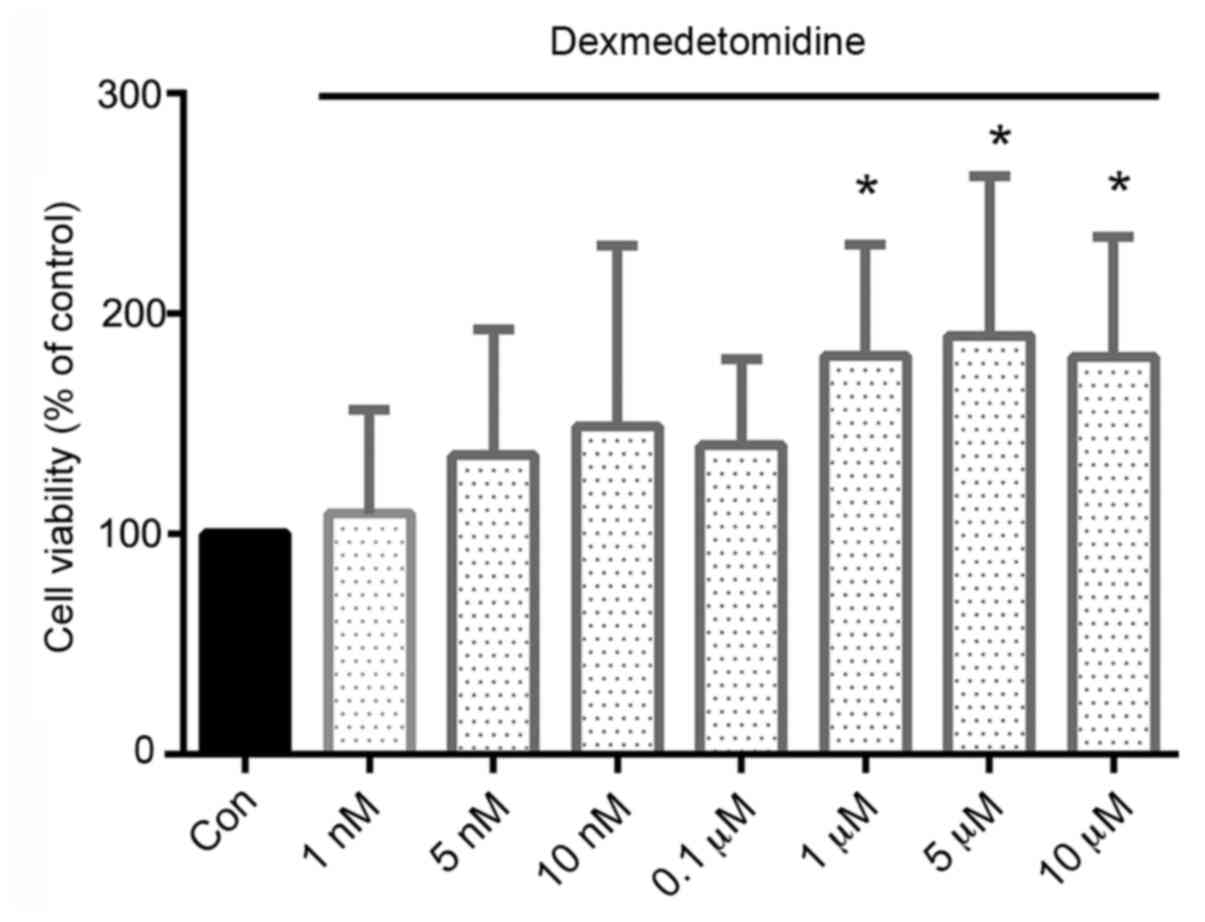
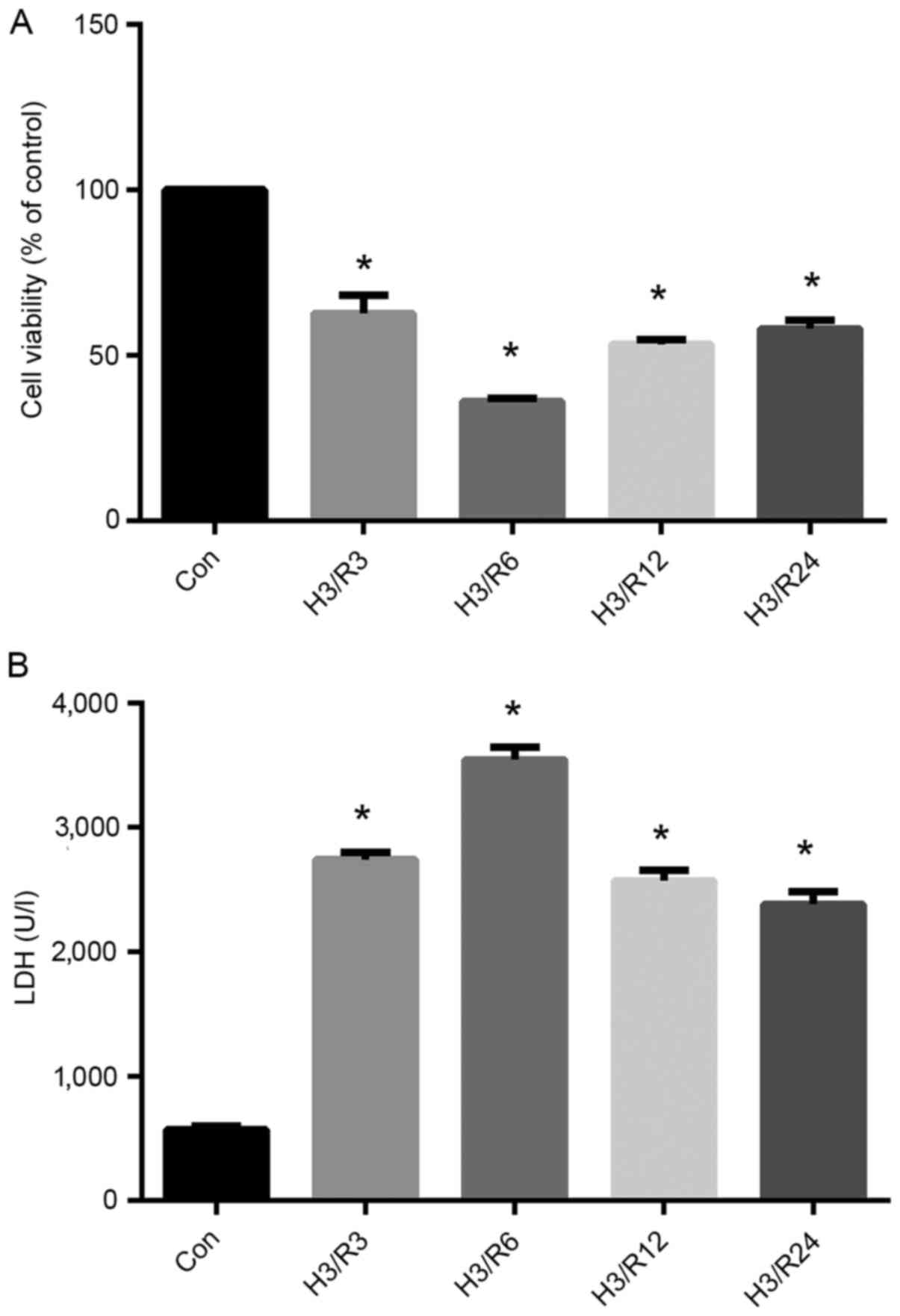
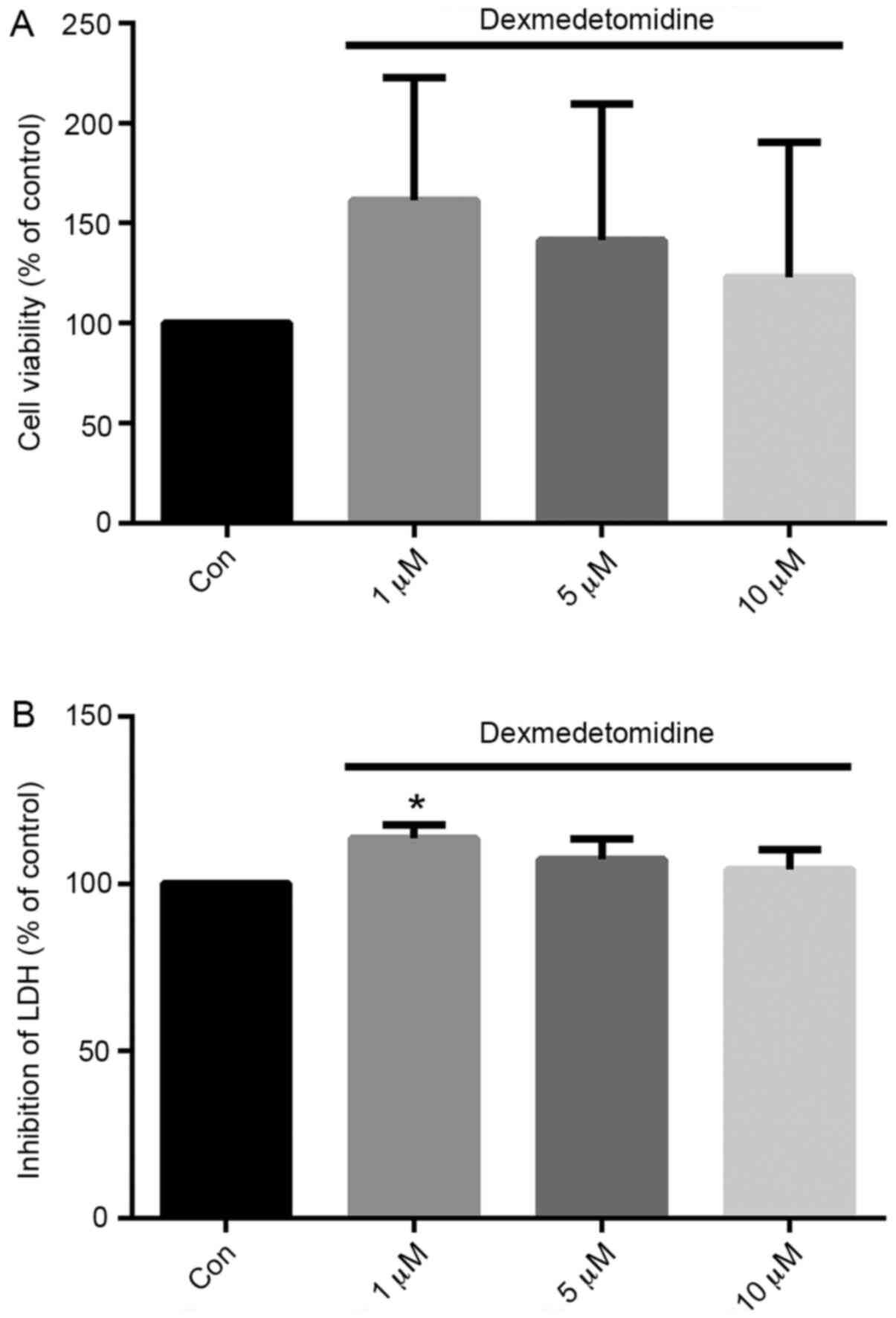
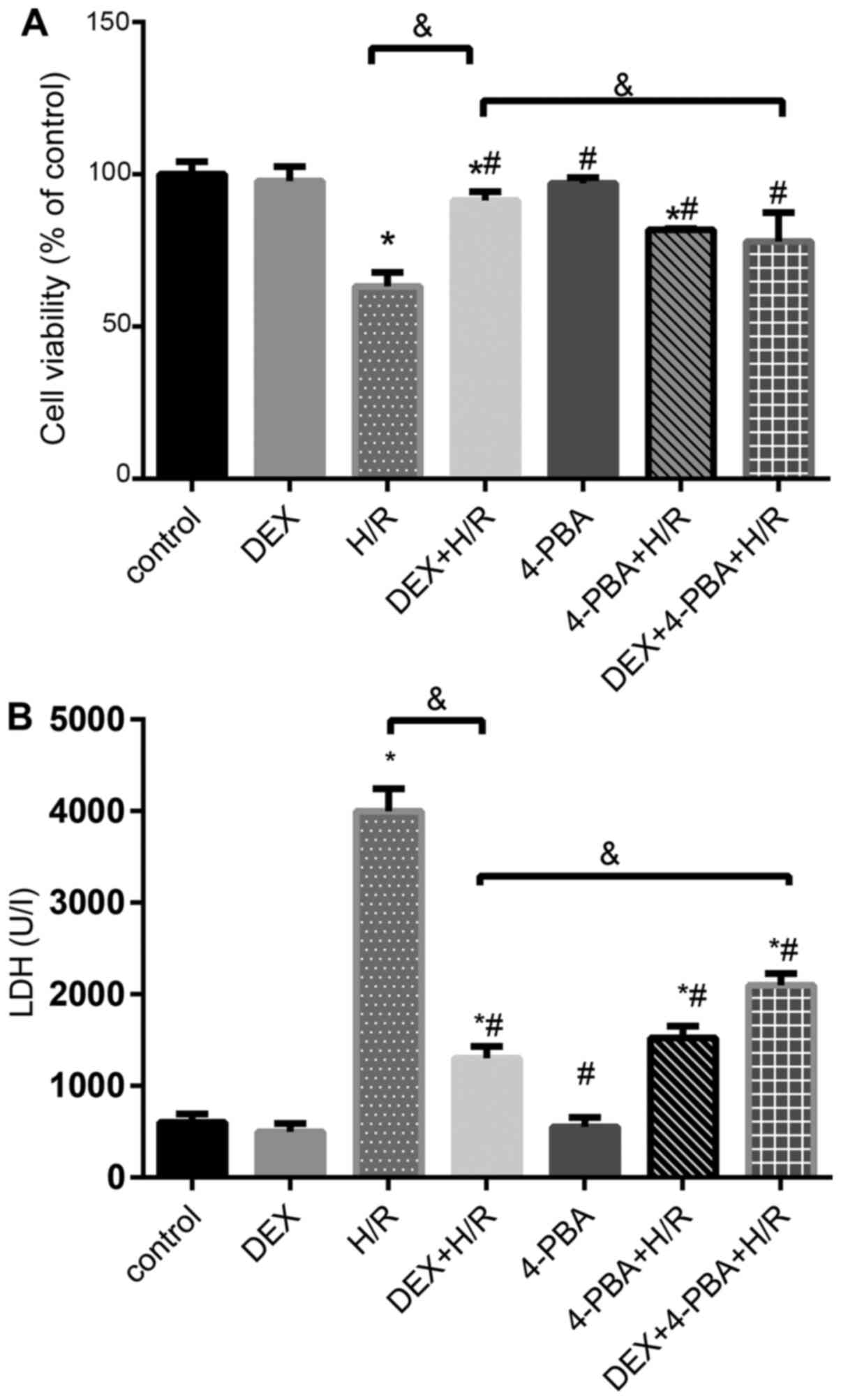
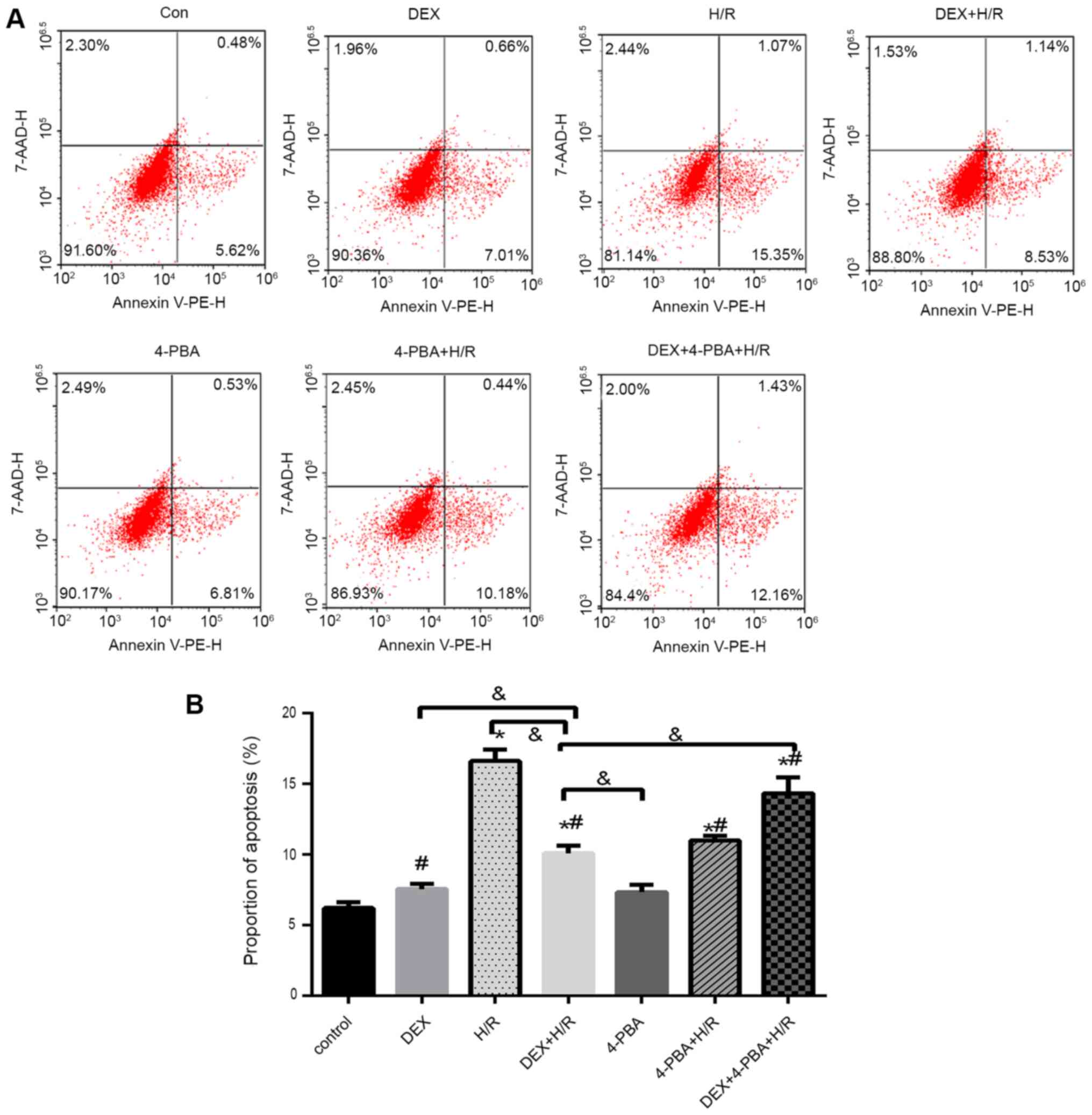
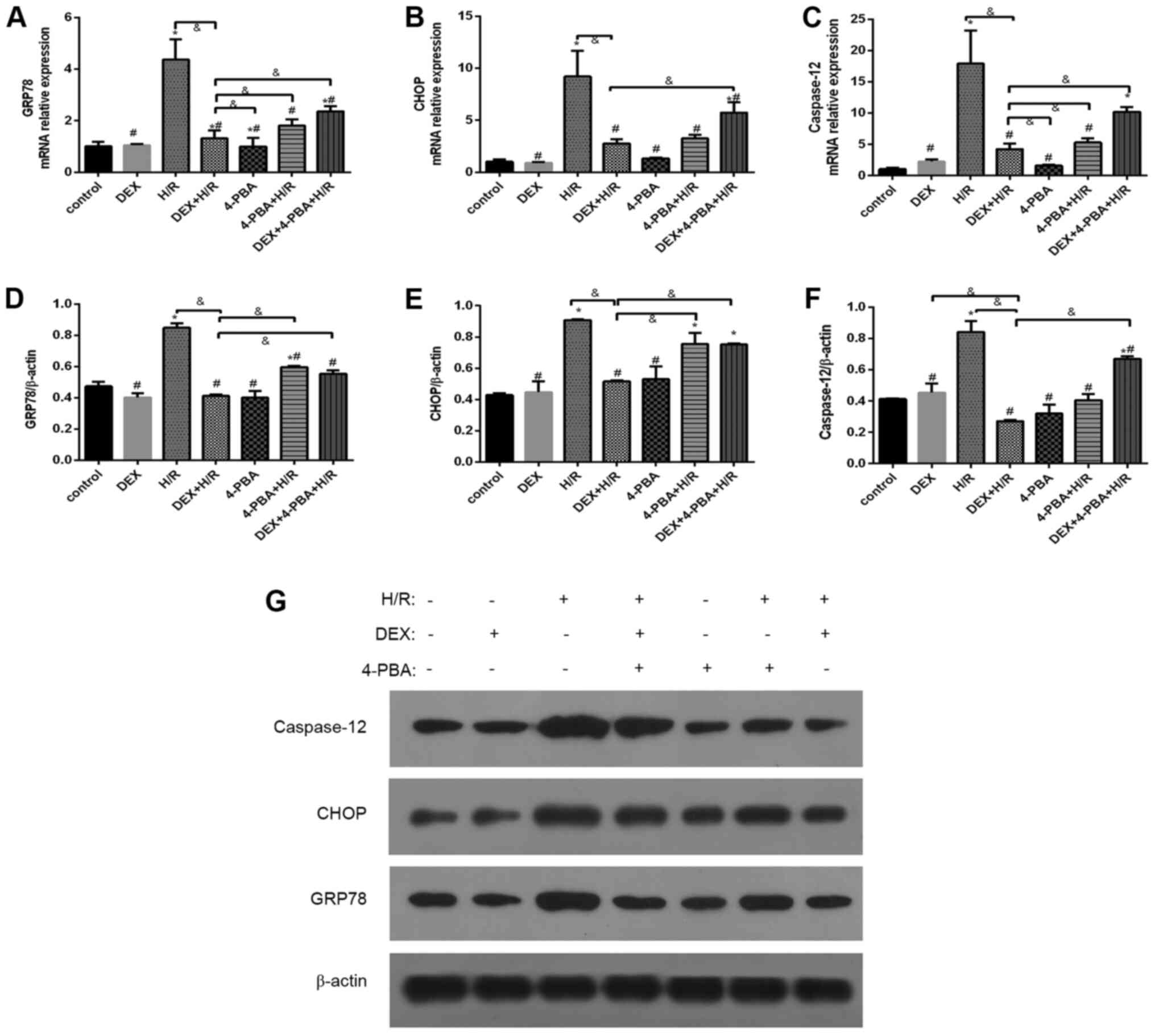
Myocardial ischemia‑reperfusion injury (MIRI) has been confirmed to induce endoplasmic reticulum stress (ERS) during downstream cascade reactions after the sufficient deterioration of cardiomyocyte function. However, clinically outcomes have been inconsistent with experimental findings because the mechanism has not been entirely elucidated. Dexmedetomidine (DEX), an α2 adrenergic receptor agonist with anti‑inflammatory and organ‑protective activity, has been shown to attenuate IRI in the heart. The present study aimed to determine whether DEX is able to protect injured cardiomyocytes under in vitro hypoxia/reoxygenation (H/R) conditions and evaluate the conditions under which ERS is efficiently ameliorated. The cytotoxicity of DEX in H9c2 cells was evaluated 24 h after treatment with several different concentrations of DEX. The most appropriate H/R model parameters were determined by the assessment of cell viability and injury with Cell Counting Kit‑8 and lactate dehydrogenase (LDH) release assays after incubation under hypoxic conditions for 3 h and reoxygenation conditions for 3, 6, 12 and 24 h. Additionally, the aforementioned methods were used to assess cardiomyocytes cultured with various concentrations of DEX under H/R conditions. Furthermore, the degree of apoptosis and the mRNA and protein expression levels of glucose‑regulated protein 78 (GRP78), C/EBP homologous protein (CHOP) and caspase‑12 were evaluated in all groups. The addition of 1, 5 and 10 µM DEX to the cell culture significantly increased the proliferation of H9c2 cells by >80% under normal culture conditions. In the H/R model assessment, following 3 h of anoxia exposure, H9c2 cell viability decreased to 62.67% with 3 h of reoxygenation and to 36% with 6 h of reoxygenation compared with the control. The viability of H9c2 cells subjected to hypoxia for 3 h and reoxygenation for 3 h increased by 61.3% when pretreated with 1 µM DEX, and the LDH concentration in the supernatant was effectively decreased by 13.7%. H/R significantly increased the percentage of apoptotic cells, as detected by flow cytometry, and increased the expression levels of GRP78, CHOP and caspase‑12, while treatment with either DEX or 4‑phenylbutyric acid (4‑PBA) significantly attenuated these effects. Additionally, despite the protective effect of DEX against H/R injury, 4‑PBA attenuated the changes induced by DEX and H/R. In conclusion, treatment with 1 µM DEX alleviated cell injury, apoptosis and the increases in GRP78, CHOP and caspase‑12 expression levels in H9c2 cells induced by 3 h of hypoxia and 3 h of reoxygenation.
View Figures

Figure 1

Figure 2

Figure 3

Figure 4

Figure 5

Figure 6

View References

1 

Bunte S, Behmenburg F, Majewski N, Stroethoff M, Raupach A, Mathes A, Heinen A, Hollmann MW and Huhn R: Characteristics of dexmedetomidine postconditioning in the field of myocardial ischemia-reperfusion injury. Anesth Analg. 130:90–98. 2020.PubMed/NCBI View Article : Google Scholar

2 

Li L, Li X, Zhang Z, Liu L, Zhou Y and Liu F: Protective mechanism and clinical application of hydrogen in myocardial ischemia-reperfusion injury. Pak J Biol Sci. 23:103–112. 2020.PubMed/NCBI View Article : Google Scholar

3 

Xi J, Li QQ, Li BQ and Li N: miR-155 inhibition represents a potential valuable regulator in mitigating myocardial hypoxia/reoxygenation injury through targeting BAG5 and MAPK/JNK signaling. Mol Med Rep. 21:1011–1020. 2020.PubMed/NCBI View Article : Google Scholar

4 

Li J, Zhou W, Chen W, Wang H, Zhang Y and Yu T: Mechanism of the hypoxia inducible factor 1/hypoxic response element pathway in rat myocardial ischemia/diazoxide post-conditioning. Mol Med Rep. 21:1527–1536. 2020.PubMed/NCBI View Article : Google Scholar

5 

Kitazume-Taneike R, Taneike M, Omiya S, Misaka T, Nishida K, Yamaguchi O, Akira S, Shattock MJ, Sakata Y and Otsu K: Ablation of Toll-like receptor 9 attenuates myocardial ischemia/reperfusion injury in mice. Biochem Biophys Res Commun. 515:442–447. 2019.PubMed/NCBI View Article : Google Scholar

6 

Li J, Zhao Y, Zhou N, Li L and Li K: Dexmedetomidine attenuates myocardial ischemia-reperfusion injury in diabetes mellitus by inhibiting endoplasmic reticulum stress. J Diabetes Res. 2019(7869318)2019.PubMed/NCBI View Article : Google Scholar

7 

Heusch G and Gersh BJ: The pathophysiology of acute myocardial infarction and strategies of protection beyond reperfusion: A continual challenge. Eur Heart J. 38:774–784. 2017.PubMed/NCBI View Article : Google Scholar

8 

Heusch G: Cardioprotection research must leave its comfort zone. Eur Heart J. 39:3393–3395. 2018.PubMed/NCBI View Article : Google Scholar

9 

Heusch G: Critical issues for the translation of cardioprotection. Circ Res. 120:1477–1486. 2017.PubMed/NCBI View Article : Google Scholar

10 

Wu H, Ye M, Yang J and Ding J: Endoplasmic reticulum stress-induced apoptosis: A possible role in myocardial ischemia-reperfusion injury. Int J Cardiol. 208:65–66. 2016.PubMed/NCBI View Article : Google Scholar

11 

Li W, Li W, Leng Y, Xiong Y and Xia Z: Ferroptosis is involved in diabetes myocardial ischemia/reperfusion injury through endoplasmic reticulum stress. DNA Cell Biol. 39:210–225. 2020.PubMed/NCBI View Article : Google Scholar

12 

Gao J, Guo Y, Liu Y, Yan J, Zhou J, An X and Su P: Protective effect of FBXL10 in myocardial ischemia reperfusion injury via inhibiting endoplasmic reticulum stress. Respir Med. 161(105852)2020.PubMed/NCBI View Article : Google Scholar

13 

Guo C, Zhang J, Zhang P, Si A, Zhang Z, Zhao L, Lv F and Zhao G: Ginkgolide B ameliorates myocardial ischemia reperfusion injury in rats via inhibiting endoplasmic reticulum stress. Drug Des Devel Ther. 13:767–774. 2019.PubMed/NCBI View Article : Google Scholar

14 

Wang X, Yuan B, Cheng B, Liu Y, Zhang B, Wang X, Lin X, Yang B and Gong G: Crocin alleviates myocardial ischemia/reperfusion-induced endoplasmic reticulum stress via regulation of miR-34a/Sirt1/Nrf2 pathway. Shock. 51:123–130. 2019.PubMed/NCBI View Article : Google Scholar

15 

Hou X, Fu M, Cheng B, Kang Y and Xie D: Galanthamine improves myocardial ischemia-reperfusion-induced cardiac dysfunction, endoplasmic reticulum stress-related apoptosis, and myocardial fibrosis by suppressing AMPK/Nrf2 pathway in rats. Ann Transl Med. 7(634)2019.PubMed/NCBI View Article : Google Scholar

16 

Zhang BF, Jiang H, Chen J, Guo X, Li Y, Hu Q and Yang S: Nobiletin ameliorates myocardial ischemia and reperfusion injury by attenuating endoplasmic reticulum stress-associated apoptosis through regulation of the PI3K/AKT signal pathway. Int Immunopharmacol. 73:98–107. 2019.PubMed/NCBI View Article : Google Scholar

17 

Gao JM, Meng XW, Zhang J, Chen WR, Xia F, Peng K and Ji FH: Dexmedetomidine protects cardiomyocytes against hypoxia/reoxygenation injury by suppressing TLR4-MyD88-NF-κB signaling. Biomed Res Int. 2017(1674613)2017.PubMed/NCBI View Article : Google Scholar

18 

Davidson SM, Ferdinandy P, Andreadou I, Bøtker HE, Heusch G, Ibáñez B, Ovize M, Schulz R, Yellon DM, Hausenloy DJ, et al: Multitarget strategies to reduce myocardial ischemia/reperfusion injury: JACC review topic of the week. J Am Coll Cardiol. 73:89–99. 2019.PubMed/NCBI View Article : Google Scholar

19 

Kong Q, Wu X, Qiu Z, Huang Q, Xia Z and Song X: Protective effect of dexmedetomidine on acute lung injury via the upregulation of tumour necrosis factor-α-induced protein-8-like 2 in septic mice. Inflammation. 43:833–846. 2020.PubMed/NCBI View Article : Google Scholar

20 

Zhang Y, Liu M, Yang Y, Cao J and Mi W: Dexmedetomidine exerts a protective effect on ischemia-reperfusion injury after hepatectomy: A prospective, randomized, controlled study. J Clin Anesth. 61(109631)2020.PubMed/NCBI View Article : Google Scholar

21 

Xiong J, Quan J, Qin C, Wang X, Dong Q and Zhang B: Dexmedetomidine exerts brain-protective effects under cardiopulmonary bypass through inhibiting the janus kinase 2/signal transducers and activators of transcription 3 pathway. J Interferon Cytokine Res. 40:116–124. 2019.PubMed/NCBI View Article : Google Scholar

22 

Gong J, Zhang R, Shen L, Xie Y and Li X: The brain protective effect of dexmedetomidine during surgery for paediatric patients with congenital heart disease. J Int Med Res. 47:1677–1684. 2019.PubMed/NCBI View Article : Google Scholar

23 

Oh JE, Jun JH, Hwang HJ, Shin EJ, Oh YJ and Choi YS: Dexmedetomidine restores autophagy and cardiac dysfunction in rats with streptozotocin-induced diabetes mellitus. Acta Diabetol. 56:105–114. 2019.PubMed/NCBI View Article : Google Scholar

24 

He L, Hao S, Wang Y, Yang W, Liu L, Chen H and Qian J: Dexmedetomidine preconditioning attenuates ischemia/reperfusion injury in isolated rat hearts with endothelial dysfunction. Biomed Pharmacother. 114(108837)2019.PubMed/NCBI View Article : Google Scholar

25 

Riquelme JA, Westermeier F, Hall AR, Vicencio JM, Pedrozo Z, Ibacache M, Fuenzalida B, Sobrevia L, Davidson SM, Yellon DM, et al: Dexmedetomidine protects the heart against ischemia-reperfusion injury by an endothelial eNOS/NO dependent mechanism. Pharmacol Res. 103:318–327. 2016.PubMed/NCBI View Article : Google Scholar

26 

Liu Y, Wang S, Wang Z, Ding M, Li X, Guo J, Han G and Zhao P: Dexmedetomidine alleviated endoplasmic reticulum stress via inducing ER-phagy in the spinal cord of neuropathic pain model. Front Neurosci. 14(90)2020.PubMed/NCBI View Article : Google Scholar

27 

Chai Y, Zhu K, Li C, Wang X, Shen J, Yong F and Jia H: Dexmedetomidine alleviates cisplatin-induced acute kidney injury by attenuating endoplasmic reticulum stress-induced apoptosis via the α2AR/PI3K/AKT pathway. Mol Med Rep. 21:1597–1605. 2020.PubMed/NCBI View Article : Google Scholar

28 

Sun D, Wang J, Liu X, Fan Y, Yang M and Zhang J: Dexmedetomidine attenuates endoplasmic reticulum stress-induced apoptosis and improves neuronal function after traumatic brain injury in mice. Brain Res. 1732(146682)2020.PubMed/NCBI View Article : Google Scholar

29 

Zhao L, Zhai M, Yang X, Guo H, Cao Y, Wang D, Li P and Liu C: Dexmedetomidine attenuates neuronal injury after spinal cord ischaemia-reperfusion injury by targeting the CNPY2-endoplasmic reticulum stress signalling. J Cell Mol Med. 23:8173–8183. 2019.PubMed/NCBI View Article : Google Scholar

30 

Liu C, Fu Q, Mu R, Wang F, Zhou C, Zhang L, Yu B, Zhang Y, Fang T and Tian F: Dexmedetomidine alleviates cerebral ischemia-reperfusion injury by inhibiting endoplasmic reticulum stress dependent apoptosis through the PERK-CHOP-Caspase-11 pathway. Brain Res. 1701:246–254. 2018.PubMed/NCBI View Article : Google Scholar

31 

Wang Z, Yang Y, Xiong W, Zhou R, Song N, Liu L and Qian J: Dexmedetomidine protects H9C2 against hypoxia/reoxygenation injury through miR-208b-3p/Med13/Wnt signaling pathway axis. Biomed Pharmacother. 125(110001)2020.PubMed/NCBI View Article : Google Scholar

32 

Yuan M, Meng XW, Ma J, Liu H, Song SY, Chen QC, Liu HY, Zhang J, Song N, Ji FH and Peng K: Dexmedetomidine protects H9c2 cardiomyocytes against oxygen-glucose deprivation/reoxygenation-induced intracellular calcium overload and apoptosis through regulating FKBP12.6/RyR2 signaling. Drug Des Devel Ther. 13:3137–3149. 2019.PubMed/NCBI View Article : Google Scholar

33 

Livak KJ and Schmittgen TD: Analysis of relative gene expression data using real-time quantitative PCR and the 2(-Delta Delta C(T)) method. Methods. 25:402–408. 2001.PubMed/NCBI View Article : Google Scholar

34 

Cung TT, Morel O, Cayla G, Rioufol G, Garcia-Dorado D, Angoulvant D, Bonnefoy-Cudraz E, Guérin P, Elbaz M, Delarche N, et al: Cyclosporine before PCI in patients with acute myocardial infarction. N Engl J Med. 373:1021–1031. 2015.PubMed/NCBI View Article : Google Scholar

35 

Rossello X and Yellon DM: Cardioprotection: The disconnect between bench and bedside. Circulation. 134:574–575. 2016.PubMed/NCBI View Article : Google Scholar

36 

Chen T and Vunjak-Novakovic G: In vitro models of ischemia-reperfusion injury. Regen Eng Transl Med. 4:142–153. 2018.PubMed/NCBI View Article : Google Scholar

37 

He X, Li S, Liu B, Susperreguy S, Formoso K, Yao J, Kang J, Shi A, Birnbaumer L and Liao Y: Major contribution of the 3/6/7 class of TRPC channels to myocardial ischemia/reperfusion and cellular hypoxia/reoxygenation injuries. Proc Natl Acad Sci USA. 114:E4582–E4591. 2017.PubMed/NCBI View Article : Google Scholar

38 

Xie M, Kong Y, Tan W, May H, Battiprolu PK, Pedrozo Z, Wang ZV, Morales C, Luo X, Cho G, et al: Histone deacetylase inhibition blunts ischemia/reperfusion injury by inducing cardiomyocyte autophagy. Circulation. 129:1139–1151. 2014.PubMed/NCBI View Article : Google Scholar

39 

Oh JG, Kho C, Hajjar RJ and Ishikawa K: Experimental models of cardiac physiology and pathology. Heart Fail Rev. 24:601–615. 2019.PubMed/NCBI View Article : Google Scholar

40 

Kuznetsov AV, Javadov S, Sickinger S, Frotschnig S and Grimm M: H9c2 and HL-1 cells demonstrate distinct features of energy metabolism, mitochondrial function and sensitivity to hypoxia-reoxygenation. Biochim Biophys Acta. 1853:276–284. 2015.PubMed/NCBI View Article : Google Scholar

41 

Lecour S, Bøtker HE, Condorelli G, Davidson SM, Garcia-Dorado D, Engel FB, Ferdinandy P, Heusch G, Madonna R, Ovize M, et al: ESC working group cellular biology of the heart: Position paper: Improving the preclinical assessment of novel cardioprotective therapies. Cardiovasc Res. 104:399–411. 2014.PubMed/NCBI View Article : Google Scholar

42 

He S, Wang X, Zhong Y, Tang L, Zhang Y, Ling Y, Tan Z, Yang P and Chen A: Hesperetin post-treatment prevents rat cardiomyocytes from hypoxia/reoxygenation injury in vitro via activating PI3K/Akt signaling pathway. Biomed Pharmacother. 91:1106–1112. 2017.PubMed/NCBI View Article : Google Scholar

43 

Yang YF, Peng K, Liu H, Meng XW, Zhang JJ and Ji FH: Dexmedetomidine preconditioning for myocardial protection in ischaemia-reperfusion injury in rats by downregulation of the high mobility group box 1-toll-like receptor 4-nuclear factor κB signalling pathway. Clin Exp Pharmacol Physiol. 44:353–361. 2017.PubMed/NCBI View Article : Google Scholar

44 

Peng K, Qiu Y, Li J, Zhang ZC and Ji FH: Dexmedetomidine attenuates hypoxia/reoxygenation injury in primary neonatal rat cardiomyocytes. Exp Ther Med. 14:689–695. 2017.PubMed/NCBI View Article : Google Scholar

45 

Wang R, Yang M, Wang M, Liu X, Xu H, Xu X, Sun G and Sun X: Total saponins of aralia elata (Miq) seem alleviate calcium homeostasis imbalance and endoplasmic reticulum stress-related apoptosis induced by myocardial ischemia/reperfusion injury. Cell Physiol Biochem. 50:28–40. 2018.PubMed/NCBI View Article : Google Scholar

46 

Bi X, Zhang G, Wang X, Nguyen C, May HI, Li X, Al-Hashimi AA, Austin RC, Gillette TG, Fu G, et al: Endoplasmic reticulum chaperone GRP78 protects heart from ischemia/reperfusion injury through Akt activation. Circ Res. 122:1545–1554. 2018.PubMed/NCBI View Article : Google Scholar

47 

Li H, Chen H, Li R, Xin J, Wu S, Lan J, Xue K, Li X, Zuo C, Jiang W and Zhu L: Cucurbitacin I induces cancer cell death through the endoplasmic reticulum stress pathway. J Cell Biochem, Sep 11, 2018 (Online ahead of print).

48 

Huang ZH, Zhang SX, Wang C, Zhao R, Qiao J, Bai WQ, Lu JF, Lu XQ and Zhang HH: Downregulated long non-coding RNA FOXD3-AS1 promotes endoplasmic reticulum stress-induced apoptosis by inhibiting RCN1 via let-7e-5p in nasopharyngeal carcinoma. Am J Physiol Cell Physiol. 319(C455)2020.

49 

Chen J, Chen J, Cheng Y, Fu Y, Zhao H, Tang M, Zhao H, Lin N, Shi X, Lei Y, et al: Mesenchymal stem cell-derived exosomes protect beta cells against hypoxia-induced apoptosis via miR-21 by alleviating ER stress and inhibiting p38 MAPK phosphorylation. Stem Cell Res Ther. 11(97)2020.PubMed/NCBI View Article : Google Scholar

Related Articles

  • Abstract
  • View
  • Download
  • Twitter
Copy and paste a formatted citation
Spandidos Publications style
Zhu Z, Ling X, Zhou H and Zhang C: Dexmedetomidine at a dose of 1 µM attenuates H9c2 cardiomyocyte injury under 3 h of hypoxia exposure and 3 h of reoxygenation through the inhibition of endoplasmic reticulum stress. Exp Ther Med 21: 132, 2021.
APA
Zhu, Z., Ling, X., Zhou, H., & Zhang, C. (2021). Dexmedetomidine at a dose of 1 µM attenuates H9c2 cardiomyocyte injury under 3 h of hypoxia exposure and 3 h of reoxygenation through the inhibition of endoplasmic reticulum stress. Experimental and Therapeutic Medicine, 21, 132. https://doi.org/10.3892/etm.2020.9564
MLA
Zhu, Z., Ling, X., Zhou, H., Zhang, C."Dexmedetomidine at a dose of 1 µM attenuates H9c2 cardiomyocyte injury under 3 h of hypoxia exposure and 3 h of reoxygenation through the inhibition of endoplasmic reticulum stress". Experimental and Therapeutic Medicine 21.2 (2021): 132.
Chicago
Zhu, Z., Ling, X., Zhou, H., Zhang, C."Dexmedetomidine at a dose of 1 µM attenuates H9c2 cardiomyocyte injury under 3 h of hypoxia exposure and 3 h of reoxygenation through the inhibition of endoplasmic reticulum stress". Experimental and Therapeutic Medicine 21, no. 2 (2021): 132. https://doi.org/10.3892/etm.2020.9564
Copy and paste a formatted citation
x
Spandidos Publications style
Zhu Z, Ling X, Zhou H and Zhang C: Dexmedetomidine at a dose of 1 µM attenuates H9c2 cardiomyocyte injury under 3 h of hypoxia exposure and 3 h of reoxygenation through the inhibition of endoplasmic reticulum stress. Exp Ther Med 21: 132, 2021.
APA
Zhu, Z., Ling, X., Zhou, H., & Zhang, C. (2021). Dexmedetomidine at a dose of 1 µM attenuates H9c2 cardiomyocyte injury under 3 h of hypoxia exposure and 3 h of reoxygenation through the inhibition of endoplasmic reticulum stress. Experimental and Therapeutic Medicine, 21, 132. https://doi.org/10.3892/etm.2020.9564
MLA
Zhu, Z., Ling, X., Zhou, H., Zhang, C."Dexmedetomidine at a dose of 1 µM attenuates H9c2 cardiomyocyte injury under 3 h of hypoxia exposure and 3 h of reoxygenation through the inhibition of endoplasmic reticulum stress". Experimental and Therapeutic Medicine 21.2 (2021): 132.
Chicago
Zhu, Z., Ling, X., Zhou, H., Zhang, C."Dexmedetomidine at a dose of 1 µM attenuates H9c2 cardiomyocyte injury under 3 h of hypoxia exposure and 3 h of reoxygenation through the inhibition of endoplasmic reticulum stress". Experimental and Therapeutic Medicine 21, no. 2 (2021): 132. https://doi.org/10.3892/etm.2020.9564
Follow us
  • Twitter
  • LinkedIn
  • Facebook
About
  • Spandidos Publications
  • Careers
  • Cookie Policy
  • Privacy Policy
How can we help?
  • Help
  • Live Chat
  • Contact
  • Email to our Support Team