Spandidos Publications Logo
  • About
    • About Spandidos
    • Aims and Scopes
    • Abstracting and Indexing
    • Editorial Policies
    • Reprints and Permissions
    • Job Opportunities
    • Terms and Conditions
    • Contact
  • Journals
    • All Journals
    • Oncology Letters
      • Oncology Letters
      • Information for Authors
      • Editorial Policies
      • Editorial Board
      • Aims and Scope
      • Abstracting and Indexing
      • Bibliographic Information
      • Archive
    • International Journal of Oncology
      • International Journal of Oncology
      • Information for Authors
      • Editorial Policies
      • Editorial Board
      • Aims and Scope
      • Abstracting and Indexing
      • Bibliographic Information
      • Archive
    • Molecular and Clinical Oncology
      • Molecular and Clinical Oncology
      • Information for Authors
      • Editorial Policies
      • Editorial Board
      • Aims and Scope
      • Abstracting and Indexing
      • Bibliographic Information
      • Archive
    • Experimental and Therapeutic Medicine
      • Experimental and Therapeutic Medicine
      • Information for Authors
      • Editorial Policies
      • Editorial Board
      • Aims and Scope
      • Abstracting and Indexing
      • Bibliographic Information
      • Archive
    • International Journal of Molecular Medicine
      • International Journal of Molecular Medicine
      • Information for Authors
      • Editorial Policies
      • Editorial Board
      • Aims and Scope
      • Abstracting and Indexing
      • Bibliographic Information
      • Archive
    • Biomedical Reports
      • Biomedical Reports
      • Information for Authors
      • Editorial Policies
      • Editorial Board
      • Aims and Scope
      • Abstracting and Indexing
      • Bibliographic Information
      • Archive
    • Oncology Reports
      • Oncology Reports
      • Information for Authors
      • Editorial Policies
      • Editorial Board
      • Aims and Scope
      • Abstracting and Indexing
      • Bibliographic Information
      • Archive
    • Molecular Medicine Reports
      • Molecular Medicine Reports
      • Information for Authors
      • Editorial Policies
      • Editorial Board
      • Aims and Scope
      • Abstracting and Indexing
      • Bibliographic Information
      • Archive
    • World Academy of Sciences Journal
      • World Academy of Sciences Journal
      • Information for Authors
      • Editorial Policies
      • Editorial Board
      • Aims and Scope
      • Abstracting and Indexing
      • Bibliographic Information
      • Archive
    • International Journal of Functional Nutrition
      • International Journal of Functional Nutrition
      • Information for Authors
      • Editorial Policies
      • Editorial Board
      • Aims and Scope
      • Abstracting and Indexing
      • Bibliographic Information
      • Archive
    • International Journal of Epigenetics
      • International Journal of Epigenetics
      • Information for Authors
      • Editorial Policies
      • Editorial Board
      • Aims and Scope
      • Abstracting and Indexing
      • Bibliographic Information
      • Archive
    • Medicine International
      • Medicine International
      • Information for Authors
      • Editorial Policies
      • Editorial Board
      • Aims and Scope
      • Abstracting and Indexing
      • Bibliographic Information
      • Archive
  • Articles
  • Information
    • Information for Authors
    • Information for Reviewers
    • Information for Librarians
    • Information for Advertisers
    • Conferences
  • Language Editing
Spandidos Publications Logo
  • About
    • About Spandidos
    • Aims and Scopes
    • Abstracting and Indexing
    • Editorial Policies
    • Reprints and Permissions
    • Job Opportunities
    • Terms and Conditions
    • Contact
  • Journals
    • All Journals
    • Biomedical Reports
      • Information for Authors
      • Editorial Policies
      • Editorial Board
      • Aims and Scope
      • Abstracting and Indexing
      • Bibliographic Information
      • Archive
    • Experimental and Therapeutic Medicine
      • Information for Authors
      • Editorial Policies
      • Editorial Board
      • Aims and Scope
      • Abstracting and Indexing
      • Bibliographic Information
      • Archive
    • International Journal of Epigenetics
      • Information for Authors
      • Editorial Policies
      • Editorial Board
      • Aims and Scope
      • Abstracting and Indexing
      • Bibliographic Information
      • Archive
    • International Journal of Functional Nutrition
      • Information for Authors
      • Editorial Policies
      • Editorial Board
      • Aims and Scope
      • Abstracting and Indexing
      • Bibliographic Information
      • Archive
    • International Journal of Molecular Medicine
      • Information for Authors
      • Editorial Policies
      • Editorial Board
      • Aims and Scope
      • Abstracting and Indexing
      • Bibliographic Information
      • Archive
    • International Journal of Oncology
      • Information for Authors
      • Editorial Policies
      • Editorial Board
      • Aims and Scope
      • Abstracting and Indexing
      • Bibliographic Information
      • Archive
    • Medicine International
      • Information for Authors
      • Editorial Policies
      • Editorial Board
      • Aims and Scope
      • Abstracting and Indexing
      • Bibliographic Information
      • Archive
    • Molecular and Clinical Oncology
      • Information for Authors
      • Editorial Policies
      • Editorial Board
      • Aims and Scope
      • Abstracting and Indexing
      • Bibliographic Information
      • Archive
    • Molecular Medicine Reports
      • Information for Authors
      • Editorial Policies
      • Editorial Board
      • Aims and Scope
      • Abstracting and Indexing
      • Bibliographic Information
      • Archive
    • Oncology Letters
      • Information for Authors
      • Editorial Policies
      • Editorial Board
      • Aims and Scope
      • Abstracting and Indexing
      • Bibliographic Information
      • Archive
    • Oncology Reports
      • Information for Authors
      • Editorial Policies
      • Editorial Board
      • Aims and Scope
      • Abstracting and Indexing
      • Bibliographic Information
      • Archive
    • World Academy of Sciences Journal
      • Information for Authors
      • Editorial Policies
      • Editorial Board
      • Aims and Scope
      • Abstracting and Indexing
      • Bibliographic Information
      • Archive
  • Articles
  • Information
    • For Authors
    • For Reviewers
    • For Librarians
    • For Advertisers
    • Conferences
  • Language Editing
Login Register Submit
  • This site uses cookies
  • You can change your cookie settings at any time by following the instructions in our Cookie Policy. To find out more, you may read our Privacy Policy.

    I agree
Search articles by DOI, keyword, author or affiliation
Search
Advanced Search
presentation
Experimental and Therapeutic Medicine
Join Editorial Board Propose a Special Issue
Print ISSN: 1792-0981 Online ISSN: 1792-1015
Journal Cover
October-2023 Volume 26 Issue 4

Full Size Image

Sign up for eToc alerts
Recommend to Library

Journals

International Journal of Molecular Medicine

International Journal of Molecular Medicine

International Journal of Molecular Medicine is an international journal devoted to molecular mechanisms of human disease.

International Journal of Oncology

International Journal of Oncology

International Journal of Oncology is an international journal devoted to oncology research and cancer treatment.

Molecular Medicine Reports

Molecular Medicine Reports

Covers molecular medicine topics such as pharmacology, pathology, genetics, neuroscience, infectious diseases, molecular cardiology, and molecular surgery.

Oncology Reports

Oncology Reports

Oncology Reports is an international journal devoted to fundamental and applied research in Oncology.

Experimental and Therapeutic Medicine

Experimental and Therapeutic Medicine

Experimental and Therapeutic Medicine is an international journal devoted to laboratory and clinical medicine.

Oncology Letters

Oncology Letters

Oncology Letters is an international journal devoted to Experimental and Clinical Oncology.

Biomedical Reports

Biomedical Reports

Explores a wide range of biological and medical fields, including pharmacology, genetics, microbiology, neuroscience, and molecular cardiology.

Molecular and Clinical Oncology

Molecular and Clinical Oncology

International journal addressing all aspects of oncology research, from tumorigenesis and oncogenes to chemotherapy and metastasis.

World Academy of Sciences Journal

World Academy of Sciences Journal

Multidisciplinary open-access journal spanning biochemistry, genetics, neuroscience, environmental health, and synthetic biology.

International Journal of Functional Nutrition

International Journal of Functional Nutrition

Open-access journal combining biochemistry, pharmacology, immunology, and genetics to advance health through functional nutrition.

International Journal of Epigenetics

International Journal of Epigenetics

Publishes open-access research on using epigenetics to advance understanding and treatment of human disease.

Medicine International

Medicine International

An International Open Access Journal Devoted to General Medicine.

Journal Cover
October-2023 Volume 26 Issue 4

Full Size Image

Sign up for eToc alerts
Recommend to Library

  • Article
  • Citations
    • Cite This Article
    • Download Citation
    • Create Citation Alert
    • Remove Citation Alert
    • Cited By
  • Similar Articles
    • Related Articles (in Spandidos Publications)
    • Similar Articles (Google Scholar)
    • Similar Articles (PubMed)
  • Download PDF
  • Download XML
  • View XML
Article Open Access

Effects and mechanism of Rictor interference in podocyte injury induced by high glucose

  • Authors:
    • Yan Zeng
    • Changbin Xiong
    • Yinxiang Chen
    • Chunyun Yang
    • Qiuyue Li
  • View Affiliations / Copyright

    Affiliations: Department of Nephrology, The First Affiliated Hospital of Nanchang University, Nanchang, Jiangxi 330006, P.R. China
    Copyright: © Zeng et al. This is an open access article distributed under the terms of Creative Commons Attribution License.
  • Article Number: 473
    |
    Published online on: August 22, 2023
       https://doi.org/10.3892/etm.2023.12172
  • Expand metrics +
Metrics: Total Views: 0 (Spandidos Publications: | PMC Statistics: )
Metrics: Total PDF Downloads: 0 (Spandidos Publications: | PMC Statistics: )
Cited By (CrossRef): 0 citations Loading Articles...

This article is mentioned in:


Abstract

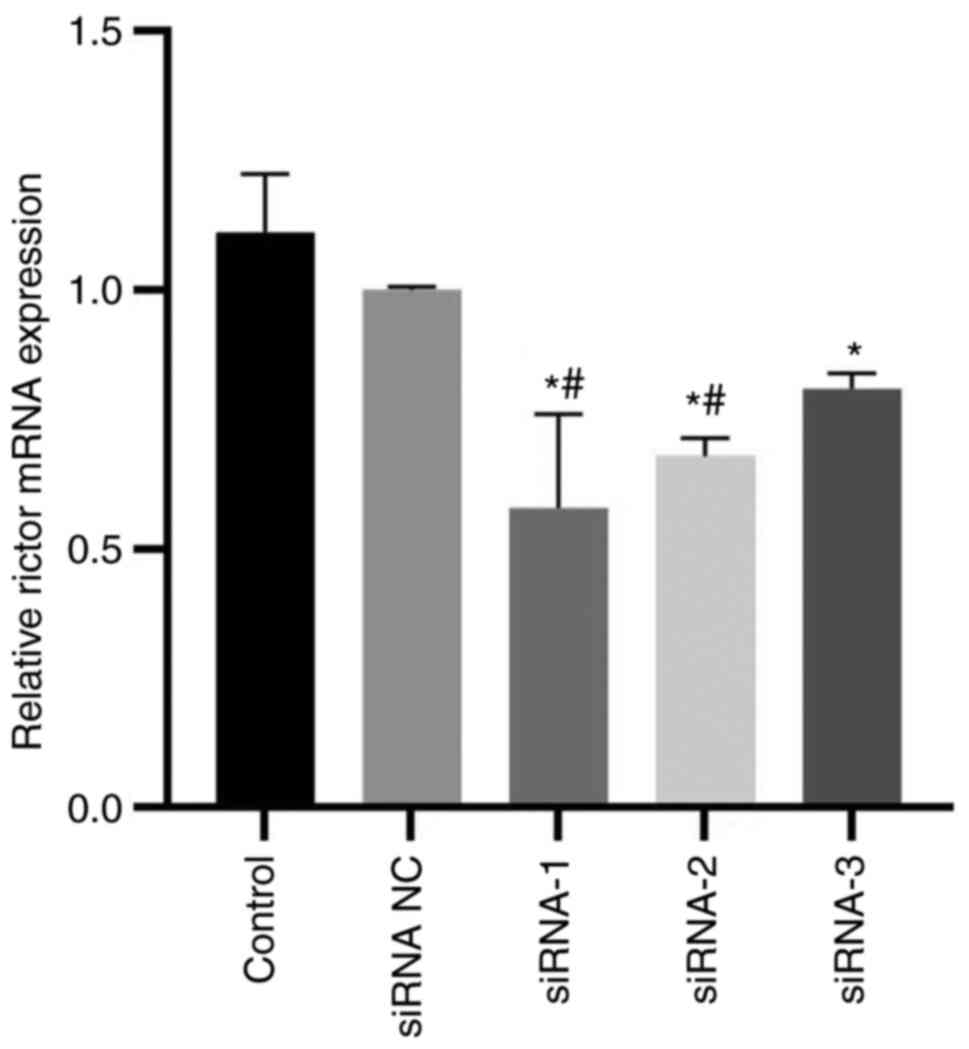
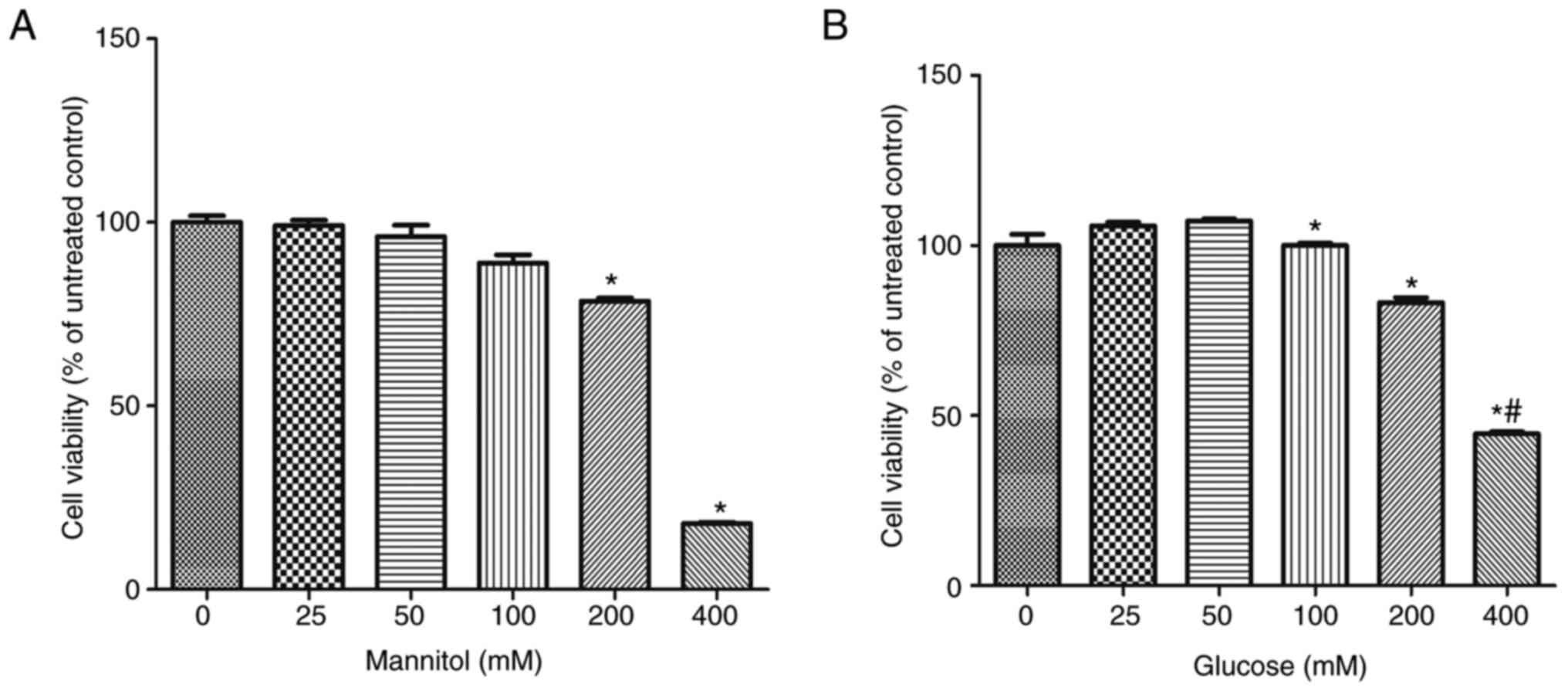
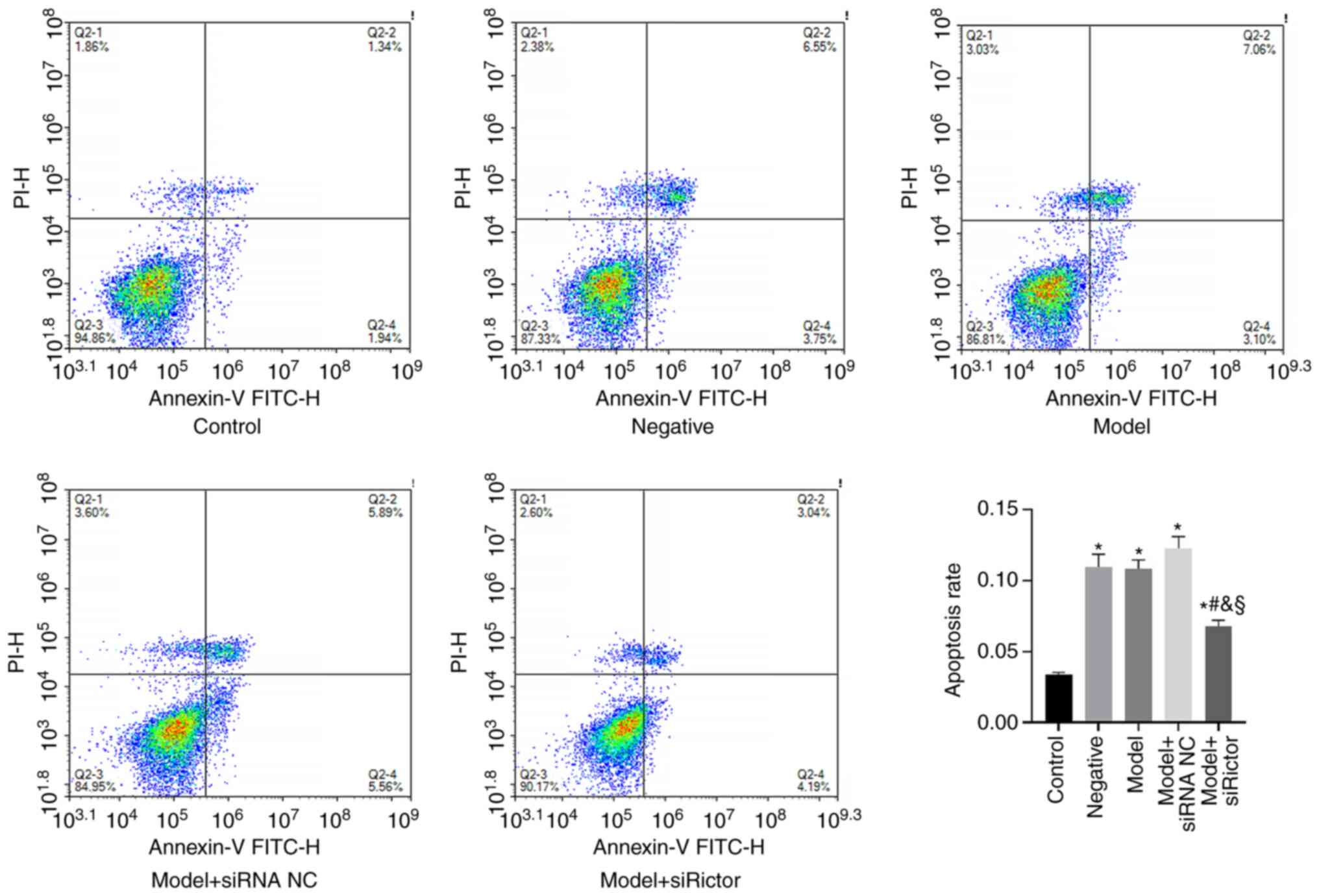
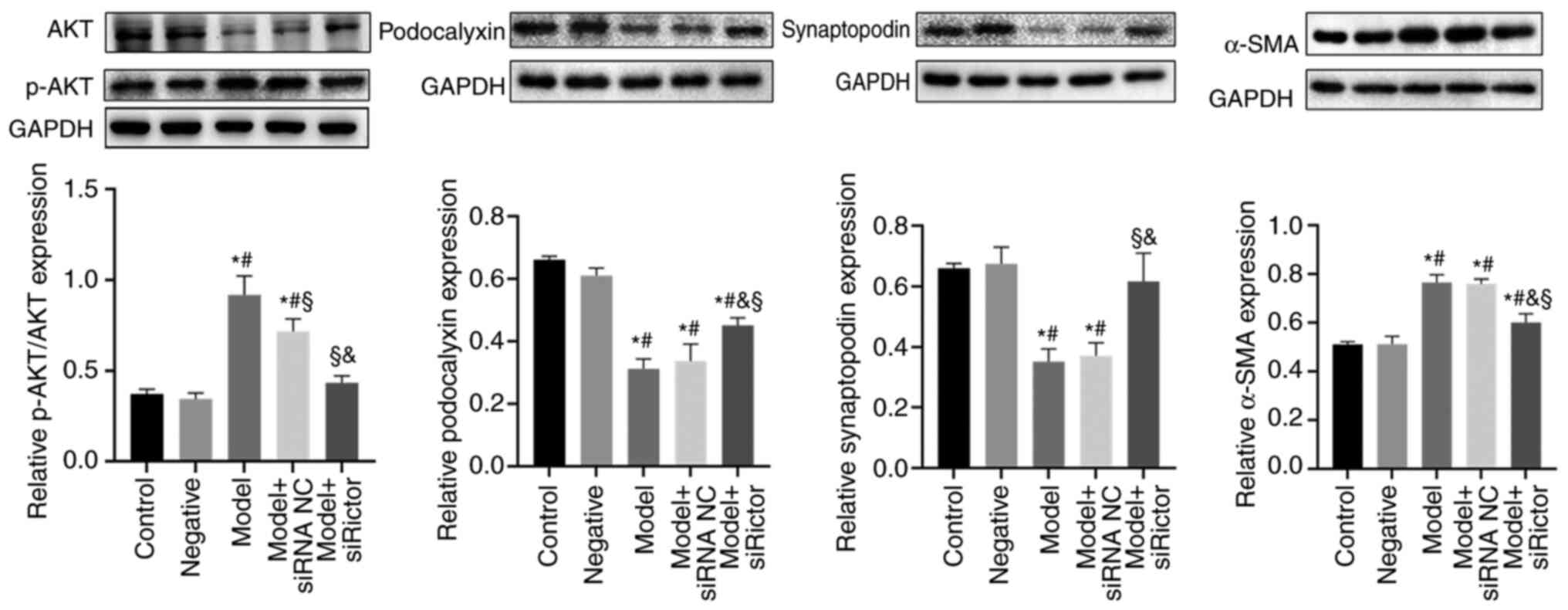
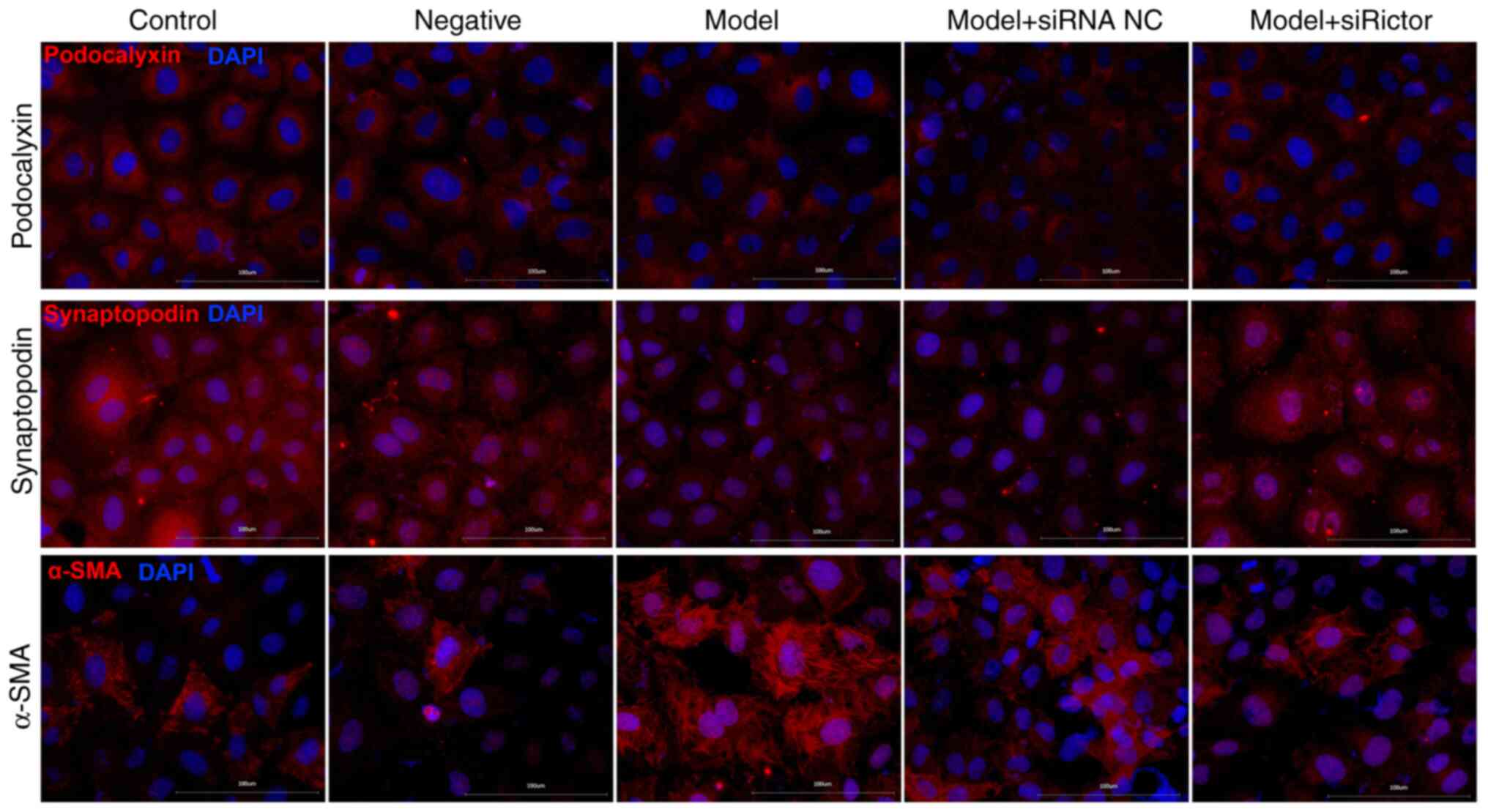
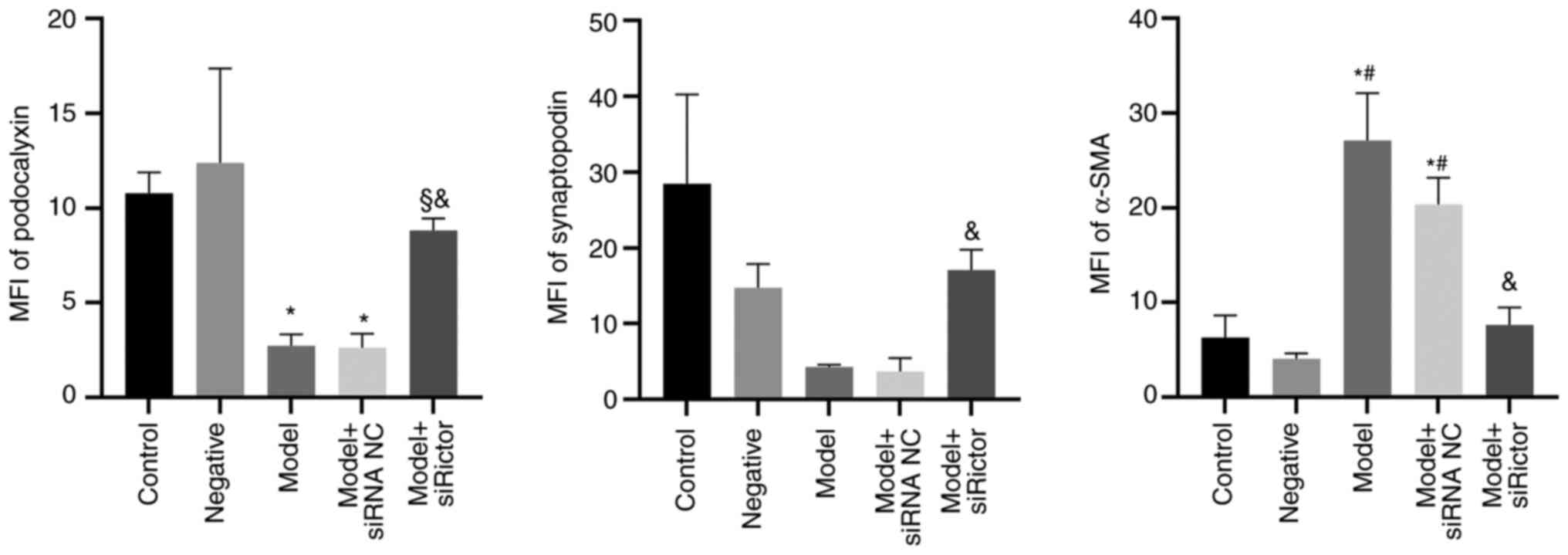
Rapamycin‑insensitive companion of mTOR (Rictor) is a critical effector of mTOR protein complex 2 (mTORC2). The aim of the present study was to investigate the effect of Rictor in the mTORC2 signaling pathway in high glucose (HG)‑induced diabetic podocyte injury by silencing the expression of Rictor. In the present study, mouse podocytes were treated with glucose (150 mM) and mannitol (200 mM), the Rictor gene was silenced using small interfering RNA (siRNA). Apoptosis was detected by flow cytometry, whereas podocyte cytoskeletal protein expression was detected by western blotting (WB) and immunofluorescence staining. The results demonstrated that, compared with that in the control group, the podocyte apoptotic rate was significantly increased in the mannitol group (negative group) and the groups that were treated with glucose (model groups). The podocyte apoptotic rate in the model + Rictor siRNA group was significantly decreased compared with that in the negative, model and the model glucose + siRNA negative control (NC) groups. WB indicated that the protein expression levels of podocalyxin and synaptopodin were reduced in the model and model + siRNA NC groups compared with those in the normal control and negative groups. Additionally, the protein expression levels of α‑smooth muscle actin (α‑SMA) and P‑AKT/AKT were increased in the model and model + siRNA NC groups compared with the those in control and negative groups. Compared with those the model and model + siRNA NC groups, the protein expression levels of podocalyxin and synaptopodin were increased, whilst those of the α‑SMA and P‑AKT/AKT proteins were decreased, in the model + Rictor siRNA group. Results from immunofluorescence analysis were basically consistent with those of WB. Therefore, results of the present study suggest that silencing of the Rictor gene may reduce the damage to podocytes induced by HG, such that the Rictor/mTORC2 signaling pathway may be involved in the remodeling of podocyte actin cytoskeletal in diabetes.
View Figures

Figure 1

Figure 2

Figure 3

Figure 4

Figure 5

Figure 6

View References

1 

Gnudi L, Coward RJM and Long DA: Diabetic nephropathy: Perspective on novel molecular mechanisms. Trends Endocrinol Metab. 27:820–830. 2016.PubMed/NCBI View Article : Google Scholar

2 

Tryggvason K, Patrakka J and Wartiovaara J: Hereditary proteinuria syndromes and mechanisms of proteinuria. N Engl J Med. 354:1387–1401. 2006.PubMed/NCBI View Article : Google Scholar

3 

Siu B, Saha J, Smoyer WE, Sullivan KA and Brosius FC III: Reduction in podocyte density as a pathologic feature in early diabetic nephropathy in rodents: Prevention by lipoic acid treatment. BMC Nephrol. 7(6)2006.PubMed/NCBI View Article : Google Scholar

4 

Jo HA, Kim JY, Yang SH, Han SS, Joo KW, Kim YS and Kim DK: The role of local IL6/JAK2/STAT3 signaling in high glucose-induced podocyte hypertrophy. Kidney Res Clin Pract. 35:212–218. 2016.PubMed/NCBI View Article : Google Scholar

5 

Li S, Sun Z, Zhang Y, Ruan Y, Chen Q, Gong W, Yu J, Xia W, He JC, Huang S, et al: COX-2/mPGES-1/PGE2 cascade activation mediates uric acid-induced mesangial cell proliferation. Oncotarget. 8:10185–10198. 2017.PubMed/NCBI View Article : Google Scholar

6 

Maezawa Y, Takemoto M and Yokote K: Cell biology of diabetic nephropathy: Roles of endothelial cells, tubulointerstitial cells and podocytes. J Diabetes Investig. 6:3–15. 2015.PubMed/NCBI View Article : Google Scholar

7 

Wu L, Feng Z, Cui S, Hou K, Tang L, Zhou J, Cai G, Xie Y, Hong Q, Fu B and Chen X: Rapamycin upregulates autophagy by inhibiting the mTOR-ULK1 pathway, resulting in reduced podocyte injury. PLoS One. 8(e63799)2013.PubMed/NCBI View Article : Google Scholar

8 

Kumar S and Tikoo K: Independent role of PP2A and mTORc1 in palmitate induced podocyte death. Biochimie. 112:73–84. 2015.PubMed/NCBI View Article : Google Scholar

9 

Gaubitz C, Prouteau M, Kusmider B and Loewith R: TORC2 structure and function. Trends Biochem Sci. 41:532–545. 2016.PubMed/NCBI View Article : Google Scholar

10 

Yasuda M, Tanaka Y, Kume S, Morita Y, Chin-Kanasaki M, Araki H, Isshiki K, Araki S, Koya D, Haneda M, et al: Fatty acids are novel nutrient factors to regulate mTORC1 lysosomal localization and apoptosis in podocytes. Biochim Biophys Acta. 1842:1097–1108. 2014.PubMed/NCBI View Article : Google Scholar

11 

Ballesteros-Álvarez J and Andersen JK: mTORC2: The other mTOR in autophagy regulation. Aging Cell. 20(e13431)2021.PubMed/NCBI View Article : Google Scholar

12 

Gödel M, Hartleben B, Herbach N, Liu S, Zschiedrich S, Lu S, Debreczeni-Mór A, Lindenmeyer MT, Rastaldi MP, Hartleben G, et al: Role of mTOR in podocyte function and diabetic nephropathy in humans and mice. J Clin Invest. 121:2197–2209. 2011.PubMed/NCBI View Article : Google Scholar

13 

Aliabadi AZ, Pohanka E, Seebacher G, Dunkler D, Kammerstätter D, Wolner E, Grimm M and Zuckermann AO: Development of proteinuria after switch to sirolimus-based immunosuppression in long-term cardiac transplant patients. Am J Transplant. 8:854–861. 2008.PubMed/NCBI View Article : Google Scholar

14 

Ding F, Zhang X, Li X, Zhang Y, Li B and Ding J: Mammalian target of rapamycin complex 2 signaling pathway regulates transient receptor potential cation channel 6 in podocytes. PLoS One. 9(e112972)2014.PubMed/NCBI View Article : Google Scholar

15 

Zhang HT, Wang WW, Ren LH, Zhao XX, Wang ZH, Zhuang DL and Bai YN: The mTORC2/Akt/NFκB pathway-mediated activation of TRPC6 participates in adriamycin-induced podocyte apoptosis. Cell Physiol Biochem. 40:1079–1093. 2016.PubMed/NCBI View Article : Google Scholar

16 

Li Q, Zeng Y, Jiang Q, Wu C and Zhou J: Role of mTOR signaling in the regulation of high glucose-induced podocyte injury. Exp Ther Med. 17:2495–2502. 2019.PubMed/NCBI View Article : Google Scholar

17 

Livak KJ and Schmittgen TD: Analysis of relative gene expression data using real-time quantitative PCR and the 2(-Delta Delta C(T)) method. Methods. 25:402–408. 2001.PubMed/NCBI View Article : Google Scholar

18 

Lou JS, Xia YT, Wang HY, Kong XP, Yao P, Dong TTX, Zhou ZY and Tsim KWK: The WT1/MVP-Mediated Stabilization on mTOR/AKT axis enhances the effects of cisplatin in non-small cell lung cancer by a reformulated Yu Ping Feng San Herbal Preparation. Front Pharmacol. 9(853)2018.PubMed/NCBI View Article : Google Scholar

19 

Shankland SJ: The podocyte's response to injury: Role in proteinuria and glomerulosclerosis. Kidney Int. 69:2131–2147. 2006.PubMed/NCBI View Article : Google Scholar

20 

Coward RJ, Foster RR, Patton D, Ni L, Lennon R, Bates DO, Harper SJ, Mathieson PW and Saleem MA: Nephrotic plasma alters slit diaphragm-dependent signaling and translocates nephrin, Podocin, and CD2 associated protein in cultured human podocytes. J Am Soc Nephrol. 16:629–637. 2005.PubMed/NCBI View Article : Google Scholar

21 

Dalla Vestra M, Masiero A, Roiter AM, Saller A, Crepaldi G and Fioretto P: Is podocyte injury relevant in diabetic nephropathy? Studies in patients with type 2 diabetes. Diabetes. 52:1031–1035. 2003.PubMed/NCBI View Article : Google Scholar

22 

Zhang C, Hou B, Yu S, Chen Q, Zhang N and Li H: HGF alleviates high glucose-induced injury in podocytes by GSK3β inhibition and autophagy restoration. Biochim Biophys Acta. 1863:2690–2699. 2016.PubMed/NCBI View Article : Google Scholar

23 

Xu L, Fan Q, Wang X, Li L, Lu X, Yue Y, Cao X, Liu J, Zhao X and Wang L: Ursolic acid improves podocyte injury caused by high glucose. Nephrol Dial Transplant. 32:1285–1293. 2017.PubMed/NCBI View Article : Google Scholar

24 

Sun J, Li ZP, Zhang RQ and Zhang HM: Repression of miR-217 protects against high glucose-induced podocyte injury and insulin resistance by restoring PTEN-mediated autophagy pathway. Biochem Biophys Res Commun. 483:318–324. 2017.PubMed/NCBI View Article : Google Scholar

25 

Miaomiao W, Chunhua L, Xiaochen Z, Xiaoniao C, Hongli L and Zhuo Y: Autophagy is involved in regulating VEGF during high-glucose-induced podocyte injury. Mol Biosyst. 12:2202–2212. 2016.PubMed/NCBI View Article : Google Scholar

26 

Wei M, Li Z, Xiao L and Yang Z: Effects of ROS-relative NF-κB signaling on high glucose-induced TLR4 and MCP-1 expression in podocyte injury. Mol Immunol. 68 (2 Pt A):261–271. 2015.PubMed/NCBI View Article : Google Scholar

27 

Li J, Wang B, Zhou G, Yan X and Zhang Y: Tetrahydroxy stilbene glucoside alleviates high glucose-induced MPC5 podocytes injury through suppression of NLRP3 inflammasome. Am J Med Sci. 355:588–596. 2018.PubMed/NCBI View Article : Google Scholar

28 

Lei J, Zhao L, Zhang Y, Wu Y and Liu Y: High glucose-induced podocyte injury involves activation of mammalian target of rapamycin (mTOR)-Induced endoplasmic reticulum (ER) stress. Cell Physiol Biochem. 45:2431–2443. 2018.PubMed/NCBI View Article : Google Scholar

29 

Song S, Qiu D, Shi Y, Wang S, Zhou X, Chen N, Wei J, Wu M, Wu H and Duan H: Thioredoxin-interacting protein deficiency alleviates phenotypic alterations of podocytes via inhibition of mTOR activation in diabetic nephropathy. J Cell Physiol. 234:16485–16502. 2019.PubMed/NCBI View Article : Google Scholar

30 

Song S, Qiu D, Wang Y, Wei J, Wu H, Wu M, Wang S, Zhou X, Shi Y and Duan H: TXNIP deficiency mitigates podocyte apoptosis via restraining the activation of mTOR or p38 MAPK signaling in diabetic nephropathy. Exp Cell Res. 388(111862)2020.PubMed/NCBI View Article : Google Scholar

31 

McNicholas BA, Eng DG, Lichtnekert J, Rabinowitz PS, Pippin JW and Shankland SJ: Reducing mTOR augments parietal epithelial cell density in a model of acute podocyte depletion and in aged kidneys. Am J Physiol Renal Physiol. 311:F626–F639. 2016.PubMed/NCBI View Article : Google Scholar

32 

Huang Z, Zhang L, Chen Y, Zhang H, Yu C, Zhou F, Zhang Z, Jiang L, Li R, Ma J, et al: RhoA deficiency disrupts podocyte cytoskeleton and induces podocyte apoptosis by inhibiting YAP/dendrin signal. BMC Nephrol. 17(66)2016.PubMed/NCBI View Article : Google Scholar

33 

Schell C and Huber TB: The evolving complexity of the podocyte cytoskeleton. J Am Soc Nephrol. 28:3166–3174. 2017.PubMed/NCBI View Article : Google Scholar

34 

Zhang Y, Xu C, Ye Q, Tong L, Jiang H, Zhu X, Huang L, Lin W, Fu H, Wang J, et al: Podocyte apoptosis in diabetic nephropathy by BASP1 activation of the p53 pathway via WT1. Acta Physiol (Oxf). 232(e13634)2021.PubMed/NCBI View Article : Google Scholar

35 

Loeffler I and Wolf G: Epithelial-to-Mesenchymal transition in diabetic nephropathy: Fact or fiction? Cells. 4:631–652. 2015.PubMed/NCBI View Article : Google Scholar

36 

Xing L, Liu Q, Fu S, Li S, Yang L, Liu S, Hao J, Yu L and Duan H: PTEN inhibits high glucose-induced phenotypic transition in podocytes. J Cell Biochem. 116:1776–1784. 2015.PubMed/NCBI View Article : Google Scholar

37 

Ha TS, Nam JA, Seong SB, Saleem MA, Park SJ and Shin JI: Montelukast improves the changes of cytoskeletal and adaptor proteins of human podocytes by interleukin-13. Inflamm Res. 66:793–802. 2017.PubMed/NCBI View Article : Google Scholar

38 

Woychyshyn B, Papillon J, Guillemette J, Navarro-Betancourt JR and Cybulsky AV: Genetic ablation of SLK exacerbates glomerular injury in adriamycin nephrosis in mice. Am J Physiol Renal Physiol. 318:F1377–F1390. 2020.PubMed/NCBI View Article : Google Scholar

39 

Daehn IS and Duffield JS: The glomerular filtration barrier: A structural target for novel kidney therapies. Nat Rev Drug Discov. 20:770–788. 2021.PubMed/NCBI View Article : Google Scholar

40 

Fernández D, Horrillo A, Alquezar C, González-Manchón C, Parrilla R and Ayuso MS: Control of cell adhesion and migration by podocalyxin. Implication of Rac1 and Cdc42. Biochem Biophys Res Commun. 432:302–307. 2013.PubMed/NCBI View Article : Google Scholar

41 

Nielsen JS, Graves ML, Chelliah S, Vogl AW, Roskelley CD and McNagny KM: The CD34-related molecule podocalyxin is a potent inducer of microvillus formation. PLoS One. 2(e237)2007.PubMed/NCBI View Article : Google Scholar

42 

Oh J, Reiser J and Mundel P: Dynamic (re)organization of the podocyte actin cytoskeleton in the nephrotic syndrome. Pediatr Nephrol. 19:130–137. 2004.PubMed/NCBI View Article : Google Scholar

43 

Kavoura E, Gakiopoulou H, Paraskevakou H, Marinaki S, Agrogiannis G, Stofas A, Boletis I, Patsouris E and Lazaris AC: Immunohistochemical evaluation of podocalyxin expression in glomerulopathies associated with nephrotic syndrome. Hum Pathol. 42:227–235. 2011.PubMed/NCBI View Article : Google Scholar

44 

Weinhold B, Sellmeier M, Schaper W, Blume L, Philippens B, Kats E, Bernard U, Galuska SP, Geyer H, Geyer R, et al: Deficits in sialylation impair podocyte maturation. J Am Soc Nephrol. 23:1319–1328. 2012.PubMed/NCBI View Article : Google Scholar

45 

Kang HG, Lee M, Lee KB, Hughes M, Kwon BS, Lee S, McNagny KM, Ahn YH, Ko JM, Ha IS, et al: Loss of podocalyxin causes a novel syndromic type of congenital nephrotic syndrome. Exp Mol Med. 49(e414)2017.PubMed/NCBI View Article : Google Scholar

46 

Imaizumi T, Nakatochi M, Akiyama S, Yamaguchi M, Kurosawa H, Hirayama Y, Katsuno T, Tsuboi N, Hara M and Maruyama S: Urinary podocalyxin as a biomarker to diagnose membranous nephropathy. PLoS One. 11(e0163507)2016.PubMed/NCBI View Article : Google Scholar

47 

Ha TS, Choi JY, Park HY and Han GD: Changes of podocyte p130Cas in diabetic conditions. J Nephrol. 26:870–876. 2013.PubMed/NCBI View Article : Google Scholar

48 

Barisoni L, Kriz W, Mundel P and D'Agati V: The dysregulated podocyte phenotype: A novel concept in the pathogenesis of collapsing idiopathic focal segmental glomerulosclerosis and HIV-associated nephropathy. J Am Soc Nephrol. 10:51–61. 1999.PubMed/NCBI View Article : Google Scholar

49 

Kemeny E, Dürmüller U, Nickeleit V, Gudat F and Mihatsch MJ: Distribution of podocyte protein (44 KD) in different types of glomerular diseases. Virchows Arch. 431:425–430. 1997.PubMed/NCBI View Article : Google Scholar

50 

Wagrowska-Danilewicz M and Danilewicz M: Synaptopodin immunoexpression in steroid-responsive and steroid-resistant minimal change disease and focal segmental glomerulosclerosis. Nefrologia. 27:710–715. 2007.PubMed/NCBI

51 

Hu YF, Tan Y, Yu XJ, Wang H, Wang SX, Yu F and Zhao MH: Podocyte involvement in renal thrombotic microangiopathy: A clinicopathological study. Am J Nephrol. 51:752–760. 2020.PubMed/NCBI View Article : Google Scholar

52 

Kawasaki Y, Imaizumi T, Matsuura H, Ohara S, Takano K, Suyama K, Hashimoto K, Nozawa R, Suzuki H and Hosoya M: Renal expression of alpha-smooth muscle actin and c-Met in children with Henoch-Schönlein purpura nephritis. Pediatr Nephrol. 23:913–919. 2008.PubMed/NCBI View Article : Google Scholar

53 

Ren X, Guan G and Liu G and Liu G: Irbesartan ameliorates diabetic nephropathy by reducing the expression of connective tissue growth factor and alpha-smooth-muscle actin in the tubulointerstitium of diabetic rats. Pharmacology. 83:80–87. 2009.PubMed/NCBI View Article : Google Scholar

54 

Hagiwara A, Nishiyama M and Ishizaki S: Branched-chain amino acids prevent insulin-induced hepatic tumor cell proliferation by inducing apoptosis through mTORC1 and mTORC2-dependent mechanisms. J Cell Physiol. 227:2097–2105. 2012.PubMed/NCBI View Article : Google Scholar

55 

Huo HZ, Zhou ZY, Wang B, Qin J, Liu WY and Gu Y: Dramatic suppression of colorectal cancer cell growth by the dual mTORC1 and mTORC2 inhibitor AZD-2014. Biochem Biophys Res Commun. 443:406–412. 2014.PubMed/NCBI View Article : Google Scholar

56 

Yang Z, Liu F, Qu H, Wang H, Xiao X and Deng H: 1, 25(OH)2D3 protects β cell against high glucose-induced apoptosis through mTOR suppressing. Mol Cell Endocrinol. 414:111–119. 2015.PubMed/NCBI View Article : Google Scholar

57 

Cao W, Li M, Wu T, Feng F, Feng T, Xu Y and Sun C: αMSH prevents ROS-induced apoptosis by inhibiting Foxo1/mTORC2 in mice adipose tissue. Oncotarget. 8:40872–40884. 2017.PubMed/NCBI View Article : Google Scholar

58 

Wang Y, Tao J, Wang M, Yang L, Ning F, Xin H, Xu X, Cai H, Zhang W, Yu K and Zhang X: Mechanism of regulation of big-conductance Ca2+-Activated K+ Channels by mTOR complex 2 in podocytes. Front Physiol. 10(167)2019.PubMed/NCBI View Article : Google Scholar

Related Articles

  • Abstract
  • View
  • Download
  • Twitter
Copy and paste a formatted citation
Spandidos Publications style
Zeng Y, Xiong C, Chen Y, Yang C and Li Q: Effects and mechanism of Rictor interference in podocyte injury induced by high glucose. Exp Ther Med 26: 473, 2023.
APA
Zeng, Y., Xiong, C., Chen, Y., Yang, C., & Li, Q. (2023). Effects and mechanism of Rictor interference in podocyte injury induced by high glucose. Experimental and Therapeutic Medicine, 26, 473. https://doi.org/10.3892/etm.2023.12172
MLA
Zeng, Y., Xiong, C., Chen, Y., Yang, C., Li, Q."Effects and mechanism of Rictor interference in podocyte injury induced by high glucose". Experimental and Therapeutic Medicine 26.4 (2023): 473.
Chicago
Zeng, Y., Xiong, C., Chen, Y., Yang, C., Li, Q."Effects and mechanism of Rictor interference in podocyte injury induced by high glucose". Experimental and Therapeutic Medicine 26, no. 4 (2023): 473. https://doi.org/10.3892/etm.2023.12172
Copy and paste a formatted citation
x
Spandidos Publications style
Zeng Y, Xiong C, Chen Y, Yang C and Li Q: Effects and mechanism of Rictor interference in podocyte injury induced by high glucose. Exp Ther Med 26: 473, 2023.
APA
Zeng, Y., Xiong, C., Chen, Y., Yang, C., & Li, Q. (2023). Effects and mechanism of Rictor interference in podocyte injury induced by high glucose. Experimental and Therapeutic Medicine, 26, 473. https://doi.org/10.3892/etm.2023.12172
MLA
Zeng, Y., Xiong, C., Chen, Y., Yang, C., Li, Q."Effects and mechanism of Rictor interference in podocyte injury induced by high glucose". Experimental and Therapeutic Medicine 26.4 (2023): 473.
Chicago
Zeng, Y., Xiong, C., Chen, Y., Yang, C., Li, Q."Effects and mechanism of Rictor interference in podocyte injury induced by high glucose". Experimental and Therapeutic Medicine 26, no. 4 (2023): 473. https://doi.org/10.3892/etm.2023.12172
Follow us
  • Twitter
  • LinkedIn
  • Facebook
About
  • Spandidos Publications
  • Careers
  • Cookie Policy
  • Privacy Policy
How can we help?
  • Help
  • Live Chat
  • Contact
  • Email to our Support Team