Introduction
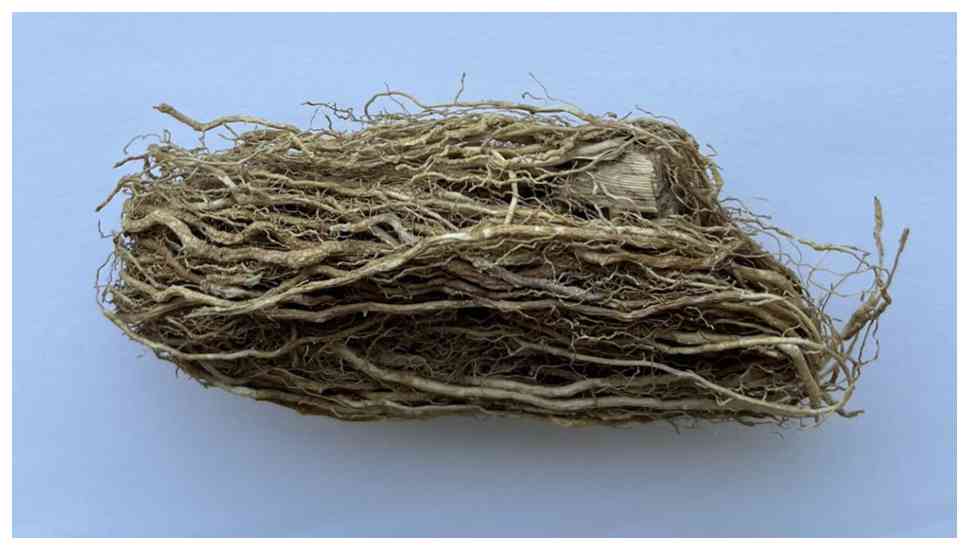
Vetiveria zizanioides (L.) (V.
zizanioides) Nash, syn. Chrysopogon zizanioides (L.)
Roberty, (family Poaceae) commonly known as vetiver or cuscus grass
in English and khus or khas in Hindi, is a perennial grass
(Fig. 1) that thrives throughout
peninsular India particularly in the lateritic slopes of the
Sahyadri (Western Ghats) range (Fig.
2). It has been known for centuries in authoritative Sanskrit
treatises, such as Ayurved Jadi-Buti Rahasya by Acharya Balkrishna
(1) and Dravyaguna Vignyan by
Vaidya Vishun Mahadev Gogte (2).
These and other texts describe the cool, aromatic root as a remedy
for ‘burning’ fevers, wounds, stomach ailments and painful joints,
while noting its calming effect on the mind and heart (1-3).
Modern pharmacology is only beginning to confirm some of these
observations: Root-oil sesquiterpenes display nanomolar antioxidant
and COX-2-modulating activity (4-7);
ethanolic extracts enhance GABAergic transmission and abolish
electroshock-induced seizures in rodents (8); non-volatile fractions inhibit
Mycobacterium tuberculosis (TB) in vitro (9,10);
topical formulations accelerate wound re-epithelialization in
diabetic rats (6); and a
methanolic extract exhibits antihypertensive and antispasmodic
activity (11). Early safety
screens suggest a wide therapeutic window; yet the available
studies are small and mechanistically disjointed. A systematic
approach combining traditional uses with contemporary bioactivity
data is therefore essential if vetiver is to progress from a
revered folk medicine to rigorously characterized
pharmacotherapeutic capable of reducing adverse effect burdens
associated with mainstream anticonvulsant, antitubercular, and
anti-inflammatory chemicals.
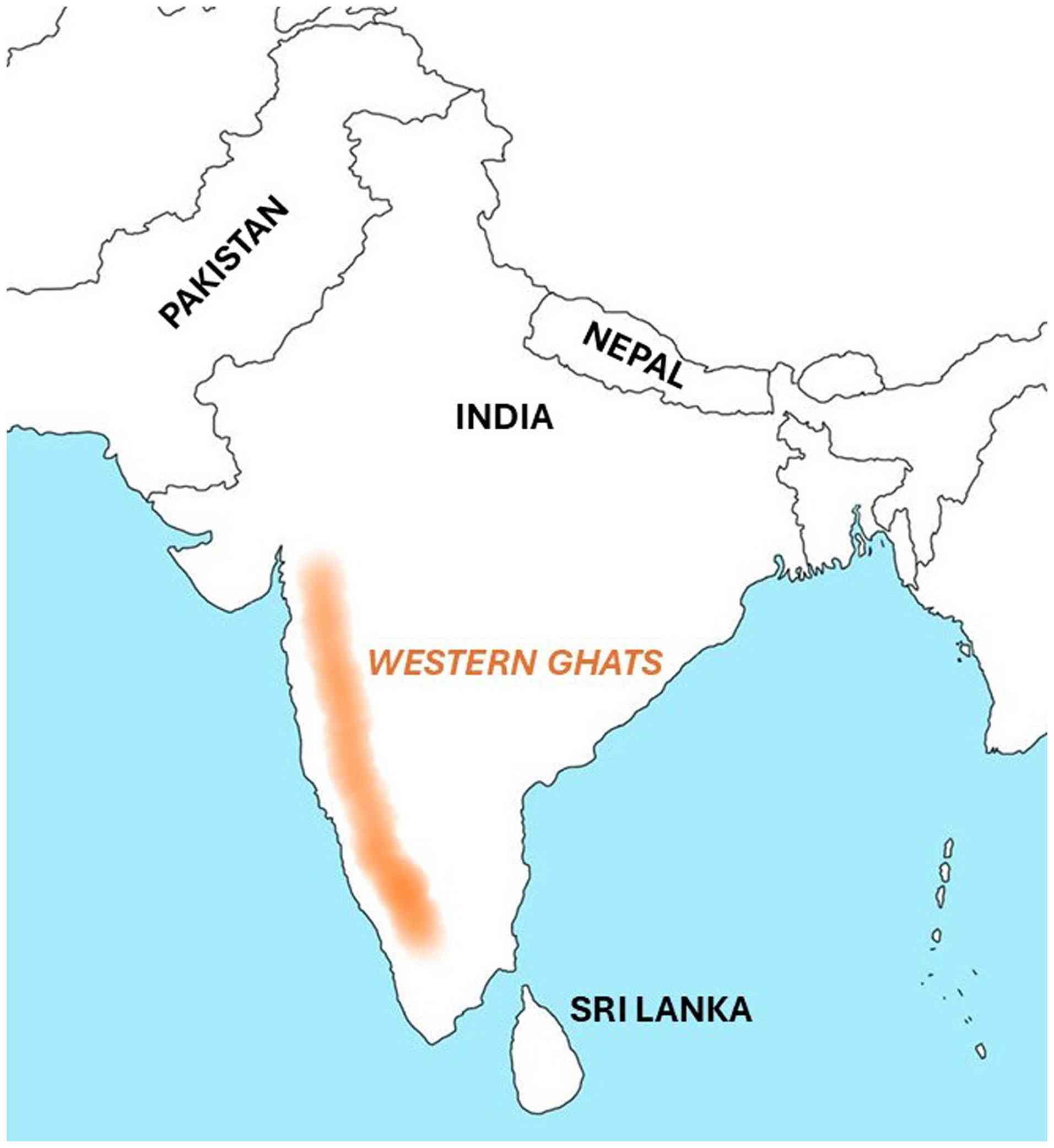 | Figure 2Map of the Indian Subcontinent
illustrating the location of the Western Ghats Mountain Range, also
known as Sahyadri, where vetiver or khus grass abundantly grows.
The Western Ghats are spread over a number of provinces in India,
such as, Gujarat, Maharashtra, Goa, Karnataka, Kerala, and Tamil
Nadu (empty map obtained from a free internet resource, www.deviantart.com; then redesigned with text and
color by the author, MNG). |
Data and methods
To map this evidence base, the present scoping
review was conducted. A scoping review was conducted of all primary
studies on V. zizanioides from November, 1972 up to
November, 2025 (371 records screened), searching PubMed, Web of
Science, Scopus, Google Scholar, and MEDLINE-indexed conference
proceedings. The inclusion criteria targeted studies that examined
the pharmacological effects, therapeutic applications, or
mechanisms of action of these plants and their bioactive
constituents. The authors retained in vitro, in vivo
and clinical investigations that evaluated crude extracts,
essential oil, or isolated constituents and reported either
pharmacodynamic or safety outcomes. Search strings combined
botanical synonyms with terms such as ‘pharmacology’, ‘benefits’,
‘use’ and ‘indication’, for example, ‘Plant name AND pharmacology’
or ‘Plant name AND benefits’). Boolean operators (AND, OR) were
used when needed to narrow or broaden the search results. The
titles and abstracts were first reviewed to identify studies that
matched the inclusion criteria. Subsequently, the full texts of the
selected articles were read to ensure they were suitable for
inclusion in the study.
Studies were excluded if they mainly discussed the
botanical or agricultural details of the plants, such as
classification, growing methods, or where they are found in the
environment, and did not address their medical or therapeutic uses.
In addition, articles that were not published in the English
language or did not have an available abstract or full text were
excluded.
In parallel, therapeutic uses were excerpted from
the original Hindi/Sanskrit editions of Ayurved Jadi-Buti
Rahasya (1) and Dravya Guna
Vidnyaan (2). Of note, two
authors (SA and AD) independently extracted the study design,
preparation method, dose, mechanistic targets, and adverse
findings; discrepancies were resolved by consensus. Modern
bioactivities were then cross-tabulated against traditional claims
to identify empirically validated indications, untested but
historically important uses meriting investigation, and novel
pharmacological leads absent from the classical record. The
synthesis provides a roadmap for the potential use and benefits of
this plant while honoring its Ayurvedic heritage.
Results and Discussion
As modern medicine continues to evolve, one of the
most promising areas of growth lies in integrating the rich
knowledge of traditional plant-based remedies with contemporary
pharmacological research. Vetiver, with its centuries-old use in
Ayurveda and other traditional medical systems, provides a powerful
example of how ancient practices can translate into modern
therapeutic approaches. Traditional medicinal uses of plants,
passed down through generations, often reflect an in-depth
understanding of local health challenges and the plants' potential
to address them. However, for these ancient practices to be fully
utilized in modern medical settings, they must undergo rigorous
experimental testing.
Testing these traditional uses serves several vital
purposes. First, it confirms the therapeutic claims made by
traditional healers, offering scientific evidence that can bring
credibility to age-old remedies. For instance, the traditional use
of vetiver in treating gastrointestinal issues and skin infections
has been confirmed by modern research, which has shown its
antimicrobial (9,12-14),
anti-inflammatory (7) and
antioxidant (4-6)
properties. Such evidence not only strengthens the case for vetiver
as a natural remedy, but also opens the door for its integration
into contemporary medical practice (once clinical trial and safety
study results are available).
Secondly, the study of traditional remedies also
allows for an understanding of the mechanisms of actions. Ancient
medicinal knowledge is often based on observation and experience;
without the benefit of the modern scientific methods, we cannot
know how to study plant compounds for their effects and benefits.
For example, the potential of vetiver as an anticancer agent has
been demonstrated through its binding affinity to an enzyme,
Aldo-keto reductase family 1 member C1 (AKR1C1), in lung cancer
(15), was not a claim found in
historical texts. This represents a bridge between traditional
knowledge and modern scientific discovery, where traditional uses
of plants can be tested for novel clinical applications.
Third, this research is crucial for identifying new
compounds that may be derived from this and other plants. A number
of the most important drugs currently used have origins in plant
compounds that were first used in traditional medicine (16-18).
For example, compounds from the plant Taxus brevifolia were
used by indigenous populations of the Pacific Northwest long before
the discovery of paclitaxel, a now widely used anti-cancer drug
(19). Similarly, the rich
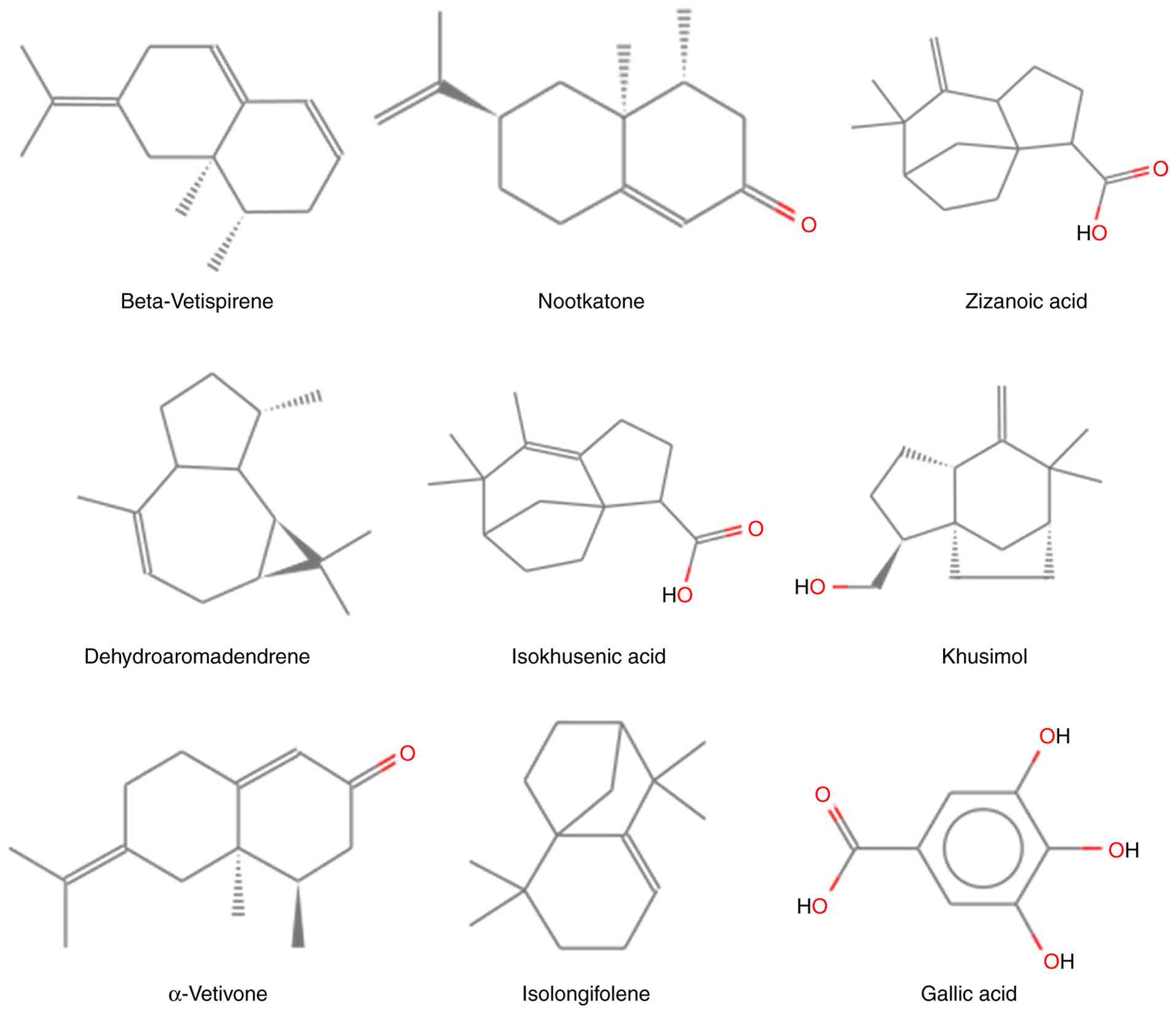
chemical profile of vetiver, including compounds such as
β-vetispirene (Fig. 3), shows
promise not only for the treatment of lung cancer (15), but also for its antioxidant
(20) and cytotoxic activities
(21). By studying and isolating
these compounds, novel treatments can be identified for diseases
that are currently difficult to treat.
The world is in a unique era of modern science where
ancient practices and cutting-edge research offer ample
opportunities. As research continues to explore the pharmacological
properties of plants such as vetiver, the possibility of providing
a more holistic approach to healthcare is becoming more feasible.
These traditional practices, once considered secondary to modern
pharmacology, are now being recognized as valuable sources of
innovative therapeutic agents. The process of testing these
traditional uses ensures that potentially life-saving remedies are
simply not overlooked as they originate from non-Western
traditions. Instead, they can become a fundamental part of the
future of healthcare.
Moreover, this approach contributes to the broader
concept of personalized medicine. As we gain a better understanding
of how different plants, like vetiver, affect human health at a
molecular level, we can begin to design treatments that are
tailored to an individual genetic makeup, lifestyle, and cultural
background. Integrating traditional knowledge into modern medicine
not only broadens the therapeutic options but also enhances our
ability to offer personalized care to our patients.
The study and testing of traditional plant-based
remedies such as vetiver represent a promising path forward for
modern medicine. As scientific methodologies are applied to explore
and validate these age-old treatments, the potential for new
compounds, enhanced therapeutic approaches and a detailed
understanding of the mechanisms behind these traditional remedies
can be unlocked. The future of medicine, particularly in the
context of holistic care, lies in the integration of the best of
both worlds: The knowledge of ancient practices and the precision
of modern science. Below, the authors explore in more detail the
scientific studies available in the literature, reporting
pharmacological activities of vetiver. A summary of the published
studies on vetiver, along with the different medical and
traditional uses, plant parts used and the methods of plant
preparation for administration is presented in Table I.
 | Table IList of all indications, traditional
uses, plant parts used, methods of preparation and published
studies for Vetiveria zizanioides (vetiver, khus grass). |
Table I
List of all indications, traditional
uses, plant parts used, methods of preparation and published
studies for Vetiveria zizanioides (vetiver, khus grass).
| Category | Use |
Traditional/Ayurvedic use | Plant part | Preparation:
traditional or scientific | Research study
(Refs.) |
|---|
| Anticancer | Lung cancer | Not used for this
purpose | Extracts
(various) | Ethanol/methanol
extract, in vitro | Selectively targets
AKR1C1 enzyme, highly expressed in lung cancer, by
beta-vetispirene. All tested compounds showed high activity on
AKR1C1 and inactivity on AKR1C2(15). |
| | Human breast cancer
(MCF-7) | Not used for this
purpose | Extracts
(various) | Ethanol/methanol
extract, in vitro | Significant
inhibition of MCF-7 cell lines with IC50 between 5 to 50
µg/ml. β-vetispirene selectively targets AKR1C1 enzyme in lung
cancer, suggesting potential as a co-chemotherapy agent (24). |
| Antibacterial | UTI | Urinary
discomfort | Root, leaf | Eat 2-4 g of fine
powder mixed with 5 g of sugar/molasses to alleviate urinary
discomfort | Methanol extract
active against E. coli, P. mirabilis and B.
subtilis. Ethanolic extract effective against S. aureus
and MRSA, reducing biofilm formation in a concentration-dependent
manner without affecting cellular viability (4,12,13). |
| | Skin disease
TB | Skin irritation Not
used for this purpose | Powdered plant
Extracts (ethanol, hexane) | Apply a paste made
from equal parts khus powder, coriander seed powder, and nagarmotha
to irritated skin Ingested or applied as an extract | Ethanolic extracts
demonstrated significant antibacterial and antifungal properties,
supporting the use of vetiver in treating skin infections (6). Potent effect countering
Mycobacterium tuberculosis strains H37Rv and H37Ra (10). |
| Antifungal | Fingal
infections | Skin
infections | Extract
(ethanol) | Topical application
or ingestion | Activity against
Aspergillus niger, A. clavatus, and Candida
albicans. Experiments showed presence of flavonoids,
glycosides, phenols, tannins, saponins and alkaloids (14). |
| Acaricidal | Parasite
Control | Pest deterrence
through aromatic properties | Essential oil | Applied as an
essential oil solution | Effective in
reducing oviposition and larval survival of Amblyomma
cajennense and Rhipicephalus microplus, outperforming
some commercial acaricidal products (25). |
| Ovicidal | Mosquito Control
(Malaria Vector) | Pest control
through aromatic properties | Essential oil and
volatiles | Applied as
essential oil or volatile compounds in water | Reduced
hatchability of Anopheles stephensi eggs and deterred
oviposition, demonstrating potential as a natural oviposition
deterrent agent for mosquito population control (28). |
| Antioxidant | Oxidative
stress | General health
maintenance | Extract
(ethanol) | In vitro
assays | Demonstrates
reducing power, superoxide anion radical scavenging, and
deoxyribose degradation. Effective in scavenging free radicals and
reducing oxidative stress (7). |
|
Anti-inflammatory | RA | Pain condition | Aromatic root
oil | Apply aromatic root
oil topically to reduce pain in elderly patients | Anti-inflammatory
effects observed, reducing pain and inflammation in patients with
RA (5,31,32). |
| Antidepressant | Depression | For mental
support | Extracts
(various) | Ingested mixed with
Foeniculum vulgare | Plant, in dose of
100 mg/kg, combined with Foeniculum vulgare (200 mg/kg)
produces antidepressant effect in rats, comparable to fluoxetine
(10 mg/kg) (33) |
| Memory and
learning | Dementia | Brain tonic | Extracts
(various) | Ingested as a
mixture or applied as an extract | Reversed
scopolamine-induced amnesia in mice, inhibited AChE activity, and
improved memory and learning, indicating potential in managing
dementia and Alzheimer's disease (34) |
| Stimulant and task
performance | Cognitive
enhancement | Aromatic baths and
volatile compounds used to enhance alertness and task
performance | Essential oil and
volatiles | Aromatic bath or
inhalation | Essential oil and
volatile compounds enhance alertness and task performance in rats
and humans, maintaining high sympathetic nervous system activity.
Potential use as a stimulant to improve cognitive functions
(38). |
| Anticonvulsant | Seizure
disorders | Seizures | Extract
(ethanol) | Ingested as a
high-dose extract | Significant
reduction in seizures (flexion, extension, clonus, stupor) in the
MES model in mice, indicating potential use in managing convulsive
disorders (8,39). |
|
Antihyperglycemic | Diabetes | General health
maintenance | Powdered plant | Consume 2-4 g khus
powder directly with water or with lemon/ginger/honey | Ethanol extract
lowers blood glucose in rats with diabetes when given over 28 days,
demonstrating antihyperglycemic activity (40). |
|
Nephroprotective | Kidney disease | General health
maintenance | Extracts
(Methanol) | Ingested as an
extract | Protection against
renal toxicity in rats with nephrotoxicity inflicted with
doxorubicin. Protective compounds identified as: nootkatone,
dehydroaromadendrene, isokhusenic acid, α-vetivone, and
isolongifolene (41). |
Anticancer activity
Vetiver exhibits a strong affinity for
AKR1C1(15), an antioxidant enzyme
critical for a number of cellular mechanisms and implicated in
several diseases, particularly cancer (22). It is known that reactive oxygen
species (ROS) contribute to lung carcinogenesis; however, at the
same time, they can also kill cancer cells (23). AKR1C1 can eliminate intracellular
ROS (ROS is overexpressed in lung cancer) rendering AKR1C1 a
potential therapeutic target (15). However, its structural similarity
to AKR1C2 presents selectivity challenges. A previous study
investigated vetiver as a selective AKR1C1 ligand for lung cancer
co-therapy (15). Gas
chromatography-mass spectrometry (GC-MS) identified 354
vetiver-derived compounds (15),
which were analyzed using KNIME and molecular docking;
β-vetispirene (Fig. 3)
demonstrated the strongest AKR1C1 binding affinity (-15.12
kcal/mol), surpassing the native ligand and acetylsalicylic acid.
These findings highlight the potential of vetiver as a selective
co-chemotherapeutic agent. However, as that study was mainly based
on bioinformatics, machine learning, and molecular docking
approaches without any in vitro or in vivo
experimental validation, findings remain predictive and require
biological and clinical confirmation to establish real anticancer
efficacy (15). In addition to
this, Chitra et al (24)
reported that an aqueous extract of vetiver root had marked
anticancer potential. Vetiver exhibited in vitro
cytotoxicity against MCF-7 human breast cancer cell line, using
3-(4,5-dimethyl thiazolyl-2-yl)-2, 5-diphenyl tetrazolium bromide
(MTT) and assessment of cell morphology by using acridine orange
and ethidium bromide staining, at an IC50 concentration
of 5 to 50 µg/ml. The maximum inhibition of concentration was at 31
to 37 µg/ml at 24 and 48 h, respectively. That study was limited to
an in vitro MTT assay using a single breast cancer cell line
(MCF-7) without testing on normal cells or additional cancer
models. Additionally, there was no effort to isolate and identify
any phytoconstituents which limits conclusions about the specific
anticancer constituents and their mode of action (24).
Antibacterial activity
Vetiver demonstrates notable antibacterial and
antibiofilm properties (12,13).
In a previous study (12),
ethanolic (EVZ) and hydroalcoholic (HVZ) root extracts of the plant
demonstrated antibacterial activity against Staphylococcus
aureus and methicillin-resistant S. aureus (MRSA), with
significantly larger zones of inhibition (P<0.05). Both extracts
exhibited similar efficacy against Pseudomonas aeruginosa
and Candida albicans. High-performance thin-layer
chromatography (HPTLC) revealed 14 bioactive compounds in EVZ,
compared to 10 in HVZ, with gallic acid (Fig. 3) identified as a key component,
although the enhanced activity of EVZ suggests the synergistic
effects of additional compounds (12). This study used only the disc
diffusion method, while it was conducted entirely in vitro
using crude extracts, with no in vivo validation to confirm
clinical relevance (12).
Complementing this, Seshadri et al (4) highlighted the potent antibacterial
activity of the methanolic extract of vetiver against
Escherichia coli, Proteus mirabilis and Bacillus
subtilis. When combined in a polyherbal formulation, vetiver
significantly enhanced the antimicrobial efficacy, particularly
against P. mirabilis and Enterobacter sp., with a
minimum inhibitory concentration (MIC) range of 29-34 µg/ml,
demonstrating its broad-spectrum potential (4). Moreover, Kannappan et al
(13) investigated vetiver root
extract (VREX) for its antibiofilm activity against MRSA, finding
it effective against biofilm formation in a concentration-dependent
manner at sub-MIC levels without affecting bacterial viability.
VREX disrupted biofilm-related phenotypes, such as
exopolysaccharide production and slime layer formation, while
downregulating critical adhesin genes (fnbA, fnbB and
clfA) (13). GC-MS analysis
identified sesquiterpenes as major bioactive components
contributing to these effects. That study was also limited to in
vitro experiments; no in vivo infection model was used
to confirm therapeutic applicability (13). Collectively, these studies
underscore the potential of vetiver as a promising source of
antibacterial and antibiofilm agents, with effectiveness against
MRSA and other pathogens. These antibacterial experimental results,
albeit in vitro, justify the traditional use of vetiver in
fever, skin infections/irritation and cholera (3).
Antimycobacterial activity
Previous studies (9,10)
have demonstrated an antimycobacterial effect of vetiver. The
essential oil exhibited activity against Mycobacterium
smegmatis using two-fold serial micro broth dilution assay
(9). A number of pure compounds
were also isolated from guided fractionation and using preparative
thin layer chromatography. The compounds exhibited
antimycobacterial activity with MIC between 31.25-62.5 µg/ml. A
limitation of that study was that it was performed only against
Mycobacterium smegmatis, which limits direct clinical
relevance. Saikia et al (10) examined the effects of vetiver root
extract and fractions against the tuberculosis-causing bacteria
strains of H37Rv and H37Ra, while using a radiometric BACTEC 460 TB
system. The ethanol extract of vetiver roots (intact and spent)
exhibited potent action against tuberculosis at 500 µg/ml.
Additionally, the hexane fraction demonstrated anti-tuberculosis
effects, causing a retardation of bacterial growth at 50 µg/ml
(10). That study did not isolate
or characterize specific active compounds responsible for the
observed activity (10). These
findings indicate that the ethanol extract and hexane fraction of
vetiver roots possess significant antimycobacterial activity
in vitro.
Antifungal activity
Vetiver is traditionally used in Indian folklore as
an antimicrobial herb (3). In a
previous study, it was evaluated for its antifungal activity
against Aspergillus niger, Aspergillus clavatus and
Candida albicans (14).
Extracts made with ethanol and water were tested using the disc
diffusion method, with results compared to standard antifungal
agents, nystatin and griseofulvin. Both extracts demonstrated
antifungal activity in vitro, with the ethanolic extract
exhibiting superior efficacy. The effect was apparent in
concentration-dependent manner (50-1,000 µg/ml). The MIC assays
further confirmed the potent antifungal effects of the ethanolic
extract, particularly against A. niger and A.
clavatus (14). An
investigation into the chemical constituents of the plant material
revealed the existence of flavonoids, glycosides, phenols, tannins,
saponins and alkaloids, which may contribute to its antimicrobial
properties (14). No in
vivo validation, toxicity assessment, or isolation of active
antifungal ingredients was performed, limiting translational
relevance (14).
Acaricidal activity
The in vitro acaricidal activity of vetiver
was investigated in the study by Campos et al (25) and found to have significant
acaricidal activity. Ticks are widespread in tropical and
subtropical regions and serve as vectors for zoonotic diseases
(26). The overuse of synthetic
acaricides has led to resistance, necessitating alternative control
methods (27). Campos et al
(25) assessed the acaricidal
effects of the essential oil of the plant with varying
concentrations of zizanoic and khusimol acid (Fig. 3), (high and low acidity), against
Amblyomma cajennense and Rhipicephalus microplus.
Toxicity tests on adult females and larvae demonstrated that
vetiver essential oils, regardless of acidity, significantly
reduced oviposition, egg hatching and larval survival (25). Their efficacy exceeded that of some
commercial acaricides. That study was conducted entirely under
laboratory conditions (in vitro on adult and larval ticks)
without field validation or safety assessment in animals. The
results revealed that vetiver essential oil is a promising natural
acaricidal agent (25).
Ovicidal activity
The ovicidal activity of vetiver was previously
found to be significant in vitro (28). Anopheles stephensi is a
primary vector of malaria (29),
and alternative plant-based control measures are required due to
increasing resistance to conventional pesticides (30). A previous study evaluated the
ovicidal and oviposition deterrent potential of vetiver root
against A. stephensi (28).
Dried plant material was powdered, while ethanol was used as
solvent to prepare the extract, which was further fractioned with
acetone, and freshly laid A. stephensi eggs were challenged
with different concentrations of the plant material for 2 days.
Hatchability rates were calculated, and gravid female mosquitoes
were observed for oviposition deterrence. Exposure to vetiver
extract significantly reduced hatchability, with complete
inhibition (zero hatchability) at 375 ppm (28). The oviposition deterrent test
revealed a potent repellent effect, with an effective repellency
(ER) of 78.9% at 375 ppm and 53.7% even at the minimum dose of 125
ppm. The negative oviposition effect index confirmed its deterrent
properties. The ethanolic extract of vetiver roots demonstrated
potent ovicidal and oviposition deterrent effects against A.
stephensi. That study used crude ethanolic extract without
isolating or characterizing specific active compounds, and no
toxicity assessment or long-term environmental safety evaluation
was performed (28).
Antioxidant properties
Subhadradevi et al (5) reported the antioxidant functions of
vetiver. This plant is widely used in traditional medicine for
aromatherapy, stress relief and insomnia (1-3).
Subhadradevi et al (5)
evaluated its ethanolic root extract for in vitro
antioxidant activities, including reducing power ability,
superoxide anion scavenging, deoxyribose degradation, total
antioxidant potential, and the content of phenols and flavonoids.
The action of the extract was compared with standard antioxidants,
such as butylated hydroxytoluene, ascorbic acid, quercetin,
α-tocopherol, pyrocatechol and curcumin. It effectively scavenged
free radicals, including O2-,
H2O2, OH and NO, in a concentration-dependent
manner (5). These findings confirm
the potent antioxidant activity of vetiver, supporting its
traditional use in managing oxidative stress-related diseases. That
study validated its ethnomedical claims and highlighted its
antioxidant potential, rendering it a promising natural antioxidant
source. However, that that the study was limited to vitro
antioxidant assays without any in vivo or clinical
validation to confirm biological relevance (5).
Anti-inflammatory properties
Several groups have shown the beneficial effects of
vetiver in reducing and inhibiting inflammation. In a clinical
study performed on human subjects, Alfiyansah et al
(31) reported that vetiver root
oil therapy effectively reduced pain levels from mild to moderate
to severe in elderly patients with rheumatoid arthritis (RA) after
5 days of topical application, with statistically significant
improvements (P<0.05). This effect was attributed to its
anti-inflammatory property. That study included a small sample size
(only 10 participants), which limits its generalizability. The
follow-up period of 5 days was also short, while the pain was
measured using a subjective scale without objective inflammatory
markers (31). Grover et al
(7) further highlighted the role
of vetiver in reducing oxidative stress and inflammation by
activating antioxidant enzymes, restoring oxidant-antioxidant
balance, and suppressing pro-inflammatory mechanisms. Arafat et
al (32) demonstrated that
vetiver root extracts modulate biological signaling pathways to
suppress inflammatory cytokines in complete Freund's adjuvant
(CFA)-induced RA model in Wistar rats, in vivo, providing
mechanistic evidence for its traditional use in treating
inflammatory conditions. That study was performed in rats; thus,
the findings cannot be directly translated to humans, while
long-term safety and toxicity were also not fully determined
(32). Similarly, Zahoor et
al (6) emphasized the
anti-inflammatory and antioxidant benefits of vetiver, linking
these effects to sesquiterpenes and other bioactive compounds that
collectively reduce pain and oxidative damage. As discussed above,
sesquiterpenes are also the responsible constituent of vetiver for
its antibacterial potential. Collectively, these findings
underscore the potential of vetiver as a natural anti-inflammatory
agent for managing conditions such as rheumatoid arthritis and
other inflammatory disorders, while encouraging further research to
fully elucidate its mechanisms and therapeutic applications. They
also provide pharmacological basis for the traditional use of this
plant in fever, pain, headaches and inflammation (3).
Antidepressant properties
In an in vivo study using Wistar albino rats,
vetiver extract, along with an extract of Foeniculum
vulgare, exhibited significant antidepressant properties
(33). Vetiver is traditionally
known for its use in aromatherapy and as a brain tonic and
stimulant (3); it also exhibits
anti-inflammatory properties as discussed above. Inflammation is
linked to depression, and a previous study (33) opted to use an extract that has dual
anti-inflammator,y as well as antidepressant effects. That study
compared the antidepressant effects of fluoxetine (10 mg/kg) and a
mixture of vetiver (100 mg/kg) and F. vulgare (200 mg/kg) in
rats using the forced swimming and tail suspension tests. Extracts
were administered 30 min before testing, and immobility time was
recorded for 6 min. The combination of the two extracts
significantly reduced immobility, exerting antidepressant effects
comparable to fluoxetine. However, in that study, the sample size
per group (n=6) was relatively small, limiting statistical power.
Additionally, only short-term, acute behavioral tests were part of
the study with no emphasis on any chronic depression models. As the
study was performed in animals, clinical relevance to humans is
uncertain (33).
Memory and learning enhancing
In an in vivo study performed by Velmurugan
et al (34), the learning
and memory enhancing effects of vetiver were evaluated in mice
using the elevated plus maze (EPM) test. Various extracts,
including chloroform (CEVZ), ethyl acetate (EAEVZ), ethanol (EEVZ)
and aqueous (AEVZ), were administered orally at 500 mg/kg (duration
of 4 weeks). The results revealed that EEVZ and AEVZ significantly
improved learning and memory. This was due to the fact that there
was a reduction in transfer latency (TL) in the EPM test noted.
CEVZ had no effect, while EAEVZ had a lesser impact than EEVZ and
AEVZ. Additionally, these extracts significantly reversed
scopolamine-induced amnesia (0.4 mg/kg orally), suggesting a
neuroprotective effect (34). To
explore the underlying mechanism, central nervous system
acetylcholinesterase (AChE) levels were determined. All extracts,
barring CEVZ, notably reduced AChE activity (34), implying enhanced cholinergic
function and potential for use in memory related disorders such as
Alzheimer's disease (17,35,36).
Piracetam (200 mg/kg, intraperitoneal), a standard nootropic, was
employed as a standard reference (34). That study (34), as it was performed on mice using
behavioral models (EPM) and acute scopolamine-induced amnesia, does
not fully replicate human AD pathology. Vetiver is known to have
gallic acid (Fig. 3) as one of its
bioactive components (12). In
previous research, the authors have demonstrated the AChE
inhibitory activity of gallic acid (37). Thus, the presence of gallic acid in
vetiver may be responsible for its memory enhancing effect. These
findings highlight the potential of vetiver as a cognitive enhancer
in vivo in mice.
Stimulant and task performance
Vetiver is widely cultivated for its essential oil,
known for its aromatic and therapeutic properties. While its oil
components have been extensively studied (20,21,25,31),
the effects of vetiver volatile and essential oil inhalation on
cognitive function and physiological responses remain
underexplored. The study by Matsubara et al (38) demonstrated the impact of vetiver
root emitted volatile compounds and essential oil on brain activity
and cognitive performance in human volunteers. Participants exposed
to low-dose root volatiles (1.0 g) during a visual display terminal
task exhibited more rapid responses and increased sympathetic nerve
functioning, measured via electrocardiography. However, these
effects were absent at higher volatile concentrations (30 g)
(38). The total volatile emission
was 0.25 µg (low dose) and 1.35 µg (high dose), suggesting a
dose-dependent response in cognitive and autonomic nervous system
modulation. The study used a small sample size (n=6-12 per
condition), limiting statistical power and generalizability. Also,
only short-term exposure was determined only, while no long-term
cognitive or physiological effects were tested (38). Another study by Cheaha et al
(39), examined the activity of
the essential oil respiratory intake of the plant on sleep-wake
patterns and electroencephalogram (EEG) activity in vivo in
Wistar rats. Plant oil inhalation profoundly increased the state of
wakefulness and relaxed slow wave sleep. EEG analysis revealed
lower alpha and beta1 functioning in frontal and parietal cortices,
along with higher gamma functioning in frontal cortex, indicative
of heightened alertness (39).
These changes occurred almost immediately following exposure. As
that study was conducted only in male Wistar rats, it limits its
translation to humans (39). Taken
together, these findings suggest that vetiver volatiles and
essential oil may enhance cognitive performance and promote
wakefulness by modulating sympathetic nervous system activity and
brainwave patterns (38,39). This supports its potential
application as a natural cognitive enhancer and stress
modulator.
Anticonvulsant properties
Vetiver has been medicinally employed in the South
Asian cultures for treating a number of different disorders,
including seizures, although its anticonvulsant activity remains
unexplored (1,2). In an in vivo study (8), the anticonvulsant potential of its
extract in ethanol (EEVZ) in mice was evaluated using maximal
electroshock stimulation (MES) and pentylenetetrazole (PTZ) for 8
days. EEVZ was administered to the animals in increasing
concentrations (100-400 mg/kg). The LD50 of EEVZ was
reported as 600 mg/kg. At the maximum dose of 400 mg/kg, EEVZ
suppressed seizure parameters (P<0.001) in the MES model,
including flexion (15.98 to 3.73 sec), extension (13.73 to 0.96
sec), clonus (14.07 to 4.93 sec) and stupor (6.29 to 1.22 sec). For
the PTZ model, the plant material delayed the onset of clonic
(88.25 to 708.32 sec) and tonic (139.52 to 1126.39 sec) seizures.
Survival rates improved, with 100% protection observed in EEVZ (200
and 400 mg/kg) and the standard phenobarbital-treated groups. As
the study was performed in mice using acute seizure models (MES and
PTZ), the findings may not fully translate to human epilepsy
(8).
Antihyperglycemic activity
Vetiver has shown significant antihyperglycemic
activity (40). In a previous
study, plant material was evaluated for its antihyperglycemic
activity in vivo in Wistar albino rats with diabetes induced
with alloxan monohydrate (150 mg/kg, intraperitoneally). The test
animals were separated into 6 groups (40). The first batch of animals was left
untreated, another was administered the standard drug,
glibenclamide (10 mg/kg), while the remaining batches were
administered ethanol extract of vetiver roots (100-750 mg/kg
orally) for 28 days. Blood glucose levels were monitored throughout
the duration of the experiment. Phytochemical screenings and acute
toxicity studies were also conducted. The results revealed a
pronounced lowering of blood glucose levels in all extract-treated
groups by day 28, with effects comparable to glibenclamide
(40). These findings support the
traditional use of vetiver for its antidiabetic potential. That
study concluded that the ethanol extract of vetiver possessed
hypoglycemic and antihyperglycemic properties. However, in that
study, the sample size selected (n=6 per group) was small and the
absence of detailed biochemical parameters (e.g., insulin levels,
lipid profile, oxidative stress markers) limit mechanistic insight.
Long-term toxicity and safety evaluation were also not
comprehensively assessed (40).
This antihyperglycemic effect, together with the
antihypertensive (11), memory
enhancing (34) and
nephroprotective benefits of vetiver (41), not only relates to its traditional
use in heart and brain related conditions (3), but also indicates the potential of
this medicinal herb in diabetes, diabetes induced complications and
metabolic syndrome (42).
Nephroprotective effects
In the by Amarasiri et al (41), a renal-preserving potential of a
water-based extract of vetiver was evaluated in a
doxorubicin-induced renotoxic model in Wistar rats. Freeze-dried
plant extract (25-100 mg/kg) was administered to nephrotoxic
animals, leading to a dose-dependent lowering in serum creatinine,
β2-microglobulin, and blood urea nitrogen, while elevated serum
total protein and albumin (P<0.05). Histological analysis
revealed the attenuation of renal injury (41). GC-MS analysis identified bioactive
compounds, including nootkatone, dehydroaromadendrene, isokhusenic
acid, α-vetivone, and isolongifolene (41) (Fig.
3). Out of these pure compounds, only nootkatone is a
well-studied chemical reported for its nephroprotective effects
(43-46).
These results suggest that vetiver possesses significant
nephroprotective properties in rats in vivo, potentially due
to its antioxidant activity. Currently, there is no definitive
evidence for its clinical benefits as no human clinical validation
was performed in the study, limiting translational applicability.
Traditionally used in kidney-related ailments, it is also a dietary
ingredient with recognized health benefits. Given its antioxidant
potential, vetiver may serve as a promising lead for further
research in the area of kidney diseases.
Possible role in functional
nutrition
Vetiver is an age-old edible herb, regarded for its
numerous uses and benefits. It is known in folk medicine for being
a tonic for the heart and brain, antispasmodic, diuretic,
diaphoretic, and for increasing menstrual blood flow (3). Its root infusion is traditionally
used in fever, inflammation and irritability of the stomach, which
suggests that it could be added to beverages or food products as a
functional ingredient. Based on animal studies showing antioxidant
(5), hypoglycemic (40), antihypertensive (11), neuroprotective (34) and nephroprotective (41) effects, vetiver may have potential
not only in supporting people at risk for metabolic syndrome but
also for medical complications and consequences arising in
diabetics. However, more research in humans is needed to confirm
its safety, proper dosage, and real benefits before it can be
recommended as a functional food or dietary supplement.
Toxicity, interactions and
standardization of extracts
As with any chemical or medication, plant material
can also possess side-effects along with their medicinal benefits.
For this reason, it is important that apart from the discussion of
the positives of plants and herbs, insight is also shed on any
potential adverse effects. Reviewing the profile of vetiver from
the available traditionally used medicinal plant books (1-3),
no side-effects or points of concern were identified. On the
experimental side, Yeram et al (47) undertook a comprehensive study on
the toxicity potential of a hydroalcoholic extract of vetiver
roots. In that study, they performed acute and repeated-dose
toxicity studies on the extract. The results revealed that the
extract in a single dose of 5 g/kg, did not exhibit any toxicity or
mortality in rats. Similarly, in the repeat dose study spread over
28 days, the extract did not alter any of the hematologic or
biochemical parameters. None of the plant compounds exhibited any
cytotoxic or mutagenic activities. However, at a high dose of 1
g/kg, administered daily for 28 days, the extract led to an
increase in liver enzymes, indicating that at a high dose used
daily, it could pose some harm for the liver (47). Thus, vetiver is generally
considered safe; however, information regarding its interactions
with conventional medicines and other herbs and foods is
limited.
Using standardized extracts in medicinal plant
pharmacology research is critical. Plants can vary in their
chemical composition depending on where they belong and where they
grow, how they are harvested, and how they are processed. If
researchers do not use standardized extracts, the number of active
compounds may differ from one study to another. This makes it
difficult to compare results across studies or to repeat the same
experiment and get similar outcomes. Standardized extracts help
ensure consistency, improve the reliability of findings, and make
research more reproducible for the scientific community. From the
literature, it was identified some studies (41,48)
have used standardized extracts when reporting their findings on
vetiver. Amarasiri et al (41), in reporting the nephroprotective
effects of an aqueous root extract of vetiver, processed the
extract to determine its different characteristics, such as as h
value, extractive value, moisture content, microbial contamination
and heavy metal analysis. They also developed a thin layer
chromatography fingerprint of the extract, while also identified
pure compounds in the extract via use of from GC-MS.
Conclusion and future
perspectives
Drawing together the extensive historical record and
the growing body of modern research, vetiver emerges as a plant
with notable therapeutic promise. Centuries of Ayurvedic practice
document its utility in treating a broad range of ailments-from
inflammatory conditions and infectious diseases to mental health
disorders and metabolic imbalances. Contemporary studies now
provide scientific support for many of these applications,
demonstrating the antimicrobial, anticonvulsant, anti-inflammatory,
antidiabetic and even anticancer properties of vetiver. Key
bioactive compounds, such as β-vetispirene, exhibit targeted
efficacy, most notably against AKR1C1 in lung cancer, while ethanol
and hexane extracts exhibit potent antibacterial and
antimycobacterial activities. These converging lines of evidence
underscore vetiver's potential to serve both as a standalone
therapy and as an adjunct to conventional treatments, helping to
mitigate issues like drug resistance, adverse side effects, and
limited efficacy in chronic conditions. Yet, despite promising
outcomes, most studies remain small-scale or preclinical,
indicating the need for more rigorous, large-scale clinical
investigations. Future research should focus on standardizing
extraction methods, elucidating molecular pathways of action, and
optimizing delivery forms consistent with traditional dosing
regimens. In doing so, the Ayurvedic heritage of the plant will be
honored, while integrating it into the modern pharmacotherapeutic
landscape. As the conversation around holistic health continues to
evolve, vetiver stands as a testament to how traditional knowledge,
when combined with rigorous scientific inquiry, can lead to new
paradigms in safe, effective, and culturally informed
healthcare.
Acknowledgements
Not applicable.
Funding
Funding: No funding was received.
Availability of data and materials
The data generated in the present study may be
requested from the corresponding author.
Authors' contributions
SA, ZD and AD contributed to the writing and
preparation of the original manuscript. MNG contributed to the
writing, reviewing and editing of the manuscript. ZD and AD
contributed to design of the study while SA and MNG were involved
in conception and design of the study. SA and MNG confirm the
authenticity of all the raw data. All authors have read and
approved the final manuscript.
Ethics approval and consent to
participate
Not applicable.
Patient consent for publication
Not applicable.
Competing interests
The authors declare that they have no competing
interests.
Use of artificial intelligence tools
During the preparation of this work, AI tools were
used to improve the readability and language of the manuscript or
to generate images, and subsequently, the authors revised and
edited the content produced by the AI tools as necessary, taking
full responsibility for the ultimate content of the present
manuscript.
References
|
1
|
Balkrishna A: Secrets of Medicinal Herbs.
Ayurveda. Divya Prakashana, Uttarakhand, India, 2016. https://acharyabalkrishna.com/book/94.
|
|
2
|
Gogte VVM: Ayurvedic Pharmacology and
Therapeutic Uses of Medicinal Plants Dravyagunavignyan by Vaidya
V.M. Gogte. Chaukhambha Publications, Bengaluru, 2009.
|
|
3
|
Nadkarni KM: Indian materia medica. Vol 1.
Popular Prakashan, Mumbai, p1142, 1976.
|
|
4
|
Seshadri VD, Vijayaraghavan P, Kim YO, Kim
HJ, Al-Ghamdi AA, Elshikh MS, Al-Dosary MA and Alsubaie QD: In
vitro antioxidant and cytotoxic activities of polyherbal extracts
from Vetiveria zizanioides, Trichosanthes cucumerina,
and Mollugo cerviana on HeLa and MCF-7 cell lines. Saudi J
Biol Sci. 27:1475–1481. 2020.PubMed/NCBI View Article : Google Scholar
|
|
5
|
Subhadradevi V, Asokkumar K, Umamaheswari
M, Sivashanmugam AT and Sankaranand R: In vitro antioxidant
activity of Vetiveria zizanioides root extract. Tanzania J
Health Res. 12:138–143. 2010.PubMed/NCBI
|
|
6
|
Zahoor S, Shahid S and Fatima U: Review of
pharmacological activities of Vetiveria zizanoide (Linn)
Nash. J Basic Appl Sci. 14:235–238. 2018.
|
|
7
|
Grover M, Behl T, Bungau S and Aleya L:
Potential therapeutic effect of Chrysopogon zizanioides
(vetiver) as an anti-inflammatory agent. Environ Sci Pollut Res
Int. 28:15597–15606. 2021.PubMed/NCBI View Article : Google Scholar
|
|
8
|
Gupta R, Sharma KK, Afzal M, Damanhouri
ZA, Ali B, Kaur R, Kazmi I and Anwar F: Anticonvulsant activity of
ethanol extracts of Vetiveria zizanioides roots in
experimental mice. Pharm Biol. 51:1521–1524. 2013.PubMed/NCBI View Article : Google Scholar
|
|
9
|
Gupta S, Dwivedi GR, Darokar MO and
Srivastava SK: Antimycobacterial activity of fractions and isolated
compounds from Vetiveria zizanioides. Med Chem Res.
21:1283–1289. 2012.
|
|
10
|
Saikia D, Parveen S, Gupta VK and Luqman
S: Anti-tuberculosis activity of Indian grass KHUS (Vetiveria
zizanioides L. Nash). Complement Ther Med. 20:434–436.
2012.PubMed/NCBI View Article : Google Scholar
|
|
11
|
Gilani AH, Shah AJ, Janbaz KH, Ahmed SP
and Ghayur MN: Studies on antihypertensive and antispasmodic
activities of Andropogon muricatus Retz. Can J Physiol Pharmacol.
85:911–917. 2007.PubMed/NCBI View Article : Google Scholar
|
|
12
|
Sivagurunathan SK and Krishnamoorthy G:
Comparative study on high-performance thin layer chromatography
profile and antimicrobial activity of ethanolic and hydroalcoholic
extract of Vetiveria zizanioides L. root. Asian J Pharm Clin
Res. 10:336–339. 2017.
|
|
13
|
Kannappan A, Gowrishankar S, Srinivasan R,
Pandian SK and Ravi AV: Antibiofilm activity of Vetiveria
zizanioides root extract against methicillin-resistant
Staphylococcus aureus. Microb Pathog. 110:313–324.
2017.PubMed/NCBI View Article : Google Scholar
|
|
14
|
Devprakash Singh P, Srinivasan KK,
Subburaju T and Singh SK: Antifungal activity of alcoholic and
aqueous extracts of Vetiveria zizanioides. J Pharm Res Opin.
1:85–88. 2011.
|
|
15
|
Saputra LO, Fawzy SY, Wardani RK and
Lukitaningsih E: The exploration of vetiver (Vetiveria
zizanioides) as co-chemotherapy of lung cancer selectively
targets AKR1C1: Bioinformatics approach. Indones J Cancer
Chemoprevent. 13:114–127. 2022.
|
|
16
|
Ghayur MN and Janssen LJ: Nephroprotective
drugs from traditionally used Aboriginal medicinal plants. Kidney
Int. 77:471–472. 2010.PubMed/NCBI View Article : Google Scholar
|
|
17
|
Alam-Siddiqui F, Ghayur A, Ul-Haq Z and
Ghayur MN: Herbal medicine for the mind: Traditionally used
medicinal plants for memory loss from the Indian subcontinent.
Future Integr Med. 4:116–127. 2025.
|
|
18
|
Ghayur MN and Janssen LJ: A natural way to
cardiovascular health. Nat Rev Cardiol. 7:1–2. 2010.PubMed/NCBI View Article : Google Scholar
|
|
19
|
Sharifi-Rad J, Quispe C, Patra JK, Singh
YD, Panda MK, Das G, Adetunji CO, Michael OS, Sytar O, Polito L, et
al: Paclitaxel: Application in modern oncology and
nanomedicine-based cancer therapy. Oxid Med Cell Longev.
2021(3687700)2021.PubMed/NCBI View Article : Google Scholar
|
|
20
|
Samaan M, Ebid M and Thabet M: GC-MS
analysis, antioxidant capacity and antimicrobic action of
Vetiveria zizanioides. Essential oil cultivated in North
Egypt. J Plant Prod. 13:699–704. 2022.
|
|
21
|
Arafat MAM, Khalil MNA, Mahrous EA, Abd
El-kader EM and El Hawary S: Volatiles composition of fresh aroma
and hydrodistilled volatile oil of Chrysopogon zizanioides
roots growing in Egypt along with the cytotoxic activities of the
hydrodistilled oil. Egypt J Chem. 67:299–305. 2024.
|
|
22
|
Chu X, He S, Liu Y, Liu Y, Feng F, Guo Q,
Zhao L and Sun H: Overview of human 20 alpha-hydroxysteroid
dehydrogenase (AKR1C1): Functions, regulation, and structural
insights of inhibitors. Chem Biol Interact.
351(109746)2022.PubMed/NCBI View Article : Google Scholar
|
|
23
|
O'Reilly A, Zhao W, Wickström S, Arnér ESJ
and Kiessling R: Reactive oxygen species: Janus-faced molecules in
the era of modern cancer therapy. J Immunother Cancer.
12(e009409)2024.PubMed/NCBI View Article : Google Scholar
|
|
24
|
Chitra T, Jayashree S and Rathinamala J:
Evaluation of anticancer activity of Vetiveria zizanioides
against human breast cancer cell line. Int J Pharm Pharm Sci.
6:164–166. 2014.
|
|
25
|
de Santana Campos RN, Nascimento Lima CB,
Passos Oliveira A, Albano Araújo AP, Fitzgerald Blank A, Barreto
Alves P, Nascimento Lima R, Albano Araújo V, Santana AS and Bacci
L: Acaricidal properties of vetiver essential oil from
Chrysopogon zizanioides (Poaceae) against the tick species
Amblyomma cajennense and Rhipicephalus
(Boophilus) microplus (Acari: Ixodidae). Vet
Parasitol. 212:324–330. 2015.PubMed/NCBI View Article : Google Scholar
|
|
26
|
Kleissl L, Weninger S, Winkler F, Ruivo M,
Wijnveld M and Strobl J: Ticks' tricks: Immunomodulatory effects of
ixodid tick saliva at the cutaneous tick-host interface. Front
Immunol. 16(1520665)2025.PubMed/NCBI View Article : Google Scholar
|
|
27
|
Kosch Y, Mülling C and Emmerich IU:
Resistance of varroa destructor against oxalic acid treatment-a
systematic review. Vet Sci. 11(393)2024.PubMed/NCBI View Article : Google Scholar
|
|
28
|
Aarthi N and Murugan K: Effect of
Vetiveria zizanioides L. root extracts on the malarial
vector, Anopheles stephensi liston. Asia Pac J Trop Dis.
2:154–158. 2012.
|
|
29
|
Hassan IN: Emergence of Anopheles
stephensi as a malaria vector in Sudan. New Microbes New
Infect. 65(101594)2025.
|
|
30
|
Okoko M, Karisa J, Gona R, Odongo T,
Otieno B, Yaa F, Bartilol B, Meli P, Ondieki Z, Tuwei M, et al:
Phenotypic and genotypic insecticide resistance profiles of main
malaria vectors in Kwale county, coastal Kenya. Malar J.
24(191)2025.PubMed/NCBI View Article : Google Scholar
|
|
31
|
Alfiyansah R, Ramdani HT and Sutrisno T:
Vetiver root oil therapy's effectiveness in reducing pain in
elderly patients with rheumatoid arthritis? J Res Sci Educ.
9:9142–9148. 2023.
|
|
32
|
Arafat MAM, Khalil MNA, Mohamed OG, Abd
El-Ghafar OAM, Tripathi A, Mahrous EA, Abd El-Kader EM and
El-Hawary S: Vetiver aerial parts and roots ameliorate rheumatoid
arthritis in complete Freund's adjuvant rat model, a phytochemical
profiling and mechanistic study. J Ethnopharmacol.
317(116764)2023.PubMed/NCBI View Article : Google Scholar
|
|
33
|
Josephine IG, Elizabeth AA, Punnagai K and
Muthiah NS: Comparative study of Vetiveria zizanioides and
Foeniculum vulgare extracts on behavioral despair of Wistar
albino rats. J Chem Pharm Res. 7:729–734. 2015.
|
|
34
|
Velmurugan C, Shajahan SK, Kumar BSA,
Kumar SV, Priyadharshini RA and Thomas S: Memory and learning
enhancing activity of different extracts of roots of Vetiveria
zizanioides. Int J Novel Trends Pharm Sci. 4:174–182. 2014.
|
|
35
|
Abdalla M, Khalid A, Hedayati J and Ghayur
MN: Cholinesterase inhibitory activity of paeoniflorin: Molecular
dynamics simulation, and in vitro mechanistic investigation.
Biochem Res Int. 2024(9192496)2024.PubMed/NCBI View Article : Google Scholar
|
|
36
|
Ghayur MN, Abdalla M, Khalid A, Ahmad S
and Gilani AH: Trigonella foenum-graecum methanolic extract on
isolated smooth muscles and acetylcholinesterase enzyme: An in
vitro and mechanistic in silico investigation. Biomed Res Int.
2022(4849464)2022.PubMed/NCBI View Article : Google Scholar
|
|
37
|
Ghayur MN, Kazim SF, Rasheed H, Khalid A,
Jumani MI, Choudhary MI and Gilani AH: Identification of
antiplatelet and acetylcholinesterase inhibitory constituents in
betel nut. Zhong Xi Yi Jie He Xue Bao. 9:619–625. 2011.PubMed/NCBI View Article : Google Scholar
|
|
38
|
Matsubara E, Shimizu K, Fukagawa M, Ishizi
Y, Kakoi C, Hatayama T, Nagano J, Okamoto T, Ohnuki K and Kondo R:
Volatiles emitted from the roots of Vetiveria zizanioides
suppress the decline in attention during a visual display terminal
task. Biomed Res. 33:299–308. 2012.PubMed/NCBI View Article : Google Scholar
|
|
39
|
Cheaha D, Issuriya A, Manor R, Kwangjai J,
Rujiralai T and Kumarnsit E: Modification of sleep-waking and
electroencephalogram induced by vetiver essential oil inhalation. J
Intercult Ethnopharmacol. 5:72–78. 2016.PubMed/NCBI View Article : Google Scholar
|
|
40
|
Karan SK, Pal D, Mishra SK and Mondal A:
Antihyperglycemic effect of Vetiveria zizanioides (L.) Nash
root extract in alloxan induced diabetic rats. Asian J Chem.
25:1555–1557. 2013.
|
|
41
|
Amarasiri SS, Attanayake AP, Arawwawala
LDAM, Jayatilaka KAPW and Mudduwa LKB: Nephroprotective activity of
Vetiveria zizanioides (L.) Nash supplement in
doxorubicin-induced nephrotoxicity model of Wistar rats. J Food
Biochem. 45(e13901)2021.PubMed/NCBI View Article : Google Scholar
|
|
42
|
Ansari P, Khan JT, Chowdhury S, Reberio
AD, Kumar S, Seidel V, Abdel-Wahab YHA and Flatt PR: Plant-based
diets and phytochemicals in the management of diabetes mellitus and
prevention of its complications: A review. Nutrients.
16(3709)2024.PubMed/NCBI View Article : Google Scholar
|
|
43
|
Deng D, Zhang R, Wu J, Wang L, Zhang Q,
Zhang J, Tan Y, Chen K and Li Y: A kidney protection nanoparticle
based on Alpinia oxyphylla fructus polysaccharide by modulating
macrophage polarization. Int J Biol Macromol.
292(139367)2025.PubMed/NCBI View Article : Google Scholar
|
|
44
|
Abdelrahaman D, Habotta OA, Ateya A,
Aldarmahi AA, El-Shafei RA, Badawy MM, El-Mansy AA, A-Elgadir TM,
Nada AM, Elhadidy MG, et al: Nootkatone counteracts
melamine-mediated nephrotoxicity via modulation of intermediate
filament proteins, oxidative, inflammatory, and apoptotic events.
Drug Des Devel Ther. 18:2989–3004. 2024.PubMed/NCBI View Article : Google Scholar
|
|
45
|
Dai C, Liu M, Zhang Q, Das Gupta S, Tang S
and Shen J: Nootkatone supplementation attenuates carbon
tetrachloride exposure-induced nephrotoxicity in mice. Antioxidants
(Basel). 12(370)2023.PubMed/NCBI View Article : Google Scholar
|
|
46
|
Chen CM, Lin CY, Chung YP, Liu CH, Huang
KT, Guan SS, Wu CT and Liu SH: Protective effects of nootkatone on
renal inflammation, apoptosis, and fibrosis in a unilateral
ureteral obstructive mouse model. Nutrients.
13(3921)2021.PubMed/NCBI View Article : Google Scholar
|
|
47
|
Yeram PB, Vora A and Kulkarni YA: In vivo
and insilico toxicity studies of hydroalcoholic extract of
Vetiveria zizanioides roots. J Ayurveda Integr Med.
16(101256)2025.PubMed/NCBI View Article : Google Scholar
|
|
48
|
Prajna J, Richa J and Dipjyoti C: HPLC
quantification of phenolic acids from Vetiveria zizanioides
(L.) Nash and Its antioxidant and antimicrobial activity. J Pharm
(Cairo). 2013(270472)2013.PubMed/NCBI View Article : Google Scholar
|