Spandidos Publications Logo
  • About
    • About Spandidos
    • Aims and Scopes
    • Abstracting and Indexing
    • Editorial Policies
    • Reprints and Permissions
    • Job Opportunities
    • Terms and Conditions
    • Contact
  • Journals
    • All Journals
    • Oncology Letters
      • Oncology Letters
      • Information for Authors
      • Editorial Policies
      • Editorial Board
      • Aims and Scope
      • Abstracting and Indexing
      • Bibliographic Information
      • Archive
    • International Journal of Oncology
      • International Journal of Oncology
      • Information for Authors
      • Editorial Policies
      • Editorial Board
      • Aims and Scope
      • Abstracting and Indexing
      • Bibliographic Information
      • Archive
    • Molecular and Clinical Oncology
      • Molecular and Clinical Oncology
      • Information for Authors
      • Editorial Policies
      • Editorial Board
      • Aims and Scope
      • Abstracting and Indexing
      • Bibliographic Information
      • Archive
    • Experimental and Therapeutic Medicine
      • Experimental and Therapeutic Medicine
      • Information for Authors
      • Editorial Policies
      • Editorial Board
      • Aims and Scope
      • Abstracting and Indexing
      • Bibliographic Information
      • Archive
    • International Journal of Molecular Medicine
      • International Journal of Molecular Medicine
      • Information for Authors
      • Editorial Policies
      • Editorial Board
      • Aims and Scope
      • Abstracting and Indexing
      • Bibliographic Information
      • Archive
    • Biomedical Reports
      • Biomedical Reports
      • Information for Authors
      • Editorial Policies
      • Editorial Board
      • Aims and Scope
      • Abstracting and Indexing
      • Bibliographic Information
      • Archive
    • Oncology Reports
      • Oncology Reports
      • Information for Authors
      • Editorial Policies
      • Editorial Board
      • Aims and Scope
      • Abstracting and Indexing
      • Bibliographic Information
      • Archive
    • Molecular Medicine Reports
      • Molecular Medicine Reports
      • Information for Authors
      • Editorial Policies
      • Editorial Board
      • Aims and Scope
      • Abstracting and Indexing
      • Bibliographic Information
      • Archive
    • World Academy of Sciences Journal
      • World Academy of Sciences Journal
      • Information for Authors
      • Editorial Policies
      • Editorial Board
      • Aims and Scope
      • Abstracting and Indexing
      • Bibliographic Information
      • Archive
    • International Journal of Functional Nutrition
      • International Journal of Functional Nutrition
      • Information for Authors
      • Editorial Policies
      • Editorial Board
      • Aims and Scope
      • Abstracting and Indexing
      • Bibliographic Information
      • Archive
    • International Journal of Epigenetics
      • International Journal of Epigenetics
      • Information for Authors
      • Editorial Policies
      • Editorial Board
      • Aims and Scope
      • Abstracting and Indexing
      • Bibliographic Information
      • Archive
    • Medicine International
      • Medicine International
      • Information for Authors
      • Editorial Policies
      • Editorial Board
      • Aims and Scope
      • Abstracting and Indexing
      • Bibliographic Information
      • Archive
  • Articles
  • Information
    • Information for Authors
    • Information for Reviewers
    • Information for Librarians
    • Information for Advertisers
    • Conferences
  • Language Editing
Spandidos Publications Logo
  • About
    • About Spandidos
    • Aims and Scopes
    • Abstracting and Indexing
    • Editorial Policies
    • Reprints and Permissions
    • Job Opportunities
    • Terms and Conditions
    • Contact
  • Journals
    • All Journals
    • Biomedical Reports
      • Information for Authors
      • Editorial Policies
      • Editorial Board
      • Aims and Scope
      • Abstracting and Indexing
      • Bibliographic Information
      • Archive
    • Experimental and Therapeutic Medicine
      • Information for Authors
      • Editorial Policies
      • Editorial Board
      • Aims and Scope
      • Abstracting and Indexing
      • Bibliographic Information
      • Archive
    • International Journal of Epigenetics
      • Information for Authors
      • Editorial Policies
      • Editorial Board
      • Aims and Scope
      • Abstracting and Indexing
      • Bibliographic Information
      • Archive
    • International Journal of Functional Nutrition
      • Information for Authors
      • Editorial Policies
      • Editorial Board
      • Aims and Scope
      • Abstracting and Indexing
      • Bibliographic Information
      • Archive
    • International Journal of Molecular Medicine
      • Information for Authors
      • Editorial Policies
      • Editorial Board
      • Aims and Scope
      • Abstracting and Indexing
      • Bibliographic Information
      • Archive
    • International Journal of Oncology
      • Information for Authors
      • Editorial Policies
      • Editorial Board
      • Aims and Scope
      • Abstracting and Indexing
      • Bibliographic Information
      • Archive
    • Medicine International
      • Information for Authors
      • Editorial Policies
      • Editorial Board
      • Aims and Scope
      • Abstracting and Indexing
      • Bibliographic Information
      • Archive
    • Molecular and Clinical Oncology
      • Information for Authors
      • Editorial Policies
      • Editorial Board
      • Aims and Scope
      • Abstracting and Indexing
      • Bibliographic Information
      • Archive
    • Molecular Medicine Reports
      • Information for Authors
      • Editorial Policies
      • Editorial Board
      • Aims and Scope
      • Abstracting and Indexing
      • Bibliographic Information
      • Archive
    • Oncology Letters
      • Information for Authors
      • Editorial Policies
      • Editorial Board
      • Aims and Scope
      • Abstracting and Indexing
      • Bibliographic Information
      • Archive
    • Oncology Reports
      • Information for Authors
      • Editorial Policies
      • Editorial Board
      • Aims and Scope
      • Abstracting and Indexing
      • Bibliographic Information
      • Archive
    • World Academy of Sciences Journal
      • Information for Authors
      • Editorial Policies
      • Editorial Board
      • Aims and Scope
      • Abstracting and Indexing
      • Bibliographic Information
      • Archive
  • Articles
  • Information
    • For Authors
    • For Reviewers
    • For Librarians
    • For Advertisers
    • Conferences
  • Language Editing
Login Register Submit
  • This site uses cookies
  • You can change your cookie settings at any time by following the instructions in our Cookie Policy. To find out more, you may read our Privacy Policy.

    I agree
Search articles by DOI, keyword, author or affiliation
Search
Advanced Search
presentation
International Journal of Molecular Medicine
Join Editorial Board Propose a Special Issue
Print ISSN: 1107-3756 Online ISSN: 1791-244X
Journal Cover
June 2013 Volume 31 Issue 6

Full Size Image

Sign up for eToc alerts
Recommend to Library

Journals

International Journal of Molecular Medicine

International Journal of Molecular Medicine

International Journal of Molecular Medicine is an international journal devoted to molecular mechanisms of human disease.

International Journal of Oncology

International Journal of Oncology

International Journal of Oncology is an international journal devoted to oncology research and cancer treatment.

Molecular Medicine Reports

Molecular Medicine Reports

Covers molecular medicine topics such as pharmacology, pathology, genetics, neuroscience, infectious diseases, molecular cardiology, and molecular surgery.

Oncology Reports

Oncology Reports

Oncology Reports is an international journal devoted to fundamental and applied research in Oncology.

Experimental and Therapeutic Medicine

Experimental and Therapeutic Medicine

Experimental and Therapeutic Medicine is an international journal devoted to laboratory and clinical medicine.

Oncology Letters

Oncology Letters

Oncology Letters is an international journal devoted to Experimental and Clinical Oncology.

Biomedical Reports

Biomedical Reports

Explores a wide range of biological and medical fields, including pharmacology, genetics, microbiology, neuroscience, and molecular cardiology.

Molecular and Clinical Oncology

Molecular and Clinical Oncology

International journal addressing all aspects of oncology research, from tumorigenesis and oncogenes to chemotherapy and metastasis.

World Academy of Sciences Journal

World Academy of Sciences Journal

Multidisciplinary open-access journal spanning biochemistry, genetics, neuroscience, environmental health, and synthetic biology.

International Journal of Functional Nutrition

International Journal of Functional Nutrition

Open-access journal combining biochemistry, pharmacology, immunology, and genetics to advance health through functional nutrition.

International Journal of Epigenetics

International Journal of Epigenetics

Publishes open-access research on using epigenetics to advance understanding and treatment of human disease.

Medicine International

Medicine International

An International Open Access Journal Devoted to General Medicine.

Journal Cover
June 2013 Volume 31 Issue 6

Full Size Image

Sign up for eToc alerts
Recommend to Library

  • Article
  • Citations
    • Cite This Article
    • Download Citation
    • Create Citation Alert
    • Remove Citation Alert
    • Cited By
  • Similar Articles
    • Related Articles (in Spandidos Publications)
    • Similar Articles (Google Scholar)
    • Similar Articles (PubMed)
  • Download PDF
  • Download XML
  • View XML
Article

Hydrogen-rich medium suppresses the generation of reactive oxygen species, elevates the Bcl-2/Bax ratio and inhibits advanced glycation end product-induced apoptosis

  • Authors:
    • Hong Jiang
    • Pan Yu
    • De-Hui Qian
    • Zhe-Xue Qin
    • Xue-Jun Sun
    • Jie Yu
    • Lan Huang
  • View Affiliations / Copyright

    Affiliations: Institute of Cardiovascular Diseases of PLA, Xinqiao Hospital, Third Military Medical University, Chongqing 400037, P.R. China, Department of Burns and Plastic Surgery, Jinling Hospital, School of Medicine, Nanjing University, Nanjing, Jiangsu 210002, P.R. China, Department of Diving Medicine, Faculty of Naval Medicine, Second Military Medical University, Shanghai 200433, P.R. China
  • Pages: 1381-1387
    |
    Published online on: April 5, 2013
       https://doi.org/10.3892/ijmm.2013.1334
  • Expand metrics +
Metrics: Total Views: 0 (Spandidos Publications: | PMC Statistics: )
Metrics: Total PDF Downloads: 0 (Spandidos Publications: | PMC Statistics: )
Cited By (CrossRef): 0 citations Loading Articles...

This article is mentioned in:


Abstract

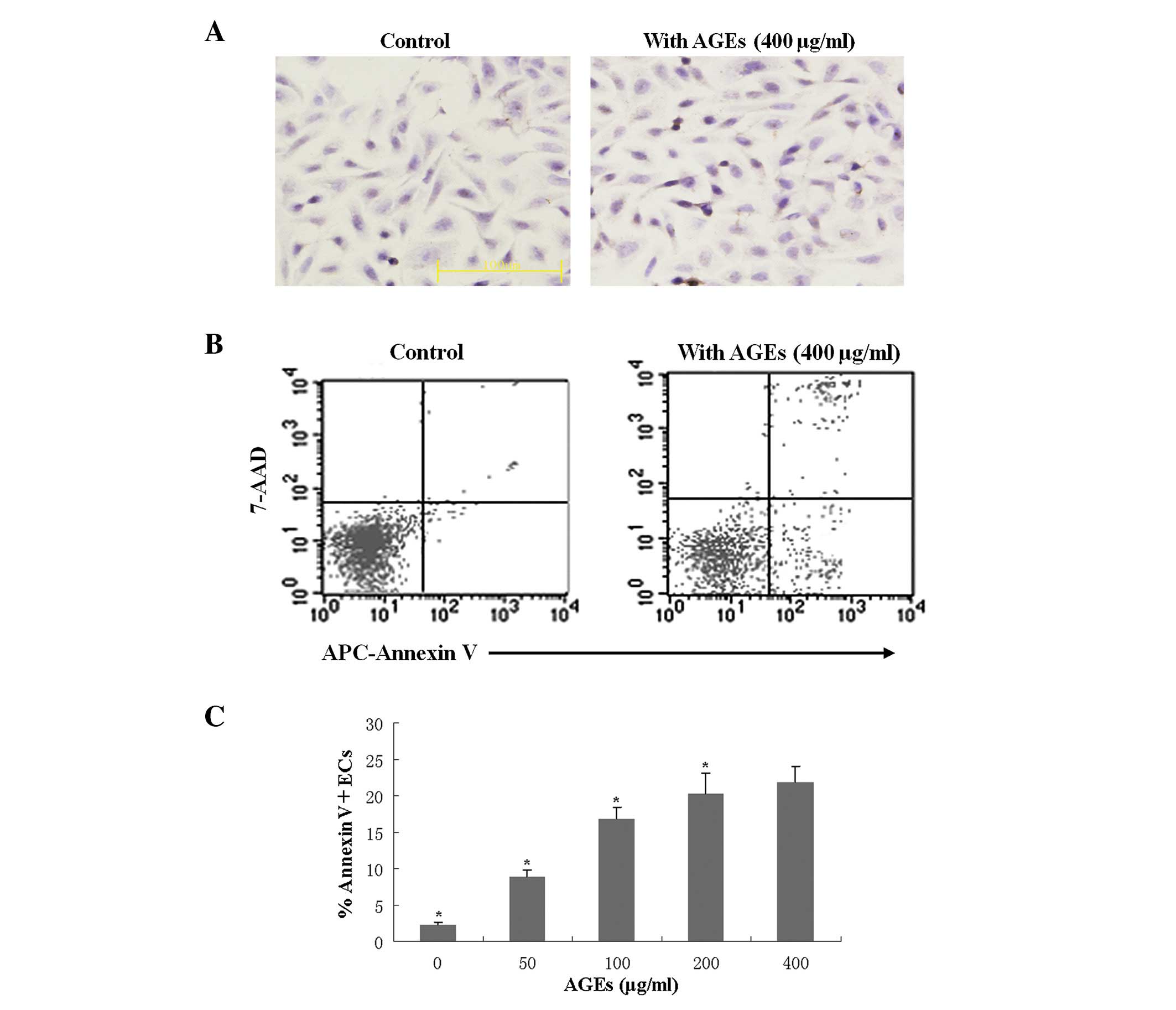
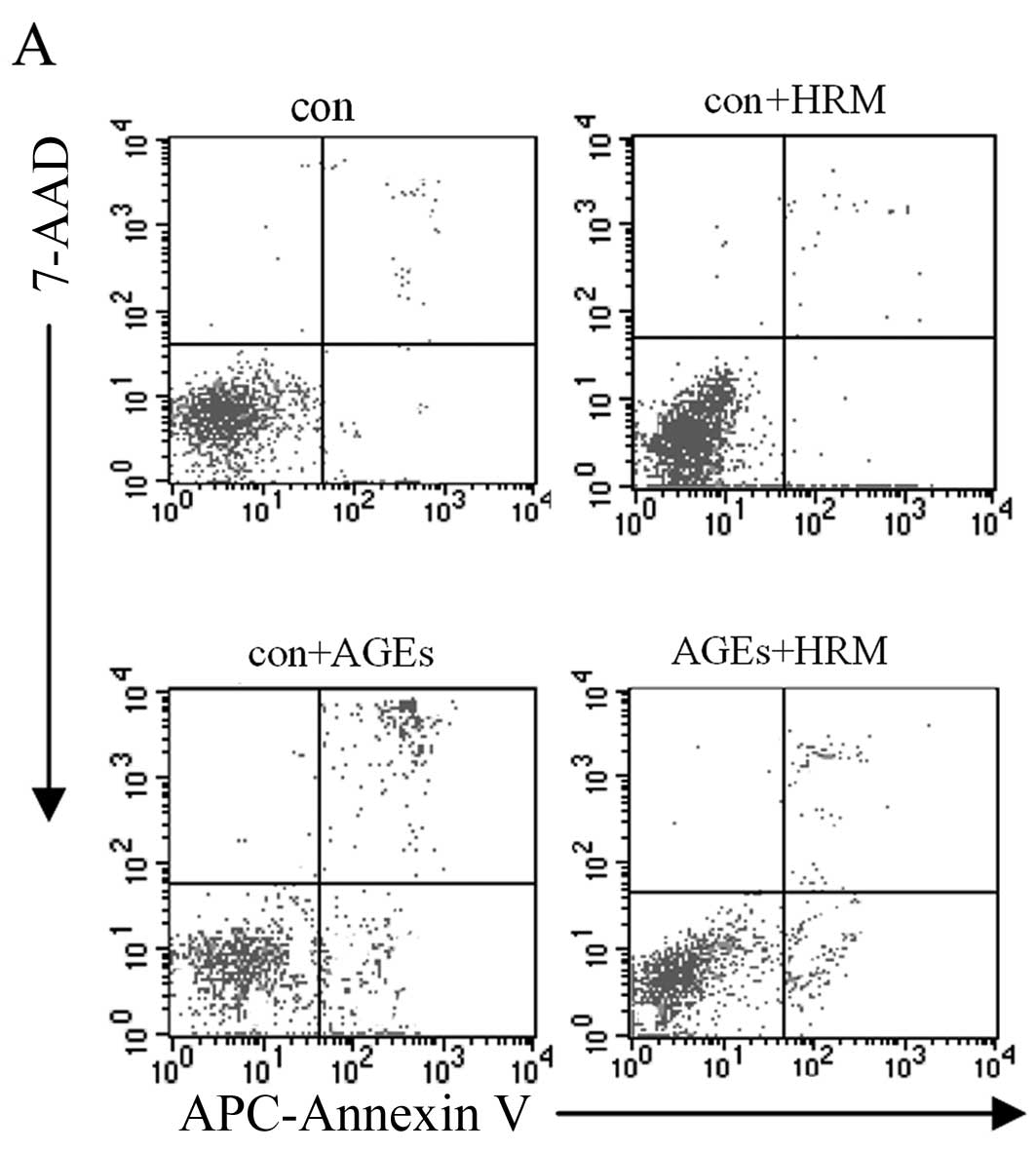
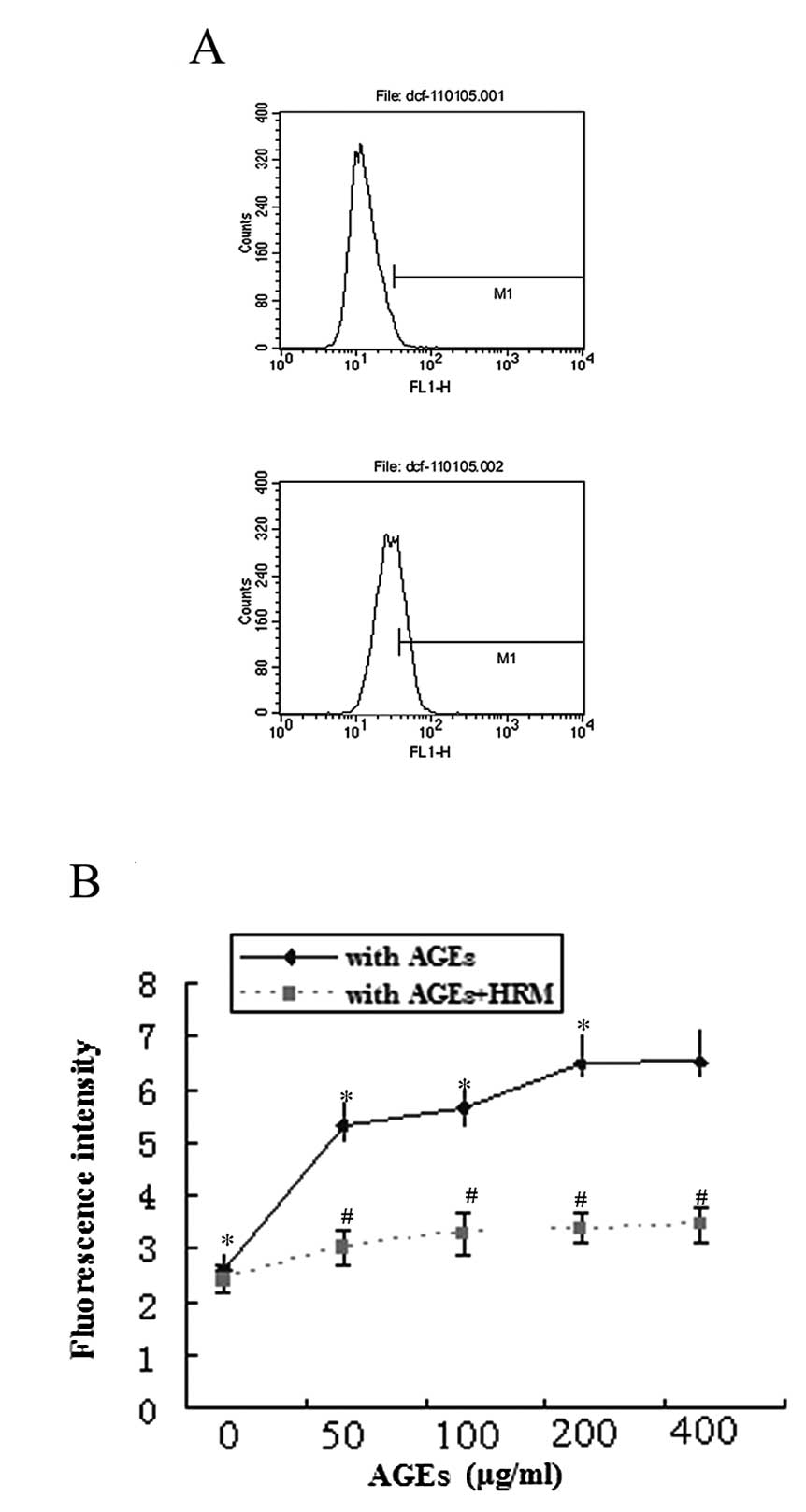
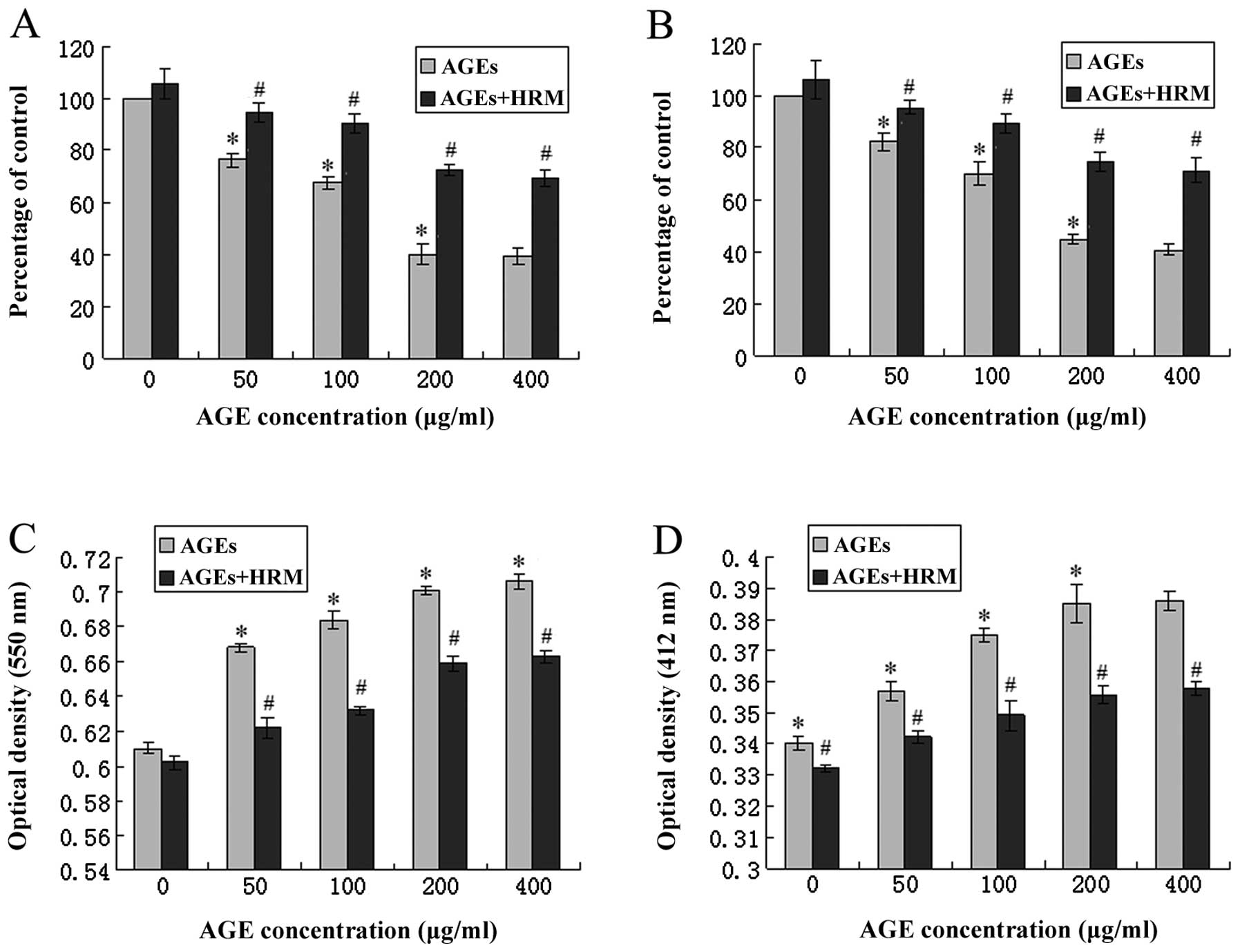
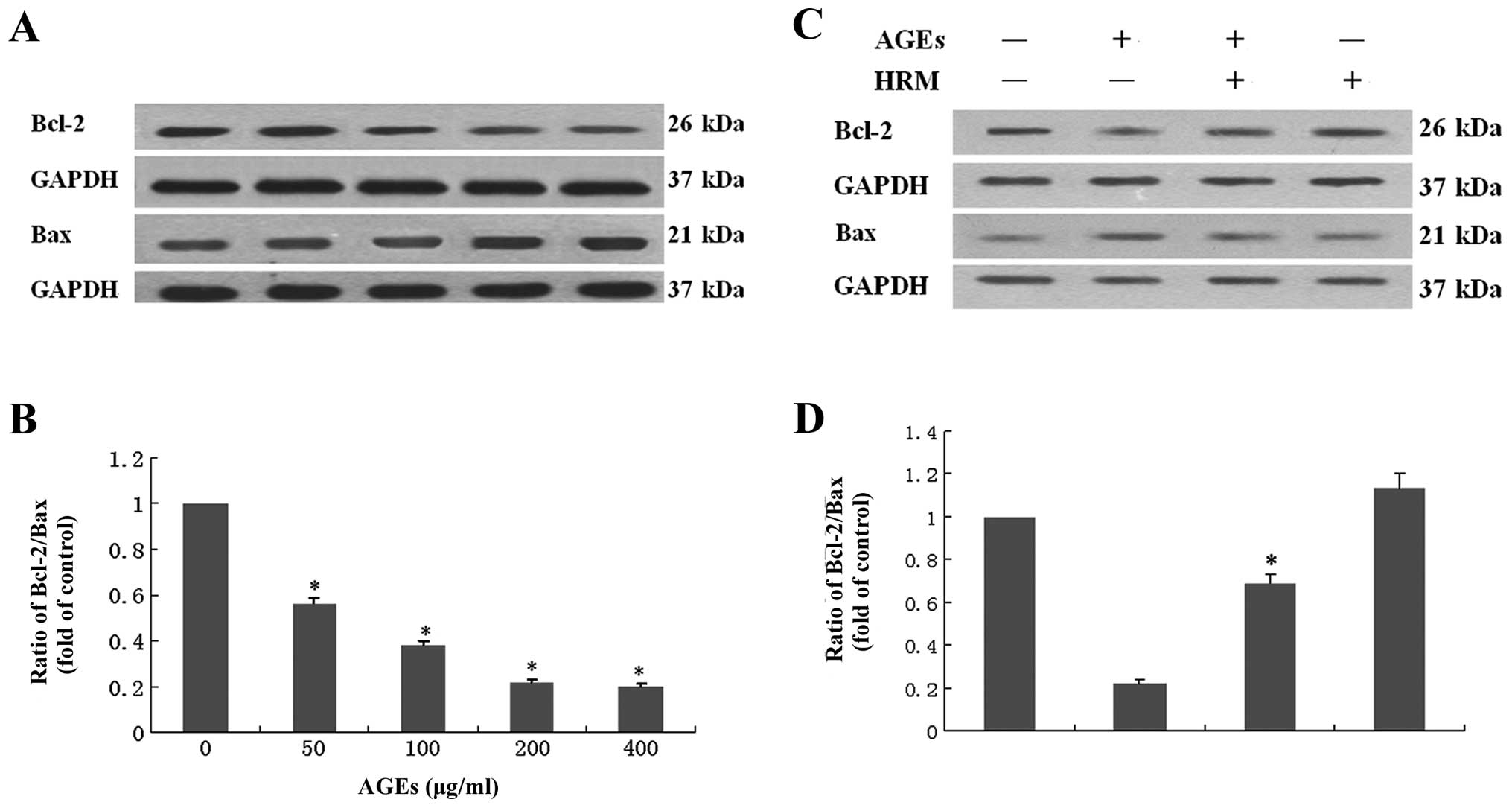
The purpose of the present study was to determine whether using hydrogen-rich medium (HRM) to increase hydrogen levels in endothelial cells (ECs) protects ECs from apoptosis induced by advanced glycation end products (AGEs). The thoracic aorta was removed from 2-3-year-old Sprague-Dawley rats, and ECs were isolated and cultured. After culturing ECs in the presence of AGEs and/or with HRM for 24 h, Annexin V/7-AAD and TUNEL staining were carried out to detect apoptosis. Intracellular ROS were detected by fluorescent probe and quantified by flow cytometry. The expression of antioxidative enzymes (superoxide dismutase, glutathione peroxidase) was determined by real-time PCR analysis and enzymatic assay. The relative expression levels of Bcl-2 and Bax were analyzed by western blotting. The addition of AGEs increased the apoptosis of ECs in a concentration-dependent manner and HRM reduced the AGE (400 µg/ml)-induced apoptosis from 21.61±2.52 to 11.32±1.75%. HRM also significantly attenuated the AGE-induced intracellular ROS induction and decrease in the expression of antioxidative enzymes. In conclusion, hydrogen exhibits significant protective effects against AGE-induced EC injury possibly through reducing ROS generation, intracellular antioxidant enzyme system protection and elevation of the Bcl-2/Bax ratio.
View Figures

Figure 1

Figure 2

Figure 3

Figure 4

Figure 5

View References

1 

Faria AM, Papadimitriou A, Silva KC, Lopes de Faria JM and Lopes de Faria JB: Uncoupling endothelial nitric oxide synthase is ameliorated by green tea in experimental diabetes by re-establishing tetrahydrobiopterin levels. Diabetes. 61:1838–1847. 2012. View Article : Google Scholar

2 

Caporali A, Pani E, Horrevoets AJ, et al: Neurotrophin p75 receptor (p75NTR) promotes endothelial cell apoptosis and inhibits angiogenesis: implications for diabetes-induced impaired neovascularization in ischemic limb muscles. Circ Res. 103:e15–e26. 2008. View Article : Google Scholar

3 

Csiszar A and Ungvari Z: Endothelial dysfunction and vascular inflammation in type 2 diabetes: interaction of AGE/RAGE and TNF-alpha signaling. Am J Physiol Heart Circ Physiol. 295:H475–H476. 2008. View Article : Google Scholar : PubMed/NCBI

4 

Goldin A, Beckman JA, Schmidt AM and Creager MA: Advanced glycation end products: sparking the development of diabetic vascular injury. Circulation. 114:597–605. 2006. View Article : Google Scholar : PubMed/NCBI

5 

Xiang M, Yang M, Zhou C, Liu J, Li W and Qian Z: Crocetin prevents AGEs-induced vascular endothelial cell apoptosis. Pharmacol Res. 54:268–274. 2006. View Article : Google Scholar : PubMed/NCBI

6 

Chen J, Huang L, Song M, Yu S, Gao P and Jing J: C-reactive protein upregulates receptor for advanced glycation end products expression and alters antioxidant defenses in rat endothelial progenitor cells. J Cardiovasc Pharmacol. 53:359–367. 2009. View Article : Google Scholar

7 

Tan AL, Forbes JM and Cooper ME: AGE, RAGE, and ROS in diabetic nephropathy. Semin Nephrol. 27:130–143. 2007. View Article : Google Scholar : PubMed/NCBI

8 

Ohsawa I, Ishikawa M, Takahashi K, et al: Hydrogen acts as a therapeutic antioxidant by selectively reducing cytotoxic oxygen radicals. Nat Med. 13:688–694. 2007. View Article : Google Scholar

9 

Xie K, Yu Y, Huang Y, et al: Molecular hydrogen ameliorates lipopolysaccharide-induced acute lung injury in mice through reducing inflammation and apoptosis. Shock. 37:548–555. 2012.PubMed/NCBI

10 

Cai J, Kang Z, Liu K, et al: Neuroprotective effects of hydrogen saline in neonatal hypoxia-ischemia rat model. Brain Res. 1256:129–137. 2009. View Article : Google Scholar : PubMed/NCBI

11 

Chen H, Sun YP, Li Y, et al: Hydrogen-rich saline ameliorates the severity of l-arginine-induced acute pancreatitis in rats. Biochem Biophys Res Commun. 393:308–313. 2010. View Article : Google Scholar : PubMed/NCBI

12 

Liu Q, Shen WF, Sun HY, et al: Hydrogen-rich saline protects against liver injury in rats with obstructive jaundice. Liver Int. 30:958–968. 2010. View Article : Google Scholar : PubMed/NCBI

13 

Sun Q, Kang Z, Cai J, et al: Hydrogen-rich saline protects myocardium against ischemia/reperfusion injury in rats. Exp Biol Med. 234:1212–1219. 2009. View Article : Google Scholar : PubMed/NCBI

14 

Li J, Wang C, Zhang JH, Cai JM, Cao YP and Sun XJ: Hydrogen-rich saline improves memory function in a rat model of amyloid-beta-induced Alzheimer’s disease by reduction of oxidative stress. Brain Res. 1328:152–161. 2010.PubMed/NCBI

15 

Sun Q, Cai J, Zhou J, Tao H, Zhang JH, Zhang W and Sun XJ: Hydrogen-rich saline reduces delayed neurologic sequelae in experimental carbon monoxide toxicity. Crit Care Med. 39:765–769. 2011. View Article : Google Scholar : PubMed/NCBI

16 

Sun H, Chen L, Zhou W, et al: The protective role of hydrogen-rich saline in experimental liver injury in mice. J Hepatol. 54:471–480. 2011. View Article : Google Scholar : PubMed/NCBI

17 

Terasaki Y, Ohsawa I, Terasaki M, et al: Hydrogen therapy attenuates irradiation-induced lung damage by reducing oxidative stress. Am J Physiol Lung Cell Mol Physiol. 301:L415–L426. 2011. View Article : Google Scholar : PubMed/NCBI

18 

Ohsawa I, Nishimaki K, Yamagata K, Ishikawa M and Ohta S: Consumption of hydrogen water prevents atherosclerosis in apolipoprotein E knockout mice. Biochem Biophys Res Commun. 377:1195–1198. 2008. View Article : Google Scholar : PubMed/NCBI

19 

Qin ZX, Yu P, Qian DH, et al: Hydrogen-rich saline prevents neointima formation after carotid balloon injury by suppressing ROS and the TNF-α/NF-κB pathway. Atherosclerosis. 220:343–350. 2012.PubMed/NCBI

20 

Wu X, Zhou Q, Huang L, Sun A, Wang K, Zou Y and Ge J: Ageing-exaggerated proliferation of vascular smooth muscle cells is related to attenuation of Jagged1 expression in endothelial cells. Cardiovasc Res. 77:800–808. 2008. View Article : Google Scholar : PubMed/NCBI

21 

Tang X, Guo Y, Nakamura K, et al: Nitroalkenes induce rat aortic smooth muscle cell apoptosis via activation of caspase-dependent pathways. Biochem Biophys Res Commun. 397:239–244. 2010. View Article : Google Scholar : PubMed/NCBI

22 

Chen J, Song M, Yu S, Gao P, Yu Y, Wang H and Huang L: Advanced glycation endproducts alter functions and promote apoptosis in endothelial progenitor cells through receptor for advanced glycation endproducts mediate overpression of cell oxidant stress. Mol Cell Biochem. 335:137–146. 2010. View Article : Google Scholar

23 

Marsh SA, Laursen PB, Pat BK, Gobe GC and Coombes JS: Bcl-2 in endothelial cells is increased by vitamin E and alpha-lipoic acid supplementation but not exercise training. J Mol Cell Cardiol. 38:445–451. 2005. View Article : Google Scholar : PubMed/NCBI

24 

Oltvai ZN, Milliman CL and Korsmeyer SJ: Bcl-2 heterodimerizes in vivo with a conserved homolog, Bax, that accelerates programmed cell death. Cell. 74:609–619. 1993. View Article : Google Scholar : PubMed/NCBI

25 

Jandeleit-Dahm K, Watson A and Soro-Paavonen A: The AGE/RAGE axis in diabetes-accelerated atherosclerosis. Clin Exp Pharmacol Physiol. 35:329–334. 2008. View Article : Google Scholar

26 

Kajiyama S, Hasegawa G, Asano M, et al: Supplementation of hydrogen-rich water improves lipid and glucose metabolism in patients with type 2 diabetes or impaired glucose tolerance. Nutr Res. 28:137–143. 2008. View Article : Google Scholar : PubMed/NCBI

27 

Qian L, Li B, Cao F, Huang Y, Liu S, Cai J and Gao F: Hydrogen-rich PBS protects cultured human cells from ionizing radiation-induced cellular damage. Nucl Technol Radiat Prot. 25:23–29. 2010. View Article : Google Scholar

28 

Yu P, Wang Z, Sun X, Chen X, Zeng S, Chen L and Li S: Hydrogen-rich medium protects human skin fibroblasts from high glucose or mannitol induced oxidative damage. Biochem Biophys Res Commun. 409:350–355. 2011. View Article : Google Scholar : PubMed/NCBI

29 

Yu Ys and Zheng H: Chronic hydrogen-rich saline treatment reduces oxidative stress and attenuates left ventricular hypertrophy in spontaneous hypertensive rats. Mol Cell Biochem. 365:233–242. 2012. View Article : Google Scholar : PubMed/NCBI

30 

Zhang Y, Sun Q, He B, Xiao J, Wang Z and Sun X: Anti-inflammatory effect of hydrogen-rich saline in a rat model of regional myocardial ischemia and reperfusion. Int J Cardiol. 148:91–95. 2011. View Article : Google Scholar : PubMed/NCBI

31 

Zong C, Song G, Yao S, et al: Administration of hydrogen-saturated saline decreases plasma low-density lipoprotein cholesterol levels and improves high-density lipoprotein function in high-fat diet-fed hamsters. Metabolism. 61:794–800. 2012. View Article : Google Scholar

32 

Schoenfeld MP, Ansari RR, Zakrajsek JF, et al: Hydrogen therapy may reduce the risks related to radiation-induced oxidative stress in space flight. Med Hypotheses. 76:117–118. 2011. View Article : Google Scholar : PubMed/NCBI

33 

Hess DA and Hegele RA: Linking diabetes with oxidative stress, adipokines, and impaired endothelial precursor cell dunction. Can J Cardiol. 28:629–630. 2012. View Article : Google Scholar : PubMed/NCBI

34 

Sharpe PC, Liu WH, Yue KK, et al: Glucose-induced oxidative stress in vascular contractile cells: comparison of aortic smooth muscle cells and retinal pericytes. Diabetes. 47:801–809. 1998. View Article : Google Scholar : PubMed/NCBI

35 

Li BY, Li XL, Cai Q, et al: Induction of lactadherin mediates the apoptosis of endothelial cells in response to advanced glycation end products and protective effects of grape seed procyanidin B2 and resveratrol. Apoptosis. 16:732–745. 2011. View Article : Google Scholar : PubMed/NCBI

36 

Deng X, Gao F and May WS Jr: Bcl2 retards G1/S cell cycle transition by regulating intracellular ROS. Blood. 102:3179–3185. 2003. View Article : Google Scholar : PubMed/NCBI

Related Articles

  • Abstract
  • View
  • Download
  • Twitter
Copy and paste a formatted citation
Spandidos Publications style
Jiang H, Yu P, Qian D, Qin Z, Sun X, Yu J and Huang L: Hydrogen-rich medium suppresses the generation of reactive oxygen species, elevates the Bcl-2/Bax ratio and inhibits advanced glycation end product-induced apoptosis. Int J Mol Med 31: 1381-1387, 2013.
APA
Jiang, H., Yu, P., Qian, D., Qin, Z., Sun, X., Yu, J., & Huang, L. (2013). Hydrogen-rich medium suppresses the generation of reactive oxygen species, elevates the Bcl-2/Bax ratio and inhibits advanced glycation end product-induced apoptosis. International Journal of Molecular Medicine, 31, 1381-1387. https://doi.org/10.3892/ijmm.2013.1334
MLA
Jiang, H., Yu, P., Qian, D., Qin, Z., Sun, X., Yu, J., Huang, L."Hydrogen-rich medium suppresses the generation of reactive oxygen species, elevates the Bcl-2/Bax ratio and inhibits advanced glycation end product-induced apoptosis". International Journal of Molecular Medicine 31.6 (2013): 1381-1387.
Chicago
Jiang, H., Yu, P., Qian, D., Qin, Z., Sun, X., Yu, J., Huang, L."Hydrogen-rich medium suppresses the generation of reactive oxygen species, elevates the Bcl-2/Bax ratio and inhibits advanced glycation end product-induced apoptosis". International Journal of Molecular Medicine 31, no. 6 (2013): 1381-1387. https://doi.org/10.3892/ijmm.2013.1334
Copy and paste a formatted citation
x
Spandidos Publications style
Jiang H, Yu P, Qian D, Qin Z, Sun X, Yu J and Huang L: Hydrogen-rich medium suppresses the generation of reactive oxygen species, elevates the Bcl-2/Bax ratio and inhibits advanced glycation end product-induced apoptosis. Int J Mol Med 31: 1381-1387, 2013.
APA
Jiang, H., Yu, P., Qian, D., Qin, Z., Sun, X., Yu, J., & Huang, L. (2013). Hydrogen-rich medium suppresses the generation of reactive oxygen species, elevates the Bcl-2/Bax ratio and inhibits advanced glycation end product-induced apoptosis. International Journal of Molecular Medicine, 31, 1381-1387. https://doi.org/10.3892/ijmm.2013.1334
MLA
Jiang, H., Yu, P., Qian, D., Qin, Z., Sun, X., Yu, J., Huang, L."Hydrogen-rich medium suppresses the generation of reactive oxygen species, elevates the Bcl-2/Bax ratio and inhibits advanced glycation end product-induced apoptosis". International Journal of Molecular Medicine 31.6 (2013): 1381-1387.
Chicago
Jiang, H., Yu, P., Qian, D., Qin, Z., Sun, X., Yu, J., Huang, L."Hydrogen-rich medium suppresses the generation of reactive oxygen species, elevates the Bcl-2/Bax ratio and inhibits advanced glycation end product-induced apoptosis". International Journal of Molecular Medicine 31, no. 6 (2013): 1381-1387. https://doi.org/10.3892/ijmm.2013.1334
Follow us
  • Twitter
  • LinkedIn
  • Facebook
About
  • Spandidos Publications
  • Careers
  • Cookie Policy
  • Privacy Policy
How can we help?
  • Help
  • Live Chat
  • Contact
  • Email to our Support Team