Spandidos Publications Logo
  • About
    • About Spandidos
    • Aims and Scopes
    • Abstracting and Indexing
    • Editorial Policies
    • Reprints and Permissions
    • Job Opportunities
    • Terms and Conditions
    • Contact
  • Journals
    • All Journals
    • Oncology Letters
      • Oncology Letters
      • Information for Authors
      • Editorial Policies
      • Editorial Board
      • Aims and Scope
      • Abstracting and Indexing
      • Bibliographic Information
      • Archive
    • International Journal of Oncology
      • International Journal of Oncology
      • Information for Authors
      • Editorial Policies
      • Editorial Board
      • Aims and Scope
      • Abstracting and Indexing
      • Bibliographic Information
      • Archive
    • Molecular and Clinical Oncology
      • Molecular and Clinical Oncology
      • Information for Authors
      • Editorial Policies
      • Editorial Board
      • Aims and Scope
      • Abstracting and Indexing
      • Bibliographic Information
      • Archive
    • Experimental and Therapeutic Medicine
      • Experimental and Therapeutic Medicine
      • Information for Authors
      • Editorial Policies
      • Editorial Board
      • Aims and Scope
      • Abstracting and Indexing
      • Bibliographic Information
      • Archive
    • International Journal of Molecular Medicine
      • International Journal of Molecular Medicine
      • Information for Authors
      • Editorial Policies
      • Editorial Board
      • Aims and Scope
      • Abstracting and Indexing
      • Bibliographic Information
      • Archive
    • Biomedical Reports
      • Biomedical Reports
      • Information for Authors
      • Editorial Policies
      • Editorial Board
      • Aims and Scope
      • Abstracting and Indexing
      • Bibliographic Information
      • Archive
    • Oncology Reports
      • Oncology Reports
      • Information for Authors
      • Editorial Policies
      • Editorial Board
      • Aims and Scope
      • Abstracting and Indexing
      • Bibliographic Information
      • Archive
    • Molecular Medicine Reports
      • Molecular Medicine Reports
      • Information for Authors
      • Editorial Policies
      • Editorial Board
      • Aims and Scope
      • Abstracting and Indexing
      • Bibliographic Information
      • Archive
    • World Academy of Sciences Journal
      • World Academy of Sciences Journal
      • Information for Authors
      • Editorial Policies
      • Editorial Board
      • Aims and Scope
      • Abstracting and Indexing
      • Bibliographic Information
      • Archive
    • International Journal of Functional Nutrition
      • International Journal of Functional Nutrition
      • Information for Authors
      • Editorial Policies
      • Editorial Board
      • Aims and Scope
      • Abstracting and Indexing
      • Bibliographic Information
      • Archive
    • International Journal of Epigenetics
      • International Journal of Epigenetics
      • Information for Authors
      • Editorial Policies
      • Editorial Board
      • Aims and Scope
      • Abstracting and Indexing
      • Bibliographic Information
      • Archive
    • Medicine International
      • Medicine International
      • Information for Authors
      • Editorial Policies
      • Editorial Board
      • Aims and Scope
      • Abstracting and Indexing
      • Bibliographic Information
      • Archive
  • Articles
  • Information
    • Information for Authors
    • Information for Reviewers
    • Information for Librarians
    • Information for Advertisers
    • Conferences
  • Language Editing
Spandidos Publications Logo
  • About
    • About Spandidos
    • Aims and Scopes
    • Abstracting and Indexing
    • Editorial Policies
    • Reprints and Permissions
    • Job Opportunities
    • Terms and Conditions
    • Contact
  • Journals
    • All Journals
    • Biomedical Reports
      • Information for Authors
      • Editorial Policies
      • Editorial Board
      • Aims and Scope
      • Abstracting and Indexing
      • Bibliographic Information
      • Archive
    • Experimental and Therapeutic Medicine
      • Information for Authors
      • Editorial Policies
      • Editorial Board
      • Aims and Scope
      • Abstracting and Indexing
      • Bibliographic Information
      • Archive
    • International Journal of Epigenetics
      • Information for Authors
      • Editorial Policies
      • Editorial Board
      • Aims and Scope
      • Abstracting and Indexing
      • Bibliographic Information
      • Archive
    • International Journal of Functional Nutrition
      • Information for Authors
      • Editorial Policies
      • Editorial Board
      • Aims and Scope
      • Abstracting and Indexing
      • Bibliographic Information
      • Archive
    • International Journal of Molecular Medicine
      • Information for Authors
      • Editorial Policies
      • Editorial Board
      • Aims and Scope
      • Abstracting and Indexing
      • Bibliographic Information
      • Archive
    • International Journal of Oncology
      • Information for Authors
      • Editorial Policies
      • Editorial Board
      • Aims and Scope
      • Abstracting and Indexing
      • Bibliographic Information
      • Archive
    • Medicine International
      • Information for Authors
      • Editorial Policies
      • Editorial Board
      • Aims and Scope
      • Abstracting and Indexing
      • Bibliographic Information
      • Archive
    • Molecular and Clinical Oncology
      • Information for Authors
      • Editorial Policies
      • Editorial Board
      • Aims and Scope
      • Abstracting and Indexing
      • Bibliographic Information
      • Archive
    • Molecular Medicine Reports
      • Information for Authors
      • Editorial Policies
      • Editorial Board
      • Aims and Scope
      • Abstracting and Indexing
      • Bibliographic Information
      • Archive
    • Oncology Letters
      • Information for Authors
      • Editorial Policies
      • Editorial Board
      • Aims and Scope
      • Abstracting and Indexing
      • Bibliographic Information
      • Archive
    • Oncology Reports
      • Information for Authors
      • Editorial Policies
      • Editorial Board
      • Aims and Scope
      • Abstracting and Indexing
      • Bibliographic Information
      • Archive
    • World Academy of Sciences Journal
      • Information for Authors
      • Editorial Policies
      • Editorial Board
      • Aims and Scope
      • Abstracting and Indexing
      • Bibliographic Information
      • Archive
  • Articles
  • Information
    • For Authors
    • For Reviewers
    • For Librarians
    • For Advertisers
    • Conferences
  • Language Editing
Login Register Submit
  • This site uses cookies
  • You can change your cookie settings at any time by following the instructions in our Cookie Policy. To find out more, you may read our Privacy Policy.

    I agree
Search articles by DOI, keyword, author or affiliation
Search
Advanced Search
presentation
International Journal of Molecular Medicine
Join Editorial Board Propose a Special Issue
Print ISSN: 1107-3756 Online ISSN: 1791-244X
Journal Cover
July 2013 Volume 32 Issue 1

Full Size Image

Sign up for eToc alerts
Recommend to Library

Journals

International Journal of Molecular Medicine

International Journal of Molecular Medicine

International Journal of Molecular Medicine is an international journal devoted to molecular mechanisms of human disease.

International Journal of Oncology

International Journal of Oncology

International Journal of Oncology is an international journal devoted to oncology research and cancer treatment.

Molecular Medicine Reports

Molecular Medicine Reports

Covers molecular medicine topics such as pharmacology, pathology, genetics, neuroscience, infectious diseases, molecular cardiology, and molecular surgery.

Oncology Reports

Oncology Reports

Oncology Reports is an international journal devoted to fundamental and applied research in Oncology.

Experimental and Therapeutic Medicine

Experimental and Therapeutic Medicine

Experimental and Therapeutic Medicine is an international journal devoted to laboratory and clinical medicine.

Oncology Letters

Oncology Letters

Oncology Letters is an international journal devoted to Experimental and Clinical Oncology.

Biomedical Reports

Biomedical Reports

Explores a wide range of biological and medical fields, including pharmacology, genetics, microbiology, neuroscience, and molecular cardiology.

Molecular and Clinical Oncology

Molecular and Clinical Oncology

International journal addressing all aspects of oncology research, from tumorigenesis and oncogenes to chemotherapy and metastasis.

World Academy of Sciences Journal

World Academy of Sciences Journal

Multidisciplinary open-access journal spanning biochemistry, genetics, neuroscience, environmental health, and synthetic biology.

International Journal of Functional Nutrition

International Journal of Functional Nutrition

Open-access journal combining biochemistry, pharmacology, immunology, and genetics to advance health through functional nutrition.

International Journal of Epigenetics

International Journal of Epigenetics

Publishes open-access research on using epigenetics to advance understanding and treatment of human disease.

Medicine International

Medicine International

An International Open Access Journal Devoted to General Medicine.

Journal Cover
July 2013 Volume 32 Issue 1

Full Size Image

Sign up for eToc alerts
Recommend to Library

  • Article
  • Citations
    • Cite This Article
    • Download Citation
    • Create Citation Alert
    • Remove Citation Alert
    • Cited By
  • Similar Articles
    • Related Articles (in Spandidos Publications)
    • Similar Articles (Google Scholar)
    • Similar Articles (PubMed)
  • Download PDF
  • Download XML
  • View XML
Article

Crude extract of Ceriporia lacerata has a protective effect on dexamethasone-induced cytotoxicity in INS-1 cells via the modulation of PI3K/PKB activity

  • Authors:
    • Ji-Hye Kim
    • Yu-Kyoung Park
    • Ji-Eun Kim
    • Sam-Pin Lee
    • Byoung-Cheon Kim
    • Byeong-Churl Jang
  • View Affiliations / Copyright

    Affiliations: Department of Medical Genetic Engineering, Keimyung University School of Medicine, Dalseo-gu, Daegu 704-701, Republic of Korea, Worldbiotech Co, Ltd., Sangju, Gyeongbuk 742-912, Republic of Korea, Department of Food Science and Technology, Keimyung University, Dalseo-gu, Daegu 704-701, Republic of Korea
  • Pages: 179-186
    |
    Published online on: April 26, 2013
       https://doi.org/10.3892/ijmm.2013.1364
  • Expand metrics +
Metrics: Total Views: 0 (Spandidos Publications: | PMC Statistics: )
Metrics: Total PDF Downloads: 0 (Spandidos Publications: | PMC Statistics: )
Cited By (CrossRef): 0 citations Loading Articles...

This article is mentioned in:


Abstract

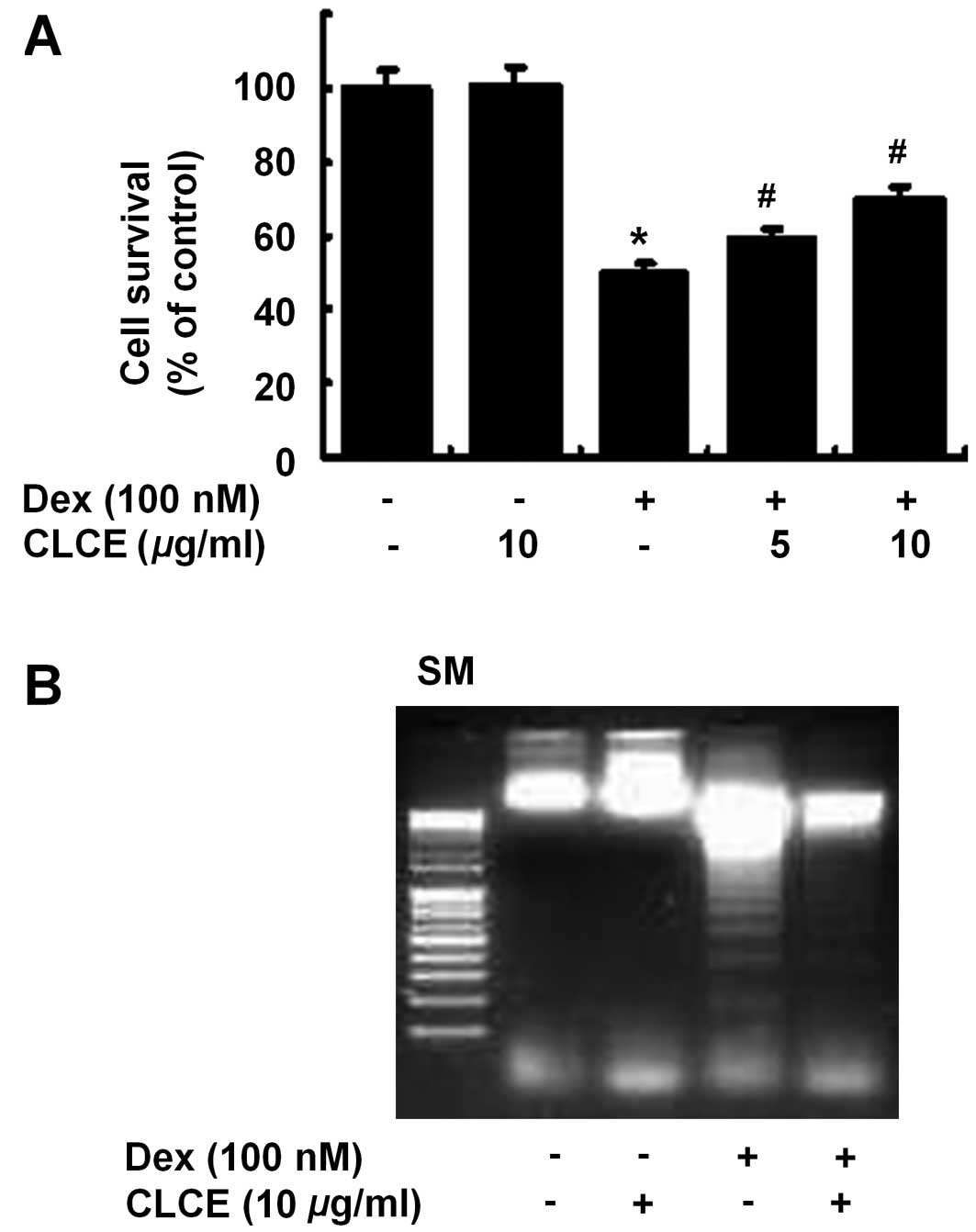
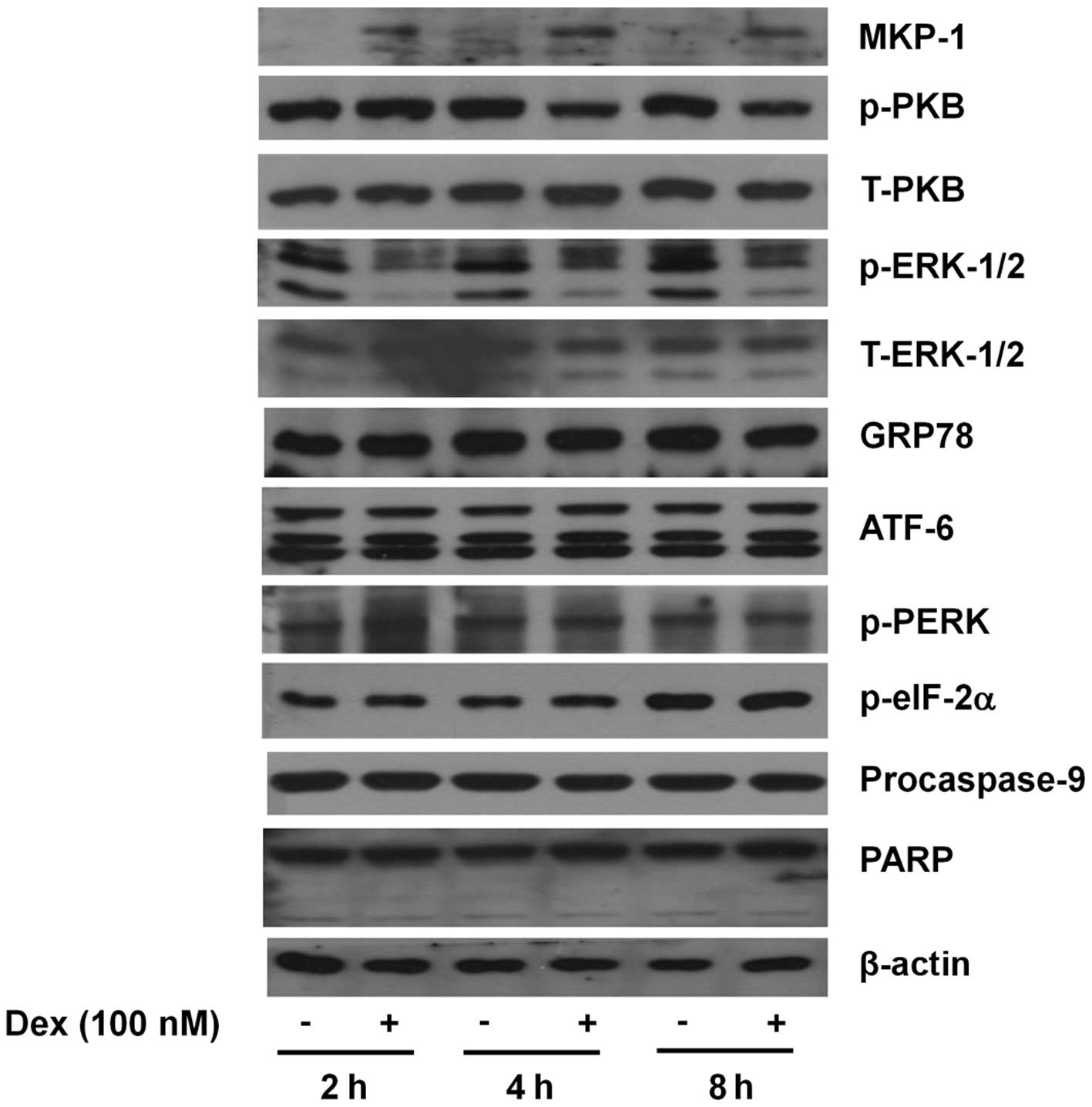
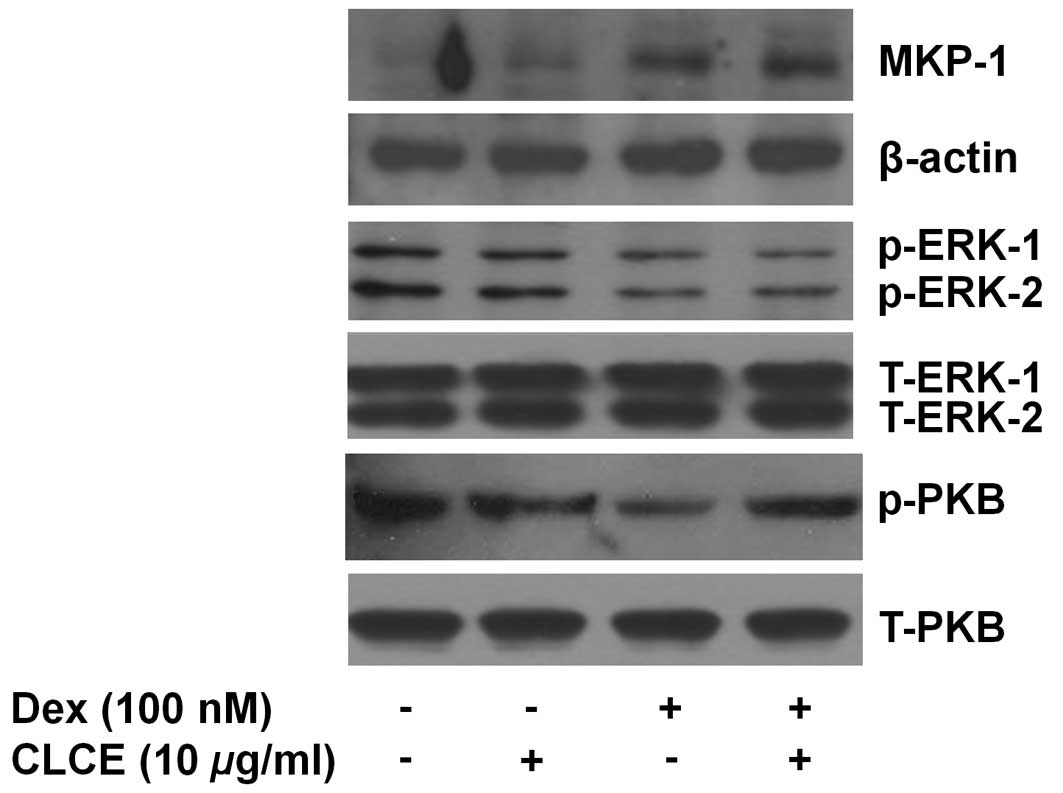
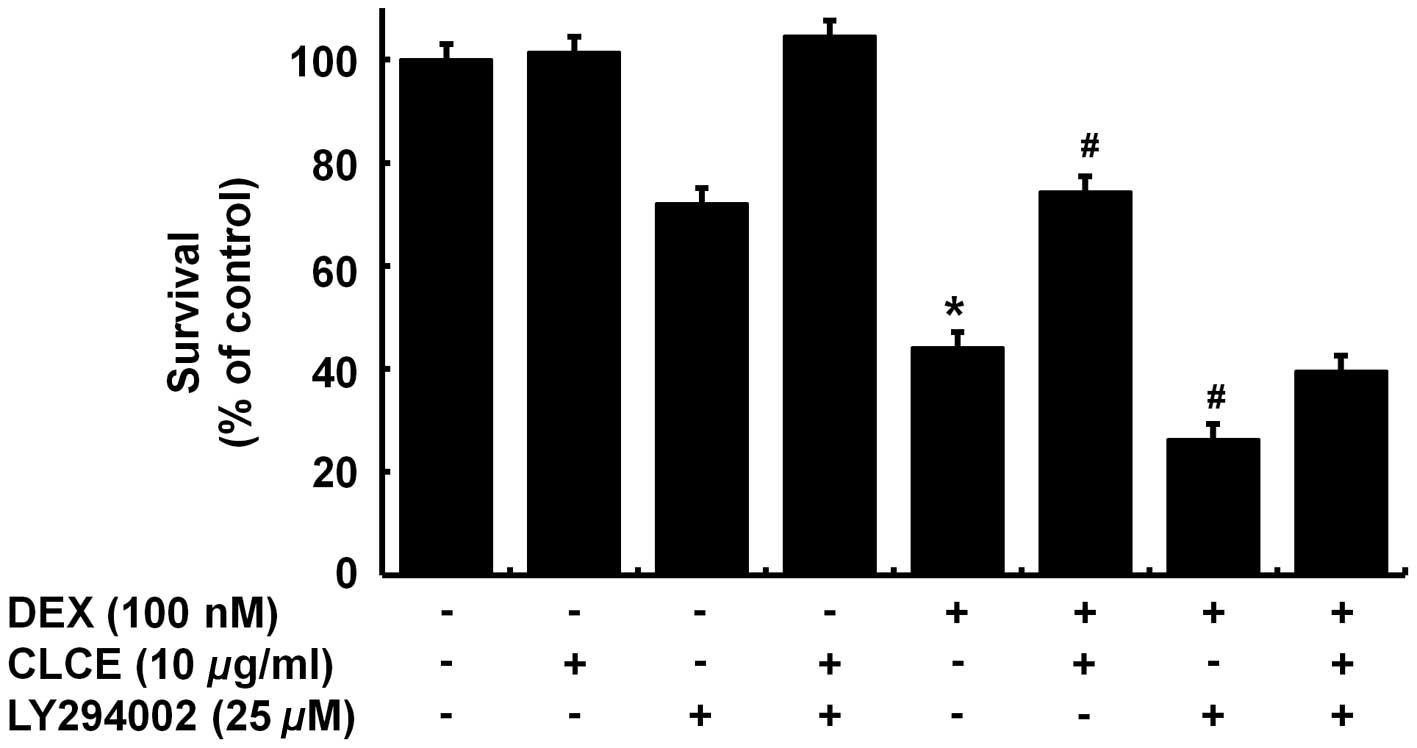
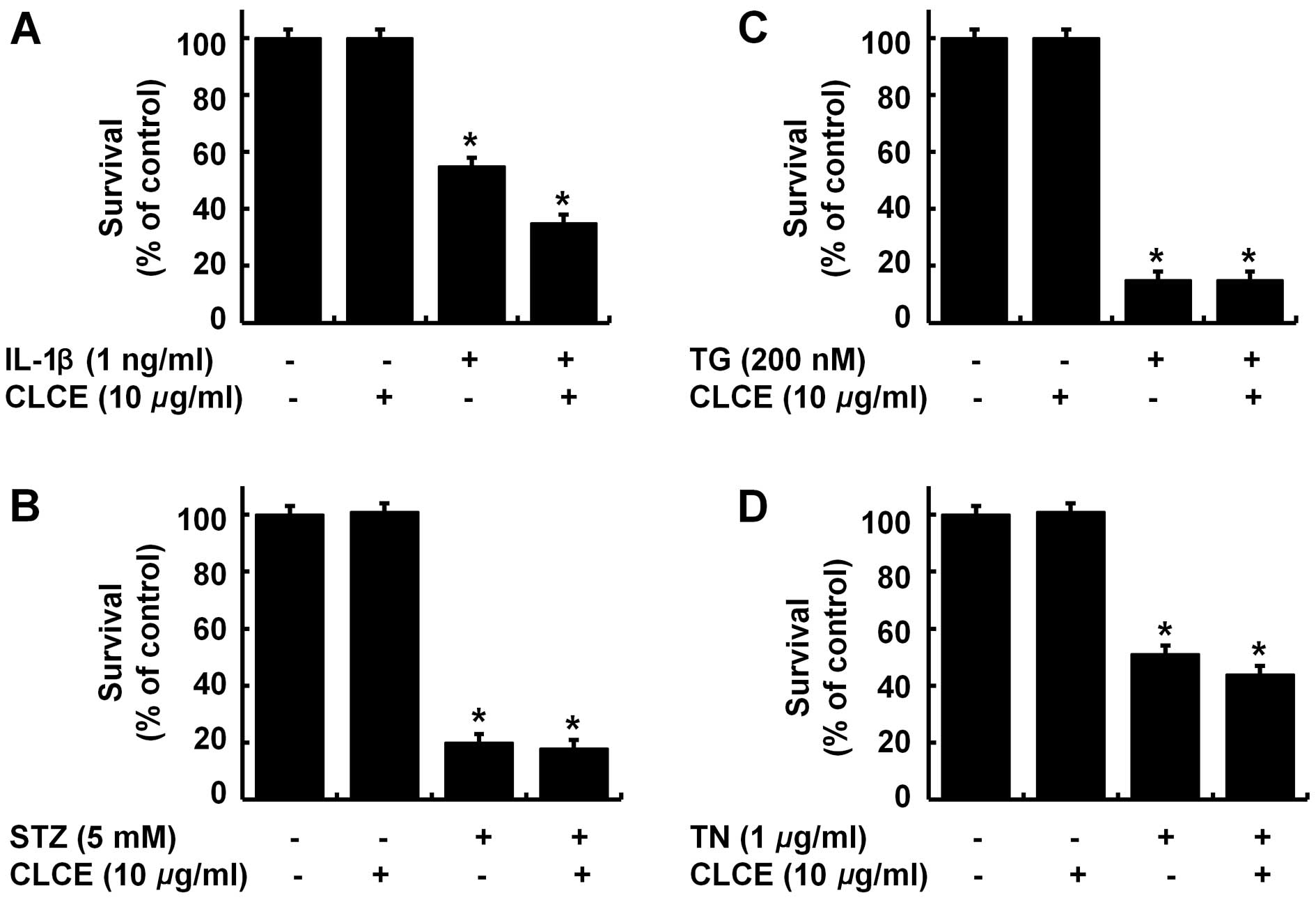
Excessive and/or long-term glucocorticoid therapy reduces β-cell mass and induces hyperglycemia, which contribute to the development of steroid‑induced diabetes. Ceriporia (C.) lacerata is one of the white‑rot fungi and has been used in bioremediations, such as lignocellulose degradation, in nature. The pharmacologic effect of C. lacerata on steroid-induced β-cell toxicity is not known. In this study, we evaluated the effect of a crude extract from a submerged cultivation of C. lacerata on the survival and apoptosis of INS-1 rat insulin-secreting cells exposed to dexamethasone (Dex), a synthetic diabetogenic glucocorticoid. Treatment with the C. lacerata crude extract (CLCE) largely blocked the Dex-induced reduction in survival and apoptosis of INS-1 cells. Moreover, CLCE treatment inhibited Dex-induced protein kinase B (PKB) dephosphorylation without affecting Dex-induced extracellular signal-regulated protein kinase-1/2 dephosphorylation and MKP-1 upregulation. Importantly, the protective effect of CLCE on Dex-induced cytotoxicity in INS-1 cells was attenuated by LY294002, an inhibitor of PI3K/PKB. CLCE treatment, however, did not protect the INS-1 cells from the cytotoxic effects triggered by other insults, such as interleukin-1β (an inflammatory cytokine), streptozotocin (a diabetogenic drug), thapsigargin (a calcium mobilizing agent), and tunicamycin (an ER stress inducer). Collectively, these findings demonstrate for the first time the ability of CLCE to specifically protect INS-1 cells from Dex-induced cytotoxicity through the modulation of the PI3K/PKB pathway. It is suggested that CLCE may be applied for the prevention and/or treatment of steroid diabetes in which reduction of β-cell survival and induction of β-cell apoptosis play pathogenic roles.
View Figures

Figure 1

Figure 2

Figure 3

Figure 4

Figure 5

View References

1. 

Hoogwerf B and Danese RD: Drug selection and the management of corticosteroid-related diabetes mellitus. Rheum Dis Clin North Am. 25:489–505. 1999. View Article : Google Scholar : PubMed/NCBI

2. 

Schacke H, Docke WD and Asadullah K: Mechanisms involved in the side effects of glucocorticoids. Pharmacol Ther. 96:23–43. 2002. View Article : Google Scholar : PubMed/NCBI

3. 

Lambillotte C, Gilon P and Henquin JC: Direct glucocorticoid inhibition of insulin secretion: an in vitro study of dexamethasone effects in mouse islets. J Clin Invest. 99:414–423. 1997. View Article : Google Scholar : PubMed/NCBI

4. 

Jeong IK, Oh SH, Kim BJ, et al: The effects of dexamethasone on insulin release and biosynthesis are dependent on the dose and duration of treatment. Diabetes Res Clin Pract. 51:163–171. 2001. View Article : Google Scholar : PubMed/NCBI

5. 

Hegardt C, Andersson G and Oredsson SM: Spermine prevents cytochrome c release in glucocorticoid-induced apoptosis in mouse thymocytes. Cell Biol Int. 27:115–121. 2003. View Article : Google Scholar : PubMed/NCBI

6. 

Tonomura N, McLaughlin K, Grimm L, et al: Glucocorticoid-induced apoptosis of thymocytes: requirement of proteasome-dependent mitochondrial activity. J Immunol. 170:2469–2478. 2003. View Article : Google Scholar : PubMed/NCBI

7. 

Renner K, Amberger A, Konwalinka G, et al: Changes of mitochondrial respiration, mitochondrial content and cell size after induction of apoptosis in leukemia cells. Biochim Biophys Acta. 1642:115–123. 2003. View Article : Google Scholar : PubMed/NCBI

8. 

Roma LP, Bosqueiro JR, Cunha DA, et al: Protection of insulin-producing cells against toxicity of dexamethasone by catalase overexpression. Free Radic Biol Med. 47:1386–1393. 2009. View Article : Google Scholar : PubMed/NCBI

9. 

Amsterdam A, Tajima K and Sasson R: Cell-specific regulation of apoptosis by glucocorticoids: implication to their anti-inflammatory action. Biochem Pharmacol. 64:843–850. 2002. View Article : Google Scholar : PubMed/NCBI

10. 

Kovalovsky D, Refojo D, Holsboer F, et al: Molecular mechanisms and Th1/Th2 pathways in corticosteroid regulation of cytokine production. J Neuroimmunol. 109:23–29. 2000. View Article : Google Scholar : PubMed/NCBI

11. 

Avram D, Ranta F, Hennige AM, et al: IGF-1 protects against dexamethasone-induced cell death in insulin secreting INS-1 cells independent of AKT/PKB phosphorylation. Cell Physiol Biochem. 21:455–462. 2008. View Article : Google Scholar : PubMed/NCBI

12. 

Abraham SM, Lawrence T, Kleiman A, et al: Antiinflammatory effects of dexamethasone are partly dependent on induction of dual specificity phosphatase 1. J Exp Med. 203:1883–1889. 2006. View Article : Google Scholar : PubMed/NCBI

13. 

Wu W, Pew T, Zou M, et al: Glucocorticoid receptor-induced MAPK phosphatase-1 (MPK-1) expression inhibits paclitaxel-associated MAPK activation and contributes to breast cancer cell survival. J Biol Chem. 280:4117–4124. 2005. View Article : Google Scholar : PubMed/NCBI

14. 

Miller AL, Webb MS, Copik AJ, et al: p38 mitogen-activated protein kinase (MAPK) is a key mediator in glucocorticoid-induced apoptosis of lymphoid cells: correlation between p38 MAPK activation and site-specific phosphorylation of the human glucocorticoid receptor at serine 211. Mol Endocrinol. 19:1569–1583. 2005. View Article : Google Scholar

15. 

Nicoletti-Carvalho JE, Lellis-Santos C, Yamanaka TS, et al: MKP-1 mediates glucocorticoid-induced ERK1/2 dephosphorylation and reduction in pancreatic beta-cell proliferation in islets from early lactating mothers. Am J Physiol Endocrinol Metab. 299:1006–1015. 2010. View Article : Google Scholar : PubMed/NCBI

16. 

Paterson RR: Ganoderma - a therapeutic fungal biofactory. Phytochemistry. 67:1985–2001. 2006. View Article : Google Scholar : PubMed/NCBI

17. 

Lee JW, Gwak KS, Park JY, et al: Biological pretreatment of softwood Pinus densiflora by three white rot fungi. J Microbiol. 45:485–491. 2007.

18. 

Wyllie AH, Kerr JF and Currie AR: Cell death: the significance of apoptosis. Int Rev Cytol. 68:251–306. 1980. View Article : Google Scholar

19. 

Allen RT, Hunter WJ III and Agrawal DK: Morphological and biochemical characterization and analysis of apoptosis. J Pharmacol Toxicol Methods. 37:215–228. 1997. View Article : Google Scholar : PubMed/NCBI

20. 

Cantley LC: The phosphoinositide 3-kinase pathway. Science. 296:1655–1657. 2002. View Article : Google Scholar : PubMed/NCBI

21. 

Song G, Ouyang G and Bao S: The activation of Akt/PKB signaling pathway and cell survival. J Cell Mol Med. 9:59–71. 2005. View Article : Google Scholar : PubMed/NCBI

22. 

Elghazi L, Balcazar N and Bernal-Mizrachi E: Emerging role of protein kinase B/Akt signaling in pancreatic beta-cell mass and function. Int J Biochem Cell Biol. 38:157–163. 2006. View Article : Google Scholar : PubMed/NCBI

23. 

Brubaker PL and Drucker DJ: Glucagon-like peptides regulate cell proliferation and apoptosis in the pancreas, gut, and central nervous system. Endocrinology. 145:2653–2659. 2004. View Article : Google Scholar : PubMed/NCBI

24. 

Dickson LM and Rhodes CJ: Pancreatic beta-cell growth and survival in the onset of type 2 diabetes: a role for protein kinase B in the Akt? Am J Physiol Endocrinol Metab. 287:192–198. 2004. View Article : Google Scholar : PubMed/NCBI

25. 

Dickson LM, Lingohr MK, McCuaig J, et al: Differential activation of protein kinase B and p70(S6)K by glucose and insulin-like growth factor 1 in pancreatic beta-cells (INS-1). J Biol Chem. 276:21110–21120. 2001. View Article : Google Scholar : PubMed/NCBI

26. 

Srinivasan S, Bernal-Mizrachi E, Ohsugi M, et al: Glucose promotes pancreatic islet beta-cell survival through a PI 3-kinase/ Akt-signaling pathway. Am J Physiol Endocrinol Metab. 283:784–793. 2002. View Article : Google Scholar : PubMed/NCBI

27. 

Wang Q, Li L, Xu E, et al: Glucagon-like peptide-1 regulates proliferation and apoptosis via activation of protein kinase B in pancreatic INS-1 beta cells. Diabetologia. 47:478–487. 2004. View Article : Google Scholar : PubMed/NCBI

28. 

Wrede CE, Dickson LM, Lingohr MK, et al: Protein kinase B/ Akt prevents fatty acid-induced apoptosis in pancreatic beta-cells (INS-1). J Biol Chem. 277:49676–49684. 2002. View Article : Google Scholar : PubMed/NCBI

29. 

Youl E, Bardy G, Maqous R, et al: Quercetin potentiates insulin secretion and protects INS-1 pancreatic beta-cells against oxidative damage via the ERK1/2 pathway. Br J Pharmacol. 161:799–814. 2010. View Article : Google Scholar : PubMed/NCBI

30. 

Kassel O, Sancono A, Krätzschmar J, et al: Glucocorticoids inhibit MAP kinase via increased expression and decreased degradation of MKP-1. EMBO J. 20:7108–7116. 2001. View Article : Google Scholar : PubMed/NCBI

31. 

Lasa M, Abraham SM, Boucheron C, et al: Dexamethasone causes sustained expression of mitogen-activated protein kinase (MAPK) phosphatase 1 and phosphatase-mediated inhibition of MAPK p38. Mol Cell Biol. 22:7802–7811. 2002. View Article : Google Scholar : PubMed/NCBI

32. 

Engelbrecht Y, de Wet H, Horsch K, et al: Glucocorticoids induce rapid up-regulation of mitogen-activated protein kinase phosphatase-1 and dephosphorylation of extracellular signal-regulated kinase and impair proliferation in human and mouse osteoblast cell lines. Endocrinology. 144:412–422. 2003. View Article : Google Scholar

33. 

Gao T, Furnari F, Newton AC, et al: PHLPP: A phosphatase that directly dephosphorylates Akt, promotes apoptosis, and suppresses tumor growth. Mol Cell. 18:13–24. 2005. View Article : Google Scholar : PubMed/NCBI

34. 

Woodgett JR: Recent advances in the protein kinase B signaling pathway. Curr Opin Cell Biol. 17:150–157. 2005. View Article : Google Scholar : PubMed/NCBI

35. 

Tumlin JA, Lea JP, Swanson CE, et al: Aldosterone and dexamethasone stimulate calcineurin activity through a transcription-independent mechanism involving steroid receptor-associated heat shock proteins. J Clin Invest. 99:1217–1223. 1997. View Article : Google Scholar

36. 

Ranta F, Avram D, Berchtold S, et al: Dexamethasone induces cell death in insulin-secreting cells, an effect reversed by exendin-4. Diabetes. 55:1380–1390. 2006. View Article : Google Scholar : PubMed/NCBI

37. 

Fearnhead HO, Dinsdale D, Cohen GM, et al: An interleukin-1 beta-converting enzyme-like protease is a common mediator of apoptosis in thymocytes. FEBS Lett. 375:283–288. 1995. View Article : Google Scholar : PubMed/NCBI

38. 

Emoto Y, Manome Y, Meinhardt G, et al: Proteolytic activation of protein kinase C delta by an ICE-like protease in apoptotic cells. EMBO J. 14:6148–6156. 1995.PubMed/NCBI

39. 

Lazebnik YA, Kaufmann SH, Desnoyers S, et al: Cleavage of poly(ADP-ribose) polymerase by a proteinase with properties like ICE. Nature. 371:346–347. 1994. View Article : Google Scholar : PubMed/NCBI

40. 

Almawi WY, Melemedjian OK and Jaoude MM: On the link between Bcl-2 family proteins and glucocorticoid-induced apoptosis. J Leukoc Biol. 76:7–14. 2004. View Article : Google Scholar : PubMed/NCBI

41. 

Fonseca SG, Burcin M, Gromada J, et al: Endoplasmic reticulum stress in beta-cells and development of diabetes. Curr Opin Pharmacol. 9:763–770. 2009. View Article : Google Scholar : PubMed/NCBI

42. 

Thomas SE, Dalton LE, Daly ML, et al: Diabetes as a disease of endoplasmic reticulum stress. Diabetes Metab Res Rev. 26:611–621. 2010. View Article : Google Scholar : PubMed/NCBI

43. 

Lee AS: The glucose-regulated proteins: stress induction and clinical applications. Trends Biochem Sci. 26:504–510. 2001. View Article : Google Scholar : PubMed/NCBI

44. 

Haze K, Yoshida H, Yanagi T, et al: Mammalian transcription factor ATF6 is synthesized as a transmembrane protein and activated by proteolysis in response to endoplasmic reticulum stress. Mol Biol Cell. 10:3787–3799. 1999. View Article : Google Scholar

45. 

De Haro C, Méndez R and Santoyo J: The eIF-2alpha kinases and the control of protein synthesis. FASEB J. 10:1378–1387. 1996.PubMed/NCBI

46. 

Sun JE, Ao ZH, Lu ZM, et al: Antihyperglycemic and antilipidperoxidative effects of dry mater of culture broth of Inonotus obliquus in submerged culture on normal and alloxan-diabetes mice. J Ethnopharmacol. 118:7–13. 2008. View Article : Google Scholar : PubMed/NCBI

47. 

Jeong SC, Jeong YT, Yang BK, et al: White button mushroom (Agaricus bisporus) lowers blood glucose and cholesterol levels in diabetic and hypercholesterolemic rats. Nutr Res. 30:49–56. 2010.

48. 

Mizuno T: Development of antitumor polysaccharides from mushroom fungi. Food Food Ingred J Jpn. 167:69–85. 1996.

49. 

Wasser SP and Weis AL: Medicinal properties of substances occurring in higher basidiomycetes mushrooms: current perspectives. Int J Med Mushrooms. 1:31–62. 1999. View Article : Google Scholar

50. 

Kobayashi M, Kawashima H, Takemori K, et al: Ternatin, a cyclic peptide isolated from mushroom, and its derivative suppress hyperglycemia and hepatic fatty acid synthesis in spontaneously diabetic KK-A(y) mice. Biochem Biophys Res Commun. 427:299–304. 2012. View Article : Google Scholar : PubMed/NCBI

51. 

Netea MG, Hancu N, Blok WL, et al: Interleukin 1 beta, tumour necrosis factor-alpha and interleukin 1 receptor antagonist in newly diagnosed insulin-dependent diabetes mellitus: comparison to long-standing diabetes and healthy individuals. Cytokine. 9:284–287. 1997. View Article : Google Scholar

52. 

Kaizer EC, Glaser CL, Chaussabel D, et al: Gene expression in peripheral blood mononuclear cells from children with diabetes. J Clin Endocrinol Metab. 92:3705–3711. 2007. View Article : Google Scholar : PubMed/NCBI

53. 

Schnedl WJ, Ferber S, Johnson JH, et al: STZ transport and cytotoxicity. Specific enhancement in GLUT2-expressing cells. Diabetes. 43:1326–1333. 1994. View Article : Google Scholar : PubMed/NCBI

54. 

Deeds MC, Anderson JM, Armstrong AS, et al: Single dose streptozotocin-induced diabetes: considerations for study design in islet transplantation models. Lab Anim. 45:131–140. 2011. View Article : Google Scholar : PubMed/NCBI

55. 

Duprez J and Jonas JC: Role of activating transcription factor 3 in low glucose- and thapsigargin-induced apoptosis in cultured mouse islets. Biochem Biophys Res Commun. 415:294–299. 2011. View Article : Google Scholar : PubMed/NCBI

56. 

Rosengren V, Johansson H, Lehtiö J, et al: Thapsigargin down-regulates protein levels of GRP78/BiP in INS-1E cells. J Cell Biochem. 113:1635–1644. 2012.PubMed/NCBI

57. 

Peng L, Men X, Zhang W, et al: Dynamin-related protein 1 is implicated in endoplasmic reticulum stress-induced pancreatic β-cell apoptosis. Int J Mol Med. 28:161–169. 2011.PubMed/NCBI

Related Articles

  • Abstract
  • View
  • Download
  • Twitter
Copy and paste a formatted citation
Spandidos Publications style
Kim J, Park Y, Kim J, Lee S, Kim B and Jang B: Crude extract of Ceriporia lacerata has a protective effect on dexamethasone-induced cytotoxicity in INS-1 cells via the modulation of PI3K/PKB activity. Int J Mol Med 32: 179-186, 2013.
APA
Kim, J., Park, Y., Kim, J., Lee, S., Kim, B., & Jang, B. (2013). Crude extract of Ceriporia lacerata has a protective effect on dexamethasone-induced cytotoxicity in INS-1 cells via the modulation of PI3K/PKB activity. International Journal of Molecular Medicine, 32, 179-186. https://doi.org/10.3892/ijmm.2013.1364
MLA
Kim, J., Park, Y., Kim, J., Lee, S., Kim, B., Jang, B."Crude extract of Ceriporia lacerata has a protective effect on dexamethasone-induced cytotoxicity in INS-1 cells via the modulation of PI3K/PKB activity". International Journal of Molecular Medicine 32.1 (2013): 179-186.
Chicago
Kim, J., Park, Y., Kim, J., Lee, S., Kim, B., Jang, B."Crude extract of Ceriporia lacerata has a protective effect on dexamethasone-induced cytotoxicity in INS-1 cells via the modulation of PI3K/PKB activity". International Journal of Molecular Medicine 32, no. 1 (2013): 179-186. https://doi.org/10.3892/ijmm.2013.1364
Copy and paste a formatted citation
x
Spandidos Publications style
Kim J, Park Y, Kim J, Lee S, Kim B and Jang B: Crude extract of Ceriporia lacerata has a protective effect on dexamethasone-induced cytotoxicity in INS-1 cells via the modulation of PI3K/PKB activity. Int J Mol Med 32: 179-186, 2013.
APA
Kim, J., Park, Y., Kim, J., Lee, S., Kim, B., & Jang, B. (2013). Crude extract of Ceriporia lacerata has a protective effect on dexamethasone-induced cytotoxicity in INS-1 cells via the modulation of PI3K/PKB activity. International Journal of Molecular Medicine, 32, 179-186. https://doi.org/10.3892/ijmm.2013.1364
MLA
Kim, J., Park, Y., Kim, J., Lee, S., Kim, B., Jang, B."Crude extract of Ceriporia lacerata has a protective effect on dexamethasone-induced cytotoxicity in INS-1 cells via the modulation of PI3K/PKB activity". International Journal of Molecular Medicine 32.1 (2013): 179-186.
Chicago
Kim, J., Park, Y., Kim, J., Lee, S., Kim, B., Jang, B."Crude extract of Ceriporia lacerata has a protective effect on dexamethasone-induced cytotoxicity in INS-1 cells via the modulation of PI3K/PKB activity". International Journal of Molecular Medicine 32, no. 1 (2013): 179-186. https://doi.org/10.3892/ijmm.2013.1364
Follow us
  • Twitter
  • LinkedIn
  • Facebook
About
  • Spandidos Publications
  • Careers
  • Cookie Policy
  • Privacy Policy
How can we help?
  • Help
  • Live Chat
  • Contact
  • Email to our Support Team