Spandidos Publications Logo
  • About
    • About Spandidos
    • Aims and Scopes
    • Abstracting and Indexing
    • Editorial Policies
    • Reprints and Permissions
    • Job Opportunities
    • Terms and Conditions
    • Contact
  • Journals
    • All Journals
    • Oncology Letters
      • Oncology Letters
      • Information for Authors
      • Editorial Policies
      • Editorial Board
      • Aims and Scope
      • Abstracting and Indexing
      • Bibliographic Information
      • Archive
    • International Journal of Oncology
      • International Journal of Oncology
      • Information for Authors
      • Editorial Policies
      • Editorial Board
      • Aims and Scope
      • Abstracting and Indexing
      • Bibliographic Information
      • Archive
    • Molecular and Clinical Oncology
      • Molecular and Clinical Oncology
      • Information for Authors
      • Editorial Policies
      • Editorial Board
      • Aims and Scope
      • Abstracting and Indexing
      • Bibliographic Information
      • Archive
    • Experimental and Therapeutic Medicine
      • Experimental and Therapeutic Medicine
      • Information for Authors
      • Editorial Policies
      • Editorial Board
      • Aims and Scope
      • Abstracting and Indexing
      • Bibliographic Information
      • Archive
    • International Journal of Molecular Medicine
      • International Journal of Molecular Medicine
      • Information for Authors
      • Editorial Policies
      • Editorial Board
      • Aims and Scope
      • Abstracting and Indexing
      • Bibliographic Information
      • Archive
    • Biomedical Reports
      • Biomedical Reports
      • Information for Authors
      • Editorial Policies
      • Editorial Board
      • Aims and Scope
      • Abstracting and Indexing
      • Bibliographic Information
      • Archive
    • Oncology Reports
      • Oncology Reports
      • Information for Authors
      • Editorial Policies
      • Editorial Board
      • Aims and Scope
      • Abstracting and Indexing
      • Bibliographic Information
      • Archive
    • Molecular Medicine Reports
      • Molecular Medicine Reports
      • Information for Authors
      • Editorial Policies
      • Editorial Board
      • Aims and Scope
      • Abstracting and Indexing
      • Bibliographic Information
      • Archive
    • World Academy of Sciences Journal
      • World Academy of Sciences Journal
      • Information for Authors
      • Editorial Policies
      • Editorial Board
      • Aims and Scope
      • Abstracting and Indexing
      • Bibliographic Information
      • Archive
    • International Journal of Functional Nutrition
      • International Journal of Functional Nutrition
      • Information for Authors
      • Editorial Policies
      • Editorial Board
      • Aims and Scope
      • Abstracting and Indexing
      • Bibliographic Information
      • Archive
    • International Journal of Epigenetics
      • International Journal of Epigenetics
      • Information for Authors
      • Editorial Policies
      • Editorial Board
      • Aims and Scope
      • Abstracting and Indexing
      • Bibliographic Information
      • Archive
    • Medicine International
      • Medicine International
      • Information for Authors
      • Editorial Policies
      • Editorial Board
      • Aims and Scope
      • Abstracting and Indexing
      • Bibliographic Information
      • Archive
  • Articles
  • Information
    • Information for Authors
    • Information for Reviewers
    • Information for Librarians
    • Information for Advertisers
    • Conferences
  • Language Editing
Spandidos Publications Logo
  • About
    • About Spandidos
    • Aims and Scopes
    • Abstracting and Indexing
    • Editorial Policies
    • Reprints and Permissions
    • Job Opportunities
    • Terms and Conditions
    • Contact
  • Journals
    • All Journals
    • Biomedical Reports
      • Information for Authors
      • Editorial Policies
      • Editorial Board
      • Aims and Scope
      • Abstracting and Indexing
      • Bibliographic Information
      • Archive
    • Experimental and Therapeutic Medicine
      • Information for Authors
      • Editorial Policies
      • Editorial Board
      • Aims and Scope
      • Abstracting and Indexing
      • Bibliographic Information
      • Archive
    • International Journal of Epigenetics
      • Information for Authors
      • Editorial Policies
      • Editorial Board
      • Aims and Scope
      • Abstracting and Indexing
      • Bibliographic Information
      • Archive
    • International Journal of Functional Nutrition
      • Information for Authors
      • Editorial Policies
      • Editorial Board
      • Aims and Scope
      • Abstracting and Indexing
      • Bibliographic Information
      • Archive
    • International Journal of Molecular Medicine
      • Information for Authors
      • Editorial Policies
      • Editorial Board
      • Aims and Scope
      • Abstracting and Indexing
      • Bibliographic Information
      • Archive
    • International Journal of Oncology
      • Information for Authors
      • Editorial Policies
      • Editorial Board
      • Aims and Scope
      • Abstracting and Indexing
      • Bibliographic Information
      • Archive
    • Medicine International
      • Information for Authors
      • Editorial Policies
      • Editorial Board
      • Aims and Scope
      • Abstracting and Indexing
      • Bibliographic Information
      • Archive
    • Molecular and Clinical Oncology
      • Information for Authors
      • Editorial Policies
      • Editorial Board
      • Aims and Scope
      • Abstracting and Indexing
      • Bibliographic Information
      • Archive
    • Molecular Medicine Reports
      • Information for Authors
      • Editorial Policies
      • Editorial Board
      • Aims and Scope
      • Abstracting and Indexing
      • Bibliographic Information
      • Archive
    • Oncology Letters
      • Information for Authors
      • Editorial Policies
      • Editorial Board
      • Aims and Scope
      • Abstracting and Indexing
      • Bibliographic Information
      • Archive
    • Oncology Reports
      • Information for Authors
      • Editorial Policies
      • Editorial Board
      • Aims and Scope
      • Abstracting and Indexing
      • Bibliographic Information
      • Archive
    • World Academy of Sciences Journal
      • Information for Authors
      • Editorial Policies
      • Editorial Board
      • Aims and Scope
      • Abstracting and Indexing
      • Bibliographic Information
      • Archive
  • Articles
  • Information
    • For Authors
    • For Reviewers
    • For Librarians
    • For Advertisers
    • Conferences
  • Language Editing
Login Register Submit
  • This site uses cookies
  • You can change your cookie settings at any time by following the instructions in our Cookie Policy. To find out more, you may read our Privacy Policy.

    I agree
Search articles by DOI, keyword, author or affiliation
Search
Advanced Search
presentation
International Journal of Molecular Medicine
Join Editorial Board Propose a Special Issue
Print ISSN: 1107-3756 Online ISSN: 1791-244X
Journal Cover
May-2014 Volume 33 Issue 5

Full Size Image

Sign up for eToc alerts
Recommend to Library

Journals

International Journal of Molecular Medicine

International Journal of Molecular Medicine

International Journal of Molecular Medicine is an international journal devoted to molecular mechanisms of human disease.

International Journal of Oncology

International Journal of Oncology

International Journal of Oncology is an international journal devoted to oncology research and cancer treatment.

Molecular Medicine Reports

Molecular Medicine Reports

Covers molecular medicine topics such as pharmacology, pathology, genetics, neuroscience, infectious diseases, molecular cardiology, and molecular surgery.

Oncology Reports

Oncology Reports

Oncology Reports is an international journal devoted to fundamental and applied research in Oncology.

Experimental and Therapeutic Medicine

Experimental and Therapeutic Medicine

Experimental and Therapeutic Medicine is an international journal devoted to laboratory and clinical medicine.

Oncology Letters

Oncology Letters

Oncology Letters is an international journal devoted to Experimental and Clinical Oncology.

Biomedical Reports

Biomedical Reports

Explores a wide range of biological and medical fields, including pharmacology, genetics, microbiology, neuroscience, and molecular cardiology.

Molecular and Clinical Oncology

Molecular and Clinical Oncology

International journal addressing all aspects of oncology research, from tumorigenesis and oncogenes to chemotherapy and metastasis.

World Academy of Sciences Journal

World Academy of Sciences Journal

Multidisciplinary open-access journal spanning biochemistry, genetics, neuroscience, environmental health, and synthetic biology.

International Journal of Functional Nutrition

International Journal of Functional Nutrition

Open-access journal combining biochemistry, pharmacology, immunology, and genetics to advance health through functional nutrition.

International Journal of Epigenetics

International Journal of Epigenetics

Publishes open-access research on using epigenetics to advance understanding and treatment of human disease.

Medicine International

Medicine International

An International Open Access Journal Devoted to General Medicine.

Journal Cover
May-2014 Volume 33 Issue 5

Full Size Image

Sign up for eToc alerts
Recommend to Library

  • Article
  • Citations
    • Cite This Article
    • Download Citation
    • Create Citation Alert
    • Remove Citation Alert
    • Cited By
  • Similar Articles
    • Related Articles (in Spandidos Publications)
    • Similar Articles (Google Scholar)
    • Similar Articles (PubMed)
  • Download PDF
  • Download XML
  • View XML
Article

Mangiferin increases Nrf2 protein stability by inhibiting its ubiquitination and degradation in human HL60 myeloid leukemia cells

  • Authors:
    • Jie Zhao
    • Benping Zhang
    • Shanshan Li
    • Linglan Zeng
    • Yan Chen
    • Jun Fang
  • View Affiliations / Copyright

    Affiliations: Department of Hematology, Union Hospital, Tongji Medical College, Huazhong University of Science and Technology, Wuhan 430022, P.R. China, Department of Central Laboratory, Union Hospital, Tongji Medical College, Huazhong University of Science and Technology, Wuhan 430022, P.R. China
  • Pages: 1348-1354
    |
    Published online on: March 12, 2014
       https://doi.org/10.3892/ijmm.2014.1696
  • Expand metrics +
Metrics: Total Views: 0 (Spandidos Publications: | PMC Statistics: )
Metrics: Total PDF Downloads: 0 (Spandidos Publications: | PMC Statistics: )
Cited By (CrossRef): 0 citations Loading Articles...

This article is mentioned in:


Abstract

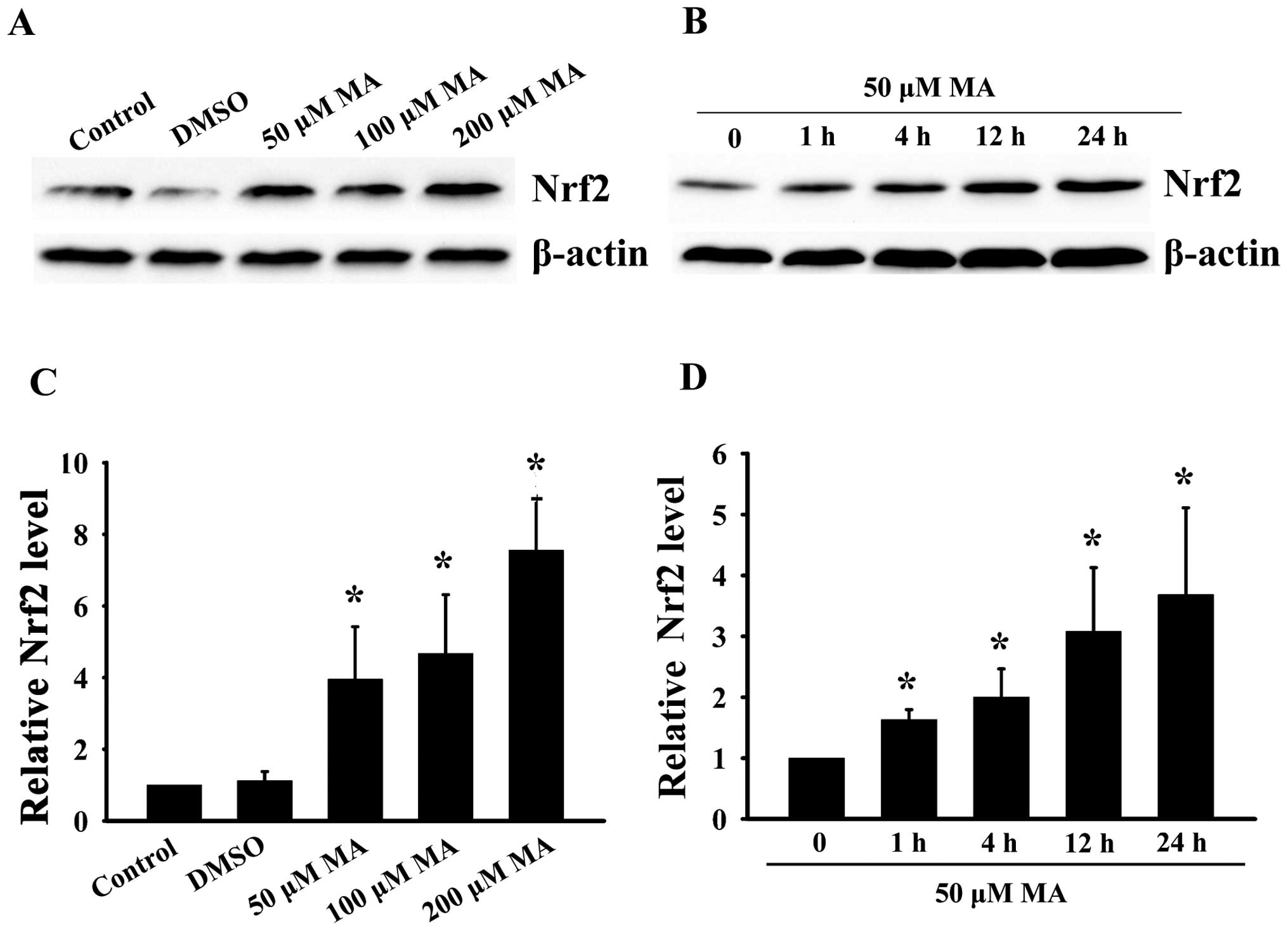
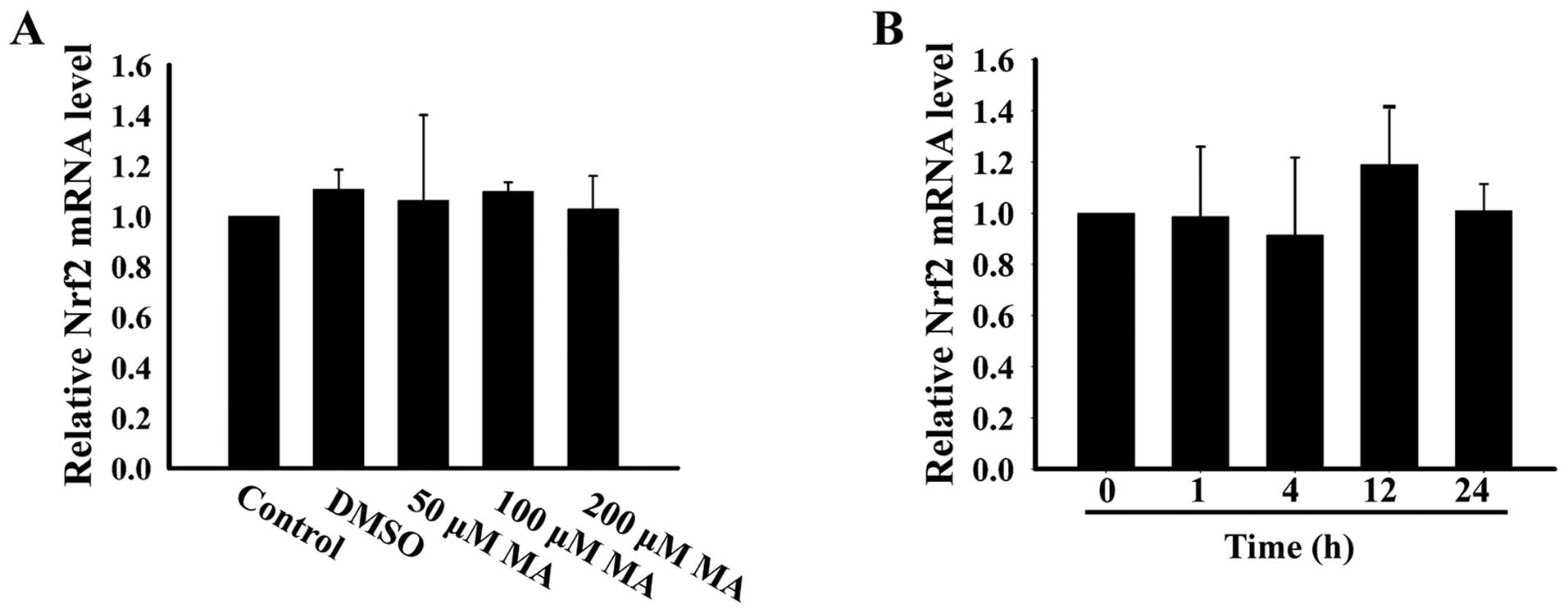
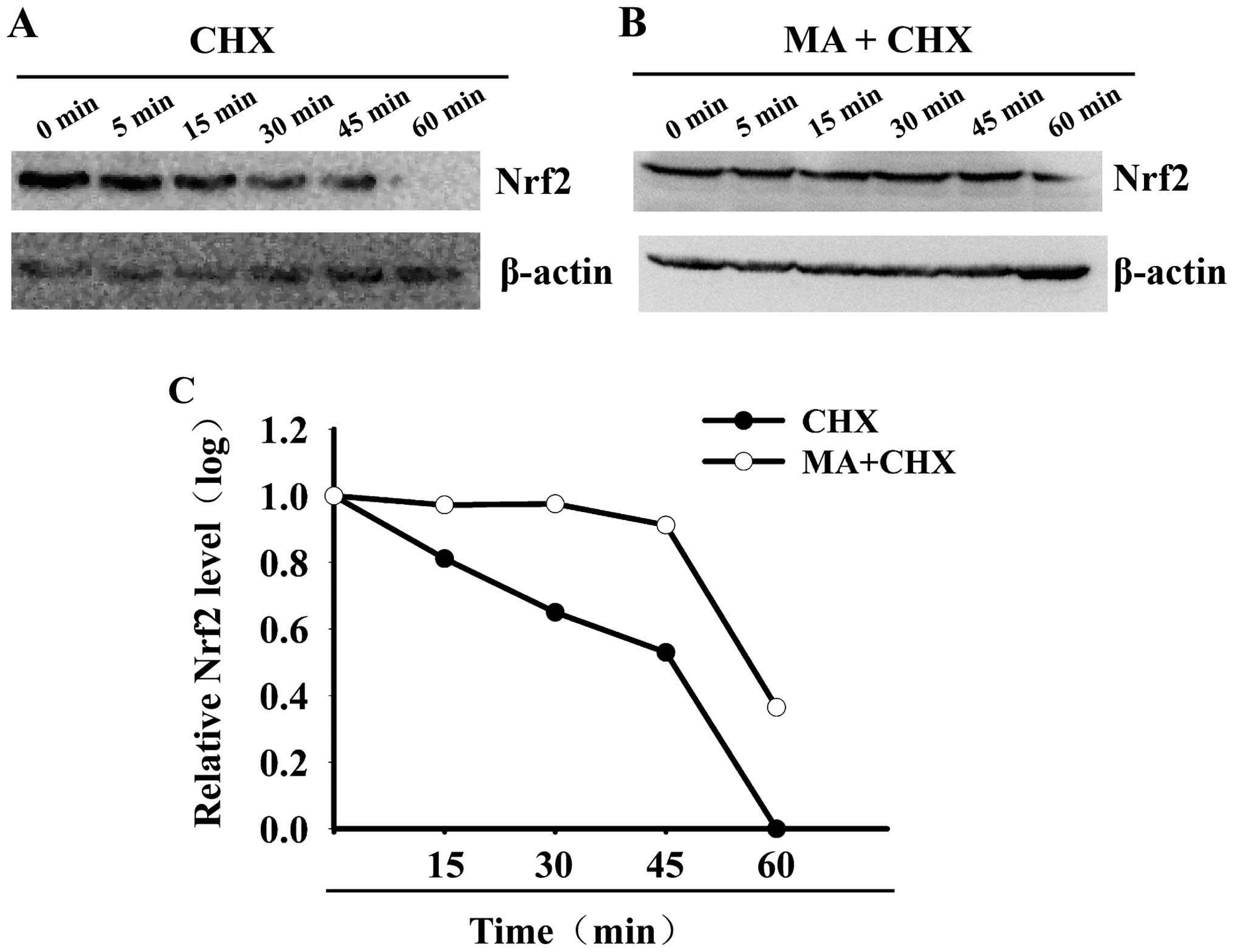
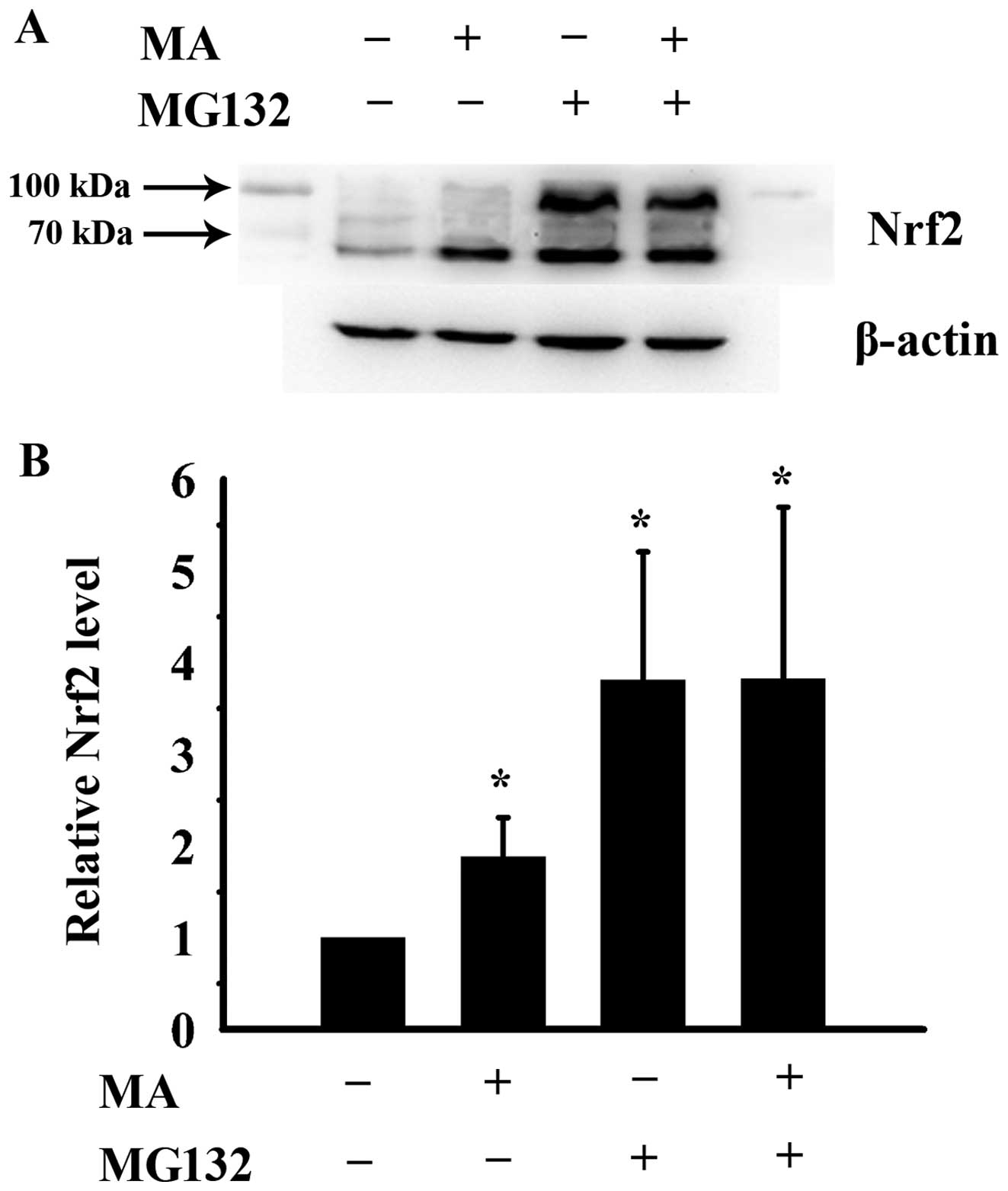
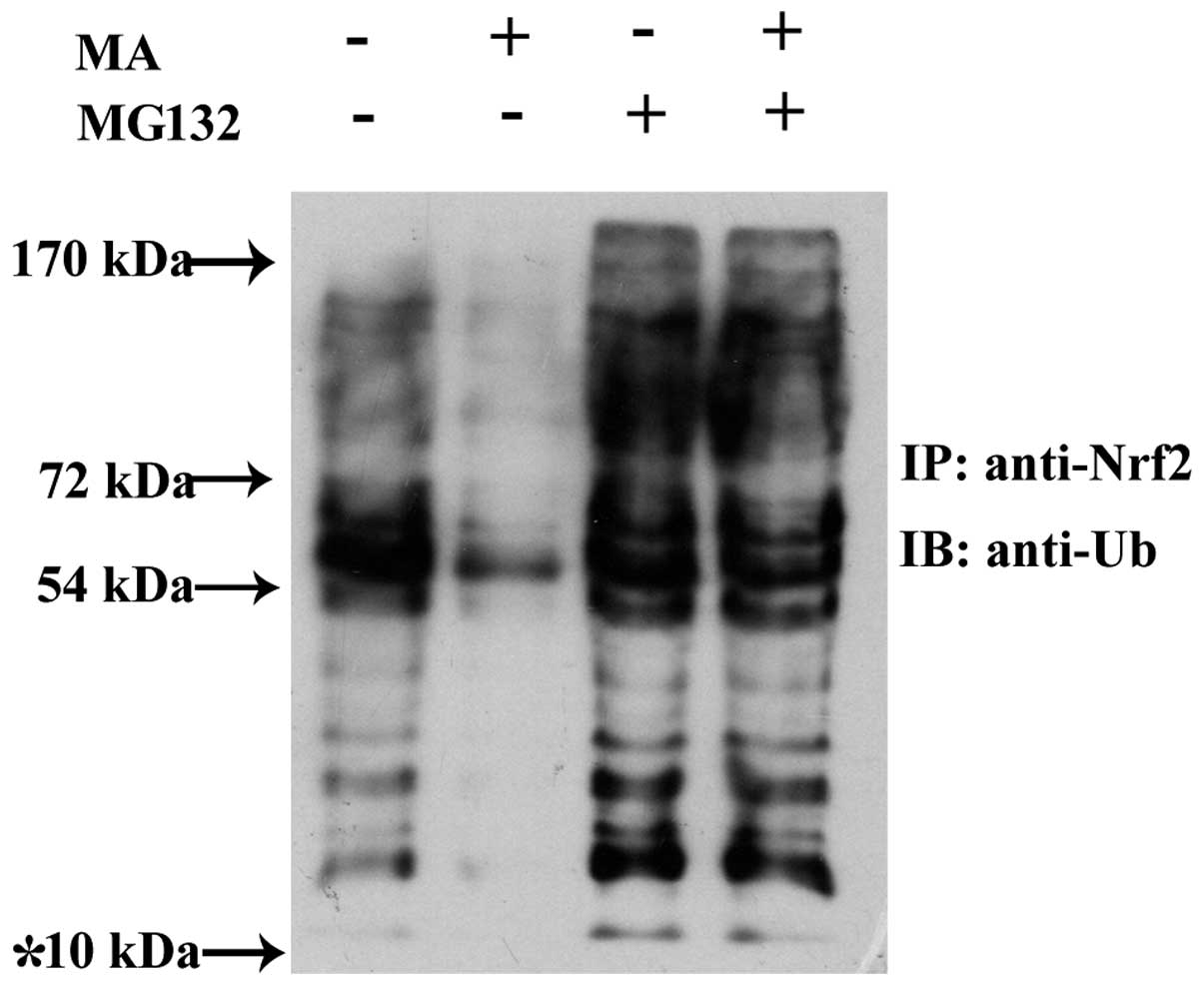
The nuclear factor erythroid 2-related factor 2 (Nrf2)-mediated antioxidant signaling pathway is a key target for cancer chemoprevention. Recent studies have that Nrf2 activation may be the result of an increase in Nrf2 protein stability. Mangiferin (MA), a compound monomer extracted from the mango plant, has antioxidant and cytoprotective activities. Our previous study demonstrated that MA increased Nrf2 expression and activated Nrf2 signaling in hematopoietic cells. Thus, in the present study, we aimed to investigate the mechanisms by which MA increases Nrf2 expression in human HL60 myeloid leukemia cells in vitro. Our western blot analysis results revealed that MA markedly increased Nrf2 expression in dose- and time-dependent manner. However treatment with MA did not affect the Nrf2 mRNA level. The results of cycloheximide (CHX)-chase analysis demonstrated that the Nrf2 protein half-life was prolonged to 58 min when the HL60 cells were pre-incubated with 50 µM MA for 4 h, whereas its half-life was only 20 min in the non-MA treated control cells. Further experiments revealed that MA mainly enhanced non-ubiquitinated Nrf2 protein levels when increasing Nrf2 protein stability; these effects differed from those induced by the proteasome inhibitor, MG132. Subsequent immunoprecipitation experiments confirmed that MA inhibited Nrf2 ubiquitination in HL60 cells. These results provide evidence that MA increases Nrf2 protein stability by inhibiting its ubiquitination and degradation in hematopoietic cells. This may be one of the mechanisms through which MA activates the Nrf2-mediated antioxidant response and exerts cytoprotective effects.
View Figures

Figure 1

Figure 2

Figure 3

Figure 4

Figure 5

View References

1 

Nguyen T, Nioi P and Pickett CB: The Nrf2-antioxidant response element signaling pathway and its activation by oxidative stress. J Biol Chem. 284:13291–13295. 2009. View Article : Google Scholar : PubMed/NCBI

2 

Eggler AL, Gay KA and Mesecar AD: Molecular mechanisms of natural products in chemoprevention: induction of cytoprotective enzymes by Nrf2. Mol Nutr Food Res. 52(Suppl 1): S84–S94. 2008.PubMed/NCBI

3 

Huang HC, Nguyen T and Pickett CB: Regulation of the antioxidant response element by protein kinase C-mediated phosphorylation of NF-E2-related factor 2. Proc Natl Acad Sci USA. 97:12475–12480. 2000. View Article : Google Scholar : PubMed/NCBI

4 

Nguyen T, Huang HC and Pickett CB: Transcriptional regulation of the antioxidant response element. Activation by Nrf2 and repression by MafK. J Biol Chem. 275:15466–15473. 2000. View Article : Google Scholar : PubMed/NCBI

5 

Friling RS, Bensimon A, Tichauer Y, et al: Xenobiotic-inducible expression of murine glutathione S-transferase Ya subunit gene is controlled by an electrophile-responsive element. Proc Natl Acad Sci USA. 87:6258–6262. 1990. View Article : Google Scholar : PubMed/NCBI

6 

Casalino E, Calzaretti G, Landriscina M, et al: The Nrf2 transcription factor contributes to the induction of alpha-class GST isoenzymes in liver of acute cadmium or manganese intoxicated rats: comparison with the toxic effect on NAD(P)H:quinone reductase. Toxicology. 237:24–34. 2007. View Article : Google Scholar

7 

Liang L, Gao C, Luo M, et al: Dihydroquercetin (DHQ) induced HO-1 and NQO1 expression against oxidative stress through the Nrf2-dependent antioxidant pathway. J Agric Food Chem. 61:2755–2761. 2013. View Article : Google Scholar : PubMed/NCBI

8 

Kim HJ, Zheng M, Kim SK, et al: CO/HO-1 induces NQO-1 expression via Nrf2 activation. Immune Netw. 11:376–382. 2011. View Article : Google Scholar : PubMed/NCBI

9 

Lee YM, Auh QS, Lee DW, et al: Involvement of nrf2-mediated upregulation of heme oxygenase-1 in mollugin-induced growth inhibition and apoptosis in human oral cancer cells. Biomed Res Int. 2013:2106042013.PubMed/NCBI

10 

Maruyama A, Mimura J, Harada N, et al: Nrf2 activation is associated with Z-DNA formation in the human HO-1 promoter. Nucleic Acids Res. 41:5223–5234. 2013. View Article : Google Scholar : PubMed/NCBI

11 

Dong J, Yan D and Chen SY: Stabilization of Nrf2 protein by D3T provides protection against ethanol-induced apoptosis in PC12 cells. PLoS One. 6:e168452011. View Article : Google Scholar : PubMed/NCBI

12 

Du Y, Villeneuve NF, Wang XJ, et al: Oridonin confers protection against arsenic-induced toxicity through activation of the Nrf2-mediated defensive response. Environ Health Perspect. 116:1154–1161. 2008. View Article : Google Scholar : PubMed/NCBI

13 

Kay HY, Won Yang J, Kim TH, et al: Ajoene, a stable garlic by-product, has an antioxidant effect through Nrf2-mediated glutamate-cysteine ligase induction in HepG2 cells and primary hepatocytes. J Nutr. 140:1211–1219. 2010. View Article : Google Scholar : PubMed/NCBI

14 

Li J: Stabilization of Nrf2 by tBHQ confers protection against oxidative stress-induced cell death in human neural stem cells. Toxicol Sci. 83:313–328. 2004. View Article : Google Scholar : PubMed/NCBI

15 

Kurzatkowski DM and Trombetta LD: Maneb causes pro-oxidant effects in the hippocampus of Nrf2 knockout mice. Environ Toxicol Pharmacol. 36:427–436. 2013. View Article : Google Scholar : PubMed/NCBI

16 

Mukhopadhyay S, Sekhar KR, Hale AB, et al: Loss of NRF2 impairs gastric nitrergic stimulation and function. Free Radic Biol Med. 51:619–625. 2011. View Article : Google Scholar : PubMed/NCBI

17 

Yates MS, Tran QT, Dolan PM, et al: Genetic versus chemoprotective activation of Nrf2 signaling: overlapping yet distinct gene expression profiles between Keap1 knockout and triterpenoid-treated mice. Carcinogenesis. 30:1024–1031. 2009. View Article : Google Scholar : PubMed/NCBI

18 

Ni HM, Boggess N, McGill MR, et al: Liver-specific loss of Atg5 causes persistent activation of Nrf2 and protects against acetaminophen-induced liver injury. Toxicol Sci. 127:438–450. 2012. View Article : Google Scholar : PubMed/NCBI

19 

Reddy NM, Kleeberger SR, Kensler TW, et al: Disruption of Nrf2 impairs the resolution of hyperoxia-induced acute lung injury and inflammation in mice. J Immunol. 182:7264–7271. 2009. View Article : Google Scholar : PubMed/NCBI

20 

Kundu JK and Surh YJ: Nrf2-Keap1 signaling as a potential target for chemoprevention of inflammation-associated carcinogenesis. Pharm Res. 27:999–1013. 2010. View Article : Google Scholar : PubMed/NCBI

21 

Zhao CR, Gao ZH and Qu XJ: Nrf2-ARE signaling pathway and natural products for cancer chemoprevention. Cancer Epidemiol. 34:523–533. 2010. View Article : Google Scholar : PubMed/NCBI

22 

Tong KI, Kobayashi A, Katsuoka F, et al: Two-site substrate recognition model for the Keap1-Nrf2 system: a hinge and latch mechanism. Biol Chem. 387:1311–1320. 2006.PubMed/NCBI

23 

McMahon M, Thomas N, Itoh K, et al: Dimerization of substrate adaptors can facilitate cullin-mediated ubiquitylation of proteins by a ‘tethering’ mechanism: a two-site interaction model for the Nrf2-Keap1 complex. J Biol Chem. 281:24756–24768. 2006.PubMed/NCBI

24 

Dhakshinamoorthy S and Jaiswal AK: Functional characterization and role of INrf2 in antioxidant response element-mediated expression and antioxidant induction of NAD(P)H:quinone oxidoreductase1 gene. Oncogene. 20:3906–3917. 2001. View Article : Google Scholar

25 

Malhotra D, Portales-Casamar E, Singh A, et al: Global mapping of binding sites for Nrf2 identifies novel targets in cell survival response through ChIP-Seq profiling and network analysis. Nucleic Acids Res. 38:5718–5734. 2010. View Article : Google Scholar : PubMed/NCBI

26 

Nguyen T: Nrf2 controls constitutive and inducible expression of ARE-driven genes through a dynamic pathway involving nucleocytoplasmic shuttling by Keap1. J Biol Chem. 280:32485–32492. 2005. View Article : Google Scholar

27 

Nguyen T: Increased protein stability as a mechanism that enhances Nrf2-mediated transcriptional activation of the antioxidant response element. Degradation of Nrf2 by the 26 S proteasome. J Biol Chem. 278:4536–4541. 2002. View Article : Google Scholar

28 

Luo F, Lv Q, Zhao Y, et al: Quantification and purification of mangiferin from Chinese mango (Mangifera indica L.) cultivars and its protective effect on human umbilical vein endothelial cells under H2O2-induced stress. Int J Mol Sci. 13:11260–11274. 2012.PubMed/NCBI

29 

Das J, Ghosh J, Roy A and Sil PC: Mangiferin exerts hepatoprotective activity against D-galactosamine induced acute toxicity and oxidative/nitrosative stress via Nrf2-NFκB pathways. Toxicol Appl Pharmacol. 260:35–47. 2012.PubMed/NCBI

30 

Zhang BP, Zhao J, Li SS, et al: Mangiferin activates Nrf2-antioxidant response element signaling without reducing the sensitivity to etoposide of human myeloid leukemia cells in vitro. Acta Pharmacol Sin. 35:257–266. 2014. View Article : Google Scholar

31 

He X and Ma Q: NRF2 cysteine residues are critical for oxidant/electrophile-sensing, Kelch-like ECH-associated protein-1-dependent ubiquitination-proteasomal degradation, and transcription activation. Mol Pharmacol. 76:1265–1278. 2009. View Article : Google Scholar

32 

Stewart D, Killeen E, Naquin R, et al: Degradation of transcription factor Nrf2 via the ubiquitin-proteasome pathway and stabilization by cadmium. J Biol Chem. 278:2396–2402. 2003. View Article : Google Scholar : PubMed/NCBI

33 

Gu B, Johnston VK, Gutshall LL, et al: Arresting initiation of hepatitis C virus RNA synthesis using heterocyclic derivatives. J Biol Chem. 278:16602–16607. 2003. View Article : Google Scholar : PubMed/NCBI

34 

McMahon M, Itoh K, Yamamoto M, et al: Keap1-dependent proteasomal degradation of transcription factor Nrf2 contributes to the negative regulation of antioxidant response element-driven gene expression. J Biol Chem. 278:21592–21600. 2003. View Article : Google Scholar : PubMed/NCBI

35 

Itoh K, Wakabayashi N, Katoh Y, et al: Keap1 regulates both cytoplasmic-nuclear shuttling and degradation of Nrf2 in response to electrophiles. Genes Cells. 8:379–391. 2003. View Article : Google Scholar : PubMed/NCBI

36 

Zhang DD and Hannink M: Distinct cysteine residues in Keap1 are required for Keap1-dependent ubiquitination of Nrf2 and for stabilization of Nrf2 by chemopreventive agents and oxidative stress. Mol Cell Biol. 23:8137–8151. 2003. View Article : Google Scholar : PubMed/NCBI

37 

Shehzad A and Lee YS: Molecular mechanisms of curcumin action: signal transduction. Biofactors. 39:27–36. 2013. View Article : Google Scholar : PubMed/NCBI

38 

Dinkova-Kostova AT: Chemoprotection against cancer by isothiocyanates: a focus on the animal models and the protective mechanisms. Top Curr Chem. 329:179–201. 2013. View Article : Google Scholar : PubMed/NCBI

39 

Wang S, Penchala S, Prabhu S, et al: Molecular basis of traditional Chinese medicine in cancer chemoprevention. Curr Drug Discov Technol. 7:67–75. 2010. View Article : Google Scholar

40 

Hayes JD, McMahon M, Chowdhry S, et al: Cancer chemoprevention mechanisms mediated through the Keap1-Nrf2 pathway. Antioxid Redox Signal. 13:1713–1748. 2010. View Article : Google Scholar : PubMed/NCBI

41 

Hybertson BM, Gao B, Bose SK, et al: Oxidative stress in health and disease: the therapeutic potential of Nrf2 activation. Mol Aspects Med. 32:234–246. 2011. View Article : Google Scholar : PubMed/NCBI

42 

Slocum SL and Kensler TW: Nrf2: control of sensitivity to carcinogens. Arch Toxicol. 85:273–284. 2011. View Article : Google Scholar : PubMed/NCBI

43 

Naoe T, Takeyama K, Yokozawa T, et al: Analysis of genetic polymorphism in NQO1, GST-M1, GST-T1, and CYP3A4 in 469 Japanese patients with therapy-related leukemia/myelodysplastic syndrome and de novo acute myeloid leukemia. Clin Cancer Res. 6:4091–4095. 2000.

44 

Larson RA, Wang Y, Banerjee M, et al: Prevalence of the inactivating 609C-->T polymorphism in the NAD(P)H:quinone oxidoreductase (NQO1) gene in patients with primary and therapy-related myeloid leukemia. Blood. 94:803–807. 1999.PubMed/NCBI

45 

Li W and Kong AN: Molecular mechanisms of Nrf2-mediated antioxidant response. Mol Carcinog. 48:91–104. 2009. View Article : Google Scholar

46 

Zhou FL, Zhang WG, Wei YC, et al: Involvement of oxidative stress in the relapse of acute myeloid leukemia. J Biol Chem. 285:15010–15015. 2010. View Article : Google Scholar : PubMed/NCBI

Related Articles

  • Abstract
  • View
  • Download
  • Twitter
Copy and paste a formatted citation
Spandidos Publications style
Zhao J, Zhang B, Li S, Zeng L, Chen Y and Fang J: Mangiferin increases Nrf2 protein stability by inhibiting its ubiquitination and degradation in human HL60 myeloid leukemia cells. Int J Mol Med 33: 1348-1354, 2014.
APA
Zhao, J., Zhang, B., Li, S., Zeng, L., Chen, Y., & Fang, J. (2014). Mangiferin increases Nrf2 protein stability by inhibiting its ubiquitination and degradation in human HL60 myeloid leukemia cells. International Journal of Molecular Medicine, 33, 1348-1354. https://doi.org/10.3892/ijmm.2014.1696
MLA
Zhao, J., Zhang, B., Li, S., Zeng, L., Chen, Y., Fang, J."Mangiferin increases Nrf2 protein stability by inhibiting its ubiquitination and degradation in human HL60 myeloid leukemia cells". International Journal of Molecular Medicine 33.5 (2014): 1348-1354.
Chicago
Zhao, J., Zhang, B., Li, S., Zeng, L., Chen, Y., Fang, J."Mangiferin increases Nrf2 protein stability by inhibiting its ubiquitination and degradation in human HL60 myeloid leukemia cells". International Journal of Molecular Medicine 33, no. 5 (2014): 1348-1354. https://doi.org/10.3892/ijmm.2014.1696
Copy and paste a formatted citation
x
Spandidos Publications style
Zhao J, Zhang B, Li S, Zeng L, Chen Y and Fang J: Mangiferin increases Nrf2 protein stability by inhibiting its ubiquitination and degradation in human HL60 myeloid leukemia cells. Int J Mol Med 33: 1348-1354, 2014.
APA
Zhao, J., Zhang, B., Li, S., Zeng, L., Chen, Y., & Fang, J. (2014). Mangiferin increases Nrf2 protein stability by inhibiting its ubiquitination and degradation in human HL60 myeloid leukemia cells. International Journal of Molecular Medicine, 33, 1348-1354. https://doi.org/10.3892/ijmm.2014.1696
MLA
Zhao, J., Zhang, B., Li, S., Zeng, L., Chen, Y., Fang, J."Mangiferin increases Nrf2 protein stability by inhibiting its ubiquitination and degradation in human HL60 myeloid leukemia cells". International Journal of Molecular Medicine 33.5 (2014): 1348-1354.
Chicago
Zhao, J., Zhang, B., Li, S., Zeng, L., Chen, Y., Fang, J."Mangiferin increases Nrf2 protein stability by inhibiting its ubiquitination and degradation in human HL60 myeloid leukemia cells". International Journal of Molecular Medicine 33, no. 5 (2014): 1348-1354. https://doi.org/10.3892/ijmm.2014.1696
Follow us
  • Twitter
  • LinkedIn
  • Facebook
About
  • Spandidos Publications
  • Careers
  • Cookie Policy
  • Privacy Policy
How can we help?
  • Help
  • Live Chat
  • Contact
  • Email to our Support Team