Spandidos Publications Logo
  • About
    • About Spandidos
    • Aims and Scopes
    • Abstracting and Indexing
    • Editorial Policies
    • Reprints and Permissions
    • Job Opportunities
    • Terms and Conditions
    • Contact
  • Journals
    • All Journals
    • Oncology Letters
      • Oncology Letters
      • Information for Authors
      • Editorial Policies
      • Editorial Board
      • Aims and Scope
      • Abstracting and Indexing
      • Bibliographic Information
      • Archive
    • International Journal of Oncology
      • International Journal of Oncology
      • Information for Authors
      • Editorial Policies
      • Editorial Board
      • Aims and Scope
      • Abstracting and Indexing
      • Bibliographic Information
      • Archive
    • Molecular and Clinical Oncology
      • Molecular and Clinical Oncology
      • Information for Authors
      • Editorial Policies
      • Editorial Board
      • Aims and Scope
      • Abstracting and Indexing
      • Bibliographic Information
      • Archive
    • Experimental and Therapeutic Medicine
      • Experimental and Therapeutic Medicine
      • Information for Authors
      • Editorial Policies
      • Editorial Board
      • Aims and Scope
      • Abstracting and Indexing
      • Bibliographic Information
      • Archive
    • International Journal of Molecular Medicine
      • International Journal of Molecular Medicine
      • Information for Authors
      • Editorial Policies
      • Editorial Board
      • Aims and Scope
      • Abstracting and Indexing
      • Bibliographic Information
      • Archive
    • Biomedical Reports
      • Biomedical Reports
      • Information for Authors
      • Editorial Policies
      • Editorial Board
      • Aims and Scope
      • Abstracting and Indexing
      • Bibliographic Information
      • Archive
    • Oncology Reports
      • Oncology Reports
      • Information for Authors
      • Editorial Policies
      • Editorial Board
      • Aims and Scope
      • Abstracting and Indexing
      • Bibliographic Information
      • Archive
    • Molecular Medicine Reports
      • Molecular Medicine Reports
      • Information for Authors
      • Editorial Policies
      • Editorial Board
      • Aims and Scope
      • Abstracting and Indexing
      • Bibliographic Information
      • Archive
    • World Academy of Sciences Journal
      • World Academy of Sciences Journal
      • Information for Authors
      • Editorial Policies
      • Editorial Board
      • Aims and Scope
      • Abstracting and Indexing
      • Bibliographic Information
      • Archive
    • International Journal of Functional Nutrition
      • International Journal of Functional Nutrition
      • Information for Authors
      • Editorial Policies
      • Editorial Board
      • Aims and Scope
      • Abstracting and Indexing
      • Bibliographic Information
      • Archive
    • International Journal of Epigenetics
      • International Journal of Epigenetics
      • Information for Authors
      • Editorial Policies
      • Editorial Board
      • Aims and Scope
      • Abstracting and Indexing
      • Bibliographic Information
      • Archive
    • Medicine International
      • Medicine International
      • Information for Authors
      • Editorial Policies
      • Editorial Board
      • Aims and Scope
      • Abstracting and Indexing
      • Bibliographic Information
      • Archive
  • Articles
  • Information
    • Information for Authors
    • Information for Reviewers
    • Information for Librarians
    • Information for Advertisers
    • Conferences
  • Language Editing
Spandidos Publications Logo
  • About
    • About Spandidos
    • Aims and Scopes
    • Abstracting and Indexing
    • Editorial Policies
    • Reprints and Permissions
    • Job Opportunities
    • Terms and Conditions
    • Contact
  • Journals
    • All Journals
    • Biomedical Reports
      • Information for Authors
      • Editorial Policies
      • Editorial Board
      • Aims and Scope
      • Abstracting and Indexing
      • Bibliographic Information
      • Archive
    • Experimental and Therapeutic Medicine
      • Information for Authors
      • Editorial Policies
      • Editorial Board
      • Aims and Scope
      • Abstracting and Indexing
      • Bibliographic Information
      • Archive
    • International Journal of Epigenetics
      • Information for Authors
      • Editorial Policies
      • Editorial Board
      • Aims and Scope
      • Abstracting and Indexing
      • Bibliographic Information
      • Archive
    • International Journal of Functional Nutrition
      • Information for Authors
      • Editorial Policies
      • Editorial Board
      • Aims and Scope
      • Abstracting and Indexing
      • Bibliographic Information
      • Archive
    • International Journal of Molecular Medicine
      • Information for Authors
      • Editorial Policies
      • Editorial Board
      • Aims and Scope
      • Abstracting and Indexing
      • Bibliographic Information
      • Archive
    • International Journal of Oncology
      • Information for Authors
      • Editorial Policies
      • Editorial Board
      • Aims and Scope
      • Abstracting and Indexing
      • Bibliographic Information
      • Archive
    • Medicine International
      • Information for Authors
      • Editorial Policies
      • Editorial Board
      • Aims and Scope
      • Abstracting and Indexing
      • Bibliographic Information
      • Archive
    • Molecular and Clinical Oncology
      • Information for Authors
      • Editorial Policies
      • Editorial Board
      • Aims and Scope
      • Abstracting and Indexing
      • Bibliographic Information
      • Archive
    • Molecular Medicine Reports
      • Information for Authors
      • Editorial Policies
      • Editorial Board
      • Aims and Scope
      • Abstracting and Indexing
      • Bibliographic Information
      • Archive
    • Oncology Letters
      • Information for Authors
      • Editorial Policies
      • Editorial Board
      • Aims and Scope
      • Abstracting and Indexing
      • Bibliographic Information
      • Archive
    • Oncology Reports
      • Information for Authors
      • Editorial Policies
      • Editorial Board
      • Aims and Scope
      • Abstracting and Indexing
      • Bibliographic Information
      • Archive
    • World Academy of Sciences Journal
      • Information for Authors
      • Editorial Policies
      • Editorial Board
      • Aims and Scope
      • Abstracting and Indexing
      • Bibliographic Information
      • Archive
  • Articles
  • Information
    • For Authors
    • For Reviewers
    • For Librarians
    • For Advertisers
    • Conferences
  • Language Editing
Login Register Submit
  • This site uses cookies
  • You can change your cookie settings at any time by following the instructions in our Cookie Policy. To find out more, you may read our Privacy Policy.

    I agree
Search articles by DOI, keyword, author or affiliation
Search
Advanced Search
presentation
International Journal of Molecular Medicine
Join Editorial Board Propose a Special Issue
Print ISSN: 1107-3756 Online ISSN: 1791-244X
Journal Cover
July-2014 Volume 34 Issue 1

Full Size Image

Sign up for eToc alerts
Recommend to Library

Journals

International Journal of Molecular Medicine

International Journal of Molecular Medicine

International Journal of Molecular Medicine is an international journal devoted to molecular mechanisms of human disease.

International Journal of Oncology

International Journal of Oncology

International Journal of Oncology is an international journal devoted to oncology research and cancer treatment.

Molecular Medicine Reports

Molecular Medicine Reports

Covers molecular medicine topics such as pharmacology, pathology, genetics, neuroscience, infectious diseases, molecular cardiology, and molecular surgery.

Oncology Reports

Oncology Reports

Oncology Reports is an international journal devoted to fundamental and applied research in Oncology.

Experimental and Therapeutic Medicine

Experimental and Therapeutic Medicine

Experimental and Therapeutic Medicine is an international journal devoted to laboratory and clinical medicine.

Oncology Letters

Oncology Letters

Oncology Letters is an international journal devoted to Experimental and Clinical Oncology.

Biomedical Reports

Biomedical Reports

Explores a wide range of biological and medical fields, including pharmacology, genetics, microbiology, neuroscience, and molecular cardiology.

Molecular and Clinical Oncology

Molecular and Clinical Oncology

International journal addressing all aspects of oncology research, from tumorigenesis and oncogenes to chemotherapy and metastasis.

World Academy of Sciences Journal

World Academy of Sciences Journal

Multidisciplinary open-access journal spanning biochemistry, genetics, neuroscience, environmental health, and synthetic biology.

International Journal of Functional Nutrition

International Journal of Functional Nutrition

Open-access journal combining biochemistry, pharmacology, immunology, and genetics to advance health through functional nutrition.

International Journal of Epigenetics

International Journal of Epigenetics

Publishes open-access research on using epigenetics to advance understanding and treatment of human disease.

Medicine International

Medicine International

An International Open Access Journal Devoted to General Medicine.

Journal Cover
July-2014 Volume 34 Issue 1

Full Size Image

Sign up for eToc alerts
Recommend to Library

  • Article
  • Citations
    • Cite This Article
    • Download Citation
    • Create Citation Alert
    • Remove Citation Alert
    • Cited By
  • Similar Articles
    • Related Articles (in Spandidos Publications)
    • Similar Articles (Google Scholar)
    • Similar Articles (PubMed)
  • Download PDF
  • Download XML
  • View XML
Article

Orexin A protects cells from apoptosis by regulating FoxO1 and mTORC1 through the OX1R/PI3K/AKT signaling pathway in hepatocytes

  • Authors:
    • Shu-Jing Ju
    • Yuyan Zhao
    • Xiaocen Chang
    • Lei Guo
  • View Affiliations / Copyright

    Affiliations: Department of Endocrinology, First Affiliated Hospital, China Medical University, Shenyang, Liaoning 110001, P.R. China, Department of Orthopedic Surgery, First Affiliated Hospital, China Medical University, Shenyang, Liaoning 110001, P.R. China
  • Pages: 153-159
    |
    Published online on: May 5, 2014
       https://doi.org/10.3892/ijmm.2014.1769
  • Expand metrics +
Metrics: Total Views: 0 (Spandidos Publications: | PMC Statistics: )
Metrics: Total PDF Downloads: 0 (Spandidos Publications: | PMC Statistics: )
Cited By (CrossRef): 0 citations Loading Articles...

This article is mentioned in:


Abstract

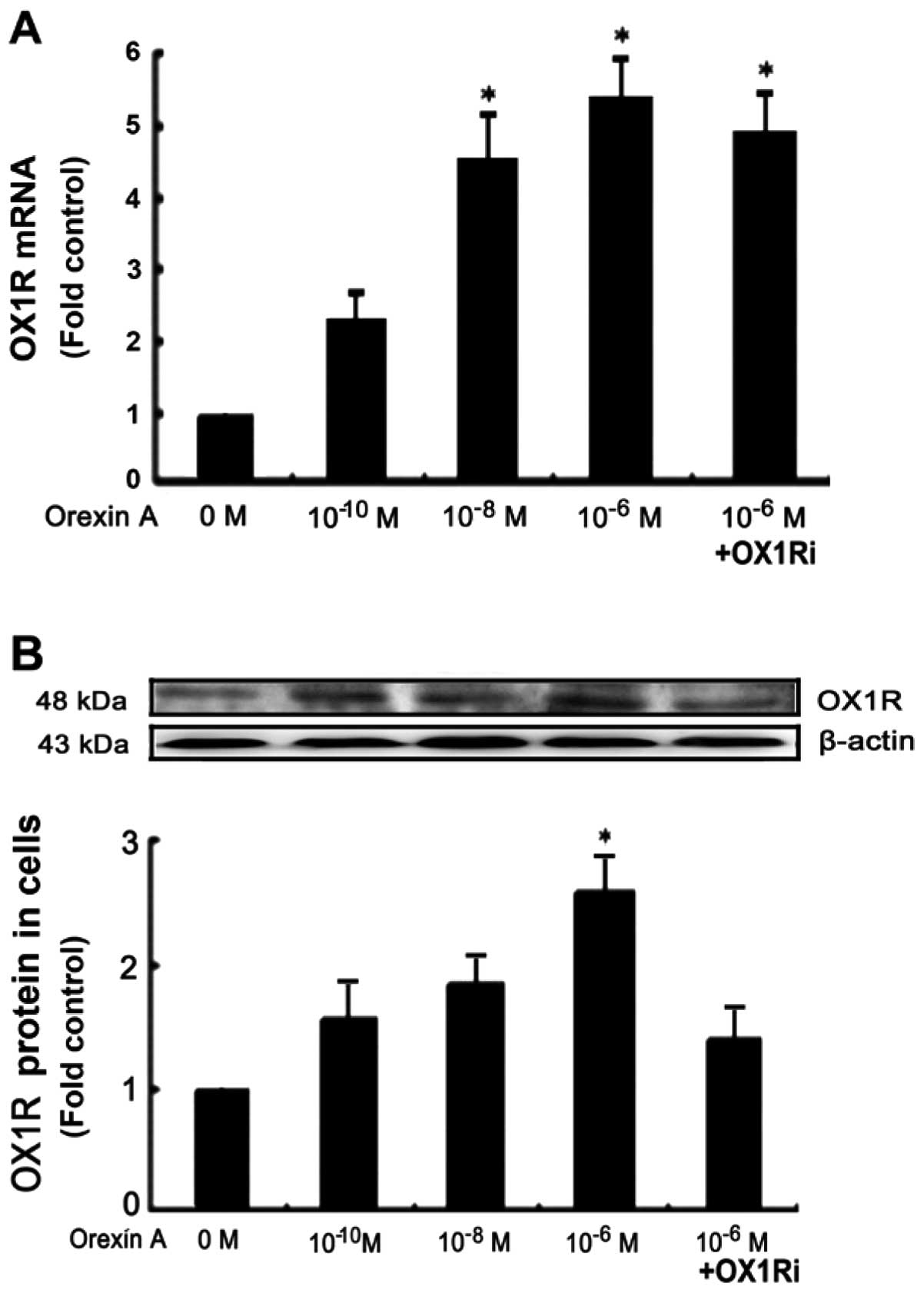
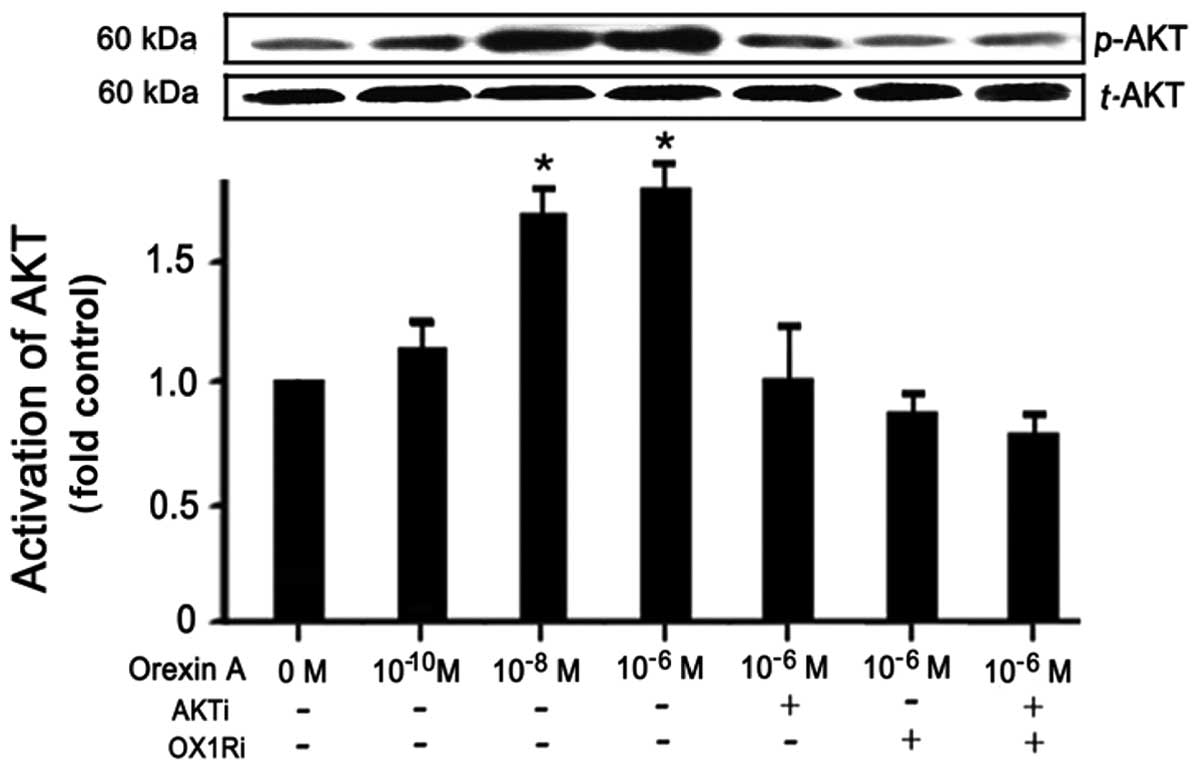
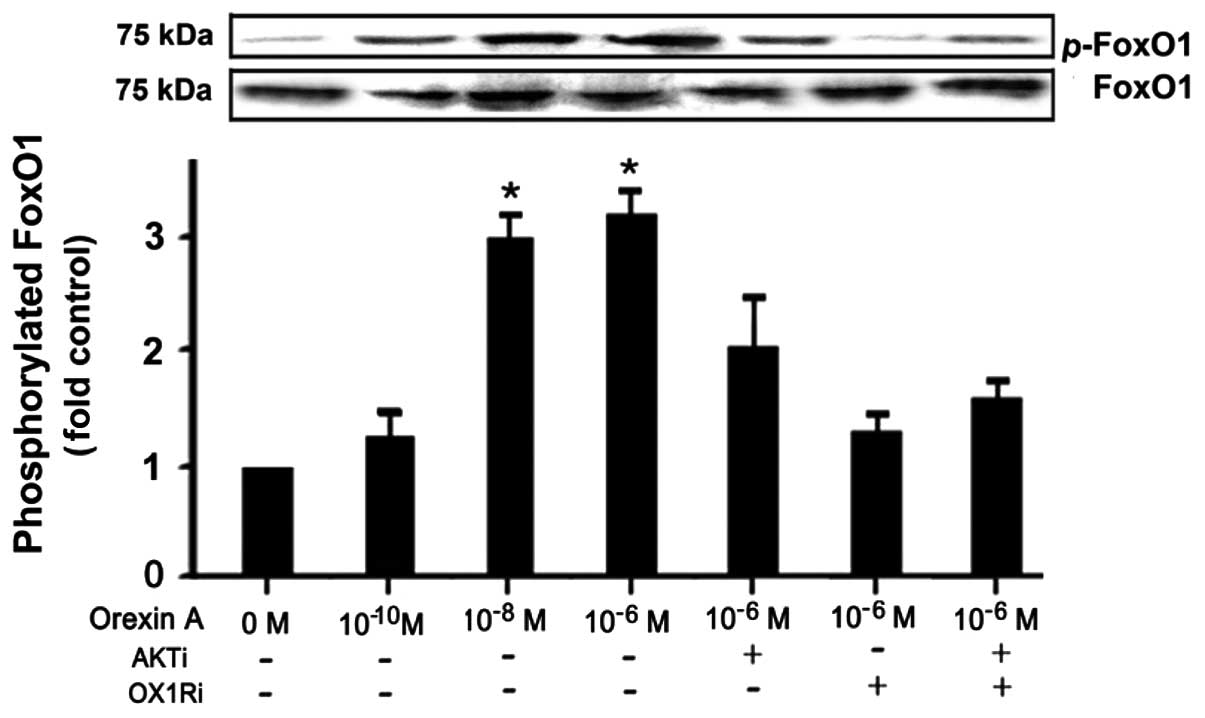
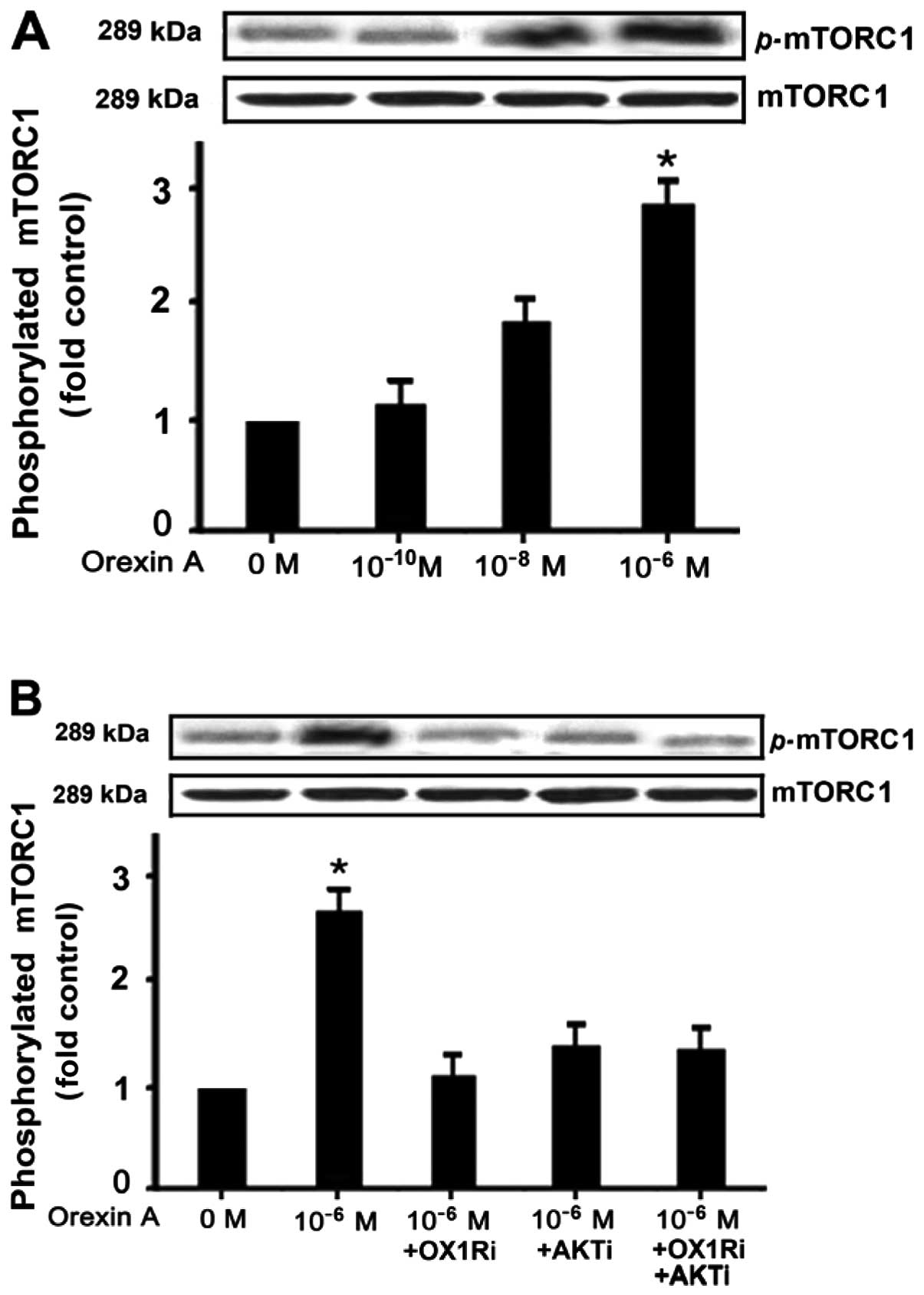
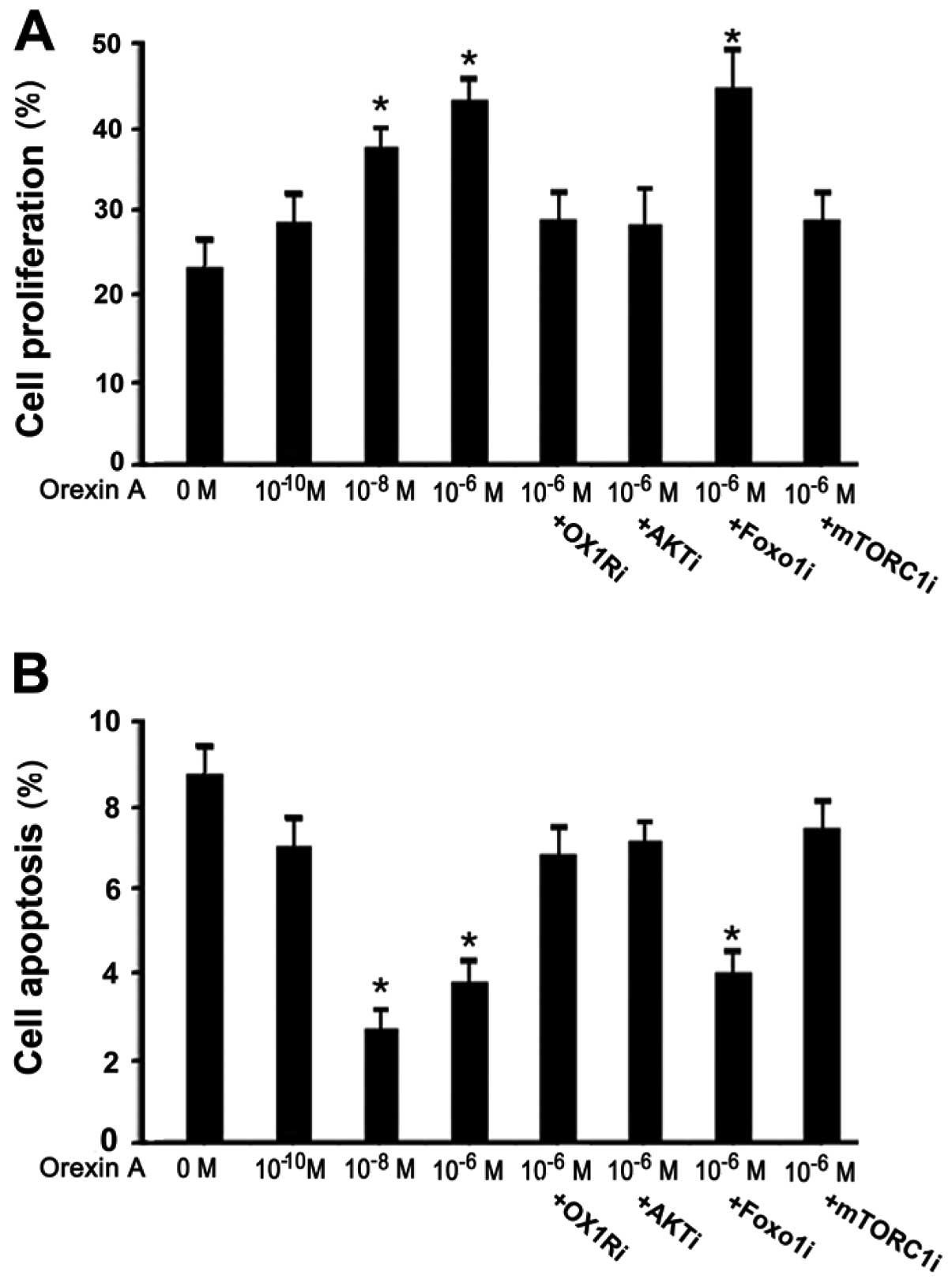
Orexin A and B are multifunctional neuropeptides that are involved in the regulation of food intake, energy metabolism, glucose regulation and wakefulness. They signal through two G-protein‑coupled receptors (GPCR): orexin receptor 1 (OX1R) and orexin receptor 2 (OX2R). Previous studies have shown that orexins interact with PI3K/AKT signaling pathways through OX1R-coupling in other cell types, but are seldom involved in hepatocytes. In the present study, reverse transcription (RT)-PCR and western blot analysis revealed that OX1R mRNA expression and activation in rat hepatocytes in vitro were upregulated by exogenous orexin A (10-10 to 10-6 M) in a dose-dependent manner. The result showed that orexin A affects increasing cell proliferation and protects cells from apoptosis. Additionally, inhibition studies showed that orexin A induced forkhead box O1 (FoxO1) and mammalian target of rapamycin 1 (mTORC1) phosphorylation, while OX1R antagonist (SB334867, 10-6 M), AKT antagonist (PF-04691502, 10-6 M), Foxo1 inhibitor (AS1842856, 10-6 M) or mTORC1 inhibitor (everolimus, 10-5 M) blocked these effects of orexin A. The results of the present study showed a possible effect of orexin A on cell apoptosis in regulating Foxo1 and mTORC1 through the OX1R/PI3K/AKT signaling pathway in rat hepatocytes.
View Figures

Figure 1

Figure 2

Figure 3

Figure 4

Figure 5

View References

1 

De Lecea L, Kilduff TS, Peyron C, Gao X, et al: The hypocretins: hypothalamus-specific peptides with neuroexcitatory activity. Proc Natl Acad Sci USA. 95:322–327. 1998.PubMed/NCBI

2 

Sakurai T, Amemiya A, Ishii M, Matsuzaki I, Chemelli RM, Tanaka H, et al: Orexins and orexin receptors: a family of hypothalamic neuropeptides and G protein-coupled receptors that regulate feeding behavior. Cell. 92:573–585. 1998. View Article : Google Scholar

3 

Karteris E and Randeva HS: Orexin receptors and G-protein coupling: evidence for another ‘promiscuous’ seven transmembrane domain receptor. J Pharmacol Sci. 93:126–128. 2003.

4 

Date Y, Ueta Y, Yamashita H, Yamaguchi H, Matsukura S, Kangawa K, Sakurai T, Yanagisawa M and Nakazato M: Orexins, orexigenic hypothalamic peptides, interact with autonomic, neuroendocrine and neuroregulatory systems. Proc Natl Acad Sci USA. 96:748–753. 1999. View Article : Google Scholar : PubMed/NCBI

5 

Nambu T, Sakurai T, Mizukami K, Hosoya Y, Yanagisawa M and Goto K: Distribution of orexin neurons in the adult rat brain. Brain Res. 827:243–260. 1999. View Article : Google Scholar : PubMed/NCBI

6 

Peyron C, Tighe DK, van den Pol AN, de Lecea L, Heller HC, Sutcliffe JG and Kilduff TS: Neurons containing hypocretin (orexin) project to multiple neuronal systems. J Neurosci. 18:9996–10015. 1998.PubMed/NCBI

7 

Lin L, Faraco J, Li R, Kadotani H, Rogers W, Lin X, Qiu X, de Jong PJ, Nishino S and Mignot E: The sleep disorder canine narcolepsy is caused by a mutation in the hypocretin (orexin) receptor 2 gene. Cell. 98:365–376. 1999. View Article : Google Scholar : PubMed/NCBI

8 

Yokobori E, Kojima K, Azuma M, et al: Stimulatory effect of intracerebroventricular administration of orexin A on food intake in the zebrafish. Peptides. 32:1357–1362. 2011. View Article : Google Scholar : PubMed/NCBI

9 

Spinazzi R, Rucinski M, Neri G, Malendowicz LK and Nussdorfer GG: Preproorexin and orexin receptors are expressed in cortisol-secreting adrenocortical adenomas, and orexins stimulate in vitro cortisol secretion and growth of tumor cells. J Clin Endocrinol Metab. 90:3544–3549. 2005. View Article : Google Scholar

10 

Ramanjaneya M, Conner AC, Chen J, Stanfield PR and Randeva HS: Orexins stimulate steroidogenic acute regulatory protein expression through multiple signaling pathways in human adrenal H295R cells. Endocrinology. 149:4106–4115. 2008. View Article : Google Scholar

11 

Beiras-Fernández A, Gallego R, Blanco M, García-Caballero T, Diéguez C and Beiras A: Merkel cells, a new localization of prepro-orexin and orexin receptors. J Anat. 204:117–122. 2004.PubMed/NCBI

12 

Jöhren O, Neidert SJ, Kummer M, Dendorfer A and Dominiak P: Prepro-orexin and orexin receptor mRNAs are differentially expressed in peripheral tissues of male and female rats. Endocrinology. 142:3324–3331. 2001.PubMed/NCBI

13 

Lawlor MA and Alessi DR: PKB/Akt: A key mediator of cell proliferation, survival and insulin response? J Cell Sci. 114:2903–2910. 2001.PubMed/NCBI

14 

Gross DN, Wan M and Birnbaum MJ: The role of FOXO in the regulation of metabolism. Curr Diab Rep. 9:208–214. 2009. View Article : Google Scholar : PubMed/NCBI

15 

Matsumoto M, Pocai A, Rossetti L, Depinho RA and Accili D: Impaired regulation of hepatic glucose production in mice lacking the forkhead transcription factor Foxo1 in liver. Cell Metab. 6:208–216. 2007. View Article : Google Scholar : PubMed/NCBI

16 

Accili D and Arden KC: FoxOs at the crossroads of cellular metabolism, differentiation, and transformation. Cell. 117:421–426. 2004. View Article : Google Scholar : PubMed/NCBI

17 

Yuan Z, Lehtinen MK, Merlo P, Villén J, Gygi S and Bonni A: Regulation of neuronal cell death by MST1-FOXO1 signaling. J Biol Chem. 284:11285–11292. 2009. View Article : Google Scholar : PubMed/NCBI

18 

Kajihara T, Jones M, Fusi L, Takano M, Feroze-Zaidi F, Pirianov G, Mehmet H, Ishihara O, Higham JM, Lam EW and Brosens JJ: Differential expression of FOXO1 and FOXO3a confers resistance to oxidative cell death upon endometrial decidualization. Mol Endocrinol. 20:2444–2455. 2006. View Article : Google Scholar : PubMed/NCBI

19 

Shen B, Chao L and Chao J: Pivotal role of JNK-dependent FOXO1 activation in downregulation of kallistatin expression by oxidative stress. Am J Physiol Heart Circ Physiol. 298:H1048–H1054. 2010. View Article : Google Scholar : PubMed/NCBI

20 

Thomas GV: mTOR and cancer: Reason for dancing at the crossroads? Curr Opin Genet Dev. 16:78–84. 2006. View Article : Google Scholar : PubMed/NCBI

21 

Chen CC, Jeon SM, Bhaskar PT, Nogueira V, Sundararajan D, Tonic I, Park Y and Hay N: FoxOs inhibit mTORC1 and activate Akt by inducing the expression of Sestrin3 and Rictor. Dev Cell. 18:592–604. 2010. View Article : Google Scholar

22 

Zoncu R, Efeyan A and Sabatini DM: mTOR: from growth signal integration to cancer, diabetes and ageing. Nat Rev Mol Cell Biol. 12:21–35. 2011. View Article : Google Scholar : PubMed/NCBI

23 

Chen ML, Xu PZ, Peng XD, Chen WS, Guzman G, Yang X, Di Cristofano A, Pandolfi PP and Hay N: The deficiency of Akt1 is sufficient to suppress tumor development in Ptenmice. Genes Dev. 20:1569–1574. 2006. View Article : Google Scholar : PubMed/NCBI

24 

Hahn-Windgassen A, Nogueira V, Chen CC, Skeen JE, Sonenbreg N and Hay N: Akt activates the mammalian target of rapamycin by regulating cellular ATP level and AMPK activity. J Biol Chem. 280:32081–32089. 2005. View Article : Google Scholar : PubMed/NCBI

25 

Robey RB and Hay N: Mitochondrial hexokinases: Guardians of the mitochondria. Cell Cycle. 4:654–658. 2005. View Article : Google Scholar : PubMed/NCBI

26 

Holmqvist T, Johansson L, Ostman M, Ammoun S, Akerman KE and Kukkonen JP: OX1 orexin receptors couple to adenylyl cyclase regulation via multiple mechanisms. J Biol Chem. 280:6570–6579. 2005. View Article : Google Scholar : PubMed/NCBI

27 

Malendowicz LK, Tortorella C and Nussdorfer GG: Orexins stimulate corticosterone secretion of rat adrenocortical cells, through the activation of the adenylate cyclase-dependent signaling cascade. J Steroid Biochem Mol Biol. 70:185–188. 1999. View Article : Google Scholar

28 

López M1, Señarís R, Gallego R, García-Caballero T, Lago F, Seoane L, Casanueva F and Diéguez C: Orexin receptors are expressed in the adrenal medulla of the rat. Endocrinology. 140:5991–5994. 1999.PubMed/NCBI

29 

Göncz E, Strowski MZ, Grötzinger C, Nowak KW, Kaczmarek P, Sassek M, Mergler S, El-Zayat BF, Theodoropoulou M, Stalla GK, Wiedenmann B and Plöckinger U: Orexin-A inhibits glucagon secretion and gene expression through a Foxo1-dependent pathway. Endocrinology. 149:1618–1626. 2008.PubMed/NCBI

30 

Ramanjaneya M1, Conner AC, Chen J, Kumar P, Brown JE, Jöhren O, Lehnert H, Stanfield PR and Randeva HS: Orexin-stimulated MAP kinase cascades are activated through multiple G-protein signaling pathways in human H295R adrenocortical cells: diverse roles for orexins A and B. J Endocrinol. 202:249–261. 2009. View Article : Google Scholar

31 

Zhu Y, Miwa Y, Yamanaka A, Yada T, Shibahara M, Abe Y, Sakurai T and Goto K: Orexin receptor type-1 couples exclusively to pertussis toxin insensitive G-proteins, while orexin receptor type-2 couples to both pertussis toxin-sensitive and -insensitive G-proteins. J Pharmacol Sci. 92:259–266. 2003. View Article : Google Scholar : PubMed/NCBI

32 

Skeen JE, Bhaskar PT, Chen CC, Chen WS, Peng XD, Nogueira V, Hahn-Windgassen A, Kiyokawa H and Hay N: Akt deficiency impairs normal cell proliferation and suppresses oncogenesis in a p53-independent and mTORC1-dependent manner. Cancer Cell. 10:269–280. 2006. View Article : Google Scholar : PubMed/NCBI

33 

Kapahi P, Chen D, Rogers AN, Katewa SD, Li PW, Thomas EL and Kockel L: With TOR, less is more: a key role for the conserved nutrient-sensing TOR pathway in aging. Cell Metab. 11:453–465. 2010. View Article : Google Scholar : PubMed/NCBI

34 

Wang X and Proud CG: Nutrient control of TORC1, a cell-cycle regulator. Trends Cell Biol. 19:260–267. 2009. View Article : Google Scholar : PubMed/NCBI

35 

Gera JF, Mellinghoff IK, Shi Y, Rettig MB, Tran C, Hsu JH, Sawyers CL and Lichtenstein AK: AKT activity determines sensitivity to mammalian target of rapamycin (mTOR) inhibitors by regulating cyclin D1 and c-myc expression. J Biol Chem. 279:2737–2746. 2004. View Article : Google Scholar : PubMed/NCBI

36 

Buteau J and Accili D: Regulation of pancreatic beta-cell function by the forkhead protein FoxO1. Diabetes Obes Metab. 9:140–146. 2007. View Article : Google Scholar : PubMed/NCBI

37 

Cheng Z and White MF: Targeting forkhead box O1 from the concept to metabolic diseases: lessons from mouse models. Antiox Redox Signal. 14:649–661. 2011. View Article : Google Scholar : PubMed/NCBI

38 

Puthanveetil P, Wan A and Rodrigues B: FoxO1 is crucial for sustaining cardiomyocyte metabolism and cell survival. Cardiovasc Res. 97:393–403. 2013. View Article : Google Scholar : PubMed/NCBI

39 

Jünger MA, Rintelen F, Stocker H, Wasserman JD, Végh M, Radimerski T, Greenberg ME and Hafen E: The Drosophila forkhead transcription factor FOXO mediates the reduction in cell number associated with reduced insulin signaling. J Biol. 2:202003.

40 

Puig O, Marr MT, Ruhf ML and Tjian R: Control of cell number by Drosophila FOXO: downstream and feedback regulation of the insulin receptor pathway. Genes Dev. 17:2006–2020. 2003.

41 

Zeng FY, Cui J, Liu L and Chen T: PAX3-FKHR sensitizes human alveolar rhabdomyosarcoma cells to camptothecin-mediated growth inhibition and apoptosis. Cancer Lett. 284:157–164. 2009. View Article : Google Scholar : PubMed/NCBI

42 

Liu P, Kao TP and Huang H: CDK1 promotes cell proliferation and survival via phosphorylation and inhibition of FOXO1 transcription factor. Oncogene. 27:4733–4744. 2008. View Article : Google Scholar : PubMed/NCBI

43 

Fendler A1, Jung M, Stephan C, Erbersdobler A, Jung K and Yousef GM: The antiapoptotic function of miR-96 in prostate cancer by inhibition of FOXO1. PLoS One. 8:e808072013. View Article : Google Scholar : PubMed/NCBI

44 

Harada H, Andersen JS, Mann M, Terada N and Korsmeyer SJ: p70S6 kinase signals cell survival as well as growth, inactivating the pro-apoptotic molecule BAD. Proc Natl Acad Sci USA. 98:9666–9670. 2001. View Article : Google Scholar : PubMed/NCBI

45 

Budanov AV and Karin M: p53 target genes sestrin1 and sestrin2 connect genotoxic stress and mTOR signaling. Cell. 134:451–460. 2008. View Article : Google Scholar : PubMed/NCBI

46 

Hay N: Interplay between FOXO, TOR, and Akt. Biochim Biophys Acta. 1813:1965–1970. 2011. View Article : Google Scholar : PubMed/NCBI

47 

Dansen TB and Burgering BM: Unravelling the tumor- suppressive functions of FOXO proteins. Trends Cell Biol. 18:421–429. 2008. View Article : Google Scholar : PubMed/NCBI

48 

Bhaskar PT and Hay N: The two TORCs and Akt. Dev Cell. 12:487–502. 2007. View Article : Google Scholar : PubMed/NCBI

Related Articles

  • Abstract
  • View
  • Download
  • Twitter
Copy and paste a formatted citation
Spandidos Publications style
Ju S, Zhao Y, Chang X and Guo L: Orexin A protects cells from apoptosis by regulating FoxO1 and mTORC1 through the OX1R/PI3K/AKT signaling pathway in hepatocytes. Int J Mol Med 34: 153-159, 2014.
APA
Ju, S., Zhao, Y., Chang, X., & Guo, L. (2014). Orexin A protects cells from apoptosis by regulating FoxO1 and mTORC1 through the OX1R/PI3K/AKT signaling pathway in hepatocytes. International Journal of Molecular Medicine, 34, 153-159. https://doi.org/10.3892/ijmm.2014.1769
MLA
Ju, S., Zhao, Y., Chang, X., Guo, L."Orexin A protects cells from apoptosis by regulating FoxO1 and mTORC1 through the OX1R/PI3K/AKT signaling pathway in hepatocytes". International Journal of Molecular Medicine 34.1 (2014): 153-159.
Chicago
Ju, S., Zhao, Y., Chang, X., Guo, L."Orexin A protects cells from apoptosis by regulating FoxO1 and mTORC1 through the OX1R/PI3K/AKT signaling pathway in hepatocytes". International Journal of Molecular Medicine 34, no. 1 (2014): 153-159. https://doi.org/10.3892/ijmm.2014.1769
Copy and paste a formatted citation
x
Spandidos Publications style
Ju S, Zhao Y, Chang X and Guo L: Orexin A protects cells from apoptosis by regulating FoxO1 and mTORC1 through the OX1R/PI3K/AKT signaling pathway in hepatocytes. Int J Mol Med 34: 153-159, 2014.
APA
Ju, S., Zhao, Y., Chang, X., & Guo, L. (2014). Orexin A protects cells from apoptosis by regulating FoxO1 and mTORC1 through the OX1R/PI3K/AKT signaling pathway in hepatocytes. International Journal of Molecular Medicine, 34, 153-159. https://doi.org/10.3892/ijmm.2014.1769
MLA
Ju, S., Zhao, Y., Chang, X., Guo, L."Orexin A protects cells from apoptosis by regulating FoxO1 and mTORC1 through the OX1R/PI3K/AKT signaling pathway in hepatocytes". International Journal of Molecular Medicine 34.1 (2014): 153-159.
Chicago
Ju, S., Zhao, Y., Chang, X., Guo, L."Orexin A protects cells from apoptosis by regulating FoxO1 and mTORC1 through the OX1R/PI3K/AKT signaling pathway in hepatocytes". International Journal of Molecular Medicine 34, no. 1 (2014): 153-159. https://doi.org/10.3892/ijmm.2014.1769
Follow us
  • Twitter
  • LinkedIn
  • Facebook
About
  • Spandidos Publications
  • Careers
  • Cookie Policy
  • Privacy Policy
How can we help?
  • Help
  • Live Chat
  • Contact
  • Email to our Support Team