Spandidos Publications Logo
  • About
    • About Spandidos
    • Aims and Scopes
    • Abstracting and Indexing
    • Editorial Policies
    • Reprints and Permissions
    • Job Opportunities
    • Terms and Conditions
    • Contact
  • Journals
    • All Journals
    • Oncology Letters
      • Oncology Letters
      • Information for Authors
      • Editorial Policies
      • Editorial Board
      • Aims and Scope
      • Abstracting and Indexing
      • Bibliographic Information
      • Archive
    • International Journal of Oncology
      • International Journal of Oncology
      • Information for Authors
      • Editorial Policies
      • Editorial Board
      • Aims and Scope
      • Abstracting and Indexing
      • Bibliographic Information
      • Archive
    • Molecular and Clinical Oncology
      • Molecular and Clinical Oncology
      • Information for Authors
      • Editorial Policies
      • Editorial Board
      • Aims and Scope
      • Abstracting and Indexing
      • Bibliographic Information
      • Archive
    • Experimental and Therapeutic Medicine
      • Experimental and Therapeutic Medicine
      • Information for Authors
      • Editorial Policies
      • Editorial Board
      • Aims and Scope
      • Abstracting and Indexing
      • Bibliographic Information
      • Archive
    • International Journal of Molecular Medicine
      • International Journal of Molecular Medicine
      • Information for Authors
      • Editorial Policies
      • Editorial Board
      • Aims and Scope
      • Abstracting and Indexing
      • Bibliographic Information
      • Archive
    • Biomedical Reports
      • Biomedical Reports
      • Information for Authors
      • Editorial Policies
      • Editorial Board
      • Aims and Scope
      • Abstracting and Indexing
      • Bibliographic Information
      • Archive
    • Oncology Reports
      • Oncology Reports
      • Information for Authors
      • Editorial Policies
      • Editorial Board
      • Aims and Scope
      • Abstracting and Indexing
      • Bibliographic Information
      • Archive
    • Molecular Medicine Reports
      • Molecular Medicine Reports
      • Information for Authors
      • Editorial Policies
      • Editorial Board
      • Aims and Scope
      • Abstracting and Indexing
      • Bibliographic Information
      • Archive
    • World Academy of Sciences Journal
      • World Academy of Sciences Journal
      • Information for Authors
      • Editorial Policies
      • Editorial Board
      • Aims and Scope
      • Abstracting and Indexing
      • Bibliographic Information
      • Archive
    • International Journal of Functional Nutrition
      • International Journal of Functional Nutrition
      • Information for Authors
      • Editorial Policies
      • Editorial Board
      • Aims and Scope
      • Abstracting and Indexing
      • Bibliographic Information
      • Archive
    • International Journal of Epigenetics
      • International Journal of Epigenetics
      • Information for Authors
      • Editorial Policies
      • Editorial Board
      • Aims and Scope
      • Abstracting and Indexing
      • Bibliographic Information
      • Archive
    • Medicine International
      • Medicine International
      • Information for Authors
      • Editorial Policies
      • Editorial Board
      • Aims and Scope
      • Abstracting and Indexing
      • Bibliographic Information
      • Archive
  • Articles
  • Information
    • Information for Authors
    • Information for Reviewers
    • Information for Librarians
    • Information for Advertisers
    • Conferences
  • Language Editing
Spandidos Publications Logo
  • About
    • About Spandidos
    • Aims and Scopes
    • Abstracting and Indexing
    • Editorial Policies
    • Reprints and Permissions
    • Job Opportunities
    • Terms and Conditions
    • Contact
  • Journals
    • All Journals
    • Biomedical Reports
      • Information for Authors
      • Editorial Policies
      • Editorial Board
      • Aims and Scope
      • Abstracting and Indexing
      • Bibliographic Information
      • Archive
    • Experimental and Therapeutic Medicine
      • Information for Authors
      • Editorial Policies
      • Editorial Board
      • Aims and Scope
      • Abstracting and Indexing
      • Bibliographic Information
      • Archive
    • International Journal of Epigenetics
      • Information for Authors
      • Editorial Policies
      • Editorial Board
      • Aims and Scope
      • Abstracting and Indexing
      • Bibliographic Information
      • Archive
    • International Journal of Functional Nutrition
      • Information for Authors
      • Editorial Policies
      • Editorial Board
      • Aims and Scope
      • Abstracting and Indexing
      • Bibliographic Information
      • Archive
    • International Journal of Molecular Medicine
      • Information for Authors
      • Editorial Policies
      • Editorial Board
      • Aims and Scope
      • Abstracting and Indexing
      • Bibliographic Information
      • Archive
    • International Journal of Oncology
      • Information for Authors
      • Editorial Policies
      • Editorial Board
      • Aims and Scope
      • Abstracting and Indexing
      • Bibliographic Information
      • Archive
    • Medicine International
      • Information for Authors
      • Editorial Policies
      • Editorial Board
      • Aims and Scope
      • Abstracting and Indexing
      • Bibliographic Information
      • Archive
    • Molecular and Clinical Oncology
      • Information for Authors
      • Editorial Policies
      • Editorial Board
      • Aims and Scope
      • Abstracting and Indexing
      • Bibliographic Information
      • Archive
    • Molecular Medicine Reports
      • Information for Authors
      • Editorial Policies
      • Editorial Board
      • Aims and Scope
      • Abstracting and Indexing
      • Bibliographic Information
      • Archive
    • Oncology Letters
      • Information for Authors
      • Editorial Policies
      • Editorial Board
      • Aims and Scope
      • Abstracting and Indexing
      • Bibliographic Information
      • Archive
    • Oncology Reports
      • Information for Authors
      • Editorial Policies
      • Editorial Board
      • Aims and Scope
      • Abstracting and Indexing
      • Bibliographic Information
      • Archive
    • World Academy of Sciences Journal
      • Information for Authors
      • Editorial Policies
      • Editorial Board
      • Aims and Scope
      • Abstracting and Indexing
      • Bibliographic Information
      • Archive
  • Articles
  • Information
    • For Authors
    • For Reviewers
    • For Librarians
    • For Advertisers
    • Conferences
  • Language Editing
Login Register Submit
  • This site uses cookies
  • You can change your cookie settings at any time by following the instructions in our Cookie Policy. To find out more, you may read our Privacy Policy.

    I agree
Search articles by DOI, keyword, author or affiliation
Search
Advanced Search
presentation
International Journal of Molecular Medicine
Join Editorial Board Propose a Special Issue
Print ISSN: 1107-3756 Online ISSN: 1791-244X
Journal Cover
October 2014 Volume 34 Issue 4

Full Size Image

Sign up for eToc alerts
Recommend to Library

Journals

International Journal of Molecular Medicine

International Journal of Molecular Medicine

International Journal of Molecular Medicine is an international journal devoted to molecular mechanisms of human disease.

International Journal of Oncology

International Journal of Oncology

International Journal of Oncology is an international journal devoted to oncology research and cancer treatment.

Molecular Medicine Reports

Molecular Medicine Reports

Covers molecular medicine topics such as pharmacology, pathology, genetics, neuroscience, infectious diseases, molecular cardiology, and molecular surgery.

Oncology Reports

Oncology Reports

Oncology Reports is an international journal devoted to fundamental and applied research in Oncology.

Experimental and Therapeutic Medicine

Experimental and Therapeutic Medicine

Experimental and Therapeutic Medicine is an international journal devoted to laboratory and clinical medicine.

Oncology Letters

Oncology Letters

Oncology Letters is an international journal devoted to Experimental and Clinical Oncology.

Biomedical Reports

Biomedical Reports

Explores a wide range of biological and medical fields, including pharmacology, genetics, microbiology, neuroscience, and molecular cardiology.

Molecular and Clinical Oncology

Molecular and Clinical Oncology

International journal addressing all aspects of oncology research, from tumorigenesis and oncogenes to chemotherapy and metastasis.

World Academy of Sciences Journal

World Academy of Sciences Journal

Multidisciplinary open-access journal spanning biochemistry, genetics, neuroscience, environmental health, and synthetic biology.

International Journal of Functional Nutrition

International Journal of Functional Nutrition

Open-access journal combining biochemistry, pharmacology, immunology, and genetics to advance health through functional nutrition.

International Journal of Epigenetics

International Journal of Epigenetics

Publishes open-access research on using epigenetics to advance understanding and treatment of human disease.

Medicine International

Medicine International

An International Open Access Journal Devoted to General Medicine.

Journal Cover
October 2014 Volume 34 Issue 4

Full Size Image

Sign up for eToc alerts
Recommend to Library

  • Article
  • Citations
    • Cite This Article
    • Download Citation
    • Create Citation Alert
    • Remove Citation Alert
    • Cited By
  • Similar Articles
    • Related Articles (in Spandidos Publications)
    • Similar Articles (Google Scholar)
    • Similar Articles (PubMed)
  • Download PDF
  • Download XML
  • View XML
Article

Quercetin protects against high glucose-induced damage in bone marrow-derived endothelial progenitor cells

  • Authors:
    • Li-Rong Zhao
    • Yu-Jun Du
    • Lei Chen
    • Zhi-Gang Liu
    • Yue-Hai Pan
    • Jian-Feng Liu
    • Bin Liu
  • View Affiliations / Copyright

    Affiliations: Department of Ultrasound, The First Hospital of Jilin University, Changchun, Jilin 130021, P.R. China, Department of Nephrology, The First Hospital of Jilin University, Changchun, Jilin 130021, P.R. China, Department of Hand Surgery, The First Hospital of Jilin University, Changchun, Jilin 130021, P.R. China
  • Pages: 1025-1031
    |
    Published online on: July 14, 2014
       https://doi.org/10.3892/ijmm.2014.1852
  • Expand metrics +
Metrics: Total Views: 0 (Spandidos Publications: | PMC Statistics: )
Metrics: Total PDF Downloads: 0 (Spandidos Publications: | PMC Statistics: )
Cited By (CrossRef): 0 citations Loading Articles...

This article is mentioned in:


Abstract

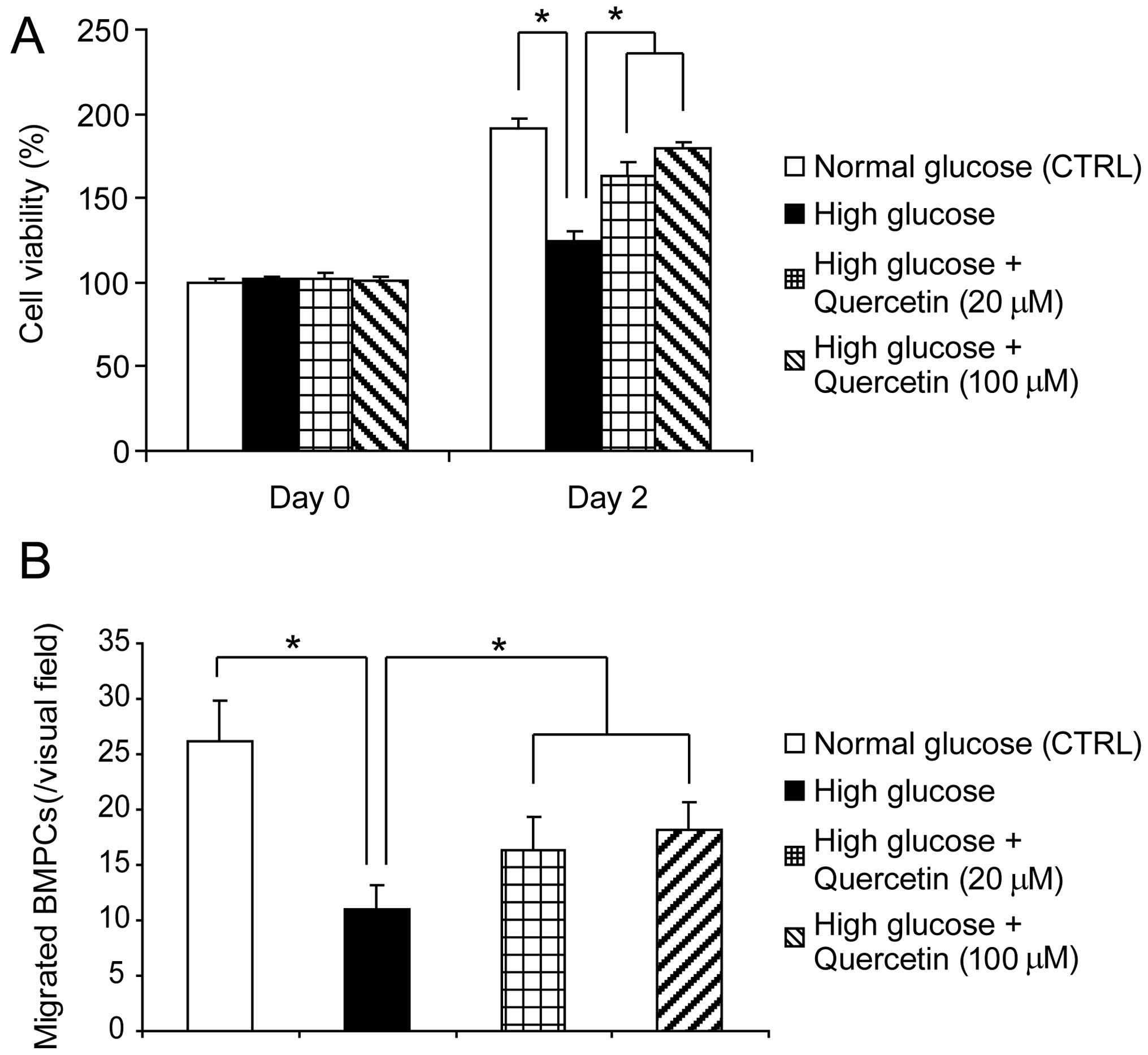
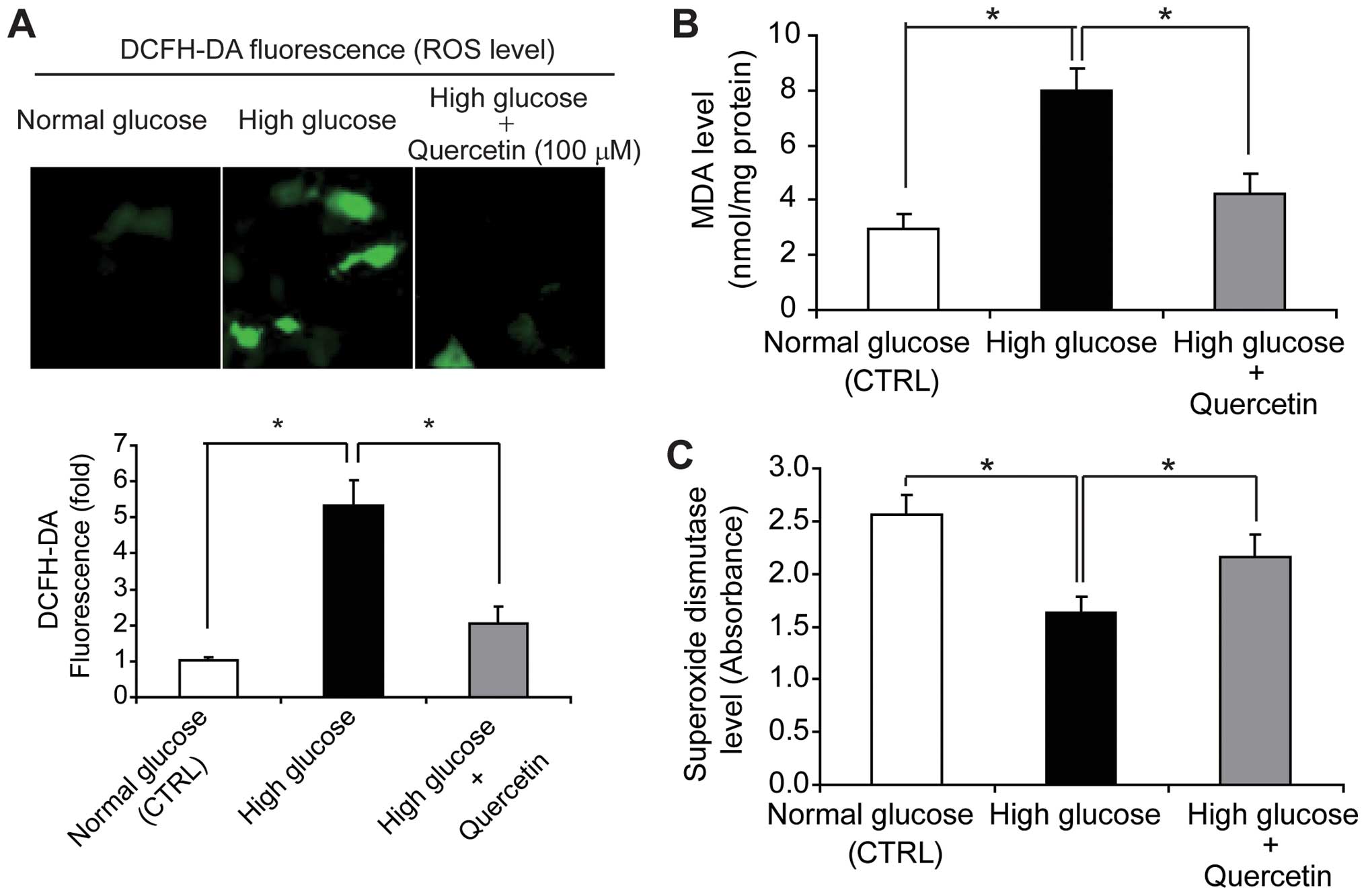
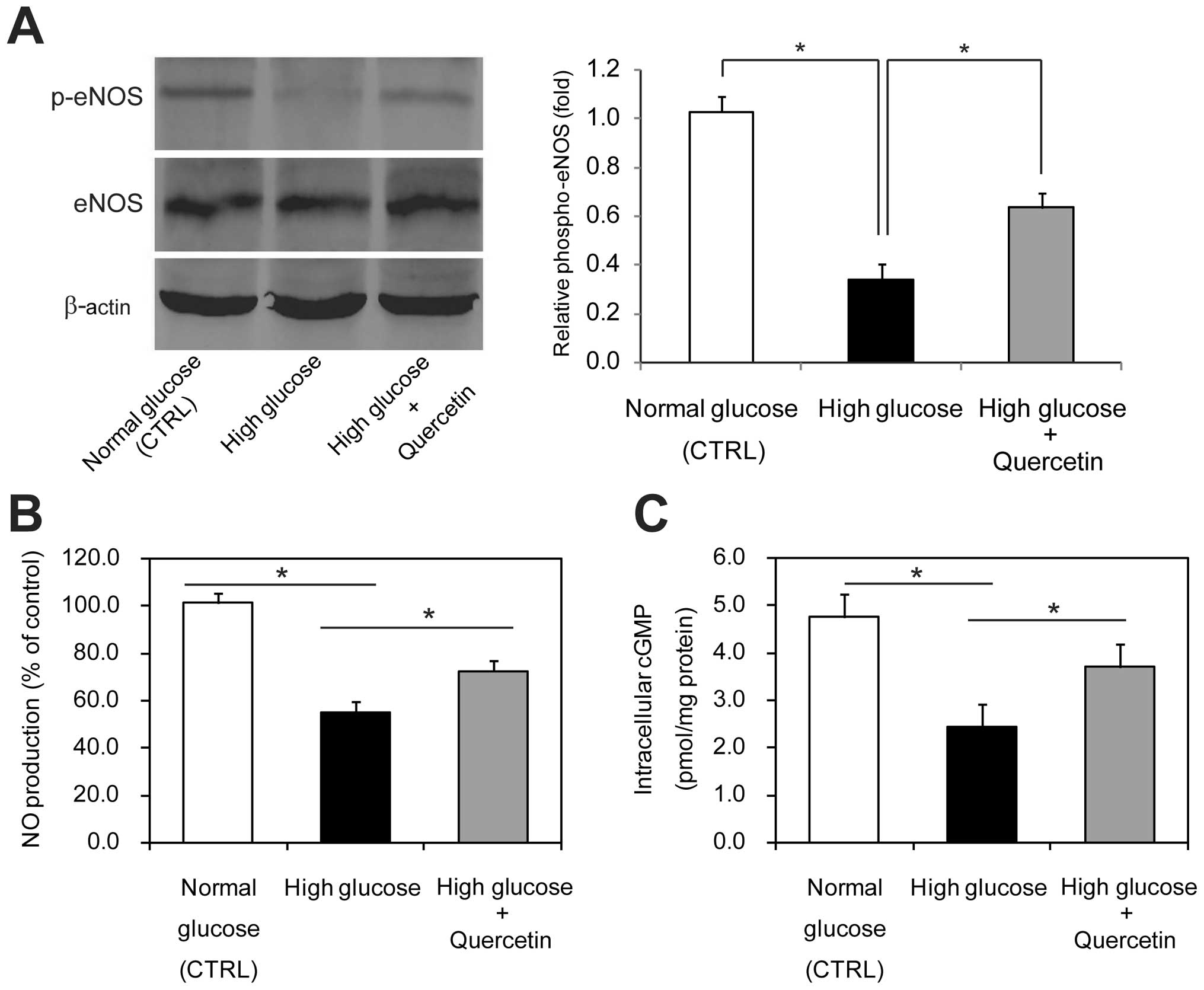
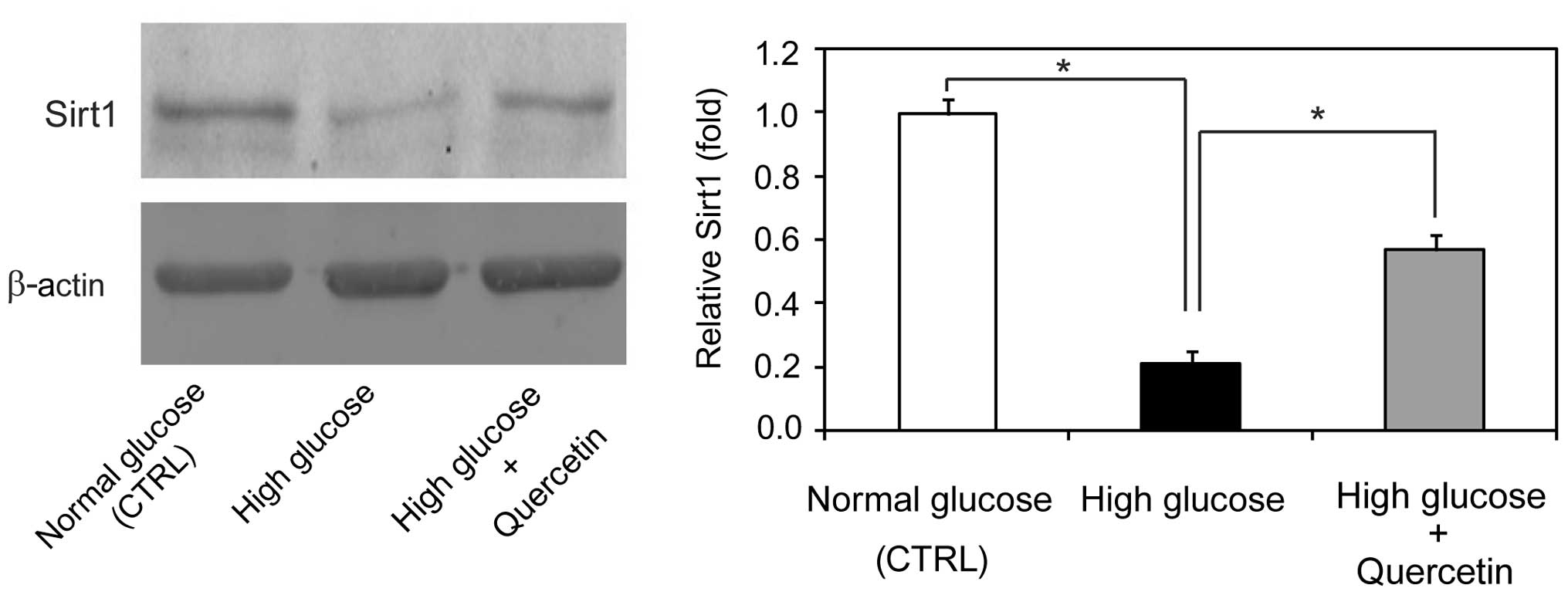
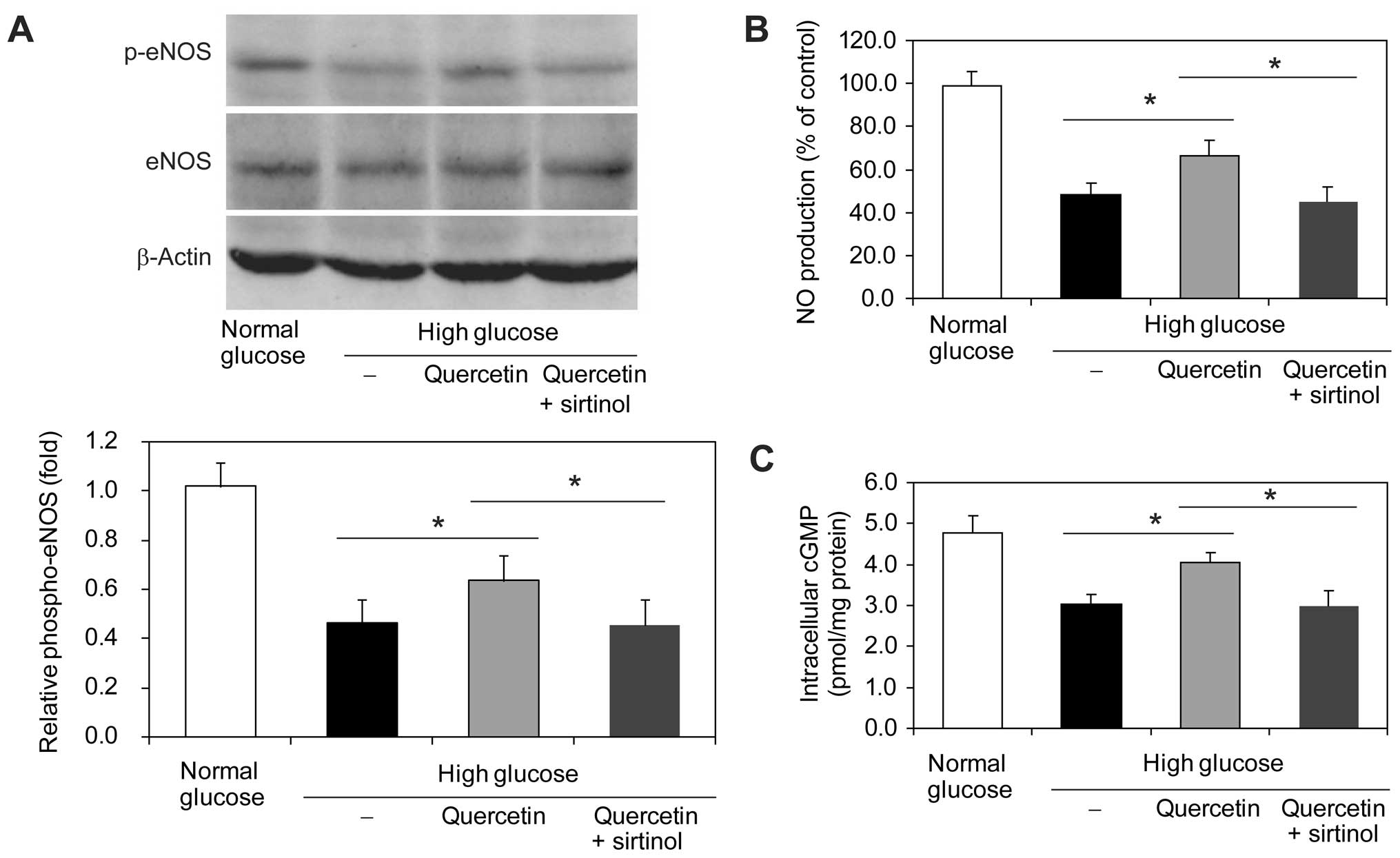
Endothelial progenitor cells (EPCs), a group of bone marrow-derived pro-angiogenic cells, contribute to vascular repair after damage. EPC dysfunction exists in diabetes and results in poor wound healing in diabetic patients with trauma or surgery. The aim of the present study was to determine the effect of quercetin, a natural flavonoid on high glucose‑induced damage in EPCs. Treatment with high glucose (40 mM) decreased cell viability and migration, and increased oxidant stress, as was evidenced by the elevated levels of reactive oxygen species (ROS), malondialdehyde (MDA) and superoxide dismutase in bone marrow-derived EPCs. Moreover, high glucose reduced the levels of endothelial nitric oxide synthase (eNOS) phosphorylation, nitric oxide (NO) production and intracellular cyclic guanosine monophosphate (cGMP). Quercetin supplement protected against high glucose‑induced impairment in cell viability, migration, oxidant stress, eNOS phosphorylation, NO production and cGMP levels. Quercetin also increased Sirt1 expression in EPCs. Inhibition of Sirt1 by a chemical antagonist sirtinol abolished the protective effect of quercetin on eNOS phosphorylation, NO production and cGMP levels following high glucose stress. To the best of our knowledge, the results provide the first evidence that quercetin protects against high glucose‑induced damage by inducing Sirt1-dependent eNOS upregulation in EPCs, and suggest that quercetin is a promising therapeutic agent for diabetic patients undergoing surgery or other invasive procedures.
View Figures

Figure 1

Figure 2

Figure 3

Figure 4

Figure 5

View References

1 

Asahara T, Murohara T, Sullivan A, et al: Isolation of putative progenitor endothelial cells for angiogenesis. Science. 275:964–967. 1997. View Article : Google Scholar : PubMed/NCBI

2 

Hristov M, Erl W and Weber PC: Endothelial progenitor cells: mobilization, differentiation, and homing. Arterioscler Thromb Vasc Biol. 23:1185–1189. 2003. View Article : Google Scholar : PubMed/NCBI

3 

Hristov M and Weber C: Endothelial progenitor cells: characterization, pathophysiology, and possible clinical relevance. J Cell Mol Med. 8:498–508. 2004. View Article : Google Scholar : PubMed/NCBI

4 

Loomans CJ, de Koning EJ, Staal FJ, et al: Endothelial progenitor cell dysfunction: a novel concept in the pathogenesis of vascular complications of type 1 diabetes. Diabetes. 53:195–199. 2004. View Article : Google Scholar : PubMed/NCBI

5 

Fadini GP, Miorin M, Facco M, et al: Circulating endothelial progenitor cells are reduced in peripheral vascular complications of type 2 diabetes mellitus. J Am Coll Cardiol. 45:1449–1457. 2005. View Article : Google Scholar : PubMed/NCBI

6 

Sorrentino SA, Bahlmann FH, Besler C, et al: Oxidant stress impairs in vivo reendothelialization capacity of endothelial progenitor cells from patients with type 2 diabetes mellitus: restoration by the peroxisome proliferator-activated receptor-gamma agonist rosiglitazone. Circulation. 116:163–173. 2007. View Article : Google Scholar

7 

Rosso A, Balsamo A, Gambino R, et al: p53 Mediates the accelerated onset of senescence of endothelial progenitor cells in diabetes. J Biol Chem. 281:4339–4347. 2006. View Article : Google Scholar : PubMed/NCBI

8 

Hamed S, Brenner B and Roguin A: Nitric oxide: a key factor behind the dysfunctionality of endothelial progenitor cells in diabetes mellitus type-2. Cardiovasc Res. 91:9–15. 2011. View Article : Google Scholar : PubMed/NCBI

9 

van Dam RM, Naidoo N and Landberg R: Dietary flavonoids and the development of type 2 diabetes and cardiovascular diseases: review of recent findings. Curr Opin Lipidol. 24:25–33. 2013.PubMed/NCBI

10 

Nicolle E, Souard F, Faure P and Boumendjel A: Flavonoids as promising lead compounds in type 2 diabetes mellitus: molecules of interest and structure-activity relationship. Curr Med Chem. 18:2661–2672. 2011. View Article : Google Scholar : PubMed/NCBI

11 

Formica JV and Regelson W: Review of the biology of Quercetin and related bioflavonoids. Food Chem Toxicol. 33:1061–1080. 1995. View Article : Google Scholar : PubMed/NCBI

12 

Kim JH, Kang MJ, Choi HN, Jeong SM, Lee YM and Kim JI: Quercetin attenuates fasting and postprandial hyperglycemia in animal models of diabetes mellitus. Nutr Res Pract. 5:107–111. 2011. View Article : Google Scholar : PubMed/NCBI

13 

Margina D, Gradinaru D, Manda G, Neagoe I and Ilie M: Membranar effects exerted in vitro by polyphenols - quercetin, epigallocatechin gallate and curcumin - on HUVEC and Jurkat cells, relevant for diabetes mellitus. Food Chem Toxicol. 61:86–93. 2013. View Article : Google Scholar

14 

Mahmoud MF, Hassan NA, El Bassossy HM and Fahmy A: Quercetin protects against diabetes-induced exaggerated vasoconstriction in rats: effect on low grade inflammation. PloS One. 8:e637842013. View Article : Google Scholar : PubMed/NCBI

15 

Zahedi M, Ghiasvand R, Feizi A, Asgari G and Darvish L: Does quercetin improve cardiovascular risk factors and inflammatory biomarkers in women with type 2 diabetes: a double-blind randomized controlled clinical trial. Int J Prev Med. 4:777–785. 2013.PubMed/NCBI

16 

Marrotte EJ, Chen DD, Hakim JS and Chen AF: Manganese superoxide dismutase expression in endothelial progenitor cells accelerates wound healing in diabetic mice. J Clin Invest. 120:4207–4219. 2010. View Article : Google Scholar : PubMed/NCBI

17 

Wang P, Xu TY, Guan YF, Su DF, Fan GR and Miao CY: Perivascular adipose tissue-derived visfatin is a vascular smooth muscle cell growth factor: role of nicotinamide mononucleotide. Cardiovasc Res. 81:370–380. 2009. View Article : Google Scholar : PubMed/NCBI

18 

Wang P, Guan YF, Du H, Zhai QW, Su DF and Miao CY: Induction of autophagy contributes to the neuroprotection of nicotinamide phosphoribosyltransferase in cerebral ischemia. Autophagy. 8:77–87. 2012. View Article : Google Scholar : PubMed/NCBI

19 

Liu BQ, Du ZX, Zong ZH, et al: BAG3-dependent noncanonical autophagy induced by proteasome inhibition in HepG2 cells. Autophagy. 9:905–916. 2013. View Article : Google Scholar : PubMed/NCBI

20 

Garg AD, Dudek AM, Ferreira GB, et al: ROS-induced autophagy in cancer cells assists in evasion from determinants of immunogenic cell death. Autophagy. 9:1292–1307. 2013. View Article : Google Scholar : PubMed/NCBI

21 

Zhang XH, Lei H, Liu AJ, Zou YX, Shen FM and Su DF: Increased oxidative stress is responsible for severer cerebral infarction in stroke-prone spontaneously hypertensive rats. CNS Neurosci Ther. 17:590–598. 2011. View Article : Google Scholar : PubMed/NCBI

22 

Schmeisser H, Fey SB, Horowitz J, et al: Type I interferons induce autophagy in certain human cancer cell lines. Autophagy. 9:683–696. 2013. View Article : Google Scholar : PubMed/NCBI

23 

Luciani A, Villella VR, Esposito S, et al: Targeting autophagy as a novel strategy for facilitating the therapeutic action of potentiators on DeltaF508 cystic fibrosis transmembrane conductance regulator. Autophagy. 8:1657–1672. 2012. View Article : Google Scholar

24 

Wang P, Zhang RY, Song J, et al: Loss of AMP-activated protein kinase-alpha2 impairs the insulin-sensitizing effect of calorie restriction in skeletal muscle. Diabetes. 61:1051–1061. 2012. View Article : Google Scholar : PubMed/NCBI

25 

Wang P, Xu TY, Guan YF, et al: Nicotinamide phosphoribosyltransferase protects against ischemic stroke through SIRT1-dependent adenosine monophosphate-activated kinase pathway. Ann Neurol. 69:360–374. 2011. View Article : Google Scholar

26 

Oh JM, Choi EK, Carp RI and Kim YS: Oxidative stress impairs autophagic flux in prion protein-deficient hippocampal cells. Autophagy. 8:1448–1461. 2012. View Article : Google Scholar : PubMed/NCBI

27 

Zhang T, Li Y, Park KA, et al: Cucurbitacin induces autophagy through mitochondrial ROS production which counteracts to limit caspase-dependent apoptosis. Autophagy. 8:559–576. 2012. View Article : Google Scholar

28 

Song YM, Song SO, Jung YK, et al: Dimethyl sulfoxide reduces hepatocellular lipid accumulation through autophagy induction. Autophagy. 8:1085–1097. 2012. View Article : Google Scholar : PubMed/NCBI

29 

Zhao YD, Courtman DW, Deng Y, Kugathasan L, Zhang Q and Stewart DJ: Rescue of monocrotaline-induced pulmonary arterial hypertension using bone marrow-derived endothelial-like progenitor cells: efficacy of combined cell and eNOS gene therapy in established disease. Circ Res. 96:442–450. 2005. View Article : Google Scholar

30 

Duda DG, Fukumura D and Jain RK: Role of eNOS in neovascularization: NO for endothelial progenitor cells. Trends Mol Med. 10:143–145. 2004. View Article : Google Scholar : PubMed/NCBI

31 

Mattagajasingh I, Kim CS, Naqvi A, et al: SIRT1 promotes endothelium-dependent vascular relaxation by activating endothelial nitric oxide synthase. Proc Natl Acad Sci USA. 104:14855–14860. 2007. View Article : Google Scholar

32 

Chao CL, Hou YC, Chao PD, Weng CS and Ho FM: The antioxidant effects of quercetin metabolites on the prevention of high glucose-induced apoptosis of human umbilical vein endothelial cells. Br J Nutr. 101:1165–1170. 2009. View Article : Google Scholar : PubMed/NCBI

33 

Bournival J, Francoeur MA, Renaud J and Martinoli MG: Quercetin and sesamin protect neuronal PC12 cells from high-glucose-induced oxidation, nitrosative stress, and apoptosis. Rejuvenation Res. 15:322–333. 2012. View Article : Google Scholar : PubMed/NCBI

34 

Shi Y, Liang XC, Zhang H, Wu QL, Qu L and Sun Q: Quercetin protects rat dorsal root ganglion neurons against high glucose-induced injury in vitro through Nrf-2/HO-1 activation and NF-kappaB inhibition. Acta Pharmacol Sin. 34:1140–1148. 2013. View Article : Google Scholar : PubMed/NCBI

35 

Chen YH, Lin SJ, Lin FY, et al: High glucose impairs early and late endothelial progenitor cells by modifying nitric oxide-related but not oxidative stress-mediated mechanisms. Diabetes. 56:1559–1568. 2007. View Article : Google Scholar : PubMed/NCBI

36 

Kobayashi S, Xu X, Chen K and Liang Q: Suppression of autophagy is protective in high glucose-induced cardiomyocyte injury. Autophagy. 8:577–592. 2012. View Article : Google Scholar : PubMed/NCBI

37 

Thum T, Fraccarollo D, Schultheiss M, et al: Endothelial nitric oxide synthase uncoupling impairs endothelial progenitor cell mobilization and function in diabetes. Diabetes. 56:666–674. 2007. View Article : Google Scholar : PubMed/NCBI

38 

Herranz D and Serrano M: SIRT1: recent lessons from mouse models. Nat Rev Cancer. 10:819–823. 2010. View Article : Google Scholar : PubMed/NCBI

39 

Balestrieri ML, Rienzo M, Felice F, et al: High glucose downregulates endothelial progenitor cell number via SIRT1. Biochim Biophys Acta. 1784:936–945. 2008. View Article : Google Scholar : PubMed/NCBI

40 

Servillo L, D’Onofrio N, Longobardi L, et al: Stachydrine ameliorates high-glucose induced endothelial cell senescence and SIRT1 downregulation. J Cell Biochem. 114:2522–2530. 2013. View Article : Google Scholar : PubMed/NCBI

41 

Davis JM, Murphy EA, Carmichael MD and Davis B: Quercetin increases brain and muscle mitochondrial biogenesis and exercise tolerance. Am J Physiol Regul Integr Comp Physiol. 296:R1071–R1077. 2009. View Article : Google Scholar : PubMed/NCBI

42 

Casuso RA, Martinez-Lopez EJ, Nordsborg NB, et al: Oral quercetin supplementation hampers skeletal muscle adaptations in response to exercise training. Scand J Med Sci Sports. Oct 14–2013.(E-pub ahead of print).

Related Articles

  • Abstract
  • View
  • Download
  • Twitter
Copy and paste a formatted citation
Spandidos Publications style
Zhao L, Du Y, Chen L, Liu Z, Pan Y, Liu J and Liu B: Quercetin protects against high glucose-induced damage in bone marrow-derived endothelial progenitor cells. Int J Mol Med 34: 1025-1031, 2014.
APA
Zhao, L., Du, Y., Chen, L., Liu, Z., Pan, Y., Liu, J., & Liu, B. (2014). Quercetin protects against high glucose-induced damage in bone marrow-derived endothelial progenitor cells. International Journal of Molecular Medicine, 34, 1025-1031. https://doi.org/10.3892/ijmm.2014.1852
MLA
Zhao, L., Du, Y., Chen, L., Liu, Z., Pan, Y., Liu, J., Liu, B."Quercetin protects against high glucose-induced damage in bone marrow-derived endothelial progenitor cells". International Journal of Molecular Medicine 34.4 (2014): 1025-1031.
Chicago
Zhao, L., Du, Y., Chen, L., Liu, Z., Pan, Y., Liu, J., Liu, B."Quercetin protects against high glucose-induced damage in bone marrow-derived endothelial progenitor cells". International Journal of Molecular Medicine 34, no. 4 (2014): 1025-1031. https://doi.org/10.3892/ijmm.2014.1852
Copy and paste a formatted citation
x
Spandidos Publications style
Zhao L, Du Y, Chen L, Liu Z, Pan Y, Liu J and Liu B: Quercetin protects against high glucose-induced damage in bone marrow-derived endothelial progenitor cells. Int J Mol Med 34: 1025-1031, 2014.
APA
Zhao, L., Du, Y., Chen, L., Liu, Z., Pan, Y., Liu, J., & Liu, B. (2014). Quercetin protects against high glucose-induced damage in bone marrow-derived endothelial progenitor cells. International Journal of Molecular Medicine, 34, 1025-1031. https://doi.org/10.3892/ijmm.2014.1852
MLA
Zhao, L., Du, Y., Chen, L., Liu, Z., Pan, Y., Liu, J., Liu, B."Quercetin protects against high glucose-induced damage in bone marrow-derived endothelial progenitor cells". International Journal of Molecular Medicine 34.4 (2014): 1025-1031.
Chicago
Zhao, L., Du, Y., Chen, L., Liu, Z., Pan, Y., Liu, J., Liu, B."Quercetin protects against high glucose-induced damage in bone marrow-derived endothelial progenitor cells". International Journal of Molecular Medicine 34, no. 4 (2014): 1025-1031. https://doi.org/10.3892/ijmm.2014.1852
Follow us
  • Twitter
  • LinkedIn
  • Facebook
About
  • Spandidos Publications
  • Careers
  • Cookie Policy
  • Privacy Policy
How can we help?
  • Help
  • Live Chat
  • Contact
  • Email to our Support Team