Spandidos Publications Logo
  • About
    • About Spandidos
    • Aims and Scopes
    • Abstracting and Indexing
    • Editorial Policies
    • Reprints and Permissions
    • Job Opportunities
    • Terms and Conditions
    • Contact
  • Journals
    • All Journals
    • Oncology Letters
      • Oncology Letters
      • Information for Authors
      • Editorial Policies
      • Editorial Board
      • Aims and Scope
      • Abstracting and Indexing
      • Bibliographic Information
      • Archive
    • International Journal of Oncology
      • International Journal of Oncology
      • Information for Authors
      • Editorial Policies
      • Editorial Board
      • Aims and Scope
      • Abstracting and Indexing
      • Bibliographic Information
      • Archive
    • Molecular and Clinical Oncology
      • Molecular and Clinical Oncology
      • Information for Authors
      • Editorial Policies
      • Editorial Board
      • Aims and Scope
      • Abstracting and Indexing
      • Bibliographic Information
      • Archive
    • Experimental and Therapeutic Medicine
      • Experimental and Therapeutic Medicine
      • Information for Authors
      • Editorial Policies
      • Editorial Board
      • Aims and Scope
      • Abstracting and Indexing
      • Bibliographic Information
      • Archive
    • International Journal of Molecular Medicine
      • International Journal of Molecular Medicine
      • Information for Authors
      • Editorial Policies
      • Editorial Board
      • Aims and Scope
      • Abstracting and Indexing
      • Bibliographic Information
      • Archive
    • Biomedical Reports
      • Biomedical Reports
      • Information for Authors
      • Editorial Policies
      • Editorial Board
      • Aims and Scope
      • Abstracting and Indexing
      • Bibliographic Information
      • Archive
    • Oncology Reports
      • Oncology Reports
      • Information for Authors
      • Editorial Policies
      • Editorial Board
      • Aims and Scope
      • Abstracting and Indexing
      • Bibliographic Information
      • Archive
    • Molecular Medicine Reports
      • Molecular Medicine Reports
      • Information for Authors
      • Editorial Policies
      • Editorial Board
      • Aims and Scope
      • Abstracting and Indexing
      • Bibliographic Information
      • Archive
    • World Academy of Sciences Journal
      • World Academy of Sciences Journal
      • Information for Authors
      • Editorial Policies
      • Editorial Board
      • Aims and Scope
      • Abstracting and Indexing
      • Bibliographic Information
      • Archive
    • International Journal of Functional Nutrition
      • International Journal of Functional Nutrition
      • Information for Authors
      • Editorial Policies
      • Editorial Board
      • Aims and Scope
      • Abstracting and Indexing
      • Bibliographic Information
      • Archive
    • International Journal of Epigenetics
      • International Journal of Epigenetics
      • Information for Authors
      • Editorial Policies
      • Editorial Board
      • Aims and Scope
      • Abstracting and Indexing
      • Bibliographic Information
      • Archive
    • Medicine International
      • Medicine International
      • Information for Authors
      • Editorial Policies
      • Editorial Board
      • Aims and Scope
      • Abstracting and Indexing
      • Bibliographic Information
      • Archive
  • Articles
  • Information
    • Information for Authors
    • Information for Reviewers
    • Information for Librarians
    • Information for Advertisers
    • Conferences
  • Language Editing
Spandidos Publications Logo
  • About
    • About Spandidos
    • Aims and Scopes
    • Abstracting and Indexing
    • Editorial Policies
    • Reprints and Permissions
    • Job Opportunities
    • Terms and Conditions
    • Contact
  • Journals
    • All Journals
    • Biomedical Reports
      • Information for Authors
      • Editorial Policies
      • Editorial Board
      • Aims and Scope
      • Abstracting and Indexing
      • Bibliographic Information
      • Archive
    • Experimental and Therapeutic Medicine
      • Information for Authors
      • Editorial Policies
      • Editorial Board
      • Aims and Scope
      • Abstracting and Indexing
      • Bibliographic Information
      • Archive
    • International Journal of Epigenetics
      • Information for Authors
      • Editorial Policies
      • Editorial Board
      • Aims and Scope
      • Abstracting and Indexing
      • Bibliographic Information
      • Archive
    • International Journal of Functional Nutrition
      • Information for Authors
      • Editorial Policies
      • Editorial Board
      • Aims and Scope
      • Abstracting and Indexing
      • Bibliographic Information
      • Archive
    • International Journal of Molecular Medicine
      • Information for Authors
      • Editorial Policies
      • Editorial Board
      • Aims and Scope
      • Abstracting and Indexing
      • Bibliographic Information
      • Archive
    • International Journal of Oncology
      • Information for Authors
      • Editorial Policies
      • Editorial Board
      • Aims and Scope
      • Abstracting and Indexing
      • Bibliographic Information
      • Archive
    • Medicine International
      • Information for Authors
      • Editorial Policies
      • Editorial Board
      • Aims and Scope
      • Abstracting and Indexing
      • Bibliographic Information
      • Archive
    • Molecular and Clinical Oncology
      • Information for Authors
      • Editorial Policies
      • Editorial Board
      • Aims and Scope
      • Abstracting and Indexing
      • Bibliographic Information
      • Archive
    • Molecular Medicine Reports
      • Information for Authors
      • Editorial Policies
      • Editorial Board
      • Aims and Scope
      • Abstracting and Indexing
      • Bibliographic Information
      • Archive
    • Oncology Letters
      • Information for Authors
      • Editorial Policies
      • Editorial Board
      • Aims and Scope
      • Abstracting and Indexing
      • Bibliographic Information
      • Archive
    • Oncology Reports
      • Information for Authors
      • Editorial Policies
      • Editorial Board
      • Aims and Scope
      • Abstracting and Indexing
      • Bibliographic Information
      • Archive
    • World Academy of Sciences Journal
      • Information for Authors
      • Editorial Policies
      • Editorial Board
      • Aims and Scope
      • Abstracting and Indexing
      • Bibliographic Information
      • Archive
  • Articles
  • Information
    • For Authors
    • For Reviewers
    • For Librarians
    • For Advertisers
    • Conferences
  • Language Editing
Login Register Submit
  • This site uses cookies
  • You can change your cookie settings at any time by following the instructions in our Cookie Policy. To find out more, you may read our Privacy Policy.

    I agree
Search articles by DOI, keyword, author or affiliation
Search
Advanced Search
presentation
International Journal of Molecular Medicine
Join Editorial Board Propose a Special Issue
Print ISSN: 1107-3756 Online ISSN: 1791-244X
Journal Cover
December-2014 Volume 34 Issue 6

Full Size Image

Sign up for eToc alerts
Recommend to Library

Journals

International Journal of Molecular Medicine

International Journal of Molecular Medicine

International Journal of Molecular Medicine is an international journal devoted to molecular mechanisms of human disease.

International Journal of Oncology

International Journal of Oncology

International Journal of Oncology is an international journal devoted to oncology research and cancer treatment.

Molecular Medicine Reports

Molecular Medicine Reports

Covers molecular medicine topics such as pharmacology, pathology, genetics, neuroscience, infectious diseases, molecular cardiology, and molecular surgery.

Oncology Reports

Oncology Reports

Oncology Reports is an international journal devoted to fundamental and applied research in Oncology.

Experimental and Therapeutic Medicine

Experimental and Therapeutic Medicine

Experimental and Therapeutic Medicine is an international journal devoted to laboratory and clinical medicine.

Oncology Letters

Oncology Letters

Oncology Letters is an international journal devoted to Experimental and Clinical Oncology.

Biomedical Reports

Biomedical Reports

Explores a wide range of biological and medical fields, including pharmacology, genetics, microbiology, neuroscience, and molecular cardiology.

Molecular and Clinical Oncology

Molecular and Clinical Oncology

International journal addressing all aspects of oncology research, from tumorigenesis and oncogenes to chemotherapy and metastasis.

World Academy of Sciences Journal

World Academy of Sciences Journal

Multidisciplinary open-access journal spanning biochemistry, genetics, neuroscience, environmental health, and synthetic biology.

International Journal of Functional Nutrition

International Journal of Functional Nutrition

Open-access journal combining biochemistry, pharmacology, immunology, and genetics to advance health through functional nutrition.

International Journal of Epigenetics

International Journal of Epigenetics

Publishes open-access research on using epigenetics to advance understanding and treatment of human disease.

Medicine International

Medicine International

An International Open Access Journal Devoted to General Medicine.

Journal Cover
December-2014 Volume 34 Issue 6

Full Size Image

Sign up for eToc alerts
Recommend to Library

  • Article
  • Citations
    • Cite This Article
    • Download Citation
    • Create Citation Alert
    • Remove Citation Alert
    • Cited By
  • Similar Articles
    • Related Articles (in Spandidos Publications)
    • Similar Articles (Google Scholar)
    • Similar Articles (PubMed)
  • Download PDF
  • Download XML
  • View XML
Article

Identification of the responsible proteins for increased selenium bioavailability in the brain of transgenic rats overexpressing selenoprotein M

  • Authors:
    • Yona Kim
    • Jun Seo Goo
    • Il Yong Kim
    • Ji Eun Kim
    • Moon Hwa Kwak
    • Jun Go
    • Sunbo Shim
    • Jin Tae Hong
    • Dae Youn Hwang
    • Je Kyung Seong
  • View Affiliations / Copyright

    Affiliations: Laboratory of Developmental Biology and Genomics, College of Veterinary Medicine, BK21 Program for Veterinary Science, Interdisciplinary Program for Bioinformatics and Program for Cancer Biology, Seoul National University, Seoul 151‑742, Republic of Korea, Department of Biomaterials Science, College of Natural Resources and Life Science, Life and Industry Convergence Research Institute, Pusan National University, Miryang, Gyeongsangnam-do 627‑706, Republic of Korea, Department of Laboratory Animal Resources, National Institute of Food and Drug Safety Evaluation, Korea FDA, Cheongwon, Chungcheongbuk-do 363‑700, Republic of Korea, College of Pharmacy, Chungbuk National University, Cheongju, Chungcheongbuk-do 361‑763, Republic of Korea
  • Pages: 1688-1698
    |
    Published online on: September 24, 2014
       https://doi.org/10.3892/ijmm.2014.1945
  • Expand metrics +
Metrics: Total Views: 0 (Spandidos Publications: | PMC Statistics: )
Metrics: Total PDF Downloads: 0 (Spandidos Publications: | PMC Statistics: )
Cited By (CrossRef): 0 citations Loading Articles...

This article is mentioned in:


Abstract

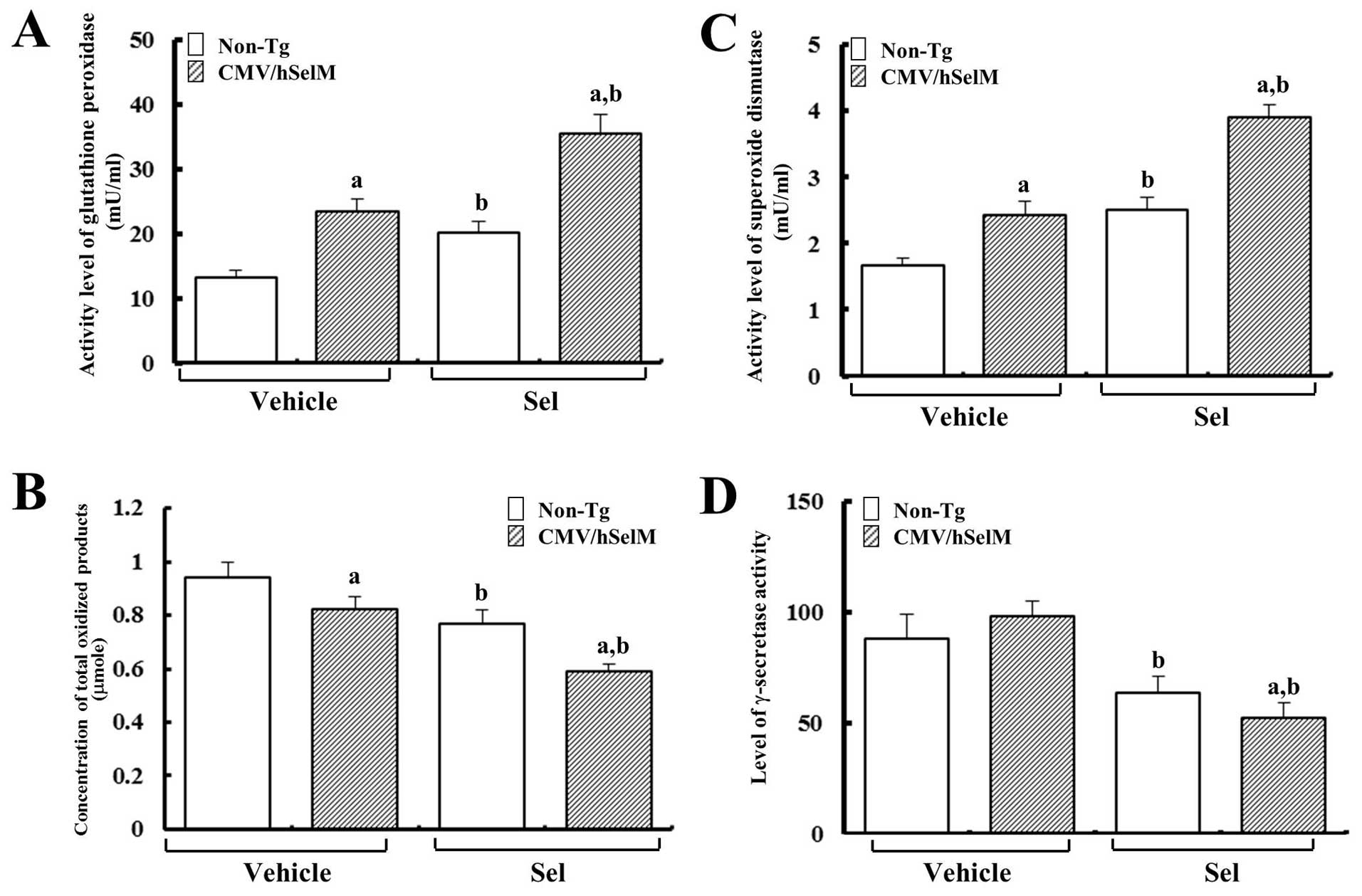
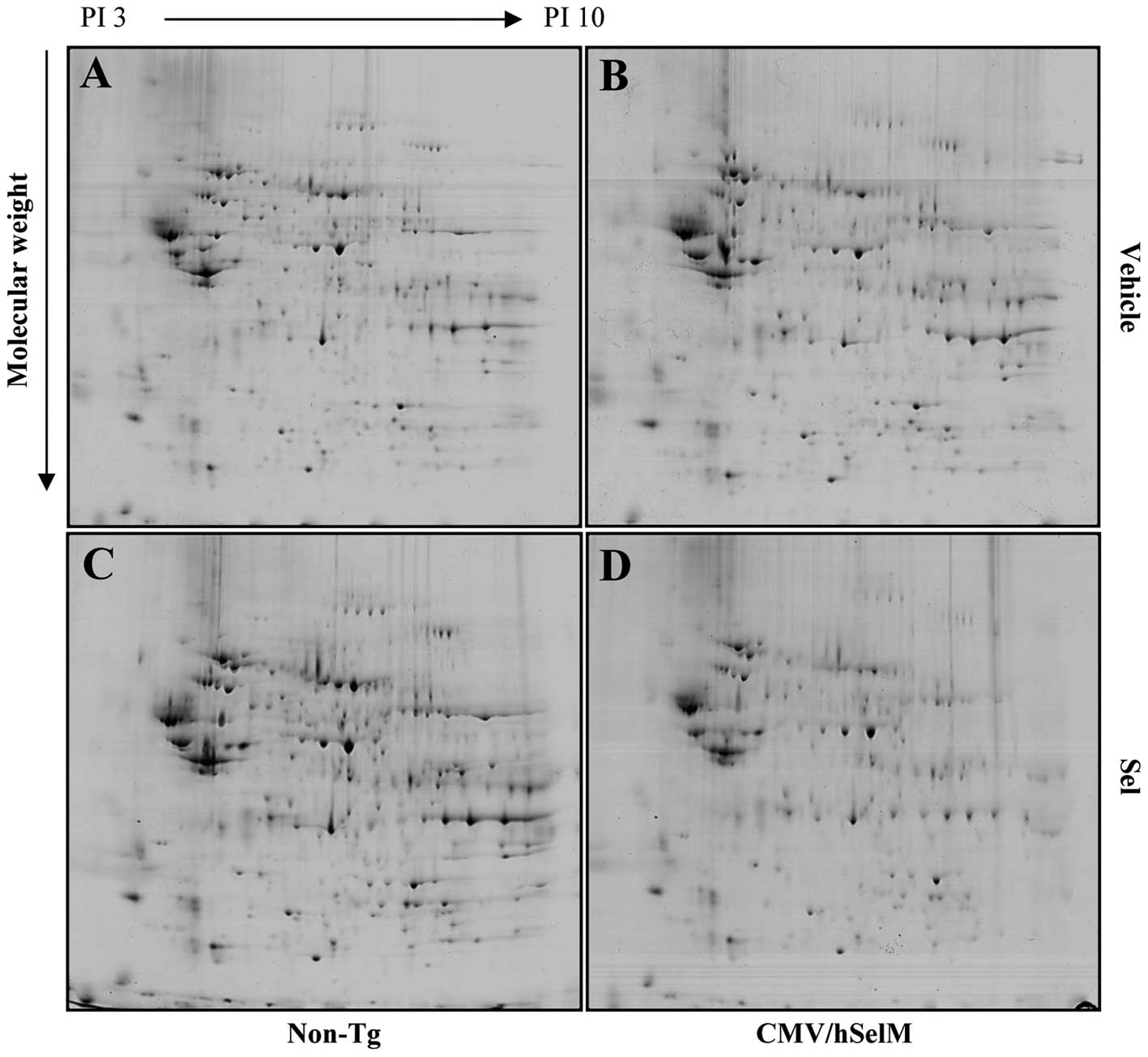
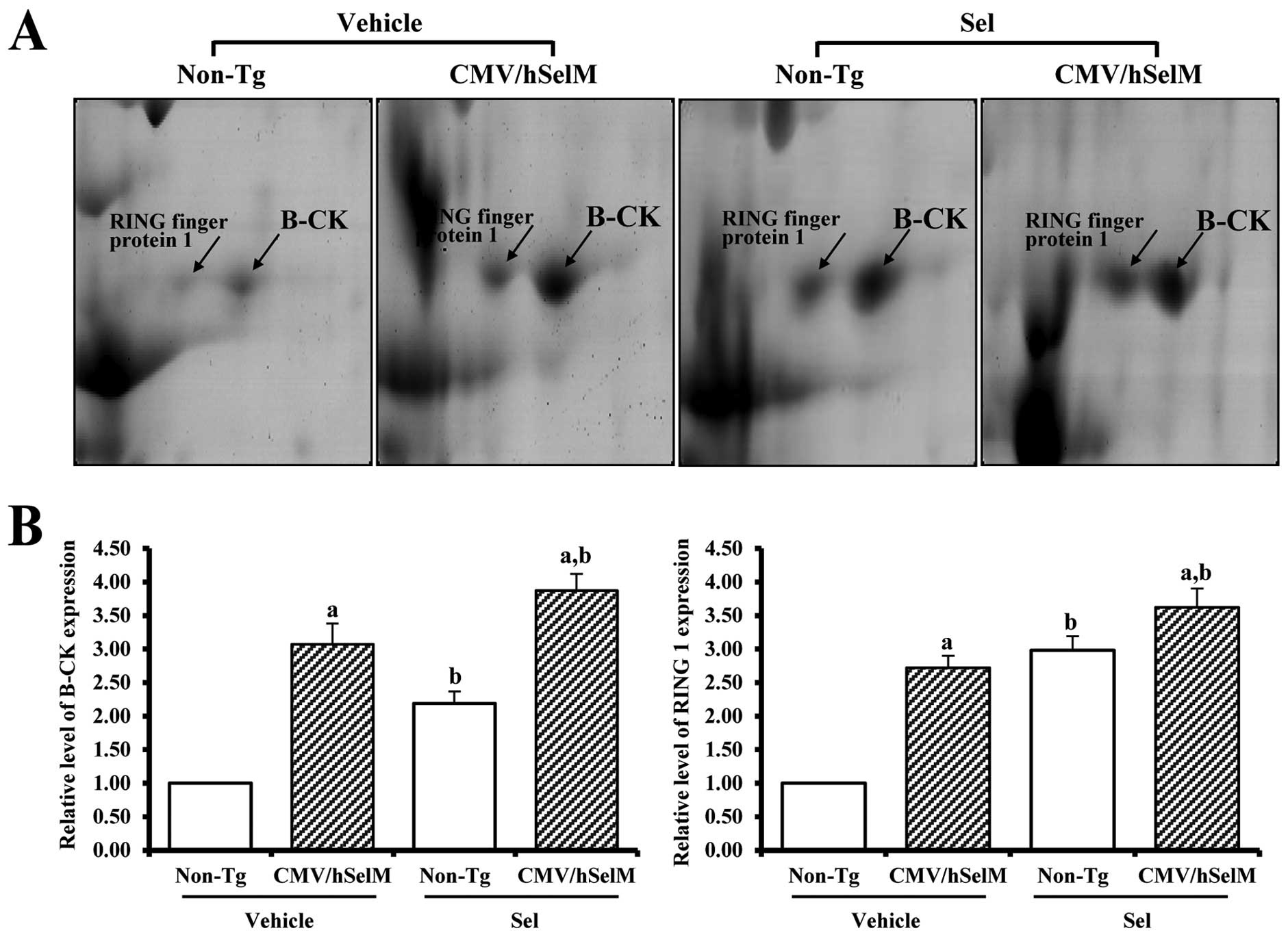
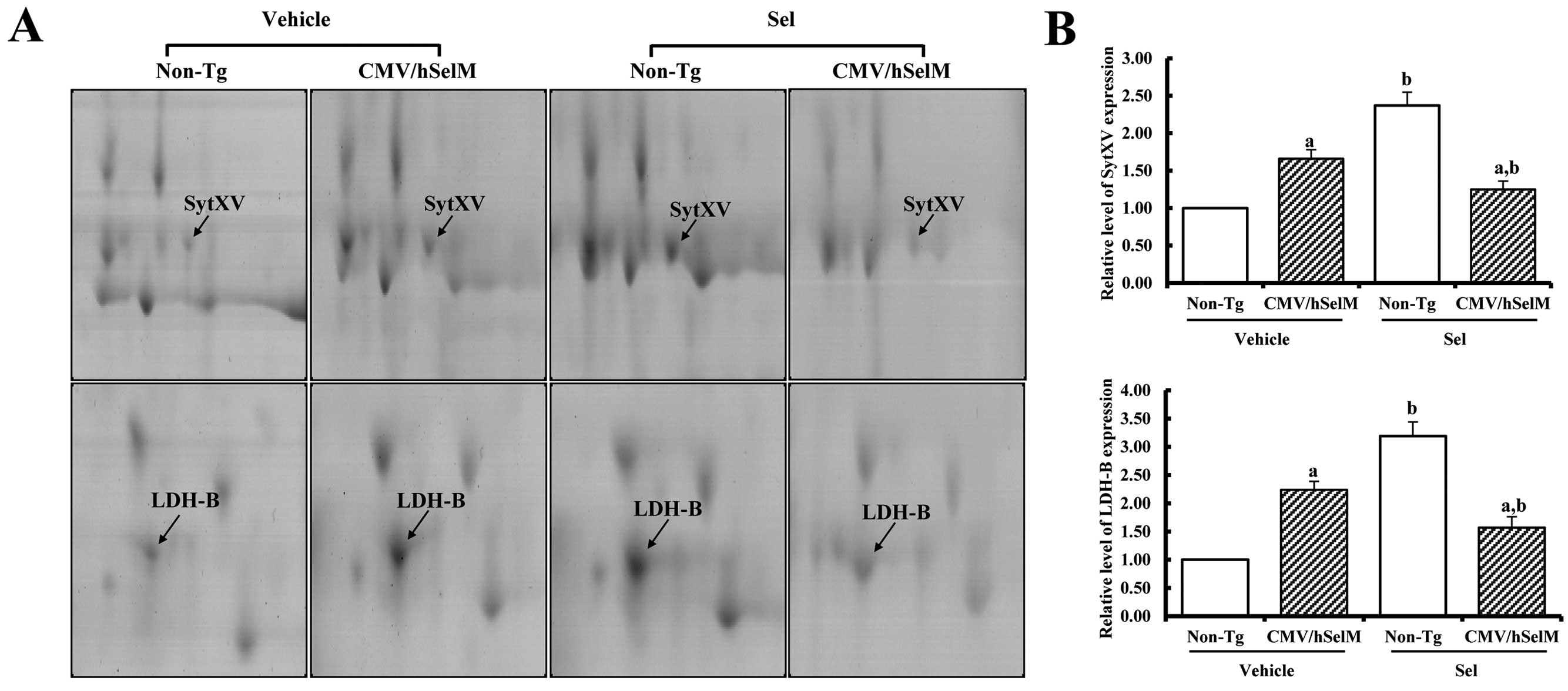
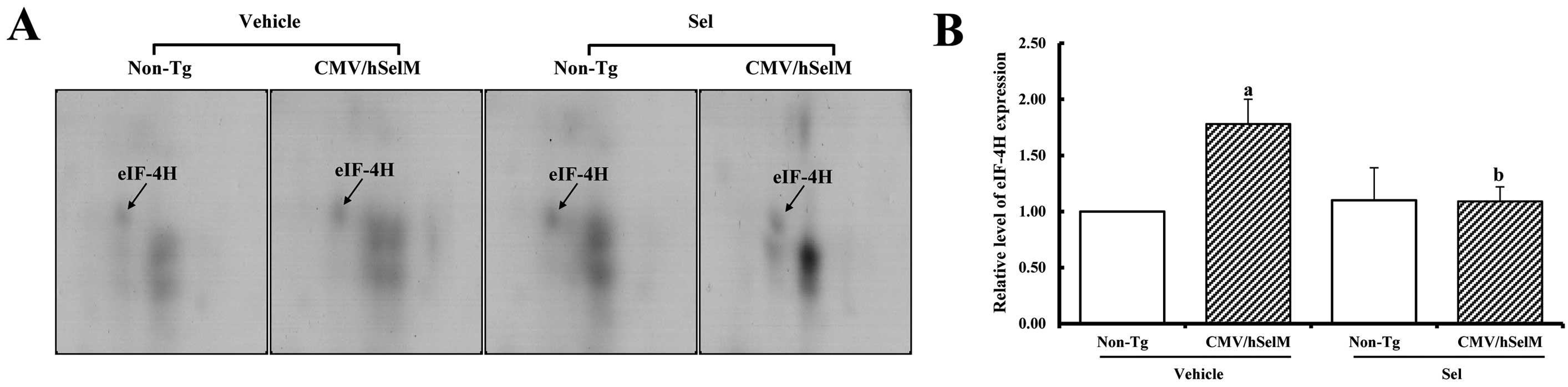
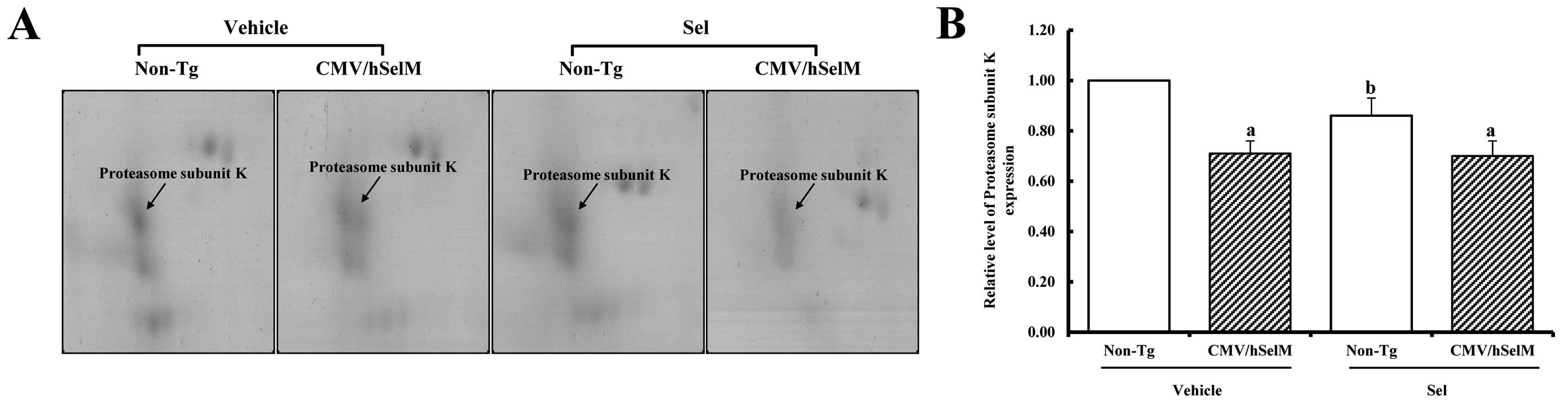
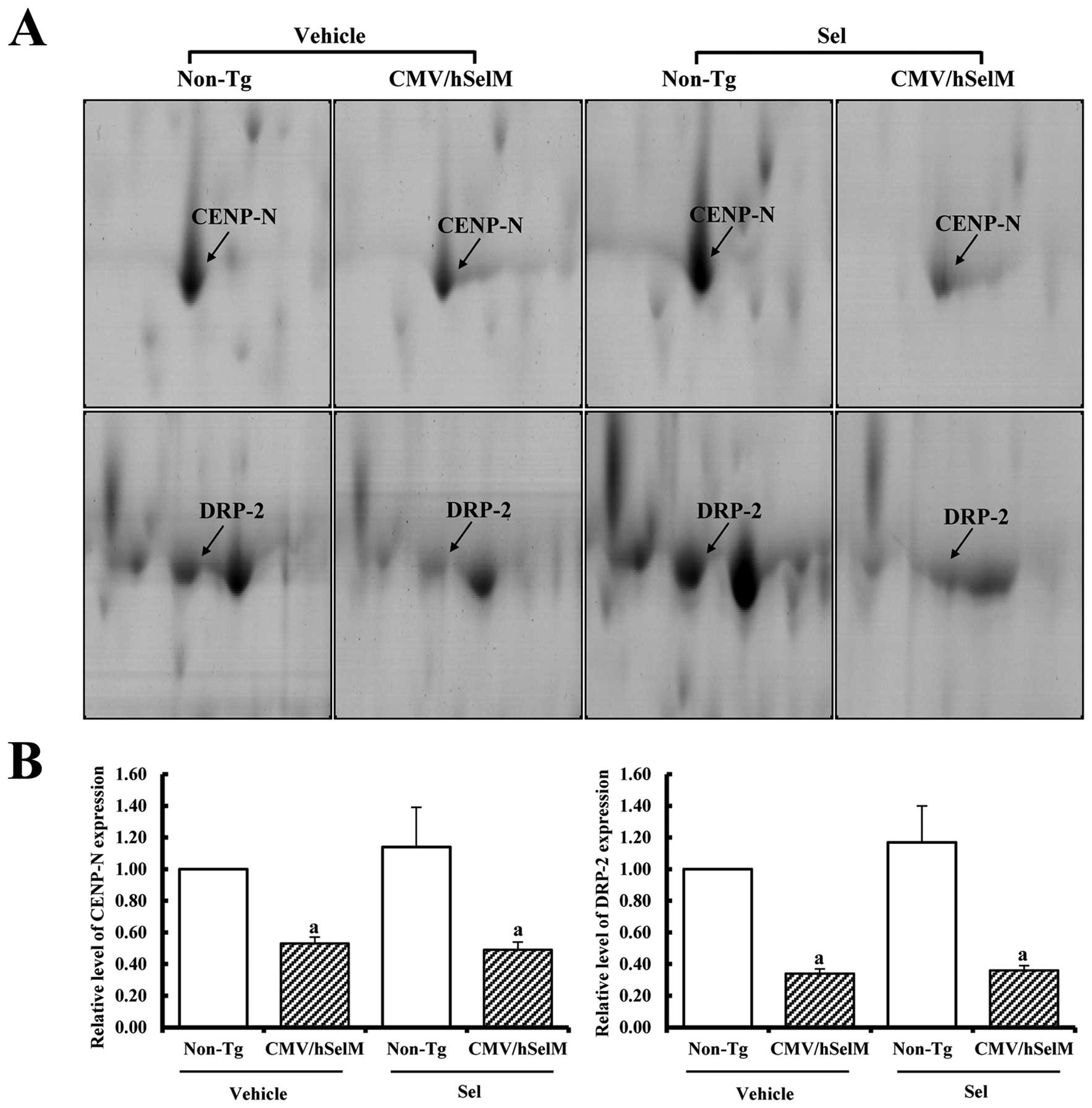
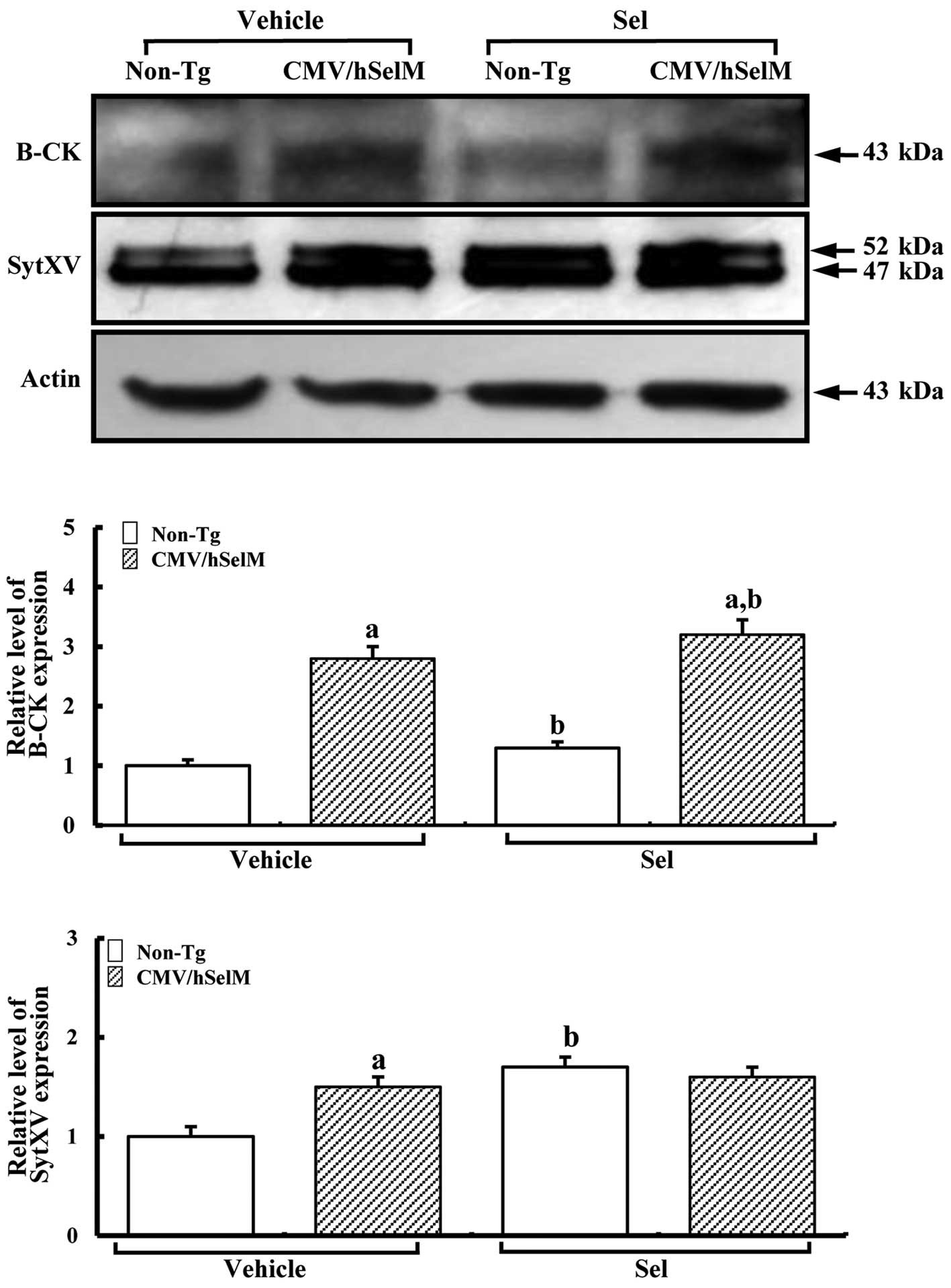
The present study was conducted to investigate whether the high antioxidant activity induced by selenium (Sel) treatment and selenoprotein M (SelM) overexpression affected the protein profile of the brain cortex. To accomplish this, the changes in global protein expression were measured in transgenic (Tg) rats expressing human SelM (CMV/hSelM) and non‑Tg rats using two‑dimensional electrophoresis (2‑DE). The results revealed that: ⅰ) CMV/hSelM Tg rats showed a high level of enzyme activity for antioxidant protein in the brain cortex compared to non‑Tg rats; ⅱ) the high activity of these enzymes induced a decrease in total antioxidant concentration and γ‑secretase activity in CMV/hSelM Tg rats; ⅲ) five proteins were upregulated and three were downregulated by SelM overexpression; ⅳ) among the five upregulated proteins, two associated with creatine kinase B‑type (B‑CK) and E3 ubiquitin‑protein ligase RING1 (RING finger protein 1) were further increased in the two groups following Sel treatment, whereas synaptotagmin-15 (SytXV), eukaryotic translation initiation factor 4H (eIF-4H) and lactate dehydrogenase B (LDH-B) were increased or decreased under the same conditions; ⅴ) the three downregulated proteins did not induce a significant change in expression following Sel treatment; and ⅵ) the protein expression level alterations of the two selected spots (B‑CK and SytXV) identified by 2‑DE were extremely similar to the results from western blot analysis. Overall, the results of the present study provide primary novel biological evidence that new functional protein groups and individual proteins in the brain cortex of CMV/hSelM Tg rats are associated with Sel biology, including the response to Sel treatment and SelM overexpression.
View Figures

Figure 1

Figure 2

Figure 3

Figure 4

Figure 5

Figure 6

Figure 7

Figure 8

View References

1 

Wilber CG: Toxicology of selenium: a review. Clin Toxicol. 17:171–230. 1980. View Article : Google Scholar

2 

Smith AM and Picciano MF: Evidence for increased selenium requirement for the rat during pregnancy and lactation. J Nutr. 116:1068–1079. 1986.PubMed/NCBI

3 

Yang GQ, Chen JS, Wen ZM, Ge KY, Zhu LZ, Chen XC and Chen XS: The role of selenium in Keshan disease. Adv Nutr Res. 6:203–231. 1984. View Article : Google Scholar : PubMed/NCBI

4 

van Rij AM, Thomson CD, McKenzie JM and Robinson MF: Selenium deficiency in total parenteral nutrition. Am J Clin Nutr. 32:2076–2085. 1979.PubMed/NCBI

5 

Schwarz K and Foltz CM: Selenium as an integral part of factor 3 against dietary necrotic liver degeneration. J Am Chem Soc. 79:3292–3293. 1957. View Article : Google Scholar

6 

Reddy PG, Morill JL, Minocha HC and Stevenson JS: Vitamin E is immunostimulatory in calves. J Dairy Sci. 70:993–999. 1987. View Article : Google Scholar : PubMed/NCBI

7 

Birringer M, Pilawa S and Flohé L: Trends in selenium biochemistry. Nat Prod Rep. 19:693–718. 2002. View Article : Google Scholar

8 

Carlson BA, Novoselov SV, Kumaraswamy E, Lee BJ, Anver MR, Gladyshev VN and Hatfield DL: Specific excision of the selenocysteine tRNA[Ser]Sec (Trsp) gene in mouse liver demonstrates an essential role of selenoproteins in liver function. J Biol Chem. 279:8011–8017. 2004.

9 

Berry MJ, Banu L, Chen YY, Mandel SJ, Kieffer JD, Harney JW and Larsen PR: Recognition of UGA as a selenocysteine codon in type I deiodinase requires sequences in the 3′ untransalated region. Nature. 353:273–276. 1991.PubMed/NCBI

10 

Kryukov GV, Castellano S, Novoselov SV, Lobanov AV, Zehtab O, Guigó R and Gladyshev VN: Characterization of mammalian selenoproteomes. Science. 300:1439–1443. 2003. View Article : Google Scholar : PubMed/NCBI

11 

Korotkov KV, Novoselov SV, Hatfield DL and Gladyshev VN: Mammalian selenoprotein in which selenocysteine (Sec) incorporation is supported by a new form of Sec insertion sequence element. Mol Cell Biol. 22:1402–1411. 2002. View Article : Google Scholar : PubMed/NCBI

12 

Müller WE, Borejko A, Brandt D, et al: Selenium affects biosilica formation in the demosponge Suberites domuncula. Effect on gene expression and spicule formation. FEBS J. 272:3838–3852. 2005.PubMed/NCBI

13 

Hwang DY, Sin JS, Kim MS, et al: Overexpression of human selenoprotein M differentially regulates the concentrations of antioxidants and H2O2, the activity of antioxidant enzymes, and the composition of white blood cells in a transgenic rat. Int J Mol Med. 21:169–179. 2008.PubMed/NCBI

14 

Chen J and Berry MJ: Selenium and selenoproteins in the brain and brain diseases (Review). J Neurochem. 86:1–12. 2003. View Article : Google Scholar

15 

Ramaekers VT, Calomme M, Vanden Berghe D and Makropoulos W: Selenium deficiency triggering intractable seizures. Neuropediatrics. 25:217–223. 1994. View Article : Google Scholar : PubMed/NCBI

16 

Imam SZ, el-Yazal J, Newport GD, Itzhak Y, Cadet JL, Slikker W Jr and Ali SF: Methamphetamine-induced dopaminergic neurotoxicity: role of peroxynitrite and neuroprotective role of antioxidants and peroxynitrite decomposition catalysts. Ann NY Acad Sci. 939:366–380. 2001. View Article : Google Scholar : PubMed/NCBI

17 

Zafar KS, Siddiqui A, Sayeed I, Ahmad M, Salim S and Islam F: Dose-dependent protective effect of selenium in rat model of Parkinson’s disease: neurobehavioral and neurochemical evidences. J Neurochem. 84:438–446. 2003.PubMed/NCBI

18 

Takizawa S, Matsushima K, Shinohara Y, Ogawa S, Komatsu N, Utsunomiya H and Watanabe K: Immunohistochemical localization of glutathione peroxidase in infarcted human brain. J Neurol Sci. 122:66–73. 1994. View Article : Google Scholar : PubMed/NCBI

19 

Saijoh K, Saito N, Lee MJ, Fujii M, Kobayashi T and Sumino K: Molecular cloning of cDNA encoding a bovine selenoprotein P-like protein containing 12 selenocysteines and a (His-Pro) rich domain insertion, and its regional expression. Brain Res Mol Brain Res. 30:301–311. 1995. View Article : Google Scholar : PubMed/NCBI

20 

Kim IY, Shin JH and Seong JK: Mouse phenogenomics, toolbox for functional annotation of human genome. BMB Rep. 43:79–90. 2010. View Article : Google Scholar : PubMed/NCBI

21 

Schomburg L, Schweizer U, Holtmann B, Flohé L, Sendtner M and Köhrle J: Gene disruption discloses role of selenoprotein P in selenium delivery to target tissues. Biochem J. 370:397–402. 2003. View Article : Google Scholar : PubMed/NCBI

22 

Hill KE, Zhou J, McMahan WJ, Motley AK, Atkins JF, Gesteland RF and Burk RF: Deletion of selenoprotein P alters distribution of selenium in the mouse. J Biol Chem. 278:13640–13646. 2003. View Article : Google Scholar : PubMed/NCBI

23 

Hwang DY, Seo SJ, Kim YK, et al: Selenium acts as an insulin-like molecule for the downregulation of diabetic symptoms via endoplasmic reticulum stress and insulin signalling proteins in diabetes-induced non-obese diabetic mice. J Biosci. 32:723–735. 2007. View Article : Google Scholar : PubMed/NCBI

24 

Yim SY, Chae KR, Shim SB, et al: ERK activation induced by selenium treatment significantly downregulates beta/gamma-secretase activity and Tau phosphorylation in the transgenic rat overexpressing human selenoprotein M. Int J Mol Med. 24:91–96. 2009.

25 

Goo JS, Kim YN, Choi KM, et al: Proteomic analysis of kidneys from selenoprotein M transgenic rats in response to increased bioability of selenium. Clin Proteomics. 10:102013. View Article : Google Scholar : PubMed/NCBI

26 

Park JY, Seong JK and Paik YK: Proteomic analysis of diet-induced hypercholesterolemic mice. Proteomics. 4:514–523. 2004. View Article : Google Scholar : PubMed/NCBI

27 

Kim BH, Park EY, Yoo KH, Choi KM, Kim Y, Seong Jk and Park JH: N-myc downstream-regulated gene 1 is involved in the regulation of cystogenesis in transgenic mice overexpressing human PKD2 gene. Proteomics. 13:134–141. 2013. View Article : Google Scholar : PubMed/NCBI

28 

Selkoe DJ: Alzheimer’s disease: genes, proteins, and therapy. Physiol Rev. 81:741–766. 2001.

29 

Savaskan NE, Bräuer AU, Kühbacher M, et al: Selenium deficiency increases susceptibility to glutamate-induced excitotoxicity. FASEB J. 17:112–114. 2003.

30 

Hu H, Jiang C, Li G and Lü J: PKB/AKT and ERK regulation of caspase-mediated apoptosis by methylseleninic acid in LNCaP prostate cancer cells. Carcinogenesis. 26:1374–1381. 2005. View Article : Google Scholar

31 

Jaaro H, Rubinfeld H, Hanoch T and Seger R: Nuclear translocation of mitogen-activated protein kinase kinase (MEK1) in response to mitogenic stimulation. Proc Natl Acad Sci USA. 94:3742–3747. 1997. View Article : Google Scholar : PubMed/NCBI

32 

Seger R, Seger D, Reszka AA, et al: Overexpression of mitogen-activated protein kinase kinase (MAPKK) and its mutants in NIH 3T3 cells. Evidence that MAPKK involvement in cellular proliferation is regulated by phosphorylation of serine residues in its kinase subdomains VII and VIII. J Biol Chem. 269:25699–25709. 1994.

33 

Kim SK, Park HJ, Hong HS, Baik EJ, Jung MW and Mook-Jung I: ERK1/2 is an endogenous negative regulator of the gamma-secretase activity. FASEB J. 20:157–159. 2006.PubMed/NCBI

34 

Iwatsubo T: The gamma-secretase complex: machinery for intramembrane proteolysis. Curr Opin Neurobiol. 14:379–383. 2004. View Article : Google Scholar : PubMed/NCBI

35 

Chen F, Hasegawa H, Schmitt-Ulms G, et al: TMP21 is a presenilin complex component that modulates gamma-secretase but not epsilon-secretase activity. Nature. 440:1208–1212. 2006. View Article : Google Scholar

36 

Bessman SP and Carpenter CL: The creatine-creatine phosphate energy shuttle. Annu Rev Biochem. 54:831–862. 1985. View Article : Google Scholar : PubMed/NCBI

37 

Schnyder T, Winkler H, Gross H, Eppenberger HM and Wallimann T: Crystallization of mitochondrial creatine kinase. Growing of large protein crystals and electron microscopic investigation of microcrystals consisting of octamers. J Biol Chem. 266:5318–5322. 1991.

38 

David S, Shoemaker M and Haley BE: Abnormal properties of creatine kinase in Alzheimer’s disease brain: correlation of reduced enzyme activity and active site photolabeling with aberrant cytosol-membrane partitioning. Brain Res Mol Brain Res. 54:276–287. 1998.PubMed/NCBI

39 

Tomimoto H, Yamamoto K, Homburger HA and Yanagihara T: Immunoelectron microscopic investigation of creatine kinase BB-isoenzyme after cerebral ischemia in gerbils. Acta Neuropathol. 86:447–455. 1993.PubMed/NCBI

40 

Gross WL, Bak MI, Ingwall JS, Arstall MA, Smith TW, Balligand JL and Kelly RA: Nitric oxide inhibits creatine kinase and regulates rat heart contractile reserve. Proc Natl Acad Sci USA. 93:5604–5609. 1996. View Article : Google Scholar : PubMed/NCBI

41 

Hamman BL, Bittl JA, Jacobus WE, Allen PD, Spencer RS, Tian R and Ingwall JS: Inhibition of the creatine kinase reaction decreases the contractile reserve of isolated rat hearts. Am J Physiol. 269:H1030–H1036. 1995.PubMed/NCBI

42 

Rech VC, Feksa LR, Fleck RM, Athaydes GA, Dornelles PK, Rodrigues-Junior V and Wannmacher CM: Cysteamine prevents inhibition of thiol-containing enzymes caused by cystine or cystine dimethylester loading in rat brain cortex. Metab Brain Dis. 23:133–145. 2008. View Article : Google Scholar : PubMed/NCBI

43 

Steece-Collier K, Maries E and Kordower JH: Etiology of Parkinson’s disease: genetics and environment revisited. Proc Natl Acad Sci USA. 99:13972–13974. 2002.

44 

Dawson TM: Parkin and defective ubiquitination in Parkinson’s disease. J Neural Transm Suppl. 70:209–213. 2006.

45 

Fukuda M and Mikoshiba K: Synaptotagmin-like protein 1–3: a novel family of C-terminal-type tandem C2 proteins. Biochem Biophys Res Commun. 281:1226–1233. 2001.

46 

Fukuda M, Saegusa C and Mikoshiba K: Novel splicing isoforms of synaptotagmin-like proteins 2 and 3: identification of the Slp homology domain. Biochem Biophys Res Commun. 283:513–519. 2001. View Article : Google Scholar : PubMed/NCBI

47 

Sugita S, Shin OH, Han W, Lao Y and Südhof TC: Synaptotagmins form a hierarchy of exocytotic Ca(2+) sensors with distinct Ca(2+) affinities. EMBO J. 21:270–280. 2002. View Article : Google Scholar : PubMed/NCBI

48 

Fukuda M, Kanno E, Ogata Y, Saegusa C, Kim T, Loh YP and Yamamoto A: Nerve growth factor-dependent sorting of synaptotagmin IV protein to mature dense-core vesicles that undergo calcium-dependent exocytosis in PC12 cells. J Biol Chem. 278:3220–3226. 2003. View Article : Google Scholar : PubMed/NCBI

49 

Chapman ER: Synaptotagmin: a Ca(2+) sensor that triggers exocytosis? Nat Rev Mol Cell Biol. 3:498–508. 2002. View Article : Google Scholar : PubMed/NCBI

50 

Mikoshiba K, Fukuda M, Moreira JE, Lewis FMT, Sugimori M, Niinobe M and Llinás R: Role of the C2A domain of synaptotagmin in transmitter release as determined by specific antibody injection into the squid giant synapse preterminal. Proc Natl Acad Sci USA. 92:10703–10707. 1995. View Article : Google Scholar

51 

Detrait ER, Yoo S, Eddleman CS, Fukuda M, Bittner GD and Fishman HM: Plasmalemmal repair of severed neurites of PC12 cells requires Ca(2+) and synaptotagmin. J Neurosci Res. 62:566–573. 2000. View Article : Google Scholar : PubMed/NCBI

52 

Reddy A, Caler EV and Andrews NW: Plasma membrane repair is mediated by Ca(2+)-regulated exocytosis of lysosomes. Cell. 106:157–169. 2001. View Article : Google Scholar : PubMed/NCBI

53 

Michaut M, De Blas G, Tomes CN, Yunes R, Fukuda M and Mayorga LS: Synaptotagmin VI participates in the acrosome reaction of human spermatozoa. Dev Biol. 235:521–529. 2001. View Article : Google Scholar : PubMed/NCBI

54 

Schiavo G, Osborne SL and Sgouros JG: Synaptotagmins: more isoforms than functions? Biochem Biophys Res Commun. 248:1–8. 1998. View Article : Google Scholar : PubMed/NCBI

55 

Fukuda M and Mikoshiba K: The function of inositol high polyphosphate binding proteins. Bioessays. 19:593–603. 1997. View Article : Google Scholar : PubMed/NCBI

56 

Philibert RA, Nelson JJ, Sandhu HK, Crowe RR and Coryell WH: Association of an exonic LDHA polymorphism with altered respiratory response in probands at high risk for panic disorder. Am J Med Genet B Neuropsychiatr Genet. 117:11–17. 2003. View Article : Google Scholar : PubMed/NCBI

57 

Nazam Ansari M, Bhandari U, Islam F and Tripathi CD: Evaluation of antioxidant and neuroprotective effect of ethanolic extract of Embelia ribes Burm in focal cerebral ischemia/reperfusion-induced oxidative stress in rats. Fundam Clin Pharmacol. 22:305–314. 2008.PubMed/NCBI

58 

Kim HS, Choi Y, Shin KY, et al: Swedish amyloid precursor protein mutation increases phosphorylation of eIF2alpha in vitro and in vivo. J Neurosci Res. 85:1528–1537. 2007. View Article : Google Scholar : PubMed/NCBI

59 

Petrov T, Underwood BD, Braun B, Alousi SS and Rafols JA: Upregulation of iNOS expression and phosphorylation of eIF-2alpha are paralleled by suppression of protein synthesis in rat hypothalamus in a closed head trauma model. J Neurotrauma. 18:799–812. 2001. View Article : Google Scholar : PubMed/NCBI

60 

Hayashi T, Saito A, Okuno S, et al: Oxidative damage to the endoplasmic reticulum is implicated in ischemic neuronal cell death. J Cereb Blood Flow Metab. 23:1117–1128. 2003. View Article : Google Scholar : PubMed/NCBI

61 

Foltz DR, Jansen LE, Black BE, Bailey AO, Yates JR 3rd and Cleveland DW: The human CENP-A centromeric nucleosome-associated complex. Nat Cell Biol. 8:458–469. 2006. View Article : Google Scholar : PubMed/NCBI

62 

Zhang Z, Ottens AK, Sadasivan S, Kobeissy FH, Fang T, Hayes RL and Wang KK: Calpain-mediated collapsin response mediator protein-1, -2, and -4 proteolysis after neurotoxic and traumatic brain injury. J Neurotrauma. 24:460–472. 2007. View Article : Google Scholar : PubMed/NCBI

63 

Chung MA, Lee JE, Lee JY, Ko MJ, Lee ST and Kim HJ: Alteration of collapsin response mediator protein-2 expression in focal ischemic rat brain. Neuroreport. 16:1647–1653. 2005. View Article : Google Scholar : PubMed/NCBI

Related Articles

  • Abstract
  • View
  • Download
  • Twitter
Copy and paste a formatted citation
Spandidos Publications style
Kim Y, Goo JS, Kim IY, Kim JE, Kwak MH, Go J, Shim S, Hong JT, Hwang DY, Seong JK, Seong JK, et al: Identification of the responsible proteins for increased selenium bioavailability in the brain of transgenic rats overexpressing selenoprotein M. Int J Mol Med 34: 1688-1698, 2014.
APA
Kim, Y., Goo, J.S., Kim, I.Y., Kim, J.E., Kwak, M.H., Go, J. ... Seong, J.K. (2014). Identification of the responsible proteins for increased selenium bioavailability in the brain of transgenic rats overexpressing selenoprotein M. International Journal of Molecular Medicine, 34, 1688-1698. https://doi.org/10.3892/ijmm.2014.1945
MLA
Kim, Y., Goo, J. S., Kim, I. Y., Kim, J. E., Kwak, M. H., Go, J., Shim, S., Hong, J. T., Hwang, D. Y., Seong, J. K."Identification of the responsible proteins for increased selenium bioavailability in the brain of transgenic rats overexpressing selenoprotein M". International Journal of Molecular Medicine 34.6 (2014): 1688-1698.
Chicago
Kim, Y., Goo, J. S., Kim, I. Y., Kim, J. E., Kwak, M. H., Go, J., Shim, S., Hong, J. T., Hwang, D. Y., Seong, J. K."Identification of the responsible proteins for increased selenium bioavailability in the brain of transgenic rats overexpressing selenoprotein M". International Journal of Molecular Medicine 34, no. 6 (2014): 1688-1698. https://doi.org/10.3892/ijmm.2014.1945
Copy and paste a formatted citation
x
Spandidos Publications style
Kim Y, Goo JS, Kim IY, Kim JE, Kwak MH, Go J, Shim S, Hong JT, Hwang DY, Seong JK, Seong JK, et al: Identification of the responsible proteins for increased selenium bioavailability in the brain of transgenic rats overexpressing selenoprotein M. Int J Mol Med 34: 1688-1698, 2014.
APA
Kim, Y., Goo, J.S., Kim, I.Y., Kim, J.E., Kwak, M.H., Go, J. ... Seong, J.K. (2014). Identification of the responsible proteins for increased selenium bioavailability in the brain of transgenic rats overexpressing selenoprotein M. International Journal of Molecular Medicine, 34, 1688-1698. https://doi.org/10.3892/ijmm.2014.1945
MLA
Kim, Y., Goo, J. S., Kim, I. Y., Kim, J. E., Kwak, M. H., Go, J., Shim, S., Hong, J. T., Hwang, D. Y., Seong, J. K."Identification of the responsible proteins for increased selenium bioavailability in the brain of transgenic rats overexpressing selenoprotein M". International Journal of Molecular Medicine 34.6 (2014): 1688-1698.
Chicago
Kim, Y., Goo, J. S., Kim, I. Y., Kim, J. E., Kwak, M. H., Go, J., Shim, S., Hong, J. T., Hwang, D. Y., Seong, J. K."Identification of the responsible proteins for increased selenium bioavailability in the brain of transgenic rats overexpressing selenoprotein M". International Journal of Molecular Medicine 34, no. 6 (2014): 1688-1698. https://doi.org/10.3892/ijmm.2014.1945
Follow us
  • Twitter
  • LinkedIn
  • Facebook
About
  • Spandidos Publications
  • Careers
  • Cookie Policy
  • Privacy Policy
How can we help?
  • Help
  • Live Chat
  • Contact
  • Email to our Support Team