Spandidos Publications Logo
  • About
    • About Spandidos
    • Aims and Scopes
    • Abstracting and Indexing
    • Editorial Policies
    • Reprints and Permissions
    • Job Opportunities
    • Terms and Conditions
    • Contact
  • Journals
    • All Journals
    • Oncology Letters
      • Oncology Letters
      • Information for Authors
      • Editorial Policies
      • Editorial Board
      • Aims and Scope
      • Abstracting and Indexing
      • Bibliographic Information
      • Archive
    • International Journal of Oncology
      • International Journal of Oncology
      • Information for Authors
      • Editorial Policies
      • Editorial Board
      • Aims and Scope
      • Abstracting and Indexing
      • Bibliographic Information
      • Archive
    • Molecular and Clinical Oncology
      • Molecular and Clinical Oncology
      • Information for Authors
      • Editorial Policies
      • Editorial Board
      • Aims and Scope
      • Abstracting and Indexing
      • Bibliographic Information
      • Archive
    • Experimental and Therapeutic Medicine
      • Experimental and Therapeutic Medicine
      • Information for Authors
      • Editorial Policies
      • Editorial Board
      • Aims and Scope
      • Abstracting and Indexing
      • Bibliographic Information
      • Archive
    • International Journal of Molecular Medicine
      • International Journal of Molecular Medicine
      • Information for Authors
      • Editorial Policies
      • Editorial Board
      • Aims and Scope
      • Abstracting and Indexing
      • Bibliographic Information
      • Archive
    • Biomedical Reports
      • Biomedical Reports
      • Information for Authors
      • Editorial Policies
      • Editorial Board
      • Aims and Scope
      • Abstracting and Indexing
      • Bibliographic Information
      • Archive
    • Oncology Reports
      • Oncology Reports
      • Information for Authors
      • Editorial Policies
      • Editorial Board
      • Aims and Scope
      • Abstracting and Indexing
      • Bibliographic Information
      • Archive
    • Molecular Medicine Reports
      • Molecular Medicine Reports
      • Information for Authors
      • Editorial Policies
      • Editorial Board
      • Aims and Scope
      • Abstracting and Indexing
      • Bibliographic Information
      • Archive
    • World Academy of Sciences Journal
      • World Academy of Sciences Journal
      • Information for Authors
      • Editorial Policies
      • Editorial Board
      • Aims and Scope
      • Abstracting and Indexing
      • Bibliographic Information
      • Archive
    • International Journal of Functional Nutrition
      • International Journal of Functional Nutrition
      • Information for Authors
      • Editorial Policies
      • Editorial Board
      • Aims and Scope
      • Abstracting and Indexing
      • Bibliographic Information
      • Archive
    • International Journal of Epigenetics
      • International Journal of Epigenetics
      • Information for Authors
      • Editorial Policies
      • Editorial Board
      • Aims and Scope
      • Abstracting and Indexing
      • Bibliographic Information
      • Archive
    • Medicine International
      • Medicine International
      • Information for Authors
      • Editorial Policies
      • Editorial Board
      • Aims and Scope
      • Abstracting and Indexing
      • Bibliographic Information
      • Archive
  • Articles
  • Information
    • Information for Authors
    • Information for Reviewers
    • Information for Librarians
    • Information for Advertisers
    • Conferences
  • Language Editing
Spandidos Publications Logo
  • About
    • About Spandidos
    • Aims and Scopes
    • Abstracting and Indexing
    • Editorial Policies
    • Reprints and Permissions
    • Job Opportunities
    • Terms and Conditions
    • Contact
  • Journals
    • All Journals
    • Biomedical Reports
      • Information for Authors
      • Editorial Policies
      • Editorial Board
      • Aims and Scope
      • Abstracting and Indexing
      • Bibliographic Information
      • Archive
    • Experimental and Therapeutic Medicine
      • Information for Authors
      • Editorial Policies
      • Editorial Board
      • Aims and Scope
      • Abstracting and Indexing
      • Bibliographic Information
      • Archive
    • International Journal of Epigenetics
      • Information for Authors
      • Editorial Policies
      • Editorial Board
      • Aims and Scope
      • Abstracting and Indexing
      • Bibliographic Information
      • Archive
    • International Journal of Functional Nutrition
      • Information for Authors
      • Editorial Policies
      • Editorial Board
      • Aims and Scope
      • Abstracting and Indexing
      • Bibliographic Information
      • Archive
    • International Journal of Molecular Medicine
      • Information for Authors
      • Editorial Policies
      • Editorial Board
      • Aims and Scope
      • Abstracting and Indexing
      • Bibliographic Information
      • Archive
    • International Journal of Oncology
      • Information for Authors
      • Editorial Policies
      • Editorial Board
      • Aims and Scope
      • Abstracting and Indexing
      • Bibliographic Information
      • Archive
    • Medicine International
      • Information for Authors
      • Editorial Policies
      • Editorial Board
      • Aims and Scope
      • Abstracting and Indexing
      • Bibliographic Information
      • Archive
    • Molecular and Clinical Oncology
      • Information for Authors
      • Editorial Policies
      • Editorial Board
      • Aims and Scope
      • Abstracting and Indexing
      • Bibliographic Information
      • Archive
    • Molecular Medicine Reports
      • Information for Authors
      • Editorial Policies
      • Editorial Board
      • Aims and Scope
      • Abstracting and Indexing
      • Bibliographic Information
      • Archive
    • Oncology Letters
      • Information for Authors
      • Editorial Policies
      • Editorial Board
      • Aims and Scope
      • Abstracting and Indexing
      • Bibliographic Information
      • Archive
    • Oncology Reports
      • Information for Authors
      • Editorial Policies
      • Editorial Board
      • Aims and Scope
      • Abstracting and Indexing
      • Bibliographic Information
      • Archive
    • World Academy of Sciences Journal
      • Information for Authors
      • Editorial Policies
      • Editorial Board
      • Aims and Scope
      • Abstracting and Indexing
      • Bibliographic Information
      • Archive
  • Articles
  • Information
    • For Authors
    • For Reviewers
    • For Librarians
    • For Advertisers
    • Conferences
  • Language Editing
Login Register Submit
  • This site uses cookies
  • You can change your cookie settings at any time by following the instructions in our Cookie Policy. To find out more, you may read our Privacy Policy.

    I agree
Search articles by DOI, keyword, author or affiliation
Search
Advanced Search
presentation
International Journal of Molecular Medicine
Join Editorial Board Propose a Special Issue
Print ISSN: 1107-3756 Online ISSN: 1791-244X
Journal Cover
January-2015 Volume 35 Issue 1

Full Size Image

Sign up for eToc alerts
Recommend to Library

Journals

International Journal of Molecular Medicine

International Journal of Molecular Medicine

International Journal of Molecular Medicine is an international journal devoted to molecular mechanisms of human disease.

International Journal of Oncology

International Journal of Oncology

International Journal of Oncology is an international journal devoted to oncology research and cancer treatment.

Molecular Medicine Reports

Molecular Medicine Reports

Covers molecular medicine topics such as pharmacology, pathology, genetics, neuroscience, infectious diseases, molecular cardiology, and molecular surgery.

Oncology Reports

Oncology Reports

Oncology Reports is an international journal devoted to fundamental and applied research in Oncology.

Experimental and Therapeutic Medicine

Experimental and Therapeutic Medicine

Experimental and Therapeutic Medicine is an international journal devoted to laboratory and clinical medicine.

Oncology Letters

Oncology Letters

Oncology Letters is an international journal devoted to Experimental and Clinical Oncology.

Biomedical Reports

Biomedical Reports

Explores a wide range of biological and medical fields, including pharmacology, genetics, microbiology, neuroscience, and molecular cardiology.

Molecular and Clinical Oncology

Molecular and Clinical Oncology

International journal addressing all aspects of oncology research, from tumorigenesis and oncogenes to chemotherapy and metastasis.

World Academy of Sciences Journal

World Academy of Sciences Journal

Multidisciplinary open-access journal spanning biochemistry, genetics, neuroscience, environmental health, and synthetic biology.

International Journal of Functional Nutrition

International Journal of Functional Nutrition

Open-access journal combining biochemistry, pharmacology, immunology, and genetics to advance health through functional nutrition.

International Journal of Epigenetics

International Journal of Epigenetics

Publishes open-access research on using epigenetics to advance understanding and treatment of human disease.

Medicine International

Medicine International

An International Open Access Journal Devoted to General Medicine.

Journal Cover
January-2015 Volume 35 Issue 1

Full Size Image

Sign up for eToc alerts
Recommend to Library

  • Article
  • Citations
    • Cite This Article
    • Download Citation
    • Create Citation Alert
    • Remove Citation Alert
    • Cited By
  • Similar Articles
    • Related Articles (in Spandidos Publications)
    • Similar Articles (Google Scholar)
    • Similar Articles (PubMed)
  • Download PDF
  • Download XML
  • View XML
Article

Epigallocatechin‑3‑gallate induces the apoptosis of hepatocellular carcinoma LM6 cells but not non‑cancerous liver cells

  • Authors:
    • Yunjuan Zhang
    • Wei Duan
    • Lawrence Owusu
    • Dachang Wu
    • Yi Xin
  • View Affiliations / Copyright

    Affiliations: Department of Biotechnology, Dalian Medical University, Dalian, Liaoning 116044, P.R. China, School of Medicine, Deakin University, Victoria 3216, Australia
  • Pages: 117-124
    |
    Published online on: October 31, 2014
       https://doi.org/10.3892/ijmm.2014.1988
  • Expand metrics +
Metrics: Total Views: 0 (Spandidos Publications: | PMC Statistics: )
Metrics: Total PDF Downloads: 0 (Spandidos Publications: | PMC Statistics: )
Cited By (CrossRef): 0 citations Loading Articles...

This article is mentioned in:


Abstract

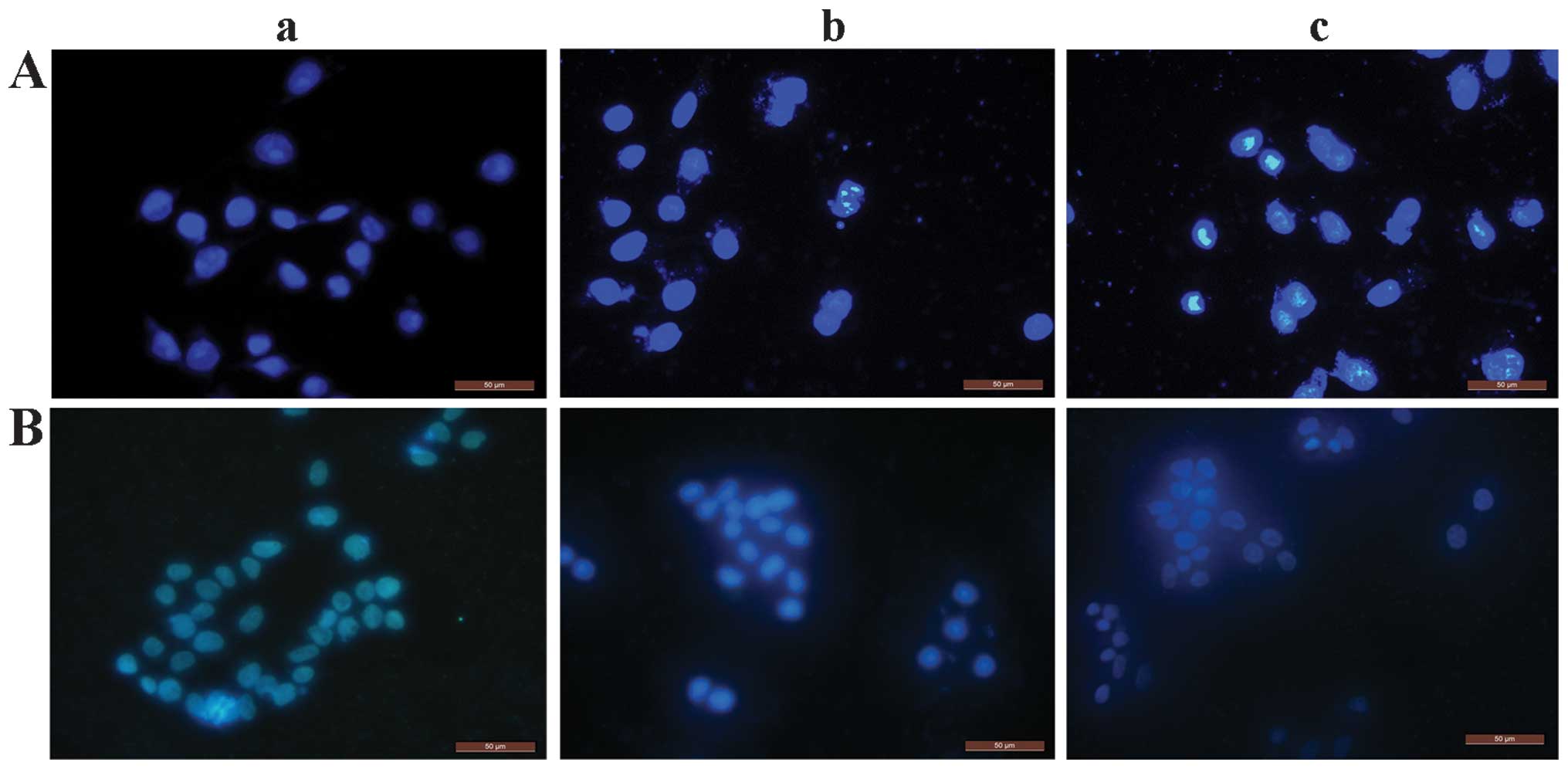
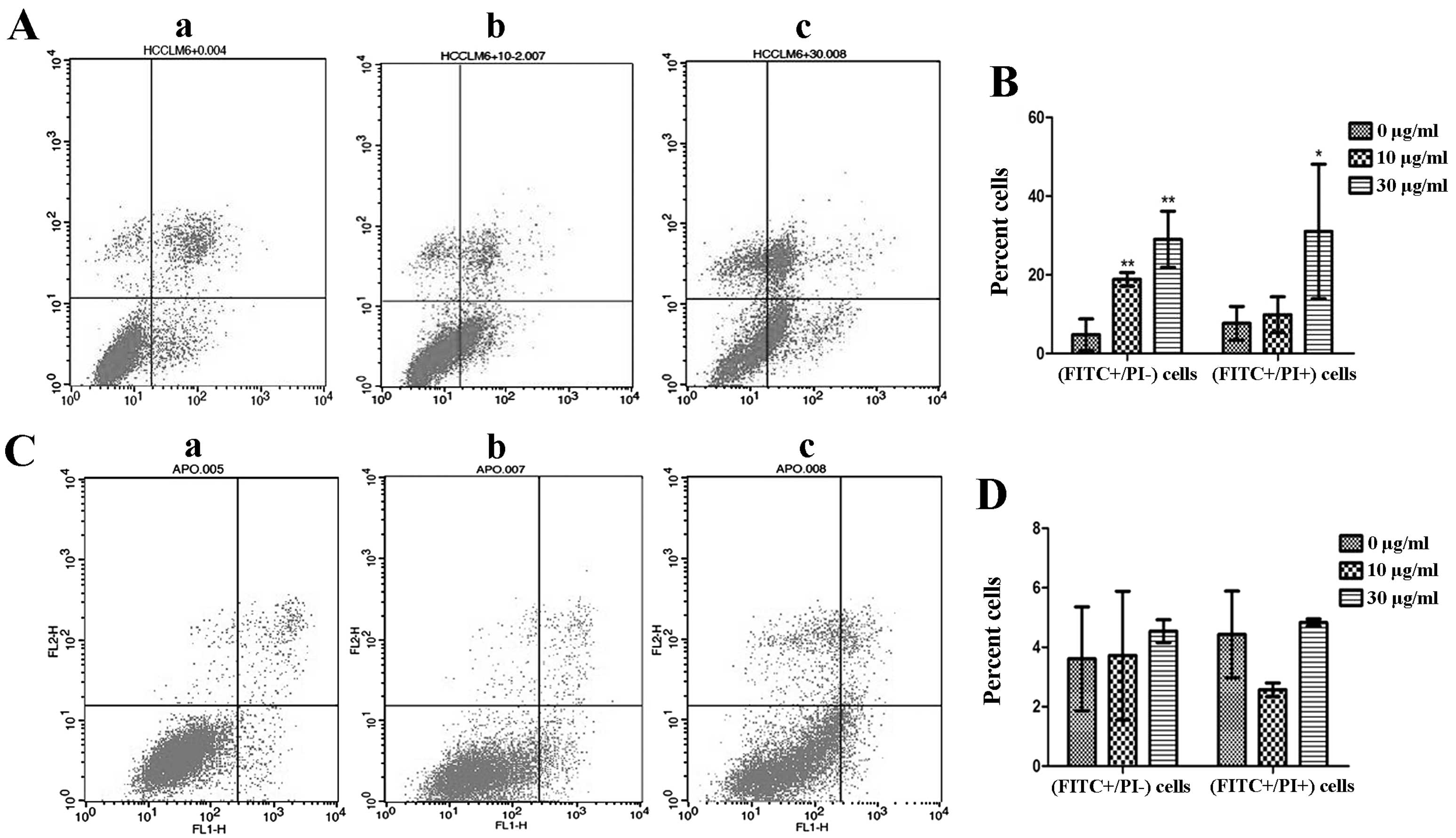
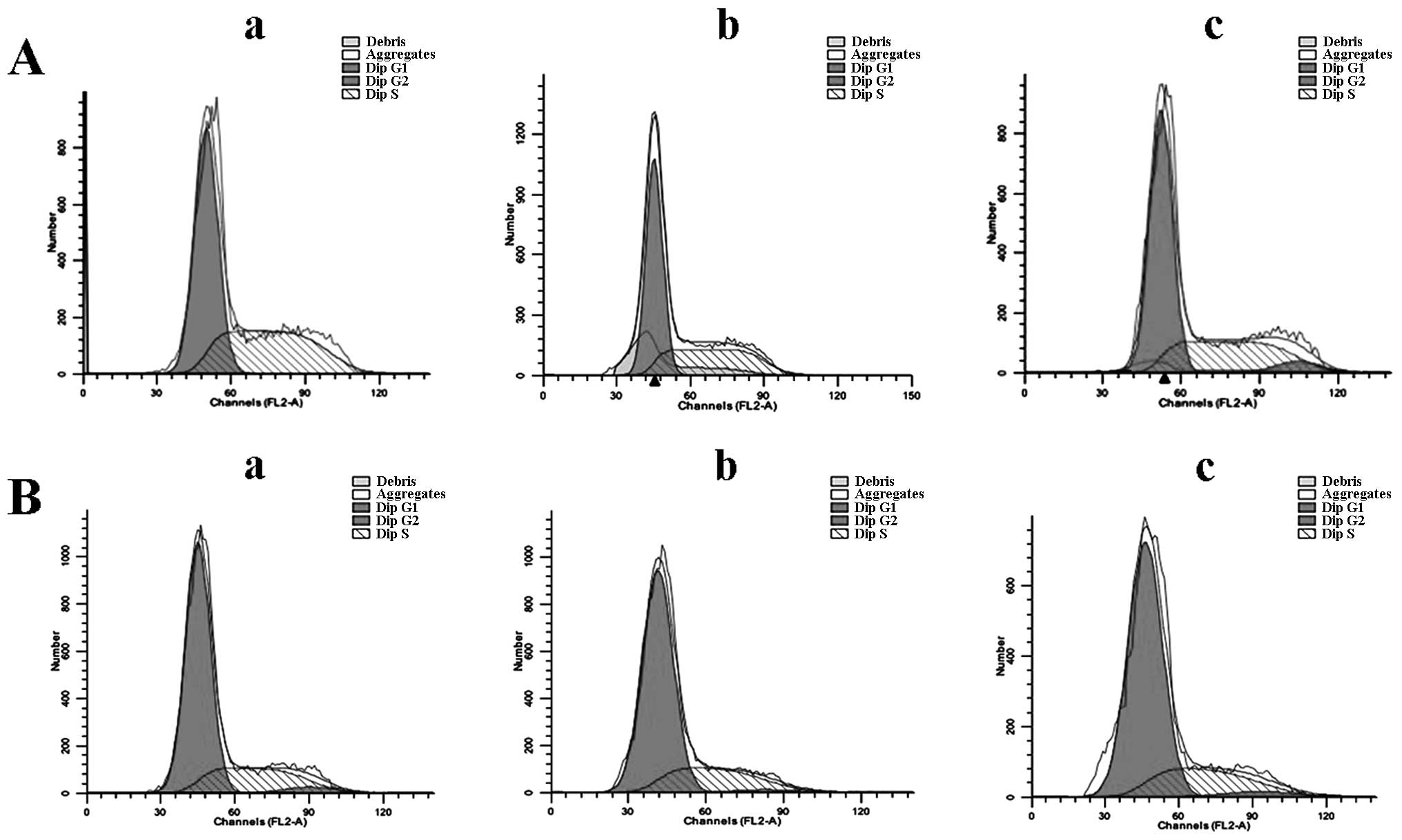
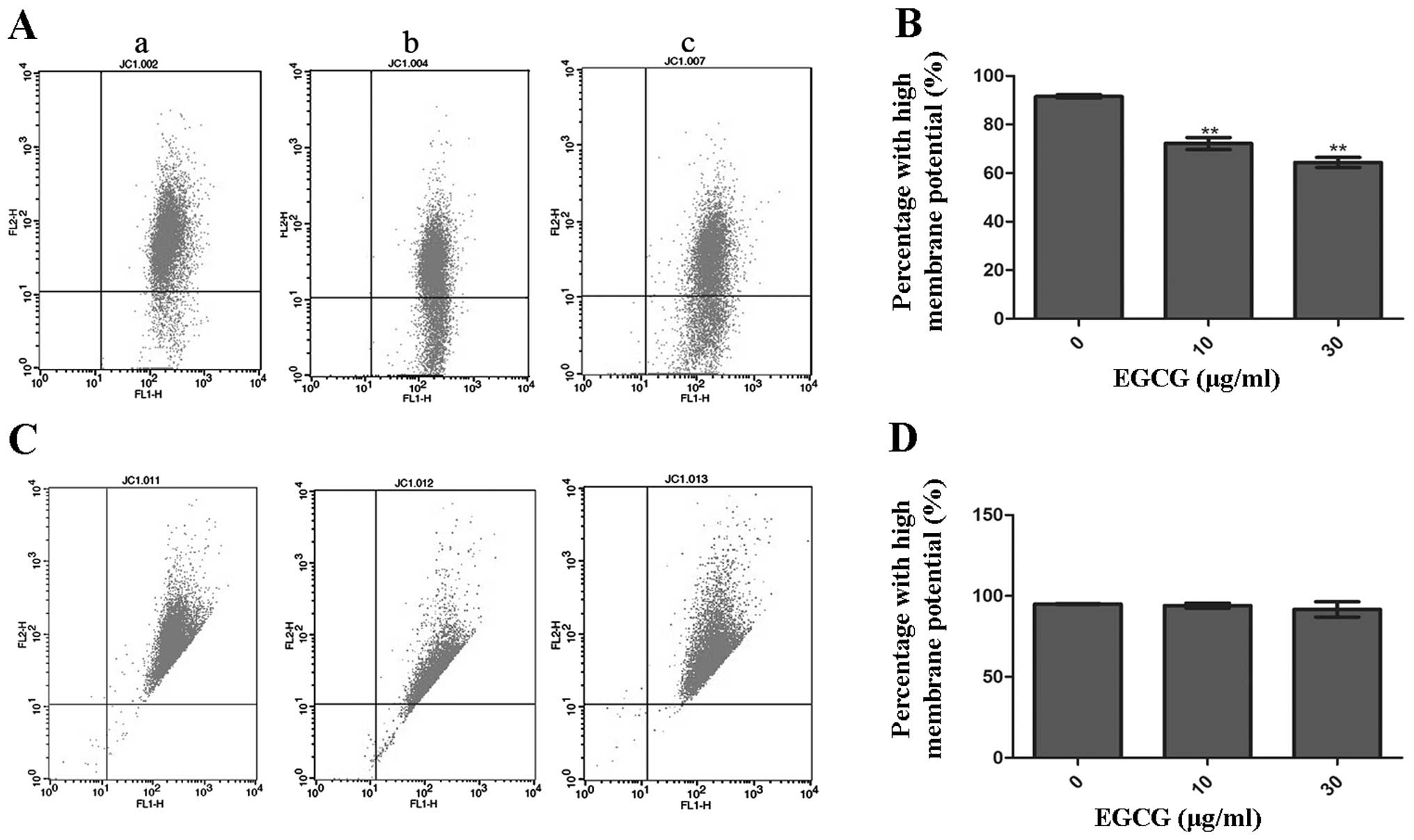
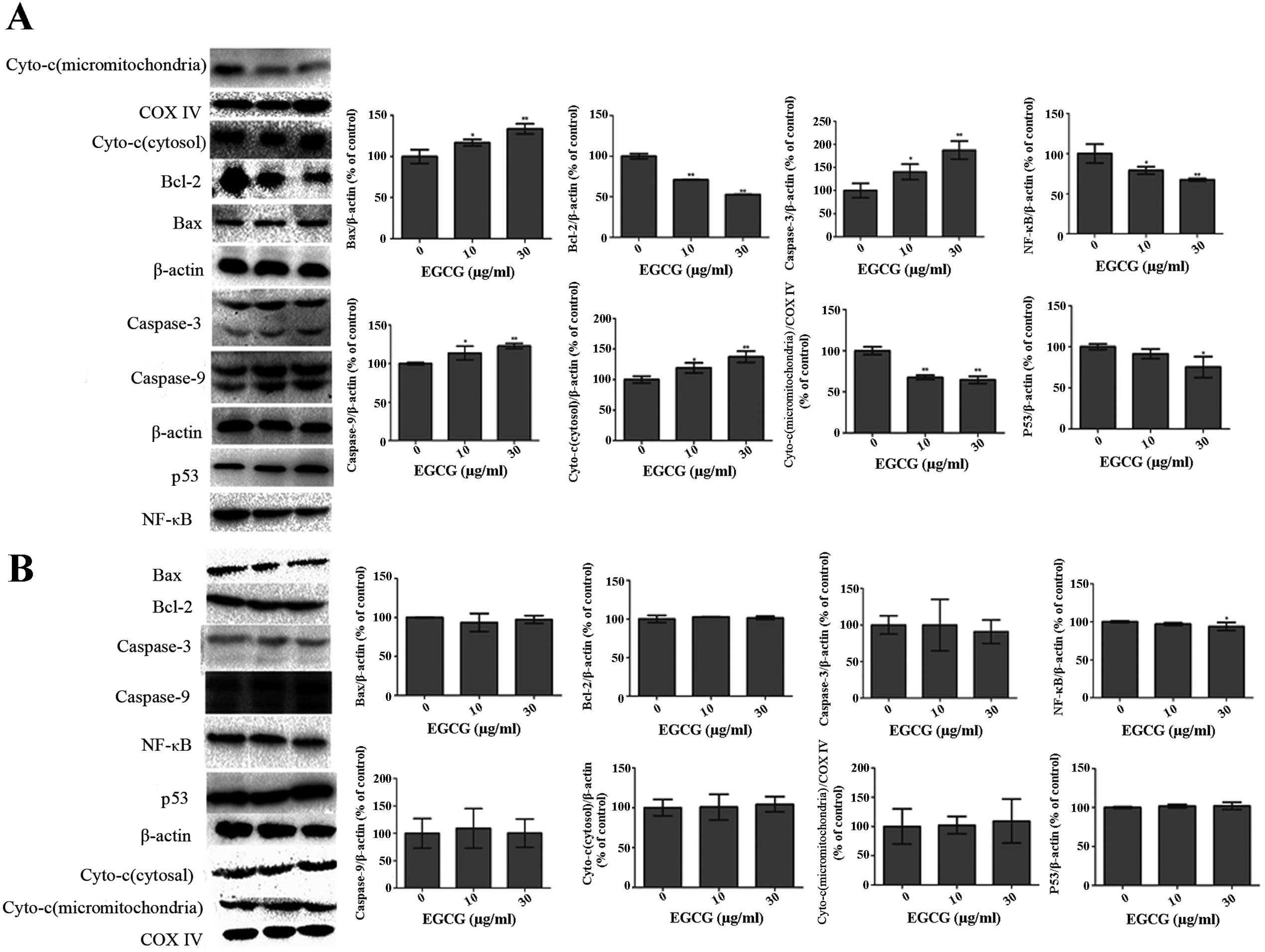
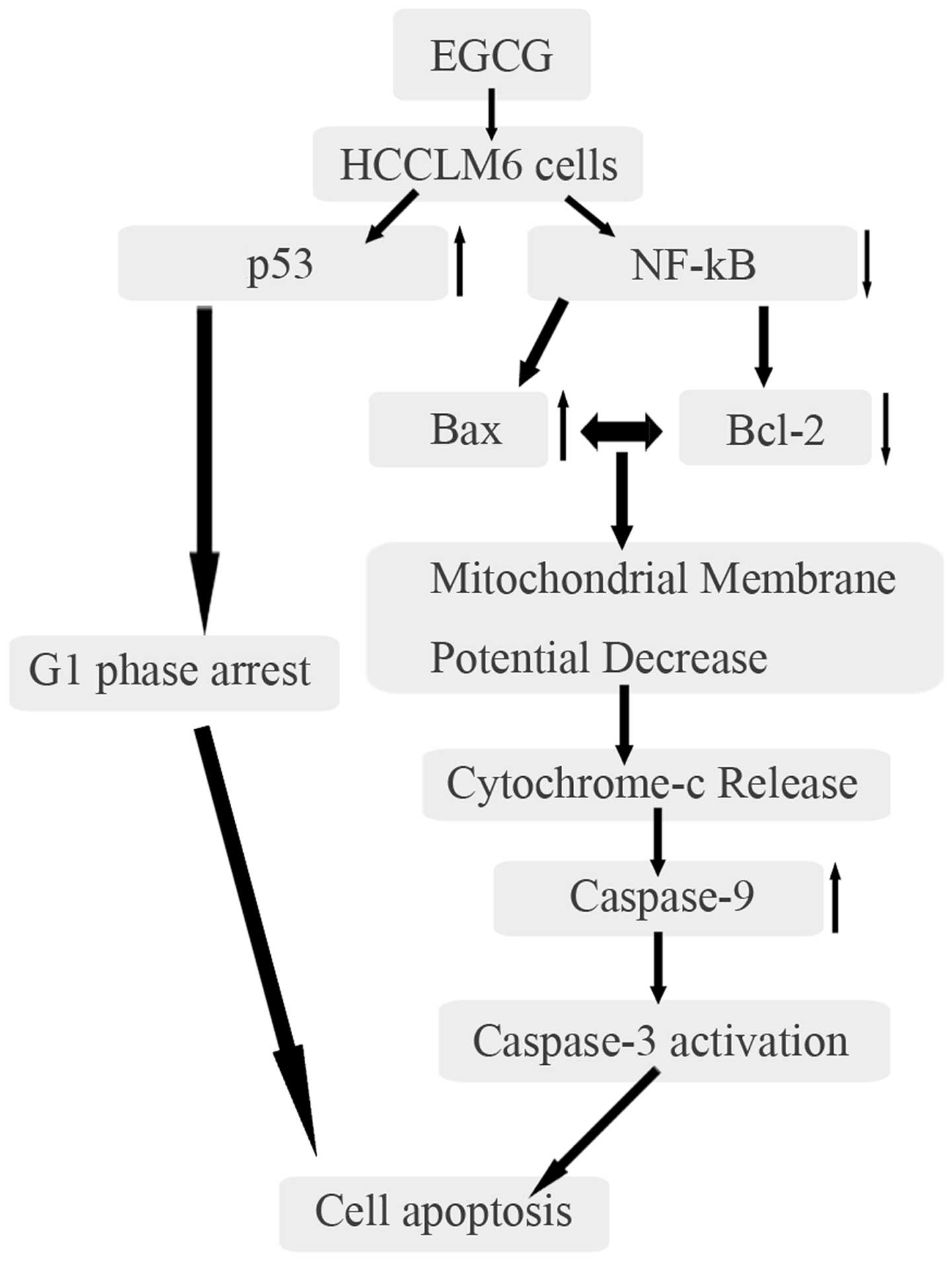
Epigallocatechin‑3‑gallate (EGCG) is a constituent of green tea and has been associated with anticancer activity. In the present study, the inhibitory effect of EGCG on human hepatocellular cancer cells was examined by cell viability assay, in vitro apoptosis assay and cell cycle analysis. In addition, gene expression was measured to elucidate the molecular mechanisms of action of EGCG by mitochondrial membrane potential (MMP) determination and western blot analysis. We demonstrated that EGCG induced apoptosis, decreased mitochondrial membrane potential and promoted G0/G1 phase cell cycle arrest of HCCLM6 cells but not that of non-cancerous liver cells (HL-7702). The EGCG-induced apoptosis of HCCLM6 cells was associated with a significant decrease in Bcl-2 and NF-κB expression. In addition, the expression of Bax, p53, caspase-9 and caspase-3 increased, and cytochrome c was released. These results suggest that EGCG inhibits the progression of cancer through cytocidal activity and that it is a potential therapeutic compound for hepatocellular carcinoma (HCC).
View Figures

Figure 1

Figure 2

Figure 3

Figure 4

Figure 5

Figure 6

Figure 7

View References

1 

El-Serag HB and Mason AC: Rising incidence of hepatocellular carcinoma in the United States. N Engl J Med. 340:745–750. 1999. View Article : Google Scholar : PubMed/NCBI

2 

Parkin DM, Bray F, Ferlay J and Pisani P: Estimating the world cancer burden: Globocan 2000. Int J Cancer. 94:153–156. 2001. View Article : Google Scholar : PubMed/NCBI

3 

lkai I, Yamaoka Y, Yamamoto Y, Ozaki N, Sakai Y, Satoh S, Shinkura N and Yamamoto M: Surgical intervention for patients with stage IV-A hepatocellular carcinoma without lymph node metastasis: proposal as a standard therapy. Ann Surg. 227:433–439. 1998. View Article : Google Scholar

4 

Lee JS, Chu IS, Heo J, Calvisi DF, Sun Z, Roskams T, Durnez A, Demetris AJ and Thorgeirsson SS: Classification and prediction of survival in hepatocellular carcinoma by gene expression profiling. Hepatology. 40:667–676. 2004. View Article : Google Scholar : PubMed/NCBI

5 

Song HY, Liu YK, Feng JT, Cui JF, Dai Z, Zhang LJ, Feng JX, Shen HL and Tang ZY: Proteomic analysis on metastasis-associated proteins of human hepatocellular carcinoma tissues. J Cancer Res Clin Oncol. 132:92–98. 2006. View Article : Google Scholar

6 

Yang CS and Wang ZY: Tea and cancer. J Natl Cancer Inst. 85:1038–1049. 1993. View Article : Google Scholar : PubMed/NCBI

7 

Balentine DA, Wiseman SA and Bouwens LC: The chemistry of tea flavonoids. Crit Rev Food Sci Nutr. 37:693–704. 1997. View Article : Google Scholar

8 

Mukhtar H and Ahmad N: Green tea in chemoprevention of cancer. Toxicol Sci. 52(Suppl 2): 111–117. 1999. View Article : Google Scholar

9 

Singh BN, Shankar S and Srivastava RK: Green tea catechin, epigallocatechin-3-gallate (EGCG): mechanisms, perspectives and clinical applications. Biochem Pharmacol. 82:1807–1821. 2011. View Article : Google Scholar : PubMed/NCBI

10 

Thawonsuwan J, Kiron V, Satoh S, Panigrahi A and Verlhac V: Epigallocatechin-3-gallate (EGCG) affects the antioxidant and immune defense of the rainbow trout, Oncorhynchus mykiss. Fish Physiol Biochem. 36:687–697. 2010. View Article : Google Scholar

11 

Mukhtar H and Ahmad N: Tea polyphenols: prevention of cancer and optimizing health. Am J Clin Nutr. 71(Suppl 6): 1698S–1702S. 2000.PubMed/NCBI

12 

Thangapazham RL, Singh AK, Sharma A, Warren J, Gaddipati J and Maheshwari RK: Green tea polyphenols and its constituent epigallocatechin gallate inhibits proliferation of human breast cancer cells in vitro and in vivo. Cancer Lett. 245:232–241. 2007. View Article : Google Scholar

13 

Stuart EC, Scandlyn MJ and Rosengren RJ: Role of epigallocatechin gallate (EGCG) in the treatment of breast and prostate cancer. Life Sci. 79:2329–2336. 2006. View Article : Google Scholar : PubMed/NCBI

14 

Ahmad N, Feyes DK, Nieminen AL, Agarwal R and Mukhtar H: Green tea constituent epigallocatechin-3-gallate and induction of apoptosis and cell cycle arrest in human carcinoma cells. J Natl Cancer Inst. 89:1881–1886. 1997. View Article : Google Scholar : PubMed/NCBI

15 

Masuda M, Suzui M and Weinstein IB: Effects of epigallocatechin-3-gallate on growth, epidermal growth factor receptor signaling pathways, gene expression, and chemosensitivity in human head and neck squamous cell carcinoma cell lines. Clin Cancer Res. 7:4220–4229. 2001.PubMed/NCBI

16 

Nihal M, Ahmad N, Mukhtar H and Wood GS: Anti-proliferative and proapoptotic effects of (−)-epigallocatechin-3-gallate on human melanoma: possible implications for the chemoprevention of melanoma. Int J Cancer. 114:513–521. 2005. View Article : Google Scholar

17 

Gupta S, Hussain T and Mukhtar H: Molecular pathway for (−)-epigallocatechin-3-gallate-induced cell cycle arrest and apoptosis of human prostate carcinoma cells. Arch Biochem Biophys. 410:177–185. 2003. View Article : Google Scholar : PubMed/NCBI

18 

Wei DZ, Yang JY, Liu JW and Tong WY: Inhibition of liver cancer cell proliferation and migration by a combination of (−)-epigallocatechin-3-gallate and ascorbic acid. J Chemother. 15:591–595. 2003. View Article : Google Scholar

19 

Uesato S, Kitagawa Y, Kamishimoto M, Kumagai A, Hori H and Nagasawa H: Inhibition of green tea catechins against the growth of cancerous human colon and hepatic epithelial cells. Cancer Lett. 170:41–44. 2001. View Article : Google Scholar : PubMed/NCBI

20 

Nishikawa T, Nakajima T, Moriguchi M, Jo M, Sekoguchi S, Ishii M, et al: A green tea polyphenol, epigalocatechin-3-gallate, induces apoptosis of human hepatocellular carcinoma, possibly through inhibition of Bcl-2 family proteins. J Hepatol. 44:1074–1082. 2006. View Article : Google Scholar : PubMed/NCBI

21 

Wyllie AH, Kerr JF and Currie AR: Cell death: the significance of apoptosis. Int Rev Cytol. 68:251–306. 1980. View Article : Google Scholar : PubMed/NCBI

22 

Soldatenkov VA and Smulson M: Poly (ADP-ribose) polymerase in DNA damage-response pathway: implications for radiation oncology. Int J Cancer. 90:59–67. 2000. View Article : Google Scholar : PubMed/NCBI

23 

Wei MC, Zong WX, Cheng EH, Lindsten T, Panoutsakopoulou V, Ross AJ, et al: Proapoptotic BAX and BAK: a requisite gateway to mitochondrial dysfunction and death. Science. 292:727–730. 2001. View Article : Google Scholar : PubMed/NCBI

24 

Green DR and Reed JC: Mitochondria and apoptosis. Science. 281:1309–1312. 1998. View Article : Google Scholar : PubMed/NCBI

25 

Marsden VS, O’Connor L, O’Reilly LA, Silke J, Metcalf D, Ekert PG, et al: Apoptosis initiated by Bcl-2-regulated caspase activation independently of the cytochrome c/Apaf-1/caspase-9 apoptosome. Nature. 419:634–637. 2002. View Article : Google Scholar : PubMed/NCBI

26 

Tsujimoto Y: Cell death regulation by the Bcl-2 protein family in the mitochondria. J Cell Physiol. 195:158–167. 2003. View Article : Google Scholar : PubMed/NCBI

27 

Kowaltowski AJ, Vercesi AE and Fiskum G: Bcl-2 prevents mitochondrial permeability transition and cytochrome c release via maintenance of reduced pyridine nucleotides. Cell Death Differ. 7:903–910. 2000. View Article : Google Scholar

28 

Reed JC: Proapoptotic multidomain Bcl-2/Bax-family proteins: mechanisms, physiological roles, and therapeutic opportunities. Cell Death Differ. 13:1378–1386. 2006. View Article : Google Scholar : PubMed/NCBI

29 

Schuler M, Bossy-Wetzel E, Goldstein JC, Fitzgerald P and Green DR: p53 induces apoptosis by caspase activation through mitochondrial cytochrome c release. J Biol Chem. 275:7337–7342. 2000. View Article : Google Scholar : PubMed/NCBI

30 

Miyashita T and Reed JC: Tumor suppressor p53 is a direct transcriptional activator of the human bax gene. Cell. 80:293–299. 1995. View Article : Google Scholar : PubMed/NCBI

31 

Ahmad N, Cheng P and Mukhtar H: Cell cycle dysregulation by green tea polyphenol epigallocatechin-3-gallate. Biochem Biophys Res Commun. 275:328–334. 2000. View Article : Google Scholar : PubMed/NCBI

32 

Weinert TA and Hartwell LH: The RAD9 gene controls the cell cycle response to DNA damage in Saccharomyces cerevisiae. Science. 241:317–322. 1988. View Article : Google Scholar : PubMed/NCBI

33 

Smerdon MJ, Kastan MB and Lieberman MW: Distribution of repair-incorporated nucleotides and nucleosome rearrangement in the chromatin of normal and xeroderma pigmentosum human fibroblasts. Biochemistry. 18:3732–3739. 1979. View Article : Google Scholar : PubMed/NCBI

34 

Kastan MB, Canman CE and Christopher J: p53, cell cycle control and apoptosis: implications for cancer. Cancer Metastasis Rev. 14:3–15. 1995. View Article : Google Scholar : PubMed/NCBI

35 

Chow HH, Cai Y, Hakim IA, Crowell JA, Shahi F, Brooks CA, Dorr RT, Hara Y and Alberts DS: Pharmacokinetics and safety of green tea polyphenols after multiple-dose administration of epigallocatechin gallate and polyphenon E in healthy individuals. Clin Cancer Res. 9:3312–3319. 2003.PubMed/NCBI

36 

Chow HH, Cai Y, Alberts DS, et al: Phase I pharmacokinetic study of tea polyphenols following single-dose administration of epigallocatechin gallate and polyphenon E. Cancer Epidemiol Biomarkers Prev. 10:53–58. 2001.PubMed/NCBI

37 

Li QS, Wang CY, Han GZ, Zou LL, Li L and Li N: Application of LC-MS/MS method in pharmacokinetic study of multi-components from tea polyphenols in rats. Chin J New Drugs. 20:817–823. 2011.

Related Articles

  • Abstract
  • View
  • Download
  • Twitter
Copy and paste a formatted citation
Spandidos Publications style
Zhang Y, Duan W, Owusu L, Wu D and Xin Y: Epigallocatechin‑3‑gallate induces the apoptosis of hepatocellular carcinoma LM6 cells but not non‑cancerous liver cells. Int J Mol Med 35: 117-124, 2015.
APA
Zhang, Y., Duan, W., Owusu, L., Wu, D., & Xin, Y. (2015). Epigallocatechin‑3‑gallate induces the apoptosis of hepatocellular carcinoma LM6 cells but not non‑cancerous liver cells. International Journal of Molecular Medicine, 35, 117-124. https://doi.org/10.3892/ijmm.2014.1988
MLA
Zhang, Y., Duan, W., Owusu, L., Wu, D., Xin, Y."Epigallocatechin‑3‑gallate induces the apoptosis of hepatocellular carcinoma LM6 cells but not non‑cancerous liver cells". International Journal of Molecular Medicine 35.1 (2015): 117-124.
Chicago
Zhang, Y., Duan, W., Owusu, L., Wu, D., Xin, Y."Epigallocatechin‑3‑gallate induces the apoptosis of hepatocellular carcinoma LM6 cells but not non‑cancerous liver cells". International Journal of Molecular Medicine 35, no. 1 (2015): 117-124. https://doi.org/10.3892/ijmm.2014.1988
Copy and paste a formatted citation
x
Spandidos Publications style
Zhang Y, Duan W, Owusu L, Wu D and Xin Y: Epigallocatechin‑3‑gallate induces the apoptosis of hepatocellular carcinoma LM6 cells but not non‑cancerous liver cells. Int J Mol Med 35: 117-124, 2015.
APA
Zhang, Y., Duan, W., Owusu, L., Wu, D., & Xin, Y. (2015). Epigallocatechin‑3‑gallate induces the apoptosis of hepatocellular carcinoma LM6 cells but not non‑cancerous liver cells. International Journal of Molecular Medicine, 35, 117-124. https://doi.org/10.3892/ijmm.2014.1988
MLA
Zhang, Y., Duan, W., Owusu, L., Wu, D., Xin, Y."Epigallocatechin‑3‑gallate induces the apoptosis of hepatocellular carcinoma LM6 cells but not non‑cancerous liver cells". International Journal of Molecular Medicine 35.1 (2015): 117-124.
Chicago
Zhang, Y., Duan, W., Owusu, L., Wu, D., Xin, Y."Epigallocatechin‑3‑gallate induces the apoptosis of hepatocellular carcinoma LM6 cells but not non‑cancerous liver cells". International Journal of Molecular Medicine 35, no. 1 (2015): 117-124. https://doi.org/10.3892/ijmm.2014.1988
Follow us
  • Twitter
  • LinkedIn
  • Facebook
About
  • Spandidos Publications
  • Careers
  • Cookie Policy
  • Privacy Policy
How can we help?
  • Help
  • Live Chat
  • Contact
  • Email to our Support Team