Spandidos Publications Logo
  • About
    • About Spandidos
    • Aims and Scopes
    • Abstracting and Indexing
    • Editorial Policies
    • Reprints and Permissions
    • Job Opportunities
    • Terms and Conditions
    • Contact
  • Journals
    • All Journals
    • Oncology Letters
      • Oncology Letters
      • Information for Authors
      • Editorial Policies
      • Editorial Board
      • Aims and Scope
      • Abstracting and Indexing
      • Bibliographic Information
      • Archive
    • International Journal of Oncology
      • International Journal of Oncology
      • Information for Authors
      • Editorial Policies
      • Editorial Board
      • Aims and Scope
      • Abstracting and Indexing
      • Bibliographic Information
      • Archive
    • Molecular and Clinical Oncology
      • Molecular and Clinical Oncology
      • Information for Authors
      • Editorial Policies
      • Editorial Board
      • Aims and Scope
      • Abstracting and Indexing
      • Bibliographic Information
      • Archive
    • Experimental and Therapeutic Medicine
      • Experimental and Therapeutic Medicine
      • Information for Authors
      • Editorial Policies
      • Editorial Board
      • Aims and Scope
      • Abstracting and Indexing
      • Bibliographic Information
      • Archive
    • International Journal of Molecular Medicine
      • International Journal of Molecular Medicine
      • Information for Authors
      • Editorial Policies
      • Editorial Board
      • Aims and Scope
      • Abstracting and Indexing
      • Bibliographic Information
      • Archive
    • Biomedical Reports
      • Biomedical Reports
      • Information for Authors
      • Editorial Policies
      • Editorial Board
      • Aims and Scope
      • Abstracting and Indexing
      • Bibliographic Information
      • Archive
    • Oncology Reports
      • Oncology Reports
      • Information for Authors
      • Editorial Policies
      • Editorial Board
      • Aims and Scope
      • Abstracting and Indexing
      • Bibliographic Information
      • Archive
    • Molecular Medicine Reports
      • Molecular Medicine Reports
      • Information for Authors
      • Editorial Policies
      • Editorial Board
      • Aims and Scope
      • Abstracting and Indexing
      • Bibliographic Information
      • Archive
    • World Academy of Sciences Journal
      • World Academy of Sciences Journal
      • Information for Authors
      • Editorial Policies
      • Editorial Board
      • Aims and Scope
      • Abstracting and Indexing
      • Bibliographic Information
      • Archive
    • International Journal of Functional Nutrition
      • International Journal of Functional Nutrition
      • Information for Authors
      • Editorial Policies
      • Editorial Board
      • Aims and Scope
      • Abstracting and Indexing
      • Bibliographic Information
      • Archive
    • International Journal of Epigenetics
      • International Journal of Epigenetics
      • Information for Authors
      • Editorial Policies
      • Editorial Board
      • Aims and Scope
      • Abstracting and Indexing
      • Bibliographic Information
      • Archive
    • Medicine International
      • Medicine International
      • Information for Authors
      • Editorial Policies
      • Editorial Board
      • Aims and Scope
      • Abstracting and Indexing
      • Bibliographic Information
      • Archive
  • Articles
  • Information
    • Information for Authors
    • Information for Reviewers
    • Information for Librarians
    • Information for Advertisers
    • Conferences
  • Language Editing
Spandidos Publications Logo
  • About
    • About Spandidos
    • Aims and Scopes
    • Abstracting and Indexing
    • Editorial Policies
    • Reprints and Permissions
    • Job Opportunities
    • Terms and Conditions
    • Contact
  • Journals
    • All Journals
    • Biomedical Reports
      • Information for Authors
      • Editorial Policies
      • Editorial Board
      • Aims and Scope
      • Abstracting and Indexing
      • Bibliographic Information
      • Archive
    • Experimental and Therapeutic Medicine
      • Information for Authors
      • Editorial Policies
      • Editorial Board
      • Aims and Scope
      • Abstracting and Indexing
      • Bibliographic Information
      • Archive
    • International Journal of Epigenetics
      • Information for Authors
      • Editorial Policies
      • Editorial Board
      • Aims and Scope
      • Abstracting and Indexing
      • Bibliographic Information
      • Archive
    • International Journal of Functional Nutrition
      • Information for Authors
      • Editorial Policies
      • Editorial Board
      • Aims and Scope
      • Abstracting and Indexing
      • Bibliographic Information
      • Archive
    • International Journal of Molecular Medicine
      • Information for Authors
      • Editorial Policies
      • Editorial Board
      • Aims and Scope
      • Abstracting and Indexing
      • Bibliographic Information
      • Archive
    • International Journal of Oncology
      • Information for Authors
      • Editorial Policies
      • Editorial Board
      • Aims and Scope
      • Abstracting and Indexing
      • Bibliographic Information
      • Archive
    • Medicine International
      • Information for Authors
      • Editorial Policies
      • Editorial Board
      • Aims and Scope
      • Abstracting and Indexing
      • Bibliographic Information
      • Archive
    • Molecular and Clinical Oncology
      • Information for Authors
      • Editorial Policies
      • Editorial Board
      • Aims and Scope
      • Abstracting and Indexing
      • Bibliographic Information
      • Archive
    • Molecular Medicine Reports
      • Information for Authors
      • Editorial Policies
      • Editorial Board
      • Aims and Scope
      • Abstracting and Indexing
      • Bibliographic Information
      • Archive
    • Oncology Letters
      • Information for Authors
      • Editorial Policies
      • Editorial Board
      • Aims and Scope
      • Abstracting and Indexing
      • Bibliographic Information
      • Archive
    • Oncology Reports
      • Information for Authors
      • Editorial Policies
      • Editorial Board
      • Aims and Scope
      • Abstracting and Indexing
      • Bibliographic Information
      • Archive
    • World Academy of Sciences Journal
      • Information for Authors
      • Editorial Policies
      • Editorial Board
      • Aims and Scope
      • Abstracting and Indexing
      • Bibliographic Information
      • Archive
  • Articles
  • Information
    • For Authors
    • For Reviewers
    • For Librarians
    • For Advertisers
    • Conferences
  • Language Editing
Login Register Submit
  • This site uses cookies
  • You can change your cookie settings at any time by following the instructions in our Cookie Policy. To find out more, you may read our Privacy Policy.

    I agree
Search articles by DOI, keyword, author or affiliation
Search
Advanced Search
presentation
International Journal of Molecular Medicine
Join Editorial Board Propose a Special Issue
Print ISSN: 1107-3756 Online ISSN: 1791-244X
Journal Cover
May-2015 Volume 35 Issue 5

Full Size Image

Sign up for eToc alerts
Recommend to Library

Journals

International Journal of Molecular Medicine

International Journal of Molecular Medicine

International Journal of Molecular Medicine is an international journal devoted to molecular mechanisms of human disease.

International Journal of Oncology

International Journal of Oncology

International Journal of Oncology is an international journal devoted to oncology research and cancer treatment.

Molecular Medicine Reports

Molecular Medicine Reports

Covers molecular medicine topics such as pharmacology, pathology, genetics, neuroscience, infectious diseases, molecular cardiology, and molecular surgery.

Oncology Reports

Oncology Reports

Oncology Reports is an international journal devoted to fundamental and applied research in Oncology.

Experimental and Therapeutic Medicine

Experimental and Therapeutic Medicine

Experimental and Therapeutic Medicine is an international journal devoted to laboratory and clinical medicine.

Oncology Letters

Oncology Letters

Oncology Letters is an international journal devoted to Experimental and Clinical Oncology.

Biomedical Reports

Biomedical Reports

Explores a wide range of biological and medical fields, including pharmacology, genetics, microbiology, neuroscience, and molecular cardiology.

Molecular and Clinical Oncology

Molecular and Clinical Oncology

International journal addressing all aspects of oncology research, from tumorigenesis and oncogenes to chemotherapy and metastasis.

World Academy of Sciences Journal

World Academy of Sciences Journal

Multidisciplinary open-access journal spanning biochemistry, genetics, neuroscience, environmental health, and synthetic biology.

International Journal of Functional Nutrition

International Journal of Functional Nutrition

Open-access journal combining biochemistry, pharmacology, immunology, and genetics to advance health through functional nutrition.

International Journal of Epigenetics

International Journal of Epigenetics

Publishes open-access research on using epigenetics to advance understanding and treatment of human disease.

Medicine International

Medicine International

An International Open Access Journal Devoted to General Medicine.

Journal Cover
May-2015 Volume 35 Issue 5

Full Size Image

Sign up for eToc alerts
Recommend to Library

  • Article
  • Citations
    • Cite This Article
    • Download Citation
    • Create Citation Alert
    • Remove Citation Alert
    • Cited By
  • Similar Articles
    • Related Articles (in Spandidos Publications)
    • Similar Articles (Google Scholar)
    • Similar Articles (PubMed)
  • Download PDF
  • Download XML
  • View XML
Article Open Access

Keloid-derived keratinocytes acquire a fibroblast-like appearance and an enhanced invasive capacity in a hypoxic microenvironment in vitro

  • Authors:
    • Xiaoyang Ma
    • Jia Chen
    • Bei Xu
    • Xiao Long
    • Han Qin
    • Robert Chunhua Zhao
    • Xiaojun Wang
  • View Affiliations / Copyright

    Affiliations: Department of Plastic and Reconstructive Surgery, Peking Union Medical College Hospital, Chinese Academy of Medical Sciences and Peking Union Medical College, Beijing 100730, P.R. China, Institute of Basic Medical Sciences and School of Basic Medicine, Center of Excellence in Tissue Engineering, Chinese Academy of Medical Sciences and Peking Union Medical College, Beijing 100005, P.R. China
    Copyright: © Ma et al. This is an open access article distributed under the terms of Creative Commons Attribution License [CC BY_NC 3.0].
  • Pages: 1246-1256
    |
    Published online on: March 13, 2015
       https://doi.org/10.3892/ijmm.2015.2135
  • Expand metrics +
Metrics: Total Views: 0 (Spandidos Publications: | PMC Statistics: )
Metrics: Total PDF Downloads: 0 (Spandidos Publications: | PMC Statistics: )
Cited By (CrossRef): 0 citations Loading Articles...

This article is mentioned in:


Abstract

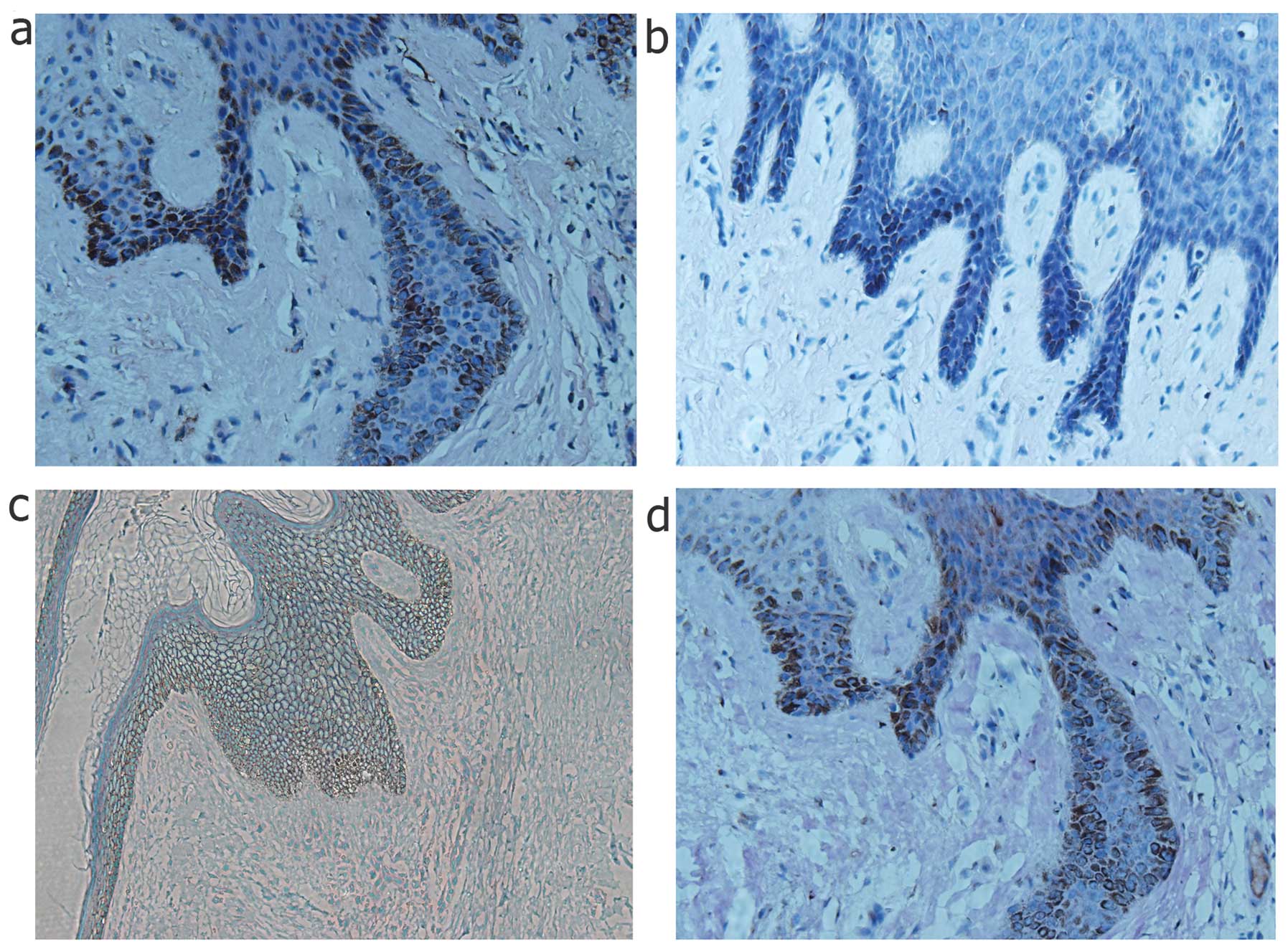
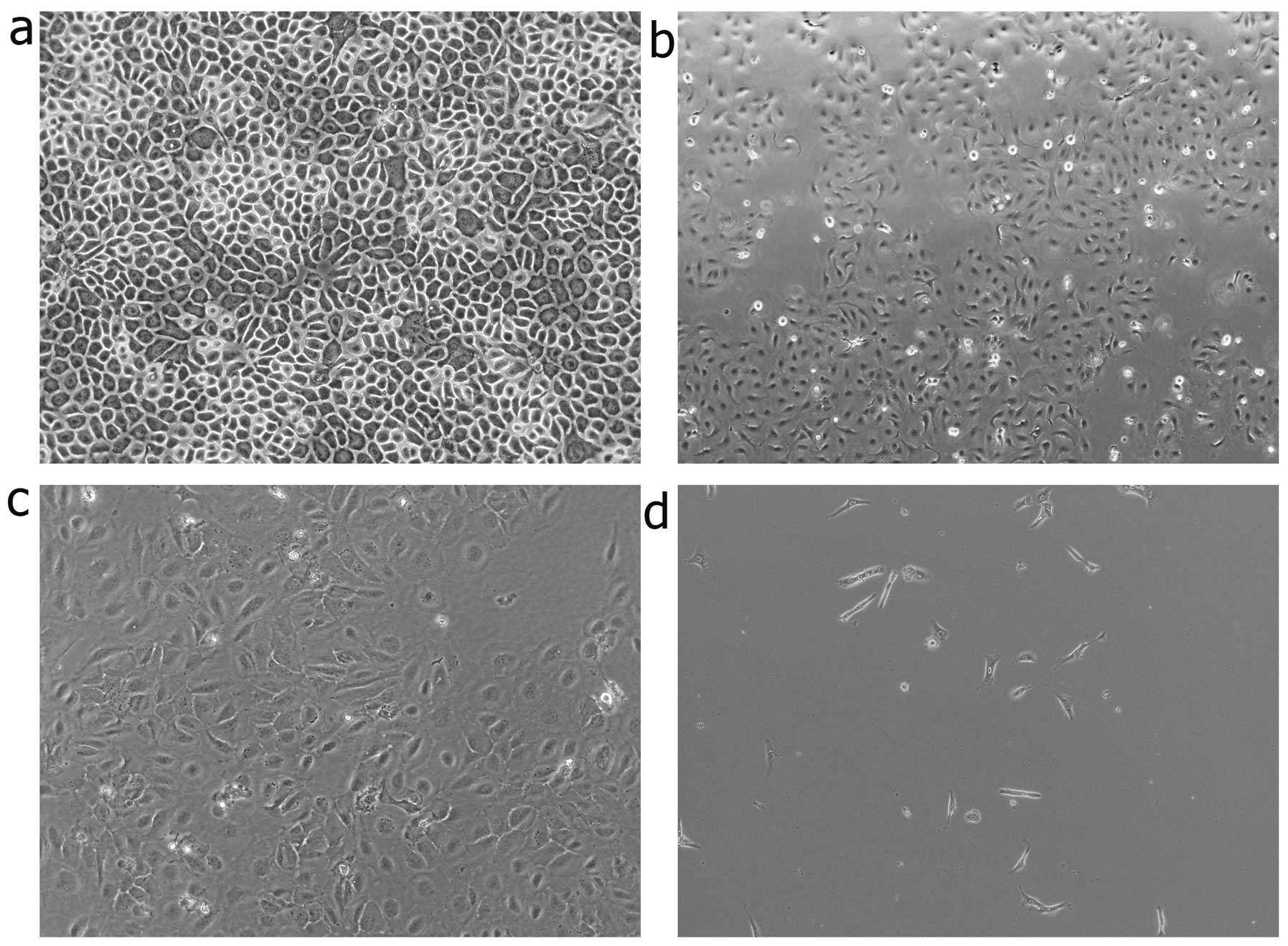
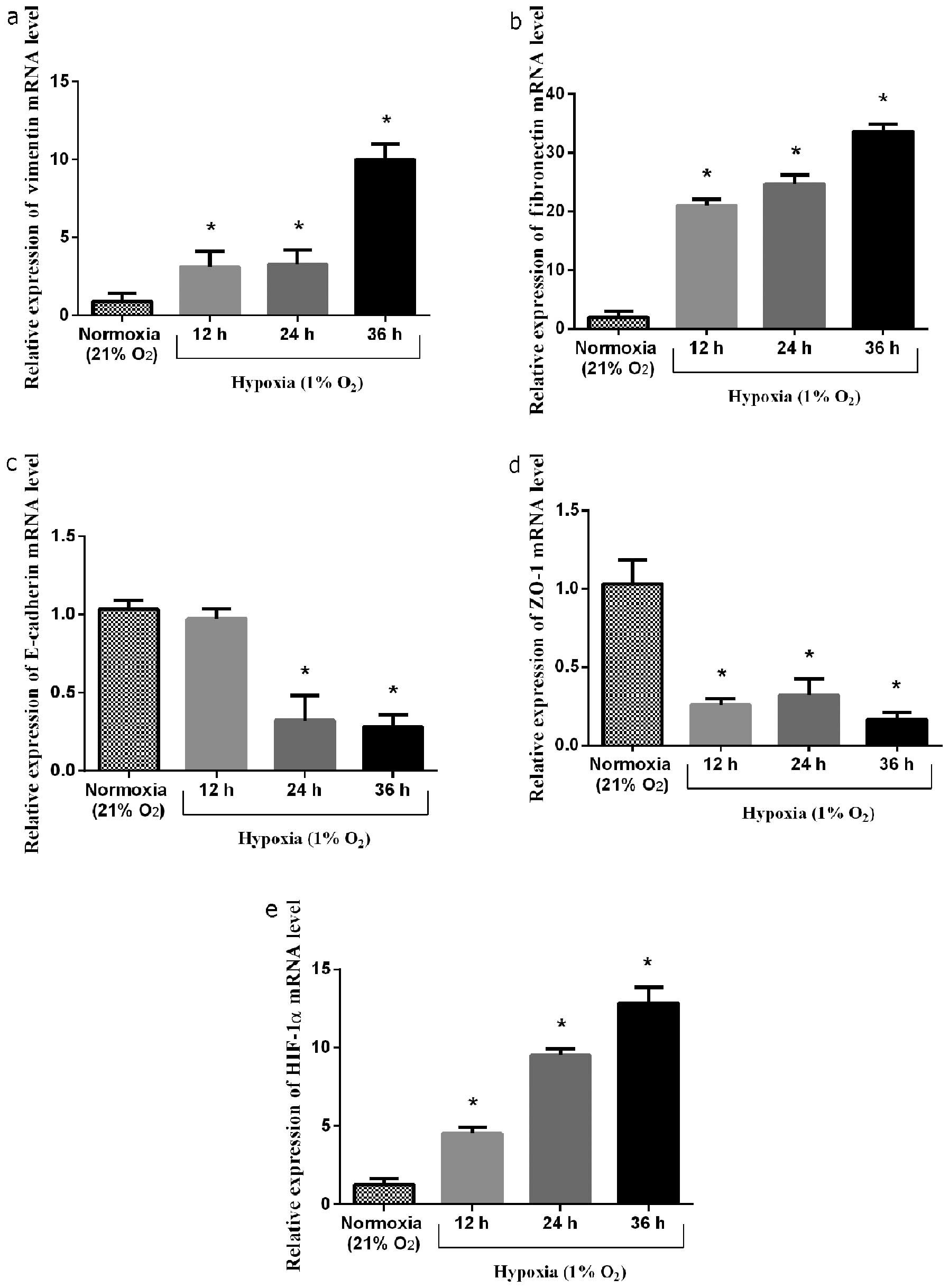
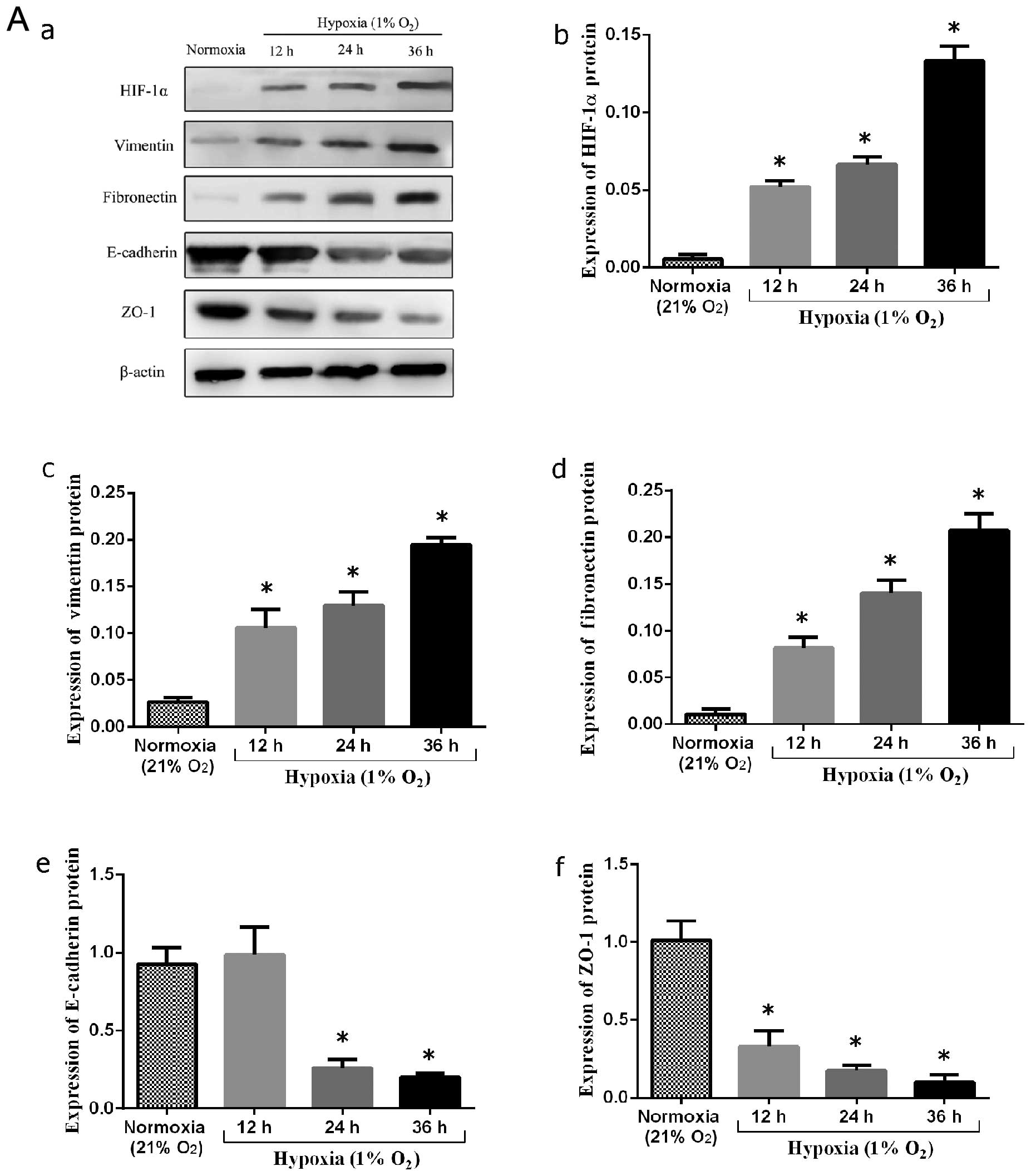
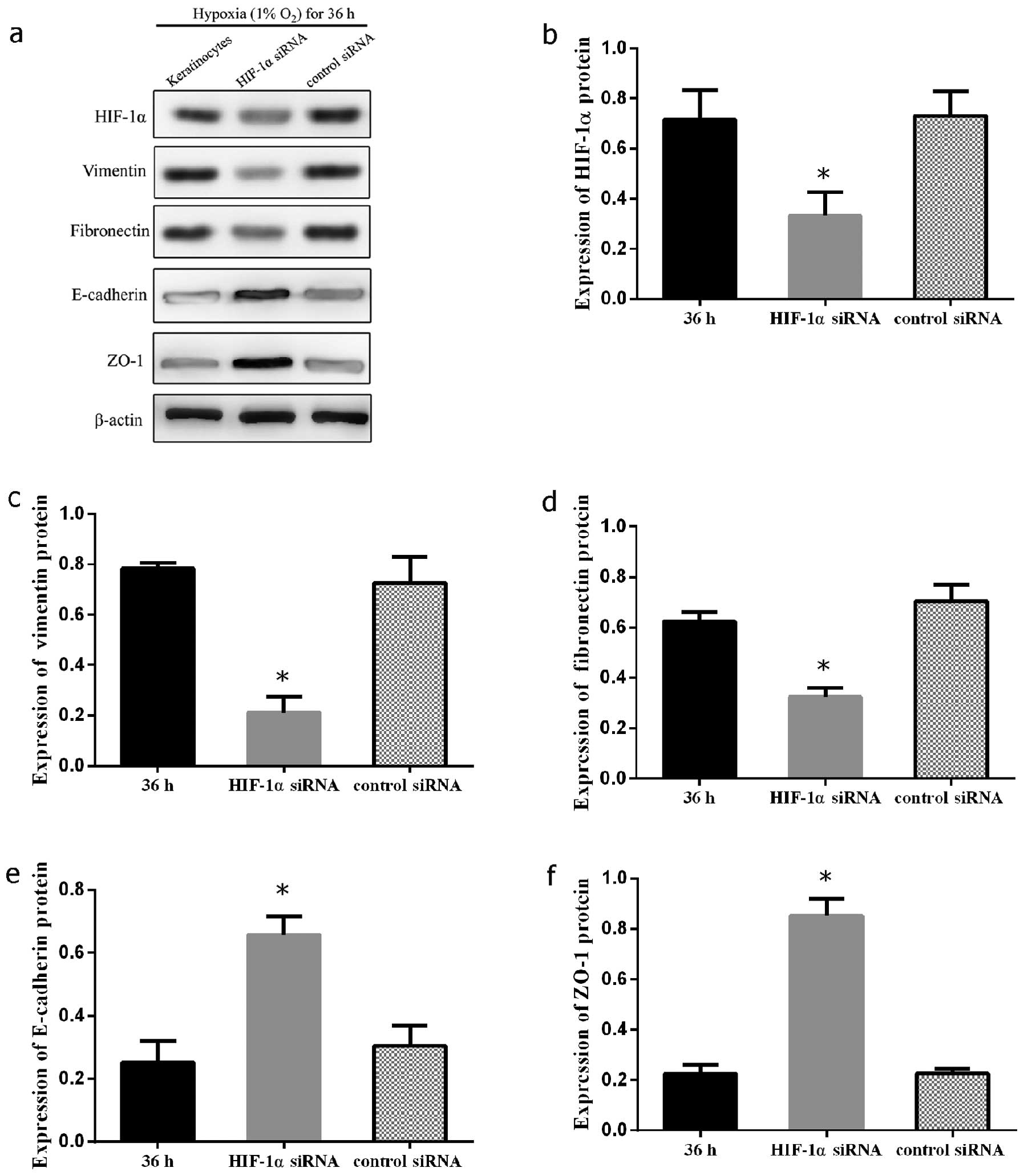
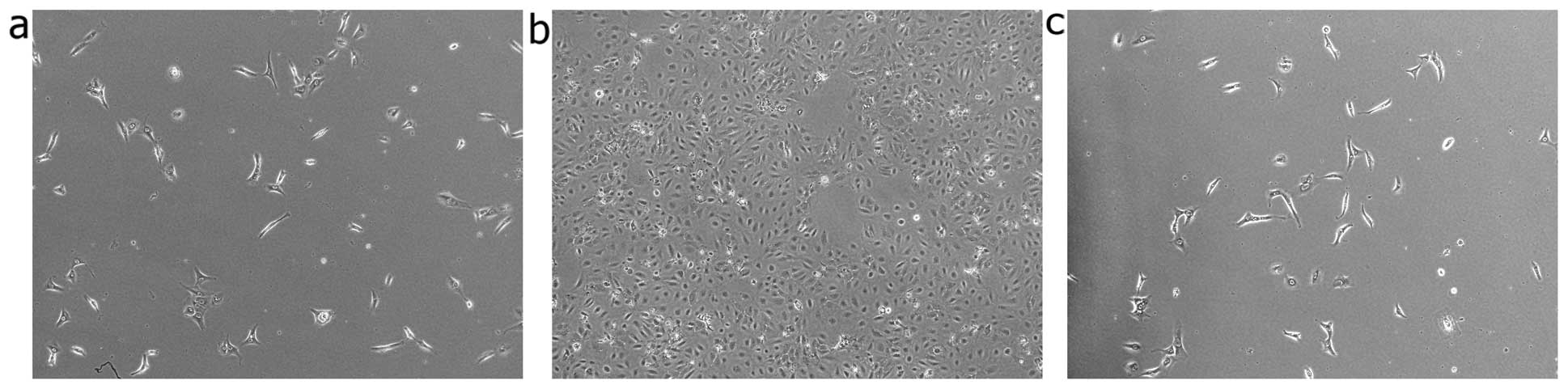
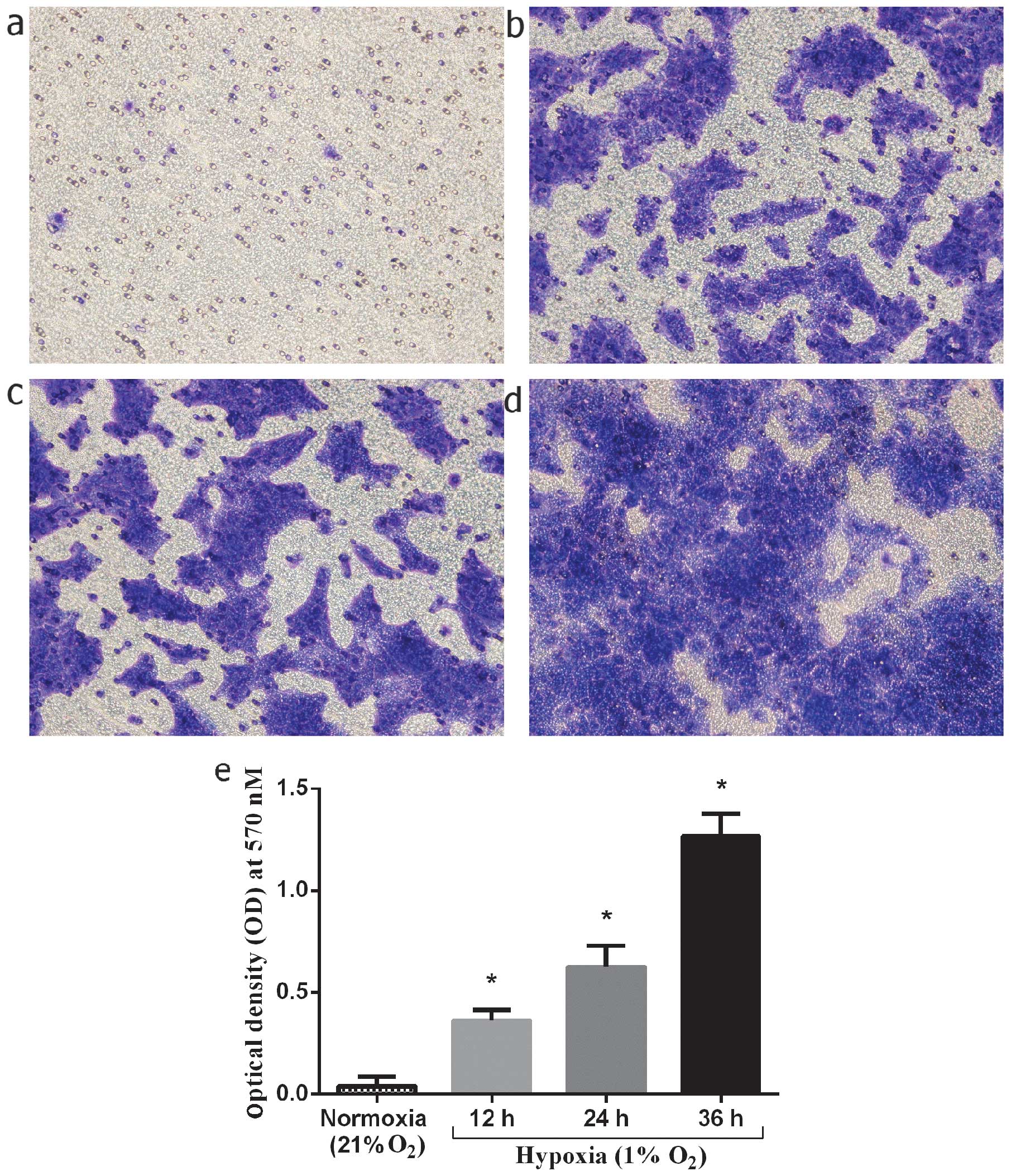
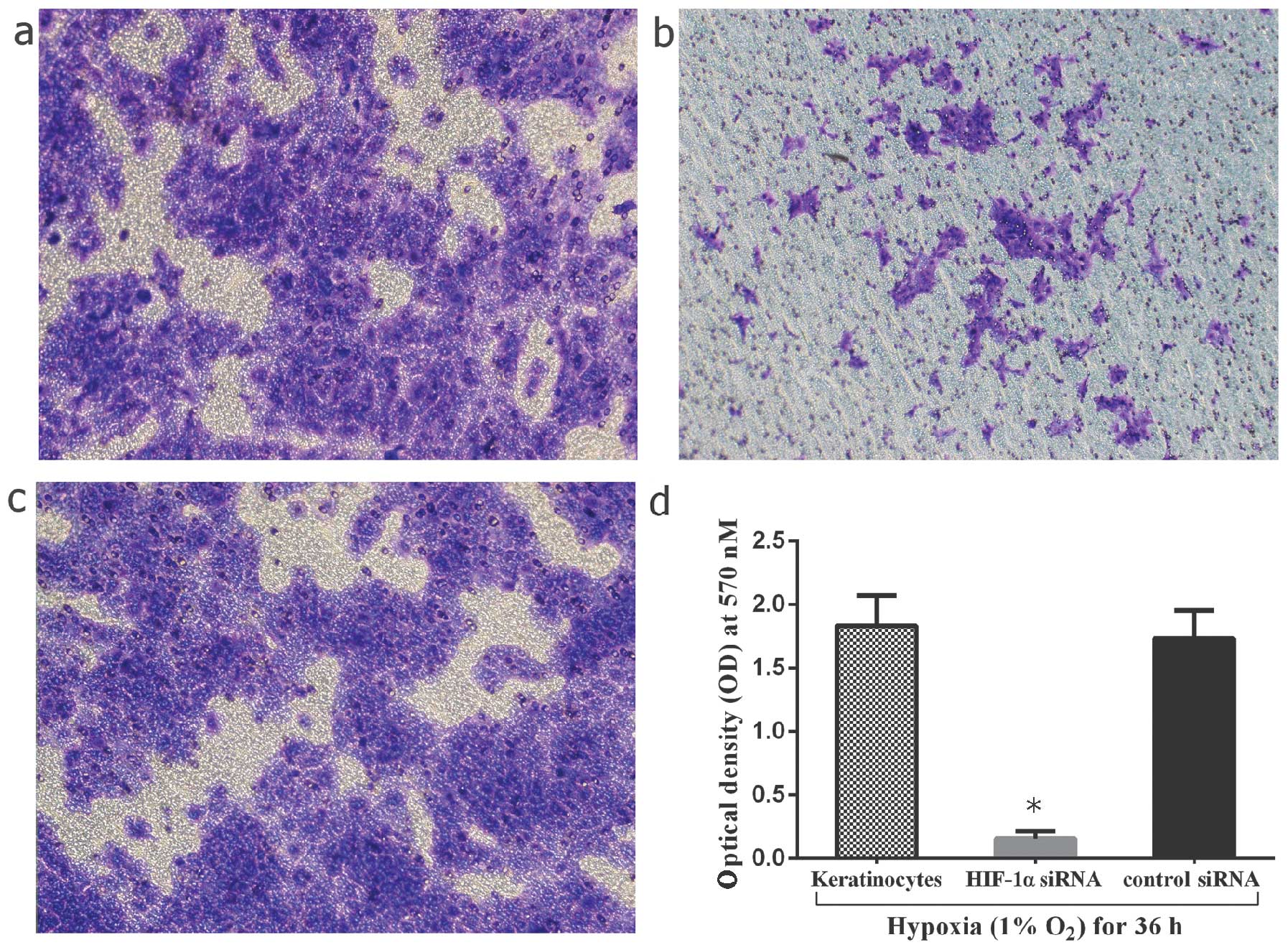
A keloid scar is an overgrowth of dense fibrous tissue that develops around a wound. These scars are raised scars that spread beyong the margins of the orinigal wound to normal skin by invasion. Keloid tissue consists of both an epithelium and dermal fibroblasts. Recent studies have primarily focused on keloid fibroblasts; however, the precise role of keratinocytes in the invasion process of keloids remains to be identified. Hypoxia is a typical characteristic of keloid scars, as well as other solid tumors. The expression of the transcription factor, hypoxia‑inducible factor‑1α (HIF‑1α), is mainly induced by hypoxia and is known for its ability to induce proliferative and transformative changes in cells; its expression has been shown to correlate with tumor invasion and metastasis. In the present study, we used immunohistochemistry, fluorescence staining and western blot analysis and demonstrated that HIF‑1α was highly expressed in both the epithelial layer of keloid tissue specimens and in hypoxia‑exposed keratinocytes, which suggested that the keloid keratinocytes underwent epithelial‑to‑mesenchymal transition (EMT) in vitro. The high expression of mesenchymal markers, such as as vimentin and fibronectin was confirmed, as well as the reduced expression of E‑cadherin and zonula occludens-1 (ZO‑1) during this process by detection at the protein and mRNA level. Moreover, siRNA targeting HIF‑1α reversed the changes which had occurred in the morphology of the keratinocytes (cells had acquired a fibroblast‑like appearance) and suppressed the invasive ability of the keratinocytes. In conclusion, the present findings demonstrate that the hypoxia/HIF‑1α microenvironment provides a favorable environment for keloid‑derived keratinocytes to adopt a fibroblast‑like appearance through EMT. This transition may be responsible for the enhanced capacity of keloid keratinocytes to invade, allowing the keloids to extend beyond the wound margin.
View Figures

Figure 1

Figure 2

Figure 3

Figure 4

Figure 5

Figure 6

Figure 7

Figure 8

View References

1 

Zhang Z, Nie F, Kang C, Chen B, Qin Z, Ma J, Ma Y and Zhao X: Increased periostin expression affects the proliferation, collagen synthesis, migration and invasion of keloid fibroblasts under hypoxic conditions. Int J Mol Med. 34:253–261. 2014.PubMed/NCBI

2 

Zhang Q, Yamaza T, Kelly AP, Shi S, Wang S, Brown J, Wang L, French SW, Shi S and Le AD: Tumor–like stem cells derived from human keloid are governed by the inflammatory niche driven by IL–17/IL–6 axis. PLoS One. 4:e77982009. View Article : Google Scholar

3 

Vincent AS, Phan TT, Mukhopadhyay A, Lim HY, Halliwell B and Wong KP: Human skin keloid fibroblasts display bioener–getics of cancer cells. J Invest Dermatol. 128:702–709. 2008. View Article : Google Scholar

4 

Kischer CW and Brody GS: Structure of the collagen nodule from hypertrophic scars and keloids. Scan Electron Microsc. (Pt 3): 371–376. 1981.PubMed/NCBI

5 

Balestri R, Misciali C, Zampatti C, Odorici G and Balestri JA: Keloidal basal cell carcinoma: Should it be considered a distinct entity? J Dtsch Dermatol Ges. 11:1196–1198. 2013.PubMed/NCBI

6 

Lewis JE: Keloidal basal cell carcinoma. Am J Dermatopathol. 29:4852007. View Article : Google Scholar : PubMed/NCBI

7 

Steinbrech DS, Mehrara BJ, Chau D, Rowe NM, Chin G, Lee T, Saadeh PB, Gittes GK and Longaker MT: Hypoxia upregulates VEGF production in keloid fibroblasts. Ann Plast Surg. 42:514–519; discussion 519–520. 1999. View Article : Google Scholar : PubMed/NCBI

8 

Zhang Q, Wu Y, Ann DK, Messadi DV, Tuan TL, Kelly AP, Bertolami CN and Le AD: Mechanisms of hypoxic regulation of plasminogen activator inhibitor–1 gene expression in keloid fibroblasts. J Invest Dermatol. 121:1005–1012. 2003. View Article : Google Scholar

9 

Zhang Q, Wu Y, Chau CH, Ann DK, Bertolami CN and Le AD: Crosstalk of hypoxia–mediated signaling pathways in upregulating plasminogen activator inhibitor–1 expression in keloid fibroblasts. J Cell Physiol. 199:89–97. 2004. View Article : Google Scholar : PubMed/NCBI

10 

Wu Y, Zhang Q, Ann DK, Akhondzadeh A, Duong HS, Messadi DV and Le AD: Increased vascular endothelial growth factor may account for elevated level of plasminogen activator inhibitor–1 via activating ERK1/2 in keloid fibroblasts. Am J Physiol Cell Physiol. 286:C905–C912. 2004. View Article : Google Scholar

11 

Du R, Xia L, Ning X, Liu L, Sun W, Huang C, Wang H and Sun S: Hypoxia-induced Bmi1 promotes renal tubular epithelial cell–mesenchymal transition and renal fibrosis via PI3K/Akt signal. Mol Biol Cell. 25:2650–2659. 2014. View Article : Google Scholar : PubMed/NCBI

12 

Sun S, Ning X, Zhang Y, Lu Y, Nie Y, Han S, Liu L, Du R, Xia L, He L and Fan D: Hypoxia–inducible factor–1alpha induces Twist expression in tubular epithelial cells subjected to hypoxia, leading to epithelial–to–mesenchymal transition. Kidney Int. 75:1278–1287. 2009. View Article : Google Scholar : PubMed/NCBI

13 

Higgins DF, Kimura K, Bernhardt WM, Shrimanker N, Akai Y, Hohenstein B, Saito Y, Johnson RS, Kretzler M, Cohen CD, et al: Hypoxia promotes fibrogenesis in vivo via HIF–1 stimulation of epithelial–to–mesenchymal transition. J Clin Invest. 117:3810–3820. 2007.PubMed/NCBI

14 

Jiang J, Tang YL and Liang XH: EMT: A new vision of hypoxia promoting cancer progression. Cancer Biol Ther. 11:714–723. 2011. View Article : Google Scholar : PubMed/NCBI

15 

Chalamalasetty RB, Garriock RJ, Dunty WC Jr, Kennedy MW, Jailwala P, Si H and Yamaguchi TP: Mesogenin 1 is a master regulator of paraxial presomitic mesoderm differentiation. Development. 141:4285–4297. 2014. View Article : Google Scholar : PubMed/NCBI

16 

Bronner ME: Formation and migration of neural crest cells in the vertebrate embryo. Histochem Cell Biol. 138:179–186. 2012. View Article : Google Scholar : PubMed/NCBI

17 

Rogers CD, Saxena A and Bronner ME: Sip1 mediates an E–cadherin-to-N-cadherin switch during cranial neural crest EMT. J Cell Biol. 203:835–847. 2013. View Article : Google Scholar : PubMed/NCBI

18 

Yin SY, Peng AP, Huang LT, Wang YT, Lan CW and Yang NS: The phytochemical shikonin stimulates epithelial-mesenchymal transition (EMT) in skin wound healing. Evid Based Complement Alternat Med. 2013:2627962013. View Article : Google Scholar : PubMed/NCBI

19 

Savagner P and Arnoux V: Epithelio–mesenchymal transition and cutaneous wound healing. Bull Acad Natl Med. 193:1981–1991; discussion 1992, 2009 (In French).

20 

Yan C, Grimm WA, Garner WL, Qin L, Travis T, Tan N and Han YP: Epithelial to mesenchymal transition in human skin wound healing is induced by tumor necrosis factor–alpha through bone morphogenic protein-2. Am J Pathol. 176:2247–2258. 2010. View Article : Google Scholar : PubMed/NCBI

21 

Tsai JH and Yang J: Epithelial-mesenchymal plasticity in carcinoma metastasis. Genes Dev. 27:2192–2206. 2013. View Article : Google Scholar : PubMed/NCBI

22 

Sun S and Qiu XS: Cancer stem cells and tumor metastasis. J Cancer Res Ther. 9(Suppl): S150–S152. 2013. View Article : Google Scholar

23 

Seifert O and Mrowietz U: Keloid scarring: Bench and bedside. Arch Dermatol Res. 301:259–272. 2009. View Article : Google Scholar : PubMed/NCBI

24 

Robles DT, Moore E, Draznin M and Berg D: Keloids: Pathophysiology and management. Dermatol Online J. 13:92007.

25 

Ashcroft KJ, Syed F and Bayat A: Site–specific keloid fibroblasts alter the behaviour of normal skin and normal scar fibroblasts through paracrine signalling. PLoS One. 8:e756002013. View Article : Google Scholar

26 

Muthusubramaniam L, Zaitseva T, Paukshto M, Martin G and Desai T: Effect of collagen nanotopography on keloid fibroblast proliferation and matrix synthesis: Implications for dermal wound healing. Tissue Eng Part A. 20:2728–2736. 2014. View Article : Google Scholar : PubMed/NCBI

27 

Suarez E, Syed F, Rasgado TA, Walmsley A, Mandal P and Bayat A: Skin equivalent tensional force alters keloid fibroblast behavior and phenotype. Wound Repair Regen. 22:557–568. 2014.PubMed/NCBI

28 

Xia W, Phan TT, Lim IJ, Longaker MT and Yang GP: Complex epithelial-mesenchymal interactions modulate transforming growth factor–beta expression in keloid-derived cells. Wound Repair Regen. 12:546–556. 2004. View Article : Google Scholar : PubMed/NCBI

29 

Do DV, Ong CT, Khoo YT, Carbone A, Lim CP, Wang S, Mukhopadhyay A, Cao X, Cho DH, Wei XQ, et al: Interleukin–18 system plays an important role in keloid pathogenesis via epithelial–mesenchymal interactions. Br J Dermatol. 166:1275–1288. 2012. View Article : Google Scholar

30 

Ong CT, Khoo YT, Tan EK, Mukhopadhyay A, Do DV, Han HC, Lim IJ and Phan TT: Epithelial–mesenchymal interactions in keloid pathogenesis modulate vascular endothelial growth factor expression and secretion. J Pathol. 211:95–108. 2007. View Article : Google Scholar

31 

Phan TT, Lim IJ, Bay BH, Qi R, Huynh HT, Lee ST and Longaker MT: Differences in collagen production between normal and keloid–derived fibroblasts in serum–media co–culture with keloid–derived keratinocytes. J Dermatol Sci. 29:26–34. 2002. View Article : Google Scholar : PubMed/NCBI

32 

Distler JH, Jüngel A, Pileckyte M, Zwerina J, Michel BA, Gay RE, Kowal–Bielecka O, Matucci–Cerinic M, Schett G, Marti HH, et al: Hypoxia–induced increase in the production of extracellular matrix proteins in systemic sclerosis. Arthritis Rheum. 56:4203–4215. 2007. View Article : Google Scholar : PubMed/NCBI

33 

Hasmim M, Messai Y, Noman MZ and Chouaib S: Tumor hypoxia: A key player in the regulation of stromal and anti-tumor responses. Med Sci (Paris). 30:422–428. 2014.In French. View Article : Google Scholar

34 

Vaupel P and Mayer A: Hypoxia in tumors: Pathogenesis–related classification, characterization of hypoxia subtypes, and associated biological and clinical implications. Adv Exp Med Biol. 812:19–24. 2014. View Article : Google Scholar

Related Articles

  • Abstract
  • View
  • Download
  • Twitter
Copy and paste a formatted citation
Spandidos Publications style
Ma X, Chen J, Xu B, Long X, Qin H, Zhao RC and Wang X: Keloid-derived keratinocytes acquire a fibroblast-like appearance and an enhanced invasive capacity in a hypoxic microenvironment in vitro. Int J Mol Med 35: 1246-1256, 2015.
APA
Ma, X., Chen, J., Xu, B., Long, X., Qin, H., Zhao, R.C., & Wang, X. (2015). Keloid-derived keratinocytes acquire a fibroblast-like appearance and an enhanced invasive capacity in a hypoxic microenvironment in vitro. International Journal of Molecular Medicine, 35, 1246-1256. https://doi.org/10.3892/ijmm.2015.2135
MLA
Ma, X., Chen, J., Xu, B., Long, X., Qin, H., Zhao, R. C., Wang, X."Keloid-derived keratinocytes acquire a fibroblast-like appearance and an enhanced invasive capacity in a hypoxic microenvironment in vitro". International Journal of Molecular Medicine 35.5 (2015): 1246-1256.
Chicago
Ma, X., Chen, J., Xu, B., Long, X., Qin, H., Zhao, R. C., Wang, X."Keloid-derived keratinocytes acquire a fibroblast-like appearance and an enhanced invasive capacity in a hypoxic microenvironment in vitro". International Journal of Molecular Medicine 35, no. 5 (2015): 1246-1256. https://doi.org/10.3892/ijmm.2015.2135
Copy and paste a formatted citation
x
Spandidos Publications style
Ma X, Chen J, Xu B, Long X, Qin H, Zhao RC and Wang X: Keloid-derived keratinocytes acquire a fibroblast-like appearance and an enhanced invasive capacity in a hypoxic microenvironment in vitro. Int J Mol Med 35: 1246-1256, 2015.
APA
Ma, X., Chen, J., Xu, B., Long, X., Qin, H., Zhao, R.C., & Wang, X. (2015). Keloid-derived keratinocytes acquire a fibroblast-like appearance and an enhanced invasive capacity in a hypoxic microenvironment in vitro. International Journal of Molecular Medicine, 35, 1246-1256. https://doi.org/10.3892/ijmm.2015.2135
MLA
Ma, X., Chen, J., Xu, B., Long, X., Qin, H., Zhao, R. C., Wang, X."Keloid-derived keratinocytes acquire a fibroblast-like appearance and an enhanced invasive capacity in a hypoxic microenvironment in vitro". International Journal of Molecular Medicine 35.5 (2015): 1246-1256.
Chicago
Ma, X., Chen, J., Xu, B., Long, X., Qin, H., Zhao, R. C., Wang, X."Keloid-derived keratinocytes acquire a fibroblast-like appearance and an enhanced invasive capacity in a hypoxic microenvironment in vitro". International Journal of Molecular Medicine 35, no. 5 (2015): 1246-1256. https://doi.org/10.3892/ijmm.2015.2135
Follow us
  • Twitter
  • LinkedIn
  • Facebook
About
  • Spandidos Publications
  • Careers
  • Cookie Policy
  • Privacy Policy
How can we help?
  • Help
  • Live Chat
  • Contact
  • Email to our Support Team