Spandidos Publications Logo
  • About
    • About Spandidos
    • Aims and Scopes
    • Abstracting and Indexing
    • Editorial Policies
    • Reprints and Permissions
    • Job Opportunities
    • Terms and Conditions
    • Contact
  • Journals
    • All Journals
    • Oncology Letters
      • Oncology Letters
      • Information for Authors
      • Editorial Policies
      • Editorial Board
      • Aims and Scope
      • Abstracting and Indexing
      • Bibliographic Information
      • Archive
    • International Journal of Oncology
      • International Journal of Oncology
      • Information for Authors
      • Editorial Policies
      • Editorial Board
      • Aims and Scope
      • Abstracting and Indexing
      • Bibliographic Information
      • Archive
    • Molecular and Clinical Oncology
      • Molecular and Clinical Oncology
      • Information for Authors
      • Editorial Policies
      • Editorial Board
      • Aims and Scope
      • Abstracting and Indexing
      • Bibliographic Information
      • Archive
    • Experimental and Therapeutic Medicine
      • Experimental and Therapeutic Medicine
      • Information for Authors
      • Editorial Policies
      • Editorial Board
      • Aims and Scope
      • Abstracting and Indexing
      • Bibliographic Information
      • Archive
    • International Journal of Molecular Medicine
      • International Journal of Molecular Medicine
      • Information for Authors
      • Editorial Policies
      • Editorial Board
      • Aims and Scope
      • Abstracting and Indexing
      • Bibliographic Information
      • Archive
    • Biomedical Reports
      • Biomedical Reports
      • Information for Authors
      • Editorial Policies
      • Editorial Board
      • Aims and Scope
      • Abstracting and Indexing
      • Bibliographic Information
      • Archive
    • Oncology Reports
      • Oncology Reports
      • Information for Authors
      • Editorial Policies
      • Editorial Board
      • Aims and Scope
      • Abstracting and Indexing
      • Bibliographic Information
      • Archive
    • Molecular Medicine Reports
      • Molecular Medicine Reports
      • Information for Authors
      • Editorial Policies
      • Editorial Board
      • Aims and Scope
      • Abstracting and Indexing
      • Bibliographic Information
      • Archive
    • World Academy of Sciences Journal
      • World Academy of Sciences Journal
      • Information for Authors
      • Editorial Policies
      • Editorial Board
      • Aims and Scope
      • Abstracting and Indexing
      • Bibliographic Information
      • Archive
    • International Journal of Functional Nutrition
      • International Journal of Functional Nutrition
      • Information for Authors
      • Editorial Policies
      • Editorial Board
      • Aims and Scope
      • Abstracting and Indexing
      • Bibliographic Information
      • Archive
    • International Journal of Epigenetics
      • International Journal of Epigenetics
      • Information for Authors
      • Editorial Policies
      • Editorial Board
      • Aims and Scope
      • Abstracting and Indexing
      • Bibliographic Information
      • Archive
    • Medicine International
      • Medicine International
      • Information for Authors
      • Editorial Policies
      • Editorial Board
      • Aims and Scope
      • Abstracting and Indexing
      • Bibliographic Information
      • Archive
  • Articles
  • Information
    • Information for Authors
    • Information for Reviewers
    • Information for Librarians
    • Information for Advertisers
    • Conferences
  • Language Editing
Spandidos Publications Logo
  • About
    • About Spandidos
    • Aims and Scopes
    • Abstracting and Indexing
    • Editorial Policies
    • Reprints and Permissions
    • Job Opportunities
    • Terms and Conditions
    • Contact
  • Journals
    • All Journals
    • Biomedical Reports
      • Information for Authors
      • Editorial Policies
      • Editorial Board
      • Aims and Scope
      • Abstracting and Indexing
      • Bibliographic Information
      • Archive
    • Experimental and Therapeutic Medicine
      • Information for Authors
      • Editorial Policies
      • Editorial Board
      • Aims and Scope
      • Abstracting and Indexing
      • Bibliographic Information
      • Archive
    • International Journal of Epigenetics
      • Information for Authors
      • Editorial Policies
      • Editorial Board
      • Aims and Scope
      • Abstracting and Indexing
      • Bibliographic Information
      • Archive
    • International Journal of Functional Nutrition
      • Information for Authors
      • Editorial Policies
      • Editorial Board
      • Aims and Scope
      • Abstracting and Indexing
      • Bibliographic Information
      • Archive
    • International Journal of Molecular Medicine
      • Information for Authors
      • Editorial Policies
      • Editorial Board
      • Aims and Scope
      • Abstracting and Indexing
      • Bibliographic Information
      • Archive
    • International Journal of Oncology
      • Information for Authors
      • Editorial Policies
      • Editorial Board
      • Aims and Scope
      • Abstracting and Indexing
      • Bibliographic Information
      • Archive
    • Medicine International
      • Information for Authors
      • Editorial Policies
      • Editorial Board
      • Aims and Scope
      • Abstracting and Indexing
      • Bibliographic Information
      • Archive
    • Molecular and Clinical Oncology
      • Information for Authors
      • Editorial Policies
      • Editorial Board
      • Aims and Scope
      • Abstracting and Indexing
      • Bibliographic Information
      • Archive
    • Molecular Medicine Reports
      • Information for Authors
      • Editorial Policies
      • Editorial Board
      • Aims and Scope
      • Abstracting and Indexing
      • Bibliographic Information
      • Archive
    • Oncology Letters
      • Information for Authors
      • Editorial Policies
      • Editorial Board
      • Aims and Scope
      • Abstracting and Indexing
      • Bibliographic Information
      • Archive
    • Oncology Reports
      • Information for Authors
      • Editorial Policies
      • Editorial Board
      • Aims and Scope
      • Abstracting and Indexing
      • Bibliographic Information
      • Archive
    • World Academy of Sciences Journal
      • Information for Authors
      • Editorial Policies
      • Editorial Board
      • Aims and Scope
      • Abstracting and Indexing
      • Bibliographic Information
      • Archive
  • Articles
  • Information
    • For Authors
    • For Reviewers
    • For Librarians
    • For Advertisers
    • Conferences
  • Language Editing
Login Register Submit
  • This site uses cookies
  • You can change your cookie settings at any time by following the instructions in our Cookie Policy. To find out more, you may read our Privacy Policy.

    I agree
Search articles by DOI, keyword, author or affiliation
Search
Advanced Search
presentation
International Journal of Molecular Medicine
Join Editorial Board Propose a Special Issue
Print ISSN: 1107-3756 Online ISSN: 1791-244X
Journal Cover
June-2015 Volume 35 Issue 6

Full Size Image

Sign up for eToc alerts
Recommend to Library

Journals

International Journal of Molecular Medicine

International Journal of Molecular Medicine

International Journal of Molecular Medicine is an international journal devoted to molecular mechanisms of human disease.

International Journal of Oncology

International Journal of Oncology

International Journal of Oncology is an international journal devoted to oncology research and cancer treatment.

Molecular Medicine Reports

Molecular Medicine Reports

Covers molecular medicine topics such as pharmacology, pathology, genetics, neuroscience, infectious diseases, molecular cardiology, and molecular surgery.

Oncology Reports

Oncology Reports

Oncology Reports is an international journal devoted to fundamental and applied research in Oncology.

Experimental and Therapeutic Medicine

Experimental and Therapeutic Medicine

Experimental and Therapeutic Medicine is an international journal devoted to laboratory and clinical medicine.

Oncology Letters

Oncology Letters

Oncology Letters is an international journal devoted to Experimental and Clinical Oncology.

Biomedical Reports

Biomedical Reports

Explores a wide range of biological and medical fields, including pharmacology, genetics, microbiology, neuroscience, and molecular cardiology.

Molecular and Clinical Oncology

Molecular and Clinical Oncology

International journal addressing all aspects of oncology research, from tumorigenesis and oncogenes to chemotherapy and metastasis.

World Academy of Sciences Journal

World Academy of Sciences Journal

Multidisciplinary open-access journal spanning biochemistry, genetics, neuroscience, environmental health, and synthetic biology.

International Journal of Functional Nutrition

International Journal of Functional Nutrition

Open-access journal combining biochemistry, pharmacology, immunology, and genetics to advance health through functional nutrition.

International Journal of Epigenetics

International Journal of Epigenetics

Publishes open-access research on using epigenetics to advance understanding and treatment of human disease.

Medicine International

Medicine International

An International Open Access Journal Devoted to General Medicine.

Journal Cover
June-2015 Volume 35 Issue 6

Full Size Image

Sign up for eToc alerts
Recommend to Library

  • Article
  • Citations
    • Cite This Article
    • Download Citation
    • Create Citation Alert
    • Remove Citation Alert
    • Cited By
  • Similar Articles
    • Related Articles (in Spandidos Publications)
    • Similar Articles (Google Scholar)
    • Similar Articles (PubMed)
  • Download PDF
  • Download XML
  • View XML
Article

Ischemic preconditioning increases GSK-3β/β-catenin levels and ameliorates liver ischemia/reperfusion injury in rats

  • Authors:
    • Yichao Yan
    • Guangying Li
    • Xiaofeng Tian
    • Yingjiang Ye
    • Zhidong Gao
    • Jihong Yao
    • Feng Zhang
    • Shan Wang
  • View Affiliations / Copyright

    Affiliations: Department of Gastroenterological Surgery, Laboratory of Surgical Oncology, Peking University People's Hospital, Beijing 100044, P.R. China, Department of Gynaecology and Obstetrics, People's Liberation Army 202 Hospital, Shenyang, Liaoning 110002, P.R. China, Department of General Surgery, The Second Affiliated Hospital of Dalian Medical University, Dalian, Liaoning 116027, P.R. China, Department of Pharmacology, Dalian Medical University, Dalian, Liaoning 116044, P.R. China
  • Pages: 1625-1632
    |
    Published online on: March 23, 2015
       https://doi.org/10.3892/ijmm.2015.2153
  • Expand metrics +
Metrics: Total Views: 0 (Spandidos Publications: | PMC Statistics: )
Metrics: Total PDF Downloads: 0 (Spandidos Publications: | PMC Statistics: )
Cited By (CrossRef): 0 citations Loading Articles...

This article is mentioned in:


Abstract

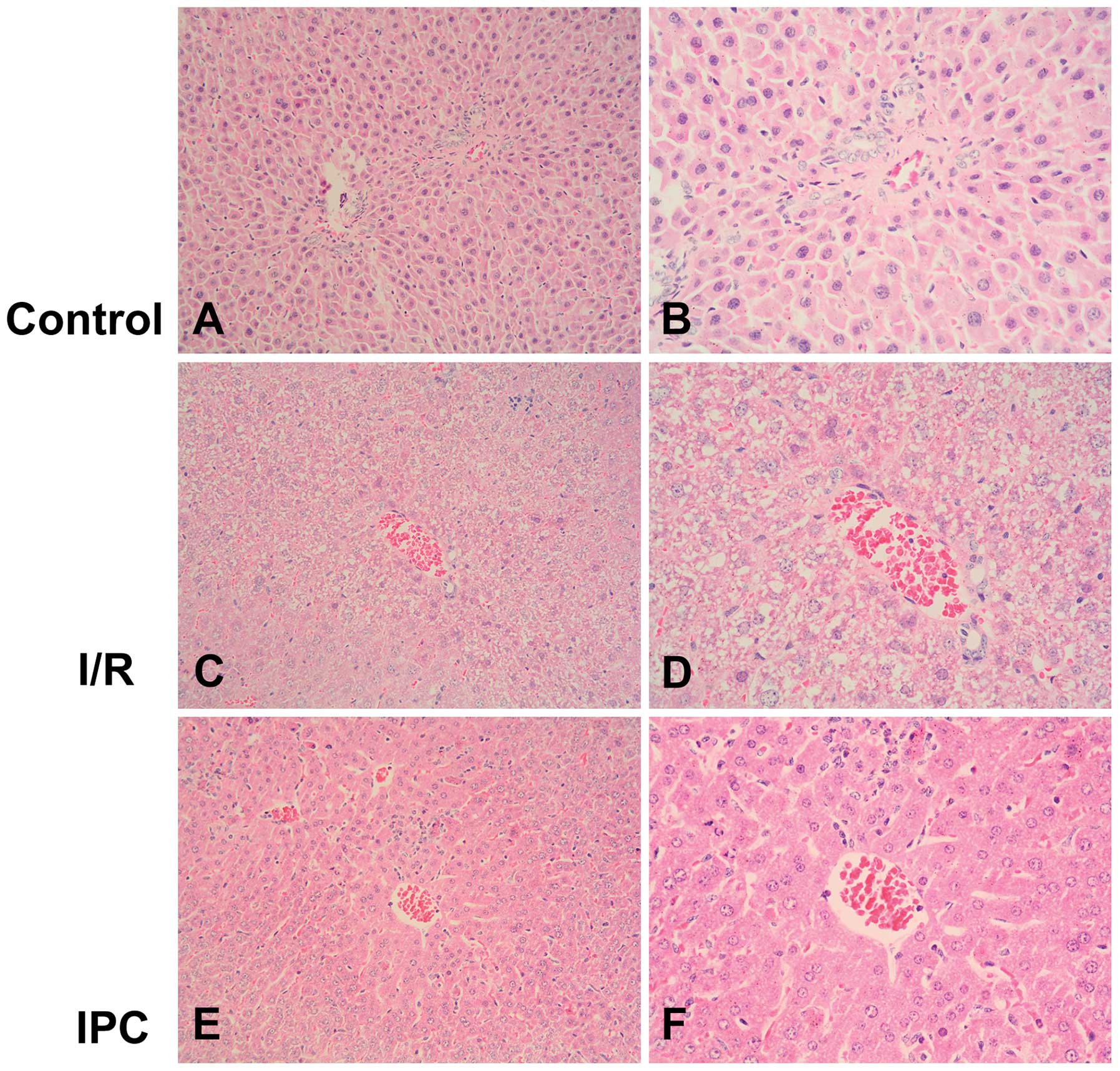
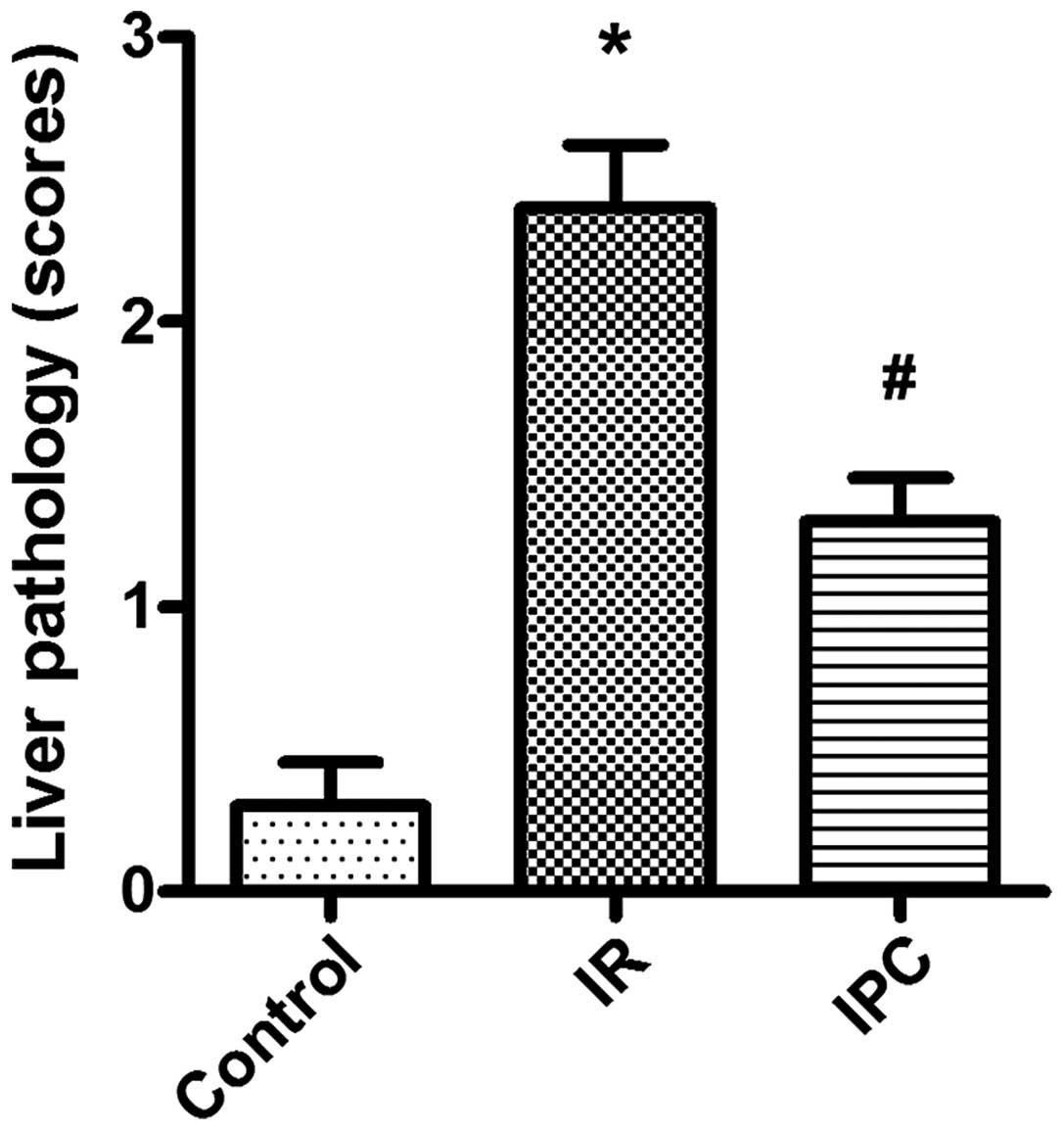
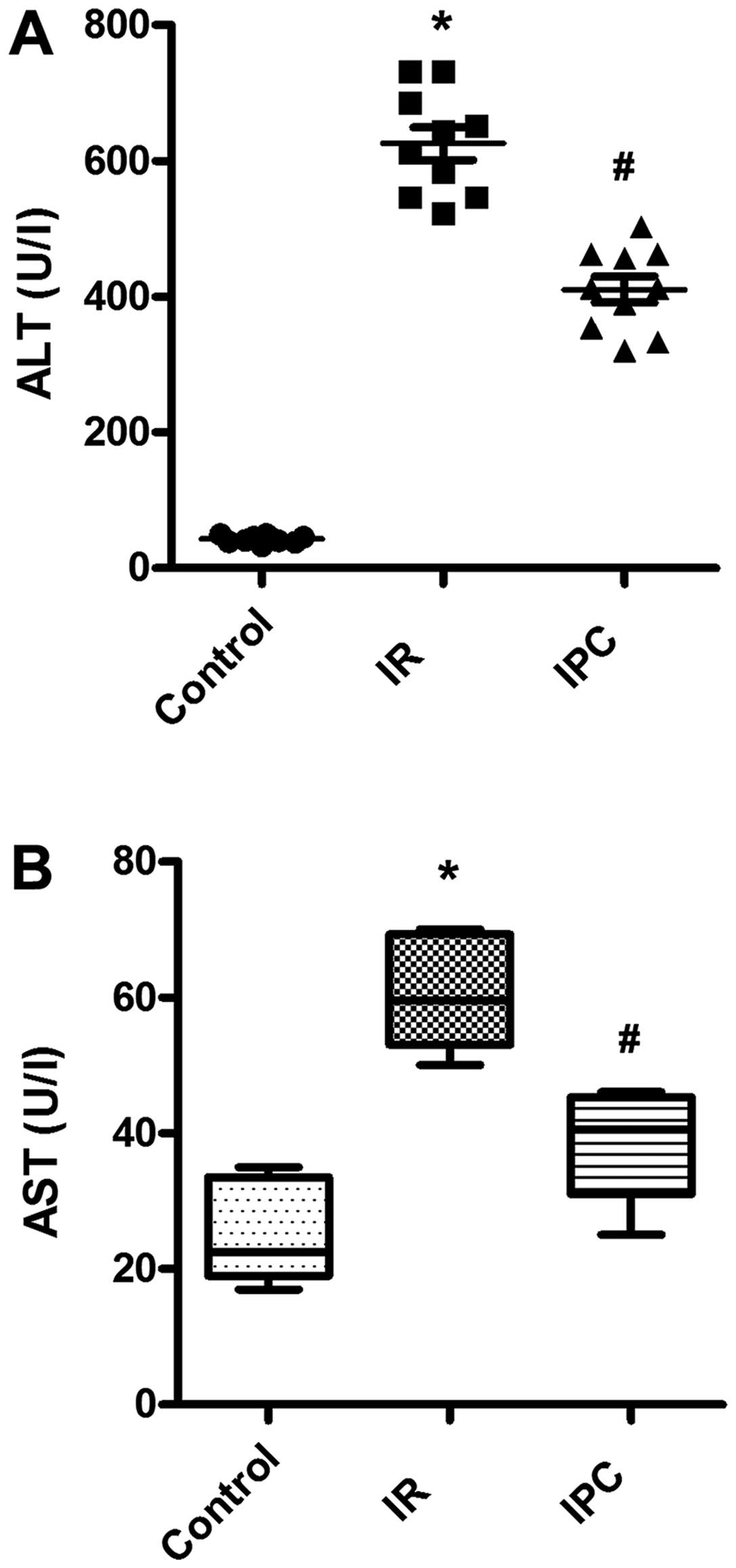
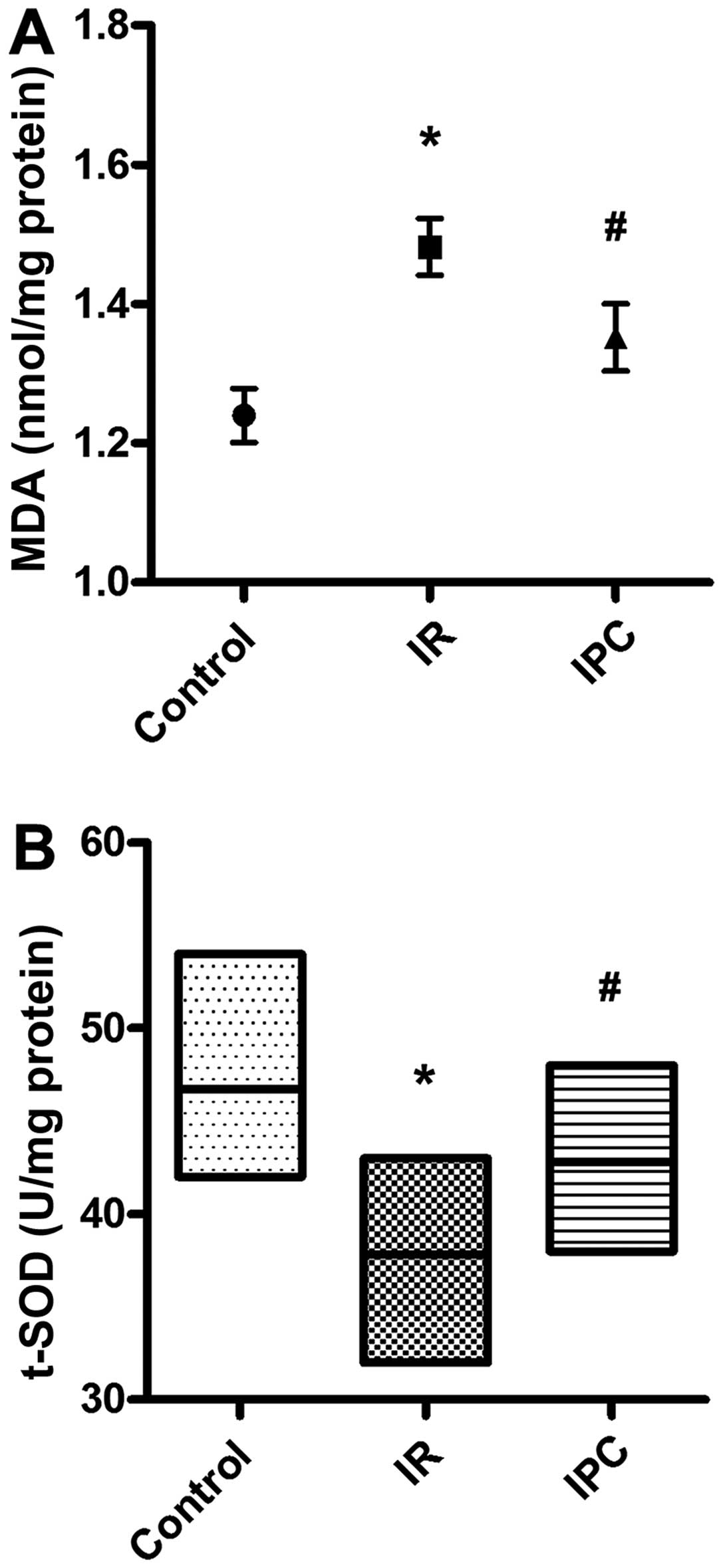
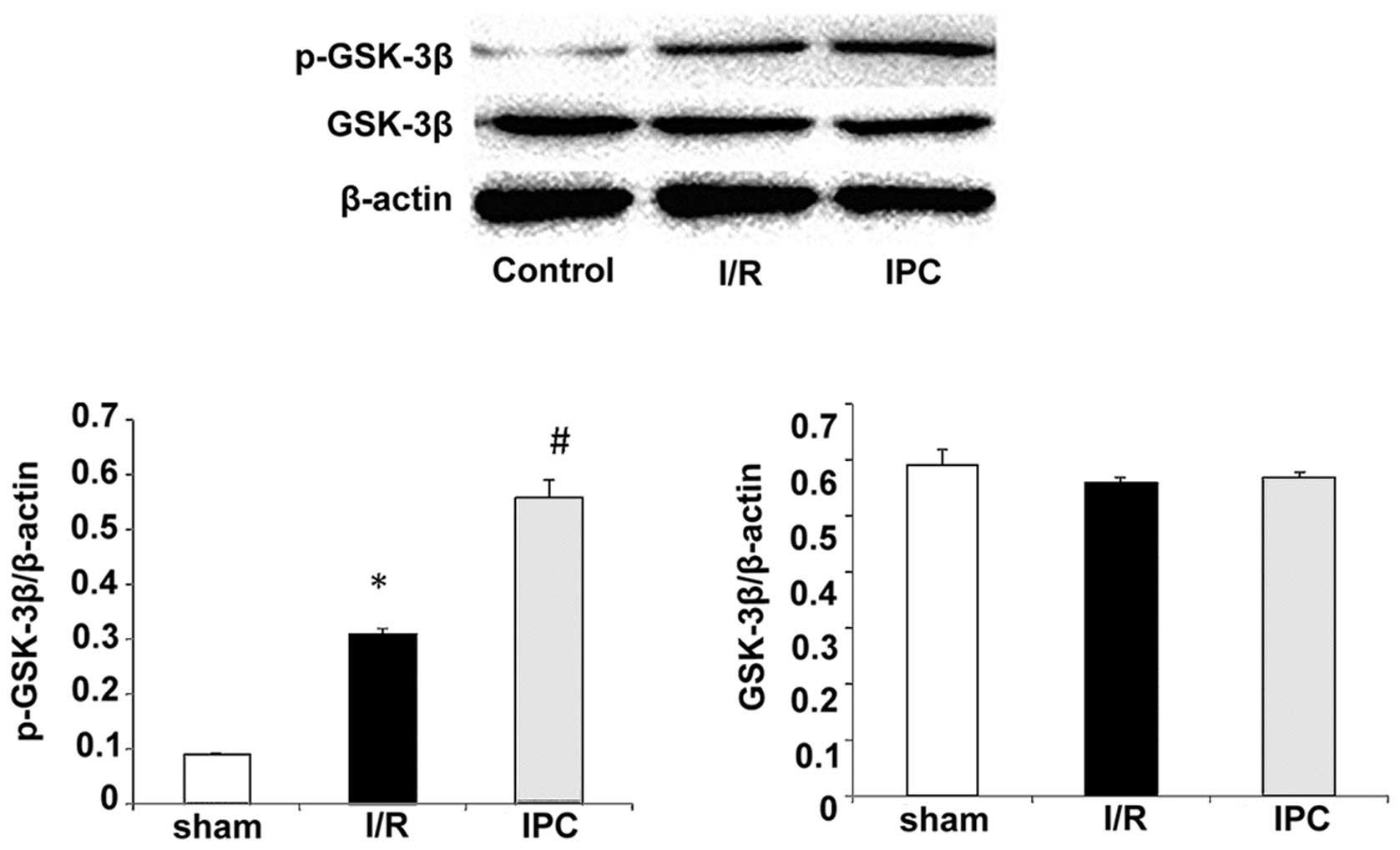
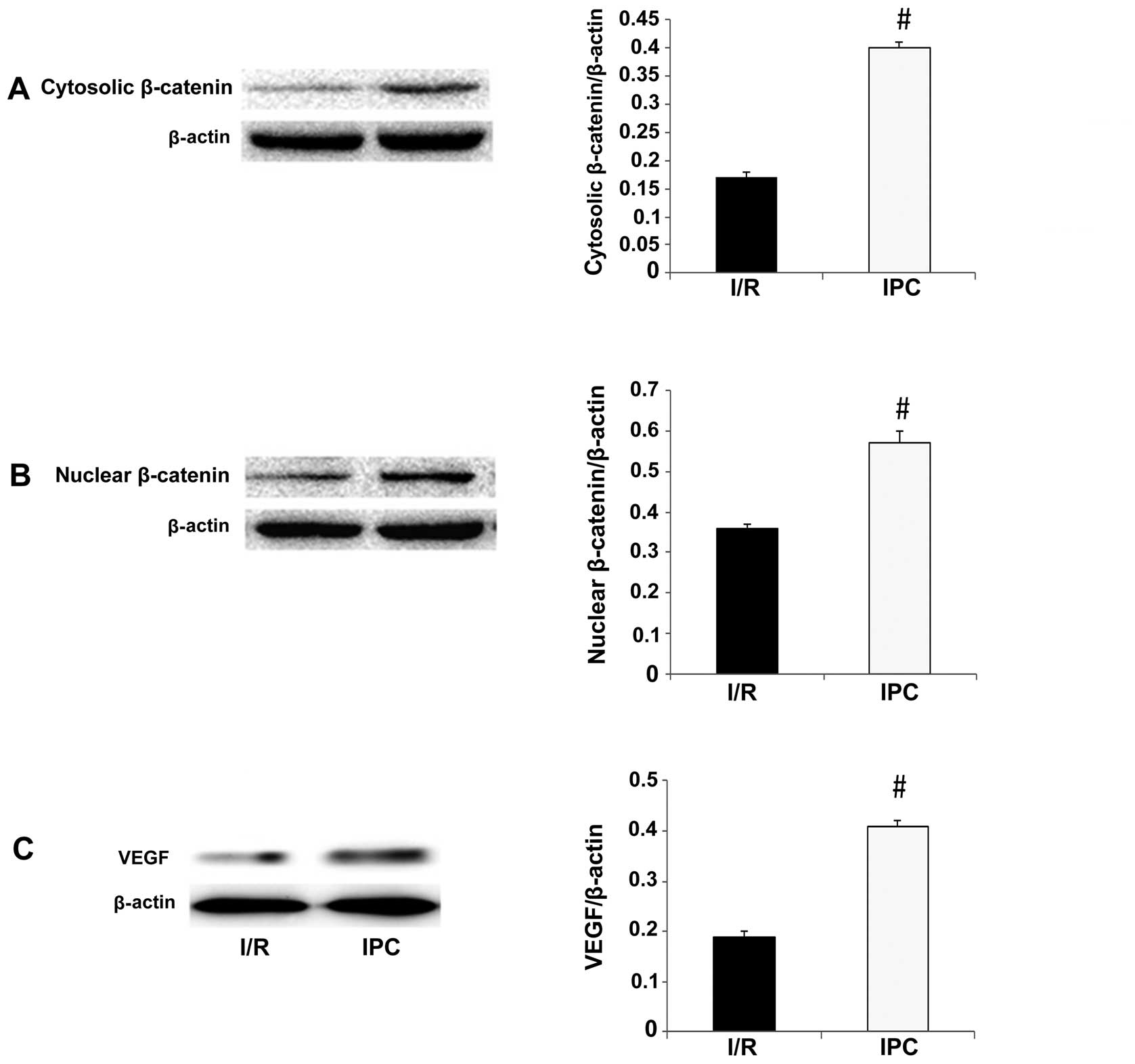
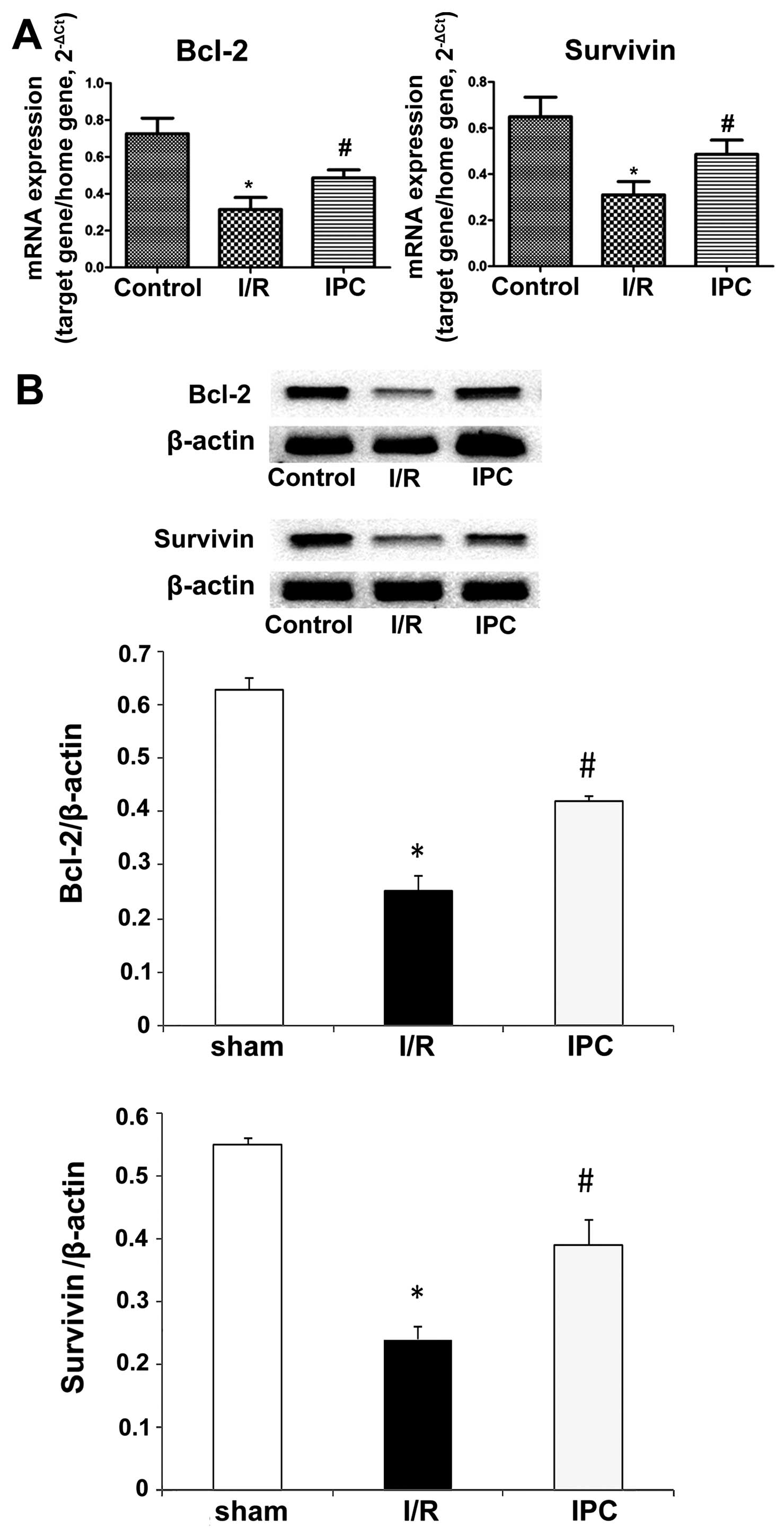
Ischemic preconditioning (IPC) ameliorates ischemia/reperfusion (I/R) injury in a number of organs, and the glycogen synthase kinase-3β (GSK-3β)/β-catenin signaling pathway regulates I/R-induced proliferation and apoptosis in the central nervous system and heart. However, the function of this signaling pathway in IPC during liver I/R remains unclear. Thus, in this study, we aimed to investigte the role of the GSK-3β/β-catenin pathway during I/R and following ischemic preconditioning. For this purpose, 30 Sprague-Dawley rats were randomly divided into the sham-operated, the I/R and the IPC groups (n=10). Following reperfusion, liver pathology, as well as alanine aminotransferase (ALT), aspartate aminotransferase (AST), maleic dialdehyde (MDA) and superoxide dismutase (SOD) levels were assessed. Western blot analysis was performed to quantify the GSK-3β, Ser9-phospho-GSK-3β (p-GSK-3β), cytosolic and nuclear β-catenin, vascular endothelial growth factor (VEGF), Bcl-2 and survivin levels. In addition, the Bcl-2 and survivin mRNA levels were assessed by RT-qPCR. Compared with the sham-operated group, I/R increased serum ALT, AST and MDA activity and decreased SOD levels, while IPC significantly decreased serum ALT, AST and MDA activity and increased SOD levels, compared with the I/R group. Simultaneously, I/R increased p-GSK-3β protein expression, and decreased Bcl-2 and survivin protein and mRNA levels. IPC further increased the protein expression of p-GSK-3β, and also increased cytosolic and nuclear β-catenin and VEGF expression compared with the I/R group; the expression of Bcl-2 and survivin was also increased by IPC, both at the mRNA and protein level. The total GSK-3β expression remained unaltered in all the groups. In conclusion, our data demonstrate that IPC exerts protective effects against liver injury induced by I/R and activates the GSK-3β/β-catenin signaling pathway.
View Figures

Figure 1

Figure 2

Figure 3

Figure 4

Figure 5

Figure 6

Figure 7

View References

1 

Burroughs AK, Sabin CA, Rolles K, et al: 3-month and 12-month mortality after first liver transplant in adults in Europe: predictive models for outcome. Lancet. 367:225–232. 2006. View Article : Google Scholar : PubMed/NCBI

2 

Li Q and Li JD: Progress in liver transplantation ischemic preconditioning. Chin J Curr Adv Gen Surg. 13:470–473. 2010.In Chinese.

3 

Murry CE, Jennings RB and Reimer KA: Preconditioning with ischemia: a delay of lethal cell injury in ischemic myocardium. Circulation. 74:1124–1136. 1986. View Article : Google Scholar : PubMed/NCBI

4 

Peralta C, Closa D, Xaus C, Gelpi E, Rosello-Catafau J and Hotter G: Hepatic preconditioning in rats is defined by a balance of adenosine and xanthine. Hepatology. 28:768–773. 1998. View Article : Google Scholar : PubMed/NCBI

5 

Glazier SS, O’Rourke DM, Graham DI and Welsh FA: Induction of ischemic tolerance following brief focal ischemia in rat brain. J Cereb Blood Flow Metab. 14:545–553. 1994. View Article : Google Scholar : PubMed/NCBI

6 

Du ZY, Hicks M, Winlaw D, Spratt P and MacDonald P: Ischemic preconditioning enhances donor lung preservation in the rat. J Heart Lung Transplant. 15:1258–1267. 1996.PubMed/NCBI

7 

Hotter G, Closa D, Prados M, Fernandez-Cruz L, Prats N, Gelpi E and Rosello-Catafau J: Intestinal preconditioning is mediated by a transient increase in nitric oxide. Biochem Biophys Res Commun. 222:27–32. 1996. View Article : Google Scholar : PubMed/NCBI

8 

Ferdinandy P, Schulz R and Baxter GF: Interaction of cardiovascular risk factors with myocardial ischemia/reperfusion injury, preconditioning, and postconditioning. Pharmacol Rev. 59:418–458. 2007. View Article : Google Scholar : PubMed/NCBI

9 

Halestrap AP, Clarke SJ and Khaliulin I: The role of mitochondria in protection of the heart by preconditioning. Biochim Biophys Acta. 1767:1007–1031. 2007. View Article : Google Scholar : PubMed/NCBI

10 

Hausenloy DJ, Tsang A and Yellon DM: The reperfusion injury salvage kinase pathway: a common target for both ischemic preconditioning and postconditioning. Trends Cardiovasc Med. 15:69–75. 2005. View Article : Google Scholar : PubMed/NCBI

11 

Alchera E, Dal Ponte C, Imarisio C, Albano E and Carini R: Molecular mechanisms of liver preconditioning. World J Gastroenterol. 16:6058–6067. 2010. View Article : Google Scholar : PubMed/NCBI

12 

Jellestad L, Fink T, Pradarutti S, Kubulus D, Wolf B, Bauer I, Thiemermann C and Rensing H: Inhibition of glycogen synthase kinase (GSK)-3-β improves liver microcirculation and hepatocellular function after hemorrhagic shock. Eur J Pharmacol. 724:175–184. 2014. View Article : Google Scholar : PubMed/NCBI

13 

Ding VW, Chen RH and McCormick F: Differential regulation of glycogen synthase kinase 3beta by insulin and Wnt signaling. J Biol Chem. 275:32475–32481. 2000. View Article : Google Scholar : PubMed/NCBI

14 

Kusano S and Raab-Traub N: I-mfa domain proteins interact with Axin and affect its regulation of the Wnt and c-Jun N-terminal kinase signaling pathways. Mol Cell Biol. 22:6393–6405. 2002. View Article : Google Scholar : PubMed/NCBI

15 

Hart MJ, de los Santos R, Albert IN, Rubinfeld B and Polakis P: Downregulation of beta-catenin by human Axin and its association with the APC tumor suppressor, beta-catenin and GSK3 beta. Curr Biol. 8:573–581. 1998. View Article : Google Scholar : PubMed/NCBI

16 

Aberle H, Bauer A, Stappert J, Kispert A and Kemler R: beta-catenin is a target for the ubiquitin-proteasome pathway. EMBO J. 16:3797–3804. 1997. View Article : Google Scholar : PubMed/NCBI

17 

Rubinfeld B, Albert I, Porfiri E, Fiol C, Munemitsu S and Polakis P: Binding of GSK3beta to the APC-beta-catenin complex and regulation of complex assembly. Science. 272:1023–1026. 1996. View Article : Google Scholar : PubMed/NCBI

18 

Bienz M: TCF: transcriptional activator or repressor? Curr Opin Cell Biol. 10:366–372. 1998. View Article : Google Scholar : PubMed/NCBI

19 

Easwaran V, Lee SH, Inge L, et al: beta-Catenin regulates vascular endothelial growth factor expression in colon cancer. Cancer Res. 63:3145–3153. 2003.PubMed/NCBI

20 

Behrens J, von Kries JP, Kuhl M, Bruhn L, Wedlich D, Grosschedl R and Birchmeier W: Functional interaction of beta-catenin with the transcription factor LEF-1. Nature. 382:638–642. 1996. View Article : Google Scholar : PubMed/NCBI

21 

Kuroda S, Tashiro H, Igarashi Y, et al: Rho inhibitor prevents ischemia-reperfusion injury in rat steatotic liver. J Hepatol. 56:146–152. 2012. View Article : Google Scholar

22 

Nakayama H, Yamamoto Y, Kume M, et al: Pharmacologic stimulation of adenosine A2 receptor supplants ischemic preconditioning in providing ischemic tolerance in rat livers. Surgery. 126:945–954. 1999. View Article : Google Scholar : PubMed/NCBI

23 

Uysal AI, Ocmen E, Akan M, Ozkardesler S, Ergur BU, Guneli E, Kume T, Koca U and Unal Togrul B: The effects of remote ischemic preconditioning and N-acetylcysteine with remote ischemic preconditioning in rat hepatic ischemia reperfusion injury model. Biomed Res Int. 2014:8927042014. View Article : Google Scholar : PubMed/NCBI

24 

Qi BN, Yi JH, Tang GH, Miao JL and Guo JF: The experimental study of n-hexane on lipid peroxidation and DNA damage of hepatic cell in rats. J Xi’an Jiaotong Univ Med Sci. 28:145–148. 2007.In Chinese.

25 

Jia YX and Chen ZW: The effects of Cu2+, Cd2+ on superoxide activities in carassius auratus. Acta Hydrobiol Sin. 27:323–325. 2003.In Chinese.

26 

Jiang Y, Tang JJ, Wu BQ, Yuan B and Qu Z: The protective effects of different-time-ischemic preconditioning on the reperfusion injury in fatty livers in rats. PLoS One. 8:e580862013. View Article : Google Scholar : PubMed/NCBI

27 

Jin LM, Jin SF, Liu YX, Zhou L, Xie HY, Yan S, Xu X and Zheng SS: Ischemic preconditioning enhances hepatocyte proliferation in the early phase after ischemia under hemi-hepatectomy in rats. Hepatobiliary Pancreat Dis Int. 11:521–526. 2012. View Article : Google Scholar : PubMed/NCBI

28 

Yuan GJ, Ma JC, Gong ZJ, Sun XM, Zheng SH and Li X: Modulation of liver oxidant-antioxidant system by ischemic preconditioning during ischemia/reperfusion injury in rats. World J Gastroenterol. 11:1825–1828. 2005. View Article : Google Scholar : PubMed/NCBI

29 

Yong J, Bo Y, Bao-qiang W, Jian-jun T and Zhen Q: The optimal time window of ischemic preconditioning (IPC) on the reperfusion injury in moderate to severe hepatocirrhosis in rats. Ann Clin Lab Sci. 43:64–69. 2013.PubMed/NCBI

30 

Camargo CA Jr, Madden JF, Gao W, Selvan RS and Clavien PA: Interleukin-6 protects liver against warm ischemia/reperfusion injury and promotes hepatocyte proliferation in the rodent. Hepatology. 26:1513–1520. 1997. View Article : Google Scholar : PubMed/NCBI

31 

Serafin A, Rosello-Catafau J, Prats N, Xaus C, Gelpi E and Peralta C: Ischemic preconditioning increases the tolerance of Fatty liver to hepatic ischemia-reperfusion injury in the rat. Am J Pathol. 161:587–601. 2002. View Article : Google Scholar : PubMed/NCBI

32 

Peralta C, Bulbena O, Xaus C, Prats N, Cutrin JC, Poli G, Gelpi E and Rosello-Catafau J: Ischemic preconditioning: a defense mechanism against the reactive oxygen species generated after hepatic ischemia reperfusion. Transplantation. 73:1203–1211. 2002. View Article : Google Scholar : PubMed/NCBI

33 

Peralta C, Fernandez L, Panes J, Prats N, Sans M, Pique JM, Gelpi E and Rosello-Catafau J: Preconditioning protects against systemic disorders associated with hepatic ischemia-reperfusion through blockade of tumor necrosis factor-induced P-selectin up-regulation in the rat. Hepatology. 33:100–113. 2001. View Article : Google Scholar

34 

Chung H, Seo S, Moon M and Park S: Phosphatidylinositol-3-kinase/Akt/glycogen synthase kinase-3 beta and ERK1/2 pathways mediate protective effects of acylated and unacylated ghrelin against oxygen-glucose deprivation-induced apoptosis in primary rat cortical neuronal cells. J Endocrinol. 198:511–521. 2008. View Article : Google Scholar : PubMed/NCBI

35 

Miller JR, Hocking AM, Brown JD and Moon RT: Mechanism and function of signal transduction by the Wnt/beta-catenin and Wnt/Ca2+ pathways. Oncogene. 18:7860–7872. 1999. View Article : Google Scholar

36 

Tong H, Imahashi K, Steenbergen C and Murphy E: Phosphorylation of glycogen synthase kinase-3bet a during preconditioning through a phosphatidylinositol-3-kinase-dependent pathway is cardioprotective. Circ Res. 90:377–379. 2002. View Article : Google Scholar : PubMed/NCBI

37 

Kaga S, Zhan L, Altaf E and Maulik N: Glycogen synthase kinase-3beta/beta-catenin promotes angiogenic and anti-apoptotic signaling through the induction of VEGF, Bcl-2 and survivin expression in rat ischemic preconditioned myocardium. J Mol Cell Cardiol. 40:138–147. 2006. View Article : Google Scholar

38 

Xia YX, Lu L, Wu ZS, Pu LY, Sun BC and Wang XH: Inhibition of GSK-3beta ameliorates hepatic ischemia-reperfusion injury through GSK-3beta/beta-catenin signaling pathway in mice. Hepatobiliary Pancreat Dis Int. 11:278–284. 2012. View Article : Google Scholar : PubMed/NCBI

39 

Ren F, Duan Z, Cheng Q, et al: Inhibition of glycogen synthase kinase 3 beta ameliorates liver ischemia reperfusion injury by way of an interleukin-10-mediated immune regulatory mechanism. Hepatology. 54:687–696. 2011. View Article : Google Scholar : PubMed/NCBI

40 

Koh PO, Won CK and Cho JH: Estradiol prevents the injury-induced decrease of Akt/glycogen synthase kinase 3beta phosphorylation. Neurosci Lett. 404:303–308. 2006. View Article : Google Scholar : PubMed/NCBI

41 

Thirunavukkarasu M, Han Z, Zhan L, Penumathsa SV, Menon VP and Maulik N: Adeno-sh-beta-catenin abolishes ischemic preconditioning-mediated cardioprotection by downregulation of its target genes VEGF, Bcl-2, and survivin in ischemic rat myocardium. Antioxid Redox Signal. 10:1475–1484. 2008. View Article : Google Scholar : PubMed/NCBI

42 

Monga SP, Monga HK, Tan X, Mule K, Pediaditakis P and Michalopoulos GK: Beta-catenin antisense studies in embryonic liver cultures: role in proliferation, apoptosis, and lineage specification. Gastroenterology. 124:202–216. 2003. View Article : Google Scholar : PubMed/NCBI

43 

Ibrahim SH, Akazawa Y, Cazanave SC, et al: Glycogen synthase kinase-3 (GSK-3) inhibition attenuates hepatocyte lipoapoptosis. J Hepatol. 54:765–772. 2011. View Article : Google Scholar :

44 

Johnston A, Ponzetti K, Anwer MS and Webster CR: cAMP-guanine exchange factor protection from bile acid-induced hepatocyte apoptosis involves glycogen synthase kinase regulation of c-Jun NH2-terminal kinase. Am J Physiol Gastrointest Liver Physiol. 301:G385–G400. 2011. View Article : Google Scholar : PubMed/NCBI

45 

Gujral JS, Bucci TJ, Farhood A and Jaeschke H: Mechanism of cell death during warm hepatic ischemia-reperfusion in rats: apoptosis or necrosis? Hepatology. 33:397–405. 2001. View Article : Google Scholar : PubMed/NCBI

Related Articles

  • Abstract
  • View
  • Download
  • Twitter
Copy and paste a formatted citation
Spandidos Publications style
Yan Y, Li G, Tian X, Ye Y, Gao Z, Yao J, Zhang F and Wang S: Ischemic preconditioning increases GSK-3β/β-catenin levels and ameliorates liver ischemia/reperfusion injury in rats. Int J Mol Med 35: 1625-1632, 2015.
APA
Yan, Y., Li, G., Tian, X., Ye, Y., Gao, Z., Yao, J. ... Wang, S. (2015). Ischemic preconditioning increases GSK-3β/β-catenin levels and ameliorates liver ischemia/reperfusion injury in rats. International Journal of Molecular Medicine, 35, 1625-1632. https://doi.org/10.3892/ijmm.2015.2153
MLA
Yan, Y., Li, G., Tian, X., Ye, Y., Gao, Z., Yao, J., Zhang, F., Wang, S."Ischemic preconditioning increases GSK-3β/β-catenin levels and ameliorates liver ischemia/reperfusion injury in rats". International Journal of Molecular Medicine 35.6 (2015): 1625-1632.
Chicago
Yan, Y., Li, G., Tian, X., Ye, Y., Gao, Z., Yao, J., Zhang, F., Wang, S."Ischemic preconditioning increases GSK-3β/β-catenin levels and ameliorates liver ischemia/reperfusion injury in rats". International Journal of Molecular Medicine 35, no. 6 (2015): 1625-1632. https://doi.org/10.3892/ijmm.2015.2153
Copy and paste a formatted citation
x
Spandidos Publications style
Yan Y, Li G, Tian X, Ye Y, Gao Z, Yao J, Zhang F and Wang S: Ischemic preconditioning increases GSK-3β/β-catenin levels and ameliorates liver ischemia/reperfusion injury in rats. Int J Mol Med 35: 1625-1632, 2015.
APA
Yan, Y., Li, G., Tian, X., Ye, Y., Gao, Z., Yao, J. ... Wang, S. (2015). Ischemic preconditioning increases GSK-3β/β-catenin levels and ameliorates liver ischemia/reperfusion injury in rats. International Journal of Molecular Medicine, 35, 1625-1632. https://doi.org/10.3892/ijmm.2015.2153
MLA
Yan, Y., Li, G., Tian, X., Ye, Y., Gao, Z., Yao, J., Zhang, F., Wang, S."Ischemic preconditioning increases GSK-3β/β-catenin levels and ameliorates liver ischemia/reperfusion injury in rats". International Journal of Molecular Medicine 35.6 (2015): 1625-1632.
Chicago
Yan, Y., Li, G., Tian, X., Ye, Y., Gao, Z., Yao, J., Zhang, F., Wang, S."Ischemic preconditioning increases GSK-3β/β-catenin levels and ameliorates liver ischemia/reperfusion injury in rats". International Journal of Molecular Medicine 35, no. 6 (2015): 1625-1632. https://doi.org/10.3892/ijmm.2015.2153
Follow us
  • Twitter
  • LinkedIn
  • Facebook
About
  • Spandidos Publications
  • Careers
  • Cookie Policy
  • Privacy Policy
How can we help?
  • Help
  • Live Chat
  • Contact
  • Email to our Support Team