Spandidos Publications Logo
  • About
    • About Spandidos
    • Aims and Scopes
    • Abstracting and Indexing
    • Editorial Policies
    • Reprints and Permissions
    • Job Opportunities
    • Terms and Conditions
    • Contact
  • Journals
    • All Journals
    • Oncology Letters
      • Oncology Letters
      • Information for Authors
      • Editorial Policies
      • Editorial Board
      • Aims and Scope
      • Abstracting and Indexing
      • Bibliographic Information
      • Archive
    • International Journal of Oncology
      • International Journal of Oncology
      • Information for Authors
      • Editorial Policies
      • Editorial Board
      • Aims and Scope
      • Abstracting and Indexing
      • Bibliographic Information
      • Archive
    • Molecular and Clinical Oncology
      • Molecular and Clinical Oncology
      • Information for Authors
      • Editorial Policies
      • Editorial Board
      • Aims and Scope
      • Abstracting and Indexing
      • Bibliographic Information
      • Archive
    • Experimental and Therapeutic Medicine
      • Experimental and Therapeutic Medicine
      • Information for Authors
      • Editorial Policies
      • Editorial Board
      • Aims and Scope
      • Abstracting and Indexing
      • Bibliographic Information
      • Archive
    • International Journal of Molecular Medicine
      • International Journal of Molecular Medicine
      • Information for Authors
      • Editorial Policies
      • Editorial Board
      • Aims and Scope
      • Abstracting and Indexing
      • Bibliographic Information
      • Archive
    • Biomedical Reports
      • Biomedical Reports
      • Information for Authors
      • Editorial Policies
      • Editorial Board
      • Aims and Scope
      • Abstracting and Indexing
      • Bibliographic Information
      • Archive
    • Oncology Reports
      • Oncology Reports
      • Information for Authors
      • Editorial Policies
      • Editorial Board
      • Aims and Scope
      • Abstracting and Indexing
      • Bibliographic Information
      • Archive
    • Molecular Medicine Reports
      • Molecular Medicine Reports
      • Information for Authors
      • Editorial Policies
      • Editorial Board
      • Aims and Scope
      • Abstracting and Indexing
      • Bibliographic Information
      • Archive
    • World Academy of Sciences Journal
      • World Academy of Sciences Journal
      • Information for Authors
      • Editorial Policies
      • Editorial Board
      • Aims and Scope
      • Abstracting and Indexing
      • Bibliographic Information
      • Archive
    • International Journal of Functional Nutrition
      • International Journal of Functional Nutrition
      • Information for Authors
      • Editorial Policies
      • Editorial Board
      • Aims and Scope
      • Abstracting and Indexing
      • Bibliographic Information
      • Archive
    • International Journal of Epigenetics
      • International Journal of Epigenetics
      • Information for Authors
      • Editorial Policies
      • Editorial Board
      • Aims and Scope
      • Abstracting and Indexing
      • Bibliographic Information
      • Archive
    • Medicine International
      • Medicine International
      • Information for Authors
      • Editorial Policies
      • Editorial Board
      • Aims and Scope
      • Abstracting and Indexing
      • Bibliographic Information
      • Archive
  • Articles
  • Information
    • Information for Authors
    • Information for Reviewers
    • Information for Librarians
    • Information for Advertisers
    • Conferences
  • Language Editing
Spandidos Publications Logo
  • About
    • About Spandidos
    • Aims and Scopes
    • Abstracting and Indexing
    • Editorial Policies
    • Reprints and Permissions
    • Job Opportunities
    • Terms and Conditions
    • Contact
  • Journals
    • All Journals
    • Biomedical Reports
      • Information for Authors
      • Editorial Policies
      • Editorial Board
      • Aims and Scope
      • Abstracting and Indexing
      • Bibliographic Information
      • Archive
    • Experimental and Therapeutic Medicine
      • Information for Authors
      • Editorial Policies
      • Editorial Board
      • Aims and Scope
      • Abstracting and Indexing
      • Bibliographic Information
      • Archive
    • International Journal of Epigenetics
      • Information for Authors
      • Editorial Policies
      • Editorial Board
      • Aims and Scope
      • Abstracting and Indexing
      • Bibliographic Information
      • Archive
    • International Journal of Functional Nutrition
      • Information for Authors
      • Editorial Policies
      • Editorial Board
      • Aims and Scope
      • Abstracting and Indexing
      • Bibliographic Information
      • Archive
    • International Journal of Molecular Medicine
      • Information for Authors
      • Editorial Policies
      • Editorial Board
      • Aims and Scope
      • Abstracting and Indexing
      • Bibliographic Information
      • Archive
    • International Journal of Oncology
      • Information for Authors
      • Editorial Policies
      • Editorial Board
      • Aims and Scope
      • Abstracting and Indexing
      • Bibliographic Information
      • Archive
    • Medicine International
      • Information for Authors
      • Editorial Policies
      • Editorial Board
      • Aims and Scope
      • Abstracting and Indexing
      • Bibliographic Information
      • Archive
    • Molecular and Clinical Oncology
      • Information for Authors
      • Editorial Policies
      • Editorial Board
      • Aims and Scope
      • Abstracting and Indexing
      • Bibliographic Information
      • Archive
    • Molecular Medicine Reports
      • Information for Authors
      • Editorial Policies
      • Editorial Board
      • Aims and Scope
      • Abstracting and Indexing
      • Bibliographic Information
      • Archive
    • Oncology Letters
      • Information for Authors
      • Editorial Policies
      • Editorial Board
      • Aims and Scope
      • Abstracting and Indexing
      • Bibliographic Information
      • Archive
    • Oncology Reports
      • Information for Authors
      • Editorial Policies
      • Editorial Board
      • Aims and Scope
      • Abstracting and Indexing
      • Bibliographic Information
      • Archive
    • World Academy of Sciences Journal
      • Information for Authors
      • Editorial Policies
      • Editorial Board
      • Aims and Scope
      • Abstracting and Indexing
      • Bibliographic Information
      • Archive
  • Articles
  • Information
    • For Authors
    • For Reviewers
    • For Librarians
    • For Advertisers
    • Conferences
  • Language Editing
Login Register Submit
  • This site uses cookies
  • You can change your cookie settings at any time by following the instructions in our Cookie Policy. To find out more, you may read our Privacy Policy.

    I agree
Search articles by DOI, keyword, author or affiliation
Search
Advanced Search
presentation
International Journal of Molecular Medicine
Join Editorial Board Propose a Special Issue
Print ISSN: 1107-3756 Online ISSN: 1791-244X
Journal Cover
August-2015 Volume 36 Issue 2

Full Size Image

Sign up for eToc alerts
Recommend to Library

Journals

International Journal of Molecular Medicine

International Journal of Molecular Medicine

International Journal of Molecular Medicine is an international journal devoted to molecular mechanisms of human disease.

International Journal of Oncology

International Journal of Oncology

International Journal of Oncology is an international journal devoted to oncology research and cancer treatment.

Molecular Medicine Reports

Molecular Medicine Reports

Covers molecular medicine topics such as pharmacology, pathology, genetics, neuroscience, infectious diseases, molecular cardiology, and molecular surgery.

Oncology Reports

Oncology Reports

Oncology Reports is an international journal devoted to fundamental and applied research in Oncology.

Experimental and Therapeutic Medicine

Experimental and Therapeutic Medicine

Experimental and Therapeutic Medicine is an international journal devoted to laboratory and clinical medicine.

Oncology Letters

Oncology Letters

Oncology Letters is an international journal devoted to Experimental and Clinical Oncology.

Biomedical Reports

Biomedical Reports

Explores a wide range of biological and medical fields, including pharmacology, genetics, microbiology, neuroscience, and molecular cardiology.

Molecular and Clinical Oncology

Molecular and Clinical Oncology

International journal addressing all aspects of oncology research, from tumorigenesis and oncogenes to chemotherapy and metastasis.

World Academy of Sciences Journal

World Academy of Sciences Journal

Multidisciplinary open-access journal spanning biochemistry, genetics, neuroscience, environmental health, and synthetic biology.

International Journal of Functional Nutrition

International Journal of Functional Nutrition

Open-access journal combining biochemistry, pharmacology, immunology, and genetics to advance health through functional nutrition.

International Journal of Epigenetics

International Journal of Epigenetics

Publishes open-access research on using epigenetics to advance understanding and treatment of human disease.

Medicine International

Medicine International

An International Open Access Journal Devoted to General Medicine.

Journal Cover
August-2015 Volume 36 Issue 2

Full Size Image

Sign up for eToc alerts
Recommend to Library

  • Article
  • Citations
    • Cite This Article
    • Download Citation
    • Create Citation Alert
    • Remove Citation Alert
    • Cited By
  • Similar Articles
    • Related Articles (in Spandidos Publications)
    • Similar Articles (Google Scholar)
    • Similar Articles (PubMed)
  • Download PDF
  • Download XML
  • View XML
Article Open Access

Rhodiola rosea suppresses thymus T-lymphocyte apoptosis by downregulating tumor necrosis factor-α-induced protein 8-like-2 in septic rats

  • Authors:
    • Ming-Wei Liu
    • Mei-Xian Su
    • Wei Zhang
    • Lin-Ming Zhang
    • Yun-Hui Wang
    • Chuan-Yun Qian
  • View Affiliations / Copyright

    Affiliations: Department of Emergency, The First Affiliated Hospital of Kunming Medical University, Kunming, Yunnan 650032, P.R. China, Department of Emergency, The Second Affiliated Hospital of Kunming Medical University, Kunming, Yunnan 650101, P.R. China, Department of Neurology, The First Affiliated Hospital of Kunming Medical University, Kunming, Yunnan 650032, P.R. China
    Copyright: © Liu et al. This is an open access article distributed under the terms of Creative Commons Attribution License [CC BY_NC 3.0].
  • Pages: 386-398
    |
    Published online on: June 10, 2015
       https://doi.org/10.3892/ijmm.2015.2241
  • Expand metrics +
Metrics: Total Views: 0 (Spandidos Publications: | PMC Statistics: )
Metrics: Total PDF Downloads: 0 (Spandidos Publications: | PMC Statistics: )
Cited By (CrossRef): 0 citations Loading Articles...

This article is mentioned in:


Abstract

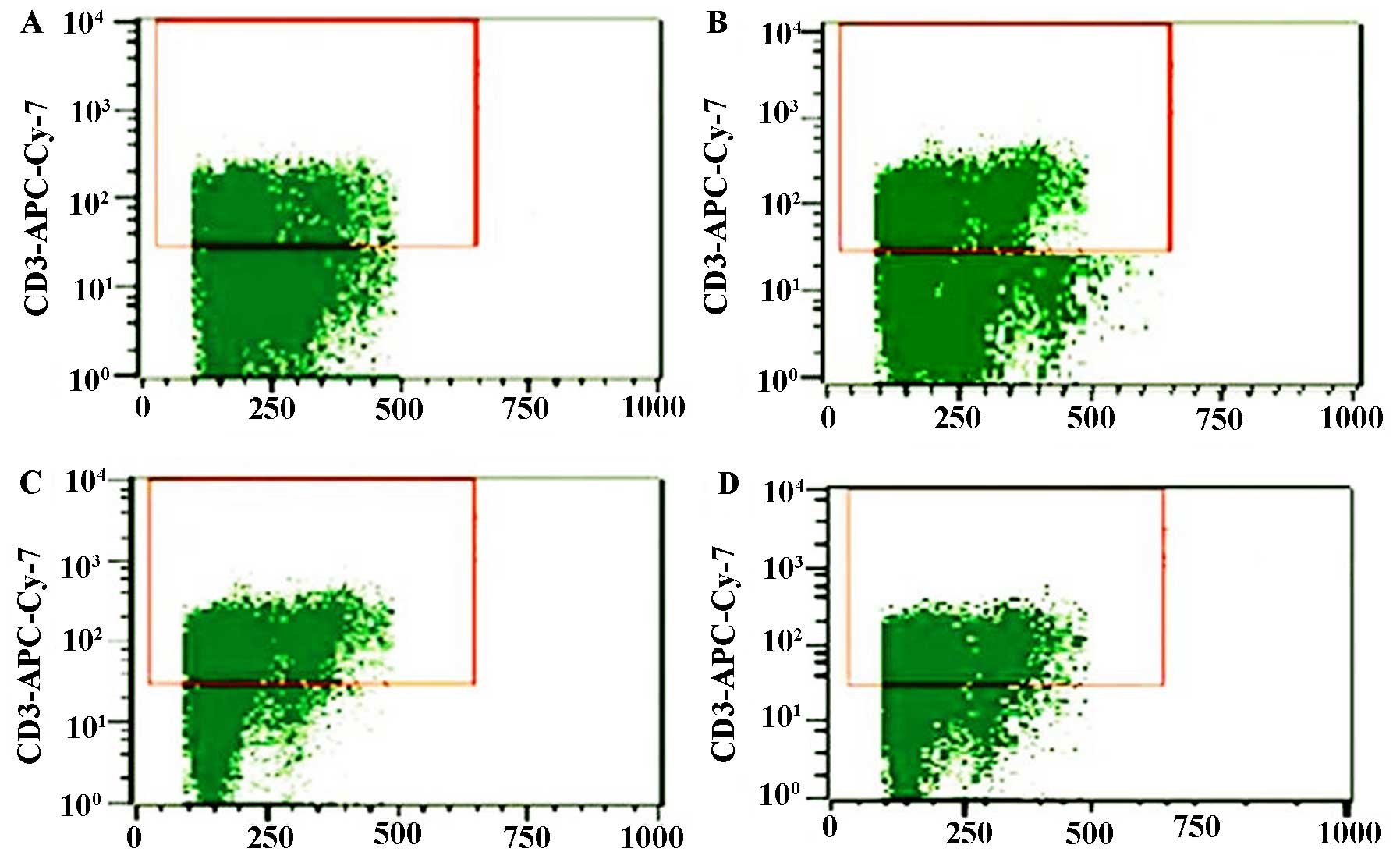
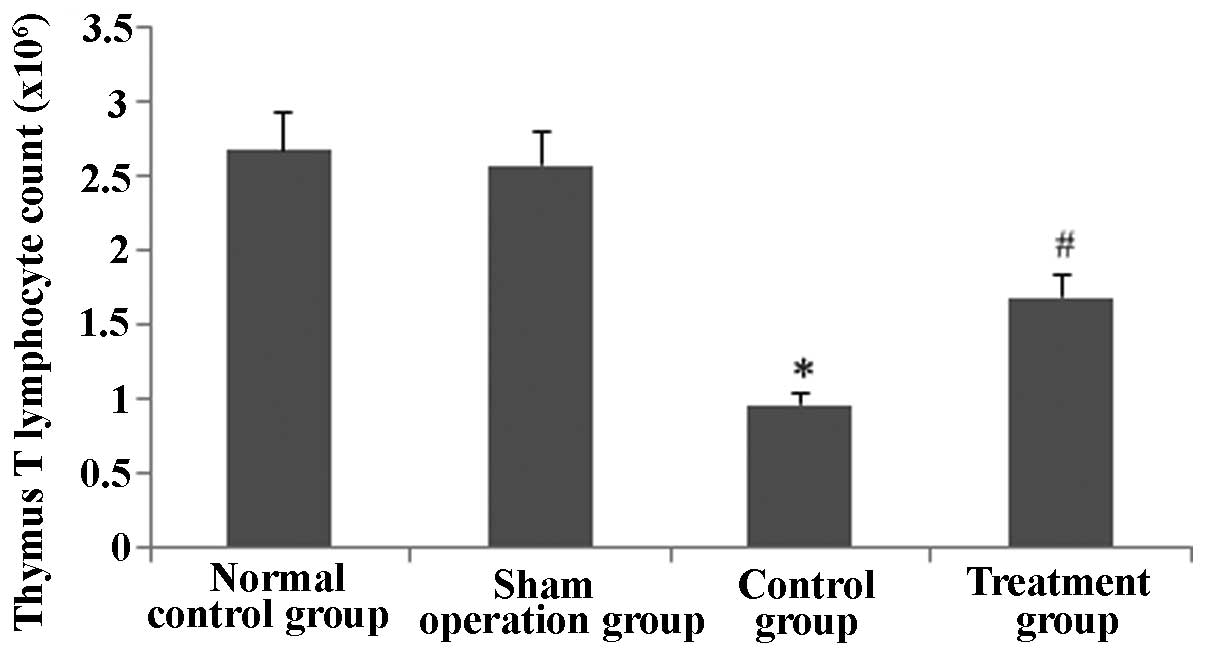
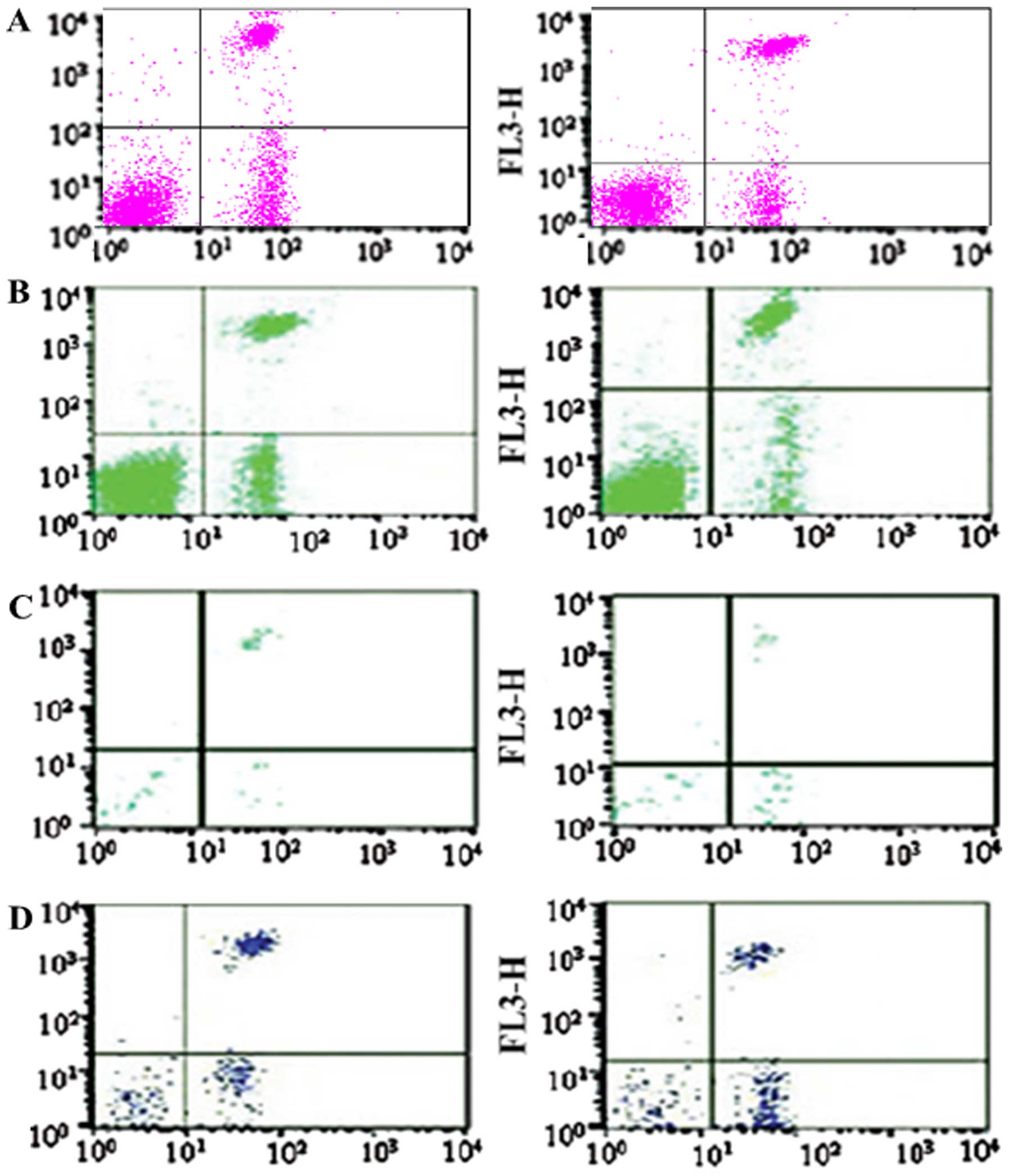
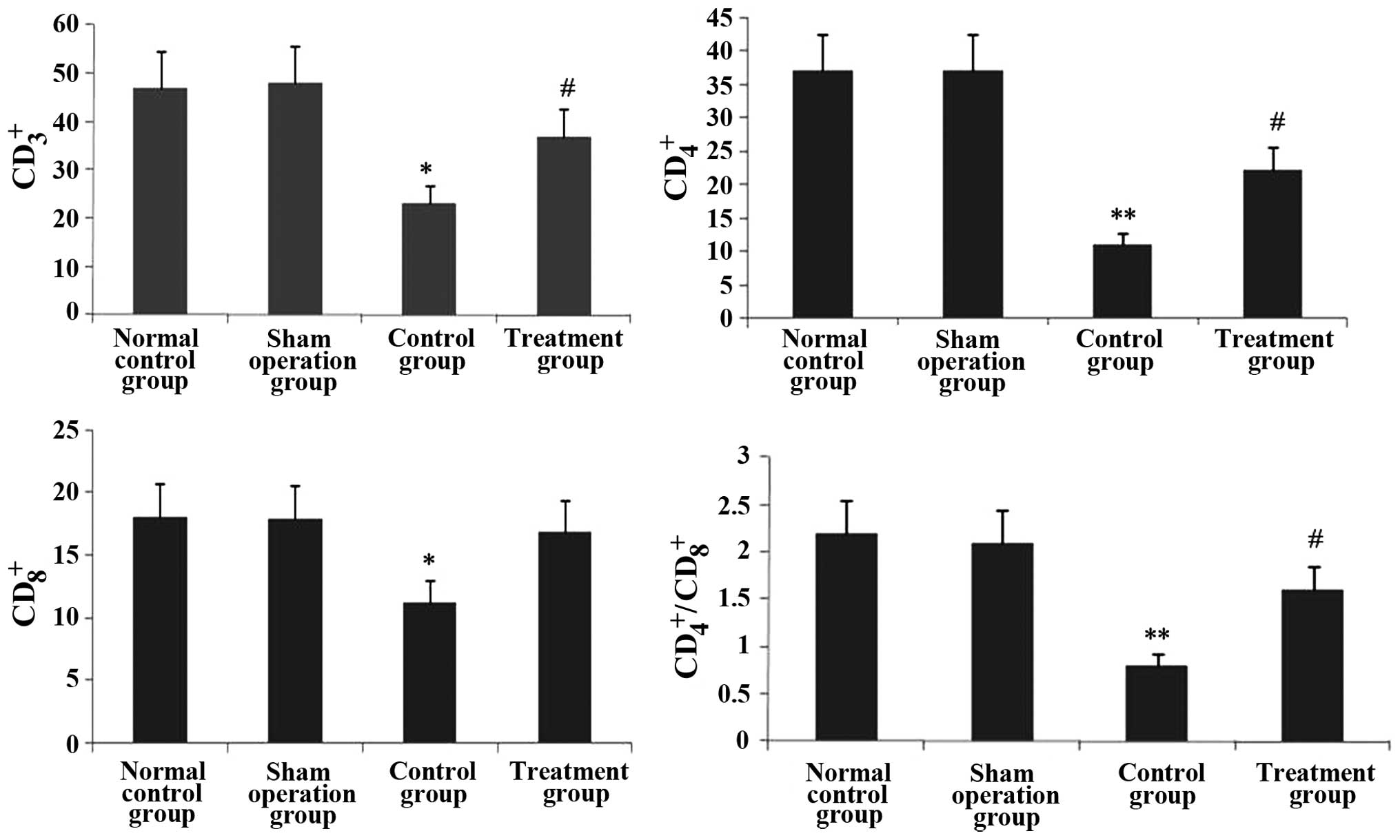
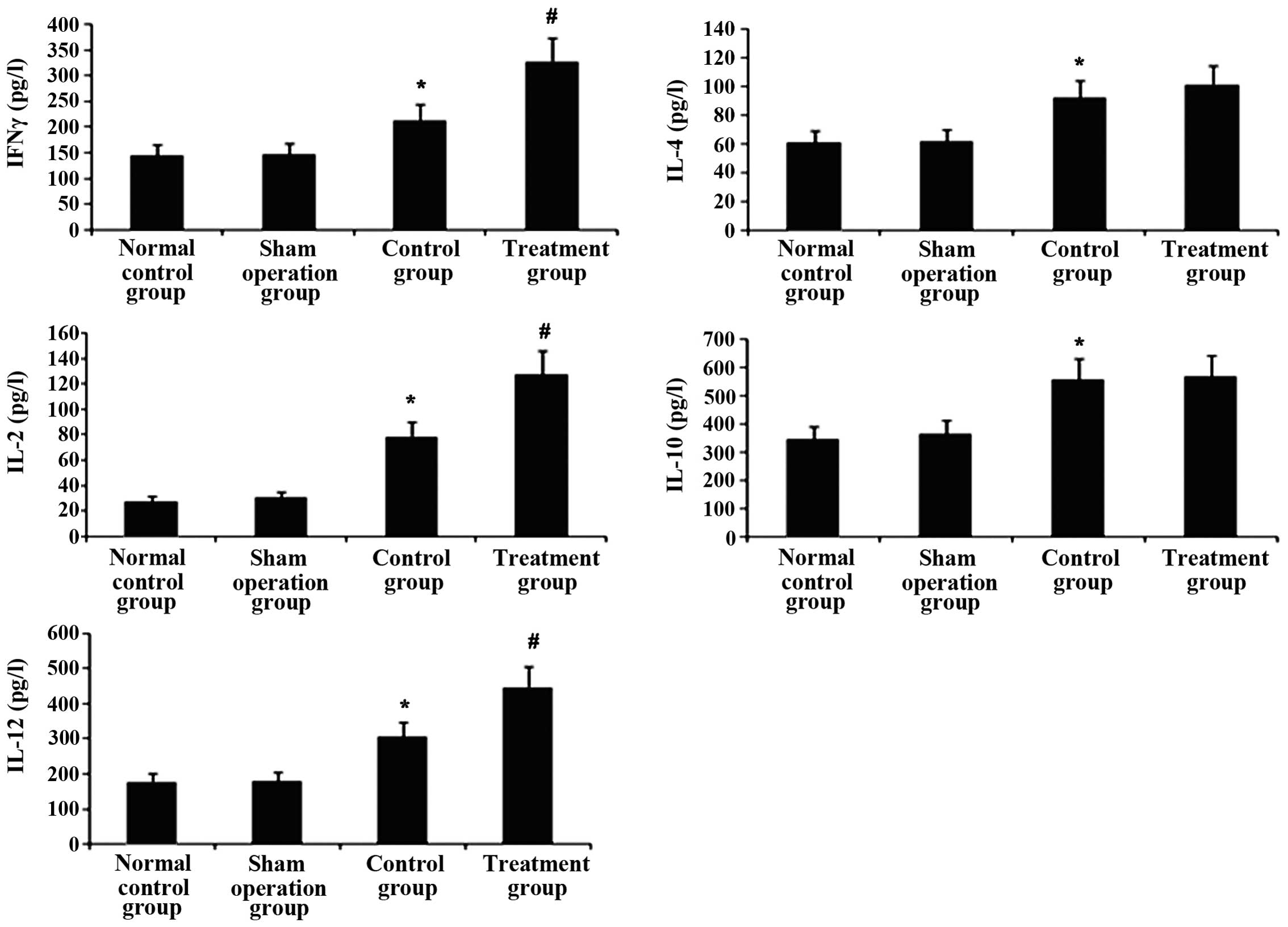
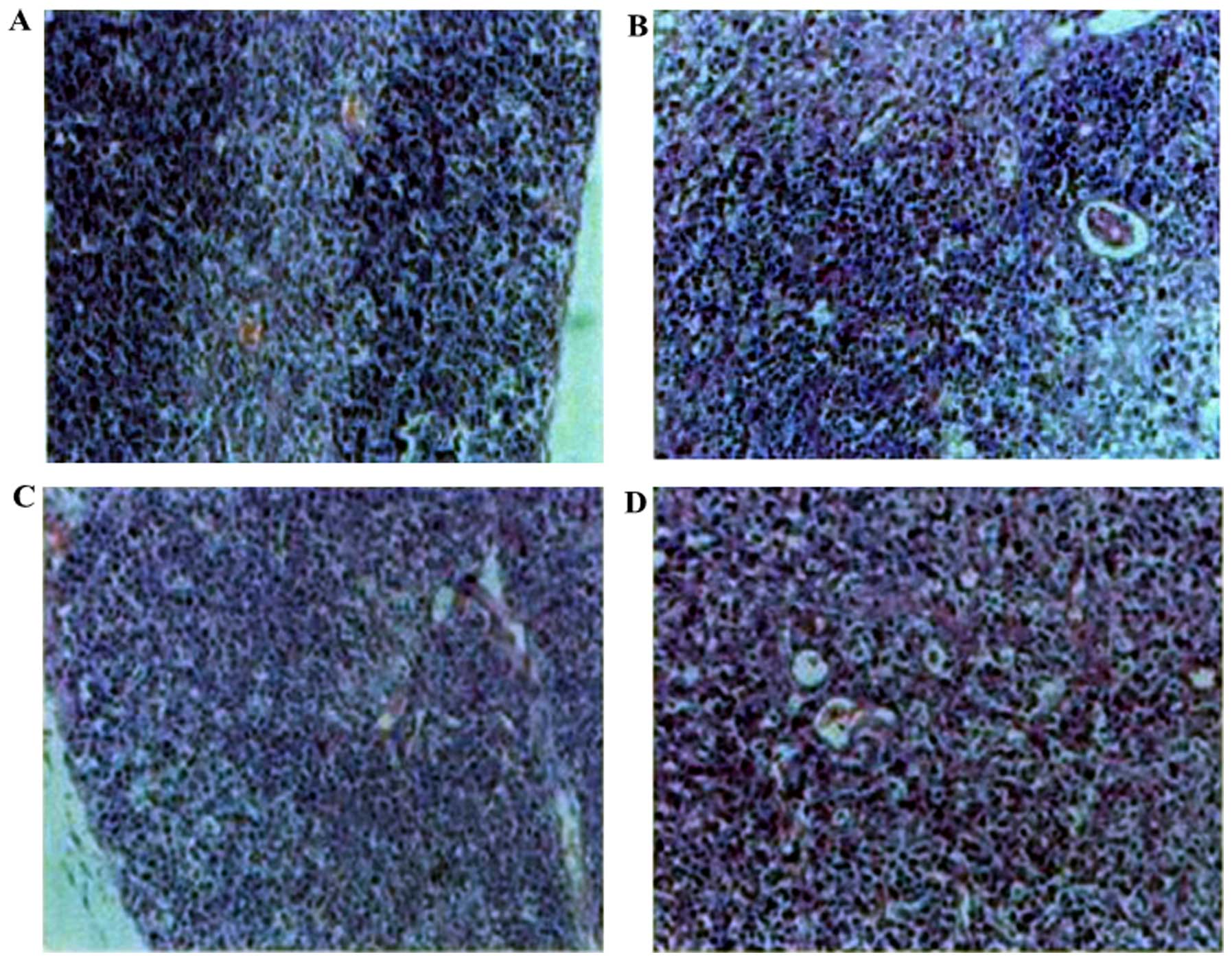
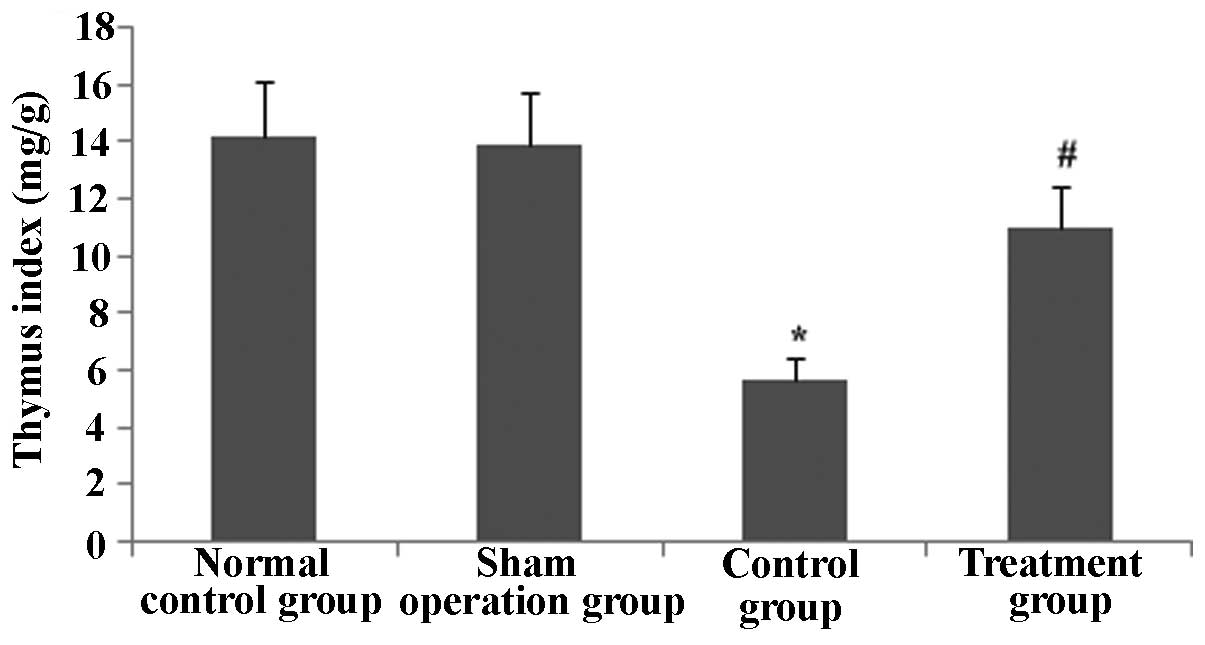
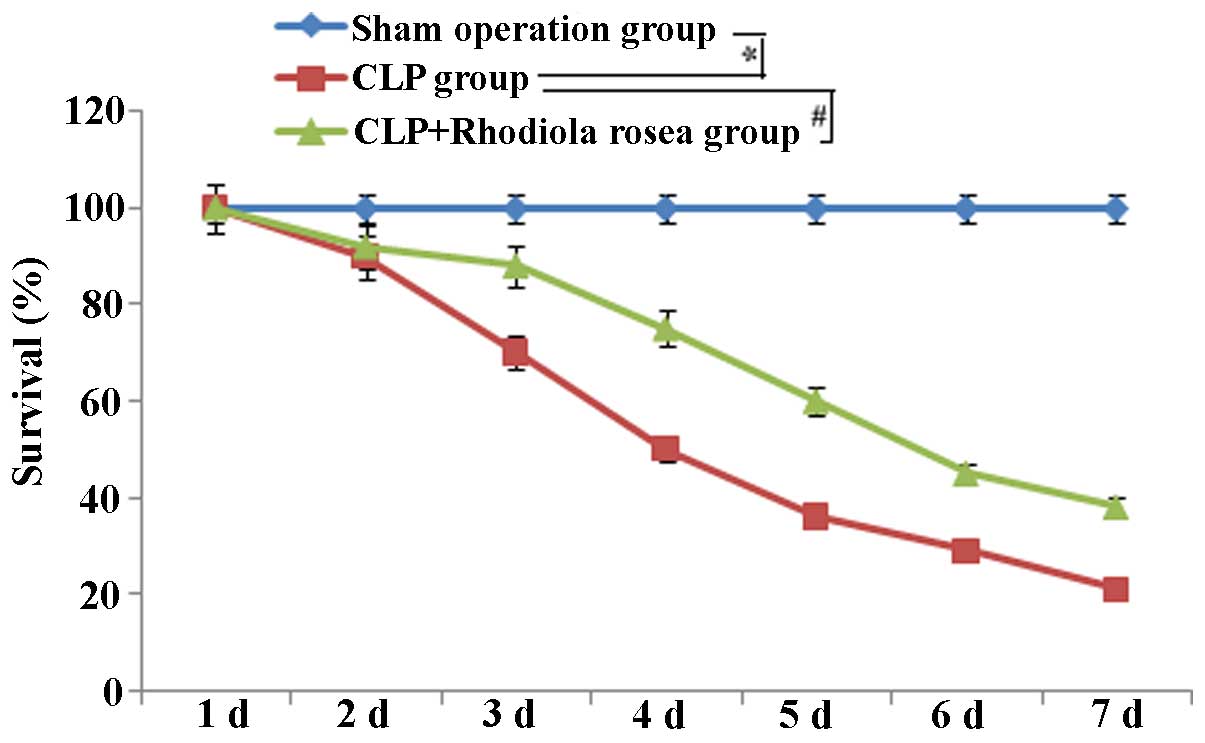
In recent years, several studies have shown that Rhodiola rosea can enhance cellular immunity and humoral immune function in mice, and thus, it has become a research hotspot. However, its underlying mechanism of action has remained elusive. The present study investigated whether Rhodiola rosea was able to downregulate the expression of tumor necrosis factor-α-inducible protein 8-like 2 (TIPE2), thereby inhibiting the expression of apoptotic genes, attenuating T‑lymphocyte apoptosis and improving immunity in septic mice. A mouse model of caecal ligation and puncture (CLP)‑induced sepsis was established, and animals in the treatment group were pre-treated with an intraperitoneal injection of Rhodiola rosea extract, while animals in the control group and sham-operated group were injected with an equivalent amount of normal saline. TIPE2, B-cell lymphoma 2 (Bcl‑2), Fas and Fas ligand (FasL) mRNA and protein levels in thymic T cells were determined using reverse transcription quantitative polymerase chain reaction and western blot analysis, respectively. Furthermore, the thymus T‑lymphocyte apoptosis rate, thymus T‑lymphocyte count and thymus T‑lymphocyte sub‑sets were assessed using flow cytometry. Levels of T-helper cell type 1 (Th1) cytokines [Interleukin (IL)-2, IL-12 and interferon (IFN)-γ] and Th2 cytokines (IL-4 and IL-10) were determined using ELISA. The results showed that, compared to that in the CLP group, the expression of TIPE2, Fas and FasL in the treatment group was significantly decreased, while the expression of Bcl-2 was increased (P<0.05). The thymus lymphocyte count in the CLP group was significantly higher compared with that in the treatment group (P<0.05). Furthermore, the apoptotic rate of thymus T-lymphocytes in the treatment group was significantly lower than that in the CLP group (P<0.05). In addition, treatment with Rhodiola rosea rescued decreased in the counts of the CD3+ T and CD4+ T sub‑sets of thymus T lymphocytes in the CLP group (P<0.05), while not affecting the increased levels of Th2 cytokines (IL-4 and IL-10) in the CLP group compared with those in the control groups. In addition, the Th1 cytokines (IL-12, IL-2 and IFN-γ) were significantly increased (P<0.05) in the CLP group, and treatment with Rhodiola rosea led to further increases. The thymus index of septic mice treated with Rhodiola rosea as well as their survival rate were improved as compared with those in the CLP group. These findings suggested that Rhodiola rosea has protective effects against sepsis by decreasing apoptosis, increasing Th1 cytokines and enhancing the host's immunity via the regulation of TIPE2 expression.
View Figures

Figure 1

Figure 2

Figure 3

Figure 4

Figure 5

Figure 6

Figure 7

Figure 8

Figure 9

Figure 10

Figure 11

Figure 12

Figure 13

Figure 14

Figure 15

Figure 16

Figure 17

Figure 18

Figure 19

Figure 20

View References

1 

Cepinskas G and Wilson JX: Inflammatory response in micro-vascular endothelium in sepsis: role of oxidants. J Clin Biochem Nutr. 42:175–184. 2008. View Article : Google Scholar : PubMed/NCBI

2 

Hotchkiss RS, Coopersmith CM, McDunn JE and Ferguson TA: The sepsis seesaw: tilting toward immunosuppression. Nat Med. 15:496–497. 2009. View Article : Google Scholar : PubMed/NCBI

3 

Feng H, Guo L, Song Z, Gao H, Wang D, Fu W, Han J, Li Z, Huang B and Li XA: Caveolin-1 protects against sepsis by modulating inflammatory response, alleviating bacterial burden, and suppressing thymocyte apoptosis. J Biol Chem. 285:25154–25160. 2010. View Article : Google Scholar : PubMed/NCBI

4 

Hotchkiss RS, Tinsley KW and Karl IE: Role of apoptotic cell death in sepsis. Scand J Infect Dis. 35:585–592. 2003. View Article : Google Scholar : PubMed/NCBI

5 

Hotchkiss RS, Osmon SB, Chang KC, Wagner TH, Coopersmith CM and Karl IE: Accelerated lymphocyte death in sepsis occurs by both the death receptor and mitochondrial pathways. J Immunol. 174:5110–5118. 2005. View Article : Google Scholar : PubMed/NCBI

6 

Zhang Y, Wei X, Liu L, Liu S, Wang Z, Zhang B, Fan B, Yang F, Huang S, Jiang F, Chen YH and Yi F: TIPE2, a novel regulator of immunity, protects against experimental stroke. J Biol Chem. 287:32546–32555. 2012. View Article : Google Scholar : PubMed/NCBI

7 

Zhang X, Wang J, Fan C, Li H, Sun H, Gong S, Chen YH and Shi Y: Crystal structure of TIPE2 provides insights into immune homeostasis. Nat Struct Mol Biol. 16:89–90. 2009. View Article : Google Scholar

8 

Zhang S, Zhang Y, Wei X, Zhen J, Wang Z, Li M, Miao W, Ding H, Du P, Zhang W, He M and Yi F: Expression and regulation of a novel identified TNFAIP8 family is associated with diabetic nephropathy. Biochim Biophys Acta. 1802:1078–1086. 2010. View Article : Google Scholar : PubMed/NCBI

9 

Liu MW, Su MX, Wang YH and Qian CY: Effect of Melilotus extract on lung injury via the upregulation of tumor necrosis factor-α-induced protein-8-like 2 in septic mice. Mol Med Rep. 11:1675–1684. 2015.

10 

Guo Y, Zhao Y, Zheng C, Meng Y and Yang Y: Synthesis, biological activity of salidroside and its analogues. Chem Pharm Bull (Tokyo). 58:1627–1629. 2010. View Article : Google Scholar

11 

Zhu YZ, Huang SH, Tan BK, Sun J, Whiteman M and Zhu YC: Antioxidants in Chinese herbal medicines: a biochemical perspective. Nat Prod Rep. 21:478–489. 2004. View Article : Google Scholar : PubMed/NCBI

12 

Li F, Tang H, Xiao F, Gong J, Peng Y and Meng X: Protective effect of salidroside from Rhodiolae Radix on diabetes-induced oxidative stress in mice. Molecules. 16:9912–9924. 2011. View Article : Google Scholar : PubMed/NCBI

13 

Zhong H, Xin H, Wu LX and Zhu YZ: Salidroside attenuates apoptosis in ischemic cardiomyocytes: a mechanism through a mitochondria-dependent pathway. J Pharmacol. 14:399–408. 2010.

14 

Lee Y, Jung JC, Jang S, Kim J, Ali Z, Khan IA and Oh S: Anti-inflammatory and neuroprotective effects of constituents isolated from Rhodiola rosea. Evid Based Complement Alternat Med. 2013:5140492013. View Article : Google Scholar : PubMed/NCBI

15 

Spanakis M, Vizirianakis IS, Batzias G and Niopas I: Pharmacokinetic interaction between losartan and Rhodiola rosea in rabbits. Pharmacology. 91:112–116. 2013. View Article : Google Scholar : PubMed/NCBI

16 

Guan S, He J, Guo W, Wei J, Lu J and Deng X: Adjuvant effects of salidroside from Rhodiola rosea L. on the immune responses to ovalbumin in mice. Immunopharmacol Immunotoxicol. 33:738–743. 2011. View Article : Google Scholar : PubMed/NCBI

17 

Lu L, Yuan J and Zhang S: Rejuvenating activity of salidroside (SDS): dietary intake of SDS enhances the immune response of aged rats. Age. 35:637–646. 2013. View Article : Google Scholar :

18 

Taylor M, Cieslak M, Rees GS, Oojageer A, Leith C, Bristow C, Tawn EJ, Winther JF and Boice JD Jr: Comparison of germ line minisatellite mutation detection at the CEB1 locus by Southern blotting and PCR amplification. Mutagenesis. 25:343–349. 2010. View Article : Google Scholar : PubMed/NCBI

19 

Wang Z, Fayngerts S, Wang P, Sun H, Johnson DS, Ruan Q, Guo W and Chen YH: TIPE2 protein serves as a negative regulator of phagocytosis and oxidative burst during infection. Proc Natl Acad Sci USA. 109:15413–15418. 2012. View Article : Google Scholar : PubMed/NCBI

20 

Tavernier G, Wolfrum K, Demeester J, De Smedt SC, Adjaye J and Rejman J: Activation of pluripotency-associated genes in mouse embryonic fibroblasts by non-viral transfection with in vitro-derived mRNAs encoding Oct4, Sox2, Klf4 and cMyc. Biomaterials. 33:412–417. 2012. View Article : Google Scholar

21 

Tassone F, Pan R, Amiri K, Taylor AK and Hagerman PJ: A rapid polymerase chain reaction-based screening method for identification of all expanded alleles of the fragile X (FMR1) gene in newborn and high-risk populations. J Mol Diagn. 10:43–49. 2008. View Article : Google Scholar : PubMed/NCBI

22 

Wichterman KA, Baue AE and Chaudry IH: Sepsis and septic shock - a review of laboratory models and a proposal. J Surg Res. 29:189–201. 1980. View Article : Google Scholar : PubMed/NCBI

23 

Felzmann T, Witt V, Wimmer D, Ressmann G, Wagner D, Paul P, Hüttner K and Fritsch G: Monocyte enrichment from leukapharesis products for the generation of DCs by plastic adherence, or by positive or negative selection. Cytotherapy. 5:391–398. 2003. View Article : Google Scholar : PubMed/NCBI

24 

Julius MH, Simpson E and Herzenberg LA: A rapid method for the isolation of functional thymus-derived murine lymphocytes. Eur J Immunol. 3:645–649. 1973. View Article : Google Scholar : PubMed/NCBI

25 

Celik S, Erdogan S and Tuzcu M: Caffeic acid phenethyl ester (CAPE) exhibits significant potential as an antidiabetic and liver-protective agent in streptozotocin-induced diabetic rats. Pharmacol Res. 60:270–276. 2009. View Article : Google Scholar : PubMed/NCBI

26 

Osuchowski MF, Welch K, Siddiqui J and Remick DG: Circulating cytokine/inhibitor profiles reshape the understanding of the SIRS/CARS continuum in sepsis and predict mortality. J Immunol. 177:1967–1974. 2006. View Article : Google Scholar : PubMed/NCBI

27 

Kim JS, Kim SJ and Lee SM: Genipin attenuates sepsis-induced immunosuppression through inhibition of T lymphocyte apoptosis. Int Immunopharmacol. 27:15–23. 2015. View Article : Google Scholar : PubMed/NCBI

28 

Kalil AC and Opal SM: Sepsis in the severely immunocompromised patient. Curr Infect Dis Rep. 17:4872015. View Article : Google Scholar : PubMed/NCBI

29 

Oberholzer A, Oberholzer C and Moldawer LL: Sepsis syndromes: understanding the role of innate and acquired immunity. Shock. 16:83–96. 2001. View Article : Google Scholar : PubMed/NCBI

30 

Xiao D, Zhang D, Xiang D, Liu QI, Liu Y, Lv L and Xing X: Effects of fentanyl, midazolam and their combination on immune function and mortality in mice withsepsis. Exp Ther Med. 9:1494–1500. 2015.PubMed/NCBI

31 

Muenzer JT, Davis CG, Chang K, Schmidt RE, Dunne WM, Coopersmith CM and Hotchkiss RS: Characterization and modulation of the immunosuppressive phase of sepsis. Infect Immun. 78:1582–1592. 2010. View Article : Google Scholar : PubMed/NCBI

32 

Parker SJ and Watkins PE: Experimental models of gram-negative sepsis. Br J Surg. 88:22–30. 2001. View Article : Google Scholar : PubMed/NCBI

33 

Wesche DE, Lomas-Neira JL, Perl M, Chung CS and Ayala A: Leukocyte apoptosis and its significance in sepsis and shock. J Leukoc Biol. 78:325–337. 2005. View Article : Google Scholar : PubMed/NCBI

34 

Wijnands KA, Castermans TM, Hommen MP, Meesters DM and Poeze M: Arginine and citrulline and the immune response in sepsis. Nutrients. 7:1426–1463. 2015. View Article : Google Scholar : PubMed/NCBI

35 

Laliberté B, Wilson AM, Nafisi H, Mao H, Zhou YY, Daigle M and Albert PR: TNFAIP8:a new effector for Galpha(i) coupling to reduce cell death and induce cell transformation. J Cell Physiol. 225:865–874. 2010. View Article : Google Scholar

36 

Li D, Song L, Fan Y, Li X, Li Y, Chen J, Zhu F, Guo C, Shi Y and Zhang L: Down-regulation of TIPE2mRNA expression in peripheral blood mononuclear cells from patients with systemic lupus erythematosus. Clin Immunol. 33:422–427. 2009. View Article : Google Scholar

37 

Sun H, Gong S, Carmody RJ, Hilliard A, LI L, Sun J, Kong L, Xu L, Hilliard B, Hu S, et al: TIPE2, a negative regulator of innate and adaptive immunity that maintains immune homeostasis. Cell. 133:415–426. 2008. View Article : Google Scholar : PubMed/NCBI

38 

Zhang L, Shi Y, Wang Y, Zhu F, Wang Q, Ma C, Chen YH and Zhang L: The unique expression profile of human TIPE2 suggests new functions beyond its role in immune regulation. Mol Immunol. 48:1209–1215. 2011. View Article : Google Scholar : PubMed/NCBI

39 

Lou Y and Liu S: The TIPE (TNFAIP8) family in inflammation, immunity, and cancer. Mol Immunol. 49:4–7. 2011. View Article : Google Scholar : PubMed/NCBI

40 

Freundt EC, Bidere N and Lenardo MJ: A different TIPE of immune homeostasis. Cell. 133:401–402. 2008. View Article : Google Scholar : PubMed/NCBI

41 

Gus-Brautbar Y, Johnson D, Zhang L, Sun H, Wang P, Zhang S, Zhang L and Chen YH: The anti-inflammatory TIPE2 is an inhibitor of the oncogenic Ras. Mol Cell. 45:610–618. 2012. View Article : Google Scholar : PubMed/NCBI

42 

Jadali Z, Amiri MM and Ravanbakhsh M: Apoptosis of peripheral blood mononuclear cells in patients with sepsis. Indian J Pathol Microbiol. 53:646–650. 2010. View Article : Google Scholar : PubMed/NCBI

43 

Brudecki L, Ferguson DA, McCall CE and El Gazzar M: Myeloid-derived suppressor cells evolve during sepsis and can enhance or attenuate the systemic inflammatory response. Infect Immun. 80:2026–2034. 2012. View Article : Google Scholar : PubMed/NCBI

44 

Courtine E, Cagnard N, Mazzolini J, Antona M, Pène F, Fitting C, Jacques S, Rousseau C, Niedergang F, Gerondakis S, et al: Combined loss of cRel/p50 subunits of NF-κB leads to impaired innate host response in sepsis. Innate Immun. 18:753–763. 2012. View Article : Google Scholar : PubMed/NCBI

45 

Chauhan PS, Satti NK, Sharma P, Sharma VK, Suri KA and Bani S: Differential effects of chlorogenic acid on various immunological parameters relevant to rheumatoid arthritis. Phytother Res. 26:1156–1165. 2012. View Article : Google Scholar

46 

Muralinath M, Kuehn MJ, Roland KL and Curtiss R: Immunization with Salmonella enterica serovar Typhimurium-derived outer membrane vesicles delivering the pneumococcal protein PspA confers protection against challenge with Streptococcus pneumoniae. Infect Immun. 79:887–894. 2011. View Article : Google Scholar :

47 

Udintsev SN and Shakhov VP: The role of humoral factors of regenerating liver in the development of experimental tumors and the effect of Rhodiola rosea extract on this process. Neoplasma. 38:323–331. 1991.PubMed/NCBI

48 

Hu X, Lin S, Yu D, Qiu S, Zhang X and Mei R: A preliminary study: the anti-proliferation effect of salidroside on different human cancer cell lines. Cell Biol Toxicol. 26:499–507. 2010. View Article : Google Scholar : PubMed/NCBI

49 

Loo WT, Jin LJ, Chow LW, Cheung MN and Wang M: Rhodiola algida improves chemotherapy-induced oral mucositis in breast cancer patients. Expert Opin Investig Drugs. 19:S91–S100. 2010. View Article : Google Scholar : PubMed/NCBI

50 

Skopńska-Rózewska E, Wójcik R, Siwicki AK, Sommer E, Wasiutyński A, Furmanowa M, Malinowski M and Mazurkiewicz M: The effect of Rhodiola quadrifida extracts on cellular immunity in mice and rats. Pol J Vet Sci. 11:105–111. 2008.

51 

Diwaker D, Mishra KP, Ganju L and Singh SB: Rhodiola inhibits dengue virus multiplication by inducing innate immune response genes RIG-I, MDA5 and ISG in human monocytes. Arch Virol. 159:1975–1986. 2014. View Article : Google Scholar : PubMed/NCBI

52 

Li HX, Sze SC, Tong Y and Ng TB: Production of Th1- and Th2-dependent cytokines induced by the Chinese medicine herb, Rhodiola algida, on human peripheral blood monocytes. J Ethnopharmacol. 123:257–266. 2009. View Article : Google Scholar : PubMed/NCBI

53 

Chen SP, Huang Liu R, Lu TM, Wei JC, Wu TC, Tsai WY, Tsai CH and Yang CC: Complementary usage of Rhodiola crenulata (L.) in chronic obstructive pulmonary disease patients: The effects on cytokines and T cells. Phytother Res. 29:518–525. 2015. View Article : Google Scholar

54 

Hu B, Zou Y, Liu S, Wang J, Zhu J, Li J, Bo L and Deng X: Salidroside attenuates concanavalin A-induced hepatitis via modulating cytokines secretion and lymphocyte migration in mice. Mediators Inflamm. 2014:3140812014. View Article : Google Scholar : PubMed/NCBI

Related Articles

  • Abstract
  • View
  • Download
  • Twitter
Copy and paste a formatted citation
Spandidos Publications style
Liu M, Su M, Zhang W, Zhang L, Wang Y and Qian C: Rhodiola rosea suppresses thymus T-lymphocyte apoptosis by downregulating tumor necrosis factor-α-induced protein 8-like-2 in septic rats. Int J Mol Med 36: 386-398, 2015.
APA
Liu, M., Su, M., Zhang, W., Zhang, L., Wang, Y., & Qian, C. (2015). Rhodiola rosea suppresses thymus T-lymphocyte apoptosis by downregulating tumor necrosis factor-α-induced protein 8-like-2 in septic rats. International Journal of Molecular Medicine, 36, 386-398. https://doi.org/10.3892/ijmm.2015.2241
MLA
Liu, M., Su, M., Zhang, W., Zhang, L., Wang, Y., Qian, C."Rhodiola rosea suppresses thymus T-lymphocyte apoptosis by downregulating tumor necrosis factor-α-induced protein 8-like-2 in septic rats". International Journal of Molecular Medicine 36.2 (2015): 386-398.
Chicago
Liu, M., Su, M., Zhang, W., Zhang, L., Wang, Y., Qian, C."Rhodiola rosea suppresses thymus T-lymphocyte apoptosis by downregulating tumor necrosis factor-α-induced protein 8-like-2 in septic rats". International Journal of Molecular Medicine 36, no. 2 (2015): 386-398. https://doi.org/10.3892/ijmm.2015.2241
Copy and paste a formatted citation
x
Spandidos Publications style
Liu M, Su M, Zhang W, Zhang L, Wang Y and Qian C: Rhodiola rosea suppresses thymus T-lymphocyte apoptosis by downregulating tumor necrosis factor-α-induced protein 8-like-2 in septic rats. Int J Mol Med 36: 386-398, 2015.
APA
Liu, M., Su, M., Zhang, W., Zhang, L., Wang, Y., & Qian, C. (2015). Rhodiola rosea suppresses thymus T-lymphocyte apoptosis by downregulating tumor necrosis factor-α-induced protein 8-like-2 in septic rats. International Journal of Molecular Medicine, 36, 386-398. https://doi.org/10.3892/ijmm.2015.2241
MLA
Liu, M., Su, M., Zhang, W., Zhang, L., Wang, Y., Qian, C."Rhodiola rosea suppresses thymus T-lymphocyte apoptosis by downregulating tumor necrosis factor-α-induced protein 8-like-2 in septic rats". International Journal of Molecular Medicine 36.2 (2015): 386-398.
Chicago
Liu, M., Su, M., Zhang, W., Zhang, L., Wang, Y., Qian, C."Rhodiola rosea suppresses thymus T-lymphocyte apoptosis by downregulating tumor necrosis factor-α-induced protein 8-like-2 in septic rats". International Journal of Molecular Medicine 36, no. 2 (2015): 386-398. https://doi.org/10.3892/ijmm.2015.2241
Follow us
  • Twitter
  • LinkedIn
  • Facebook
About
  • Spandidos Publications
  • Careers
  • Cookie Policy
  • Privacy Policy
How can we help?
  • Help
  • Live Chat
  • Contact
  • Email to our Support Team