Spandidos Publications Logo
  • About
    • About Spandidos
    • Aims and Scopes
    • Abstracting and Indexing
    • Editorial Policies
    • Reprints and Permissions
    • Job Opportunities
    • Terms and Conditions
    • Contact
  • Journals
    • All Journals
    • Oncology Letters
      • Oncology Letters
      • Information for Authors
      • Editorial Policies
      • Editorial Board
      • Aims and Scope
      • Abstracting and Indexing
      • Bibliographic Information
      • Archive
    • International Journal of Oncology
      • International Journal of Oncology
      • Information for Authors
      • Editorial Policies
      • Editorial Board
      • Aims and Scope
      • Abstracting and Indexing
      • Bibliographic Information
      • Archive
    • Molecular and Clinical Oncology
      • Molecular and Clinical Oncology
      • Information for Authors
      • Editorial Policies
      • Editorial Board
      • Aims and Scope
      • Abstracting and Indexing
      • Bibliographic Information
      • Archive
    • Experimental and Therapeutic Medicine
      • Experimental and Therapeutic Medicine
      • Information for Authors
      • Editorial Policies
      • Editorial Board
      • Aims and Scope
      • Abstracting and Indexing
      • Bibliographic Information
      • Archive
    • International Journal of Molecular Medicine
      • International Journal of Molecular Medicine
      • Information for Authors
      • Editorial Policies
      • Editorial Board
      • Aims and Scope
      • Abstracting and Indexing
      • Bibliographic Information
      • Archive
    • Biomedical Reports
      • Biomedical Reports
      • Information for Authors
      • Editorial Policies
      • Editorial Board
      • Aims and Scope
      • Abstracting and Indexing
      • Bibliographic Information
      • Archive
    • Oncology Reports
      • Oncology Reports
      • Information for Authors
      • Editorial Policies
      • Editorial Board
      • Aims and Scope
      • Abstracting and Indexing
      • Bibliographic Information
      • Archive
    • Molecular Medicine Reports
      • Molecular Medicine Reports
      • Information for Authors
      • Editorial Policies
      • Editorial Board
      • Aims and Scope
      • Abstracting and Indexing
      • Bibliographic Information
      • Archive
    • World Academy of Sciences Journal
      • World Academy of Sciences Journal
      • Information for Authors
      • Editorial Policies
      • Editorial Board
      • Aims and Scope
      • Abstracting and Indexing
      • Bibliographic Information
      • Archive
    • International Journal of Functional Nutrition
      • International Journal of Functional Nutrition
      • Information for Authors
      • Editorial Policies
      • Editorial Board
      • Aims and Scope
      • Abstracting and Indexing
      • Bibliographic Information
      • Archive
    • International Journal of Epigenetics
      • International Journal of Epigenetics
      • Information for Authors
      • Editorial Policies
      • Editorial Board
      • Aims and Scope
      • Abstracting and Indexing
      • Bibliographic Information
      • Archive
    • Medicine International
      • Medicine International
      • Information for Authors
      • Editorial Policies
      • Editorial Board
      • Aims and Scope
      • Abstracting and Indexing
      • Bibliographic Information
      • Archive
  • Articles
  • Information
    • Information for Authors
    • Information for Reviewers
    • Information for Librarians
    • Information for Advertisers
    • Conferences
  • Language Editing
Spandidos Publications Logo
  • About
    • About Spandidos
    • Aims and Scopes
    • Abstracting and Indexing
    • Editorial Policies
    • Reprints and Permissions
    • Job Opportunities
    • Terms and Conditions
    • Contact
  • Journals
    • All Journals
    • Biomedical Reports
      • Information for Authors
      • Editorial Policies
      • Editorial Board
      • Aims and Scope
      • Abstracting and Indexing
      • Bibliographic Information
      • Archive
    • Experimental and Therapeutic Medicine
      • Information for Authors
      • Editorial Policies
      • Editorial Board
      • Aims and Scope
      • Abstracting and Indexing
      • Bibliographic Information
      • Archive
    • International Journal of Epigenetics
      • Information for Authors
      • Editorial Policies
      • Editorial Board
      • Aims and Scope
      • Abstracting and Indexing
      • Bibliographic Information
      • Archive
    • International Journal of Functional Nutrition
      • Information for Authors
      • Editorial Policies
      • Editorial Board
      • Aims and Scope
      • Abstracting and Indexing
      • Bibliographic Information
      • Archive
    • International Journal of Molecular Medicine
      • Information for Authors
      • Editorial Policies
      • Editorial Board
      • Aims and Scope
      • Abstracting and Indexing
      • Bibliographic Information
      • Archive
    • International Journal of Oncology
      • Information for Authors
      • Editorial Policies
      • Editorial Board
      • Aims and Scope
      • Abstracting and Indexing
      • Bibliographic Information
      • Archive
    • Medicine International
      • Information for Authors
      • Editorial Policies
      • Editorial Board
      • Aims and Scope
      • Abstracting and Indexing
      • Bibliographic Information
      • Archive
    • Molecular and Clinical Oncology
      • Information for Authors
      • Editorial Policies
      • Editorial Board
      • Aims and Scope
      • Abstracting and Indexing
      • Bibliographic Information
      • Archive
    • Molecular Medicine Reports
      • Information for Authors
      • Editorial Policies
      • Editorial Board
      • Aims and Scope
      • Abstracting and Indexing
      • Bibliographic Information
      • Archive
    • Oncology Letters
      • Information for Authors
      • Editorial Policies
      • Editorial Board
      • Aims and Scope
      • Abstracting and Indexing
      • Bibliographic Information
      • Archive
    • Oncology Reports
      • Information for Authors
      • Editorial Policies
      • Editorial Board
      • Aims and Scope
      • Abstracting and Indexing
      • Bibliographic Information
      • Archive
    • World Academy of Sciences Journal
      • Information for Authors
      • Editorial Policies
      • Editorial Board
      • Aims and Scope
      • Abstracting and Indexing
      • Bibliographic Information
      • Archive
  • Articles
  • Information
    • For Authors
    • For Reviewers
    • For Librarians
    • For Advertisers
    • Conferences
  • Language Editing
Login Register Submit
  • This site uses cookies
  • You can change your cookie settings at any time by following the instructions in our Cookie Policy. To find out more, you may read our Privacy Policy.

    I agree
Search articles by DOI, keyword, author or affiliation
Search
Advanced Search
presentation
International Journal of Molecular Medicine
Join Editorial Board Propose a Special Issue
Print ISSN: 1107-3756 Online ISSN: 1791-244X
Journal Cover
July-2016 Volume 38 Issue 1

Full Size Image

Sign up for eToc alerts
Recommend to Library

Journals

International Journal of Molecular Medicine

International Journal of Molecular Medicine

International Journal of Molecular Medicine is an international journal devoted to molecular mechanisms of human disease.

International Journal of Oncology

International Journal of Oncology

International Journal of Oncology is an international journal devoted to oncology research and cancer treatment.

Molecular Medicine Reports

Molecular Medicine Reports

Covers molecular medicine topics such as pharmacology, pathology, genetics, neuroscience, infectious diseases, molecular cardiology, and molecular surgery.

Oncology Reports

Oncology Reports

Oncology Reports is an international journal devoted to fundamental and applied research in Oncology.

Experimental and Therapeutic Medicine

Experimental and Therapeutic Medicine

Experimental and Therapeutic Medicine is an international journal devoted to laboratory and clinical medicine.

Oncology Letters

Oncology Letters

Oncology Letters is an international journal devoted to Experimental and Clinical Oncology.

Biomedical Reports

Biomedical Reports

Explores a wide range of biological and medical fields, including pharmacology, genetics, microbiology, neuroscience, and molecular cardiology.

Molecular and Clinical Oncology

Molecular and Clinical Oncology

International journal addressing all aspects of oncology research, from tumorigenesis and oncogenes to chemotherapy and metastasis.

World Academy of Sciences Journal

World Academy of Sciences Journal

Multidisciplinary open-access journal spanning biochemistry, genetics, neuroscience, environmental health, and synthetic biology.

International Journal of Functional Nutrition

International Journal of Functional Nutrition

Open-access journal combining biochemistry, pharmacology, immunology, and genetics to advance health through functional nutrition.

International Journal of Epigenetics

International Journal of Epigenetics

Publishes open-access research on using epigenetics to advance understanding and treatment of human disease.

Medicine International

Medicine International

An International Open Access Journal Devoted to General Medicine.

Journal Cover
July-2016 Volume 38 Issue 1

Full Size Image

Sign up for eToc alerts
Recommend to Library

  • Article
  • Citations
    • Cite This Article
    • Download Citation
    • Create Citation Alert
    • Remove Citation Alert
    • Cited By
  • Similar Articles
    • Related Articles (in Spandidos Publications)
    • Similar Articles (Google Scholar)
    • Similar Articles (PubMed)
  • Download PDF
  • Download XML
  • View XML
Article

Tat-NOL3 protects against hippocampal neuronal cell death induced by oxidative stress through the regulation of apoptotic pathways

  • Authors:
    • Eun Jeong Sohn
    • Min Jea Shin
    • Won Sik Eum
    • Dae Won Kim
    • Ji In Yong
    • Eun Ji Ryu
    • Jung Hwan Park
    • Su Bin Cho
    • Hyun Ju Cha
    • Sang Jin Kim
    • Hyeon Ji Yeo
    • Eun Ji Yeo
    • Yeon Joo Choi
    • Seung Kwon Im
    • Hae Young Kweon
    • Duk-Soo Kim
    • Yeon Hee Yu
    • Sung-Woo Cho
    • Meeyoung Park
    • Jinseu Park
    • Yong-Jun Cho
    • Soo Young Choi
  • View Affiliations / Copyright

    Affiliations: Department of Biomedical Science and Research Institute of Bioscience and Biotechnology, Hallym University, Chuncheon, Gangwon-do 24252, Republic of Korea, Department of Biochemistry and Molecular Biology, Research Institute of Oral Sciences, College of Dentistry, Gangneung-Wonju National University, Gangneung, Gangwon-do 25457, Republic of Korea, Department of Agricultural Biology, National Academy of Agricultural Sciences, RDA, Wanju-gun, Jeollabuk-do 55365, Republic of Korea, Department of Anatomy, College of Medicine, Soonchunhyang University, Cheonan-si, Chungnam 31538, Republic of Korea, Department of Biochemistry and Molecular Biology, University of Ulsan College of Medicine, Seoul 05505, Republic of Korea, Department of Neurosurgery, College of Medicine, Hallym University, Chuncheon, Gangwon-do 24253, Republic of Korea
  • Pages: 225-235
    |
    Published online on: May 19, 2016
       https://doi.org/10.3892/ijmm.2016.2596
  • Expand metrics +
Metrics: Total Views: 0 (Spandidos Publications: | PMC Statistics: )
Metrics: Total PDF Downloads: 0 (Spandidos Publications: | PMC Statistics: )
Cited By (CrossRef): 0 citations Loading Articles...

This article is mentioned in:


Abstract

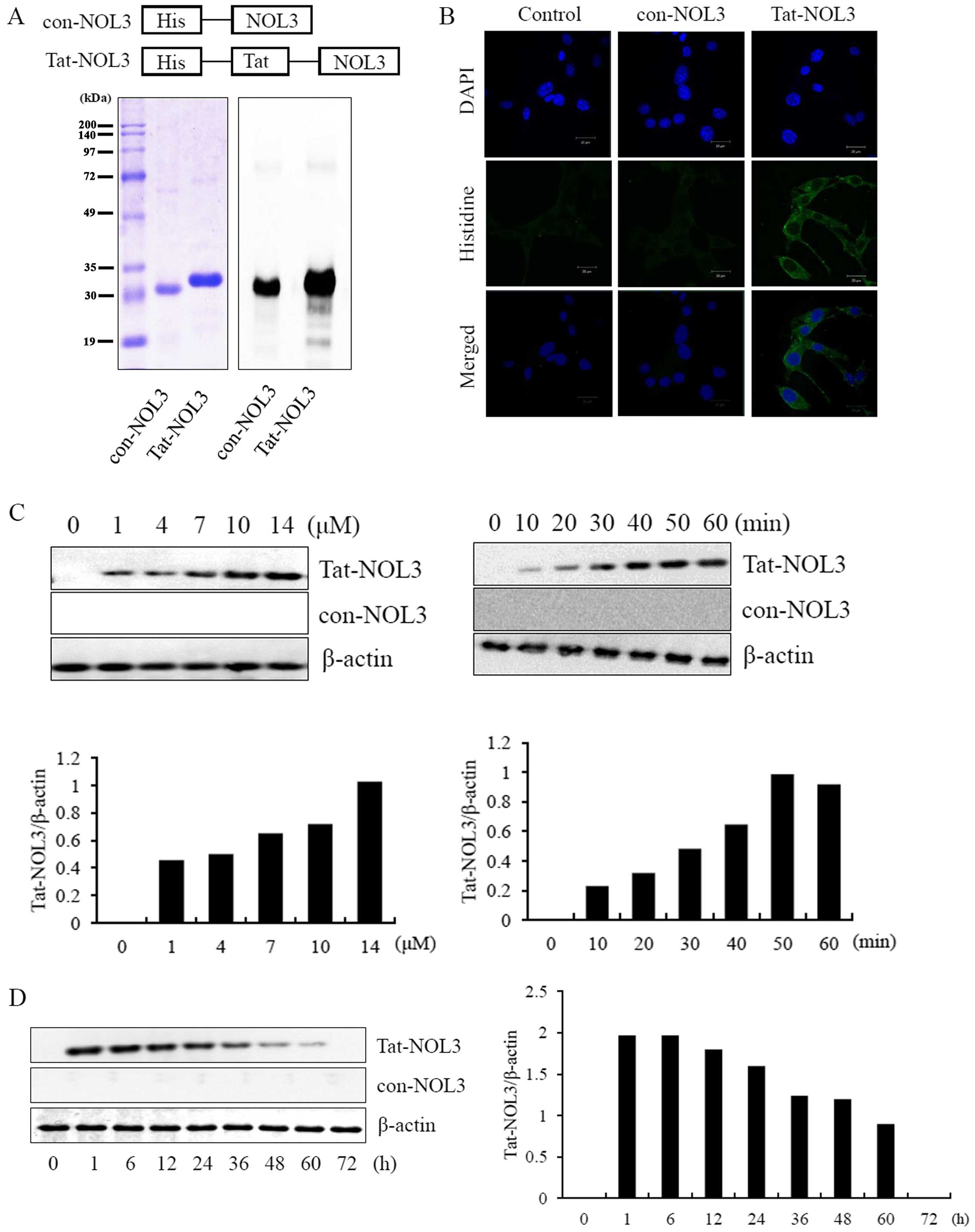
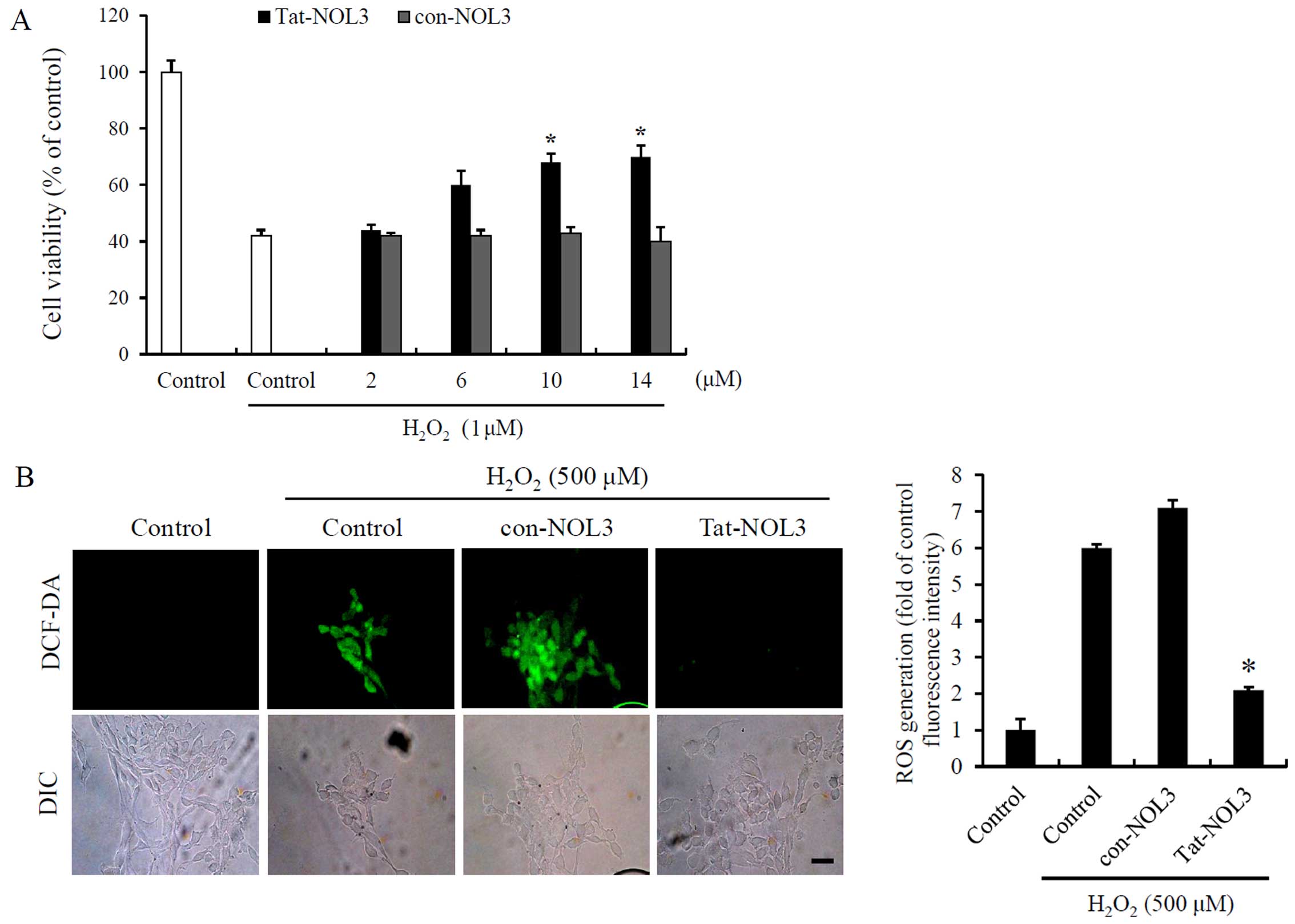
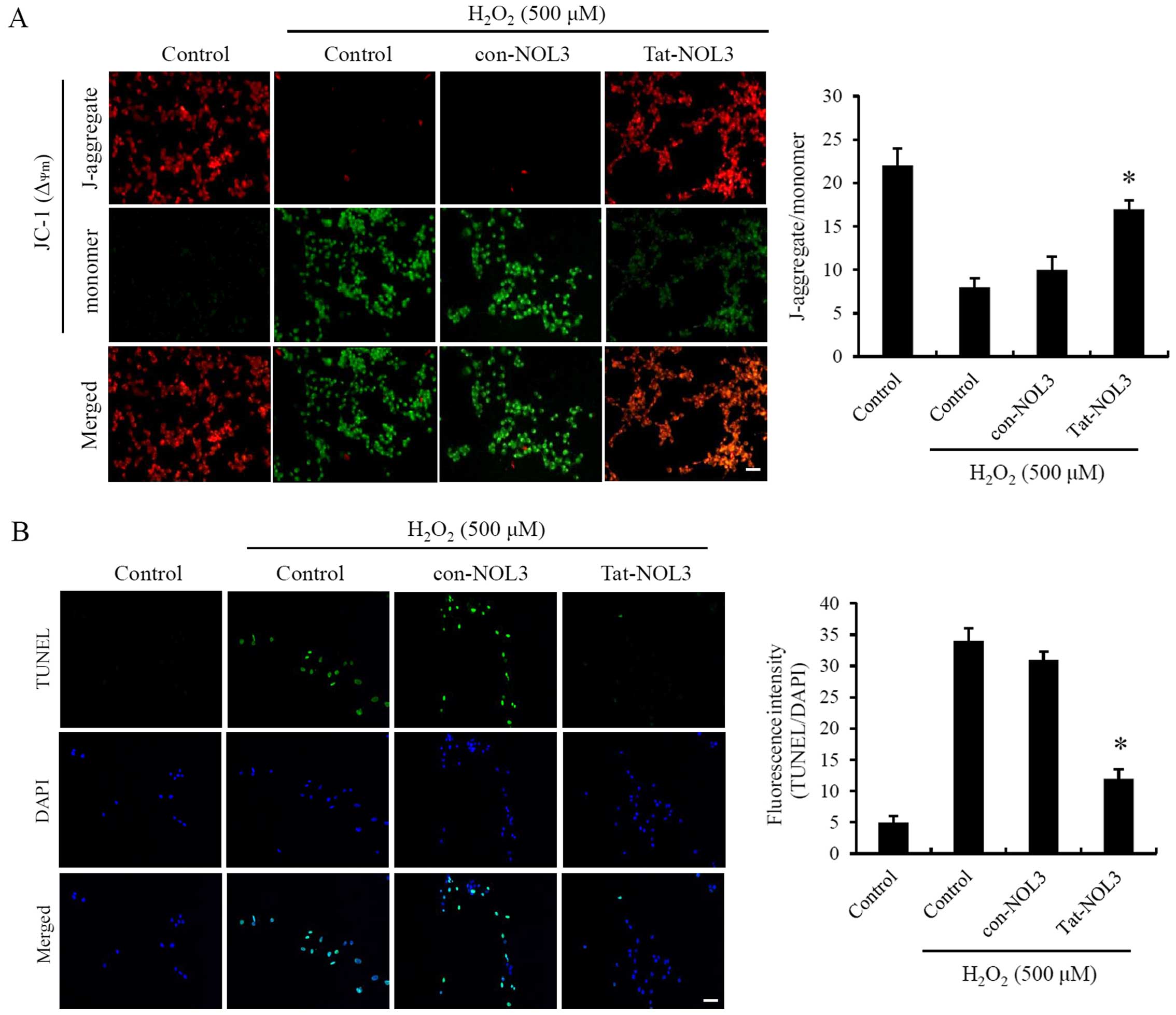
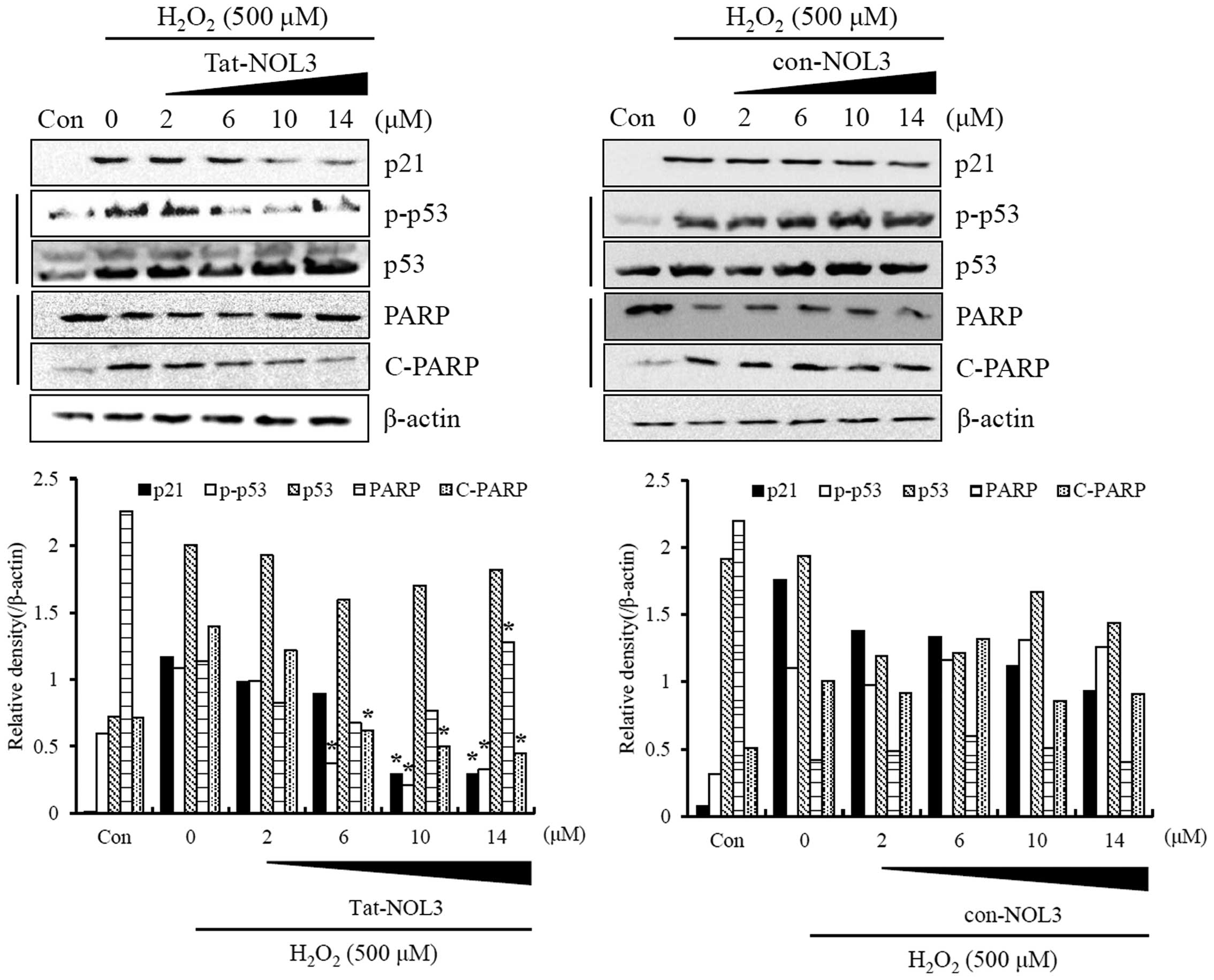
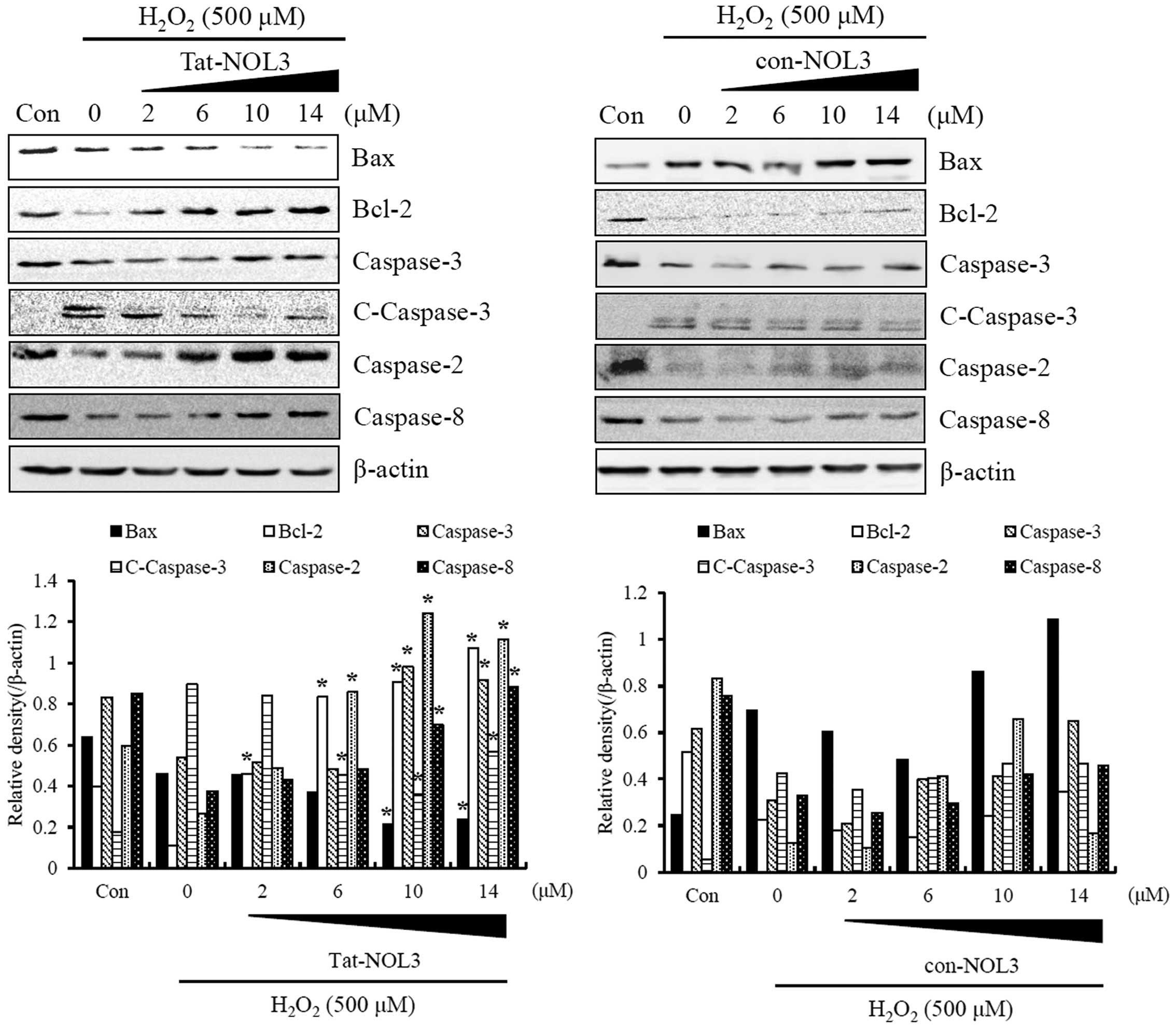
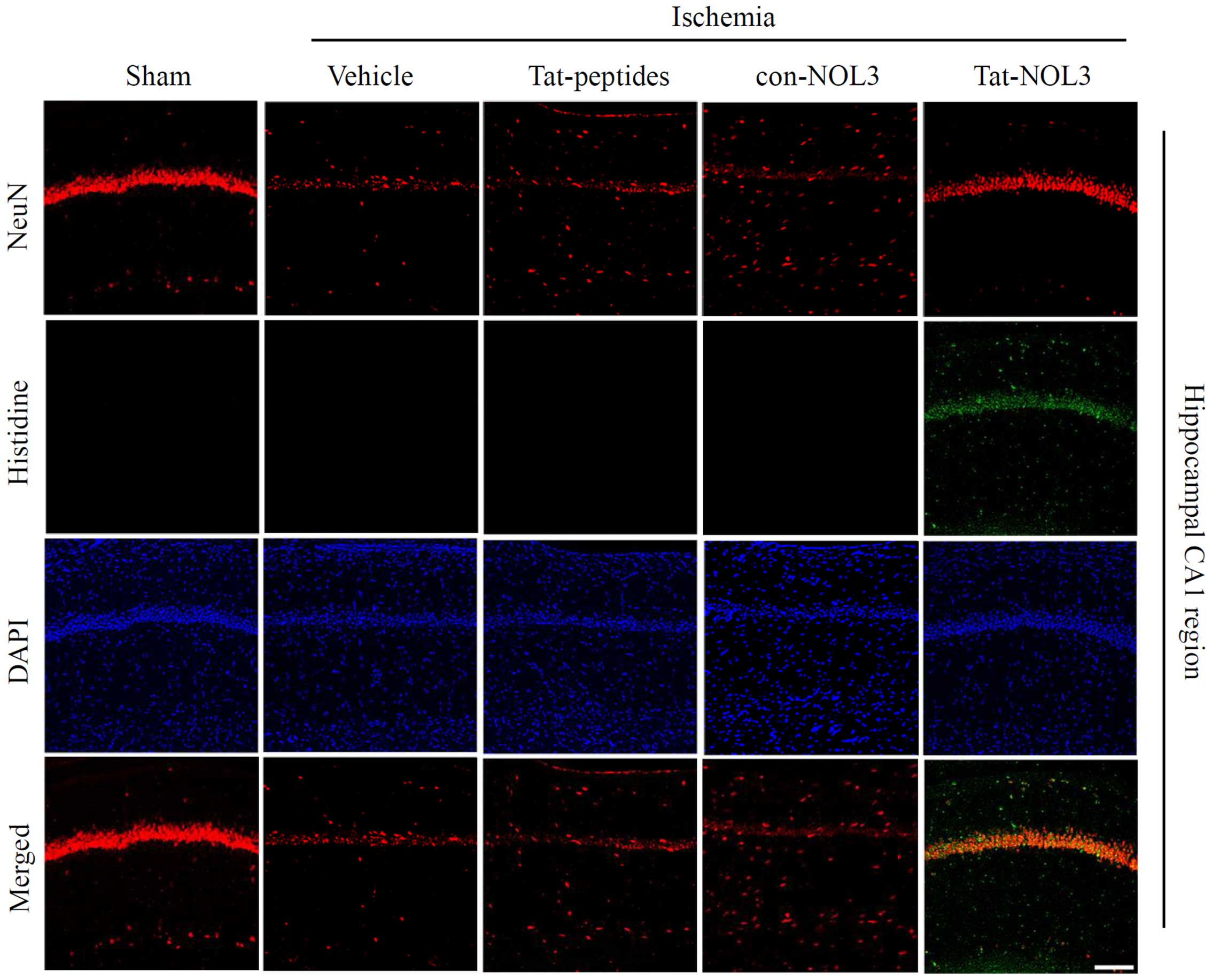
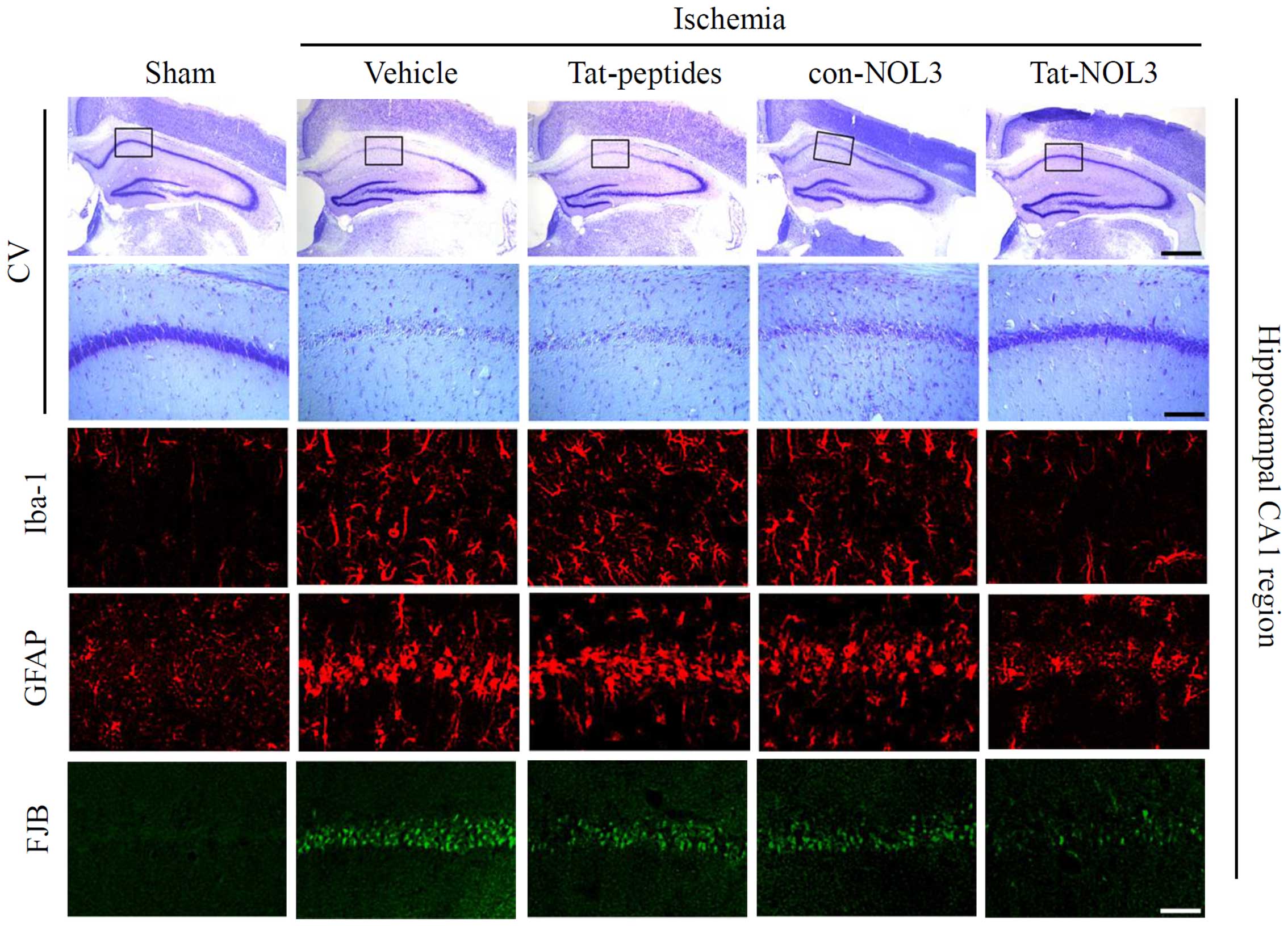
Oxidative stress-induced apoptosis is associated with neuronal cell death and ischemia. The NOL3 [nucleolar protein 3 (apoptosis repressor with CARD domain)] protein protects against oxidative stress-induced cell death. However, the protective mechanism responsible for this effect as well as the effects of NOL3 against oxidative stress in ischemia remain unclear. Thus, we examined the protective effects of NOL3 protein on hydrogen peroxide (H2O2)-induced oxidative stress and the mechanism responsible for these effects in hippocampal neuronal HT22 cells and in an animal model of forebrain ischemia using Tat-fused NOL3 protein (Tat-NOL3). Purified Tat-NOL3 protein transduced into the H2O2-exposed HT22 cells and inhibited the production of reactive oxygen species (ROS), DNA fragmentation and reduced mitochondrial membrane potential (ΔΨm). In addition, Tat-NOL3 prevented neuronal cell death through the regulation of apoptotic signaling pathways including Bax, Bcl-2, caspase-2, -3 and -8, PARP and p53. In addition, Tat-NOL3 protein transduced into the animal brains and significantly protected against neuronal cell death in the CA1 region of the hippocampus by regulating the activation of microglia and astrocytes. Taken together, these findings demonstrate that Tat-NOL3 protein protects against oxidative stress-induced neuronal cell death by regulating oxidative stress and by acting as an anti-apoptotic protein. Thus, we suggest that Tat-NOL3 represents a potential therapeutic agent for protection against ischemic brain injury.
View Figures

Figure 1

Figure 2

Figure 3

Figure 4

Figure 5

Figure 6

Figure 7

View References

1 

Smith JA, Park S, Krause JS and Banik NL: Oxidative stress, DNA damage, and the telomeric complex as therapeutic targets in acute neurodegeneration. Neurochem Int. 62:764–775. 2013. View Article : Google Scholar : PubMed/NCBI

2 

Simonian NA and Coyle JT: Oxidative stress in neurodegenerative diseases. Annu Rev Pharmacol Toxicol. 36:83–106. 1996. View Article : Google Scholar : PubMed/NCBI

3 

Niizuma K, Endo H and Chan PH: Oxidative stress and mitochondrial dysfunction as determinants of ischemic neuronal death and survival. J Neurochem. 109(Suppl 1): 133–138. 2009. View Article : Google Scholar : PubMed/NCBI

4 

Schaller B and Graf R: Cerebral ischemia and reperfusion: the pathophysiologic concept as a basis for clinical therapy. J Cereb Blood Flow Metab. 24:351–371. 2004. View Article : Google Scholar : PubMed/NCBI

5 

D'Autréaux B and Toledano MB: ROS as signalling molecules: mechanisms that generate specificity in ROS homeostasis. Nat Rev Mol Cell Biol. 8:813–824. 2007. View Article : Google Scholar : PubMed/NCBI

6 

Mronga T, Stahnke T, Goldbaum O and Richter-Landsberg C: Mitochondrial pathway is involved in hydrogen-peroxide-induced apoptotic cell death of oligodendrocytes. Glia. 46:446–455. 2004. View Article : Google Scholar : PubMed/NCBI

7 

Zhang YQ and Herman B: ARC protects rat cardiomyocytes against oxidative stress through inhibition of caspase-2 mediated mitochondrial pathway. J Cell Biochem. 99:575–588. 2006. View Article : Google Scholar : PubMed/NCBI

8 

Wang JX, Li Q and Li PF: Apoptosis repressor with caspase recruitment domain contributes to chemotherapy resistance by abolishing mitochondrial fission mediated by dynamin-related protein-1. Cancer Res. 69:492–500. 2009. View Article : Google Scholar : PubMed/NCBI

9 

Lejay A, Meyer A, Schlagowski AI, Charles AL, Singh F, Bouitbir J, Pottecher J, Chakfé N, Zoll J and Geny B: Mitochondria: mitochondrial participation in ischemia-reperfusion injury in skeletal muscle. Int J Biochem Cell Biol. 50:101–105. 2014. View Article : Google Scholar : PubMed/NCBI

10 

Ow YP, Green DR, Hao Z and Mak TW: Cytochrome c: functions beyond respiration. Nat Rev Mol Cell Biol. 9:532–542. 2008. View Article : Google Scholar : PubMed/NCBI

11 

Li J and Yuan J: Caspases in apoptosis and beyond. Oncogene. 27:6194–6206. 2008. View Article : Google Scholar : PubMed/NCBI

12 

Norbury CJ and Zhivotovsky B: DNA damage-induced apoptosis. Oncogene. 23:2797–2808. 2004. View Article : Google Scholar : PubMed/NCBI

13 

Zhivotovsky B and Orrenius S: Caspase-2 function in response to DNA damage. Biochem Biophys Res Commun. 331:859–867. 2005. View Article : Google Scholar : PubMed/NCBI

14 

Neuss M, Monticone R, Lundberg MS, Chesley AT, Fleck E and Crow MT: The apoptotic regulatory protein ARC (apoptosis repressor with caspase recruitment domain) prevents oxidant stress-mediated cell death by preserving mitochondrial function. J Biol Chem. 276:33915–33922. 2001. View Article : Google Scholar : PubMed/NCBI

15 

Razorenova OV, Castellini L, Colavitti R, Edgington LE, Nicolau M, Huang X, Bedogni B, Mills EM, Bogyo M and Giaccia AJ: The apoptosis repressor with a CARD domain (ARC) gene is a direct hypoxia-inducible factor 1 target gene and promotes survival and proliferation of VHL-deficient renal cancer cells. Mol Cell Biol. 34:739–751. 2014. View Article : Google Scholar :

16 

Embury J, Klein D, Pileggi A, Ribeiro M, Jayaraman S, Molano RD, Fraker C, Kenyon N, Ricordi C, Inverardi L and Pastori RL: Proteins linked to a protein transduction domain efficiently transduce pancreatic islets. Diabetes. 50:1706–1713. 2001. View Article : Google Scholar : PubMed/NCBI

17 

Wadia JS and Dowdy SF: Protein transduction technology. Curr Opin Biotechnol. 13:52–56. 2002. View Article : Google Scholar : PubMed/NCBI

18 

Kubo E, Fatma N, Akagi Y, Beier DR, Singh SP and Singh DP: TAT-mediated PRDX6 protein transduction protects against eye lens epithelial cell death and delays lens opacity. Am J Physiol Cell Physiol. 294:C842–C855. 2008. View Article : Google Scholar : PubMed/NCBI

19 

Dietz GP: Cell-penetrating peptide technology to deliver chaperones and associated factors in diseases and basic research. Curr Pharm Biotechnol. 11:167–174. 2010. View Article : Google Scholar : PubMed/NCBI

20 

Kim DW, Lee SH, Jeong MS, Sohn EJ, Kim MJ, Jeong HJ, An JJ, Jang SH, Won MH and Hwang IK: Transduced Tat-SAG fusion protein protects against oxidative stress and brain ischemic insult. Free Radic Biol Med. 48:969–977. 2010. View Article : Google Scholar : PubMed/NCBI

21 

van den Berg A and Dowdy SF: Protein transduction domain delivery of therapeutic macromolecules. Curr Opin Biotechnol. 22:888–893. 2011. View Article : Google Scholar : PubMed/NCBI

22 

Kim DW, Lee SH, Ku SK, Lee JE, Cha HJ, Youn JK, Kwon HY, Park JH, Park EY, Cho SW, et al: The effects of PEP-1-FK506BP on dry eye disease in a rat model. BMB Rep. 48:153–158. 2015. View Article : Google Scholar :

23 

Shin MJ, Kim DW, Lee YP, Ahn EH, Jo HS, Kim DS, Kwon OS, Kang TC, Cho YJ, Park J, et al: Tat-glyoxalase protein inhibits against ischemic neuronal cell damage and ameliorates ischemic injury. Free Radic Biol Med. 67:195–210. 2014. View Article : Google Scholar

24 

Eom SA, Kim DW, Shin MJ, Ahn EH, Chung SY, Sohn EJ, Jo HS, Jeon SJ, Kim DS, Kwon HY, et al: Protective effects of PEP-1-Catalase on stress-induced cellular toxicity and MPTP-induced Parkinson's disease. BMB Rep. 48:395–400. 2015. View Article : Google Scholar :

25 

Kim HR, Kim DW, Jo HS, Cho SB, Park JH, Lee CH, Choi YJ, Yeo EJ, Park SY, Kim ST, et al: Tat-biliverdin reductase A inhibits inflammatory response by regulation of MAPK and NF-κB pathways in Raw 264.7 cells and edema mouse model. Mol Immunol. 63:355–366. 2015. View Article : Google Scholar

26 

Kwon HY, Eum WS, Jang HW, Kang JH, Ryu J, Ryong Lee B, Jin LH, Park J and Choi SY: Transduction of Cu,Zn-superoxide dismutase mediated by an HIV-1 Tat protein basic domain into mammalian cells. FEBS Lett. 485:163–167. 2000. View Article : Google Scholar : PubMed/NCBI

27 

Bradford MM: A rapid and sensitive method for the quantitation of microgram quantities of protein utilizing the principle of protein-dye binding. Anal Biochem. 72:248–254. 1976. View Article : Google Scholar : PubMed/NCBI

28 

Ju SM, Youn GS, Cho YS, Choi SY and Park J: Celastrol ameliorates cytokine toxicity and pro-inflammatory immune responses by suppressing NF-κB activation in RINm5F beta cells. BMB Rep. 48:172–177. 2015. View Article : Google Scholar :

29 

Shehzad A, Lee J and Lee YS: Autocrine prostaglandin E2 signaling promotes promonocytic leukemia cell survival via COX-2 expression and MAPK pathway. BMB Rep. 48:109–114. 2015. View Article : Google Scholar :

30 

Park G and Oh MS: Acceleration of heat shock-induced collagen breakdown in human dermal fibroblasts with knockdown of NF-E2-related factor 2. BMB Rep. 48:467–472. 2015. View Article : Google Scholar :

31 

Im CN and Seo JS: Overexpression of tumor necrosis factor receptor-associated protein 1 (TRAP1), leads to mitochondrial aberrations in mouse fibroblast NIH/3T3 cells. BMB Rep. 47:280–285. 2014. View Article : Google Scholar :

32 

Lee YJ, Lee YJ and Lee SH: Resveratrol and clofarabine induces a preferential apoptosis-activating effect on malignant mesothelioma cells by Mcl-1 down-regulation and caspase-3 activation. BMB Rep. 48:166–171. 2015. View Article : Google Scholar :

33 

Kim YN, Jung HY, Eum WS, Kim DW, Shin MJ, Ahn EH, Kim SJ, Lee CH, Yong JI, Ryu EJ, et al: Neuroprotective effects of PEP-1-carbonyl reductase 1 against oxidative-stress-induced ischemic neuronal cell damage. Free Radic Biol Med. 69:181–196. 2014. View Article : Google Scholar : PubMed/NCBI

34 

Lee SJ and Park JW: Enhancement of UVB radiation-mediated apoptosis by knockdown of cytosolic NADP+-dependent isocitrate dehydrogenase in HaCaT cells. BMB Rep. 47:209–214. 2014. View Article : Google Scholar :

35 

Hwang IK, Yoo KY, Kim DW, Lee CH, Choi JH, Kwon YG, Kim YM, Choi SY and Won MH: Changes in the expression of mitochondrial peroxiredoxin and thioredoxin in neurons and glia and their protective effects in experimental cerebral ischemic damage. Free Radic Biol Med. 48:1242–1251. 2010. View Article : Google Scholar : PubMed/NCBI

36 

Jeong HJ, Yoo DY, Kim DW, Yeo HJ, Cho SB, Hyeon J, Park JH, Park J, Eum WS, Hwang HS, et al: Neuroprotective effect of PEP-1-peroxiredoxin2 on CA1 regions in the hippocampus against ischemic insult. Biochim Biophys Acta. 1840:2321–2330. 2014. View Article : Google Scholar : PubMed/NCBI

37 

Choi DW: Ischemia-induced neuronal apoptosis. Curr Opin Neurobiol. 6:667–672. 1996. View Article : Google Scholar : PubMed/NCBI

38 

MacManus JP, Buchan AM, Hill IE, Rasquinha I and Preston E: Global ischemia can cause DNA fragmentation indicative of apoptosis in rat brain. Neurosci Lett. 164:89–92. 1993. View Article : Google Scholar : PubMed/NCBI

39 

Zhang Y, Zhang Z and Yan H: Simvastatin inhibits ischemia/reperfusion injury-induced apoptosis of retinal cells via downregulation of the tumor necrosis factor-α/nuclear factor-κB pathway. Int J Mol Med. 36:399–405. 2015.PubMed/NCBI

40 

Fussenegger M and Bailey JE: Molecular regulation of cell-cycle progression and apoptosis in mammalian cells: implications for biotechnology. Biotechnol Prog. 14:807–833. 1998. View Article : Google Scholar : PubMed/NCBI

41 

Martinez LA, Yang J, Vazquez ES, Rodriguez-Vargas MC, Olive M, Hsieh JT, Logothetis CJ and Navone NM: p21 modulates threshold of apoptosis induced by DNA-damage and growth factor withdrawal in prostate cancer cells. Carcinogenesis. 23:1289–1296. 2002. View Article : Google Scholar : PubMed/NCBI

42 

Gough DR and Cotter TG: Hydrogen peroxide: a Jekyll and Hyde signalling molecule. Cell Death Dis. 2:e213–e218. 2011. View Article : Google Scholar : PubMed/NCBI

43 

Hara K, Yasuhara T, Matsukawa N, Maki M, Masuda T, Yu G, Xu L, Tambrallo L, Rodriguez NA, Stern DM, et al: Hippocampal CA1 cell loss in a non-human primate model of transient global ischemia: A pilot study. Brain Res Bull. 74:164–171. 2007. View Article : Google Scholar : PubMed/NCBI

44 

Schmued LC and Hopkins KJ: Fluoro-Jade B: a high affinity fluorescent marker for the localization of neuronal degeneration. Brain Res. 874:123–130. 2000. View Article : Google Scholar : PubMed/NCBI

45 

Broughton BRS, Reutens DC and Sobey CG: Apoptotic mechanisms after cerebral ischemia. Stroke. 40:e331–e339. 2009. View Article : Google Scholar : PubMed/NCBI

46 

Rossi DJ, Brady JD and Mohr C: Astrocyte metabolism and signaling during brain ischemia. Nat Neurosci. 10:1377–1386. 2007. View Article : Google Scholar : PubMed/NCBI

47 

Chong ZZ, Li F and Maiese K: Oxidative stress in the brain: novel cellular targets that govern survival during neurodegenerative disease. Prog Neurobiol. 75:207–246. 2005. View Article : Google Scholar : PubMed/NCBI

48 

Swanton E, Savory P, Cosulich S, Clarke P and Woodman P: Bcl-2 regulates a caspase-3/caspase-2 apoptotic cascade in cytosolic extracts. Oncogene. 18:1781–1787. 1999. View Article : Google Scholar : PubMed/NCBI

49 

Fulda S and Debatin KM: Extrinsic versus intrinsic apoptosis pathways in anticancer chemotherapy. Oncogene. 25:4798–4811. 2006. View Article : Google Scholar : PubMed/NCBI

50 

Li YZ, Lu DY, Tan WQ, Wang JX and Li PF: p53 initiates apoptosis by transcriptionally targeting the antiapoptotic protein ARC. Mol Cell Biol. 28:564–574. 2008. View Article : Google Scholar :

51 

Danial NN and Korsmeyer SJ: Cell death: critical control points. Cell. 116:205–219. 2004. View Article : Google Scholar : PubMed/NCBI

52 

Wu L, Nam YJ, Kung G, Crow MT and Kitsis RN: Induction of the apoptosis inhibitor ARC by Ras in human cancers. J Biol Chem. 285:19235–19245. 2010. View Article : Google Scholar : PubMed/NCBI

53 

Konaka K, Ueda H, Li JY, Matsumoto M, Sakoda S and Yanagihara T: N-acetylaspartate to total creatine ratio in the hippocampal CA1 sector after transient cerebral ischemia in gerbils: influence of neuronal elements, reactive gliosis, and tissue atrophy. J Cereb Blood Flow Metab. 23:700–708. 2003. View Article : Google Scholar : PubMed/NCBI

Related Articles

  • Abstract
  • View
  • Download
  • Twitter
Copy and paste a formatted citation
Spandidos Publications style
Sohn EJ, Shin MJ, Eum WS, Kim DW, Yong JI, Ryu EJ, Park JH, Cho SB, Cha HJ, Kim SJ, Kim SJ, et al: Tat-NOL3 protects against hippocampal neuronal cell death induced by oxidative stress through the regulation of apoptotic pathways. Int J Mol Med 38: 225-235, 2016.
APA
Sohn, E.J., Shin, M.J., Eum, W.S., Kim, D.W., Yong, J.I., Ryu, E.J. ... Choi, S.Y. (2016). Tat-NOL3 protects against hippocampal neuronal cell death induced by oxidative stress through the regulation of apoptotic pathways. International Journal of Molecular Medicine, 38, 225-235. https://doi.org/10.3892/ijmm.2016.2596
MLA
Sohn, E. J., Shin, M. J., Eum, W. S., Kim, D. W., Yong, J. I., Ryu, E. J., Park, J. H., Cho, S. B., Cha, H. J., Kim, S. J., Yeo, H. J., Yeo, E. J., Choi, Y. J., Im, S. K., Kweon, H. Y., Kim, D., Yu, Y. H., Cho, S., Park, M., Park, J., Cho, Y., Choi, S. Y."Tat-NOL3 protects against hippocampal neuronal cell death induced by oxidative stress through the regulation of apoptotic pathways". International Journal of Molecular Medicine 38.1 (2016): 225-235.
Chicago
Sohn, E. J., Shin, M. J., Eum, W. S., Kim, D. W., Yong, J. I., Ryu, E. J., Park, J. H., Cho, S. B., Cha, H. J., Kim, S. J., Yeo, H. J., Yeo, E. J., Choi, Y. J., Im, S. K., Kweon, H. Y., Kim, D., Yu, Y. H., Cho, S., Park, M., Park, J., Cho, Y., Choi, S. Y."Tat-NOL3 protects against hippocampal neuronal cell death induced by oxidative stress through the regulation of apoptotic pathways". International Journal of Molecular Medicine 38, no. 1 (2016): 225-235. https://doi.org/10.3892/ijmm.2016.2596
Copy and paste a formatted citation
x
Spandidos Publications style
Sohn EJ, Shin MJ, Eum WS, Kim DW, Yong JI, Ryu EJ, Park JH, Cho SB, Cha HJ, Kim SJ, Kim SJ, et al: Tat-NOL3 protects against hippocampal neuronal cell death induced by oxidative stress through the regulation of apoptotic pathways. Int J Mol Med 38: 225-235, 2016.
APA
Sohn, E.J., Shin, M.J., Eum, W.S., Kim, D.W., Yong, J.I., Ryu, E.J. ... Choi, S.Y. (2016). Tat-NOL3 protects against hippocampal neuronal cell death induced by oxidative stress through the regulation of apoptotic pathways. International Journal of Molecular Medicine, 38, 225-235. https://doi.org/10.3892/ijmm.2016.2596
MLA
Sohn, E. J., Shin, M. J., Eum, W. S., Kim, D. W., Yong, J. I., Ryu, E. J., Park, J. H., Cho, S. B., Cha, H. J., Kim, S. J., Yeo, H. J., Yeo, E. J., Choi, Y. J., Im, S. K., Kweon, H. Y., Kim, D., Yu, Y. H., Cho, S., Park, M., Park, J., Cho, Y., Choi, S. Y."Tat-NOL3 protects against hippocampal neuronal cell death induced by oxidative stress through the regulation of apoptotic pathways". International Journal of Molecular Medicine 38.1 (2016): 225-235.
Chicago
Sohn, E. J., Shin, M. J., Eum, W. S., Kim, D. W., Yong, J. I., Ryu, E. J., Park, J. H., Cho, S. B., Cha, H. J., Kim, S. J., Yeo, H. J., Yeo, E. J., Choi, Y. J., Im, S. K., Kweon, H. Y., Kim, D., Yu, Y. H., Cho, S., Park, M., Park, J., Cho, Y., Choi, S. Y."Tat-NOL3 protects against hippocampal neuronal cell death induced by oxidative stress through the regulation of apoptotic pathways". International Journal of Molecular Medicine 38, no. 1 (2016): 225-235. https://doi.org/10.3892/ijmm.2016.2596
Follow us
  • Twitter
  • LinkedIn
  • Facebook
About
  • Spandidos Publications
  • Careers
  • Cookie Policy
  • Privacy Policy
How can we help?
  • Help
  • Live Chat
  • Contact
  • Email to our Support Team