Spandidos Publications Logo
  • About
    • About Spandidos
    • Aims and Scopes
    • Abstracting and Indexing
    • Editorial Policies
    • Reprints and Permissions
    • Job Opportunities
    • Terms and Conditions
    • Contact
  • Journals
    • All Journals
    • Oncology Letters
      • Oncology Letters
      • Information for Authors
      • Editorial Policies
      • Editorial Board
      • Aims and Scope
      • Abstracting and Indexing
      • Bibliographic Information
      • Archive
    • International Journal of Oncology
      • International Journal of Oncology
      • Information for Authors
      • Editorial Policies
      • Editorial Board
      • Aims and Scope
      • Abstracting and Indexing
      • Bibliographic Information
      • Archive
    • Molecular and Clinical Oncology
      • Molecular and Clinical Oncology
      • Information for Authors
      • Editorial Policies
      • Editorial Board
      • Aims and Scope
      • Abstracting and Indexing
      • Bibliographic Information
      • Archive
    • Experimental and Therapeutic Medicine
      • Experimental and Therapeutic Medicine
      • Information for Authors
      • Editorial Policies
      • Editorial Board
      • Aims and Scope
      • Abstracting and Indexing
      • Bibliographic Information
      • Archive
    • International Journal of Molecular Medicine
      • International Journal of Molecular Medicine
      • Information for Authors
      • Editorial Policies
      • Editorial Board
      • Aims and Scope
      • Abstracting and Indexing
      • Bibliographic Information
      • Archive
    • Biomedical Reports
      • Biomedical Reports
      • Information for Authors
      • Editorial Policies
      • Editorial Board
      • Aims and Scope
      • Abstracting and Indexing
      • Bibliographic Information
      • Archive
    • Oncology Reports
      • Oncology Reports
      • Information for Authors
      • Editorial Policies
      • Editorial Board
      • Aims and Scope
      • Abstracting and Indexing
      • Bibliographic Information
      • Archive
    • Molecular Medicine Reports
      • Molecular Medicine Reports
      • Information for Authors
      • Editorial Policies
      • Editorial Board
      • Aims and Scope
      • Abstracting and Indexing
      • Bibliographic Information
      • Archive
    • World Academy of Sciences Journal
      • World Academy of Sciences Journal
      • Information for Authors
      • Editorial Policies
      • Editorial Board
      • Aims and Scope
      • Abstracting and Indexing
      • Bibliographic Information
      • Archive
    • International Journal of Functional Nutrition
      • International Journal of Functional Nutrition
      • Information for Authors
      • Editorial Policies
      • Editorial Board
      • Aims and Scope
      • Abstracting and Indexing
      • Bibliographic Information
      • Archive
    • International Journal of Epigenetics
      • International Journal of Epigenetics
      • Information for Authors
      • Editorial Policies
      • Editorial Board
      • Aims and Scope
      • Abstracting and Indexing
      • Bibliographic Information
      • Archive
    • Medicine International
      • Medicine International
      • Information for Authors
      • Editorial Policies
      • Editorial Board
      • Aims and Scope
      • Abstracting and Indexing
      • Bibliographic Information
      • Archive
  • Articles
  • Information
    • Information for Authors
    • Information for Reviewers
    • Information for Librarians
    • Information for Advertisers
    • Conferences
  • Language Editing
Spandidos Publications Logo
  • About
    • About Spandidos
    • Aims and Scopes
    • Abstracting and Indexing
    • Editorial Policies
    • Reprints and Permissions
    • Job Opportunities
    • Terms and Conditions
    • Contact
  • Journals
    • All Journals
    • Biomedical Reports
      • Information for Authors
      • Editorial Policies
      • Editorial Board
      • Aims and Scope
      • Abstracting and Indexing
      • Bibliographic Information
      • Archive
    • Experimental and Therapeutic Medicine
      • Information for Authors
      • Editorial Policies
      • Editorial Board
      • Aims and Scope
      • Abstracting and Indexing
      • Bibliographic Information
      • Archive
    • International Journal of Epigenetics
      • Information for Authors
      • Editorial Policies
      • Editorial Board
      • Aims and Scope
      • Abstracting and Indexing
      • Bibliographic Information
      • Archive
    • International Journal of Functional Nutrition
      • Information for Authors
      • Editorial Policies
      • Editorial Board
      • Aims and Scope
      • Abstracting and Indexing
      • Bibliographic Information
      • Archive
    • International Journal of Molecular Medicine
      • Information for Authors
      • Editorial Policies
      • Editorial Board
      • Aims and Scope
      • Abstracting and Indexing
      • Bibliographic Information
      • Archive
    • International Journal of Oncology
      • Information for Authors
      • Editorial Policies
      • Editorial Board
      • Aims and Scope
      • Abstracting and Indexing
      • Bibliographic Information
      • Archive
    • Medicine International
      • Information for Authors
      • Editorial Policies
      • Editorial Board
      • Aims and Scope
      • Abstracting and Indexing
      • Bibliographic Information
      • Archive
    • Molecular and Clinical Oncology
      • Information for Authors
      • Editorial Policies
      • Editorial Board
      • Aims and Scope
      • Abstracting and Indexing
      • Bibliographic Information
      • Archive
    • Molecular Medicine Reports
      • Information for Authors
      • Editorial Policies
      • Editorial Board
      • Aims and Scope
      • Abstracting and Indexing
      • Bibliographic Information
      • Archive
    • Oncology Letters
      • Information for Authors
      • Editorial Policies
      • Editorial Board
      • Aims and Scope
      • Abstracting and Indexing
      • Bibliographic Information
      • Archive
    • Oncology Reports
      • Information for Authors
      • Editorial Policies
      • Editorial Board
      • Aims and Scope
      • Abstracting and Indexing
      • Bibliographic Information
      • Archive
    • World Academy of Sciences Journal
      • Information for Authors
      • Editorial Policies
      • Editorial Board
      • Aims and Scope
      • Abstracting and Indexing
      • Bibliographic Information
      • Archive
  • Articles
  • Information
    • For Authors
    • For Reviewers
    • For Librarians
    • For Advertisers
    • Conferences
  • Language Editing
Login Register Submit
  • This site uses cookies
  • You can change your cookie settings at any time by following the instructions in our Cookie Policy. To find out more, you may read our Privacy Policy.

    I agree
Search articles by DOI, keyword, author or affiliation
Search
Advanced Search
presentation
International Journal of Molecular Medicine
Join Editorial Board Propose a Special Issue
Print ISSN: 1107-3756 Online ISSN: 1791-244X
Journal Cover
August-2016 Volume 38 Issue 2

Full Size Image

Sign up for eToc alerts
Recommend to Library

Journals

International Journal of Molecular Medicine

International Journal of Molecular Medicine

International Journal of Molecular Medicine is an international journal devoted to molecular mechanisms of human disease.

International Journal of Oncology

International Journal of Oncology

International Journal of Oncology is an international journal devoted to oncology research and cancer treatment.

Molecular Medicine Reports

Molecular Medicine Reports

Covers molecular medicine topics such as pharmacology, pathology, genetics, neuroscience, infectious diseases, molecular cardiology, and molecular surgery.

Oncology Reports

Oncology Reports

Oncology Reports is an international journal devoted to fundamental and applied research in Oncology.

Experimental and Therapeutic Medicine

Experimental and Therapeutic Medicine

Experimental and Therapeutic Medicine is an international journal devoted to laboratory and clinical medicine.

Oncology Letters

Oncology Letters

Oncology Letters is an international journal devoted to Experimental and Clinical Oncology.

Biomedical Reports

Biomedical Reports

Explores a wide range of biological and medical fields, including pharmacology, genetics, microbiology, neuroscience, and molecular cardiology.

Molecular and Clinical Oncology

Molecular and Clinical Oncology

International journal addressing all aspects of oncology research, from tumorigenesis and oncogenes to chemotherapy and metastasis.

World Academy of Sciences Journal

World Academy of Sciences Journal

Multidisciplinary open-access journal spanning biochemistry, genetics, neuroscience, environmental health, and synthetic biology.

International Journal of Functional Nutrition

International Journal of Functional Nutrition

Open-access journal combining biochemistry, pharmacology, immunology, and genetics to advance health through functional nutrition.

International Journal of Epigenetics

International Journal of Epigenetics

Publishes open-access research on using epigenetics to advance understanding and treatment of human disease.

Medicine International

Medicine International

An International Open Access Journal Devoted to General Medicine.

Journal Cover
August-2016 Volume 38 Issue 2

Full Size Image

Sign up for eToc alerts
Recommend to Library

  • Article
  • Citations
    • Cite This Article
    • Download Citation
    • Create Citation Alert
    • Remove Citation Alert
    • Cited By
  • Similar Articles
    • Related Articles (in Spandidos Publications)
    • Similar Articles (Google Scholar)
    • Similar Articles (PubMed)
  • Download PDF
  • Download XML
  • View XML
Article

Advanced glycation end products inhibit testosterone secretion by rat Leydig cells by inducing oxidative stress and endoplasmic reticulum stress

  • Authors:
    • Yun-Tao Zhao
    • Ya-Wei Qi
    • Chuan-Yin Hu
    • Shao-Hong Chen
    • You Liu
  • View Affiliations / Copyright

    Affiliations: Modern Biochemistry Center, Guangdong Ocean University, Zhanjiang, Guangdong 524088, P.R. China, Institute of Plastic Surgery, Affiliated Hospital of Guangdong Medical College, Zhanjiang, Guangdong 524001, P.R. China, Department of Biology, Guangdong Medical College, Zhanjiang, Guangdong 524023, P.R. China
  • Pages: 659-665
    |
    Published online on: June 16, 2016
       https://doi.org/10.3892/ijmm.2016.2645
  • Expand metrics +
Metrics: Total Views: 0 (Spandidos Publications: | PMC Statistics: )
Metrics: Total PDF Downloads: 0 (Spandidos Publications: | PMC Statistics: )
Cited By (CrossRef): 0 citations Loading Articles...

This article is mentioned in:


Abstract

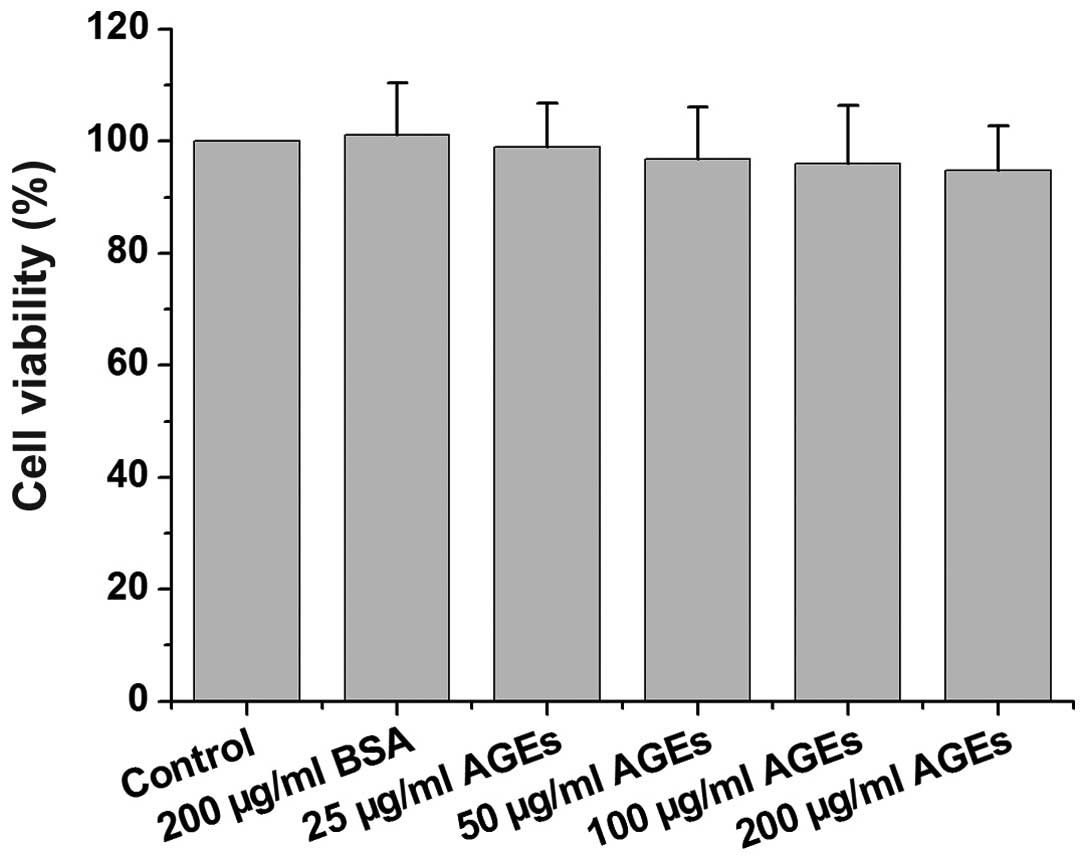
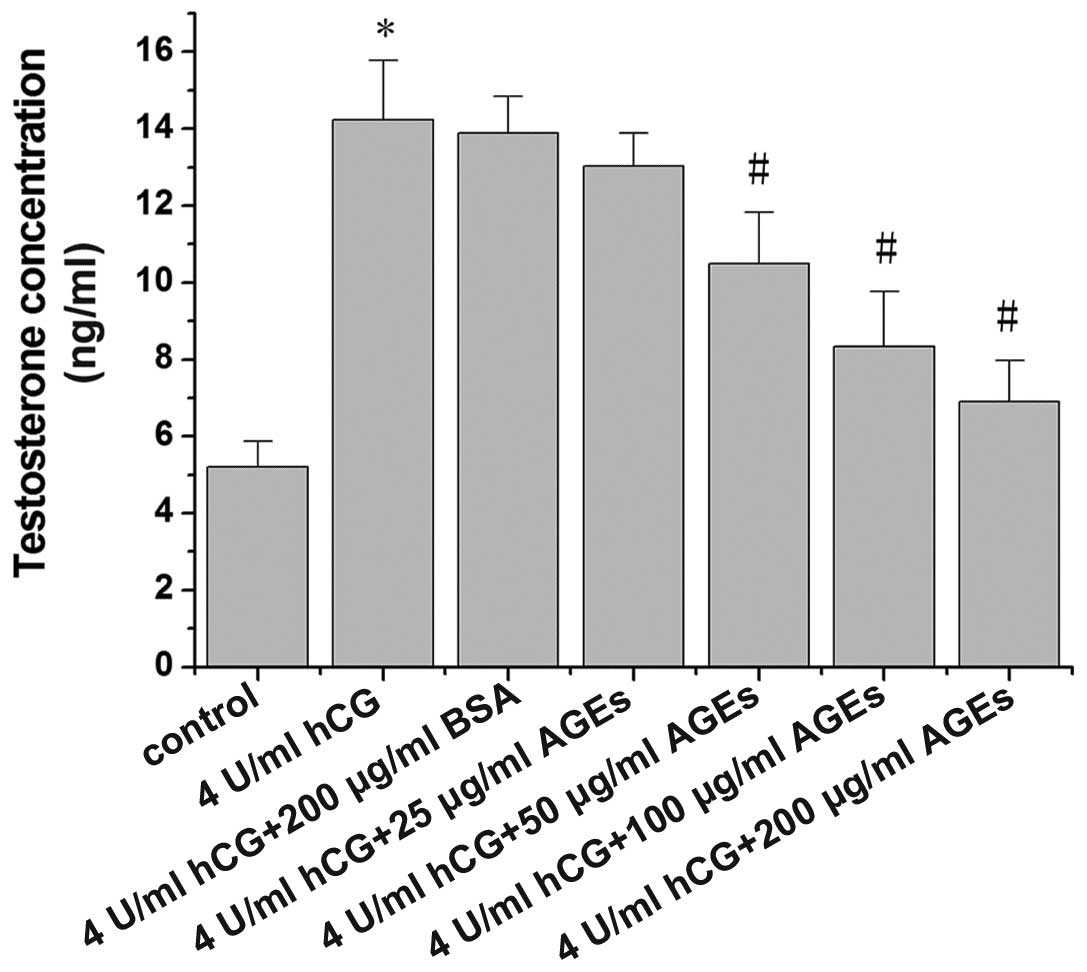
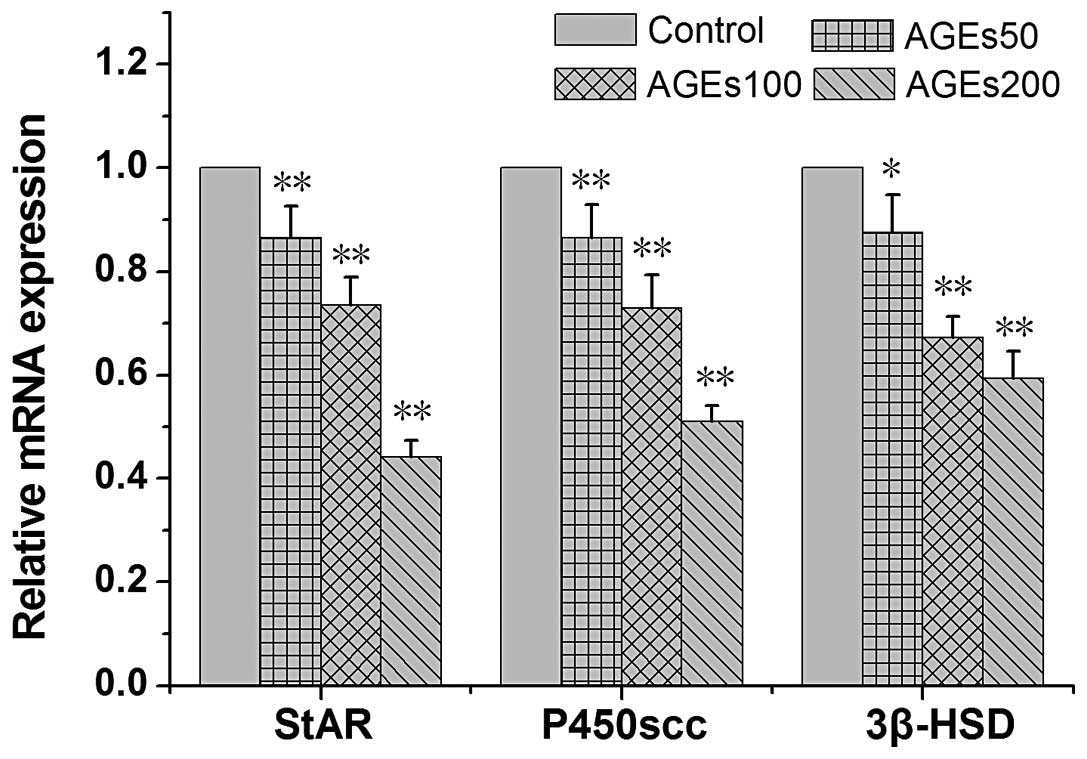
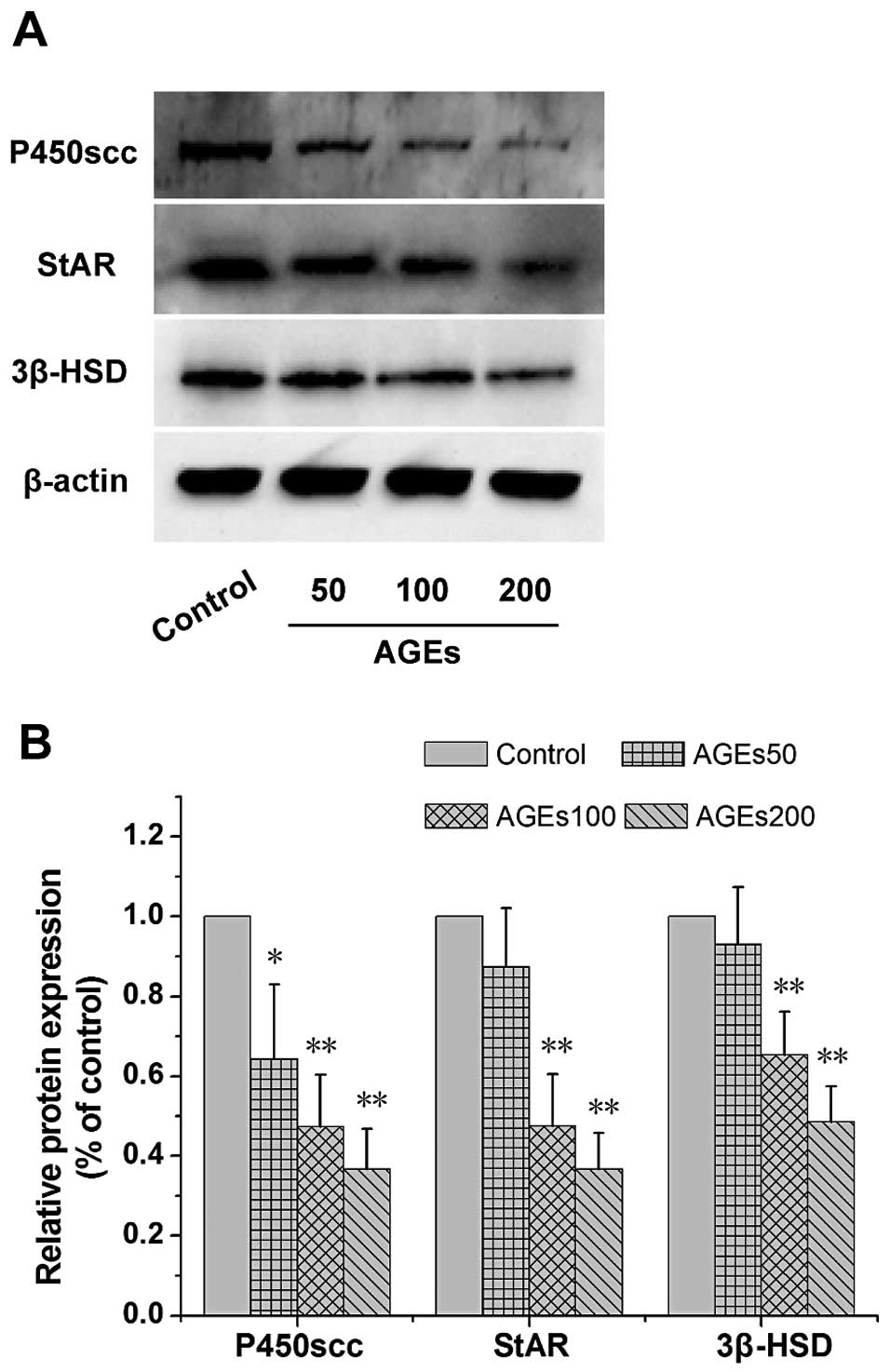
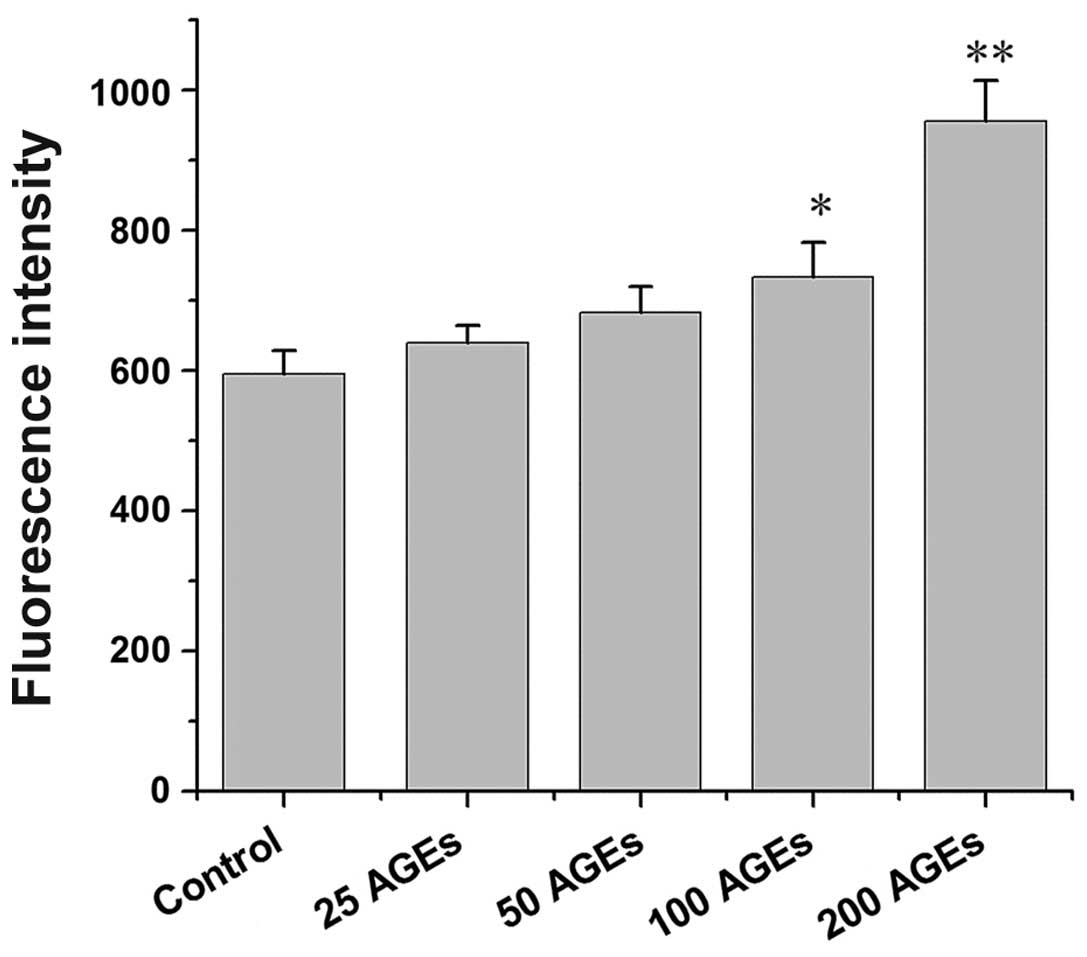
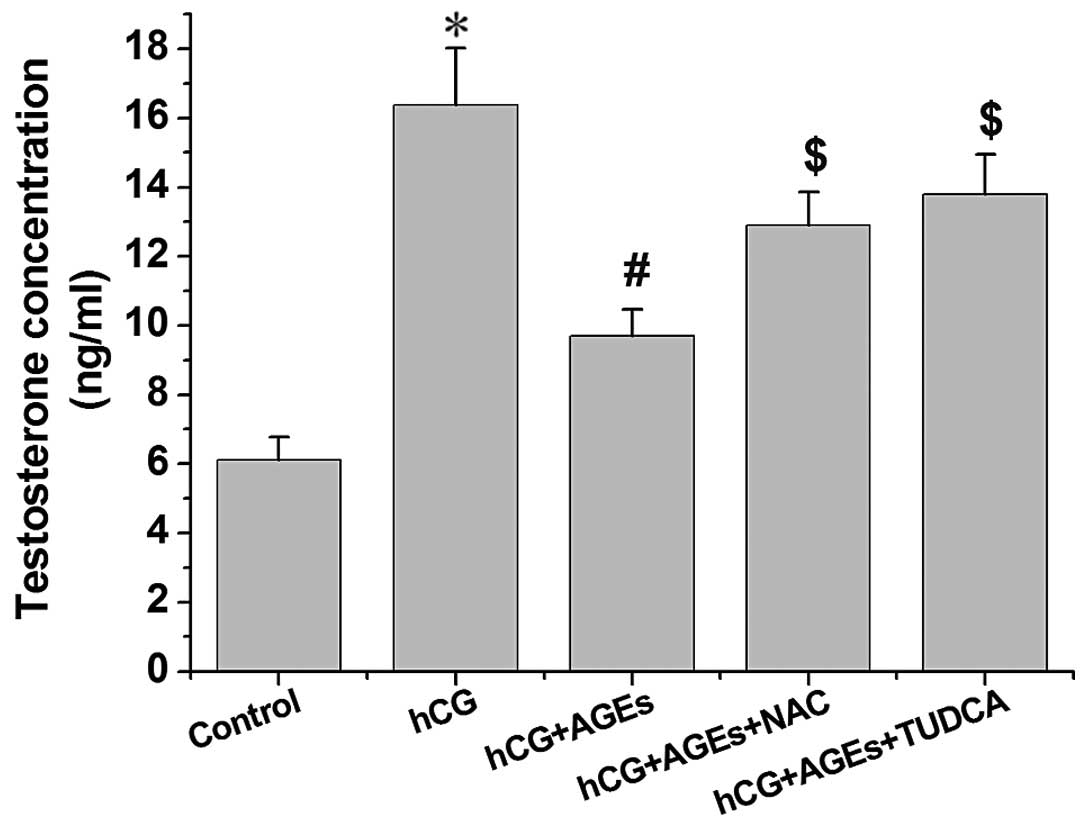
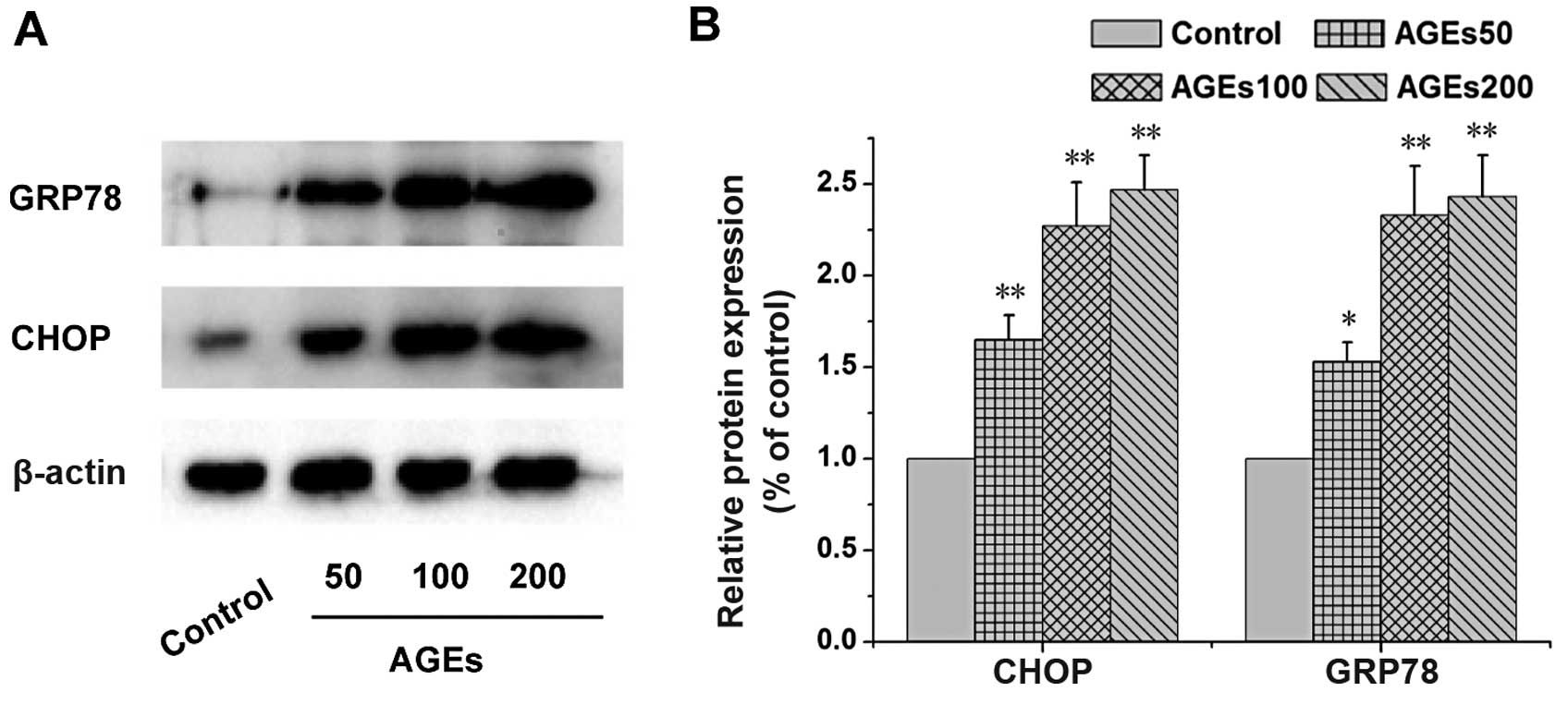
Diabetes severely impairs male reproduction. The present study assessed the effects and mechanisms of action of advanced glycation end products (AGEs), which play an important role in the development of diabetes complications, on testosterone secretion by rat Leydig cells. Primary rat Leydig cells were cultured and treated with AGEs (25, 50, 100 and 200 µg/ml). Testosterone production induced by human chorionic gonadotropin (hCG) was determined by ELISA. The mRNA and protein expression levels of steroidogenic acute regulatory protein (StAR), cholesterol side-chain cleavage enzyme (P450scc) and 3β-hydroxysteroid dehydrogenase (3β-HSD), which are involved in testosterone biosynthesis, were measured by reverse transcription-quantitative PCR and western blot analyssi, respectively. Reactive oxygen species (ROS) production in Leydig cells was measured using the dichlorofluorescein diacetate (DCFH-DA) probe. The expression levels of endoplasmic reticulum stress-related proteins [C/EBP homologous protein (CHOP) and glucose-regulated protein 78 (GRP78)] in the Leydig cells were measured by western blot analysis. We found that the AGEs markedly suppressed testosterone production by rat Leydig cells which was induced by hCG in a concentration-dependent manner compared with the control (P<0.01). The mRNA and protein expression levels of StAR, 3β-HSD and P450scc were downregulated by the AGEs in a dose-dependent manner compared with the control (P<0.01). The antioxidant agent, N-acetyl‑L‑cysteine (NAC), and the endoplasmic reticulum stress inhibitor, tauroursodeoxycholic acid (TUDCA), reversed the inhibitory effects of AGEs. In addition, the content of ROS in Leydig cells treated with AGEs increased significantly. The expression levels of CHOP and GRP78 were markedly upregulated by the AGEs in the Leydig cells. From these findings, it can be concluded that AGEs inhibit testosterone production by rat Leydig cells by inducing oxidative stress and endoplasmic reticulum stress.
View Figures

Figure 1

Figure 2

Figure 3

Figure 4

Figure 5

Figure 6

Figure 7

View References

1 

Guariguata L, Whiting DR, Hambleton I, Beagley J, Linnenkamp U and Shaw JE: Global estimates of diabetes prevalence for 2013 and projections for 2035. Diabetes Res Clin Pract. 103:137–149. 2014. View Article : Google Scholar : PubMed/NCBI

2 

Pinhas-Hamiel O, Dolan LM, Daniels SR, Standiford D, Khoury PR and Zeitler P: Increased incidence of non-insulin-dependent diabetes mellitus among adolescents. J Pediatr. 128:608–615. 1996. View Article : Google Scholar : PubMed/NCBI

3 

Pinhas-Hamiel O and Zeitler P: The global spread of type 2 diabetes mellitus in children and adolescents. J Pediatr. 146:693–700. 2005. View Article : Google Scholar : PubMed/NCBI

4 

Nadeau K and Dabelea D: Epidemiology of type 2 diabetes in children and adolescents. Endocr Res. 33:35–58. 2008. View Article : Google Scholar

5 

Urakami T, Kubota S, Nitadori Y, Harada K, Owada M and Kitagawa T: Annual incidence and clinical characteristics of type 2 diabetes in children as detected by urine glucose screening in the Tokyo metropolitan area. Diabetes Care. 28:1876–1881. 2005. View Article : Google Scholar : PubMed/NCBI

6 

Jangir RN and Jain GC: Diabetes mellitus induced impairment of male reproductive functions: a review. Curr Diabetes Rev. 10:147–157. 2014. View Article : Google Scholar : PubMed/NCBI

7 

Sexton WJ and Jarow JP: Effect of diabetes mellitus upon male reproductive function. Urology. 49:508–513. 1997. View Article : Google Scholar : PubMed/NCBI

8 

Baccetti B, La Marca A, Piomboni P, Capitani S, Bruni E, Petraglia F and De Leo V: Insulin-dependent diabetes in men is associated with hypothalamo-pituitary derangement and with impairment in semen quality. Hum Reprod. 17:2673–2677. 2002. View Article : Google Scholar : PubMed/NCBI

9 

Schoeller EL, Schon S and Moley KH: The effects of type 1 diabetes on the hypothalamic, pituitary and testes axis. Cell Tissue Res. 349:839–847. 2012. View Article : Google Scholar : PubMed/NCBI

10 

Scarano WR, Messias AG, Oliva SU, Klinefelter GR and Kempinas WG: Sexual behaviour, sperm quantity and quality after short-term streptozotocin-induced hyperglycaemia in rats. Int J Androl. 29:482–488. 2006. View Article : Google Scholar : PubMed/NCBI

11 

Agbaje IM, Rogers DA, McVicar CM, McClure N, Atkinson AB, Mallidis C and Lewis SE: Insulin dependant diabetes mellitus: implications for male reproductive function. Hum Reprod. 22:1871–1877. 2007. View Article : Google Scholar : PubMed/NCBI

12 

Ricci G, Catizone A, Esposito R, Pisanti FA, Vietri MT and Galdieri M: Diabetic rat testes: morphological and functional alterations. Andrologia. 41:361–368. 2009. View Article : Google Scholar : PubMed/NCBI

13 

Mallidis C, Agbaje I, McClure N and Kliesch S: The influence of diabetes mellitus on male reproductive function: a poorly investigated aspect of male infertility. Urologe A. 50:33–37. 2011.In German. View Article : Google Scholar : PubMed/NCBI

14 

La Vignera S, Condorelli R, Vicari E, D'Agata R and Calogero AE: Diabetes mellitus and sperm parameters. J Androl. 33:145–153. 2012. View Article : Google Scholar

15 

Alves MG, Martins AD, Cavaco JE, Socorro S and Oliveira PF: Diabetes, insulin-mediated glucose metabolism and Sertoli/blood-testis barrier function. Tissue Barriers. 1:e239922013. View Article : Google Scholar

16 

Vlassara H and Uribarri J: Advanced glycation end products (AGE) and diabetes: cause, effect, or both? Curr Diab Rep. 14:4532014. View Article : Google Scholar :

17 

Vlassara H and Striker GE: Advanced glycation endproducts in diabetes and diabetic complications. Endocrinol Metab Clin North Am. 42:697–719. 2013. View Article : Google Scholar : PubMed/NCBI

18 

Vlassara H and Striker GE: AGE restriction in diabetes mellitus: a paradigm shift. Nat Rev Endocrinol. 7:526–539. 2011. View Article : Google Scholar : PubMed/NCBI

19 

Mallidis C, Agbaje I, Rogers D, Glenn J, McCullough S, Atkinson AB, Steger K, Stitt A and McClure N: Distribution of the receptor for advanced glycation end products in the human male reproductive tract: prevalence in men with diabetes mellitus. Hum Reprod. 22:2169–2177. 2007. View Article : Google Scholar : PubMed/NCBI

20 

Moschonas DP, Piperi C, Korkolopoulou P, Levidou G, Kavantzas N, Trigka EA, Vlachos I, Arapostathi C, Perrea D, Mitropoulos D, et al: Impact of diet-induced obesity in male mouse reproductive system: the role of advanced glycation end product-receptor for advanced glycation end product axis. Exp Biol Med (Maywood). 239:937–947. 2014. View Article : Google Scholar

21 

Mallidis C, Agbaje IM, Rogers DA, Glenn JV, Pringle R, Atkinson AB, Steger K, Stitt AW and McClure N: Advanced glycation end products accumulate in the reproductive tract of men with diabetes. Int J Androl. 32:295–305. 2009. View Article : Google Scholar

22 

O'Neill J, Czerwiec A, Agbaje I, Glenn J, Stitt A, McClure N and Mallidis C: Differences in mouse models of diabetes mellitus in studies of male reproduction. Int J Androl. 33:709–716. 2010. View Article : Google Scholar

23 

Mallidis C, Czerwiec A, Filippi S, O'Neill J, Maggi M and McClure N: Spermatogenic and sperm quality differences in an experimental model of metabolic syndrome and hypogonadal hypogonadism. Reproduction. 142:63–71. 2011. View Article : Google Scholar : PubMed/NCBI

24 

Karimi J, Goodarzi MT, Tavilani H, Khodadadi I and Amiri I: Relationship between advanced glycation end products and increased lipid peroxidation in semen of diabetic men. Diabetes Res Clin Pract. 91:61–66. 2011. View Article : Google Scholar

25 

Karimi J, Goodarzi MT, Tavilani H, Khodadadi I and Amiri I: Increased receptor for advanced glycation end products in spermatozoa of diabetic men and its association with sperm nuclear DNA fragmentation. Andrologia. 44(Suppl 1): 280–286. 2012. View Article : Google Scholar

26 

Cheung KK, Luk AO, So WY, Ma RC, Kong AP, Chow FC and Chan JC: Testosterone level in men with type 2 diabetes mellitus and related metabolic effects: a review of current evidence. J Diabetes Investig. 6:112–123. 2015. View Article : Google Scholar : PubMed/NCBI

27 

El Baba K and Azar ST: Low testosterone and diabetes. Curr Diabetes Rev. 9:418–421. 2013. View Article : Google Scholar : PubMed/NCBI

28 

Iwashima Y, Eto M, Horiuchi S and Sano H: Advanced glycation end product-induced peroxisome proliferator-activated receptor gamma gene expression in the cultured mesangial cells. Biochem Biophys Res Commun. 264:441–448. 1999. View Article : Google Scholar : PubMed/NCBI

29 

Chemes H, Cigorraga S, Bergadá C, Schteingart H, Rey R and Pellizzari E: Isolation of human Leydig cell mesenchymal precursors from patients with the androgen insensitivity syndrome: testosterone production and response to human chorionic gonadotropin stimulation in culture. Biol Reprod. 46:793–801. 1992. View Article : Google Scholar : PubMed/NCBI

30 

Klinefelter GR, Hall PF and Ewing LL: Effect of luteinizing hormone deprivation in situ on steroidogenesis of rat Leydig cells purified by a multistep procedure. Biol Reprod. 36:769–783. 1987. View Article : Google Scholar : PubMed/NCBI

31 

Bose HS, Lingappa VR and Miller WL: The steroidogenic acute regulatory protein, StAR, works only at the outer mitochondrial membrane. Endocr Res. 28:295–308. 2002. View Article : Google Scholar

32 

Payne AH and Hales DB: Overview of steroidogenic enzymes in the pathway from cholesterol to active steroid hormones. Endocr Rev. 25:947–970. 2004. View Article : Google Scholar : PubMed/NCBI

33 

Ott C, Jacobs K, Haucke E, Navarrete Santos A, Grune T and Simm A: Role of advanced glycation end products in cellular signaling. Redox Biol. 2:411–429. 2014. View Article : Google Scholar : PubMed/NCBI

34 

Jahan H and Choudhary MI: Glycation, carbonyl stress and AGEs inhibitors: a patent review. Expert Opin Ther Pat. 25:1267–1284. 2015.PubMed/NCBI

35 

Jin X, Yao T, Zhou Z, Zhu J, Zhang S, Hu W and Shen C: Advanced glycation end products enhance macrophages polarization into M1 phenotype through activating RAGE/NF-κB pathway. BioMed Res Int. 2015:7324502015. View Article : Google Scholar

36 

Amaral S, Oliveira PJ and Ramalho-Santos J: Diabetes and the impairment of reproductive function: possible role of mitochondria and reactive oxygen species. Curr Diabetes Rev. 4:46–54. 2008. View Article : Google Scholar : PubMed/NCBI

37 

Wautier MP, Chappey O, Corda S, Stern DM, Schmidt AM and Wautier JL: Activation of NADPH oxidase by AGE links oxidant stress to altered gene expression via RAGE. Am J Physiol Endocrinol Metab. 280:E685–E694. 2001.PubMed/NCBI

38 

Rong G, Tang X, Guo T, Duan N, Wang Y, Yang L, Zhang J and Liang X: Advanced oxidation protein products induce apoptosis in podocytes through induction of endoplasmic reticulum stress. J Physiol Biochem. 71:455–470. 2015. View Article : Google Scholar : PubMed/NCBI

39 

Xu J, Xiong M, Huang B and Chen H: Advanced glycation end products upregulate the endoplasmic reticulum stress in human periodontal ligament cells. J Periodontol. 86:440–447. 2015. View Article : Google Scholar

40 

Wu L, Wang D, Xiao Y, Zhou X, Wang L, Chen B, Li Q, Guo X and Huang Q: Endoplasmic reticulum stress plays a role in the advanced glycation end product-induced inflammatory response in endothelial cells. Life Sci. 110:44–51. 2014. View Article : Google Scholar : PubMed/NCBI

41 

Liu J, Huang K, Cai GY, Chen XM, Yang JR, Lin LR, Yang J, Huo BG, Zhan J and He YN: Receptor for advanced glycation end-products promotes premature senescence of proximal tubular epithelial cells via activation of endoplasmic reticulum stress-dependent p21 signaling. Cell Signal. 26:110–121. 2014. View Article : Google Scholar

42 

Piperi C, Adamopoulos C, Dalagiorgou G, Diamanti-Kandarakis E and Papavassiliou AG: Crosstalk between advanced glycation and endoplasmic reticulum stress: emerging therapeutic targeting for metabolic diseases. J Clin Endocrinol Metab. 97:2231–2242. 2012. View Article : Google Scholar : PubMed/NCBI

Related Articles

  • Abstract
  • View
  • Download
  • Twitter
Copy and paste a formatted citation
Spandidos Publications style
Zhao Y, Qi Y, Hu C, Chen S and Liu Y: Advanced glycation end products inhibit testosterone secretion by rat Leydig cells by inducing oxidative stress and endoplasmic reticulum stress. Int J Mol Med 38: 659-665, 2016.
APA
Zhao, Y., Qi, Y., Hu, C., Chen, S., & Liu, Y. (2016). Advanced glycation end products inhibit testosterone secretion by rat Leydig cells by inducing oxidative stress and endoplasmic reticulum stress. International Journal of Molecular Medicine, 38, 659-665. https://doi.org/10.3892/ijmm.2016.2645
MLA
Zhao, Y., Qi, Y., Hu, C., Chen, S., Liu, Y."Advanced glycation end products inhibit testosterone secretion by rat Leydig cells by inducing oxidative stress and endoplasmic reticulum stress". International Journal of Molecular Medicine 38.2 (2016): 659-665.
Chicago
Zhao, Y., Qi, Y., Hu, C., Chen, S., Liu, Y."Advanced glycation end products inhibit testosterone secretion by rat Leydig cells by inducing oxidative stress and endoplasmic reticulum stress". International Journal of Molecular Medicine 38, no. 2 (2016): 659-665. https://doi.org/10.3892/ijmm.2016.2645
Copy and paste a formatted citation
x
Spandidos Publications style
Zhao Y, Qi Y, Hu C, Chen S and Liu Y: Advanced glycation end products inhibit testosterone secretion by rat Leydig cells by inducing oxidative stress and endoplasmic reticulum stress. Int J Mol Med 38: 659-665, 2016.
APA
Zhao, Y., Qi, Y., Hu, C., Chen, S., & Liu, Y. (2016). Advanced glycation end products inhibit testosterone secretion by rat Leydig cells by inducing oxidative stress and endoplasmic reticulum stress. International Journal of Molecular Medicine, 38, 659-665. https://doi.org/10.3892/ijmm.2016.2645
MLA
Zhao, Y., Qi, Y., Hu, C., Chen, S., Liu, Y."Advanced glycation end products inhibit testosterone secretion by rat Leydig cells by inducing oxidative stress and endoplasmic reticulum stress". International Journal of Molecular Medicine 38.2 (2016): 659-665.
Chicago
Zhao, Y., Qi, Y., Hu, C., Chen, S., Liu, Y."Advanced glycation end products inhibit testosterone secretion by rat Leydig cells by inducing oxidative stress and endoplasmic reticulum stress". International Journal of Molecular Medicine 38, no. 2 (2016): 659-665. https://doi.org/10.3892/ijmm.2016.2645
Follow us
  • Twitter
  • LinkedIn
  • Facebook
About
  • Spandidos Publications
  • Careers
  • Cookie Policy
  • Privacy Policy
How can we help?
  • Help
  • Live Chat
  • Contact
  • Email to our Support Team