Spandidos Publications Logo
  • About
    • About Spandidos
    • Aims and Scopes
    • Abstracting and Indexing
    • Editorial Policies
    • Reprints and Permissions
    • Job Opportunities
    • Terms and Conditions
    • Contact
  • Journals
    • All Journals
    • Oncology Letters
      • Oncology Letters
      • Information for Authors
      • Editorial Policies
      • Editorial Board
      • Aims and Scope
      • Abstracting and Indexing
      • Bibliographic Information
      • Archive
    • International Journal of Oncology
      • International Journal of Oncology
      • Information for Authors
      • Editorial Policies
      • Editorial Board
      • Aims and Scope
      • Abstracting and Indexing
      • Bibliographic Information
      • Archive
    • Molecular and Clinical Oncology
      • Molecular and Clinical Oncology
      • Information for Authors
      • Editorial Policies
      • Editorial Board
      • Aims and Scope
      • Abstracting and Indexing
      • Bibliographic Information
      • Archive
    • Experimental and Therapeutic Medicine
      • Experimental and Therapeutic Medicine
      • Information for Authors
      • Editorial Policies
      • Editorial Board
      • Aims and Scope
      • Abstracting and Indexing
      • Bibliographic Information
      • Archive
    • International Journal of Molecular Medicine
      • International Journal of Molecular Medicine
      • Information for Authors
      • Editorial Policies
      • Editorial Board
      • Aims and Scope
      • Abstracting and Indexing
      • Bibliographic Information
      • Archive
    • Biomedical Reports
      • Biomedical Reports
      • Information for Authors
      • Editorial Policies
      • Editorial Board
      • Aims and Scope
      • Abstracting and Indexing
      • Bibliographic Information
      • Archive
    • Oncology Reports
      • Oncology Reports
      • Information for Authors
      • Editorial Policies
      • Editorial Board
      • Aims and Scope
      • Abstracting and Indexing
      • Bibliographic Information
      • Archive
    • Molecular Medicine Reports
      • Molecular Medicine Reports
      • Information for Authors
      • Editorial Policies
      • Editorial Board
      • Aims and Scope
      • Abstracting and Indexing
      • Bibliographic Information
      • Archive
    • World Academy of Sciences Journal
      • World Academy of Sciences Journal
      • Information for Authors
      • Editorial Policies
      • Editorial Board
      • Aims and Scope
      • Abstracting and Indexing
      • Bibliographic Information
      • Archive
    • International Journal of Functional Nutrition
      • International Journal of Functional Nutrition
      • Information for Authors
      • Editorial Policies
      • Editorial Board
      • Aims and Scope
      • Abstracting and Indexing
      • Bibliographic Information
      • Archive
    • International Journal of Epigenetics
      • International Journal of Epigenetics
      • Information for Authors
      • Editorial Policies
      • Editorial Board
      • Aims and Scope
      • Abstracting and Indexing
      • Bibliographic Information
      • Archive
    • Medicine International
      • Medicine International
      • Information for Authors
      • Editorial Policies
      • Editorial Board
      • Aims and Scope
      • Abstracting and Indexing
      • Bibliographic Information
      • Archive
  • Articles
  • Information
    • Information for Authors
    • Information for Reviewers
    • Information for Librarians
    • Information for Advertisers
    • Conferences
  • Language Editing
Spandidos Publications Logo
  • About
    • About Spandidos
    • Aims and Scopes
    • Abstracting and Indexing
    • Editorial Policies
    • Reprints and Permissions
    • Job Opportunities
    • Terms and Conditions
    • Contact
  • Journals
    • All Journals
    • Biomedical Reports
      • Information for Authors
      • Editorial Policies
      • Editorial Board
      • Aims and Scope
      • Abstracting and Indexing
      • Bibliographic Information
      • Archive
    • Experimental and Therapeutic Medicine
      • Information for Authors
      • Editorial Policies
      • Editorial Board
      • Aims and Scope
      • Abstracting and Indexing
      • Bibliographic Information
      • Archive
    • International Journal of Epigenetics
      • Information for Authors
      • Editorial Policies
      • Editorial Board
      • Aims and Scope
      • Abstracting and Indexing
      • Bibliographic Information
      • Archive
    • International Journal of Functional Nutrition
      • Information for Authors
      • Editorial Policies
      • Editorial Board
      • Aims and Scope
      • Abstracting and Indexing
      • Bibliographic Information
      • Archive
    • International Journal of Molecular Medicine
      • Information for Authors
      • Editorial Policies
      • Editorial Board
      • Aims and Scope
      • Abstracting and Indexing
      • Bibliographic Information
      • Archive
    • International Journal of Oncology
      • Information for Authors
      • Editorial Policies
      • Editorial Board
      • Aims and Scope
      • Abstracting and Indexing
      • Bibliographic Information
      • Archive
    • Medicine International
      • Information for Authors
      • Editorial Policies
      • Editorial Board
      • Aims and Scope
      • Abstracting and Indexing
      • Bibliographic Information
      • Archive
    • Molecular and Clinical Oncology
      • Information for Authors
      • Editorial Policies
      • Editorial Board
      • Aims and Scope
      • Abstracting and Indexing
      • Bibliographic Information
      • Archive
    • Molecular Medicine Reports
      • Information for Authors
      • Editorial Policies
      • Editorial Board
      • Aims and Scope
      • Abstracting and Indexing
      • Bibliographic Information
      • Archive
    • Oncology Letters
      • Information for Authors
      • Editorial Policies
      • Editorial Board
      • Aims and Scope
      • Abstracting and Indexing
      • Bibliographic Information
      • Archive
    • Oncology Reports
      • Information for Authors
      • Editorial Policies
      • Editorial Board
      • Aims and Scope
      • Abstracting and Indexing
      • Bibliographic Information
      • Archive
    • World Academy of Sciences Journal
      • Information for Authors
      • Editorial Policies
      • Editorial Board
      • Aims and Scope
      • Abstracting and Indexing
      • Bibliographic Information
      • Archive
  • Articles
  • Information
    • For Authors
    • For Reviewers
    • For Librarians
    • For Advertisers
    • Conferences
  • Language Editing
Login Register Submit
  • This site uses cookies
  • You can change your cookie settings at any time by following the instructions in our Cookie Policy. To find out more, you may read our Privacy Policy.

    I agree
Search articles by DOI, keyword, author or affiliation
Search
Advanced Search
presentation
International Journal of Molecular Medicine
Join Editorial Board Propose a Special Issue
Print ISSN: 1107-3756 Online ISSN: 1791-244X
Journal Cover
January-2017 Volume 39 Issue 1

Full Size Image

Sign up for eToc alerts
Recommend to Library

Journals

International Journal of Molecular Medicine

International Journal of Molecular Medicine

International Journal of Molecular Medicine is an international journal devoted to molecular mechanisms of human disease.

International Journal of Oncology

International Journal of Oncology

International Journal of Oncology is an international journal devoted to oncology research and cancer treatment.

Molecular Medicine Reports

Molecular Medicine Reports

Covers molecular medicine topics such as pharmacology, pathology, genetics, neuroscience, infectious diseases, molecular cardiology, and molecular surgery.

Oncology Reports

Oncology Reports

Oncology Reports is an international journal devoted to fundamental and applied research in Oncology.

Experimental and Therapeutic Medicine

Experimental and Therapeutic Medicine

Experimental and Therapeutic Medicine is an international journal devoted to laboratory and clinical medicine.

Oncology Letters

Oncology Letters

Oncology Letters is an international journal devoted to Experimental and Clinical Oncology.

Biomedical Reports

Biomedical Reports

Explores a wide range of biological and medical fields, including pharmacology, genetics, microbiology, neuroscience, and molecular cardiology.

Molecular and Clinical Oncology

Molecular and Clinical Oncology

International journal addressing all aspects of oncology research, from tumorigenesis and oncogenes to chemotherapy and metastasis.

World Academy of Sciences Journal

World Academy of Sciences Journal

Multidisciplinary open-access journal spanning biochemistry, genetics, neuroscience, environmental health, and synthetic biology.

International Journal of Functional Nutrition

International Journal of Functional Nutrition

Open-access journal combining biochemistry, pharmacology, immunology, and genetics to advance health through functional nutrition.

International Journal of Epigenetics

International Journal of Epigenetics

Publishes open-access research on using epigenetics to advance understanding and treatment of human disease.

Medicine International

Medicine International

An International Open Access Journal Devoted to General Medicine.

Journal Cover
January-2017 Volume 39 Issue 1

Full Size Image

Sign up for eToc alerts
Recommend to Library

  • Article
  • Citations
    • Cite This Article
    • Download Citation
    • Create Citation Alert
    • Remove Citation Alert
    • Cited By
  • Similar Articles
    • Related Articles (in Spandidos Publications)
    • Similar Articles (Google Scholar)
    • Similar Articles (PubMed)
  • Download PDF
  • Download XML
  • View XML
Article Open Access

Hypoxia drives the transition of human dermal fibroblasts to a myofibroblast-like phenotype via the TGF-β1/Smad3 pathway

Corrigendum in: /10.3892/ijmm.2019.4403
  • Authors:
    • Bin Zhao
    • Hao Guan
    • Jia-Qi Liu
    • Zhao Zheng
    • Qin Zhou
    • Jian Zhang
    • Lin-Lin Su
    • Da-Hai Hu
  • View Affiliations / Copyright

    Affiliations: Department of Burns and Cutaneous Surgery, Xijing Hospital, The Fourth Military Medical University, Xi'an, Shaanxi 710032, P.R. China
    Copyright: © Zhao et al. This is an open access article distributed under the terms of Creative Commons Attribution License.
  • Pages: 153-159
    |
    Published online on: December 1, 2016
       https://doi.org/10.3892/ijmm.2016.2816
  • Expand metrics +
Metrics: Total Views: 0 (Spandidos Publications: | PMC Statistics: )
Metrics: Total PDF Downloads: 0 (Spandidos Publications: | PMC Statistics: )
Cited By (CrossRef): 0 citations Loading Articles...

This article is mentioned in:


Abstract

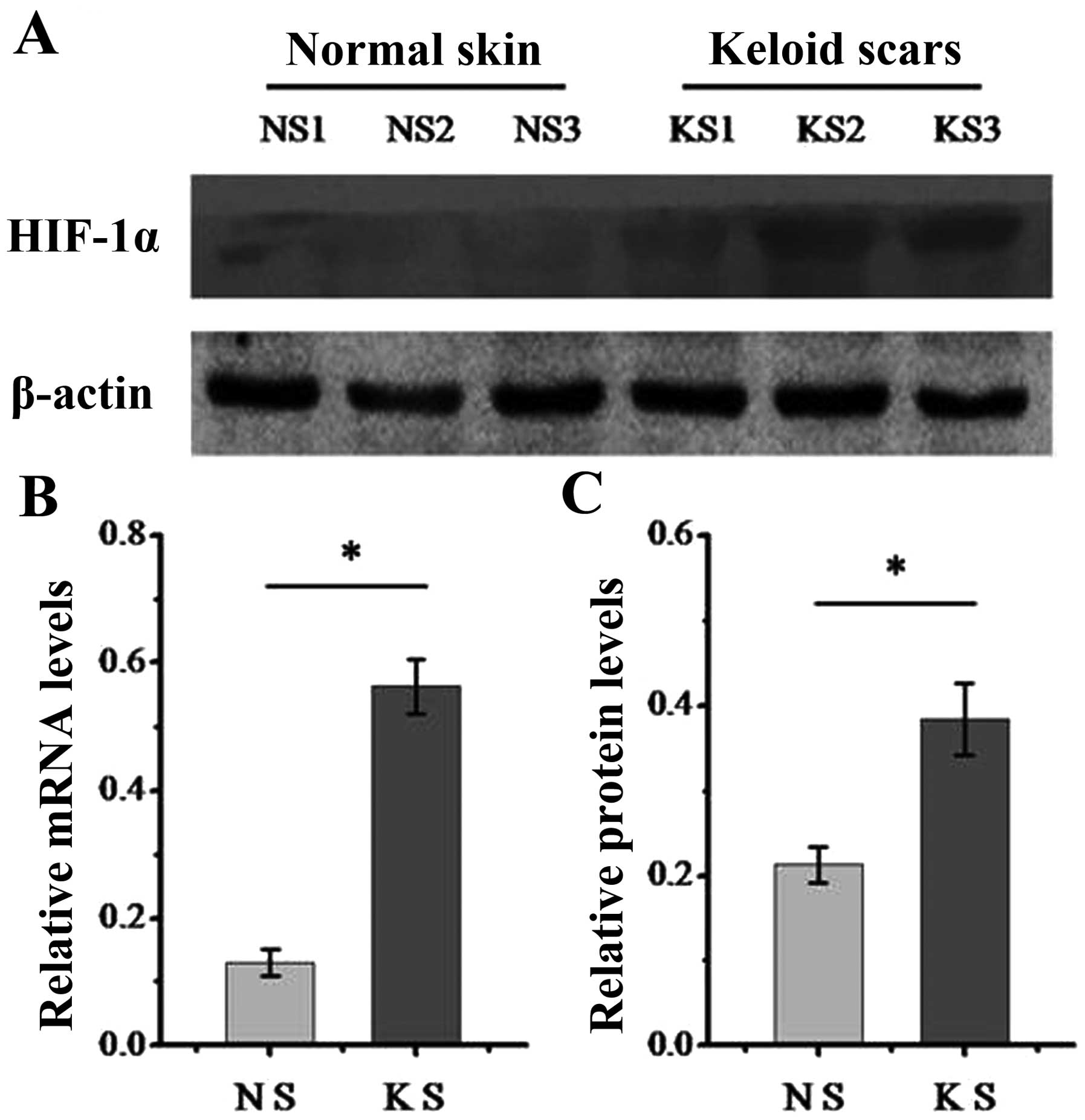
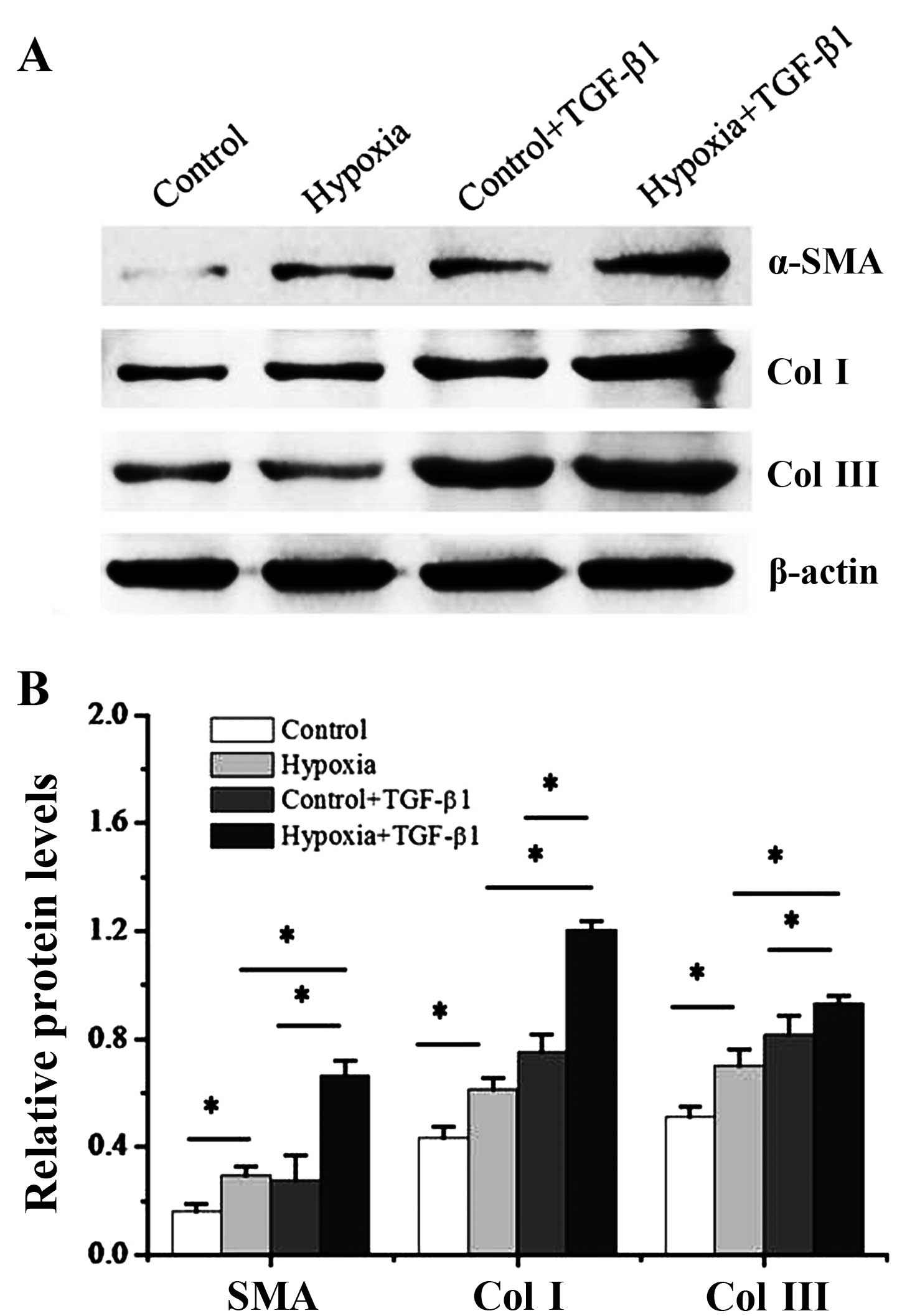
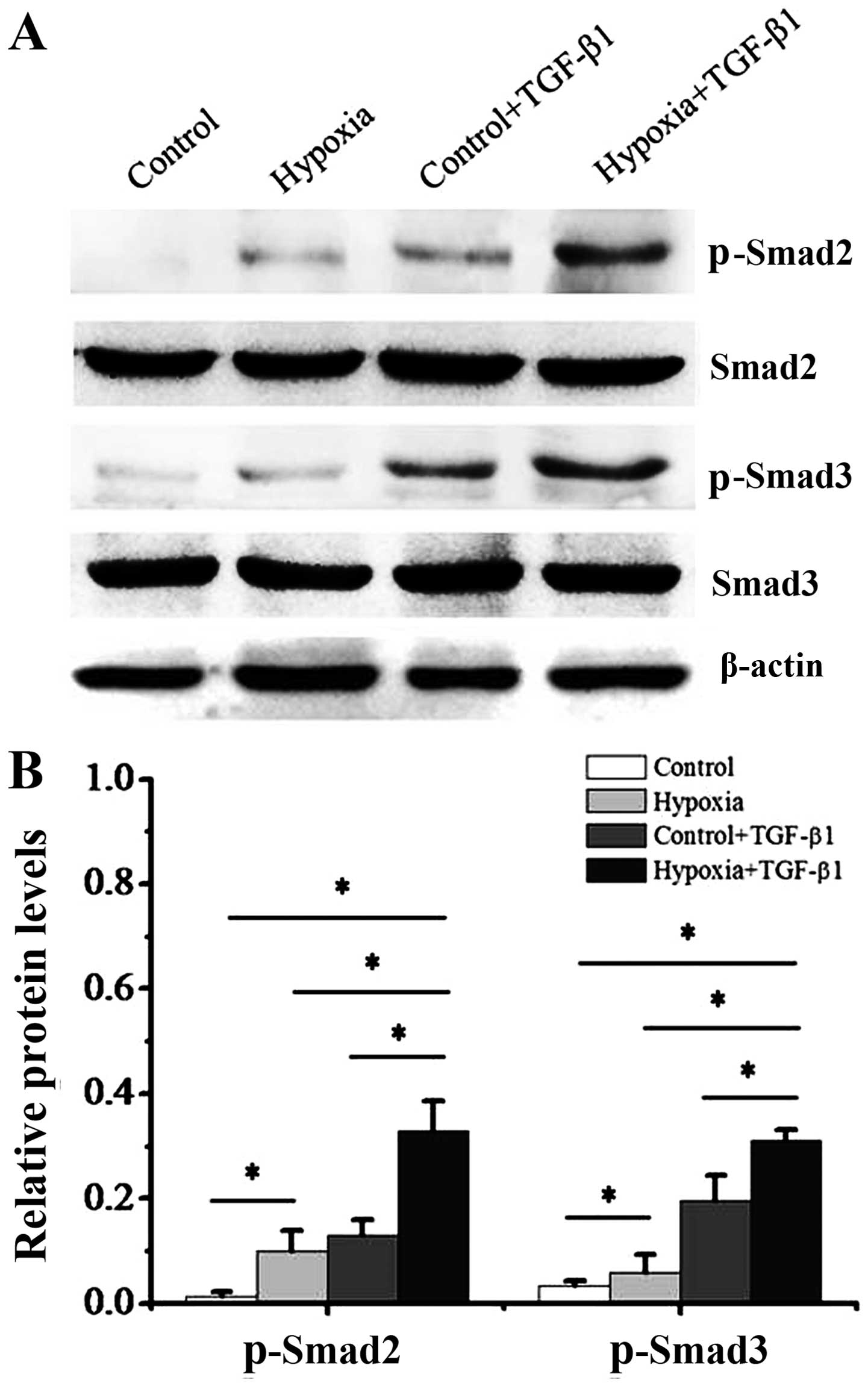
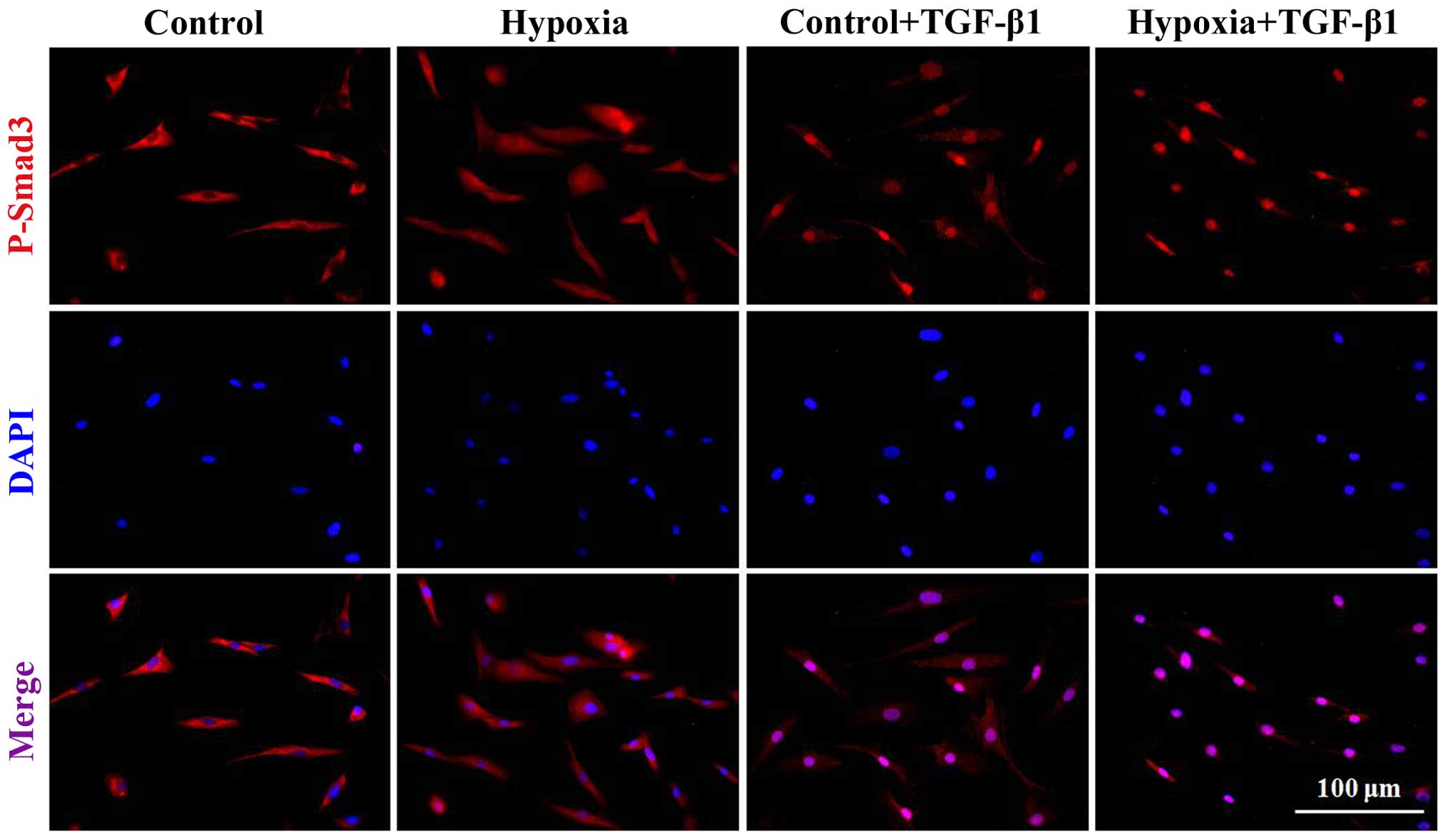
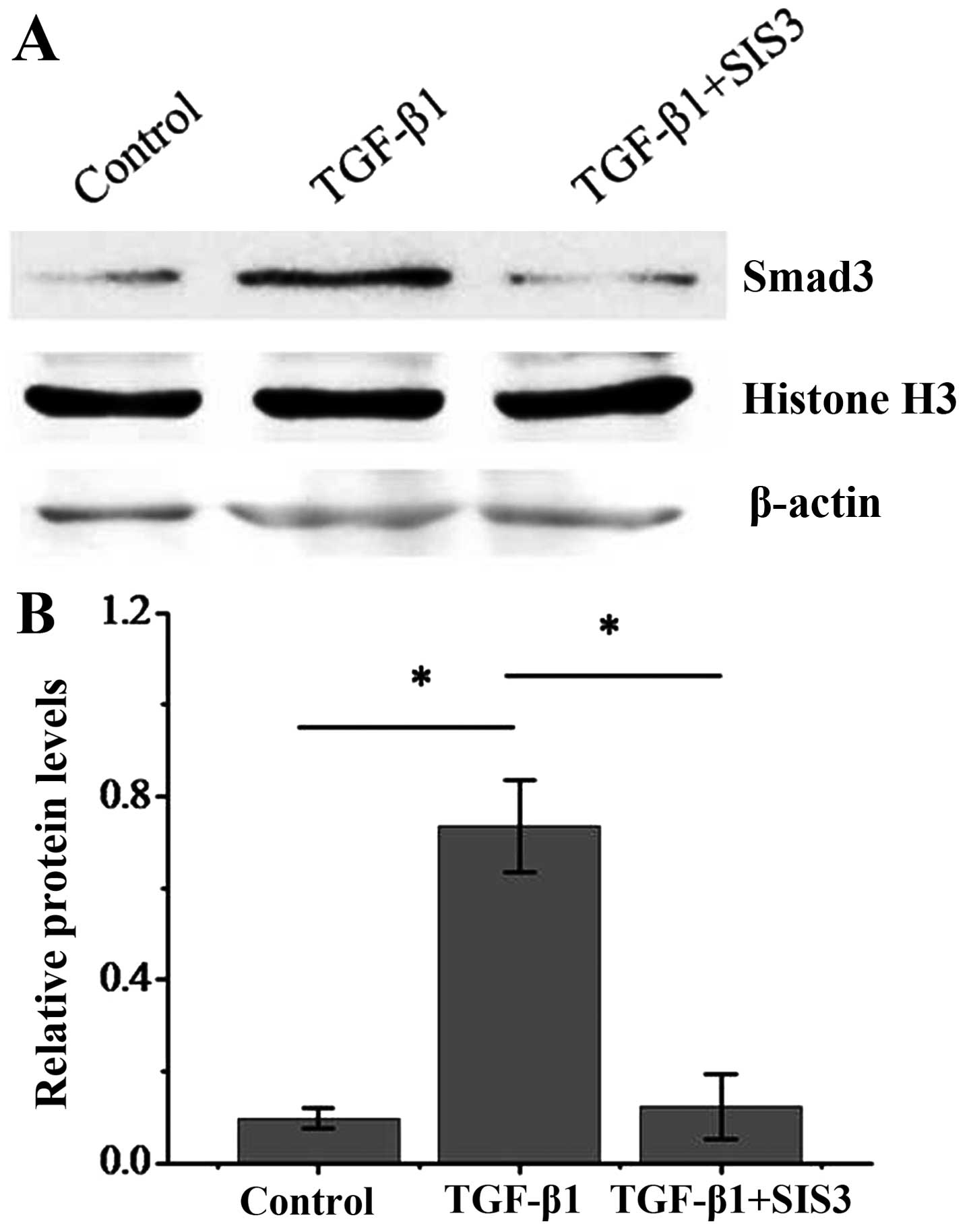
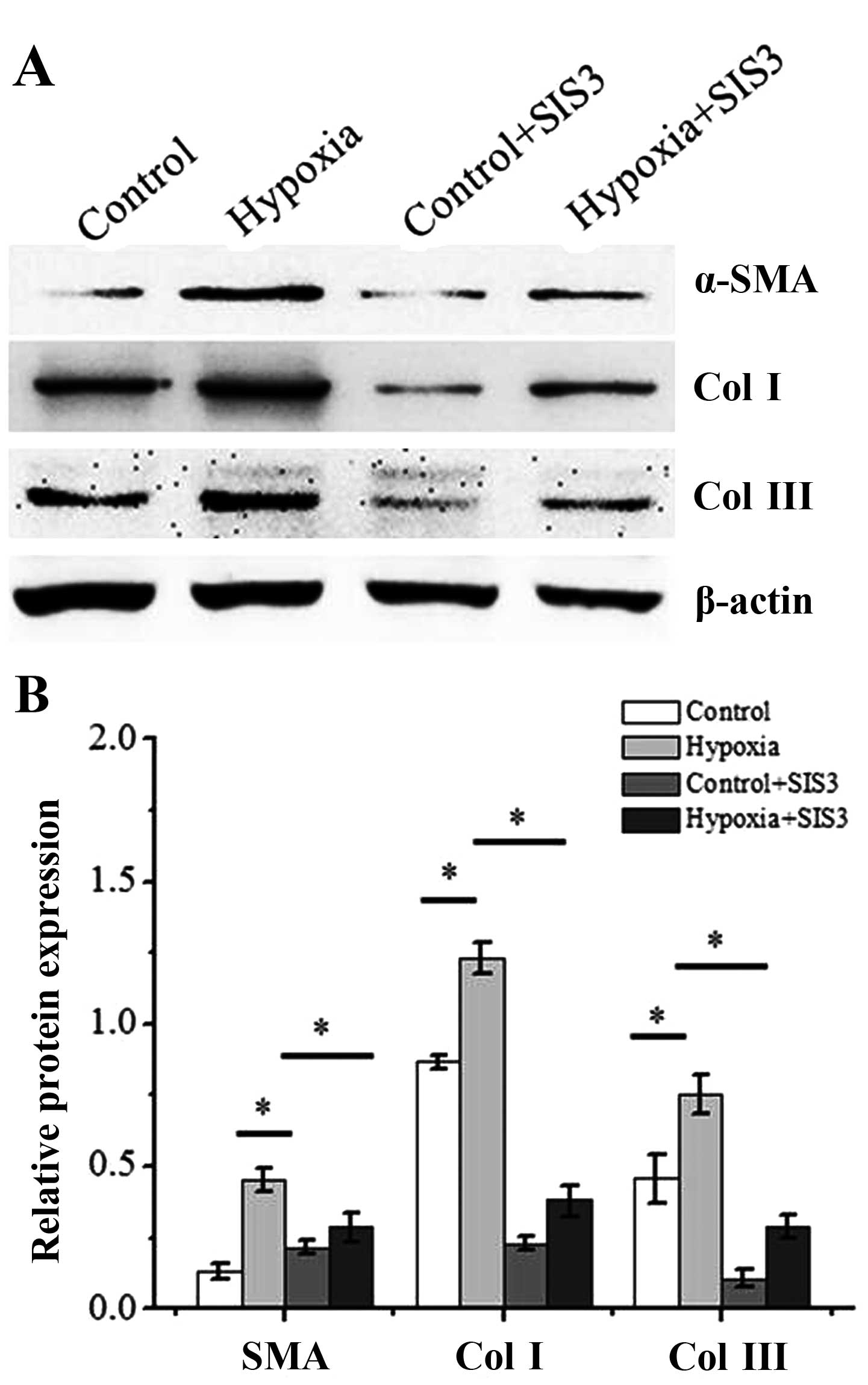
Keloids, partially considered as benign tumors, are characterized by the overgrowth of fibrosis beyond the boundaries of the wound and are regulated mainly by transforming growth factor (TGF)-β1, which induces the transition of fibroblasts to myofibroblasts. Hypoxia is an important driving force in the development of lung and liver fibrosis by activating hypoxia inducible factor-1α and stimulating epithelial‑mesenchymal transition. However, it is unknown whether and hypoxia can influence human dermal scarring. The aim of this study was to investigate whether hypoxia drives the transition of dermal fibroblasts to myofibroblasts and to clarify the potential transduction mechanisms involved. First, we observed that keloids are a relatively hypoxic tissue. Second, we found that hypoxia drives the transition of normal dermal fibroblasts to a myofibroblast-like phenotype [high expression of α-smooth muscle actin (α-SMA) and collagen I and III]. Finally, hypoxia effectively facilitated the nuclear import of the Smad2 and Smad3 complex, while blockade with the Smad3 inhibitor, SIS3, significantly impaired the expression of hypoxia-induced fibrosis-related molecules. Taken together, to the best of our knowledge, this study demonstrates for the first time that hypoxia facilitates the transition of dermal fibroblasts to myofibroblasts through the activation of the TGF-β1/Smad3 signaling pathway and our findings may provide a potential target for the treatment of keloids.
View Figures

Figure 1

Figure 2

Figure 3

Figure 4

Figure 5

Figure 6

Figure 7

Figure 8

View References

1 

Bran GM, Goessler UR, Hormann K, Riedel F and Sadick H: Keloids: current concepts of pathogenesis (Review). Int J Mol Med. 24:283–293. 2009. View Article : Google Scholar : PubMed/NCBI

2 

Meyer LJ, Russell SB, Russell JD, Trupin JS, Egbert BM, Shuster S and Stern R: Reduced hyaluronan in keloid tissue and cultured keloid fibroblasts. J Invest Dermatol. 114:953–959. 2000. View Article : Google Scholar : PubMed/NCBI

3 

Daian T, Ohtsuru A, Rogounovitch T, Ishihara H, Hirano A, Akiyama-Uchida Y, Saenko V, Fujii T and Yamashita S: Insulin-like growth factor-I enhances transforming growth factor-beta-induced extracellular matrix protein production through the P38/activating transcription factor-2 signaling pathway in keloid fibroblasts. J Invest Dermatol. 120:956–962. 2003. View Article : Google Scholar : PubMed/NCBI

4 

Dong X, Mao S and Wen H: Upregulation of proinflammatory genes in skin lesions may be the cause of keloid formation (Review). Biomed Rep. 1:833–836. 2013.

5 

Olman MA: Beyond TGF-beta: a prostaglandin promotes fibrosis. Nat Med. 15:1360–1361. 2009. View Article : Google Scholar : PubMed/NCBI

6 

Ong CT, Khoo YT, Mukhopadhyay A, Do DV, Lim IJ, Aalami O and Phan TT: mTOR as a potential therapeutic target for treatment of keloids and excessive scars. Exp Dermatol. 16:394–404. 2007. View Article : Google Scholar : PubMed/NCBI

7 

Zhan L, Huang C, Meng XM, Song Y, Wu XQ, Yang Y and Li J: Hypoxia-inducible factor-1alpha in hepatic fibrosis: a promising therapeutic target. Biochimie. 108:1–7. 2015. View Article : Google Scholar

8 

O'Connell MP and Weeraratna AT: Change is in the air: the hypoxic induction of phenotype switching in melanoma. J Invest Dermatol. 133:2316–2317. 2013. View Article : Google Scholar : PubMed/NCBI

9 

Zhang Z, Nie F, Kang C, Chen B, Qin Z, Ma J, Ma Y and Zhao X: Increased periostin expression affects the proliferation, collagen synthesis, migration and invasion of keloid fibroblasts under hypoxic conditions. Int J Mol Med. 34:253–261. 2014.PubMed/NCBI

10 

Cash TP, Pan Y and Simon MC: Reactive oxygen species and cellular oxygen sensing. Free Radic Biol Med. 43:1219–1225. 2007. View Article : Google Scholar : PubMed/NCBI

11 

Gaber T, Dziurla R, Tripmacher R, Burmester GR and Buttgereit F: Hypoxia inducible factor (HIF) in rheumatology: low O2! See what HIF can do! Ann Rheum Dis. 64:971–980. 2005. View Article : Google Scholar : PubMed/NCBI

12 

Zhang Q, Wu Y, Ann DK, Messadi DV, Tuan TL, Kelly AP, Bertolami CN and Le AD: Mechanisms of hypoxic regulation of plasminogen activator inhibitor-1 gene expression in keloid fibroblasts. J Invest Dermatol. 121:1005–1012. 2003. View Article : Google Scholar

13 

Ueda K, Yasuda Y, Furuya E and Oba S: Inadequate blood supply persists in keloids. Scand J Plast Reconstr Surg Hand Surg. 38:267–271. 2004. View Article : Google Scholar : PubMed/NCBI

14 

Steinbrech DS, Mehrara BJ, Chau D, Rowe NM, Chin G, Lee T, Saadeh PB, Gittes GK and Longaker MT: Hypoxia upregulates VEGF production in keloid fibroblasts. Ann Plast Surg. 42:514–519; discussion 519–520. 1999. View Article : Google Scholar : PubMed/NCBI

15 

Ruthenborg RJ, Ban JJ, Wazir A, Takeda N and Kim JW: Regulation of wound healing and fibrosis by hypoxia and hypoxia-inducible factor-1. Mol Cells. 37:637–643. 2014. View Article : Google Scholar : PubMed/NCBI

16 

Lebrin F, Deckers M, Bertolino P and Ten Dijke P: TGF-beta receptor function in the endothelium. Cardiovasc Res. 65:599–608. 2005. View Article : Google Scholar : PubMed/NCBI

17 

Santibañez JF, Quintanilla M and Bernabeu C: TGF-β/TGF-β receptor system and its role in physiological and pathological conditions. Clin Sci (Lond). 121:233–251. 2011. View Article : Google Scholar

18 

Jinnin M, Ihn H and Tamaki K: Characterization of SIS3, a novel specific inhibitor of Smad3, and its effect on transforming growth factor-beta1-induced extracellular matrix expression. Mol Pharmacol. 69:597–607. 2006. View Article : Google Scholar

19 

Liu J, Wang Y, Pan Q, Su Y, Zhang Z, Han J, Zhu X, Tang C and Hu D: Wnt/β-catenin pathway forms a negative feedback loop during TGF-β1 induced human normal skin fibroblast-to-myofibroblast transition. J Dermatol Sci. 65:38–49. 2012. View Article : Google Scholar

20 

Tomasek JJ, Gabbiani G, Hinz B, Chaponnier C and Brown RA: Myofibroblasts and mechano-regulation of connective tissue remodelling. Nat Rev Mol Cell Biol. 3:349–363. 2002. View Article : Google Scholar : PubMed/NCBI

21 

Desmoulière A, Chaponnier C and Gabbiani G: Tissue repair, contraction, and the myofibroblast. Wound Repair Regen. 13:7–12. 2005. View Article : Google Scholar : PubMed/NCBI

22 

Hinz B, Celetta G, Tomasek JJ, Gabbiani G and Chaponnier C: Alpha-smooth muscle actin expression upregulates fibroblast contractile activity. Mol Biol Cell. 12:2730–2741. 2001. View Article : Google Scholar : PubMed/NCBI

23 

Zhang Z, Nie F, Chen X, Qin Z, Kang C, Chen B, Ma J, Pan B and Ma Y: Upregulated periostin promotes angiogenesis in keloids through activation of the ERK 1/2 and focal adhesion kinase pathways, as well as the upregulated expression of VEGF and angiopoietin 1. Mol Med Rep. 11:857–864. 2015.

24 

Jiang HS, Zhu LL, Zhang Z, Chen H, Chen Y and Dai YT: Estradiol attenuates the TGF-β1-induced conversion of primary TAFs into myofibroblasts and inhibits collagen production and myofibroblast contraction by modulating the Smad and Rho/Rock signaling pathways. Int J Mol Med. 36:801–807. 2015.PubMed/NCBI

25 

Bosco MC, Puppo M, Blengio F, Fraone T, Cappello P, Giovarelli M and Varesio L: Monocytes and dendritic cells in a hypoxic environment: spotlights on chemotaxis and migration. Immunobiology. 213:733–749. 2008. View Article : Google Scholar : PubMed/NCBI

26 

Sen CK and Roy S: Oxygenation state as a driver of myofibroblast differentiation and wound contraction: hypoxia impairs wound closure. J Invest Dermatol. 130:2701–2703. 2010. View Article : Google Scholar : PubMed/NCBI

27 

Nauta TD, van Hinsbergh VW and Koolwijk P: Hypoxic signaling during tissue repair and regenerative medicine. Int J Mol Sci. 15:19791–19815. 2014. View Article : Google Scholar : PubMed/NCBI

28 

Kelly BD, Hackett SF, Hirota K, Oshima Y, Cai Z, Berg-Dixon S, Rowan A, Yan Z, Campochiaro PA and Semenza GL: Cell type-specific regulation of angiogenic growth factor gene expression and induction of angiogenesis in nonischemic tissue by a constitutively active form of hypoxia-inducible factor 1. Circ Res. 93:1074–1081. 2003. View Article : Google Scholar : PubMed/NCBI

29 

Haase VH: Oxygen regulates epithelial-to-mesenchymal transition: insights into molecular mechanisms and relevance to disease. Kidney Int. 76:492–499. 2009. View Article : Google Scholar : PubMed/NCBI

30 

Sloan DF, Brown RD, Wells CH and Hilton JG: Tissue gases in human hypertrophic burn scars. Plast Reconstr Surg. 61:431–436. 1978. View Article : Google Scholar : PubMed/NCBI

31 

Zavadil J and Böttinger EP: TGF-beta and epithelial-to-mesenchymal transitions. Oncogene. 24:5764–5774. 2005. View Article : Google Scholar : PubMed/NCBI

32 

Copple BL: Hypoxia stimulates hepatocyte epithelial to mesenchymal transition by hypoxia-inducible factor and transforming growth factor-beta-dependent mechanisms. Liver Int. 30:669–682. 2010. View Article : Google Scholar : PubMed/NCBI

33 

Watson CJ, Collier P, Tea I, Neary R, Watson JA, Robinson C, Phelan D, Ledwidge MT, McDonald KM, McCann A, et al: Hypoxia-induced epigenetic modifications are associated with cardiac tissue fibrosis and the development of a myofibroblast-like phenotype. Hum Mol Genet. 23:2176–2188. 2014. View Article : Google Scholar

34 

Henderson NC, Arnold TD, Katamura Y, Giacomini MM, Rodriguez JD, McCarty JH, Pellicoro A, Raschperger E, Betsholtz C, Ruminski PG, et al: Targeting of αv integrin identifies a core molecular pathway that regulates fibrosis in several organs. Nat Med. 19:1617–1624. 2013. View Article : Google Scholar : PubMed/NCBI

Related Articles

  • Abstract
  • View
  • Download
  • Twitter
Copy and paste a formatted citation
Spandidos Publications style
Zhao B, Guan H, Liu J, Zheng Z, Zhou Q, Zhang J, Su L and Hu D: Hypoxia drives the transition of human dermal fibroblasts to a myofibroblast-like phenotype via the TGF-β1/Smad3 pathway Corrigendum in /10.3892/ijmm.2019.4403. Int J Mol Med 39: 153-159, 2017.
APA
Zhao, B., Guan, H., Liu, J., Zheng, Z., Zhou, Q., Zhang, J. ... Hu, D. (2017). Hypoxia drives the transition of human dermal fibroblasts to a myofibroblast-like phenotype via the TGF-β1/Smad3 pathway Corrigendum in /10.3892/ijmm.2019.4403. International Journal of Molecular Medicine, 39, 153-159. https://doi.org/10.3892/ijmm.2016.2816
MLA
Zhao, B., Guan, H., Liu, J., Zheng, Z., Zhou, Q., Zhang, J., Su, L., Hu, D."Hypoxia drives the transition of human dermal fibroblasts to a myofibroblast-like phenotype via the TGF-β1/Smad3 pathway Corrigendum in /10.3892/ijmm.2019.4403". International Journal of Molecular Medicine 39.1 (2017): 153-159.
Chicago
Zhao, B., Guan, H., Liu, J., Zheng, Z., Zhou, Q., Zhang, J., Su, L., Hu, D."Hypoxia drives the transition of human dermal fibroblasts to a myofibroblast-like phenotype via the TGF-β1/Smad3 pathway Corrigendum in /10.3892/ijmm.2019.4403". International Journal of Molecular Medicine 39, no. 1 (2017): 153-159. https://doi.org/10.3892/ijmm.2016.2816
Copy and paste a formatted citation
x
Spandidos Publications style
Zhao B, Guan H, Liu J, Zheng Z, Zhou Q, Zhang J, Su L and Hu D: Hypoxia drives the transition of human dermal fibroblasts to a myofibroblast-like phenotype via the TGF-β1/Smad3 pathway Corrigendum in /10.3892/ijmm.2019.4403. Int J Mol Med 39: 153-159, 2017.
APA
Zhao, B., Guan, H., Liu, J., Zheng, Z., Zhou, Q., Zhang, J. ... Hu, D. (2017). Hypoxia drives the transition of human dermal fibroblasts to a myofibroblast-like phenotype via the TGF-β1/Smad3 pathway Corrigendum in /10.3892/ijmm.2019.4403. International Journal of Molecular Medicine, 39, 153-159. https://doi.org/10.3892/ijmm.2016.2816
MLA
Zhao, B., Guan, H., Liu, J., Zheng, Z., Zhou, Q., Zhang, J., Su, L., Hu, D."Hypoxia drives the transition of human dermal fibroblasts to a myofibroblast-like phenotype via the TGF-β1/Smad3 pathway Corrigendum in /10.3892/ijmm.2019.4403". International Journal of Molecular Medicine 39.1 (2017): 153-159.
Chicago
Zhao, B., Guan, H., Liu, J., Zheng, Z., Zhou, Q., Zhang, J., Su, L., Hu, D."Hypoxia drives the transition of human dermal fibroblasts to a myofibroblast-like phenotype via the TGF-β1/Smad3 pathway Corrigendum in /10.3892/ijmm.2019.4403". International Journal of Molecular Medicine 39, no. 1 (2017): 153-159. https://doi.org/10.3892/ijmm.2016.2816
Follow us
  • Twitter
  • LinkedIn
  • Facebook
About
  • Spandidos Publications
  • Careers
  • Cookie Policy
  • Privacy Policy
How can we help?
  • Help
  • Live Chat
  • Contact
  • Email to our Support Team