Spandidos Publications Logo
  • About
    • About Spandidos
    • Aims and Scopes
    • Abstracting and Indexing
    • Editorial Policies
    • Reprints and Permissions
    • Job Opportunities
    • Terms and Conditions
    • Contact
  • Journals
    • All Journals
    • Oncology Letters
      • Oncology Letters
      • Information for Authors
      • Editorial Policies
      • Editorial Board
      • Aims and Scope
      • Abstracting and Indexing
      • Bibliographic Information
      • Archive
    • International Journal of Oncology
      • International Journal of Oncology
      • Information for Authors
      • Editorial Policies
      • Editorial Board
      • Aims and Scope
      • Abstracting and Indexing
      • Bibliographic Information
      • Archive
    • Molecular and Clinical Oncology
      • Molecular and Clinical Oncology
      • Information for Authors
      • Editorial Policies
      • Editorial Board
      • Aims and Scope
      • Abstracting and Indexing
      • Bibliographic Information
      • Archive
    • Experimental and Therapeutic Medicine
      • Experimental and Therapeutic Medicine
      • Information for Authors
      • Editorial Policies
      • Editorial Board
      • Aims and Scope
      • Abstracting and Indexing
      • Bibliographic Information
      • Archive
    • International Journal of Molecular Medicine
      • International Journal of Molecular Medicine
      • Information for Authors
      • Editorial Policies
      • Editorial Board
      • Aims and Scope
      • Abstracting and Indexing
      • Bibliographic Information
      • Archive
    • Biomedical Reports
      • Biomedical Reports
      • Information for Authors
      • Editorial Policies
      • Editorial Board
      • Aims and Scope
      • Abstracting and Indexing
      • Bibliographic Information
      • Archive
    • Oncology Reports
      • Oncology Reports
      • Information for Authors
      • Editorial Policies
      • Editorial Board
      • Aims and Scope
      • Abstracting and Indexing
      • Bibliographic Information
      • Archive
    • Molecular Medicine Reports
      • Molecular Medicine Reports
      • Information for Authors
      • Editorial Policies
      • Editorial Board
      • Aims and Scope
      • Abstracting and Indexing
      • Bibliographic Information
      • Archive
    • World Academy of Sciences Journal
      • World Academy of Sciences Journal
      • Information for Authors
      • Editorial Policies
      • Editorial Board
      • Aims and Scope
      • Abstracting and Indexing
      • Bibliographic Information
      • Archive
    • International Journal of Functional Nutrition
      • International Journal of Functional Nutrition
      • Information for Authors
      • Editorial Policies
      • Editorial Board
      • Aims and Scope
      • Abstracting and Indexing
      • Bibliographic Information
      • Archive
    • International Journal of Epigenetics
      • International Journal of Epigenetics
      • Information for Authors
      • Editorial Policies
      • Editorial Board
      • Aims and Scope
      • Abstracting and Indexing
      • Bibliographic Information
      • Archive
    • Medicine International
      • Medicine International
      • Information for Authors
      • Editorial Policies
      • Editorial Board
      • Aims and Scope
      • Abstracting and Indexing
      • Bibliographic Information
      • Archive
  • Articles
  • Information
    • Information for Authors
    • Information for Reviewers
    • Information for Librarians
    • Information for Advertisers
    • Conferences
  • Language Editing
Spandidos Publications Logo
  • About
    • About Spandidos
    • Aims and Scopes
    • Abstracting and Indexing
    • Editorial Policies
    • Reprints and Permissions
    • Job Opportunities
    • Terms and Conditions
    • Contact
  • Journals
    • All Journals
    • Biomedical Reports
      • Information for Authors
      • Editorial Policies
      • Editorial Board
      • Aims and Scope
      • Abstracting and Indexing
      • Bibliographic Information
      • Archive
    • Experimental and Therapeutic Medicine
      • Information for Authors
      • Editorial Policies
      • Editorial Board
      • Aims and Scope
      • Abstracting and Indexing
      • Bibliographic Information
      • Archive
    • International Journal of Epigenetics
      • Information for Authors
      • Editorial Policies
      • Editorial Board
      • Aims and Scope
      • Abstracting and Indexing
      • Bibliographic Information
      • Archive
    • International Journal of Functional Nutrition
      • Information for Authors
      • Editorial Policies
      • Editorial Board
      • Aims and Scope
      • Abstracting and Indexing
      • Bibliographic Information
      • Archive
    • International Journal of Molecular Medicine
      • Information for Authors
      • Editorial Policies
      • Editorial Board
      • Aims and Scope
      • Abstracting and Indexing
      • Bibliographic Information
      • Archive
    • International Journal of Oncology
      • Information for Authors
      • Editorial Policies
      • Editorial Board
      • Aims and Scope
      • Abstracting and Indexing
      • Bibliographic Information
      • Archive
    • Medicine International
      • Information for Authors
      • Editorial Policies
      • Editorial Board
      • Aims and Scope
      • Abstracting and Indexing
      • Bibliographic Information
      • Archive
    • Molecular and Clinical Oncology
      • Information for Authors
      • Editorial Policies
      • Editorial Board
      • Aims and Scope
      • Abstracting and Indexing
      • Bibliographic Information
      • Archive
    • Molecular Medicine Reports
      • Information for Authors
      • Editorial Policies
      • Editorial Board
      • Aims and Scope
      • Abstracting and Indexing
      • Bibliographic Information
      • Archive
    • Oncology Letters
      • Information for Authors
      • Editorial Policies
      • Editorial Board
      • Aims and Scope
      • Abstracting and Indexing
      • Bibliographic Information
      • Archive
    • Oncology Reports
      • Information for Authors
      • Editorial Policies
      • Editorial Board
      • Aims and Scope
      • Abstracting and Indexing
      • Bibliographic Information
      • Archive
    • World Academy of Sciences Journal
      • Information for Authors
      • Editorial Policies
      • Editorial Board
      • Aims and Scope
      • Abstracting and Indexing
      • Bibliographic Information
      • Archive
  • Articles
  • Information
    • For Authors
    • For Reviewers
    • For Librarians
    • For Advertisers
    • Conferences
  • Language Editing
Login Register Submit
  • This site uses cookies
  • You can change your cookie settings at any time by following the instructions in our Cookie Policy. To find out more, you may read our Privacy Policy.

    I agree
Search articles by DOI, keyword, author or affiliation
Search
Advanced Search
presentation
International Journal of Molecular Medicine
Join Editorial Board Propose a Special Issue
Print ISSN: 1107-3756 Online ISSN: 1791-244X
Journal Cover
October-2017 Volume 40 Issue 4

Full Size Image

Sign up for eToc alerts
Recommend to Library

Journals

International Journal of Molecular Medicine

International Journal of Molecular Medicine

International Journal of Molecular Medicine is an international journal devoted to molecular mechanisms of human disease.

International Journal of Oncology

International Journal of Oncology

International Journal of Oncology is an international journal devoted to oncology research and cancer treatment.

Molecular Medicine Reports

Molecular Medicine Reports

Covers molecular medicine topics such as pharmacology, pathology, genetics, neuroscience, infectious diseases, molecular cardiology, and molecular surgery.

Oncology Reports

Oncology Reports

Oncology Reports is an international journal devoted to fundamental and applied research in Oncology.

Experimental and Therapeutic Medicine

Experimental and Therapeutic Medicine

Experimental and Therapeutic Medicine is an international journal devoted to laboratory and clinical medicine.

Oncology Letters

Oncology Letters

Oncology Letters is an international journal devoted to Experimental and Clinical Oncology.

Biomedical Reports

Biomedical Reports

Explores a wide range of biological and medical fields, including pharmacology, genetics, microbiology, neuroscience, and molecular cardiology.

Molecular and Clinical Oncology

Molecular and Clinical Oncology

International journal addressing all aspects of oncology research, from tumorigenesis and oncogenes to chemotherapy and metastasis.

World Academy of Sciences Journal

World Academy of Sciences Journal

Multidisciplinary open-access journal spanning biochemistry, genetics, neuroscience, environmental health, and synthetic biology.

International Journal of Functional Nutrition

International Journal of Functional Nutrition

Open-access journal combining biochemistry, pharmacology, immunology, and genetics to advance health through functional nutrition.

International Journal of Epigenetics

International Journal of Epigenetics

Publishes open-access research on using epigenetics to advance understanding and treatment of human disease.

Medicine International

Medicine International

An International Open Access Journal Devoted to General Medicine.

Journal Cover
October-2017 Volume 40 Issue 4

Full Size Image

Sign up for eToc alerts
Recommend to Library

  • Article
  • Citations
    • Cite This Article
    • Download Citation
    • Create Citation Alert
    • Remove Citation Alert
    • Cited By
  • Similar Articles
    • Related Articles (in Spandidos Publications)
    • Similar Articles (Google Scholar)
    • Similar Articles (PubMed)
  • Download PDF
  • Download XML
  • View XML
Article Open Access

Advanced glycation end products decrease collagen I levels in fibroblasts from the vaginal wall of patients with POP via the RAGE, MAPK and NF-κB pathways

  • Authors:
    • Yi-Song Chen
    • Xiao-Juan Wang
    • Weiwei Feng
    • Ke-Qin Hua
  • View Affiliations / Copyright

    Affiliations: Department of Gynecology, Obstetrics and Gynecology Hospital of Fudan University, Shanghai 200011, P.R. China, Shanghai Key Laboratory of Female Reproductive Endocrine-Related Diseases, Shanghai 200011, P.R. China
    Copyright: © Chen et al. This is an open access article distributed under the terms of Creative Commons Attribution License.
  • Pages: 987-998
    |
    Published online on: August 11, 2017
       https://doi.org/10.3892/ijmm.2017.3097
  • Expand metrics +
Metrics: Total Views: 0 (Spandidos Publications: | PMC Statistics: )
Metrics: Total PDF Downloads: 0 (Spandidos Publications: | PMC Statistics: )
Cited By (CrossRef): 0 citations Loading Articles...

This article is mentioned in:


Abstract

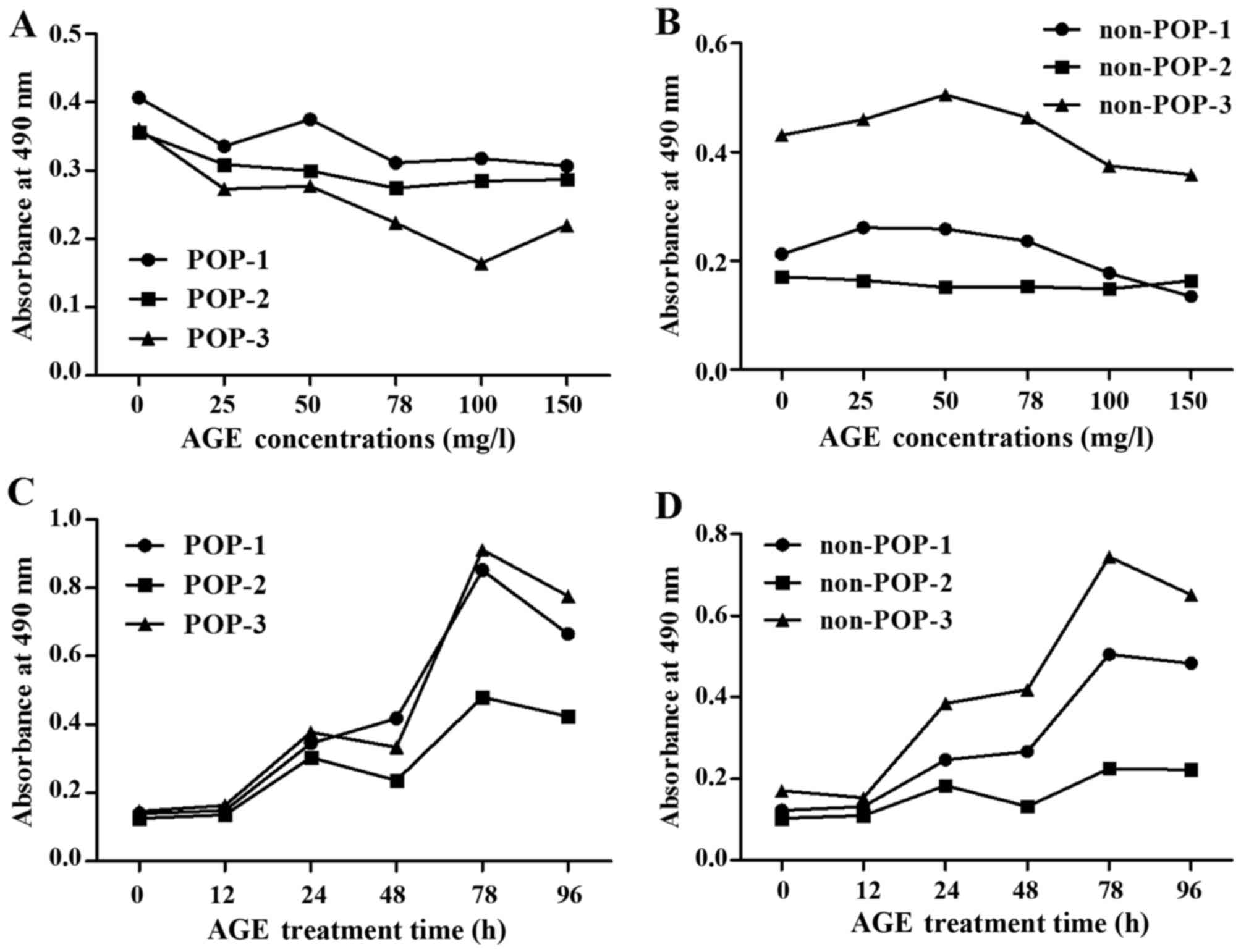
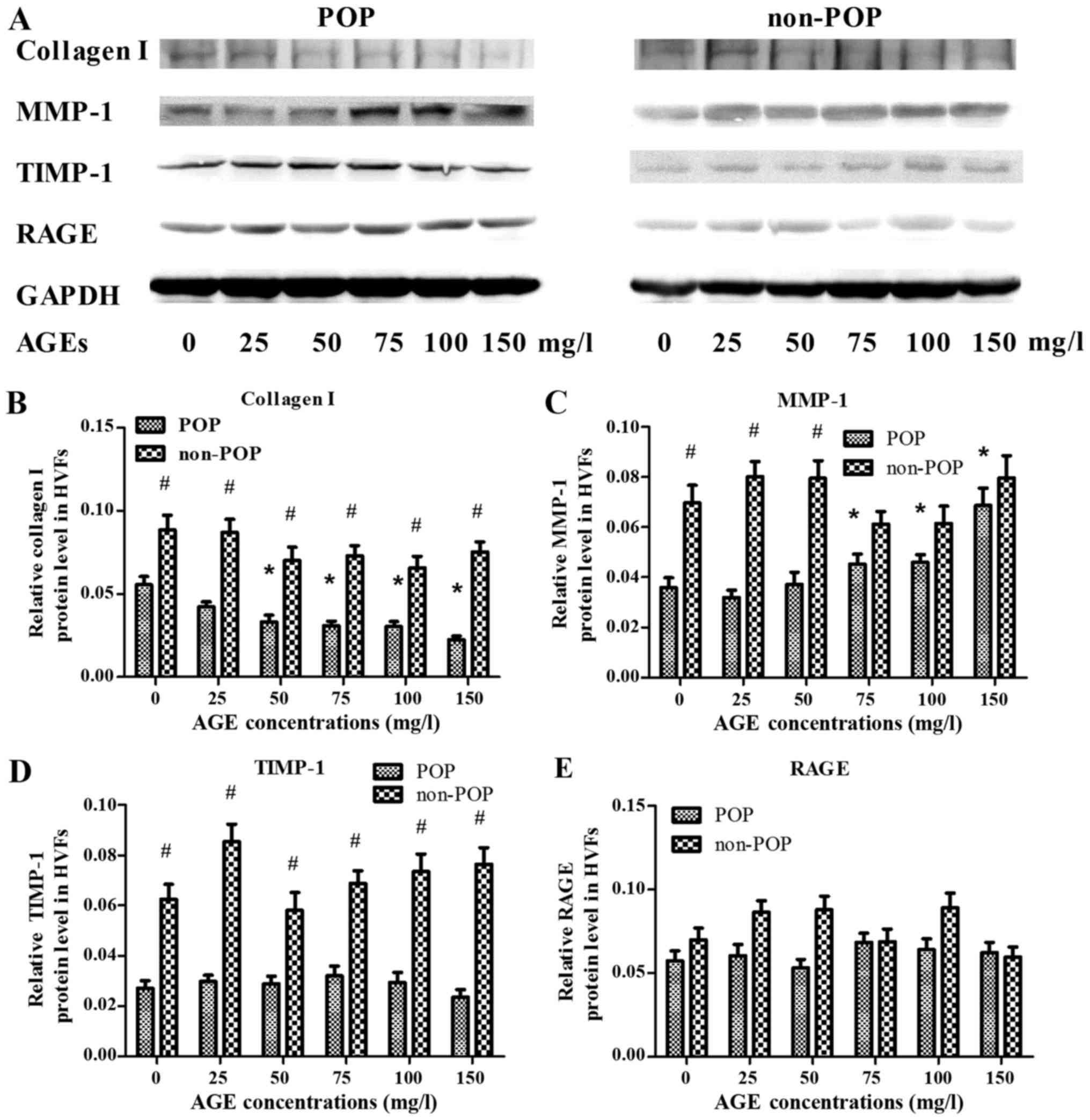
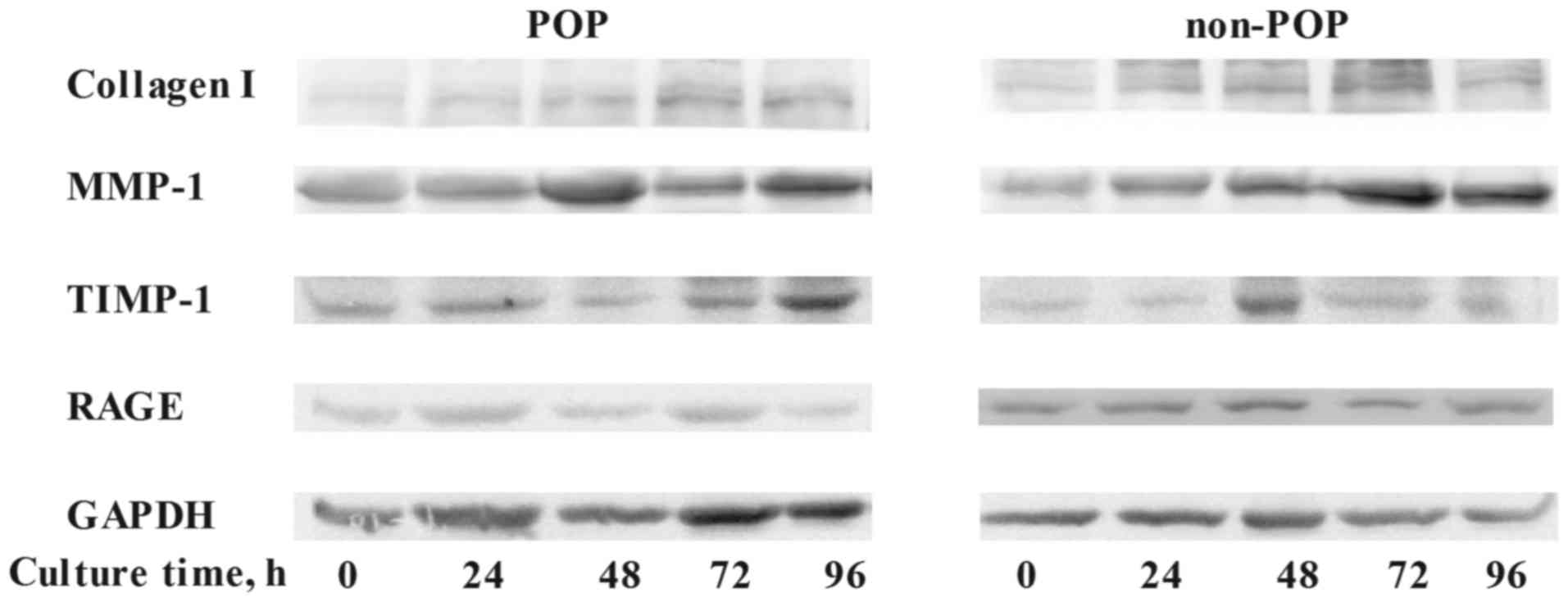
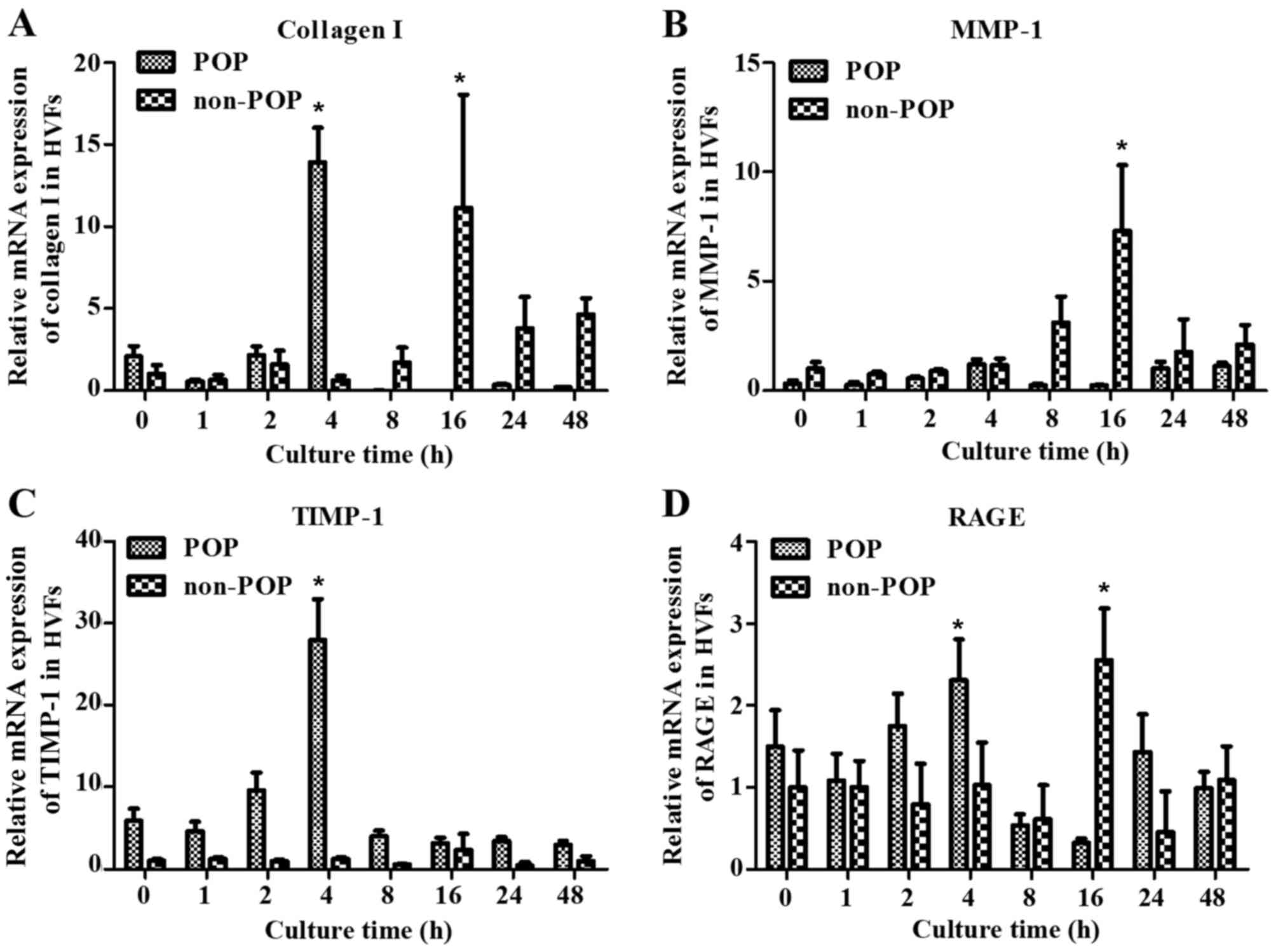
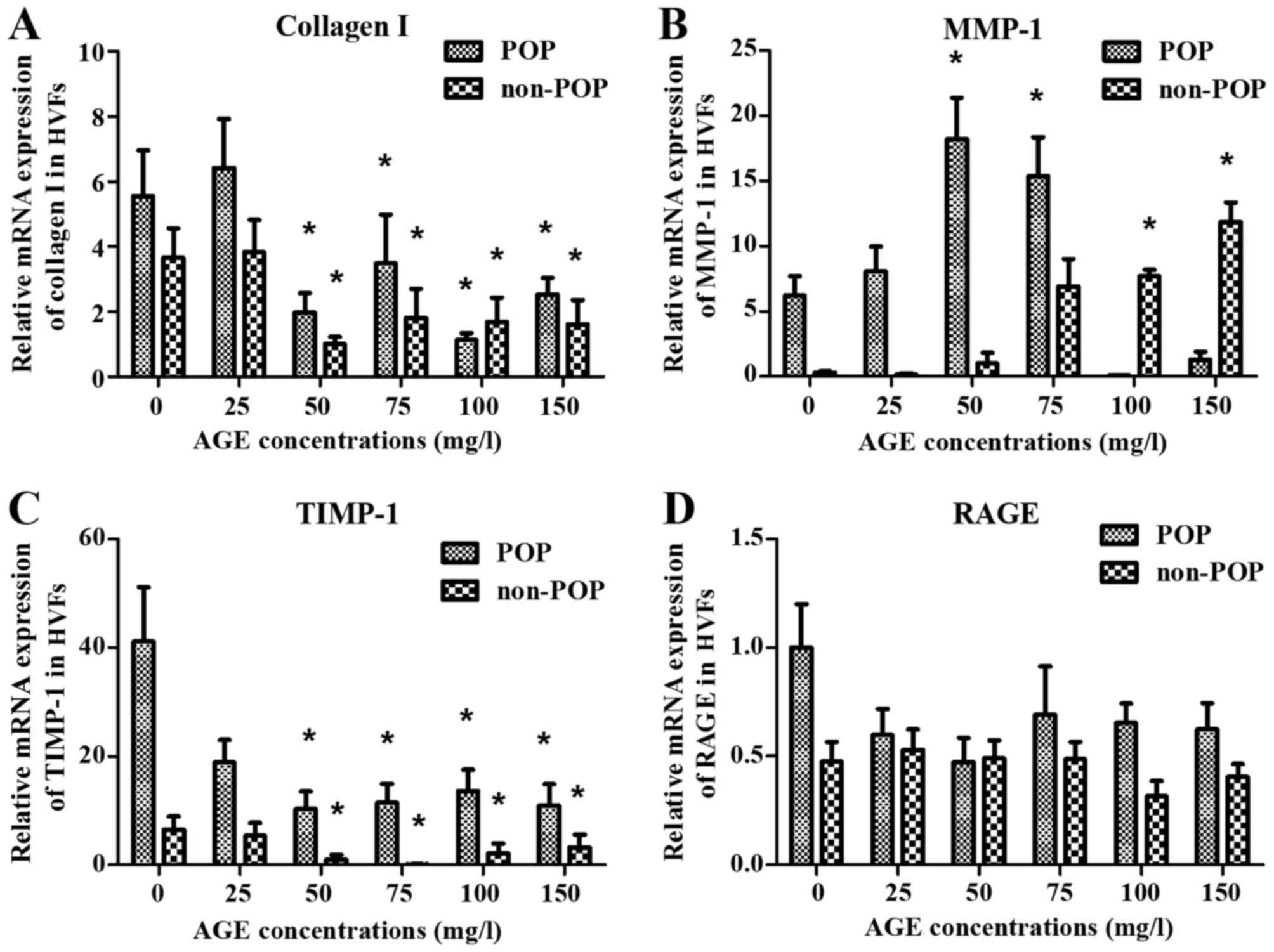
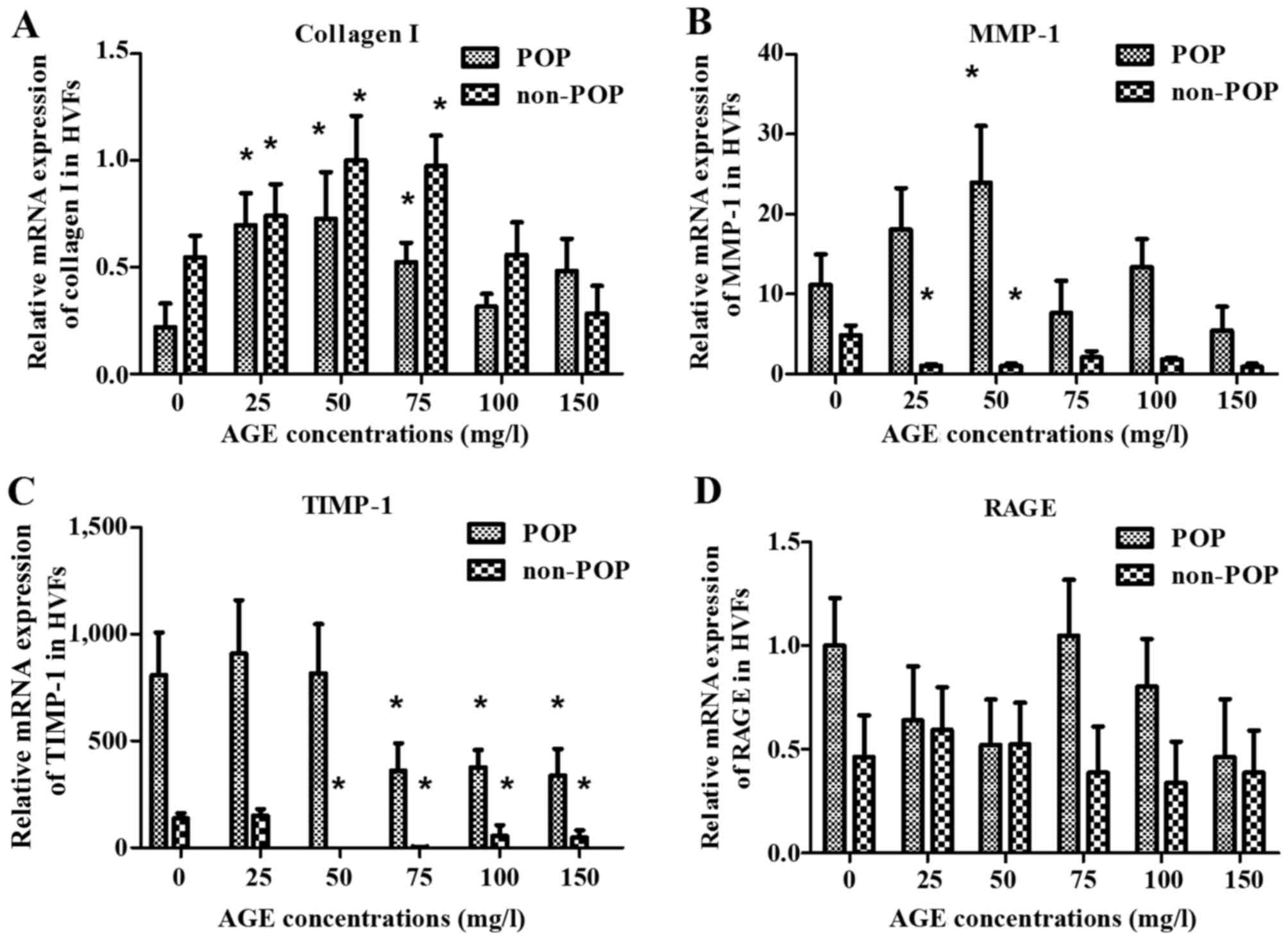
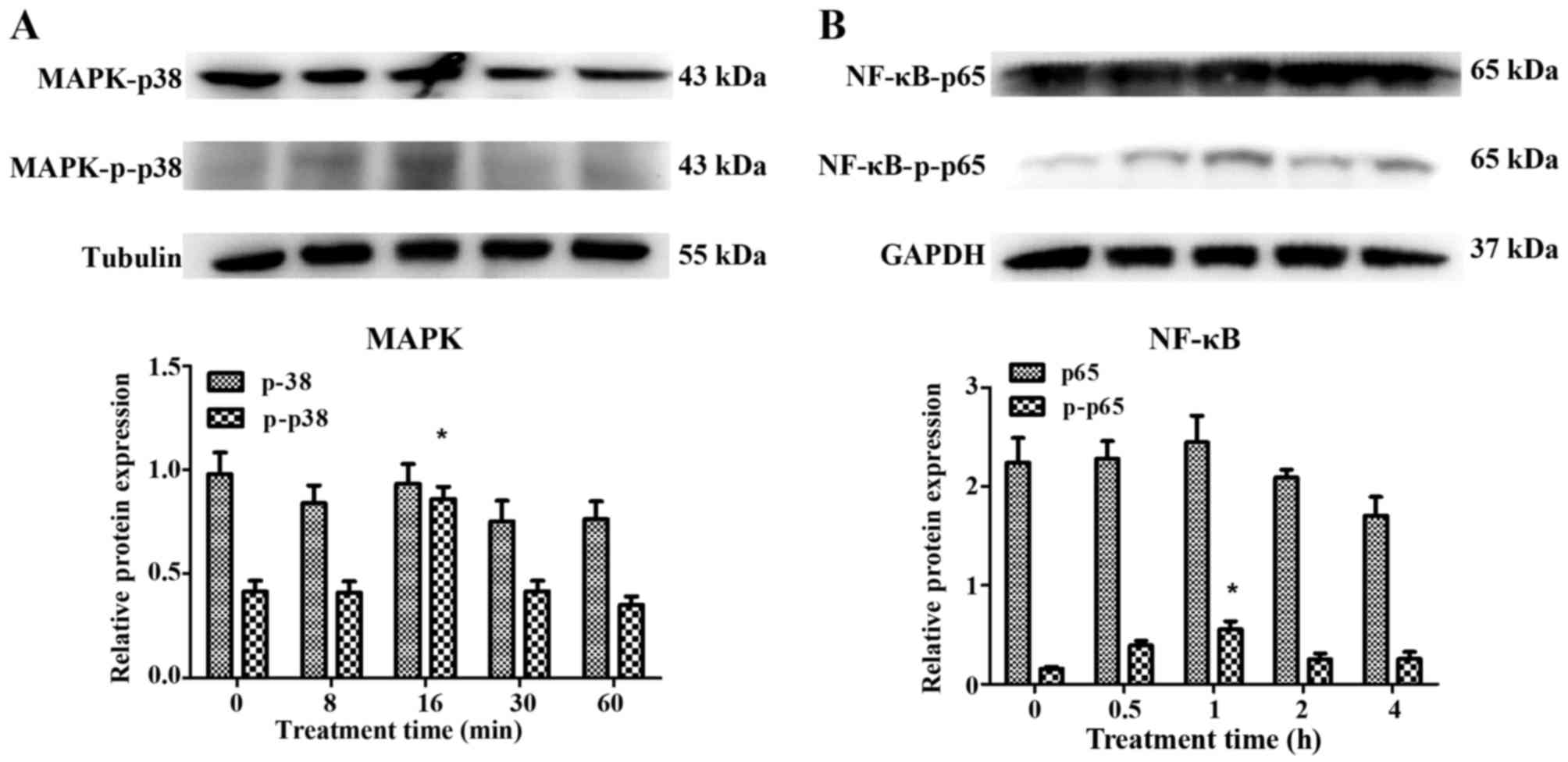
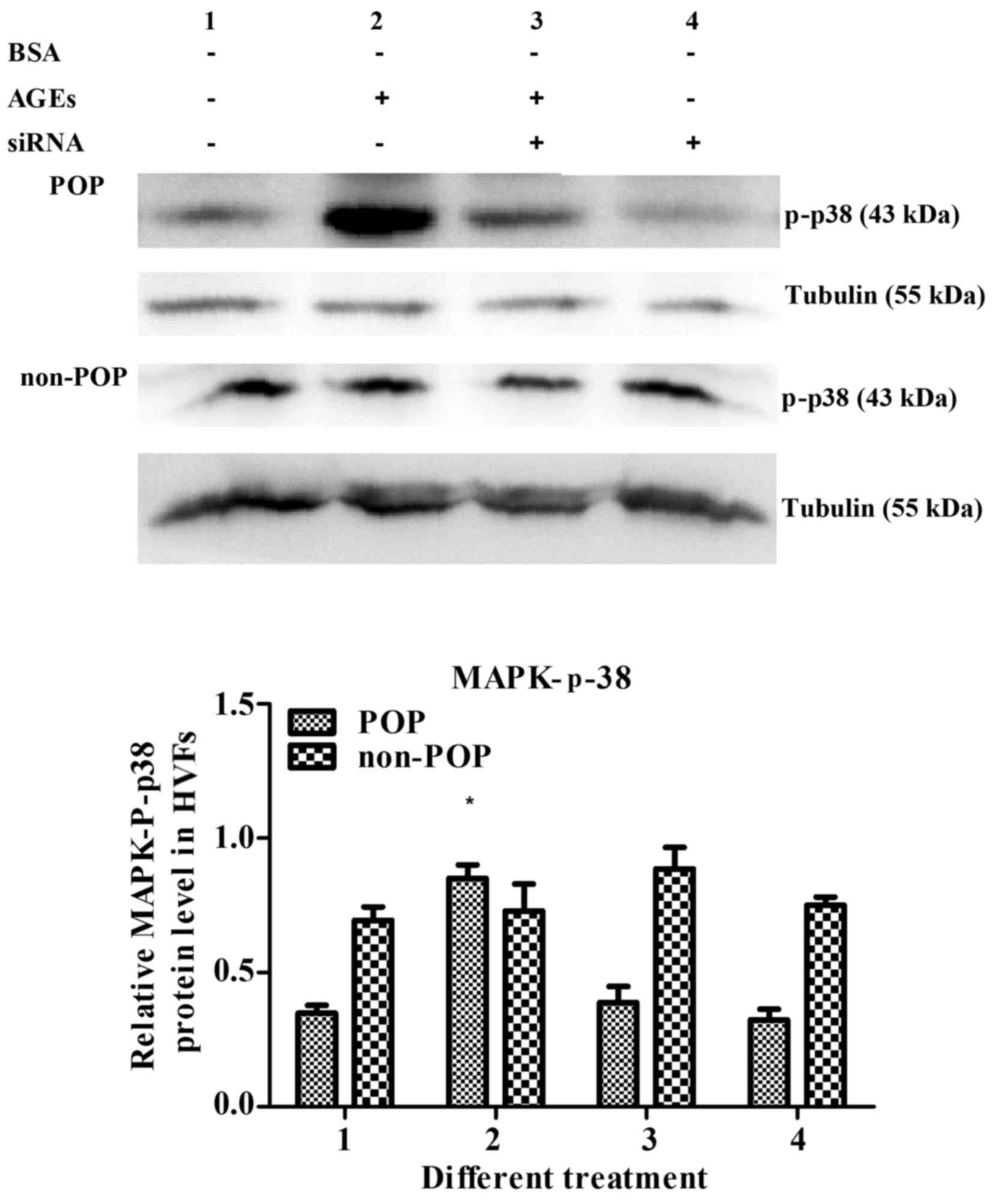
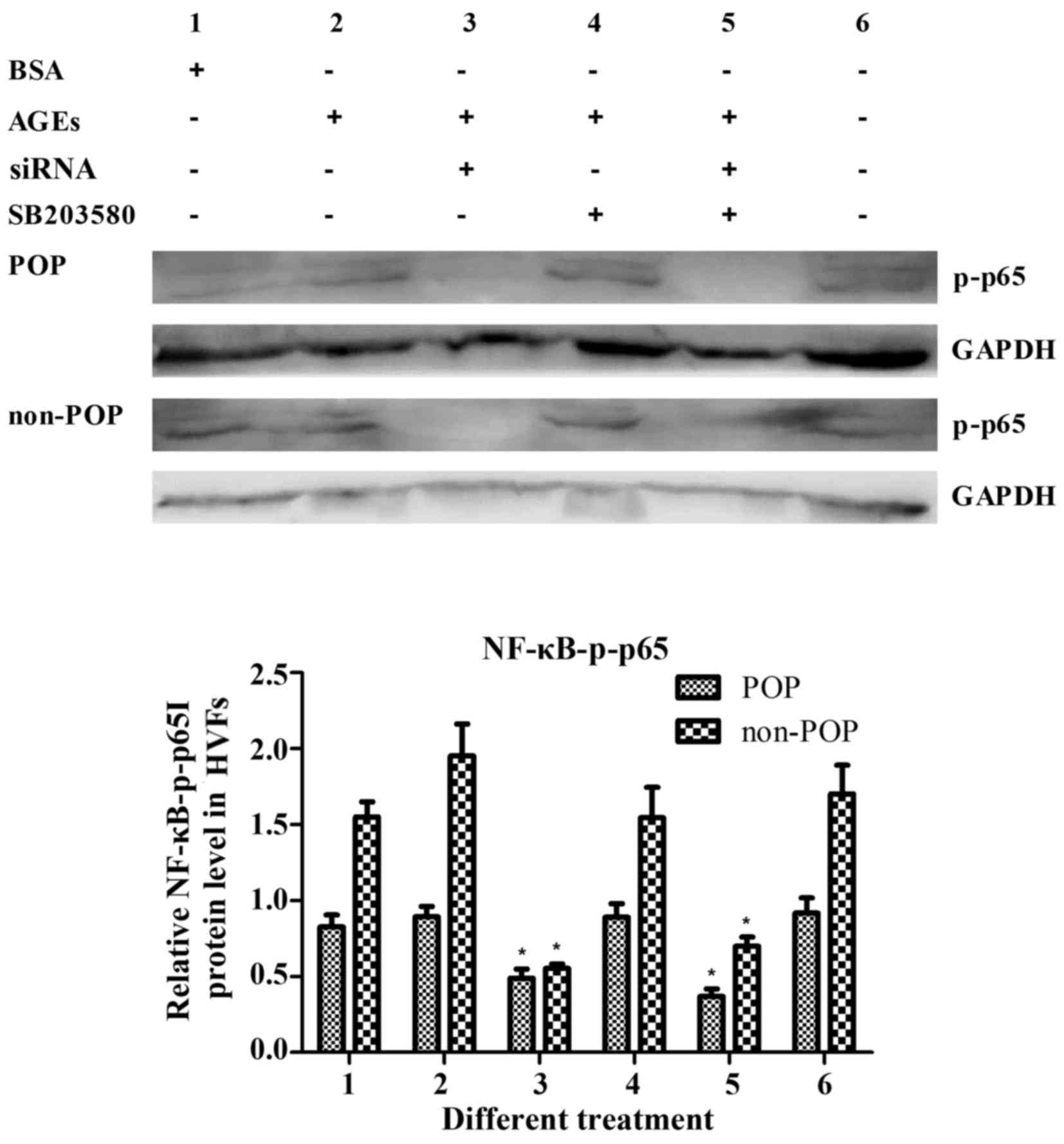
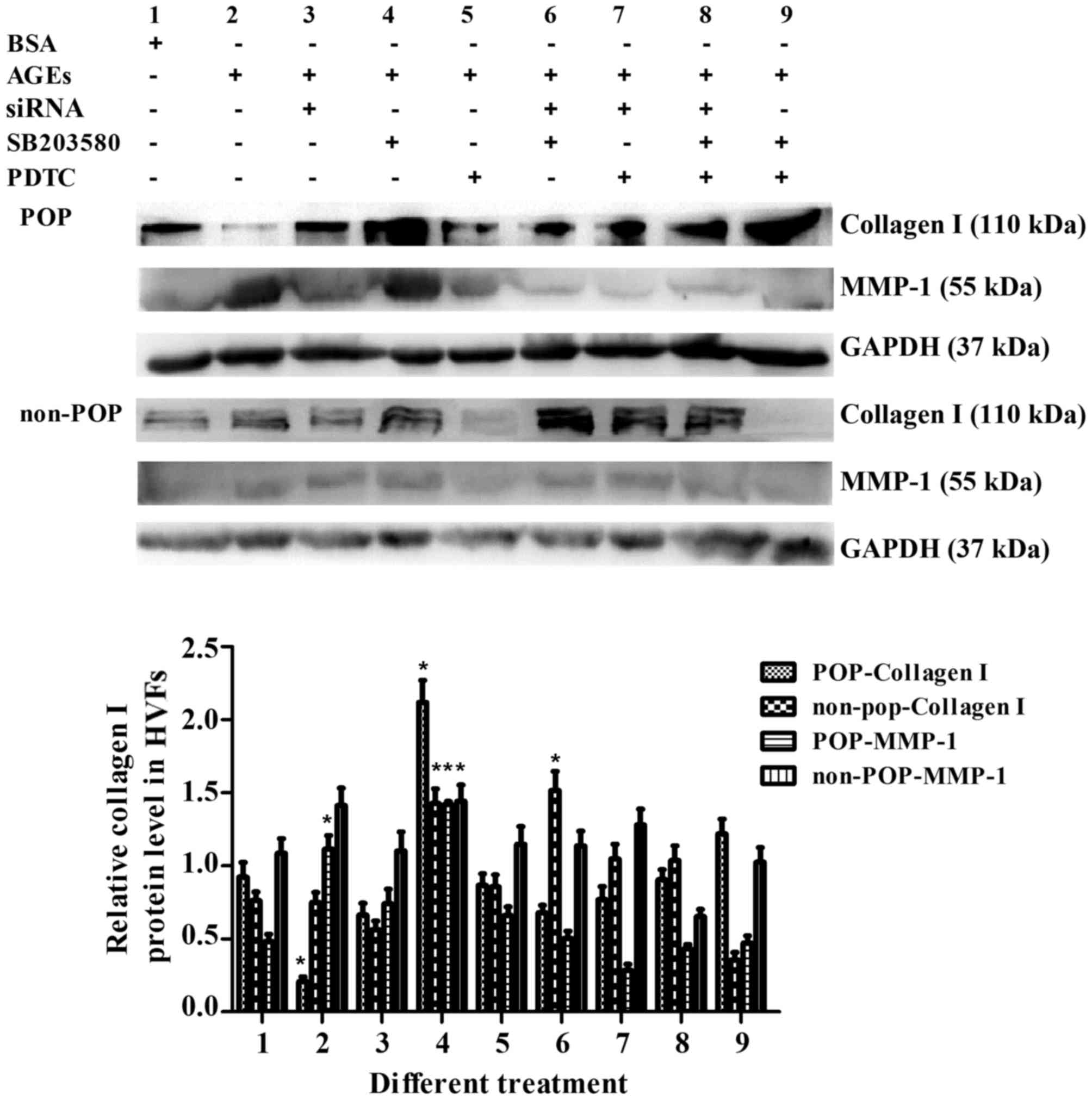
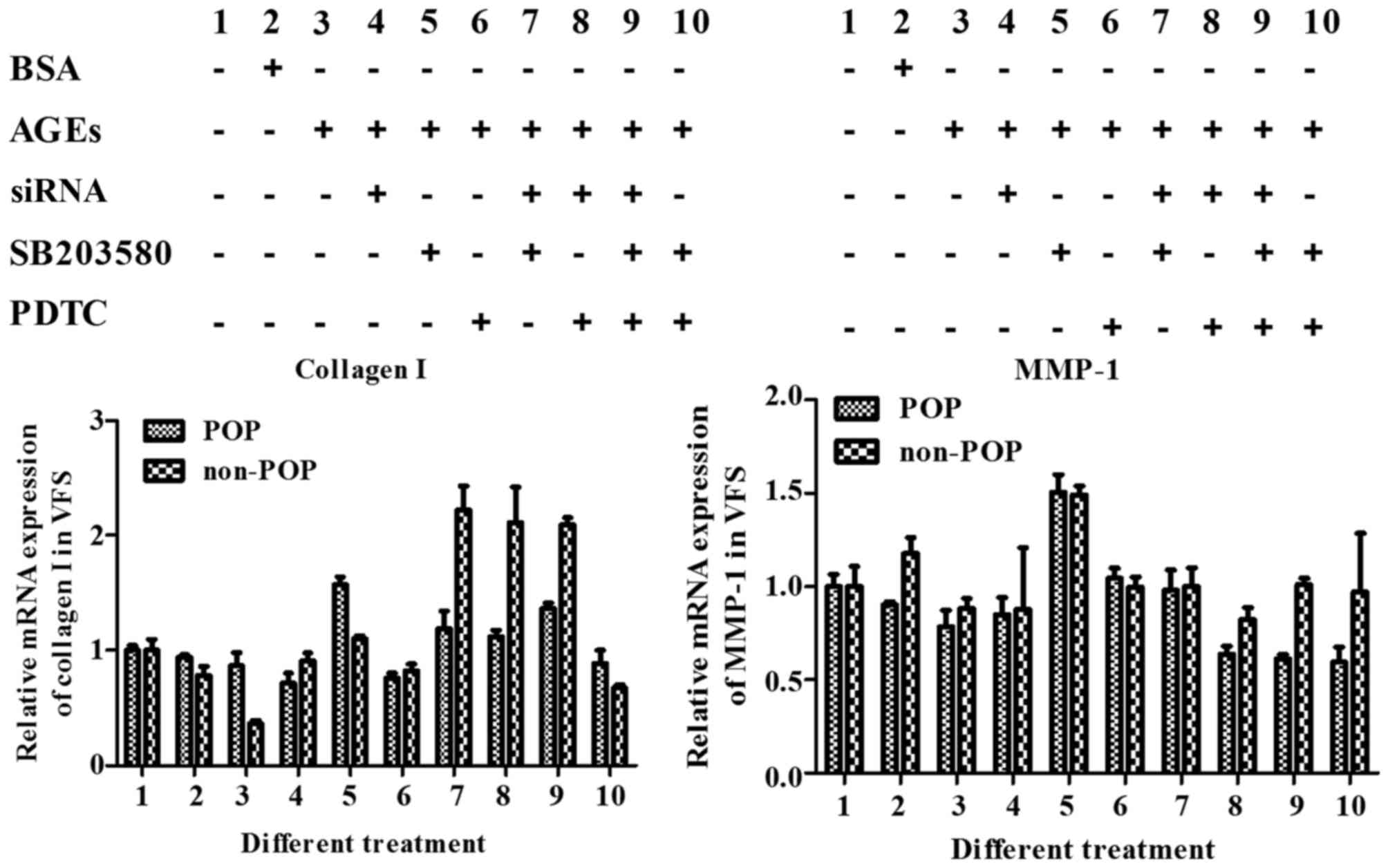
The present study was carried out to observe the impact of advanced glycation end products (AGEs) on collagen I derived from vaginal fibroblasts in the context of pelvic organ prolapse (POP), and explore the downstream effects on MAPK and nuclear factor-κB (NF-κB) signaling. After treating primary cultured human vaginal fibroblasts (HVFs) derived from POP and non-POP cases with AGEs, cell counting was carried out by sulforhodamine B. The expression levels of collagen I, receptor of advanced glycation end products (RAGE), matrix metalloproteinase-1 (MMP-1) and tissue inhibitor of metalloproteinase-1 (TIMP-1) were detected by western blot analysis and PCR. RAGE, MAPK and NF-κB were molecularly and pharmacologically-inhibited by siRNA, SB203580 and PDTC, respectively, and downstream changes were detected by western blot analysis and PCR. Inhibition of HVF proliferation by AGEs occurred more readily in POP patients than that noted in the controls. After treatment with AGEs, collagen I levels decreased and MMP-1 levels increased to a greater extent in the HVFs of POP than that noted in the controls. During this same period, RAGE and TIMP-1 levels remained stable. Following treatment with AGEs and RAGE pathway inhibitors by siRNA, SB203580 and PDTC, the impact induced by AGEs was diminished. The inhibition of p-p38 MAPK alone was not able to block the promoting effect of AGEs on the levels of NF-κB, which suggests that AGEs may function through other pathways, as well as p-p38 MAPK. On the whole, this study demonstrated that AGEs inhibited HVF proliferation in POP cases and decreased the expression of collagen I through RAGE and/or p-p38 MAPK and NF-κB-p-p65 pathways. Our results provide important insights into the collagen I metabolism in HVFs in POP.
View Figures

Figure 1

Figure 2

Figure 3

Figure 4

Figure 5

Figure 6

Figure 7

Figure 8

Figure 9

Figure 10

Figure 11

Figure 12

Figure 13

Figure 14

View References

1 

Chow D and Rodríguez LV: Epidemiology and prevalence of pelvic organ prolapse. Curr Opin Urol. 23:293–298. 2013. View Article : Google Scholar : PubMed/NCBI

2 

Sun B, Zhou L, Wen Y, Wang C, Baer TM, Pera RR and Chen B: Proliferative behavior of vaginal fibroblasts from women with pelvic organ prolapse. Eur J Obstet Gynecol Reprod Biol. 183:1–4. 2014. View Article : Google Scholar : PubMed/NCBI

3 

Ruiz-Zapata AM, Kerkhof MH, Zandieh-Doulabi B, Brölmann HA, Smit TH and Helder MN: Functional characteristics of vaginal fibroblastic cells from premenopausal women with pelvic organ prolapse. Mol Hum Reprod. 20:1135–1143. 2014. View Article : Google Scholar : PubMed/NCBI

4 

Chen HY, Lu Y, Qi Y, Bai WP and Liao QP: Relationship between the expressions of mitofusin-2 and procollagen in uterosacral ligament fibroblasts of postmenopausal patients with pelvic organ prolapse. Eur J Obstet Gynecol Reprod Biol. 174:141–145. 2014. View Article : Google Scholar

5 

Kanta J: Collagen matrix as a tool in studying fibroblastic cell behavior. Cell Adh Migr. 9:308–316. 2015. View Article : Google Scholar : PubMed/NCBI

6 

Lim VF, Khoo JK, Wong V and Moore KH: Recent studies of genetic dysfunction in pelvic organ prolapse: the role of collagen defects. Aust N Z J Obstet Gynaecol. 54:198–205. 2014. View Article : Google Scholar : PubMed/NCBI

7 

Jackson SR, Avery NC, Tarlton JF, Eckford SD, Abrams P and Bailey AJ: Changes in metabolism of collagen in genitourinary prolapsed. Lancet. 347:1658–1661. 1996. View Article : Google Scholar : PubMed/NCBI

8 

Han L, Wang L, Wang Q, Li H and Zang H: Association between pelvic organ prolapsed and stress urinary incontinence with collagen. Exp Ther Med. 7:1337–1341. 2014. View Article : Google Scholar : PubMed/NCBI

9 

Kerkhof MH, Ruiz-Zapata AM, Bril H, Bleeker MC, Belien JA, Stoop R and Helder MN: Changes in tissue composition of the vaginal wall of premenopausal women with prolapse. Am J Obstet Gynecol. 210:168.e1–9. 2014. View Article : Google Scholar

10 

Vulic M, Strinic T, Tomic S, Capkun V, Jakus IA and Ivica S: Difference in expression of collagen type I and matrix metalloproteinase-1 in uterosacral ligaments of women with and without pelvic organ prolapse. Eur J Obstet Gynecol Reprod Biol. 155:225–228. 2011. View Article : Google Scholar : PubMed/NCBI

11 

Dviri M, Leron E, Dreiher J, Mazor M and Shaco-Levy R: Increased matrix metalloproteinases-1,-9 in the uterosacral ligaments and vaginal tissue from women with pelvic organ prolapse. Eur J Obstet Gynecol Reprod Biol. 156:113–117. 2011. View Article : Google Scholar : PubMed/NCBI

12 

Wang X, Li Y, Chen J, Guo X, Guan H and Li C: Differential expression profiling of matrix metalloproteinases and tissue inhibitors of metalloproteinases in females with or without pelvic organ prolapse. Mol Med Rep. 10:2004–2008. 2014. View Article : Google Scholar : PubMed/NCBI

13 

Willett TL, Pasquale J and Grynpas MD: Collagen modifications in postmenopausal osteoporosis: Advanced glycation endproducts may affect bone volume, structure and quality. Curr Osteoporos Rep. 12:329–337. 2014. View Article : Google Scholar : PubMed/NCBI

14 

Ajith TA and Vinodkumar P: Advanced glycation end products: Association with the pathogenesis of diseases and the current therapeutic advances. Curr Clin Pharmacol. 11:118–127. 2016. View Article : Google Scholar : PubMed/NCBI

15 

Yamagishi S, Fukami K and Matsui T: Evaluation of tissue accumulation levels of advanced glycation end products by skin autofluorescence: A novel marker of vascular complications in high-risk patients for cardiovascular disease. Int J Cardiol. 185:263–268. 2015. View Article : Google Scholar : PubMed/NCBI

16 

Hu H, Jiang H, Ren H, Hu X, Wang X and Han C: AGEs and chronic subclinical inflammation in diabetes: Disorders of immune system. Diabetes Metab Res Rev. 31:127–137. 2015. View Article : Google Scholar

17 

Gkogkolou P and Böhm M: Advanced glycation end products: Key players in skin aging? Dermatoendocrinol. 4:259–270. 2012. View Article : Google Scholar

18 

Chen Y, Huang J, Hu C and Hua K: Relationship of advanced glycation end products and their receptor to pelvic organ prolapse. Int J Clin Exp Pathol. 8:2288–2299. 2015.PubMed/NCBI

19 

El Mourabit H, Loeuillard E, Lemoinne S, Cadoret A and Housset C: Culture model of rat portal myofibroblasts. Front Physiol. 7:1202016. View Article : Google Scholar : PubMed/NCBI

20 

Olszewski S, Olszewska E, Popko J, Poskrobko E, Sierakowski S and Zwierz K: Fibroblast-like synovial cells in rheumatoid arthritis - the impact of infliximab on hexosaminidase activity. Adv Clin Exp Med. 24:807–813. 2015. View Article : Google Scholar

21 

Yong WK, Ho YF and Malek SN: Xanthohumol induces apoptosis and S phase cell cycle arrest in A549 non-small cell lung cancer cells. Pharmacogn Mag. 11(Suppl 2): S275–S283. 2015. View Article : Google Scholar : PubMed/NCBI

22 

Nájera-Martínez M, García-Latorre EA and Reyes-Maldonado E: Halomethane-induced cytotoxicity and cell proliferation in human lung MRC-5 fibroblasts and NL20-TA epithelial cells. Inhal Toxicol. 24:762–773. 2012. View Article : Google Scholar : PubMed/NCBI

23 

Radia AM, Yaser AM, Ma X, Zhang J, Yang C, Dong Q, Rong P, Ye B, Liu S and Wang W: Specific siRNA targeting receptor for advanced glycation end products (RAGE) decreases proliferation in human breast cancer cell lines. Int J Mol Sci. 14:7959–7978. 2013. View Article : Google Scholar : PubMed/NCBI

24 

Monden M, Koyama H, Otsuka Y, Morioka T, Mori K, Shoji T, Mima Y, Motoyama K, Fukumoto S, Shioi A, et al: Receptor for advanced glycation end products regulates adipocyte hypertrophy and insulin sensitivity in mice: Involvement of Toll-like receptor 2. Diabetes. 62:478–489. 2013. View Article : Google Scholar :

25 

Volz HC, Laohachewin D, Seidel C, Lasitschka F, Keilbach K, Wienbrandt AR, Andrassy J, Bierhaus A, Kaya Z, Katus HA, et al: S100A8/A9 aggravates post-ischemic heart failure through activation of RAGE-dependent NF-κB signaling. Basic Res Cardiol. 107:2502012. View Article : Google Scholar

26 

Angiolilli C, Kabala PA, Grabiec AM, Van Baarsen IM, Ferguson BS, García S, Malvar Fernandez B, McKinsey TA, Tak PP, Fossati G, et al: Histone deacetylase 3 regulates the inflammatory gene expression programme of rheumatoid arthritis fibroblast-like synoviocytes. Ann Rheum Dis. 76:277–285. 2017. View Article : Google Scholar :

27 

Liu H, Liu A, Shi C and Li B: Curcumin suppresses transforming growth factor-β1-induced cardiac fibroblast differentiation via inhibition of Smad-2 and p38 MAPK signaling pathways. Exp Ther Med. 11:998–1004. 2016. View Article : Google Scholar : PubMed/NCBI

28 

Su C, Chen M, Huang H and Lin J: Testosterone enhances lipopolysaccharide-induced interleukin-6 and macrophage chemotactic protein-1 expression by activating the extracellular signal-regulated kinase 1/2/nuclear factor-κB signalling pathways in 3T3-L1 adipocytes. Mol Med Rep. 12:696–704. 2015. View Article : Google Scholar : PubMed/NCBI

29 

Marelli B, Le Nihouannen D, Hacking SA, Tran S, Li J, Murshed M, Doillon CJ, Ghezzi CE, Zhang YL, Nazhat SN and Barralet JE: Newly identified interfibrillar collagen crosslinking suppresses cell proliferation and remodelling. Biomaterials. 54:126–135. 2015. View Article : Google Scholar : PubMed/NCBI

30 

Li W, Xu Q, Deng Y, Yang Z, Xing S, Zhao X, Zhu P, Wang X, He Z and Gao Y: High-mobility group box 1 accelerates lipopolysaccharide-induced lung fibroblast proliferation in vitro: Involvement of the NF-κB signaling pathway. Lab Invest. 95:635–647. 2015. View Article : Google Scholar : PubMed/NCBI

31 

Kökçü A, Yanik F, Cetinkaya M, Alper T, Kandemir B and Malatyalioglu E: Histopathological evaluation of the connective tissue of the vaginal fascia and the uterine ligaments inwomen with and without pelvic relaxation. Arch Gynecol Obstet. 266:75–78. 2002. View Article : Google Scholar

32 

Niu Y, Xie T, Ge K, Lin Y and Lu S: Effects of extracellular matrix glycosylation on proliferation and apoptosis of human dermal fibroblasts via the receptor for advanced glycosylated end products. Am J Dermatopathol. 30:344–351. 2008. View Article : Google Scholar : PubMed/NCBI

33 

Abbass MM, Korany NS, Salama AH, Dmytryk JJ and Safiejko-Mroczka B: The relationship between receptor for advanced glycation end products expression and the severity of periodontal disease in the gingiva of diabetic and non diabetic periodontitis patients. Arch Oral Biol. 57:1342–1354. 2012. View Article : Google Scholar : PubMed/NCBI

34 

Matsui T, Nakashima S, Nishino Y, Ojima A, Nakamura N, Arima K, Fukami K, Okuda S and Yamagishi S: Dipeptidyl peptidase-4 deficiency protects against experimental diabetic nephropathy partly by blocking the advanced glycation end products-receptor axis. Lab Invest. 95:525–533. 2015. View Article : Google Scholar : PubMed/NCBI

35 

Giridharan VV, Thandavarayan RA, Arumugam S, Mizuno M, Nawa H, Suzuki K, Ko KM, Krishnamurthy P, Watanabe K and Konishi T: Schisandrin B ameliorates ICV-infused amyloid β induced oxidative stress and neuronal dysfunction through inhibiting RAGE/NF-κB/MAPK and up-regulating HSP/Beclin expression. PLoS One. 10:e01424832015. View Article : Google Scholar

36 

Wu Q, Li S, Li X, Sui Y, Yang Y, Dong L, Xie B and Sun Z: Inhibition of advanced glycation endproduct formation by lotus seedpod oligomeric procyanidins through RAGE-MAPK signaling and NF-κB activation in high-fat-diet rats. J Agric Food Chem. 63:6989–6998. 2015. View Article : Google Scholar : PubMed/NCBI

37 

Medeiros MC, Frasnelli SC, Bastos AS, Orrico SR and Rossa C Jr: Modulation of cell proliferation, survival and gene expression by RAGE and TLR signaling in cells of the innate and adaptive immune response: Role of p38 MAPK and NF-κB. J Appl Oral Sci. 22:185–193. 2014. View Article : Google Scholar : PubMed/NCBI

38 

He ZW, Qin YH, Wang ZW, Chen Y, Shen Q and Dai SM: HMGB1 acts in synergy with lipopolysaccharide in activating rheumatoid synovial fibroblasts via p38 MAPK and NF-κB signaling pathways. Mediators Inflamm. 2013:5967162013. View Article : Google Scholar

39 

de Bittencourt Pasquali MA, Gelain DP, Zeidán-Chuliá F, Pires AS, Gasparotto J, Terra SR and Moreira JC: Vitamin A (retinol) downregulates the receptor for advanced glycation endproducts (RAGE) by oxidant-dependent activation of p38 MAPK and NF-κB in human lung cancer A549 cells. Cell Signal. 25:939–954. 2013. View Article : Google Scholar : PubMed/NCBI

Related Articles

  • Abstract
  • View
  • Download
  • Twitter
Copy and paste a formatted citation
Spandidos Publications style
Chen Y, Wang X, Feng W and Hua K: Advanced glycation end products decrease collagen I levels in fibroblasts from the vaginal wall of patients with POP via the RAGE, MAPK and NF-κB pathways. Int J Mol Med 40: 987-998, 2017.
APA
Chen, Y., Wang, X., Feng, W., & Hua, K. (2017). Advanced glycation end products decrease collagen I levels in fibroblasts from the vaginal wall of patients with POP via the RAGE, MAPK and NF-κB pathways. International Journal of Molecular Medicine, 40, 987-998. https://doi.org/10.3892/ijmm.2017.3097
MLA
Chen, Y., Wang, X., Feng, W., Hua, K."Advanced glycation end products decrease collagen I levels in fibroblasts from the vaginal wall of patients with POP via the RAGE, MAPK and NF-κB pathways". International Journal of Molecular Medicine 40.4 (2017): 987-998.
Chicago
Chen, Y., Wang, X., Feng, W., Hua, K."Advanced glycation end products decrease collagen I levels in fibroblasts from the vaginal wall of patients with POP via the RAGE, MAPK and NF-κB pathways". International Journal of Molecular Medicine 40, no. 4 (2017): 987-998. https://doi.org/10.3892/ijmm.2017.3097
Copy and paste a formatted citation
x
Spandidos Publications style
Chen Y, Wang X, Feng W and Hua K: Advanced glycation end products decrease collagen I levels in fibroblasts from the vaginal wall of patients with POP via the RAGE, MAPK and NF-κB pathways. Int J Mol Med 40: 987-998, 2017.
APA
Chen, Y., Wang, X., Feng, W., & Hua, K. (2017). Advanced glycation end products decrease collagen I levels in fibroblasts from the vaginal wall of patients with POP via the RAGE, MAPK and NF-κB pathways. International Journal of Molecular Medicine, 40, 987-998. https://doi.org/10.3892/ijmm.2017.3097
MLA
Chen, Y., Wang, X., Feng, W., Hua, K."Advanced glycation end products decrease collagen I levels in fibroblasts from the vaginal wall of patients with POP via the RAGE, MAPK and NF-κB pathways". International Journal of Molecular Medicine 40.4 (2017): 987-998.
Chicago
Chen, Y., Wang, X., Feng, W., Hua, K."Advanced glycation end products decrease collagen I levels in fibroblasts from the vaginal wall of patients with POP via the RAGE, MAPK and NF-κB pathways". International Journal of Molecular Medicine 40, no. 4 (2017): 987-998. https://doi.org/10.3892/ijmm.2017.3097
Follow us
  • Twitter
  • LinkedIn
  • Facebook
About
  • Spandidos Publications
  • Careers
  • Cookie Policy
  • Privacy Policy
How can we help?
  • Help
  • Live Chat
  • Contact
  • Email to our Support Team