Spandidos Publications Logo
  • About
    • About Spandidos
    • Aims and Scopes
    • Abstracting and Indexing
    • Editorial Policies
    • Reprints and Permissions
    • Job Opportunities
    • Terms and Conditions
    • Contact
  • Journals
    • All Journals
    • Oncology Letters
      • Oncology Letters
      • Information for Authors
      • Editorial Policies
      • Editorial Board
      • Aims and Scope
      • Abstracting and Indexing
      • Bibliographic Information
      • Archive
    • International Journal of Oncology
      • International Journal of Oncology
      • Information for Authors
      • Editorial Policies
      • Editorial Board
      • Aims and Scope
      • Abstracting and Indexing
      • Bibliographic Information
      • Archive
    • Molecular and Clinical Oncology
      • Molecular and Clinical Oncology
      • Information for Authors
      • Editorial Policies
      • Editorial Board
      • Aims and Scope
      • Abstracting and Indexing
      • Bibliographic Information
      • Archive
    • Experimental and Therapeutic Medicine
      • Experimental and Therapeutic Medicine
      • Information for Authors
      • Editorial Policies
      • Editorial Board
      • Aims and Scope
      • Abstracting and Indexing
      • Bibliographic Information
      • Archive
    • International Journal of Molecular Medicine
      • International Journal of Molecular Medicine
      • Information for Authors
      • Editorial Policies
      • Editorial Board
      • Aims and Scope
      • Abstracting and Indexing
      • Bibliographic Information
      • Archive
    • Biomedical Reports
      • Biomedical Reports
      • Information for Authors
      • Editorial Policies
      • Editorial Board
      • Aims and Scope
      • Abstracting and Indexing
      • Bibliographic Information
      • Archive
    • Oncology Reports
      • Oncology Reports
      • Information for Authors
      • Editorial Policies
      • Editorial Board
      • Aims and Scope
      • Abstracting and Indexing
      • Bibliographic Information
      • Archive
    • Molecular Medicine Reports
      • Molecular Medicine Reports
      • Information for Authors
      • Editorial Policies
      • Editorial Board
      • Aims and Scope
      • Abstracting and Indexing
      • Bibliographic Information
      • Archive
    • World Academy of Sciences Journal
      • World Academy of Sciences Journal
      • Information for Authors
      • Editorial Policies
      • Editorial Board
      • Aims and Scope
      • Abstracting and Indexing
      • Bibliographic Information
      • Archive
    • International Journal of Functional Nutrition
      • International Journal of Functional Nutrition
      • Information for Authors
      • Editorial Policies
      • Editorial Board
      • Aims and Scope
      • Abstracting and Indexing
      • Bibliographic Information
      • Archive
    • International Journal of Epigenetics
      • International Journal of Epigenetics
      • Information for Authors
      • Editorial Policies
      • Editorial Board
      • Aims and Scope
      • Abstracting and Indexing
      • Bibliographic Information
      • Archive
    • Medicine International
      • Medicine International
      • Information for Authors
      • Editorial Policies
      • Editorial Board
      • Aims and Scope
      • Abstracting and Indexing
      • Bibliographic Information
      • Archive
  • Articles
  • Information
    • Information for Authors
    • Information for Reviewers
    • Information for Librarians
    • Information for Advertisers
    • Conferences
  • Language Editing
Spandidos Publications Logo
  • About
    • About Spandidos
    • Aims and Scopes
    • Abstracting and Indexing
    • Editorial Policies
    • Reprints and Permissions
    • Job Opportunities
    • Terms and Conditions
    • Contact
  • Journals
    • All Journals
    • Biomedical Reports
      • Information for Authors
      • Editorial Policies
      • Editorial Board
      • Aims and Scope
      • Abstracting and Indexing
      • Bibliographic Information
      • Archive
    • Experimental and Therapeutic Medicine
      • Information for Authors
      • Editorial Policies
      • Editorial Board
      • Aims and Scope
      • Abstracting and Indexing
      • Bibliographic Information
      • Archive
    • International Journal of Epigenetics
      • Information for Authors
      • Editorial Policies
      • Editorial Board
      • Aims and Scope
      • Abstracting and Indexing
      • Bibliographic Information
      • Archive
    • International Journal of Functional Nutrition
      • Information for Authors
      • Editorial Policies
      • Editorial Board
      • Aims and Scope
      • Abstracting and Indexing
      • Bibliographic Information
      • Archive
    • International Journal of Molecular Medicine
      • Information for Authors
      • Editorial Policies
      • Editorial Board
      • Aims and Scope
      • Abstracting and Indexing
      • Bibliographic Information
      • Archive
    • International Journal of Oncology
      • Information for Authors
      • Editorial Policies
      • Editorial Board
      • Aims and Scope
      • Abstracting and Indexing
      • Bibliographic Information
      • Archive
    • Medicine International
      • Information for Authors
      • Editorial Policies
      • Editorial Board
      • Aims and Scope
      • Abstracting and Indexing
      • Bibliographic Information
      • Archive
    • Molecular and Clinical Oncology
      • Information for Authors
      • Editorial Policies
      • Editorial Board
      • Aims and Scope
      • Abstracting and Indexing
      • Bibliographic Information
      • Archive
    • Molecular Medicine Reports
      • Information for Authors
      • Editorial Policies
      • Editorial Board
      • Aims and Scope
      • Abstracting and Indexing
      • Bibliographic Information
      • Archive
    • Oncology Letters
      • Information for Authors
      • Editorial Policies
      • Editorial Board
      • Aims and Scope
      • Abstracting and Indexing
      • Bibliographic Information
      • Archive
    • Oncology Reports
      • Information for Authors
      • Editorial Policies
      • Editorial Board
      • Aims and Scope
      • Abstracting and Indexing
      • Bibliographic Information
      • Archive
    • World Academy of Sciences Journal
      • Information for Authors
      • Editorial Policies
      • Editorial Board
      • Aims and Scope
      • Abstracting and Indexing
      • Bibliographic Information
      • Archive
  • Articles
  • Information
    • For Authors
    • For Reviewers
    • For Librarians
    • For Advertisers
    • Conferences
  • Language Editing
Login Register Submit
  • This site uses cookies
  • You can change your cookie settings at any time by following the instructions in our Cookie Policy. To find out more, you may read our Privacy Policy.

    I agree
Search articles by DOI, keyword, author or affiliation
Search
Advanced Search
presentation
International Journal of Molecular Medicine
Join Editorial Board Propose a Special Issue
Print ISSN: 1107-3756 Online ISSN: 1791-244X
Journal Cover
November-2017 Volume 40 Issue 5

Full Size Image

Sign up for eToc alerts
Recommend to Library

Journals

International Journal of Molecular Medicine

International Journal of Molecular Medicine

International Journal of Molecular Medicine is an international journal devoted to molecular mechanisms of human disease.

International Journal of Oncology

International Journal of Oncology

International Journal of Oncology is an international journal devoted to oncology research and cancer treatment.

Molecular Medicine Reports

Molecular Medicine Reports

Covers molecular medicine topics such as pharmacology, pathology, genetics, neuroscience, infectious diseases, molecular cardiology, and molecular surgery.

Oncology Reports

Oncology Reports

Oncology Reports is an international journal devoted to fundamental and applied research in Oncology.

Experimental and Therapeutic Medicine

Experimental and Therapeutic Medicine

Experimental and Therapeutic Medicine is an international journal devoted to laboratory and clinical medicine.

Oncology Letters

Oncology Letters

Oncology Letters is an international journal devoted to Experimental and Clinical Oncology.

Biomedical Reports

Biomedical Reports

Explores a wide range of biological and medical fields, including pharmacology, genetics, microbiology, neuroscience, and molecular cardiology.

Molecular and Clinical Oncology

Molecular and Clinical Oncology

International journal addressing all aspects of oncology research, from tumorigenesis and oncogenes to chemotherapy and metastasis.

World Academy of Sciences Journal

World Academy of Sciences Journal

Multidisciplinary open-access journal spanning biochemistry, genetics, neuroscience, environmental health, and synthetic biology.

International Journal of Functional Nutrition

International Journal of Functional Nutrition

Open-access journal combining biochemistry, pharmacology, immunology, and genetics to advance health through functional nutrition.

International Journal of Epigenetics

International Journal of Epigenetics

Publishes open-access research on using epigenetics to advance understanding and treatment of human disease.

Medicine International

Medicine International

An International Open Access Journal Devoted to General Medicine.

Journal Cover
November-2017 Volume 40 Issue 5

Full Size Image

Sign up for eToc alerts
Recommend to Library

  • Article
  • Citations
    • Cite This Article
    • Download Citation
    • Create Citation Alert
    • Remove Citation Alert
    • Cited By
  • Similar Articles
    • Related Articles (in Spandidos Publications)
    • Similar Articles (Google Scholar)
    • Similar Articles (PubMed)
  • Download PDF
  • Download XML
  • View XML
Article Open Access

PKCζ as a promising therapeutic target for TNFα-induced inflammatory disorders in chronic cutaneous wounds

  • Authors:
    • Jian Zhang
    • Xuekang Yang
    • Hongtao Wang
    • Bin Zhao
    • Xue Wu
    • Linlin Su
    • Songtao Xie
    • Yunchuan Wang
    • Jun Li
    • Jiaqi Liu
    • Mengdong Liu
    • Fu Han
    • Ting He
    • Wei Zhang
    • Ke Tao
    • Dahai Hu
  • View Affiliations / Copyright

    Affiliations: Department of Burns and Cutaneous Surgery, Xijing Hospital, The Fourth Military Medical University, Xi'an, Shaanxi 710032, P.R. China
    Copyright: © Zhang et al. This is an open access article distributed under the terms of Creative Commons Attribution License.
  • Pages: 1335-1346
    |
    Published online on: September 20, 2017
       https://doi.org/10.3892/ijmm.2017.3144
  • Expand metrics +
Metrics: Total Views: 0 (Spandidos Publications: | PMC Statistics: )
Metrics: Total PDF Downloads: 0 (Spandidos Publications: | PMC Statistics: )
Cited By (CrossRef): 0 citations Loading Articles...

This article is mentioned in:


Abstract

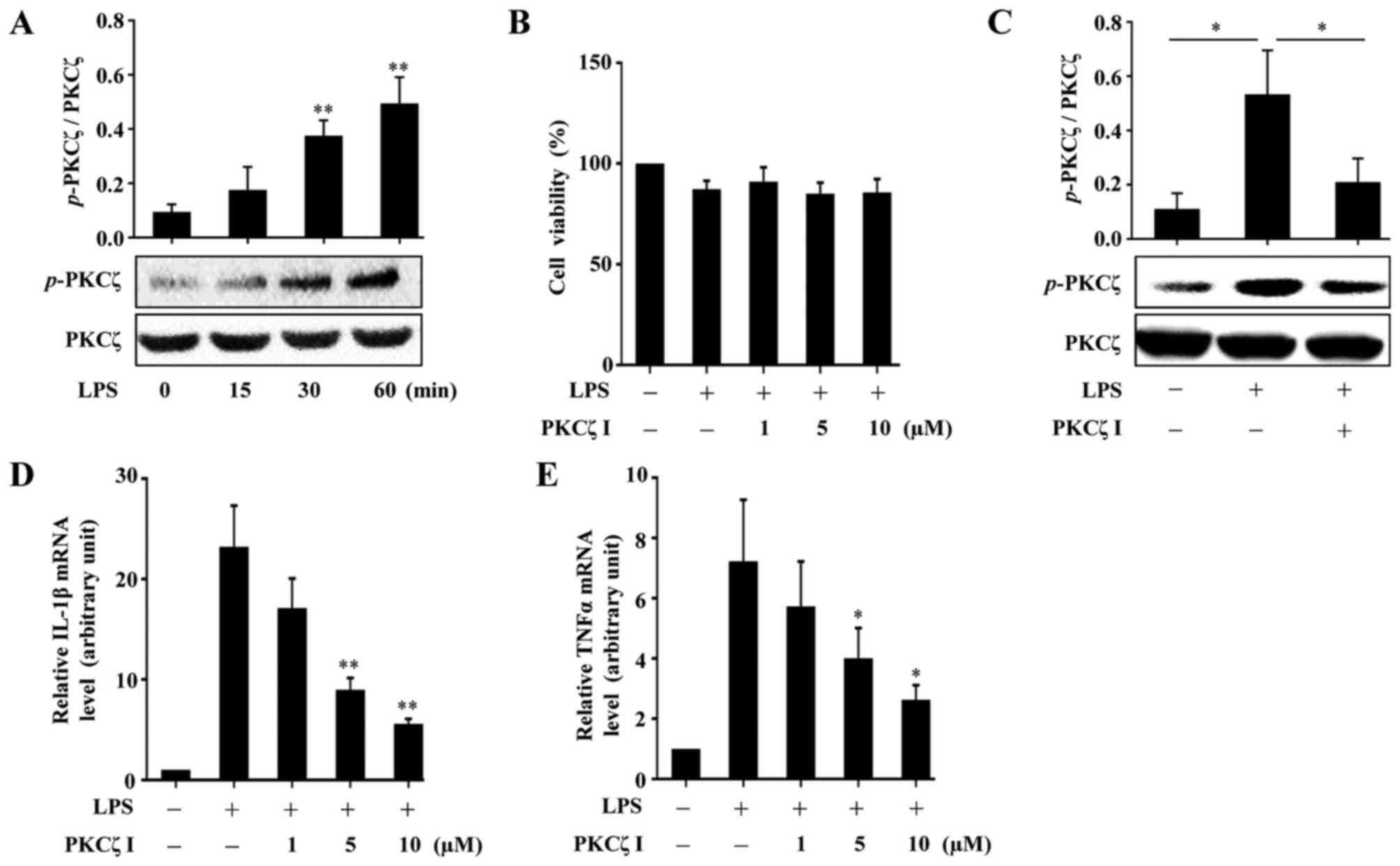
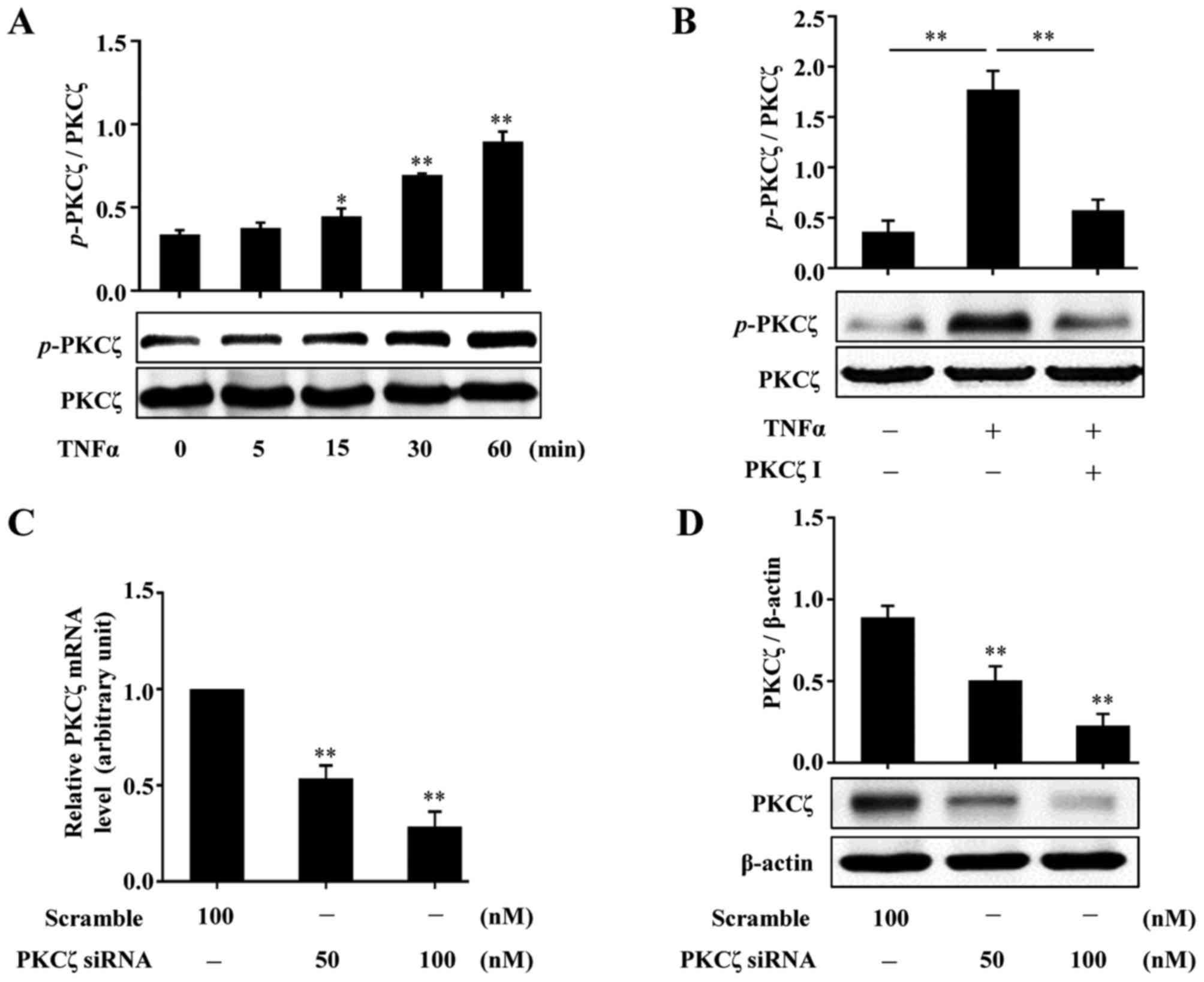
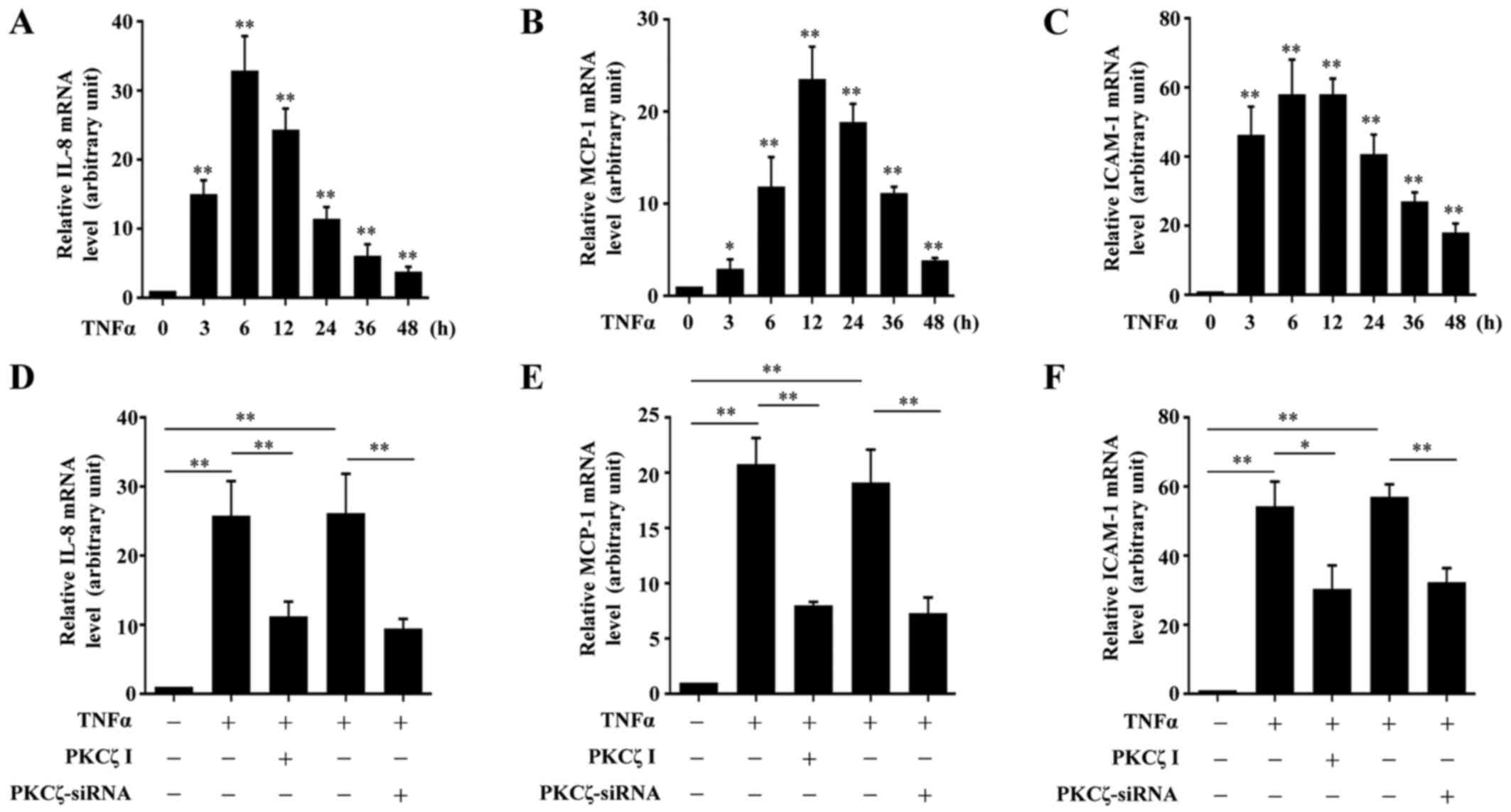
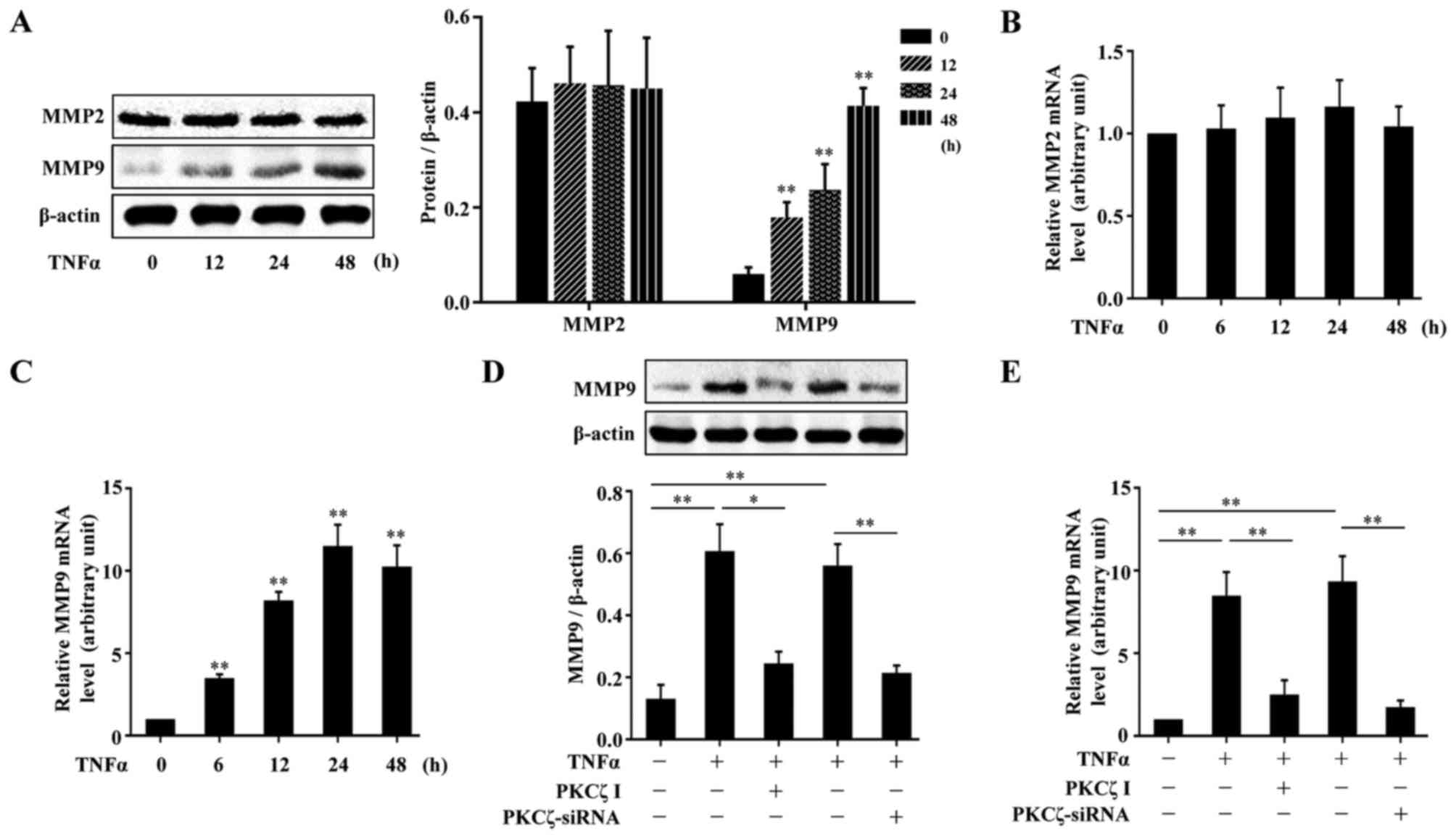
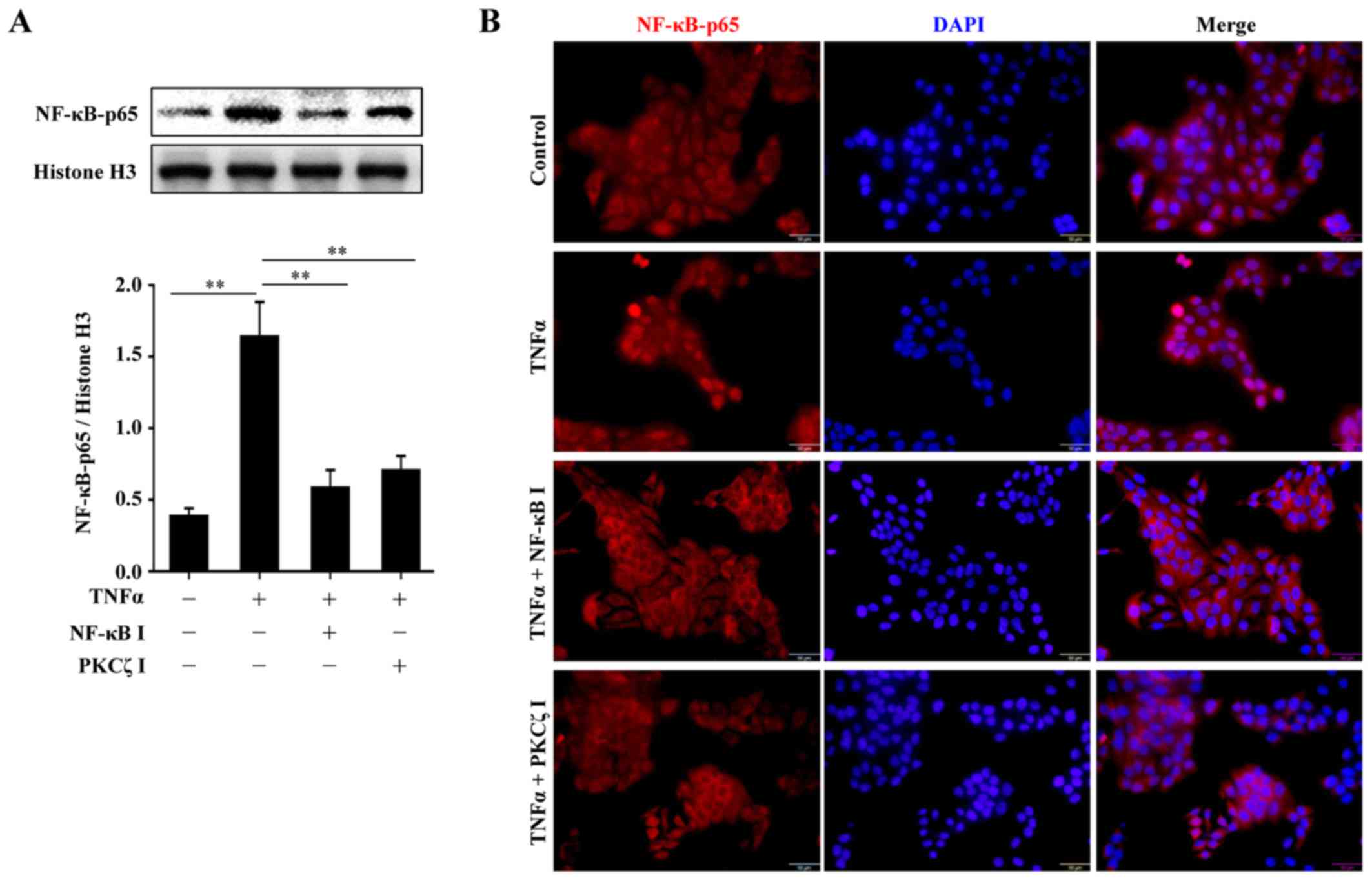
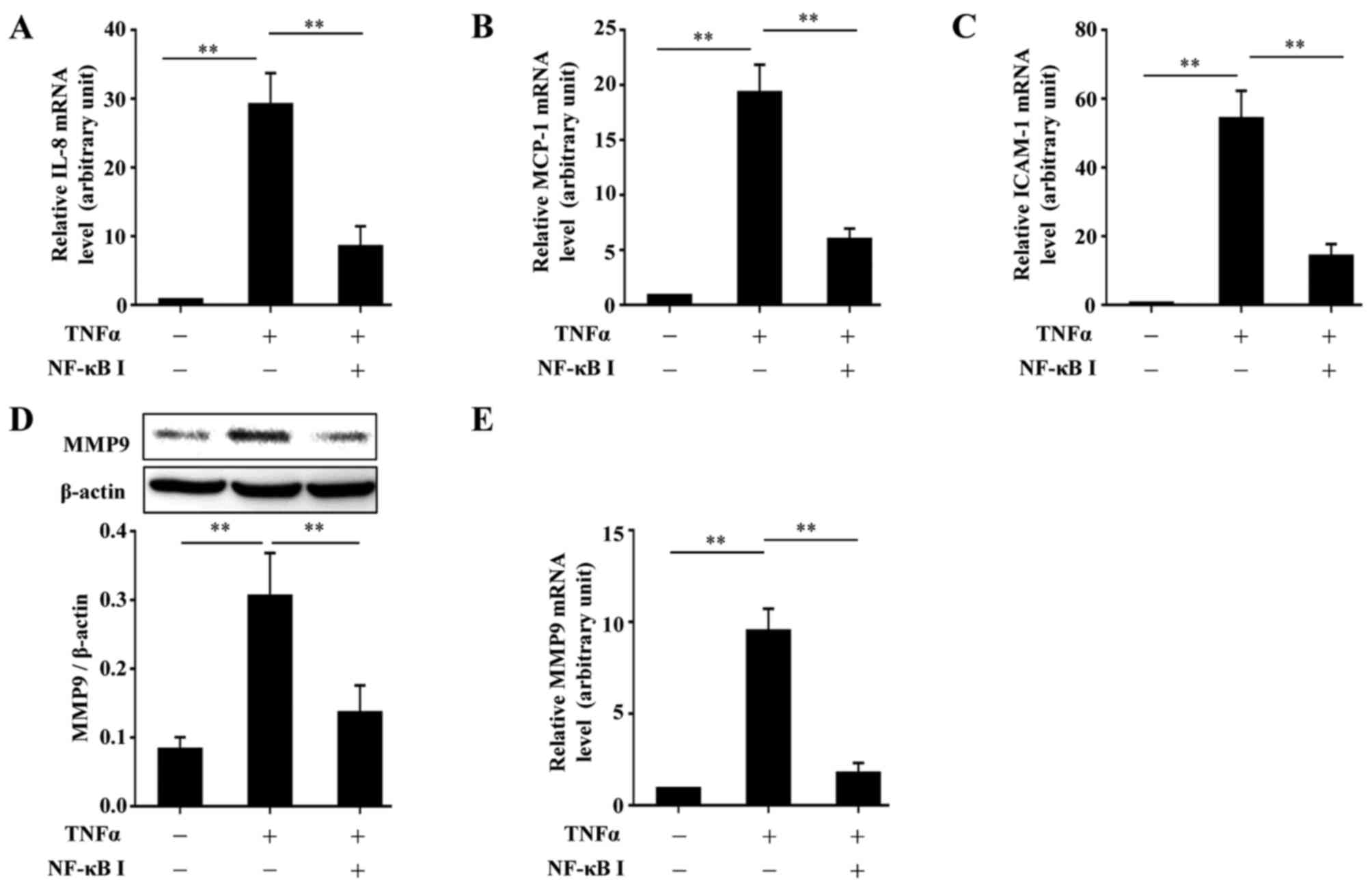
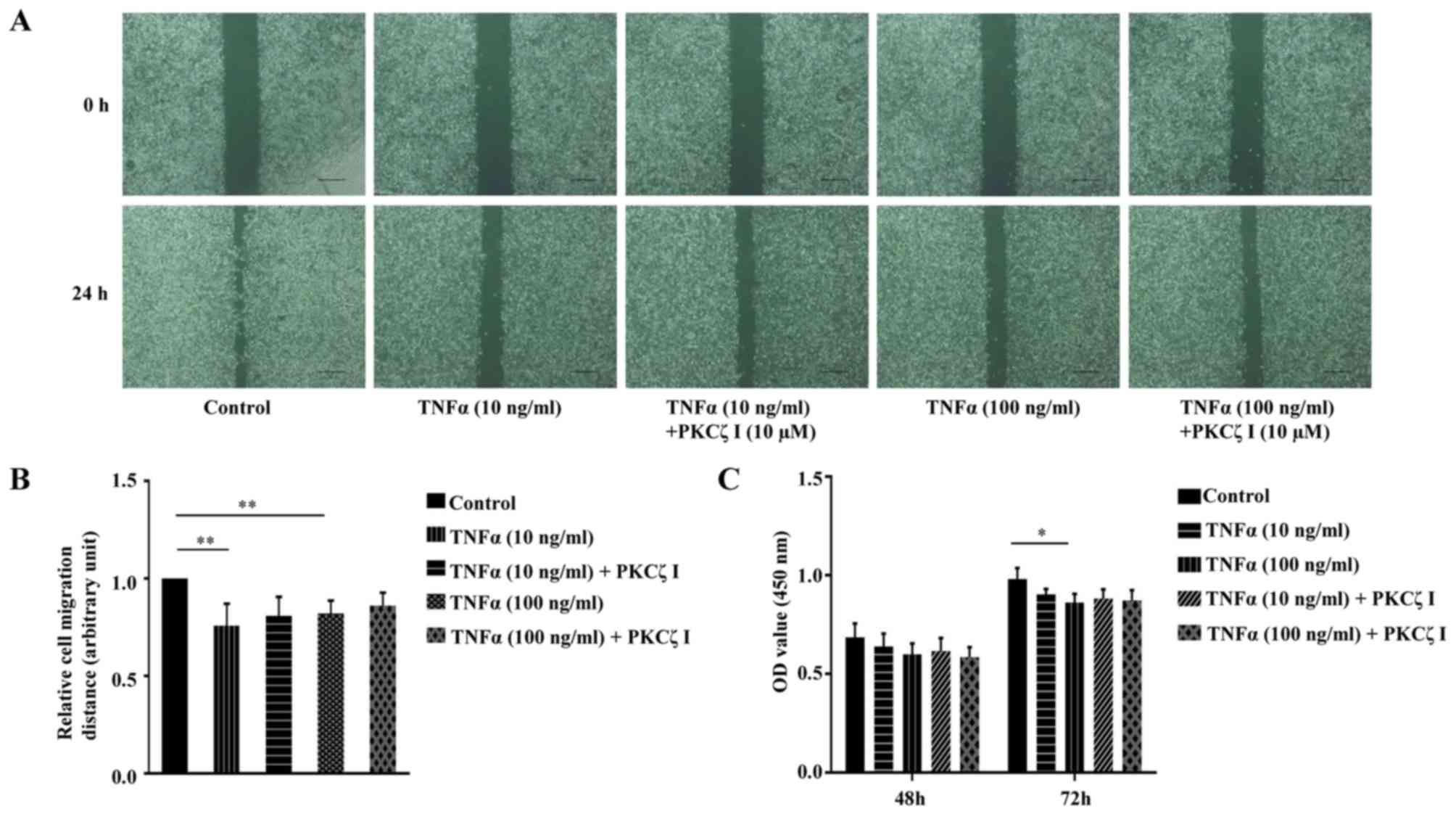
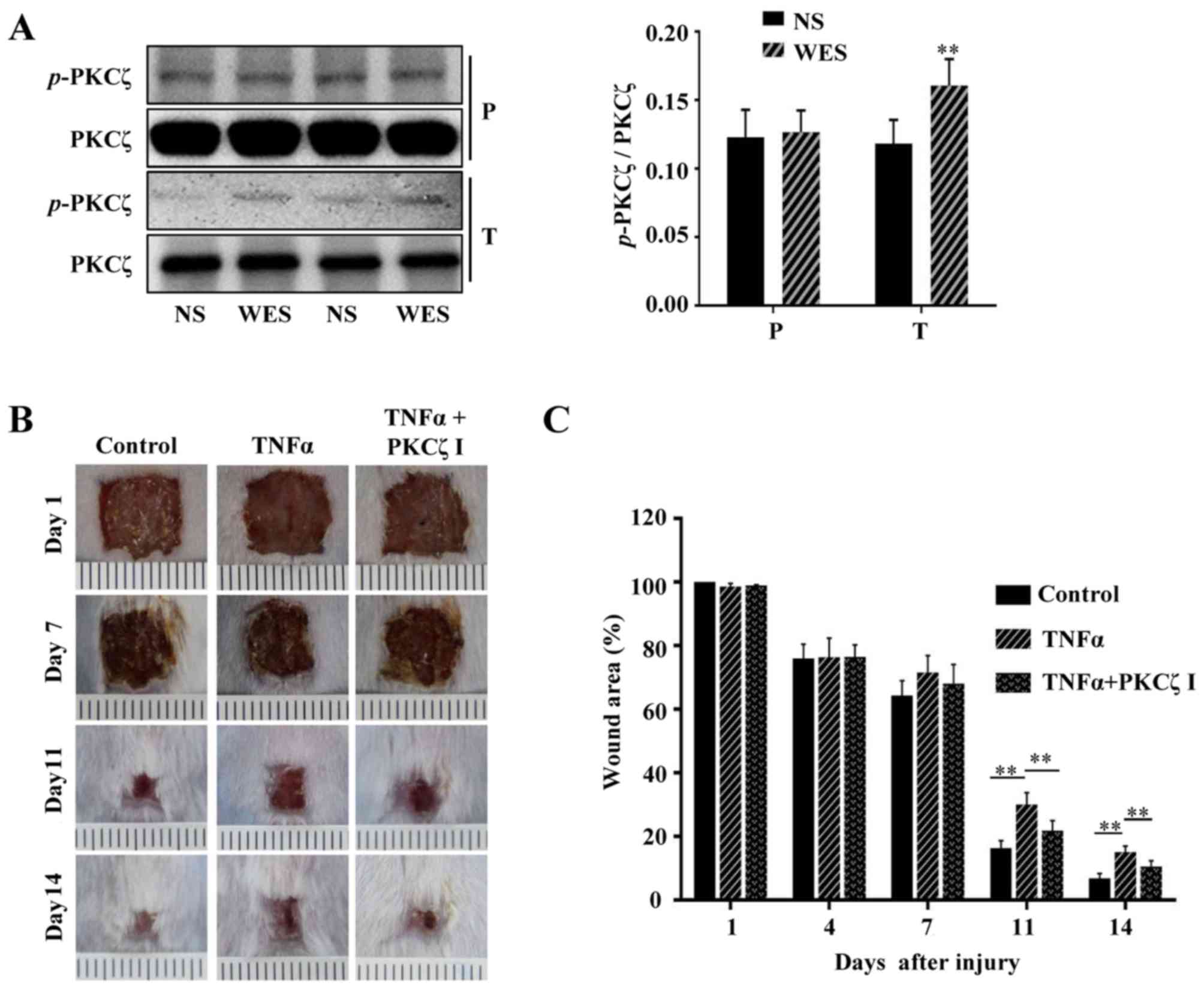
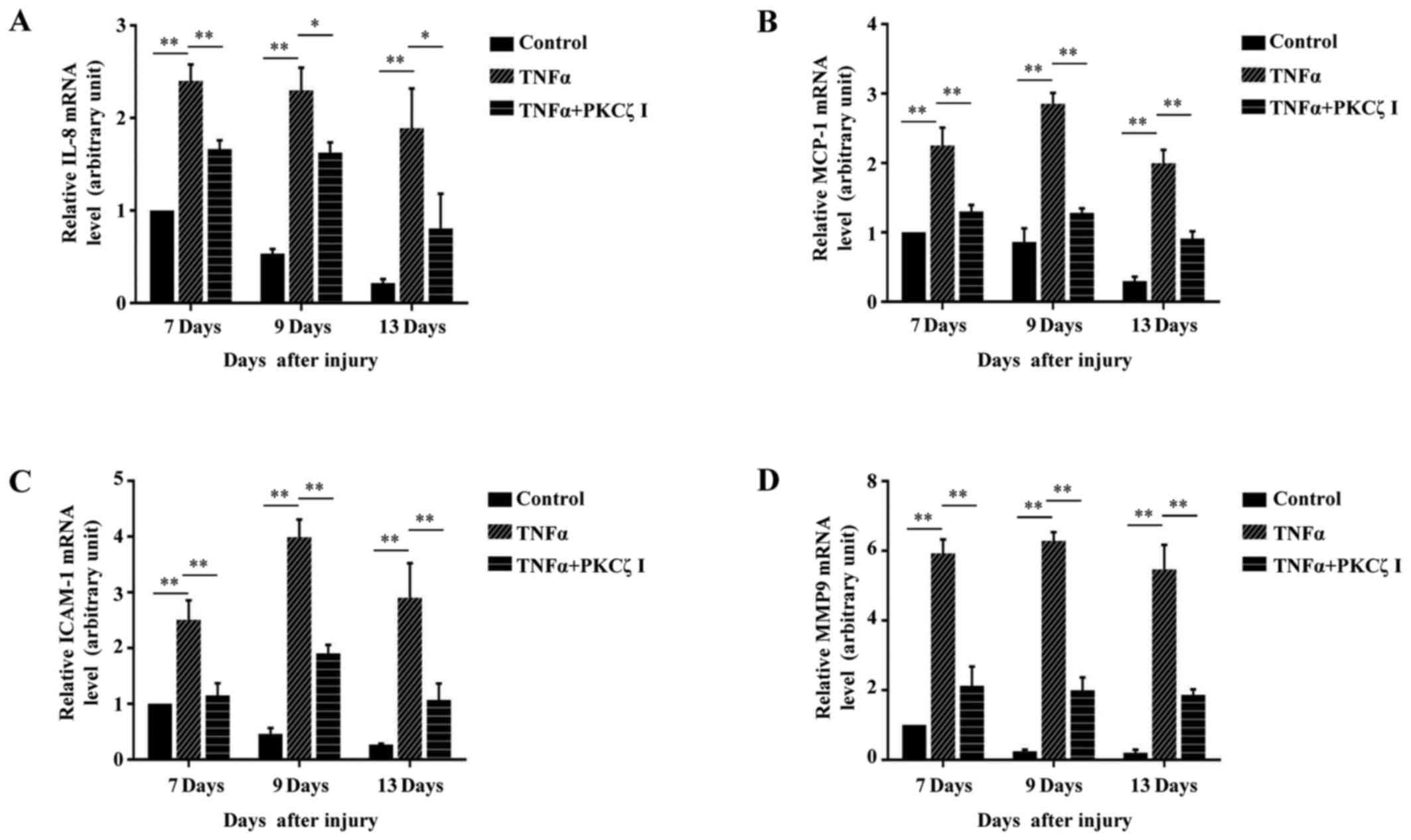
Protein kinase Cζ (PKCζ) is a member of the atypical protein kinase C family. Its roles in macrophages or skin-resident keratinocytes have not been fully evaluated. In this study, we provide evidence that PKCζ mediates lipopolysaccharide (LPS)-induced tumor necrosis factor α (TNFα) gene expression in the mouse macrophage cell line, RAW264.7. TNFα has been proven to be one of the main culprits of chronic wounds and impaired acute wounds, which are characterized by excessive inflammation, enhanced proteolysis and reduced matrix deposition. Among the multiple effects of TNFα on keratinocytes, the induction of chemokines which are indispensable factors involved in the massive infiltration of various inflammatory cells into skin lesions serves as a crucial mechanism. In the present study, we found that PKCζ inhibitor or its specific siRNA inhibited the TNFα-induced upregulation in the levels of the chemokines, interleukin (IL)-8, monocyte chemotactic protein-1 (MCP-1) and intercellular cell adhesion molecule-1 (ICAM-1) in HaCaT keratinocytes. Moreover, under a disrupted inflammatory environment, activated keratinocytes can synthesize large amounts of matrix metalloproteinases (MMP), which has a negative effect on tissue remodeling. We discovered that TNFα promoted the expression of MMP9 in a PKCζ-dependent manner. Further experiments revealed that nuclear factor-κB (NF-κB) was a key downstream molecule of PKCζ. In addition, as shown in vitro, PKCζ was not involved in the TNFα-induced decrease in HaCaT cell migration and proliferation. In vivo experiments demonstrated that TNFα-induced wound closure impairment and inflammatory disorders were significantly attenuated in the PKCζ inhibitor group. On the whole, our findings suggest that PKCζ is a crucial regulator in LPS- or TNFα-induced inflammatory responses in RAW264.7 cells and HaCaT keratinocytes, and that PKCζ/NF-κB signaling may be a potential target for interventional therapy for TNFα-induced skin inflammatory injury.
View Figures

Figure 1

Figure 2

Figure 3

Figure 4

Figure 5

Figure 6

Figure 7

Figure 8

Figure 9

View References

1 

Martin P and Nunan R: Cellular and molecular mechanisms of repair in acute and chronic wound healing. Br J Dermatol. 173:370–378. 2015. View Article : Google Scholar : PubMed/NCBI

2 

Streit M, Beleznay Z and Braathen LR: Topical application of the tumour necrosis factor-alpha antibody infliximab improves healing of chronic wounds. Int Wound J. 3:171–179. 2006. View Article : Google Scholar : PubMed/NCBI

3 

Xu F, Zhang C and Graves DT: Abnormal cell responses and role of TNF-α in impaired diabetic wound healing. BioMed Res Int. 2013:7548022013. View Article : Google Scholar

4 

Barker JN, Mitra RS, Griffiths CE, Dixit VM and Nickoloff BJ: Keratinocytes as initiators of inflammation. Lancet. 337:211–214. 1991. View Article : Google Scholar : PubMed/NCBI

5 

Wetzler C, Kämpfer H, Stallmeyer B, Pfeilschifter J and Frank S: Large and sustained induction of chemokines during impaired wound healing in the genetically diabetic mouse: Prolonged persistence of neutrophils and macrophages during the late phase of repair. J Invest Dermatol. 115:245–253. 2000. View Article : Google Scholar : PubMed/NCBI

6 

Lan CC, Wu CS, Huang SM, Wu IH and Chen GS: High-glucose environment enhanced oxidative stress and increased interleukin-8 secretion from keratinocytes: New insights into impaired diabetic wound healing. Diabetes. 62:2530–2538. 2013. View Article : Google Scholar : PubMed/NCBI

7 

Trengove NJ, Stacey MC, MacAuley S, Bennett N, Gibson J, Burslem F, Murphy G and Schultz G: Analysis of the acute and chronic wound environments: The role of proteases and their inhibitors. Wound Repair Regen. 7:442–452. 1999. View Article : Google Scholar

8 

Rayment EA, Upton Z and Shooter GK: Increased matrix metal-loproteinase-9 (MMP-9) activity observed in chronic wound fluid is related to the clinical severity of the ulcer. Br J Dermatol. 158:951–961. 2008. View Article : Google Scholar : PubMed/NCBI

9 

Lan CC, Liu IH, Fang AH, Wen CH and Wu CS: Hyperglycaemic conditions decrease cultured keratinocyte mobility: Implications for impaired wound healing in patients with diabetes. Br J Dermatol. 159:1103–1115. 2008.PubMed/NCBI

10 

Zhang C, Ponugoti B, Tian C, Xu F, Tarapore R, Batres A, Alsadun S, Lim J, Dong G and Graves DT: FOXO1 differentially regulates both normal and diabetic wound healing. J Cell Biol. 209:289–303. 2015. View Article : Google Scholar : PubMed/NCBI

11 

Galkowska H, Olszewsk WL, Wojewodzka U, Mijal J and Filipiuk E: Expression of apoptosis- and cell cycle-related proteins in epidermis of venous leg and diabetic foot ulcers. Surgery. 134:213–220. 2003. View Article : Google Scholar : PubMed/NCBI

12 

Spravchikov N, Sizyakov G, Gartsbein M, Accili D, Tennenbaum T and Wertheimer E: Glucose effects on skin keratinocytes: Implications for diabetes skin complications. Diabetes. 50:1627–1635. 2001. View Article : Google Scholar : PubMed/NCBI

13 

Rosse C, Linch M, Kermorgant S, Cameron AJ, Boeckeler K and Parker PJ: PKC and the control of localized signal dynamics. Nat Rev Mol Cell Biol. 11:103–112. 2010. View Article : Google Scholar : PubMed/NCBI

14 

Ohno S: Intercellular junctions and cellular polarity: The PAR-aPKC complex, a conserved core cassette playing fundamental roles in cell polarity. Curr Opin Cell Biol. 13:641–648. 2001. View Article : Google Scholar : PubMed/NCBI

15 

Yin J, Liu Z, Li H, Sun J, Chang X, Liu J, He S and Li B: Association of PKCζ expression with clinicopathological characteristics of breast cancer. PLoS One. 9:e908112014. View Article : Google Scholar

16 

Butler AM, Scotti Buzhardt ML, Li S, Smith KE, Fields AP and Murray NR: Protein kinase C zeta regulates human pancreatic cancer cell transformed growth and invasion through a STAT3-dependent mechanism. PLoS One. 8:e720612013. View Article : Google Scholar : PubMed/NCBI

17 

Sun R, Gao P, Chen L, Ma D, Wang J, Oppenheim JJ and Zhang N: Protein kinase C zeta is required for epidermal growth factor-induced chemotaxis of human breast cancer cells. Cancer Res. 65:1433–1441. 2005. View Article : Google Scholar : PubMed/NCBI

18 

Huang S, Ouyang N, Lin L, Chen L, Wu W, Su F, Yao Y and Yao H: HGF-induced PKCζ activation increases functional CXCR4 expression in human breast cancer cells. PLoS One. 7:e291242012. View Article : Google Scholar

19 

Chen R, Wang Y, Liu Y, Zhang Q, Zhang X, Zhang F, Shieh CH, Yang D and Zhang N: Quantitative study of the interactome of PKCζ involved in the EGF-induced tumor cell chemotaxis. J Proteome Res. 12:1478–1486. 2013. View Article : Google Scholar : PubMed/NCBI

20 

Yao H, Hwang JW, Moscat J, Diaz-Meco MT, Leitges M, Kishore N, Li X and Rahman I: Protein kinase C zeta mediates cigarette smoke/aldehyde- and lipopolysaccharide-induced lung inflammation and histone modifications. J Biol Chem. 285:5405–5416. 2010. View Article : Google Scholar

21 

Leverence JT, Medhora M, Konduri GG and Sampath V: Lipopolysaccharide-induced cytokine expression in alveolar epithelial cells: Role of PKCζ-mediated p47 phox phosphorylation. Chem Biol Interact. 189:72–81. 2011. View Article : Google Scholar

22 

Huang X, Chen LY, Doerner AM, Pan WW, Smith L, Huang S, Papadimos TJ and Pan ZK: An atypical protein kinase C (PKC zeta) plays a critical role in lipopolysaccharide-activated NF-kappa B in human peripheral blood monocytes and macrophages. J Immunol. 182:5810–5815. 2009. View Article : Google Scholar : PubMed/NCBI

23 

Aveleira CA, Lin CM, Abcouwer SF, Ambrósio AF and Antonetti DA: TNF-α signals through PKCζ/NF-κB to alter the tight junction complex and increase retinal endothelial cell permeability. Diabetes. 59:2872–2882. 2010. View Article : Google Scholar : PubMed/NCBI

24 

Goren I, Müller E, Schiefelbein D, Christen U, Pfeilschifter J, Mühl H and Frank S: Systemic anti-TNFalpha treatment restores diabetes-impaired skin repair in ob/ob mice by inactivation of macrophages. J Invest Dermatol. 127:2259–2267. 2007. View Article : Google Scholar : PubMed/NCBI

25 

Nakayama T, Fujisawa R, Yamada H, Horikawa T, Kawasaki H, Hieshima K, Izawa D, Fujiie S, Tezuka T and Yoshie O: Inducible expression of a CC chemokine liver- and activation-regulated chemokine (LARC)/macrophage inflammatory protein (MIP)-3 alpha/CCL20 by epidermal keratinocytes and its role in atopic dermatitis. Int Immunol. 13:95–103. 2001. View Article : Google Scholar : PubMed/NCBI

26 

Sanz MJ, Hartnell A, Chisholm P, Williams C, Davies D, Weg VB, Feldmann M, Bolanowski MA, Lobb RR and Nourshargh S: Tumor necrosis factor alpha-induced eosinophil accumulation in rat skin is dependent on alpha4 integrin/vascular cell adhesion molecule-1 adhesion pathways. Blood. 90:4144–4152. 1997.PubMed/NCBI

27 

Tremblay C, Paradis M and Doré M: Expression of E- and P-selectin in tumor necrosis factor-induced dermatitis in dogs. Vet Pathol. 38:261–268. 2001. View Article : Google Scholar : PubMed/NCBI

28 

Speiser W, Kapiotis S, Kopp CW, Simonitsch I, Jilma B, Jansen B, Exner M and Chott A: Effect of intradermal tumor necrosis factor-alpha-induced inflammation on coagulation factors in dermal vessel endothelium. An in vivo study of human skin biopsies. Thromb Haemost. 85:362–367. 2001.PubMed/NCBI

29 

Movat HZ, Burrowes CE, Cybulsky MI and Dinarello CA: Acute inflammation and a Shwartzman-like reaction induced by interleukin-1 and tumor necrosis factor. Synergistic action of the cytokines in the induction of inflammation and microvascular injury. Am J Pathol. 129:463–476. 1987.PubMed/NCBI

30 

Sharpe RJ, Margolis RJ, Askari M, Amento EP and Granstein RD: Induction of dermal and subcutaneous inflammation by recombinant cachectin/tumor necrosis factor (TNF alpha) in the mouse. J Invest Dermatol. 91:353–357. 1988. View Article : Google Scholar : PubMed/NCBI

31 

Moscat J, Diaz-Meco MT and Wooten MW: Of the atypical PKCs, Par-4 and p62: Recent understandings of the biology and pathology of a PB1-dominated complex. Cell Death Differ. 16:1426–1437. 2009. View Article : Google Scholar : PubMed/NCBI

32 

Diaz-Meco MT and Moscat J: The atypical PKCs in inflammation: NF-κB and beyond. Immunol Rev. 246:154–167. 2012. View Article : Google Scholar : PubMed/NCBI

33 

Maldonado RF, Sá-Correia I and Valvano MA: Lipopolysaccharide modification in Gram-negative bacteria during chronic infection. FEMS Microbiol Rev. 40:480–493. 2016. View Article : Google Scholar : PubMed/NCBI

34 

Harada Y, Edamatsu H and Kataoka T: PLCε cooperates with the NF-κB pathway to augment TNFα-stimulated CCL2/MCP1 expression in human keratinocyte. Biochem Biophys Res Commun. 414:106–111. 2011. View Article : Google Scholar : PubMed/NCBI

35 

Raingeaud J and Pierre J: Interleukin-4 downregulates TNFalpha-induced IL-8 production in keratinocytes. FEBS Lett. 579:3953–3959. 2005. View Article : Google Scholar : PubMed/NCBI

36 

Youn GS, Kwon DJ, Ju SM, Choi SY and Park J: Curcumin ameliorates TNF-α-induced ICAM-1 expression and subsequent THP-1 adhesiveness via the induction of heme oxygenase-1 in the HaCaT cells. BMB Rep. 46:410–415. 2013. View Article : Google Scholar : PubMed/NCBI

37 

Nigro P, Abe J, Woo CH, Satoh K, McClain C, O' Dell MR, Lee H, Lim JH, Li JD, Heo KS, et al: PKCzeta decreases eNOS protein stability via inhibitory phosphorylation of ERK5. Blood. 116:1971–1979. 2010. View Article : Google Scholar : PubMed/NCBI

38 

Liang H, Baudouin C, Behar-Cohen F, Crisanti P and Omri B: Protein kinase C-zeta mediates retinal degeneration in response to TNF. J Neuroimmunol. 183:104–110. 2007. View Article : Google Scholar : PubMed/NCBI

39 

Zhao Y, Fishelevich R, Petrali JP, Zheng L, Anatolievna MA, Deng A, Eckert RL and Gaspari AA: Activation of keratinocyte protein kinase C zeta in psoriasis plaques. J Invest Dermatol. 128:2190–2197. 2008. View Article : Google Scholar : PubMed/NCBI

40 

Vaalamo M, Weckroth M, Puolakkainen P, Kere J, Saarinen P, Lauharanta J and Saarialho-Kere UK: Patterns of matrix metal-loproteinase and TIMP-1 expression in chronic and normally healing human cutaneous wounds. Br J Dermatol. 135:52–59. 1996. View Article : Google Scholar : PubMed/NCBI

41 

Wong VW, Garg RK, Sorkin M, Rustad KC, Akaishi S, Levi K, Nelson ER, Tran M, Rennert R, Liu W, et al: Loss of keratinocyte focal adhesion kinase stimulates dermal proteolysis through upregulation of MMP9 in wound healing. Ann Surg. 260:1138–1146. 2014. View Article : Google Scholar : PubMed/NCBI

42 

Reiss MJ, Han YP, Garcia E, Goldberg M, Yu H and Garner WL: Matrix metalloproteinase-9 delays wound healing in a murine wound model. Surgery. 147:295–302. 2010. View Article : Google Scholar :

43 

Van den Steen PE, Proost P, Wuyts A, Van Damme J and Opdenakker G: Neutrophil gelatinase B potentiates interleukin-8 tenfold by aminoterminal processing, whereas it degrades CTAP-III, PF-4, and GRO-alpha and leaves RANTES and MCP-2 intact. Blood. 96:2673–2681. 2000.PubMed/NCBI

44 

Opdenakker G, Van den Steen PE, Dubois B, Nelissen I, Van Coillie E, Masure S, Proost P and Van Damme J: Gelatinase B functions as regulator and effector in leukocyte biology. J Leukoc Biol. 69:851–859. 2001.PubMed/NCBI

45 

Hussain S, Assender JW, Bond M, Wong LF, Murphy D and Newby AC: Activation of protein kinase Czeta is essential for cytokine-induced metalloproteinase-1, -3, and -9 secretion from rabbit smooth muscle cells and inhibits proliferation. J Biol Chem. 277:27345–27352. 2002. View Article : Google Scholar : PubMed/NCBI

46 

Basso FG, Pansani TN, Turrioni AP, Soares DG, de Souza Costa CA and Hebling J: Tumor necrosis factor-α and interleukin (IL)-1β, IL-6, and IL-8 impair in vitro migration and induce apoptosis of gingival fibroblasts and epithelial cells, delaying wound healing. J Periodontol. 87:990–996. 2016. View Article : Google Scholar : PubMed/NCBI

47 

Lei M, Bai X, Yang T, Lai X, Qiu W, Yang L and Lian X: Gsdma3 is a new factor needed for TNF-α-mediated apoptosis signal pathway in mouse skin keratinocytes. Histochem Cell Biol. 138:385–396. 2012. View Article : Google Scholar : PubMed/NCBI

48 

Sun J, Han J, Zhao Y, Zhu Q and Hu J: Curcumin induces apoptosis in tumor necrosis factor-alpha-treated HaCaT cells. Int Immunopharmacol. 13:170–174. 2012. View Article : Google Scholar : PubMed/NCBI

Related Articles

  • Abstract
  • View
  • Download
  • Twitter
Copy and paste a formatted citation
Spandidos Publications style
Zhang J, Yang X, Wang H, Zhao B, Wu X, Su L, Xie S, Wang Y, Li J, Liu J, Liu J, et al: PKCζ as a promising therapeutic target for TNFα-induced inflammatory disorders in chronic cutaneous wounds. Int J Mol Med 40: 1335-1346, 2017.
APA
Zhang, J., Yang, X., Wang, H., Zhao, B., Wu, X., Su, L. ... Hu, D. (2017). PKCζ as a promising therapeutic target for TNFα-induced inflammatory disorders in chronic cutaneous wounds. International Journal of Molecular Medicine, 40, 1335-1346. https://doi.org/10.3892/ijmm.2017.3144
MLA
Zhang, J., Yang, X., Wang, H., Zhao, B., Wu, X., Su, L., Xie, S., Wang, Y., Li, J., Liu, J., Liu, M., Han, F., He, T., Zhang, W., Tao, K., Hu, D."PKCζ as a promising therapeutic target for TNFα-induced inflammatory disorders in chronic cutaneous wounds". International Journal of Molecular Medicine 40.5 (2017): 1335-1346.
Chicago
Zhang, J., Yang, X., Wang, H., Zhao, B., Wu, X., Su, L., Xie, S., Wang, Y., Li, J., Liu, J., Liu, M., Han, F., He, T., Zhang, W., Tao, K., Hu, D."PKCζ as a promising therapeutic target for TNFα-induced inflammatory disorders in chronic cutaneous wounds". International Journal of Molecular Medicine 40, no. 5 (2017): 1335-1346. https://doi.org/10.3892/ijmm.2017.3144
Copy and paste a formatted citation
x
Spandidos Publications style
Zhang J, Yang X, Wang H, Zhao B, Wu X, Su L, Xie S, Wang Y, Li J, Liu J, Liu J, et al: PKCζ as a promising therapeutic target for TNFα-induced inflammatory disorders in chronic cutaneous wounds. Int J Mol Med 40: 1335-1346, 2017.
APA
Zhang, J., Yang, X., Wang, H., Zhao, B., Wu, X., Su, L. ... Hu, D. (2017). PKCζ as a promising therapeutic target for TNFα-induced inflammatory disorders in chronic cutaneous wounds. International Journal of Molecular Medicine, 40, 1335-1346. https://doi.org/10.3892/ijmm.2017.3144
MLA
Zhang, J., Yang, X., Wang, H., Zhao, B., Wu, X., Su, L., Xie, S., Wang, Y., Li, J., Liu, J., Liu, M., Han, F., He, T., Zhang, W., Tao, K., Hu, D."PKCζ as a promising therapeutic target for TNFα-induced inflammatory disorders in chronic cutaneous wounds". International Journal of Molecular Medicine 40.5 (2017): 1335-1346.
Chicago
Zhang, J., Yang, X., Wang, H., Zhao, B., Wu, X., Su, L., Xie, S., Wang, Y., Li, J., Liu, J., Liu, M., Han, F., He, T., Zhang, W., Tao, K., Hu, D."PKCζ as a promising therapeutic target for TNFα-induced inflammatory disorders in chronic cutaneous wounds". International Journal of Molecular Medicine 40, no. 5 (2017): 1335-1346. https://doi.org/10.3892/ijmm.2017.3144
Follow us
  • Twitter
  • LinkedIn
  • Facebook
About
  • Spandidos Publications
  • Careers
  • Cookie Policy
  • Privacy Policy
How can we help?
  • Help
  • Live Chat
  • Contact
  • Email to our Support Team