Spandidos Publications Logo
  • About
    • About Spandidos
    • Aims and Scopes
    • Abstracting and Indexing
    • Editorial Policies
    • Reprints and Permissions
    • Job Opportunities
    • Terms and Conditions
    • Contact
  • Journals
    • All Journals
    • Oncology Letters
      • Oncology Letters
      • Information for Authors
      • Editorial Policies
      • Editorial Board
      • Aims and Scope
      • Abstracting and Indexing
      • Bibliographic Information
      • Archive
    • International Journal of Oncology
      • International Journal of Oncology
      • Information for Authors
      • Editorial Policies
      • Editorial Board
      • Aims and Scope
      • Abstracting and Indexing
      • Bibliographic Information
      • Archive
    • Molecular and Clinical Oncology
      • Molecular and Clinical Oncology
      • Information for Authors
      • Editorial Policies
      • Editorial Board
      • Aims and Scope
      • Abstracting and Indexing
      • Bibliographic Information
      • Archive
    • Experimental and Therapeutic Medicine
      • Experimental and Therapeutic Medicine
      • Information for Authors
      • Editorial Policies
      • Editorial Board
      • Aims and Scope
      • Abstracting and Indexing
      • Bibliographic Information
      • Archive
    • International Journal of Molecular Medicine
      • International Journal of Molecular Medicine
      • Information for Authors
      • Editorial Policies
      • Editorial Board
      • Aims and Scope
      • Abstracting and Indexing
      • Bibliographic Information
      • Archive
    • Biomedical Reports
      • Biomedical Reports
      • Information for Authors
      • Editorial Policies
      • Editorial Board
      • Aims and Scope
      • Abstracting and Indexing
      • Bibliographic Information
      • Archive
    • Oncology Reports
      • Oncology Reports
      • Information for Authors
      • Editorial Policies
      • Editorial Board
      • Aims and Scope
      • Abstracting and Indexing
      • Bibliographic Information
      • Archive
    • Molecular Medicine Reports
      • Molecular Medicine Reports
      • Information for Authors
      • Editorial Policies
      • Editorial Board
      • Aims and Scope
      • Abstracting and Indexing
      • Bibliographic Information
      • Archive
    • World Academy of Sciences Journal
      • World Academy of Sciences Journal
      • Information for Authors
      • Editorial Policies
      • Editorial Board
      • Aims and Scope
      • Abstracting and Indexing
      • Bibliographic Information
      • Archive
    • International Journal of Functional Nutrition
      • International Journal of Functional Nutrition
      • Information for Authors
      • Editorial Policies
      • Editorial Board
      • Aims and Scope
      • Abstracting and Indexing
      • Bibliographic Information
      • Archive
    • International Journal of Epigenetics
      • International Journal of Epigenetics
      • Information for Authors
      • Editorial Policies
      • Editorial Board
      • Aims and Scope
      • Abstracting and Indexing
      • Bibliographic Information
      • Archive
    • Medicine International
      • Medicine International
      • Information for Authors
      • Editorial Policies
      • Editorial Board
      • Aims and Scope
      • Abstracting and Indexing
      • Bibliographic Information
      • Archive
  • Articles
  • Information
    • Information for Authors
    • Information for Reviewers
    • Information for Librarians
    • Information for Advertisers
    • Conferences
  • Language Editing
Spandidos Publications Logo
  • About
    • About Spandidos
    • Aims and Scopes
    • Abstracting and Indexing
    • Editorial Policies
    • Reprints and Permissions
    • Job Opportunities
    • Terms and Conditions
    • Contact
  • Journals
    • All Journals
    • Biomedical Reports
      • Information for Authors
      • Editorial Policies
      • Editorial Board
      • Aims and Scope
      • Abstracting and Indexing
      • Bibliographic Information
      • Archive
    • Experimental and Therapeutic Medicine
      • Information for Authors
      • Editorial Policies
      • Editorial Board
      • Aims and Scope
      • Abstracting and Indexing
      • Bibliographic Information
      • Archive
    • International Journal of Epigenetics
      • Information for Authors
      • Editorial Policies
      • Editorial Board
      • Aims and Scope
      • Abstracting and Indexing
      • Bibliographic Information
      • Archive
    • International Journal of Functional Nutrition
      • Information for Authors
      • Editorial Policies
      • Editorial Board
      • Aims and Scope
      • Abstracting and Indexing
      • Bibliographic Information
      • Archive
    • International Journal of Molecular Medicine
      • Information for Authors
      • Editorial Policies
      • Editorial Board
      • Aims and Scope
      • Abstracting and Indexing
      • Bibliographic Information
      • Archive
    • International Journal of Oncology
      • Information for Authors
      • Editorial Policies
      • Editorial Board
      • Aims and Scope
      • Abstracting and Indexing
      • Bibliographic Information
      • Archive
    • Medicine International
      • Information for Authors
      • Editorial Policies
      • Editorial Board
      • Aims and Scope
      • Abstracting and Indexing
      • Bibliographic Information
      • Archive
    • Molecular and Clinical Oncology
      • Information for Authors
      • Editorial Policies
      • Editorial Board
      • Aims and Scope
      • Abstracting and Indexing
      • Bibliographic Information
      • Archive
    • Molecular Medicine Reports
      • Information for Authors
      • Editorial Policies
      • Editorial Board
      • Aims and Scope
      • Abstracting and Indexing
      • Bibliographic Information
      • Archive
    • Oncology Letters
      • Information for Authors
      • Editorial Policies
      • Editorial Board
      • Aims and Scope
      • Abstracting and Indexing
      • Bibliographic Information
      • Archive
    • Oncology Reports
      • Information for Authors
      • Editorial Policies
      • Editorial Board
      • Aims and Scope
      • Abstracting and Indexing
      • Bibliographic Information
      • Archive
    • World Academy of Sciences Journal
      • Information for Authors
      • Editorial Policies
      • Editorial Board
      • Aims and Scope
      • Abstracting and Indexing
      • Bibliographic Information
      • Archive
  • Articles
  • Information
    • For Authors
    • For Reviewers
    • For Librarians
    • For Advertisers
    • Conferences
  • Language Editing
Login Register Submit
  • This site uses cookies
  • You can change your cookie settings at any time by following the instructions in our Cookie Policy. To find out more, you may read our Privacy Policy.

    I agree
Search articles by DOI, keyword, author or affiliation
Search
Advanced Search
presentation
International Journal of Molecular Medicine
Join Editorial Board Propose a Special Issue
Print ISSN: 1107-3756 Online ISSN: 1791-244X
Journal Cover
February-2018 Volume 41 Issue 2

Full Size Image

Sign up for eToc alerts
Recommend to Library

Journals

International Journal of Molecular Medicine

International Journal of Molecular Medicine

International Journal of Molecular Medicine is an international journal devoted to molecular mechanisms of human disease.

International Journal of Oncology

International Journal of Oncology

International Journal of Oncology is an international journal devoted to oncology research and cancer treatment.

Molecular Medicine Reports

Molecular Medicine Reports

Covers molecular medicine topics such as pharmacology, pathology, genetics, neuroscience, infectious diseases, molecular cardiology, and molecular surgery.

Oncology Reports

Oncology Reports

Oncology Reports is an international journal devoted to fundamental and applied research in Oncology.

Experimental and Therapeutic Medicine

Experimental and Therapeutic Medicine

Experimental and Therapeutic Medicine is an international journal devoted to laboratory and clinical medicine.

Oncology Letters

Oncology Letters

Oncology Letters is an international journal devoted to Experimental and Clinical Oncology.

Biomedical Reports

Biomedical Reports

Explores a wide range of biological and medical fields, including pharmacology, genetics, microbiology, neuroscience, and molecular cardiology.

Molecular and Clinical Oncology

Molecular and Clinical Oncology

International journal addressing all aspects of oncology research, from tumorigenesis and oncogenes to chemotherapy and metastasis.

World Academy of Sciences Journal

World Academy of Sciences Journal

Multidisciplinary open-access journal spanning biochemistry, genetics, neuroscience, environmental health, and synthetic biology.

International Journal of Functional Nutrition

International Journal of Functional Nutrition

Open-access journal combining biochemistry, pharmacology, immunology, and genetics to advance health through functional nutrition.

International Journal of Epigenetics

International Journal of Epigenetics

Publishes open-access research on using epigenetics to advance understanding and treatment of human disease.

Medicine International

Medicine International

An International Open Access Journal Devoted to General Medicine.

Journal Cover
February-2018 Volume 41 Issue 2

Full Size Image

Sign up for eToc alerts
Recommend to Library

  • Article
  • Citations
    • Cite This Article
    • Download Citation
    • Create Citation Alert
    • Remove Citation Alert
    • Cited By
  • Similar Articles
    • Related Articles (in Spandidos Publications)
    • Similar Articles (Google Scholar)
    • Similar Articles (PubMed)
  • Download PDF
  • Download XML
  • View XML
Article

Periostin has a protective role in melatonin‑induced cell apoptosis by inhibiting the eIF2α‑ATF4 pathway in human osteoblasts

  • Authors:
    • Xiaotong Meng
    • Yue Zhu
    • Lin Tao
    • Sichao Zhao
    • Shui Qiu
  • View Affiliations / Copyright

    Affiliations: Department of Orthopaedics, The First Affiliated Hospital of China Medical University, Shenyang, Liaoning 110001, P.R. China
  • Pages: 1003-1012
    |
    Published online on: November 30, 2017
       https://doi.org/10.3892/ijmm.2017.3300
  • Expand metrics +
Metrics: Total Views: 0 (Spandidos Publications: | PMC Statistics: )
Metrics: Total PDF Downloads: 0 (Spandidos Publications: | PMC Statistics: )
Cited By (CrossRef): 0 citations Loading Articles...

This article is mentioned in:


Abstract

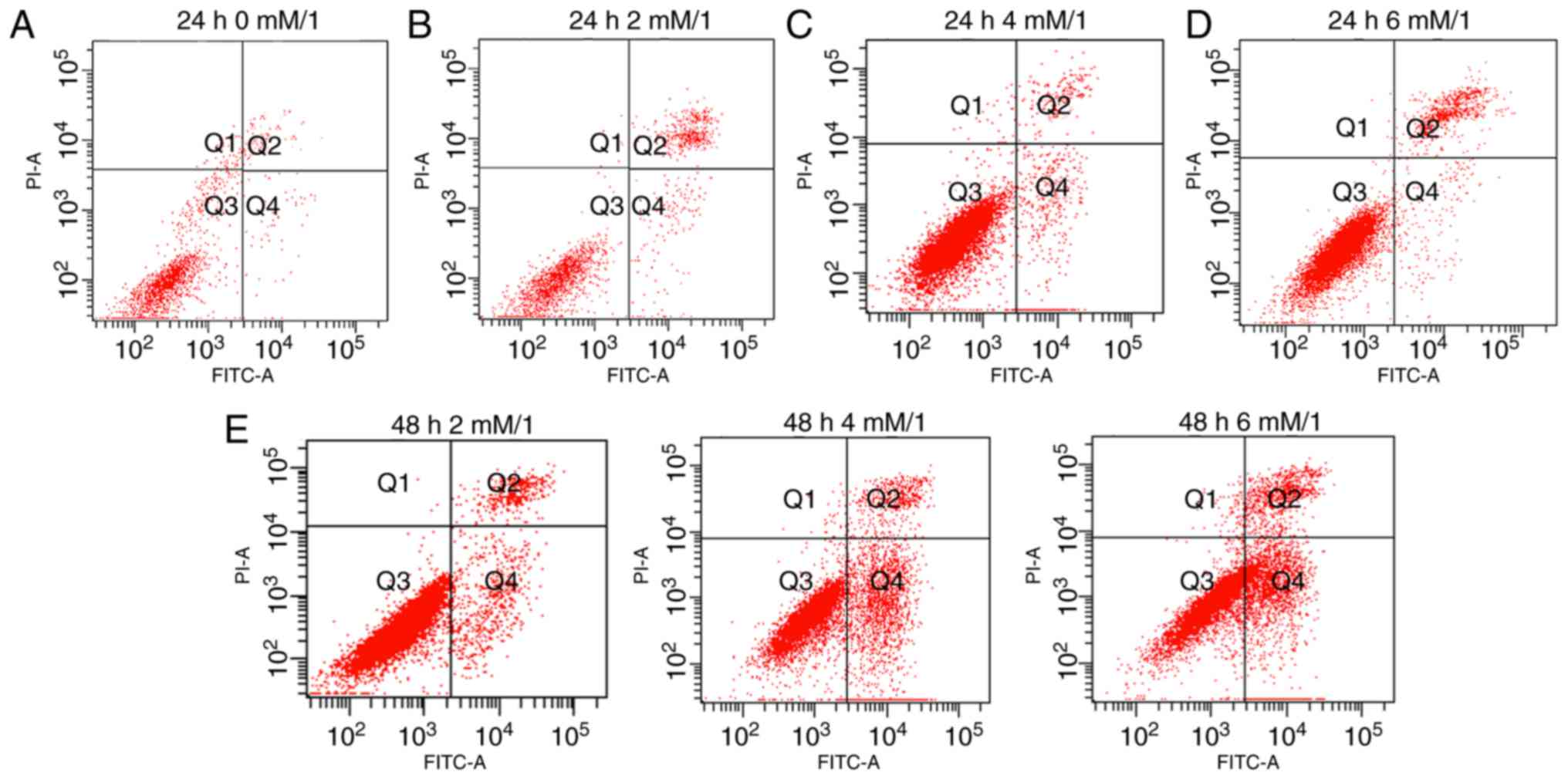
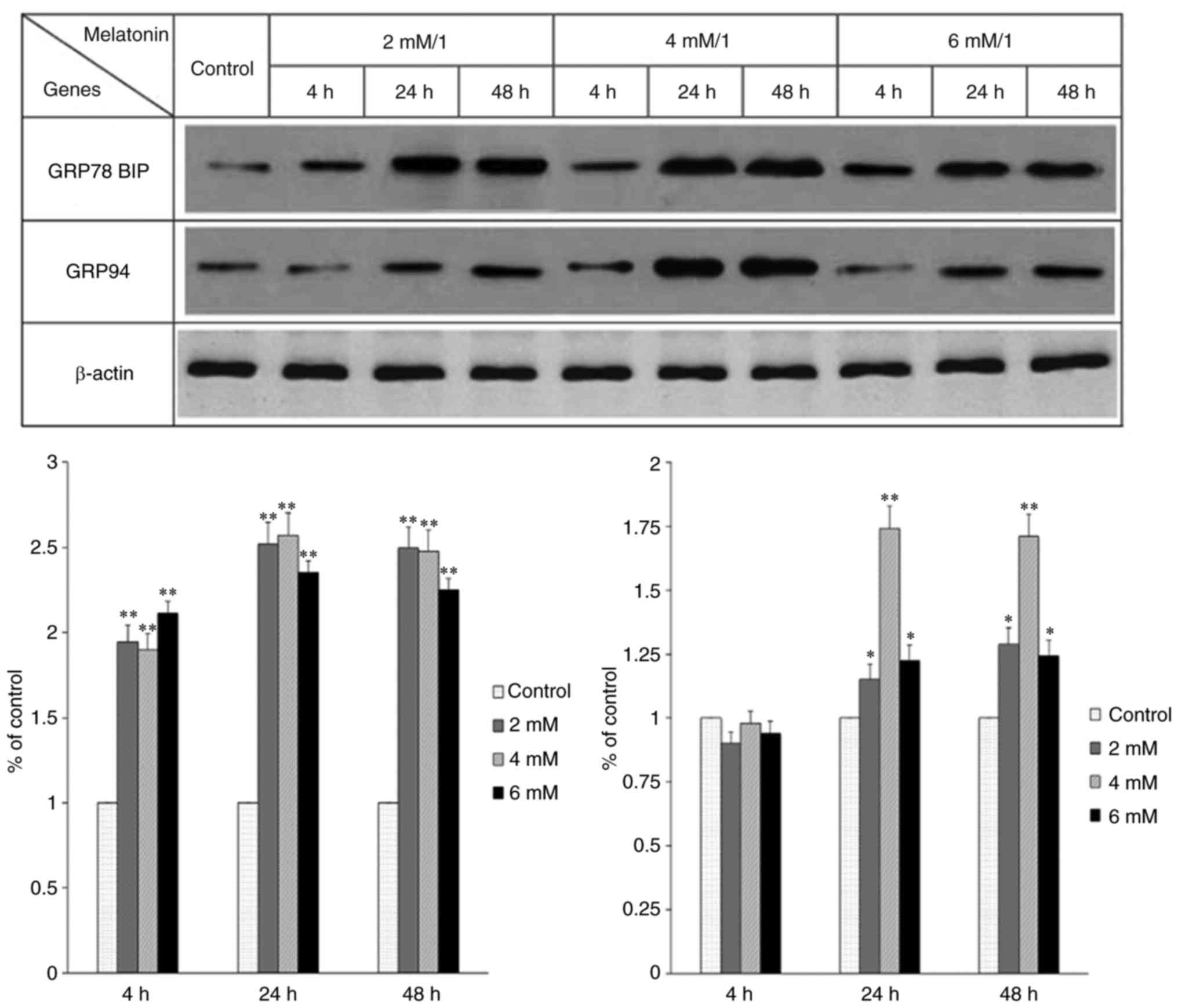
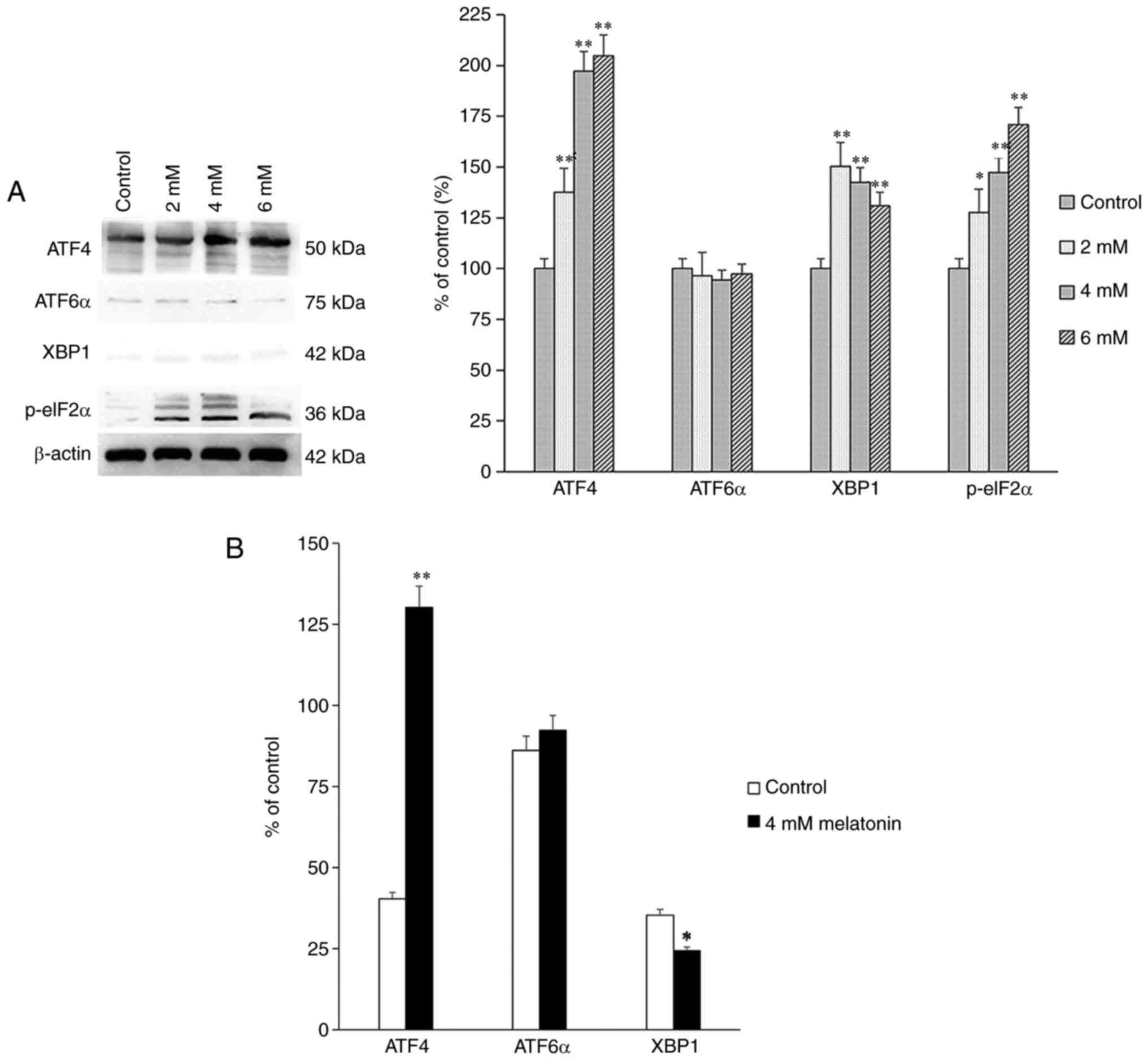
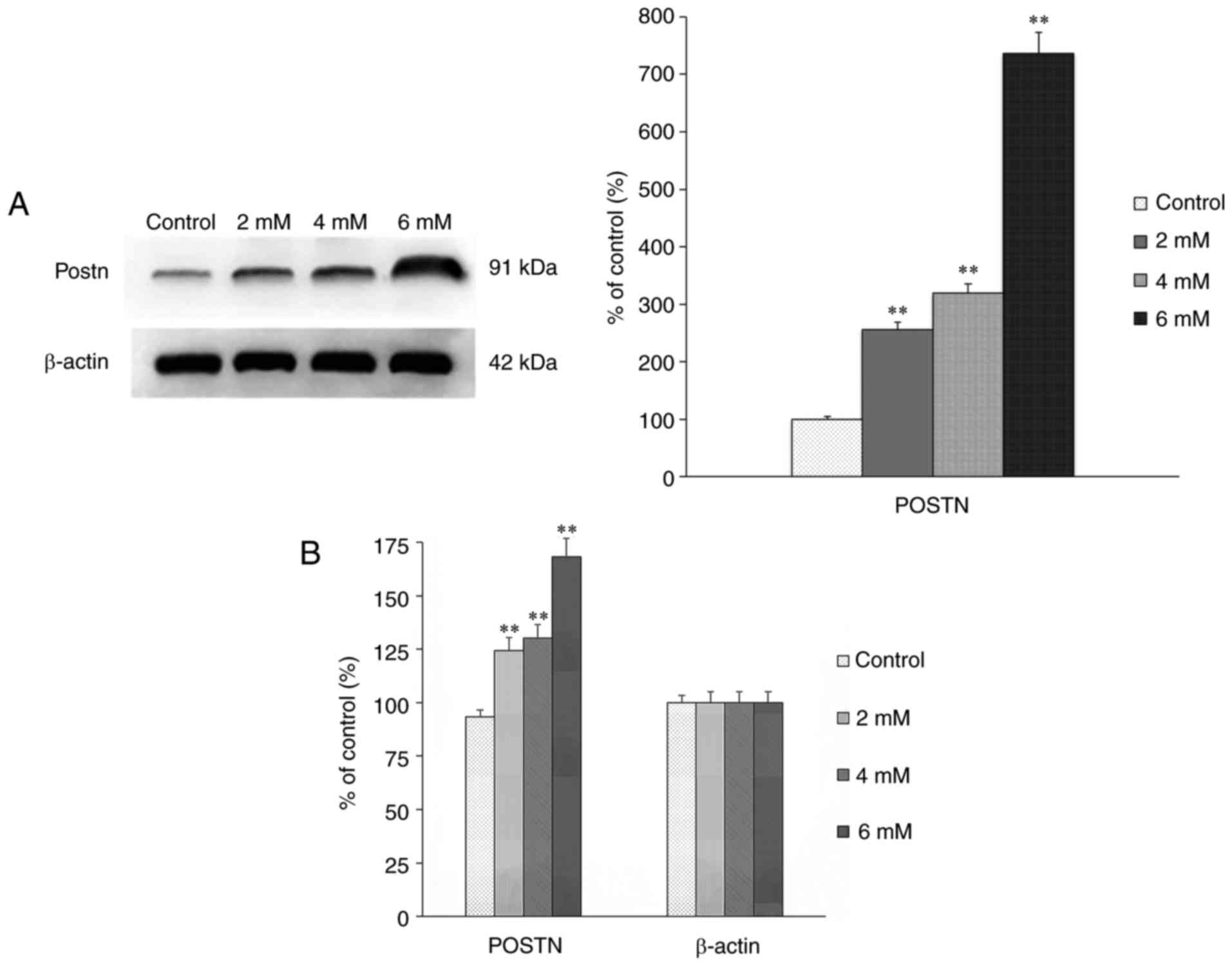
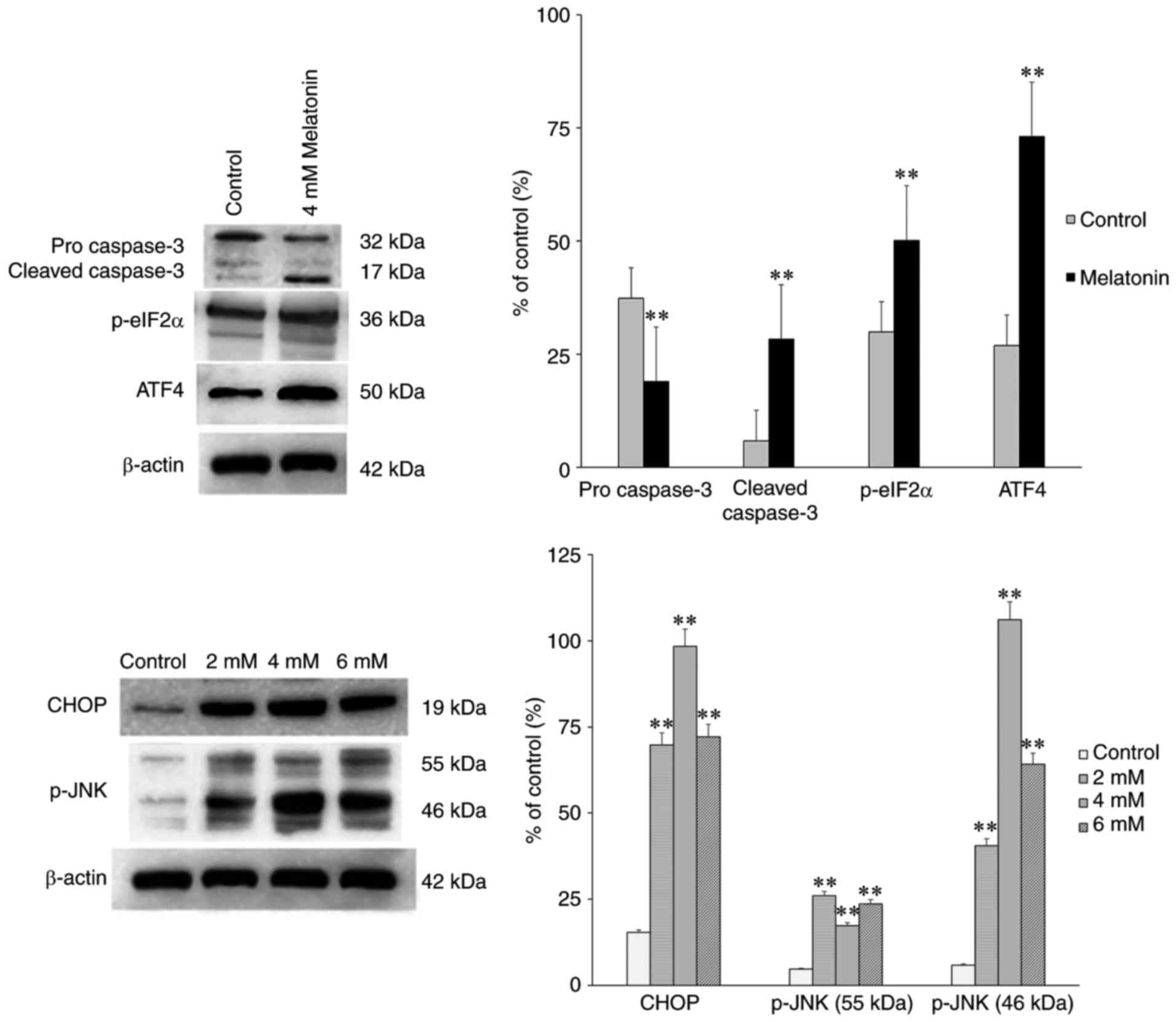
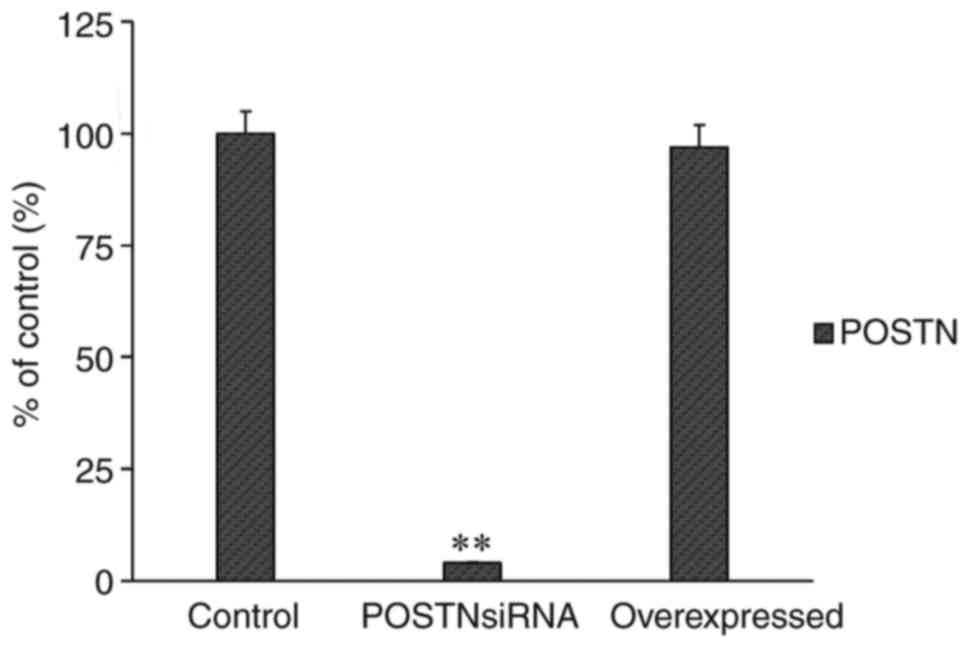
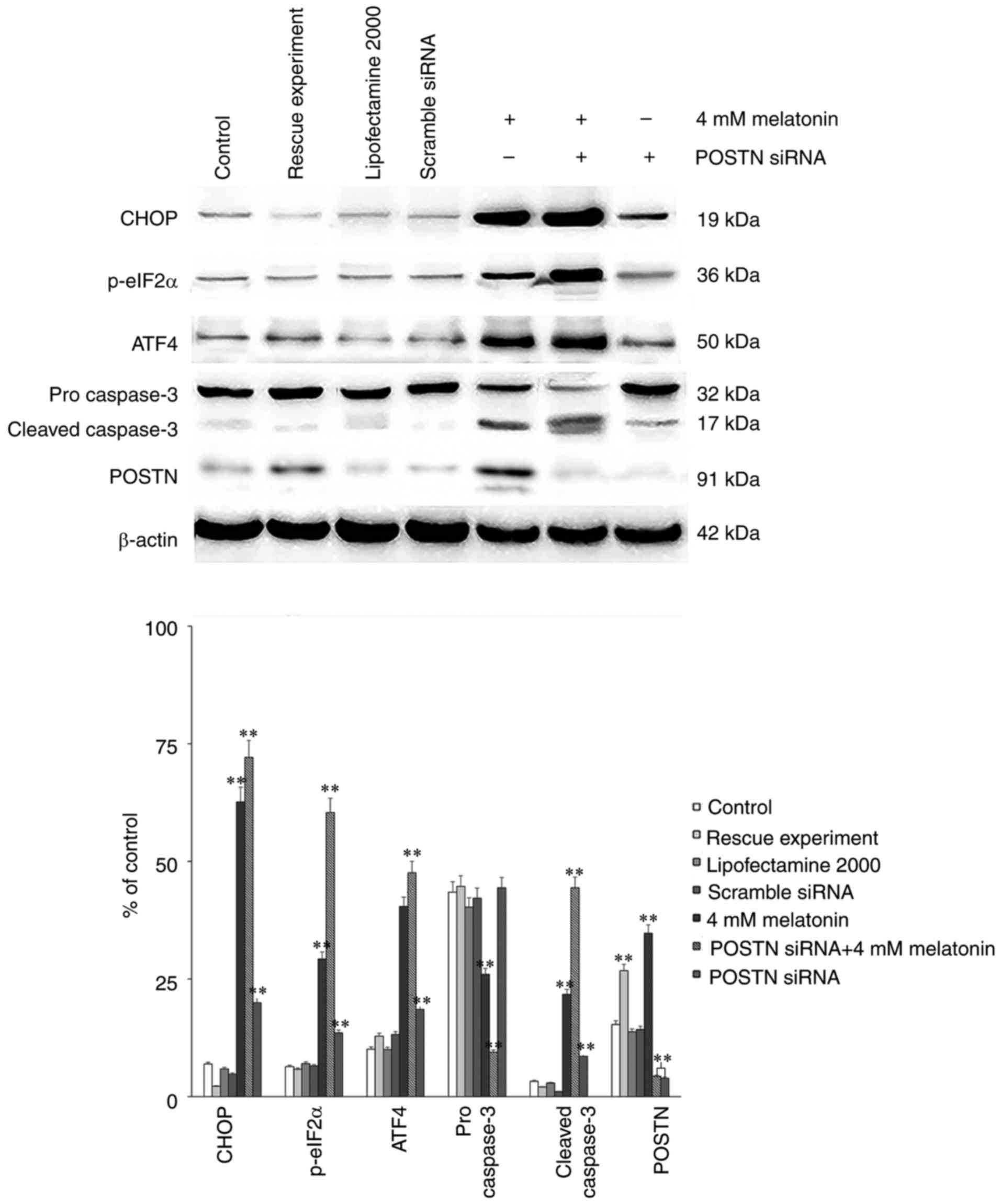
The present study aimed to investigate the role of periostin (POSTN) and high melatonin concentrations in the apoptosis of hFOB 1.19 human normal fetal osteoblastic cells. hFOB 1.19 human osteoblastic cells were stably cultured and treated in different concentrations of melatonin for different durations of action. Apoptosis was assessed quantitatively using flow cytometric analysis. The results of western blot analysis demonstrated that the treatment of cells with different concentrations of melatonin for different durations of action revealed a positive association between melatonin and the expression levels of glucose‑regulated protein (GRP)78, GRP94, phosphorylated (p‑) eukaryotic initiation factor 2α (eIF2α), activating transcription factor (ATF)4, CCAAT/enhanced binding protein homologous protein (CHOP), cleaved caspase‑3, p‑c‑Jun N‑terminal kinase (JNK) and POSTN. When POSTN was inhibited, the levels of p‑JNK, CHOP, p‑eIF2α, ATF4 and cleaved caspase‑3 were significantly increased, whereas other proteins associated with the endoplasmic reticulum stress (ERS) pathways, including ATF6 and X‑box binding protein 1 (XBP1), were not significantly altered. Reverse transcription‑quantitative polymerase chain reaction analysis was also performed to assess the relative mRNA levels of ATF4, ATF6 and XBP1. The results of the present study are the first, to the best of our knowledge, to demonstrate that melatonin induced apoptosis in hFOB 1.19 human osteoblastic cells by activating the ERS‑associated eIF2α‑ATF4 pathway and subsequently triggered the cascade effects of CHOP, caspase‑3 and JNK. POSTN may function as a protective factor for osteoblasts during this process by inhibiting the eIF2α‑ATF4 pathway.
View Figures

Figure 1

Figure 2

Figure 3

Figure 4

Figure 5

Figure 6

Figure 7

View References

1 

Thillard MJ: Deformations de la colonne vertebrale consecutives à l'épiphysectomie chez le poussin. Extrait C R Assoc Anat. 46:22–26. 1959.In French.

2 

Liu L, Zhu Y, Xu Y and Reiter RJ: Melatonin delays cell proliferation by inducing G1 and G2/M phase arrest in a human osteoblastic cell line hFOB 1.19. J Pineal Res. 50:222–231. 2011.

3 

Liu L, Zhu Y, Xu Y and Reiter RJ: Prevention of ERK activation involves melatonin-induced G(1) and G(2)/M phase arrest in the human osteoblastic cell line hFOB 1.19. J Pineal Res. 53:60–66. 2012. View Article : Google Scholar

4 

Moreira AJ, Ordoñez R, Cerski CT, Picada JN, García-Palomo A, Marroni NP, Mauriz JL and González-Gallego J: Melatonin activates endoplasmic reticulum stress and apoptosis in rats with diethylnitrosamine-induced hepatocarcinogenesis. PLoS One. 10:e01445172015. View Article : Google Scholar : PubMed/NCBI

5 

Zha L, Fan L, Sun G, Wang H, Ma T, Zhong F and Wei W: Melatonin sensitizes human hepatoma cells to endoplasmic reticulum stress-induced apoptosis. J Pineal Res. 52:322–331. 2012. View Article : Google Scholar : PubMed/NCBI

6 

Wongprayoon P and Govitrapong P: Melatonin protects sh-sy5y neuronal cells against methamphetamine-induced endoplasmic reticulum stress and apoptotic cell death. Neurotox Res. 31:1–10. 2017. View Article : Google Scholar

7 

Espino J, Bejarano I, Paredes SD, Barriga C, Reiter RJ, Pariente JA and Rodríguez AB: Melatonin is able to delay endoplasmic reticulum stress-induced apoptosis in leukocytes from elderly humans. AGE (Dordr). 33:497–507. 2011. View Article : Google Scholar

8 

Yi L, Zongyuan Y, Cheng G, Lingyun Z, Guilian Y and Wei G: Quercetin enhances apoptotic effect of tumor necrosis factor-related apoptosis-inducing ligand (TRAIL) in ovarian cancer cells through reactive oxygen species (ROS) mediated CCAAT enhancer-binding protein homologous protein (CHOP)-death receptor 5 pathway. Cancer Sci. 105:520–527. 2014. View Article : Google Scholar : PubMed/NCBI

9 

He L, Jang JH, Choi HG, Lee SM, Nan MH, Jeong SJ, Dong Z, Kwon YT, Lee KS, Lee KW, et al: Oligomycin a enhances apoptotic effect of TRAIL through CHOP-mediated death receptor 5 expression. Mol Carcinog. 52:85–93. 2013. View Article : Google Scholar : PubMed/NCBI

10 

Xiong SB, Mu TY, Wang GW and Jiang X: Mitochondria-mediated apoptosis in ma mMals. Protein Cell. 5:737–749. 2014. View Article : Google Scholar : PubMed/NCBI

11 

Xu C, Bailly-Maitre B and Reed JC: Endoplasmic reticulum stress: Cell life and death decisions. J Clin Invest. 115:2656–2664. 2005. View Article : Google Scholar : PubMed/NCBI

12 

Faitova J, Krekac D, Hrstka R and Vojtesek B: Endoplasmic reticulum stress and apoptosis. Cell Mol Biol Lett. 11:488–505. 2006. View Article : Google Scholar : PubMed/NCBI

13 

Phal HL: Signal transduction from the endoplasmic reticulum to the cell nucleus. Physiol Rev. 79:683–701. 1999. View Article : Google Scholar

14 

Espenshade PJ: SREBPs: Sterol-regulated transcription factors. J Cell Sci. 15:973–976. 2006. View Article : Google Scholar

15 

Davenport EL, Morgan GJ and Davies FE: Untangling the unfolded protein response. Cell Cycle. 7:865–869. 2008. View Article : Google Scholar : PubMed/NCBI

16 

Malhotra JD and Kaufman RJ: The endoplasmic reticulum and the unfolded protein response. Semin Cell DevBiol. 18:716–731. 2007. View Article : Google Scholar

17 

Gupta S, Deepti A, Deegan S, Lisbona F, Hetz C and Samali A: HSP72 protects cells from ER stress-induced apoptosis via enhancement of IRE1alpha-XBP1 signaling through a physical interaction. PLoS Biol. 8:e10004102010. View Article : Google Scholar : PubMed/NCBI

18 

Long ZS: Expression and significance of CHOP related ERS after acute spinal cord injury in rats. Chin J Spine Spinal Cord. 19:458–463. 2009.In Chinese.

19 

Szegezdi E, Duffy A, O'Mahoney ME, Logue SE, Mylotte LA, O'brien T and Samali A: ER stress contributes to ischemia-induced cardiomyocyte apoptosis. Biochem Biophys Res Commun. 349:1406–1411. 2006. View Article : Google Scholar : PubMed/NCBI

20 

Takeda K, Shimozono R, Noguchi T, Umeda T, Morimoto Y, Naguro I, Tobiume K, Saitoh M, Matsuzawa A and Ichijo H: Apoptosis signal-regulation kinase (ASK) 2 functions as a mitogen-activated protein kinase in a heteromeric complex with ASK1. J Biol Chem. 282:7522–7531. 2007. View Article : Google Scholar : PubMed/NCBI

21 

Li F, Guo Y, Sun S, Jiang X, Tang B, Wang Q and Wang L: Free cholesterol-induced macrophage apoptosis is mediated by inositol-requiring enzyme 1 alpha-regulated activation of Jun N-terminal kinase. Acta Biochim Biophys Sin Shanghai. 40:226–234. 2008. View Article : Google Scholar : PubMed/NCBI

22 

Matsuzawa A, Saegusa K, Noguchi T, Sadamitsu C, Nishitoh H, Nagai S, Koyasu S, Matsumoto K, Takeda K and Ichijo H: Ros-dependent activation of the TRAF6-ASK1-p38 pathway is selectively required for TLR4-mediated innate immunity. Nat Immunol. 6:587–592. 2005. View Article : Google Scholar : PubMed/NCBI

23 

Hoersch S and Andrade-Navarro MA: Periostin shows increased evolutionary plasticity in its alternatively spliced region. BMC Evol Biol. 10:302010. View Article : Google Scholar : PubMed/NCBI

24 

Morra L and Moch H: Periostin expression and epithelial-mesenchymal transition in cancer: A review and an update. Virchows Arch. 459:465–475. 2011. View Article : Google Scholar : PubMed/NCBI

25 

Merle B, Bouet G, Rousseau JC, Bertholon C and Garnero P: Periostin and transforming growth factor β-induced protein (TGF βIp) are both expressed by osteoblasts and osteoclasts. Cell Biol Int. 38:398–404. 2014. View Article : Google Scholar

26 

Subramaniam M, Jalal SM, Rickard DJ, Harris SA, Bolander ME and Spelsberg TC: Further characterization of human fetal osteoblastic hFOB 1.19 and hFOB/ER alpha cells: Bone formation in vivo and karyotype analysis using multicolor fluorescent in situ hybridization. J Cell Biochem. 87:9–15. 2002. View Article : Google Scholar : PubMed/NCBI

27 

Livak KJ and Schmittgen TD: Analysis of relative gene expression data using real-time quantitative PCR and the 2(−Delta Delta C(T)) method. Methods. 25:402–408. 2001. View Article : Google Scholar

28 

Pizarro JG, Yeste-Velasco M, Esparza JL, Verdaguer E, Pallàs M, Camins A and Folch J: The antiproliferative activity of melatonin in B65 rat dopaminergic neuroblastoma cells is related to the downregulation of cell cycle-related genes. J Pineal Res. 45:8–16. 2008. View Article : Google Scholar : PubMed/NCBI

29 

Reiter RJ, Tan DX and Fuentes-Broto L: Melatonin: A multi-tasking molecule. Prog Brain Res. 181:127–151. 2010. View Article : Google Scholar

30 

Akbarzadeh M, Rahbarghazi R, Nabat E, Movassaghpour AA, Shanehbandi D, Faramarzian Azimi Maragheh B, Matluobi D, Barazvan B, Kazemi M, Samadi N and Nouri M: The impact of different extracellular matrices on melatonin effect in proliferation and stemness properties of ovarian cancer cells. Biomed Pharmacother. 87:288–295. 2017. View Article : Google Scholar : PubMed/NCBI

31 

Bavithra S, Selvakumar K, Sundareswaran L and Arunakaran J: Neuroprotective effect of melatonin against pcbs induced behavioural, molecular and histological changes in cerebral cortex of adult male wistar rats. Neurochem Res. 42:428–438. 2017. View Article : Google Scholar

32 

Khan S, Adhikari JS, Rizvi MA and Chaudhury NK: Melatonin attenuates 60 Co γ-ray-induced hematopoietic, immunological and gastrointestinal injuries in C57BL/6 male mice. Environ Toxicol. 32:501–518. 2017. View Article : Google Scholar

33 

Satomura K, Tobiume S, Tokuyama R, Yamasaki Y, Kudoh K, Maeda E and Nagayama M: Melatonin at pharmacological doses enhances human osteoblastic differentiation in vitro and promotes mouse cortical bone formation in vivo. J Pineal Res. 42:231–239. 2007. View Article : Google Scholar : PubMed/NCBI

34 

Man GC, Wang WW, Yeung BH, Lee SK, Ng BK, Hung WY, Wong JH, Ng TB, Qiu Y and Cheng JC: Abnormal proliferation and differentiation of osteoblasts from girls with adolescent idiopathic scoliosis to melatonin. J Pineal Res. 49:69–77. 2010.PubMed/NCBI

35 

Nakade O, Koyama H, Ariji H, Yajima A and Kaku T: Melatonin stimulates proliferation and type I collagen synthesis in human bone cells in vitro. J Pineal Res. 27:106–110. 1999. View Article : Google Scholar : PubMed/NCBI

36 

Sanchez-Hidalgo M, Lu Z, Tan DX, Maldonado MD, Reiter RJ and Gregerman RI: Melatonin inhibits fatty acid-induced triglyceride accumulation in ROS17/2.8 cells: Implications for osteoblast differentiation and osteoporosis. Am J Physiol Regul Integr Comp Physiol. 292:R2208–R2215. 2007. View Article : Google Scholar : PubMed/NCBI

37 

Anelli T and Sitia R: Protein quality control in the early secretory pathway. EMBO J. 27:315–327. 2008. View Article : Google Scholar : PubMed/NCBI

38 

Pizzo P and Pozzan T: Mitochondria-endoplasmic reticulum choreography: Structure and signaling dynamics. Trends Cell Biol. 17:511–517. 2007. View Article : Google Scholar : PubMed/NCBI

39 

Hamamura K and Yokota H: Stress to endoplasmic reticulum of mouse osteoblasts induces apoptosis and transcriptional activation for bone remodeling. FEBS Lett. 581:1769–1774. 2007. View Article : Google Scholar : PubMed/NCBI

40 

Wysokinski D, Pawlowska E and Blasiak J: RUNX2: A master bone growth regulator that may be involved in the DNA damage response. DNA Cell Biol. 34:305–315. 2015. View Article : Google Scholar : PubMed/NCBI

41 

Yu SH and Hong A: Runx2 promotes osteogenic differentiating C2C12 cells through inhibiting macroautophagy. Chin J Pathophysiol. 29:481–487. 2013.In Chinese.

42 

Ron D and Walter P: Signal integration in the endoplasmic reticulum unfolded protein response. Nat Rev Mol Cell Biol. 8:519–529. 2007. View Article : Google Scholar : PubMed/NCBI

43 

Fernández A, Ordóñez R, Reiter RJ, González-Gallego J and Mauriz JL: Melatonin and endoplasmic reticulum stress: Relation to autophagy and apoptosis. J Pineal Res. 59:292–307. 2015. View Article : Google Scholar : PubMed/NCBI

44 

Zhang HM and Zhang Y: Melatonin: A well-documented antioxidant with conditional pro-oxidant actions. J Pineal Res. 57:131–146. 2014. View Article : Google Scholar : PubMed/NCBI

45 

Brown MK and Naidoo N: The UPR and the anti-oxidant response: Relevance to sleep and sleep loss. Mol Neurobiol. 42:103–113. 2010. View Article : Google Scholar : PubMed/NCBI

46 

Bizzarri M, Proietti S, Cucina A and Reiter RJ: Molecular mechanisms of the pro-apoptotic actions of melatonin in cancer: A review. Expert Opin Ther Targets. 17:1483–1496. 2013. View Article : Google Scholar : PubMed/NCBI

47 

Tabas I and Ron D: Integrating the mechanisms of apoptosis induced by endoplasmic reticulum stress. Nat Cell Biol. 13:184–190. 2011. View Article : Google Scholar : PubMed/NCBI

48 

Li Y, Guo Y, Tang J, Jiang J and Chen Z: New insights into the roles of CHOP-induced apoptosis in ER stress. Acta Biochim Biophys Sin. 46:629–640. 2014. View Article : Google Scholar : PubMed/NCBI

49 

Fu HY, Okada K, Liao Y, Tsukamoto O, Isomura T, Asai M, Sawada T, Okuda K, Asano Y, Sanada S, et al: Ablation of C/EBP homologous protein attenuates endoplasmic reticulum-mediated apoptosis and cardiac dysfunction induced by pressure overload. Circulation. 122:361–369. 2010. View Article : Google Scholar : PubMed/NCBI

50 

Hoersch S and Andrade-Navarro MA: Periostin shows increased evolutionary plasticity in its alternatively spliced region. BMC Evol Biol. 10:302010. View Article : Google Scholar : PubMed/NCBI

51 

Lai E, Teodoro T and Volchuk A: Endoplasmic reticulum stress: Signaling the unfolded protein response. Physiology (Bethesda). 22:193–201. 2007.

52 

Morra L and Moch H: Periostin expression and epithelial-mesenchymal transition in cancer: A review and an update. Virchows Arch. 459:465–475. 2011. View Article : Google Scholar : PubMed/NCBI

53 

Erkan M, Kleeff J, Gorbachevski A, Reiser C, Mitkus T, Esposito I, Giese T, Büchler MW, Giese NA and Friess H: Periostin creates a tumor-supportive microenvironment in the pancreas by sustaining fibrogenic stellate cell activity. Gastroenterology. 132:1447–1464. 2007. View Article : Google Scholar : PubMed/NCBI

54 

Tai IT, Dai M and Chen LB: Periostin induction in tumor cell line explants and inhibition of in vitro cell growth by anti-periostin antibodies. Carcinogenesis. 26:908–915. 2005. View Article : Google Scholar : PubMed/NCBI

55 

Gillan L, Matei D, Fishman DA, Gerbin CS, Karlan BY and Chang DD: Periostin secreted by epithelial ovarian carcinoma is a ligand for alpha(V)beta(3) and alpha(V)beta(5) integrins and promotes cell motility. Cancer Res. 62:5358–5364. 2002.PubMed/NCBI

56 

Kudo Y, Ogawa I, Kitajima S, Kitagawa M, Kawai H, Gaffney PM, Miyauchi M and Takata T: Periostin promotes invasion and anchorage-independent growth in the metastatic process of head and neck cancer. Cancer Res. 66:6928–6935. 2006. View Article : Google Scholar : PubMed/NCBI

57 

Siriwardena BS, Kudo Y, Ogawa I, Kitagawa M, Kitajima S, Hatano H, Tilakaratne WM, Miyauchi M and Takata T: Periostin is frequently overexpressed and enhances invasion and angiogenesis in oral cancer. Br J Cancer. 95:1396–1403. 2006. View Article : Google Scholar : PubMed/NCBI

58 

Shao R, Bao S, Bai X, Blanchette C, Anderson RM, Dang T, Gishizky ML, Marks JR and Wang XF: Acquired expression of periostin by human breast cancers promotes tumor angiogenesis through up-regulation of vascular endothelial growth factor receptor 2 expression. Mol Cell Biol. 24:3992–4003. 2004. View Article : Google Scholar : PubMed/NCBI

59 

Li B, Wang L and Chi B: Upregulation of periostin prevents p53-mediated apoptosis in SGC-7901 gastric cancer cells. Mol Biol Rep. 40:1677–1683. 2013. View Article : Google Scholar

60 

Aukkarasongsup P, Haruyama N, Matsumoto T, Shiga M and Moriyama K: Periostin inhibits hypoxia-induced apoptosis in human periodontal ligament cells via TGF-β signaling. Biochem Biophys Res Commun. 441:126–132. 2013. View Article : Google Scholar : PubMed/NCBI

61 

Luo JH, Zhou J and Gao Y: Correlation between periostin and SNCG and esophageal cancer invasion, infiltration and apoptosis. Asian Pac J Trop Med. 6:516–519. 2013. View Article : Google Scholar : PubMed/NCBI

62 

Stansfield WE, Andersen NM, Tang RH and Selzman CH: Periostin is a novel factor in cardiac remodeling after experimental and clinical unloading of the failing heart. Ann Thorac Surg. 88:1916–1921. 2009. View Article : Google Scholar : PubMed/NCBI

Related Articles

  • Abstract
  • View
  • Download
  • Twitter
Copy and paste a formatted citation
Spandidos Publications style
Meng X, Zhu Y, Tao L, Zhao S and Qiu S: Periostin has a protective role in melatonin‑induced cell apoptosis by inhibiting the eIF2α‑ATF4 pathway in human osteoblasts. Int J Mol Med 41: 1003-1012, 2018.
APA
Meng, X., Zhu, Y., Tao, L., Zhao, S., & Qiu, S. (2018). Periostin has a protective role in melatonin‑induced cell apoptosis by inhibiting the eIF2α‑ATF4 pathway in human osteoblasts. International Journal of Molecular Medicine, 41, 1003-1012. https://doi.org/10.3892/ijmm.2017.3300
MLA
Meng, X., Zhu, Y., Tao, L., Zhao, S., Qiu, S."Periostin has a protective role in melatonin‑induced cell apoptosis by inhibiting the eIF2α‑ATF4 pathway in human osteoblasts". International Journal of Molecular Medicine 41.2 (2018): 1003-1012.
Chicago
Meng, X., Zhu, Y., Tao, L., Zhao, S., Qiu, S."Periostin has a protective role in melatonin‑induced cell apoptosis by inhibiting the eIF2α‑ATF4 pathway in human osteoblasts". International Journal of Molecular Medicine 41, no. 2 (2018): 1003-1012. https://doi.org/10.3892/ijmm.2017.3300
Copy and paste a formatted citation
x
Spandidos Publications style
Meng X, Zhu Y, Tao L, Zhao S and Qiu S: Periostin has a protective role in melatonin‑induced cell apoptosis by inhibiting the eIF2α‑ATF4 pathway in human osteoblasts. Int J Mol Med 41: 1003-1012, 2018.
APA
Meng, X., Zhu, Y., Tao, L., Zhao, S., & Qiu, S. (2018). Periostin has a protective role in melatonin‑induced cell apoptosis by inhibiting the eIF2α‑ATF4 pathway in human osteoblasts. International Journal of Molecular Medicine, 41, 1003-1012. https://doi.org/10.3892/ijmm.2017.3300
MLA
Meng, X., Zhu, Y., Tao, L., Zhao, S., Qiu, S."Periostin has a protective role in melatonin‑induced cell apoptosis by inhibiting the eIF2α‑ATF4 pathway in human osteoblasts". International Journal of Molecular Medicine 41.2 (2018): 1003-1012.
Chicago
Meng, X., Zhu, Y., Tao, L., Zhao, S., Qiu, S."Periostin has a protective role in melatonin‑induced cell apoptosis by inhibiting the eIF2α‑ATF4 pathway in human osteoblasts". International Journal of Molecular Medicine 41, no. 2 (2018): 1003-1012. https://doi.org/10.3892/ijmm.2017.3300
Follow us
  • Twitter
  • LinkedIn
  • Facebook
About
  • Spandidos Publications
  • Careers
  • Cookie Policy
  • Privacy Policy
How can we help?
  • Help
  • Live Chat
  • Contact
  • Email to our Support Team