Spandidos Publications Logo
  • About
    • About Spandidos
    • Aims and Scopes
    • Abstracting and Indexing
    • Editorial Policies
    • Reprints and Permissions
    • Job Opportunities
    • Terms and Conditions
    • Contact
  • Journals
    • All Journals
    • Oncology Letters
      • Oncology Letters
      • Information for Authors
      • Editorial Policies
      • Editorial Board
      • Aims and Scope
      • Abstracting and Indexing
      • Bibliographic Information
      • Archive
    • International Journal of Oncology
      • International Journal of Oncology
      • Information for Authors
      • Editorial Policies
      • Editorial Board
      • Aims and Scope
      • Abstracting and Indexing
      • Bibliographic Information
      • Archive
    • Molecular and Clinical Oncology
      • Molecular and Clinical Oncology
      • Information for Authors
      • Editorial Policies
      • Editorial Board
      • Aims and Scope
      • Abstracting and Indexing
      • Bibliographic Information
      • Archive
    • Experimental and Therapeutic Medicine
      • Experimental and Therapeutic Medicine
      • Information for Authors
      • Editorial Policies
      • Editorial Board
      • Aims and Scope
      • Abstracting and Indexing
      • Bibliographic Information
      • Archive
    • International Journal of Molecular Medicine
      • International Journal of Molecular Medicine
      • Information for Authors
      • Editorial Policies
      • Editorial Board
      • Aims and Scope
      • Abstracting and Indexing
      • Bibliographic Information
      • Archive
    • Biomedical Reports
      • Biomedical Reports
      • Information for Authors
      • Editorial Policies
      • Editorial Board
      • Aims and Scope
      • Abstracting and Indexing
      • Bibliographic Information
      • Archive
    • Oncology Reports
      • Oncology Reports
      • Information for Authors
      • Editorial Policies
      • Editorial Board
      • Aims and Scope
      • Abstracting and Indexing
      • Bibliographic Information
      • Archive
    • Molecular Medicine Reports
      • Molecular Medicine Reports
      • Information for Authors
      • Editorial Policies
      • Editorial Board
      • Aims and Scope
      • Abstracting and Indexing
      • Bibliographic Information
      • Archive
    • World Academy of Sciences Journal
      • World Academy of Sciences Journal
      • Information for Authors
      • Editorial Policies
      • Editorial Board
      • Aims and Scope
      • Abstracting and Indexing
      • Bibliographic Information
      • Archive
    • International Journal of Functional Nutrition
      • International Journal of Functional Nutrition
      • Information for Authors
      • Editorial Policies
      • Editorial Board
      • Aims and Scope
      • Abstracting and Indexing
      • Bibliographic Information
      • Archive
    • International Journal of Epigenetics
      • International Journal of Epigenetics
      • Information for Authors
      • Editorial Policies
      • Editorial Board
      • Aims and Scope
      • Abstracting and Indexing
      • Bibliographic Information
      • Archive
    • Medicine International
      • Medicine International
      • Information for Authors
      • Editorial Policies
      • Editorial Board
      • Aims and Scope
      • Abstracting and Indexing
      • Bibliographic Information
      • Archive
  • Articles
  • Information
    • Information for Authors
    • Information for Reviewers
    • Information for Librarians
    • Information for Advertisers
    • Conferences
  • Language Editing
Spandidos Publications Logo
  • About
    • About Spandidos
    • Aims and Scopes
    • Abstracting and Indexing
    • Editorial Policies
    • Reprints and Permissions
    • Job Opportunities
    • Terms and Conditions
    • Contact
  • Journals
    • All Journals
    • Biomedical Reports
      • Information for Authors
      • Editorial Policies
      • Editorial Board
      • Aims and Scope
      • Abstracting and Indexing
      • Bibliographic Information
      • Archive
    • Experimental and Therapeutic Medicine
      • Information for Authors
      • Editorial Policies
      • Editorial Board
      • Aims and Scope
      • Abstracting and Indexing
      • Bibliographic Information
      • Archive
    • International Journal of Epigenetics
      • Information for Authors
      • Editorial Policies
      • Editorial Board
      • Aims and Scope
      • Abstracting and Indexing
      • Bibliographic Information
      • Archive
    • International Journal of Functional Nutrition
      • Information for Authors
      • Editorial Policies
      • Editorial Board
      • Aims and Scope
      • Abstracting and Indexing
      • Bibliographic Information
      • Archive
    • International Journal of Molecular Medicine
      • Information for Authors
      • Editorial Policies
      • Editorial Board
      • Aims and Scope
      • Abstracting and Indexing
      • Bibliographic Information
      • Archive
    • International Journal of Oncology
      • Information for Authors
      • Editorial Policies
      • Editorial Board
      • Aims and Scope
      • Abstracting and Indexing
      • Bibliographic Information
      • Archive
    • Medicine International
      • Information for Authors
      • Editorial Policies
      • Editorial Board
      • Aims and Scope
      • Abstracting and Indexing
      • Bibliographic Information
      • Archive
    • Molecular and Clinical Oncology
      • Information for Authors
      • Editorial Policies
      • Editorial Board
      • Aims and Scope
      • Abstracting and Indexing
      • Bibliographic Information
      • Archive
    • Molecular Medicine Reports
      • Information for Authors
      • Editorial Policies
      • Editorial Board
      • Aims and Scope
      • Abstracting and Indexing
      • Bibliographic Information
      • Archive
    • Oncology Letters
      • Information for Authors
      • Editorial Policies
      • Editorial Board
      • Aims and Scope
      • Abstracting and Indexing
      • Bibliographic Information
      • Archive
    • Oncology Reports
      • Information for Authors
      • Editorial Policies
      • Editorial Board
      • Aims and Scope
      • Abstracting and Indexing
      • Bibliographic Information
      • Archive
    • World Academy of Sciences Journal
      • Information for Authors
      • Editorial Policies
      • Editorial Board
      • Aims and Scope
      • Abstracting and Indexing
      • Bibliographic Information
      • Archive
  • Articles
  • Information
    • For Authors
    • For Reviewers
    • For Librarians
    • For Advertisers
    • Conferences
  • Language Editing
Login Register Submit
  • This site uses cookies
  • You can change your cookie settings at any time by following the instructions in our Cookie Policy. To find out more, you may read our Privacy Policy.

    I agree
Search articles by DOI, keyword, author or affiliation
Search
Advanced Search
presentation
International Journal of Molecular Medicine
Join Editorial Board Propose a Special Issue
Print ISSN: 1107-3756 Online ISSN: 1791-244X
Journal Cover
July-2018 Volume 42 Issue 1

Full Size Image

Sign up for eToc alerts
Recommend to Library

Journals

International Journal of Molecular Medicine

International Journal of Molecular Medicine

International Journal of Molecular Medicine is an international journal devoted to molecular mechanisms of human disease.

International Journal of Oncology

International Journal of Oncology

International Journal of Oncology is an international journal devoted to oncology research and cancer treatment.

Molecular Medicine Reports

Molecular Medicine Reports

Covers molecular medicine topics such as pharmacology, pathology, genetics, neuroscience, infectious diseases, molecular cardiology, and molecular surgery.

Oncology Reports

Oncology Reports

Oncology Reports is an international journal devoted to fundamental and applied research in Oncology.

Experimental and Therapeutic Medicine

Experimental and Therapeutic Medicine

Experimental and Therapeutic Medicine is an international journal devoted to laboratory and clinical medicine.

Oncology Letters

Oncology Letters

Oncology Letters is an international journal devoted to Experimental and Clinical Oncology.

Biomedical Reports

Biomedical Reports

Explores a wide range of biological and medical fields, including pharmacology, genetics, microbiology, neuroscience, and molecular cardiology.

Molecular and Clinical Oncology

Molecular and Clinical Oncology

International journal addressing all aspects of oncology research, from tumorigenesis and oncogenes to chemotherapy and metastasis.

World Academy of Sciences Journal

World Academy of Sciences Journal

Multidisciplinary open-access journal spanning biochemistry, genetics, neuroscience, environmental health, and synthetic biology.

International Journal of Functional Nutrition

International Journal of Functional Nutrition

Open-access journal combining biochemistry, pharmacology, immunology, and genetics to advance health through functional nutrition.

International Journal of Epigenetics

International Journal of Epigenetics

Publishes open-access research on using epigenetics to advance understanding and treatment of human disease.

Medicine International

Medicine International

An International Open Access Journal Devoted to General Medicine.

Journal Cover
July-2018 Volume 42 Issue 1

Full Size Image

Sign up for eToc alerts
Recommend to Library

  • Article
  • Citations
    • Cite This Article
    • Download Citation
    • Create Citation Alert
    • Remove Citation Alert
    • Cited By
  • Similar Articles
    • Related Articles (in Spandidos Publications)
    • Similar Articles (Google Scholar)
    • Similar Articles (PubMed)
  • Download PDF
  • Download XML
  • View XML
Article Open Access

TIM‑4 blockade of KCs combined with exogenous TGF‑β injection helps to reverse acute rejection and prolong the survival rate of mice receiving liver allografts

  • Authors:
    • Hao Wu
    • Xuesong Xu
    • Jinzheng Li
    • Jianping Gong
    • Min Li
  • View Affiliations / Copyright

    Affiliations: Department of Hepatobiliary Surgery, Second Affiliated Hospital of Chongqing Medical University, Chongqing 400010, P.R. China, Department of Hepatobiliary Surgery, Suining Central Hospital, Suining, Sichuan 629099, P.R. China
    Copyright: © Wu et al. This is an open access article distributed under the terms of Creative Commons Attribution License.
  • Pages: 346-358
    |
    Published online on: March 30, 2018
       https://doi.org/10.3892/ijmm.2018.3606
  • Expand metrics +
Metrics: Total Views: 0 (Spandidos Publications: | PMC Statistics: )
Metrics: Total PDF Downloads: 0 (Spandidos Publications: | PMC Statistics: )
Cited By (CrossRef): 0 citations Loading Articles...

This article is mentioned in:


Abstract

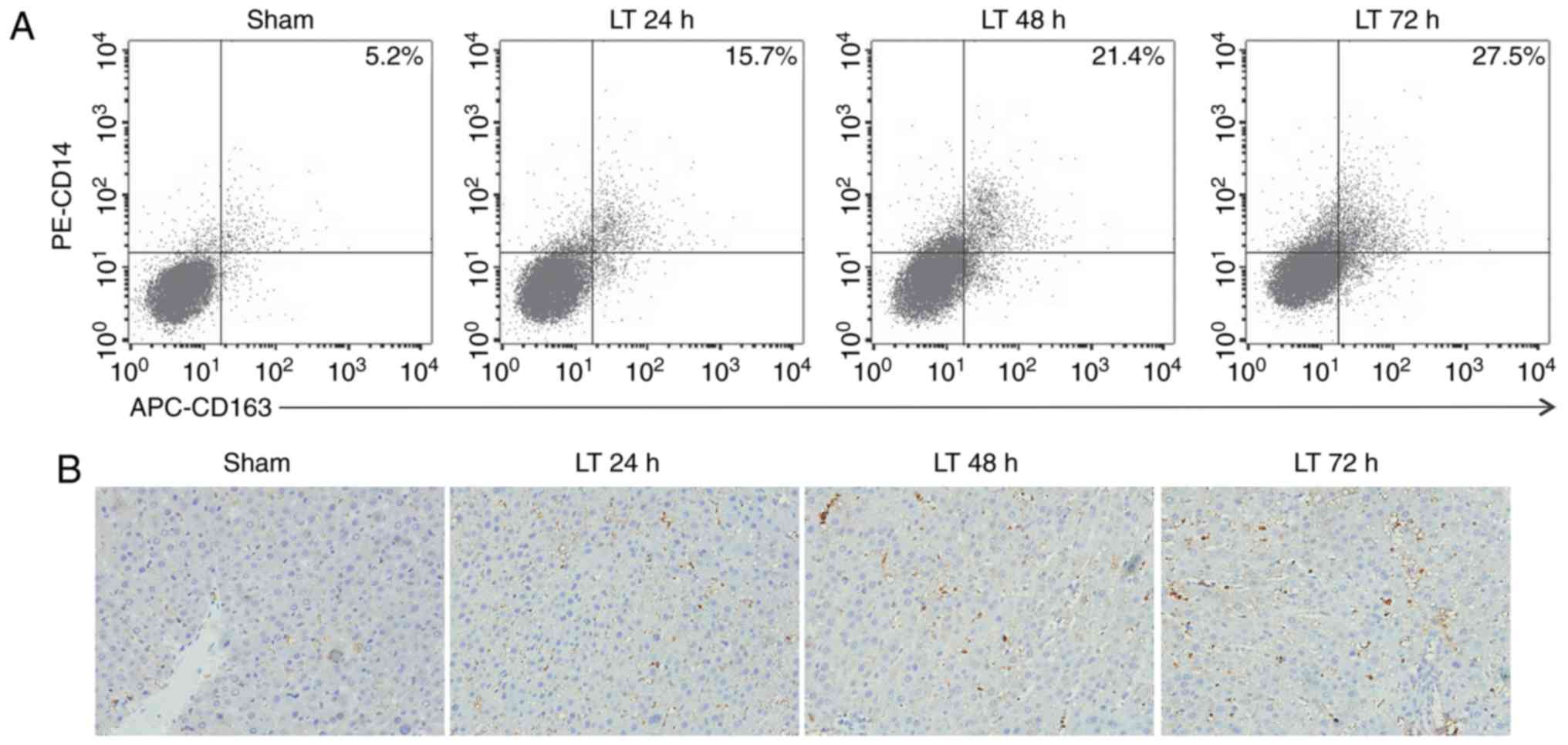
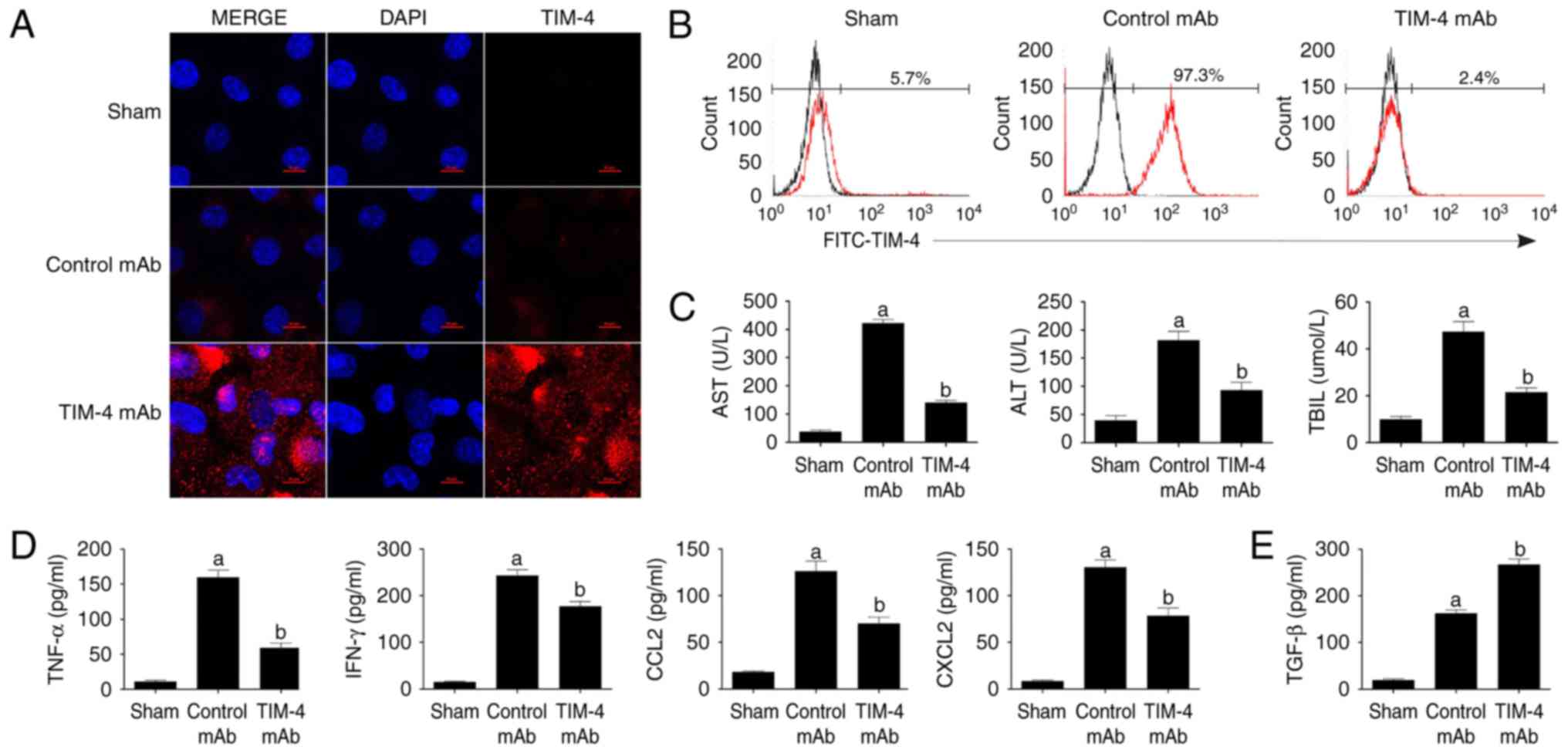
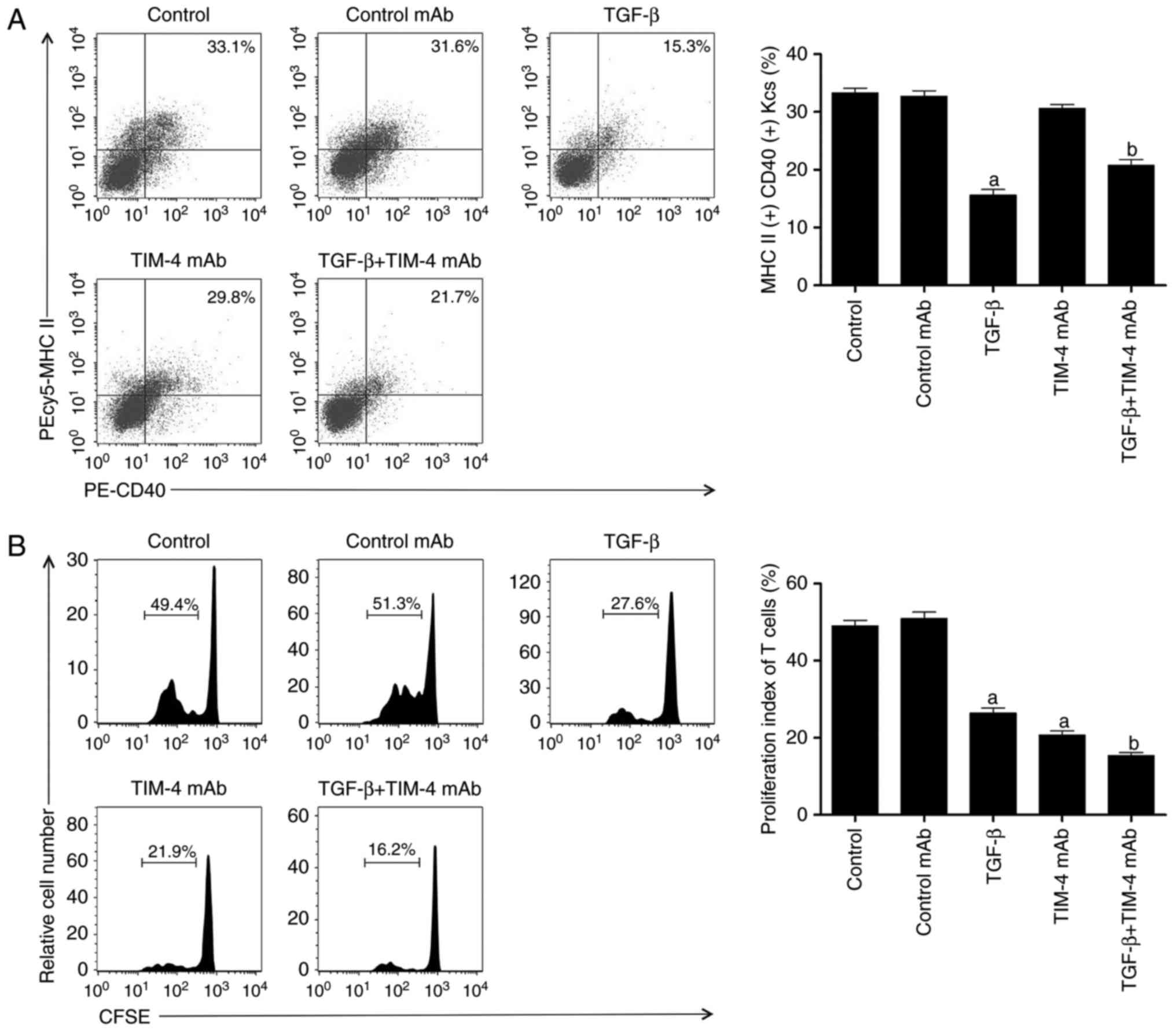
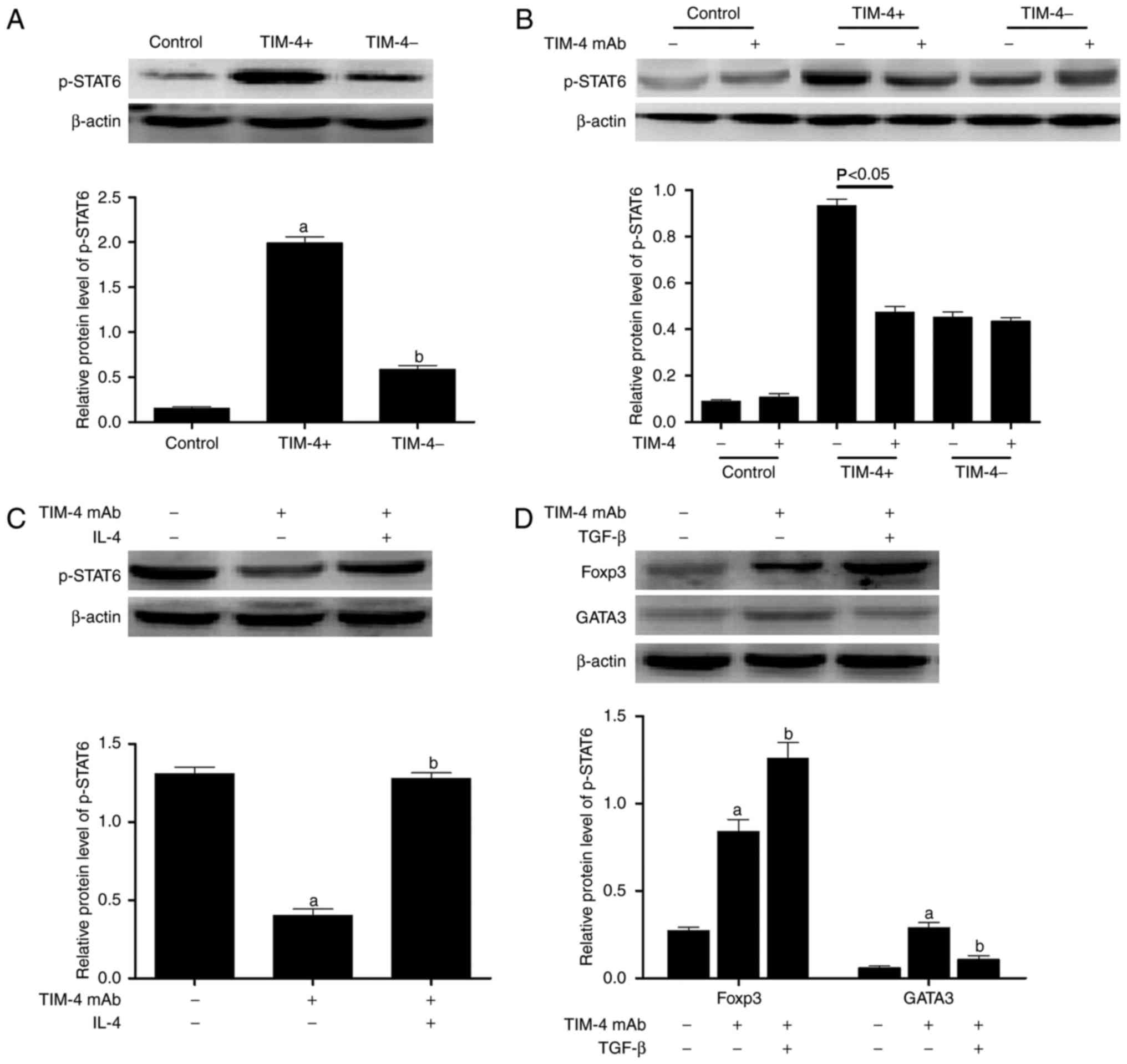
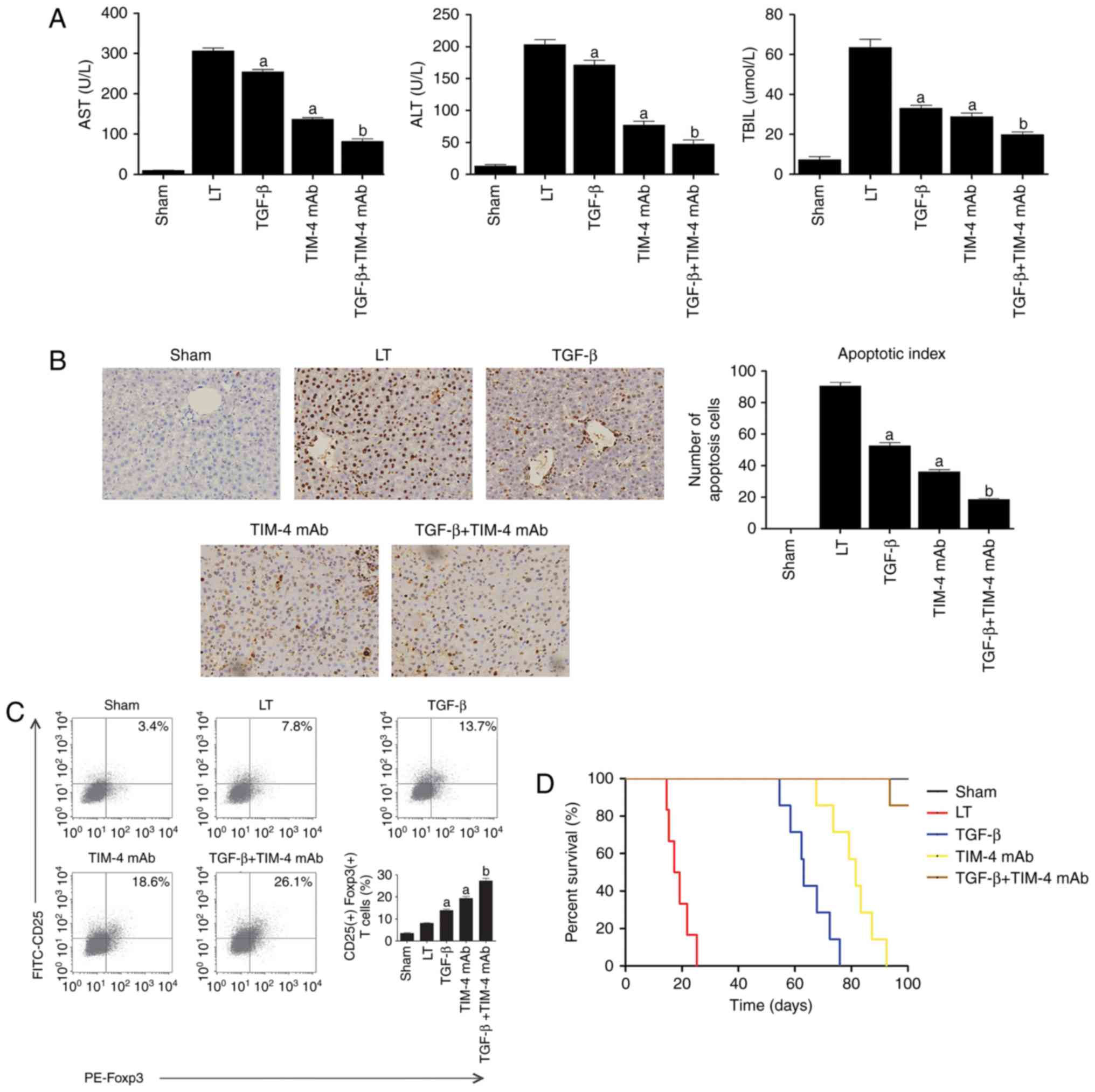
An acute reaction response (AR) following liver transplantation (LT) is caused by immune responses that are primarily mediated by T lymphocytes. Kupffer cells (KCs) are the largest antigen presenting cell (APC) group in vivo and are the primary modulators of the inflammatory or tolerogenic immune response in liver tissues. T cell immunoglobulin‑domain and mucin‑domain-4 (TIM‑4), the only TIM protein not expressed on T cells, is expressed on APCs; suggesting that it mediates the various immune responses. However, to the best of our knowledge, the role of TIM‑4 expressed by KCs in LT injury remains unknown. The present study aimed to explore whether and how TIM‑4 expressed by KCs is involved in the AR of liver allografts. Orthotopic liver transplantation (OLT) was performed in mice to establish a model of AR and results demonstrated that LT may lead to the augmented expression of TIM‑4 in activated KCs. It was also revealed that TIM‑4 blockade markedly attenuated AR injury in vivo via the nuclear factor‑κB (NF‑κB) and p38 mitogen‑activated protein kinase (p38 MAPK) signaling pathways. In addition, levels of transforming growth factor‑β (TGF‑β) were increased following TIM‑4 blockade. Furthermore, in a KC/cluster of differentiation (CD)4+ T cell co‑culture system, blocking TIM‑4 inhibited T helper 2 (Th2) differentiation, stimulated the conversion of naive (CD)4+ T cells into CD4+CD25+Forkhead box protein p3+ T regulatory cells and suppressed interleukin‑4/signal transducer and activator of transcription 6/transcription factor gata3 signaling. These effects were enhanced following the addition of TGF‑β. It was also demonstrated that LT mouse models treated with TIM‑4 blockade in combination with exogenous TGF‑β injections, increased the survival times of mice and enhanced the amelioration of AR in LT. These results indicate that blocking the expression of TIM‑4 by KCs via exogenous TGF‑β injection may be an effective therapeutic strategy to inhibit the AR of liver allografts.
View Figures

Figure 1

Figure 2

Figure 3

Figure 4

Figure 5

View References

1 

Knechtle SJ and Kwun J: Unique aspects of rejection and tolerance in liver transplantation. Semin Liver Dis. 29:91–101. 2009. View Article : Google Scholar : PubMed/NCBI

2 

Yoshida O, Dou L, Kimura S, Yokota S, Isse K, Robson SC, Geller DA and Thomson AW: CD39 deficiency in murine liver allografts promotes inflammatory injury and immune-mediated rejection. Transpl Immunol. 32:76–83. 2015. View Article : Google Scholar : PubMed/NCBI

3 

Shen ZY, Wu B, Liu T, Yang Y, Yin ML, Zheng WP, Zhang BY and Song HL: Immunomodulatory effects of bone marrow mesenchymal stem cells overexpressing heme oxygenase-1: Protective effects on acute rejection following reduced-size liver transplantation in a rat model. Cell Immunol. 313:10–24. 2017. View Article : Google Scholar : PubMed/NCBI

4 

Meyers JH, Sabatos CA, Chakravarti S and Kuchroo VK: The TIM gene family regulates innate and adaptive immunity. Trends Mol Med. 11:362–269. 2005. View Article : Google Scholar : PubMed/NCBI

5 

Freeman GJ, Casasnovas JM, Umetsu DT and DeKruyff RH: TIM genes: A family of cell surface phosphatidylserine receptors that regulate innate and adaptive immunity. Immunol Rev. 235:172–189. 2010. View Article : Google Scholar : PubMed/NCBI

6 

Li Z, Ju Z and Frieri M: The T-cell immunoglobulin and mucin domain (Tim) gene family in asthma, allergy, and autoimmunity. Allergy Asthma Proc. 34:e21–e262013. View Article : Google Scholar : PubMed/NCBI

7 

Yeung MY, McGrath M and Najafian N: The emerging role of the TIM molecules in transplantation. Am J Transplant. 11:2012–2119. 2011. View Article : Google Scholar : PubMed/NCBI

8 

Baghdadi M, Yoneda A, Yamashina T, Nagao H, Komohara Y, Nagai S, Akiba H, Foretz M, Yoshiyama H, Kinoshita I, et al: TIM-4 glycoprotein-mediated degradation of dying tumor cells by autophagy leads to reduced antigen presentation and increased immune tolerance. Immunity. 39:1070–1081. 2013. View Article : Google Scholar : PubMed/NCBI

9 

Rodriguez-Manzanet R, Meyers JH, Balasubramanian S, Slavik J, Kassam N, Dardalhon V, Greenfield EA, Anderson AC, Sobel RA, Hafler DA, et al: TIM-4 expressed on APCs induces T cell expansion and survival. J Immunol. 180:4706–4713. 2008. View Article : Google Scholar : PubMed/NCBI

10 

Meyers JH, Chakravarti S, Schlesinger D, Illes Z, Waldner H, Umetsu SE, Kenny J, Zheng XX, Umetsu DT, DeKruyff RH, et al: TIM-4 is the ligand for TIM-1 and the TIM-1-TIM-4 interaction regulates T cell proliferation. Nat Immunol. 6:455–464. 2005. View Article : Google Scholar : PubMed/NCBI

11 

Mizui M, Shikina T, Arase H, Suzuki K, Yasui T, Rennert PD, Kumanogoh A and Kikutani H: Bimodal regulation of T cell-mediated immune responses by TIM-4. Int Immunol. 20:695–708. 2008. View Article : Google Scholar : PubMed/NCBI

12 

Cao W, Ryan M, Buckley D, O'Connor R and Clarkson MR: Tim-4 inhibition of T-cell activation and T helper type 17 differentiation requires both the immunoglobulin V and mucin domains and occurs via the mitogen-activated protein kinase pathway. Immunology. 133:179–189. 2011. View Article : Google Scholar : PubMed/NCBI

13 

Chen Y, Liu Z, Liang S, Luan X, Long F, Chen J, Peng Y, Yan L and Gong J: Role of Kupffer cells in the induction of tolerance of orthotopic liver transplantation in rats. Liver Transpl. 14:823–836. 2008. View Article : Google Scholar : PubMed/NCBI

14 

Ji H, Liu Y, Zhang Y, Shen XD, Gao F, Busuttil RW, Kuchroo VK and Kupiec-Weglinski JW: T-Cell immunoglobulin and mucin domain 4 (TIM-4) signaling in innate immune-mediated liver ischemia-reperfusion injury. Hepatology. 60:2052–2064. 2014. View Article : Google Scholar : PubMed/NCBI

15 

Yeung MY, McGrath MM, Nakayama M, Shimizu T, Boenisch O, Magee CN, Abdoli R, Akiba H, Ueno T, Turka LA and Najafian N: Interruption of dendritic cell-mediated TIM-4 signaling induces regulatory T cells and promotes skin allograft survival. J Immunol. 191:4447–4455. 2013. View Article : Google Scholar : PubMed/NCBI

16 

National Research Council (US) Committee for the Update of the Guide for the Care and Use of Laboratory Animals: Guide for the Care and Use of Laboratory Animals. 8th edition. National Academies Press (US); Wasington, DC: 2011

17 

Peng Y, Gong JP, Yan LN, Li SB and Li XH: Improved two-cuff technique for orthotopic liver transplantation in rat. Hepatobiliary Pancreat Dis Int. 3:33–37. 2004.PubMed/NCBI

18 

Li PZ, Li JZ, Li M, Gong JP and He K: An efficient method to isolate and culture mouse Kupffer cells. Immunol Lett. 158:52–56. 2014. View Article : Google Scholar

19 

Schmittgen TD: Real-time quantitative PCR. Methods. 25:383–385. 2001. View Article : Google Scholar

20 

No authors listed. Banff schema for grading liver allograft rejection: An international consensus document. Hepatology. 25:658–663. 1997. View Article : Google Scholar : PubMed/NCBI

21 

Kitamoto K, Machida Y, Uchida J, Izumi Y, Shiota M, Nakao T, Iwao H, Yukimura T, Nakatani T and Miura K: Effects of liposome clodronate on renal leukocyte populations and renal fibrosis in murine obstructive nephropathy. J Pharmacol Sci. 111:285–292. 2009. View Article : Google Scholar : PubMed/NCBI

22 

Ikarashi M, Nakashima H, Kinoshita M, Sato A, Nakashima M, Miyazaki H, Nishiyama K, Yamamoto J and Seki S: Distinct development and functions of resident and recruited liver Kupffer cells/macrophages. J Leukoc Biol. 94:1325–1337. 2013. View Article : Google Scholar : PubMed/NCBI

23 

Stienstra R, Saudale F, Duval C, Keshtkar S, Groener JE, van Rooijen N, Staels B, Kersten S and Müller M: Kupffer cells promote hepatic steatosis via interleukin-1beta-dependent suppression ofperoxisome proliferator-activated receptor alpha activity. Hepatology. 51:511–22. 2010. View Article : Google Scholar : PubMed/NCBI

24 

Takaki H, Ichiyama K, Kog K, Chinen T, Takaesu G, Sugiyama Y, Kato S, Yoshimura A and Kobayashi T: STAT6 inhibits TGF-beta1-mediated Foxp3 induction through direct binding to the Foxp3 promoter, which is reverted by retinoic acid receptor. J Biol Chem. 283:14955–14962. 2008. View Article : Google Scholar : PubMed/NCBI

25 

Zhao CQ, Li TL, He SH, Chen X, An YF, Wu WK, Zhou XH, Li P and Yang PC: Specific immunotherapy suppresses Th2 responses via modulating TIM1/TIM4 interaction on dendritic cells. Allergy. 65:986–995. 2010. View Article : Google Scholar

26 

Rong S, Park JK, Kirsch T, Yagita H, Akiba H, Boenisch O, Haller H, Najafian N and Habicht A: The TIM-1: TIM-4 pathway enhances renal ischemia-reperfusion injury. J Am Soc Nephrol. 22:484–495. 2011. View Article : Google Scholar : PubMed/NCBI

27 

Zhang M, Xu S, Han Y and Cao X: Apoptotic cells attenuate fulminant hepatitis by priming Kupffer cells to produce interleukin-10 through membrane-bound TGF-β. Hepatology. 53:306–316. 2011. View Article : Google Scholar

28 

Chen GS and Qi HZ: Effect of Kupffer cells on immune tolerance in liver transplantation. Asian Pac J Trop Med. 5:970–972. 2012. View Article : Google Scholar : PubMed/NCBI

29 

Tietjen GT, Gong Z, Chen CH, Vargas E, Crooks JE, Cao KD, Heffern CT, Henderson JM, Meron M, Lin B, et al: Molecular mechanism for differential recognition of membrane phosphatidylserine by the immune regulatory receptor Tim4. Proc Natl Acad Sci USA. 111:E1463–E1472. 2014. View Article : Google Scholar : PubMed/NCBI

30 

Kim HS, Lee CW and Chung DH: T cell Ig domain and mucin 1 engagement on invariant NKT cells in the presence of TCR stimulation enhances IL-4 production but inhibits IFN-gamma production. J Immunol. 184:4095–4106. 2010. View Article : Google Scholar : PubMed/NCBI

31 

van Delft MA, Huitema LF and Tas SW: The contribution of NF-κB signalling to immune regulation and tolerance. Eur J Clin Invest. 45:529–539. 2015. View Article : Google Scholar : PubMed/NCBI

32 

Liu LM, Liang DY, Ye CG, Tu WJ and Zhu T: The UII/UT system mediates upregulation of proinflammatory cytokines through p38 MAPK and NF-κB pathway in LPS-stimulated Kupffer cells. PLoS One. 10:e01213832015. View Article : Google Scholar

33 

Gong XW, Xu YJ, Yang QH, Liang YJ, Zhang YP, Wang GL and Li YY: Effects of soothing liver and invigorating spleen recipes on the IKKβ-NF-κB signaling pathway in kupffer cells of nonalcoholic steatohepatitis rats. Evid Based Complement Alternat Med. 2015:6876902015. View Article : Google Scholar

34 

Li J and Gong J, Li P, Li M, Liu Y, Liang S and Gong J: Knockdown of microRNA-155 in Kupffer cells results in immunosuppressive effects and prolongs survival of mouse liver allografts. Transplantation. 97:626–635. 2014. View Article : Google Scholar : PubMed/NCBI

35 

Li S, Fan Q, He S, Tang T, Liao Y and Xie J: MicroRNA-21 negatively regulates Treg cells through a TGF-β1/Smad-independent pathway in patients with coronary heart disease. Cell Physiol Biochem. 37:866–878. 2015. View Article : Google Scholar

36 

Tone Y, Furuuchi K, Kojima Y, Tykocinski ML, Greene MI and Tone M: Smad3 and NFAT cooperate to induce Foxp3 expression through its enhancer. Nat Immunol. 9:194–202. 2008. View Article : Google Scholar

37 

Dardalhon V, Awasthi A, Kwon H, Galileos G, Gao W, Sobel RA, Mitsdoerffer M, Strom TB, Elyaman W, Ho IC, et al: IL-4 inhibits TGF-beta-induced Foxp3+ T cells and, together with TGF-beta, generates IL-9+ IL-10+ Foxp3(−) effector T cells. Nat Immunol. 9:1347–1355. 2008. View Article : Google Scholar : PubMed/NCBI

38 

Mantel PY, Kuipers H, Boyman O, Rhyner C, Ouaked N, Rückert B, Karagiannidis C, Lambrecht BN, Hendriks RW, Crameri R, et al: GATA3-driven Th2 responses inhibit TGF-beta1-induced FOXP3 expression and the formation of regulatory T cells. PLoS Biol. 5:e3292007. View Article : Google Scholar

39 

Faust SM, Lu G, Marini BL, Zou W, Gordon D, Iwakura Y, Laouar Y and Bishop DK: Role of T cell TGFbeta signaling and IL-17 in allograft acceptance and fibrosis associated with chronic rejection. J Immunol. 183:7297–7306. 2009. View Article : Google Scholar : PubMed/NCBI

40 

Wei J, Duramad O, Perng OA, Reiner SL, Liu YJ and Qin FX: Antagonistic nature of T helper 1/2 developmental programs in opposing peripheral induction of Foxp3+ regulatory T cells. Proc Natl Acad Sci USA. 104:18169–18174. 2007. View Article : Google Scholar : PubMed/NCBI

41 

Zhou P, Szot GL, Guo Z, Kim O, He G, Wang J, Grusby MJ, Newell KA, Thistlethwaite JR, Bluestone JA and Alegre ML: Role of STAT4 and STAT6 signaling in allograft rejection and CTLA4-Ig-mediated tolerance. J Immunol. 165:5580–5587. 2000. View Article : Google Scholar : PubMed/NCBI

42 

Tang LY, Heller M, Meng Z, Yu LR, Tang Y, Zhou M and Zhang YE: Transforming growth factor-β (TFG-β) directly activates the JAK1-STAT3 axis to induce hepatic fibrosis in coordination with SMAD pathway. J Biol Chem. 292:4302–4312. 2017. View Article : Google Scholar : PubMed/NCBI

Related Articles

  • Abstract
  • View
  • Download
  • Twitter
Copy and paste a formatted citation
Spandidos Publications style
Wu H, Xu X, Li J, Gong J and Li M: TIM‑4 blockade of KCs combined with exogenous TGF‑β injection helps to reverse acute rejection and prolong the survival rate of mice receiving liver allografts. Int J Mol Med 42: 346-358, 2018.
APA
Wu, H., Xu, X., Li, J., Gong, J., & Li, M. (2018). TIM‑4 blockade of KCs combined with exogenous TGF‑β injection helps to reverse acute rejection and prolong the survival rate of mice receiving liver allografts. International Journal of Molecular Medicine, 42, 346-358. https://doi.org/10.3892/ijmm.2018.3606
MLA
Wu, H., Xu, X., Li, J., Gong, J., Li, M."TIM‑4 blockade of KCs combined with exogenous TGF‑β injection helps to reverse acute rejection and prolong the survival rate of mice receiving liver allografts". International Journal of Molecular Medicine 42.1 (2018): 346-358.
Chicago
Wu, H., Xu, X., Li, J., Gong, J., Li, M."TIM‑4 blockade of KCs combined with exogenous TGF‑β injection helps to reverse acute rejection and prolong the survival rate of mice receiving liver allografts". International Journal of Molecular Medicine 42, no. 1 (2018): 346-358. https://doi.org/10.3892/ijmm.2018.3606
Copy and paste a formatted citation
x
Spandidos Publications style
Wu H, Xu X, Li J, Gong J and Li M: TIM‑4 blockade of KCs combined with exogenous TGF‑β injection helps to reverse acute rejection and prolong the survival rate of mice receiving liver allografts. Int J Mol Med 42: 346-358, 2018.
APA
Wu, H., Xu, X., Li, J., Gong, J., & Li, M. (2018). TIM‑4 blockade of KCs combined with exogenous TGF‑β injection helps to reverse acute rejection and prolong the survival rate of mice receiving liver allografts. International Journal of Molecular Medicine, 42, 346-358. https://doi.org/10.3892/ijmm.2018.3606
MLA
Wu, H., Xu, X., Li, J., Gong, J., Li, M."TIM‑4 blockade of KCs combined with exogenous TGF‑β injection helps to reverse acute rejection and prolong the survival rate of mice receiving liver allografts". International Journal of Molecular Medicine 42.1 (2018): 346-358.
Chicago
Wu, H., Xu, X., Li, J., Gong, J., Li, M."TIM‑4 blockade of KCs combined with exogenous TGF‑β injection helps to reverse acute rejection and prolong the survival rate of mice receiving liver allografts". International Journal of Molecular Medicine 42, no. 1 (2018): 346-358. https://doi.org/10.3892/ijmm.2018.3606
Follow us
  • Twitter
  • LinkedIn
  • Facebook
About
  • Spandidos Publications
  • Careers
  • Cookie Policy
  • Privacy Policy
How can we help?
  • Help
  • Live Chat
  • Contact
  • Email to our Support Team