Spandidos Publications Logo
  • About
    • About Spandidos
    • Aims and Scopes
    • Abstracting and Indexing
    • Editorial Policies
    • Reprints and Permissions
    • Job Opportunities
    • Terms and Conditions
    • Contact
  • Journals
    • All Journals
    • Oncology Letters
      • Oncology Letters
      • Information for Authors
      • Editorial Policies
      • Editorial Board
      • Aims and Scope
      • Abstracting and Indexing
      • Bibliographic Information
      • Archive
    • International Journal of Oncology
      • International Journal of Oncology
      • Information for Authors
      • Editorial Policies
      • Editorial Board
      • Aims and Scope
      • Abstracting and Indexing
      • Bibliographic Information
      • Archive
    • Molecular and Clinical Oncology
      • Molecular and Clinical Oncology
      • Information for Authors
      • Editorial Policies
      • Editorial Board
      • Aims and Scope
      • Abstracting and Indexing
      • Bibliographic Information
      • Archive
    • Experimental and Therapeutic Medicine
      • Experimental and Therapeutic Medicine
      • Information for Authors
      • Editorial Policies
      • Editorial Board
      • Aims and Scope
      • Abstracting and Indexing
      • Bibliographic Information
      • Archive
    • International Journal of Molecular Medicine
      • International Journal of Molecular Medicine
      • Information for Authors
      • Editorial Policies
      • Editorial Board
      • Aims and Scope
      • Abstracting and Indexing
      • Bibliographic Information
      • Archive
    • Biomedical Reports
      • Biomedical Reports
      • Information for Authors
      • Editorial Policies
      • Editorial Board
      • Aims and Scope
      • Abstracting and Indexing
      • Bibliographic Information
      • Archive
    • Oncology Reports
      • Oncology Reports
      • Information for Authors
      • Editorial Policies
      • Editorial Board
      • Aims and Scope
      • Abstracting and Indexing
      • Bibliographic Information
      • Archive
    • Molecular Medicine Reports
      • Molecular Medicine Reports
      • Information for Authors
      • Editorial Policies
      • Editorial Board
      • Aims and Scope
      • Abstracting and Indexing
      • Bibliographic Information
      • Archive
    • World Academy of Sciences Journal
      • World Academy of Sciences Journal
      • Information for Authors
      • Editorial Policies
      • Editorial Board
      • Aims and Scope
      • Abstracting and Indexing
      • Bibliographic Information
      • Archive
    • International Journal of Functional Nutrition
      • International Journal of Functional Nutrition
      • Information for Authors
      • Editorial Policies
      • Editorial Board
      • Aims and Scope
      • Abstracting and Indexing
      • Bibliographic Information
      • Archive
    • International Journal of Epigenetics
      • International Journal of Epigenetics
      • Information for Authors
      • Editorial Policies
      • Editorial Board
      • Aims and Scope
      • Abstracting and Indexing
      • Bibliographic Information
      • Archive
    • Medicine International
      • Medicine International
      • Information for Authors
      • Editorial Policies
      • Editorial Board
      • Aims and Scope
      • Abstracting and Indexing
      • Bibliographic Information
      • Archive
  • Articles
  • Information
    • Information for Authors
    • Information for Reviewers
    • Information for Librarians
    • Information for Advertisers
    • Conferences
  • Language Editing
Spandidos Publications Logo
  • About
    • About Spandidos
    • Aims and Scopes
    • Abstracting and Indexing
    • Editorial Policies
    • Reprints and Permissions
    • Job Opportunities
    • Terms and Conditions
    • Contact
  • Journals
    • All Journals
    • Biomedical Reports
      • Information for Authors
      • Editorial Policies
      • Editorial Board
      • Aims and Scope
      • Abstracting and Indexing
      • Bibliographic Information
      • Archive
    • Experimental and Therapeutic Medicine
      • Information for Authors
      • Editorial Policies
      • Editorial Board
      • Aims and Scope
      • Abstracting and Indexing
      • Bibliographic Information
      • Archive
    • International Journal of Epigenetics
      • Information for Authors
      • Editorial Policies
      • Editorial Board
      • Aims and Scope
      • Abstracting and Indexing
      • Bibliographic Information
      • Archive
    • International Journal of Functional Nutrition
      • Information for Authors
      • Editorial Policies
      • Editorial Board
      • Aims and Scope
      • Abstracting and Indexing
      • Bibliographic Information
      • Archive
    • International Journal of Molecular Medicine
      • Information for Authors
      • Editorial Policies
      • Editorial Board
      • Aims and Scope
      • Abstracting and Indexing
      • Bibliographic Information
      • Archive
    • International Journal of Oncology
      • Information for Authors
      • Editorial Policies
      • Editorial Board
      • Aims and Scope
      • Abstracting and Indexing
      • Bibliographic Information
      • Archive
    • Medicine International
      • Information for Authors
      • Editorial Policies
      • Editorial Board
      • Aims and Scope
      • Abstracting and Indexing
      • Bibliographic Information
      • Archive
    • Molecular and Clinical Oncology
      • Information for Authors
      • Editorial Policies
      • Editorial Board
      • Aims and Scope
      • Abstracting and Indexing
      • Bibliographic Information
      • Archive
    • Molecular Medicine Reports
      • Information for Authors
      • Editorial Policies
      • Editorial Board
      • Aims and Scope
      • Abstracting and Indexing
      • Bibliographic Information
      • Archive
    • Oncology Letters
      • Information for Authors
      • Editorial Policies
      • Editorial Board
      • Aims and Scope
      • Abstracting and Indexing
      • Bibliographic Information
      • Archive
    • Oncology Reports
      • Information for Authors
      • Editorial Policies
      • Editorial Board
      • Aims and Scope
      • Abstracting and Indexing
      • Bibliographic Information
      • Archive
    • World Academy of Sciences Journal
      • Information for Authors
      • Editorial Policies
      • Editorial Board
      • Aims and Scope
      • Abstracting and Indexing
      • Bibliographic Information
      • Archive
  • Articles
  • Information
    • For Authors
    • For Reviewers
    • For Librarians
    • For Advertisers
    • Conferences
  • Language Editing
Login Register Submit
  • This site uses cookies
  • You can change your cookie settings at any time by following the instructions in our Cookie Policy. To find out more, you may read our Privacy Policy.

    I agree
Search articles by DOI, keyword, author or affiliation
Search
Advanced Search
presentation
International Journal of Molecular Medicine
Join Editorial Board Propose a Special Issue
Print ISSN: 1107-3756 Online ISSN: 1791-244X
Journal Cover
September-2018 Volume 42 Issue 3

Full Size Image

Sign up for eToc alerts
Recommend to Library

Journals

International Journal of Molecular Medicine

International Journal of Molecular Medicine

International Journal of Molecular Medicine is an international journal devoted to molecular mechanisms of human disease.

International Journal of Oncology

International Journal of Oncology

International Journal of Oncology is an international journal devoted to oncology research and cancer treatment.

Molecular Medicine Reports

Molecular Medicine Reports

Covers molecular medicine topics such as pharmacology, pathology, genetics, neuroscience, infectious diseases, molecular cardiology, and molecular surgery.

Oncology Reports

Oncology Reports

Oncology Reports is an international journal devoted to fundamental and applied research in Oncology.

Experimental and Therapeutic Medicine

Experimental and Therapeutic Medicine

Experimental and Therapeutic Medicine is an international journal devoted to laboratory and clinical medicine.

Oncology Letters

Oncology Letters

Oncology Letters is an international journal devoted to Experimental and Clinical Oncology.

Biomedical Reports

Biomedical Reports

Explores a wide range of biological and medical fields, including pharmacology, genetics, microbiology, neuroscience, and molecular cardiology.

Molecular and Clinical Oncology

Molecular and Clinical Oncology

International journal addressing all aspects of oncology research, from tumorigenesis and oncogenes to chemotherapy and metastasis.

World Academy of Sciences Journal

World Academy of Sciences Journal

Multidisciplinary open-access journal spanning biochemistry, genetics, neuroscience, environmental health, and synthetic biology.

International Journal of Functional Nutrition

International Journal of Functional Nutrition

Open-access journal combining biochemistry, pharmacology, immunology, and genetics to advance health through functional nutrition.

International Journal of Epigenetics

International Journal of Epigenetics

Publishes open-access research on using epigenetics to advance understanding and treatment of human disease.

Medicine International

Medicine International

An International Open Access Journal Devoted to General Medicine.

Journal Cover
September-2018 Volume 42 Issue 3

Full Size Image

Sign up for eToc alerts
Recommend to Library

  • Article
  • Citations
    • Cite This Article
    • Download Citation
    • Create Citation Alert
    • Remove Citation Alert
    • Cited By
  • Similar Articles
    • Related Articles (in Spandidos Publications)
    • Similar Articles (Google Scholar)
    • Similar Articles (PubMed)
  • Download PDF
  • Download XML
  • View XML
Article Open Access

Sequence‑dependent effect of sorafenib in combination with natural phenolic compounds on hepatic cancer cells and the possible mechanism of action

  • Authors:
    • Abdulmajeed A. Bahman
    • Mohamed Salah I. Abaza
    • Sarah I. Khoushiash
    • Rajaa J. Al‑Attiyah
  • View Affiliations / Copyright

    Affiliations: Molecular Biology Program, Department of Biological Sciences, Faculty of Science, Kuwait University, 13060 Safat, State of Kuwait, Department of Microbiology and Immunology, Faculty of Medicine, Kuwait University, 13060 Safat, State of Kuwait
    Copyright: © Bahman et al. This is an open access article distributed under the terms of Creative Commons Attribution License.
  • Pages: 1695-1715
    |
    Published online on: June 8, 2018
       https://doi.org/10.3892/ijmm.2018.3725
  • Expand metrics +
Metrics: Total Views: 0 (Spandidos Publications: | PMC Statistics: )
Metrics: Total PDF Downloads: 0 (Spandidos Publications: | PMC Statistics: )
Cited By (CrossRef): 0 citations Loading Articles...

This article is mentioned in:


Abstract

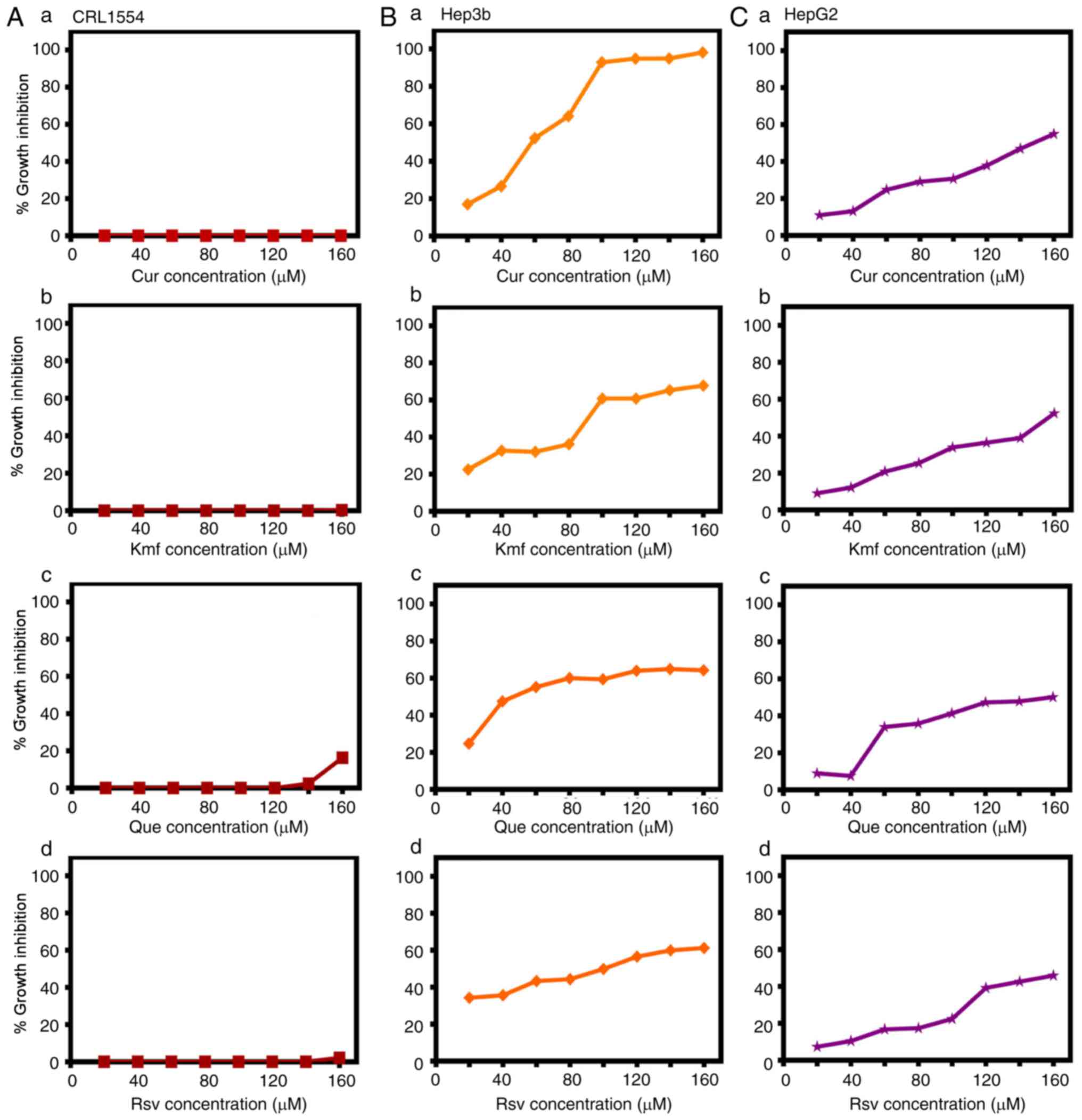
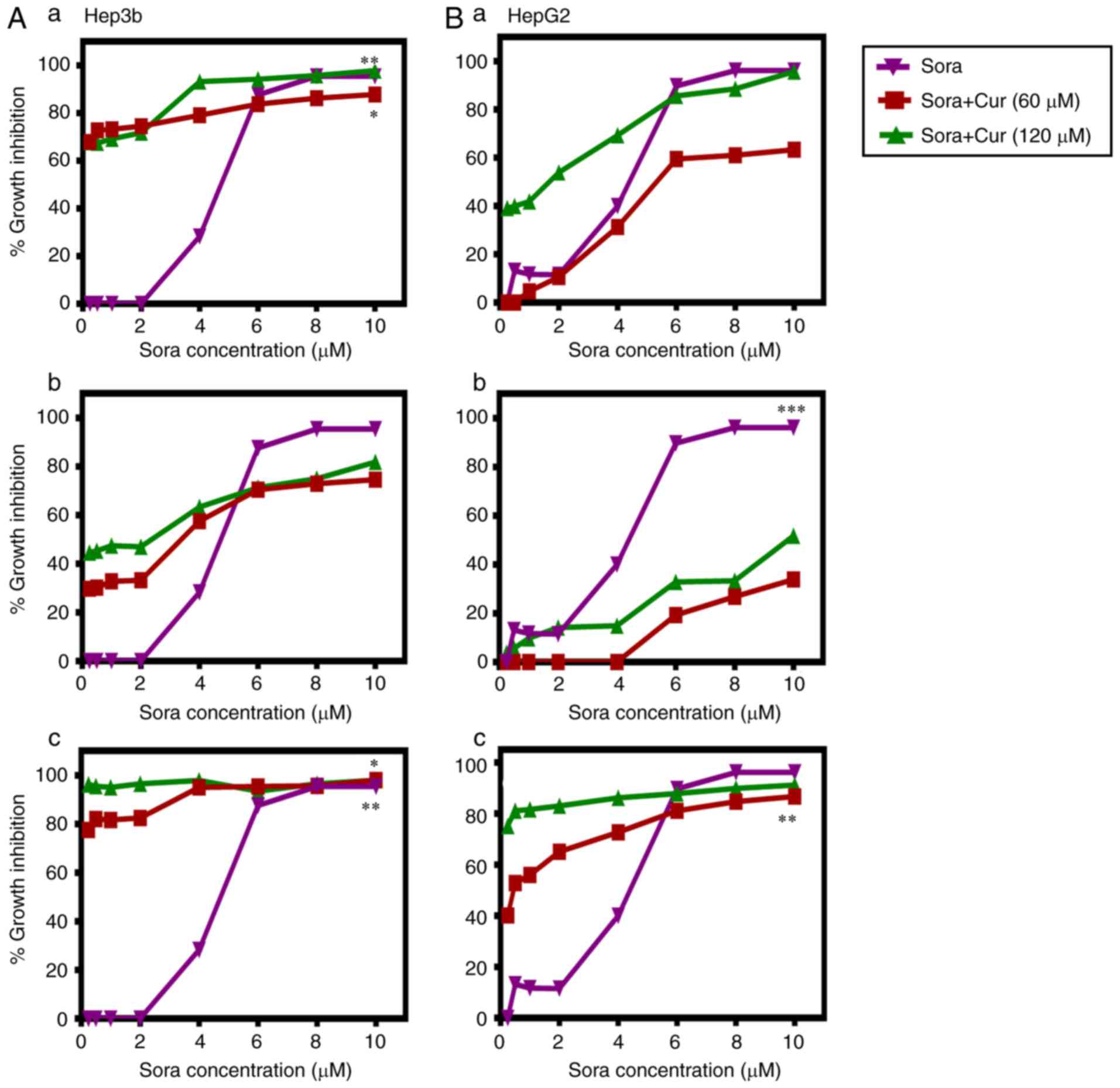
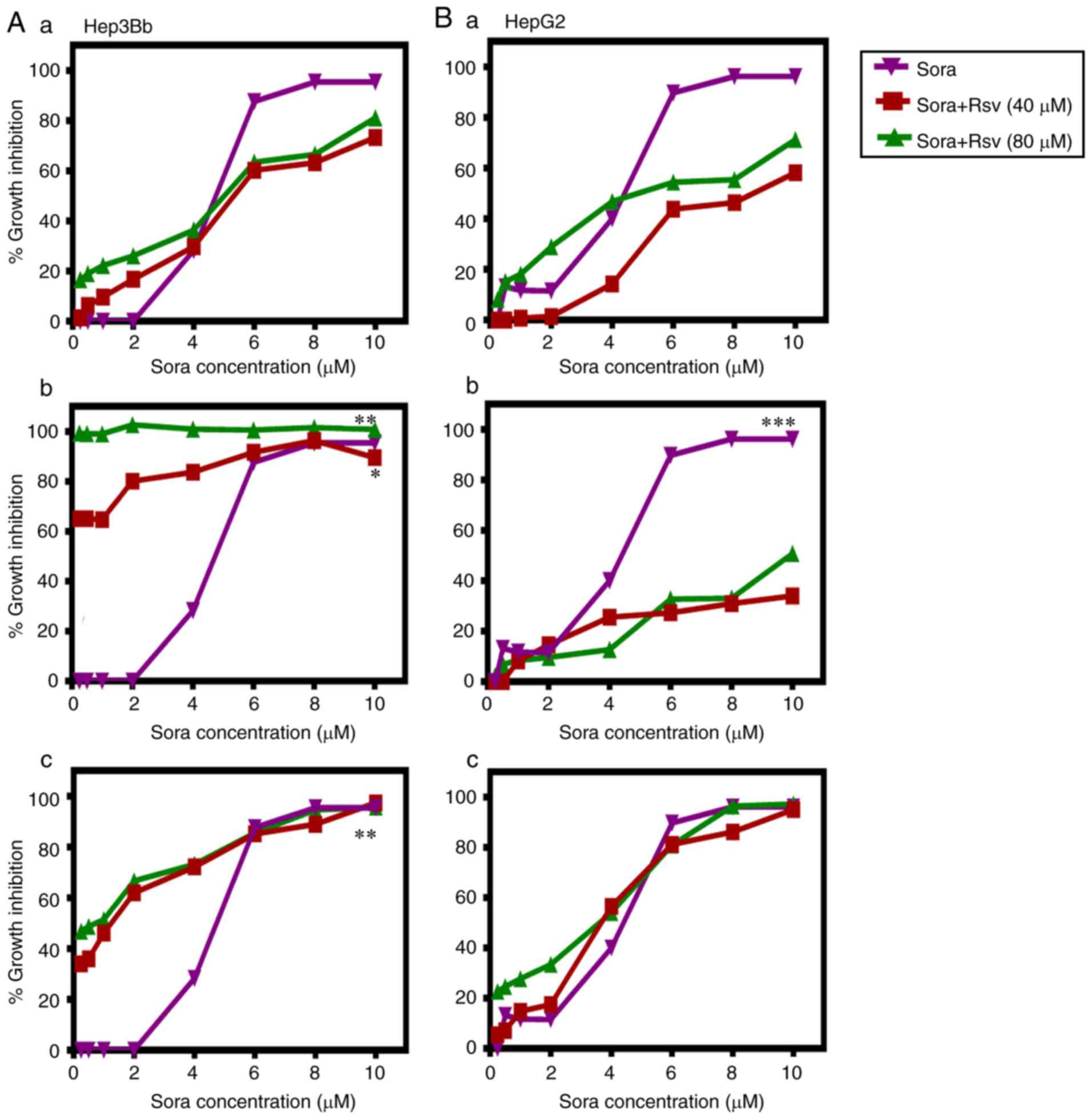
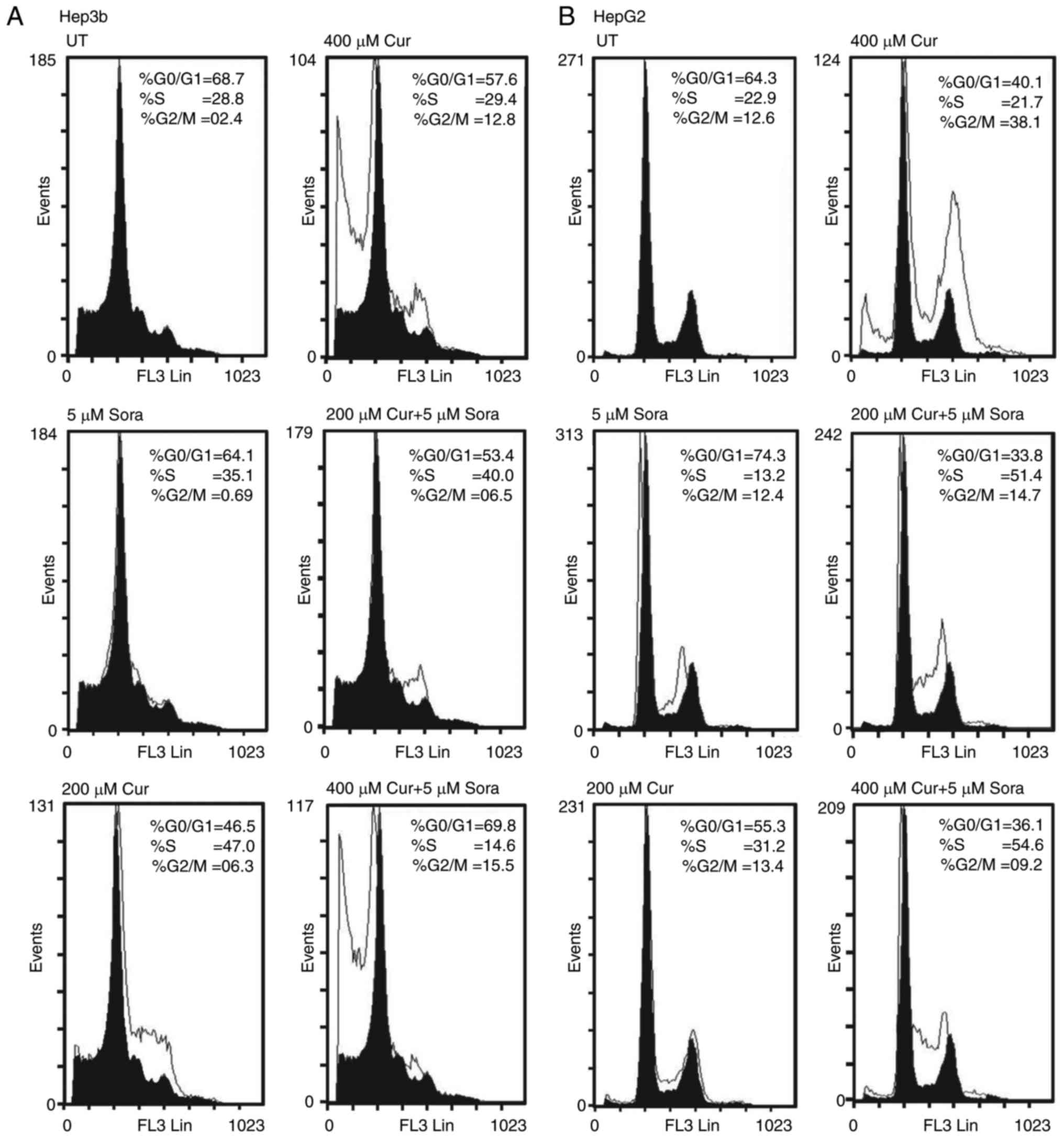
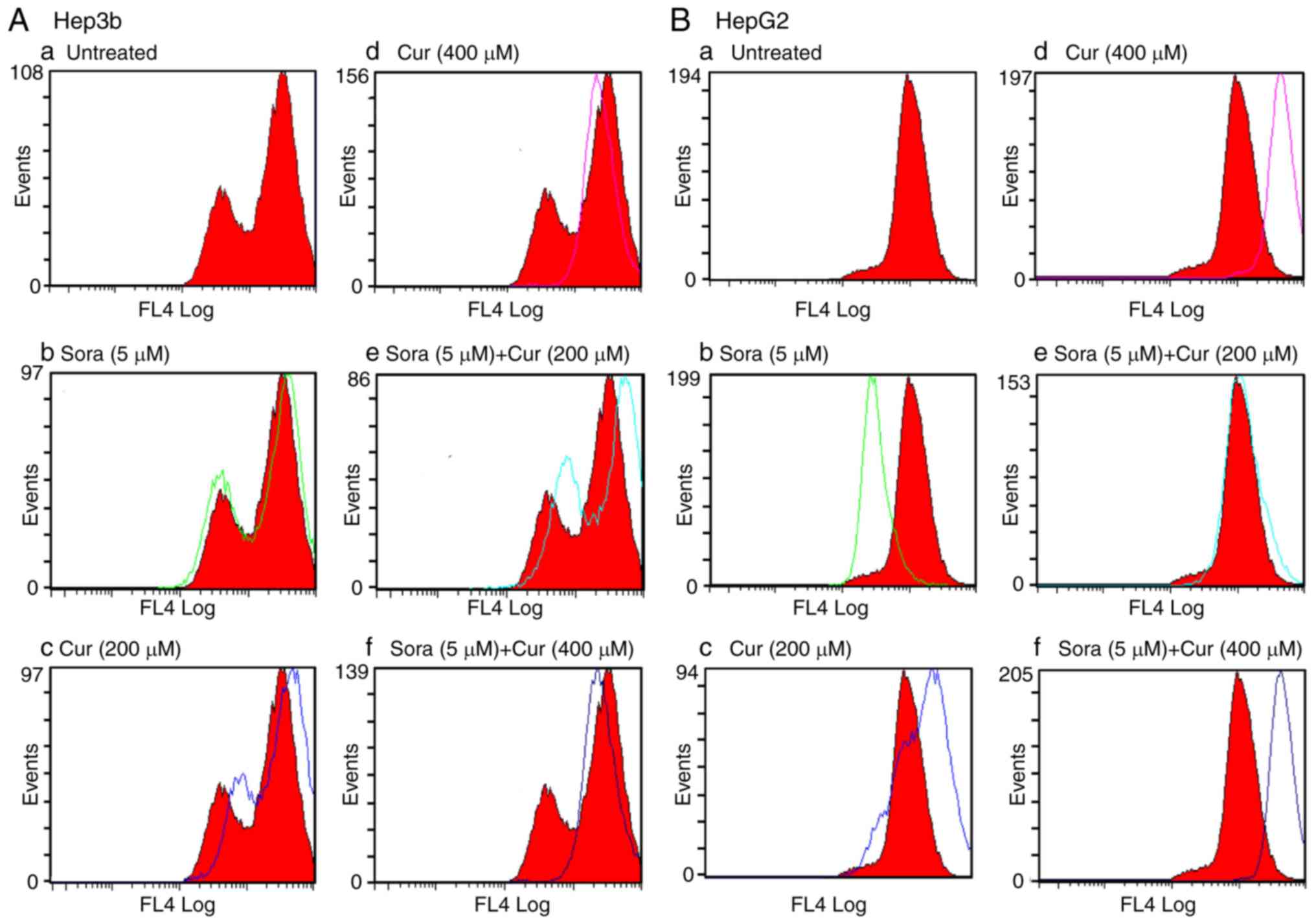
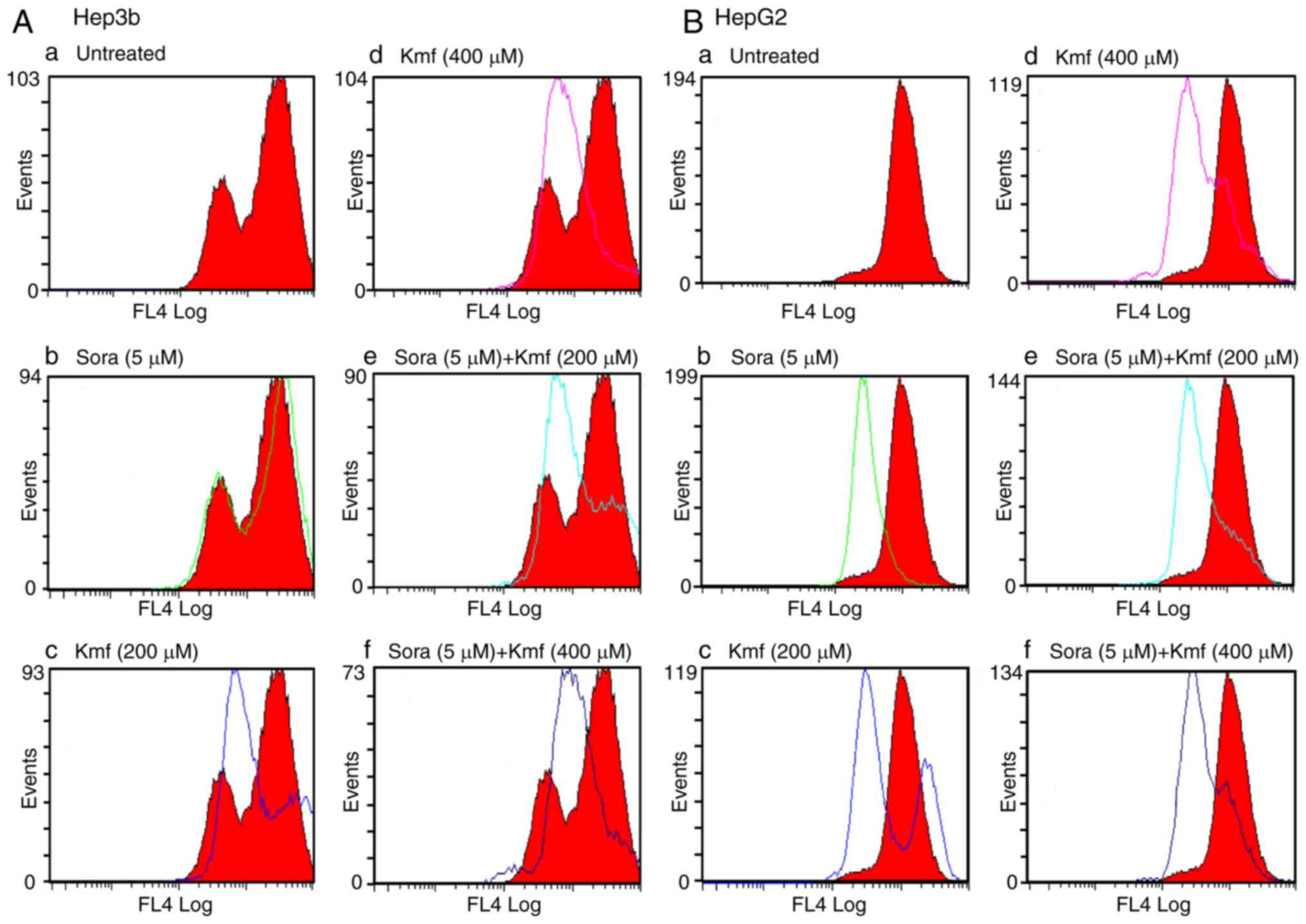
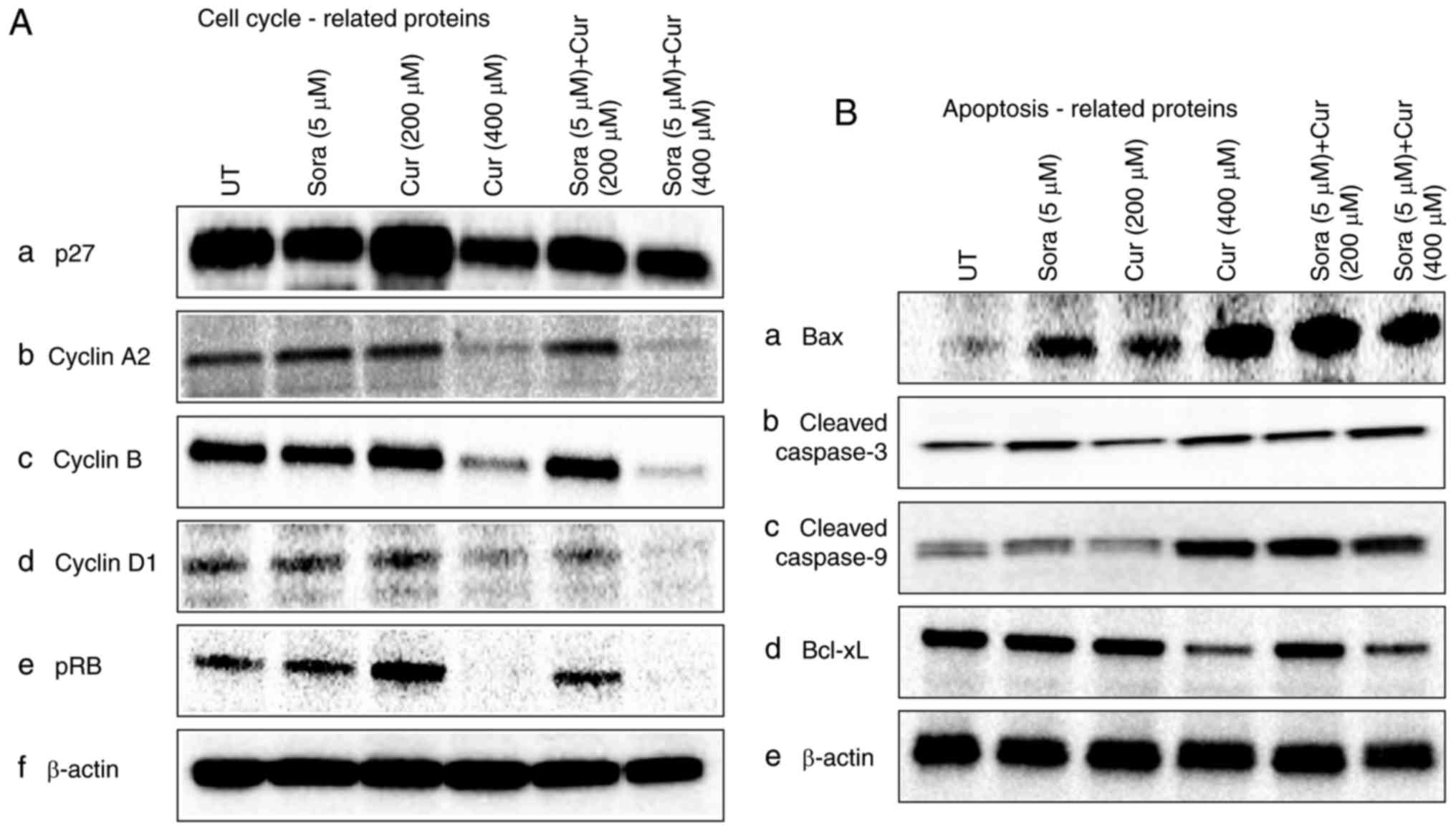
Sorafenib (Nexavar, BAY43‑9006 or Sora) is the first molecular targeted agent that has exhibited significant therapeutic benefits in advanced hepatocellular carcinoma (HCC). However, not all HCC patients respond well to Sora and novel therapeutic strategies to optimize the efficacy of Sora are urgently required. Plant‑based drugs have received increasing attention owing to their excellent chemotherapeutic and chemopreventive activities; they are also well tolerated, non‑toxic, easily available and inexpensive. It is well known that certain biologically active natural products act synergistically with synthetic drugs used in clinical applications. The present study aimed to investigate whether a combination therapy with natural phenolic compounds (NPCs), including curcumin (Cur), quercetin (Que), kaempherol (Kmf) and resveratrol (Rsv), would allow a dose reduction of Sora without concomitant loss of its effectiveness. Furthermore, the possible molecular mechanisms of this synergy were assessed. The hepatic cancer cell lines Hep3b and HepG2 were treated with Sora alone or in combination with NPCs in concomitant, sequential, and inverted sequential regimens. Cell proliferation, cell cycle, apoptosis and expression of proteins associated with the cell cycle and apoptosis were investigated. NPCs markedly potentiated the therapeutic efficacy of Sora in a sequence‑, type‑, NPC dose‑ and cell line‑dependent manner. Concomitant treatment with Sora and Cur [sensitization ratio (SR)=28], Kmf (SR=18) or Que (SR=8) was associated with the highest SRs in Hep3b cells. Rsv markedly potentiated the effect of Sora (SR=17) on Hep3b cells when administered in a reverse sequential manner. By contrast, Rsv and Que did not improve the efficacy of Sora against HepG2 cells, while concomitant treatment with Cur (SR=10) or Kmf (SR=4.01) potentiated the cytotoxicity of Sora. Concomitant treatment with Sora and Cur or Kmf caused S‑phase and G2/M phase arrest of liver cancer cells and markedly induced apoptosis compared with mono‑treatment with Sora, Cur or Kmf. Concomitant treatment with Sora and Cur reduced the protein levels of cyclins A, B2 and D1, phosphorylated retinoblastoma and B‑cell lymphoma (Bcl) extra‑large protein. By contrast, Sora and Cur co‑treatment increased the protein levels of Bcl‑2‑associated X protein, cleaved caspase‑3 and cleaved caspase‑9 in a dose‑dependent manner. In conclusion, concomitant treatment with Sora and Cur or Kmf appears to be a potent and promising therapeutic approach that may control hepatic cancer by triggering cell cycle arrest and apoptosis. Additional studies are required to examine the potential of combined treatment with Sora and NPCs in human hepatic cancer and other solid tumor types in vivo.
View Figures

Figure 1

Figure 2

Figure 3

Figure 4

Figure 5

Figure 6

Figure 7

Figure 8

Figure 9

Figure 10

Figure 11

View References

1 

Yu MC and Yuan JM: Environmental factors and risk for hepatocellular carcinoma. Gastroenterology. 127:S72–S78. 2004. View Article : Google Scholar : PubMed/NCBI

2 

Bosch FX, Ribes J, Diaz M and Cléries R: Primary liver cancer: Worldwide incidence and trends. Gastroenterology. 127:S5–S16. 2004. View Article : Google Scholar : PubMed/NCBI

3 

LIovet JM and Bruix J: Molecular targeted therapies in hepatocellular carcinoma. Hepatology. 48:1312–1327. 2008. View Article : Google Scholar

4 

LIovet JM, Ricci S, Mazzaferro V, Hilgard P, Gane E, Blanc JF, de Oliveira AC, Santoro A, Raoul JL, Forner A, et al: Sorafenib in advanced hepatocellular carcinoma. N Engl J Med. 359:378–390. 2008. View Article : Google Scholar

5 

Wilhelim SM, Adnane L, Newell P, Villanueva A, LIovet JM and Lynch M: Preclinical overview of sorafenib, a multikinase inhibitor that targets both Raf and VEGF and PDGF receptor tyrosine kinase signaling. Mol Cancer Ther. 7:3129–3140. 2008. View Article : Google Scholar

6 

Furuse J: Sorafenib for the treatment of unresectable hepatocellular carcinoma. Biologics. 2:779–788. 2008.

7 

Hartmann JT, Haap M, Kopp HG and Lipp HP: Tyrosine kinase inhibitors-a review on pharmacology, metabolism and side effects. Curr Drug Metab. 10:470–481. 2009. View Article : Google Scholar : PubMed/NCBI

8 

Shen YC, Ou DL, Hsu C, Lin KL, Chang CY, Lin C, Liu SH and Cheng AL: Activating oxidative phosphorylation by a pyruvate dehydrogenase kinase inhibitor overcomes sorafenib resistance of hepatocellular carcinoma. Br J Cancer. 108:72–81. 2013. View Article : Google Scholar :

9 

Pezzuto JM: Plant-derived anticancer agents. Biochem Pharmacol. 53:121–133. 1997. View Article : Google Scholar : PubMed/NCBI

10 

Newman DJ, Cragg GM, Holbeck S and Sausville EA: Natural products and derivatives as leads to cell cycle pathway targets in cancer chemotherapy. Curr Cancer Drug Targets. 2:279–308. 2002. View Article : Google Scholar : PubMed/NCBI

11 

Sak K: Chemotherapy and dietary phytochemical agents. Chemother Res Pract. 2012:2825702012.

12 

Granado-Serrano AB, Martín MA, Bravo L, Goya L and Ramos S: Quercetin induces apoptosis via caspase activation, regulation of Bcl-2, and inhibition of PI-3-kinase/Akt and ERK pathways in a human hepatoma cell line (HepG2). J Nutr. 136:2715–2721. 2006. View Article : Google Scholar : PubMed/NCBI

13 

Qiu GH, Xie X, Xu F, Shi X, Wang Y and Deng L: Distinctive pharmacological differences between liver cancer cell lines HepG2 and Hep3B. Cytotechnology. 67:1–12. 2015. View Article : Google Scholar :

14 

López-Terrada D, Cheung SW, Finegold MJ and Knowles BB: HepG2 is a hepatoblastoma-derived cell line. Hum Pathol. 40:1512–1515. 2009. View Article : Google Scholar

15 

Abaza MS, Al-Saffar A, Al-Sawan S and Al-Attiyah R: c-myc antisense oligonucleotides sensitize human colorectal cancer cells to chemotherapeutic drugs. Tumor Biol. 29:287–303. 2008. View Article : Google Scholar

16 

Hassan M, Watari H, AbuAlmaaty A, Ohba Y and Sakuragi N: Apoptosis and molecular targeting therapy in cancer. Biomed Res Int. 2014:1508452014. View Article : Google Scholar : PubMed/NCBI

17 

Chan W, Wu C and Yu J: Curcumin inhibits UV irradiation-induced oxidative stress and apoptotic biochemical changes in human epidermoid carcinoma A431 cells. J Cell Biochem. 90:327–338. 2003. View Article : Google Scholar : PubMed/NCBI

18 

Lee J, Park S, Kim S, Um S and Moon E: Curcumin hampers the antitumor effect of vinblastine via the inhibition of microtubule dynamics and mitochondrial membrane potential in Hela cervical cancer cells. Phytomedicine. 23:705–713. 2016. View Article : Google Scholar : PubMed/NCBI

19 

Ruby AJ, Kuttan G, Babu KD, Rajasekharan KN and Kuttan R: Antitumor and antioxidant activity of natural curcuminoids. Cancer Lett. 94:79–83. 1995. View Article : Google Scholar : PubMed/NCBI

20 

Strumberg D: Preclinical and clinical development of the oral multikinase inhibitor sorafenib in cancer treatment. Drugs Today (Barc). 41:773–784. 2005. View Article : Google Scholar

21 

Shen C, Qiu Z and Luo Q: Sorafenib in the treatment of radioiodine-refractory differentiated thyroid cancer: A meta-analysis. Endocr Relat Cancer. 21:253–261. 2014. View Article : Google Scholar

22 

Wilhelm S and Chien DS: Bay 43-9006: Preclinical data. Curr Pharm Des. 8:2255–2257. 2002. View Article : Google Scholar : PubMed/NCBI

23 

Wilhelm SM, Carter C, Tang L, Wilkie D, McNabola A, Rong H, Chen C, Zhang X, Vincent P, McHugh M, et al: Bay 43-9006 exhibits broad spectrum oral antitumor activity and targets the RAF/MEK/ERK/pathway and receptor kinases involved in tumor progression and angiogenesis. Cancer Res. 64:7099–7109. 2004. View Article : Google Scholar : PubMed/NCBI

24 

Panka DJ, Wang W, Atkins MB and Mier JW: The Raf inhibitor Bay 43-9006 (Sorafenib) induces caspase-independent apoptosis in melanoma cells. Cancer Res. 66:1611–1619. 2006. View Article : Google Scholar : PubMed/NCBI

25 

Wilhelm S, Carter C, Lynch M, Lowinger T, Dumas J, Smith RA, Schwartz B, Simantov R and Kelley S: Discovery and development of sorafenib: A multikinase inhibitor for treating cancer. Nat Rev Drug Discov. 5:835–844. 2006. View Article : Google Scholar : PubMed/NCBI

26 

Jakubowicz-Gil J, Langner E and Rzeski W: Kinetic studies of the effects of Temodal and quercetin on astrocytoma cells. Pharmacol Rep. 63:403–416. 2011. View Article : Google Scholar : PubMed/NCBI

27 

Jakubowicz-Gil J, Langner E, Bądziul D, Wertel I and Rzeski W: Apoptosis induction in human glioblastoma multiform T98G cells upon temozolomide and quercetin treatment. Tumour Biol. 34:2367–2378. 2013. View Article : Google Scholar : PubMed/NCBI

28 

Wang Z, Zhou J, Fan J, Qiu SJ, Yu Y, Huang XW and Tang ZY: Effect of rapamycin alone and in combination with sorafenib in an orthotopic model of human hepatocellular carcinoma. Clin Cancer Res. 14:5124–5130. 2008. View Article : Google Scholar : PubMed/NCBI

29 

Clark JW, Eder JP, Ryan D, Lathia C and Lenz HJ: Safety and pharmacokinetics of the dual action Raf kinase and vascular endothelial growth factor receptor inhibitor, BAY 43-9006, in patients with advanced, refractory solid tumors. Clin Cancer Res. 11:5472–5480. 2005. View Article : Google Scholar : PubMed/NCBI

30 

Pal HC, Baxter RD, Hunt KM, Agarwal J, Elmets CA, Athar M and Afaq F: Fisetin, a phytochemical, potentiates sorafenib-induced apoptosis and abrogates tumor growth in athymic nude mice implanted with BRAF-mutated melanoma cells. Oncotarget. 6:28296–28311. 2015. View Article : Google Scholar : PubMed/NCBI

31 

Rausch V, Liu L, Kallifatidis G, Baumann B, Mattern J, Gladkich J, Wirth T, Schemmer P, Büchler MW, Zöller M, et al: Synergistic activity of sorafenib and sulforaphane abolishes pancreatic cancer stem cell characteristics. Cancer Res. 70:5004–5013. 2010. View Article : Google Scholar : PubMed/NCBI

32 

Jakubowicz-Gil J, Langner E, Bądziul D, Wertel I and Rzeski W: Quercetin and sorafenib as a novel and effective couple in programmed cell death induction in human gliomas. Neurotox Res. 26:64–77. 2014. View Article : Google Scholar :

33 

Hu B, Sun D, Sun C, Sun YF, Sun HX, Zhu QF, Yang XR, Gao YB, Tang WG, Fan J, et al: A polymeric nanoparticle formulation of curcumin in combination with sorafenib synergistically inhibits tumor growth and metastasis in an orthotopic model of human hepatocellular carcinoma. Biochem Biophys Res Commun. 468:525–532. 2015. View Article : Google Scholar : PubMed/NCBI

34 

Cao H, Wang Y, He X, Zhang Z, Yin Q, Chen Y, Yu H, Huang Y, Chen L, Xu M, et al: Codelivery of sorafenib and curcumin by directed self-assembled nanoparticles enhances therapeutic effect on hepatocellular carcinoma. Mol Pharm. 12:922–931. 2015. View Article : Google Scholar : PubMed/NCBI

35 

Kong J, Kong F, Gao J, Zhang Q, Dong S, Gu F, Ke S, Pan B, Shen Q, Sun H, et al: YC-1 enhances the anti-tumor activity of sorafenib through inhibition of signal transducer and activator of transcription 3 (STAT3) in hepatocellular carcinoma. Mol Cancer. 13:7–13. 2014. View Article : Google Scholar : PubMed/NCBI

36 

Wild AT, Gandhi N, Chettiar ST, Aziz K, Gajula RP, Williams RD, Kumar R, Taparra K, Zeng J, Cades JA, et al: Concurrent versus sequential sorafenib therapy in combination with radiation for hepatocellular carcinoma. PLoS One. 8:e657262013. View Article : Google Scholar : PubMed/NCBI

37 

Chen G, Nicula D, Renko K and Derwahl M: Synergistic anti-proliferative effect of metformin and sorafenib on growth of anaplastic thyroid cancer cells and their stem cells. Oncol Rep. 33:1994–2000. 2015. View Article : Google Scholar : PubMed/NCBI

38 

Ling S, Feng T, Ke Q, Fan N, Li L, Li Z, Dong C, Wang C, Xu F, Li Y and Wang L: Metformin inhibits proliferation and enhances chemosensitivity of intrahepatic cholangiocarcinoma cell lines. Oncol Rep. 31:2611–2618. 2014. View Article : Google Scholar : PubMed/NCBI

39 

Kastan MB and Bartek J: Cell-cycle checkpoints and cancer. Nature. 432:316–323. 2004. View Article : Google Scholar : PubMed/NCBI

40 

Brooks G and La Thangue NB: The cell cycle and drug discovery: The promise and the hope. Drug Discov Today. 4:455–464. 1999. View Article : Google Scholar : PubMed/NCBI

41 

Chiruvella KK and Raghavan SC: A natural compound, methyl angolensate, induces mitochondrial pathway of apoptosis in Daudi cells. Invest New Drugs. 29:583–592. 2011. View Article : Google Scholar

42 

Sung WK, Zheng H, Li S, Chen R, Liu X, Li Y, Lee NP, Lee WH, Ariyaratne PN, Tennakoon C, et al: Genome-wide survey of recurrent HBV integration in hepatocellular carcinoma. Nat Genet. 44:765–769. 2012. View Article : Google Scholar : PubMed/NCBI

43 

Taylor WR and Stark GR: Regulation of the G2/M transition by p53. Oncogene. 20:1803–1815. 2001. View Article : Google Scholar : PubMed/NCBI

44 

Li J, Cheung HY, Zhang Z, Chan GK and Fong W: Andrographolide induces cell cycle arrest at G2/M phase and cell death in HepG2 cells via alteration of reactive oxygen species. Eur J Pharmacol. 568:31–44. 2007. View Article : Google Scholar : PubMed/NCBI

45 

Hadfield JA, Ducki S, Hirst N and McGown AT: Tubulin and microtubules as targets for anticancer drugs. Prog Cell Cycle Res. 5:309–325. 2003.PubMed/NCBI

46 

Kasibhatla S and Tseng B: Why target apoptosis in cancer treatment. Mol Cancer Ther. 2:573–580. 2003.PubMed/NCBI

47 

Hanahan D and Weinberg RA: Hallmarks of cancer: The next generation. Cell. 144:646–674. 2011. View Article : Google Scholar : PubMed/NCBI

48 

Locatelli SL, Giacomini A, Guidetti A, Cleris L, Mortarini R, Anichini A, Gianni AM and Carlo-Stella C: Perifosine and sorafenib combination induces mitochondrial cell death and antitumor effects in NOD/SCID mice with Hodgkin lymphoma cell line xenografts. Leukemia. 27:1677–1687. 2013. View Article : Google Scholar : PubMed/NCBI

49 

Dai W, Wang F, Lu J, Xia Y, He L, Chen K, Li J, Li S, Liu T, Zheng Y, et al: By reducing hexokinase 2, resveratrol induces apoptosis in HCC cells addicted to aerobic glycolysis and inhibits tumor growth in mice. Oncotarget. 6:13703–13717. 2015. View Article : Google Scholar : PubMed/NCBI

50 

Yuen JS, Sim MY, Sim HG, Chong TW, Lau WK, Cheng CW and Huynh H: Inhibition of angiogenic and non-angiogenic targets by sorafenib in renal cell carcinoma (RCC) in a RCC xenograft model. Br J Cancer. 104:941–947. 2011. View Article : Google Scholar : PubMed/NCBI

51 

Tomizawa M, Shinozaki F, Sugiyama T, Yamamoto S, Sueishi M and Yoshida T: Sorafenib suppresses the cell cycle and induces the apoptosis of hepatocellular carcinoma cell lines in serum-free media. Exp Ther Med. 1:863–866. 2010. View Article : Google Scholar : PubMed/NCBI

52 

Kim YB, Jeung HC, Jeong I, Lee K, Rha SY, Chung HC and Kim GE: Mechanism of enhancement of radiation-induced cytotoxicity by sorafenib in colorectal cancer. J Radiat Res. 54:52–60. 2012. View Article : Google Scholar : PubMed/NCBI

53 

Chipuk JE and Green DR: How do BCL-2 proteins induce mitochondrial outer membrane permeabilization? Trends Cell Biol. 18:157–164. 2008. View Article : Google Scholar : PubMed/NCBI

54 

Ola MS, Nawaz M and Ahsan H: Role of Bcl-2 family proteins and caspases in the regulation of apoptosis. Mol Cell Biochem. 351:41–58. 2011. View Article : Google Scholar : PubMed/NCBI

55 

Zhao X, Tian C, Puszyk WM, Ogunwobi OO, Cao M, Wang T, Cabrera R, Nelson DR and Liu C: OPA1 downregulation is involved in sorafenib-induced apoptosis in hepatocellular carcinoma. Lab Invest. 93:8–19. 2012. View Article : Google Scholar : PubMed/NCBI

56 

Ramirez-Labrada A, López-Royuela N, Jarauta V, Galán-Malo P, Azaceta G, Palomera L, Pardo J, Anel A, Marzo I and Naval J: Two death pathways induced by sorafenib in myeloma cells: Puma-mediated apoptosis and necroptosis. Clin Trans Oncol. 17:121–132. 2015. View Article : Google Scholar

57 

Cervello M, Bachvarov D, Lampiasi N, Cusimano A, Azzolina A, McCubrey JA and Montalto G: Molecular mechanisms of sorafenib action in liver cancer cells. Cell Cycle. 11:2843–2855. 2012. View Article : Google Scholar : PubMed/NCBI

Related Articles

  • Abstract
  • View
  • Download
  • Twitter
Copy and paste a formatted citation
Spandidos Publications style
Bahman AA, Abaza MS, Khoushiash SI and Al‑Attiyah RJ: Sequence‑dependent effect of sorafenib in combination with natural phenolic compounds on hepatic cancer cells and the possible mechanism of action. Int J Mol Med 42: 1695-1715, 2018.
APA
Bahman, A.A., Abaza, M.S., Khoushiash, S.I., & Al‑Attiyah, R.J. (2018). Sequence‑dependent effect of sorafenib in combination with natural phenolic compounds on hepatic cancer cells and the possible mechanism of action. International Journal of Molecular Medicine, 42, 1695-1715. https://doi.org/10.3892/ijmm.2018.3725
MLA
Bahman, A. A., Abaza, M. S., Khoushiash, S. I., Al‑Attiyah, R. J."Sequence‑dependent effect of sorafenib in combination with natural phenolic compounds on hepatic cancer cells and the possible mechanism of action". International Journal of Molecular Medicine 42.3 (2018): 1695-1715.
Chicago
Bahman, A. A., Abaza, M. S., Khoushiash, S. I., Al‑Attiyah, R. J."Sequence‑dependent effect of sorafenib in combination with natural phenolic compounds on hepatic cancer cells and the possible mechanism of action". International Journal of Molecular Medicine 42, no. 3 (2018): 1695-1715. https://doi.org/10.3892/ijmm.2018.3725
Copy and paste a formatted citation
x
Spandidos Publications style
Bahman AA, Abaza MS, Khoushiash SI and Al‑Attiyah RJ: Sequence‑dependent effect of sorafenib in combination with natural phenolic compounds on hepatic cancer cells and the possible mechanism of action. Int J Mol Med 42: 1695-1715, 2018.
APA
Bahman, A.A., Abaza, M.S., Khoushiash, S.I., & Al‑Attiyah, R.J. (2018). Sequence‑dependent effect of sorafenib in combination with natural phenolic compounds on hepatic cancer cells and the possible mechanism of action. International Journal of Molecular Medicine, 42, 1695-1715. https://doi.org/10.3892/ijmm.2018.3725
MLA
Bahman, A. A., Abaza, M. S., Khoushiash, S. I., Al‑Attiyah, R. J."Sequence‑dependent effect of sorafenib in combination with natural phenolic compounds on hepatic cancer cells and the possible mechanism of action". International Journal of Molecular Medicine 42.3 (2018): 1695-1715.
Chicago
Bahman, A. A., Abaza, M. S., Khoushiash, S. I., Al‑Attiyah, R. J."Sequence‑dependent effect of sorafenib in combination with natural phenolic compounds on hepatic cancer cells and the possible mechanism of action". International Journal of Molecular Medicine 42, no. 3 (2018): 1695-1715. https://doi.org/10.3892/ijmm.2018.3725
Follow us
  • Twitter
  • LinkedIn
  • Facebook
About
  • Spandidos Publications
  • Careers
  • Cookie Policy
  • Privacy Policy
How can we help?
  • Help
  • Live Chat
  • Contact
  • Email to our Support Team