Spandidos Publications Logo
  • About
    • About Spandidos
    • Aims and Scopes
    • Abstracting and Indexing
    • Editorial Policies
    • Reprints and Permissions
    • Job Opportunities
    • Terms and Conditions
    • Contact
  • Journals
    • All Journals
    • Oncology Letters
      • Oncology Letters
      • Information for Authors
      • Editorial Policies
      • Editorial Board
      • Aims and Scope
      • Abstracting and Indexing
      • Bibliographic Information
      • Archive
    • International Journal of Oncology
      • International Journal of Oncology
      • Information for Authors
      • Editorial Policies
      • Editorial Board
      • Aims and Scope
      • Abstracting and Indexing
      • Bibliographic Information
      • Archive
    • Molecular and Clinical Oncology
      • Molecular and Clinical Oncology
      • Information for Authors
      • Editorial Policies
      • Editorial Board
      • Aims and Scope
      • Abstracting and Indexing
      • Bibliographic Information
      • Archive
    • Experimental and Therapeutic Medicine
      • Experimental and Therapeutic Medicine
      • Information for Authors
      • Editorial Policies
      • Editorial Board
      • Aims and Scope
      • Abstracting and Indexing
      • Bibliographic Information
      • Archive
    • International Journal of Molecular Medicine
      • International Journal of Molecular Medicine
      • Information for Authors
      • Editorial Policies
      • Editorial Board
      • Aims and Scope
      • Abstracting and Indexing
      • Bibliographic Information
      • Archive
    • Biomedical Reports
      • Biomedical Reports
      • Information for Authors
      • Editorial Policies
      • Editorial Board
      • Aims and Scope
      • Abstracting and Indexing
      • Bibliographic Information
      • Archive
    • Oncology Reports
      • Oncology Reports
      • Information for Authors
      • Editorial Policies
      • Editorial Board
      • Aims and Scope
      • Abstracting and Indexing
      • Bibliographic Information
      • Archive
    • Molecular Medicine Reports
      • Molecular Medicine Reports
      • Information for Authors
      • Editorial Policies
      • Editorial Board
      • Aims and Scope
      • Abstracting and Indexing
      • Bibliographic Information
      • Archive
    • World Academy of Sciences Journal
      • World Academy of Sciences Journal
      • Information for Authors
      • Editorial Policies
      • Editorial Board
      • Aims and Scope
      • Abstracting and Indexing
      • Bibliographic Information
      • Archive
    • International Journal of Functional Nutrition
      • International Journal of Functional Nutrition
      • Information for Authors
      • Editorial Policies
      • Editorial Board
      • Aims and Scope
      • Abstracting and Indexing
      • Bibliographic Information
      • Archive
    • International Journal of Epigenetics
      • International Journal of Epigenetics
      • Information for Authors
      • Editorial Policies
      • Editorial Board
      • Aims and Scope
      • Abstracting and Indexing
      • Bibliographic Information
      • Archive
    • Medicine International
      • Medicine International
      • Information for Authors
      • Editorial Policies
      • Editorial Board
      • Aims and Scope
      • Abstracting and Indexing
      • Bibliographic Information
      • Archive
  • Articles
  • Information
    • Information for Authors
    • Information for Reviewers
    • Information for Librarians
    • Information for Advertisers
    • Conferences
  • Language Editing
Spandidos Publications Logo
  • About
    • About Spandidos
    • Aims and Scopes
    • Abstracting and Indexing
    • Editorial Policies
    • Reprints and Permissions
    • Job Opportunities
    • Terms and Conditions
    • Contact
  • Journals
    • All Journals
    • Biomedical Reports
      • Information for Authors
      • Editorial Policies
      • Editorial Board
      • Aims and Scope
      • Abstracting and Indexing
      • Bibliographic Information
      • Archive
    • Experimental and Therapeutic Medicine
      • Information for Authors
      • Editorial Policies
      • Editorial Board
      • Aims and Scope
      • Abstracting and Indexing
      • Bibliographic Information
      • Archive
    • International Journal of Epigenetics
      • Information for Authors
      • Editorial Policies
      • Editorial Board
      • Aims and Scope
      • Abstracting and Indexing
      • Bibliographic Information
      • Archive
    • International Journal of Functional Nutrition
      • Information for Authors
      • Editorial Policies
      • Editorial Board
      • Aims and Scope
      • Abstracting and Indexing
      • Bibliographic Information
      • Archive
    • International Journal of Molecular Medicine
      • Information for Authors
      • Editorial Policies
      • Editorial Board
      • Aims and Scope
      • Abstracting and Indexing
      • Bibliographic Information
      • Archive
    • International Journal of Oncology
      • Information for Authors
      • Editorial Policies
      • Editorial Board
      • Aims and Scope
      • Abstracting and Indexing
      • Bibliographic Information
      • Archive
    • Medicine International
      • Information for Authors
      • Editorial Policies
      • Editorial Board
      • Aims and Scope
      • Abstracting and Indexing
      • Bibliographic Information
      • Archive
    • Molecular and Clinical Oncology
      • Information for Authors
      • Editorial Policies
      • Editorial Board
      • Aims and Scope
      • Abstracting and Indexing
      • Bibliographic Information
      • Archive
    • Molecular Medicine Reports
      • Information for Authors
      • Editorial Policies
      • Editorial Board
      • Aims and Scope
      • Abstracting and Indexing
      • Bibliographic Information
      • Archive
    • Oncology Letters
      • Information for Authors
      • Editorial Policies
      • Editorial Board
      • Aims and Scope
      • Abstracting and Indexing
      • Bibliographic Information
      • Archive
    • Oncology Reports
      • Information for Authors
      • Editorial Policies
      • Editorial Board
      • Aims and Scope
      • Abstracting and Indexing
      • Bibliographic Information
      • Archive
    • World Academy of Sciences Journal
      • Information for Authors
      • Editorial Policies
      • Editorial Board
      • Aims and Scope
      • Abstracting and Indexing
      • Bibliographic Information
      • Archive
  • Articles
  • Information
    • For Authors
    • For Reviewers
    • For Librarians
    • For Advertisers
    • Conferences
  • Language Editing
Login Register Submit
  • This site uses cookies
  • You can change your cookie settings at any time by following the instructions in our Cookie Policy. To find out more, you may read our Privacy Policy.

    I agree
Search articles by DOI, keyword, author or affiliation
Search
Advanced Search
presentation
International Journal of Molecular Medicine
Join Editorial Board Propose a Special Issue
Print ISSN: 1107-3756 Online ISSN: 1791-244X
Journal Cover
November-2018 Volume 42 Issue 5

Full Size Image

Sign up for eToc alerts
Recommend to Library

Journals

International Journal of Molecular Medicine

International Journal of Molecular Medicine

International Journal of Molecular Medicine is an international journal devoted to molecular mechanisms of human disease.

International Journal of Oncology

International Journal of Oncology

International Journal of Oncology is an international journal devoted to oncology research and cancer treatment.

Molecular Medicine Reports

Molecular Medicine Reports

Covers molecular medicine topics such as pharmacology, pathology, genetics, neuroscience, infectious diseases, molecular cardiology, and molecular surgery.

Oncology Reports

Oncology Reports

Oncology Reports is an international journal devoted to fundamental and applied research in Oncology.

Experimental and Therapeutic Medicine

Experimental and Therapeutic Medicine

Experimental and Therapeutic Medicine is an international journal devoted to laboratory and clinical medicine.

Oncology Letters

Oncology Letters

Oncology Letters is an international journal devoted to Experimental and Clinical Oncology.

Biomedical Reports

Biomedical Reports

Explores a wide range of biological and medical fields, including pharmacology, genetics, microbiology, neuroscience, and molecular cardiology.

Molecular and Clinical Oncology

Molecular and Clinical Oncology

International journal addressing all aspects of oncology research, from tumorigenesis and oncogenes to chemotherapy and metastasis.

World Academy of Sciences Journal

World Academy of Sciences Journal

Multidisciplinary open-access journal spanning biochemistry, genetics, neuroscience, environmental health, and synthetic biology.

International Journal of Functional Nutrition

International Journal of Functional Nutrition

Open-access journal combining biochemistry, pharmacology, immunology, and genetics to advance health through functional nutrition.

International Journal of Epigenetics

International Journal of Epigenetics

Publishes open-access research on using epigenetics to advance understanding and treatment of human disease.

Medicine International

Medicine International

An International Open Access Journal Devoted to General Medicine.

Journal Cover
November-2018 Volume 42 Issue 5

Full Size Image

Sign up for eToc alerts
Recommend to Library

  • Article
  • Citations
    • Cite This Article
    • Download Citation
    • Create Citation Alert
    • Remove Citation Alert
    • Cited By
  • Similar Articles
    • Related Articles (in Spandidos Publications)
    • Similar Articles (Google Scholar)
    • Similar Articles (PubMed)
  • Download PDF
  • Download XML
  • View XML
Article Open Access

An impaired hepatic clock system effects lipid metabolism in rats with nephropathy

  • Authors:
    • Peipei Chen
    • Ruiyu Zhang
    • Lijun Mou
    • Xuewang Li
    • Yan Qin
    • Xuemei Li
  • View Affiliations / Copyright

    Affiliations: Department of Nephrology, Peking Union Medical College Hospital, Chinese Academy of Medical Sciences and Peking Union Medical College, Beijing 100730, P.R. China
    Copyright: © Chen et al. This is an open access article distributed under the terms of Creative Commons Attribution License.
  • Pages: 2720-2736
    |
    Published online on: August 22, 2018
       https://doi.org/10.3892/ijmm.2018.3833
  • Expand metrics +
Metrics: Total Views: 0 (Spandidos Publications: | PMC Statistics: )
Metrics: Total PDF Downloads: 0 (Spandidos Publications: | PMC Statistics: )
Cited By (CrossRef): 0 citations Loading Articles...

This article is mentioned in:


Abstract

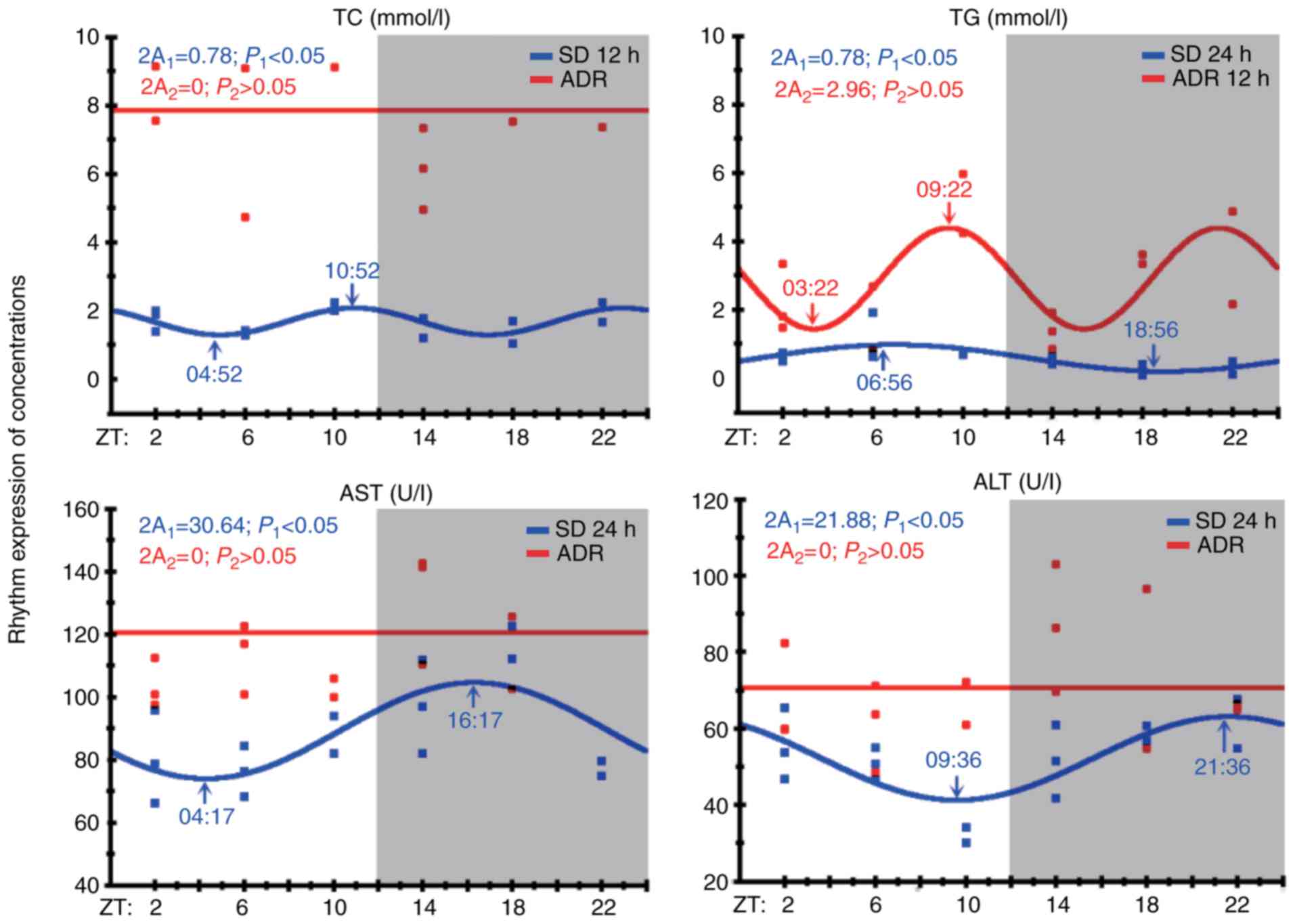
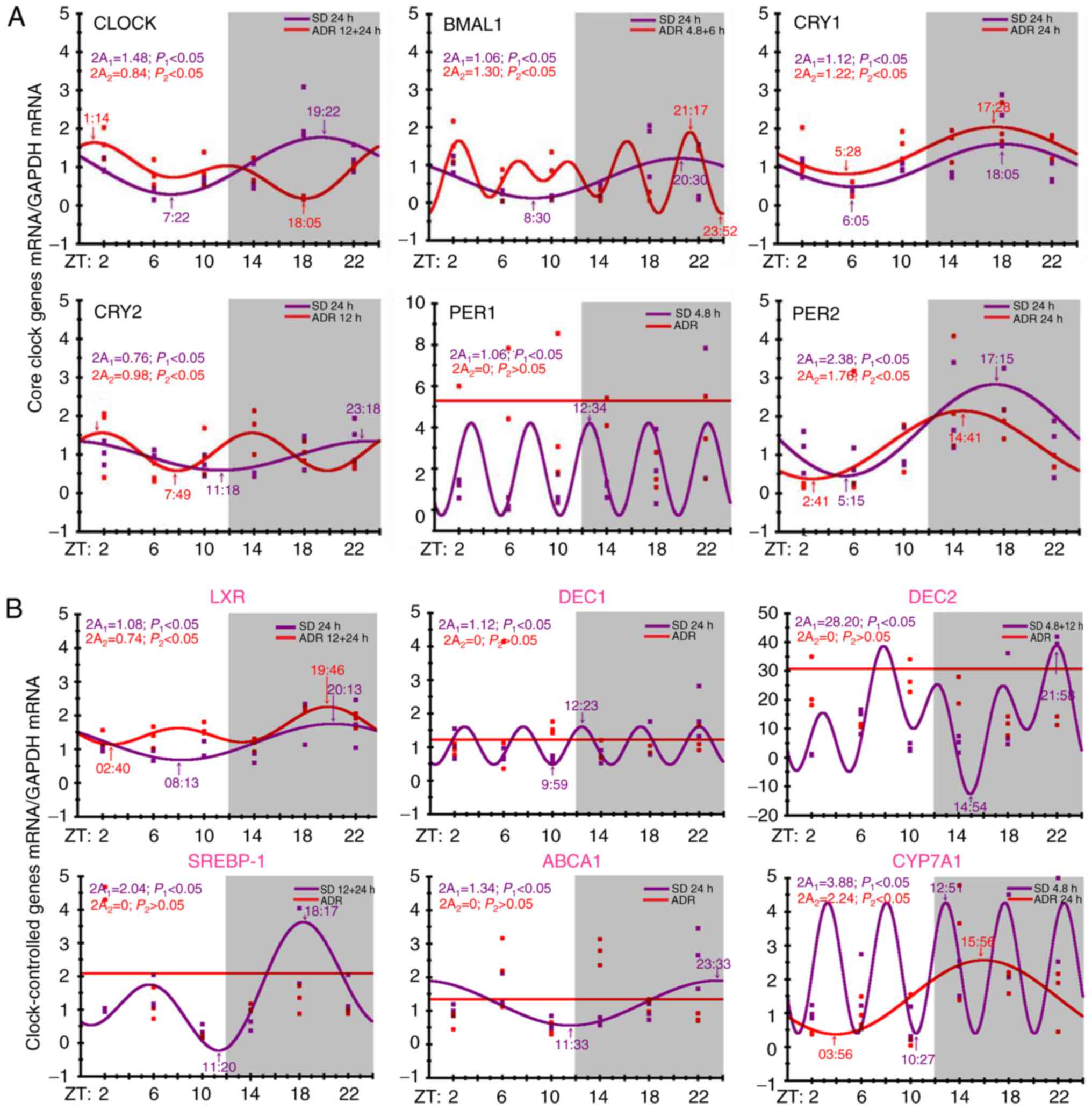
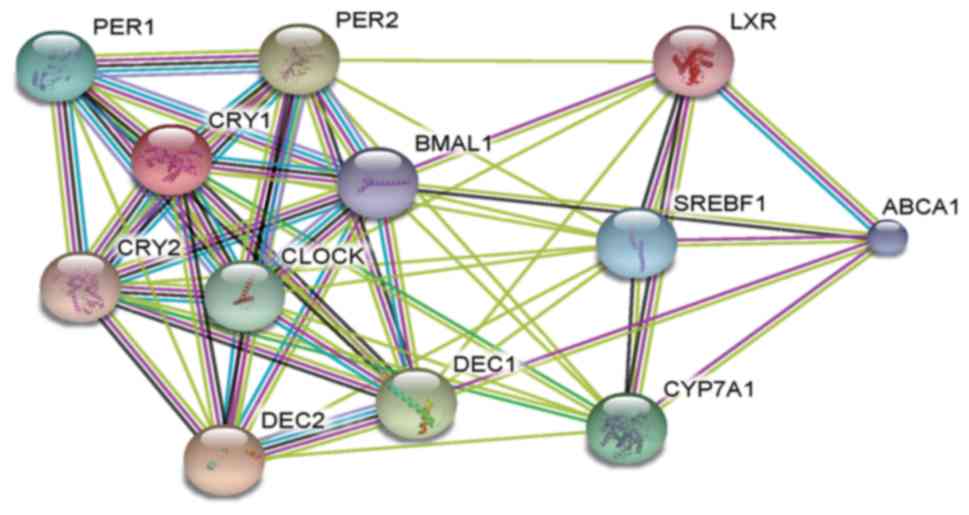
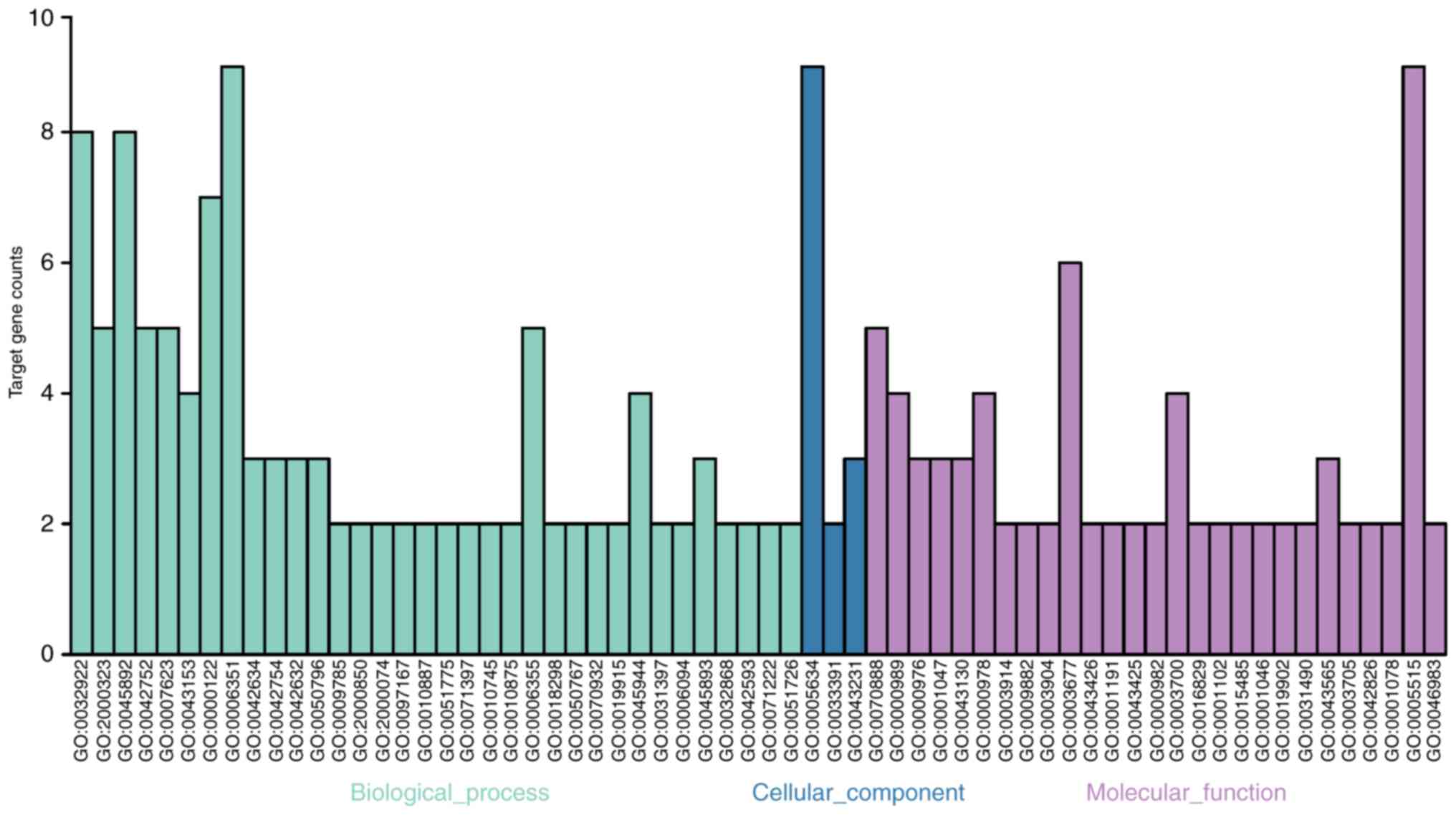
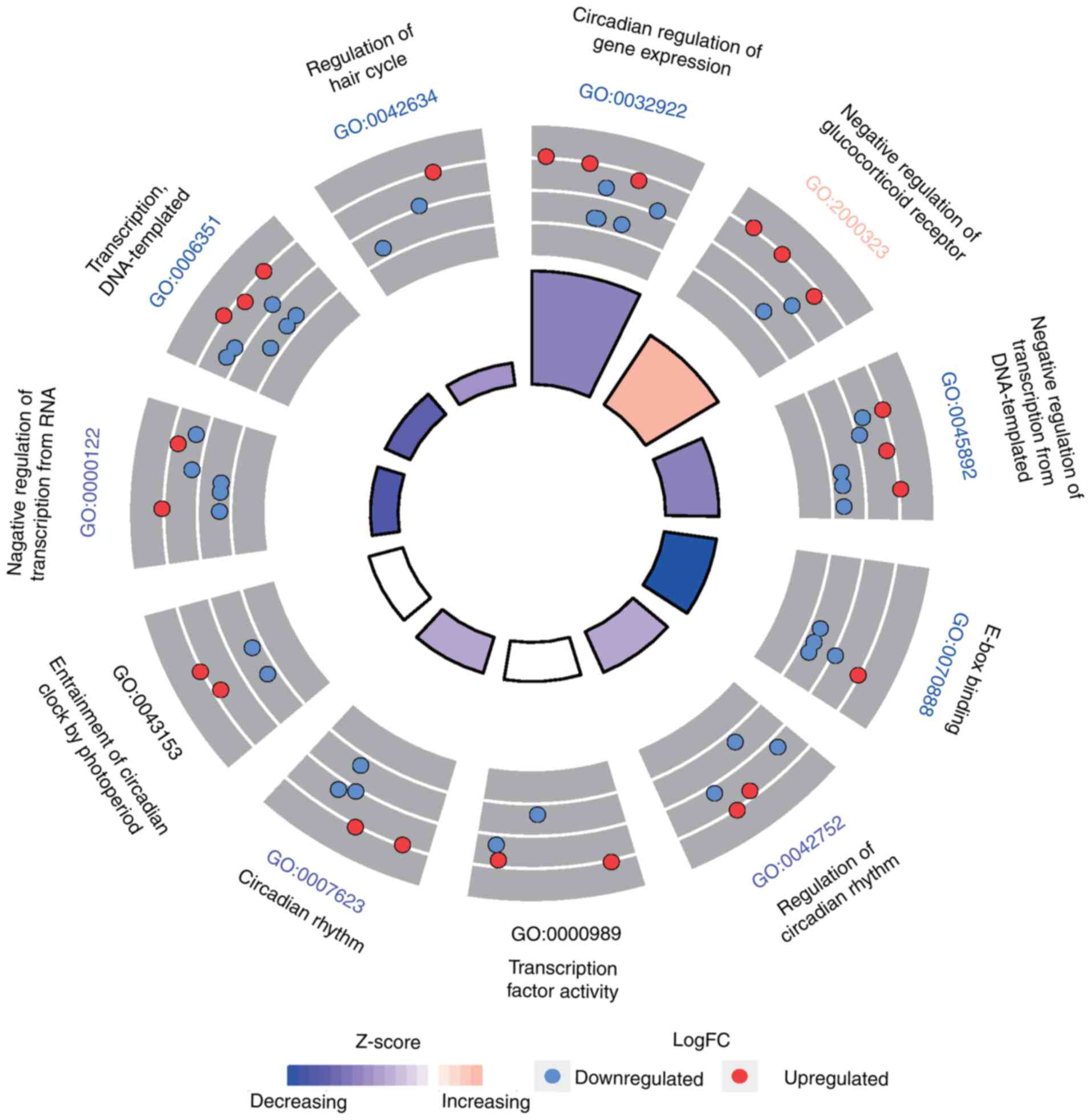
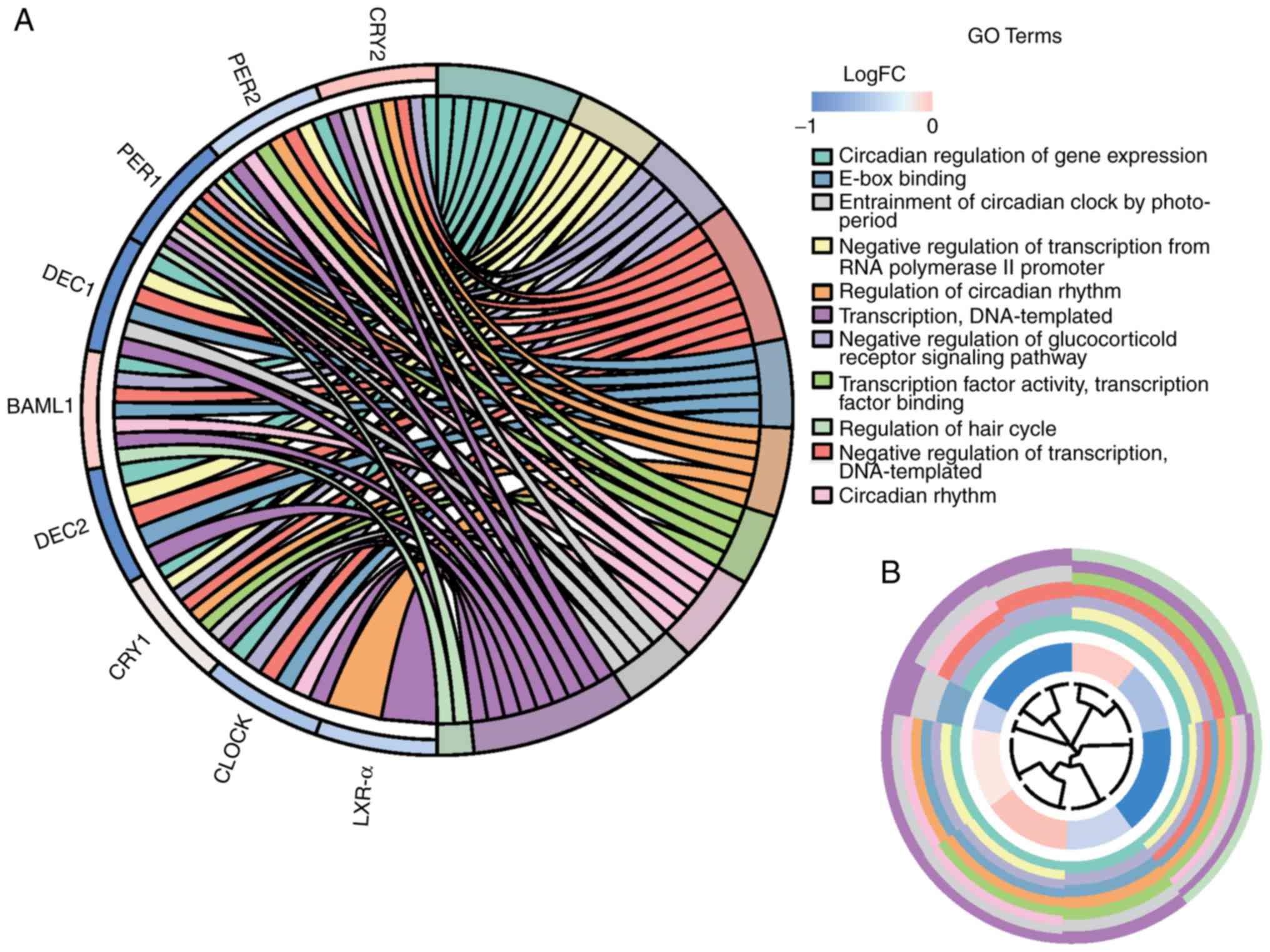
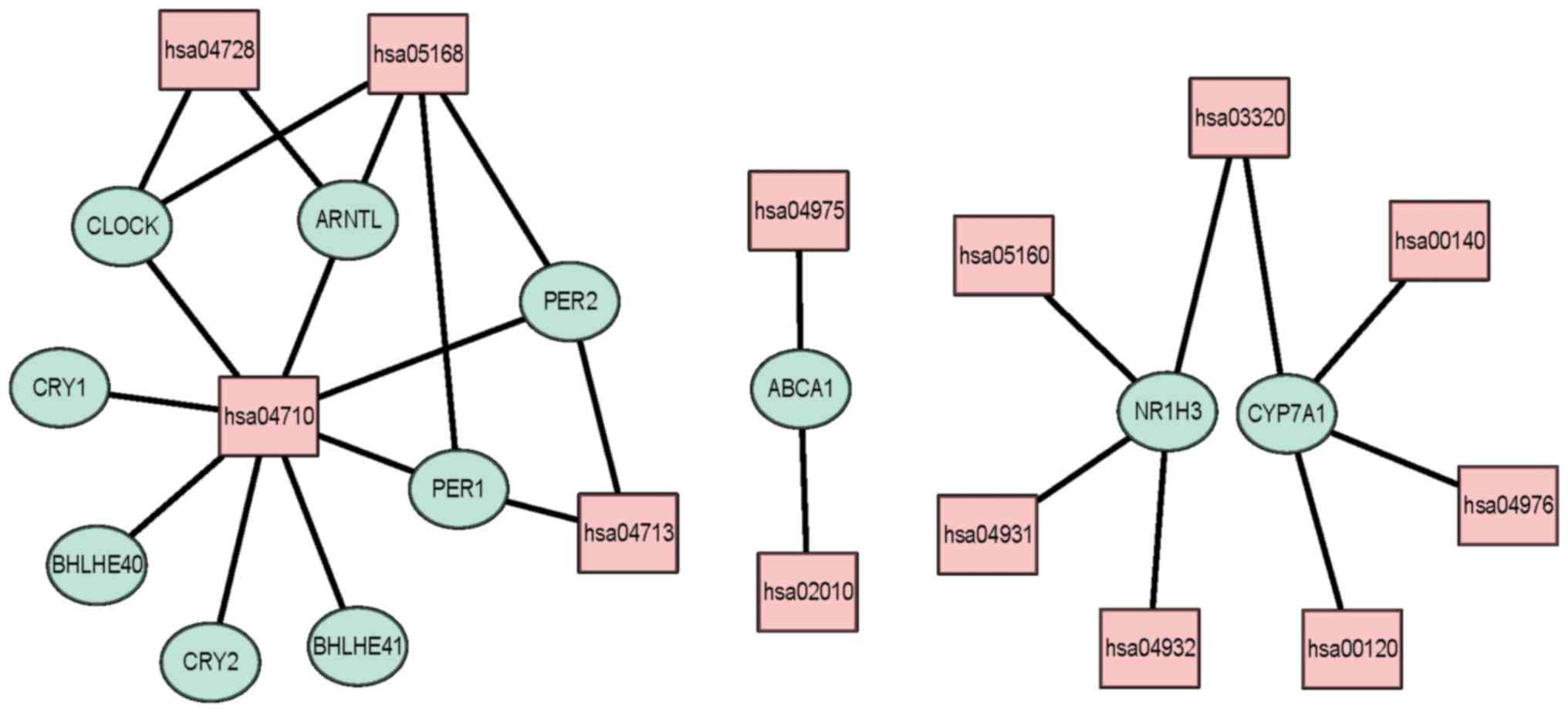
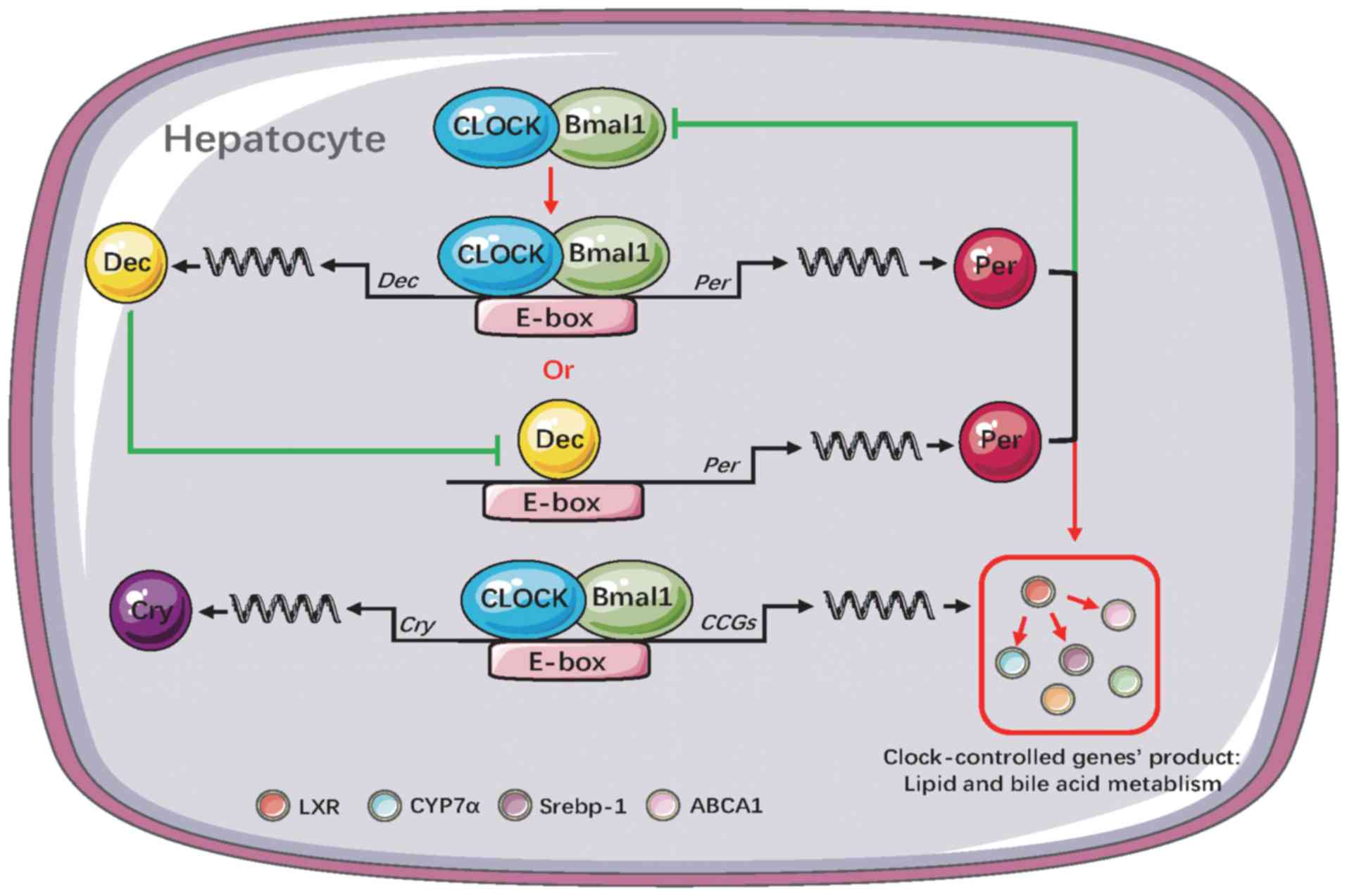
Hyperlipidemia is a key clinical feature in patients with nephrotic syndrome (NS) that is associated with the incidence of cardiovascular events. Recent studies have suggested that the disorders of triglycerides, gluconeogenesis and liver glucose metabolism are associated with the abnormal transcription of clock genes. However, changes to the circadian rhythm of blood lipids in NS require further exploration, and the effects of NS on the hepatic clock system remain to be elucidated. In the present study, the impaired diurnal rhythm of the hepatic core clock genes (BMAL1, CLOCK, CRY1, CRY2, PER1 and PER2) significantly induced circadian rhythm abnormalities in liver‑specific clock‑controlled genes (LXR, CYP7A1, SREBP‑1, ABCA1, DEC1 and DEC2; all P<0.05), which were significantly associated with the abnormal diurnal rhythms of triglyceride, total cholesterol, aspartate aminotransferase and alanine aminotransferase (all P<0.05) in rats with Adriamycin‑induced nephropathy. Furthermore, a protein‑protein interaction network was identified. Gene Ontology and Kyoto Encyclopedia of Genes and Genomes pathway analyses based on the human database was conducted to obtain signaling pathway and correlation prediction analyses of overall human clock and clock‑controlled gene correlations. Strong correlations of the aforementioned clock genes were detected (avg. local clustering coefficient, 0.849) which suggested significant enrichment in circadian rhythm signaling. The present results indicated that damage to hepatic clock systems may impact blood lipid circadian rhythm disorders in NS, and offer a starting point for understanding the crosstalk between peripheral organs and peripheral clock systems.
View Figures

Figure 1

Figure 2

Figure 3

Figure 4

Figure 5

Figure 6

Figure 7

Figure 8

Figure 9

View References

1 

Harper CR and Jacobson TA: Managing dyslipidemia in chronic kidney disease. J Am Coll Cardiol. 51:2375–2384. 2008. View Article : Google Scholar : PubMed/NCBI

2 

Tsimihodimos V, Dounousi E and Siamopoulos KC: Dyslipidemia in chronic kidney disease: An approach to pathogenesis and treatment. Am J Nephrol. 28:958–973. 2008. View Article : Google Scholar : PubMed/NCBI

3 

Zhao X, Cho H, Yu RT, Atkins AR, Downes M and Evans RM: Nuclear receptors rock around the clock. EMBO Rep. 15:518–528. 2014. View Article : Google Scholar : PubMed/NCBI

4 

Zhang EE and Kay SA: Clocks not winding down: Unravelling circadian networks. Nat Rev Mol Cell Biol. 11:764–776. 2010. View Article : Google Scholar : PubMed/NCBI

5 

Ungar F and Halberg F: Circadian rhythm in the in vitro response of mouse adrenal to adrenocorticotropic hormone. Science. 137:1058–1060. 1962. View Article : Google Scholar : PubMed/NCBI

6 

Mure LS, Le HD, Benegiamo G, Chang MW, Rios L, Jillani N, Ngotho M, Kariuki T, Dkhissi-Benyahya O, Cooper HM and Panda S: Diurnal transcriptome atlas of a primate across major neural and peripheral tissues. Science. 359:eaao03182018. View Article : Google Scholar : PubMed/NCBI

7 

Tokonami N, Mordasini D, Pradervand S, Centeno G, Jouffe C, Maillard M, Bonny O, Gachon F, Gomez RA, Sequeira-Lopez ML and Firsov D: Local renal circadian clocks control fluid-electrolyte homeostasis and BP. J Am Soc Nephrol. 25:1430–1439. 2014. View Article : Google Scholar : PubMed/NCBI

8 

Reppert SM and Weaver DR: Coordination of circadian timing in mammals. Nature. 418:935–941. 2002. View Article : Google Scholar : PubMed/NCBI

9 

Oosterman JE, Kalsbeek A, la Fleur SE and Belsham DD: Impact of nutrients on circadian rhythmicity. Am J Physiol Regul Integr Comp Physiol. 308:R337–R350. 2015. View Article : Google Scholar :

10 

Wharfe MD, Mark PJ and Waddell BJ: Circadian variation in placental and hepatic clock genes in rat pregnancy. Endocrinology. 152:3552–3560. 2011. View Article : Google Scholar : PubMed/NCBI

11 

Touitou Y, Smolensky MH and Portaluppi F: Ethics, standards, and procedures of animal and human chronobiology research. Chronobiol Int. 23:1083–1096. 2006. View Article : Google Scholar : PubMed/NCBI

12 

Nguyen TT, Mattick JS, Yang Q, Orman MA, Ierapetritou MG, Berthiaume F and Androulakis IP: Bioinformatics analysis of transcriptional regulation of circadian genes in rat liver. BMC Bioinformatics. 15:832014. View Article : Google Scholar : PubMed/NCBI

13 

Wu T, ZhuGe F, Zhu Y, Wang N, Jiang Q, Fu H, Li Y and Fu Z: Effects of light on the circadian rhythm of diabetic rats under restricted feeding. J Physiol Biochem. 70:61–71. 2014. View Article : Google Scholar

14 

Bertani T, Poggi A, Pozzoni R, Delaini F, Sacchi G, Thoua Y, Mecca G, Remuzzi G and Donati MB: Adriamycin-induced nephrotic syndrome in rats: Sequence of pathologic events. Lab Invest. 46:16–23. 1982.PubMed/NCBI

15 

Lu B, Li X and Ma R: Evaluation of the modified adriamycin induced nephrotic rats. Lab Anim Sci Admin. 16:5–9. 1999.In Chinese.

16 

Pereira Wde F, Brito-Melo GE, de Almeida CA, Moreira LL, Cordeiro CW, Carvalho TG, Mateo EC, Simões E and Silva AC: The experimental model of nephrotic syndrome induced by Doxorubicin in rodents:An update. Inflamm Res. 64:287–301. 2015. View Article : Google Scholar : PubMed/NCBI

17 

Brainard GC, Richardson BA, King TS and Reiter RJ: The influence of different light spectra on the suppression of pineal melatonin content in the Syrian hamster. Brain Res. 294:333–339. 1984. View Article : Google Scholar : PubMed/NCBI

18 

Trinder P and Webster D: Determination of HDL-cholesterol using 2,4,6-tribromo-3-hydroxybenzoic acid with a commercial CHOD-PAP reagent. Ann Clin Biochem. 21:430–433. 1984. View Article : Google Scholar : PubMed/NCBI

19 

Friedewald WT, Levy RI and Fredrickson DS: Estimation of the concentration of low-density lipoprotein cholesterol in plasma, without use of the preparative ultracentrifuge. Clin Chem. 18:499–502. 1972.PubMed/NCBI

20 

Westgard JO and Poquette MA: Determination of serum albumin with the 'SMA 1260' by a bromcresol green dye-binding method. Clin Chem. 18:647–653. 1972.PubMed/NCBI

21 

Fossati P, Prencipe L and Berti G: Enzymic creatinine assay: A new colorimetric method based on hydrogen peroxide measurement. Clin Chem. 29:1494–1496. 1983.PubMed/NCBI

22 

Neeley WE: Simple automated determination of serum or plasma glucose by a hexokinase-glucose-6-phosphate dehydrogenase method. Clin Chem. 18:509–515. 1972.PubMed/NCBI

23 

Livak KJ and Schmittgen TD: Analysis of relative gene expression data using real-time quantitative PCR and the 2(−Delta Delta C(T)) method. Methods. 25:402–408. 2001. View Article : Google Scholar

24 

Szklarczyk D, Franceschini A, Kuhn M, Simonovic M, Roth A, Minguez P, Doerks T, Stark M, Muller J, Bork P, et al: The STRING database in 2011: Functional interaction networks of proteins, globally integrated and scored. Nucleic Acids Res. 39:D561–D568. 2011. View Article : Google Scholar :

25 

Huang da W, Sherman BT and Lempicki RA: Bioinformatics enrichment tools: Paths toward the comprehensive functional analysis of large gene lists. Nucleic Acids Res. 37:1–13. 2009. View Article : Google Scholar

26 

Shannon P, Markiel A, Ozier O, Baliga NS, Wang JT, Ramage D, Amin N, Schwikowski B and Ideker T: Cytoscape: A software environment for integrated models of biomolecular interaction networks. Genome Res. 13:2498–2504. 2003. View Article : Google Scholar : PubMed/NCBI

27 

Walter W, Sánchez-Cabo F and Ricote M: GOplot: An R package for visually combining expression data with functional analysis. Bioinformatics. 31:2912–2914. 2015. View Article : Google Scholar : PubMed/NCBI

28 

Paul T and Lemmer B: Disturbance of circadian rhythms in analgosedated intensive care unit patients with and without craniocerebral injury. Chronobiol Int. 24:45–61. 2007. View Article : Google Scholar : PubMed/NCBI

29 

Palma-Rigo K, Baudrie V, Laude D, Petrel C, Clauser E and Elghozi JL: Cardiovascular rhythms and cardiac baroreflex sensitivity in AT(1A) receptor gain-of-function mutant mice. Chronobiol Int. 27:128–137. 2010. View Article : Google Scholar : PubMed/NCBI

30 

Lee VW and Harris DC: Adriamycin nephropathy: A model of focal segmental glomerulosclerosis. Nephrology (Carlton). 16:30–38. 2011. View Article : Google Scholar

31 

Mamdani M, Williamson V, McMichael GO, Blevins T, Aliev F, Adkins A, Hack L, Bigdeli T, van der Vaart AD, Web BT, et al: Integrating mRNA and miRNA weighted gene co-expression networks with eQTLs in the nucleus accumbens of subjects with alcohol dependence. PLoS One. 10:e01376712015. View Article : Google Scholar : PubMed/NCBI

32 

Szklarczyk D, Morris JH, Cook H, Kuhn M, Wyder S, Simonovic M, Santos A, Doncheva NT, Roth A, Bork P, et al: The STRING database in 2017: Quality-controlled protein-protein association networks, made broadly accessible. Nucleic Acids Res. 45:D362–D368. 2017. View Article : Google Scholar

33 

Szklarczyk D, Franceschini A, Wyder S, Forslund K, Heller D, Huerta-Cepas J, Simonovic M, Roth A, Santos A, Tsafou KP, et al: STRING v10: Protein-protein interaction networks, integrated over the tree of life. Nucleic Acids Res. 43(Database Issue): D447–D452. 2015. View Article : Google Scholar

34 

Huang da W, Sherman BT and Lempicki RA: Systematic and integrative analysis of large gene lists using DAVID bioinformatics resources. Nat Protoc. 4:44–57. 2009. View Article : Google Scholar : PubMed/NCBI

35 

Feng G, Shaw P, Rosen ST, Lin SM and Kibbe WA: Using the bioconductor GeneAnswers package to interpret gene lists. Methods Mol Biol. 802:101–112. 2012. View Article : Google Scholar

36 

Wahl P, Ducasa GM and Fornoni A: Systemic and renal lipids in kidney disease development and progression. Am J Physiol Renal Physiol. 310:F433–F445. 2016. View Article : Google Scholar :

37 

Rogacev KS, Pinsdorf T, Weingärtner O, Gerhart MK, Welzel E, van Bentum K, Popp J, Menzner A, Fliser D, Lütjohann D and Heine GH: Cholesterol synthesis, cholesterol absorption, and mortality in hemodialysis patients. Clin J Am Soc Nephrol. 7:943–948. 2012. View Article : Google Scholar : PubMed/NCBI

38 

Kaysen GA: Nonrenal complications of the nephrotic syndrome. Ann Rev Med. 45:201–210. 1994. View Article : Google Scholar : PubMed/NCBI

39 

Schalk BW, Visser M, Deeg DJ and Bouter LM: Lower levels of serum albumin and total cholesterol and future decline in functional performance in older persons: The Longitudinal Aging Study Amsterdam. AGE Ageing. 33:266–272. 2004. View Article : Google Scholar : PubMed/NCBI

40 

Lamia KA, Storch KF and Weitz CJ: Physiological significance of a peripheral tissue circadian clock. Proc Natl Acad Sci USA. 105:15172–15177. 2008. View Article : Google Scholar : PubMed/NCBI

41 

Richards J, All S, Skopis G, Cheng KY, Compton B, Srialluri N, Stow L, Jeffers LA and Gumz ML: Opposing actions of Per1 and Cry2 in the regulation of Per1 target gene expression in the liver and kidney. Am J Physiol Regul Integr Comp Physiol. 305:R735–R747. 2013. View Article : Google Scholar : PubMed/NCBI

42 

Chua EC, Shui G, Lee IT, Lau P, Tan LC, Yeo SC, Lam BD, Bulchand S, Summers SA, Puvanendran K, et al: Extensive diversity in circadian regulation of plasma lipids and evidence for different circadian metabolic phenotypes in humans. Proc Natl Acad Sci USA. 110:14468–14473. 2013. View Article : Google Scholar : PubMed/NCBI

43 

Nikolaeva S, Pradervand S, Centeno G, Zavadova V, Tokonami N, Maillard M, Bonny O and Firsov D: The circadian clock modulates renal sodium handling. J Am Soc Nephrol. 23:1019–1026. 2012. View Article : Google Scholar : PubMed/NCBI

44 

Hou XW, Jiang Y, Wang LF, Xu HY, Lin HM, He XY, He JJ and Zhang S: Protective role of granulocyte colony-stimulating factor against adriamycin induced cardiac, renal and hepatic toxicities. Toxicol Lett. 187:40–44. 2009. View Article : Google Scholar : PubMed/NCBI

45 

Bertani T, Cutillo F, Zoja C, Broggini M and Remuzzi G: Tubulo-interstitial lesions mediate renal damage in adriamycin glomerulopathy. Kidney Int. 30:488–496. 1986. View Article : Google Scholar : PubMed/NCBI

46 

Pippin JW, Brinkkoetter PT, Cormack-Aboud FC, Durvasula RV, Hauser PV, Kowalewska J, Krofft RD, Logar CM, Marshall CB, Ohse T and Shankland SJ: Inducible rodent models of acquired podocyte diseases. Am J Physiol Renal Physiol. 296:F213–F229. 2009. View Article : Google Scholar

47 

Rudic RD, McNamara P, Curtis AM, Boston RC, Panda S, Hogenesch JB and Fitzgerald GA: BMAL1 and CLOCK, two essential components of the circadian clock, are involved in glucose homeostasis. PLoS Biol. 2:e3772004. View Article : Google Scholar : PubMed/NCBI

48 

Rivera-Coll A, Fuentes-Arderiu X and Diez-Noguera A: Circadian rhythmic variations in serum concentrations of clinically important lipids. Clin Chem. 40:1549–1553. 1994.PubMed/NCBI

49 

Van den Berg R, Noordam R, Kooijman S, Jansen SWM, Akintola AA, Slagboom PE, Pijl H, Rensen PCN, Biermasz NR and van Heemst D: Familial longevity is characterized by high circadian rhythmicity of serum cholesterol in healthy elderly individuals. Aging cell. 16:237–243. 2017. View Article : Google Scholar : PubMed/NCBI

50 

Fonken LK, Aubrecht TG, Meléndez-Fernández OH, Weil ZM and Nelson RJ: Dim light at night disrupts molecular circadian rhythms and increases body weight. J Biol Rhythms. 28:262–271. 2013. View Article : Google Scholar : PubMed/NCBI

51 

Baeza-Raja B, Eckel-Mahan K, Zhang L, Vagena E, Tsigelny IF, Sassone-Corsi P, Ptácek LJ and Akassoglou K: p75 neurotrophin receptor is a clock gene that regulates oscillatory components of circadian and metabolic networks. J Neurosci. 33:10221–10234. 2013. View Article : Google Scholar : PubMed/NCBI

52 

Honma S, Kawamoto T, Takagi Y, Fujimoto K, Sato F, Noshiro M, Kato Y and Honma K: Dec1 and Dec2 are regulators of the mammalian molecular clock. Nature. 419:841–844. 2002. View Article : Google Scholar : PubMed/NCBI

53 

Kato Y, Kawamoto T, Fujimoto K and Noshiro M: DEC1/STRA13/SHARP2 and DEC2/SHARP1 coordinate physiological processes, including circadian rhythms in response to environmental stimuli. Curr Top Dev Biol. 110:339–372. 2014. View Article : Google Scholar : PubMed/NCBI

54 

Edwards PA, Kast HR and Anisfeld AM: BAREing it all: The adoption of LXR and FXR and their roles in lipid homeostasis. J Lipid Res. 43:2–12. 2002.PubMed/NCBI

55 

Bodzioch M, Orsó E, Klucken J, Langmann T, Böttcher A, Diederich W, Drobnik W, Barlage S, Büchler C, Porsch-Ozcürümez M, et al: The gene encoding ATP-binding cassette transporter 1 is mutated in Tangier disease. Nat Genet. 22:347–351. 1999. View Article : Google Scholar : PubMed/NCBI

56 

Bossi P, Bergamini C, Siano M, Cossu Rocca M, Sponghini AP, Favales F, Giannoccaro M, Marchesi E, Cortelazzi B, Perrone F, et al: Functional genomics uncover the biology behind the responsiveness of head and neck squamous cell cancer patients to cetuximab. Clin Cancer Res. 22:3961–3970. 2016. View Article : Google Scholar : PubMed/NCBI

57 

D'Amato G, Luxán G, del Monte-Nieto G, Martínez-Poveda B, Torroja C, Walter W, Bochter MS, Benedito R, Cole S, Martinez F, et al: Sequential Notch activation regulates ventricular chamber development. Nat Cell Biol. 18:7–20. 2016. View Article : Google Scholar :

58 

Boerwinkle E, Menzel HJ, Kraft HG and Utermann G: Genetics of the quantitative Lp(a) lipoprotein trait. III. Contribution of Lp(a) glycoprotein phenotypes to normal lipid variation. Hum Genet. 82:73–78. 1989. View Article : Google Scholar : PubMed/NCBI

Related Articles

  • Abstract
  • View
  • Download
  • Twitter
Copy and paste a formatted citation
Spandidos Publications style
Chen P, Zhang R, Mou L, Li X, Qin Y and Li X: An impaired hepatic clock system effects lipid metabolism in rats with nephropathy. Int J Mol Med 42: 2720-2736, 2018.
APA
Chen, P., Zhang, R., Mou, L., Li, X., Qin, Y., & Li, X. (2018). An impaired hepatic clock system effects lipid metabolism in rats with nephropathy. International Journal of Molecular Medicine, 42, 2720-2736. https://doi.org/10.3892/ijmm.2018.3833
MLA
Chen, P., Zhang, R., Mou, L., Li, X., Qin, Y., Li, X."An impaired hepatic clock system effects lipid metabolism in rats with nephropathy". International Journal of Molecular Medicine 42.5 (2018): 2720-2736.
Chicago
Chen, P., Zhang, R., Mou, L., Li, X., Qin, Y., Li, X."An impaired hepatic clock system effects lipid metabolism in rats with nephropathy". International Journal of Molecular Medicine 42, no. 5 (2018): 2720-2736. https://doi.org/10.3892/ijmm.2018.3833
Copy and paste a formatted citation
x
Spandidos Publications style
Chen P, Zhang R, Mou L, Li X, Qin Y and Li X: An impaired hepatic clock system effects lipid metabolism in rats with nephropathy. Int J Mol Med 42: 2720-2736, 2018.
APA
Chen, P., Zhang, R., Mou, L., Li, X., Qin, Y., & Li, X. (2018). An impaired hepatic clock system effects lipid metabolism in rats with nephropathy. International Journal of Molecular Medicine, 42, 2720-2736. https://doi.org/10.3892/ijmm.2018.3833
MLA
Chen, P., Zhang, R., Mou, L., Li, X., Qin, Y., Li, X."An impaired hepatic clock system effects lipid metabolism in rats with nephropathy". International Journal of Molecular Medicine 42.5 (2018): 2720-2736.
Chicago
Chen, P., Zhang, R., Mou, L., Li, X., Qin, Y., Li, X."An impaired hepatic clock system effects lipid metabolism in rats with nephropathy". International Journal of Molecular Medicine 42, no. 5 (2018): 2720-2736. https://doi.org/10.3892/ijmm.2018.3833
Follow us
  • Twitter
  • LinkedIn
  • Facebook
About
  • Spandidos Publications
  • Careers
  • Cookie Policy
  • Privacy Policy
How can we help?
  • Help
  • Live Chat
  • Contact
  • Email to our Support Team