Spandidos Publications Logo
  • About
    • About Spandidos
    • Aims and Scopes
    • Abstracting and Indexing
    • Editorial Policies
    • Reprints and Permissions
    • Job Opportunities
    • Terms and Conditions
    • Contact
  • Journals
    • All Journals
    • Oncology Letters
      • Oncology Letters
      • Information for Authors
      • Editorial Policies
      • Editorial Board
      • Aims and Scope
      • Abstracting and Indexing
      • Bibliographic Information
      • Archive
    • International Journal of Oncology
      • International Journal of Oncology
      • Information for Authors
      • Editorial Policies
      • Editorial Board
      • Aims and Scope
      • Abstracting and Indexing
      • Bibliographic Information
      • Archive
    • Molecular and Clinical Oncology
      • Molecular and Clinical Oncology
      • Information for Authors
      • Editorial Policies
      • Editorial Board
      • Aims and Scope
      • Abstracting and Indexing
      • Bibliographic Information
      • Archive
    • Experimental and Therapeutic Medicine
      • Experimental and Therapeutic Medicine
      • Information for Authors
      • Editorial Policies
      • Editorial Board
      • Aims and Scope
      • Abstracting and Indexing
      • Bibliographic Information
      • Archive
    • International Journal of Molecular Medicine
      • International Journal of Molecular Medicine
      • Information for Authors
      • Editorial Policies
      • Editorial Board
      • Aims and Scope
      • Abstracting and Indexing
      • Bibliographic Information
      • Archive
    • Biomedical Reports
      • Biomedical Reports
      • Information for Authors
      • Editorial Policies
      • Editorial Board
      • Aims and Scope
      • Abstracting and Indexing
      • Bibliographic Information
      • Archive
    • Oncology Reports
      • Oncology Reports
      • Information for Authors
      • Editorial Policies
      • Editorial Board
      • Aims and Scope
      • Abstracting and Indexing
      • Bibliographic Information
      • Archive
    • Molecular Medicine Reports
      • Molecular Medicine Reports
      • Information for Authors
      • Editorial Policies
      • Editorial Board
      • Aims and Scope
      • Abstracting and Indexing
      • Bibliographic Information
      • Archive
    • World Academy of Sciences Journal
      • World Academy of Sciences Journal
      • Information for Authors
      • Editorial Policies
      • Editorial Board
      • Aims and Scope
      • Abstracting and Indexing
      • Bibliographic Information
      • Archive
    • International Journal of Functional Nutrition
      • International Journal of Functional Nutrition
      • Information for Authors
      • Editorial Policies
      • Editorial Board
      • Aims and Scope
      • Abstracting and Indexing
      • Bibliographic Information
      • Archive
    • International Journal of Epigenetics
      • International Journal of Epigenetics
      • Information for Authors
      • Editorial Policies
      • Editorial Board
      • Aims and Scope
      • Abstracting and Indexing
      • Bibliographic Information
      • Archive
    • Medicine International
      • Medicine International
      • Information for Authors
      • Editorial Policies
      • Editorial Board
      • Aims and Scope
      • Abstracting and Indexing
      • Bibliographic Information
      • Archive
  • Articles
  • Information
    • Information for Authors
    • Information for Reviewers
    • Information for Librarians
    • Information for Advertisers
    • Conferences
  • Language Editing
Spandidos Publications Logo
  • About
    • About Spandidos
    • Aims and Scopes
    • Abstracting and Indexing
    • Editorial Policies
    • Reprints and Permissions
    • Job Opportunities
    • Terms and Conditions
    • Contact
  • Journals
    • All Journals
    • Biomedical Reports
      • Information for Authors
      • Editorial Policies
      • Editorial Board
      • Aims and Scope
      • Abstracting and Indexing
      • Bibliographic Information
      • Archive
    • Experimental and Therapeutic Medicine
      • Information for Authors
      • Editorial Policies
      • Editorial Board
      • Aims and Scope
      • Abstracting and Indexing
      • Bibliographic Information
      • Archive
    • International Journal of Epigenetics
      • Information for Authors
      • Editorial Policies
      • Editorial Board
      • Aims and Scope
      • Abstracting and Indexing
      • Bibliographic Information
      • Archive
    • International Journal of Functional Nutrition
      • Information for Authors
      • Editorial Policies
      • Editorial Board
      • Aims and Scope
      • Abstracting and Indexing
      • Bibliographic Information
      • Archive
    • International Journal of Molecular Medicine
      • Information for Authors
      • Editorial Policies
      • Editorial Board
      • Aims and Scope
      • Abstracting and Indexing
      • Bibliographic Information
      • Archive
    • International Journal of Oncology
      • Information for Authors
      • Editorial Policies
      • Editorial Board
      • Aims and Scope
      • Abstracting and Indexing
      • Bibliographic Information
      • Archive
    • Medicine International
      • Information for Authors
      • Editorial Policies
      • Editorial Board
      • Aims and Scope
      • Abstracting and Indexing
      • Bibliographic Information
      • Archive
    • Molecular and Clinical Oncology
      • Information for Authors
      • Editorial Policies
      • Editorial Board
      • Aims and Scope
      • Abstracting and Indexing
      • Bibliographic Information
      • Archive
    • Molecular Medicine Reports
      • Information for Authors
      • Editorial Policies
      • Editorial Board
      • Aims and Scope
      • Abstracting and Indexing
      • Bibliographic Information
      • Archive
    • Oncology Letters
      • Information for Authors
      • Editorial Policies
      • Editorial Board
      • Aims and Scope
      • Abstracting and Indexing
      • Bibliographic Information
      • Archive
    • Oncology Reports
      • Information for Authors
      • Editorial Policies
      • Editorial Board
      • Aims and Scope
      • Abstracting and Indexing
      • Bibliographic Information
      • Archive
    • World Academy of Sciences Journal
      • Information for Authors
      • Editorial Policies
      • Editorial Board
      • Aims and Scope
      • Abstracting and Indexing
      • Bibliographic Information
      • Archive
  • Articles
  • Information
    • For Authors
    • For Reviewers
    • For Librarians
    • For Advertisers
    • Conferences
  • Language Editing
Login Register Submit
  • This site uses cookies
  • You can change your cookie settings at any time by following the instructions in our Cookie Policy. To find out more, you may read our Privacy Policy.

    I agree
Search articles by DOI, keyword, author or affiliation
Search
Advanced Search
presentation
International Journal of Molecular Medicine
Join Editorial Board Propose a Special Issue
Print ISSN: 1107-3756 Online ISSN: 1791-244X
Journal Cover
February-2019 Volume 43 Issue 2

Full Size Image

Sign up for eToc alerts
Recommend to Library

Journals

International Journal of Molecular Medicine

International Journal of Molecular Medicine

International Journal of Molecular Medicine is an international journal devoted to molecular mechanisms of human disease.

International Journal of Oncology

International Journal of Oncology

International Journal of Oncology is an international journal devoted to oncology research and cancer treatment.

Molecular Medicine Reports

Molecular Medicine Reports

Covers molecular medicine topics such as pharmacology, pathology, genetics, neuroscience, infectious diseases, molecular cardiology, and molecular surgery.

Oncology Reports

Oncology Reports

Oncology Reports is an international journal devoted to fundamental and applied research in Oncology.

Experimental and Therapeutic Medicine

Experimental and Therapeutic Medicine

Experimental and Therapeutic Medicine is an international journal devoted to laboratory and clinical medicine.

Oncology Letters

Oncology Letters

Oncology Letters is an international journal devoted to Experimental and Clinical Oncology.

Biomedical Reports

Biomedical Reports

Explores a wide range of biological and medical fields, including pharmacology, genetics, microbiology, neuroscience, and molecular cardiology.

Molecular and Clinical Oncology

Molecular and Clinical Oncology

International journal addressing all aspects of oncology research, from tumorigenesis and oncogenes to chemotherapy and metastasis.

World Academy of Sciences Journal

World Academy of Sciences Journal

Multidisciplinary open-access journal spanning biochemistry, genetics, neuroscience, environmental health, and synthetic biology.

International Journal of Functional Nutrition

International Journal of Functional Nutrition

Open-access journal combining biochemistry, pharmacology, immunology, and genetics to advance health through functional nutrition.

International Journal of Epigenetics

International Journal of Epigenetics

Publishes open-access research on using epigenetics to advance understanding and treatment of human disease.

Medicine International

Medicine International

An International Open Access Journal Devoted to General Medicine.

Journal Cover
February-2019 Volume 43 Issue 2

Full Size Image

Sign up for eToc alerts
Recommend to Library

  • Article
  • Citations
    • Cite This Article
    • Download Citation
    • Create Citation Alert
    • Remove Citation Alert
    • Cited By
  • Similar Articles
    • Related Articles (in Spandidos Publications)
    • Similar Articles (Google Scholar)
    • Similar Articles (PubMed)
  • Download PDF
  • Download XML
  • View XML
Article Open Access

Isorhamnetin alleviates lipopolysaccharide-induced inflammatory responses in BV2 microglia by inactivating NF-κB, blocking the TLR4 pathway and reducing ROS generation

  • Authors:
    • Shin Young Kim
    • Cheng‑Yun Jin
    • Cheol Hong Kim
    • Young Hyun Yoo
    • Sung Hyun Choi
    • Gi‑Young Kim
    • Hyun Min Yoon
    • Hwan Tae Park
    • Yung Hyun Choi
  • View Affiliations / Copyright

    Affiliations: Department of Acupuncture and Moxibustion, Dongeui University College of Korean Medicine, Busan 47227, Republic of Korea, School of Pharmaceutical Sciences, Institute of Drug Discovery and Development, Zhengzhou University, Zhengzhou, Henan 450001, P.R. China, Department of Anatomy and Cell Biology, Mitochondria Hub Regulation Center, College of Medicine, Dong‑A University, Busan 49201, Republic of Korea, Department of System Management, Korea Lift College, Geochang, South Gyeongsang 50141, Republic of Korea, Department of Marine Life Sciences, School of Marine Biomedical Sciences, Jeju National University, Jeju 63243, Republic of Korea, Department of Physiology, Peripheral Neuropathy Research Center, College of Medicine, Dong‑A University, Busan 49201, Republic of Korea, Department of Biochemistry, Dongeui University College of Korean Medicine, Busan 47227, Republic of Korea
    Copyright: © Kim et al. This is an open access article distributed under the terms of Creative Commons Attribution License.
  • Pages: 682-692
    |
    Published online on: November 20, 2018
       https://doi.org/10.3892/ijmm.2018.3993
  • Expand metrics +
Metrics: Total Views: 0 (Spandidos Publications: | PMC Statistics: )
Metrics: Total PDF Downloads: 0 (Spandidos Publications: | PMC Statistics: )
Cited By (CrossRef): 0 citations Loading Articles...

This article is mentioned in:


Abstract

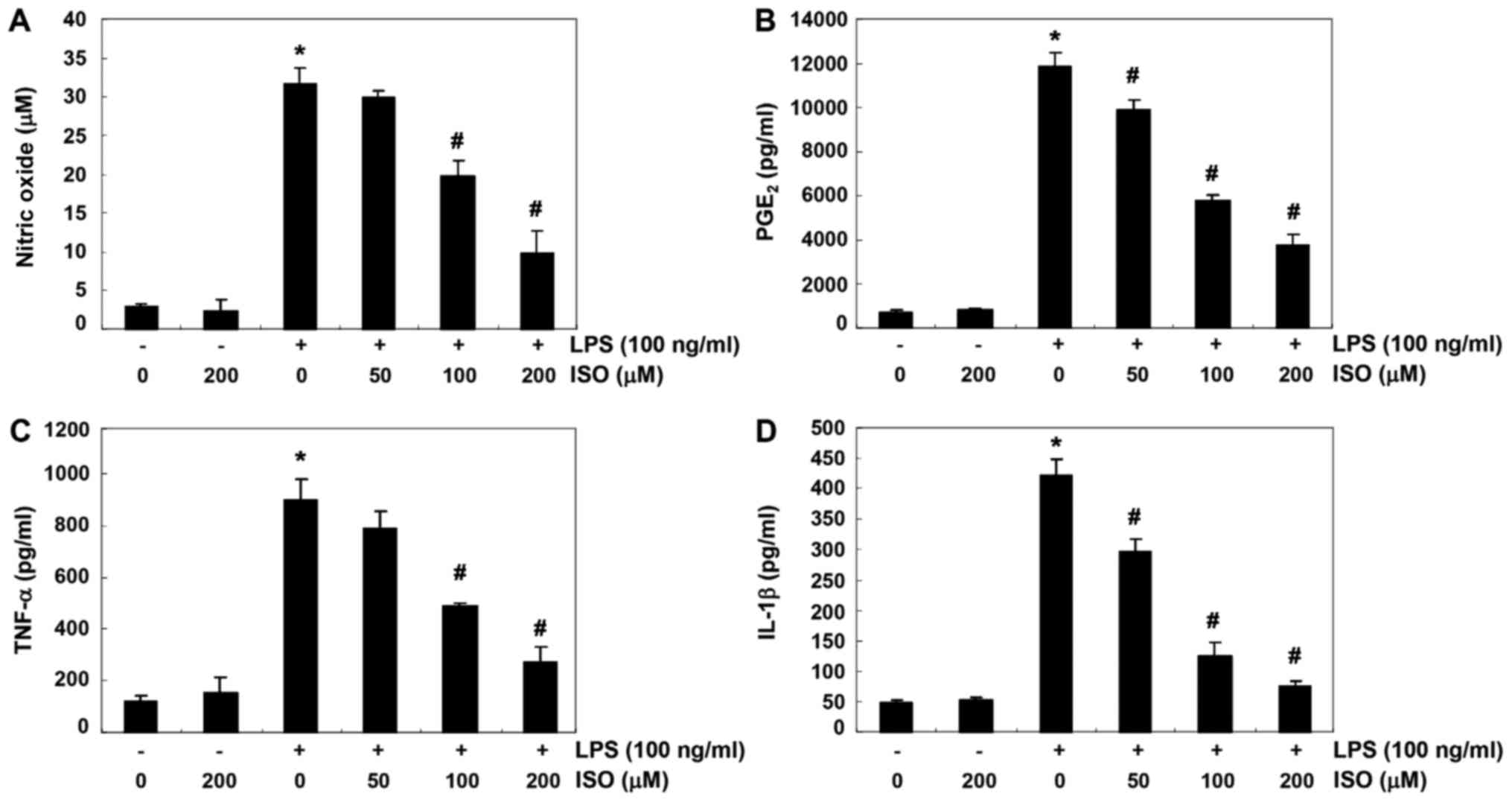
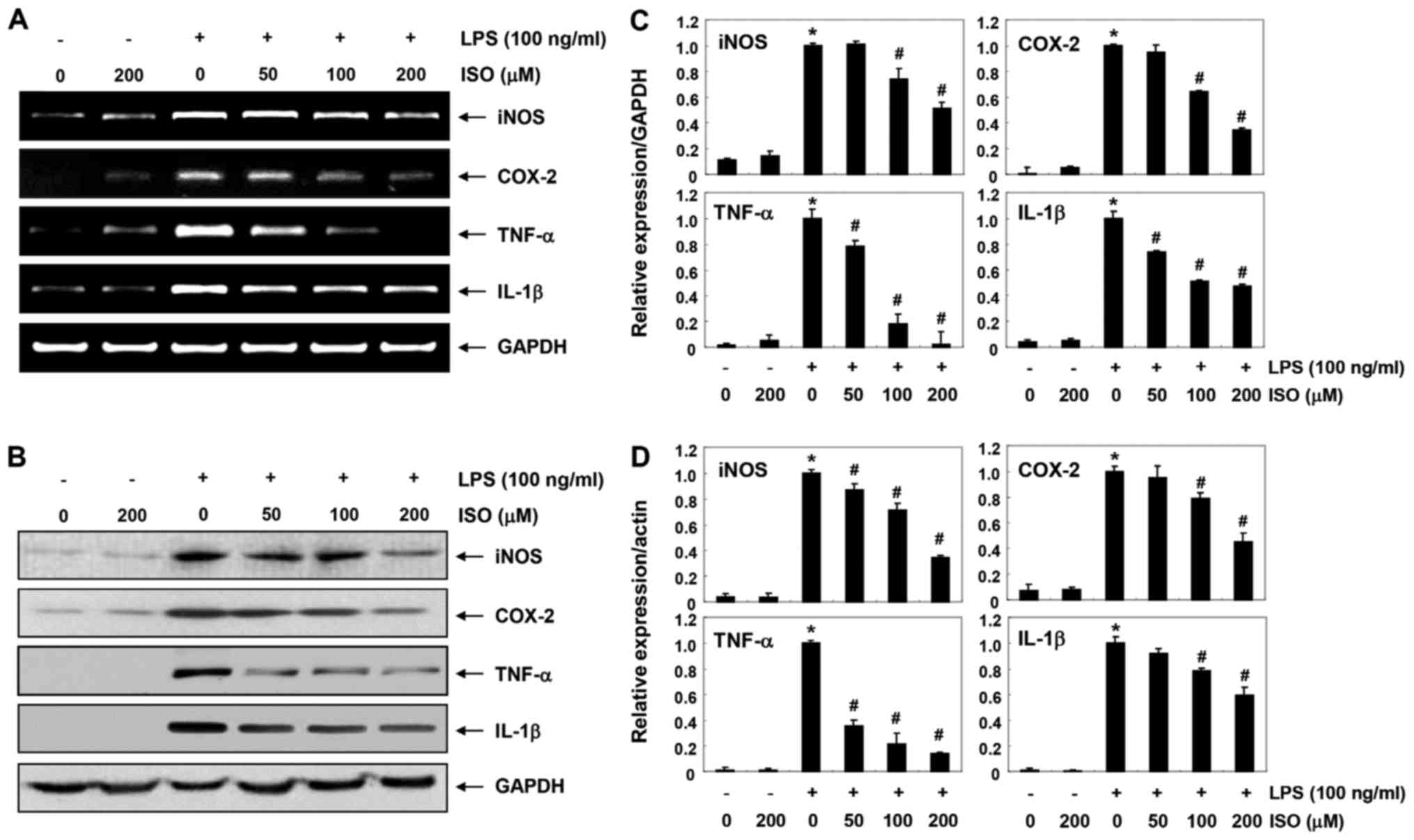
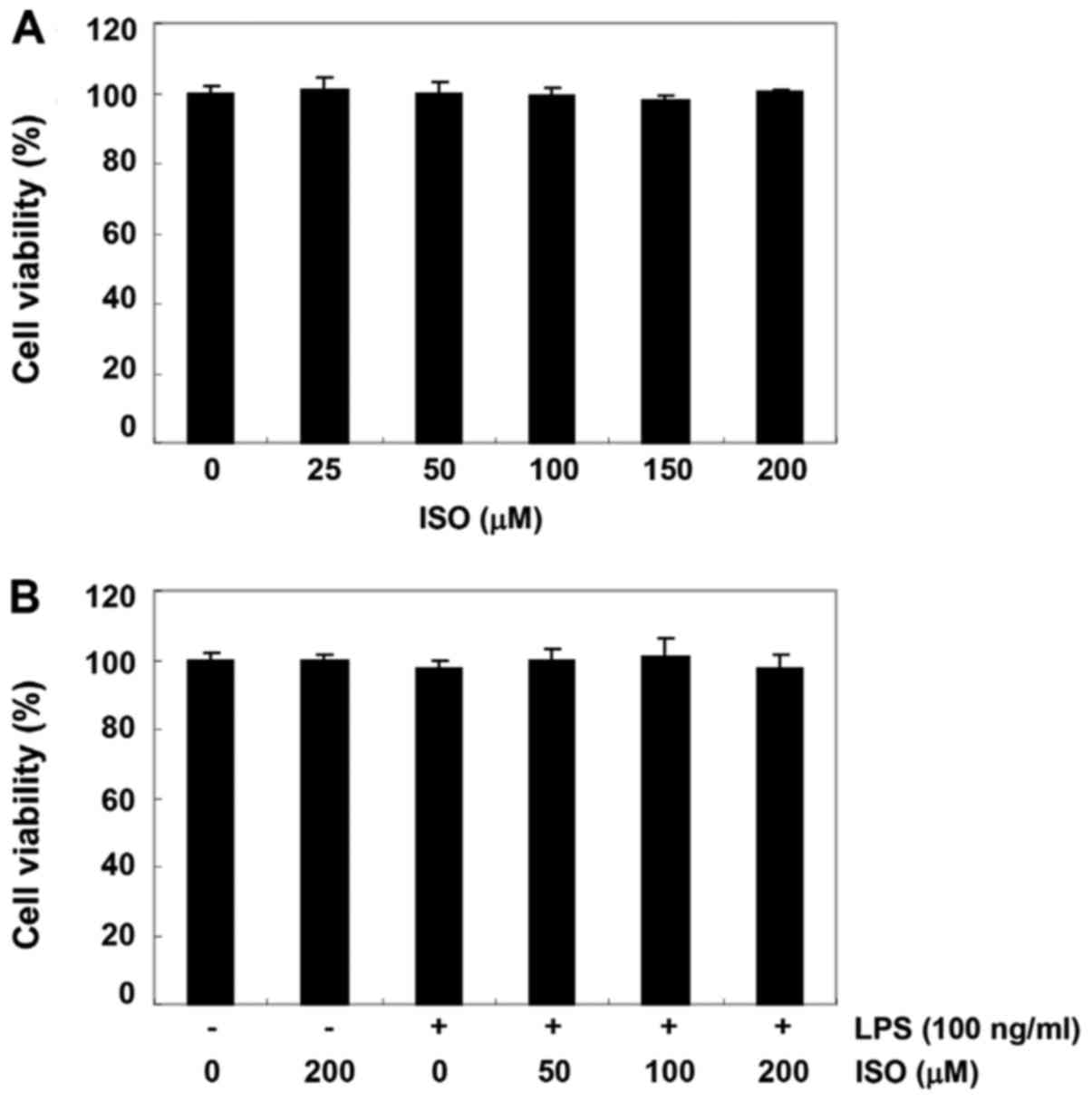
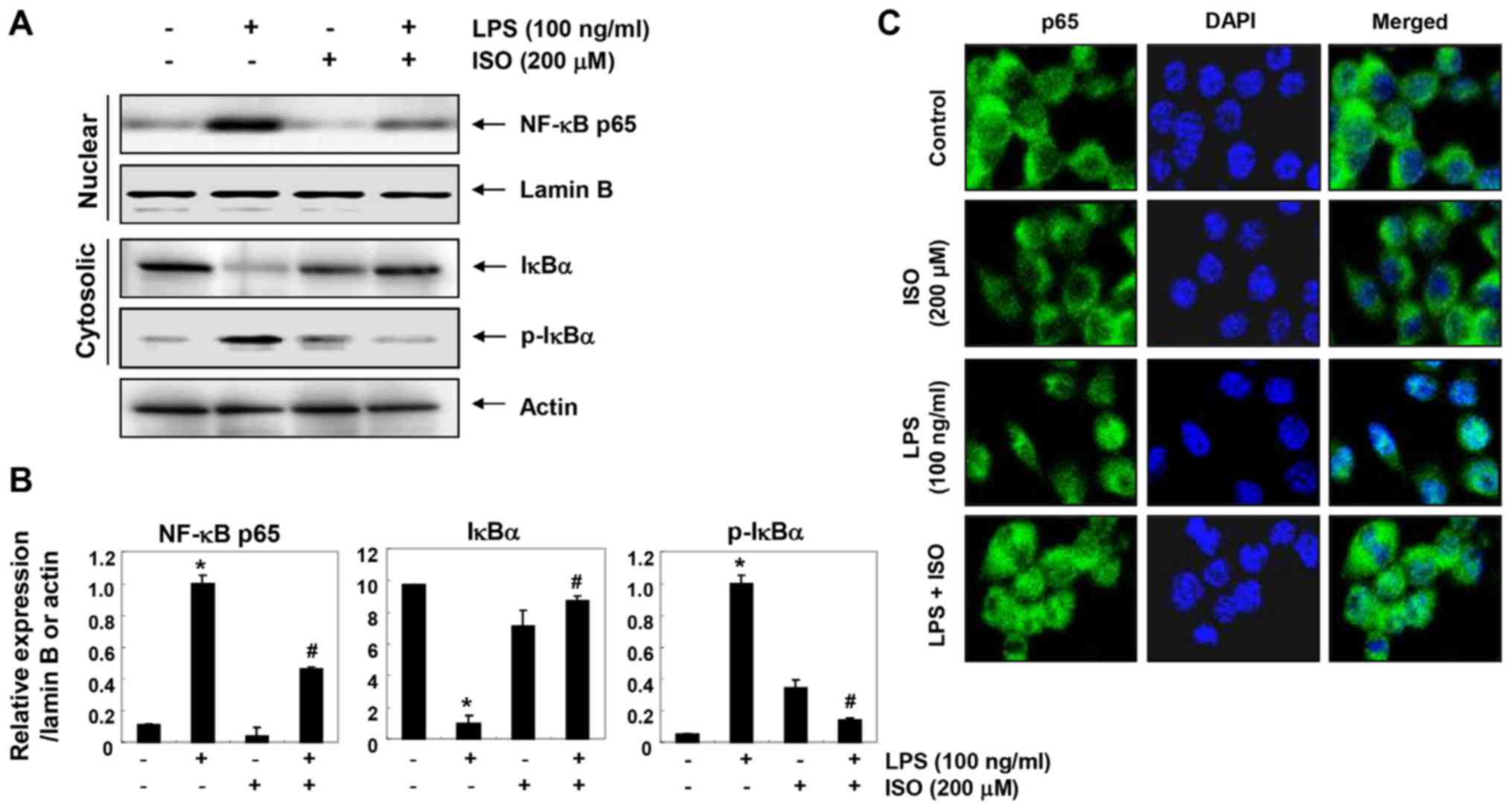
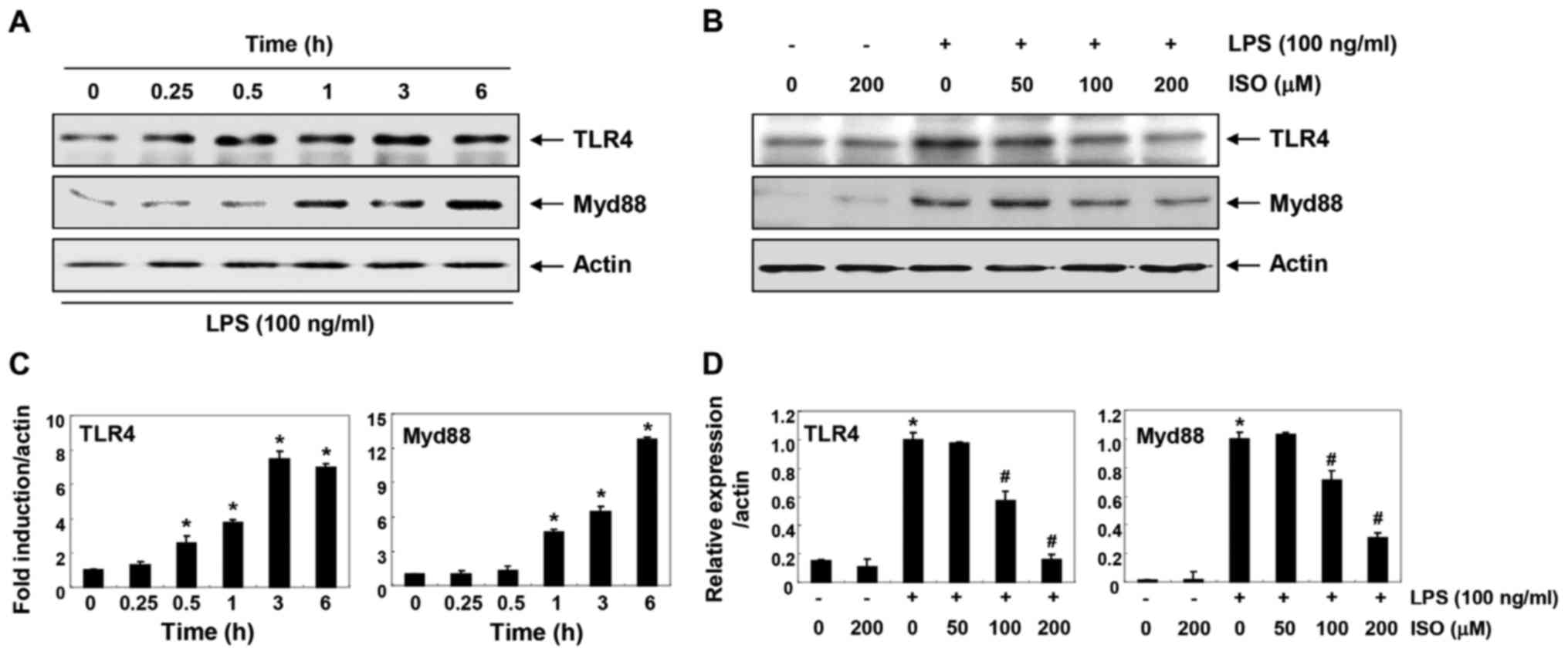
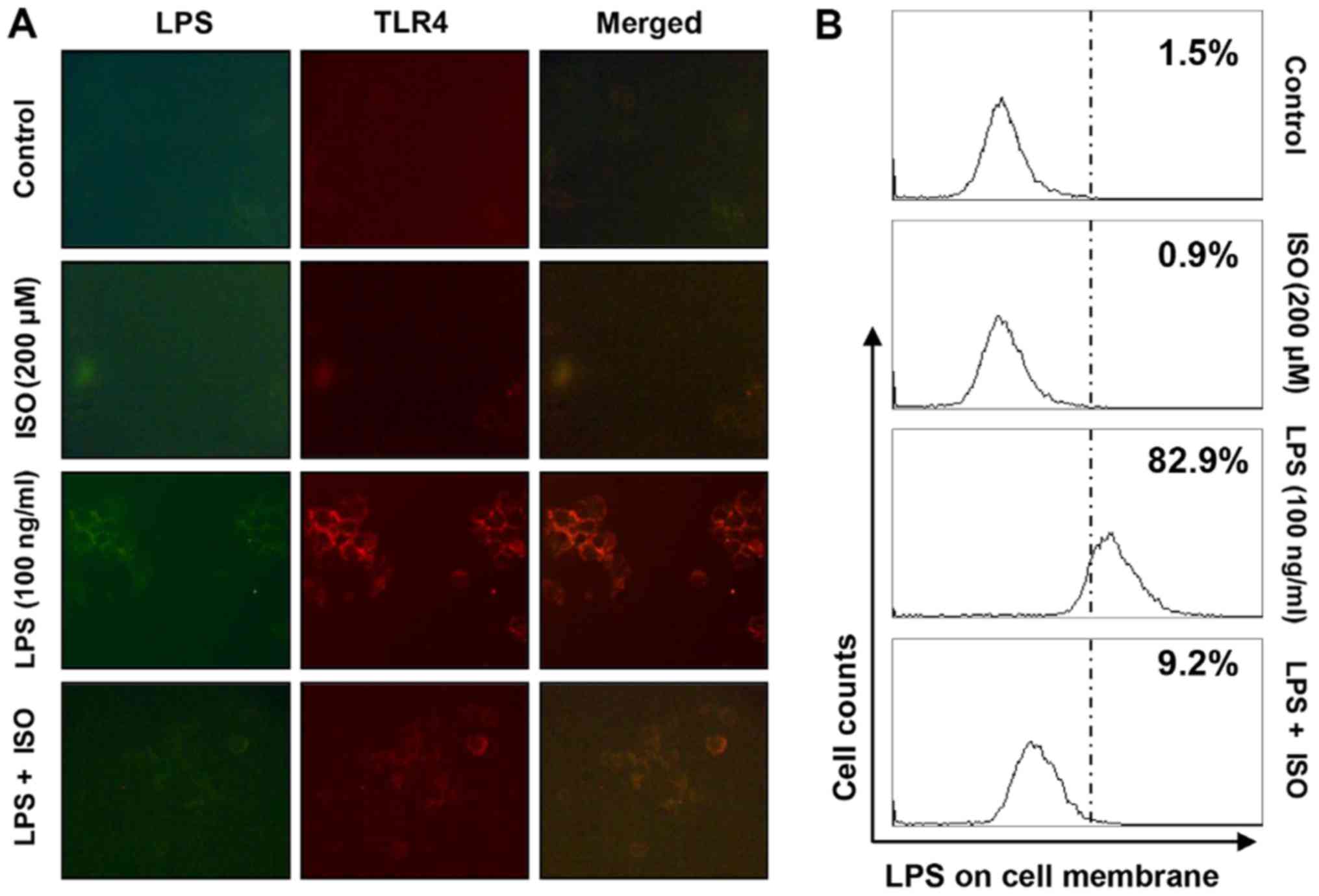
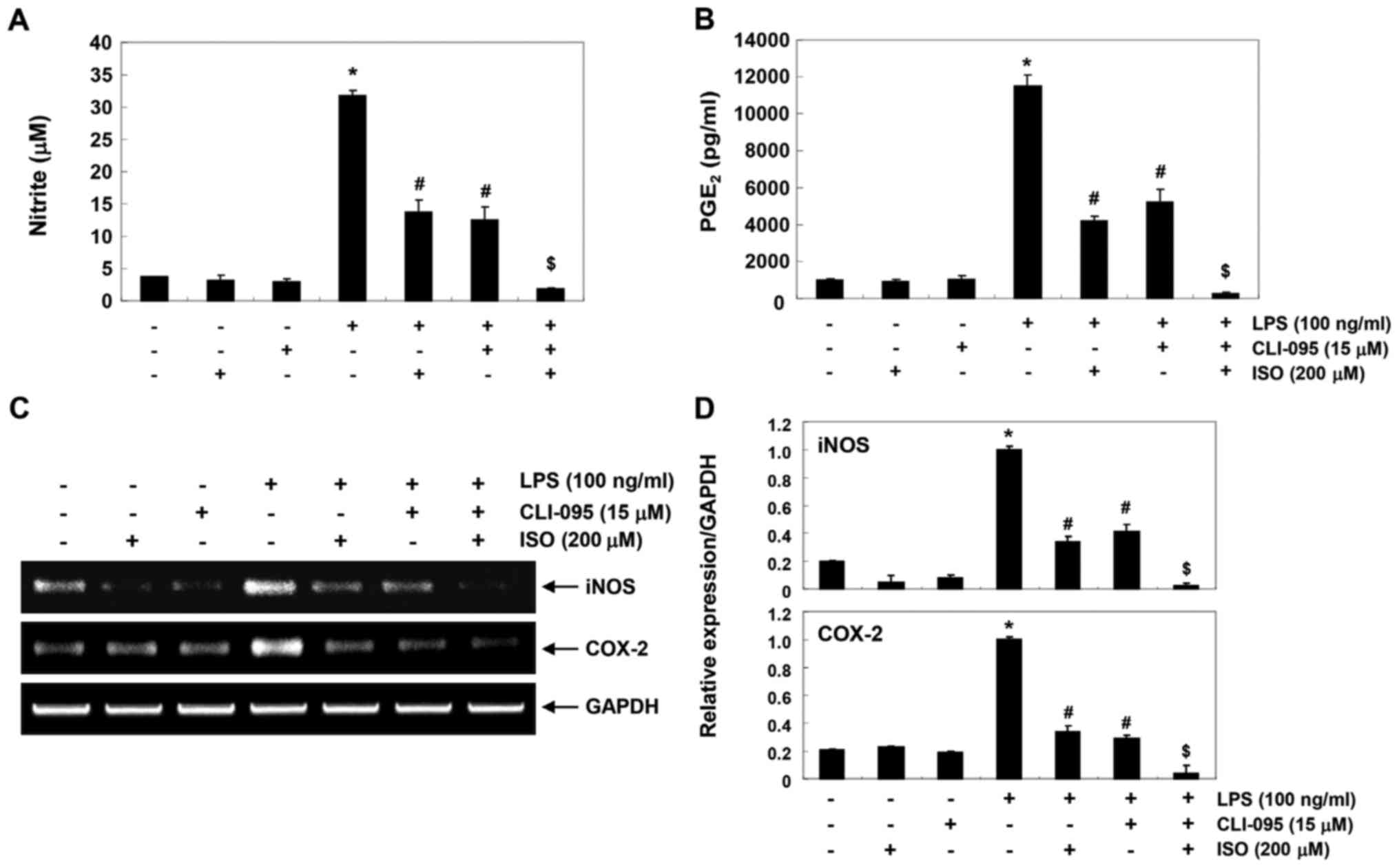
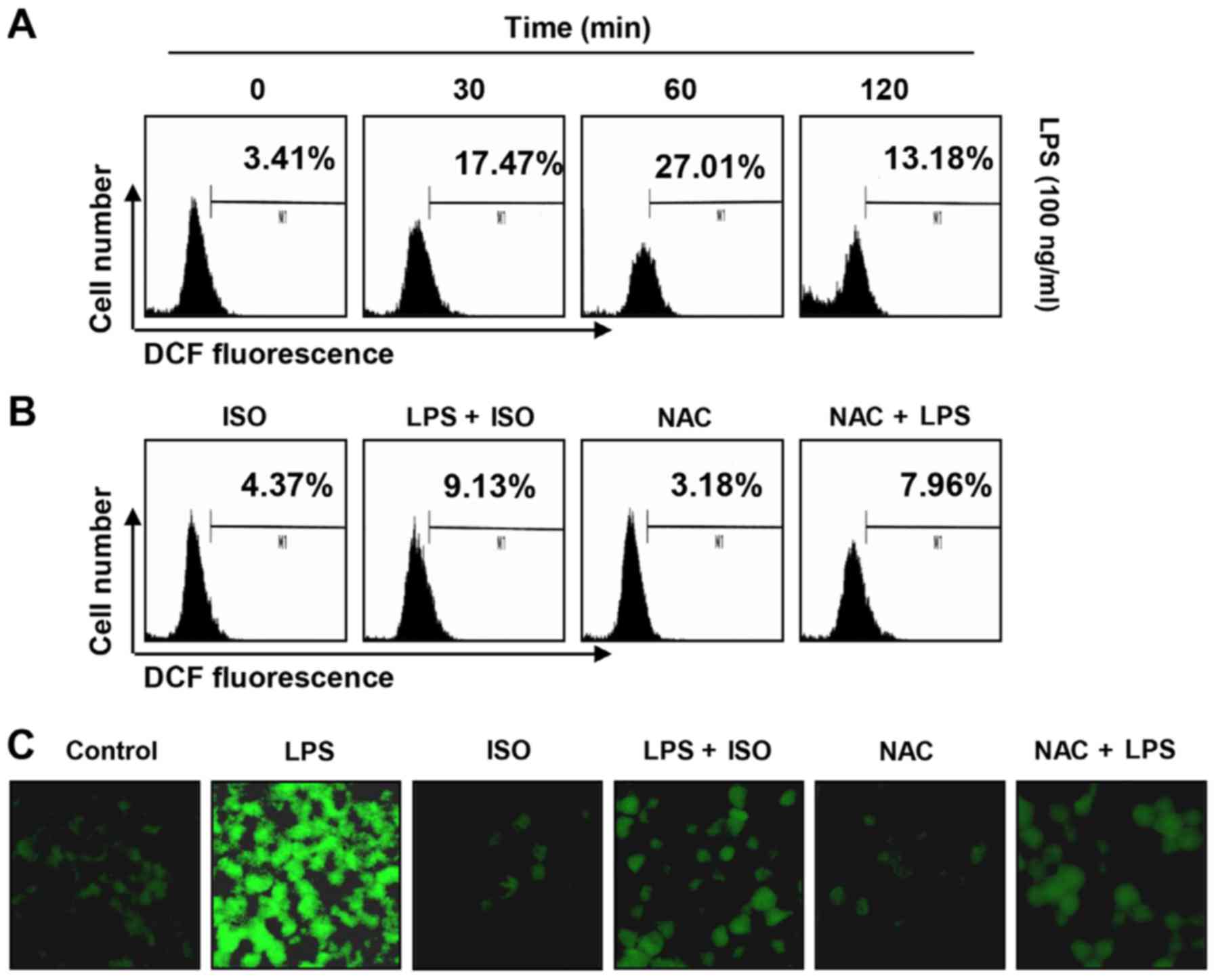
Isorhamnetin, which is a flavonoid predominantly found in fruits and leaves of various plants, including Hippophae rhamnoides L. and Oenanthe javanica (Blume) DC, is known to possess various pharmacological effects. However, the anti‑inflammatory potential of isorhamnetin remains poorly studied. Therefore, the present study aimed to investigate the inhibitory potential of isorhamnetin against inflammatory responses in lipopolysaccharide (LPS)‑stimulated BV2 microglia. To measure the effects of isorhamnetin on inflammatory mediators and cytokines, and reactive oxygen species (ROS) generation, the following methods were used: cell viability assay, griess assay, ELISA, reverse transcriptase‑polymerase chain reaction, flow cytometry, western blotting and immunofluorescence staining. The results revealed that isorhamnetin significantly suppressed LPS‑induced secretion of pro‑inflammatory mediators, including nitric oxide (NO) and prostaglandin E2, without exhibiting significant cytotoxicity. Consistent with these results, isorhamnetin inhibited LPS‑stimulated expression of regulatory enzymes, including inducible NO synthase and cyclooxygenase‑2 in BV2 cells. Isorhamnetin also downregulated LPS‑induced production and expression of pro‑inflammatory cytokines, such as tumor necrosis factor‑α and interleukin‑1β. The mechanism underlying the anti‑inflammatory effects of isorhamnetin was subsequently evaluated; this flavonoid inhibited the nuclear factor (NF)‑κB signaling pathway by disrupting degradation and phosphorylation of inhibitor κB‑α in the cytoplasm and blocking translocation of NF‑κB p65 into the nucleus. In addition, isorhamnetin effectively suppressed LPS‑induced expression of Toll‑like receptor 4 (TLR4) and myeloid differentiation factor 88. It also suppressed the binding of LPS with TLR4 in BV2 cells. Furthermore, isorhamnetin markedly reduced LPS‑induced generation of ROS in BV2 cells, thus indicating a strong antioxidative effect. Collectively, these results suggested that isorhamnetin may suppress LPS‑mediated inflammatory action in BV2 microglia through inactivating the NF‑κB signaling pathway, antagonizing TLR4 and eliminating ROS accumulation. Further studies are required to fully understand the anti‑inflammatory effects associated with the antioxidant capacity of isorhamnetin; however, the findings of the present study suggested that isorhamnetin may have potential benefits in inhibiting the onset and treatment of neuroinflammatory diseases.
View Figures

Figure 1

Figure 2

Figure 3

Figure 4

Figure 5

Figure 6

Figure 7

Figure 8

View References

1 

Tremblay MÈ, Stevens B, Sierra A, Wake H, Bessis A and Nimmerjahn A: The role of microglia in the healthy brain. J Neurosci. 31:16064–16069. 2011. View Article : Google Scholar : PubMed/NCBI

2 

Gomez-Nicola D and Perry VH: Microglial dynamics and role in the healthy and diseased brain: A paradigm of functional plasticity. Neuroscientist. 21:169–184. 2015. View Article : Google Scholar :

3 

Glass CK, Saijo K, Winner B, Marchetto MC and Gage FH: Mechanisms underlying inflammation in neurodegeneration. Cell. 140:918–934. 2010. View Article : Google Scholar : PubMed/NCBI

4 

Cherry JD, Olschowka JA and O’Banion MK: Neuroinflammation and M2 microglia: The good, the bad, and the inflamed. J Neuroinflammation. 11:982014. View Article : Google Scholar : PubMed/NCBI

5 

Li Q and Verma IM: NF-kappaB regulation in the immune system. Nat Rev Immunol. 2:725–734. 2002. View Article : Google Scholar : PubMed/NCBI

6 

Kopitar-Jerala N: Innate immune response in brain, NF-Kappa B signaling and cystatins. Front Mol Neurosci. 8:732015. View Article : Google Scholar : PubMed/NCBI

7 

Lee MB, Lee JH, Hong SH, You JS, Nam ST, Kim HW, Park YH, Lee D, Min KY, Park YM, et al: JQ1, a BET inhibitor, controls TLR4-induced IL-10 production in regulatory B cells by BRD4-NF-κB axis. BMB Rep. 50:640–646. 2017. View Article : Google Scholar : PubMed/NCBI

8 

von Bernhardi R, Eugenín-von Bernhardi L and Eugenín J: Microglial cell dysregulation in brain aging and neurodegeneration. Front Aging Neurosci. 7:1242015. View Article : Google Scholar : PubMed/NCBI

9 

Daulatzai MA: Fundamental role of pan-inflammation and oxidative-nitrosative pathways in neuropathogenesis of Alzheimer’s disease in focal cerebral ischemic rats. Am J Neurodegener Dis. 5:102–130. 2016.

10 

Choi HI, Choi JP, Seo J, Kim BJ, Rho M, Han JK and Kim JG: Helicobacter pylori-derived extracellular vesicles increased in the gastric juices of gastric adenocarcinoma patients and induced inflammation mainly via specific targeting of gastric epithelial cells. Exp Mol Med. 49:e3302017. View Article : Google Scholar : PubMed/NCBI

11 

Gu Y, Chen J and Shen J: Herbal medicines for ischemic stroke: Combating inflammation as therapeutic targets. J Neuroimmune Pharmacol. 9:313–339. 2014. View Article : Google Scholar : PubMed/NCBI

12 

Chen J, Zhang X, Zhang C, Wang W, Chen R, Jiao H, Li L, Zhang L and Cui L: Anti-inflammation of natural components from medicinal plants at low concentrations in brain via inhibiting neutrophil infiltration after stroke. Mediators Inflamm. 2016:95379012016. View Article : Google Scholar : PubMed/NCBI

13 

Du L, Zhang Y, Chen Y, Zhu J, Yang Y and Zhang HL: Role of microglia in neurological disorders and their potentials as a therapeutic target. Mol Neurobiol. 54:7567–7584. 2017. View Article : Google Scholar

14 

Qi F, Sun JH, Yan JQ, Li CM and Lv XC: Anti-inflammatory effects of isorhamnetin on LPS-stimulated human gingival fibroblasts by activating Nrf2 signaling pathway. Microb Pathog. 120:37–41. 2018. View Article : Google Scholar : PubMed/NCBI

15 

Wang J, Gong HM, Zou HH, Liang L and Wu XY: Isorhamnetin prevents H2O2-induced oxidative stress in human retinal pigment epithelial cells. Mol Med Rep. 17:648–652. 2018.

16 

Ahn H and Lee GS: Isorhamnetin and hyperoside derived from water dropwort inhibits inflammasome activation. Phytomedicine. 24:77–86. 2017. View Article : Google Scholar : PubMed/NCBI

17 

Chi G, Zhong W, Liu Y, Lu G, Lü H, Wang D and Sun F: Isorhamnetin protects mice from lipopolysaccharide-induced acute lung injury via the inhibition of inflammatory responses. Inflamm Res. 65:33–41. 2016. View Article : Google Scholar

18 

Yang B, Li XP, Ni YF, Du HY, Wang R, Li MJ, Wang WC, Li MM, Wang XH, Li L, et al: Protective effect of isorhamnetin on lipopolysaccharide-induced acute lung injury in mice. Inflammation. 39:129–137. 2016. View Article : Google Scholar

19 

Zhao JJ, Song JQ, Pan SY and Wang K: Treatment with isorhamnetin protects the brain against ischemic injury in mice. Neurochem Res. 41:1939–1948. 2016. View Article : Google Scholar : PubMed/NCBI

20 

Yang JH, Kim SC, Shin BY, Jin SH, Jo MJ, Jegal KH, Kim YW, Lee JR, Ku SK, Cho IJ, et al: O-Methylated flavonol isorhamnetin prevents acute inflammation through blocking of NF-κB activation. Food Chem Toxicol. 59:362–372. 2013. View Article : Google Scholar : PubMed/NCBI

21 

Seo S, Seo K, Ki SH and Shin SM: Isorhamnetin inhibits reactive oxygen species-dependent hypoxia inducible factor (HIF)-1α accumulation. Biol Pharm Bull. 39:1830–1838. 2016. View Article : Google Scholar

22 

Choi YH: The cytoprotective effect of isorhamnetin against oxidative stress is mediated by the upregulation of the Nrf2-dependent HO-1 expression in C2C12 myoblasts through scavenging reactive oxygen species and ERK inactivation. Gen Physiol Biophys. 35:145–154. 2016. View Article : Google Scholar : PubMed/NCBI

23 

Chen TL, Zhu GL, Wang JA, Zhang GD, Liu HF, Chen JR, Wang Y and He XL: Protective effects of isorhamnetin on apoptosis and inflammation in TNF-α-induced HUVECs injury. Int J Clin Exp Pathol. 8:2311–2320. 2015.

24 

Seo K, Yang JH, Kim SC, Ku SK, Ki SH and Shin SM: The antioxidant effects of isorhamnetin contribute to inhibit COX-2 expression in response to inflammation: A potential role of HO-1. Inflammation. 37:712–722. 2014. View Article : Google Scholar

25 

Qin L, Liu Y, Hong JS and Crews FT: NADPH oxidase and aging drive microglial activation, oxidative stress, and dopaminergic neurodegeneration following systemic LPS administration. Glia. 61:855–868. 2013. View Article : Google Scholar : PubMed/NCBI

26 

Li Y, Chi G, Shen B, Tian Y and Feng H: Isorhamnetin ameliorates LPS-induced inflammatory response through downregulation of NF-κB signaling. Inflammation. 39:1291–1301. 2016. View Article : Google Scholar : PubMed/NCBI

27 

Kim TH, Ku SK and Bae JS: Anti-inflammatory activities of isorhamnetin-3-O-galactoside against HMGB1-induced inflammatory responses in both HUVECs and CLP-induced septic mice. J Cell Biochem. 114:336–345. 2013. View Article : Google Scholar

28 

Koh PO: Cerebral ischemic injury decreases α-synuclein expression in brain tissue and glutamate-exposed HT22 cells. Lab Anim Res. 33:244–250. 2017. View Article : Google Scholar : PubMed/NCBI

29 

Park YS, Kwon YJ and Chun YJ: CYP1B1 Activates Wnt/β-catenin signaling through suppression of Herc5-mediated ISGylation for protein degradation on β-catenin in HeLa cells. Toxicol Res. 33:211–218, 20178. 2017. View Article : Google Scholar : PubMed/NCBI

30 

Lee IA, Hyam SR, Jang SE, Han MJ and Kim DH: Ginsenoside Re ameliorates inflammation by inhibiting the binding of lipopolysaccharide to TLR4 on macrophages. J Agric Food Chem. 60:9595–9602. 2012. View Article : Google Scholar : PubMed/NCBI

31 

You S, Nakanishi E, Kuwata H, Chen J, Nakasone Y, He X, He J, Liu X, Zhang S, Zhang B, et al: Inhibitory effects and molecular mechanisms of garlic organosulfur compounds on the production of inflammatory mediators. Mol Nutr Food Res. 57:2049–2060. 2013. View Article : Google Scholar : PubMed/NCBI

32 

Garcia G, Nanni S, Figueira I, Ivanov I, McDougall GJ, Stewart D, Ferreira RB, Pinto P, Silva RF, Brites D, et al: Bioaccessible (poly)phenol metabolites from raspberry protect neural cells from oxidative stress and attenuate microglia activation. Food Chem. 215:274–283. 2017. View Article : Google Scholar

33 

Fetisova E, Chernyak B, Korshunova G, Muntyan M and Skulachev V: Mitochondria-targeted antioxidants as a prospective therapeutic strategy for multiple sclerosis. Curr Med Chem. 24:2086–2114. 2017. View Article : Google Scholar : PubMed/NCBI

34 

von Leden RE, Yauger YJ, Khayrullina G and Byrnes KR: Central nervous system injury and nicotinamide adenine dinucleotide phosphate oxidase: Oxidative stress and therapeutic targets. J Neurotrauma. 34:755–764. 2017. View Article : Google Scholar :

35 

Ohl K, Tenbrock K and Kipp M: Oxidative stress in multiple sclerosis: Central and peripheral mode of action. Exp Neurol. 277:58–67. 2016. View Article : Google Scholar

36 

Kim YE, Hwang CJ, Lee HP, Kim CS, Son DJ, Ham YW, Hellström M, Han SB, Kim HS, Park EK, et al: Inhibitory effect of punicalagin on lipopolysaccharide-induced neuroinflam-mation, oxidative stress and memory impairment via inhibition of nuclear factor-kappaB. Neuropharmacology. 117:21–32. 2017. View Article : Google Scholar : PubMed/NCBI

37 

Iizumi T, Takahashi S, Mashima K, Minami K, Izawa Y, Abe T, Hishiki T, Suematsu M, Kajimura M and Suzuki N: A possible role of microglia-derived nitric oxide by lipopolysaccharide in activation of astroglial pentose-phosphate pathway via the Keap1/Nrf2 system. J Neuroinflammation. 13:992016. View Article : Google Scholar : PubMed/NCBI

38 

Slusarczyk J, Trojan E, Glombik K, Piotrowska A, Budziszewska B, Kubera M, Popiolek-Barczyk K, Lason W, Mika J and Basta-Kaim A: Anti-inflammatory properties of tianeptine on lipopolysaccharide-induced changes in microglial cells involve toll-like receptor-related pathways. J Neurochem. 136:958–970. 2016. View Article : Google Scholar

39 

Wang X, Wang C, Wang J, Zhao S, Zhang K, Wang J, Zhang W, Wu C and Yang J: Pseudoginsenoside-F11 (PF11) exerts anti-neuroinflammatory effects on LPS-activated microglial cells by inhibiting TLR4-mediated TAK1/IKK/NF-κB, MAPKs and Akt signaling pathways. Neuropharmacology. 79:642–656. 2014. View Article : Google Scholar : PubMed/NCBI

40 

Zeng KW, Zhao MB, Ma ZZ, Jiang Y and Tu PF: Protosappanin A inhibits oxidative and nitrative stress via interfering the interaction of transmembrane protein CD14 with Toll-like receptor-4 in lipopolysaccharide-induced BV-2 microglia. Int Immunopharmacol. 14:558–569. 2012. View Article : Google Scholar : PubMed/NCBI

41 

Wang X and Zhong W: Isorhamnetin attenuates collagen-induced arthritis via modulating cytokines and oxidative stress in mice. Int J Clin Exp Med. 8:16536–16542. 2015.PubMed/NCBI

42 

Dong GZ, Lee JH, Ki SH, Yang JH, Cho IJ, Kang SH, Zhao RJ, Kim SC and Kim YW: AMPK activation by isorhamnetin protects hepatocytes against oxidative stress and mitochondrial dysfunction. Eur J Pharmacol. 740:634–640. 2014. View Article : Google Scholar : PubMed/NCBI

Related Articles

  • Abstract
  • View
  • Download
  • Twitter
Copy and paste a formatted citation
Spandidos Publications style
Kim SY, Jin CY, Kim CH, Yoo YH, Choi SH, Kim GY, Yoon HM, Park HT and Choi YH: Isorhamnetin alleviates lipopolysaccharide-induced inflammatory responses in BV2 microglia by inactivating NF-κB, blocking the TLR4 pathway and reducing ROS generation. Int J Mol Med 43: 682-692, 2019.
APA
Kim, S.Y., Jin, C., Kim, C.H., Yoo, Y.H., Choi, S.H., Kim, G. ... Choi, Y.H. (2019). Isorhamnetin alleviates lipopolysaccharide-induced inflammatory responses in BV2 microglia by inactivating NF-κB, blocking the TLR4 pathway and reducing ROS generation. International Journal of Molecular Medicine, 43, 682-692. https://doi.org/10.3892/ijmm.2018.3993
MLA
Kim, S. Y., Jin, C., Kim, C. H., Yoo, Y. H., Choi, S. H., Kim, G., Yoon, H. M., Park, H. T., Choi, Y. H."Isorhamnetin alleviates lipopolysaccharide-induced inflammatory responses in BV2 microglia by inactivating NF-κB, blocking the TLR4 pathway and reducing ROS generation". International Journal of Molecular Medicine 43.2 (2019): 682-692.
Chicago
Kim, S. Y., Jin, C., Kim, C. H., Yoo, Y. H., Choi, S. H., Kim, G., Yoon, H. M., Park, H. T., Choi, Y. H."Isorhamnetin alleviates lipopolysaccharide-induced inflammatory responses in BV2 microglia by inactivating NF-κB, blocking the TLR4 pathway and reducing ROS generation". International Journal of Molecular Medicine 43, no. 2 (2019): 682-692. https://doi.org/10.3892/ijmm.2018.3993
Copy and paste a formatted citation
x
Spandidos Publications style
Kim SY, Jin CY, Kim CH, Yoo YH, Choi SH, Kim GY, Yoon HM, Park HT and Choi YH: Isorhamnetin alleviates lipopolysaccharide-induced inflammatory responses in BV2 microglia by inactivating NF-κB, blocking the TLR4 pathway and reducing ROS generation. Int J Mol Med 43: 682-692, 2019.
APA
Kim, S.Y., Jin, C., Kim, C.H., Yoo, Y.H., Choi, S.H., Kim, G. ... Choi, Y.H. (2019). Isorhamnetin alleviates lipopolysaccharide-induced inflammatory responses in BV2 microglia by inactivating NF-κB, blocking the TLR4 pathway and reducing ROS generation. International Journal of Molecular Medicine, 43, 682-692. https://doi.org/10.3892/ijmm.2018.3993
MLA
Kim, S. Y., Jin, C., Kim, C. H., Yoo, Y. H., Choi, S. H., Kim, G., Yoon, H. M., Park, H. T., Choi, Y. H."Isorhamnetin alleviates lipopolysaccharide-induced inflammatory responses in BV2 microglia by inactivating NF-κB, blocking the TLR4 pathway and reducing ROS generation". International Journal of Molecular Medicine 43.2 (2019): 682-692.
Chicago
Kim, S. Y., Jin, C., Kim, C. H., Yoo, Y. H., Choi, S. H., Kim, G., Yoon, H. M., Park, H. T., Choi, Y. H."Isorhamnetin alleviates lipopolysaccharide-induced inflammatory responses in BV2 microglia by inactivating NF-κB, blocking the TLR4 pathway and reducing ROS generation". International Journal of Molecular Medicine 43, no. 2 (2019): 682-692. https://doi.org/10.3892/ijmm.2018.3993
Follow us
  • Twitter
  • LinkedIn
  • Facebook
About
  • Spandidos Publications
  • Careers
  • Cookie Policy
  • Privacy Policy
How can we help?
  • Help
  • Live Chat
  • Contact
  • Email to our Support Team