Spandidos Publications Logo
  • About
    • About Spandidos
    • Aims and Scopes
    • Abstracting and Indexing
    • Editorial Policies
    • Reprints and Permissions
    • Job Opportunities
    • Terms and Conditions
    • Contact
  • Journals
    • All Journals
    • Oncology Letters
      • Oncology Letters
      • Information for Authors
      • Editorial Policies
      • Editorial Board
      • Aims and Scope
      • Abstracting and Indexing
      • Bibliographic Information
      • Archive
    • International Journal of Oncology
      • International Journal of Oncology
      • Information for Authors
      • Editorial Policies
      • Editorial Board
      • Aims and Scope
      • Abstracting and Indexing
      • Bibliographic Information
      • Archive
    • Molecular and Clinical Oncology
      • Molecular and Clinical Oncology
      • Information for Authors
      • Editorial Policies
      • Editorial Board
      • Aims and Scope
      • Abstracting and Indexing
      • Bibliographic Information
      • Archive
    • Experimental and Therapeutic Medicine
      • Experimental and Therapeutic Medicine
      • Information for Authors
      • Editorial Policies
      • Editorial Board
      • Aims and Scope
      • Abstracting and Indexing
      • Bibliographic Information
      • Archive
    • International Journal of Molecular Medicine
      • International Journal of Molecular Medicine
      • Information for Authors
      • Editorial Policies
      • Editorial Board
      • Aims and Scope
      • Abstracting and Indexing
      • Bibliographic Information
      • Archive
    • Biomedical Reports
      • Biomedical Reports
      • Information for Authors
      • Editorial Policies
      • Editorial Board
      • Aims and Scope
      • Abstracting and Indexing
      • Bibliographic Information
      • Archive
    • Oncology Reports
      • Oncology Reports
      • Information for Authors
      • Editorial Policies
      • Editorial Board
      • Aims and Scope
      • Abstracting and Indexing
      • Bibliographic Information
      • Archive
    • Molecular Medicine Reports
      • Molecular Medicine Reports
      • Information for Authors
      • Editorial Policies
      • Editorial Board
      • Aims and Scope
      • Abstracting and Indexing
      • Bibliographic Information
      • Archive
    • World Academy of Sciences Journal
      • World Academy of Sciences Journal
      • Information for Authors
      • Editorial Policies
      • Editorial Board
      • Aims and Scope
      • Abstracting and Indexing
      • Bibliographic Information
      • Archive
    • International Journal of Functional Nutrition
      • International Journal of Functional Nutrition
      • Information for Authors
      • Editorial Policies
      • Editorial Board
      • Aims and Scope
      • Abstracting and Indexing
      • Bibliographic Information
      • Archive
    • International Journal of Epigenetics
      • International Journal of Epigenetics
      • Information for Authors
      • Editorial Policies
      • Editorial Board
      • Aims and Scope
      • Abstracting and Indexing
      • Bibliographic Information
      • Archive
    • Medicine International
      • Medicine International
      • Information for Authors
      • Editorial Policies
      • Editorial Board
      • Aims and Scope
      • Abstracting and Indexing
      • Bibliographic Information
      • Archive
  • Articles
  • Information
    • Information for Authors
    • Information for Reviewers
    • Information for Librarians
    • Information for Advertisers
    • Conferences
  • Language Editing
Spandidos Publications Logo
  • About
    • About Spandidos
    • Aims and Scopes
    • Abstracting and Indexing
    • Editorial Policies
    • Reprints and Permissions
    • Job Opportunities
    • Terms and Conditions
    • Contact
  • Journals
    • All Journals
    • Biomedical Reports
      • Information for Authors
      • Editorial Policies
      • Editorial Board
      • Aims and Scope
      • Abstracting and Indexing
      • Bibliographic Information
      • Archive
    • Experimental and Therapeutic Medicine
      • Information for Authors
      • Editorial Policies
      • Editorial Board
      • Aims and Scope
      • Abstracting and Indexing
      • Bibliographic Information
      • Archive
    • International Journal of Epigenetics
      • Information for Authors
      • Editorial Policies
      • Editorial Board
      • Aims and Scope
      • Abstracting and Indexing
      • Bibliographic Information
      • Archive
    • International Journal of Functional Nutrition
      • Information for Authors
      • Editorial Policies
      • Editorial Board
      • Aims and Scope
      • Abstracting and Indexing
      • Bibliographic Information
      • Archive
    • International Journal of Molecular Medicine
      • Information for Authors
      • Editorial Policies
      • Editorial Board
      • Aims and Scope
      • Abstracting and Indexing
      • Bibliographic Information
      • Archive
    • International Journal of Oncology
      • Information for Authors
      • Editorial Policies
      • Editorial Board
      • Aims and Scope
      • Abstracting and Indexing
      • Bibliographic Information
      • Archive
    • Medicine International
      • Information for Authors
      • Editorial Policies
      • Editorial Board
      • Aims and Scope
      • Abstracting and Indexing
      • Bibliographic Information
      • Archive
    • Molecular and Clinical Oncology
      • Information for Authors
      • Editorial Policies
      • Editorial Board
      • Aims and Scope
      • Abstracting and Indexing
      • Bibliographic Information
      • Archive
    • Molecular Medicine Reports
      • Information for Authors
      • Editorial Policies
      • Editorial Board
      • Aims and Scope
      • Abstracting and Indexing
      • Bibliographic Information
      • Archive
    • Oncology Letters
      • Information for Authors
      • Editorial Policies
      • Editorial Board
      • Aims and Scope
      • Abstracting and Indexing
      • Bibliographic Information
      • Archive
    • Oncology Reports
      • Information for Authors
      • Editorial Policies
      • Editorial Board
      • Aims and Scope
      • Abstracting and Indexing
      • Bibliographic Information
      • Archive
    • World Academy of Sciences Journal
      • Information for Authors
      • Editorial Policies
      • Editorial Board
      • Aims and Scope
      • Abstracting and Indexing
      • Bibliographic Information
      • Archive
  • Articles
  • Information
    • For Authors
    • For Reviewers
    • For Librarians
    • For Advertisers
    • Conferences
  • Language Editing
Login Register Submit
  • This site uses cookies
  • You can change your cookie settings at any time by following the instructions in our Cookie Policy. To find out more, you may read our Privacy Policy.

    I agree
Search articles by DOI, keyword, author or affiliation
Search
Advanced Search
presentation
International Journal of Molecular Medicine
Join Editorial Board Propose a Special Issue
Print ISSN: 1107-3756 Online ISSN: 1791-244X
Journal Cover
October-2025 Volume 56 Issue 4

Full Size Image

Sign up for eToc alerts
Recommend to Library

Journals

International Journal of Molecular Medicine

International Journal of Molecular Medicine

International Journal of Molecular Medicine is an international journal devoted to molecular mechanisms of human disease.

International Journal of Oncology

International Journal of Oncology

International Journal of Oncology is an international journal devoted to oncology research and cancer treatment.

Molecular Medicine Reports

Molecular Medicine Reports

Covers molecular medicine topics such as pharmacology, pathology, genetics, neuroscience, infectious diseases, molecular cardiology, and molecular surgery.

Oncology Reports

Oncology Reports

Oncology Reports is an international journal devoted to fundamental and applied research in Oncology.

Experimental and Therapeutic Medicine

Experimental and Therapeutic Medicine

Experimental and Therapeutic Medicine is an international journal devoted to laboratory and clinical medicine.

Oncology Letters

Oncology Letters

Oncology Letters is an international journal devoted to Experimental and Clinical Oncology.

Biomedical Reports

Biomedical Reports

Explores a wide range of biological and medical fields, including pharmacology, genetics, microbiology, neuroscience, and molecular cardiology.

Molecular and Clinical Oncology

Molecular and Clinical Oncology

International journal addressing all aspects of oncology research, from tumorigenesis and oncogenes to chemotherapy and metastasis.

World Academy of Sciences Journal

World Academy of Sciences Journal

Multidisciplinary open-access journal spanning biochemistry, genetics, neuroscience, environmental health, and synthetic biology.

International Journal of Functional Nutrition

International Journal of Functional Nutrition

Open-access journal combining biochemistry, pharmacology, immunology, and genetics to advance health through functional nutrition.

International Journal of Epigenetics

International Journal of Epigenetics

Publishes open-access research on using epigenetics to advance understanding and treatment of human disease.

Medicine International

Medicine International

An International Open Access Journal Devoted to General Medicine.

Journal Cover
October-2025 Volume 56 Issue 4

Full Size Image

Sign up for eToc alerts
Recommend to Library

  • Article
  • Citations
    • Cite This Article
    • Download Citation
    • Create Citation Alert
    • Remove Citation Alert
    • Cited By
  • Similar Articles
    • Related Articles (in Spandidos Publications)
    • Similar Articles (Google Scholar)
    • Similar Articles (PubMed)
  • Download PDF
  • Download XML
  • View XML
Article Open Access

SDF2 promotes glioma progression via GRP78‑mediated ERAD and copper homeostasis disruption

  • Authors:
    • Aoxiang Li
    • Xiaolong Li
    • Tuo Wang
    • Jinning Song
  • View Affiliations / Copyright

    Affiliations: Department of Neurosurgery, Xi'an International Medical Center Hospital, Xi'an, Shaanxi 710300, P.R. China, Department of Interventional Radiology, Affiliated Hospital of Yan'an University, Yan'an, Shaanxi 716000, P.R. China, Department of Neurosurgery, First Affiliated Hospital of Xi'an Jiaotong University, Xi'an, Shaanxi 710061, P.R. China
    Copyright: © Li et al. This is an open access article distributed under the terms of Creative Commons Attribution License.
  • Article Number: 154
    |
    Published online on: July 23, 2025
       https://doi.org/10.3892/ijmm.2025.5595
  • Expand metrics +
Metrics: Total Views: 0 (Spandidos Publications: | PMC Statistics: )
Metrics: Total PDF Downloads: 0 (Spandidos Publications: | PMC Statistics: )
Cited By (CrossRef): 0 citations Loading Articles...

This article is mentioned in:


Abstract

Stromal cell‑derived factor 2 (SDF2) is an endoplasmic reticulum chaperone protein crucial for protein folding. Its role in gliomas is poorly understood. The present study investigated SDF2 expression and function in glioma progression. Our data revealed that the expression of SDF2 was upregulated in glioma tissues. In glioma cell lines, SDF2 promoted cell proliferation and migration, whereas the knockdown of SDF2 (Ad‑shSDF2) induced cell death. Further investigations revealed that the copper chelator tetrathiomolybdate (TTM) could reverse the reduction in cell viability caused by Ad‑shSDF2. Upon SDF2 knockdown, the expression of ATP7A and ATP7B was decreased in glioma cells, whereas the expression of glucose‑regulated protein 78 (GRP78) was increased. Moreover, the proteasome inhibitor MG132 and the silencing of GRP78 effectively blocked the Ad‑shSDF2‑mediated decrease in ATP7A and ATP7B expression, as well as the accumulation of dihydrolipoamide S‑acetyltransferase in mitochondria. In vivo, SDF2 promoted subcutaneous tumor growth in nude mice, an effect that could be reversed by overexpression of GRP78. This reversal was accompanied by an increase in the intra‑tumoral copper ion concentration. In gliomas, SDF2 promotes tumor growth by inhibiting the GRP78‑mediated endoplasmic reticulum‑associated degradation pathway, thereby increasing the expression of ATP7A and ATP7B. This results in reduced intracellular accumulation of copper ions, facilitating tumor progression.
View Figures

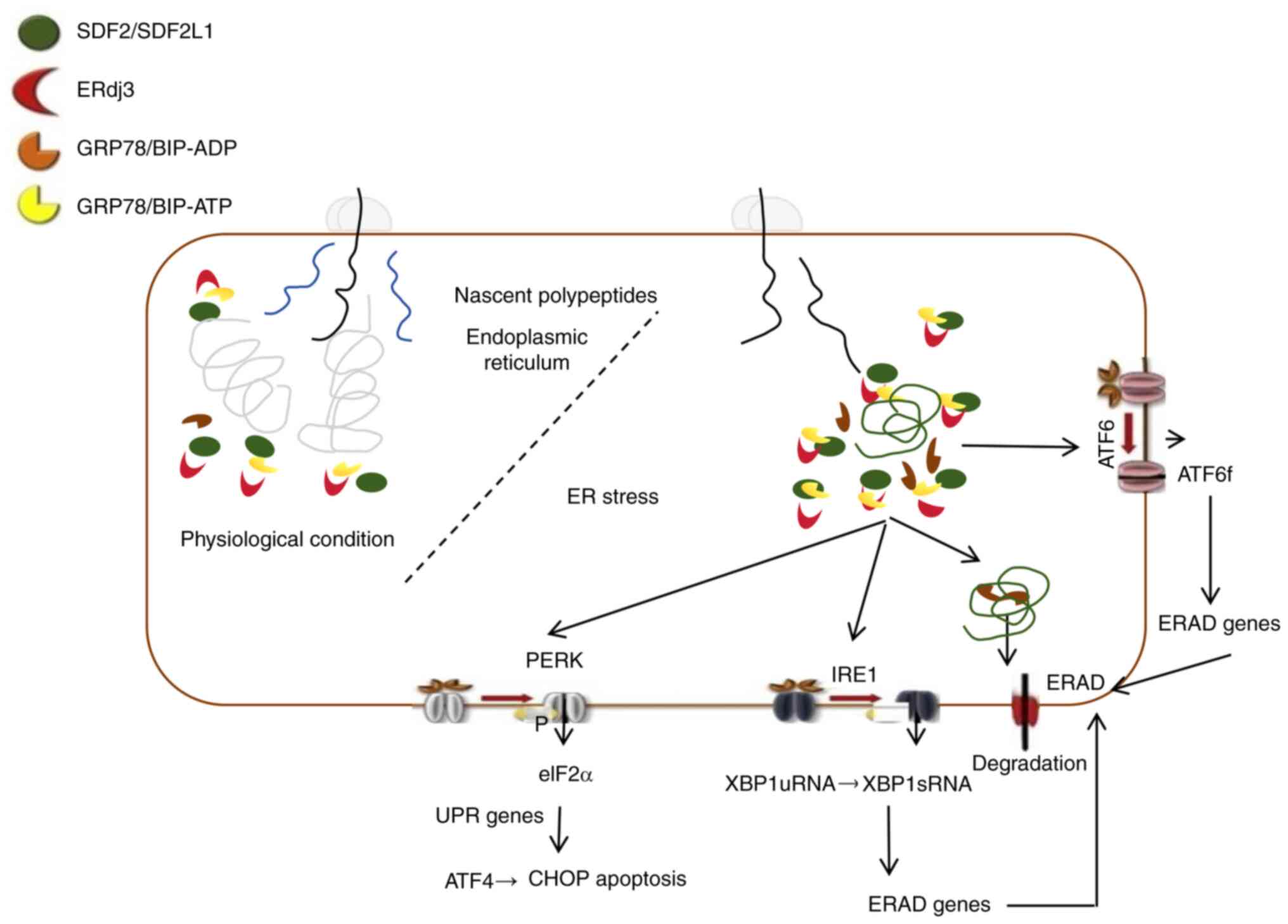
Figure 1

Schematic molecular mechanism of SDF2
in ER stress. SDF2, stromal cell-derived factor 2; ER, endoplasmic
reticulum; ERAD, ER-associated degradation; GRP78, glucose-related
protein 78; UPR, unfolded protein response; XBP1, X-box binding
protein 1; ERdj3, endoplasmic reticulum DnaJ heat shock protein
3.

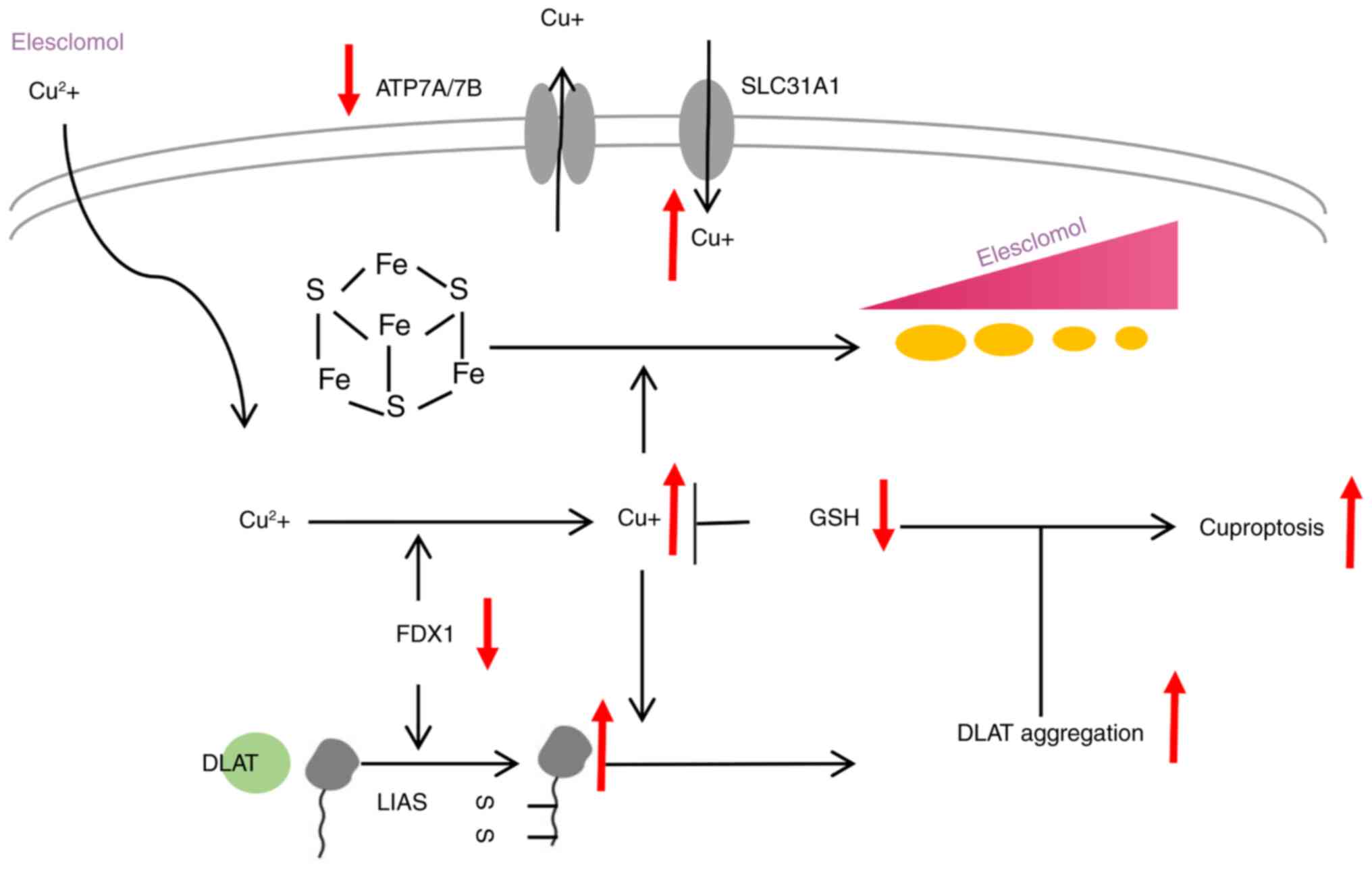
Figure 2

Schematic molecular mechanism of
cuproptosis. GSH, reduced glutathione.

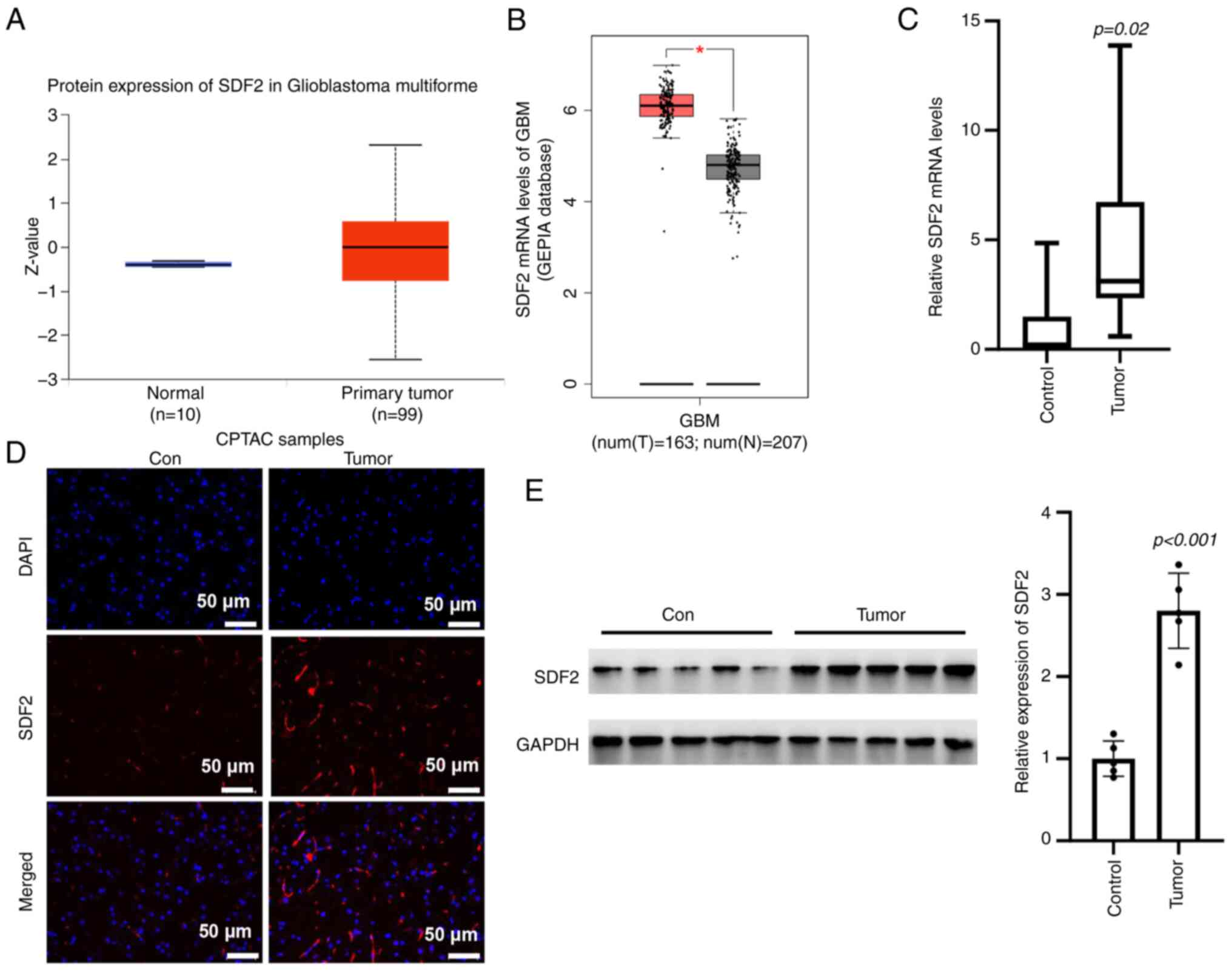
Figure 3

Expression of SDF2 is increased in
glioma tissues. (A and B) Bioinformatic analysis of SDF2 mRNA
levels in glioma tissues compared with those in control tissues
using the GEPIA database. (C) The mRNA level of SDF2 was elevated
in glioma tissues compared with adjacent normal tissues (n=10 for
each group). (D) Immunofluorescent staining revealed that the
intensity of SDF2 was increased in glioma and control tissues (n=3
for each group; scale bar, 50 μm). (E) Western blot analysis
demonstrated that the protein levels of SDF2 were greater in glioma
tissues than in adjacent nontumor tissues (n=5 for each group).

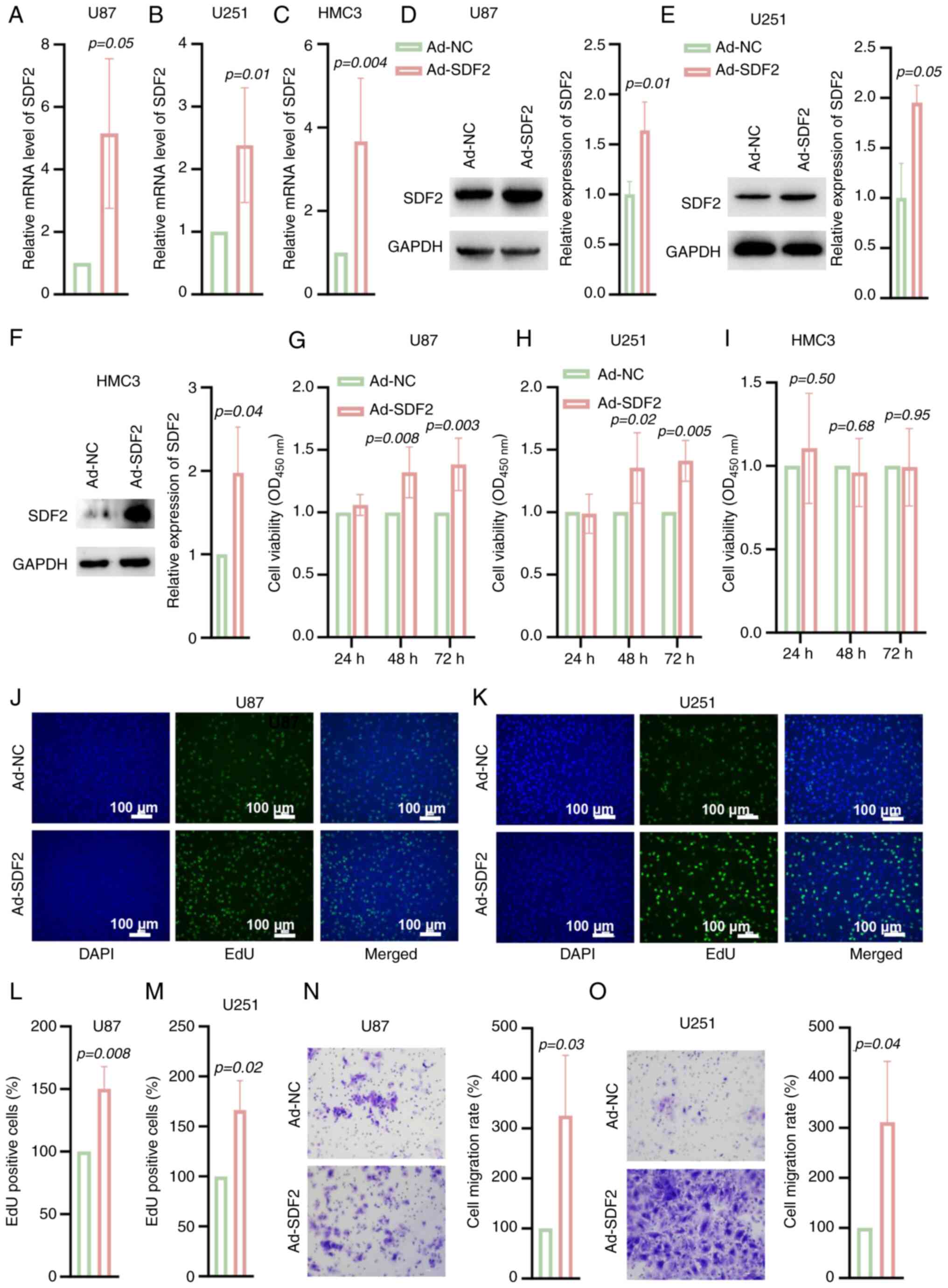
Figure 4

SDF2 promotes malignant proliferation
and migration in glioma cells. (A-C) Reverse
transcription-quantitative PCR analysis revealed that, compared
with those in control cells, SDF2 mRNA levels were significantly
elevated in U87, U251 and HMC3 cells following transfection with
Ad-SDF2 (n=5). (D-F) SDF2 expression was upregulated in U87, U251
and HMC3 cells following transfection with Ad-SDF2 compared with
that in control cells (n=3). (G-I) Cell viability assays
demonstrated that SDF2 overexpression increased the viability of
U87 and U251 cells in a time-dependent manner but did not affect
the viability of HMC3 cells (n=5). (J-M) EdU staining revealed that
the proliferative capacity of U87 and U251 cells was increased
following SDF2 overexpression compared with that of control cells
(n=3; scale bar, 100 μm). (N and O) Transwell migration
assays revealed that the migratory ability of U87 and U251 cells
overexpressing SDF2 was increased (n=3). SDF2, stromal cell-derived
factor 2; NC, negative control.

Figure 5

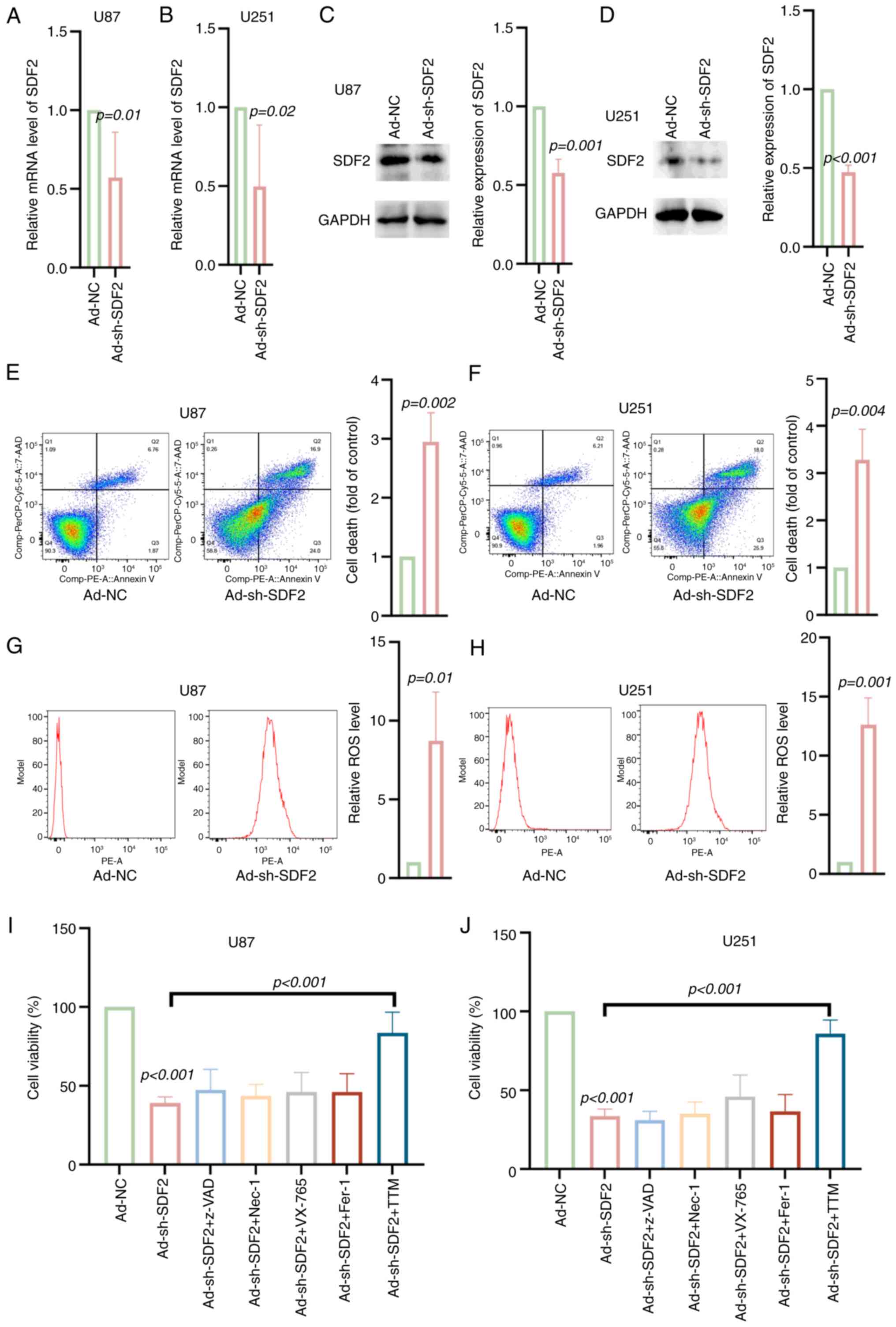
SDF2 knockdown increases ROS levels
and apoptosis in glioma cells. (A and B) The mRNA levels of SDF2
were lower in U87 and U251 cells transfected with Ad-shSDF2 than in
those transfected with Ad-NC (n=5). (C and D) Ad-shSDF2 decreased
the expression of SDF2 in U87 and U251 cells (n=3). (E and F) Flow
cytometric analysis revealed that the proportions of late apoptotic
and necrotic cells were greater in U87 and U251 cells transfected
with Ad-shSDF2 than in control cells (n=3). (G and H) Intracellular
ROS levels were greater in U87 and U251 cells transfected with
Ad-sh-SDF2 than in those transfected with Ad-NC (n=5). (I and J)
Cell viability assays revealed that only the cuproptosis inhibitor
TTM reversed the decrease in viability induced by Ad-shSDF2 in U87
and U251 cells (n=5). SDF2, stromal cell-derived factor 2; sh-,
short hairpin; TTM, tetrathiomolybdate; NC, negative control.

Figure 6

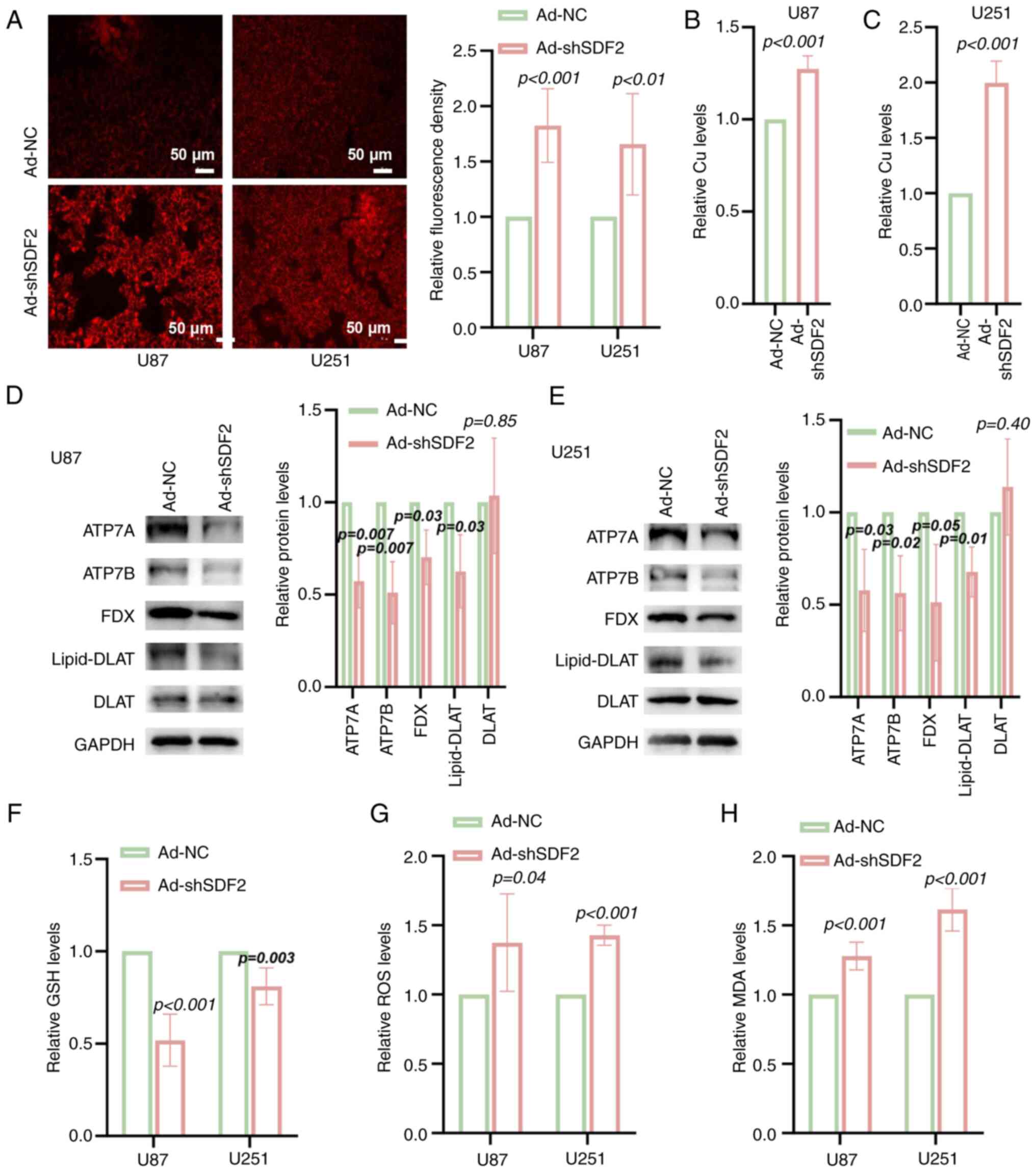
Knockdown of SDF2 increases
intracellular copper ion accumulation and oxidative stress in
glioma cells. (A) Fluorescence staining suggested that
intracellular copper ion levels were elevated in U87 and U251 cells
following SDF2 knockdown compared with those in control cells (n=3,
scale bar, 50 μm). (B and C) Quantitative assessment of
intracellular copper ion levels revealed significant copper
accumulation in U87 and U251 cells upon SDF2 knockdown (n=5). (D
and E) Western blot analysis revealed that ATP7A, ATP7B, FDX and
lipid-DLAT expression was reduced, whereas DLAT protein expression
did not significantly change (n=3). (F) A decrease in GSH was
identified following SDF2 knockdown in U87 and U251 cells (n=5). (G
and H) Increased ROS and MDA levels were detected in U87 and U251
cells upon SDF2 knockdown (n=3 for each group). SDF2, stromal
cell-derived factor 2; DLAT, dihydrolipoamide S-acetyltransferase;
GSH, reduced glutathione; ROS, reactive oxygen species; MDA,
malondialdehyde; sh-, short hairpin; NC, negative control.

Figure 7

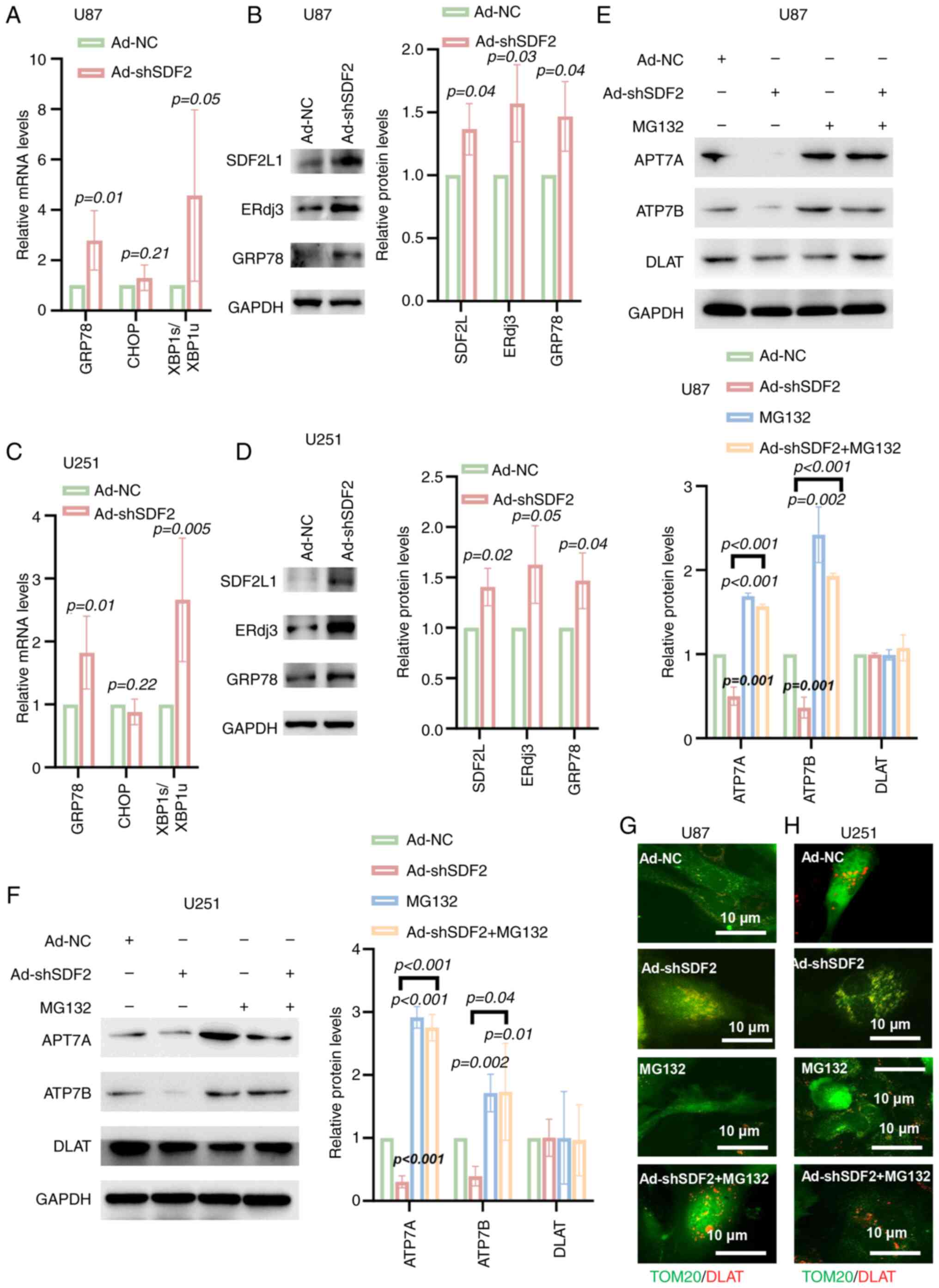
SDF2 knockdown mediates the
downregulation of ATP7A and ATP7B via the endoplasmic
reticulum-associated degradation pathway. (A and C) Reverse
transcription-quantitative PCR analysis revealed that GRP78 mRNA
levels and the XBP1s/XBP1u ratio were increased in U87 and U251
cells following Ad-shSDF2 transfection (n=5). (B and D) Western
blot analysis demonstrated that the protein expression of GRP78,
SDF2L and ERdj3 was increased in U87 and U251 cells after SDF2
knockdown (n=3). (E and F) Western blot analysis revealed that in
U87 and U251 cells, SDF2 knockdown reduced ATP7A and ATP7B
expression compared with that in control cells, whereas
pretreatment with MG132 significantly reversed the
Ad-shSDF2-induced reduction in ATP7A and ATP7B levels (n=3). (G and
H) Immunofluorescent analysis revealed that DLAT aggregation was
increased following Ad-shSDF2 transfection in U87 and U251 cells
(n=3; scale bar, 10 μm). SDF2, stromal cell-derived factor
2; GRP78, glucose-related protein 78; XBP1, X-box binding protein
1; sh-, short hairpin; DLAT, dihydrolipoamide S-acetyltransferase;
ERdj3, endoplasmic reticulum DnaJ heat shock protein 3; NC,
negative control.

Figure 8

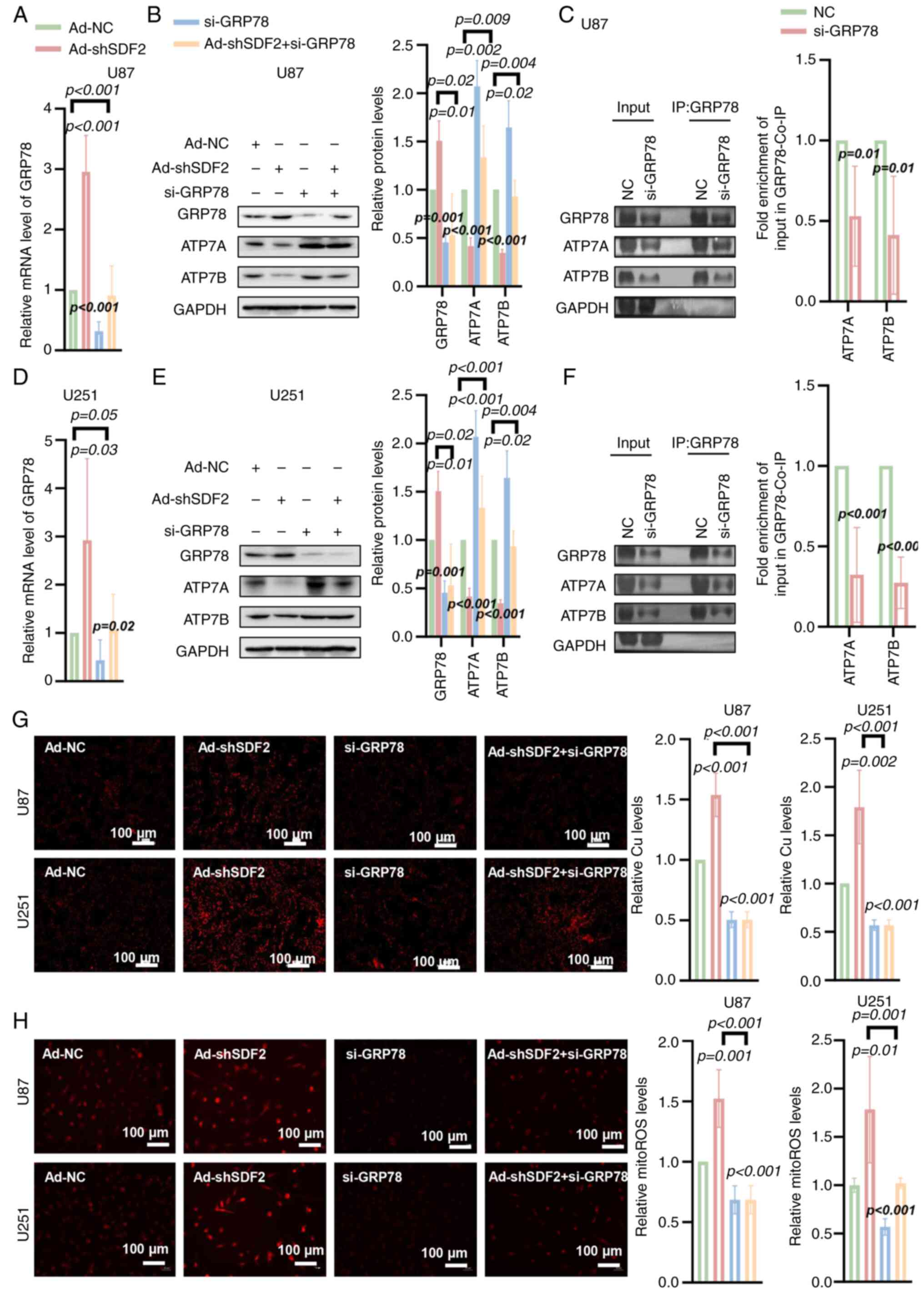
GRP78 mediates SDF2-induced
downregulation of ATP7A and ATP7B in glioma cells. (A and D)
Reverse transcription-quantitative PCR analysis showing that,
compared with the control, transfection with si-GRP78 significantly
reduced GRP78 mRNA levels in U87 and U251 cells (n=5). (B and E)
Western blot analysis confirmed that GRP78 knockdown blocked the
Ad-shSDF2-induced downregulation of ATP7A and ATP7B protein levels
in both cell lines (n=3). (C and F) Co-immunoprecipitation analysis
demonstrated that the association between GRP78 and ATP7A/ATP7B was
reduced upon GRP78 knockdown in U87 and U251 cells (n=3). (G and H)
GRP78 knockdown partially reversed the increase in Cu2+
levels and mito-ROS induced by Ad-shSDF2 in U87 and U251 cells
(n=3; scale bar, 100 μm). GRP78, glucose-related protein 78;
SDF2, stromal cell-derived factor 2; si-, small interfering; sh-,
short hairpin; NC, negative control.

Figure 9

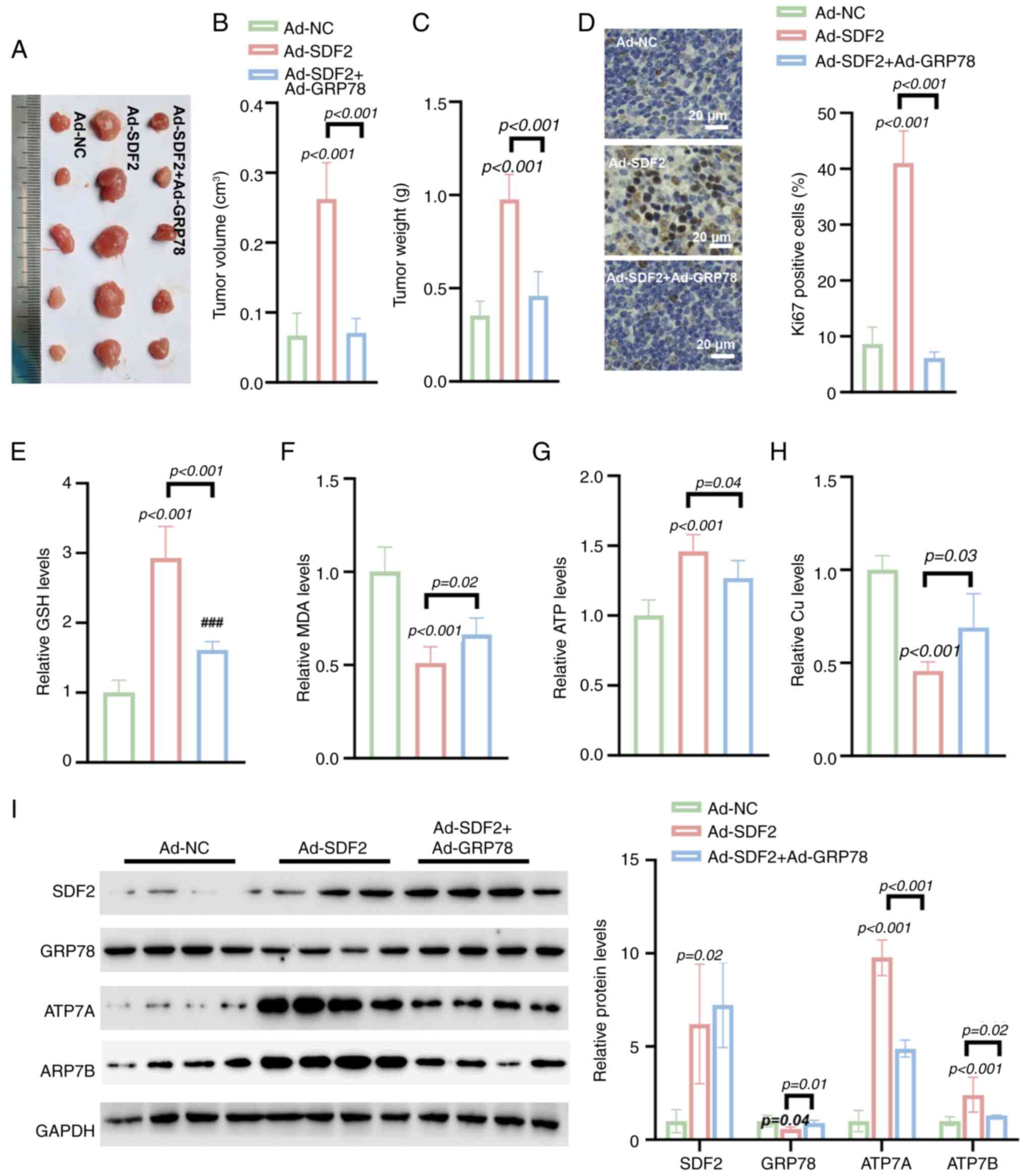
Ad-GRP78 reverses Ad-SDF2-induced
tumor growth and metabolic changes in a nude mouse model. (A-C)
Tumor size, volume and weight in nude mice injected with Ad-SDF2 or
Ad-NC (n=5). (D) Immunohistochemical staining demonstrated that
Ad-GRP78 co-expression reversed the Ad-SDF2-induced increase in
Ki-67 positivity (n=5; scale bar, 20 μm). (E) Ad-SDF2
increased GSH levels, whereas Ad-GRP78 restored GSH levels in tumor
tissues (n=5). (F) Ad-SDF2 reduced MDA levels, while Ad-GRP78
partially restored them (n=5). (G and H) Ad-SDF2 increased ATP and
decreased Cu2+ levels, which were restored by Ad-GRP78
co-expression (n=5). (I) Western blot analysis showing that
co-expressing Ad-GRP78 counteracted the Ad-SDF2-induced increases
in ATP7A and ATP7B levels in tumor tissues (n=5). GRP78,
glucose-related protein 78; SDF2, stromal cell-derived factor 2;
GSH, reduced glutathione; MDA, malondialdehyde; NC, negative
control.

Figure 10

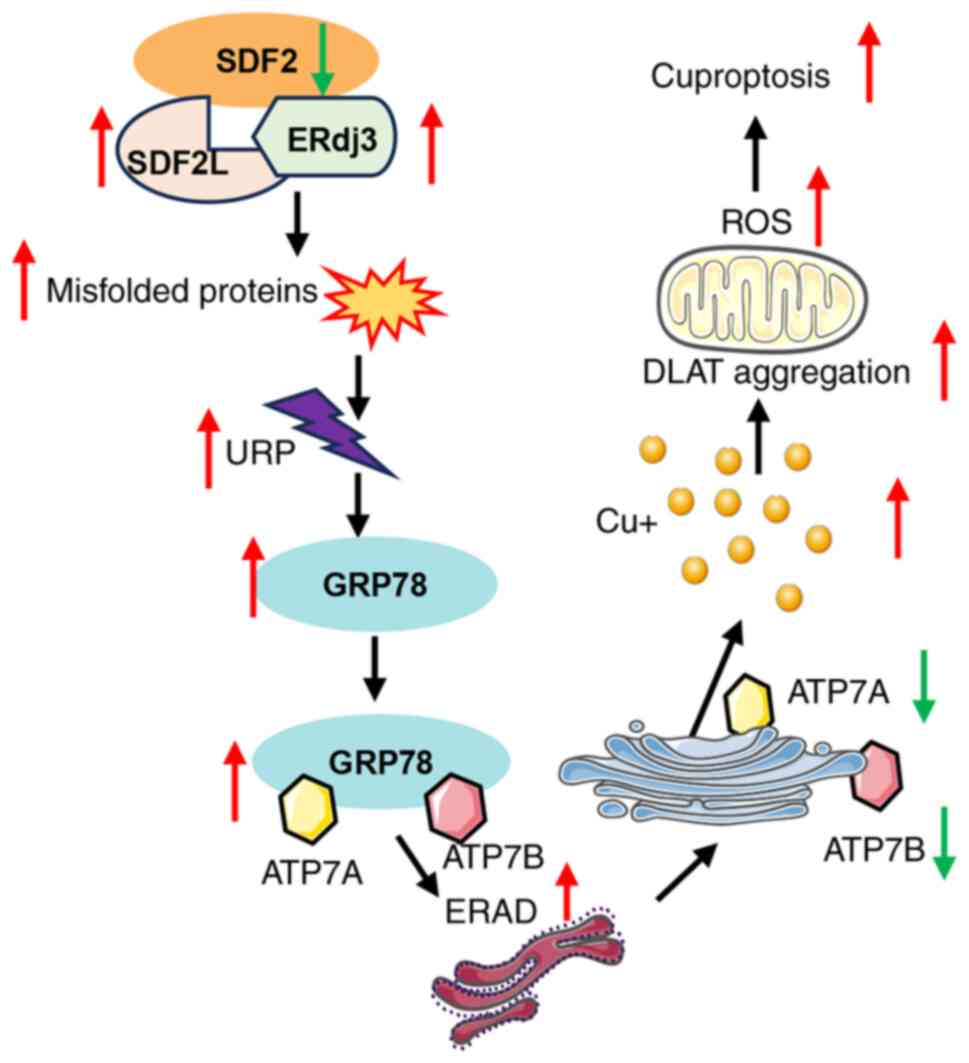
Schematic representation of the
mechanism by which SDF2 contributes to glioma development. SDF2,
stromal cell-derived factor 2; GRP78, glucose-related protein 78;
DLAT, dihydrolipoamide S-acetyltransferase; ERdj3, endoplasmic
reticulum DnaJ heat shock protein 3; ERAD, endoplasmic
reticulum-associated degradation; ROS, reactive oxygen species;
URP, unfolded protein response.
View References

1 

Wang LM, Englander ZK, Miller ML and Bruce JN: Malignant glioma. Adv Exp Med Biol. 1405:1–30. 2023. View Article : Google Scholar : PubMed/NCBI

2 

Weller M, Wen PY, Chang SM, Dirven L, Lim M, Monje M and Reifenberger G: Glioma. Nat Rev Dis Primers. 10:332024. View Article : Google Scholar : PubMed/NCBI

3 

Hakar MH and Wood MD: Updates in pediatric glioma pathology. Surg Pathol Clin. 13:801–816. 2020. View Article : Google Scholar : PubMed/NCBI

4 

Wei R, Zhou J, Bui B and Liu X: Glioma actively orchestrate a self-advantageous extracellular matrix to promote recurrence and progression. BMC Cancer. 24:9742024. View Article : Google Scholar : PubMed/NCBI

5 

Krshnan L, van de Weijer ML and Carvalho P: Endoplasmic reticulum-associated protein degradation. Cold Spring Harb Perspect Biol. 14:a0412472022. View Article : Google Scholar : PubMed/NCBI

6 

Zhou Z, Torres M, Sha H, Halbrook CJ, Van den Bergh F, Reinert RB, Yamada T, Wang S, Luo Y, Hunter AH, et al: Endoplasmic reticulum-associated degradation regulates mitochondrial dynamics in brown adipocytes. Science. 368:54–60. 2020. View Article : Google Scholar : PubMed/NCBI

7 

Turk SM, Indovina CJ, Miller JM, Overton DL, Runnebohm AM, Orchard CJ, Tragesser-Tiña ME, Gosser SK, Doss EM, Richards KA, et al: Lipid biosynthesis perturbation impairs endoplasmic reticulum-associated degradation. J Biol Chem. 299:1049392023. View Article : Google Scholar : PubMed/NCBI

8 

Stevenson J, Huang EY and Olzmann JA: Endoplasmic reticulum-associated degradation and lipid homeostasis. Annu Rev Nutr. 36:511–542. 2016. View Article : Google Scholar : PubMed/NCBI

9 

Xu Y and Fang D: Endoplasmic reticulum-associated degradation and beyond: The multitasking roles for HRD1 in immune regulation and autoimmunity. J Autoimmun. 109:1024232020. View Article : Google Scholar : PubMed/NCBI

10 

Sun S, Shi G, Sha H, Ji Y, Han X, Shu X, Ma H, Inoue T, Gao B, Kim H, et al: IRE1α is an endogenous substrate of endoplasmic-reticulum-associated degradation. Nat Cell Biol. 17:1546–1555. 2015. View Article : Google Scholar : PubMed/NCBI

11 

Zhang MJ, Shi M, Yu Y, Ou R, Ge RS and Duan P: Curcuminoid PBPD induces cuproptosis and endoplasmic reticulum stress in cervical cancer via the Notch1/RBP-J/NRF2/FDX1 pathway. Mol Carcinog. 63:1449–1466. 2024. View Article : Google Scholar : PubMed/NCBI

12 

Gu Y, Wang H, Xue W, Zhu L, Fu C, Zhang W, Mu G, Xia Y, Wei K and Wang J: Endoplasmic reticulum stress related super-enhancers suppress cuproptosis via glycolysis reprogramming in lung adenocarcinoma. Cell Death Dis. 16:3162025. View Article : Google Scholar : PubMed/NCBI

13 

Lorenzon-Ojea AR, Yung HW, Burton GJ and Bevilacqua E: The potential contribution of stromal cell-derived factor 2 (SDF2) in endoplasmic reticulum stress response in severe preeclampsia and labor-onset. Biochim Biophys Acta Mol Basis Dis. 1866:1653862020. View Article : Google Scholar

14 

Hanafusa K, Wada I and Hosokawa N: SDF2-like protein 1 (SDF2L1) regulates the endoplasmic reticulum localization and chaperone activity of ERdj3 protein. J Biol Chem. 294:19335–19348. 2019. View Article : Google Scholar : PubMed/NCBI

15 

Fujimori T, Suno R, Iemura SI, Natsume T, Wada I and Hosokawa N: Endoplasmic reticulum proteins SDF2 and SDF2L1 act as components of the BiP chaperone cycle to prevent protein aggregation. Genes Cells. 22:684–698. 2017. View Article : Google Scholar : PubMed/NCBI

16 

Livak KJ and Schmittgen TD: Analysis of relative gene expression data using real-time quantitative PCR and the 2(-Delta Delta C(T)) Method. Methods. 25:402–408. 2001. View Article : Google Scholar

17 

DiVita Dean B, Wildes T, Dean J, Yegorov O, Yang C, Shin D, Francis C, Figg JW, Sebastian M, Font LF, et al: Immunotherapy reverses glioma-driven dysfunction of immune system homeostasis. J Immunother Cancer. 11:e0048052023. View Article : Google Scholar : PubMed/NCBI

18 

Zhang Y, Xiang Z, Chen L, Deng X, Liu H and Peng X: PSMA2 promotes glioma proliferation and migration via EMT. Pathol Res Pract. 256:1552782024. View Article : Google Scholar : PubMed/NCBI

19 

Zamler DB, Shingu T, Kahn LM, Huntoon K, Kassab C, Ott M, Tomczak K, Liu J, Li Y, Lai I, et al: Immune landscape of a genetically engineered murine model of glioma compared with human glioma. JCI Insight. 7:e1489902022. View Article : Google Scholar : PubMed/NCBI

20 

Gong W, Martin TA, Sanders AJ, Jiang A, Sun P and Jiang WG: Location, function and role of stromal cell-derived factors and possible implications in cancer (Review). Int J Mol Med. 47:435–443. 2021. View Article : Google Scholar : PubMed/NCBI

21 

Wang Y, Zheng M, Du S, Wang P, Zhang T, Zhang X and Zu G: Clinicopathological and prognostic significance of stromal cell derived factor 2 in the patients with gastric cancer. BMC Gastroenterol. 24:3252024. View Article : Google Scholar : PubMed/NCBI

22 

Slika H, Mansour H, Wehbe N, Nasser SA, Iratni R, Nasrallah G, Shaito A, Ghaddar T, Kobeissy F and Eid AH: Therapeutic potential of flavonoids in cancer: ROS-mediated mechanisms. Biomed Pharmacother. 146:1124422022. View Article : Google Scholar : PubMed/NCBI

23 

Jelic MD, Mandic AD, Maricic SM and Srdjenovic BU: Oxidative stress and its role in cancer. J Cancer Res Ther. 17:22–28. 2021. View Article : Google Scholar : PubMed/NCBI

24 

Wang J, Li S, Guo Y, Zhao C, Chen Y, Ning W, Yang J and Zhang H: Cuproptosis-related gene SLC31A1 expression correlates with the prognosis and tumor immune microenvironment in glioma. Funct Integr Genomics. 23:2792023. View Article : Google Scholar : PubMed/NCBI

25 

Zhang B, Xie L, Liu J, Liu A and He M: Construction and validation of a cuproptosis-related prognostic model for glioblastoma. Front Immunol. 14:10829742023. View Article : Google Scholar : PubMed/NCBI

26 

Guo F and Snapp EL: ERdj3 regulates BiP occupancy in living cells. J Cell Sci. 126:1429–1439. 2013.PubMed/NCBI

27 

Lorenzon-Ojea AR, Guzzo CR, Kapidzic M, Fisher SJ and Bevilacqua E: Stromal cell-derived factor 2: A novel protein that interferes in endoplasmic reticulum stress pathway in human placental cells. Biol Reprod. 95:412016. View Article : Google Scholar : PubMed/NCBI

28 

Ibrahim IM, Abdelmalek DH and Elfiky AA: GRP78: A cell's response to stress. Life Sci. 226:156–163. 2019. View Article : Google Scholar : PubMed/NCBI

29 

Cesaratto F, Sasset L, Myers MP, Re A, Petris G and Burrone OR: BiP/GRP78 mediates ERAD targeting of proteins produced by membrane-bound ribosomes stalled at the STOP-Codon. J Mol Biol. 431:123–141. 2019. View Article : Google Scholar

30 

Hu F, Huang J, Bing T, Mou W, Li D, Zhang H, Chen Y, Jin Q, Yu Y and Yang Z: Stimulus-responsive copper complex nanoparticles induce cuproptosis for augmented cancer immunotherapy. Adv Sci (Weinh). 11:e23093882024. View Article : Google Scholar : PubMed/NCBI

31 

Qi RQ, Chen YF, Cheng J, Song JW, Chen YH, Wang SY, Liu Y, Yan KX, Liu XY, Li J and Zhong JC: Elabela alleviates cuproptosis and vascular calcification in vitaminD3-overloaded mice via regulation of the PPAR-γ/FDX1 signaling. Mol Med. 30:2232024. View Article : Google Scholar

32 

Xiao Y, Yin J, Liu P, Zhang X, Lin Y and Guo J: Triptolide-induced cuproptosis is a novel antitumor strategy for the treatment of cervical cancer. Cell Mol Biol Lett. 29:1132024. View Article : Google Scholar : PubMed/NCBI

33 

Cai X, Ito S, Noi K, Inoue M, Ushioda R, Kato Y, Nagata K and Inaba K: Mechanistic characterization of disulfide bond reduction of an ERAD substrate mediated by cooperation between ERdj5 and BiP. J Biol Chem. 299:1052742023. View Article : Google Scholar : PubMed/NCBI

34 

Akinyemi AO, Simpson KE, Oyelere SF, Nur M, Ngule CM, Owoyemi BCD, Ayarick VA, Oyelami FF, Obaleye O, Esoe DP, et al: Unveiling the dark side of glucose-regulated protein 78 (GRP78) in cancers and other human pathology: A systematic review. Mol Med. 29:1122023. View Article : Google Scholar : PubMed/NCBI

Related Articles

  • Abstract
  • View
  • Download
  • Twitter
Copy and paste a formatted citation
Spandidos Publications style
Li A, Li X, Wang T and Song J: SDF2 promotes glioma progression via GRP78‑mediated ERAD and copper homeostasis disruption. Int J Mol Med 56: 154, 2025.
APA
Li, A., Li, X., Wang, T., & Song, J. (2025). SDF2 promotes glioma progression via GRP78‑mediated ERAD and copper homeostasis disruption. International Journal of Molecular Medicine, 56, 154. https://doi.org/10.3892/ijmm.2025.5595
MLA
Li, A., Li, X., Wang, T., Song, J."SDF2 promotes glioma progression via GRP78‑mediated ERAD and copper homeostasis disruption". International Journal of Molecular Medicine 56.4 (2025): 154.
Chicago
Li, A., Li, X., Wang, T., Song, J."SDF2 promotes glioma progression via GRP78‑mediated ERAD and copper homeostasis disruption". International Journal of Molecular Medicine 56, no. 4 (2025): 154. https://doi.org/10.3892/ijmm.2025.5595
Copy and paste a formatted citation
x
Spandidos Publications style
Li A, Li X, Wang T and Song J: SDF2 promotes glioma progression via GRP78‑mediated ERAD and copper homeostasis disruption. Int J Mol Med 56: 154, 2025.
APA
Li, A., Li, X., Wang, T., & Song, J. (2025). SDF2 promotes glioma progression via GRP78‑mediated ERAD and copper homeostasis disruption. International Journal of Molecular Medicine, 56, 154. https://doi.org/10.3892/ijmm.2025.5595
MLA
Li, A., Li, X., Wang, T., Song, J."SDF2 promotes glioma progression via GRP78‑mediated ERAD and copper homeostasis disruption". International Journal of Molecular Medicine 56.4 (2025): 154.
Chicago
Li, A., Li, X., Wang, T., Song, J."SDF2 promotes glioma progression via GRP78‑mediated ERAD and copper homeostasis disruption". International Journal of Molecular Medicine 56, no. 4 (2025): 154. https://doi.org/10.3892/ijmm.2025.5595
Follow us
  • Twitter
  • LinkedIn
  • Facebook
About
  • Spandidos Publications
  • Careers
  • Cookie Policy
  • Privacy Policy
How can we help?
  • Help
  • Live Chat
  • Contact
  • Email to our Support Team